Every successful interview starts with knowing what to expect. In this blog, we’ll take you through the top Eave and Trim Installation interview questions, breaking them down with expert tips to help you deliver impactful answers. Step into your next interview fully prepared and ready to succeed.
Questions Asked in Eave and Trim Installation Interview
Q 1. What types of wood are commonly used for eave and trim installation?
The choice of wood for eave and trim installation depends heavily on budget, desired aesthetic, and the local climate. Durability and resistance to rot and insects are key considerations. Some popular choices include:
- Cedar: Naturally resistant to rot and insects, offering a beautiful reddish hue. It’s a premium choice, reflecting in its higher cost.
- Redwood: Similar to cedar in its natural resistance, redwood also boasts a rich, reddish-brown color. It’s another premium option.
- Pine: A more affordable option, pine is readily available and easy to work with. However, it requires proper treatment (e.g., pressure-treated lumber) to resist rot and insect damage, especially in humid climates.
- Fir: A strong and relatively stable wood, fir is a good middle ground between cost and durability. It often requires a protective finish.
- PVC (Polyvinyl Chloride): While not wood, PVC is a increasingly popular choice for trim and soffit. It’s incredibly resistant to rot, insects, and moisture, requiring minimal maintenance, but it can be less aesthetically pleasing than wood to some.
The final selection often involves balancing the desired longevity, aesthetic appeal, and budget constraints of the project.
Q 2. Explain the process of installing soffit and fascia.
Installing soffit and fascia involves several steps ensuring a weathertight and aesthetically pleasing finish. Think of the soffit as the underside of the eaves and the fascia as the vertical board that runs along the edge of the roof.
- Preparation: Measure and cut the soffit and fascia boards to the correct lengths. Ensure the existing structure is properly prepared and ready for installation, with any necessary repairs or cleaning completed.
- Fascia Installation: Typically installed first, fascia boards are nailed to the ends of the rafters. Ensure proper alignment and spacing. Use galvanized nails or screws to prevent rust and ensure a strong hold.
- Soffit Installation: Soffit boards are then installed, attaching to the fascia and the framing beneath the eaves. Proper ventilation is crucial here. Soffit vents are usually integrated during this stage to allow for air circulation in the attic space, preventing moisture build-up and potential damage. We use J-channel along the edges for a neat, finished look.
- Finishing: Caulk all seams and joints to ensure a waterproof seal. This prevents water infiltration and protects the underlying structure. Consider adding a finishing touch like paint or stain to match the overall house aesthetic.
Proper installation of soffit and fascia is essential to protect the house from the elements and maintain its structural integrity.
Q 3. Describe different methods for securing trim to a building.
Securing trim effectively depends on the type of trim, the material of the building, and the desired level of durability. Several methods exist:
- Nails: A common method for wood trim, using appropriately sized nails to avoid splitting the wood. Galvanized or stainless steel nails are preferred to prevent rust.
- Screws: Offer greater holding power than nails, especially in softer woods. Countersinking and filling screw holes provide a smoother finish.
- Construction Adhesive: Provides additional bonding strength, especially when combined with nails or screws. This is crucial for larger pieces of trim to minimize movement and potential gaps.
- Staples: Used for some types of trim or in situations requiring faster installation, but not usually suitable for heavy trim pieces.
- Metal Fasteners: Used for attaching metal trim or for extra strength in certain applications.
The choice of securing method depends on a variety of factors that need to be taken into consideration before choosing a fastening technique.
Q 4. How do you measure and cut trim for precise installation?
Accurate measurement and cutting are paramount for a professional finish. Improper cuts lead to gaps, inconsistencies, and an unprofessional look.
- Accurate Measurement: Use a measuring tape to determine the precise length of each trim piece. Account for any angles, miters, or overlaps. Double-checking measurements is crucial to avoid mistakes.
- Marking: Clearly mark the cut lines on the trim piece, using a pencil and a straight edge. A speed square is very useful here for creating accurate angles.
- Cutting: Use a miter saw for accurate angled cuts, and a hand saw or circular saw for straight cuts. Ensure the saw blade is sharp to avoid splintering or ragged edges.
- Test Fitting: Before finalizing any cuts, it’s always beneficial to dry-fit the pieces to check for fit and make any necessary adjustments.
By following these steps, you can ensure precise cuts, leading to a clean and professional installation. A little extra time spent on measuring and cutting will save significant effort later on.
Q 5. What are the common challenges in eave and trim installation, and how do you overcome them?
Eave and trim installation presents several challenges. One common issue is dealing with uneven surfaces. Older homes, in particular, often have uneven walls or rafters, making it challenging to get a consistent gap between the trim and the building. Another common challenge is working with difficult materials, such as knotty pine, which can be more prone to splitting. Weather conditions can also cause significant delays.
Solutions:
- Uneven Surfaces: Use shims to compensate for uneven surfaces, ensuring consistent spacing. Flexible caulking can also help bridge minor gaps.
- Difficult Materials: Pre-drilling pilot holes before nailing or screwing helps prevent splitting. Choose the right fastener size and type.
- Weather Conditions: Postpone work during inclement weather. Protecting the installed trim from rain or snow is essential until the project is complete. Always check local weather conditions.
Careful planning and preparation are crucial to overcome these challenges and deliver a high-quality installation.
Q 6. What safety precautions are essential during eave and trim installation?
Safety is paramount in any construction project, and eave and trim installation is no exception. Working at heights poses significant risks.
- Fall Protection: Use appropriate fall protection equipment such as harnesses and safety lines, especially when working on ladders or scaffolding. Never overreach or work precariously.
- Ladder Safety: Ensure ladders are properly positioned and secured. Never use a ladder on uneven or unstable ground.
- Eye Protection: Always wear safety glasses to protect your eyes from flying debris.
- Hearing Protection: Use earplugs or earmuffs when using power tools.
- Hand Protection: Wear work gloves to protect your hands from splinters, cuts, and abrasions.
- Proper Tool Use: Use tools according to their manufacturer’s instructions. Ensure all tools are in good working order.
A thorough understanding of safety procedures is crucial, not just for your safety, but for the safety of those working around you.
Q 7. How do you handle different types of weather conditions during installation?
Weather conditions significantly impact eave and trim installation. Extreme heat, cold, rain, or snow can all affect the efficiency and safety of the process.
- Heat: Extreme heat can lead to dehydration and fatigue. Take frequent breaks, drink plenty of water, and avoid working during the hottest parts of the day.
- Cold: Cold weather can make materials brittle and difficult to work with. Use appropriate clothing and take breaks to prevent cold-related injuries.
- Rain: Rain can damage materials and make work surfaces slippery. Postpone work until the rain stops. Protect installed trim from getting wet.
- Snow: Similar to rain, snow can hinder installation and damage materials. Work should be suspended until the snow clears.
Flexibility and adaptability are essential when dealing with unpredictable weather. The safety and quality of the work can be seriously affected by the weather. Always have contingency plans in place.
Q 8. What tools and equipment are necessary for eave and trim installation?
Eave and trim installation requires a range of tools, from basic hand tools to specialized power equipment. The exact selection depends on the materials used (wood, vinyl, aluminum, etc.) and the complexity of the project. Think of it like building with LEGOs – you need the right pieces for the right job.
- Measuring and Marking: Measuring tapes, speed squares, pencils, chalk lines are essential for accurate cuts and placement.
- Cutting: A miter saw (for precise angled cuts), circular saw, hand saw, and utility knife are vital depending on material.
- Fastening: This includes nail guns (pneumatic or cordless), hammers, screws, and a drill/driver.
- Finishing: Caulk guns, putty knives, sandpaper, and various types of caulk and paint are needed for a professional finish.
- Safety Gear: Safety glasses, hearing protection, work gloves, and dust masks are absolutely critical for protection.
- Other Tools: Levels, clamps, and a ladder are also necessary depending on the project scope.
For example, when installing intricate wood trim, a high-quality miter saw with a fine-tooth blade is crucial for achieving clean, precise cuts. On the other hand, for simpler vinyl trim, a utility knife might suffice for cutting.
Q 9. How do you ensure proper alignment and levelness of trim?
Ensuring proper alignment and levelness is paramount for a professional-looking and structurally sound installation. It’s like building a house of cards – if one part is off, the whole thing can crumble. We employ several techniques to achieve this:
- Establish Reference Lines: Before installing any trim, we establish precise level and plumb lines using a laser level or a standard level and chalk line. These lines serve as guides throughout the installation process.
- Use Shims: Shims (thin wedges) are used to adjust the position of the trim to achieve perfect levelness and alignment, compensating for imperfections in the underlying structure.
- Check Frequently: We continuously check alignment and levelness during installation using a level, making small adjustments as needed. A constant check is crucial to avoid errors that would be difficult to correct later.
- Proper Measuring and Cutting: Accurate measurements and precise cuts are fundamental. A miter saw with a precise adjustment mechanism helps maintain consistency in angles.
- Pre-Assembly (if possible): For complex trim work, pre-assembling sections on the ground before installation allows for easier adjustments and ensures accuracy.
For instance, when installing crown molding, a slight inconsistency in level will be very noticeable. Using a laser level and shims ensures the molding sits perfectly against the wall and ceiling.
Q 10. Describe your experience with different types of trim profiles.
My experience encompasses a wide range of trim profiles. Different profiles create distinct aesthetic effects, and choosing the right one depends on the style of the home and the client’s preferences. It’s like choosing the right frame for a painting.
- Simple Profiles: These include basic rectangular and square profiles, often used for simpler designs or budget-conscious projects. They are straightforward to install.
- Cove Molding: This features a concave curve, providing a more elegant and decorative look, common in more traditional styles.
- Crown Molding: More ornate, often featuring intricate curves and details. This requires precise measuring and cutting skills and is often used to add a touch of grandeur.
- Baseboards: These are installed along the base of walls, protecting walls from damage and adding a finishing touch. Profiles vary in height, detail, and style.
- Window and Door Casings: These frames enhance the visual appeal of windows and doors. The profiles vary considerably, matching the style of the house.
For example, I recently completed a project using ornate crown molding in a Victorian-style home. The intricate profile required precise miter cuts and careful alignment to achieve the desired look.
Q 11. Explain the importance of proper sealing and caulking in trim installation.
Proper sealing and caulking are crucial for both aesthetics and functionality. It’s the glue that holds the whole picture together, preventing water damage and drafts.
- Water Protection: Caulking prevents water infiltration, protecting the structure from rot and damage. This is especially important around windows and doors.
- Air Sealing: Proper sealing reduces drafts, improving energy efficiency and comfort within the building. This is a key aspect of modern building practices.
- Aesthetic Enhancement: Caulking creates a smooth, clean finish, hiding gaps and imperfections, creating a professional look.
- Material Compatibility: Selecting the correct type of caulk is vital for compatibility with the materials being used (wood, vinyl, aluminum). Using the wrong type of caulk may lead to cracking or failure.
For example, in a coastal area, using high-quality, mildew-resistant caulk is essential to protect the trim from the harsh elements and prevent damage.
Q 12. How do you manage waste materials during the installation process?
Waste management is a crucial part of any construction project, ensuring environmental responsibility and efficient use of resources. This is just as important as the quality of the trim work itself.
- Recycling: We recycle or reuse as much material as possible. This includes wood scraps (where feasible), cardboard, and plastic packaging.
- Disposal: We carefully dispose of the remaining waste following local regulations. This often involves separating materials like wood, metal, and plastic for proper disposal.
- Pre-Cutting: Precise measuring and cutting minimize waste by reducing the need for scrap pieces.
- Waste Bins: Designated waste bins on the job site keep the area organized and separate various waste types for efficient disposal.
- Cleanup: Thorough cleanup after the project ensures no waste is left behind on the site.
For example, we often use scrap wood pieces for practice cuts or smaller projects, reducing waste and minimizing the cost of materials.
Q 13. How do you work with building codes and regulations related to eave and trim installation?
Adherence to building codes and regulations is non-negotiable. It’s about safety and ensuring the long-term structural integrity of the building. This ensures everyone is safe and happy.
- Local Codes: We thoroughly review local building codes and regulations relevant to eave and trim installation before starting any project. These regulations often dictate material requirements, installation methods, and safety standards.
- Permitting: We obtain necessary permits as required by the local authorities. This ensures compliance and avoids potential penalties.
- Inspections: We cooperate fully with building inspectors throughout the process, addressing any concerns they may have.
- Industry Standards: We adhere to relevant industry standards and best practices to ensure quality workmanship and structural integrity.
For example, in some areas, specific fire-resistant materials may be required for eave installations in certain zones. Ignoring such regulations could lead to serious consequences.
Q 14. Describe your experience working with different building materials (e.g., vinyl, aluminum, wood).
I have extensive experience working with various building materials, each with its own characteristics and installation techniques. Each material has its own strengths and weaknesses.
- Wood: A classic choice, offering versatility and a natural look. Requires careful attention to detail in cutting and finishing, and is susceptible to moisture damage if not properly treated.
- Vinyl: A low-maintenance option that’s resistant to moisture and insects. Relatively easy to install but can be less aesthetically versatile than wood.
- Aluminum: Durable and weather-resistant, often used in commercial or high-traffic areas. Can be challenging to cut and requires specialized tools.
For example, when working on a historical renovation project, I used high-quality, sustainably sourced wood to match the existing trim. In contrast, for a modern, coastal home, I selected durable vinyl trim that would withstand the harsh environment.
Q 15. How do you identify and resolve issues with existing eave and trim installations?
Identifying issues with existing eave and trim installations requires a keen eye for detail and understanding of construction principles. I begin by conducting a thorough visual inspection, looking for signs of water damage (such as rot, staining, or swelling), loose or missing fasteners, gaps between trim pieces and the house, and damage from insects or animals. I’ll also check for proper flashing and caulking to ensure water tightness.
Resolving these issues involves a systematic approach. For example, rotted wood needs to be completely removed and replaced with appropriately treated lumber. Loose fasteners need to be tightened or replaced. Gaps can be filled with high-quality caulk or wood filler, ensuring a smooth, weatherproof seal. If flashing is compromised, it needs to be repaired or replaced to prevent water intrusion. In some cases, more extensive repairs or even replacement may be necessary depending on the severity of the damage.
For instance, I once encountered a situation where extensive water damage had compromised a section of soffit. Rather than just patching it, I assessed the underlying issue—a clogged gutter causing water to overflow and damage the soffit. After cleaning the gutter, I replaced the damaged soffit and installed new flashing to prevent future issues. This holistic approach ensures a long-lasting, structurally sound repair.
Career Expert Tips:
- Ace those interviews! Prepare effectively by reviewing the Top 50 Most Common Interview Questions on ResumeGemini.
- Navigate your job search with confidence! Explore a wide range of Career Tips on ResumeGemini. Learn about common challenges and recommendations to overcome them.
- Craft the perfect resume! Master the Art of Resume Writing with ResumeGemini’s guide. Showcase your unique qualifications and achievements effectively.
- Don’t miss out on holiday savings! Build your dream resume with ResumeGemini’s ATS optimized templates.
Q 16. What are the differences between installing trim on new construction versus renovations?
Installing trim on new construction versus renovations presents distinct challenges. New construction provides a cleaner slate. You can work with perfectly square corners and plumb walls, making cuts and installation simpler and more precise. You typically have access to the framing and can easily secure trim with appropriate fasteners.
Renovations, however, are more complex. You often encounter uneven walls, existing damage, and potential obstacles like plumbing or electrical wiring. Careful planning and measurement become crucial, and adapting to existing conditions requires flexibility and problem-solving skills. For instance, you might need to utilize shims to level trim against an uneven wall. Existing paint or finishes may also need careful consideration to ensure a smooth transition with the new trim.
I always adapt my approach to the project. On new constructions, I prioritize speed and efficiency while maintaining precision. In renovations, I emphasize careful measurements, meticulous fitting, and adapting to existing imperfections.
Q 17. How do you ensure the longevity and durability of your installations?
Ensuring longevity and durability involves several key practices. First, using high-quality materials is paramount. I prefer using exterior-grade, pressure-treated lumber for eaves and trim, and choosing paints and sealants specifically formulated for exterior use and designed to withstand the elements. Proper preparation of the wood is equally important; this includes priming the wood before painting to provide a better bond and prevent moisture damage.
Second, correct installation techniques are crucial. Fasteners should be appropriately spaced and driven to ensure a strong and secure connection. I always ensure proper flashing is installed to prevent water penetration. Finally, regular maintenance plays a significant role. This could involve periodically inspecting the installation for damage, re-caulking as needed, and repainting or resealing every few years, depending on the climate and material used. A small amount of preventative maintenance goes a long way in extending the life of the installation.
Q 18. What are your preferred methods for cutting complex angles in trim?
Cutting complex angles in trim requires precision and the right tools. My preferred method involves using a miter saw equipped with a fine-tooth blade. I always pre-measure and mark the angles carefully before making each cut. For very intricate angles or curves, I might use a coping saw or even a hand-held router with a specialized bit. Accurate marking is essential to ensure a precise fit and a seamless appearance.
I often use a combination of techniques depending on the specific angle and material. For example, a compound miter saw allows me to cut both the miter and bevel angles in a single pass, streamlining the process. For extremely complex cuts, I might use a template or even create a jig to guide my saw for consistency and accuracy. A test cut on scrap material is always recommended before cutting the final pieces.
Q 19. Explain your understanding of proper flashing techniques around trim installations.
Proper flashing around trim installations is critical to prevent water from penetrating the building envelope. Flashing acts as a barrier, diverting water away from vulnerable areas. I always install flashing under the trim, overlapping it to create a watertight seal. The flashing should extend beyond the trim, ensuring that water runs away from the building. Careful attention is given to ensuring the flashing is properly sealed to both the trim and the underlying structure using high-quality sealant.
The specific flashing method depends on the application. For example, around windows and doors, I might use step flashing, where individual pieces are layered to create a continuous barrier. Around eaves, I might use continuous flashing to cover the entire area under the trim. Every flashing detail is meticulously inspected for water tightness. Neglecting this critical step can lead to expensive water damage later on.
Q 20. How do you account for expansion and contraction of materials in your installations?
Expansion and contraction of materials, particularly wood, due to changes in temperature and humidity, must be considered to prevent issues such as cracking or warping. I account for this by leaving small expansion gaps between trim pieces and the house. These gaps are then filled with a flexible caulk that allows for slight movement without compromising the weather seal.
The size of the expansion gap depends on the type of material and the climate. In climates with significant temperature fluctuations, larger gaps might be necessary. I always consult manufacturer specifications and building codes for guidance on appropriate gap sizes. The use of exterior-grade materials specifically designed to withstand temperature changes also helps to minimize these issues.
Q 21. How do you manage your time and prioritize tasks during installation?
Effective time management is essential for successful installations. I begin by creating a detailed plan that outlines all tasks, materials, and timelines. This helps prioritize tasks based on their dependency and complexity. For example, I always complete framing and flashing before installing trim to avoid damaging already installed trim.
On-site, I focus on maintaining a clean and organized workspace. This not only ensures efficiency but also reduces the risk of accidents or damage to materials. I also prioritize tasks based on their urgency and impact on the overall project. For instance, if the weather threatens, I prioritize work that is most vulnerable to rain damage. Communication with the client and other trades is also crucial to ensure a smooth workflow.
Utilizing checklists and progress tracking throughout the project is key to staying on schedule. If unforeseen challenges arise, I adjust my plan and communicate the changes transparently to maintain project expectations.
Q 22. Describe your experience working as part of a team on large-scale projects.
My experience on large-scale projects has honed my teamwork skills significantly. I’ve consistently been part of crews ranging from 5 to 15 people, working on projects like multi-family housing developments and large commercial buildings. This has taught me the importance of clear communication, coordinating tasks with other trades, and adhering to strict deadlines. For instance, on a recent 100-unit apartment complex, we worked seamlessly with the siding and roofing crews to ensure a smooth, coordinated installation of the eave and trim, avoiding delays and maintaining project flow. Successful completion hinged on proactive communication and collaborative problem-solving—we regularly held brief morning meetings to discuss daily tasks and any potential roadblocks.
Q 23. How do you handle unexpected problems or changes in project scope during installation?
Unexpected problems are a part of construction. My approach involves a three-step process: Assess, Adapt, and Communicate. First, I thoroughly assess the situation, identifying the root cause of the problem and its potential impact on the project timeline and budget. Next, I adapt by exploring viable solutions. This might involve adjusting the installation method, sourcing alternative materials, or consulting with the project supervisor. Finally, I clearly communicate the issue and proposed solution to the team and the project manager to ensure everyone is informed and on board. For example, if we discovered rotten wood during trim installation, we wouldn’t just proceed. We’d assess the extent of the damage, adapt by ordering replacement lumber and adjusting the schedule, and communicate the delay to relevant stakeholders, avoiding surprises and ensuring a quality outcome.
Q 24. What is your experience with different types of fasteners used in trim installation?
My experience encompasses a wide range of fasteners, each suited for specific applications. I’m proficient with various types of nails, including galvanized roofing nails for exterior trim, stainless steel screws for added durability in exposed areas, and specialized fasteners like coil nails for increased efficiency in large-scale projects. I also have experience using construction adhesive for added strength and stability, especially in areas susceptible to wind or moisture. Selecting the right fastener depends on the material being fastened (wood, composite, metal), the environmental conditions, and the specific requirements of the building code. For instance, using stainless steel screws on coastal projects prevents corrosion, ensuring longevity.
Q 25. Describe your understanding of building plans and specifications related to exterior trim.
Understanding building plans and specifications is crucial. I’m adept at interpreting architectural drawings, identifying the type and location of trim components, verifying measurements, and understanding the details related to materials and installation methods. I pay close attention to details such as elevations, sections, and details that show trim profiles, sizes, and locations. I’m also familiar with different building codes and their impact on trim installation. Discrepancies are flagged immediately, and I engage with the project manager or architect to clarify before proceeding, preventing costly mistakes down the line. This proactive approach saves time and materials, resulting in a more efficient and accurate installation.
Q 26. How do you maintain the quality of your work while working efficiently?
Maintaining quality while working efficiently is a balance. I achieve this through meticulous planning and execution. This includes accurately measuring and cutting materials to minimize waste, using efficient tools and techniques, and maintaining a clean and organized workspace. Regular quality checks throughout the process help identify and rectify any issues promptly. I also focus on proper preparation; ensuring surfaces are clean and level before installation. This systematic approach prevents rework and ensures a high-quality finish. Think of it like baking a cake: proper preparation and careful execution lead to a delicious outcome.
Q 27. What are your strengths and weaknesses as an eave and trim installer?
My strengths lie in my attention to detail, problem-solving abilities, and efficient work ethic. I am reliable, possess a strong understanding of building codes and safety regulations, and take pride in producing high-quality workmanship. A weakness I am actively working on is delegating tasks more effectively on larger teams. While I can manage various aspects of a project independently, I’m learning to better utilize team members’ skills to optimize workflow and efficiency. I’m currently taking a project management course to strengthen this area.
Q 28. Where do you see yourself in 5 years in the construction industry?
In five years, I see myself as a seasoned foreman, leading and mentoring a team of eave and trim installers. I aim to have developed my project management skills to oversee larger projects and potentially take on supervisory responsibilities. My goal is to continue expanding my knowledge of new materials and techniques within the industry, staying abreast of the latest innovations to offer improved efficiency and quality in my work. Ultimately, I aspire to contribute to a company’s success by training and developing a highly skilled and productive team.
Key Topics to Learn for Eave and Trim Installation Interview
- Understanding Eave and Trim Components: Learn the different types of eaves and trims, their functions, and materials used in construction. This includes fascia, soffit, rake boards, and corner boards.
- Measurement and Planning: Master accurate measurement techniques for eaves and trim installation. Practice calculating material needs and creating detailed installation plans from blueprints and specifications.
- Installation Techniques: Gain proficiency in various installation methods, including nailing, screwing, and using specialized fastening systems. Understand the importance of proper alignment, squareness, and plumbness.
- Working with Different Materials: Familiarize yourself with working with various materials, including wood, vinyl, aluminum, and composite trims. Understand their properties and how to handle them effectively.
- Safety Procedures: Demonstrate a strong understanding of safety protocols related to working at heights, using power tools, and handling hazardous materials. This includes proper PPE usage and fall protection.
- Troubleshooting Common Issues: Be prepared to discuss common problems encountered during eave and trim installation, such as misaligned components, gaps, and water damage. Know how to identify and solve these issues efficiently.
- Code Compliance: Understand relevant building codes and regulations pertaining to eave and trim installation. Knowing how to ensure your work meets these standards is crucial.
- Tools and Equipment: Become familiar with the tools and equipment commonly used in eave and trim installation, including measuring tapes, saws, nail guns, and levels. Understanding their proper use and maintenance is essential.
Next Steps
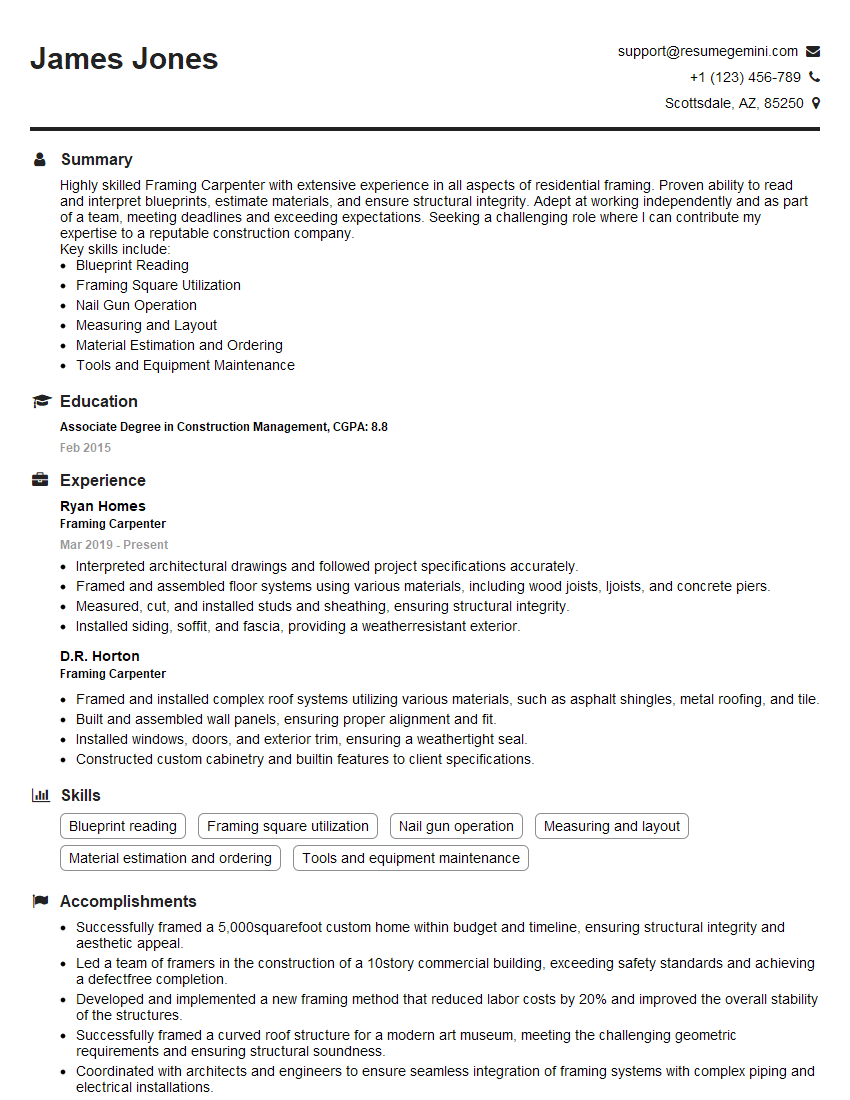
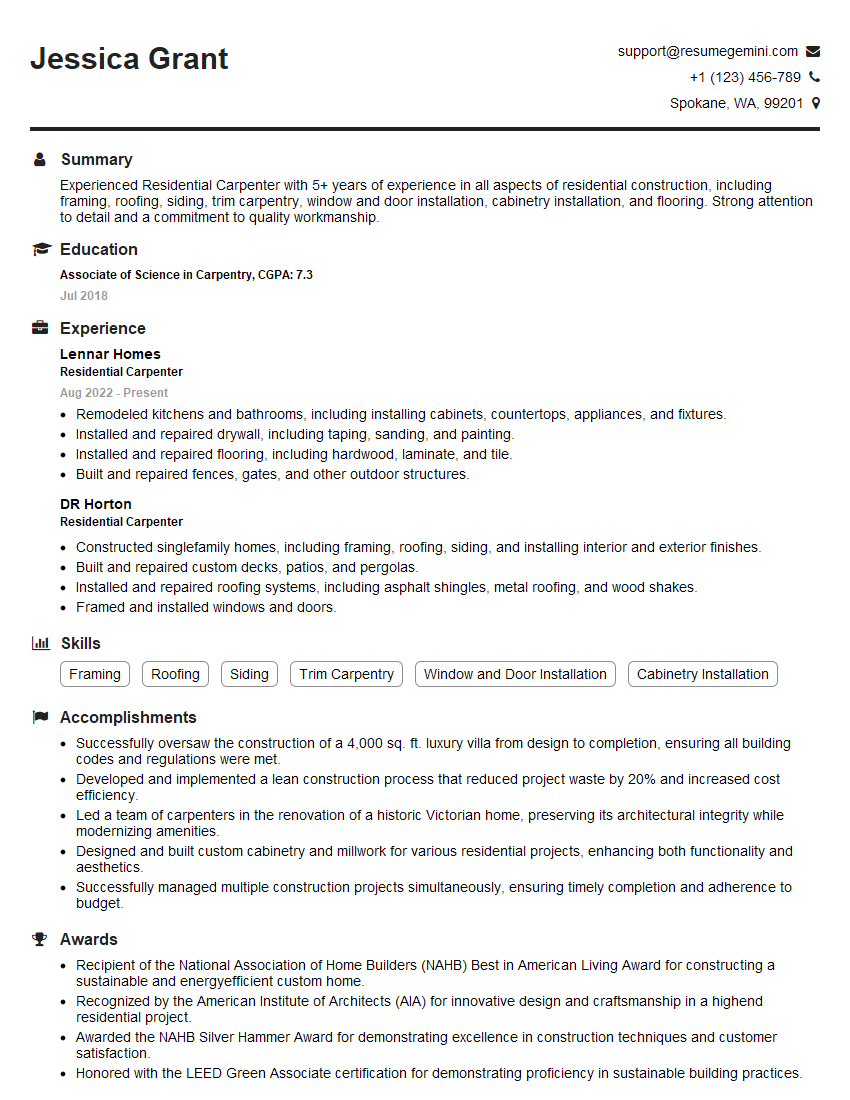
Mastering eave and trim installation opens doors to rewarding careers in construction and home improvement. A strong understanding of these techniques demonstrates valuable skills to potential employers, showcasing your practical abilities and attention to detail. To significantly boost your job prospects, create an ATS-friendly resume that highlights your skills and experience effectively. We strongly recommend using ResumeGemini to build a professional and impactful resume. ResumeGemini offers a user-friendly platform and provides examples of resumes tailored to Eave and Trim Installation to help you create a compelling application.


Explore more articles
Users Rating of Our Blogs
Share Your Experience
We value your feedback! Please rate our content and share your thoughts (optional).
What Readers Say About Our Blog
Amazing blog
hello,
Our consultant firm based in the USA and our client are interested in your products.
Could you provide your company brochure and respond from your official email id (if different from the current in use), so i can send you the client’s requirement.
Payment before production.
I await your answer.
Regards,
MrSmith
hello,
Our consultant firm based in the USA and our client are interested in your products.
Could you provide your company brochure and respond from your official email id (if different from the current in use), so i can send you the client’s requirement.
Payment before production.
I await your answer.
Regards,
MrSmith
These apartments are so amazing, posting them online would break the algorithm.
https://bit.ly/Lovely2BedsApartmentHudsonYards
Reach out at BENSON@LONDONFOSTER.COM and let’s get started!
Take a look at this stunning 2-bedroom apartment perfectly situated NYC’s coveted Hudson Yards!
https://bit.ly/Lovely2BedsApartmentHudsonYards
Live Rent Free!
https://bit.ly/LiveRentFREE
Interesting Article, I liked the depth of knowledge you’ve shared.
Helpful, thanks for sharing.
Hi, I represent a social media marketing agency and liked your blog
Hi, I represent an SEO company that specialises in getting you AI citations and higher rankings on Google. I’d like to offer you a 100% free SEO audit for your website. Would you be interested?