Interviews are more than just a Q&A session—they’re a chance to prove your worth. This blog dives into essential Environmental Surveying and Impact Assessment interview questions and expert tips to help you align your answers with what hiring managers are looking for. Start preparing to shine!
Questions Asked in Environmental Surveying and Impact Assessment Interview
Q 1. Describe your experience with various environmental surveying techniques.
My experience encompasses a wide range of environmental surveying techniques, from traditional methods to cutting-edge technologies. I’m proficient in fieldwork techniques like soil sampling, water quality testing (using methods such as titrations and spectrophotometry), vegetation surveys, and topographic surveys using total stations and GPS. I also have extensive experience with remote sensing techniques, utilizing aerial photography and satellite imagery (e.g., Landsat, Sentinel) for habitat mapping, land cover change detection, and assessment of deforestation. For example, in a recent project assessing the impact of a proposed highway on a wetland area, I used LiDAR to create a highly detailed 3D model of the terrain, allowing for precise measurement of vegetation height and wetland boundaries, ultimately informing mitigation strategies. Furthermore, I’m skilled in geophysical surveying methods, like ground-penetrating radar (GPR), for subsurface investigation and detection of buried utilities or contamination sources. This was crucial in a project where we needed to locate underground pipelines before construction began, ensuring their protection and preventing environmental damage.
Q 2. Explain the process of conducting an Environmental Impact Assessment (EIA).
Conducting an Environmental Impact Assessment (EIA) is a systematic process designed to identify, predict, evaluate, and mitigate the biophysical, social, and other relevant effects of development proposals prior to major decisions being taken and commitments made. It typically involves several key stages: 1. Screening: Determining if an EIA is required based on the project’s nature and potential impacts. 2. Scoping: Defining the boundaries and scope of the EIA, identifying key issues and stakeholders. 3. Baseline Data Collection: Gathering data on the existing environmental conditions through various surveying techniques. 4. Impact Prediction and Assessment: Using models and expert judgment to predict potential impacts (both positive and negative) on various environmental components (e.g., air, water, soil, biodiversity). This often involves using specialized software for modelling and impact prediction. 5. Mitigation and Impact Management: Developing strategies to avoid, minimize, or compensate for negative impacts. 6. Reporting: Preparing a comprehensive EIA report documenting the findings and recommendations. 7. Review and Decision-Making: The report undergoes review by relevant authorities, who make a decision on the project’s approval based on the EIA findings. 8. Monitoring and Auditing: Post-project monitoring ensures the effectiveness of mitigation measures and identifies any unforeseen impacts.
For instance, in an EIA for a wind farm project, we considered the potential impact on bird populations through habitat modeling and flight path analysis, leading to recommendations for turbine placement and operational strategies to minimize bird collisions.
Q 3. How do you ensure data accuracy and quality control in environmental surveying?
Data accuracy and quality control are paramount in environmental surveying. We employ several rigorous strategies to ensure the reliability of our data. This starts with meticulous planning, including defining clear objectives, selecting appropriate methods, and calibrating equipment before fieldwork. During fieldwork, we employ strict protocols for sample collection, handling, and storage, maintaining detailed chain-of-custody documentation. For example, soil samples are collected at predetermined depths and locations using standardized techniques, stored in sealed containers, and immediately transported to a laboratory for analysis. Quality control involves regular calibration of instruments, use of blanks and replicates in laboratory analyses, and rigorous data validation using statistical methods. We perform regular internal audits and utilize QA/QC checklists to maintain consistent standards. Data entry and analysis are conducted using validated software, with multiple checks for errors. Discrepancies are thoroughly investigated and resolved before final reporting. Ultimately, maintaining a transparent and traceable data chain ensures the integrity and reliability of our findings.
Q 4. What are the key environmental regulations and legislation you are familiar with?
I am familiar with a broad range of environmental regulations and legislation, including the National Environmental Policy Act (NEPA) in the United States, the Environmental Impact Assessment Directive (EIA Directive) in the European Union, and various regional and state-level regulations. My knowledge also extends to specific regulations concerning water quality (e.g., Clean Water Act), air quality (e.g., Clean Air Act), endangered species (e.g., Endangered Species Act), and hazardous waste management. Understanding these regulations is crucial in ensuring projects comply with environmental laws and minimizing potential legal and environmental risks. For example, during a recent project, we ensured that our assessment complied with the provisions of the Clean Water Act regarding wetland delineation and mitigation, which directly impacted the design of a proposed development near a water body.
Q 5. How do you interpret and analyze environmental data, such as soil samples or water quality reports?
Interpreting and analyzing environmental data involves a combination of statistical analysis, expert knowledge, and visualization techniques. For soil samples, we analyze parameters such as pH, organic matter content, nutrient levels, and heavy metal concentrations. Statistical tests help determine significant variations between sample locations or over time. Water quality reports are assessed by examining parameters like dissolved oxygen, pH, turbidity, nutrient levels, and the presence of contaminants. These data are then interpreted in the context of relevant water quality standards and guidelines. For instance, elevated levels of heavy metals in soil may indicate past contamination, requiring further investigation. Similarly, low dissolved oxygen levels in water can suggest pollution or eutrophication. We often use GIS software to visualize these data spatially, creating maps that illustrate the distribution of pollutants or variations in environmental parameters, making it easy to identify patterns and trends and support informed decision-making.
Q 6. Describe your experience using GIS software for environmental applications.
I have extensive experience using GIS software, primarily ArcGIS and QGIS, for various environmental applications. My skills encompass data input, spatial analysis, cartography, and 3D visualization. I regularly use GIS to create maps showing the distribution of environmental resources, pollution sources, and habitat areas. Spatial analysis tools enable me to model environmental processes, such as groundwater flow or pollutant dispersion. For example, in a recent project assessing the impact of a proposed landfill on groundwater resources, I used ArcGIS to model groundwater flow paths and predict the potential spread of leachate. The resulting maps helped to inform the design of the landfill’s liner system and monitoring wells. I also frequently use GIS to integrate and visualize data from various sources, such as remote sensing imagery, field surveys, and laboratory analyses, creating comprehensive environmental datasets and reports. This integration enables a complete understanding of environmental factors and their interactions.
Q 7. Explain the different types of environmental surveys and their applications.
Environmental surveys are categorized based on their specific objectives. Phase I Environmental Site Assessments (ESAs): These are preliminary investigations to identify potential environmental concerns on a property, often conducted before real estate transactions. Phase II ESAs: Involve more detailed investigations to confirm the presence and extent of contamination identified during a Phase I ESA. Baseline Surveys: Conducted to characterize the existing environmental conditions of a site before a project begins, providing a benchmark against which future changes can be measured. Habitat Surveys: Focus on identifying and characterizing different habitats and species within a given area, often used for impact assessments or biodiversity conservation planning. Water Quality Surveys: Measure various parameters of water bodies to assess their health and identify potential pollution sources. Soil Surveys: Examine soil properties and composition to assess land suitability for different uses or identify potential contamination. Air Quality Surveys: Measure air pollutants to assess compliance with standards and identify sources of pollution. The applications are wide-ranging, from regulatory compliance and impact assessments to environmental management and conservation planning. For instance, baseline surveys are crucial for monitoring changes in water quality or vegetation cover following the implementation of a remediation program, while habitat surveys help inform the siting of infrastructure projects to minimize disruption to ecologically sensitive areas.
Q 8. How do you identify and mitigate potential environmental risks and impacts?
Identifying and mitigating potential environmental risks and impacts is a crucial aspect of Environmental Impact Assessment (EIA). It involves a systematic process that begins with a thorough understanding of the project’s potential effects on the environment. This starts with a comprehensive screening process to identify all potentially impacted environmental components, such as air, water, soil, flora, fauna, and human communities. We use various tools and techniques, such as checklists, matrices, and specialized software, to conduct a preliminary hazard analysis.
Once potential impacts are identified, we assess their significance using established criteria considering factors like magnitude, duration, extent, and probability. This might involve quantitative modeling (e.g., air dispersion modeling to predict pollution levels) or qualitative assessments (e.g., scoring systems for biodiversity impact).
Mitigation strategies are then developed to reduce or eliminate significant adverse impacts. These strategies can be preventative (e.g., choosing alternative project designs to avoid sensitive habitats) or compensatory (e.g., habitat restoration or creation). The effectiveness of mitigation measures should be assessed, ideally through modeling or pilot studies, before implementation. For example, in a highway construction project, potential impacts on water quality could be mitigated by implementing sediment control measures, using erosion blankets, and establishing buffer zones along water bodies. Regular monitoring is vital to ensure mitigation measures are effective and to identify any unforeseen impacts.
Q 9. How do you communicate complex environmental information to both technical and non-technical audiences?
Communicating complex environmental information effectively to diverse audiences is paramount. For technical audiences (e.g., fellow scientists, engineers), I utilize precise terminology, detailed data, and advanced analytical techniques presented in formal reports and presentations. This might include statistical analyses, GIS maps showing spatial distribution of impacts, and detailed modeling results.
For non-technical audiences (e.g., community members, policymakers), a simpler, more narrative approach is necessary. Visual aids like infographics, charts, and maps are incredibly helpful. I use plain language, avoiding technical jargon and employing analogies or real-world examples to illustrate complex concepts. For instance, when explaining air pollution, I might compare pollution levels to familiar things like the thickness of smog on a particular day. I always focus on the key findings and recommendations, ensuring transparency and making the information accessible and understandable to all.
Effective communication also involves actively seeking feedback and questions from the audience. This allows for a more interactive and engaging process, ensuring that everyone comprehends the information correctly. Open forums and public consultation sessions are key tools in achieving transparent and effective communication.
Q 10. Describe your experience with environmental baseline studies.
Environmental baseline studies form the foundation of any comprehensive EIA. My experience encompasses conducting numerous baseline studies across diverse projects including wind farm developments, mining operations, and infrastructure projects. These studies involve collecting data on the existing environmental conditions before the project commences. The scope of the baseline studies is tailored to the specific project and its potential impacts.
For instance, in a wind farm project, the baseline study would include characterizing existing avian and bat populations, assessing wind resources, and surveying the terrestrial and aquatic habitats. In a mining operation, the study would focus on pre-mining soil and water quality, vegetation and biodiversity assessments, and assessing potential impacts on local communities. Data collection methods are rigorously chosen to ensure accuracy and reliability, including field surveys, remote sensing (e.g., satellite imagery, aerial photography), laboratory analyses, and stakeholder consultations. This comprehensive data forms a critical benchmark against which the project’s environmental performance can be measured later.
Q 11. Explain your understanding of cumulative impact assessment.
Cumulative impact assessment (CIA) goes beyond evaluating the impacts of a single project. It considers the combined effects of the proposed project and other past, present, and future actions on the environment. This is crucial because individual projects, while seemingly insignificant on their own, can contribute to significant environmental degradation when considered collectively.
For example, several small-scale logging operations in a forest might individually have negligible impacts but, together, they could lead to significant deforestation and habitat loss. CIA involves identifying all relevant actions within a defined geographic area and timeframe, analyzing their individual and combined effects, and predicting the overall cumulative impact. Methods for conducting CIA include overlaying GIS layers of various activities, using cumulative impact matrices, and employing modeling techniques to predict the synergistic or additive effects of multiple stressors on the environment. The results of a CIA inform mitigation strategies and decision-making, ensuring environmental protection in the face of multiple pressures.
Q 12. How do you handle conflicting stakeholder interests during an EIA process?
Handling conflicting stakeholder interests is an inevitable part of the EIA process. Stakeholders often have diverse perspectives and priorities, sometimes leading to disagreements. My approach emphasizes transparency, open communication, and collaboration. I facilitate stakeholder engagement through public meetings, workshops, and individual consultations, creating a platform for stakeholders to express their concerns and perspectives.
I use techniques such as participatory mapping to visually represent different stakeholder viewpoints and identify areas of conflict. A structured approach, possibly employing a multi-criteria decision analysis (MCDA) framework, helps to systematically evaluate different options and trade-offs, considering all stakeholders’ concerns. While it’s impossible to satisfy everyone completely, the goal is to find solutions that are acceptable to the majority of stakeholders and minimize negative impacts. Detailed documentation of all interactions, decisions, and compromises ensures fairness and accountability throughout the process.
Q 13. What is your experience with environmental monitoring and reporting?
Environmental monitoring and reporting are essential to verify the accuracy of predictions made during the EIA and to track the project’s environmental performance throughout its lifecycle. My experience includes designing and implementing monitoring programs, collecting and analyzing data, and preparing comprehensive reports. Monitoring plans are tailored to the specific project and potential impacts, identifying key indicators and parameters to be monitored. For example, in a construction project, water quality might be monitored upstream and downstream of the construction site to assess the impact of runoff. Air quality might be monitored using continuous monitors and ambient air samplers.
Data analysis involves statistical methods to identify trends, assess significance, and compare the monitoring data with baseline data or predicted impacts. Reporting involves summarizing the findings in clear and concise reports for various audiences, including regulatory agencies, project developers, and the public. This reporting might include graphical representations of monitoring data, statistical analysis, and conclusions regarding compliance with environmental regulations and permit conditions. Any deviations from predicted impacts are carefully investigated and addressed with corrective actions, if necessary.
Q 14. Describe your experience with different sampling methodologies for environmental data collection.
Selecting appropriate sampling methodologies is crucial for collecting reliable and representative environmental data. My experience includes using various techniques, chosen based on the specific environmental parameter, project requirements, and budget constraints. For water quality assessments, I might use grab sampling for instantaneous measurements, composite sampling for a time-weighted average, or continuous monitoring using automated sensors for real-time data. For soil sampling, methods range from simple hand augering to more sophisticated techniques like using a soil corer to obtain undisturbed samples for laboratory analyses.
Air quality sampling involves using various techniques depending on the pollutant of interest, ranging from passive samplers for longer-term monitoring to active samplers for immediate measurements of specific pollutants. Biological sampling methods include quadrat sampling for vegetation surveys, pitfall traps for insects, and mark-recapture techniques for animal population estimation. The sample size and sampling design are carefully chosen to ensure statistical validity and representativeness of the collected data. Quality assurance and quality control (QA/QC) procedures are integrated throughout the sampling process to ensure data accuracy and reliability. Strict adherence to established protocols and best practices guarantees the credibility of the collected information.
Q 15. Explain your understanding of environmental risk assessment methodologies.
Environmental risk assessment methodologies are systematic processes used to identify, analyze, and evaluate potential environmental hazards and their associated risks. These methodologies aim to understand the likelihood and consequences of negative impacts on various environmental components, including air, water, soil, and ecosystems.
A typical risk assessment involves several key steps:
- Hazard Identification: This involves identifying potential environmental hazards associated with a project or activity. This might include air emissions from a factory, chemical spills, habitat loss from construction, etc.
- Exposure Assessment: This step determines how much of the hazard people or the environment might come into contact with. For instance, how far downwind do pollutants travel from the factory? How much of a chemical has seeped into the groundwater?
- Toxicity/Effects Assessment: This assesses the potential harm caused by the hazard. It involves reviewing scientific literature and using models to predict the effects of exposure to various levels of a pollutant on various environmental components.
- Risk Characterization: This combines the information from the previous steps to determine the overall risk. This often involves quantitative analysis, resulting in a numerical risk score. For example, a risk score might indicate a high probability of significant water contamination from a proposed landfill.
Different methodologies exist, each with its strengths and weaknesses, depending on the context. Some commonly used approaches include: qualitative risk assessment (using descriptive terms such as high, medium, and low), semi-quantitative risk assessment (using ranking or scoring systems), and quantitative risk assessment (using numerical data and statistical models). For example, I have used quantitative models to evaluate the risk of pesticide runoff from agricultural lands into nearby rivers.
Career Expert Tips:
- Ace those interviews! Prepare effectively by reviewing the Top 50 Most Common Interview Questions on ResumeGemini.
- Navigate your job search with confidence! Explore a wide range of Career Tips on ResumeGemini. Learn about common challenges and recommendations to overcome them.
- Craft the perfect resume! Master the Art of Resume Writing with ResumeGemini’s guide. Showcase your unique qualifications and achievements effectively.
- Don’t miss out on holiday savings! Build your dream resume with ResumeGemini’s ATS optimized templates.
Q 16. How do you ensure compliance with environmental regulations throughout a project?
Ensuring compliance with environmental regulations is paramount in any project. My approach is proactive and multi-faceted. It starts even before project initiation.
- Early Regulatory Review: I begin by conducting a thorough review of all applicable federal, state, and local environmental regulations. This includes permits, licenses, and any other required authorizations. This early review is crucial to avoid project delays and potential legal issues later on.
- Permitting and Approvals: I work closely with regulatory agencies to obtain all necessary permits and approvals, ensuring the application is complete and compliant with all requirements. This often involves presenting detailed environmental impact assessments (EIAs) and managing the review process.
- Compliance Monitoring: During project implementation, rigorous monitoring and auditing programs are essential. This involves regular sampling and testing, inspection of equipment, and maintaining detailed records to ensure continuous adherence to all permits and regulations. For instance, on a construction project, this would include monitoring air quality and noise levels.
- Reporting and Documentation: Accurate and timely reporting to regulatory bodies is critical. This might include submitting regular compliance reports, documenting any incidents, and addressing any non-compliance issues promptly and effectively. Transparency and clear communication are crucial in this process.
- Emergency Response Planning: Development of well-defined contingency plans to address and mitigate any unforeseen environmental incidents or emergencies is crucial to maintain compliance and prevent severe repercussions.
For instance, on a recent project involving the construction of a pipeline, I was instrumental in securing all necessary environmental permits, coordinating with environmental regulatory agencies, and implementing a comprehensive compliance monitoring program that prevented any environmental violations.
Q 17. Describe your experience with environmental remediation projects.
I have extensive experience in environmental remediation projects, focusing on restoring contaminated sites to environmentally acceptable conditions. My work includes identifying the extent and nature of contamination, designing remediation strategies, and overseeing their implementation.
For example, I led a project to remediate a site contaminated with heavy metals. This involved a multi-stage process:
- Site Assessment: First, we conducted a thorough site investigation to identify the types and extent of the heavy metal contamination in the soil and groundwater. This included soil sampling, groundwater monitoring wells, and geophysical surveys.
- Remediation Strategy Design: We then developed a customized remediation plan, considering various options such as soil excavation and removal, bioremediation (using microorganisms to break down contaminants), and phytoremediation (using plants to extract contaminants). In this particular case, we opted for a combination of soil excavation and bioremediation, proven most effective and cost-efficient.
- Remediation Implementation and Monitoring: We oversaw the implementation of the chosen remediation strategy, closely monitoring progress and making necessary adjustments as needed. This involved regular sampling and analysis to ensure the effectiveness of the remediation techniques and meet regulatory targets.
- Post-Remediation Assessment: After the remediation, a post-remediation assessment was performed to verify that the site met the regulatory cleanup goals and posed no further risk to human health or the environment.
Throughout these projects, I work with various stakeholders, including regulatory agencies, property owners, and contractors, to ensure successful and efficient remediation, always prioritizing environmental protection.
Q 18. How familiar are you with Life Cycle Assessment (LCA) principles?
Life Cycle Assessment (LCA) is a powerful tool for evaluating the environmental impacts of a product or process throughout its entire lifespan, from raw material extraction to disposal. My familiarity with LCA principles is extensive.
An LCA typically involves four stages:
- Goal and Scope Definition: This involves clearly defining the purpose of the LCA, the product or process being assessed, the functional unit (e.g., producing one ton of steel), and the system boundaries.
- Inventory Analysis: This stage involves quantifying all inputs and outputs of the system, including energy use, materials, emissions to air, water, and soil, and waste generation. This often involves data collection from various sources, including material flow analysis and process modeling.
- Impact Assessment: This stage involves assessing the potential environmental impacts of the identified inputs and outputs. This typically uses a variety of impact categories, such as climate change, acidification, eutrophication, and human toxicity. I’m proficient in using various impact assessment methodologies such as ReCiPe and TRACI.
- Interpretation: This stage involves analyzing the results of the impact assessment, identifying the key environmental hotspots, and making recommendations for improvement.
I have used LCA in various projects to compare the environmental performance of different design options for building materials, packaging solutions, and manufacturing processes. The insights gained from these LCAs help clients make more informed and sustainable decisions.
Q 19. How do you use remote sensing data in environmental assessments?
Remote sensing data plays a crucial role in modern environmental assessments. I use various satellite and aerial imagery, along with LiDAR data to conduct efficient and cost-effective assessments.
The application of remote sensing in environmental assessments is diverse, including:
- Habitat Mapping and Monitoring: Satellite imagery is used to map and monitor changes in vegetation cover, deforestation, and habitat fragmentation. This aids in assessing the impact of development projects on biodiversity.
- Pollution Monitoring: Remote sensing can detect and monitor various types of pollution, such as oil spills, algal blooms, and air pollution. Hyperspectral imagery is particularly useful in identifying specific pollutants.
- Land Cover Classification: Analysis of remote sensing data allows for the classification and mapping of different land cover types, which is essential for land-use planning and impact assessments.
- Natural Disaster Assessment: Following natural disasters like floods or wildfires, remote sensing data can be used to rapidly assess the extent of damage and support relief efforts.
For instance, in a recent project assessing the impact of a proposed highway on wetlands, I used high-resolution satellite imagery to map the wetlands, quantify their area, and then use this data to predict the loss of habitat due to the highway construction.
Q 20. What are your strengths and weaknesses in using GIS software for environmental analysis?
My proficiency in GIS software, particularly ArcGIS, is a significant strength. I am adept at using GIS for spatial analysis, data visualization, and map production. My skills encompass geoprocessing, spatial statistics, and database management.
Strengths:
- Proficient in various spatial analysis techniques such as overlay analysis, buffer analysis, and network analysis.
- Experienced in using GIS for data visualization and creating high-quality maps for reports and presentations.
- Competent in managing and analyzing large datasets within a GIS environment.
- Familiar with various GIS extensions for specialized analyses, such as spatial statistics and 3D modeling.
Weaknesses:
- While proficient in ArcGIS, my experience with other GIS software packages, such as QGIS, is limited. I am actively working on expanding my knowledge in this area.
- My programming skills in Python for GIS automation could be further enhanced. I am currently undertaking online courses to improve my proficiency in this aspect.
I am constantly seeking opportunities to improve my GIS skills and stay abreast of the latest advancements in the field.
Q 21. Explain your experience in preparing environmental reports and documentation.
Preparing clear, concise, and legally compliant environmental reports and documentation is a crucial part of my role. I have extensive experience in compiling and presenting environmental data in various formats, tailored to the specific audience and regulatory requirements.
My experience encompasses:
- Environmental Impact Assessments (EIAs): I have prepared numerous EIAs, which involve comprehensively assessing the potential environmental impacts of projects and proposing mitigation measures. These reports include detailed descriptions of the project, potential impacts, and analysis of alternatives.
- Environmental Management Plans (EMPs): I have developed detailed EMPs that outline strategies for managing environmental risks during project implementation, ensuring compliance with environmental regulations and minimizing environmental impacts.
- Compliance Reports: I have prepared numerous compliance reports for regulatory agencies, documenting monitoring data, permit compliance, and any incidents or non-compliance issues. These reports are written to be clear and easily understood by both technical and non-technical audiences.
- Technical Memoranda: I regularly prepare technical memoranda to explain complex environmental issues, analyze data, and present recommendations to clients and stakeholders.
I am well-versed in various reporting formats, including written reports, presentations, and digital mapping tools, ensuring my deliverables are effectively communicated and easily understood by the intended audience. I have consistently delivered reports that meet stringent regulatory requirements and have helped clients avoid potential conflicts and ensure projects proceed smoothly.
Q 22. Describe a challenging environmental assessment you’ve undertaken and how you overcame it.
One of the most challenging assessments I undertook involved evaluating the environmental impact of a proposed large-scale mining operation near a sensitive wetland ecosystem. The challenge stemmed from the complex interplay of factors: potential water contamination from mining runoff, habitat disruption for endangered species within the wetland, and the socio-economic implications for the local community who relied on the wetland for fishing and traditional practices.
To overcome this, we employed a multi-faceted approach. First, we conducted extensive baseline studies, including detailed water quality analysis, biodiversity surveys (both flora and fauna), and socio-economic assessments through community consultations. This allowed us to establish a clear picture of the pre-existing conditions. We then used sophisticated hydrological and ecological modeling software (like MIKE SHE or similar) to predict the potential impacts of the mining operation under various scenarios. These models helped us identify critical areas of concern and quantify potential risks. Finally, we worked collaboratively with the mining company and local stakeholders to develop mitigation strategies, including implementing advanced wastewater treatment systems, establishing buffer zones around the wetland, and exploring alternative economic opportunities for the community. The project highlighted the importance of interdisciplinary collaboration and robust data analysis in ensuring environmentally sound development.
Q 23. How familiar are you with different environmental modeling techniques?
I’m very familiar with a wide range of environmental modeling techniques. My experience spans hydrological modeling (using tools like MIKE SHE, HEC-HMS), air quality dispersion modeling (AERMOD, CALPUFF), ecological modeling (e.g., spatially explicit individual-based models, population viability analysis), and GIS-based spatial analysis. I’m proficient in both using commercially available software and adapting or developing custom models based on project-specific needs. For instance, in a recent project assessing the impact of a new highway on wildlife corridors, we used a combination of habitat suitability models and network analysis within GIS to identify potential mitigation measures like wildlife overpasses.
Q 24. Explain your understanding of biodiversity assessment and conservation.
Biodiversity assessment and conservation are crucial aspects of environmental impact assessment. A biodiversity assessment involves identifying and quantifying the species richness, abundance, and distribution of plants and animals within a given area. This often includes surveys of different taxonomic groups (plants, invertebrates, birds, mammals etc.), habitat mapping, and the use of species distribution models to predict the potential effects of changes in land use or climate. Conservation, in this context, focuses on mitigating the negative impacts identified during the assessment and promoting biodiversity. This could involve habitat restoration, species reintroduction programs, the creation of protected areas, and the implementation of sustainable land management practices.
For example, in assessing the impact of a wind farm, we would conduct thorough bird and bat surveys to identify potential collision risks. Based on these findings, we might recommend adjusting turbine locations, implementing bird deterrent systems, or creating buffer zones around sensitive nesting habitats.
Q 25. Describe your experience with environmental auditing.
My experience with environmental auditing includes conducting compliance audits for various industries to ensure adherence to environmental regulations. This involves reviewing environmental management systems, waste management practices, emission control technologies, and environmental permits. I’ve worked on audits related to air and water quality, waste disposal, and hazardous materials management. The process typically includes document review, on-site inspections, interviews with personnel, and data analysis to identify non-compliance issues and opportunities for improvement. I’ve also assisted in developing corrective action plans and verifying their implementation.
A recent audit I conducted for a manufacturing facility revealed non-compliance with wastewater discharge limits. Through a detailed investigation, we identified the source of the issue and worked with the facility to implement remedial measures, ultimately resulting in improved compliance and reduced environmental risk.
Q 26. How do you stay current with advancements in environmental surveying and impact assessment?
Staying current in this rapidly evolving field is critical. I achieve this through a multi-pronged approach: I regularly attend conferences and workshops (both national and international) related to environmental science and impact assessment. I actively participate in professional organizations like the Society for Environmental Toxicology and Chemistry (SETAC) or similar, and subscribe to leading journals in the field. I also closely follow developments in relevant legislation and regulatory guidelines. Finally, I consistently engage in continuing professional development, taking specialized courses to update my skills in new modeling techniques, data analysis tools, and emerging regulatory frameworks.
Q 27. What is your experience with stakeholder engagement and consultation in EIA projects?
Stakeholder engagement is crucial for successful EIA projects. My approach is built on transparency, inclusivity and effective communication. I believe in early and proactive engagement, starting with identifying all relevant stakeholders, including local communities, government agencies, industry representatives, and non-governmental organizations (NGOs). This involves using various communication channels – public meetings, workshops, online surveys, and individual consultations – to gather their perspectives and concerns. It’s also vital to actively listen to and address their feedback throughout the assessment process, documenting all interactions transparently. By incorporating stakeholder input into the assessment process, we aim to achieve environmentally sustainable solutions that are also socially acceptable.
For example, in one project, we successfully mediated disagreements between a developer and a local community concerning the impact of a new road on a local park. By facilitating open dialogue and exploring mutually acceptable mitigation measures, we averted potential conflicts and ensured the project proceeded while protecting community interests.
Q 28. Explain your understanding of climate change impacts on the environment
Climate change presents significant and multifaceted challenges to the environment. Rising global temperatures are causing sea-level rise, increased frequency and intensity of extreme weather events (hurricanes, droughts, floods), shifts in precipitation patterns, and changes in species distribution and abundance. These impacts have cascading effects on ecosystems, human health, and infrastructure. For example, rising sea levels threaten coastal communities and ecosystems like mangroves and coral reefs. Changes in precipitation patterns can lead to more frequent and severe droughts in some regions and increased flooding in others. The altered climate is also influencing the spread of disease vectors and impacting agricultural productivity.
In environmental impact assessments, it is increasingly crucial to consider the impacts of climate change, both direct (e.g., sea-level rise) and indirect (e.g., changes in species ranges). This requires incorporating climate change projections into our models and assessments, considering the potential for climate change to exacerbate existing environmental problems, and developing adaptation and mitigation strategies to enhance resilience to climate change impacts. For example, in assessing the vulnerability of a coastal power plant to sea-level rise, we would use climate projections to model future inundation risk and recommend appropriate adaptation measures.
Key Topics to Learn for Environmental Surveying and Impact Assessment Interview
- Environmental Legislation and Regulations: Understanding key environmental laws (e.g., NEPA, ESA) and their implications for project planning and execution. Practical application: Analyzing a project proposal to identify potential legal compliance issues.
- Field Surveying Techniques: Proficiency in various surveying methods (topographic, hydrographic, ecological) and data collection using modern technologies (GIS, GPS, remote sensing). Practical application: Describing your experience with data acquisition and processing for environmental impact assessments.
- Impact Assessment Methodologies: A strong grasp of different assessment methodologies (e.g., EIA, SEA, LCA) and their applications in diverse contexts. Practical application: Explaining the selection criteria for choosing an appropriate assessment method for a specific project.
- Data Analysis and Interpretation: Ability to analyze environmental data, identify trends, and draw meaningful conclusions. Practical application: Presenting and interpreting environmental data to support recommendations in an impact assessment report.
- Mitigation and Remediation Strategies: Knowledge of strategies for mitigating negative environmental impacts and remediating existing damage. Practical application: Developing and evaluating mitigation plans for a proposed development project.
- Communication and Reporting: Effectively communicating complex environmental information to both technical and non-technical audiences through clear and concise reports. Practical application: Describing your experience in preparing and presenting environmental reports.
- Risk Assessment and Management: Identifying and evaluating potential environmental risks associated with projects, and developing strategies for their management. Practical application: Performing a risk assessment for a proposed infrastructure project.
Next Steps
Mastering Environmental Surveying and Impact Assessment is crucial for a successful and fulfilling career in environmental management and consulting. These skills are highly sought after by employers, opening doors to diverse and impactful roles. To maximize your job prospects, it’s essential to create a strong, ATS-friendly resume that highlights your qualifications effectively. ResumeGemini is a trusted resource to help you build a professional resume that stands out. We provide examples of resumes tailored to Environmental Surveying and Impact Assessment to guide you in crafting a compelling document that showcases your skills and experience.
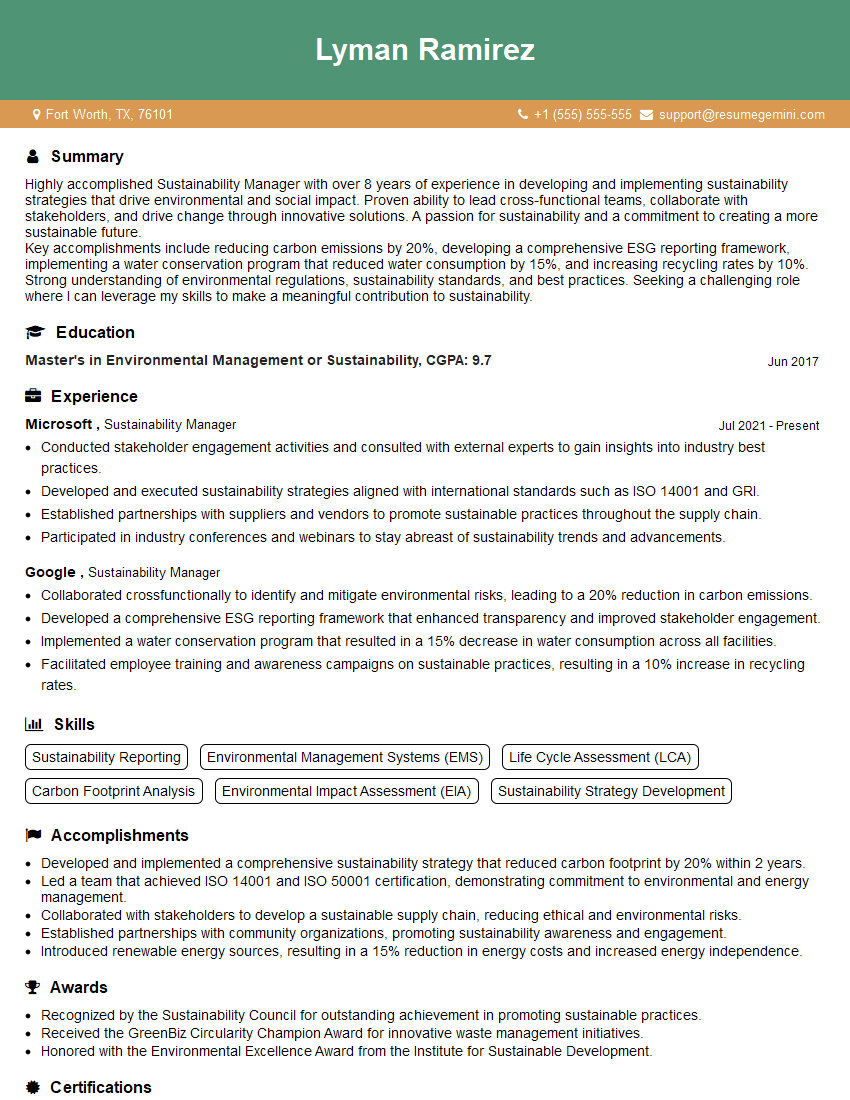
Sustainability Manager Resume Sample
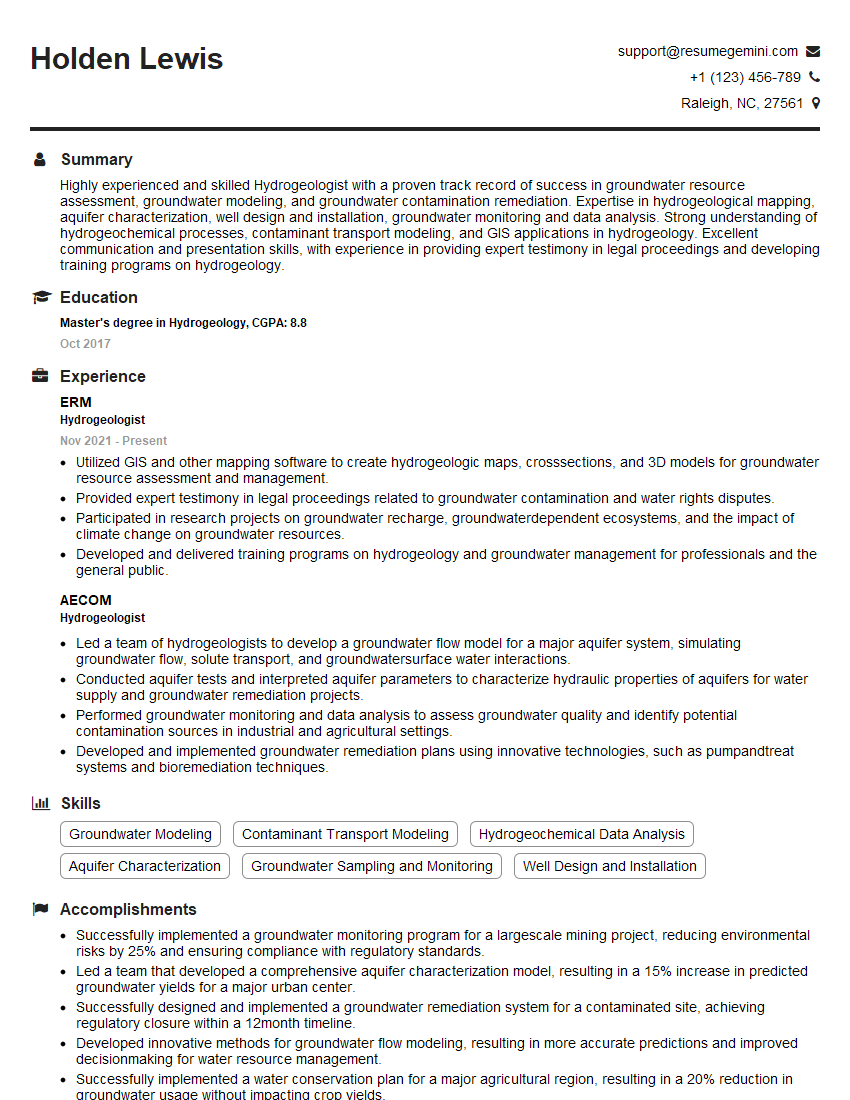
Hydrogeologist Resume Sample
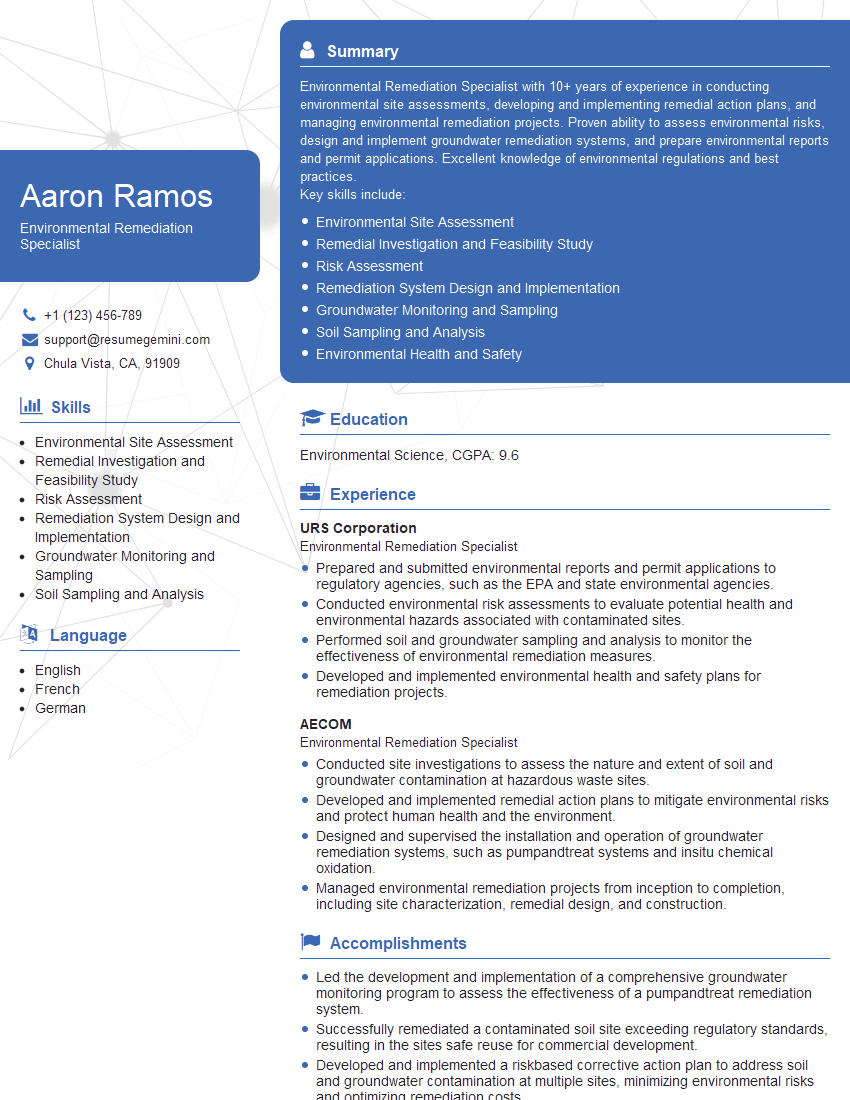
Environmental Remediation Specialist Resume Sample
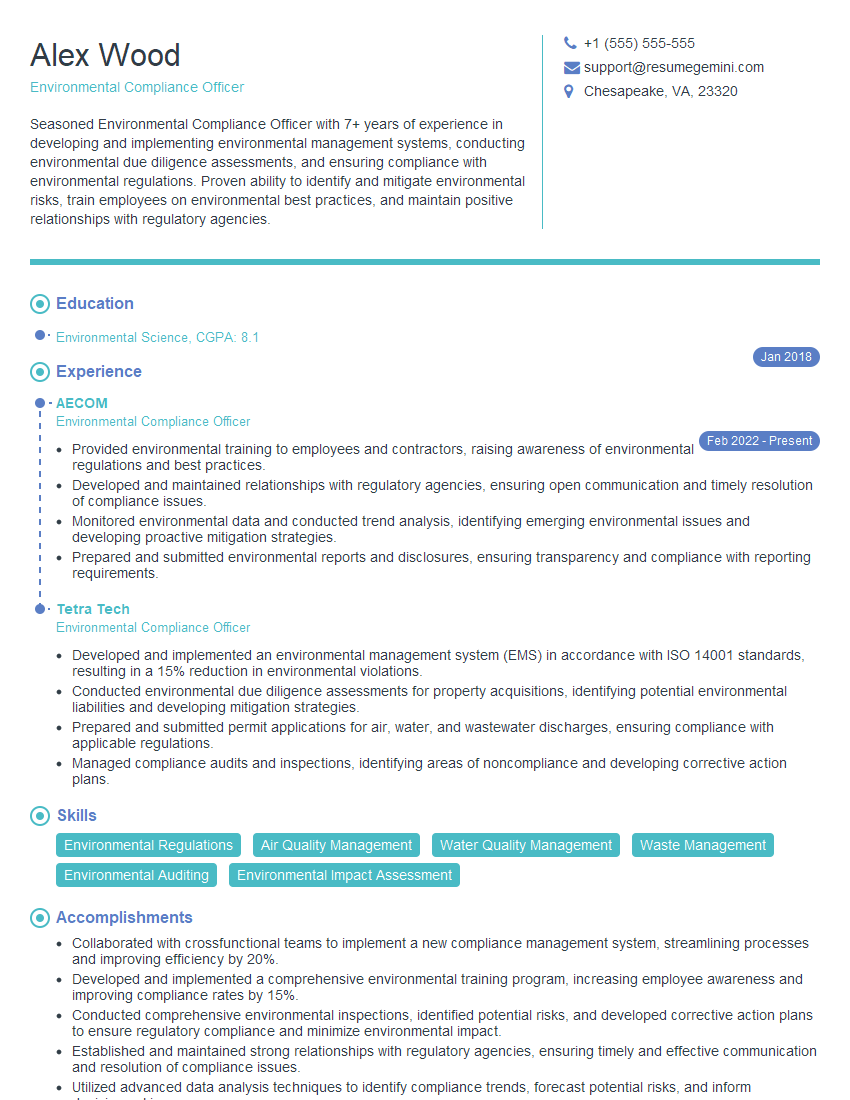
Environmental Compliance Officer Resume Sample
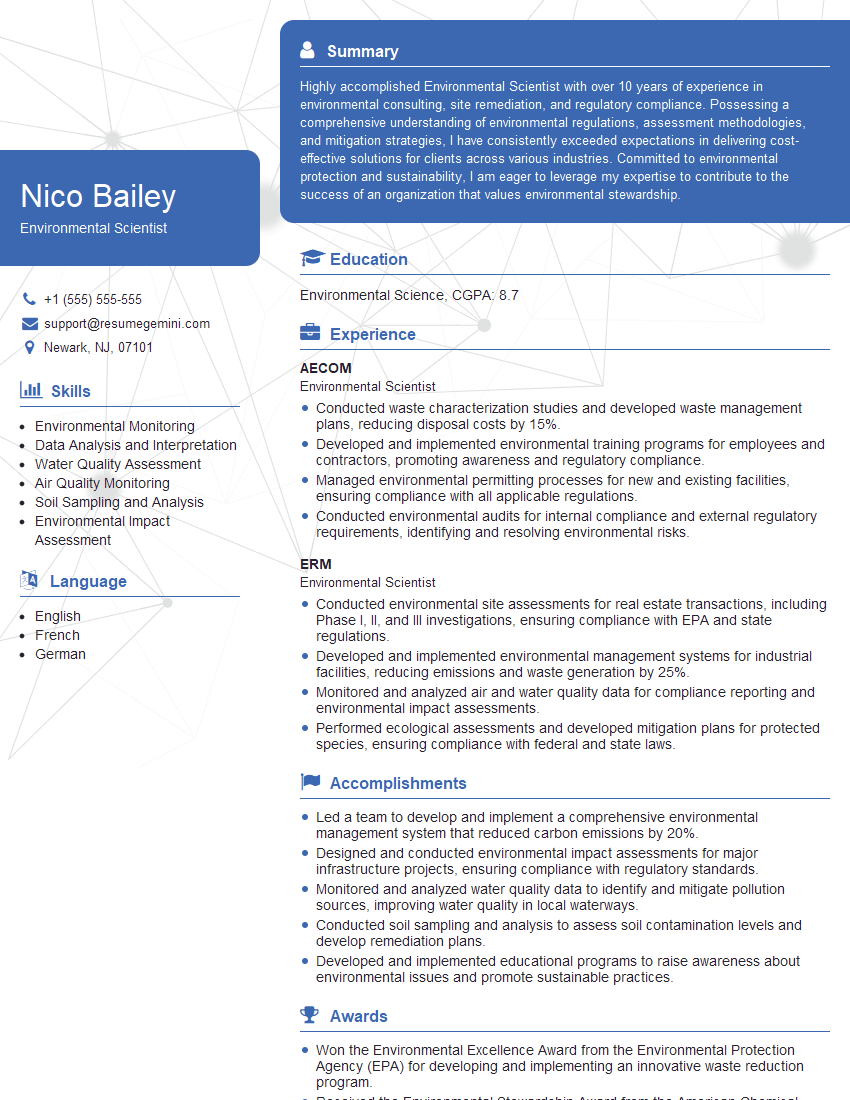
Environmental Scientist Resume Sample

Sustainability Consultant Resume Sample
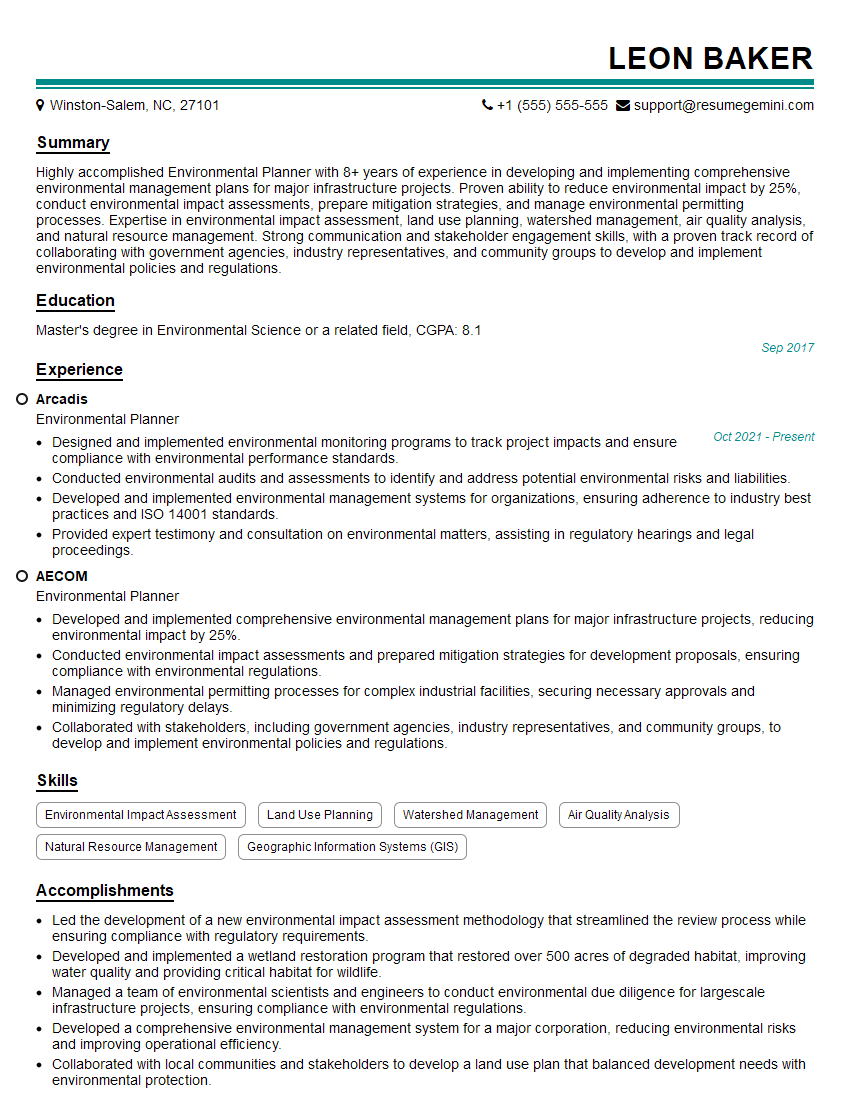
Environmental Planner Resume Sample
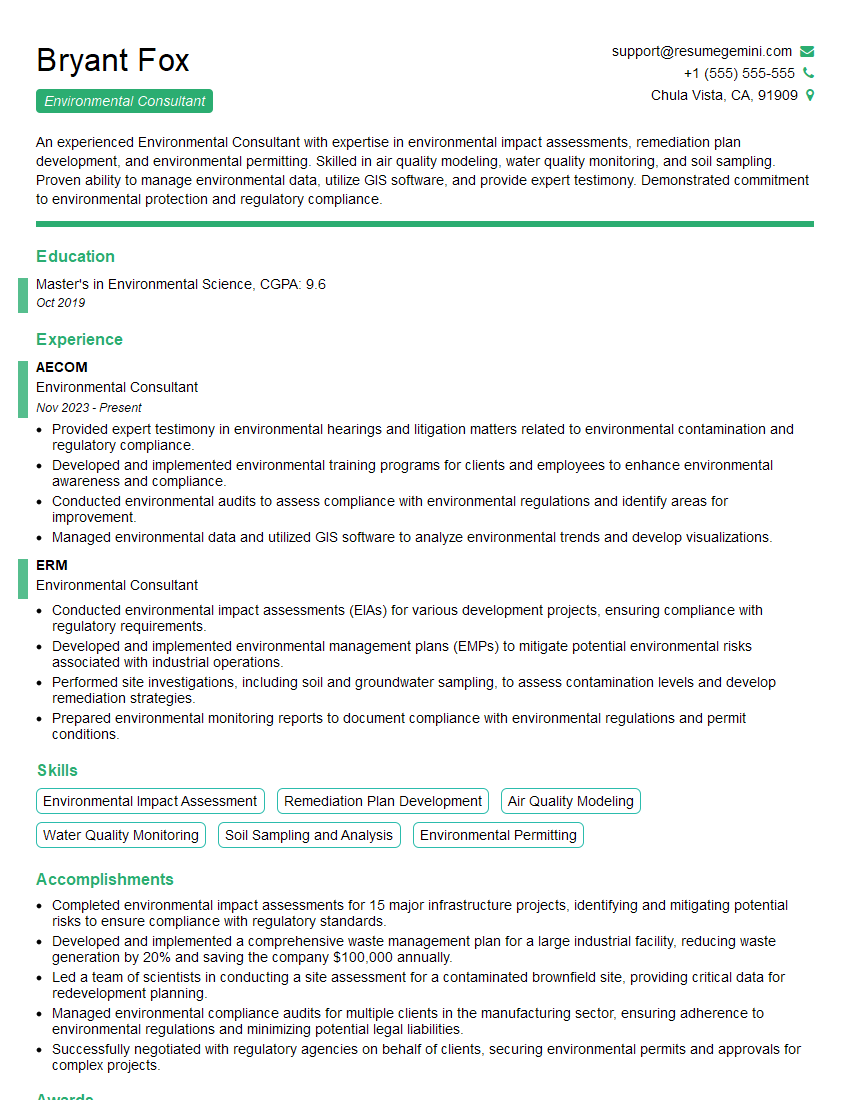
Environmental Consultant Resume Sample
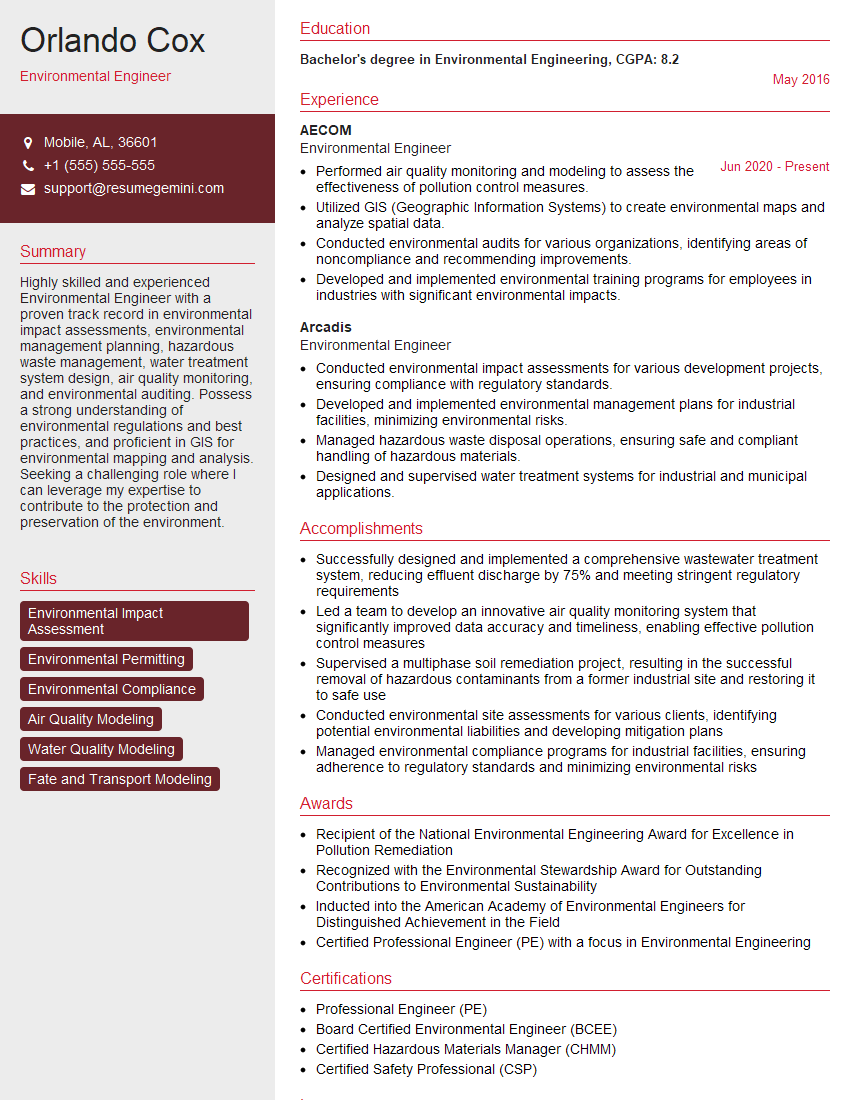
Environmental Engineer Resume Sample
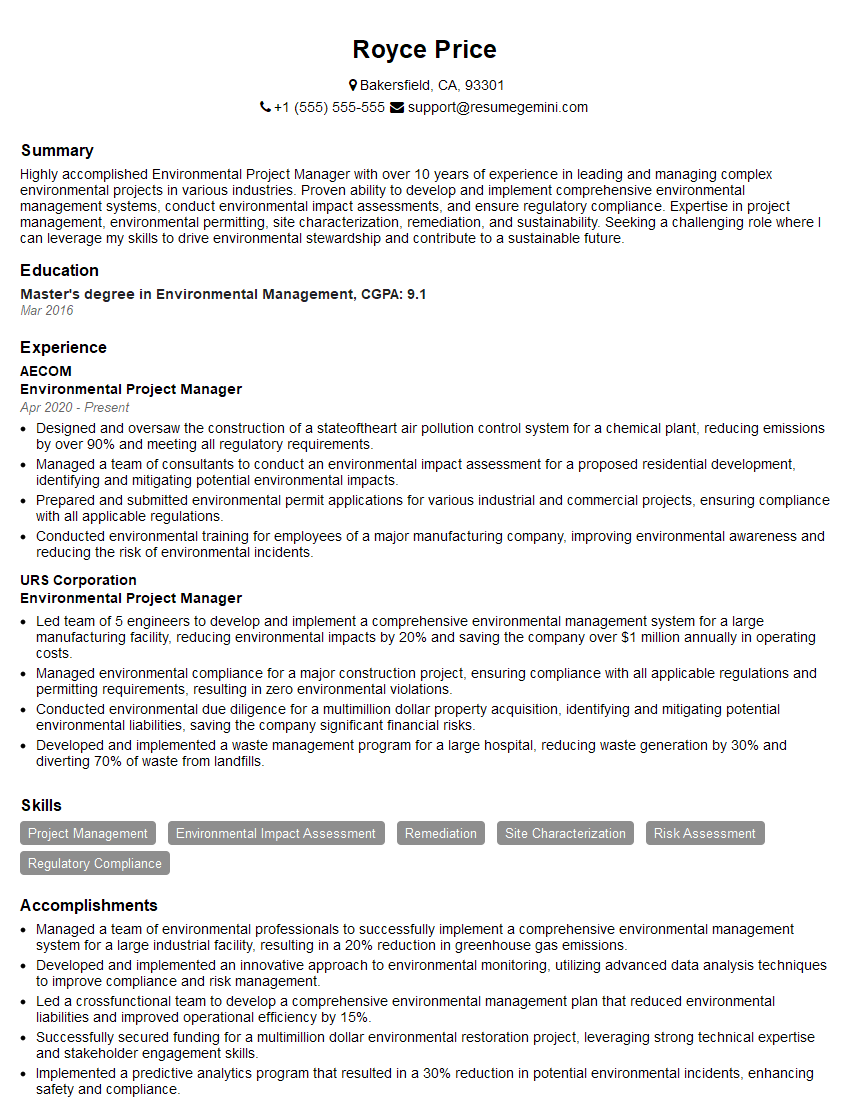
Environmental Project Manager Resume Sample

Soil Scientist Resume Sample
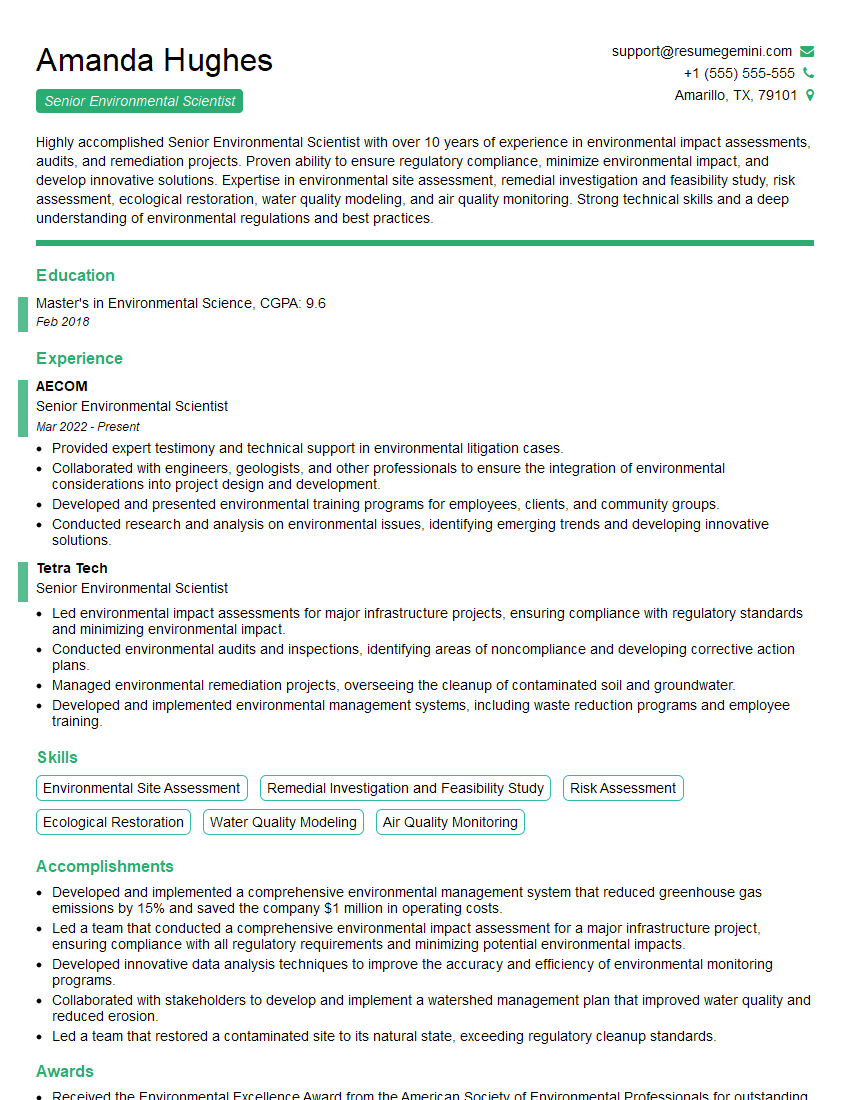
Senior Environmental Scientist Resume Sample
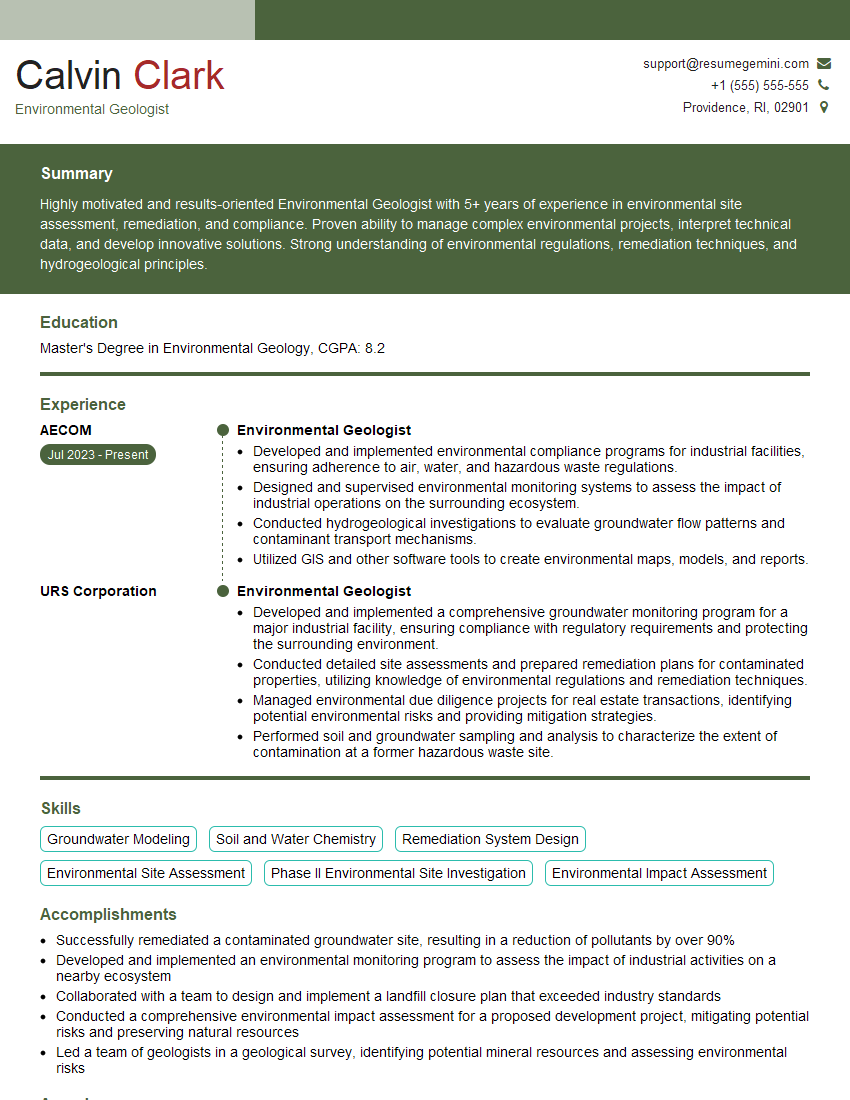
Environmental Geologist Resume Sample
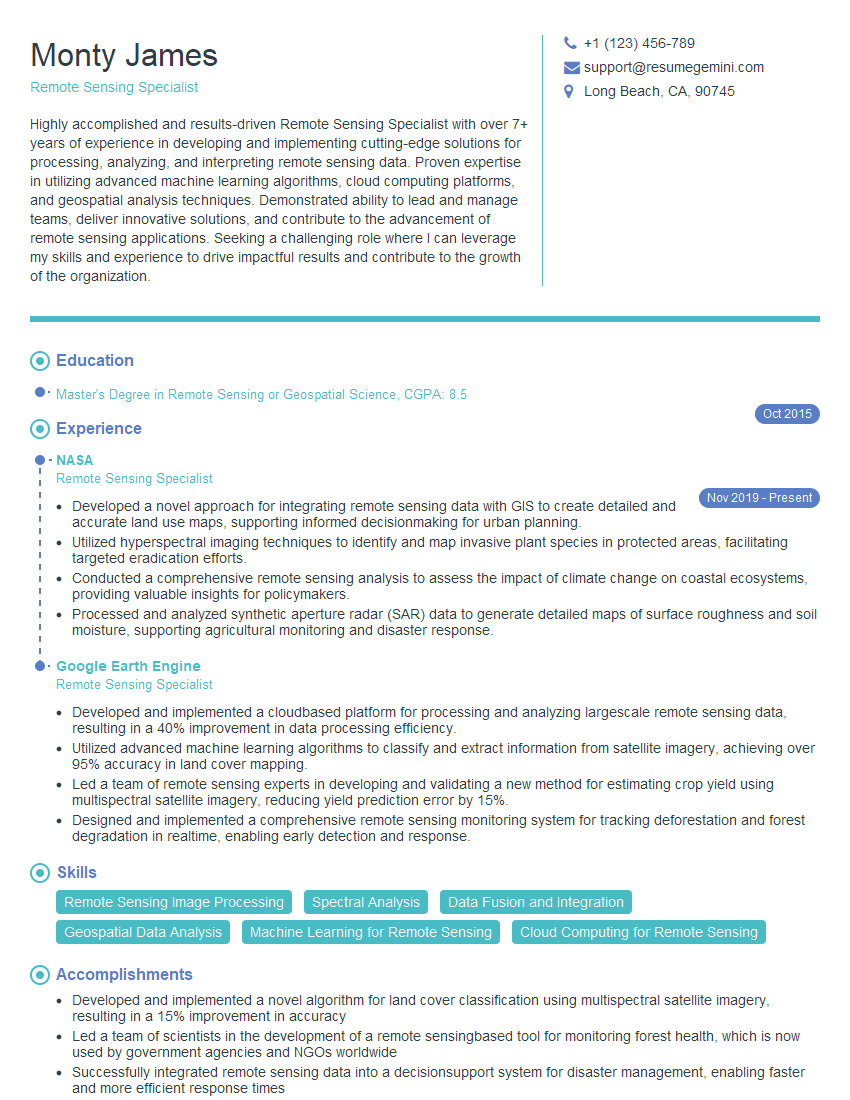
Remote Sensing Specialist Resume Sample
- Sustainability Manager
- Hydrogeologist
- Environmental Remediation Specialist
- Environmental Compliance Officer
- Environmental Scientist
- Sustainability Consultant
- Environmental Planner
- Environmental Consultant
- Environmental Engineer
- Environmental Project Manager
- Soil Scientist
- Senior Environmental Scientist
- Environmental Geologist
- Remote Sensing Specialist
Explore more articles
Users Rating of Our Blogs
Share Your Experience
We value your feedback! Please rate our content and share your thoughts (optional).
What Readers Say About Our Blog
Amazing blog
hello,
Our consultant firm based in the USA and our client are interested in your products.
Could you provide your company brochure and respond from your official email id (if different from the current in use), so i can send you the client’s requirement.
Payment before production.
I await your answer.
Regards,
MrSmith
hello,
Our consultant firm based in the USA and our client are interested in your products.
Could you provide your company brochure and respond from your official email id (if different from the current in use), so i can send you the client’s requirement.
Payment before production.
I await your answer.
Regards,
MrSmith
These apartments are so amazing, posting them online would break the algorithm.
https://bit.ly/Lovely2BedsApartmentHudsonYards
Reach out at [email protected] and let’s get started!
Take a look at this stunning 2-bedroom apartment perfectly situated NYC’s coveted Hudson Yards!
https://bit.ly/Lovely2BedsApartmentHudsonYards
Live Rent Free!
https://bit.ly/LiveRentFREE
Interesting Article, I liked the depth of knowledge you’ve shared.
Helpful, thanks for sharing.
Hi, I represent a social media marketing agency and liked your blog
Hi, I represent an SEO company that specialises in getting you AI citations and higher rankings on Google. I’d like to offer you a 100% free SEO audit for your website. Would you be interested?