Feeling uncertain about what to expect in your upcoming interview? We’ve got you covered! This blog highlights the most important Ethics and Cultural Sensitivity interview questions and provides actionable advice to help you stand out as the ideal candidate. Let’s pave the way for your success.
Questions Asked in Ethics and Cultural Sensitivity Interview
Q 1. Define ‘cultural sensitivity’ and explain its importance in the workplace.
Cultural sensitivity is the ability to understand, appreciate, and respect the differences in cultural values, beliefs, and practices among individuals and groups. In the workplace, it’s crucial for fostering a positive and productive environment. A lack of cultural sensitivity can lead to misunderstandings, conflict, and decreased morale. It’s about recognizing that our own cultural lens isn’t universal and striving to see things from another’s perspective.
For example, direct communication styles might be highly valued in some cultures but perceived as rude or aggressive in others. Similarly, differing perspectives on teamwork, authority, and time management can significantly impact workplace dynamics. By being culturally sensitive, organizations can better attract and retain diverse talent, improve collaboration, and enhance their global competitiveness.
- Improved Communication: Understanding nuances in verbal and nonverbal communication prevents misinterpretations.
- Stronger Teamwork: Respecting diverse perspectives fosters inclusivity and creativity.
- Enhanced Productivity: A supportive and inclusive environment increases employee engagement and efficiency.
- Reduced Conflict: Addressing cultural differences proactively minimizes misunderstandings and disputes.
Q 2. Describe a situation where you had to navigate a cross-cultural misunderstanding.
During a project with international collaborators, we encountered a significant delay because of a misunderstanding regarding deadlines. My team, based in the US, operates on a very tight, deadline-driven schedule. However, our partners in a more collectivist culture prioritized building strong relationships and consensus-building over strict adherence to deadlines. This initially caused friction. I realized that our initial reaction to the delay as unprofessional was a product of our cultural lens, not an accurate reflection of their work ethic or intentions. We then incorporated more frequent check-ins, more flexible project management, and clear communication about the importance of meeting milestones.
This experience highlighted the importance of explicitly discussing cultural differences in communication styles and work approaches at the start of any collaborative project. It taught me the value of patience, empathy, and adapting my communication and project management style to accommodate diverse cultural norms.
Q 3. How would you handle a conflict between ethical principles and company policy?
Conflicts between ethical principles and company policy are challenging but require careful consideration. My approach would involve a structured process:
- Identify the conflict: Clearly articulate the ethical dilemma and how company policy conflicts with my personal ethical values or professional codes of conduct.
- Seek internal clarification: Discuss the conflict with my supervisor or relevant ethical compliance officer to explore alternative interpretations or solutions within the company framework.
- Document everything: Keep a record of all communications and decisions made concerning the conflict.
- Consider escalation: If internal resolutions prove unsuccessful, consider escalating the conflict to higher management or even external regulatory bodies, depending on the severity of the ethical breach.
- Consider resignation: In extreme cases, where the ethical violation is significant and unresolvable, I may have to consider resigning from my position.
This approach prioritizes transparency, adherence to established procedures, and maintaining ethical integrity. It’s crucial to avoid acting hastily and ensure that all options are explored before making a final decision.
Q 4. Explain your understanding of implicit bias and its impact on decision-making.
Implicit bias refers to unconscious attitudes or stereotypes that affect our understanding, actions, and decisions toward others. These biases are often subtle and unintentional, yet they can have a significant impact on workplace fairness and inclusivity. For example, an implicit bias might lead a hiring manager to unconsciously favor candidates who resemble them or come from similar backgrounds, overlooking equally or more qualified candidates from different backgrounds.
The impact on decision-making can be profound, leading to unfair or discriminatory outcomes in hiring, promotions, performance evaluations, and other areas. Recognizing and mitigating implicit bias requires self-awareness, active listening, and a conscious effort to evaluate decisions based on objective criteria, rather than relying on gut feelings or unconscious assumptions.
Q 5. What strategies would you employ to promote diversity and inclusion in a team?
Promoting diversity and inclusion requires a multi-faceted strategy:
- Inclusive Hiring Practices: Implement blind resume screening, diverse interview panels, and structured interview processes to minimize bias in hiring.
- Employee Resource Groups (ERGs): Support the formation of ERGs to provide a sense of belonging and community for employees from various backgrounds.
- Diversity Training: Regular training on unconscious bias, cultural sensitivity, and inclusive leadership can raise awareness and promote positive changes in behavior.
- Mentorship and Sponsorship Programs: Offer mentorship and sponsorship opportunities to support the advancement of underrepresented groups.
- Flexible Work Arrangements: Offer flexible work options to cater to the diverse needs of employees, improving work-life balance.
- Inclusive Communication: Use inclusive language in all communications and ensure accessibility for employees with disabilities.
Continuously evaluating and refining these strategies, based on feedback and data, is vital for building a truly diverse and inclusive workplace.
Q 6. How do you ensure fair and equitable treatment of all employees, regardless of background?
Ensuring fair and equitable treatment requires a commitment to creating a culture of respect and equal opportunity. This involves:
- Clear Policies and Procedures: Develop and consistently enforce clear policies against discrimination and harassment, ensuring they are accessible to all employees.
- Transparent Performance Evaluations: Implement objective and transparent performance evaluation systems that are free from bias, providing regular feedback and development opportunities.
- Equitable Compensation and Benefits: Ensure fair and equitable compensation and benefits packages, addressing any pay gaps based on gender, race, or other protected characteristics.
- Open Communication Channels: Create open communication channels for reporting concerns about unfair treatment or discrimination, ensuring confidential reporting processes.
- Regular Audits and Reviews: Conduct regular audits and reviews of HR practices to identify and address potential biases or inequities.
Beyond formal processes, building a culture of respect, empathy, and understanding is paramount to creating a workplace where everyone feels valued and treated fairly.
Q 7. Describe your experience with ethical decision-making frameworks.
I have experience applying various ethical decision-making frameworks, including utilitarianism (maximizing overall good), deontology (adhering to moral duties), and virtue ethics (focusing on moral character). For example, in a situation involving potential data privacy violations, a utilitarian approach might weigh the benefits of using the data against the potential harm to individuals, while a deontological approach would focus on the inherent rights of individuals to privacy, regardless of potential benefits. Virtue ethics would guide the decision based on principles of honesty, integrity, and fairness.
I often use a combination of these frameworks, considering multiple perspectives and potential consequences before making a decision. The specific framework used depends on the context of the ethical dilemma, but the overarching goal is always to make a decision that is morally sound and ethically justifiable.
Q 8. How would you address ethical concerns raised by an employee?
Addressing ethical concerns raised by an employee requires a sensitive and structured approach. It starts with creating a safe space for reporting, ensuring employees feel comfortable raising concerns without fear of retribution. I would begin by actively listening to the employee, showing empathy and understanding. The next step involves clarifying the specific concern, gathering all relevant information, and objectively assessing the situation. This may involve speaking with other individuals involved, reviewing documentation, and consulting company policies and ethical guidelines. Depending on the severity and nature of the concern, I may need to involve HR or legal counsel. Once a clear understanding is established, I would work collaboratively with the employee to find a fair and just resolution, which might involve implementing corrective actions, providing training, or adjusting policies. The key is transparency, fairness, and a commitment to finding a solution that aligns with the company’s ethical standards.
Example: If an employee reports a manager engaging in discriminatory practices, I would meticulously document the report, interview the employee and relevant witnesses, and potentially initiate a formal investigation in accordance with the company’s policies. The goal would be to address the issue effectively while protecting the rights of all individuals involved.
Q 9. How would you manage a situation where a team member displays culturally insensitive behavior?
Managing culturally insensitive behavior requires immediate and decisive action. The first step is to privately address the behavior with the team member, clearly explaining why the action was inappropriate and how it impacted others. I would utilize a respectful, yet firm tone, emphasizing the importance of cultural sensitivity and inclusivity within the workplace. This conversation should be grounded in factual information, avoiding generalizations or emotional accusations. Providing education on cultural diversity and sensitivity through training or resources is crucial. If the behavior persists or is severe, more formal disciplinary measures may be necessary, aligning with company policies and possibly involving HR. The aim is not only to correct the behavior but also to foster a culture of respect and understanding within the team.
Example: If a team member makes a joke that stereotypes a particular cultural group, I would explain how the joke was offensive and hurtful, referencing specific examples of how it caused discomfort or marginalization among team members. I would then offer resources like diversity training to help them better understand and appreciate cultural differences.
Q 10. What is your understanding of corporate social responsibility (CSR)?
Corporate Social Responsibility (CSR) is the commitment of businesses to act ethically and contribute positively to society. It’s more than just profit maximization; it encompasses a company’s responsibility to its stakeholders—employees, customers, communities, and the environment. A strong CSR strategy involves integrating social and environmental concerns into a company’s core business operations and interactions with its stakeholders. This might involve reducing environmental impact, supporting ethical labor practices, engaging in philanthropy, promoting diversity and inclusion, and ensuring transparency in business dealings. Ultimately, CSR aims to create long-term value for the business and contribute to a sustainable future. It’s not merely charitable giving but a fundamental shift in how businesses operate and interact with the world.
Example: A company might implement a CSR initiative by reducing its carbon footprint through renewable energy sources, investing in employee training and development, or supporting local community projects through volunteering and donations.
Q 11. How would you assess the ethical implications of a new business initiative?
Assessing the ethical implications of a new business initiative requires a systematic and thorough approach. I would utilize a framework that considers various ethical dimensions, including:
- Stakeholder analysis: Identifying all individuals or groups affected by the initiative and assessing their potential benefits or harms.
- Legal compliance: Ensuring the initiative complies with all relevant laws and regulations.
- Ethical principles: Evaluating the initiative against established ethical principles like fairness, transparency, accountability, and respect for human rights.
- Potential risks and consequences: Identifying potential negative impacts and developing mitigation strategies.
- Long-term sustainability: Considering the long-term environmental and social consequences of the initiative.
By systematically analyzing these factors, it is possible to identify potential ethical issues and develop strategies to address them proactively. This ensures that the initiative aligns with the company’s ethical values and contributes positively to society.
Q 12. Describe a time you had to uphold ethical standards despite pressure to compromise.
In a previous role, I was tasked with reviewing a marketing campaign that, while potentially very profitable, used imagery and messaging that I believed could be interpreted as insensitive towards a specific ethnic group. Despite significant pressure from senior management to launch the campaign as planned, I raised my concerns, citing the potential for reputational damage and ethical violations. I presented alternative marketing strategies that would achieve similar commercial goals without compromising ethical standards. I supported my arguments with evidence, including market research and discussions with diversity and inclusion experts. Ultimately, my concerns were acknowledged, and the campaign was revised to address the ethical concerns, demonstrating the importance of standing by one’s ethical principles even when faced with significant pressure.
Q 13. How familiar are you with relevant laws and regulations concerning diversity and inclusion?
I am familiar with several key laws and regulations concerning diversity and inclusion, including Title VII of the Civil Rights Act of 1964 (in the US context), which prohibits employment discrimination based on race, color, religion, sex, and national origin. I also have knowledge of the Americans with Disabilities Act (ADA), the Age Discrimination in Employment Act (ADEA), and other relevant state and local laws. My understanding extends to the principles of equal pay, affirmative action, and the importance of creating inclusive workplace environments that are free from harassment and discrimination. I continuously update my knowledge to stay abreast of changes in legislation and best practices in diversity and inclusion.
Q 14. How would you handle accusations of unethical behavior against a colleague?
Accusations of unethical behavior against a colleague require a thorough, impartial, and confidential investigation. My first step would be to gather information from all relevant parties involved, ensuring that all individuals have the opportunity to present their perspectives. I would meticulously document all conversations and evidence, maintaining confidentiality throughout the process. The investigation should be conducted fairly and objectively, adhering to the company’s established procedures and legal requirements. If the accusation is substantiated, disciplinary action would be taken based on the severity of the offense and in accordance with company policy. If the accusation is unsubstantiated, steps would be taken to clarify misunderstandings and potentially provide additional training or support to individuals involved. The key is to ensure a fair process that protects the rights of all parties involved while maintaining the integrity of the workplace.
Q 15. How would you build trust and rapport with individuals from diverse cultural backgrounds?
Building trust and rapport with individuals from diverse cultural backgrounds requires a multifaceted approach rooted in genuine respect and understanding. It’s not about adopting a single method, but rather adapting your communication style to suit the individual and context.
- Active Listening: Truly listening to understand their perspective, not just to respond, is paramount. This includes paying attention to both verbal and nonverbal cues, which can vary significantly across cultures.
- Cultural Humility: Recognizing that you don’t know everything about their culture and being open to learning is crucial. Instead of assuming you understand, ask respectful questions and show genuine interest in their experiences.
- Empathy and Self-Awareness: Reflect on your own biases and cultural background to understand how your own perspective may influence your interactions. This self-awareness is essential to fostering genuine empathy.
- Respectful Communication: Adapt your communication style to be culturally sensitive. For example, direct communication is valued in some cultures while indirect communication is preferred in others. Be mindful of personal space, eye contact, and other nonverbal cues.
- Shared Experiences: Finding common ground, whether through shared interests or experiences, can create immediate connections and build trust. Remember to focus on similarities before dwelling on differences.
For example, in a business negotiation with a team from Japan, I would prioritize building a relationship before diving into the specifics of the deal. This might involve exchanging business cards with proper etiquette, engaging in polite small talk, and showing appreciation for their time and expertise. This approach emphasizes respect and demonstrates my commitment to building a strong, mutually beneficial relationship.
Career Expert Tips:
- Ace those interviews! Prepare effectively by reviewing the Top 50 Most Common Interview Questions on ResumeGemini.
- Navigate your job search with confidence! Explore a wide range of Career Tips on ResumeGemini. Learn about common challenges and recommendations to overcome them.
- Craft the perfect resume! Master the Art of Resume Writing with ResumeGemini’s guide. Showcase your unique qualifications and achievements effectively.
- Don’t miss out on holiday savings! Build your dream resume with ResumeGemini’s ATS optimized templates.
Q 16. Describe your experience mediating conflicts involving cultural differences.
My experience mediating conflicts involving cultural differences has taught me the importance of neutrality, active listening, and a deep understanding of the cultural context. I approach mediation with a focus on restorative justice, aiming to repair relationships rather than simply assigning blame.
In one instance, I mediated a dispute between two employees – one from a collectivist culture and the other from an individualistic culture. The conflict stemmed from a perceived lack of teamwork and individual recognition. By understanding the cultural underpinnings of their differing communication styles and expectations, I facilitated a dialogue that allowed them to appreciate each other’s perspectives and find a mutually agreeable solution. The key was not imposing my own values but guiding them towards a common understanding based on their own needs and cultural contexts.
My approach involves:
- Identifying the root causes: Uncovering the cultural nuances that fuel the conflict is essential for effective mediation.
- Facilitating communication: Creating a safe and neutral space for both parties to express their concerns and feelings is critical.
- Finding common ground: Emphasizing shared goals and values helps bridge cultural divides and promotes collaboration.
- Developing culturally appropriate solutions: The solution should be respectful of both parties’ cultural beliefs and values.
Q 17. How do you ensure ethical data handling and privacy in your work?
Ethical data handling and privacy are paramount in my work. I adhere to strict protocols to ensure the responsible and ethical use of any information I collect or process. My approach is guided by principles of transparency, accountability, and respect for individual rights.
- Informed Consent: I always obtain informed consent before collecting or using any personal data. This means clearly explaining the purpose of data collection, how the data will be used, and what measures are in place to protect privacy.
- Data Minimization: I only collect the minimum amount of data necessary for the intended purpose, avoiding the collection of unnecessary or irrelevant information.
- Data Security: Implementing strong security measures to protect data from unauthorized access, use, disclosure, disruption, modification, or destruction is crucial. This includes encryption, access controls, and regular security audits.
- Anonymization and De-identification: When possible, I anonymize or de-identify data to protect individual privacy while retaining the value of the data for research or other purposes.
- Compliance with Regulations: I am meticulously aware of and compliant with all relevant data protection regulations, such as GDPR (General Data Protection Regulation) and CCPA (California Consumer Privacy Act).
For example, before conducting any research involving human participants, I would develop a detailed protocol that addresses informed consent, data security, and participant anonymity. This ensures that I am acting ethically and upholding the rights and privacy of individuals involved.
Q 18. What are the key challenges in promoting ethical practices globally?
Promoting ethical practices globally presents several significant challenges. These challenges are often interconnected and stem from the diverse cultural contexts, legal frameworks, and economic realities across countries.
- Varying Ethical Standards: What constitutes ethical behavior varies significantly across cultures. What is acceptable in one culture may be deemed unethical in another, leading to complex situations in international collaborations.
- Enforcement Difficulties: Ensuring compliance with ethical guidelines can be challenging, especially in countries with weak regulatory frameworks or limited enforcement mechanisms.
- Cultural Relativism vs. Universalism: The debate between cultural relativism (the idea that ethical standards are relative to a culture) and universalism (the idea that there are universal ethical principles) creates difficulties in developing globally applicable standards.
- Economic Pressures: In some settings, economic pressures can lead to organizations compromising ethical standards to reduce costs or increase profits.
- Lack of Transparency and Accountability: Opaque business practices and a lack of accountability can hinder the promotion of ethical conduct.
Addressing these challenges requires a multi-pronged approach involving international collaboration, the development of flexible yet robust ethical frameworks, and strong mechanisms for monitoring and enforcement. Promoting ethical leadership and education at all levels is also crucial.
Q 19. Explain your understanding of whistleblower protection policies.
Whistleblower protection policies are designed to safeguard individuals who report illegal or unethical activities within an organization. These policies aim to encourage ethical behavior by protecting whistleblowers from retaliation and ensuring that their concerns are addressed appropriately.
Effective whistleblower protection policies typically include:
- Confidential Reporting Mechanisms: Secure and confidential channels for reporting misconduct, such as hotlines or online platforms.
- Protection from Retaliation: Strong safeguards against any form of retaliation, including dismissal, demotion, or harassment, for reporting wrongdoing.
- Investigation and Response Procedures: Clear procedures for investigating reports, taking appropriate action against perpetrators, and protecting the identity of whistleblowers.
- Legal Protection: Legal frameworks that provide whistleblowers with legal protection from civil and criminal liability.
- Transparency and Accountability: Mechanisms to ensure transparency in the handling of complaints and accountability for addressing them.
The goal is to create a culture of accountability and ethical conduct where individuals feel safe to report wrongdoing without fear of reprisal. This is vital for maintaining organizational integrity and ensuring ethical decision-making at all levels.
Q 20. How would you respond to criticism regarding your organization’s ethical stance?
Responding to criticism regarding my organization’s ethical stance requires a measured and transparent approach. It’s crucial to address concerns directly, acknowledge any shortcomings, and demonstrate a commitment to continuous improvement.
My approach would involve:
- Active Listening: Carefully listen to the criticism, seeking to understand the perspective and concerns of those raising them.
- Open Communication: Engage in open and honest dialogue, acknowledging the validity of concerns where appropriate.
- Transparency and Accountability: Provide clear and transparent information about the organization’s ethical policies and practices, explaining how they are implemented and monitored.
- Addressing Shortcomings: Acknowledge any shortcomings or failures in ethical conduct and explain the steps being taken to address them. This demonstrates accountability and a commitment to improvement.
- Continuous Improvement: Commit to continuous improvement in ethical practices through regular review and updates of policies, training programs, and internal controls.
For example, if criticism focused on a lack of diversity and inclusion, I would acknowledge this concern, share data about current diversity initiatives, outline concrete plans for improvement (e.g., targeted recruitment strategies, diversity training), and set measurable goals to track progress. This demonstrates a proactive commitment to change and builds trust.
Q 21. Describe your approach to fostering an inclusive and ethical work environment.
Fostering an inclusive and ethical work environment requires a holistic and proactive approach, encompassing policy development, training, and a commitment to continuous improvement.
My approach includes:
- Developing clear ethical guidelines: Creating a comprehensive code of conduct that clearly outlines ethical expectations for all employees, covering areas such as anti-discrimination, confidentiality, and conflict of interest.
- Implementing diversity and inclusion initiatives: Promoting diversity and inclusion at all levels of the organization, including recruitment, promotion, and leadership development. This requires proactive measures to create a welcoming and equitable workplace for people of all backgrounds.
- Providing regular ethics training: Offering regular training programs to educate employees on ethical principles, relevant policies, and potential ethical dilemmas they might encounter.
- Establishing reporting mechanisms: Creating safe and confidential channels for employees to report ethical concerns without fear of retaliation.
- Promoting open communication: Encouraging open dialogue and feedback to create a culture of transparency and accountability.
- Leading by example: Ethical leadership is paramount. Leaders should model ethical conduct, demonstrating a commitment to fairness, respect, and integrity.
Think of it as building a house: The foundation is clear ethical guidelines and robust policies; the walls are the inclusion initiatives and training programs; and the roof is the safe reporting mechanisms and open communication. Without a strong foundation, the structure will be unstable. Continuous maintenance is key to ensuring a long-lasting, supportive, and ethical environment.
Q 22. How do you stay informed about ethical considerations in your field?
Staying informed about ethical considerations in my field requires a multi-faceted approach. It’s not a one-time task but an ongoing commitment. I regularly engage with reputable professional organizations like the Society for Business Ethics or the Association for Practical and Professional Ethics, which offer publications, conferences, and online resources discussing the latest ethical dilemmas and best practices. I also actively follow scholarly journals focusing on ethics and applied ethics in my specific area of expertise. This includes staying current with legal updates and relevant case studies that illuminate the practical application of ethical principles. Finally, I actively participate in professional development workshops and seminars focused on ethics training and continuing education to keep my knowledge up-to-date and relevant.
Q 23. What is your understanding of the role of technology in promoting or hindering ethical conduct?
Technology plays a dual role in ethical conduct—it can be a powerful tool for promoting ethical behavior, but also a significant source of new ethical challenges. On the one hand, technology can facilitate transparency and accountability. For example, blockchain technology can enhance the traceability of supply chains, helping to identify and eliminate unethical labor practices. Data analytics can provide insights into potential biases in decision-making processes, allowing for proactive mitigation. On the other hand, technology can also exacerbate existing ethical concerns or create new ones. For example, algorithms used in hiring processes can perpetuate existing biases if not carefully designed and monitored. Similarly, the rise of artificial intelligence raises questions about accountability, privacy, and the potential for autonomous weapons systems. It’s crucial to critically evaluate the ethical implications of each technological advancement and implement safeguards to prevent harm.
Q 24. How would you adapt your communication style to effectively interact with people from different cultures?
Adapting my communication style to diverse cultural backgrounds is paramount. It involves moving beyond a simple awareness of cultural differences to actively practicing culturally sensitive communication. This starts with active listening—truly hearing and understanding the perspective of the other person, rather than simply waiting for my turn to speak. I ensure I use inclusive language, avoiding jargon or idioms that might not be universally understood. I pay close attention to nonverbal cues, recognizing that gestures and body language can vary significantly across cultures. Furthermore, I strive to be mindful of communication styles; some cultures prefer direct communication while others value indirect or high-context approaches. I might adapt my communication to be more formal or informal depending on the cultural context. I always try to demonstrate respect and empathy, showing genuine interest in learning about the other person’s culture and background. A good example is adjusting my tone and approach when interacting with someone from a culture with a high power distance index, being mindful of their hierarchical expectations.
Q 25. Describe your experience working with individuals from diverse socioeconomic backgrounds.
My experience working with individuals from diverse socioeconomic backgrounds has been extensive and deeply rewarding. I’ve worked on projects that involved collaborating with individuals from various communities facing different levels of economic advantage and disadvantage. This has taught me the importance of empathy, understanding that people’s experiences and perspectives are often shaped by their socioeconomic circumstances. I’ve learned to approach such collaborations with humility, recognizing that my own background might not fully reflect the challenges and opportunities faced by others. For instance, while working on a community development project in an underserved area, I learned the critical need to understand local needs and priorities before implementing any solutions. Ignoring these factors could lead to programs that are ineffective and even counterproductive.
Q 26. How do you balance the needs of stakeholders with different cultural values?
Balancing the needs of stakeholders with different cultural values often requires a delicate approach rooted in ethical principles. The key is to move beyond simple compromise and strive for a solution that respects the dignity and rights of all involved. This often necessitates a process of dialogue and negotiation where each stakeholder’s perspectives and concerns are heard and understood. I find it helpful to use a framework that prioritizes respect for human rights, fairness, and inclusivity. This might involve adapting policies or programs to ensure that they are compatible with different cultural norms, without compromising core ethical values. For example, a project involving a multinational team might require adjusting timelines to account for religious holidays or cultural practices that affect work schedules.
Q 27. How do you evaluate the ethical implications of using artificial intelligence in your field?
Evaluating the ethical implications of using artificial intelligence (AI) requires a careful and systematic approach. This begins by identifying potential risks and benefits of AI deployment. It requires considering issues of bias, fairness, transparency, accountability, and privacy. For instance, we must ask: Could the AI system perpetuate existing social biases? Is it transparent how the AI makes decisions? Who is accountable if the AI system makes an error with harmful consequences? To address these concerns, a robust ethical framework should be established before implementing AI systems. This often includes guidelines for data collection, algorithm design, and system monitoring. Furthermore, ongoing evaluation and auditing are essential to ensure the AI remains aligned with ethical principles and its intended purpose. Consider, for example, the use of AI in criminal justice: biased algorithms could lead to unfair sentencing or profiling, highlighting the crucial need for ethical oversight.
Q 28. What steps would you take to create a culturally competent training program?
Creating a culturally competent training program requires a multifaceted strategy. First, needs assessment is key. We need to identify the specific cultural groups we’ll be interacting with and understand their unique needs and perspectives. The program should then incorporate diverse learning methods that cater to different learning styles. This might include interactive workshops, case studies reflecting various cultural contexts, and role-playing exercises to practice culturally sensitive communication skills. The program content should explicitly address cultural awareness, bias recognition, and effective communication strategies for diverse audiences. This training should be ongoing, not a one-time event, allowing for continuous learning and adaptation to evolving needs. It is also essential to involve individuals from the target cultural groups in the design and delivery of the training to ensure authenticity and relevance. Finally, evaluation should be incorporated to track the impact of the training and make adjustments as needed.
Key Topics to Learn for Ethics and Cultural Sensitivity Interview
- Ethical Frameworks: Understanding different ethical theories (e.g., utilitarianism, deontology, virtue ethics) and their application in professional settings.
- Cultural Competence: Defining and demonstrating understanding of cultural differences in communication styles, values, and beliefs, and how to navigate them respectfully.
- Bias and Discrimination: Recognizing and addressing unconscious bias, microaggressions, and systemic discrimination in the workplace and beyond.
- Ethical Decision-Making: Developing a structured approach to ethical dilemmas, considering stakeholders, potential consequences, and ethical principles.
- Workplace Diversity & Inclusion: Understanding the importance of fostering diverse and inclusive environments and contributing to positive change.
- Global Ethics: Navigating ethical challenges in international contexts, including cross-cultural collaborations and global business practices.
- Conflict Resolution: Employing effective strategies for resolving ethical conflicts and disagreements in a respectful and constructive manner.
- Case Studies & Examples: Analyzing real-world scenarios to practice applying ethical frameworks and cultural sensitivity principles.
- Communication & Active Listening: Mastering communication skills to build rapport and demonstrate empathy across cultural boundaries.
Next Steps
Mastering ethics and cultural sensitivity is crucial for career advancement. It demonstrates your maturity, professionalism, and commitment to creating a positive and inclusive work environment. These skills are highly valued by employers across all sectors. To maximize your job prospects, invest time in creating an ATS-friendly resume that effectively highlights these strengths. ResumeGemini is a trusted resource to help you build a professional and impactful resume. We provide examples of resumes tailored to Ethics and Cultural Sensitivity to guide you through the process. Take the next step towards a successful career by crafting a resume that showcases your unique abilities and experience in this important area.
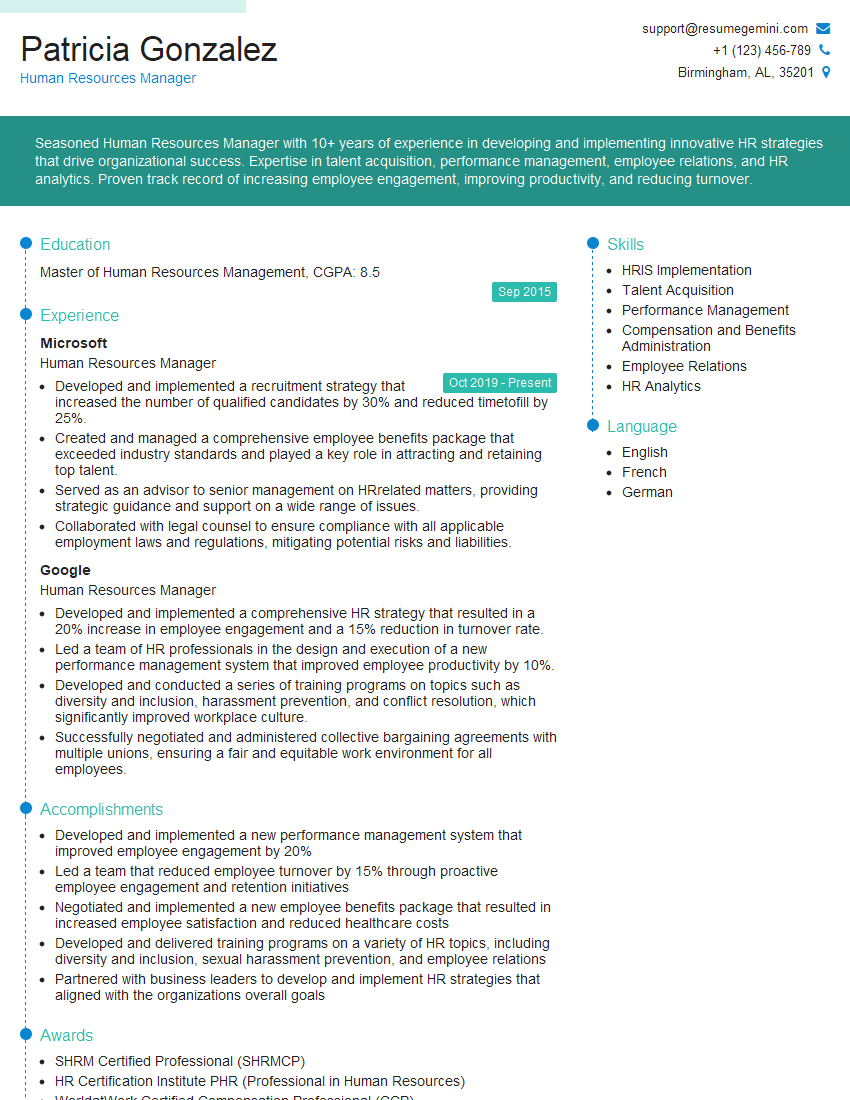
Human Resources Manager Resume Sample
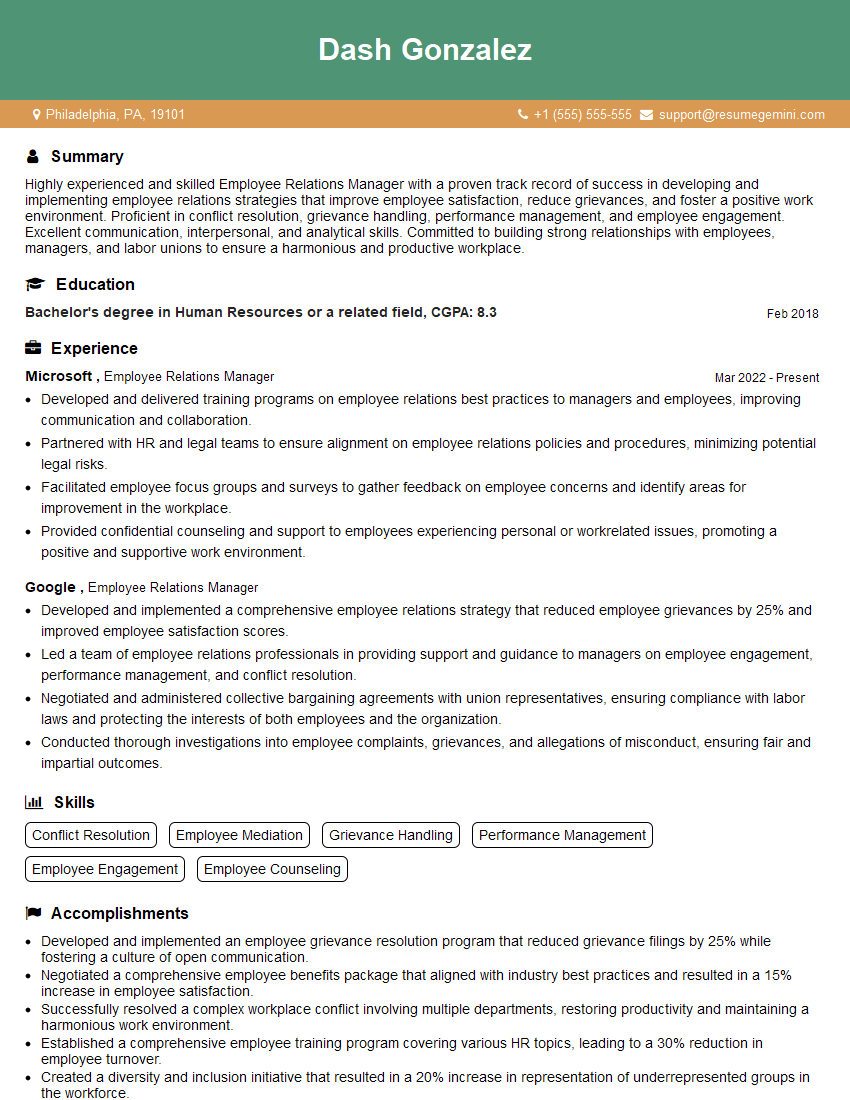
Employee Relations Manager Resume Sample
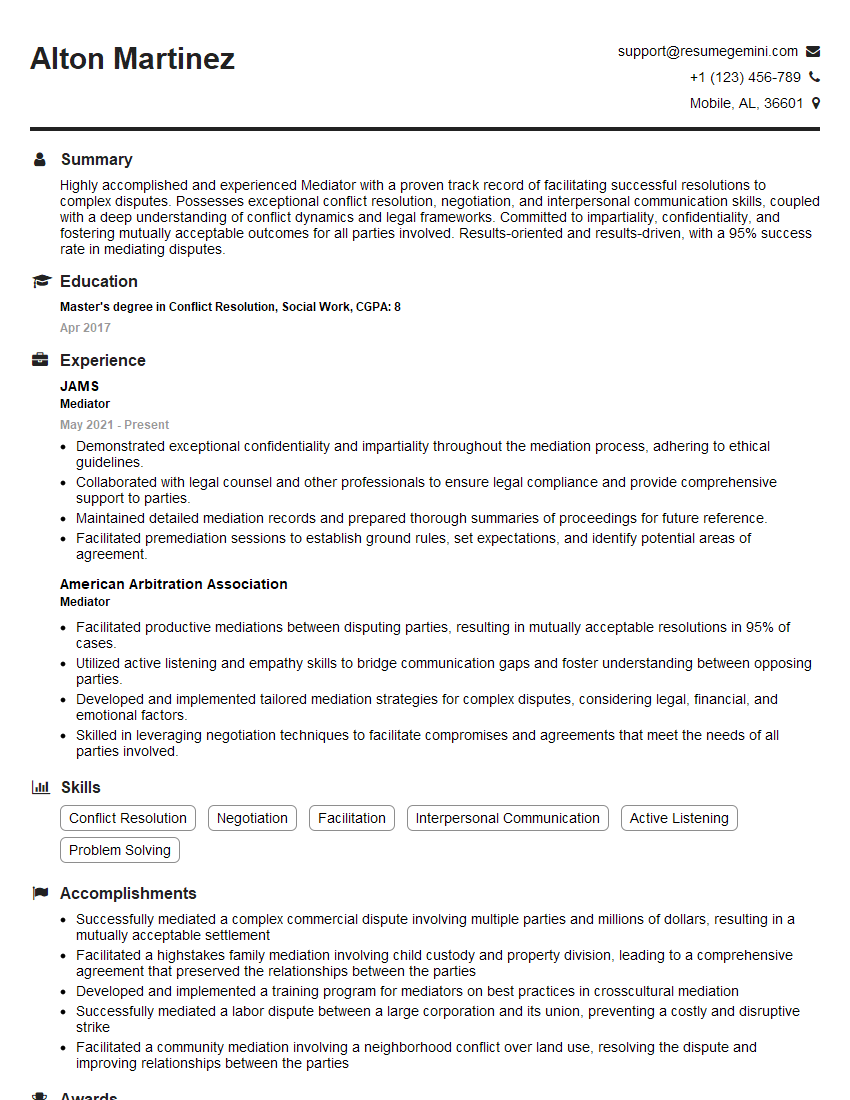
Mediator Resume Sample
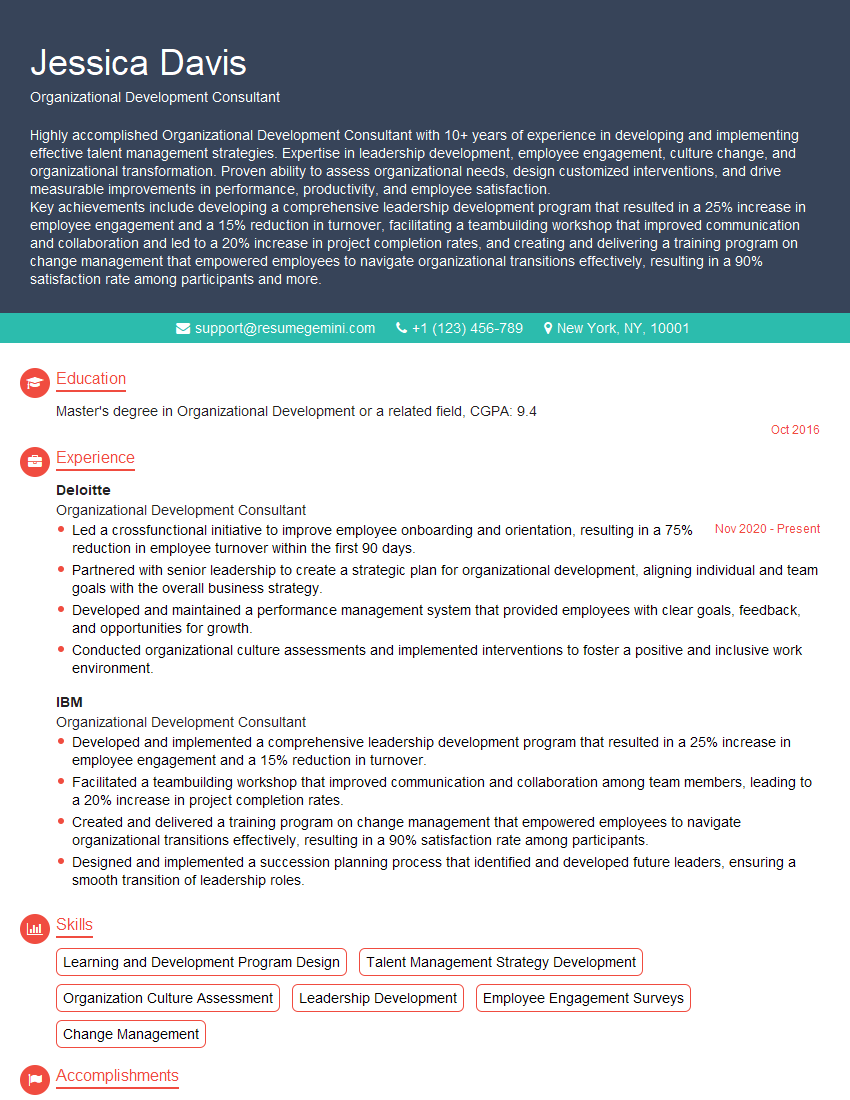
Organizational Development Consultant Resume Sample

Sustainability Consultant Resume Sample
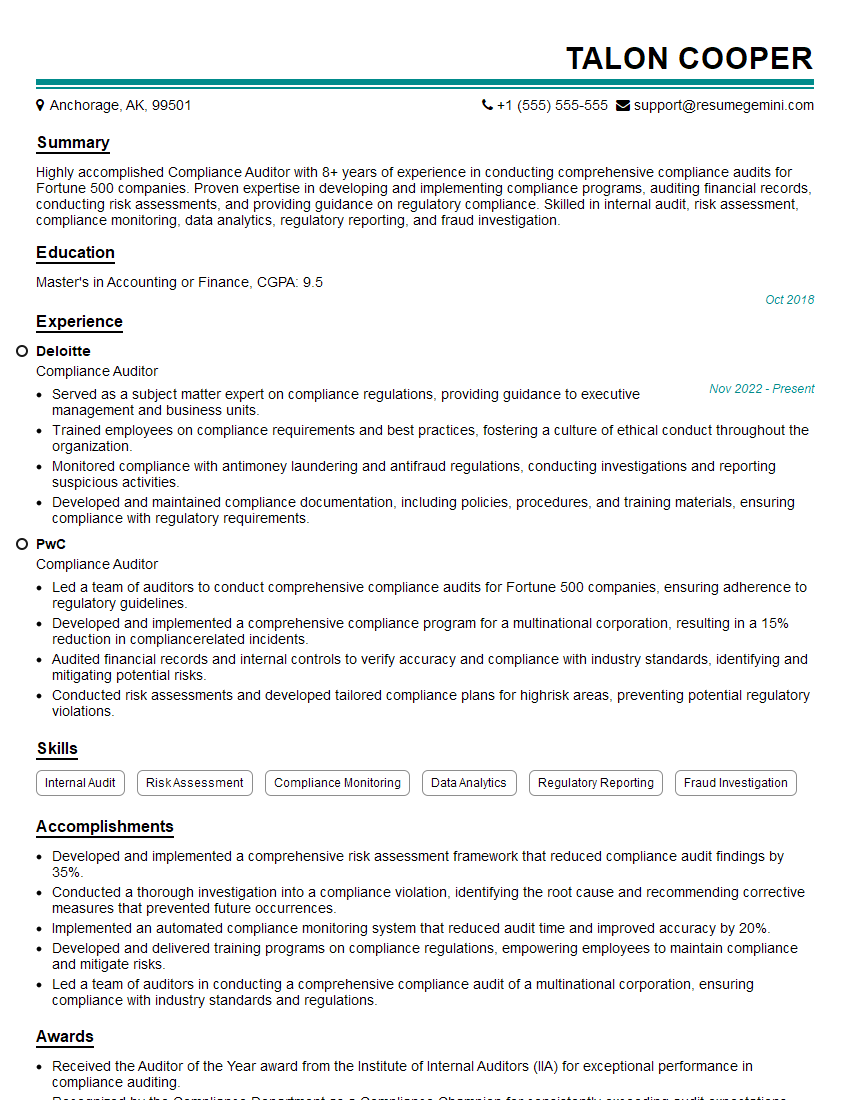
Compliance Auditor Resume Sample
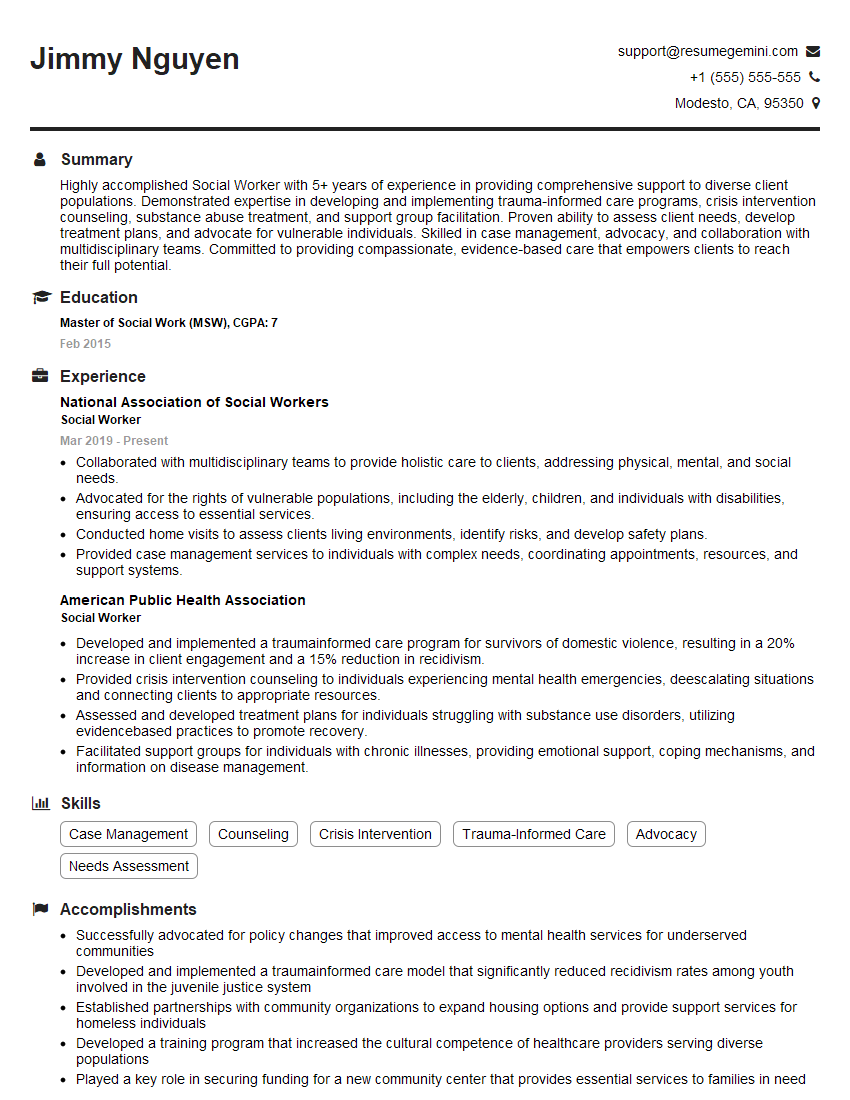
Social Worker Resume Sample
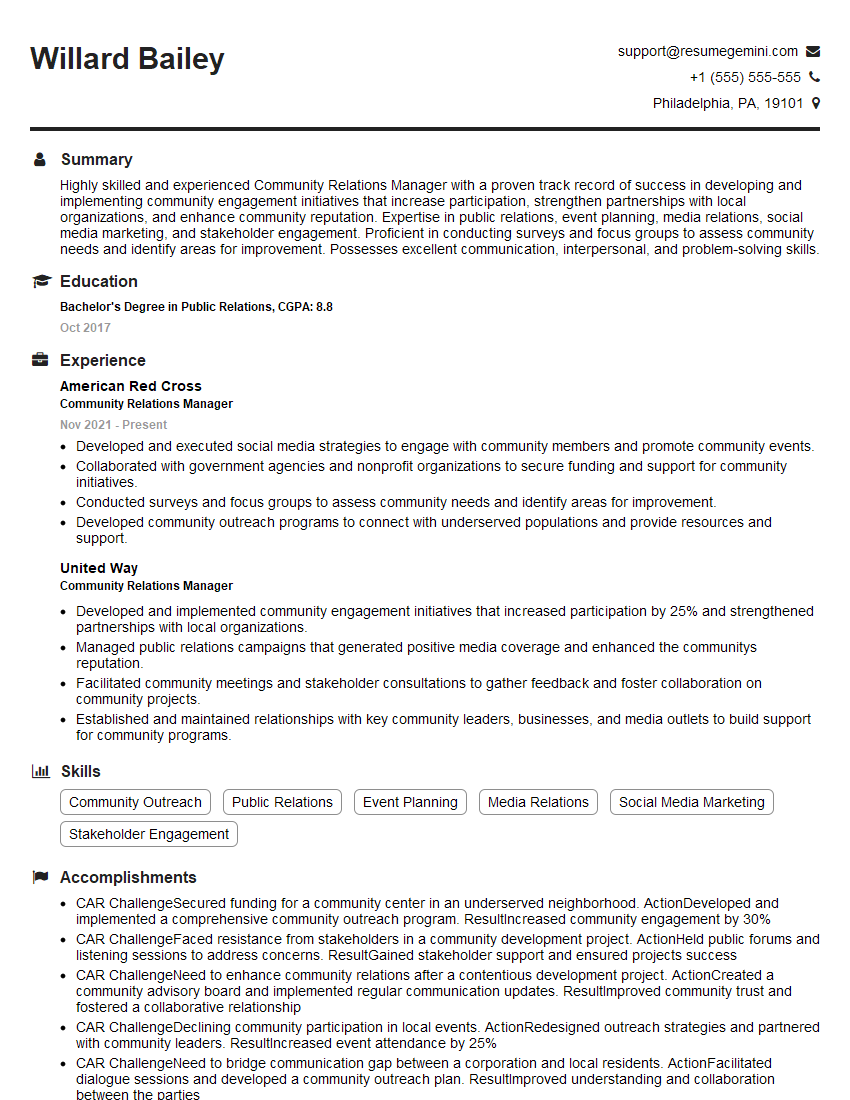
Community Relations Manager Resume Sample
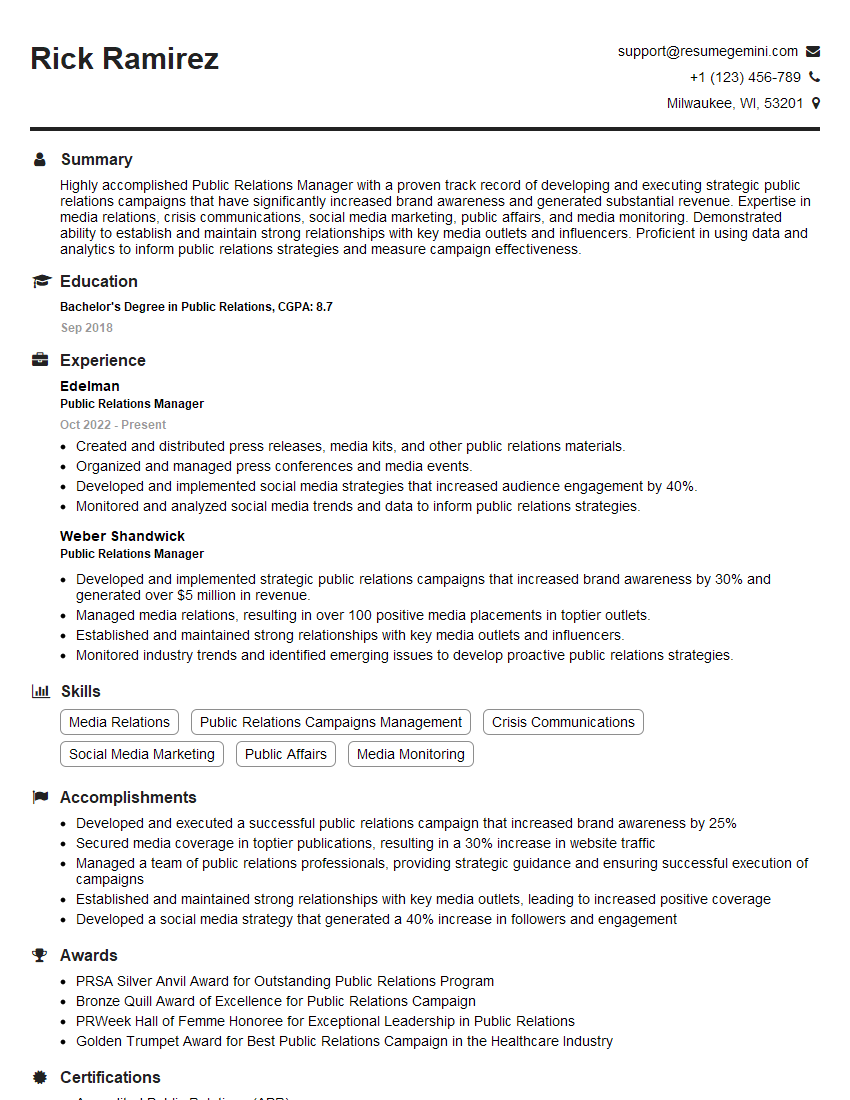
Public Relations Manager Resume Sample
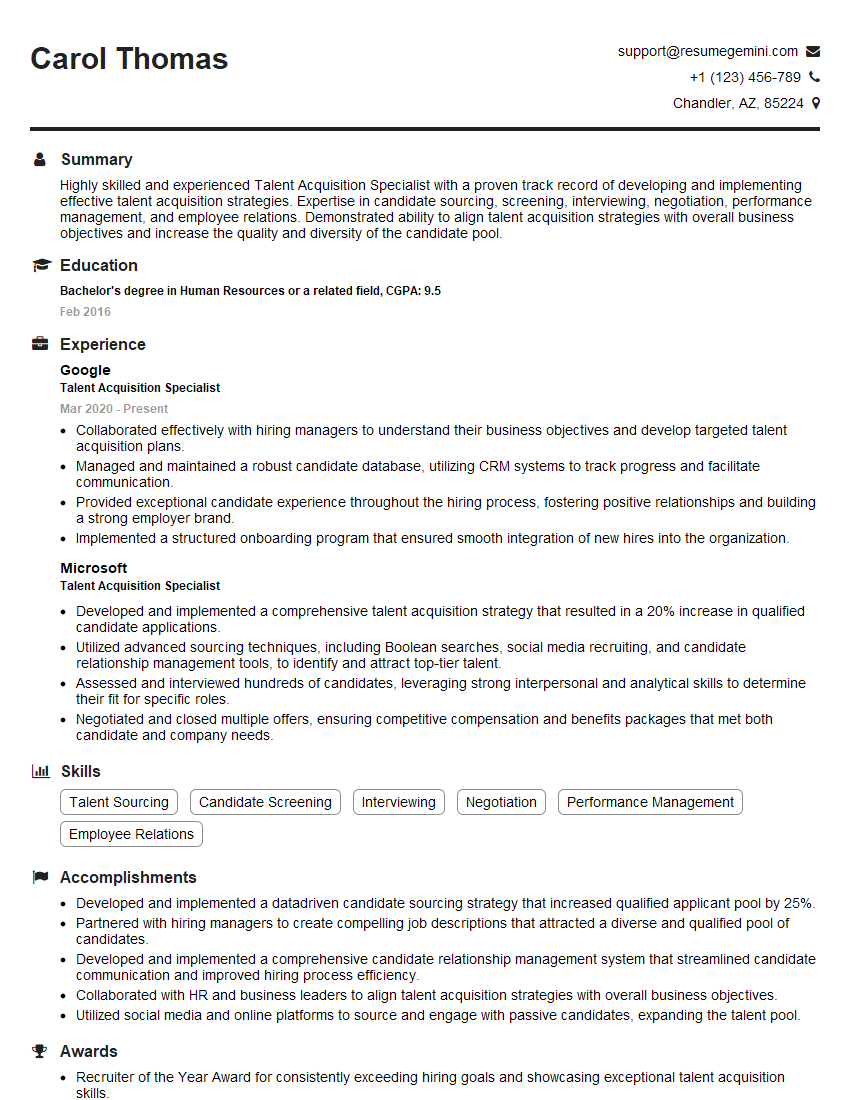
Talent Acquisition Specialist Resume Sample
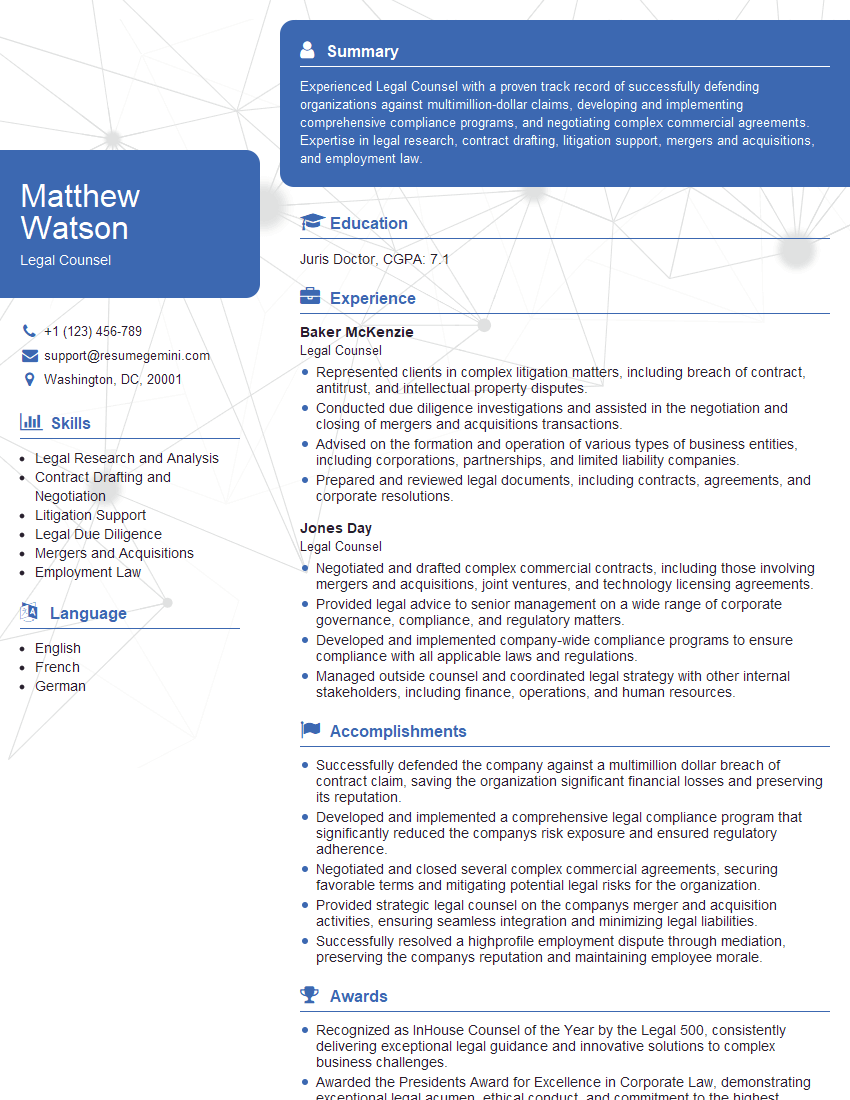
Legal Counsel Resume Sample
Explore more articles
Users Rating of Our Blogs
Share Your Experience
We value your feedback! Please rate our content and share your thoughts (optional).
What Readers Say About Our Blog
Amazing blog
hello,
Our consultant firm based in the USA and our client are interested in your products.
Could you provide your company brochure and respond from your official email id (if different from the current in use), so i can send you the client’s requirement.
Payment before production.
I await your answer.
Regards,
MrSmith
hello,
Our consultant firm based in the USA and our client are interested in your products.
Could you provide your company brochure and respond from your official email id (if different from the current in use), so i can send you the client’s requirement.
Payment before production.
I await your answer.
Regards,
MrSmith
These apartments are so amazing, posting them online would break the algorithm.
https://bit.ly/Lovely2BedsApartmentHudsonYards
Reach out at BENSON@LONDONFOSTER.COM and let’s get started!
Take a look at this stunning 2-bedroom apartment perfectly situated NYC’s coveted Hudson Yards!
https://bit.ly/Lovely2BedsApartmentHudsonYards
Live Rent Free!
https://bit.ly/LiveRentFREE
Interesting Article, I liked the depth of knowledge you’ve shared.
Helpful, thanks for sharing.
Hi, I represent a social media marketing agency and liked your blog
Hi, I represent an SEO company that specialises in getting you AI citations and higher rankings on Google. I’d like to offer you a 100% free SEO audit for your website. Would you be interested?