The right preparation can turn an interview into an opportunity to showcase your expertise. This guide to Experience in working on custom-made garments interview questions is your ultimate resource, providing key insights and tips to help you ace your responses and stand out as a top candidate.
Questions Asked in Experience in working on custom-made garments Interview
Q 1. Explain the difference between bespoke, made-to-measure, and ready-to-wear garments.
The terms bespoke, made-to-measure, and ready-to-wear represent a spectrum of garment customization. Ready-to-wear (RTW) garments are mass-produced in standard sizes, offering limited fit and style choices. Think of your average clothing store. Made-to-measure (MTM) garments involve taking a client’s measurements and adjusting a pre-existing pattern to those specifications, resulting in a better fit than RTW, but still limited customization in design. Bespoke, on the other hand, is entirely unique. A bespoke garment is made from scratch, starting with a pattern created specifically for the client and incorporating their exact preferences in style, fabric, and detailing.
Analogy: Imagine baking a cake. RTW is like buying a box mix – it’s convenient but lacks personal flair. MTM is like using a recipe and adjusting some ingredients to your liking. Bespoke is creating the entire recipe from scratch, carefully selecting each ingredient to perfectly match your preferences and culinary skill.
Q 2. Describe your experience with pattern drafting and alterations.
My pattern drafting experience encompasses both traditional methods using dress forms and digital techniques with CAD software. I’m proficient in creating base patterns and adapting them for diverse body types and styles, meticulously adjusting for factors like posture and unique body proportions. Alterations involve analyzing existing garments to identify fitting issues and then systematically correcting them, often modifying existing patterns to accommodate these adjustments. For example, I recently drafted a bespoke pattern for a client with a pronounced swayback, requiring specialized adjustments to the back bodice to ensure a smooth, comfortable fit. This involved carefully adjusting the curve of the pattern, accounting for the curvature of the spine and ensuring the garment fell properly without bunching or pulling.
I’ve also worked extensively with commercial patterns, adapting them for various body shapes, often needing to make significant changes to achieve a perfect fit for each individual client.
Q 3. How do you handle difficult or unusual fabric types?
Working with unusual fabrics requires a deep understanding of their properties. Different fabrics have unique drape, weight, and elasticity, necessitating adjustments to both the pattern and construction techniques. For instance, heavy brocades might require additional reinforcement at stress points. Delicate silks need special handling and needle selection to prevent damage. Before embarking on a project with an unfamiliar fabric, I always pre-test it to determine its behavior – assessing its drape, shrinkage potential (through pre-washing), and ideal seam allowance.
One memorable instance involved a client requesting a dress from a heavily textured, stiff bouclé fabric. The pattern needed adjustments for the stiff texture, including seam allowances that were slightly larger to accommodate its thickness. I also used a special interfacing to avoid the seams from breaking. I employed techniques to keep the fabric smooth, minimizing the seams, while carefully hand-stitching certain areas to guarantee a perfect fit and durable garment.
Q 4. What are your preferred methods for taking body measurements?
Accuracy in body measurements is paramount in custom garment making. My preferred method combines standard techniques with careful observation. I use a flexible measuring tape, ensuring it’s always held snug but not tight, and taking multiple measurements at each point for verification. I pay close attention to posture, ensuring the client stands naturally, as slumped shoulders or uneven posture can greatly skew measurements. Crucially, I don’t simply record numbers; I also note observations about the client’s body shape, such as high or low waistlines, full bust, or broad shoulders – these qualitative notes inform the subsequent pattern adjustments.
Beyond standard measurements like bust, waist, and hip, I carefully measure shoulder slope, back width, and armhole depth, crucial elements for a perfect fit. I also employ a full-body analysis to understand the client’s natural silhouette, which is essential for creating a harmonious and flattering garment.
Q 5. Detail your experience with different sewing techniques (e.g., French seams, bound seams).
My sewing technique repertoire is extensive, encompassing both traditional and contemporary methods. French seams, for example, are ideal for fine fabrics as they create a clean, invisible finish, ideal for silk or linen garments. Bound seams are exceptionally strong and suitable for outdoor or workwear, providing durability and a professional finish. I’m also adept at other techniques like flat-felled seams, used commonly in sturdy denim, and decorative seams, including pintucks or smocking, depending on the client’s style preferences.
My skills extend to various other techniques such as darts, pleats, gathers, and various types of closures (zippers, buttons, hooks and eyes). I select the appropriate technique based on the fabric type, desired aesthetic, and the garment’s functionality. For instance, I recently used French seams to create a luxurious, lightweight summer dress while utilizing flat-felled seams for a pair of durable work trousers.
Q 6. How do you ensure the accuracy and consistency of your work?
Maintaining accuracy and consistency involves a multi-pronged approach. First, meticulous record-keeping is essential. I keep detailed notes of all measurements, pattern adjustments, and construction techniques for each garment. This allows for easy replication if needed and facilitates effective problem-solving during construction. Second, I employ a rigorous quality-control process. I carefully inspect each seam, pressing regularly to maintain crisp lines and proper alignment. Third, I use high-quality tools and materials that ensure precision and durability. Using sharp needles, accurate cutting equipment, and high-quality threads is crucial.
Finally, continual self-assessment and professional development are crucial for maintaining high standards. I regularly review my work, identifying areas for improvement and seeking feedback from colleagues or mentors to ensure accuracy and consistency in my work.
Q 7. Describe your experience with fitting garments and making adjustments.
Fitting is a crucial stage in custom garment making, where adjustments are made to ensure a perfect fit. I typically conduct multiple fittings, using a combination of visual assessment and physical adjustments. The first fitting usually occurs after the garment’s major components have been assembled. Subsequent fittings allow for fine-tuning based on movement and comfort. Adjustments are made using a variety of techniques, from simple easing and shifting of fabric to more complex alterations, potentially including the reconstruction of panels. I communicate regularly with the client, ensuring they understand and approve of all adjustments made.
During fitting, I pay close attention to ease of movement, ensuring that the garment doesn’t restrict mobility. I carefully address points of tension or pulling, often making adjustments to the seams or darts, and always explain the rationale for each modification to the client. This interactive approach builds trust and ensures that the final product is a perfect fit and the client feels heard and involved in every step.
Q 8. How do you manage deadlines and prioritize tasks in a fast-paced environment?
In the fast-paced world of custom garment creation, effective time management is paramount. I utilize a project management approach combining meticulous planning with agile adaptability. Firstly, I break down each project into smaller, manageable tasks, assigning realistic deadlines to each. I use a digital calendar and task management system (like Asana or Trello) to track progress and identify potential bottlenecks. Prioritization is key; I focus on tasks with the tightest deadlines or those crucial for the overall project’s completion. For instance, if a client needs a rush order of a specific detail, I’ll prioritize that over other tasks, even if they are scheduled earlier. Regularly reviewing my schedule and adjusting priorities as needed allows me to remain flexible and respond efficiently to unexpected changes or client requests. I also proactively communicate any potential delays to the client to manage expectations.
Q 9. What software or CAD programs are you proficient in?
My proficiency in CAD software is crucial to my work. I am highly skilled in Adobe Illustrator for pattern design and creating technical drawings, and I am also experienced with CLO 3D for 3D garment simulation and visualization. This allows me to create precise patterns, experiment with different designs virtually, and accurately communicate my designs to clients. Beyond CAD, I’m also proficient in using specialized software for grading patterns (scaling for different sizes) and generating cutting layouts to minimize fabric waste. This combination of software expertise ensures efficiency and accuracy throughout the design and production process.
Q 10. How do you maintain quality control throughout the garment construction process?
Maintaining quality control is an ongoing process, starting from the initial fabric selection and continuing through each step of construction. I begin by meticulously inspecting the fabric for any defects before cutting. Throughout the sewing process, I perform regular quality checks, focusing on precise seam allowances, consistent stitching, and the accurate placement of details like pockets and closures. I have a detailed checklist for each garment stage to ensure nothing is missed. For instance, after completing a major step like attaching a sleeve, I take time to ensure the sleeve cap sits smoothly, the seam allowances are even, and there is no puckering or twisting. Before finalizing the garment, I conduct a thorough final inspection, checking for any imperfections in stitching, fabric flaws, or inconsistencies in finish. This multi-stage approach guarantees that every garment meets my high standards of quality.
Q 11. Explain your understanding of different fabric weaves and their drape properties.
Understanding fabric weaves and their drape is fundamental in garment construction. Different weaves affect how a fabric hangs, stretches, and drapes. For instance, a tightly woven twill fabric like gabardine offers structure and a crisp drape, suitable for tailored garments like trousers. Conversely, a loosely woven crepe fabric exhibits more fluidity and movement, ideal for flowing dresses. A plain weave, like cotton poplin, sits somewhere in between, offering a balance of structure and drape. I consider the desired drape and the garment’s intended style when selecting a fabric. For example, a structured weave wouldn’t suit a flowing maxi dress, while a flowing weave would be inappropriate for a tailored blazer. My experience allows me to effectively choose fabrics that complement both the design and the client’s expectations.
Q 12. How do you identify and correct common sewing errors?
Identifying and correcting sewing errors requires a keen eye and practical experience. Common errors include uneven seam allowances, skipped stitches, puckering, and inaccurate pattern placement. My approach involves carefully examining the garment section where the error is located. For example, if there’s puckering, I might check the tension of my sewing machine or examine the fabric for stretching or uneven grainlines. If the error is due to incorrect seam allowance, I carefully unpick the faulty seam and resew it, paying close attention to the correct measurement. I always check my work regularly to catch and address smaller errors before they escalate into larger problems. By systematically assessing the error’s cause, I find a solution. Through years of practice, I’ve developed a sharp understanding of common causes and effective solutions to address these issues promptly and efficiently.
Q 13. Describe your experience with various types of closures (zippers, buttons, hooks).
My experience encompasses a wide array of closures. I’m proficient with various zipper applications, from invisible zippers for a clean finish to exposed zippers for a more utilitarian look. I’m adept at installing different types of buttons – shank buttons, covered buttons, and standard buttons – ensuring secure attachment to prevent pulling or detachment. Furthermore, I’m comfortable working with hooks and eyes, particularly on tailored garments where a secure and inconspicuous closure is critical. I choose the type of closure based on factors such as the garment’s style, fabric weight, and the client’s preferences. For instance, delicate fabrics may require hidden closures, while a more casual design might suit visible button closures. Selection and installation are chosen to ensure functionality and a professional finish.
Q 14. How do you handle client communication and manage expectations?
Clear and proactive communication is vital for managing client expectations. I begin by having an in-depth consultation with each client, discussing their needs, style preferences, and any specific requirements. I provide realistic timelines and inform them of any potential challenges or delays upfront. I maintain regular contact throughout the process, providing updates on progress and addressing any concerns they may have. For instance, if a fabric is unavailable, I will proactively contact the client with alternative options, explaining the pros and cons of each. I make sure to accurately capture design details and measurements to prevent misunderstandings. By maintaining consistent communication and addressing concerns swiftly, I foster trust and satisfaction, ensuring that the final garment aligns perfectly with the client’s vision.
Q 15. What is your experience with working with different types of linings and interfacings?
Selecting the right lining and interfacing is crucial for achieving the desired drape, structure, and overall quality of a garment. My experience encompasses a wide range of materials, each with its unique properties. For linings, I’ve worked extensively with silk charmeuse (for its luxurious drape and sheen), cotton batiste (for breathability and lightweight feel), and various types of satin (for smooth, glossy interiors). The choice depends heavily on the outer fabric and the intended garment. For example, a delicate silk dress would require a silk charmeuse lining to prevent friction and maintain its elegant drape, while a sturdy wool coat might use a durable cotton lining for practicality. Interfacings are equally diverse. I regularly use fusible interfacings (which bond to the fabric with heat) for collars, cuffs, and other structured elements, selecting the weight according to the garment’s needs; a lightweight fusible interfacing for a blouse, a heavier one for a tailored jacket. Non-fusible interfacings, applied by hand stitching, offer more flexibility and are often preferred for curved areas or delicate fabrics. I also have experience with woven and knit interfacings, each providing distinct levels of support and drape.
Career Expert Tips:
- Ace those interviews! Prepare effectively by reviewing the Top 50 Most Common Interview Questions on ResumeGemini.
- Navigate your job search with confidence! Explore a wide range of Career Tips on ResumeGemini. Learn about common challenges and recommendations to overcome them.
- Craft the perfect resume! Master the Art of Resume Writing with ResumeGemini’s guide. Showcase your unique qualifications and achievements effectively.
- Don’t miss out on holiday savings! Build your dream resume with ResumeGemini’s ATS optimized templates.
Q 16. How do you troubleshoot problems during the construction of a garment?
Troubleshooting in garment construction requires a systematic approach. I begin by carefully examining the problem area. Is the seam puckering? Is the fit incorrect? Is the fabric damaged? For example, if a seam is puckering, I’ll check my stitch length, tension, and whether the fabric layers are aligned correctly. If the fit is off, I’ll revisit the pattern, making any necessary adjustments to darts, seams, or ease. Fabric damage is addressed by carefully assessing the extent and choosing an appropriate repair method, perhaps using a patch or invisible mending. I often use a ‘reverse engineering’ approach: if I’m struggling with a specific technique, I’ll construct a smaller test sample to experiment with the stitch type, interfacing choice, or other variables. Documenting my process, including notes and sketches, helps in identifying patterns and making improvements in future projects.
Q 17. What is your experience with hand-sewing techniques?
Hand-sewing is a fundamental skill I’ve honed over many years. While much of my work involves machine sewing, hand-stitching provides an unmatched level of precision and control, particularly in areas requiring delicate manipulation. I’m proficient in various hand stitches, including running stitch (for gathering or basting), backstitch (for strong seams), slipstitch (for invisible hems), and blind hemstitch (for joining fabrics invisibly). For instance, I frequently use slipstitching to attach linings seamlessly, creating a refined and clean finish. Hand-sewing is also invaluable for alterations and repairs, allowing for targeted adjustments without disrupting the overall structure of the garment.
Q 18. Describe your experience with pressing and finishing techniques.
Pressing and finishing are integral to achieving professional-quality garments. My technique involves using a variety of tools, including steam iron, tailor’s ham, sleeve board, and pressing cloths. I understand the importance of appropriate temperature and steam settings for different fabrics. For example, delicate silks require low heat and minimal steam to avoid scorching, while heavier wools benefit from higher heat and more steam to create a crisp finish. I employ different pressing techniques depending on the garment component: pressing seams open or to one side, pressing darts, and creating crisp edges. A proper understanding of grainlines and fabric behavior is essential to preventing unwanted distortion. I always finish the seams by using techniques such as pinking, overlocking or zigzag stitching to prevent fraying and ensure durability.
Q 19. How do you maintain your sewing equipment and tools?
Maintaining sewing equipment is paramount for efficiency and quality. I regularly clean my sewing machine, removing lint and debris from the bobbin case, feed dogs, and needle area. I change the needle frequently, as a blunt needle can cause skipped stitches and damage the fabric. I oil the machine according to the manufacturer’s instructions, ensuring smooth operation and preventing wear and tear. My other tools, such as shears, pins, and seam rippers, are also kept clean and sharp. Shears are regularly honed to maintain a clean, precise cut. Proper storage protects them from damage and ensures their longevity. Preventive maintenance, such as regular cleaning and lubrication, extends the lifespan of my equipment and contributes to the consistent quality of my work.
Q 20. Explain your experience with various types of stitching.
My experience encompasses a wide range of stitching techniques, tailored to the specific fabric and garment construction. I use straight stitch for seams, top stitching, and edge finishing. Zigzag stitch is valuable for preventing fraying, particularly on lightweight fabrics. Overlock stitching is employed for clean and professional seam finishes, while blind hem stitching creates invisible hems on finished garments. I also use decorative stitching techniques, such as decorative stitching and embroidery to add aesthetic appeal to some projects. The choice of stitching depends largely on the fabric and desired outcome; a fine straight stitch for a delicate silk, a sturdy zigzag stitch for a heavier denim, etc. Adapting stitching techniques to different fabric types is a hallmark of my skill.
Q 21. What methods do you use to ensure a precise and clean finish on your garments?
Achieving a precise and clean finish is a culmination of several practices. Accurate pattern cutting and precise stitching are fundamental. I pay close attention to detail, ensuring seams are perfectly aligned and stitched with consistent tension. Careful pressing is essential to remove wrinkles and create sharp, defined lines. Finishing techniques, such as clean seam finishes (serging or overlocking), precise hems, and neatly bound buttonholes, play a crucial role. Paying attention to small details like consistent seam allowances and using appropriate techniques for each fabric type (e.g., French seams for sheer fabrics) elevates the overall garment quality. I often use a combination of machine and hand-sewing techniques to achieve the desired level of precision and a polished, professional finish.
Q 22. Describe your experience working with delicate fabrics (e.g., silk, lace).
Working with delicate fabrics like silk and lace requires a meticulous approach and specialized techniques. These materials are prone to snagging and stretching, demanding precision and gentle handling throughout the entire process.
For instance, when working with silk, I always use sharp, fine needles to avoid creating holes or runs. I also use a very fine thread, often silk thread itself, matched to the fabric color. I’ll often use a silk pressing cloth to prevent scorching during ironing. With lace, I often stabilize it with a lightweight interfacing before cutting and sewing to prevent distortion and maintain its delicate structure. I handle lace very gently, avoiding pulling or tugging which could easily damage it. I might even use a specialized lace needle to minimize stress on the fibers. Understanding the drape and specific care instructions of each fabric is also essential to achieving a quality result.
For example, I recently created a custom silk gown. The client specifically requested a delicate French lace overlay. To achieve a seamless integration, I hand-stitched the lace onto the silk lining, taking extra care to match the lace patterns and avoid puckering or pulling the fabric. The result was a beautiful and flawless garment.
Q 23. How do you manage inventory and ordering of supplies?
Maintaining a well-organized inventory system is crucial for efficient workflow. I use a combination of digital and physical methods. Digitally, I maintain a detailed spreadsheet tracking all materials – from fabric types and quantities to embellishments and notions. This allows for easy stock checks and helps me anticipate future needs. Physically, I organize my supplies by category, type, and color to ensure quick access to specific items. This means fabrics are stored by fiber type (e.g., cotton, linen, silk), then color, then pattern; threads and notions are arranged similarly.
Ordering supplies is a proactive process. I regularly review my inventory levels and anticipate demand based on upcoming projects. I maintain strong relationships with trusted suppliers who understand my needs and can provide high-quality materials. I often order in bulk for common items to benefit from cost savings, but for less frequently used specialized materials, I order as needed.
Q 24. Explain your knowledge of different types of needles and threads.
Selecting the right needle and thread is paramount for achieving a professional finish. Different fabrics require different needles. For example, delicate fabrics like silk or chiffon require fine needles like size 70/10 or even finer. Medium-weight fabrics like cotton or linen typically use size 80/12 needles. Heavier fabrics like denim or canvas require stronger needles, often size 90/14 or larger. The needle type also matters – sharp needles for wovens, ballpoint needles for knits, and microtex needles for delicate synthetics.
Thread selection is equally important. Natural fibers like cotton, silk, and linen offer a beautiful drape and durability but can vary in thickness. Synthetic threads, such as polyester or nylon, are often more resistant to fading and stretching. I always choose threads that match the fabric weight and color. Using the wrong thread can lead to breakage, puckering, or visible stitching that detracts from the overall look of the garment.
Q 25. How do you create a muslin mock-up for fitting?
A muslin mock-up, or toile, is a crucial step in custom garment creation. It’s a test garment made from inexpensive muslin fabric, allowing for adjustments to the pattern before cutting into the expensive final fabric. To create a muslin mock-up, I first draft or trace the pattern pieces onto the muslin. I then cut out the pieces, adding seam allowances. I sew the muslin pieces together using a basting stitch – a long, loose stitch that’s easily removed. The resulting garment is then tried on the client. This allows for adjustments to be made to the fit, such as altering sleeve length, adjusting waistline, or modifying the neckline. Once the fit is perfected, the adjustments are marked on the muslin. This ensures the final garment fits perfectly before cutting the expensive fabric.
Q 26. How do you handle client feedback and revisions?
Client feedback is vital. I encourage open communication throughout the entire process. After each fitting, I carefully listen to the client’s comments and concerns, documenting them meticulously. I translate their feedback into specific adjustments needed on the pattern or garment. For example, if a client mentions the neckline feels too tight, I measure the exact area and make the necessary alterations. I might adjust the seam lines, add darts, or modify the neckline shape. These alterations are then carefully applied to the final fabric before cutting. This iterative approach ensures the final garment meets the client’s expectations.
Q 27. Describe your experience working with different types of embellishments (e.g., embroidery, beading).
My experience with embellishments is extensive. I’m proficient in various techniques including embroidery (both hand and machine), beading, sequins, and appliqué. The choice of embellishment depends on the design and the fabric. For instance, delicate beading might complement a silk evening gown, while bold embroidery could enhance a denim jacket. Each technique requires specific tools and skills. Hand embroidery, for example, demands precision and patience. Machine embroidery requires expertise in operating the machine and selecting the appropriate stitch patterns. I understand how to adapt embellishment techniques based on the client’s vision and the fabric’s properties to ensure a harmonious result.
For example, I once hand-beaded a wedding dress with thousands of pearls and crystals. This required meticulous planning and execution, but the final result was a truly stunning and unique piece.
Q 28. How do you ensure the sustainability and ethical sourcing of your materials?
Sustainability and ethical sourcing are paramount in my work. I prioritize using organic and sustainably produced fabrics whenever possible. I research suppliers who demonstrate commitment to environmental responsibility and fair labor practices. This involves looking for certifications like GOTS (Global Organic Textile Standard) or OEKO-TEX Standard 100, which guarantee that the materials are produced without harmful chemicals and under fair working conditions. I also source locally where feasible, reducing my carbon footprint and supporting local businesses. I encourage my clients to choose sustainable fabric options and educate them about the implications of their choices.
Minimizing waste is another aspect of my sustainability efforts. I meticulously plan my cutting layouts to use as much fabric as possible and creatively repurpose fabric scraps into smaller items, or donate them to local craft groups.
Key Topics to Learn for Experience in working on custom-made garments Interview
- Client Consultation & Design: Understanding client needs, translating their vision into design sketches, and effectively communicating design options and limitations.
- Measurement & Pattern Making: Accurate body measurements, drafting patterns, adjusting patterns for fit, and understanding different pattern cutting techniques.
- Fabric Selection & Sourcing: Knowledge of various fabrics, their properties, suitability for garments, and sourcing appropriate materials based on design and budget.
- Construction Techniques: Proficiency in various sewing techniques (hand & machine), appropriate stitch selection, seam finishing, and construction methods for different garment types.
- Fitting & Alterations: Conducting fittings, identifying areas requiring adjustments, making alterations, and ensuring a perfect fit for the client.
- Quality Control & Finishing: Ensuring high-quality workmanship, attention to detail, proper finishing techniques, and addressing any imperfections.
- Time Management & Project Planning: Efficiently managing time, scheduling appointments, tracking progress, and meeting deadlines for project completion.
- Problem-Solving & Troubleshooting: Identifying and resolving issues during the design, construction, or fitting process, adapting to unforeseen challenges.
- Understanding Garment Construction Methods: Differentiating between various construction techniques like set-in sleeves, raglan sleeves, princess seams, darts etc. and their impact on fit and style.
Next Steps
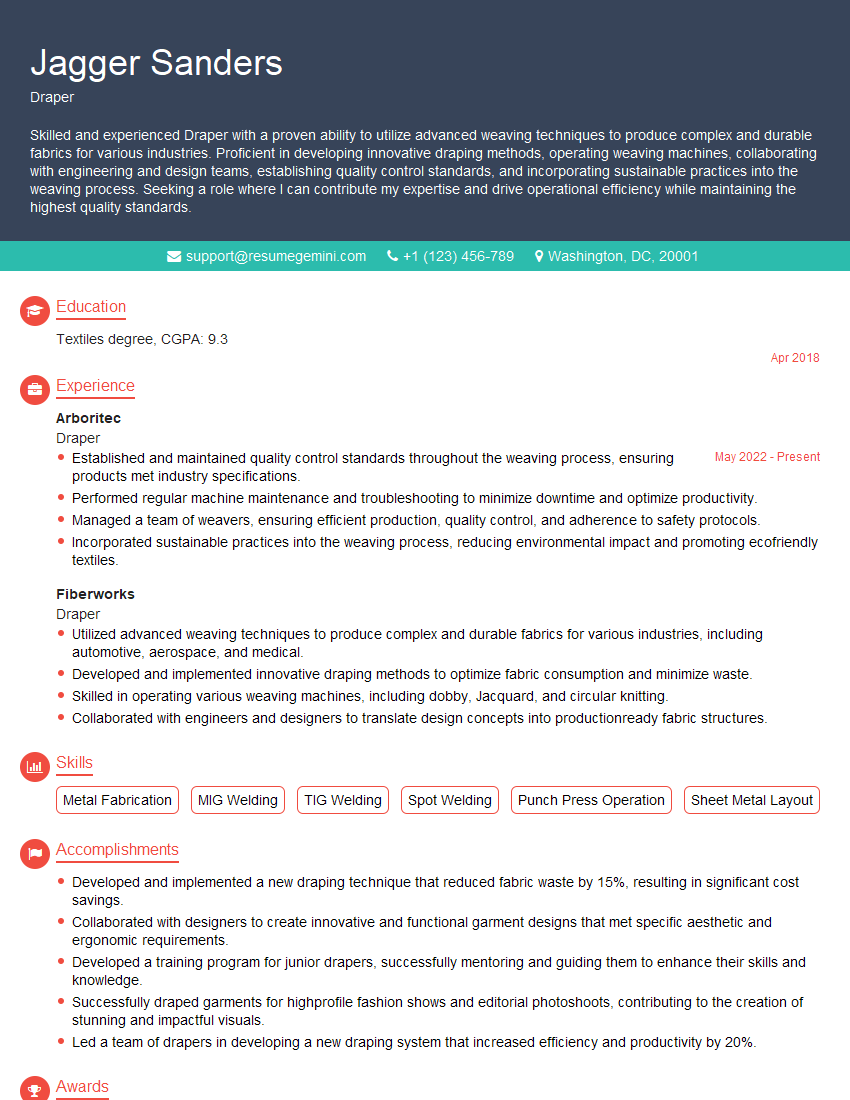
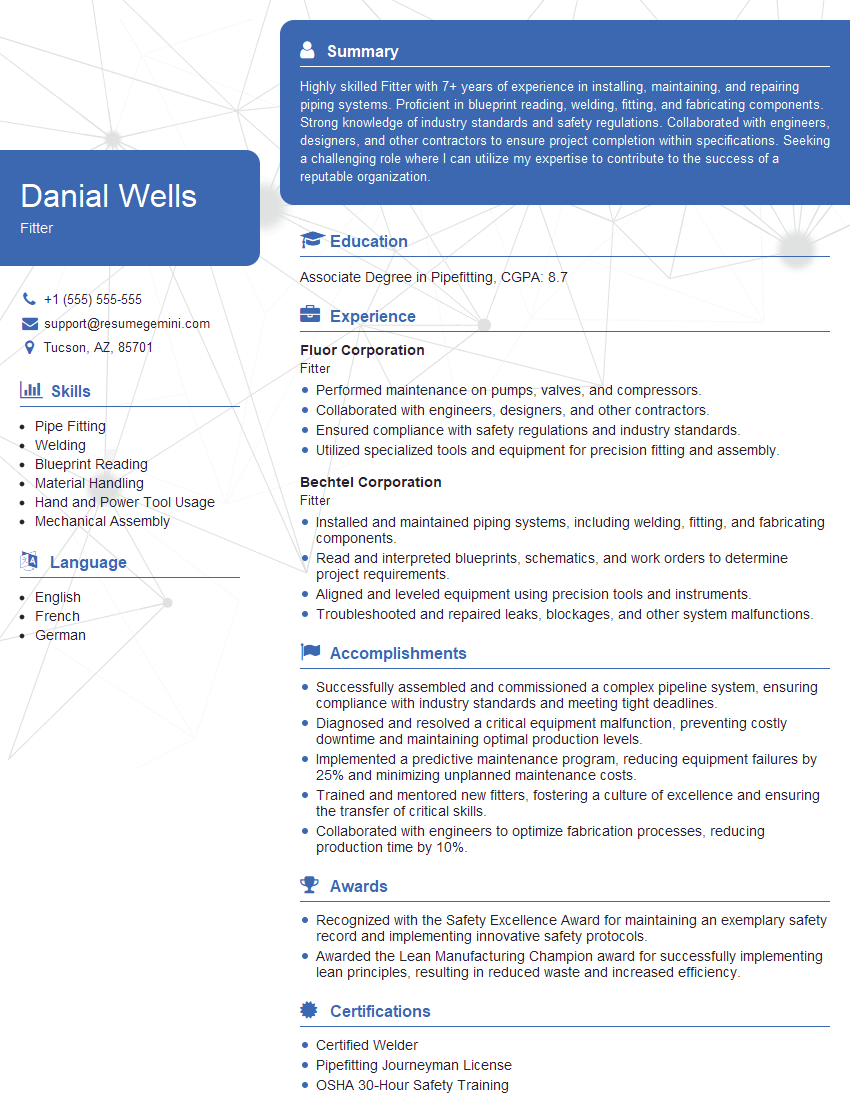
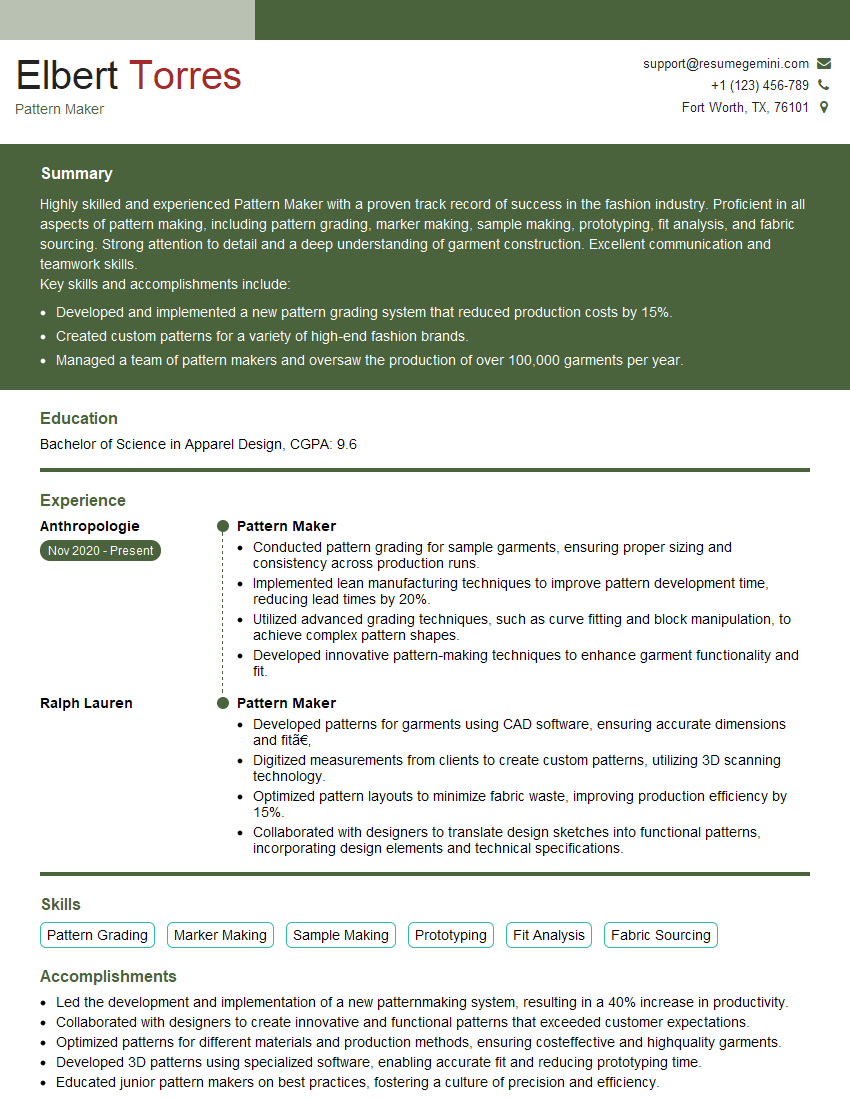
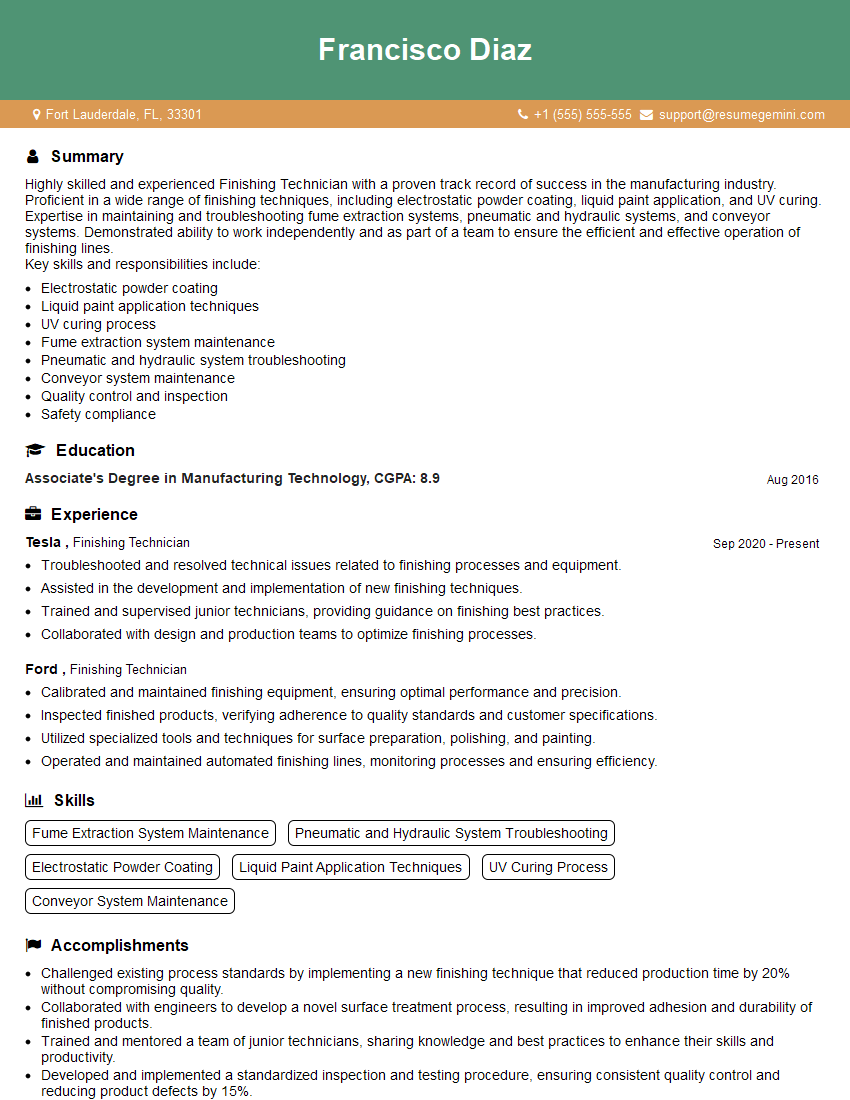
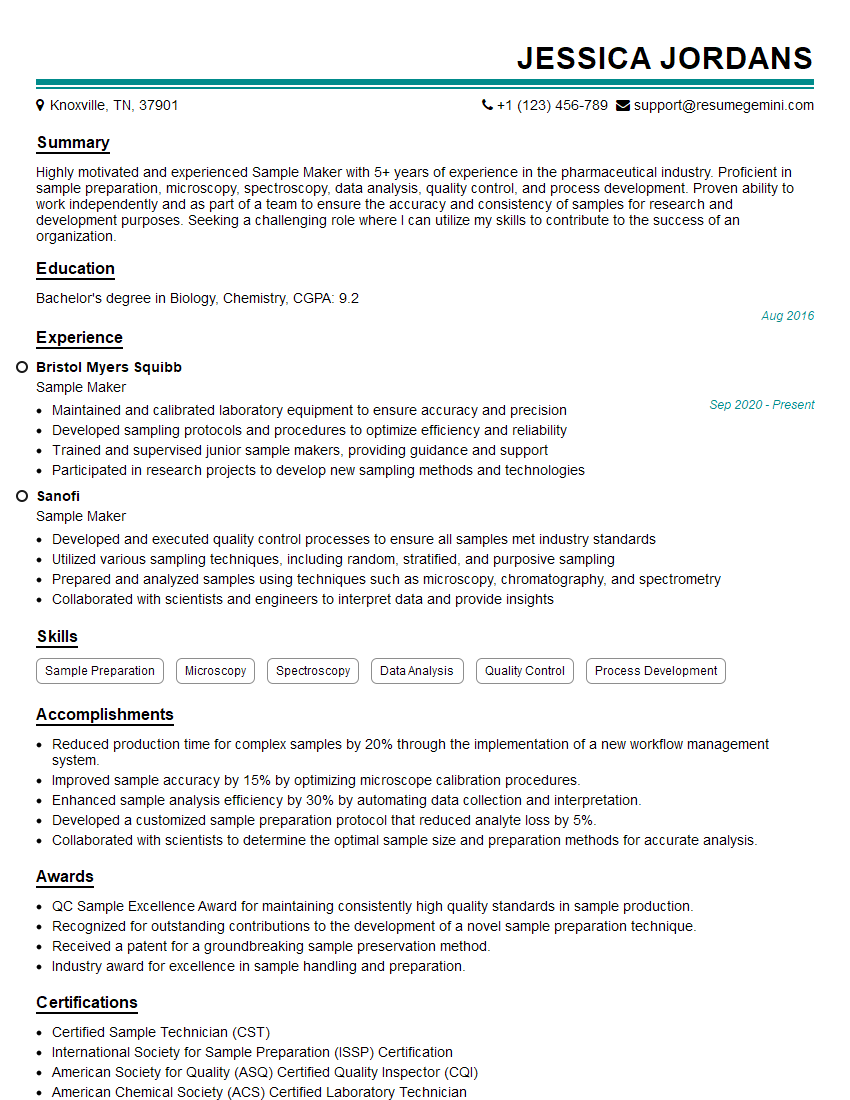
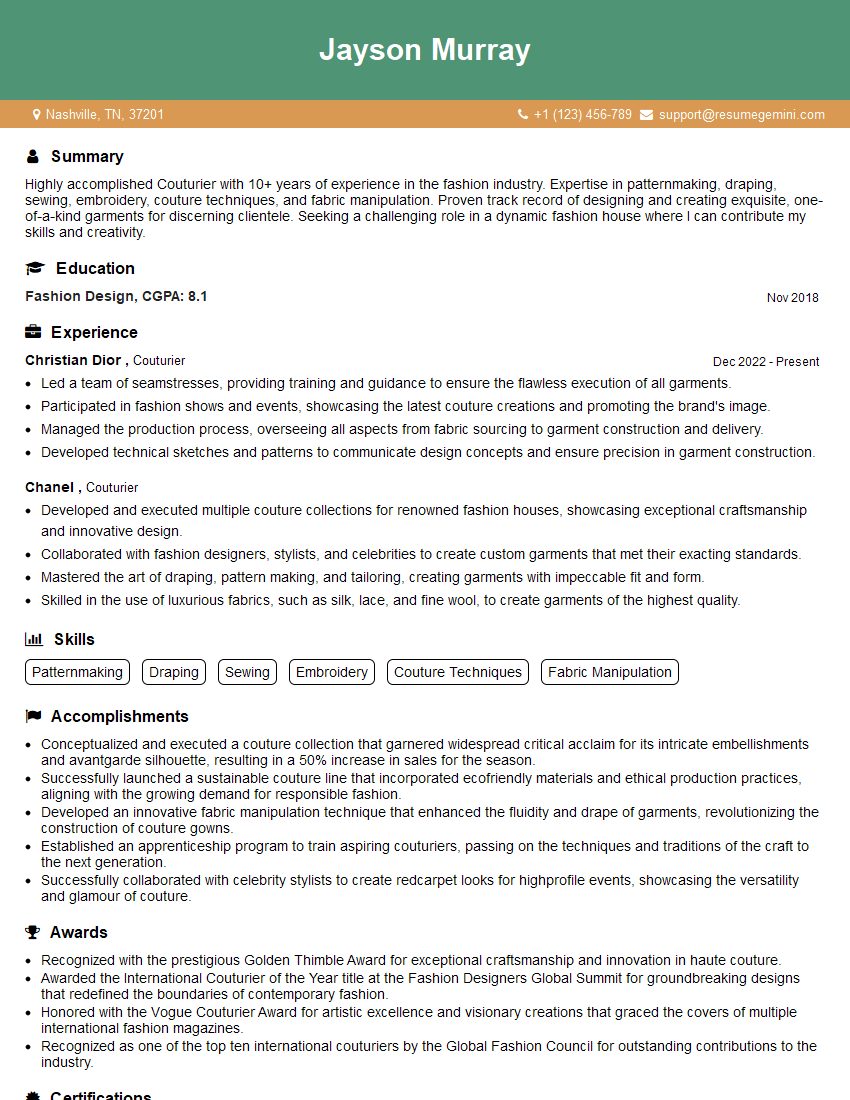
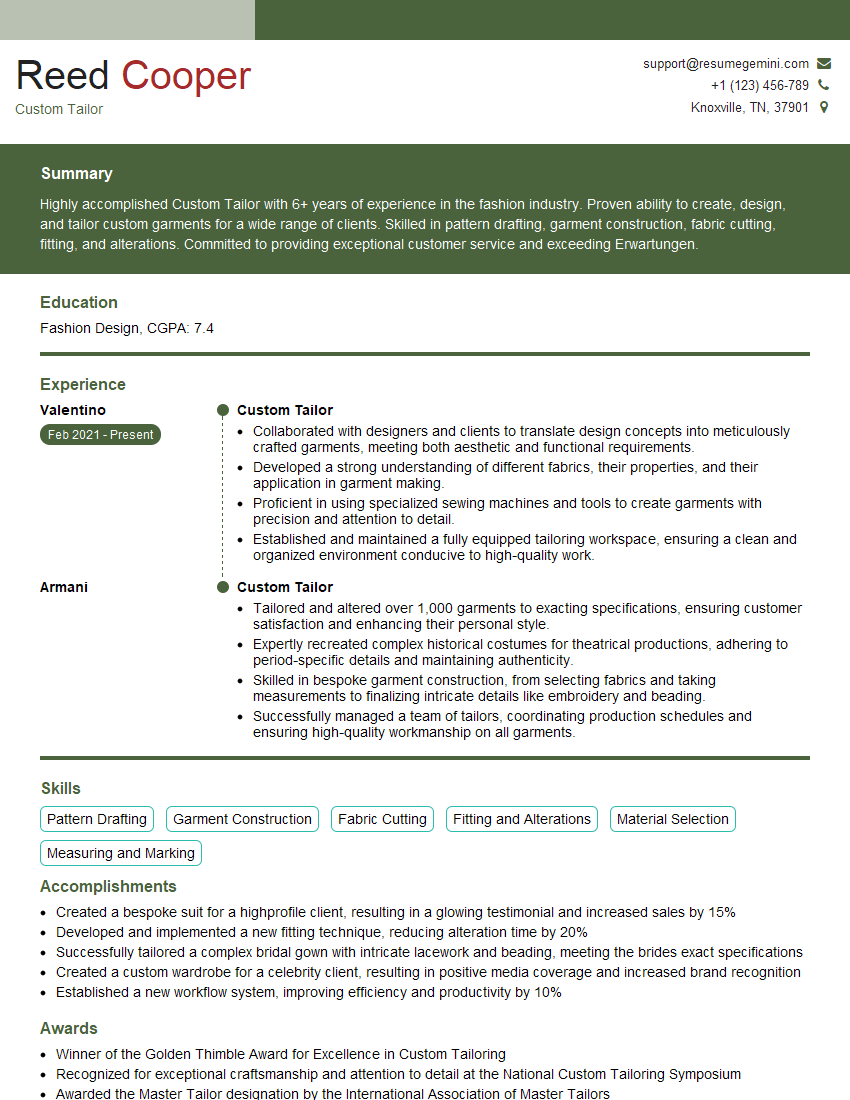
Mastering experience in custom-made garments significantly enhances your career prospects in the fashion industry, opening doors to exciting opportunities in design, tailoring, and bespoke clothing businesses. A strong resume is key to showcasing your skills and experience effectively. Creating an ATS-friendly resume is crucial for maximizing your job search success. ResumeGemini is a trusted resource to help you build a professional and impactful resume, tailored to highlight your unique skills and experiences. Examples of resumes tailored to “Experience in working on custom-made garments” are available to guide you through the process. Invest time in crafting a compelling resume; it’s your first impression on potential employers.
Explore more articles
Users Rating of Our Blogs
Share Your Experience
We value your feedback! Please rate our content and share your thoughts (optional).
What Readers Say About Our Blog
hello,
Our consultant firm based in the USA and our client are interested in your products.
Could you provide your company brochure and respond from your official email id (if different from the current in use), so i can send you the client’s requirement.
Payment before production.
I await your answer.
Regards,
MrSmith
hello,
Our consultant firm based in the USA and our client are interested in your products.
Could you provide your company brochure and respond from your official email id (if different from the current in use), so i can send you the client’s requirement.
Payment before production.
I await your answer.
Regards,
MrSmith
These apartments are so amazing, posting them online would break the algorithm.
https://bit.ly/Lovely2BedsApartmentHudsonYards
Reach out at [email protected] and let’s get started!
Take a look at this stunning 2-bedroom apartment perfectly situated NYC’s coveted Hudson Yards!
https://bit.ly/Lovely2BedsApartmentHudsonYards
Live Rent Free!
https://bit.ly/LiveRentFREE
Interesting Article, I liked the depth of knowledge you’ve shared.
Helpful, thanks for sharing.
Hi, I represent a social media marketing agency and liked your blog
Hi, I represent an SEO company that specialises in getting you AI citations and higher rankings on Google. I’d like to offer you a 100% free SEO audit for your website. Would you be interested?