Preparation is the key to success in any interview. In this post, we’ll explore crucial Experienced in managing complex patient cases. interview questions and equip you with strategies to craft impactful answers. Whether you’re a beginner or a pro, these tips will elevate your preparation.
Questions Asked in Experienced in managing complex patient cases. Interview
Q 1. Describe your experience managing patients with multiple comorbidities.
Managing patients with multiple comorbidities, or co-existing conditions, requires a holistic and coordinated approach. It’s like conducting an orchestra – each instrument (condition) needs to be considered, but the overall harmony (patient health) is the ultimate goal. My experience involves developing comprehensive care plans that address each condition individually while acknowledging their interrelationships. This includes:
- Detailed Assessment: Thorough review of the patient’s medical history, including all diagnoses, medications, allergies, and lifestyle factors.
- Prioritization: Identifying the most urgent and life-threatening conditions that require immediate attention.
- Medication Management: Careful review of all medications to identify potential drug interactions or contraindications. Often, this requires close collaboration with a pharmacist.
- Interdisciplinary Collaboration: Working closely with specialists (cardiologists, endocrinologists, etc.) to ensure coordinated care and avoid conflicting treatment plans. Regular team meetings are crucial.
- Patient Education: Empowering patients with knowledge about their conditions and treatment plans is essential for adherence.
For example, I recently managed a patient with heart failure, diabetes, and chronic kidney disease. We developed a plan focusing on blood pressure and glucose control to reduce the burden on the kidneys, while simultaneously managing fluid balance to alleviate heart failure symptoms. Regular monitoring and adjustments to medication were key.
Q 2. Explain your approach to prioritizing care for patients with competing needs.
Prioritizing care for patients with competing needs involves a thoughtful and ethical framework, often guided by clinical urgency and patient values. Imagine a triage system in an emergency room – the most critical cases are addressed first. My approach involves:
- ABCs: Addressing airway, breathing, and circulation (ABCs) – the most immediate life threats. This is often the first priority.
- Urgency and Severity: Assessing the potential impact of each condition on the patient’s overall health and well-being. Conditions that pose an immediate risk to life or limb take precedence.
- Patient Preferences: Engaging in shared decision-making with the patient and family, respecting their values and goals of care.
- Risk-Benefit Analysis: Weighing the potential benefits and risks of each intervention. Not all interventions are necessary or beneficial.
- Documentation: Clearly documenting the rationale for prioritization to ensure transparency and accountability.
In practice, this might involve prioritizing the management of a severe infection over a less urgent chronic condition, while keeping long-term management goals in mind. For example, managing an acute exacerbation of COPD before focusing on long-term diabetes management.
Q 3. How do you handle conflicting information from different healthcare providers?
Conflicting information from different healthcare providers is a common challenge. It requires careful investigation and a commitment to patient safety. My approach involves:
- Verification: Reviewing the original sources of information to confirm accuracy and context.
- Clarification: Directly contacting the healthcare providers involved to discuss the discrepancies and obtain clarification. This is a crucial step, as misunderstandings can easily arise.
- Evidence-Based Decision Making: Using evidence-based guidelines and clinical judgment to resolve the conflict. This often involves consulting relevant medical literature.
- Documentation: Meticulous documentation of the conflicting information, steps taken to resolve the issue, and final decision made.
- Patient Involvement: Keeping the patient informed and involving them in the decision-making process whenever possible.
For instance, if one physician recommended a medication while another expressed concerns about potential drug interactions, I’d directly contact both physicians to ensure a thorough understanding of their recommendations before making a decision in the patient’s best interest. The patient would be kept informed of the process and rationale throughout.
Q 4. Describe a time you had to make a critical decision under pressure regarding a complex patient.
During my time in the ICU, a patient presented with severe sepsis and acute respiratory distress syndrome (ARDS). The patient’s condition rapidly deteriorated, and we faced a critical decision regarding mechanical ventilation and other life support measures. The situation was highly stressful; the patient was unstable, and time was of the essence.
My approach involved:
- Rapid Assessment: A swift but thorough assessment of the patient’s vital signs and response to initial interventions.
- Team Collaboration: Immediate consultation with the respiratory therapist, intensivist, and other specialists. This involved a rapid exchange of information and collaborative problem-solving.
- Risk-Benefit Analysis: Weighing the potential benefits of mechanical ventilation against the risks of complications like ventilator-associated pneumonia.
- Decision Making: Based on the collective expertise of the team and the urgency of the situation, we quickly opted for initiating mechanical ventilation along with other supportive measures.
Thankfully, the patient responded positively to our intervention, and the rapid decision-making proved crucial in stabilizing their condition. The experience underscored the importance of clear communication, decisive action, and teamwork in high-pressure situations. Regular debriefings after critical incidents like this help refine our protocols and decision-making processes.
Q 5. How do you communicate complex medical information to patients and their families?
Communicating complex medical information requires empathy, patience, and clear, concise language. It’s not just about delivering facts; it’s about ensuring understanding. My approach involves:
- Assess Understanding: Begin by assessing the patient and family’s existing knowledge and understanding of their condition.
- Plain Language: Use simple, everyday language, avoiding medical jargon whenever possible. If jargon must be used, I always define it clearly.
- Visual Aids: Employing visual aids like diagrams or charts to illustrate complex concepts. These can make abstract medical information more accessible.
- Chunking Information: Break down large amounts of information into smaller, manageable chunks.
- Repeat and Summarize: Repeat key points and summarize information at the end of the conversation to confirm understanding.
- Check for Understanding: Actively check for understanding through questions and encourage questions from the patient and family.
For example, when explaining a complex medication regimen, I might use a pill organizer as a visual aid, demonstrate how to take the medication correctly, and provide written instructions in plain language.
Q 6. What strategies do you use to ensure patient adherence to treatment plans?
Ensuring patient adherence to treatment plans requires building a strong therapeutic alliance and addressing the barriers to adherence. Think of it like building a bridge between the healthcare team and the patient. My strategies include:
- Shared Decision-Making: Involving the patient actively in the development of the treatment plan to increase their sense of ownership and commitment.
- Tailored Plans: Creating treatment plans that are realistic and feasible within the context of the patient’s lifestyle and resources.
- Address Barriers: Identifying and addressing potential barriers to adherence, such as financial constraints, lack of transportation, cognitive impairment, or other social determinants of health.
- Regular Follow-Up: Providing regular follow-up appointments and monitoring compliance with the treatment plan. This involves regular communication and support.
- Education and Support: Providing ongoing education and support to address questions, concerns, or any difficulties the patient may be facing.
- Technology: Utilizing technology such as reminder apps or telehealth platforms to improve medication adherence and communication.
For instance, for a patient struggling with medication adherence due to financial constraints, I might explore options such as patient assistance programs or connect them with social workers who can help secure resources.
Q 7. How do you identify and mitigate potential risks for patients with complex needs?
Identifying and mitigating potential risks for patients with complex needs is a proactive approach that requires constant vigilance. This is a crucial part of risk management. My approach uses a multi-faceted strategy:
- Comprehensive Assessment: Conducting a thorough assessment of the patient’s overall health status, identifying potential risk factors for complications or adverse events.
- Medication Reconciliation: Regularly reviewing the patient’s medication list to identify potential drug interactions or adverse effects.
- Fall Risk Assessment: Assessing the patient’s risk for falls and implementing preventive measures, such as environmental modifications or assistive devices.
- Infection Prevention: Implementing infection prevention strategies to minimize the risk of hospital-acquired infections.
- Regular Monitoring: Closely monitoring the patient’s vital signs, laboratory values, and overall clinical status to detect early signs of deterioration.
- Proactive Communication: Maintaining open communication with the patient, their family, and other healthcare providers to address any concerns or potential risks promptly.
For example, for a patient with a history of falls, I would implement measures such as bedside commode, handrails, and adequate lighting to minimize the risk of falls. Regular assessment of medication side effects would be crucial, especially those that might induce dizziness or weakness.
Q 8. Explain your experience with electronic health records (EHRs) and their use in managing complex cases.
Electronic Health Records (EHRs) are indispensable tools for managing complex patient cases. They provide a centralized, comprehensive repository of a patient’s medical history, including diagnoses, medications, allergies, lab results, imaging studies, and progress notes. In managing complex cases, this centralized data is crucial for efficient decision-making.
For example, consider a patient with multiple chronic conditions like diabetes, heart disease, and kidney failure. The EHR allows me to quickly access all relevant information, minimizing the risk of medication interactions or overlooking crucial details. I can track their lab values over time, identify trends, and adjust treatment plans accordingly. The EHR’s functionality also facilitates communication within the care team, ensuring everyone is on the same page.
Furthermore, EHRs often incorporate clinical decision support systems (CDSS). These systems provide alerts and reminders, for instance, flagging potential drug interactions or suggesting appropriate preventative screenings based on the patient’s profile. This enhanced functionality significantly improves the quality and safety of care for complex patients.
Q 9. How do you collaborate with interdisciplinary teams to provide holistic patient care?
Effective collaboration with interdisciplinary teams is paramount in providing holistic patient care, especially in complex cases. I believe in fostering a culture of open communication and shared responsibility. This involves regular team meetings, where we discuss patient progress, challenges, and potential solutions. We leverage the expertise of each team member – physicians, nurses, pharmacists, social workers, physical therapists – to develop a coordinated care plan.
For instance, in managing a patient with a stroke, I would collaborate closely with the neurologist, physical therapist, speech therapist, and occupational therapist. The neurologist focuses on the neurological aspects, while the therapists work on rehabilitation. Regular team meetings allow us to monitor the patient’s progress, adjust the therapy plan, and address any emerging issues promptly. We use the EHR as a central communication hub, ensuring everyone has access to the most up-to-date information and treatment plans.
Clear communication and mutual respect are crucial. I always actively listen to the input of each team member, value their perspectives, and ensure everyone feels empowered to contribute. This collaborative approach ensures that the patient receives comprehensive, coordinated, and patient-centered care.
Q 10. Describe your experience with patient advocacy and navigating healthcare systems.
Patient advocacy involves ensuring patients have access to the best possible care and are empowered to make informed decisions. Navigating the healthcare system can be daunting, particularly for patients with complex conditions. My role includes not only providing medical care but also assisting patients in accessing resources, understanding their treatment options, and advocating for their needs.
This might involve helping a patient secure financial assistance for medications, coordinating transportation to appointments, or advocating for them with insurance companies. I might also educate patients about their condition, treatment options, and potential side effects, ensuring they have the knowledge to participate actively in their care. For example, I helped a patient with a rare disease navigate the complexities of clinical trials, connecting them with research coordinators and ensuring they understood the risks and benefits involved.
Understanding the healthcare system’s intricacies is crucial. I am familiar with the various regulations, referral processes, and available resources, allowing me to effectively advocate for my patients’ needs. This often includes anticipating potential obstacles and proactively addressing them to ensure patients receive timely and appropriate care.
Q 11. How do you assess a patient’s capacity for self-management of their condition?
Assessing a patient’s capacity for self-management involves a multi-faceted approach. It’s not simply about their physical ability but also their cognitive, emotional, and social resources. I use a combination of methods to determine their level of self-management ability.
Firstly, I conduct a thorough assessment of their understanding of their condition, treatment plan, and potential complications. This involves using clear, simple language and assessing their ability to recall and explain crucial information. Secondly, I evaluate their physical abilities, including dexterity, mobility, and any limitations that might impact their ability to administer medications or follow other aspects of the treatment plan. Thirdly, I consider their social support system, including family, friends, and community resources, that can assist them with self-management tasks.
For example, a patient with diabetes needs to be able to monitor their blood sugar, adjust insulin dosages, and maintain a healthy diet. I would assess their ability to perform these tasks, and if needed, provide education, support, or refer them to resources like diabetes educators. The assessment is an ongoing process, adjusted based on the patient’s progress and any changes in their condition or circumstances.
Q 12. Describe your approach to crisis management in a complex patient situation.
Crisis management in complex patient situations requires a calm, decisive, and systematic approach. My response is guided by a clear protocol that prioritizes patient safety and stabilization. It starts with a rapid assessment of the situation to identify the immediate threat, followed by immediate intervention to address the most pressing concerns.
This might involve escalating the situation to the appropriate team members—calling for additional medical assistance, contacting specialists, or notifying family members as needed. Simultaneously, I initiate the necessary treatments, such as administering medications, providing supportive care, and ensuring the patient’s physiological stability. For example, if a patient experiences a severe exacerbation of heart failure, immediate measures like administering oxygen, diuretics, and other supportive therapies would be implemented while simultaneously contacting cardiology for further assessment and management.
After the immediate crisis is resolved, a detailed review of the event is conducted to understand the contributing factors and prevent similar incidents in the future. This involves documenting the events, modifying the treatment plan if necessary, and improving communication protocols within the healthcare team to enhance preparedness for future crises.
Q 13. How do you utilize data and analytics to inform treatment decisions for complex cases?
Data and analytics play a crucial role in informing treatment decisions for complex cases. EHRs provide a wealth of data, including lab results, vital signs, medication adherence, and patient-reported outcomes. Analyzing this data helps identify trends, predict potential complications, and personalize treatment plans.
For instance, I might use statistical analysis to examine the effectiveness of different treatments for a specific patient population. Predictive analytics could help identify patients at higher risk for complications, allowing for proactive interventions. Data visualization tools, such as charts and graphs, aid in understanding trends and patterns in patient data, making it easier to identify areas for improvement in the care plan.
Beyond the EHR, I might also incorporate data from external sources, such as research databases or clinical guidelines, to ensure evidence-based decision-making. This data-driven approach not only improves the quality of care but also allows for continuous improvement in our practices, ensuring we are providing the most effective and up-to-date treatments.
Q 14. What are some ethical considerations in managing complex patient cases?
Ethical considerations in managing complex patient cases are multifaceted and require careful consideration. The fundamental principle is always to act in the patient’s best interests, respecting their autonomy and maintaining confidentiality.
Challenges can arise in situations involving decision-making capacity. If a patient lacks capacity, I must ensure decisions are made in accordance with their previously expressed wishes (advance directives) or by a legally appointed surrogate. Informed consent is another crucial aspect. I must ensure patients understand their treatment options, potential risks and benefits, and have the opportunity to ask questions and participate fully in the decision-making process.
Resource allocation is another ethical dilemma. In cases where resources are limited, I must make difficult decisions fairly and equitably, ensuring access to necessary care while balancing the needs of all patients. Maintaining confidentiality and privacy of patient information is also paramount, adhering to all relevant regulations and professional guidelines. Continuously reflecting on these ethical considerations ensures I provide the highest quality care while adhering to the ethical principles of the profession.
Q 15. How do you handle disagreements with colleagues regarding patient care?
Disagreements among healthcare professionals regarding patient care are inevitable, given the complexity of cases and the diversity of expertise. My approach prioritizes respectful communication and collaborative problem-solving. I believe in a culture of shared decision-making, where all perspectives are valued.
First, I actively listen to my colleagues’ concerns, ensuring I understand their reasoning and rationale. Then, I present my perspective clearly and concisely, supporting my position with evidence-based research or clinical guidelines. If a consensus can’t be reached immediately, we engage in a structured discussion, focusing on the patient’s best interests. This might involve consulting relevant literature, seeking a second opinion from a senior colleague, or utilizing established protocols for conflict resolution within the healthcare team. Ultimately, the goal is to find a solution that aligns with the best evidence and safeguards the patient’s well-being. For example, in a recent case involving a patient with conflicting medication needs, we convened a multidisciplinary team meeting, thoroughly reviewing the patient’s chart and medical history before agreeing on the most appropriate course of action.
Career Expert Tips:
- Ace those interviews! Prepare effectively by reviewing the Top 50 Most Common Interview Questions on ResumeGemini.
- Navigate your job search with confidence! Explore a wide range of Career Tips on ResumeGemini. Learn about common challenges and recommendations to overcome them.
- Craft the perfect resume! Master the Art of Resume Writing with ResumeGemini’s guide. Showcase your unique qualifications and achievements effectively.
- Don’t miss out on holiday savings! Build your dream resume with ResumeGemini’s ATS optimized templates.
Q 16. Explain your experience with end-of-life care and decision-making.
End-of-life care requires a delicate balance between medical expertise and compassionate human connection. My experience encompasses providing palliative care, managing symptoms, and facilitating open communication between the patient, their family, and the healthcare team. Ethical decision-making is paramount, and I strive to uphold patient autonomy, respecting their wishes regarding life-sustaining treatments.
I’ve been involved in many situations where patients and families have had to make incredibly difficult choices. In these cases, I act as a guide, providing clear and honest information about the patient’s prognosis, treatment options, and potential outcomes. I ensure that families understand their loved one’s wishes, as expressed in advance care directives or communicated through conversations. I support families in making informed decisions, helping them cope with the emotional weight of this experience. Providing compassionate care, including emotional and spiritual support, is as critical as the medical aspects of end-of-life care.
Q 17. How do you adapt your communication style to different patient populations?
Adapting communication style is crucial for effective patient care. I tailor my approach based on factors such as age, cultural background, cognitive abilities, and emotional state. For example, when communicating with elderly patients, I ensure the environment is conducive to hearing and understanding, using clear, concise language and allowing ample time for questions. With younger patients, I might employ a more informal, engaging style, while maintaining professional boundaries.
For patients with cognitive impairments, such as dementia, I simplify my language, use visual aids, and involve family members or caregivers in the communication process. Cultural sensitivity involves being aware of and respecting diverse beliefs and customs, including language preferences and communication styles. Using interpreters when necessary and being mindful of non-verbal cues are important aspects of culturally competent communication. I always strive to create a safe and trusting environment where patients feel comfortable expressing their concerns and asking questions.
Q 18. What resources do you use to stay updated on best practices in managing complex cases?
Staying current with best practices is essential for managing complex cases effectively. I utilize a variety of resources, including peer-reviewed medical journals (such as The Lancet and The New England Journal of Medicine), professional medical organizations (like the American Medical Association), and reputable online databases (like PubMed and UpToDate). I actively participate in continuing medical education (CME) courses and workshops, attending conferences and seminars focused on my area of expertise.
Moreover, I maintain a network of colleagues and mentors with whom I regularly discuss complex cases and challenges, learning from their experiences and perspectives. I frequently review and update my knowledge of clinical guidelines and treatment protocols relevant to the types of patients I manage. This multi-faceted approach ensures I remain abreast of the latest research, evidence-based practices, and advances in medical technology.
Q 19. Describe a time you had to deal with a patient’s family who was difficult to manage.
Dealing with challenging family dynamics is a common aspect of complex patient care. I recall a situation involving a patient with a severe illness and a family deeply divided on treatment options. Some family members wanted aggressive interventions, while others preferred a more palliative approach. The situation was emotionally charged, with significant disagreement and tension.
My approach was to create a safe space for open communication, facilitating separate family meetings to understand each member’s perspectives and concerns. I presented the medical facts clearly and impartially, emphasizing the patient’s autonomy and wishes, whenever possible. I encouraged empathy and understanding amongst family members, emphasizing their shared goal of ensuring the patient’s comfort and well-being. We utilized a family meeting structure, where we addressed concerns, and worked towards a unified plan. Ultimately, we reached a compromise that respected everyone’s views, and the patient received care aligned with their comfort preferences.
Q 20. How do you ensure patient safety in complex and high-risk situations?
Patient safety in complex and high-risk situations requires a multi-layered approach. It begins with a thorough assessment of the patient’s condition and risk factors, involving regular monitoring of vital signs, medication administration, and potential complications. We utilize checklists and protocols to ensure adherence to best practices and minimize the risk of errors. Effective communication is crucial, both within the healthcare team and with the patient and their family.
We employ strategies such as ‘time-outs’ before procedures to verify the patient’s identity, the procedure, and the site. We maintain meticulous documentation of all actions and interventions. The use of technology, such as electronic health records and monitoring systems, plays a significant role in enhancing safety and coordination of care. A culture of safety, emphasizing error reporting and learning from mistakes, is crucial for creating a proactive and resilient healthcare environment. Open communication and a collaborative approach ensure that any potential risks are identified and addressed promptly.
Q 21. What are your strategies for preventing medical errors in complex patient cases?
Preventing medical errors is a top priority in complex cases. My strategies include utilizing checklists and protocols for routine tasks, double-checking medications and dosages, and ensuring clear and concise communication among the healthcare team. We utilize a ‘two-person check’ system for high-risk procedures and medication administration. Moreover, promoting a culture of safety, encouraging open communication about near misses and errors without fear of retribution, is critical.
Regular review of patient charts and medication reconciliation help in identifying and resolving potential discrepancies. Effective handoffs between healthcare providers ensure a seamless transition of care and minimize the risk of missed information. Continuous learning and engagement with best-practice guidelines, combined with reflective practice, enable ongoing improvement in safety protocols and a reduction in medical errors. Regular team training and simulation exercises further enhance preparedness for complex scenarios.
Q 22. Describe a time you had to escalate a patient’s care to a higher level of expertise.
Escalating a patient’s care involves recognizing limitations in my expertise and proactively seeking assistance from specialists. For example, I was managing a patient with complex post-surgical complications, including uncontrolled pain and suspected sepsis. While I initiated standard pain management protocols and infection control measures, the patient’s condition worsened despite interventions. Recognizing that his vital signs were deteriorating rapidly and my interventions weren’t sufficient, I immediately contacted the surgical team and intensivist. This prompt escalation led to a timely diagnosis of a surgical site infection requiring immediate surgical revision and intensive care unit admission, ultimately saving the patient’s life. The key here was not just recognizing the need for escalation but acting swiftly and efficiently, clearly communicating the patient’s condition and the reasoning behind the escalation to the higher level of care team.
Q 23. How do you maintain professionalism and empathy when managing emotionally challenging situations?
Maintaining professionalism and empathy in emotionally challenging situations requires a multifaceted approach. Firstly, active listening is paramount. I create a safe space for patients and families to express their concerns and anxieties without interruption. I validate their feelings, showing that I understand and acknowledge their emotional distress. For example, when dealing with a family struggling with end-of-life decisions for a loved one, I provide them with time and space to grieve and ensure they feel heard and supported. Secondly, I maintain composure even under intense pressure, ensuring that my own emotions don’t negatively affect my ability to provide clear, concise, and supportive communication. Finally, I utilize strategies like reframing the situation from a collaborative perspective: ‘How can we work together to achieve the best outcome?’ This shift in communication promotes collaboration and reduces the emotional burden on everyone involved.
Q 24. What are your strengths and weaknesses in managing complex patient cases?
My strengths in managing complex patient cases include my strong critical thinking skills, my ability to synthesize information from various sources (medical history, lab results, imaging studies, etc.), and my proactive approach to anticipating potential problems. I am adept at developing individualized care plans, meticulously documenting progress, and adapting plans based on patient response. However, one area I am constantly working on is delegating effectively. While I am thorough and detail-oriented, sometimes I take on too much responsibility, potentially impacting time management. To mitigate this, I am focusing on enhancing my delegation skills by clearly outlining tasks, providing appropriate training, and trusting team members to complete their assigned responsibilities. This allows for more efficient workload management and also empowers my team.
Q 25. Describe your experience with different healthcare settings (e.g., hospital, clinic, home health).
My experience spans various healthcare settings. I began my career in a busy urban hospital, gaining extensive experience in managing acute and critical care cases. This provided a foundation in rapid assessment and intervention. Subsequently, I transitioned to a community clinic setting, where I developed expertise in managing chronic conditions and preventive care. More recently, I gained valuable experience in home health, learning to adapt care plans to the unique challenges of the home environment and the necessity of patient and family education. This varied experience has provided me with a broad understanding of healthcare delivery across different settings and patient populations, fostering adaptability and a patient-centric approach to care.
Q 26. How do you prioritize tasks effectively when managing multiple complex patients concurrently?
Prioritizing tasks when managing multiple complex patients requires a structured approach. I utilize a combination of prioritization frameworks, including the urgency/importance matrix (Eisenhower Matrix) and the ABC analysis, where A represents critical tasks, B represents important tasks, and C represents less important tasks. I also use task management tools such as lists and calendars to track deadlines and progress. Furthermore, effective communication with my team is crucial. Clear delegation of tasks, coupled with regular communication regarding updates and any changes in patient status, ensures efficient and coordinated care. This avoids duplication of efforts and ensures that critical tasks for each patient are addressed promptly and efficiently.
Q 27. Explain your understanding of legal and regulatory issues related to patient care.
My understanding of legal and regulatory issues related to patient care is comprehensive. I am proficient in HIPAA regulations, ensuring patient confidentiality and data security. I am familiar with informed consent procedures, ensuring patients understand their treatment options and implications before making decisions. I am also aware of the legal ramifications of medical errors and the importance of meticulous documentation. I understand the importance of adhering to state and federal guidelines concerning medication administration, patient safety, and reporting mechanisms for adverse events. Furthermore, I am aware of the legal implications regarding end-of-life care and advance directives, always ensuring that patient wishes and legal documentation are meticulously followed.
Q 28. Describe your experience with health informatics and how it impacts patient care.
Health informatics plays a crucial role in enhancing patient care. My experience includes utilizing electronic health records (EHRs) for efficient documentation, medication management, and tracking patient progress. I utilize data analytics within the EHR to identify trends, make evidence-based decisions, and assess treatment effectiveness. For example, using data from the EHR, I identified a pattern of increased readmissions for a specific patient population. This enabled me to advocate for the implementation of a post-discharge follow-up program, leading to a significant reduction in readmission rates. Furthermore, I am comfortable using telehealth platforms to provide remote patient monitoring and virtual consultations, expanding access to care and improving patient outcomes, especially for those with mobility limitations or residing in rural areas. Proficient use of these technologies are essential to providing safe and high-quality care in the modern healthcare setting.
Key Topics to Learn for Experienced in Managing Complex Patient Cases Interview
- Comprehensive Patient Assessment: Understanding how to thoroughly evaluate a patient’s medical history, current condition, and social factors to identify the complexities of their case. This includes critically analyzing lab results, imaging studies, and physician notes.
- Developing & Implementing Treatment Plans: Demonstrating your ability to create and execute tailored treatment strategies, considering potential risks, benefits, and patient preferences. This involves coordinating care among various healthcare professionals.
- Prioritization and Time Management: Explaining your methods for managing competing priorities and effectively allocating time when dealing with multiple patients with diverse and urgent needs.
- Communication and Collaboration: Highlighting effective communication skills with patients, families, and the multidisciplinary healthcare team to ensure seamless care coordination and informed decision-making.
- Ethical Considerations & Legal Compliance: Demonstrating awareness of ethical dilemmas in complex cases and adherence to legal and regulatory standards in patient care.
- Crisis Management & Problem-Solving: Describing your approach to handling unexpected complications, escalating critical situations, and making informed decisions under pressure.
- Documentation & Record Keeping: Showcasing your ability to maintain accurate, complete, and timely documentation of patient interactions, treatments, and progress, adhering to all relevant standards.
- Case Study Analysis: Preparing to discuss specific complex cases you’ve managed, focusing on your decision-making process, challenges encountered, and positive outcomes achieved. Emphasize your problem-solving skills and adaptability.
Next Steps
Mastering the art of managing complex patient cases is crucial for career advancement in healthcare. It showcases your clinical expertise, leadership skills, and ability to handle challenging situations effectively. Building a strong, ATS-friendly resume is vital for maximizing your job prospects. ResumeGemini is a trusted resource to help you craft a professional and impactful resume that highlights your abilities in managing complex patient cases. Examples of resumes tailored to this experience are available to help guide you.
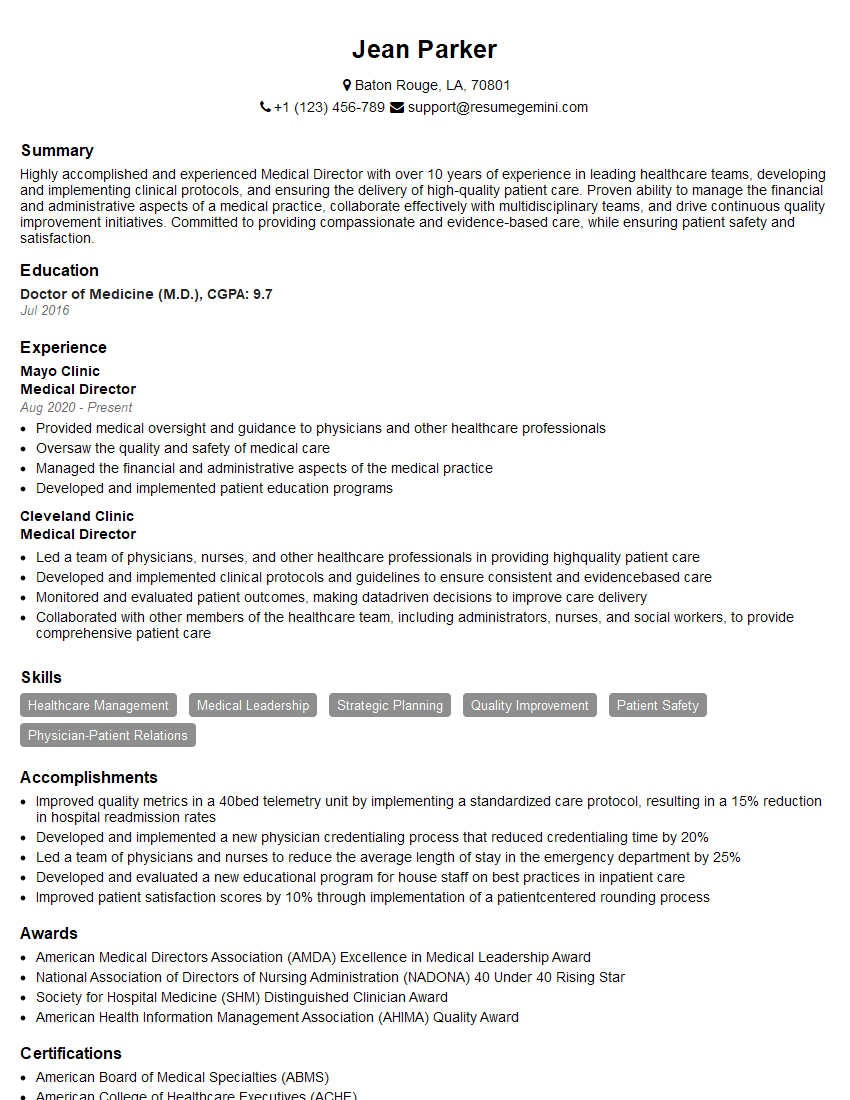
Medical Director Resume Sample
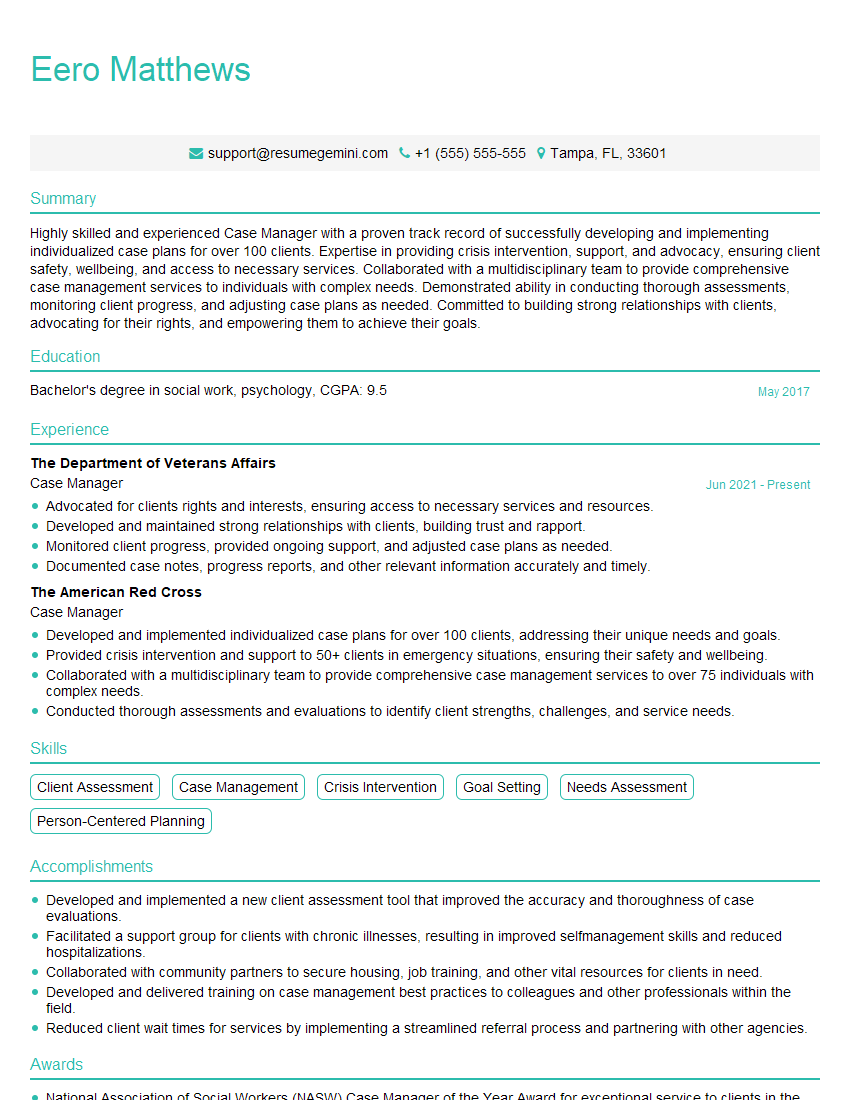
Case Manager Resume Sample
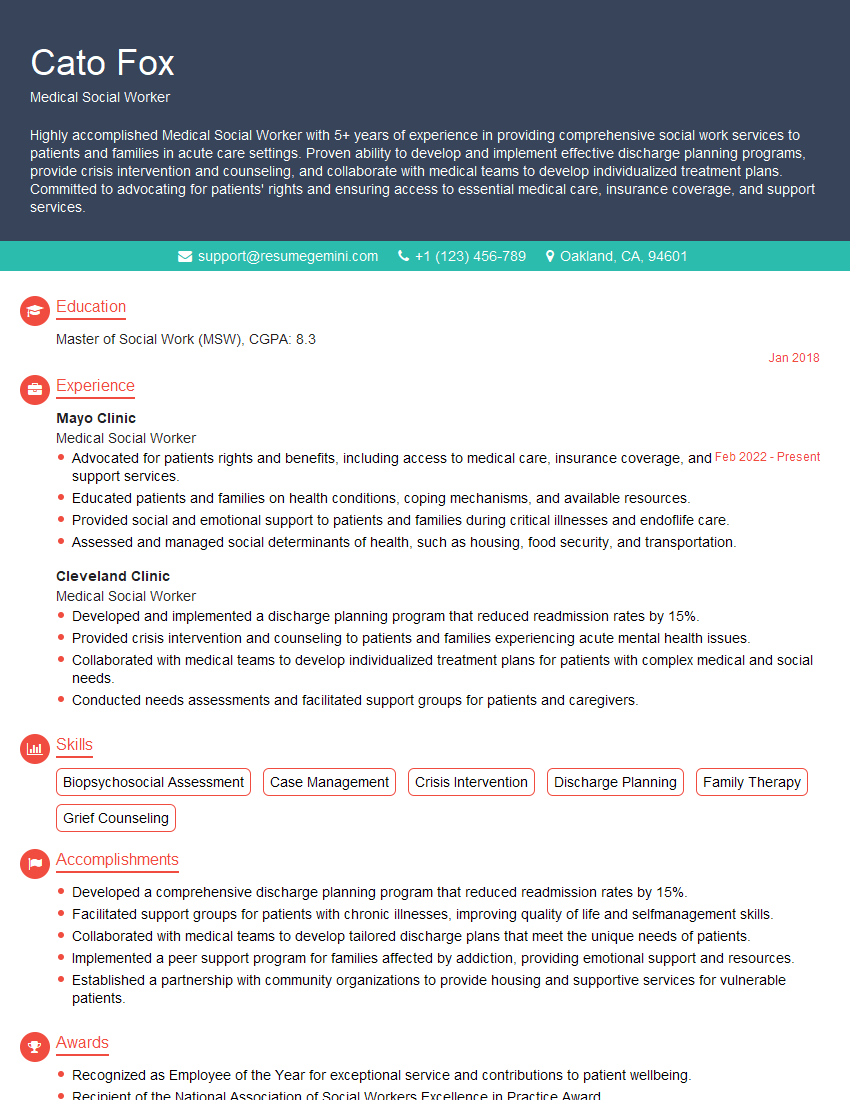
Medical Social Worker Resume Sample
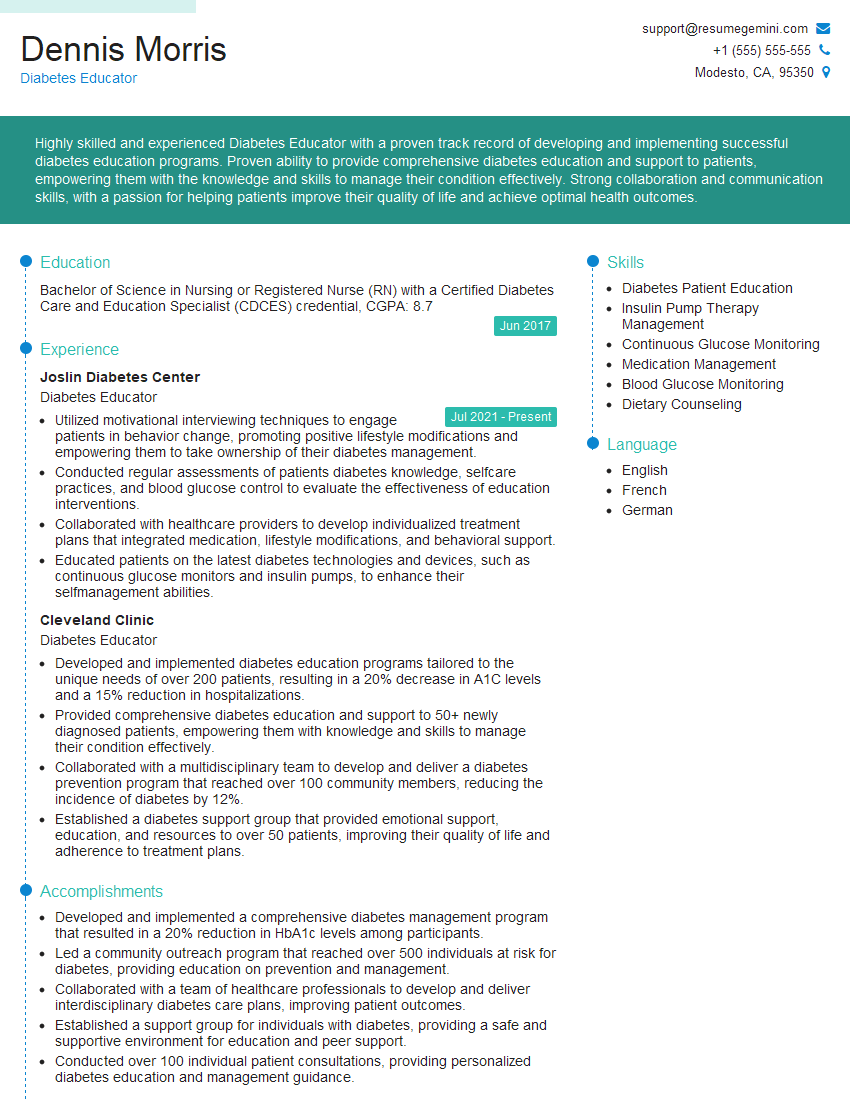
Diabetes Educator Resume Sample
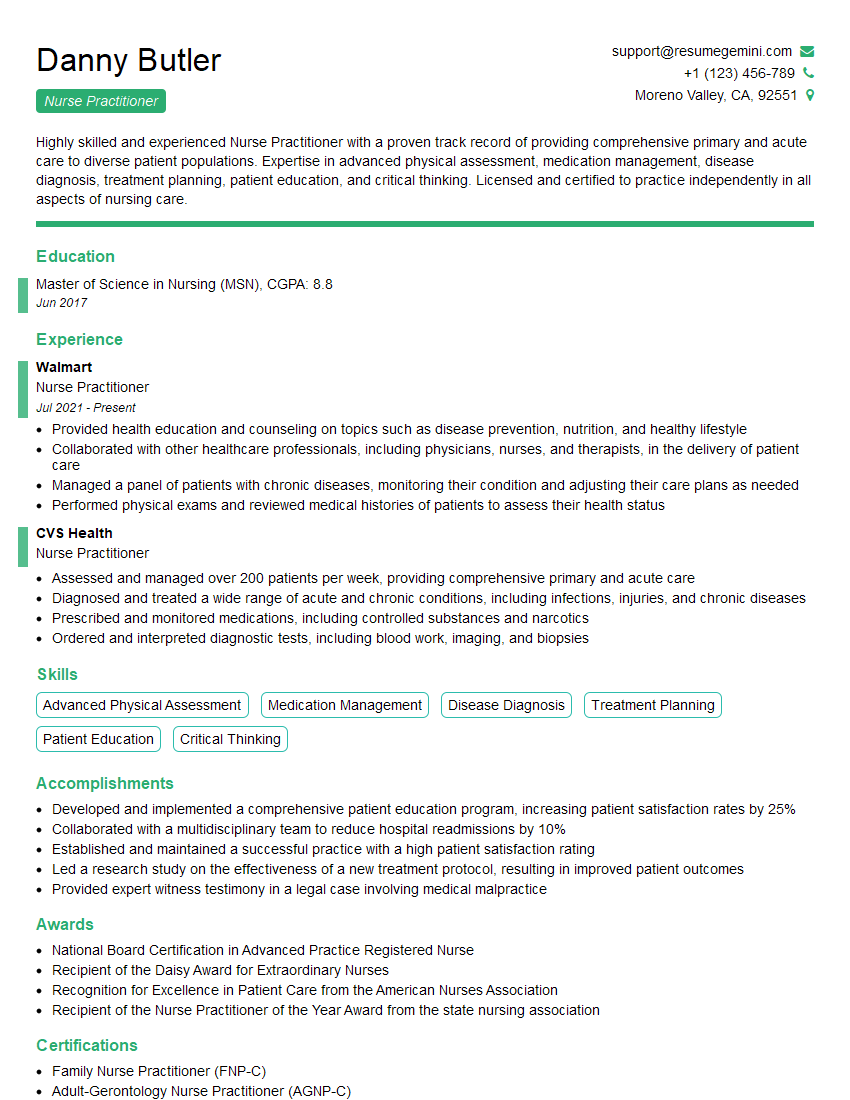
Nurse Practitioner Resume Sample
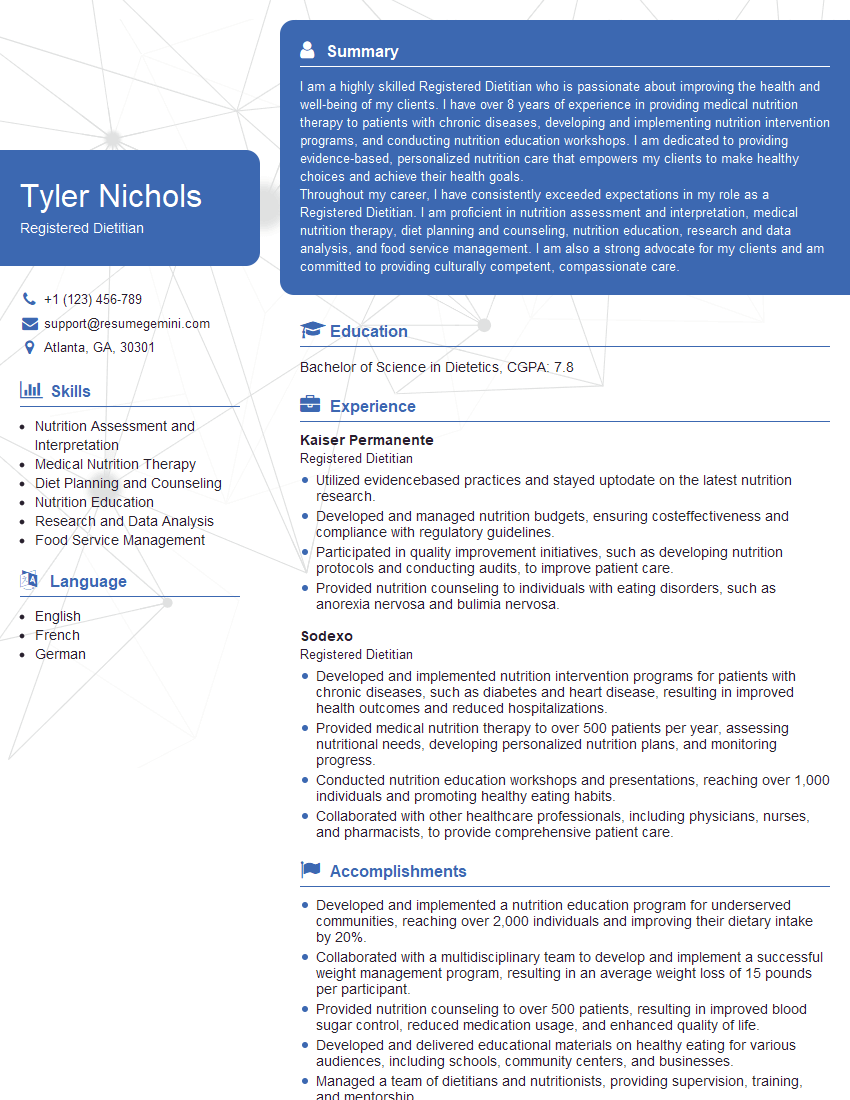
Registered Dietitian Resume Sample
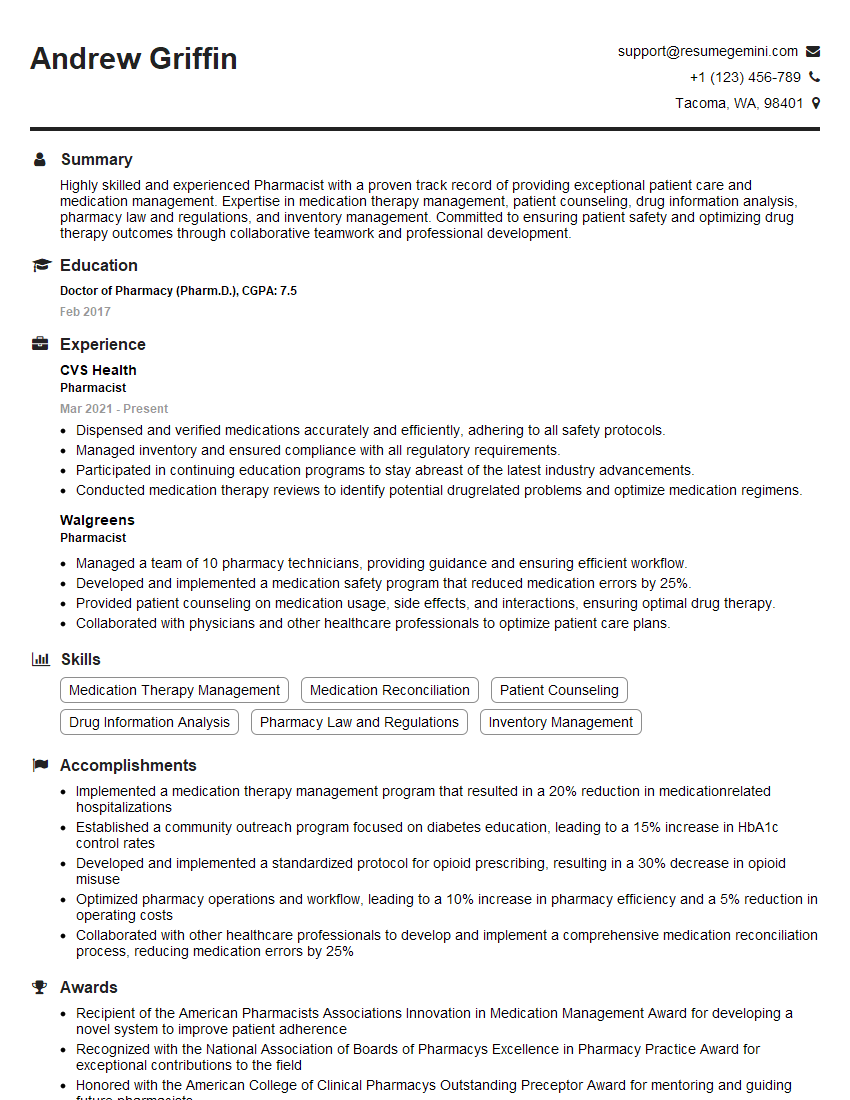
Pharmacist Resume Sample

Physician Assistant Resume Sample
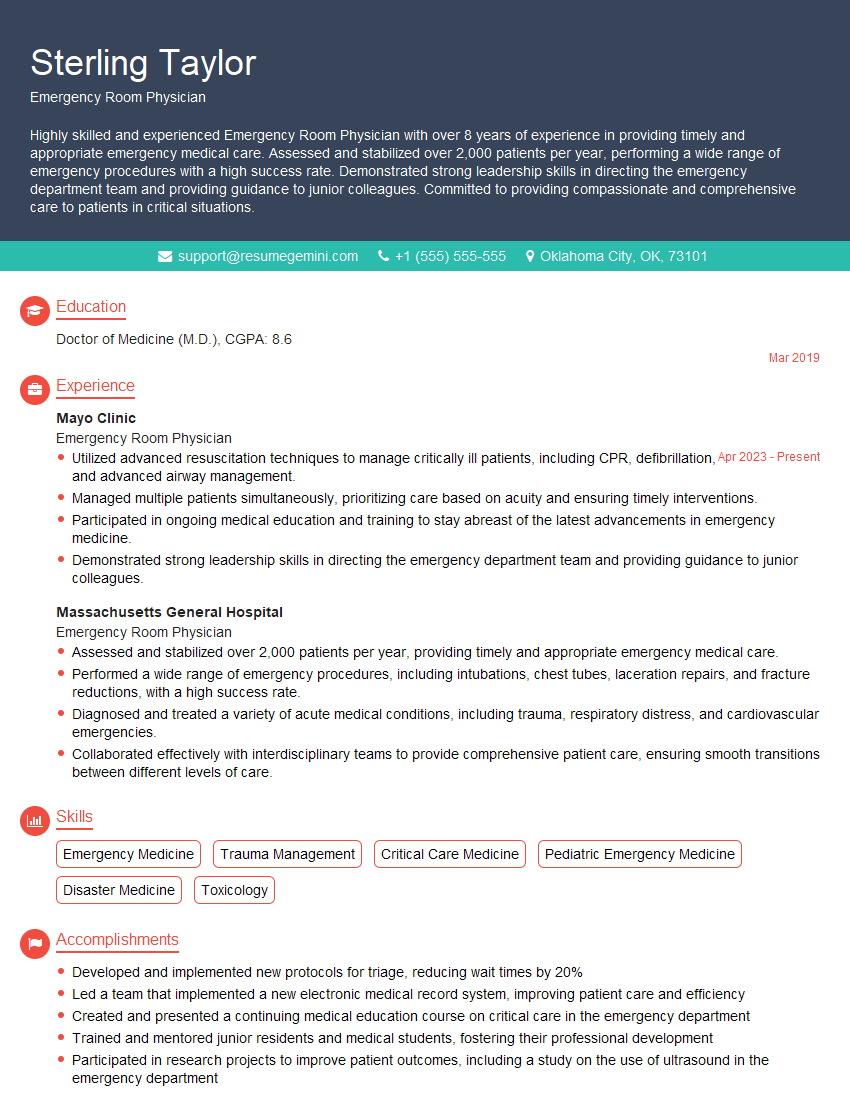
Emergency Room Physician Resume Sample
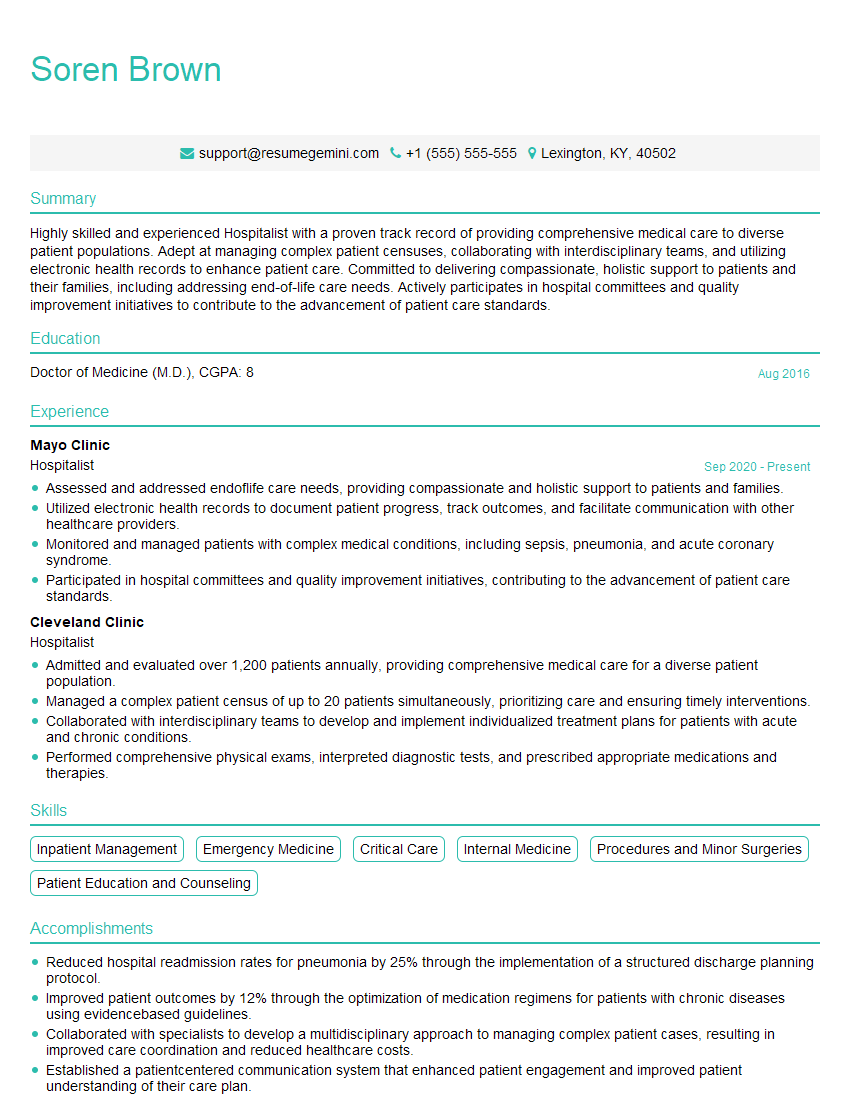
Hospitalist Resume Sample
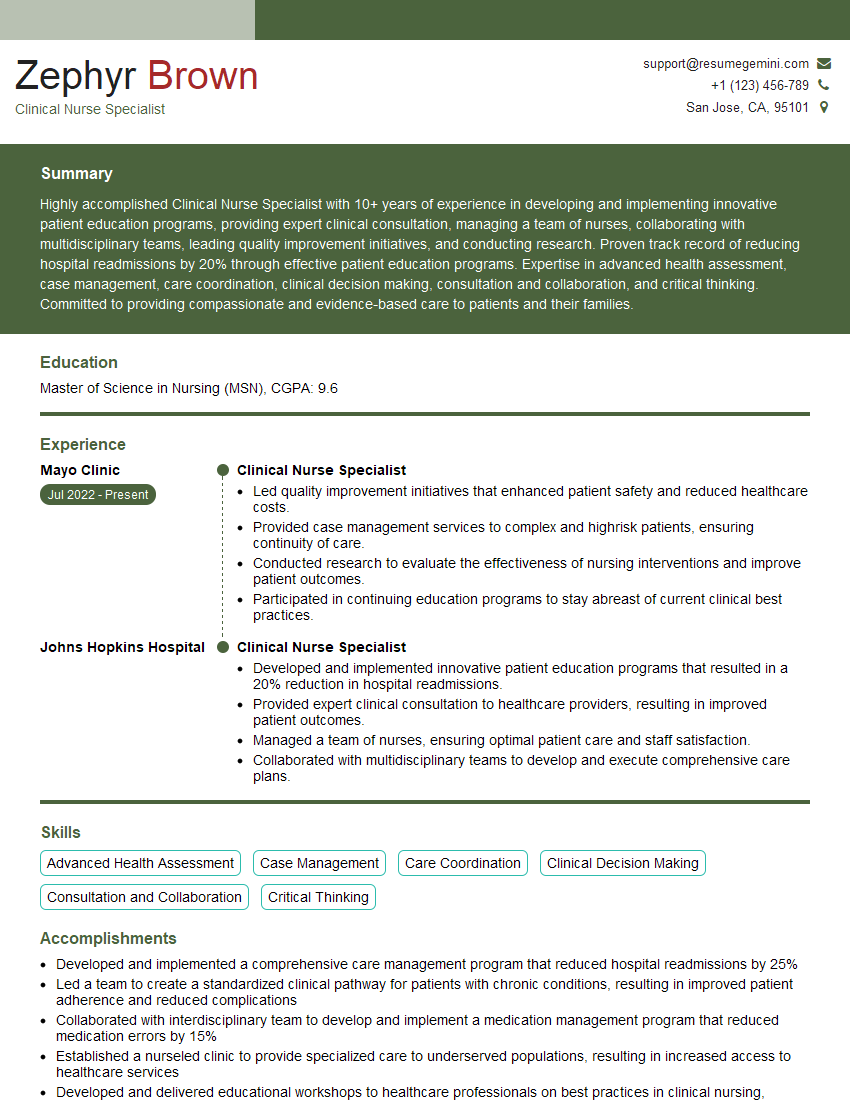
Clinical Nurse Specialist Resume Sample
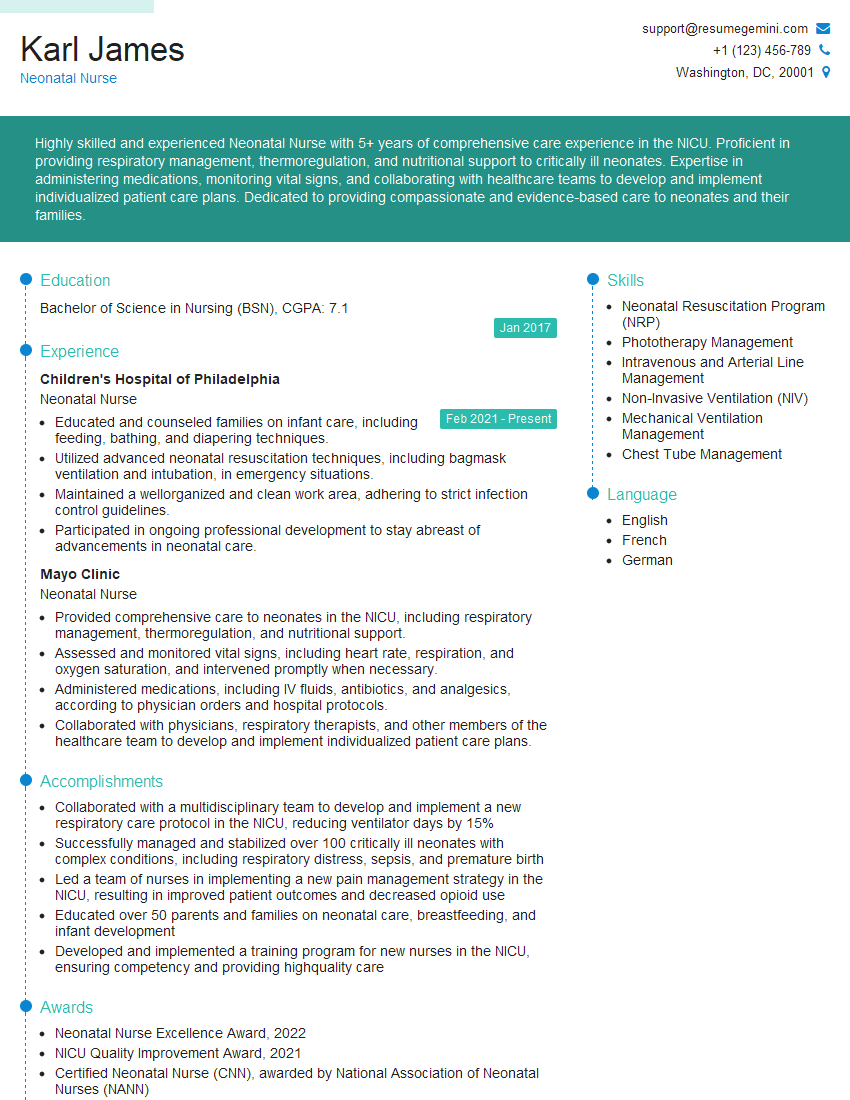
Neonatal Nurse Resume Sample
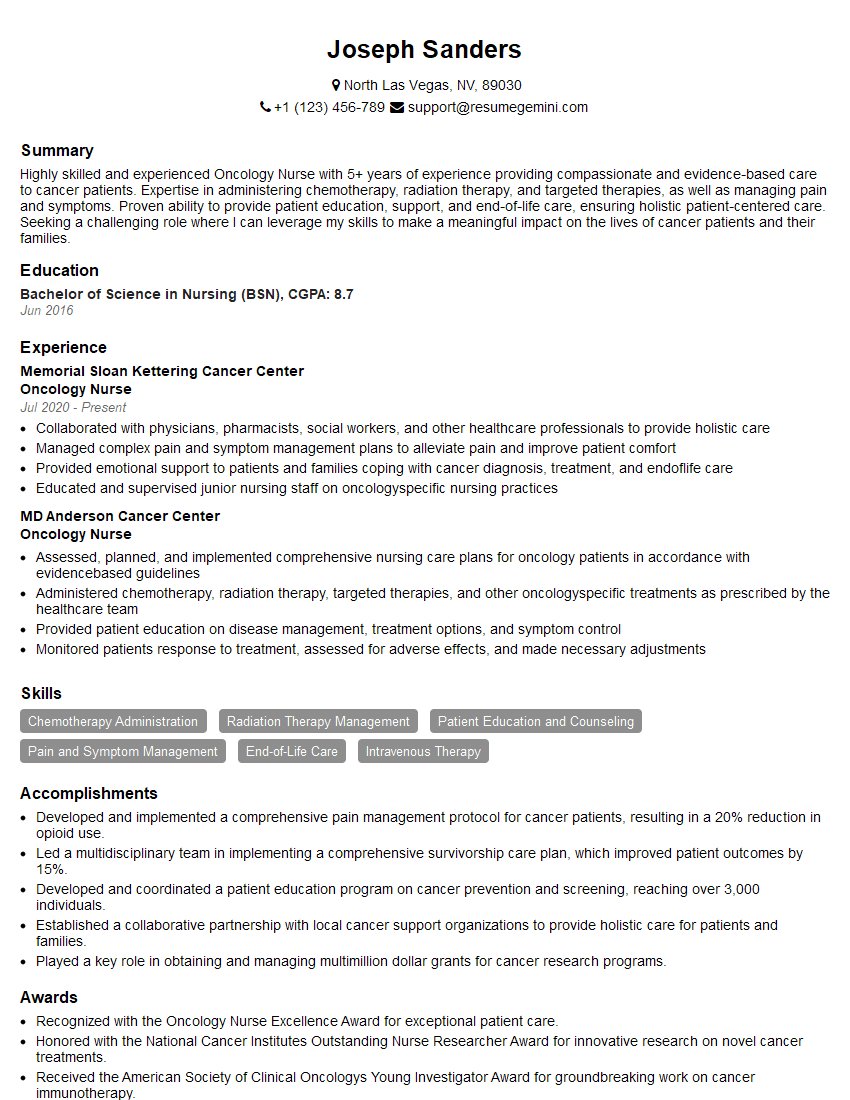
Oncology Nurse Resume Sample
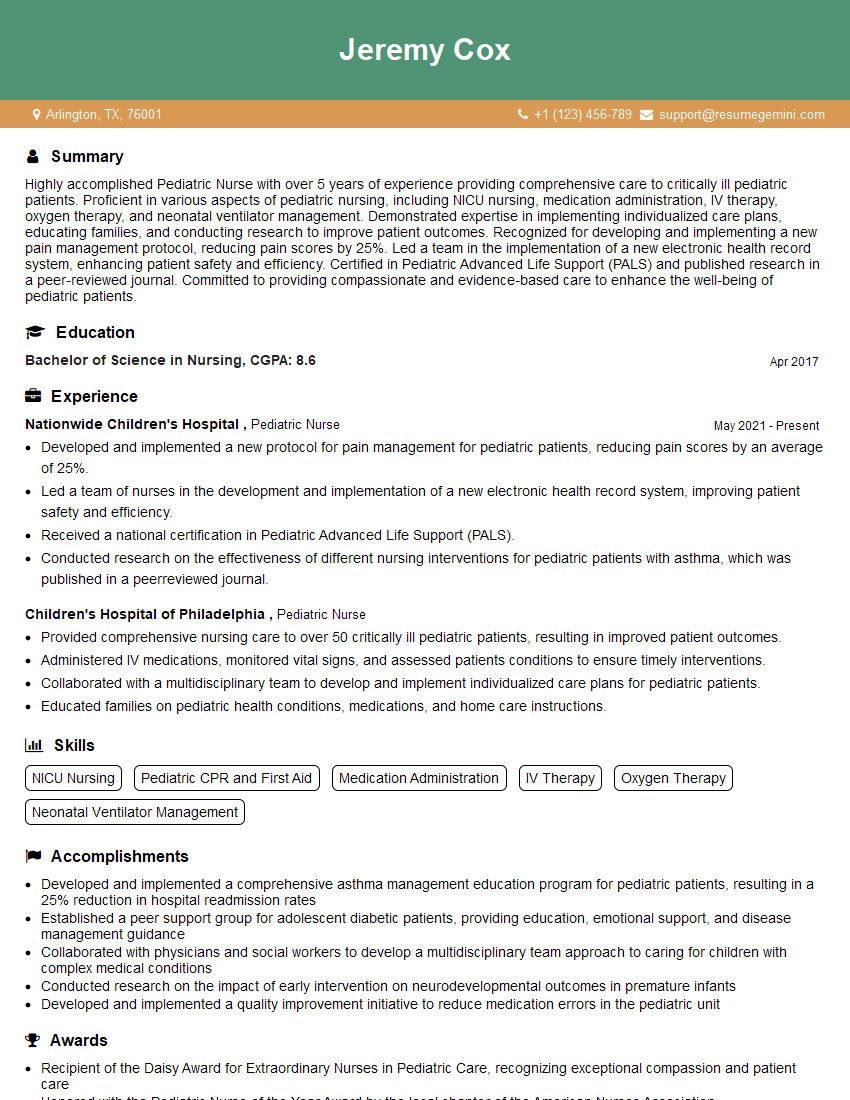
Pediatric Nurse Resume Sample
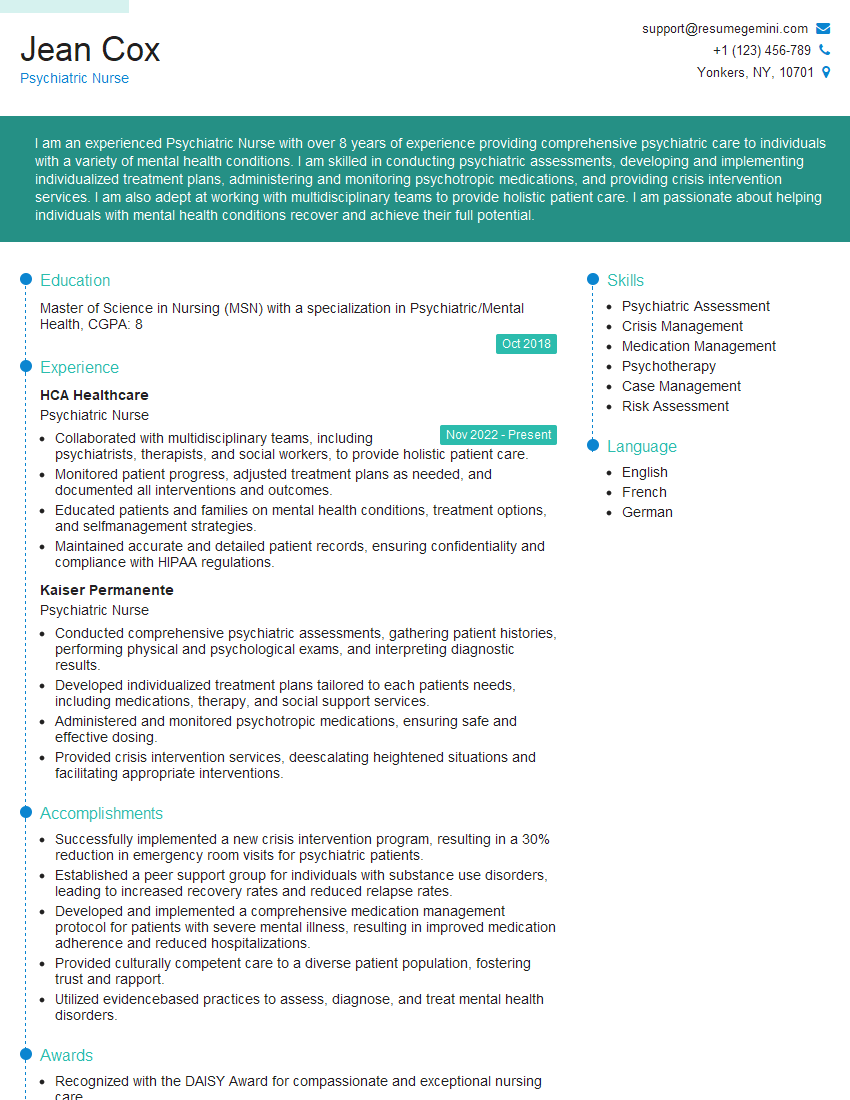
Psychiatric Nurse Resume Sample
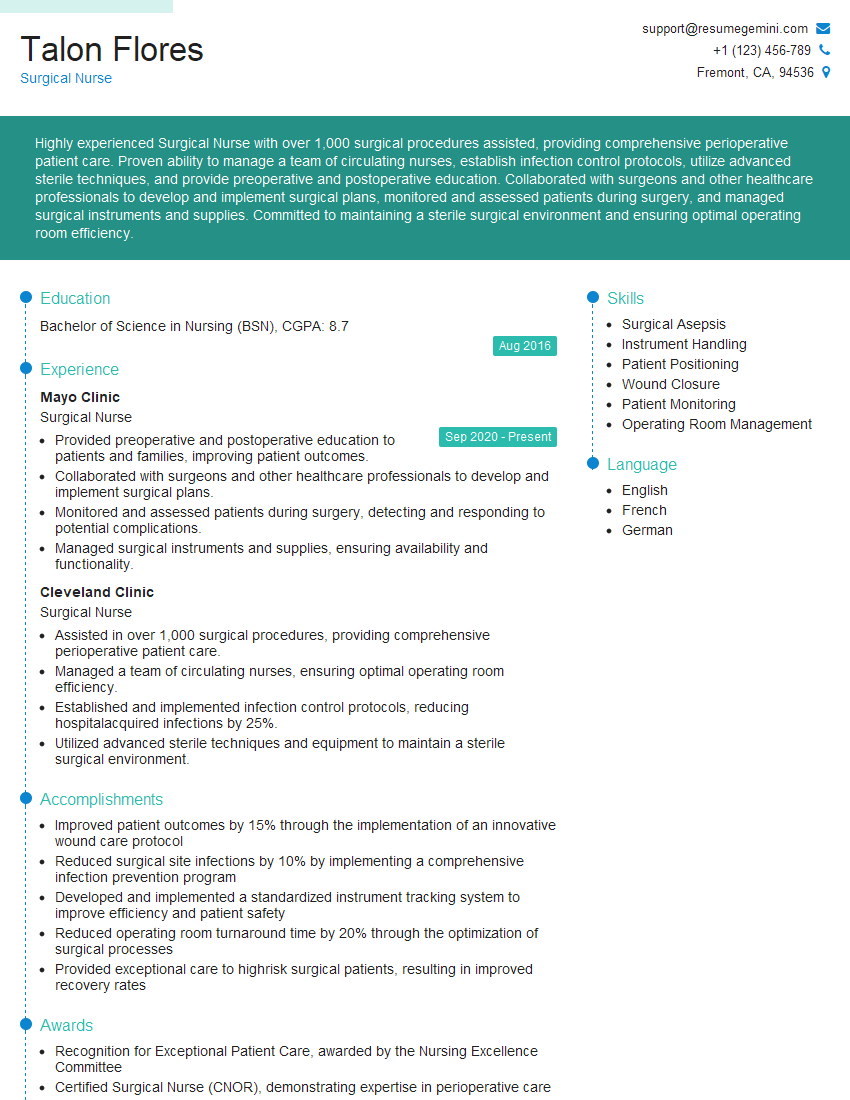
Surgical Nurse Resume Sample
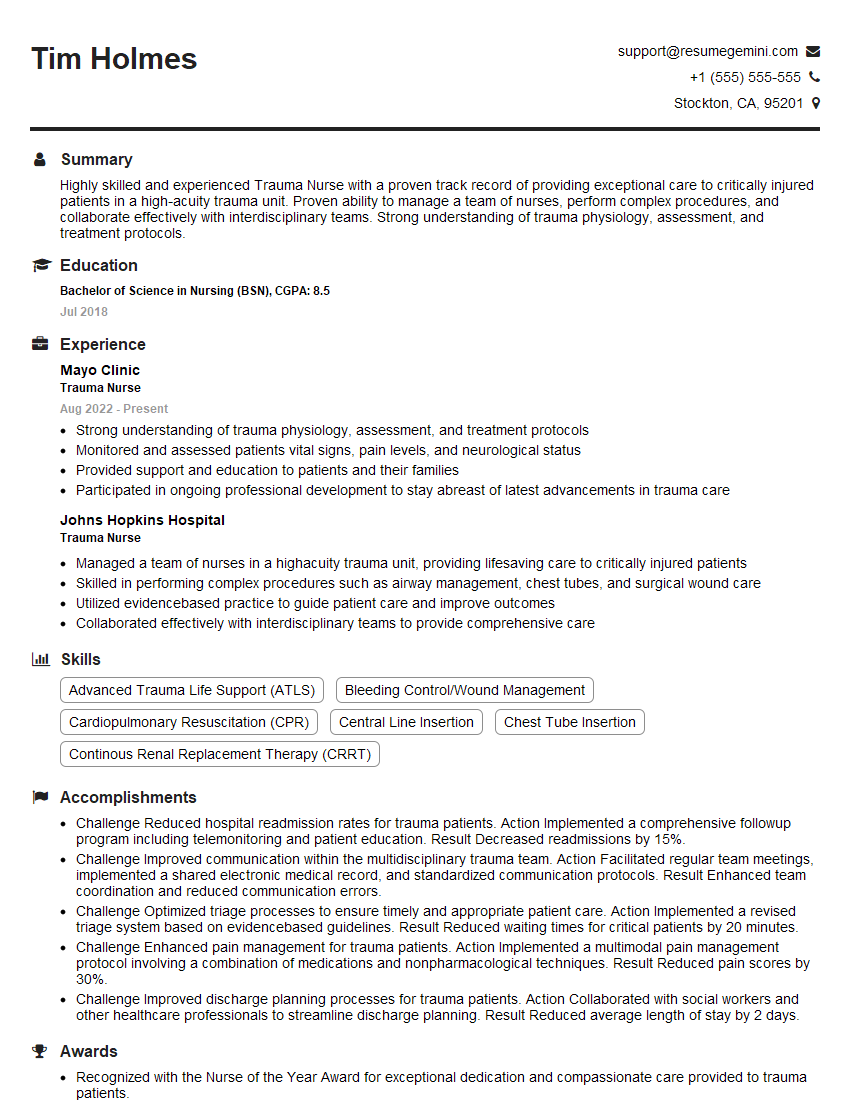
Trauma Nurse Resume Sample
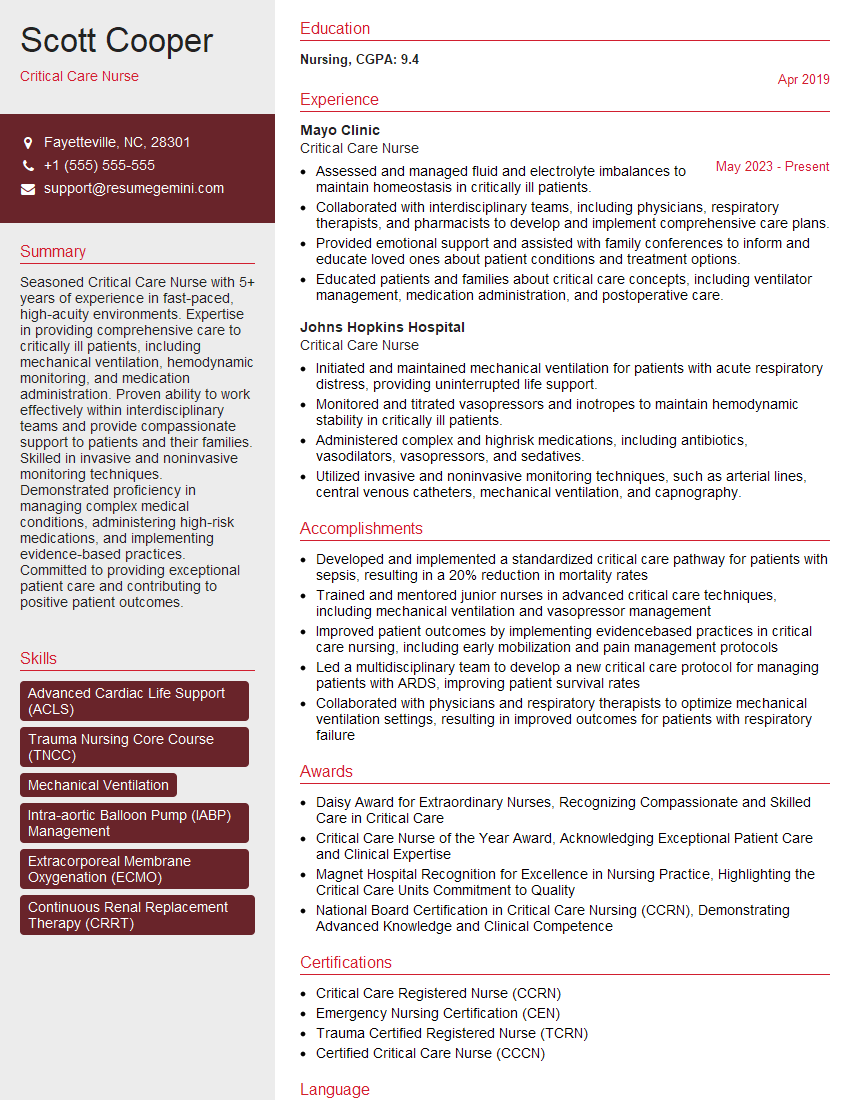
Critical Care Nurse Resume Sample
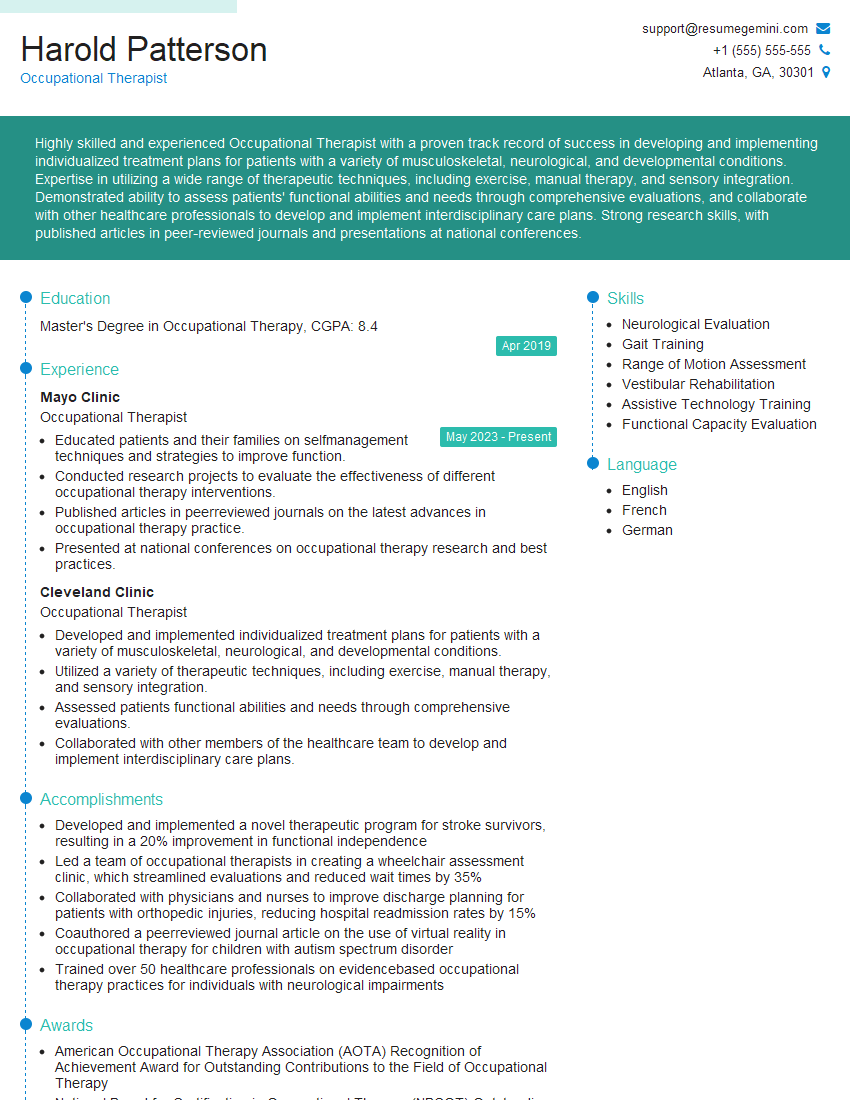
Occupational Therapist Resume Sample
- Medical Director
- Case Manager
- Medical Social Worker
- Diabetes Educator
- Nurse Practitioner
- Registered Dietitian
- Pharmacist
- Physician Assistant
- Emergency Room Physician
- Hospitalist
- Clinical Nurse Specialist
- Neonatal Nurse
- Oncology Nurse
- Pediatric Nurse
- Psychiatric Nurse
- Surgical Nurse
- Trauma Nurse
- Critical Care Nurse
- Occupational Therapist
Explore more articles
Users Rating of Our Blogs
Share Your Experience
We value your feedback! Please rate our content and share your thoughts (optional).
What Readers Say About Our Blog
Amazing blog
hello,
Our consultant firm based in the USA and our client are interested in your products.
Could you provide your company brochure and respond from your official email id (if different from the current in use), so i can send you the client’s requirement.
Payment before production.
I await your answer.
Regards,
MrSmith
hello,
Our consultant firm based in the USA and our client are interested in your products.
Could you provide your company brochure and respond from your official email id (if different from the current in use), so i can send you the client’s requirement.
Payment before production.
I await your answer.
Regards,
MrSmith
These apartments are so amazing, posting them online would break the algorithm.
https://bit.ly/Lovely2BedsApartmentHudsonYards
Reach out at BENSON@LONDONFOSTER.COM and let’s get started!
Take a look at this stunning 2-bedroom apartment perfectly situated NYC’s coveted Hudson Yards!
https://bit.ly/Lovely2BedsApartmentHudsonYards
Live Rent Free!
https://bit.ly/LiveRentFREE
Interesting Article, I liked the depth of knowledge you’ve shared.
Helpful, thanks for sharing.
Hi, I represent a social media marketing agency and liked your blog
Hi, I represent an SEO company that specialises in getting you AI citations and higher rankings on Google. I’d like to offer you a 100% free SEO audit for your website. Would you be interested?