Preparation is the key to success in any interview. In this post, we’ll explore crucial Expertise in Medical Genetics interview questions and equip you with strategies to craft impactful answers. Whether you’re a beginner or a pro, these tips will elevate your preparation.
Questions Asked in Expertise in Medical Genetics Interview
Q 1. Explain the difference between genotype and phenotype.
Genotype and phenotype are two fundamental concepts in genetics that describe the relationship between an organism’s genes and its observable characteristics. Think of it like this: your genotype is the genetic blueprint, the actual DNA sequence you inherited from your parents, while your phenotype is the finished product – the traits you physically express, like your eye color, height, or susceptibility to certain diseases.
Genotype: This refers to the genetic makeup of an organism, specifically the combination of alleles (different versions of a gene) an individual possesses at a particular locus (location on a chromosome). For example, an individual might have a genotype of AA (homozygous dominant), Aa (heterozygous), or aa (homozygous recessive) for a particular gene. The genotype determines the potential for a certain phenotype, but environmental factors can also influence the final outcome.
Phenotype: This is the observable physical or biochemical characteristic of an organism, resulting from the interaction of its genotype and the environment. For example, if a gene controls eye color, and an individual has alleles for brown eyes (BB or Bb), their phenotype would likely be brown eyes. However, environmental factors like nutrition or disease can affect the expression of the phenotype.
In summary, the genotype provides the instructions, and the phenotype is the expressed result. Understanding this distinction is crucial in diagnosing and treating genetic disorders.
Q 2. Describe the process of polymerase chain reaction (PCR).
Polymerase Chain Reaction (PCR) is a revolutionary laboratory technique used to amplify a specific DNA sequence, essentially making millions of copies from a tiny starting sample. This is invaluable in various fields, from medical diagnostics to forensic science.
The process involves several key steps:
- Denaturation: The DNA sample is heated to separate the double-stranded DNA into single strands. This breaks the hydrogen bonds holding the strands together.
- Annealing: The temperature is lowered, allowing short DNA sequences called primers to bind (anneal) to their complementary sequences on the single-stranded DNA. Primers flank the target DNA region to be amplified.
- Extension: The temperature is raised again, activating a heat-stable DNA polymerase enzyme (like Taq polymerase). This enzyme synthesizes new DNA strands complementary to the single-stranded templates, starting from the primers. This extends the DNA sequence.
These three steps – denaturation, annealing, and extension – are repeated many times (typically 25-35 cycles) in a thermal cycler, resulting in an exponential increase in the number of DNA copies of the target region. Imagine it like photocopying a single page repeatedly; each copy becomes a template for more copies.
The amplified DNA can then be analyzed using various techniques like gel electrophoresis to detect the presence or absence of specific genetic mutations, or to sequence the amplified region to determine its exact sequence. For example, PCR is used to detect the presence of viral DNA in patients suspected of having an infection, or to identify genetic variations associated with inherited diseases.
Q 3. What are single nucleotide polymorphisms (SNPs) and their significance in disease?
Single Nucleotide Polymorphisms (SNPs) are variations in a single nucleotide (A, T, C, or G) at a specific position in the genome. They are the most common type of genetic variation in humans and occur frequently throughout the genome. Think of them as tiny spelling mistakes in our DNA.
Many SNPs have no noticeable effect on health or development. However, some SNPs can alter gene function, leading to increased susceptibility to certain diseases or influencing an individual’s response to drugs. They can reside within genes themselves, affecting protein structure and function, or in regulatory regions, altering gene expression.
Significance in disease: SNPs are important because they can be:
- Disease Markers: Some SNPs are strongly associated with specific diseases. For example, certain SNPs have been linked to increased risk of heart disease, cancer, Alzheimer’s disease, and many other conditions. Identifying these SNPs can aid in risk assessment and early intervention.
- Drug Response Predictors: SNPs can influence how individuals respond to drugs. Pharmacogenomics uses SNP information to personalize drug therapy, optimizing efficacy and minimizing adverse effects.
- Population Studies: Analysis of SNPs across different populations helps researchers to understand the genetic basis of human diversity and disease susceptibility in different ethnic groups.
SNP analysis is a powerful tool in medical genetics. It helps us to understand the genetic basis of complex diseases, predict individual risks, and develop more personalized treatments.
Q 4. Explain the concept of linkage disequilibrium.
Linkage disequilibrium (LD) describes the non-random association of alleles at different loci on the same chromosome. In simpler terms, it means that certain alleles tend to be inherited together more often than would be expected by chance alone. This is because they are physically close together on the chromosome and are less likely to be separated during recombination (shuffling of genetic material during meiosis).
Imagine two genes, A and B, located close together on a chromosome. If an allele of gene A (let’s say A1) is frequently found together with a particular allele of gene B (B1), then we say these alleles are in linkage disequilibrium. The closer the genes are, the stronger the linkage disequilibrium. Conversely, if genes are far apart, recombination events frequently separate the alleles, leading to linkage equilibrium (random association).
Significance: LD is crucial in genetic mapping and association studies. Because alleles in LD are inherited together, identifying an association between a SNP and a disease can provide insights into the location of disease-causing genes even if the SNP itself is not directly involved in the disease. LD allows geneticists to narrow down the search for disease-causing genes in large regions of the genome. This is particularly important for complex diseases influenced by many genes.
Q 5. Discuss different types of chromosomal abnormalities.
Chromosomal abnormalities are changes in the number or structure of chromosomes. These can have significant consequences for an individual’s health and development. There are two major types:
- Numerical abnormalities: These involve an abnormal number of chromosomes. The most common is aneuploidy, where there is an extra or missing chromosome. Examples include:
- Trisomy 21 (Down syndrome): Three copies of chromosome 21.
- Trisomy 18 (Edwards syndrome): Three copies of chromosome 18.
- Trisomy 13 (Patau syndrome): Three copies of chromosome 13.
- Monosomy X (Turner syndrome): Only one X chromosome in females.
- Structural abnormalities: These involve changes in the structure of chromosomes. This can include:
- Deletions: A segment of a chromosome is lost.
- Duplications: A segment of a chromosome is repeated.
- Inversions: A segment of a chromosome is reversed.
- Translocations: A segment of one chromosome is transferred to another chromosome.
Chromosomal abnormalities can arise during meiosis (formation of egg and sperm cells) or mitosis (cell division in somatic cells). They can cause a wide range of medical problems, from mild developmental delays to severe intellectual disability and multiple organ defects. The severity depends on the type and size of the chromosomal abnormality.
Q 6. Describe the process of karyotyping.
Karyotyping is a laboratory technique used to visualize and analyze an individual’s chromosomes. It’s like taking a photograph of the chromosomes to examine their number and structure for abnormalities.
The process involves:
- Collecting cells: Cells are collected from a blood sample, amniotic fluid (amniocentesis), or chorionic villus sampling (CVS).
- Culturing cells: The cells are grown in a culture medium to stimulate cell division.
- Stopping cell division: A chemical is added to stop cell division at metaphase, a stage where chromosomes are most condensed and easily visible.
- Preparing chromosomes: The cells are treated to spread the chromosomes onto a microscope slide.
- Staining chromosomes: A special stain (e.g., Giemsa stain) is used to band the chromosomes, creating a unique pattern for each chromosome that aids in identification.
- Microscopic analysis: The chromosomes are examined under a microscope, photographed, and arranged in pairs (based on size and banding pattern) to create a karyotype.
The karyotype is a visual representation of the complete set of chromosomes. It allows geneticists to identify numerical and structural chromosomal abnormalities, assisting in diagnosis and genetic counseling.
Q 7. Explain the role of genetic counseling in managing inherited disorders.
Genetic counseling plays a vital role in managing inherited disorders. It provides individuals and families with information about genetic conditions, risk assessment, testing options, and reproductive choices. It’s about empowering people with knowledge to make informed decisions about their health and family planning.
Role in managing inherited disorders:
- Risk assessment: Genetic counselors assess the risk of developing or passing on a genetic disorder based on family history, ethnicity, and other factors. This might involve constructing a family pedigree (a visual representation of family relationships and affected individuals).
- Testing options: They explain different genetic tests available, such as karyotyping, chromosomal microarray analysis, or gene sequencing. They help patients understand the benefits, limitations, and implications of each test.
- Interpreting results: Genetic counselors interpret complex genetic test results, explaining the findings in a clear and understandable way to patients and their families.
- Reproductive options: For couples at risk of having a child with a genetic disorder, genetic counselors discuss options such as prenatal testing (e.g., amniocentesis, CVS), preimplantation genetic diagnosis (PGD), or adoption.
- Psychosocial support: Genetic counseling provides emotional and psychological support to individuals and families coping with a genetic diagnosis or risk. Dealing with such information can be challenging, and counselors play a critical role in providing appropriate support and guidance.
- Treatment options: Genetic counselors collaborate with medical professionals to coordinate appropriate medical management and treatment options for patients with genetic conditions.
In essence, genetic counseling bridges the gap between complex genetic information and the individual’s need for understanding and decision-making, improving patient outcomes and enhancing family well-being.
Q 8. What are the ethical considerations involved in genetic testing?
Ethical considerations in genetic testing are multifaceted and complex. They revolve around issues of autonomy, privacy, and potential discrimination.
- Autonomy: Individuals have the right to decide whether or not to undergo genetic testing, and to control access to their genetic information. This includes the right to refuse testing, even if it might be beneficial. We must ensure informed consent, meaning individuals understand the potential benefits, risks, and limitations of the test before proceeding.
- Privacy and Confidentiality: Genetic information is highly sensitive. Strict protocols are crucial to protect this data from unauthorized access or disclosure. Concerns include potential misuse by employers, insurers, or other third parties leading to discrimination.
- Incidental Findings: Genetic testing may uncover unexpected information unrelated to the reason for testing. Handling incidental findings ethically requires careful consideration of the individual’s wishes and potential psychological impact. There’s ongoing debate about whether to disclose all incidental findings or only those with significant medical implications.
- Reproductive Decisions: Genetic testing can significantly impact reproductive choices, raising ethical questions around selective abortion or prenatal diagnosis. These decisions must respect the autonomy of the parents and the rights of the potential child.
- Genetic Discrimination: The potential for genetic discrimination necessitates strong legal protection against the misuse of genetic information. This involves preventing unfair treatment in employment, insurance, or other areas based on genetic predispositions.
For example, a patient might choose not to undergo predictive testing for Huntington’s disease due to the emotional burden of knowing their future risk. Similarly, healthcare providers must be meticulous in protecting patient genetic data from breaches.
Q 9. Describe different types of genetic testing techniques (e.g., FISH, microarray, NGS).
Several techniques are used for genetic testing, each with its strengths and limitations:
- Fluorescence In Situ Hybridization (FISH): This cytogenetic technique uses fluorescently labeled probes to bind to specific DNA sequences on chromosomes. It’s useful for detecting chromosomal abnormalities like aneuploidy (e.g., Down syndrome) or gene amplifications. Think of it like using brightly colored markers to highlight specific locations on a chromosome map.
- Microarray-based Comparative Genomic Hybridization (array CGH): This technique compares the patient’s DNA to a reference DNA sample to detect gains or losses of DNA segments (copy number variations). It’s used for detecting chromosomal imbalances associated with various genetic disorders and cancers. It offers a higher resolution than FISH.
- Next-Generation Sequencing (NGS): This high-throughput technology allows for massively parallel sequencing of DNA or RNA. It’s highly versatile and can be used to identify single nucleotide polymorphisms (SNPs), insertions/deletions (indels), copy number variations, and structural rearrangements across the entire genome or specific genes. It’s becoming increasingly important in various genetic diagnostic applications, including identifying rare disease genes or cancer-causing mutations.
For example, FISH might be used to quickly diagnose a suspected case of Down syndrome, while NGS could be employed to investigate a patient with an undiagnosed genetic disorder to identify the causative mutation.
Q 10. Explain the inheritance patterns of autosomal dominant, autosomal recessive, and X-linked disorders.
Inheritance patterns dictate how genetic traits are passed from parents to offspring. Understanding these patterns is crucial for genetic counseling and risk assessment:
- Autosomal Dominant: Only one copy of a mutated gene is needed to cause the disorder. Affected individuals usually have at least one affected parent. There’s a 50% chance of an affected parent passing the mutated gene to each child. Examples include Huntington’s disease and Achondroplasia.
- Autosomal Recessive: Two copies of a mutated gene are needed to cause the disorder. Affected individuals typically have unaffected parents who are carriers (possessing one copy of the mutated gene). There’s a 25% chance that two carrier parents will have an affected child. Examples include Cystic Fibrosis and Sickle Cell Anemia.
- X-linked Recessive: The mutated gene is located on the X chromosome. Males are more commonly affected because they have only one X chromosome. Females usually need two copies of the mutated gene to be affected. Affected males inherit the mutated gene from their mother. Examples include Hemophilia A and Duchenne Muscular Dystrophy.
Imagine a family tree: in autosomal dominant inheritance, the trait appears in every generation; in autosomal recessive, it might skip generations; and in X-linked recessive, it predominantly affects males.
Q 11. How do you interpret a pedigree chart?
A pedigree chart is a visual representation of a family’s medical history, showing the inheritance pattern of a specific trait or disease across generations. Interpreting a pedigree involves understanding the symbols used and tracing the trait’s transmission.
- Symbols: Squares represent males, circles represent females, shaded shapes indicate affected individuals, and half-shaded shapes represent carriers.
- Analyzing Transmission: Observe the pattern of affected individuals across generations. Autosomal dominant conditions show affected individuals in every generation, while autosomal recessive conditions often skip generations. X-linked inheritance patterns show a skewed distribution between males and females.
For example, if you see most males affected in a family, you might suspect an X-linked recessive inheritance pattern. By carefully analyzing the symbols and their relationships, you can deduce the most probable mode of inheritance of a given trait or disease. This informs genetic counseling and risk assessment for future generations.
Q 12. Describe the role of epigenetics in disease.
Epigenetics refers to heritable changes in gene expression that do not involve alterations in the underlying DNA sequence. These changes are often mediated by chemical modifications to DNA or histone proteins. These modifications can influence gene activity, leading to disease development.
- DNA Methylation: The addition of a methyl group to DNA can silence gene expression. Abnormal methylation patterns are implicated in several cancers and other diseases.
- Histone Modification: Changes to histone proteins, around which DNA is wrapped, can alter chromatin structure, influencing gene accessibility and expression. This affects gene regulation and is associated with various diseases.
- Non-coding RNAs: MicroRNAs and other non-coding RNAs can regulate gene expression by binding to messenger RNA and inhibiting translation. Dysregulation of these molecules contributes to many diseases.
For instance, aberrant DNA methylation in tumor suppressor genes can lead to uncontrolled cell growth and cancer development. Epigenetic changes can also be influenced by environmental factors, demonstrating the interplay between genes and the environment in disease susceptibility.
Q 13. What are the common causes of genetic mutations?
Genetic mutations arise from various sources:
- Spontaneous Mutations: These occur naturally during DNA replication due to errors in the process. These errors can be caused by endogenous factors such as reactive oxygen species.
- Induced Mutations: These are caused by external factors, known as mutagens. Examples include radiation (UV light, X-rays), chemicals (certain drugs, environmental pollutants), and viruses. These mutagens can damage DNA directly, causing errors during replication.
- DNA Replication Errors: Mistakes made during DNA replication are a significant source of mutations. Proofreading and repair mechanisms exist to correct these errors, but they’re not perfect.
- DNA Repair Deficiencies: Defects in DNA repair mechanisms can lead to an accumulation of mutations, increasing the risk of cancer and other genetic disorders. This underscores the importance of functional DNA repair pathways for genomic stability.
For example, exposure to high levels of UV radiation can induce DNA damage, potentially leading to skin cancer. Similarly, errors during DNA replication can spontaneously lead to point mutations or larger chromosomal rearrangements.
Q 14. Discuss the impact of genetic variations on drug metabolism (pharmacogenomics).
Pharmacogenomics explores the impact of genetic variations on drug metabolism and response. Individual genetic differences can affect how a person metabolizes drugs, influencing both efficacy and the risk of adverse effects.
- Drug Metabolism Enzymes: Many genes code for enzymes involved in drug metabolism. Variations in these genes can alter enzyme activity, leading to differences in drug metabolism rates. For example, variations in the CYP2D6 gene affect the metabolism of many drugs, including antidepressants and pain relievers.
- Drug Transporters: Genes coding for drug transporters influence how drugs are absorbed, distributed, and excreted. Variations in transporter genes can alter drug levels in the body.
- Drug Targets: Genetic variations can also affect the target of a drug, altering its effectiveness or leading to drug resistance. This is especially relevant in cancer treatment.
Understanding a patient’s genetic profile allows for personalized medicine, where drugs are selected and dosed based on their genetic makeup. This approach can improve treatment efficacy and reduce adverse drug reactions. For instance, knowing a patient’s CYP2D6 genotype can guide the selection and dosage of antidepressants to maximize efficacy and minimize side effects.
Q 15. Explain the principles of gene therapy.
Gene therapy aims to treat or prevent disease by correcting faulty genes or introducing new genes into a patient’s cells. Think of it like a software update for your body’s cells. There are two main approaches:
- Germline gene therapy: This involves modifying genes in reproductive cells (sperm or eggs), so the changes are passed down to future generations. This approach is highly controversial due to ethical concerns and is currently largely restricted.
- Somatic gene therapy: This targets genes in non-reproductive cells, affecting only the individual being treated. This is the most common and widely used approach.
Somatic gene therapy can be further divided into methods based on how the new genetic material is delivered. This includes viral vectors (like adeno-associated viruses or retroviruses, modified to be safe) which act as delivery vehicles for the therapeutic gene, and non-viral methods such as lipid nanoparticles or direct DNA injection.
For example, in some forms of inherited blindness, gene therapy can introduce a functional copy of a faulty gene into the retinal cells, restoring vision. Similarly, gene therapy is showing promise in treating certain types of cancer by modifying immune cells to target cancer cells more effectively.
Career Expert Tips:
- Ace those interviews! Prepare effectively by reviewing the Top 50 Most Common Interview Questions on ResumeGemini.
- Navigate your job search with confidence! Explore a wide range of Career Tips on ResumeGemini. Learn about common challenges and recommendations to overcome them.
- Craft the perfect resume! Master the Art of Resume Writing with ResumeGemini’s guide. Showcase your unique qualifications and achievements effectively.
- Don’t miss out on holiday savings! Build your dream resume with ResumeGemini’s ATS optimized templates.
Q 16. How do you interpret genetic test results and communicate them to patients?
Interpreting genetic test results requires a deep understanding of genetics, bioinformatics, and the specific test performed. It’s a multi-step process starting with a careful review of the patient’s medical history and family history. Then, the raw data from the test – often a massive amount of sequence information – needs to be analyzed to identify variants (changes in the DNA sequence). This analysis includes filtering out common, benign variants and focusing on those that are rare and potentially disease-causing.
Once we’ve identified variants of interest, we assess their pathogenicity (likelihood of causing disease) using various prediction tools and databases. This requires careful consideration of the evidence: Is this variant associated with a specific condition in the literature? Has it been reported in other patients with similar symptoms? What is the predicted impact of the variant on the gene’s function?
Communicating these results to patients demands empathy and clear, non-technical language. I avoid jargon and use analogies to help patients understand complex concepts. For example, if a variant is found to increase the risk of a disease, I explain it as a contributing factor rather than a guaranteed outcome. Patient education is crucial, and I always allow ample time for questions and clarification. Providing written summaries to take home helps consolidate the information.
Q 17. What are the limitations of current genetic testing technologies?
Current genetic testing technologies, while remarkably advanced, still face several limitations. One key limitation is incomplete penetrance. This means that even with a disease-causing variant, not everyone carrying it will develop the condition. This makes it challenging to predict disease risk with complete accuracy. For instance, a person might inherit a gene variant associated with increased breast cancer risk, but they may never develop the disease.
Another constraint is the existence of variable expressivity, where individuals with the same disease-causing variant can exhibit a wide range of symptoms. This makes it challenging to connect a genotype directly to a phenotype (observable characteristics). Take cystic fibrosis as an example; two individuals with the same genetic mutations might have very different disease severities.
Furthermore, current technologies might not detect all types of genetic variations. Some variants, like structural variations (large-scale changes in the DNA) or epigenetic modifications (changes in gene expression without alterations to the DNA sequence) are often missed. Moreover, the sheer volume of data generated from next-generation sequencing (NGS) technologies can pose a challenge for accurate and efficient analysis, requiring sophisticated computational resources and expertise.
Finally, the interpretation of variants of unknown significance (VUS) remains a significant challenge. These are variants found in genes that are not yet fully understood. We may not be able to determine if they contribute to disease.
Q 18. Discuss the challenges in implementing personalized medicine based on genetic information.
Implementing personalized medicine based on genetic information faces several significant hurdles. First, data interpretation and integration remain challenging. Combining genomic data with other clinical information (medical history, lifestyle, environmental factors) into a coherent picture for individualized treatment is complex. We are still developing the sophisticated algorithms and analytical tools needed to accomplish this effectively.
Secondly, access and equity are crucial concerns. Personalized medicine should be accessible to all individuals, but the high costs associated with genetic testing and personalized therapies create disparities. This leads to questions of ethical distribution and affordability.
Thirdly, clinical validation is essential. While promising, many genetic discoveries need further validation through large-scale clinical trials to confirm their clinical utility and effectiveness. A treatment that works well in a lab setting might not translate into successful clinical outcomes in a diverse population.
Finally, patient education and counseling are integral for successful implementation. Patients need clear and accurate information to understand their genetic risks and the implications of personalized medicine approaches, including potential benefits and limitations. This demands careful and well-trained genetic counselors and healthcare professionals.
Q 19. What are some common genetic disorders affecting specific organ systems (e.g., cardiovascular, neurological)?
Many genetic disorders affect specific organ systems. Examples include:
- Cardiovascular system: Familial hypercholesterolemia (FH) is a genetic disorder characterized by high levels of cholesterol, leading to increased risk of heart disease. Mutations in genes like LDLR, APOB, and PCSK9 cause FH.
- Neurological system: Huntington’s disease is a devastating neurodegenerative disorder caused by an expansion of CAG repeats in the HTT gene. This results in progressive neurological decline and motor dysfunction. Fragile X syndrome, the most common inherited cause of intellectual disability, is caused by a mutation in the FMR1 gene.
- Other Systems: Cystic fibrosis affects multiple systems (respiratory, digestive, reproductive) due to mutations in the CFTR gene. Hemophilia, impacting the blood clotting system, arises from mutations in genes related to blood clotting factors.
These are just a few examples; many more genetic disorders target specific organ systems. The specific symptoms and severity depend on the genes involved and other influencing factors.
Q 20. Explain the role of genetic testing in cancer diagnosis and prognosis.
Genetic testing plays a crucial role in cancer diagnosis and prognosis. In diagnosis, genetic testing helps identify specific mutations or genetic changes that drive cancer development (e.g., mutations in BRCA1/2 genes in breast and ovarian cancers, EGFR mutations in lung cancer). Identifying these mutations is critical for selecting targeted therapies. For example, the presence of an EGFR mutation in lung cancer means that the patient is likely to respond to EGFR inhibitors.
In prognosis, genetic testing can help predict the likelihood of cancer recurrence or metastasis. Some genetic changes are associated with aggressive cancer behavior and poor prognosis. For example, the presence of certain mutations might indicate a higher risk of the cancer spreading to other parts of the body. Genetic information can also influence decisions regarding adjuvant therapies (e.g., chemotherapy, radiation), tailoring treatment intensity based on the patient’s individual risk profile.
Furthermore, germline genetic testing (testing for inherited mutations) can identify predispositions to certain cancers, allowing for proactive screening and preventative measures (e.g., increased surveillance or prophylactic surgery). This is particularly relevant for individuals with a strong family history of cancer.
Q 21. Describe the process of identifying disease-causing mutations through sequencing data analysis.
Identifying disease-causing mutations from sequencing data involves a multi-step process that combines bioinformatics and clinical expertise. First, the raw sequencing data (billions of DNA sequence reads) undergo quality control and alignment to a reference genome. This aligns the patient’s DNA sequence to a known standard human genome, allowing us to identify variations.
Next, variant calling algorithms identify single nucleotide polymorphisms (SNPs), insertions, deletions, and other alterations. Then, the variants are filtered based on several criteria:
- Frequency: Common variants are usually excluded unless there is strong evidence they are pathogenic in the context of the specific disease.
- Gene location: Variants in genes known to be associated with the disease are prioritized.
- Functional prediction: Computational tools assess the potential impact of the variant on protein structure and function. For example, a variant that changes an amino acid at a critical site in a protein is more likely to be disease-causing.
- Existing databases: ClinVar, gnomAD, and other databases are consulted to determine if the variant has been previously reported and its clinical significance.
Finally, experts in medical genetics interpret these filtered variants in light of the patient’s clinical presentation, family history, and other relevant factors. This integrative analysis is crucial for determining whether a variant is truly pathogenic and the potential role of other variants.
Example of a simple variant annotation: chr1:10000000A>T (SNP in chromosome 1, position 10000000, A replaced with T).
Q 22. How do you use bioinformatic tools in genetic research?
Bioinformatic tools are indispensable in modern genetic research. They allow us to manage, analyze, and interpret the massive datasets generated by sequencing technologies. Think of it like this: sequencing a genome generates terabytes of data – you can’t possibly sift through it all manually. Bioinformatic tools are the powerful microscopes and analytical labs that make this data meaningful.
Genome Alignment: Tools like BLAST (Basic Local Alignment Search Tool) and Bowtie2 help align sequencing reads to reference genomes, identifying variations such as SNPs (Single Nucleotide Polymorphisms) and INDELS (insertions and deletions).
Variant Calling: Software like GATK (Genome Analysis Toolkit) identifies variations from the reference genome, highlighting potential disease-causing mutations.
Gene Expression Analysis: Tools like DESeq2 and edgeR analyze RNA-Seq data to understand how gene expression changes in different conditions, crucial for studying diseases.
Phylogenetic Analysis: Programs like MEGA (Molecular Evolutionary Genetics Analysis) help construct evolutionary trees, tracing the origins and relationships between different organisms or genetic variants.
For example, in a recent study investigating a rare genetic disorder, we used GATK to identify a novel mutation in a previously unknown gene. This discovery wouldn’t have been possible without bioinformatics. The tools allowed us to efficiently analyze the whole-exome sequencing data from affected individuals and their family members to pinpoint the causative variant.
Q 23. What are the legal and regulatory aspects surrounding genetic information?
The legal and regulatory landscape surrounding genetic information is complex and constantly evolving. It’s crucial to balance the scientific advancements with ethical considerations and individual rights.
Privacy: Laws like HIPAA (Health Insurance Portability and Accountability Act) in the US protect the privacy of genetic information. This is particularly important given the potential for genetic data to reveal predispositions to diseases or other sensitive traits.
Genetic Discrimination: Laws aim to prevent genetic discrimination in employment, insurance, and other areas. The Genetic Information Nondiscrimination Act (GINA) in the US prohibits employers from using genetic information in hiring and promotion decisions, and insurance companies from using it to deny coverage or increase premiums.
Informed Consent: Obtaining informed consent is paramount. Individuals must understand the implications of genetic testing before undergoing the procedure. This involves explaining the potential benefits, risks, and limitations of the test.
Data Security: Robust security measures are necessary to protect genetic data from unauthorized access and breaches. This involves secure data storage, access control mechanisms and encryption.
Direct-to-Consumer Genetic Testing: Regulations concerning direct-to-consumer genetic testing vary, addressing concerns about the accuracy and interpretation of results, as well as the potential for psychological distress.
Navigating these legal and regulatory aspects is critical for responsible genetic research and clinical practice. It involves understanding the specific laws in your jurisdiction and adhering to strict ethical guidelines.
Q 24. Describe the role of genetic screening programs in public health.
Genetic screening programs play a vital role in public health by identifying individuals at risk for specific genetic disorders. Early detection allows for preventative measures, early intervention, and informed reproductive choices.
Newborn Screening: Newborn screening programs routinely test for a panel of genetic disorders, allowing for early diagnosis and treatment. Phenylketonuria (PKU) is a classic example, where early detection through newborn screening allows for dietary management, preventing severe intellectual disability.
Carrier Screening: Carrier screening identifies individuals who carry a recessive gene for a particular disorder. This information is particularly helpful for couples planning to have children, enabling them to make informed decisions about family planning.
Prenatal Screening: Prenatal screening tests, such as amniocentesis and chorionic villus sampling (CVS), can detect chromosomal abnormalities or genetic disorders in a developing fetus.
Predictive Testing: Predictive genetic testing can identify individuals at increased risk for developing certain diseases later in life, such as certain cancers or heart conditions. This enables early preventative measures and surveillance.
Population-Based Screening: Some populations are at higher risk for specific genetic disorders due to their ethnicity or ancestry. Targeted screening programs can be highly effective in these populations.
The success of these programs depends on effective public health strategies, including education, access to testing, and genetic counseling.
Q 25. How do you stay current with advancements in the field of medical genetics?
Keeping abreast of advancements in medical genetics is an ongoing process. The field is rapidly evolving, with new discoveries and technologies emerging constantly.
Professional Journals: I regularly read journals such as the American Journal of Human Genetics, Nature Genetics, and the New England Journal of Medicine to stay updated on the latest research findings.
Conferences and Meetings: Attending conferences and meetings of professional organizations like the American Society of Human Genetics (ASHG) is invaluable for networking and learning from leading experts.
Online Resources: Utilizing online resources like PubMed, Google Scholar, and professional society websites provides access to a wealth of information.
Continuing Medical Education (CME): Participating in CME courses and workshops ensures my knowledge and skills remain current.
Collaborations: Collaborating with other researchers and clinicians fosters intellectual exchange and exposure to new ideas.
This multi-faceted approach helps me stay at the forefront of this dynamic field and translate new knowledge into improved patient care.
Q 26. Discuss the potential applications of CRISPR-Cas9 technology in gene editing.
CRISPR-Cas9 technology has revolutionized gene editing. It’s a precise tool that allows researchers to target and modify specific DNA sequences. Imagine it as a highly accurate pair of molecular scissors that can cut and paste DNA at precise locations.
Gene Therapy: CRISPR holds immense promise in gene therapy, correcting genetic defects that cause diseases like cystic fibrosis and sickle cell anemia. By targeting and correcting the faulty gene, it offers the potential for a cure.
Cancer Treatment: CRISPR can be used to engineer immune cells to more effectively target and destroy cancer cells. This approach is currently under investigation for various cancer types.
Drug Discovery: CRISPR can be used to create cellular models of diseases for drug screening and discovery. This accelerates the process of identifying effective treatments.
Agricultural Applications: CRISPR is being used to improve crop yields, enhance nutritional value, and increase resistance to pests and diseases.
However, ethical considerations surrounding CRISPR’s use are crucial. Off-target effects (unintended changes to the genome) and the potential for germline editing (changes that can be inherited by future generations) raise important questions that require careful consideration and regulation.
Q 27. Explain the concept of genetic heterogeneity.
Genetic heterogeneity refers to the phenomenon where different genetic mutations can cause the same clinical phenotype (observable characteristics). It’s like having different roads leading to the same destination.
For example, consider a disease like deafness. Numerous genes contribute to hearing, and mutations in any one of these genes can result in deafness. One person might have a mutation in gene A, while another has a mutation in gene B, yet both individuals present with the same clinical phenotype of deafness. This makes diagnosis and treatment more complex.
Understanding genetic heterogeneity is crucial for genetic counseling and personalized medicine. It necessitates comprehensive genetic testing to identify the specific causative mutation for an individual, which can influence treatment strategies and prognosis. The presence of genetic heterogeneity can significantly impact the success rate of gene therapy approaches as well; a treatment designed for one specific gene mutation may be ineffective for patients with different mutations causing the same phenotype.
Q 28. What is your experience with interpreting complex genetic data?
Interpreting complex genetic data requires a multi-faceted approach combining bioinformatic expertise, clinical knowledge, and careful consideration of family history. It’s akin to solving a complex puzzle, piecing together information from different sources to arrive at a diagnosis.
My experience involves analyzing various types of genetic data, including whole-genome sequencing, exome sequencing, and microarray data. I’m proficient in using bioinformatic tools to identify and analyze genetic variants, assessing their pathogenicity (ability to cause disease) using various prediction tools and databases such as ClinVar and gnomAD. I also consider the patient’s clinical presentation, family history, and other relevant information to contextualize the genetic findings. A crucial aspect is understanding the limitations of genetic testing, including the possibility of variants of unknown significance (VUS), where the clinical impact is uncertain.
For example, in a case of suspected inherited cardiac arrhythmia, I recently analyzed the whole-exome sequencing data of a family with a history of sudden cardiac death. After identifying several genetic variants, I utilized ACMG guidelines for variant classification, and through careful evaluation of the clinical data and segregation analysis, identified a pathogenic variant in a known cardiac ion channel gene, helping with appropriate clinical management for the family members.
Key Topics to Learn for Expertise in Medical Genetics Interview
- Mendelian Inheritance Patterns: Understanding autosomal dominant, autosomal recessive, X-linked, and mitochondrial inheritance, including pedigree analysis and probability calculations.
- Cytogenetics: Knowledge of chromosomal abnormalities (numerical and structural), karyotyping techniques, and their clinical significance in various genetic disorders.
- Molecular Genetics: Familiarity with DNA replication, transcription, translation, mutation types (point mutations, insertions, deletions), and their impact on gene function.
- Genetic Testing and Technologies: Understanding various genetic testing methodologies (e.g., PCR, microarray, next-generation sequencing), their applications, limitations, and interpretation of results.
- Common Genetic Disorders: In-depth knowledge of the genetic basis, clinical manifestations, diagnosis, and management of prevalent genetic conditions (e.g., cystic fibrosis, Huntington’s disease, Down syndrome).
- Ethical and Legal Considerations: Understanding the ethical implications of genetic testing, genetic counseling, patient privacy, and the legal frameworks surrounding genetic information.
- Genomic Imprinting and Epigenetics: Knowledge of gene expression regulation beyond the DNA sequence, including the role of epigenetic modifications and genomic imprinting in disease development.
- Cancer Genetics: Understanding the role of genetic mutations in cancer development, oncogenes, tumor suppressor genes, and the application of genetic testing in cancer diagnosis and treatment.
- Bioinformatics and Data Analysis: Familiarity with basic bioinformatics tools and techniques used in analyzing genomic data, including variant annotation and interpretation.
- Problem-Solving and Case Studies: Ability to analyze complex clinical scenarios involving genetic disorders, interpret genetic test results, and propose appropriate diagnostic and management strategies.
Next Steps
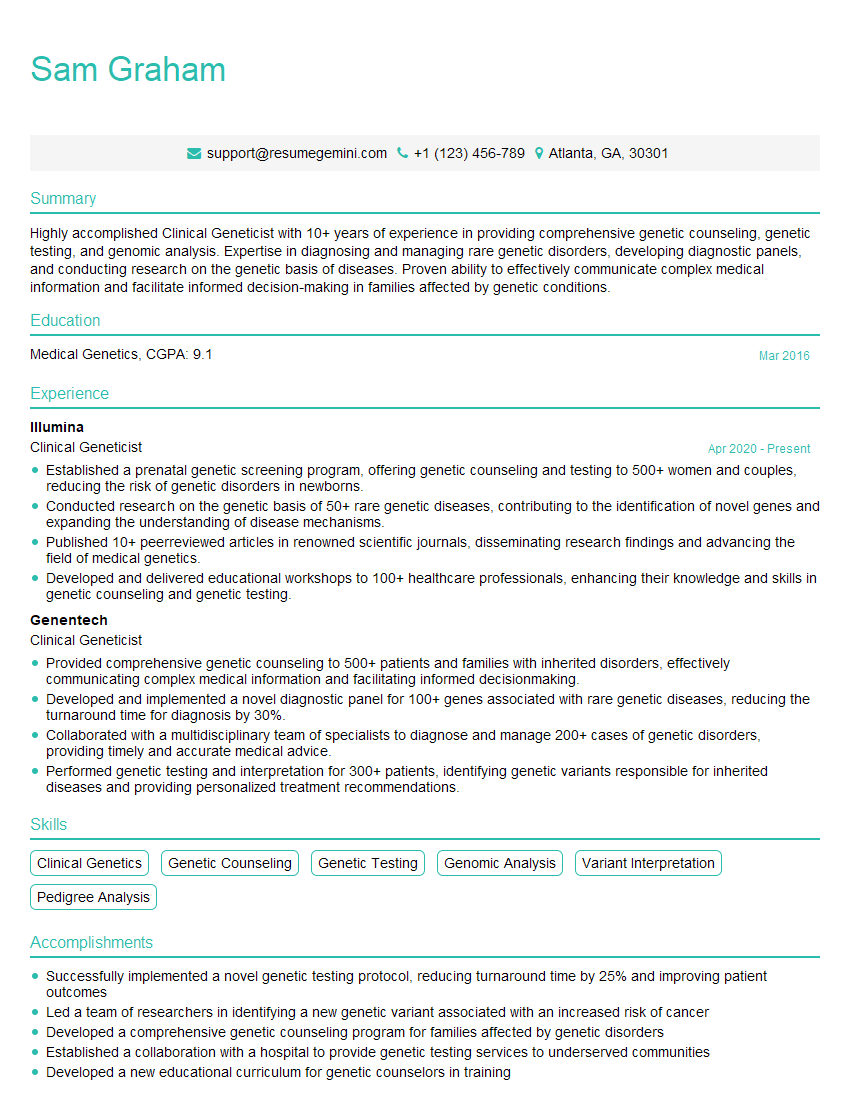
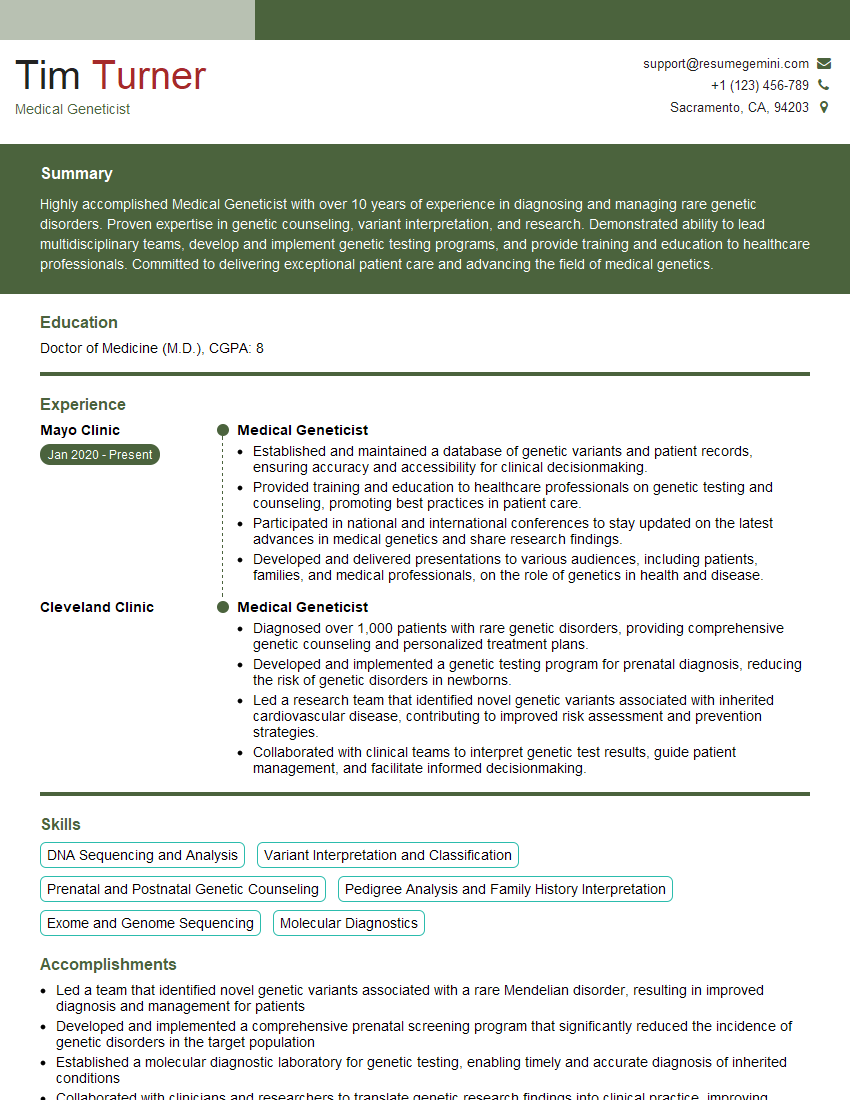
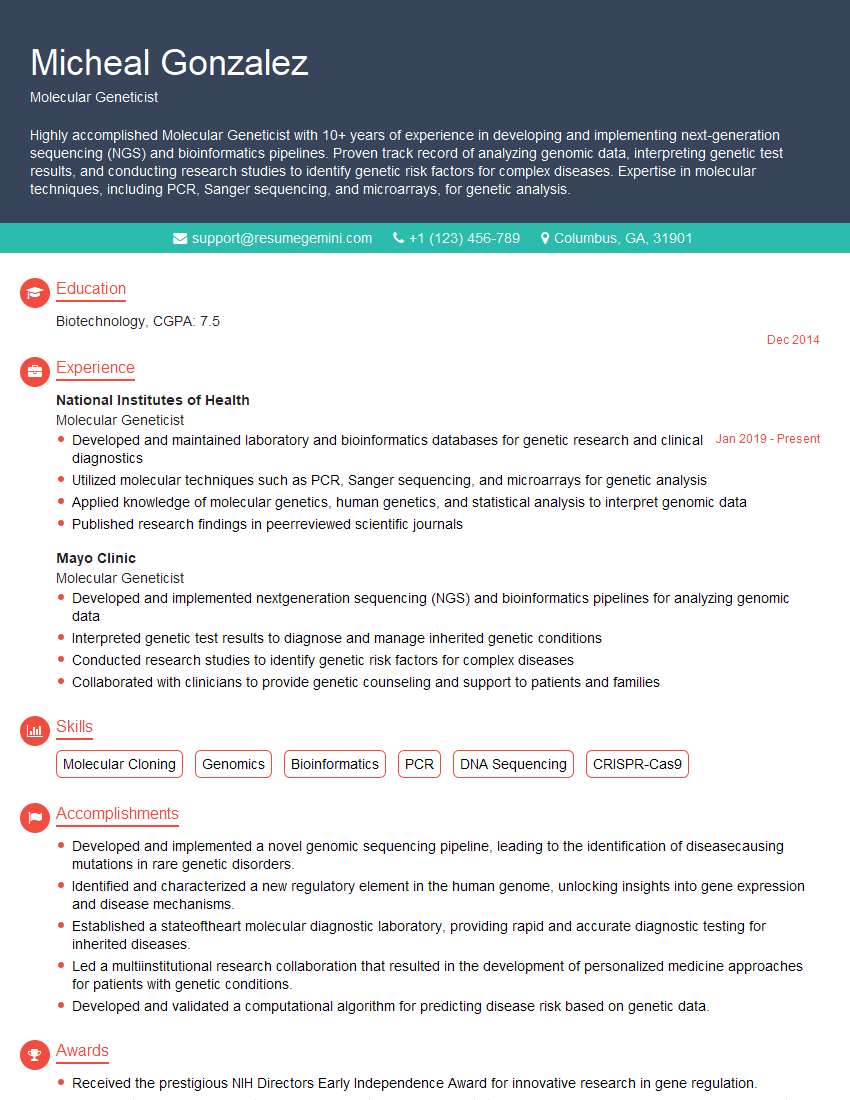
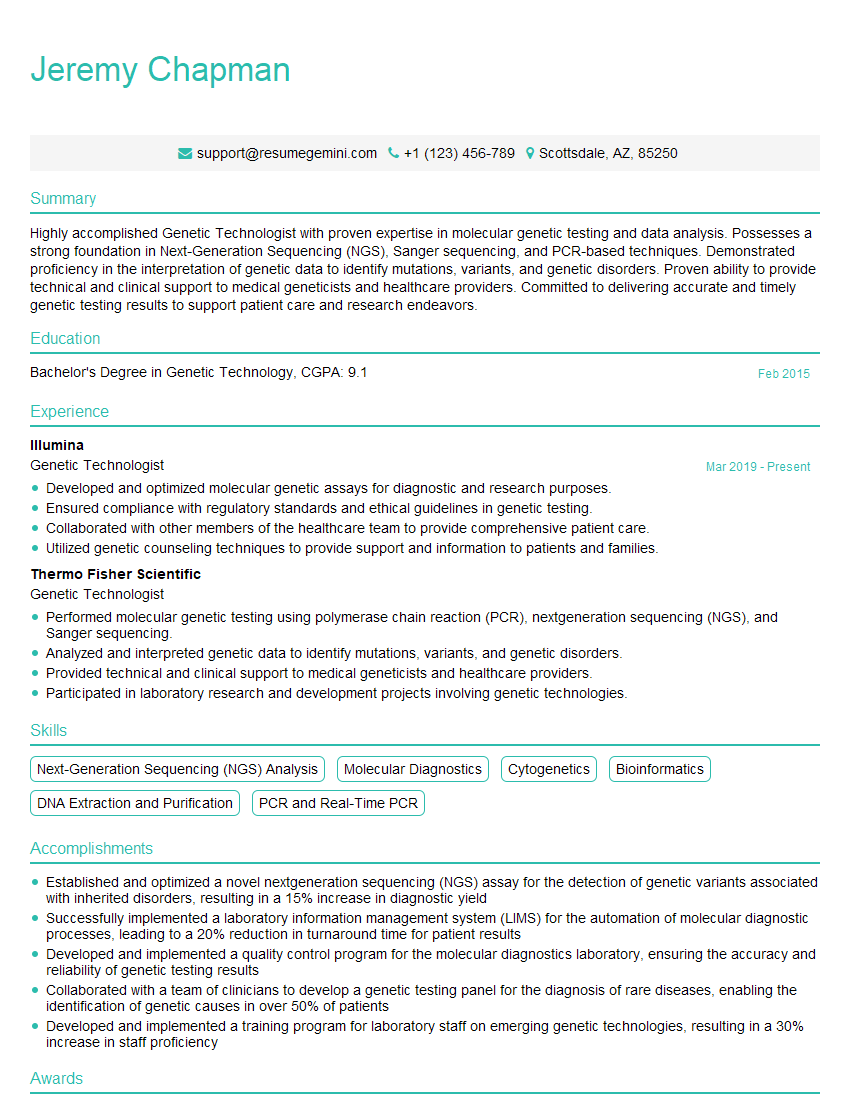
Mastering Expertise in Medical Genetics opens doors to rewarding and impactful careers in research, diagnostics, and patient care. A strong resume is crucial for showcasing your skills and experience to potential employers. Creating an ATS-friendly resume significantly increases your chances of getting noticed. To help you build a compelling and effective resume, consider using ResumeGemini. ResumeGemini provides a user-friendly platform and offers examples of resumes tailored to Expertise in Medical Genetics, ensuring your application stands out from the competition.
Explore more articles
Users Rating of Our Blogs
Share Your Experience
We value your feedback! Please rate our content and share your thoughts (optional).
What Readers Say About Our Blog
Amazing blog
hello,
Our consultant firm based in the USA and our client are interested in your products.
Could you provide your company brochure and respond from your official email id (if different from the current in use), so i can send you the client’s requirement.
Payment before production.
I await your answer.
Regards,
MrSmith
hello,
Our consultant firm based in the USA and our client are interested in your products.
Could you provide your company brochure and respond from your official email id (if different from the current in use), so i can send you the client’s requirement.
Payment before production.
I await your answer.
Regards,
MrSmith
These apartments are so amazing, posting them online would break the algorithm.
https://bit.ly/Lovely2BedsApartmentHudsonYards
Reach out at BENSON@LONDONFOSTER.COM and let’s get started!
Take a look at this stunning 2-bedroom apartment perfectly situated NYC’s coveted Hudson Yards!
https://bit.ly/Lovely2BedsApartmentHudsonYards
Live Rent Free!
https://bit.ly/LiveRentFREE
Interesting Article, I liked the depth of knowledge you’ve shared.
Helpful, thanks for sharing.
Hi, I represent a social media marketing agency and liked your blog
Hi, I represent an SEO company that specialises in getting you AI citations and higher rankings on Google. I’d like to offer you a 100% free SEO audit for your website. Would you be interested?