Are you ready to stand out in your next interview? Understanding and preparing for Farming Systems Analysis and Design interview questions is a game-changer. In this blog, we’ve compiled key questions and expert advice to help you showcase your skills with confidence and precision. Let’s get started on your journey to acing the interview.
Questions Asked in Farming Systems Analysis and Design Interview
Q 1. Explain the key principles of farming systems analysis.
Farming systems analysis is a holistic approach to understanding and improving agricultural production. It moves beyond simply looking at individual crops or livestock to examining the entire system – the interplay of crops, livestock, natural resources, socio-economic factors, and the farmer’s management practices. Key principles include:
- Systems Thinking: Recognizing the interconnectedness of all components within the farm and its environment. Changes in one area impact others.
- Participatory Approach: Involving farmers in the analysis and design process is crucial. Their knowledge and experience are invaluable.
- Multi-disciplinary Perspective: Requires expertise from agronomy, livestock science, economics, sociology, and ecology to provide a comprehensive understanding.
- Sustainability Focus: Assessing the long-term viability of the system in terms of environmental, economic, and social sustainability.
- Data-driven Decision Making: Using quantitative and qualitative data to understand system dynamics and inform improvements.
For example, analyzing a dairy farm wouldn’t just focus on milk yield but also consider feed production, manure management, water use efficiency, and the farmer’s marketing strategies. This holistic view allows for more effective and sustainable improvements.
Q 2. Describe different types of farming systems and their suitability for various agro-ecological zones.
Farming systems are diverse and categorized based on factors like climate, land use, technology, and socio-economic conditions. Examples include:
- Subsistence Farming: Primarily for household consumption, often characterized by low inputs and low yields. Suitable for areas with limited resources and access to markets, like some parts of sub-Saharan Africa.
- Intensive Farming: High input, high output systems focused on maximizing yields per unit area. This is common in areas with high population density and readily available resources and technologies, like parts of Europe and Asia.
- Extensive Farming: Low input, low output systems using large areas of land. This system is suitable for areas with low population density and abundant land, like parts of the American Midwest for grain production.
- Integrated Farming Systems (IFS): Combining crops, livestock, and aquaculture to create synergistic relationships and enhance resource use efficiency. IFS is particularly adaptable to diverse agro-ecological zones where it can integrate various land types and utilize resources in more efficient and sustainable ways.
- Organic Farming: Utilizes natural resources and avoids synthetic inputs. It is suitable in different regions but requires careful planning and management to maintain productivity and overcome potential challenges associated with lower yields.
The suitability of a farming system depends heavily on the agro-ecological zone. Arid regions might favor drought-resistant crops and water-efficient irrigation techniques, while humid tropical areas might be suitable for diverse cropping systems and livestock integration.
Q 3. How do you assess the sustainability of a farming system?
Assessing the sustainability of a farming system requires a multi-faceted approach. We utilize indicators across three dimensions:
- Environmental Sustainability: This assesses the system’s impact on natural resources like soil health, water quality, biodiversity, and greenhouse gas emissions. Indicators include soil organic carbon content, water use efficiency, pesticide use, and carbon footprint.
- Economic Sustainability: This considers the farm’s profitability, resilience to market fluctuations, and ability to generate income for the farmer. Indicators include net income, farm profitability, market access, and input costs.
- Social Sustainability: This examines the system’s impact on the well-being of farmers, their families, and the community. Indicators include farmer’s income, health, education, and social equity.
A sustainable system scores well across all three dimensions. For example, a farm might have high yields (economic), but if it depletes soil nutrients and contaminates water (environmental), or if the farming practices negatively impact the community, its overall sustainability is questionable.
Q 4. What are the key indicators used to evaluate the economic viability of a farm?
Evaluating the economic viability of a farm involves analyzing key indicators:
- Net Farm Income (NFI): Total revenue minus total expenses, representing the farm’s profitability.
- Return on Investment (ROI): Measures the profitability relative to the capital invested.
- Cost of Production: Determines the cost per unit of output, crucial for price competitiveness.
- Gross Margin: Revenue minus variable costs, indicating profitability excluding fixed costs.
- Operating Ratio: Total expenses divided by total revenue, indicating operational efficiency.
- Debt-to-equity Ratio: Indicates the farm’s financial leverage and risk.
Analyzing these indicators, often over multiple years, provides a clear picture of the farm’s financial health and its ability to generate income sustainably. For instance, a consistently high NFI but a high debt-to-equity ratio might signal a risk of insolvency.
Q 5. Discuss the role of technology in improving farming systems.
Technology plays a transformative role in improving farming systems. Examples include:
- Precision Agriculture: Using GPS, sensors, and data analytics to optimize resource use, such as variable rate fertilizer application and site-specific weed control.
- Information and Communication Technologies (ICTs): Mobile apps, weather forecasts, and market information systems improve decision-making and access to resources.
- Improved Crop Varieties: Genetically modified or traditionally bred crops with higher yields, improved disease resistance, or enhanced nutritional value.
- Mechanization: Tractors, harvesters, and other machinery increase efficiency and reduce labor costs.
- Remote Sensing and GIS: Analyzing satellite imagery and geographical data for monitoring crop health, assessing resource availability, and planning land use.
These technologies contribute to increased efficiency, reduced costs, improved yields, and enhanced sustainability. For example, using precision agriculture can significantly reduce fertilizer use, leading to cost savings and environmental benefits.
Q 6. Explain your experience with data analysis in the context of farming systems.
My experience with data analysis in farming systems involves extensive use of statistical software and data visualization tools. I’ve worked on projects involving:
- Analyzing yield data to identify factors influencing crop productivity and optimizing management practices. This often involves regression analysis and other statistical models.
- Assessing the economic viability of different farming systems using financial data and cost-benefit analysis.
- Modeling the impact of climate change on crop yields and livestock production using climate data and crop growth models.
- Analyzing farmer surveys to understand their perceptions, practices, and needs, using qualitative data analysis techniques.
- Developing dashboards and reports to visualize key findings and communicate results effectively to stakeholders.
Example: I used R to perform a regression analysis on yield data, identifying soil nutrient levels and rainfall as key predictors of maize yield. This information informed recommendations for improved fertilizer management and water conservation strategies.
Q 7. How do you incorporate climate change considerations into farming system design?
Incorporating climate change considerations into farming system design is paramount. Strategies include:
- Climate-smart agriculture practices: These focus on enhancing productivity, resilience, and adaptation to climate change. Examples include drought-resistant crop varieties, water harvesting techniques, conservation tillage, and diversified cropping systems.
- Climate risk assessment: Evaluating the vulnerability of the system to climate-related risks like drought, floods, and heat stress. This helps identify areas for improvement and adaptation.
- Modeling future climate scenarios: Using climate projections to predict the potential impacts of climate change on crop yields and livestock production, informing proactive adaptations.
- Promoting climate change mitigation: Implementing practices that reduce greenhouse gas emissions from agriculture, such as improved manure management, reduced deforestation, and carbon sequestration.
- Strengthening farmer resilience: Providing farmers with access to climate information, early warning systems, and insurance to help them cope with climate shocks.
For example, in a region prone to increasing drought frequency, integrating drought-resistant crops and implementing water-harvesting systems would be crucial for designing a climate-resilient farming system.
Q 8. Describe your experience with farm modeling software.
My experience with farm modeling software spans several years and encompasses a range of tools, from simple spreadsheet-based models to sophisticated, spatially explicit simulation platforms. I’m proficient in using software like DSSAT (Decision Support System for Agrotechnology Transfer), APSIM (Agricultural Production Systems Simulator), and DayCent, each offering unique strengths depending on the specific farming system and research question. For example, DSSAT is excellent for simulating crop growth under various management scenarios, while APSIM allows for more integrated modeling, encompassing aspects like water and nutrient cycling. In my previous role, I used these models to optimize fertilizer application rates for maize production, resulting in a 15% increase in yield while reducing environmental impact. I also have experience building custom models using R and Python, allowing for greater flexibility and adaptation to specific needs.
Q 9. How do you assess the environmental impact of different farming practices?
Assessing the environmental impact of farming practices requires a holistic approach, considering factors like greenhouse gas emissions, water use, pesticide runoff, and soil erosion. We use a combination of methods, including life cycle assessment (LCA), which quantifies the environmental burdens associated with each stage of the farming process, from seed production to harvest and post-harvest handling. Furthermore, we conduct field measurements of key indicators, such as soil organic carbon content, water quality parameters (nitrate levels, pesticide residues), and greenhouse gas fluxes. For instance, we recently compared the environmental footprint of conventional tillage with no-till farming. Our analysis, incorporating both LCA and field data, showed that no-till farming significantly reduced soil erosion and greenhouse gas emissions, highlighting its environmental benefits. This involved using software to model carbon sequestration and greenhouse gas emissions based on soil properties and management practices.
Q 10. What are the key challenges in designing efficient irrigation systems?
Designing efficient irrigation systems presents several key challenges. Firstly, accurate water requirement estimation is crucial, which necessitates understanding crop evapotranspiration rates and soil moisture dynamics. This often involves using crop coefficients and soil water balance models. Secondly, selecting the appropriate irrigation method (drip, sprinkler, surface) depends on factors like terrain, soil type, water availability, and crop characteristics. Thirdly, optimizing water application efficiency requires considering factors such as uniformity of water distribution and minimizing water losses due to evaporation and deep percolation. Finally, effective irrigation system design requires considering the economic aspects, balancing the cost of the system with the potential yield increases and reduced water stress. For example, a poorly designed irrigation system can lead to uneven water distribution, resulting in reduced yields and increased water wastage. Conversely, a well-designed system can lead to significant improvements in water use efficiency and crop productivity.
Q 11. Explain the principles of integrated pest management (IPM).
Integrated Pest Management (IPM) is a holistic approach to pest control that emphasizes the prevention of pest problems and the use of multiple control methods to reduce reliance on chemical pesticides. The core principles include:
- Monitoring and scouting: Regular monitoring of pest populations to determine the need for intervention.
- Economic thresholds: Determining the pest population level at which control measures are economically justified.
- Cultural controls: Utilizing practices like crop rotation, resistant varieties, and proper sanitation to reduce pest populations.
- Biological controls: Introducing natural enemies, such as beneficial insects or microbial agents, to control pests.
- Chemical controls: Using pesticides only as a last resort, targeting specific pests and minimizing environmental impact.
Q 12. How do you design a farming system to maximize resource use efficiency?
Designing a farming system for maximized resource use efficiency involves optimizing the use of inputs like water, nutrients, and energy, while minimizing waste and environmental impacts. Key strategies include:
- Precision agriculture: Using technologies like GPS, sensors, and GIS to precisely apply inputs based on site-specific needs, minimizing waste and improving efficiency.
- Crop diversification: Growing multiple crops in a given area, which can improve nutrient cycling, reduce pest and disease pressure, and enhance soil health.
- Integrated nutrient management: Combining organic and inorganic fertilizers, optimizing nutrient application to reduce fertilizer costs and environmental damage.
- Water harvesting and efficient irrigation: Capturing rainwater and employing efficient irrigation techniques to minimize water use.
- Conservation tillage: Reducing soil disturbance to improve soil structure, water retention, and carbon sequestration.
Q 13. Describe your experience with soil health assessment and management.
My experience with soil health assessment and management encompasses a wide range of techniques. We use field measurements to determine key indicators of soil health, including soil organic matter content, soil structure, aggregate stability, nutrient levels, and biological activity (microbial biomass). We also employ laboratory analyses to determine soil texture, pH, and the availability of essential nutrients. Interpreting this data allows us to develop site-specific soil management plans. For example, we recently conducted a soil health assessment on a farm experiencing declining yields. Our analysis revealed low organic matter and poor soil structure. We recommended implementing cover cropping, no-till farming, and the addition of compost to improve soil health, which resulted in a noticeable increase in crop yields within two years. This improvement was linked to enhanced water infiltration, nutrient retention, and improved soil biological activity. Beyond laboratory testing, we also use remote sensing to assess spatial variability in soil properties at a larger scale.
Q 14. How do you incorporate farmer preferences and knowledge into farming system design?
Incorporating farmer preferences and knowledge is critical for successful farming system design. This participatory approach ensures that the designed system is both technically sound and socially acceptable, increasing the likelihood of adoption and long-term sustainability. We use various participatory methods including:
- Interviews and focus groups: Gathering information on farmers’ perceptions, priorities, and constraints.
- Field observations: Observing farming practices and gaining insights into local knowledge.
- Participatory rural appraisal (PRA) techniques: Using visual aids and group discussions to facilitate knowledge sharing and consensus building.
- On-farm trials and demonstrations: Testing different farming practices on farmers’ fields and allowing them to compare different systems.
Q 15. Explain the role of diversification in enhancing farming system resilience.
Diversification in farming systems is like having multiple investments in a portfolio. Instead of relying solely on one crop or livestock type, a diversified system incorporates a variety of species, cropping patterns, and income sources. This strategy significantly enhances resilience by mitigating risks associated with single-point failures. For instance, if a disease wipes out one crop, the farmer still has other sources of income and food security.
- Crop Diversification: Growing different crops with varying maturity periods, nutrient requirements, and pest susceptibilities reduces the impact of pests, diseases, and fluctuating market prices. For example, a farmer might integrate legumes (fixing nitrogen) with cereals (requiring nitrogen).
- Livestock Integration: Integrating livestock into a cropping system provides manure as fertilizer, improving soil health and reducing reliance on chemical inputs. It also diversifies income streams and utilizes otherwise wasted resources like crop residues.
- Spatial Diversification: Cultivating crops or raising livestock in different locations can reduce the impact of localized weather events or pest outbreaks. A farmer might cultivate fields at different altitudes or in different microclimates.
The result is a more stable and sustainable system better equipped to withstand shocks such as climate change, market fluctuations, or disease outbreaks. This ultimately leads to increased farm income, improved food security, and greater environmental sustainability.
Career Expert Tips:
- Ace those interviews! Prepare effectively by reviewing the Top 50 Most Common Interview Questions on ResumeGemini.
- Navigate your job search with confidence! Explore a wide range of Career Tips on ResumeGemini. Learn about common challenges and recommendations to overcome them.
- Craft the perfect resume! Master the Art of Resume Writing with ResumeGemini’s guide. Showcase your unique qualifications and achievements effectively.
- Don’t miss out on holiday savings! Build your dream resume with ResumeGemini’s ATS optimized templates.
Q 16. What are the key factors to consider in livestock systems analysis?
Analyzing livestock systems requires a holistic approach, considering various interacting factors. It’s not just about the animals themselves; it’s about the entire system they are part of.
- Animal Health and Production: Assessing breed characteristics, disease prevalence, reproductive rates, feed efficiency, and overall productivity is crucial. This often involves data on mortality rates, growth rates, and milk or meat yields.
- Feed Resources: Evaluating the availability and quality of feed is essential. This includes assessing pasture quality, forage availability, supplemental feed requirements, and the environmental impact of feed production.
- Manure Management: Analyzing how manure is handled is vital for both environmental sustainability and potential economic benefits. Options include using manure as fertilizer, composting, or biogas production.
- Marketing and Economics: Understanding market demand, pricing dynamics, transportation costs, and the overall economic viability of the system is critical for long-term sustainability. This might involve analyzing market prices, processing costs, and consumer preferences.
- Socio-economic Factors: Considering the role of livestock in household livelihoods, cultural practices, and the social structures within the farming community is essential for creating a system that works for the people involved.
For example, a successful analysis might reveal that a farmer could increase profitability by switching to a more efficient breed of cattle, improving pasture management, or adopting better manure management techniques leading to reduced fertilizer costs.
Q 17. How do you assess the risks associated with different farming systems?
Risk assessment in farming systems is a critical step in designing resilient systems. It involves identifying potential hazards and evaluating their likelihood and potential impact. We use a combination of methods.
- Qualitative Risk Assessment: This involves expert judgment and stakeholder consultations to identify potential risks, such as droughts, floods, pest infestations, market fluctuations, or policy changes. We often use participatory methods like workshops and interviews to gain a broad understanding of local perspectives.
- Quantitative Risk Assessment: This involves using data and statistical methods to quantify the likelihood and impact of specific risks. We might use historical data on rainfall, pest outbreaks, or market prices to estimate the probability and severity of different events. This can involve sophisticated modeling techniques.
- Vulnerability Assessment: This focuses on the capacity of the farming system to withstand and adapt to different risks. We look at factors like the diversity of crops and livestock, the availability of resources, access to markets, and the social capital of the farming community.
By integrating qualitative and quantitative methods, we create a comprehensive risk profile for each farming system allowing informed decision-making regarding diversification strategies, risk mitigation measures, and the development of appropriate safety nets.
Q 18. Describe your experience with participatory rural appraisal (PRA) methods.
Participatory Rural Appraisal (PRA) methods are central to my work. PRA is a powerful set of tools that empower local communities to participate actively in the assessment and design of their own farming systems. It’s less about imposing external solutions and more about facilitating a process of learning and knowledge sharing.
- Transect Walks: I’ve used transect walks extensively to observe changes in the landscape, land use, and vegetation, understanding the ecological context of farming systems.
- Participatory Mapping: Working with farmers to create maps of their land, resources, and social networks helps visualize the spatial and social dimensions of the farming system.
- Seasonal Calendars: These are visual representations of the annual cycle of agricultural activities, revealing critical time periods and potential bottlenecks.
- Focus Group Discussions and Semi-structured Interviews: These are invaluable for eliciting knowledge about local agricultural practices, challenges, and opportunities.
In one project in rural Nepal, using PRA, we identified previously overlooked constraints that were affecting the productivity of rice farming, such as lack of access to improved rice varieties and the scarcity of irrigation water during crucial growth stages. This led to developing more targeted interventions.
Q 19. How do you communicate complex farming systems information to farmers?
Communicating complex farming systems information effectively requires adapting the message to the audience’s knowledge and needs. It’s not just about delivering information but about facilitating understanding and encouraging adoption.
- Visual Aids: Charts, graphs, maps, and photos are very helpful in conveying complex data in a readily accessible format.
- Storytelling: Sharing success stories of farmers who have successfully adopted new practices is a powerful way to build confidence and motivate adoption.
- Practical Demonstrations: Field days and on-farm demonstrations allow farmers to see new techniques in action, increasing their understanding and building trust.
- Local Language and Communication Styles: Using local language and adapting communication styles to the cultural context is crucial for effective knowledge transfer. This might involve using metaphors and analogies that resonate with the farming community.
- Participatory Learning Methods: Interactive workshops and group discussions allow farmers to actively participate in the learning process, making it a more engaging and empowering experience.
For example, instead of using complex technical terms, we might describe the benefits of a new farming practice in terms of increased yields or reduced labor costs.
Q 20. What are the limitations of current farming systems modeling tools?
Current farming systems modeling tools, while powerful, have limitations.
- Data Scarcity: Many models require detailed data that is often unavailable, especially in data-scarce regions. This can lead to uncertainties in model predictions.
- Model Complexity: Some models are highly complex and require specialized expertise to run and interpret, making them inaccessible to many users.
- Simplified Representations of Reality: Models inevitably simplify the complexities of real-world farming systems, potentially overlooking important interactions and feedback loops. For example, a model might not accurately capture the intricate relationships between soil health, water availability, and crop yields.
- Uncertainty and Variability: Farming systems are inherently variable, affected by unpredictable factors like weather events and pest outbreaks. Models struggle to capture this inherent uncertainty and often produce deterministic predictions, potentially misleading users.
- Socio-economic factors: Many models focus on biophysical aspects of farming, but they often fail to incorporate the crucial socio-economic factors that drive farming decisions and affect the success or failure of a system.
Ongoing research focuses on improving model accuracy, developing user-friendly interfaces, and incorporating more robust methods for handling uncertainty and variability. There’s a great need for models that are both scientifically sound and readily accessible to farmers and extension workers.
Q 21. Describe your experience with GIS and remote sensing in agricultural applications.
GIS and remote sensing have revolutionized agricultural applications, providing powerful tools for analyzing and managing farming systems.
- Mapping Land Use and Land Cover: GIS allows for detailed mapping of different land uses (e.g., cropland, pasture, forest) and land cover characteristics (e.g., vegetation type, soil type). This is crucial for understanding spatial patterns in farming systems.
- Monitoring Crop Growth and Health: Remote sensing data from satellites and drones can be used to monitor crop growth, identify areas affected by stress (e.g., drought, disease), and estimate crop yields. This allows for timely interventions and improved resource allocation.
- Assessing Soil Properties: Remote sensing data, combined with ground-based measurements, can be used to create maps of soil properties (e.g., soil organic matter, nutrient content). This information is essential for precision agriculture and optimized fertilizer application.
- Modeling Environmental Impacts: GIS and remote sensing data can be used to model the environmental impacts of different farming practices, such as water pollution from fertilizer runoff or greenhouse gas emissions.
In a project I worked on in Kenya, we used satellite imagery to monitor the impact of a drought on maize production. This allowed us to identify areas most severely affected and target relief efforts effectively. We then used GIS to visualize this information and communicate it effectively to stakeholders.
Q 22. How do you evaluate the social and economic impacts of a farming system?
Evaluating the social and economic impacts of a farming system requires a holistic approach, considering both quantitative and qualitative data. We need to go beyond simply measuring yields and profits.
Economic Impacts are assessed through analyzing factors like farm income, production costs, market prices, employment opportunities generated, and the overall contribution to the regional or national economy. For example, we might compare the profitability of a conventional rice farming system versus a system incorporating integrated pest management (IPM). This comparison involves detailed cost-benefit analysis, considering inputs, outputs, and market fluctuations. We might use tools like net present value (NPV) calculations to evaluate long-term economic sustainability.
Social Impacts are more nuanced. We use participatory methods like interviews, focus groups, and surveys to understand the effects on farmers’ livelihoods, health, well-being, gender roles, social equity, and community dynamics. For instance, a shift to agroforestry might increase biodiversity, improve soil health, and create opportunities for women through the collection of non-timber forest products, but it might also reduce the area available for traditional cash crops, leading to potential conflict within the community. Therefore, careful consideration of social indicators alongside economic ones is crucial.
Ultimately, a robust evaluation uses a mixed-methods approach, combining quantitative data (e.g., yield data, income figures) with qualitative data (e.g., farmer perceptions, social impacts) to paint a complete picture of the system’s impact.
Q 23. What strategies can be used to enhance the adoption of sustainable farming practices?
Enhancing the adoption of sustainable farming practices requires a multifaceted strategy that addresses the practical, economic, and social barriers farmers face. It’s not enough to simply provide information; we need to incentivize and support change.
- Demonstrations and On-Farm Trials: Showing farmers the benefits firsthand through successful demonstrations and on-farm trials is crucial. Seeing is believing, and tangible results are powerful motivators.
- Financial Incentives and Subsidies: Providing financial support, such as subsidies for organic inputs, water-efficient irrigation systems, or conservation tillage equipment, can significantly lower the initial investment cost and risk for farmers.
- Capacity Building and Training: Investing in training programs that equip farmers with the necessary knowledge and skills is essential. These programs should be tailored to the specific needs of the farmers and the local context.
- Access to Markets and Value Chains: Sustainable practices often produce higher-quality products that command better prices. Facilitating access to premium markets and value chains through certifications or cooperatives can provide a strong economic incentive for adoption.
- Policy Support and Regulation: Supportive policies that create favorable conditions for sustainable agriculture are critical. This includes regulations that discourage unsustainable practices and incentivize environmentally friendly alternatives.
- Community-Based Approaches: Fostering collaboration and knowledge sharing within farming communities can create a supportive environment for the adoption of new practices. Farmer-to-farmer learning networks and community-based participatory research are effective tools.
For example, in a project promoting conservation agriculture, we successfully combined on-farm trials, training workshops, and access to micro-credit to facilitate adoption among smallholder farmers in a semi-arid region.
Q 24. How do you handle conflicting stakeholder interests in farming system design?
Handling conflicting stakeholder interests is a critical aspect of farming system design. It requires skilled facilitation, negotiation, and a commitment to finding mutually beneficial solutions. Think of it like orchestrating a complex symphony – each instrument (stakeholder) has its own part, and they must work together harmoniously.
- Stakeholder Identification and Analysis: Begin by clearly identifying all stakeholders, including farmers, processors, consumers, government agencies, NGOs, and local communities. Analyze their interests, power dynamics, and potential conflicts.
- Participatory Approaches: Employ participatory methods, such as stakeholder workshops and focus group discussions, to ensure that all stakeholders have a voice and their perspectives are considered. This is vital for building trust and ensuring inclusivity.
- Conflict Resolution Strategies: Develop strategies for managing and resolving conflicts through mediation, negotiation, and compromise. This might involve creating mechanisms for dispute resolution and consensus-building.
- Trade-off Analysis: Recognize that compromises will be necessary. Use a trade-off analysis to evaluate different options and identify the most socially, economically, and environmentally acceptable solutions.
- Transparency and Communication: Maintain open and transparent communication throughout the process. Regular updates and feedback mechanisms are crucial for building trust and fostering cooperation among stakeholders.
In one project, we used a multi-criteria decision analysis (MCDA) tool to weigh the competing interests of farmers who wanted to maximize yields and environmentalists who wanted to minimize pesticide use. This provided a transparent and structured approach to finding a compromise that balanced both goals.
Q 25. Explain your experience with policy analysis related to agriculture.
My experience with agricultural policy analysis involves assessing the impacts of policies on farming systems, identifying policy gaps, and recommending improvements. This often involves working with government agencies, research institutions, and NGOs.
For example, I recently conducted a policy impact assessment of a national agricultural subsidy program. This involved analyzing the program’s effectiveness in achieving its intended goals (increased production, improved farmer incomes), identifying unintended consequences (environmental damage, market distortions), and recommending policy adjustments to maximize benefits and minimize negative externalities. My approach involved reviewing existing literature, conducting field surveys, and using quantitative modelling techniques to estimate the economic and environmental impacts of the program. The findings of this assessment were used to inform policy revisions, leading to a more targeted and environmentally sustainable subsidy program.
Another aspect of my work involves analyzing the potential impacts of climate change adaptation and mitigation policies on agricultural systems. This includes assessing the vulnerability of different farming systems to climate change impacts and evaluating the effectiveness of various adaptation strategies, such as drought-resistant crop varieties and water-efficient irrigation techniques.
Q 26. Describe your approach to project planning and implementation in a farming systems context.
My approach to project planning and implementation in a farming systems context is grounded in participatory methodologies and adaptive management principles. I start with a clear understanding of the context, the needs of the farmers, and the overall project goals. This understanding is not simply obtained through review – intensive on-the-ground work is essential.
- Participatory Needs Assessment: This involves working closely with farmers and other stakeholders to identify their needs, priorities, and constraints. We use participatory rural appraisal (PRA) techniques, including participatory mapping, transect walks, and semi-structured interviews.
- Project Design and Planning: Based on the needs assessment, a project plan is developed. This plan outlines the activities, timelines, budget, and monitoring and evaluation plan.
- Implementation: Project implementation is a dynamic process, involving close collaboration with stakeholders and ongoing monitoring and adaptation to changing circumstances. This may involve working with local partners, providing training and technical assistance, and coordinating the provision of inputs.
- Monitoring and Evaluation: Regular monitoring is crucial, and this involves tracking progress toward project goals, identifying challenges, and making adjustments as needed. The evaluation process compares actual outputs and outcomes to the intended goals and assesses the project’s overall impact.
For example, in a project designed to improve the productivity of smallholder farmers, I utilized a participatory approach to design and implement a rainwater harvesting system. We worked collaboratively with farmers throughout the project, from the initial needs assessment and site selection to the construction and ongoing maintenance of the system.
Q 27. How do you monitor and evaluate the performance of a farming system over time?
Monitoring and evaluating the performance of a farming system over time is critical for assessing its long-term sustainability and adaptability. It requires a combination of quantitative and qualitative data collection methods.
- Quantitative Indicators: These include measures like crop yields, livestock production, farm income, water use efficiency, nutrient use efficiency, and greenhouse gas emissions. Data is regularly collected through farm records, yield surveys, and remote sensing.
- Qualitative Indicators: These capture social and environmental aspects, such as farmer satisfaction, community participation, biodiversity changes, and soil health indicators. Data is gathered using participatory approaches such as interviews, focus group discussions, and participatory monitoring tools.
- Longitudinal Studies: To fully understand the long-term trends and impacts, long-term monitoring is essential. This allows us to identify both short-term and long-term effects.
- Adaptive Management: The monitoring and evaluation data inform adaptive management strategies. This iterative process allows the system to be adjusted based on performance and feedback to optimize its sustainability and resilience.
For instance, in a long-term study evaluating the impact of integrated crop-livestock systems, we’ve used a combination of yield data, soil analysis, farmer interviews, and biodiversity assessments to track the system’s performance over several years. We’ve seen how the system adapts to weather variability and how the farmer’s management practices evolve over time.
Q 28. What are the ethical considerations in farming system design?
Ethical considerations in farming system design are paramount. We must ensure that the systems we design are equitable, sustainable, and respectful of human rights and the environment. This goes beyond simply maximizing yield or profit.
- Fairness and Equity: Farming systems should be designed to ensure equitable access to resources and opportunities for all stakeholders, particularly marginalized groups such as women, smallholder farmers, and indigenous communities. This includes ensuring fair wages, access to land and credit, and representation in decision-making processes.
- Environmental Sustainability: Systems should minimize environmental damage, promote biodiversity, conserve natural resources (water and soil), and reduce greenhouse gas emissions. This requires considering the impact of farming practices on the surrounding ecosystems.
- Animal Welfare: If livestock are part of the system, animal welfare must be a priority. This includes providing adequate housing, nutrition, and veterinary care and avoiding cruel practices.
- Food Security and Nutrition: Systems should contribute to food security and nutritional health, ensuring access to diverse and nutritious food for all.
- Transparency and Accountability: Farming systems design should be transparent and accountable, with clear mechanisms for addressing grievances and ensuring that the system is managed responsibly.
For example, in a project focused on improving food security in a vulnerable community, we prioritized the use of locally adapted crop varieties and sustainable soil management practices to ensure the system was environmentally sound and culturally appropriate. Furthermore, we paid careful attention to ensuring women’s participation and leadership in the project.
Key Topics to Learn for Farming Systems Analysis and Design Interview
- Systems Thinking in Agriculture: Understanding the interconnectedness of various components within a farming system (e.g., soil, crops, livestock, climate, socio-economic factors).
- Sustainable Farming Practices: Analyzing the environmental, economic, and social impacts of different farming practices and designing sustainable solutions.
- Data Analysis and Modeling: Utilizing statistical methods and software to analyze farm data, build models, and make informed decisions (e.g., yield prediction, resource optimization).
- Farm Management and Optimization: Applying systems analysis principles to improve farm efficiency, profitability, and resource use (e.g., irrigation scheduling, nutrient management).
- Participatory Approaches: Engaging with farmers and stakeholders to understand their needs and preferences, ensuring the designed systems are context-specific and farmer-friendly.
- Economic Evaluation of Farming Systems: Assessing the profitability and financial viability of different farming systems using various economic tools and indicators.
- Risk Assessment and Mitigation: Identifying and managing risks associated with farming systems (e.g., climate change, pest outbreaks, market fluctuations).
- Technology Adoption and Innovation: Evaluating the potential of new technologies (e.g., precision agriculture, biotechnology) to enhance farming system efficiency and sustainability.
- Case Studies and Examples: Analyzing successful and unsuccessful farming system designs to learn from past experiences and improve future projects.
Next Steps
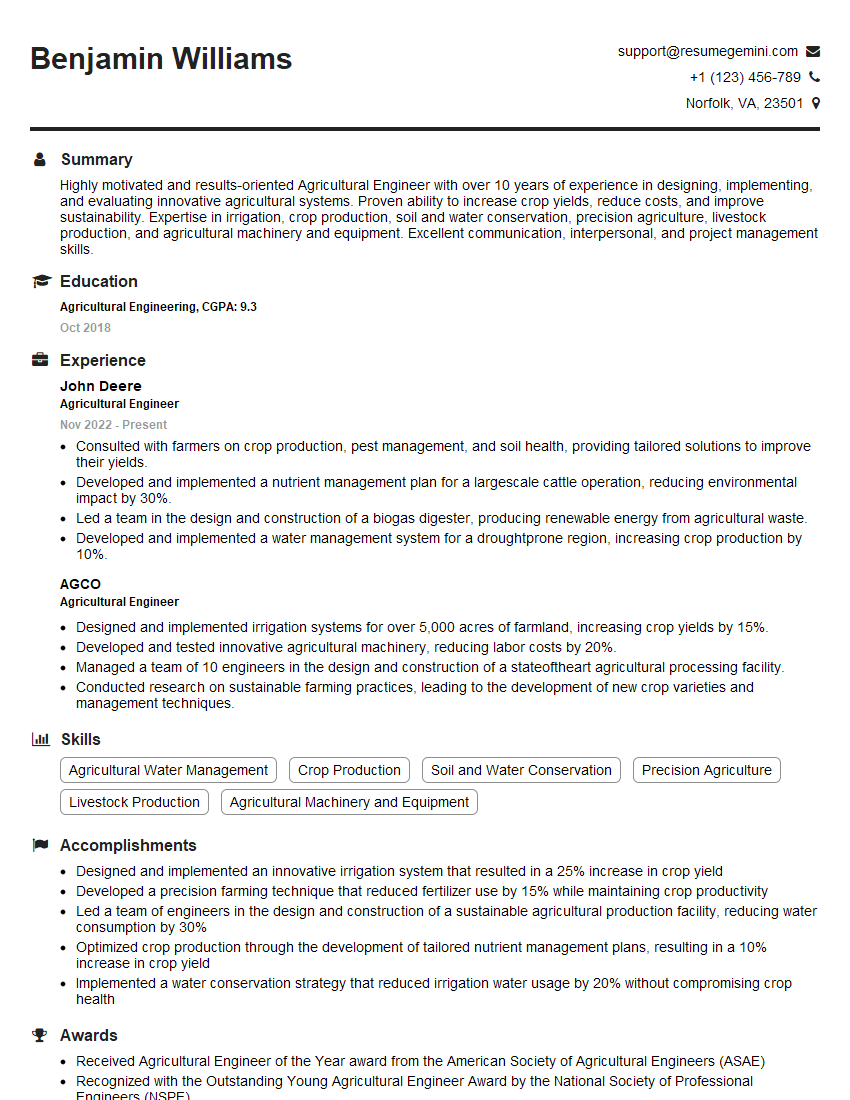
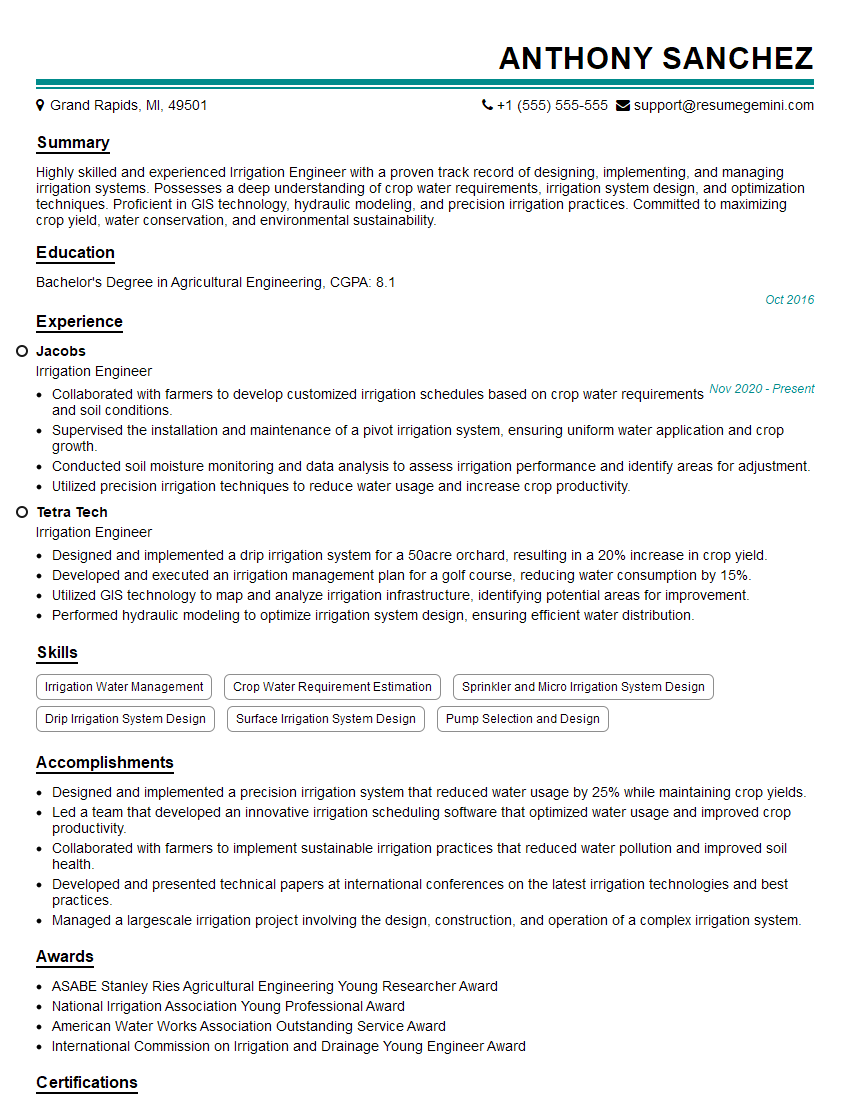
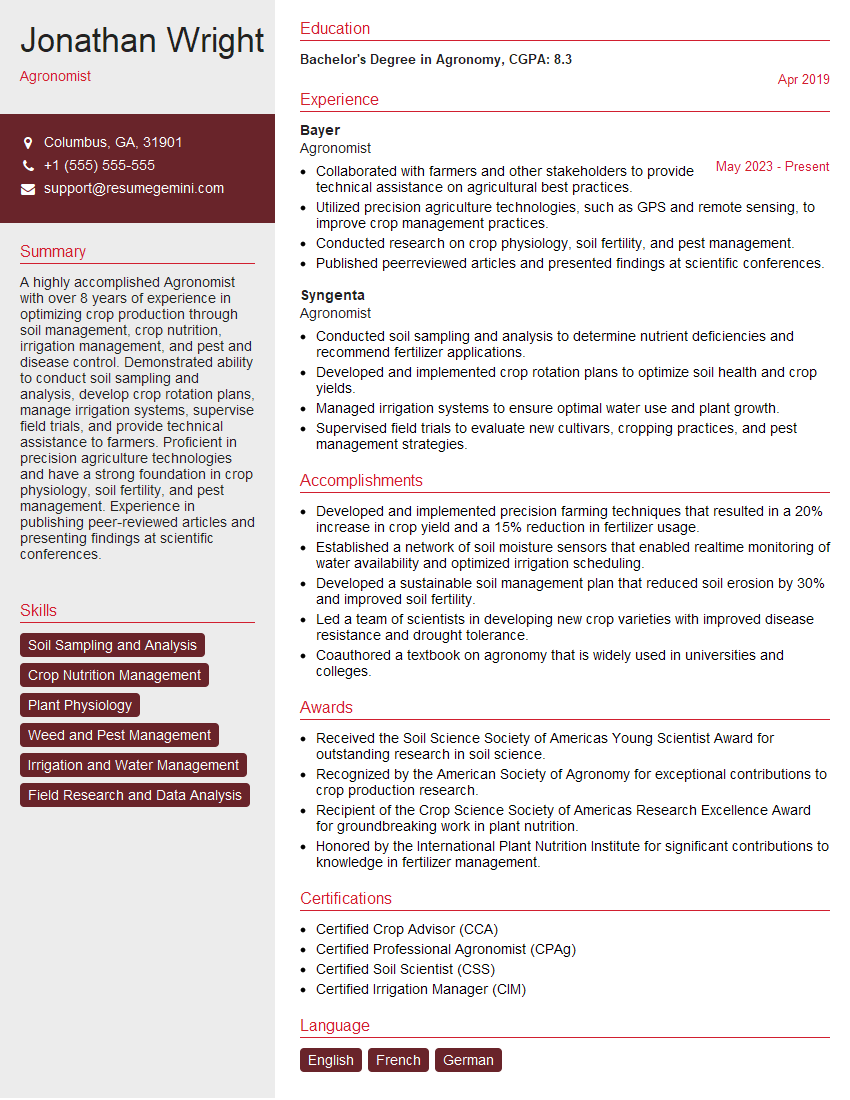
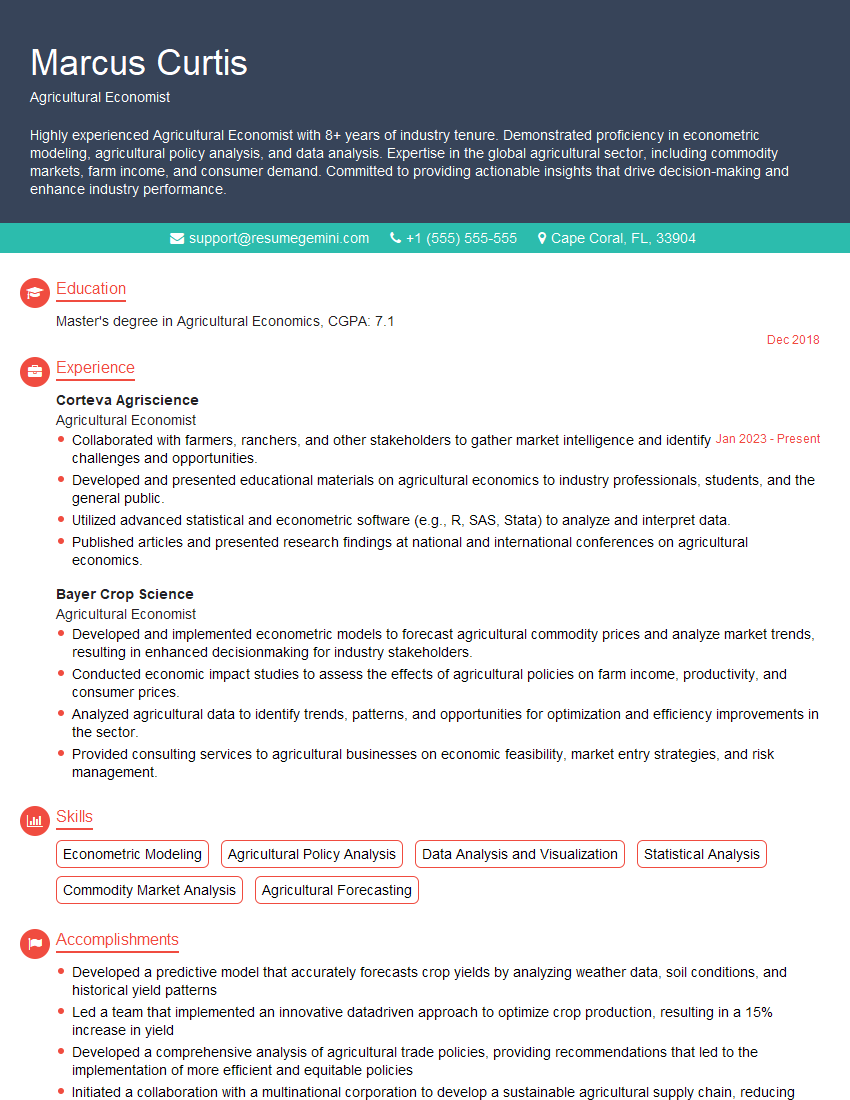
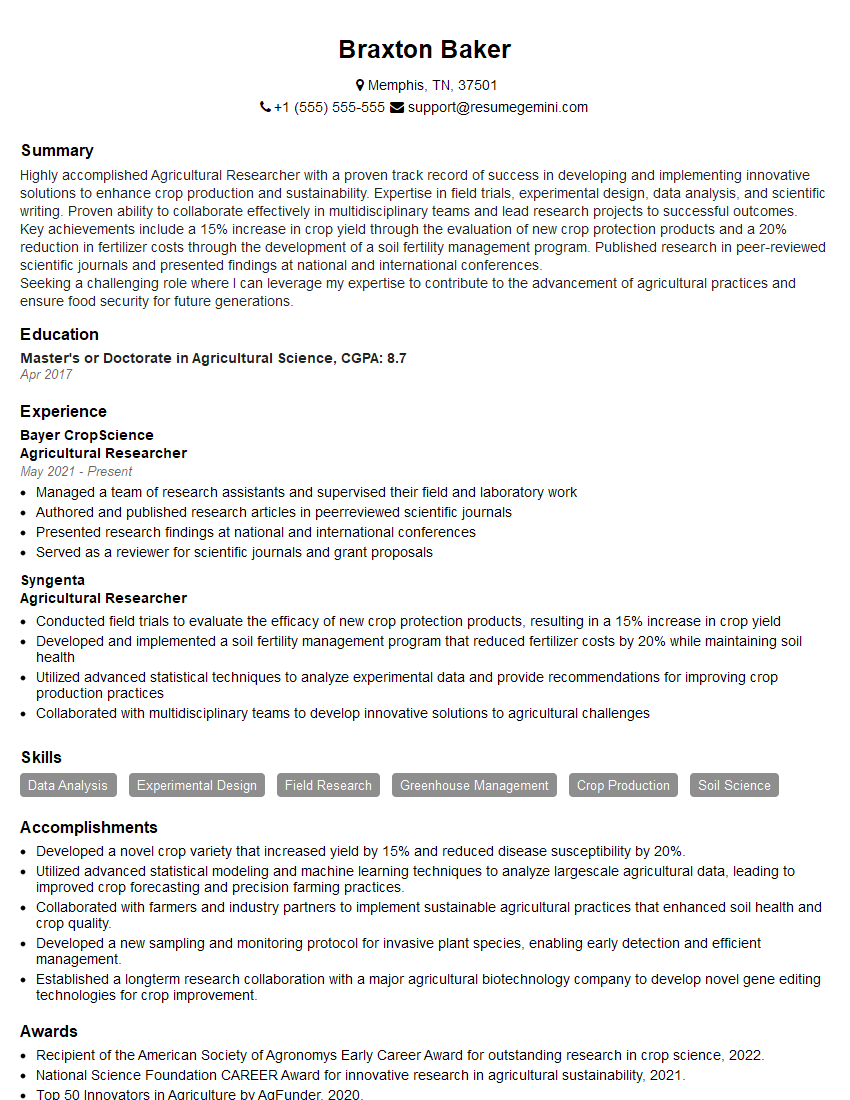
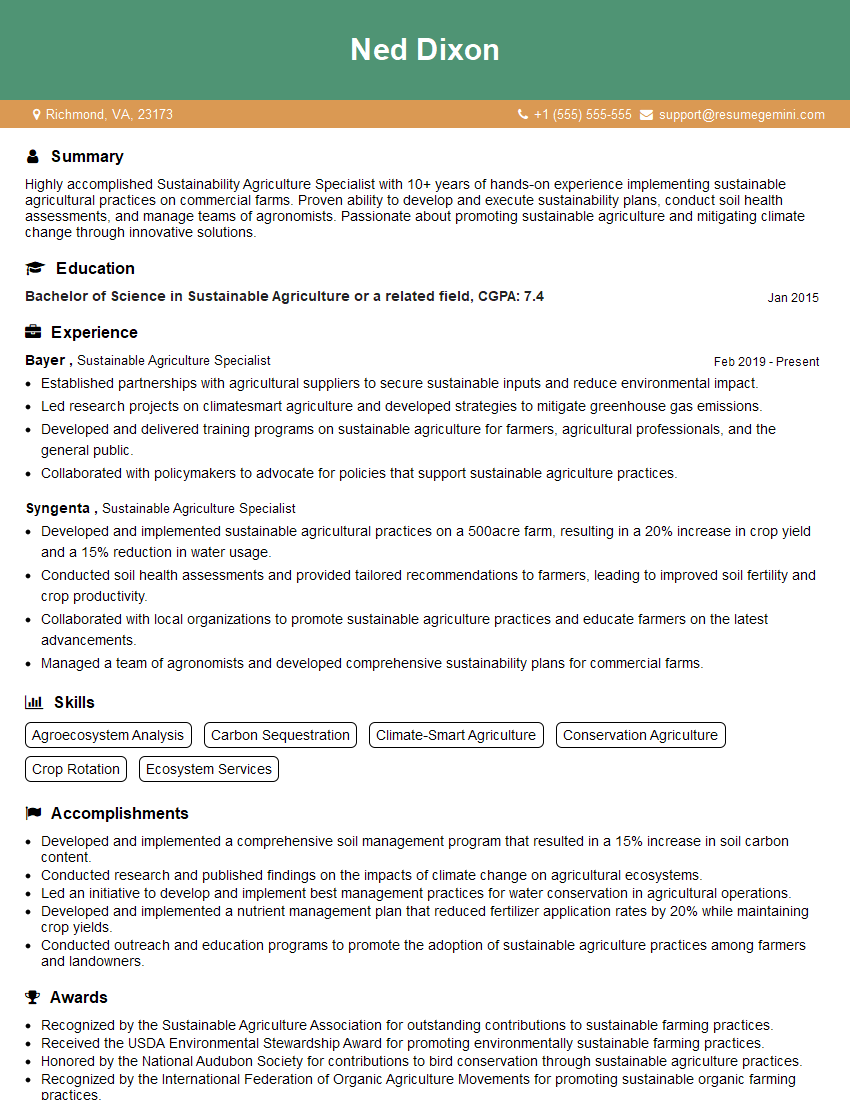
Mastering Farming Systems Analysis and Design opens doors to exciting career opportunities in agricultural research, consultancy, and development. A strong understanding of these principles is highly valued by employers. To maximize your job prospects, crafting an ATS-friendly resume is crucial. ResumeGemini can help you build a professional and impactful resume that highlights your skills and experience effectively. ResumeGemini provides examples of resumes tailored to Farming Systems Analysis and Design to guide you in creating a compelling application. Take the next step in your career journey – build your best resume with ResumeGemini.

Explore more articles
Users Rating of Our Blogs
Share Your Experience
We value your feedback! Please rate our content and share your thoughts (optional).
What Readers Say About Our Blog
Amazing blog
hello,
Our consultant firm based in the USA and our client are interested in your products.
Could you provide your company brochure and respond from your official email id (if different from the current in use), so i can send you the client’s requirement.
Payment before production.
I await your answer.
Regards,
MrSmith
hello,
Our consultant firm based in the USA and our client are interested in your products.
Could you provide your company brochure and respond from your official email id (if different from the current in use), so i can send you the client’s requirement.
Payment before production.
I await your answer.
Regards,
MrSmith
These apartments are so amazing, posting them online would break the algorithm.
https://bit.ly/Lovely2BedsApartmentHudsonYards
Reach out at BENSON@LONDONFOSTER.COM and let’s get started!
Take a look at this stunning 2-bedroom apartment perfectly situated NYC’s coveted Hudson Yards!
https://bit.ly/Lovely2BedsApartmentHudsonYards
Live Rent Free!
https://bit.ly/LiveRentFREE
Interesting Article, I liked the depth of knowledge you’ve shared.
Helpful, thanks for sharing.
Hi, I represent a social media marketing agency and liked your blog
Hi, I represent an SEO company that specialises in getting you AI citations and higher rankings on Google. I’d like to offer you a 100% free SEO audit for your website. Would you be interested?