Are you ready to stand out in your next interview? Understanding and preparing for First Responder Operations interview questions is a game-changer. In this blog, we’ve compiled key questions and expert advice to help you showcase your skills with confidence and precision. Let’s get started on your journey to acing the interview.
Questions Asked in First Responder Operations Interview
Q 1. Describe your experience with CPR and automated external defibrillators (AEDs).
My experience with CPR and AEDs is extensive. I’m a certified CPR instructor and have maintained my certification through regular recertification courses, ensuring my skills remain up-to-date with the latest guidelines from organizations like the American Heart Association. I’ve used both CPR and AEDs countless times in various settings, from training exercises to real-life emergencies.
CPR, or cardiopulmonary resuscitation, is a life-saving technique that involves chest compressions and rescue breaths to manually circulate blood and oxygen throughout the body when someone’s heart has stopped. The steps involve checking for responsiveness, calling for help, checking the airway, and performing compressions at the correct rate and depth. AEDs, or Automated External Defibrillators, are portable devices that analyze the heart’s rhythm and deliver an electric shock to restore a normal heartbeat if necessary. Knowing when and how to use an AED is critical, as it can be a life-saving intervention. I’m proficient in operating various AED models and can confidently explain their usage to both trained personnel and the public.
For instance, I once responded to a cardiac arrest at a local park. Using my CPR skills and an AED, we were able to successfully resuscitate the patient before paramedics arrived. This experience underscores the importance of being proficient in both CPR and AED usage and the potential to make a significant difference in a critical situation.
Q 2. Explain the START triage system.
The START triage system (Simple Triage And Rapid Treatment) is a method used in mass casualty incidents (MCIs) to quickly assess and prioritize patients based on their injuries and likelihood of survival. It’s designed to ensure the most critically injured receive immediate attention while maximizing the overall number of lives saved.
The system categorizes patients into four groups:
- Immediate (Red): These patients have life-threatening injuries that require immediate attention (e.g., severe bleeding, respiratory distress). They are given the highest priority.
- Delayed (Yellow): These patients have injuries requiring medical care, but their condition isn’t immediately life-threatening (e.g., fractures, less severe burns). They can wait for treatment after the immediate cases are addressed.
- Minor (Green): These patients have minor injuries that can wait for treatment (e.g., abrasions, sprains). They’re often treated last.
- Dead/Expectant (Black): These patients have unsurvivable injuries or are deceased. Sadly, resources are not focused on these patients.
The START system uses a rapid assessment focusing on respiration, perfusion (circulation), and mental status (RPM). If a patient is not breathing, immediate intervention is required. If breathing is present, assess circulation (radial pulse). If no pulse or respiratory rate is less than 10 breaths per minute, the patient is classified as ‘Immediate’. If breathing is normal (above 30 breaths per minute and less than 10 breaths per minute are both issues) and there’s a radial pulse, assess mental status. A patient who is unresponsive is also classified as ‘Immediate’. Patients who can follow simple commands receive further evaluation for more specific injuries, leading to ‘Delayed’, ‘Minor’, or ‘Dead/Expectant’ classifications.
Q 3. How do you handle multiple casualties in an emergency?
Handling multiple casualties requires a systematic approach. The key is efficient triage, resource allocation, and clear communication. The START method mentioned above is essential in this context. Once patients are triaged, a system for moving them to treatment areas (or to a hospital) needs to be established. The initial responders need to be organized in teams, with each team responsible for specific tasks such as patient assessment, transportation, and providing basic medical care.
Beyond triage and transport, establishing a clear command structure, often using an Incident Command System (ICS), is crucial. This system ensures coordinated efforts and prevents chaos in the face of multiple casualties. It’s often a matter of prioritizing the most critical injuries, starting with those who are immediately in danger of death. Each team member must understand their role and have the authority to make decisions. Effective communication via radio or other methods is paramount to ensure everyone is aware of the situation and what needs to be done. Regular reassessments of patients are also key to ensure their changing conditions are taken into account.
For example, in a bus accident scenario, I might quickly assess the scene’s safety, then utilize the START method to triage the victims. Teams would be designated to move the Immediate patients to ambulances immediately and the Delayed patients to a designated treatment area. Continuous communication across teams would ensure everyone was on the same page.
Q 4. What is your approach to assessing a scene’s safety before entering?
Assessing scene safety is the absolute top priority before entering any emergency. It’s a systematic process that involves observation, consideration of potential hazards, and proactive measures to mitigate risks. This process often involves the acronym ‘SIZE-UP’.
SIZE-UP:
- Survey the scene from a safe distance for any obvious hazards (fire, downed power lines, unstable structures).
- Identify potential dangers and risks (chemical spills, unstable vehicles, hostile individuals).
- Zone of safety (establishing a perimeter and controlling access to ensure the safety of first responders and the public).
- Evaluate the number of victims, and types of injuries involved.
- Utilize available resources to implement a safe approach (call for backup, utilize protective gear).
- Plan the approach, taking into account potential threats.
Consider a house fire: before entering, I would first assess for structural instability, fire spread, and the presence of smoke or hazardous materials. I would utilize protective gear such as personal protective equipment (PPE) including helmets, gloves, and self-contained breathing apparatus (SCBA) if necessary. Establishing a safety perimeter is crucial to prevent both rescuers and bystanders from entering unsafe areas. Radio communication with my team is essential to coordinate our entry and ensure everyone’s safety.
Q 5. Describe your experience with extrication techniques.
My extrication experience encompasses a variety of techniques, from simple vehicle disentanglement to complex rescues involving heavy machinery or collapsed structures. I’m trained in the use of hydraulic rescue tools (the ‘Jaws of Life’), specialized lifting equipment, and various hand tools. Safety is paramount, and my training emphasizes proper techniques to minimize the risk of secondary injuries to both the victim and the rescue team.
Effective extrication involves careful planning, considering stability of the structure involved, and proper use of equipment. Stabilization of the vehicle or structure is often the first step, followed by gaining access to the victim and utilizing the appropriate tools to remove obstacles hindering the removal of the patient. Communication with the medical team is continuous throughout the process.
For instance, I participated in a car accident where a victim was trapped in a severely damaged vehicle. We systematically stabilized the car using cribbing and shores, then used hydraulic cutters to remove the roof and door to safely extract the patient with minimal movement and trauma. This involved careful coordination with the medical team on-site to ensure the patient’s safety and comfort during the extrication.
Q 6. How do you prioritize different patient needs in a mass casualty incident (MCI)?
In an MCI, prioritizing patient needs is governed by the triage system, typically START. The goal is to maximize the number of lives saved, considering both the severity and the likelihood of survival for each patient. ‘Immediate’ cases always take precedence, followed by ‘Delayed’. Resource allocation must reflect this prioritization. Those who are most likely to survive with prompt intervention should be treated first.
Beyond the initial triage, ongoing reassessment is critical. Conditions can change rapidly, and patients who were initially classified as ‘Delayed’ may require immediate attention due to deterioration. This necessitates constant monitoring and adjustments based on the patients’ changing needs. A collaborative approach amongst medical personnel ensures efficient and appropriate resource allocation to the highest priority cases.
Imagine a building collapse: while some patients might initially be classified as ‘Delayed’ due to less severe injuries, their condition could worsen if not addressed swiftly due to complications like hypothermia or crush injuries. Constant monitoring and reassessment allow for dynamic prioritization.
Q 7. Explain your understanding of incident command systems (ICS).
Incident Command Systems (ICS) are standardized organizational structures used to manage emergencies effectively, especially MCIs. ICS provides a framework for coordinating resources and personnel from various agencies (fire, police, medical services) into a unified command structure. This ensures clear roles and responsibilities, reducing confusion and improving the efficiency of response efforts.
Key components of ICS include:
- Incident Commander: Overall responsibility for the incident.
- Operations Section Chief: Manages tactical operations on the ground.
- Planning Section Chief: Gathers and disseminates information.
- Logistics Section Chief: Manages resources and supplies.
- Finance/Administration Section Chief: Handles budgeting, personnel records and administrative functions.
ICS uses a modular design, allowing for scalability depending on the size and complexity of the incident. It ensures clear lines of communication, accountability and efficient resource allocation. This prevents the chaos often associated with unplanned responses. By utilizing ICS, multiple agencies can work together seamlessly, sharing information and resources to improve outcomes.
In a large-scale wildfire, for example, ICS would be implemented to coordinate fire suppression efforts, evacuation management, and medical support from multiple jurisdictions. Each section chief would lead their team, reporting to the Incident Commander, ensuring a coordinated and efficient response.
Q 8. How would you manage a patient exhibiting signs of shock?
Managing a patient in shock requires immediate action focusing on maintaining vital functions and preventing further deterioration. Shock is a life-threatening condition where the body isn’t getting enough blood flow. This can be caused by various factors like blood loss, infection, or severe allergic reactions.
- Airway, Breathing, Circulation (ABCs): This is always the priority. Ensure a clear airway, adequate breathing, and effective circulation. This may involve administering oxygen, performing CPR if necessary, and controlling any external bleeding.
- Maintain Body Temperature: Shock can cause hypothermia (low body temperature). We’d use blankets, warm intravenous fluids, and remove any wet clothing to keep the patient warm.
- Elevate Legs (if no spinal injury): Elevating the legs helps increase blood flow to the vital organs. However, this is contraindicated if there’s a head injury or spinal injury suspected.
- Rapid Transport: Time is critical. Prompt transport to a hospital is essential for definitive treatment.
- Fluid Resuscitation (by paramedics): Paramedics are trained to administer intravenous fluids to increase blood volume and improve circulation. This is a crucial step in treating shock.
For example, I once responded to a car accident where a patient was exhibiting signs of hemorrhagic shock (shock due to blood loss). We immediately controlled the bleeding, administered oxygen, elevated their legs (after ruling out spinal injury), and rapidly transported them to the trauma center. Their timely arrival and treatment undoubtedly saved their life.
Q 9. Describe your experience with handling hazardous materials incidents.
My experience with hazardous materials incidents includes extensive training and several real-world responses. I’m certified in HAZMAT awareness and operations level, enabling me to approach these situations systematically and safely.
- Scene Assessment and Size-Up: The first step is to assess the scene from a safe distance, identify the hazardous material involved (if possible), and determine the extent of the contamination. We utilize placards, labels, and Safety Data Sheets (SDS) to understand the properties of the materials.
- Isolation and Control: Establishing a perimeter and controlling access to the area is paramount. This minimizes exposure to first responders and the public. We’d use caution tape, roadblocks, and potentially establish decontamination zones.
- Decontamination: Decontamination procedures are critical to remove hazardous materials from affected individuals and equipment. This can range from simple washing with soap and water to more complex procedures using specialized equipment.
- Communication and Coordination: Clear and efficient communication is crucial during HAZMAT incidents, especially with other emergency responders, HAZMAT specialists, and local authorities. We use established communication protocols and channels.
For instance, I participated in a response to a chlorine gas leak at a water treatment plant. We established a safety perimeter, evacuated residents from the immediate vicinity, and worked with HAZMAT specialists to neutralize the leak and decontaminate affected personnel.
Q 10. How do you communicate effectively under pressure?
Effective communication under pressure is a cornerstone of successful first response. It relies on clear, concise, and repetitive messaging, coupled with active listening.
- Clear and Concise Language: Avoid jargon and technical terms that may not be understood by everyone involved. Use simple, direct language.
- Active Listening: Pay close attention to what others are saying, both verbally and nonverbally. Ask clarifying questions to ensure understanding.
- Repetitive Communication: Repeat critical information to ensure everyone understands, especially in noisy or chaotic environments.
- Use of Standard Operating Procedures (SOPs): SOPs provide a structured framework for communication, ensuring consistency and efficiency. We follow established protocols for radio communication and incident reporting.
- Nonverbal Communication: Body language, tone of voice, and eye contact are important elements that convey confidence and professionalism.
In a chaotic multiple-casualty incident, I’ve successfully managed communication by assigning roles, using established radio protocols, and providing frequent updates to the incident command. Clear, calm communication helped prevent confusion and ensured a coordinated response.
Q 11. Explain your experience with patient assessment and documentation.
Patient assessment and documentation are integral to providing effective medical care. It involves a systematic approach to gather information, identify problems, and record findings accurately.
- Primary Assessment: This focuses on immediately life-threatening conditions (ABCs, level of consciousness, severe bleeding). This is done first to stabilize the patient.
- Secondary Assessment: This involves a more detailed evaluation of the patient’s history, vital signs, and physical examination to identify other problems.
- Documentation: Accurate and complete documentation is crucial for legal and medical purposes. It includes the patient’s chief complaint, medical history, assessment findings, interventions, and response to treatment. We use standardized reporting forms, ensuring all necessary information is recorded.
For example, I recently responded to a patient experiencing chest pain. I performed a primary assessment, ensuring their airway was clear and their breathing was adequate. During the secondary assessment, I collected their medical history, checked their vital signs, and performed an ECG. I meticulously documented all my findings and interventions before and during transport.
Q 12. Describe your knowledge of various emergency medical equipment.
My knowledge of emergency medical equipment is extensive and covers a wide range of tools and devices used in pre-hospital care.
- Basic Life Support (BLS) Equipment: This includes airway adjuncts (e.g., oral and nasal airways), oxygen delivery systems, suction devices, and automated external defibrillators (AEDs).
- Advanced Life Support (ALS) Equipment: This encompasses intravenous (IV) equipment, cardiac monitors, medications, and advanced airway management tools, including endotracheal tubes and bag-valve masks.
- Trauma Equipment: This includes spinal immobilization devices, bleeding control tools (e.g., tourniquets, hemostatic dressings), and splints.
- Other Equipment: This may include glucometers for blood sugar checks, pulse oximeters for oxygen saturation monitoring, and various other diagnostic and therapeutic devices.
I am proficient in operating and maintaining all this equipment, and understand their limitations and applications. Knowing when and how to use each piece of equipment effectively is crucial in providing optimal patient care. For example, proficiency in using an AED can be the difference between life and death in cardiac arrest.
Q 13. How do you deal with a combative or uncooperative patient?
Handling combative or uncooperative patients requires a calm, controlled, and de-escalation-focused approach. Safety is paramount, for both the patient and the responders.
- Safety First: Assess the situation and ensure your own safety and the safety of others. Maintain a safe distance.
- De-escalation Techniques: Use calm and reassuring communication. Attempt to understand the patient’s concerns and address them. Avoid confrontation.
- Verbal De-escalation: Speak in a calm, slow tone. Use active listening techniques. Validate their feelings. Offer choices when possible.
- Physical Restraints (if necessary and trained): If de-escalation fails, and the patient poses a danger to themselves or others, physical restraints may be necessary, but only by trained personnel, and following established protocols.
- Seek Assistance: Don’t hesitate to call for backup if needed. Extra personnel can assist in managing a combative patient.
I once encountered a patient experiencing a psychotic episode who became agitated and combative. Using de-escalation techniques, I calmly spoke to the patient, acknowledging their distress, and slowly reduced their anxiety, avoiding escalation. Additional personnel arrived to assist, but physical restraints were avoided due to successful verbal de-escalation. The patient was eventually transported safely to the hospital for psychiatric evaluation.
Q 14. What is your experience with different types of wound care?
My experience encompasses a variety of wound care techniques, tailored to the specific type and severity of the injury.
- Bleeding Control: This is always the priority for any significant wound. Techniques include direct pressure, elevation, tourniquets (when appropriate), and packing.
- Wound Cleaning and Debridement: Thorough cleaning of the wound is essential to prevent infection. Debridement, the removal of dead tissue, may be necessary for larger or more serious wounds.
- Wound Dressing: Appropriate dressings are crucial for protection and promoting healing. This ranges from simple bandages to more complex dressings for deeper wounds.
- Suturing and Stapling: In cases requiring closure, I have the skills to perform suturing and stapling of wounds.
- Burn Care: Burn management involves cooling the burn, preventing infection, and protecting the burned area. This often requires special dressings and pain management.
For example, I’ve managed numerous lacerations, ranging from minor cuts to deep wounds requiring stitches. In one instance, a patient sustained a deep laceration to their arm. I controlled the bleeding, cleaned the wound, and applied appropriate dressings before transporting them to the hospital for suturing.
Q 15. Explain your understanding of different types of trauma.
Trauma can be broadly categorized into blunt, penetrating, and blast injuries. Blunt trauma results from impacts without penetration, like a car accident causing internal organ damage. Think of it like a car crash where the body is compressed and internal structures are injured. Penetrating trauma involves objects piercing the body, such as a gunshot wound or stabbing. This type of injury has a precise point of entry and often a defined path through the body. Imagine a knife cutting through tissue. Finally, blast trauma is caused by explosions, leading to a complex array of injuries from the blast wave itself, including damage to the lungs, ears, and internal organs, as well as potential injuries from flying debris, like shrapnel. This is a much more complex injury pattern that we often see in larger incidents, requiring careful assessment and treatment. Understanding these classifications is crucial for prioritizing treatment and improving patient outcomes.
- Blunt Trauma Example: A patient presenting with multiple rib fractures and suspected lung contusion after a motor vehicle collision.
- Penetrating Trauma Example: A patient with a single gunshot wound to the chest, exhibiting signs of respiratory distress.
- Blast Trauma Example: Multiple casualties with varied injuries, ranging from hearing loss to severe internal organ damage, following a bomb explosion.
Career Expert Tips:
- Ace those interviews! Prepare effectively by reviewing the Top 50 Most Common Interview Questions on ResumeGemini.
- Navigate your job search with confidence! Explore a wide range of Career Tips on ResumeGemini. Learn about common challenges and recommendations to overcome them.
- Craft the perfect resume! Master the Art of Resume Writing with ResumeGemini’s guide. Showcase your unique qualifications and achievements effectively.
- Don’t miss out on holiday savings! Build your dream resume with ResumeGemini’s ATS optimized templates.
Q 16. Describe your experience with administering medications.
As a first responder, my medication administration experience is limited to those medications within my scope of practice, which are strictly defined by my certification and local protocols. This typically includes oxygen administration, epinephrine in cases of anaphylaxis (severe allergic reaction), and assisting paramedics with other medications under their direction. For example, I’ve administered oxygen to patients experiencing shortness of breath due to various causes, ranging from asthma attacks to heart problems. I’ve also assisted paramedics in administering medication for patients with cardiac arrest. All medication administration is carefully documented and follows established protocols to ensure patient safety and legal compliance. Accurate documentation is crucial, including medication name, dose, route, time, and the patient’s response. Safety is paramount in every scenario. We never administer medications without proper training, supervision, or clear indications.
Q 17. How do you maintain composure and professionalism in stressful situations?
Maintaining composure and professionalism under pressure is crucial in emergency response. It’s about focusing on the task at hand and prioritizing clear, decisive actions. We achieve this through rigorous training that simulates high-stress environments. This involves practicing our skills repeatedly under pressure. This also includes breathing techniques and mindfulness practices to help calm our nervous systems. Practicing active listening and focusing on empathetic communication with the patient can also reduce stress and improves the efficiency of our response. In the heat of the moment, clear communication with our team is also critical for a successful response. A structured approach to scene management, from assessing the situation to providing patient care, helps maintain control and focus.
Q 18. Describe your experience with working as part of a team.
My experience working in a team is extensive. Effective teamwork is the cornerstone of successful emergency response. I’ve been part of teams ranging from small, immediate response units to large-scale disaster relief operations. In each situation, successful collaboration hinges on clear communication, defined roles, and mutual respect. We utilize a chain of command to ensure clear direction and efficient decision-making. I’ve learned the importance of actively listening to my colleagues’ insights and valuing diverse perspectives. For instance, in a multi-casualty incident, the EMT might focus on stabilizing injuries while I might be responsible for patient triage and scene safety. Effective communication is key – sharing information promptly and accurately to ensure everyone is on the same page. The goal is to have everyone work together to ensure a positive outcome for the patient.
Q 19. How do you manage stress and maintain your well-being?
Managing stress and maintaining well-being is a vital aspect of this profession. We utilize various strategies, including regular physical exercise to relieve tension, maintaining a healthy diet, getting enough sleep, and making time for relaxation and hobbies outside of work. Our department also offers critical incident stress debriefings (CISDs) to process emotionally challenging situations. CISDs are confidential sessions that allow us to process experiences within a supportive environment. Furthermore, access to mental health professionals is available to help manage stress and promote overall well-being. It’s a proactive approach to ensuring the mental and physical health of our team. Open communication and access to support systems are vital for sustainable careers in this demanding field.
Q 20. Explain your knowledge of local emergency response protocols.
My knowledge of local emergency response protocols is comprehensive and regularly updated. I am familiar with the 911 dispatch system, the roles and responsibilities of different emergency services (police, fire, EMS), and the established communication protocols. This includes understanding our chain of command and knowing who to contact in different situations. We follow specific procedures for various emergencies, such as hazardous material incidents, mass casualty events, and active shooter situations. Regular training drills and continuing education ensure everyone’s awareness of any updates or changes to these procedures. Our commitment to following these guidelines ensures our team is equipped to handle any emergency safely and effectively.
Q 21. Describe your experience with responding to different types of emergencies (e.g., car accidents, house fires, medical emergencies).
I have extensive experience responding to a wide range of emergencies. This includes car accidents, where my role involves assessing the scene, providing immediate first aid, and securing the area until paramedics arrive. In house fires, I assist with evacuations, scene safety, and providing basic life support to victims. Medical emergencies, such as cardiac arrest or strokes, involve immediate CPR and defibrillation, if certified, until EMS takes over. The approach in each case is based on situational awareness and prioritization: assessing the situation, providing immediate care, and coordinating with other responders. Each event presents unique challenges, requiring adaptability, clear judgment, and efficient collaboration with our team to ensure the safety and best possible outcomes for the people affected.
Q 22. How do you handle difficult or emotional situations on the job?
Dealing with difficult or emotional situations is an inherent part of first responder work. We’re often confronted with trauma, grief, and loss. My approach is multifaceted and prioritizes both the immediate needs of those involved and my own well-being. Immediately, I focus on providing immediate care and ensuring safety. This might involve stabilizing an injured person, securing a scene, or simply offering a reassuring presence. After the immediate crisis, I rely on debriefing and support systems. We often have critical incident stress management (CISM) teams available to process emotions and experiences collectively. Individually, I prioritize self-care practices such as exercise, mindfulness, and spending time with loved ones to manage stress and prevent burnout. Maintaining a healthy work-life balance is crucial. I also actively engage in peer support, discussing challenging cases and learning from the experiences of colleagues.
For example, during a particularly devastating car accident involving children, my immediate focus was on stabilizing the injured and ensuring their safe transport to the hospital. Following the event, I participated in a CISM session to discuss my feelings and process the trauma I witnessed. This shared experience with colleagues helped normalize my feelings and underscored the importance of emotional resilience in our profession.
Q 23. Describe a time you had to make a quick decision under pressure. What was the outcome?
During a multi-vehicle collision, I had to rapidly assess the scene and prioritize victims. Multiple injuries, including severe bleeding and potential spinal trauma, were present. The pressure was immense, with multiple casualties and limited resources. I immediately initiated triage, utilizing the START method (Simple Triage and Rapid Treatment) to quickly categorize patients based on their injuries and need for immediate care. This allowed us to focus resources on those with life-threatening conditions. While managing the triage, I coordinated with other emergency personnel to ensure efficient transport to the hospital and ongoing communication with dispatch to manage incoming resources. The outcome was positive: all victims received timely medical attention, reducing mortality and improving the long-term outcomes. Proper triage and efficient resource allocation were crucial to our success. Though stressful, this experience reinforced the importance of effective decision-making skills and rapid assessment under pressure.
Q 24. How familiar are you with HIPAA regulations and patient confidentiality?
I am very familiar with HIPAA regulations and patient confidentiality. HIPAA, the Health Insurance Portability and Accountability Act, mandates strict guidelines for protecting patient health information (PHI). This includes verbal communication, written documents, and electronic data. In my role, this means adhering to strict protocols regarding sharing patient information only with authorized personnel and within the scope of their duties. I understand the potential consequences of HIPAA violations, which can include civil penalties, criminal charges, and professional sanctions. We are routinely trained on HIPAA compliance and undergo regular updates on evolving regulations. Patient privacy is paramount, and maintaining confidentiality is not only a legal obligation but also an ethical imperative.
For instance, I would never discuss a patient’s condition with someone who isn’t directly involved in their care, even with family members without their consent. All patient records are carefully secured and access is strictly controlled. We utilize secure communication channels, and our electronic health records systems employ robust security measures to prevent unauthorized access and breaches.
Q 25. Describe your experience with using GPS and mapping technology for emergency response.
GPS and mapping technology are indispensable in emergency response. We use them extensively for navigation, especially in unfamiliar areas or during large-scale events. Our vehicles are equipped with GPS systems integrated with mapping software that provides real-time location data, turn-by-turn directions, and traffic updates. This allows for efficient routing to emergency scenes, even during peak hours or in congested areas. Furthermore, these systems often integrate with dispatch, providing real-time location sharing for better coordination among responders. Mapping technology also helps in pre-planning emergency responses, visualizing potential hazards, and establishing effective evacuation routes.
For example, during a search and rescue operation in a vast wilderness area, GPS was essential in tracking our team’s location, identifying potential hazards, and maintaining communication with dispatch. The precise mapping enabled us to efficiently navigate challenging terrain and find the lost person quickly and safely.
Q 26. Explain your knowledge of different types of communication equipment used in emergency response.
Emergency responders utilize a variety of communication equipment for effective coordination and information sharing. This includes two-way radios (for direct communication between responders), mobile data terminals (MDTs) integrated into vehicles, which provide access to dispatch systems, maps, and incident information, cellular phones for wider communication, and dispatch systems that handle incoming calls and coordinate responses. In addition, we might use satellite phones in remote areas with limited cellular service, and specialized equipment during hazardous materials incidents or search and rescue operations.
For example, during a large-scale incident like a wildfire, two-way radios are crucial for maintaining communication among teams on the ground, while MDTs help keep dispatch informed of the situation in real time. Cellular phones may be used for communication with external agencies or individuals involved in the emergency.
Q 27. Describe your experience with maintaining and cleaning emergency medical equipment.
Maintaining and cleaning emergency medical equipment is crucial for ensuring safety and effectiveness. This involves regular cleaning and disinfection following each use, according to established protocols, to prevent the spread of infection. Equipment is inspected for damage or malfunction before and after each use, and any issues are immediately reported for repair or replacement. Regular maintenance schedules are followed for all equipment, including calibration of medical devices and routine checks for functionality. We are trained in proper sterilization techniques and follow strict guidelines for handling and storing equipment. Proper maintenance of equipment ensures its reliability and prevents potential harm to patients.
For instance, after treating a patient with a suspected infectious disease, all equipment used is immediately cleaned and disinfected according to established protocols. If any equipment malfunctions, it is immediately taken out of service and reported for repair to avoid potential issues in future emergencies.
Q 28. How do you stay up-to-date on the latest emergency response techniques and protocols?
Staying current in emergency response techniques and protocols is vital. I accomplish this through a combination of methods. Professional development courses, conferences, and workshops provide updates on the latest techniques, medical advancements, and safety guidelines. Active participation in continuing education programs is mandatory, often involving online training modules and in-person simulations. Regular review of updated protocols and guidelines is critical. Staying abreast of new research and best practices ensures our methods remain safe, effective, and aligned with the latest scientific understanding. Also, maintaining professional connections within the field through networking and participation in professional organizations helps me stay informed about advancements and emerging trends.
For example, I recently completed a course on advanced trauma life support, which updated my knowledge of the most current techniques for managing critical injuries. Regular participation in professional forums and engagement with other first responders help in sharing and learning from different experiences and approaches.
Key Topics to Learn for First Responder Operations Interview
- Incident Command System (ICS): Understanding ICS principles, roles, and responsibilities is crucial. Practice applying ICS to different scenarios, focusing on efficient resource allocation and communication.
- Emergency Medical Services (EMS): Master basic life support (BLS) procedures, triage techniques, and patient assessment skills. Be prepared to discuss your experience in providing immediate medical care in high-pressure situations.
- Hazardous Materials (Hazmat) Response: Familiarize yourself with identifying hazardous materials, understanding safety protocols, and outlining appropriate containment and evacuation strategies. Consider exploring different hazard classes and response procedures.
- Search and Rescue (SAR) Techniques: Understand various search patterns, equipment usage, and the importance of teamwork and communication in SAR operations. Be ready to discuss risk assessment and safety considerations in SAR.
- Disaster Preparedness and Response: Know the phases of disaster management (mitigation, preparedness, response, recovery) and how First Responders contribute to each phase. Discuss your understanding of mass casualty incidents (MCIs) and resource management during large-scale emergencies.
- Legal and Ethical Considerations: Review relevant laws, regulations, and ethical guidelines pertaining to First Responder actions. Be prepared to discuss scenarios involving legal liability and ethical dilemmas.
- Teamwork and Communication: Highlight your experience in effective communication, collaboration, and leadership within a team environment. This is crucial in high-stress situations.
Next Steps
Mastering First Responder Operations opens doors to a fulfilling and impactful career, offering opportunities for growth and specialization. A strong resume is your key to unlocking these opportunities. Creating an ATS-friendly resume is essential for getting your application noticed by potential employers. ResumeGemini is a trusted resource that can help you build a professional and impactful resume tailored to highlight your skills and experience in First Responder Operations. Examples of resumes specifically designed for First Responder Operations roles are available to guide you.
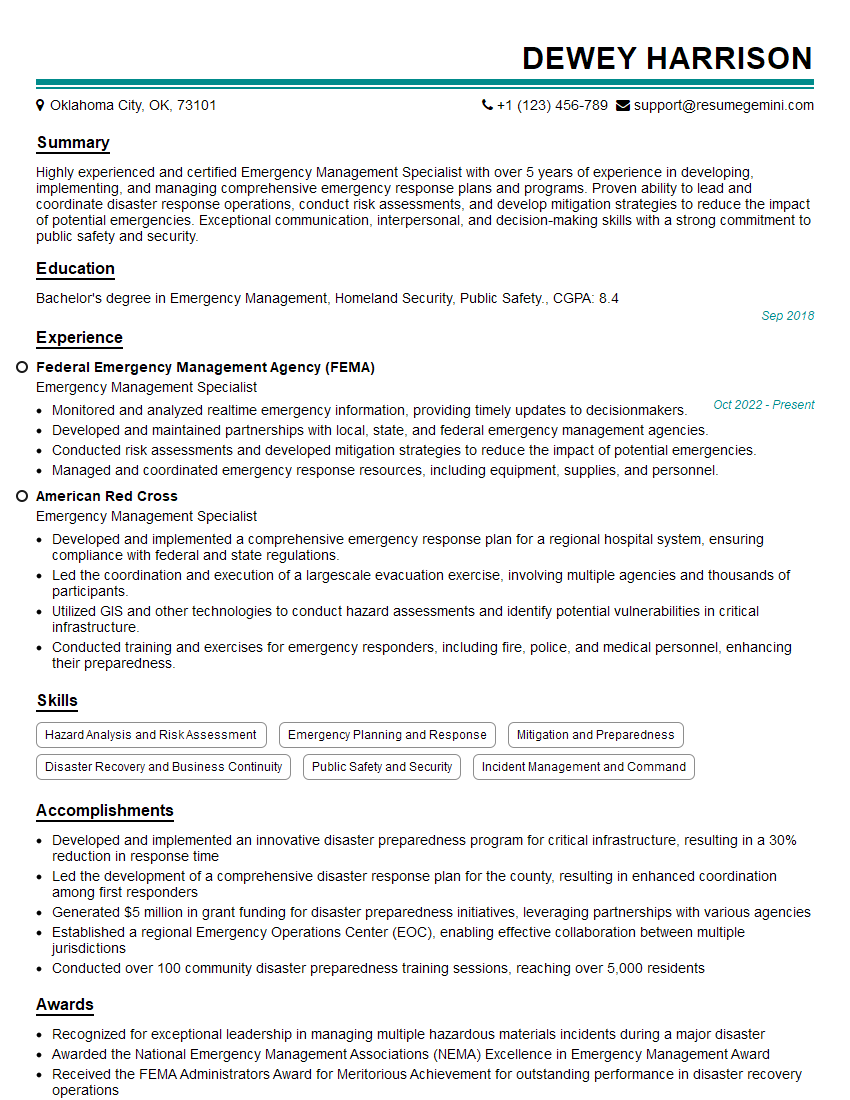
Emergency Management Specialist Resume Sample
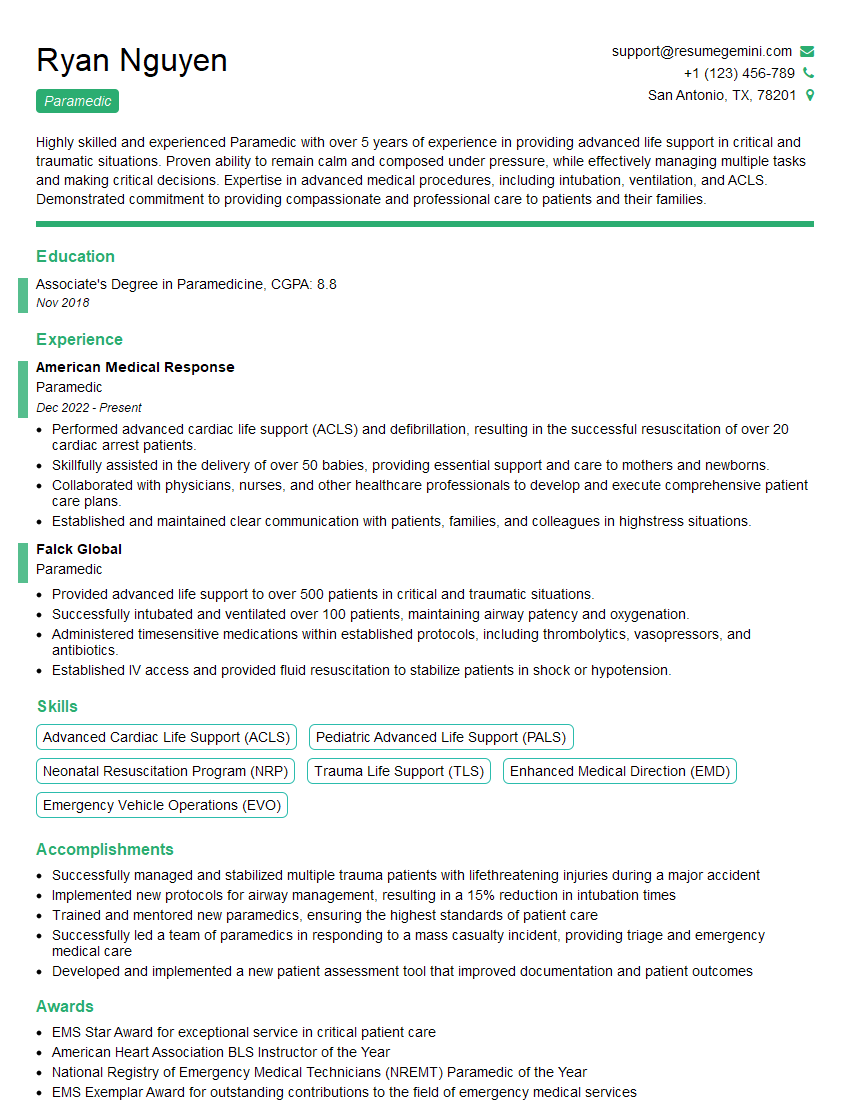
Paramedic Resume Sample
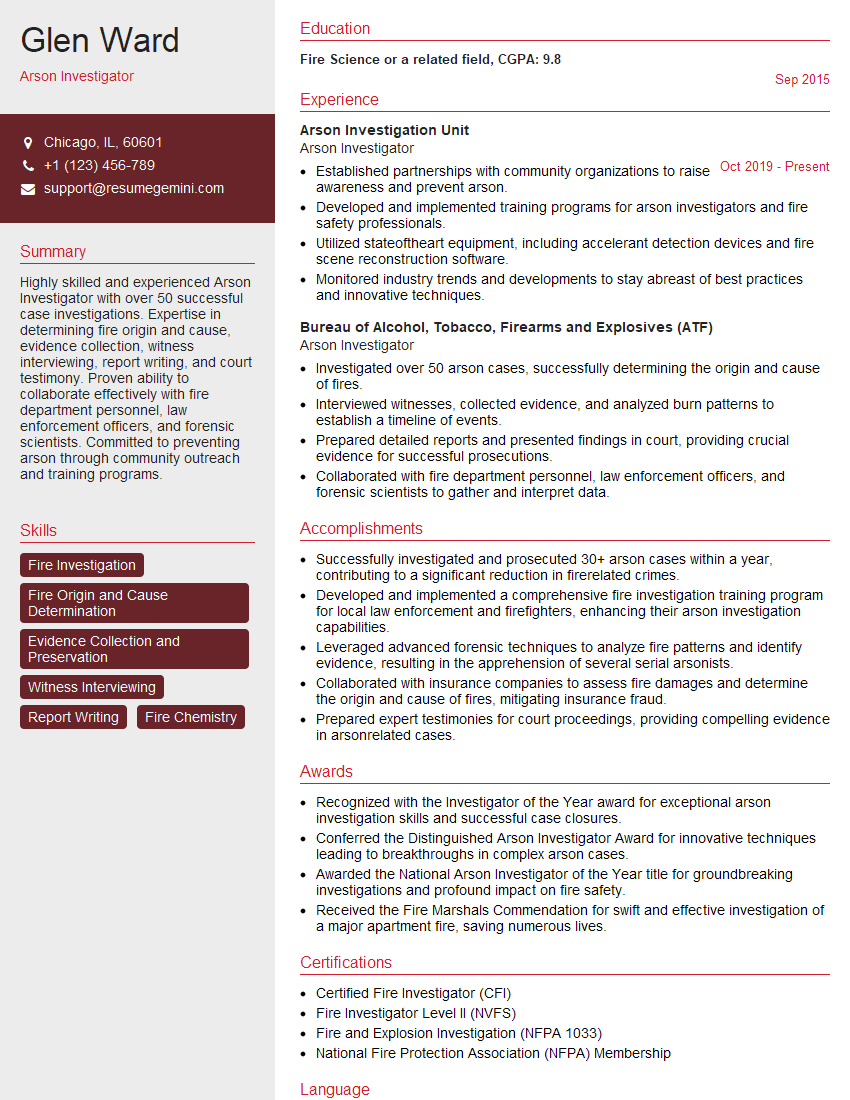
Arson Investigator Resume Sample
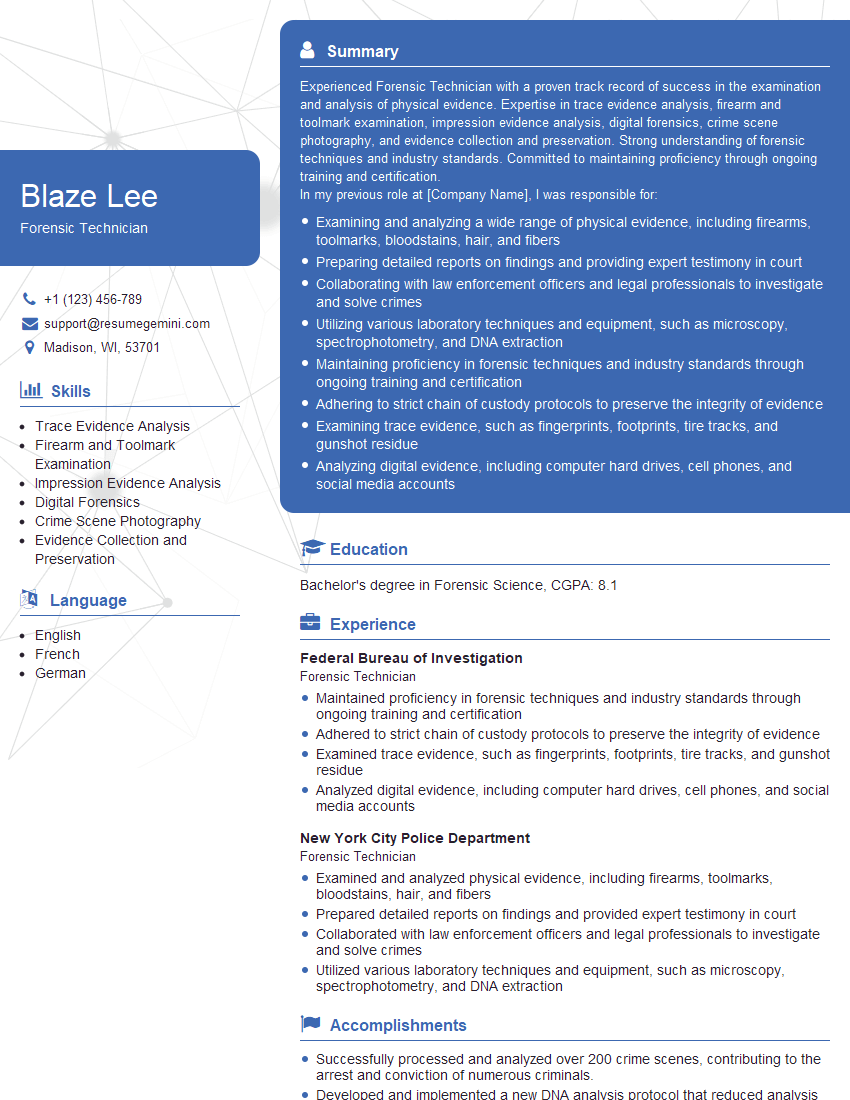
Forensic Technician Resume Sample
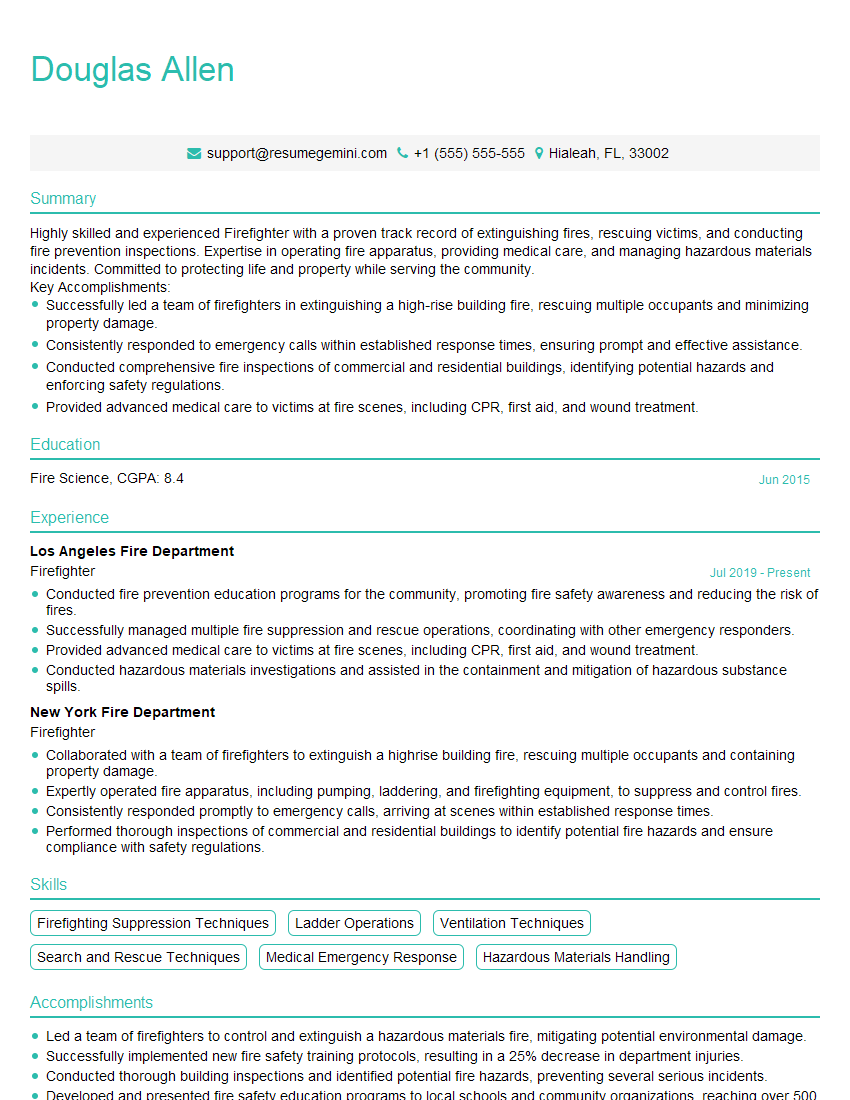
Firefighter Resume Sample
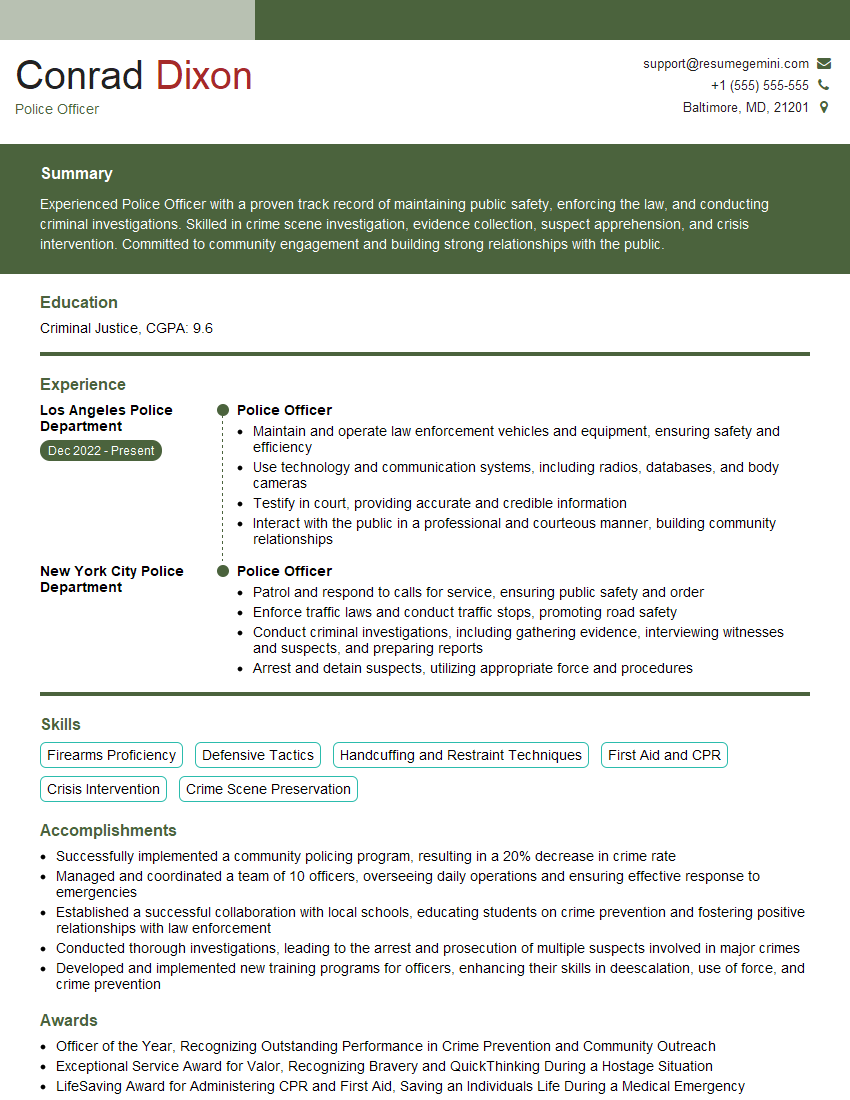
Police Officer Resume Sample
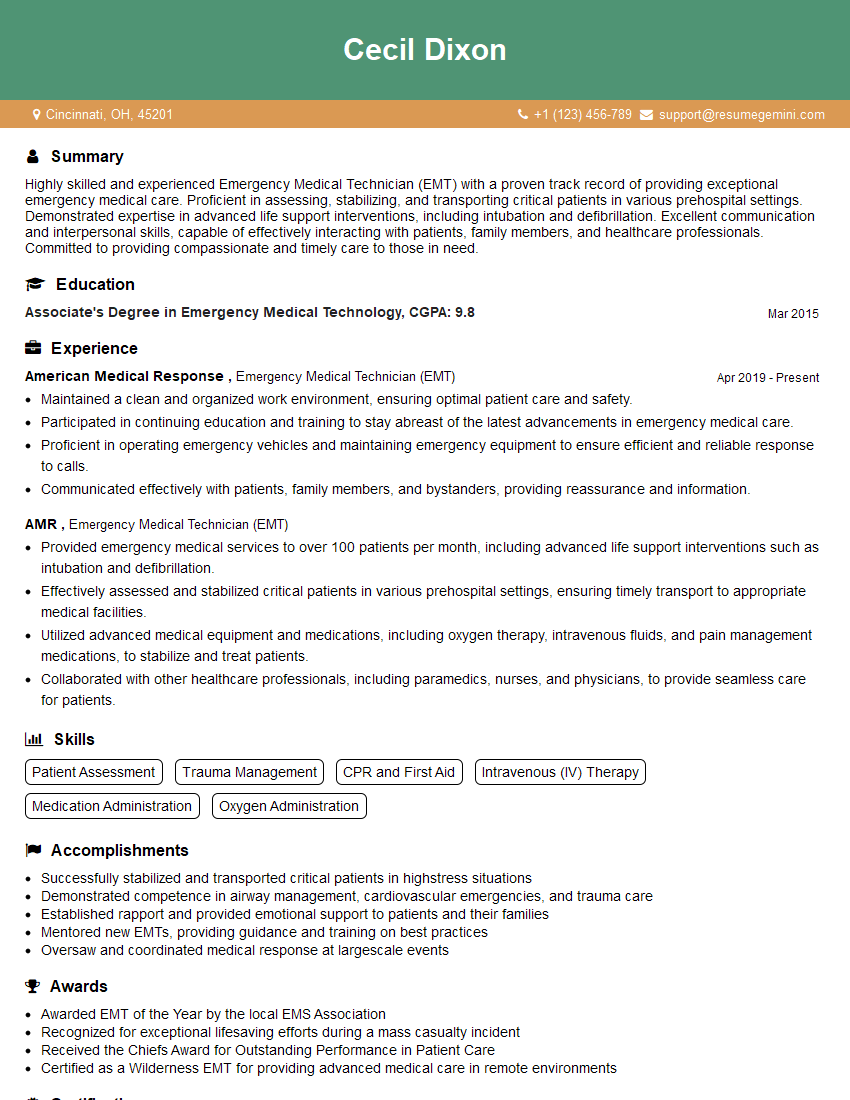
Emergency Medical Technician (EMT) Resume Sample
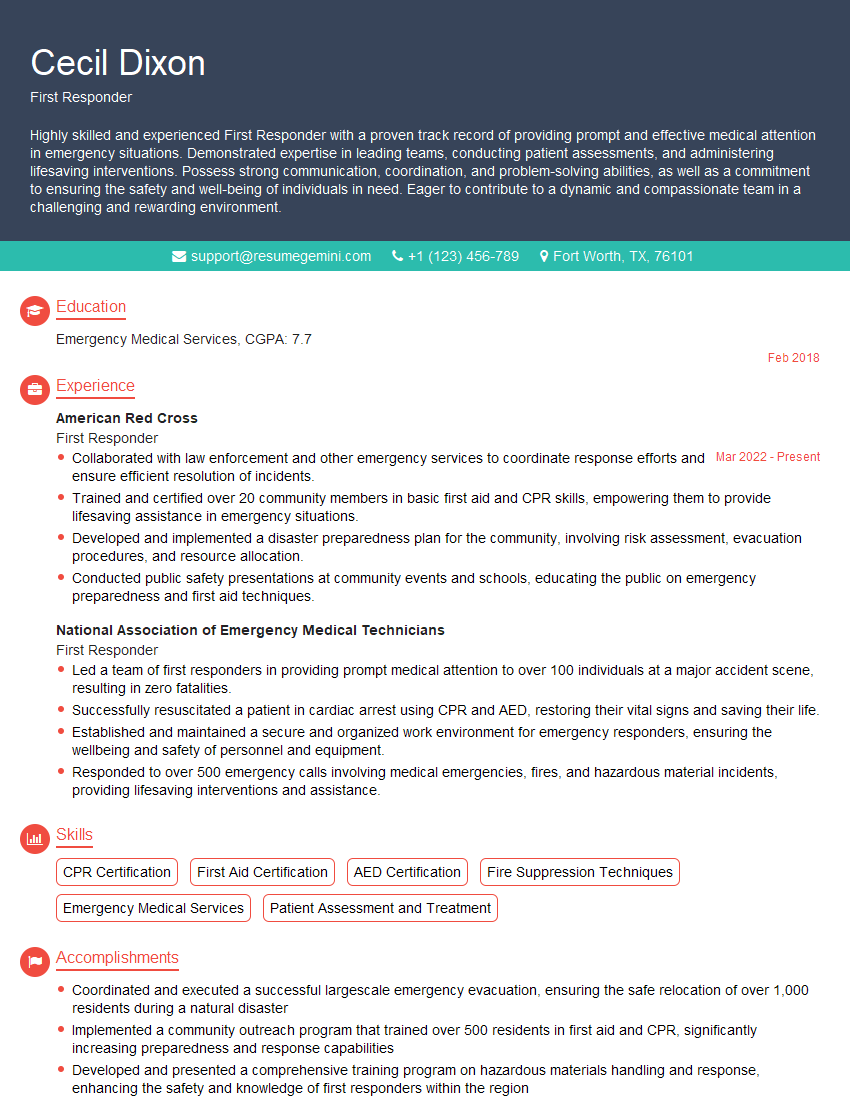
First Responder Resume Sample
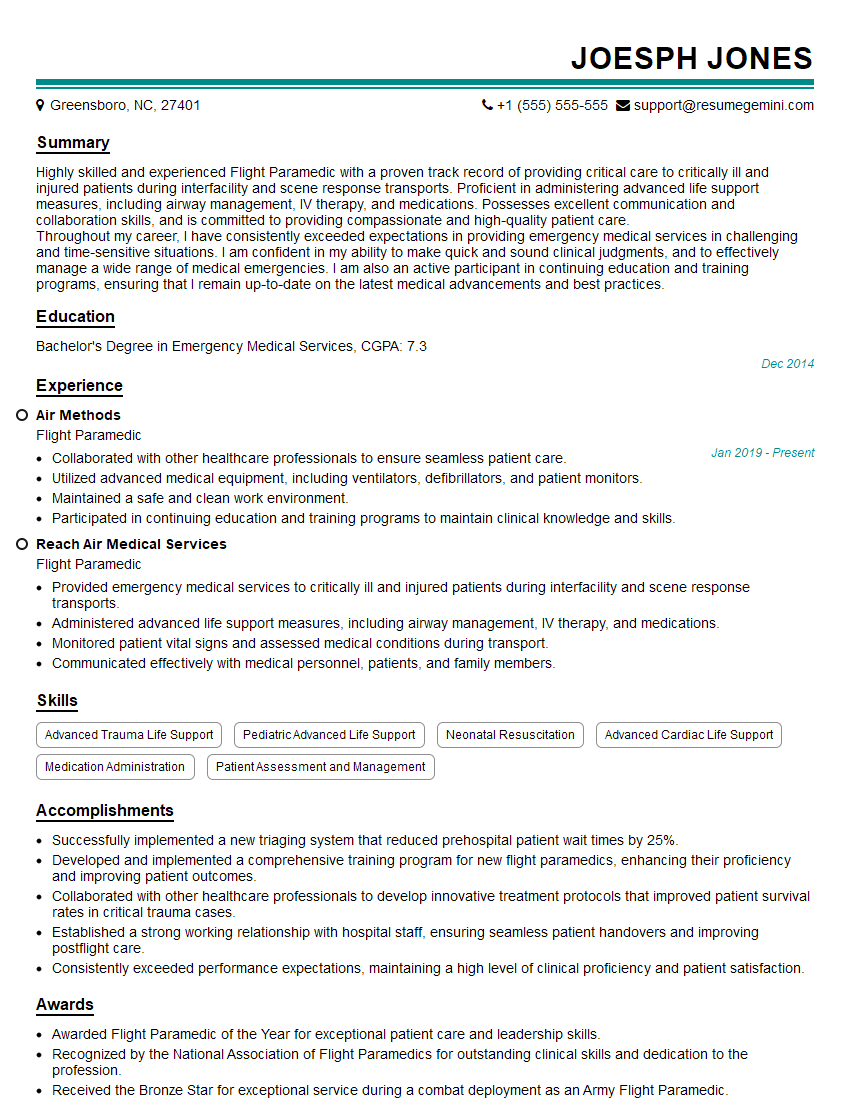
Flight Paramedic Resume Sample
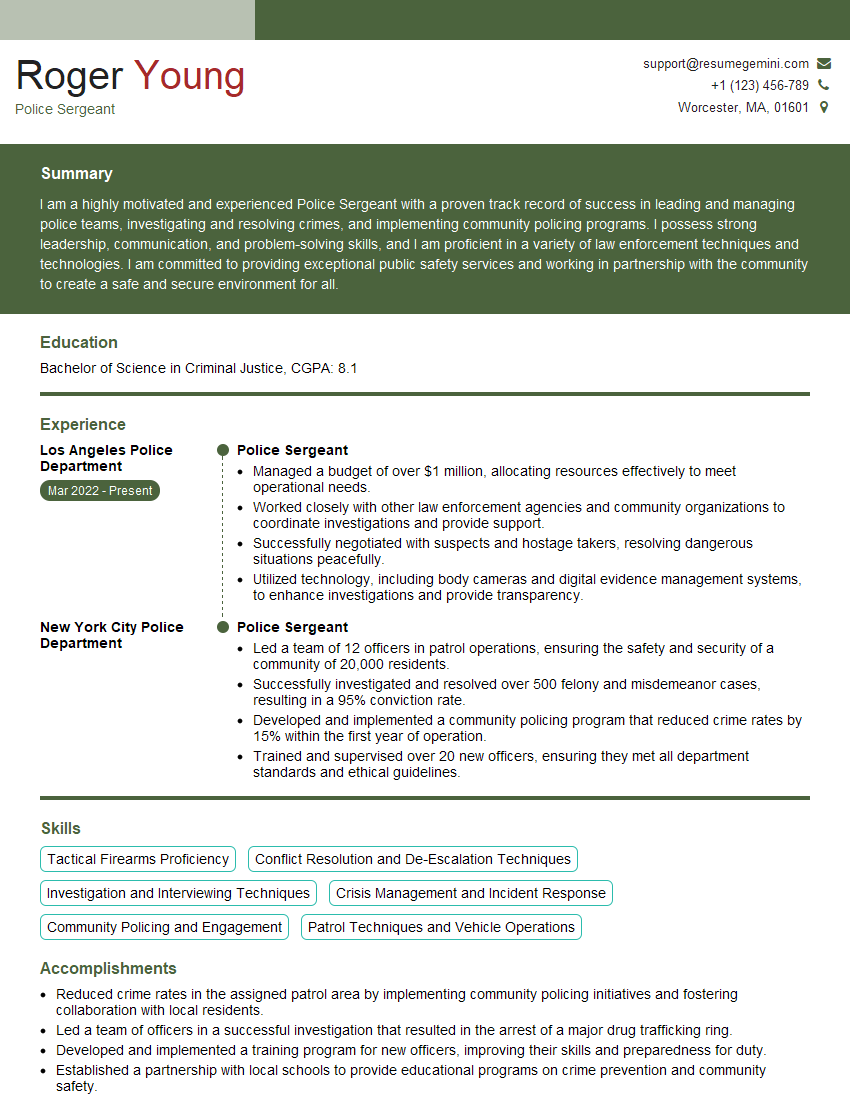
Police Sergeant Resume Sample
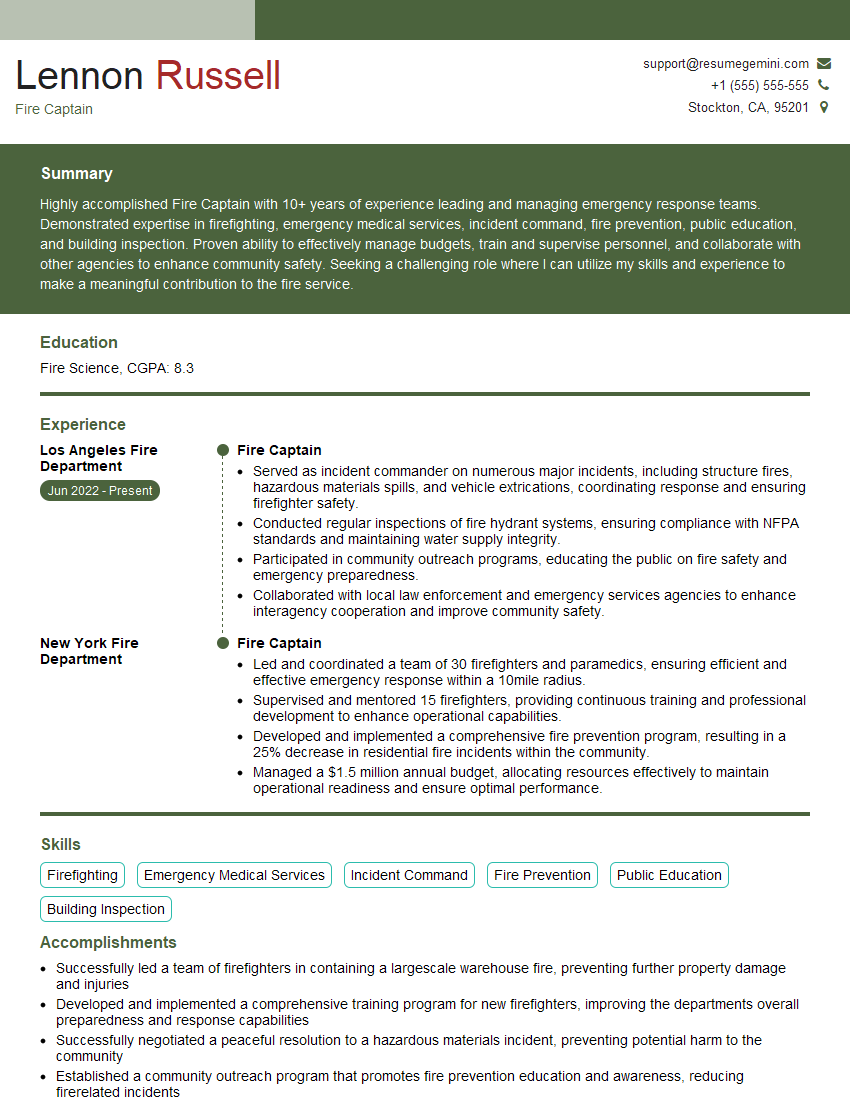
Fire Captain Resume Sample
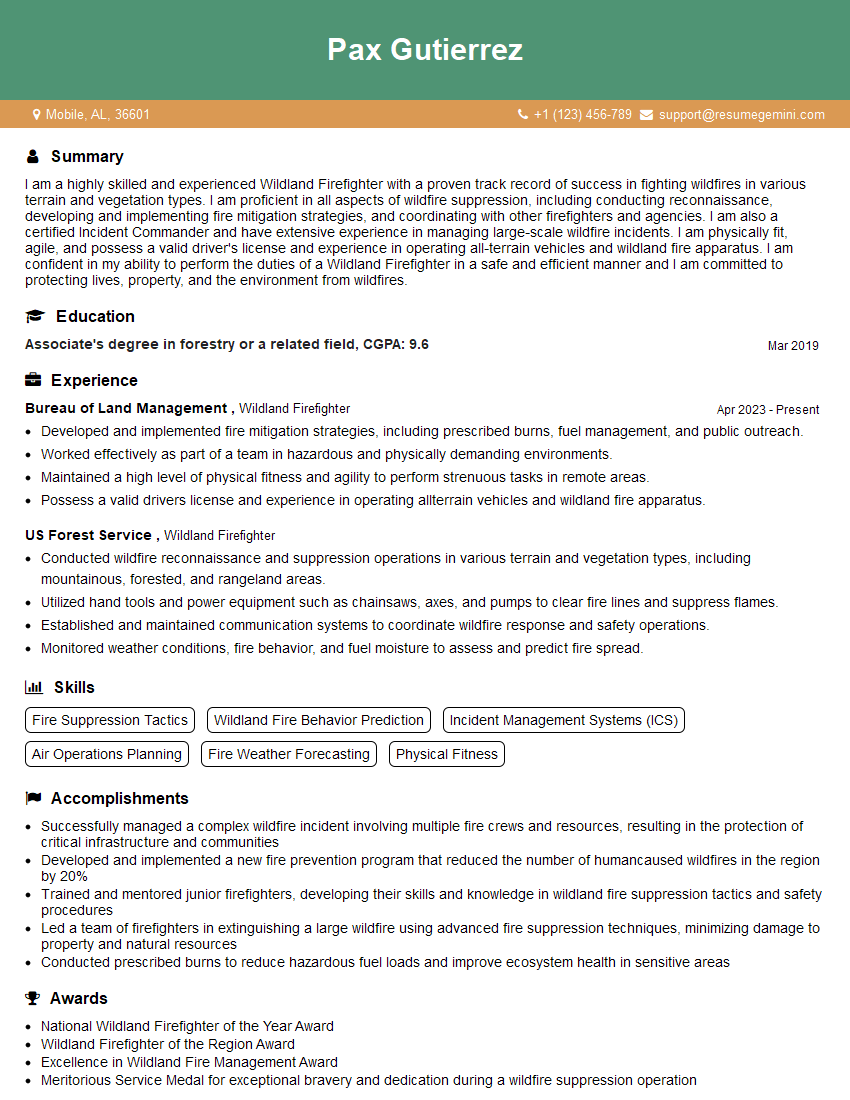
Wildland Firefighter Resume Sample
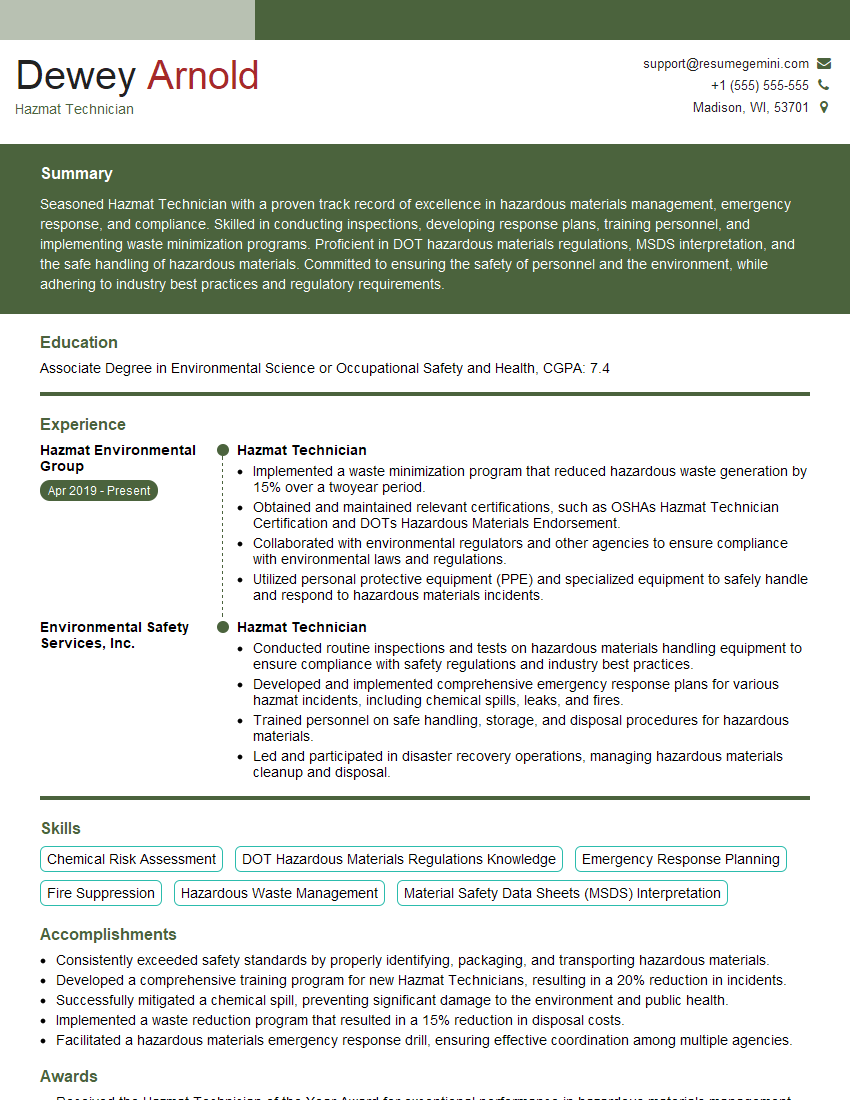
Hazmat Technician Resume Sample
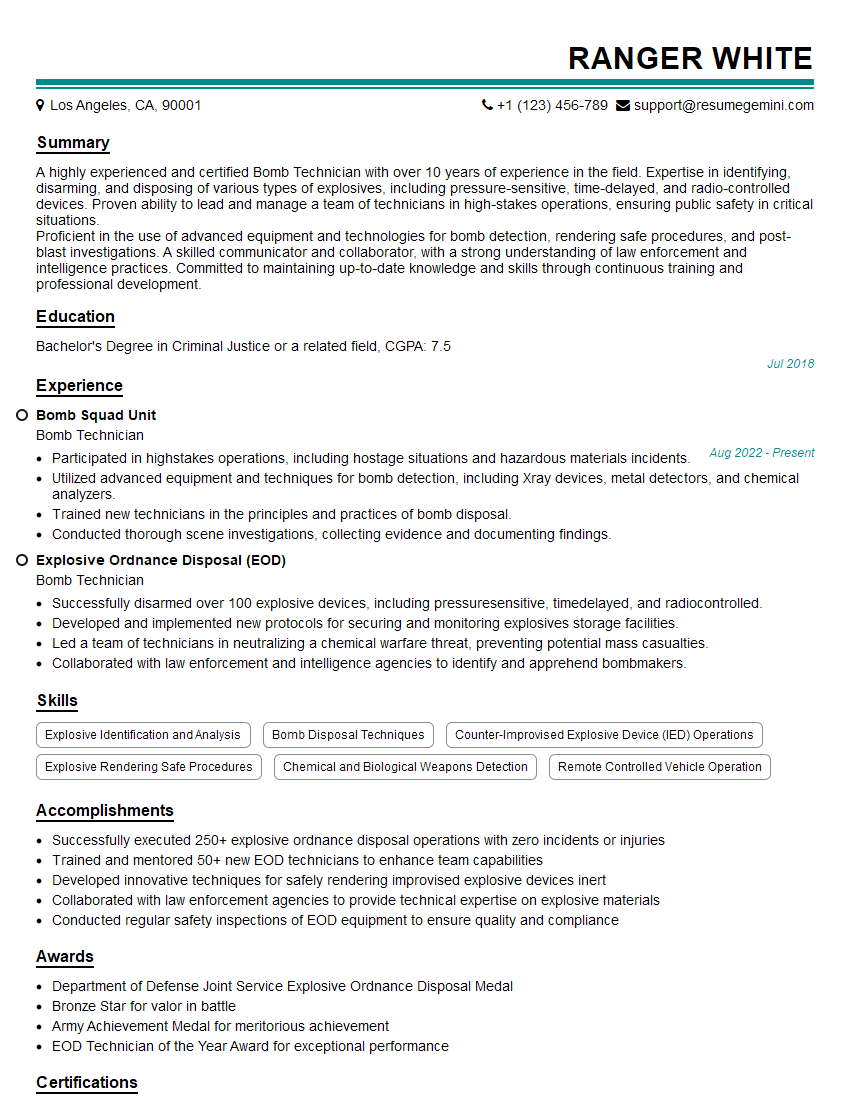
Bomb Technician Resume Sample
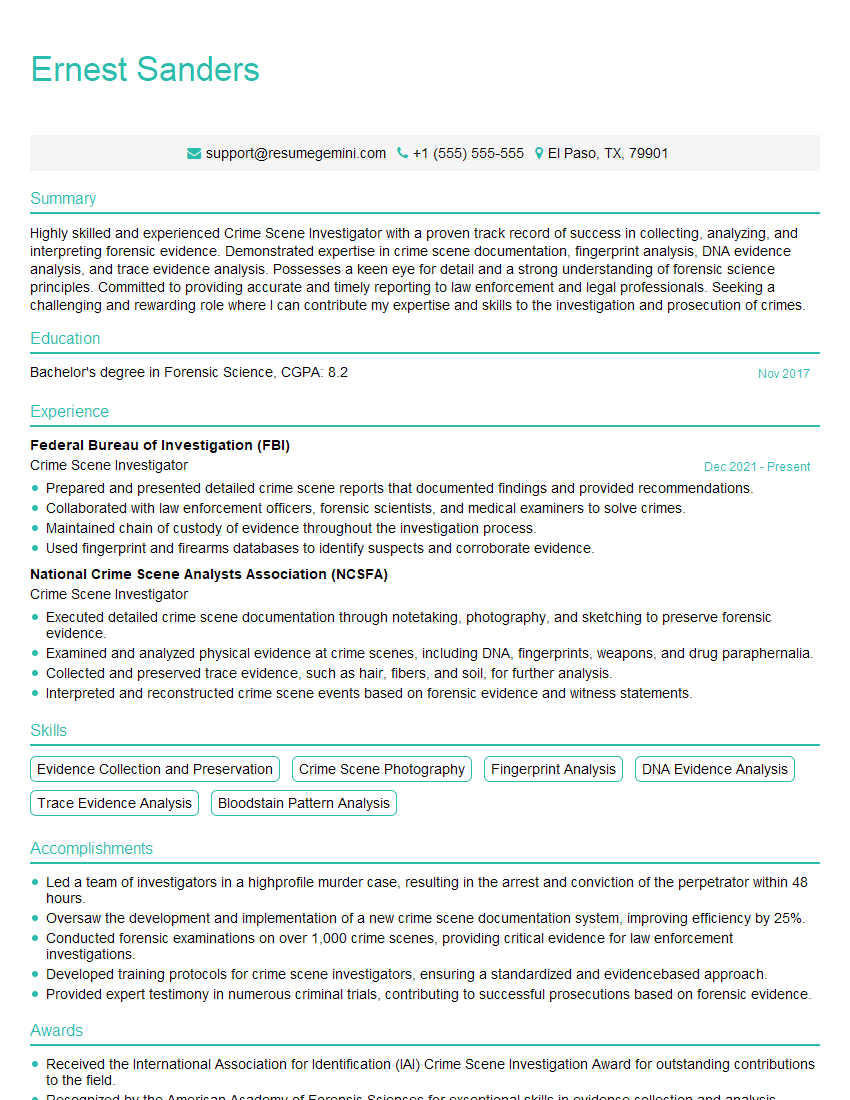
Crime Scene Investigator Resume Sample
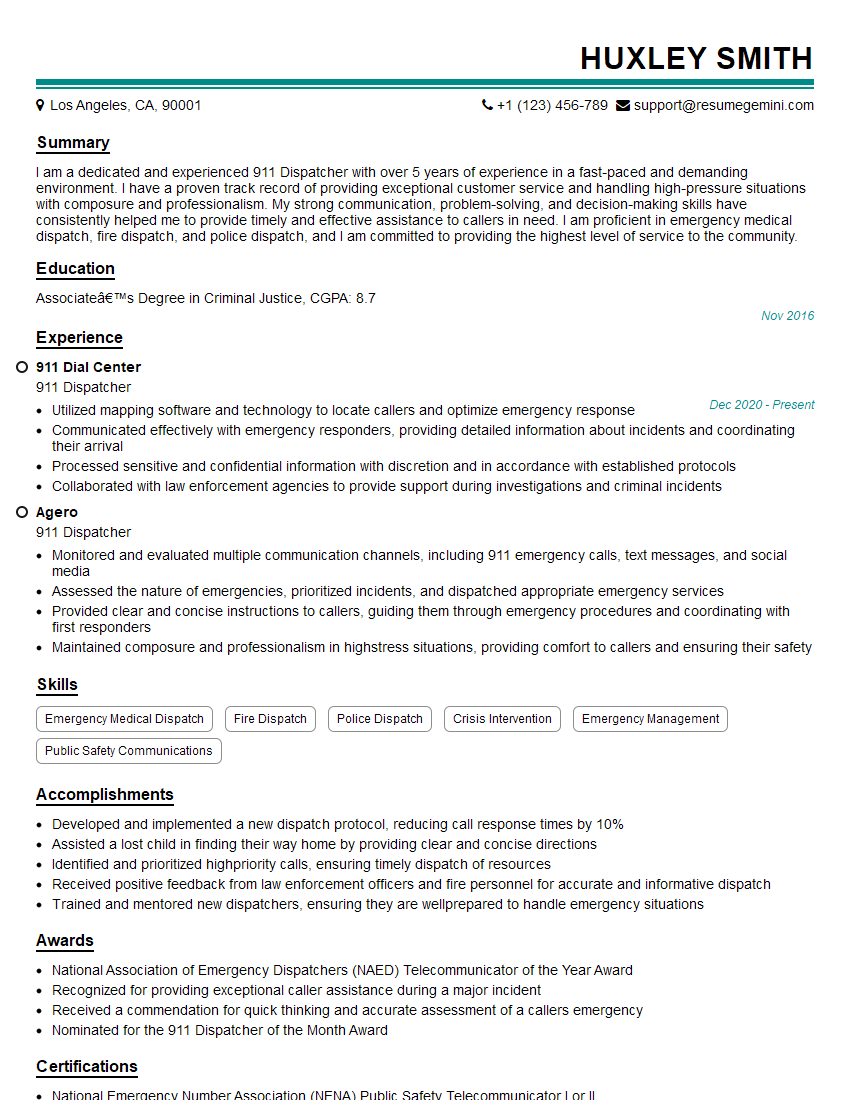
911 Dispatcher Resume Sample
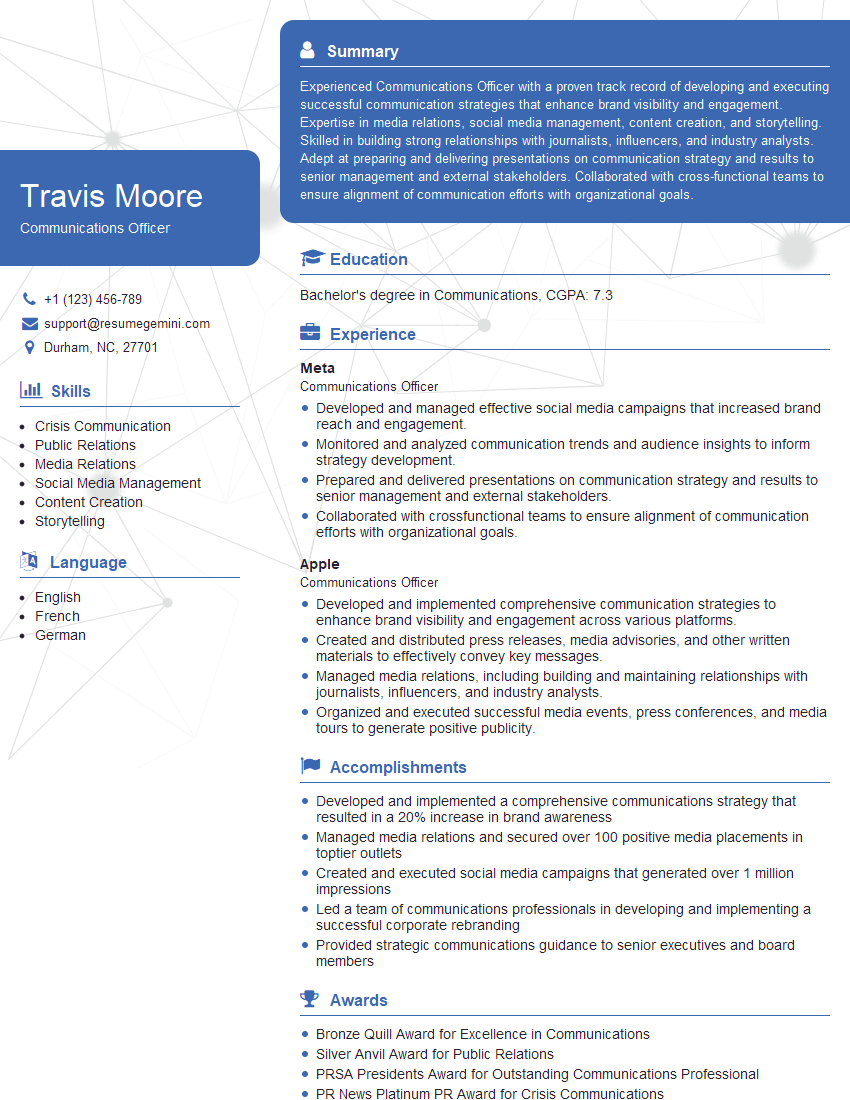
Communications Officer Resume Sample
- Emergency Management Specialist
- Paramedic
- Arson Investigator
- Forensic Technician
- Firefighter
- Police Officer
- Emergency Medical Technician (EMT)
- First Responder
- Flight Paramedic
- Police Sergeant
- Fire Captain
- Wildland Firefighter
- Hazmat Technician
- Bomb Technician
- Crime Scene Investigator
- 911 Dispatcher
- Communications Officer
Explore more articles
Users Rating of Our Blogs
Share Your Experience
We value your feedback! Please rate our content and share your thoughts (optional).
What Readers Say About Our Blog
Amazing blog
hello,
Our consultant firm based in the USA and our client are interested in your products.
Could you provide your company brochure and respond from your official email id (if different from the current in use), so i can send you the client’s requirement.
Payment before production.
I await your answer.
Regards,
MrSmith
hello,
Our consultant firm based in the USA and our client are interested in your products.
Could you provide your company brochure and respond from your official email id (if different from the current in use), so i can send you the client’s requirement.
Payment before production.
I await your answer.
Regards,
MrSmith
These apartments are so amazing, posting them online would break the algorithm.
https://bit.ly/Lovely2BedsApartmentHudsonYards
Reach out at BENSON@LONDONFOSTER.COM and let’s get started!
Take a look at this stunning 2-bedroom apartment perfectly situated NYC’s coveted Hudson Yards!
https://bit.ly/Lovely2BedsApartmentHudsonYards
Live Rent Free!
https://bit.ly/LiveRentFREE
Interesting Article, I liked the depth of knowledge you’ve shared.
Helpful, thanks for sharing.
Hi, I represent a social media marketing agency and liked your blog
Hi, I represent an SEO company that specialises in getting you AI citations and higher rankings on Google. I’d like to offer you a 100% free SEO audit for your website. Would you be interested?