The thought of an interview can be nerve-wracking, but the right preparation can make all the difference. Explore this comprehensive guide to Floor Buffing and Polishing interview questions and gain the confidence you need to showcase your abilities and secure the role.
Questions Asked in Floor Buffing and Polishing Interview
Q 1. What types of floor buffers are you familiar with?
Floor buffers come in various types, each designed for specific tasks and floor types. The most common are:
- Single-disc machines: These are versatile and widely used for everything from light cleaning to heavy-duty polishing. They offer good maneuverability in tight spaces. Think of them as the jack-of-all-trades.
- Orbital buffers: These machines use a spinning pad with an orbital motion, minimizing swirl marks and making them ideal for delicate floors. They’re gentler but can take longer to complete a job.
- High-speed buffers (burnishers): These are high-powered machines used for achieving a high-gloss shine on already polished floors. They’re specifically for the final step in a polishing process and should only be used on appropriately prepared surfaces. These are high-power tools, really bringing the shine!
- Cylindrical buffers: These use a cylindrical brush or pad and are often used for large, open areas like hallways or warehouses. They’re efficient for covering large expanses quickly, like a lawnmower for floors.
The choice depends on the floor type, the desired finish, and the size of the area. For example, I’d use a single-disc machine for a general cleaning and polishing of a vinyl floor, whereas I might choose an orbital buffer for a more delicate hardwood floor. For a large, polished marble floor, a high-speed burnisher would be perfect.
Q 2. Explain the difference between buffing and polishing.
Buffing and polishing are often used interchangeably, but they are distinct processes. Think of it like this: buffing is prepping, polishing is perfecting.
- Buffing: This is a cleaning and light abrasion process. It uses a relatively coarser pad to remove surface dirt, scuffs, and small scratches. It often involves the use of cleaning solutions to help lift the dirt. It prepares the floor for the next step.
- Polishing: This follows buffing and uses finer pads and sometimes specialized polishing compounds to enhance shine and create a smooth, glossy finish. It’s the final step to achieve the desired level of gleam and protection. It’s the big reveal!
For example, when working with a waxed floor, buffing removes old, dull wax, and polishing then applies and shines a new layer. With a sealed floor, buffing might be used for routine cleaning, and polishing would come into play to address scratches or restore shine.
Q 3. Describe your experience with different floor finishes (e.g., wax, sealant).
My experience encompasses a wide range of floor finishes. Each requires a specific approach and maintenance strategy:
- Wax: I’ve worked extensively with various wax types, from paste wax to liquid wax. Wax offers good protection and shine, but requires regular stripping and reapplication. It’s like applying sunscreen for your floor; it needs reapplication for continued protection.
- Sealants: Sealants provide a harder, more durable finish than wax. They’re available in water-based and solvent-based formulations. Water-based sealants are often easier to work with but may not be as durable as solvent-based options. I’ve found that water-based sealants are often preferred in modern applications due to their environmental benefits.
- Epoxy coatings: I’ve worked with epoxy coatings, which are incredibly durable and ideal for high-traffic areas. They are exceptionally resilient but require careful application to avoid imperfections. Think of these as the body armor for your floor.
The choice of finish depends on factors like foot traffic, the floor material, and the desired level of gloss and protection. For example, a high-traffic commercial kitchen would benefit from epoxy coatings, while a residential hardwood floor might be best suited for a durable sealant.
Q 4. How do you determine the appropriate type of pad for a specific flooring type?
Pad selection is crucial for achieving the desired results without damaging the floor. The pad’s abrasiveness should match the flooring material and the task. It’s vital to choose the right tool for the job.
- Coarse pads (e.g., maroon): Used for stripping old wax or aggressive cleaning of heavily soiled floors. These are for tackling the serious dirt.
- Medium pads (e.g., white): Used for general cleaning, light scrubbing, or preparing the floor for polishing. These are all-rounders.
- Fine pads (e.g., buffing pads): Used for polishing and achieving a high gloss. These are for the final touches.
- Ultra-fine pads (e.g., polishing pads): Used for final polishing for extremely high shine. These are perfectionists.
For example, I would never use a coarse pad on a delicate hardwood floor. I might use a white pad for a light cleaning and a buffing pad for polishing. Selecting the incorrect pad can lead to scratches or premature damage to the floor.
Q 5. What safety precautions do you take when operating floor buffing equipment?
Safety is paramount when operating floor buffing equipment. My safety protocols include:
- Proper training: I’ve received comprehensive training on the safe operation of all floor buffing machines.
- Personal Protective Equipment (PPE): I always wear safety glasses, hearing protection, and slip-resistant shoes. Gloves are used when handling cleaning solutions.
- Machine inspection: Before each use, I carefully inspect the machine for any damage or loose parts. Always check cables and make sure all parts are secured.
- Clear area: The work area is kept clear of obstacles and obstructions to prevent tripping hazards. I ensure a clear space to operate and walk around without obstacles.
- Proper technique: I use the correct speed and pressure for the machine and the pad, avoiding jerky movements that can damage the floor or the machine. Smooth operation is key to safety.
- Caution with cords: Always be mindful of cord placement to avoid tripping and ensure the cord won’t become entangled in the machine.
Neglecting safety precautions can lead to serious injuries. By adhering to these practices, I ensure both my safety and the safety of others in the work environment.
Q 6. How do you identify and address common floor problems (e.g., scratches, stains)?
Identifying and addressing floor problems requires careful observation and appropriate techniques. Here are some common issues and solutions:
- Scratches: Minor scratches can often be buffed out with a fine pad and polishing compound. Deeper scratches may require more extensive repair, possibly involving refinishing or patching.
- Stains: Stain removal depends heavily on the type of stain and the floor material. I use specialized cleaners and techniques for different stain types (e.g., oil-based, water-based). Sometimes, more aggressive cleaning is required. I always test any cleaning solution on an inconspicuous area first.
- Water damage: Water damage can cause warping, bubbling, or discoloration. This requires immediate attention, often involving drying the affected area and possibly repairs to the subfloor.
- Scuff marks: These can typically be removed with a light buffing and appropriate cleaning solution. This is normally a minor issue.
Addressing floor problems efficiently and effectively requires a combination of knowledge, the right tools, and a systematic approach. A careful assessment of the problem is always the first step, ensuring proper treatment.
Q 7. What is your experience with different floor cleaning chemicals?
My experience includes working with a variety of floor cleaning chemicals, always prioritizing safety and efficacy:
- Neutral cleaners: These are pH-neutral solutions ideal for routine cleaning of most floor types. They are a go-to for daily cleaning.
- Alkaline cleaners: Used for heavier cleaning, particularly on greasy or oily surfaces. Alkaline cleaners work great on tougher dirt.
- Acidic cleaners: Used sparingly and cautiously, often for removing mineral deposits or specific types of stains. Acidic cleaners require more precaution, as they can damage some flooring.
- Specialized strippers: Used to remove old wax or other floor finishes before applying new ones. These are essential for prepping the floor for new finishes.
- Floor sealers and polishes: These provide protection and enhance the shine of the floor after cleaning. These protect and add a shine.
I always follow the manufacturer’s instructions for proper dilution and application. Safety data sheets are always reviewed before using any chemical. This is key to ensuring both effective cleaning and worker safety.
Q 8. How do you maintain and clean floor buffing equipment?
Maintaining floor buffing equipment is crucial for its longevity and efficient operation. Think of it like maintaining your car – regular care prevents major problems.
Regular Cleaning: After each use, I thoroughly clean the machine. This involves removing all debris from the buffer’s pads, brushes, and casing using a shop vacuum and then wiping down all surfaces with a damp cloth. Failing to do this can lead to build-up affecting performance and potentially damaging the machine.
Pad Maintenance: Buffing pads wear down over time. I regularly inspect them for wear and tear and replace them as needed. Using worn-out pads can result in uneven polishing and damage to the floor. Different pads are used for different tasks; for example, coarse pads for stripping and finer pads for polishing.
Motor Care: I ensure the motor is kept cool and clean. Overheating is a common problem, often caused by prolonged use or a clogged ventilation system. I check for any blockages and make sure the machine is used according to manufacturer recommendations. Think of it like keeping your engine well-ventilated.
Storage: I store the equipment in a dry, secure location to prevent damage from moisture or accidental impact. This protects the investment and ensures the equipment remains in optimal condition.
Scheduled Maintenance: I follow a regular maintenance schedule as recommended by the manufacturer, which might include lubrication and checking for any loose parts. This proactive approach prevents bigger, more costly issues down the line. It’s similar to taking your car for regular servicing.
Q 9. Describe your experience with high-speed floor buffers.
I have extensive experience with high-speed floor buffers, having used them on a wide variety of flooring types and in diverse settings. My experience includes operating both rotary and orbital buffers, understanding the nuances of each.
Rotary buffers are powerful and ideal for stripping old wax and aggressively cleaning floors, but require more skill and caution to avoid damage. I am very familiar with the safety precautions needed for their operation.
Orbital buffers are gentler and better suited for polishing and maintaining floors. They reduce the risk of scratches and are a preferred option for delicate surfaces like marble. I know how to select the appropriate pads and speeds for different floor types with these machines.
One specific project I recall involved using a high-speed rotary buffer to strip and re-wax the floors in a large commercial building. It was a challenging job with tight deadlines, but by meticulously following safety procedures and utilizing the right equipment and techniques, we completed the project successfully and to the client’s satisfaction.
Q 10. How do you ensure the safety of yourself and others while working?
Safety is paramount in my line of work. Before beginning any job, I always assess the area for potential hazards, such as electrical cords, wet areas, and obstacles.
Personal Protective Equipment (PPE): I always use appropriate PPE, including safety glasses, gloves, and sturdy closed-toe shoes. This protects me from flying debris, chemical spills, and potential injuries.
Machine Safety: I carefully inspect the buffer before each use to ensure all parts are functioning correctly. I always unplug the machine when changing pads or performing maintenance. I never operate a buffer that is damaged or malfunctioning.
Work Area Safety: I clearly mark off the work area to prevent accidental entry by others. I keep the area well-lit and ensure adequate ventilation when using chemicals. I also familiarize myself with the emergency procedures of the building.
Chemical Handling: I follow all manufacturer’s instructions for the proper handling, mixing, and application of cleaning and polishing chemicals, ensuring appropriate ventilation and disposal methods.
Client Communication: Before starting, I thoroughly discuss the plan with the client, highlighting potential safety concerns and answering any questions they may have.
Safety is not just about following rules; it’s a mindset. I take ownership of my safety and the safety of those around me.
Q 11. What are the proper steps for polishing various floor types (e.g., marble, wood)?
Polishing different floor types requires specific techniques and products. A one-size-fits-all approach can result in damage.
Marble: Marble is delicate. I use a low-speed orbital buffer with a soft polishing pad and a specialized marble polish. The process involves cleaning, applying the polish in thin coats, and buffing to a high shine. Too much pressure or abrasive pads can scratch the surface.
Wood: Wood floors require careful consideration of the finish. For sealed wood floors, I might use a wood cleaner and then a wood polish with a soft pad and a low-speed buffer. For unsealed wood, specialized oils and waxes are used, and buffing is often minimal to avoid damaging the wood itself. The type of wood also dictates the cleaning and polishing technique – hardwood like oak requires a different approach from softer woods like pine.
Other Floor Types: Other floor types, like vinyl, terrazzo, and ceramic, each have their own specific cleaning and polishing techniques. I select the appropriate cleaning solutions, pads, and buffers based on the type of flooring and its condition. This is critical to achieving a professional and lasting result.
Prior experience and knowledge of different flooring materials is crucial to determining the best approach. I always conduct a thorough assessment before beginning any polishing job.
Q 12. How do you handle spills or unexpected damage to a floor?
Spills and unexpected damage require immediate action to prevent further problems. My response depends on the nature of the spill or damage.
Spills: For liquid spills, I immediately blot up the excess liquid with absorbent cloths, working from the outside of the spill inward to avoid spreading it. For sticky or stubborn spills, I may use appropriate cleaning solutions to loosen the residue before blotting. The cleaning solution chosen must be compatible with the flooring type.
Damage: If the damage involves scratches or gouges, I assess the severity. Minor scratches might be buffed out, while more significant damage may require professional repair. I would communicate the extent of the damage and repair options to the client.
Documentation: In either case, I document the incident and the steps taken to address it. This helps in preventing future similar incidents and assists in resolving insurance claims if needed.
Quick and appropriate action limits the potential for extensive damage and contributes to the overall success of a project.
Q 13. Explain your experience with stripping and waxing floors.
Stripping and waxing floors is a common procedure for restoring floors’ shine and providing protection. It involves removing the old wax layer and applying a fresh coat.
Stripping: This involves using a powerful stripping solution and a high-speed rotary buffer with a coarse pad. The process requires careful attention to detail to ensure complete removal of old wax without damaging the underlying floor. Incorrect application can leave residue or damage the floor’s finish.
Waxing: After stripping and thorough cleaning, I apply the wax in thin, even coats, using appropriate tools. The number of coats depends on the type of wax and the desired finish. Allowing sufficient drying time between coats is crucial for a smooth, even finish. The type of wax used impacts durability and shine.
Buffing: Once the wax has dried, I use a buffer with a fine pad to buff the floor to a high shine. This step removes any excess wax and creates a smooth, protective surface. Incorrect buffing could leave hazy patches or swirl marks.
I have completed numerous stripping and waxing projects, including large-scale commercial projects and residential jobs. Understanding the different types of waxes and their properties is key to a successful outcome.
Q 14. How do you estimate the time and resources needed for a floor buffing job?
Estimating time and resources for a floor buffing job requires a careful assessment of several factors. I use a structured approach to ensure accuracy.
Area Measurement: I begin by accurately measuring the area to be buffed. This provides the basis for estimating the time and materials needed.
Floor Type: The type of floor significantly influences the time and resources required. Hardwood floors take longer than vinyl floors, for example.
Condition of Floor: The condition of the floor – heavily soiled, minor wear, or significant damage – impacts both time and material requirements. Heavily soiled floors might require multiple passes with different types of cleaning agents and pads.
Job Scope: The specific tasks involved, such as stripping, waxing, or simple polishing, influence the total time. Stripping and waxing is much more time-consuming than simple polishing.
Equipment and Personnel: The availability of equipment and personnel also affects the estimate. A larger team can complete a project quicker, but requires additional resource allocation.
Based on these factors, I create a detailed estimate, including materials (pads, waxes, cleaning solutions), equipment, labor hours, and a final price. This detailed approach ensures both client satisfaction and my business profitability.
Q 15. What are your knowledge and experience with different types of floor sealants?
My experience encompasses a wide range of floor sealants, each with its own properties and applications. Understanding these differences is crucial for achieving optimal results. For instance, urethane sealants are known for their durability and high gloss, making them ideal for high-traffic commercial areas like shopping malls. However, they require more preparation and a longer curing time. In contrast, acrylic sealants are faster-drying, easier to apply, and offer a good balance of durability and cost-effectiveness, suitable for residential or low-traffic commercial spaces. I’ve also worked extensively with water-based sealants, favored for their low VOCs (Volatile Organic Compounds), making them a greener and healthier choice. Finally, epoxy sealants provide exceptional durability and chemical resistance, ideal for industrial settings or areas exposed to harsh chemicals. The choice of sealant depends entirely on the floor type, traffic volume, and budget.
- Urethane: High durability, high gloss, longer curing time.
- Acrylic: Moderate durability, faster drying, cost-effective.
- Water-based: Low VOCs, environmentally friendly.
- Epoxy: Exceptional durability, chemical resistance.
Career Expert Tips:
- Ace those interviews! Prepare effectively by reviewing the Top 50 Most Common Interview Questions on ResumeGemini.
- Navigate your job search with confidence! Explore a wide range of Career Tips on ResumeGemini. Learn about common challenges and recommendations to overcome them.
- Craft the perfect resume! Master the Art of Resume Writing with ResumeGemini’s guide. Showcase your unique qualifications and achievements effectively.
- Don’t miss out on holiday savings! Build your dream resume with ResumeGemini’s ATS optimized templates.
Q 16. What is your experience with working with different floor materials?
My expertise spans various floor materials, including hardwood, marble, terrazzo, vinyl, and concrete. Each material requires a unique approach to buffing and polishing. For example, hardwood floors necessitate gentle techniques and specialized buffers to avoid damage. Marble, being a porous stone, needs careful cleaning and sealing to prevent staining. Terrazzo requires a different approach again, often needing diamond grinding and polishing to restore its luster. Vinyl floors, while generally easy to maintain, need the right cleaning solutions to avoid dulling. Concrete floors often require more aggressive techniques such as diamond grinding, depending on their condition. I’ve developed a keen eye for identifying the material and tailoring my techniques accordingly.
One memorable project involved restoring a historic building with original terrazzo floors. This required meticulous cleaning, crack repair, and multiple stages of diamond polishing to achieve a stunning, museum-quality finish. It highlighted the importance of material-specific knowledge and experience.
Q 17. Describe your experience in maintaining large commercial spaces.
I have extensive experience maintaining large commercial spaces, including office buildings, shopping centers, and schools. These projects require meticulous planning, efficient scheduling, and a highly organized approach. I am adept at coordinating teams, managing equipment, and adhering to strict deadlines. For instance, in one large office building, I successfully implemented a nightly cleaning and polishing schedule minimizing disruption to the occupants and maximizing cleaning efficiency. My experience also extends to working within safety regulations and industry best practices in these large settings. This involves adhering to strict safety protocols, using appropriate personal protective equipment, and properly disposing of cleaning chemicals.
Q 18. How do you handle difficult or demanding clients or supervisors?
Handling demanding clients and supervisors requires clear communication, professionalism, and a problem-solving approach. I always strive to understand their concerns, explain the process clearly, and offer solutions that meet their needs. If conflicts arise, I address them directly, seeking to find common ground through respectful dialogue. One instance involved a client who was initially unhappy with the shine on a newly polished floor. Through careful discussion, we discovered a slight miscommunication about the desired level of gloss. By clarifying expectations and offering a re-polish, I managed to turn the situation around, resulting in a satisfied client. It highlights the importance of proactive communication and collaborative problem-solving.
Q 19. What is your experience with different types of floor cleaning solutions?
My experience with floor cleaning solutions is broad, encompassing various types tailored to different floor materials and soiling conditions. I’m proficient in using neutral pH cleaners for general cleaning, acidic cleaners for removing stubborn stains on stone floors, and alkaline cleaners for cutting through grease and grime in high-traffic areas. However, I always prioritize the safety of both the floor and the environment, carefully selecting products that are compatible with the specific floor material and avoiding harsh chemicals whenever possible. I also pay close attention to the dilution ratios, adhering to manufacturer guidelines for optimal effectiveness and safety. Regularly rotating cleaners can prevent the buildup of residue and maintain the long-term health of the floor.
Q 20. What are some common problems you’ve encountered while buffing or polishing floors?
Throughout my career, I’ve encountered various challenges while buffing and polishing floors. One common issue is uneven buffing, often resulting from inconsistent pressure or machine speed. Another is buffer burn, which can occur when the machine is used improperly or for too long on one spot. Scratches can result from using incorrect pads or aggressive techniques. Water stains and residue buildup are frequently encountered problems, particularly with neglected floors. Finally, improper sealant application can lead to uneven gloss or premature wear. Each of these problems necessitates a different approach, utilizing specific techniques and products.
Q 21. How do you solve these problems?
Addressing these problems requires careful diagnosis and a systematic approach. For uneven buffing, I adjust machine speed and pressure, ensuring consistent coverage. Buffer burn is prevented by overlapping passes and avoiding prolonged use in one spot. Scratches require more time and possibly a more aggressive polishing step, but ideally preventative measures are paramount. Water stains and residue are addressed through thorough cleaning using the appropriate cleaning solution. Uneven sealant application demands a thorough cleaning and reapplication with extra care. In essence, preventative maintenance is key, but the right technique and the right tools are crucial to solving these problems effectively.
Q 22. What is your experience with maintaining safety standards in a workplace?
Safety is paramount in floor buffing and polishing. My experience encompasses a rigorous adherence to OSHA standards and company-specific safety protocols. This includes, but isn’t limited to, ensuring proper personal protective equipment (PPE) is used consistently – think safety glasses, respirators (especially when working with polishing compounds), hearing protection (due to the noise of machinery), and sturdy, slip-resistant footwear. I’m trained in the safe operation and maintenance of all equipment, performing regular checks for frayed cords, damaged parts, and proper grounding. Beyond the individual level, I’m also involved in maintaining a clean and organized workspace, ensuring clear pathways to prevent trips and falls, and properly storing chemicals according to manufacturer guidelines. For example, in one instance, I noticed a colleague wasn’t using the correct respirator for a particular polishing compound. I immediately intervened, explaining the potential health risks, and ensured they had the appropriate PPE before continuing the job. This proactive approach prevented a potentially hazardous situation.
Q 23. Describe your experience with using different types of floor cleaning equipment.
My experience spans a wide range of floor cleaning and polishing equipment, from basic buffer machines to high-speed rotary polishers and specialized orbital machines. I’m proficient in operating both single-disc and multi-disc machines, understanding the nuances of each and their suitability for different floor types and finishes. I’ve worked with various types of vacuum cleaners, including wet/dry vacs essential for collecting debris and excess polishing compound. I also have experience with auto scrubbers for pre-cleaning and specialized equipment like edge buffers for achieving a flawless finish in corners and along walls. For instance, I’ve found that using a low-speed buffer with a fine-grit pad is ideal for maintaining a polished concrete floor, whereas a high-speed polisher with a coarser pad is more suitable for restoring a heavily worn vinyl floor. The key is matching the equipment to the specific job requirements and the type of flooring.
Q 24. How do you deal with unexpected challenges or problems?
Unexpected challenges are inevitable in this line of work. My approach is systematic and proactive. First, I assess the situation calmly, identifying the root cause of the problem. Then, I prioritize the solution based on safety and urgency. For example, if a machine malfunctions, I would immediately shut it down, assess the damage, and determine if repairs can be made on-site or if a replacement is needed. If a section of flooring is unexpectedly damaged during the polishing process, I would first secure the area to prevent accidents, then assess the extent of the damage and discuss appropriate remedial actions with my supervisor. I’m skilled at improvising solutions while maintaining quality standards and safety. I always prioritize clear and open communication, keeping my supervisor informed of any challenges encountered and the steps taken to address them. Documentation of these events is crucial, both for learning and for ensuring accountability.
Q 25. What is your experience with preparing surfaces for polishing?
Preparing a surface for polishing is critical to achieving a high-quality, long-lasting shine. It involves a multi-step process that starts with thorough cleaning. This might involve using a commercial-grade vacuum to remove loose debris, followed by scrubbing with an appropriate cleaning solution to remove ingrained dirt, grease, and other contaminants. The next step is often surface repair. This could include filling cracks or chips in the floor, smoothing out rough patches, and addressing any imperfections that would interfere with the polishing process. After cleaning and repair, the surface often needs to be thoroughly dried before any polishing compound is applied. Different flooring materials require different preparatory techniques. For example, concrete floors may require grinding to level the surface before polishing, whereas vinyl floors may need only a thorough cleaning and light sanding. I always tailor my approach to the specific type of flooring and its condition.
Q 26. What are the different types of polishing compounds and their uses?
Polishing compounds come in various types, each designed for specific purposes and flooring materials. Abrasive compounds, generally containing progressively finer grits, are used to remove scratches and blemishes. These are often used in a multi-step process, starting with a coarser grit to remove deep scratches and then moving to finer grits to achieve a smoother, more polished surface. There are also non-abrasive polishing compounds, often formulated with waxes or resins, that enhance shine and provide a protective coating. These are commonly used for maintenance polishing to enhance the existing shine and protect the floor from wear and tear. The choice of compound depends on factors such as the type of floor (concrete, marble, vinyl, etc.), the level of damage, and the desired level of shine. For instance, I might use a diamond abrasive compound for deep restoration of a concrete floor, while a non-abrasive acrylic compound might be sufficient for regular maintenance on a polished marble floor.
Q 27. How do you determine the appropriate level of shine for a given floor?
Determining the appropriate level of shine depends on several factors, including the client’s preferences, the type of flooring, and the intended use of the space. For high-traffic commercial areas, a moderate shine is often preferred for safety and durability reasons. Highly polished floors can be slippery, posing a safety hazard. However, for residential settings or areas with lower foot traffic, a higher gloss finish might be desired for aesthetic reasons. Before beginning any polishing work, I always discuss the client’s expectations regarding the level of shine, showing them examples if necessary. I also advise them on the practical considerations, like safety and maintenance. My experience allows me to recommend a finish that meets both the client’s aesthetic expectations and the practical needs of the environment. I frequently use photographs of previous projects to help clients visualize different levels of shine and make informed choices.
Key Topics to Learn for Your Floor Buffing and Polishing Interview
- Floor Surface Preparation: Understanding different floor types (e.g., concrete, wood, vinyl), appropriate cleaning methods, and identifying damage requiring repair before polishing.
- Equipment Knowledge: Familiarity with various buffing and polishing machines (single-disc, orbital, etc.), their functionalities, maintenance, and safety procedures.
- Choosing the Right Products: Selecting the correct polishing compounds, sealants, and finishes based on floor type and desired finish (high-gloss, matte, etc.). Understanding the chemical properties and application techniques.
- Polishing Techniques: Mastering different polishing techniques for achieving various finishes and addressing specific issues like scratches or stains. This includes understanding the importance of proper pressure, speed, and overlap.
- Health and Safety: Understanding and adhering to all safety regulations related to equipment operation, chemical handling, and personal protective equipment (PPE).
- Maintenance and Repair: Knowledge of preventative maintenance for equipment and floors, along with basic troubleshooting and repair techniques for common issues.
- Estimating and Project Management: Ability to assess job sites, estimate time and materials needed, and manage projects effectively to meet deadlines and client expectations.
- Customer Service: Professional communication and interaction with clients, addressing concerns, and ensuring customer satisfaction.
Next Steps
Mastering floor buffing and polishing opens doors to a rewarding career with opportunities for advancement, specializing in different floor types, or even managing teams. A strong resume is crucial for showcasing your skills and experience to potential employers. To maximize your job prospects, create an ATS-friendly resume that highlights your accomplishments and qualifications effectively. ResumeGemini is a trusted resource to help you build a professional and impactful resume. Examples of resumes tailored to the floor buffing and polishing industry are available within ResumeGemini to help guide you.
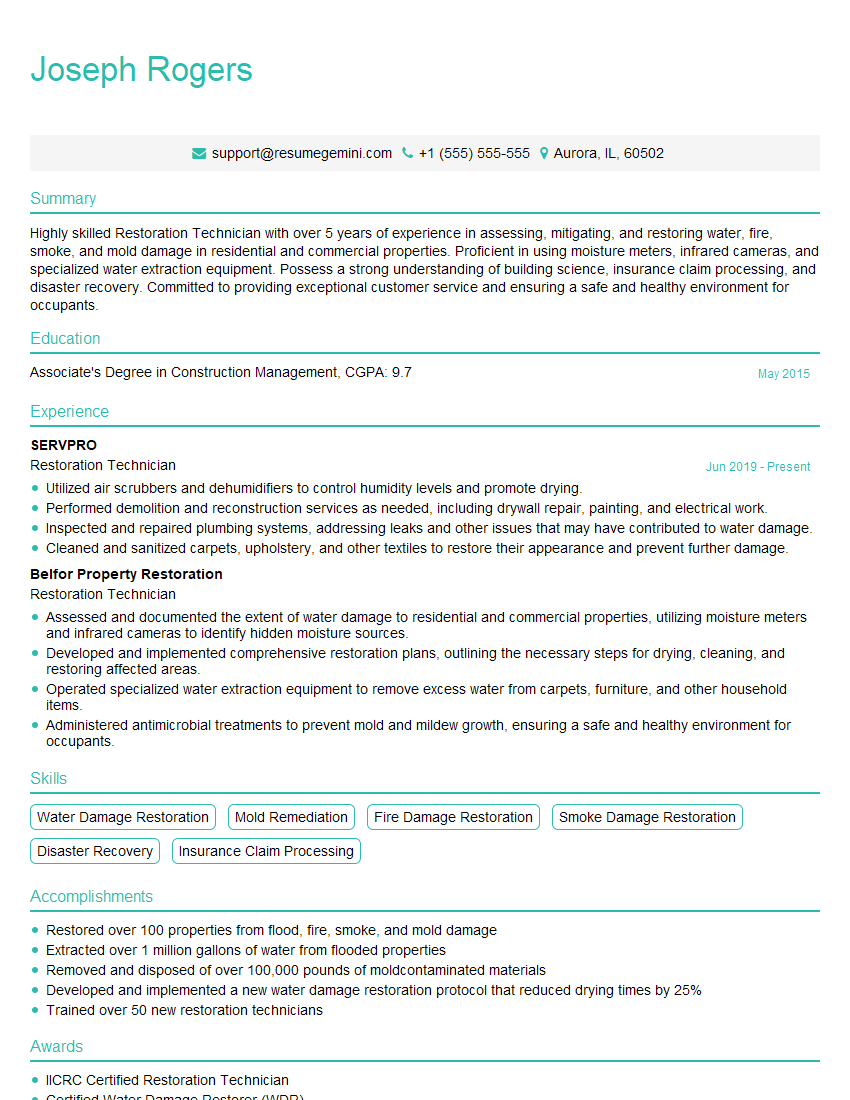
Restoration Technician Resume Sample

Cleaning Supervisor Resume Sample

Janitorial Supervisor Resume Sample
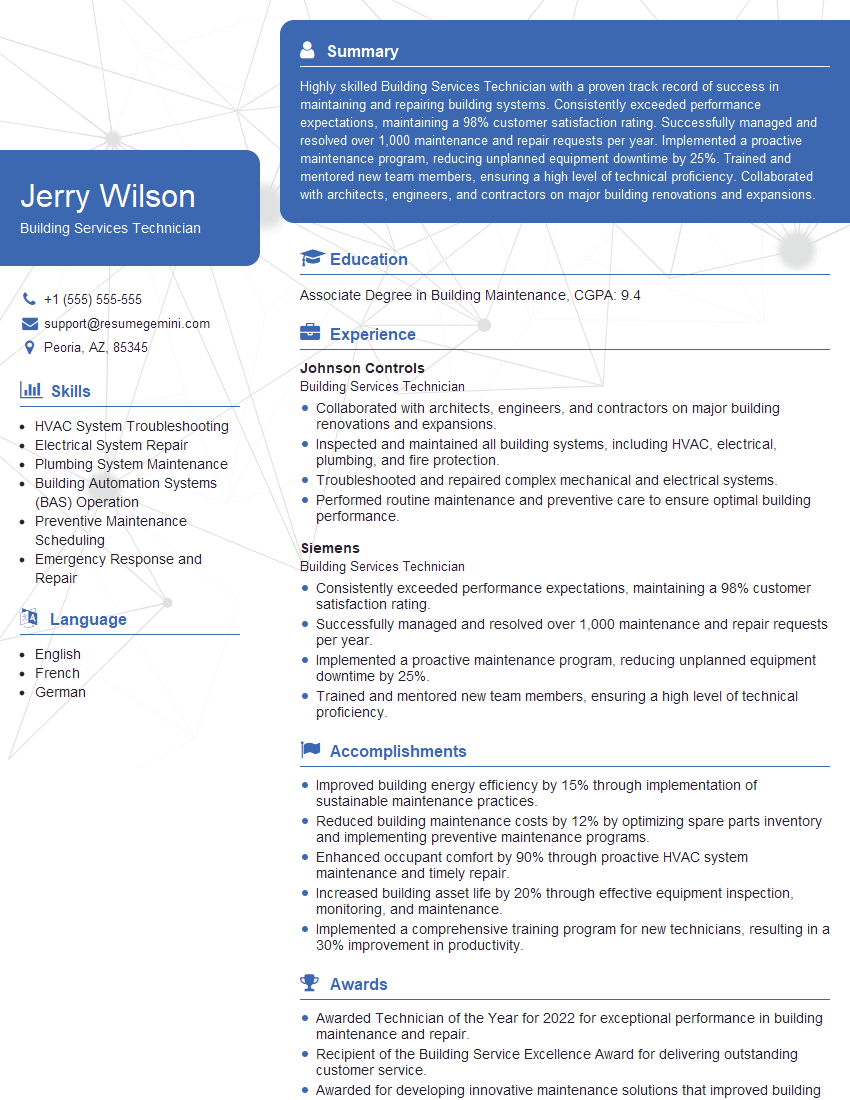
Building Services Technician Resume Sample
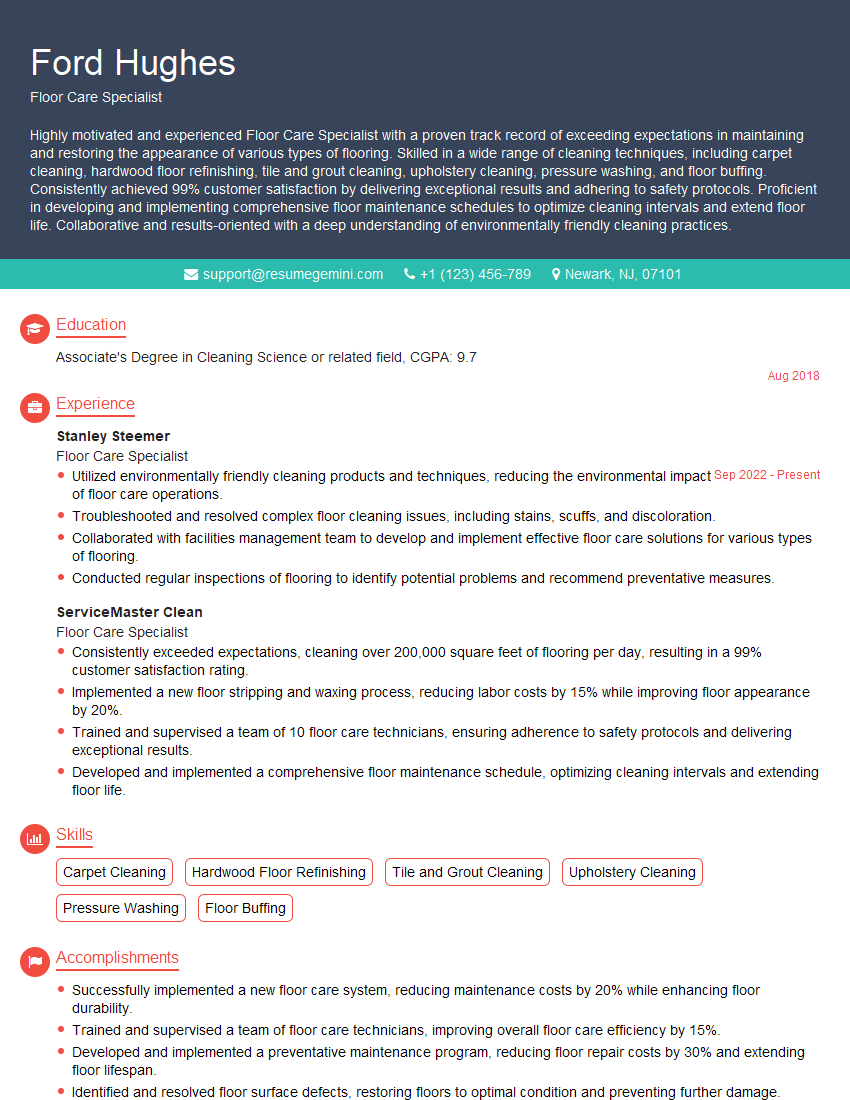
Floor Care Specialist Resume Sample

Floor Polisher Resume Sample

Industrial Cleaner Resume Sample

Facility Maintenance Technician Resume Sample
Explore more articles
Users Rating of Our Blogs
Share Your Experience
We value your feedback! Please rate our content and share your thoughts (optional).
What Readers Say About Our Blog
Amazing blog
Interesting Article, I liked the depth of knowledge you’ve shared.
Helpful, thanks for sharing.