Feeling uncertain about what to expect in your upcoming interview? We’ve got you covered! This blog highlights the most important Health Care Quality and Safety interview questions and provides actionable advice to help you stand out as the ideal candidate. Let’s pave the way for your success.
Questions Asked in Health Care Quality and Safety Interview
Q 1. Describe your experience with implementing a quality improvement project.
In a previous role at County General Hospital, I led a quality improvement project focused on reducing medication errors on the surgical unit. We noticed a concerning trend of near-misses and minor errors related to medication administration. Our initial assessment showed a lack of standardized procedures, inconsistent documentation practices, and insufficient staff training on new medication administration technologies.
To address this, we implemented a multi-pronged approach. First, we developed a new, streamlined medication administration protocol with clear, step-by-step instructions and checklists. Second, we implemented a new electronic health record (EHR) system with built-in safety checks to alert staff to potential errors. Finally, we conducted comprehensive staff training on the new protocol and EHR system. We used a Plan-Do-Study-Act (PDSA) cycle to implement the changes iteratively, continually assessing effectiveness and making adjustments as needed. The results were highly encouraging. Following the implementation, we saw a 40% reduction in medication errors within six months. This demonstrated the effectiveness of our approach, the value of data-driven decision-making, and the importance of engaging staff in the improvement process.
Q 2. Explain the Joint Commission standards and their relevance to healthcare quality.
The Joint Commission is a non-profit organization that accredits healthcare organizations in the United States. Their standards are nationally recognized benchmarks for quality and safety, encompassing a wide range of areas such as patient safety, infection control, medication management, and leadership. Compliance with these standards is essential for maintaining a license to operate, obtaining reimbursement from insurers, and fostering a culture of safety and quality within a hospital or other healthcare facility.
The Joint Commission standards are not simply a checklist; they are a framework for continuous improvement. They encourage proactive risk management and a commitment to evidence-based practices. For example, standards related to medication reconciliation aim to prevent medication errors by ensuring that a patient’s medication list is accurate and up-to-date throughout their care. Standards on fall prevention and infection control emphasize proactive measures to minimize harm and prevent complications. In short, Joint Commission standards are pivotal for driving positive changes in healthcare by promoting consistent, high-quality care.
Q 3. How do you measure the effectiveness of a quality improvement initiative?
Measuring the effectiveness of a quality improvement initiative requires a multi-faceted approach, leveraging both quantitative and qualitative data. Quantitative measures might include things like the percentage reduction in hospital-acquired infections, the decrease in patient falls, or improvement in patient satisfaction scores. For instance, in our medication error reduction project, the 40% decrease in errors was our key quantitative metric.
However, quantitative data alone is insufficient. Qualitative data, such as staff feedback through surveys or interviews, provides crucial insights into the reasons behind changes and helps identify areas for ongoing improvement. Did the new system improve workflow? Did staff find the training helpful? Understanding the ‘why’ behind the numbers provides a more comprehensive evaluation of success. Ultimately, a successful QI initiative will show demonstrable improvement in key metrics while also demonstrating enhanced staff satisfaction and improved patient outcomes.
Q 4. What are your strategies for managing risk in a healthcare setting?
Risk management in healthcare is a proactive strategy to identify, assess, and mitigate potential threats to patient safety, staff well-being, and organizational effectiveness. My approach is multi-layered.
- Proactive Risk Identification: This involves regular risk assessments, incident reporting systems, and utilizing tools like Failure Mode and Effects Analysis (FMEA) to predict potential problems.
- Risk Mitigation Strategies: These are implemented to reduce the likelihood or impact of identified risks. Examples include implementing safety protocols, investing in technology to enhance safety (e.g., smart pumps for medication administration), improving staff training, and conducting regular safety audits.
- Continuous Monitoring and Evaluation: Ongoing monitoring and analysis of risk data are crucial for identifying trends, refining strategies, and ensuring that mitigation efforts remain effective. Regular review of incident reports and near-misses allows for continuous improvement.
A key aspect of my strategy is fostering a culture of safety where staff feel empowered to report concerns without fear of retribution. Open communication and a collaborative approach are fundamental to effective risk management.
Q 5. Describe your experience with root cause analysis.
Root Cause Analysis (RCA) is a systematic process used to identify the underlying causes of adverse events or near misses, going beyond simply addressing symptoms. I’ve extensively used RCA in various settings, from investigating medication errors to analyzing patient falls. A typical RCA process involves:
- Defining the Problem: Clearly describing the event, including context and details.
- Data Collection: Gathering information from various sources, including medical records, incident reports, staff interviews, and direct observation.
- Identifying Contributing Factors: Using tools like the ‘five whys’ technique to drill down to the root causes, avoiding immediate blame and focusing on system issues instead.
- Developing Corrective Actions: Implementing solutions designed to prevent recurrence of similar events. This might involve changing policies, procedures, equipment, or training programs.
- Follow-up and Evaluation: Monitoring the effectiveness of corrective actions and making adjustments as needed. This is a crucial step to verify lasting improvements.
For example, while investigating a medication error, an RCA might reveal that the root cause wasn’t individual negligence but rather inadequate training on a new medication dispensing system, a poorly designed workflow, or insufficient staffing levels.
Q 6. How do you identify and address healthcare disparities?
Addressing healthcare disparities is critical for achieving health equity. This requires a multifaceted approach that considers the social determinants of health (SDOH) – factors such as socioeconomic status, race, ethnicity, geographic location, and access to resources that significantly impact health outcomes.
My strategies involve:
- Data Analysis: Identifying disparities in access to care, quality of care, and health outcomes within the population served.
- Targeted Interventions: Developing and implementing programs tailored to the specific needs of underserved populations, such as culturally competent health education, language access services, and transportation assistance.
- Community Engagement: Collaborating with community organizations and leaders to understand the needs and preferences of the community and to ensure interventions are relevant and acceptable.
- Policy Advocacy: Advocating for policies and programs that address systemic barriers to health equity, such as expanding access to affordable health insurance and addressing social determinants of health.
For instance, if data shows higher rates of diabetes among a specific ethnic group, a targeted program might include culturally appropriate education on diabetes management, access to affordable healthy foods, and culturally competent healthcare providers.
Q 7. Explain your understanding of performance improvement methodologies (e.g., Lean, Six Sigma).
Lean and Six Sigma are powerful performance improvement methodologies that help optimize processes and reduce waste.
Lean focuses on eliminating waste (muda) in all forms – including overproduction, waiting, transportation, over-processing, inventory, motion, and defects. It emphasizes value stream mapping to visualize the flow of work, identifying bottlenecks and areas for improvement. Think of it as streamlining processes to deliver maximum value with minimal effort.
Six Sigma is a data-driven methodology focused on reducing variation and defects in processes, aiming for a level of quality where only 3.4 defects per million opportunities exist. It utilizes statistical tools and techniques to analyze data, identify root causes of variation, and implement solutions to improve process consistency. Six Sigma often employs DMAIC (Define, Measure, Analyze, Improve, Control) as a structured problem-solving framework.
I’ve successfully applied both Lean and Six Sigma principles in various projects. For instance, using Lean principles, we redesigned a patient discharge process to reduce wait times and improve patient satisfaction. Employing Six Sigma, we analyzed variations in surgical procedure times to identify areas for improvement and reduce delays.
Q 8. Describe your experience with data analysis related to quality improvement.
My experience with data analysis in quality improvement is extensive. I’m proficient in using various statistical methods and software (like R, SPSS, and Excel) to analyze healthcare data. This includes extracting, cleaning, and transforming data from diverse sources, such as electronic health records (EHRs), claims databases, and patient surveys. For instance, in a previous role, I analyzed patient fall rates to identify contributing factors. I used statistical process control (SPC) charts to monitor trends and pinpoint periods of increased falls. This analysis revealed a correlation between staffing levels and fall incidents, leading to a successful initiative to optimize nurse-to-patient ratios during peak hours. I’m also experienced in using data visualization techniques to create compelling reports and presentations, which effectively communicate complex findings to both clinical and administrative audiences. Ultimately, data-driven insights allow for targeted interventions and measurable improvements in patient safety and care quality.
Q 9. How do you communicate quality improvement data to diverse audiences?
Communicating quality improvement data effectively requires tailoring the message to the audience. For clinicians, I focus on the clinical implications, using charts and graphs that clearly show improvements in patient outcomes. For administrators, I emphasize efficiency gains, cost savings, and compliance with regulations. For example, when presenting data on reducing medication errors, I’d use a simple bar graph showing the reduction in errors for clinicians, while I’d highlight cost savings from reduced waste and liability for administrators. I utilize different communication channels, such as presentations, reports, dashboards, and even informal conversations, to reach a wide audience and ensure understanding. The key is to avoid jargon, use clear and concise language, and actively solicit feedback to confirm comprehension and address any questions or concerns.
Q 10. What are your strategies for engaging healthcare staff in quality improvement initiatives?
Engaging healthcare staff is crucial for successful quality improvement. I believe in a collaborative, participatory approach. I start by involving staff in identifying problems and developing solutions. This fosters a sense of ownership and commitment. For example, I’ve successfully used brainstorming sessions and focus groups to gather staff input on workflow improvements. Transparency is essential, so I make sure to share data and progress reports openly. Regular feedback sessions provide opportunities for staff to express their concerns, ideas, and challenges. Recognizing and rewarding contributions, both individually and team-based, builds morale and motivates participation. Creating a culture of psychological safety, where staff feel comfortable raising concerns without fear of reprisal, is fundamental. Ultimately, successful engagement depends on empowering staff to be active participants, not just recipients, of quality improvement initiatives.
Q 11. Describe your understanding of patient safety culture and how to foster it.
Patient safety culture is the shared values, beliefs, and behaviors that influence the commitment of healthcare professionals to patient safety. A strong safety culture is characterized by open communication, teamwork, a willingness to learn from mistakes, and a commitment to continuous improvement. Fostering this culture requires a multi-pronged approach. Firstly, leadership must visibly champion patient safety, demonstrating a commitment to resources and accountability. Secondly, promoting a just culture, where individuals are not punished for reporting errors, but encouraged to learn from them, is vital. This requires establishing robust systems for reporting and analyzing incidents. Thirdly, regular training and education programs on patient safety issues and best practices are needed. Finally, continuous feedback mechanisms, like surveys and team huddles, help identify areas for improvement and track progress. In short, building a strong patient safety culture requires a systemic and sustained effort that involves everyone in the organization.
Q 12. Explain your knowledge of regulatory requirements related to healthcare quality and safety.
My understanding of regulatory requirements related to healthcare quality and safety is comprehensive. I am familiar with regulations such as those from The Joint Commission (TJC), Centers for Medicare & Medicaid Services (CMS), and state-specific licensing boards. These regulations cover various aspects of healthcare operations, including infection control, medication management, patient safety practices, and data reporting. For example, I understand the requirements for implementing and maintaining a robust medication reconciliation process and the importance of accurate and timely reporting of adverse events. Staying updated on regulatory changes is crucial, and I regularly review relevant publications and attend continuing education programs to ensure compliance. Knowledge of these regulations is essential not only for maintaining compliance but also for proactively improving the quality and safety of care provided.
Q 13. How do you handle patient safety incidents and near misses?
Handling patient safety incidents and near misses requires a systematic approach. The first step is prompt reporting through established incident reporting systems. Then, a thorough investigation is conducted to determine the root causes, utilizing tools like root cause analysis (RCA) and Failure Mode and Effects Analysis (FMEA). The goal is not to assign blame, but to identify systemic issues that contributed to the event. Based on the findings, corrective actions are implemented to prevent recurrence. These actions may involve changes to policies, procedures, training, equipment, or workflow. Near misses, though not resulting in harm, provide valuable learning opportunities and are analyzed with the same rigor as actual incidents. Regular monitoring and evaluation of implemented corrective actions ensure their effectiveness. Transparency in communicating the findings and actions taken to staff is crucial for maintaining trust and reinforcing a safety culture.
Q 14. Describe your experience with developing and implementing quality improvement plans.
Developing and implementing quality improvement plans involves a structured process. I typically use a model like the Plan-Do-Study-Act (PDSA) cycle. The planning phase involves defining the problem, setting measurable goals, and identifying potential solutions. The ‘Do’ phase focuses on implementing the chosen solution on a small scale (pilot project). During the ‘Study’ phase, data is collected and analyzed to assess the effectiveness of the intervention. Finally, the ‘Act’ phase involves either implementing the solution organization-wide or revising the plan based on the findings. For example, in a previous role, we implemented a PDSA cycle to reduce hospital-acquired infections. We started with a pilot project in one unit, testing a new hand hygiene protocol. After analyzing the results, we refined the protocol and implemented it across the entire hospital, leading to a significant reduction in infection rates. This iterative process ensures continuous improvement and allows for flexibility and adaptation based on real-world results.
Q 15. What are some key performance indicators (KPIs) you would use to monitor quality and safety?
Key Performance Indicators (KPIs) are crucial for monitoring healthcare quality and safety. They provide quantifiable metrics to track progress, identify areas needing improvement, and demonstrate the effectiveness of interventions. The specific KPIs chosen depend on the organization’s goals and context, but some examples include:
- Patient Safety Indicators (PSIs): These measure adverse events like hospital-acquired infections (HAIs), falls, pressure ulcers, and medication errors. For example, tracking the rate of central line-associated bloodstream infections (CLABSIs) is a key PSI.
- Patient Experience Scores: These capture patient perspectives on care quality through surveys measuring satisfaction with communication, responsiveness, and overall experience. The Hospital Consumer Assessment of Healthcare Providers and Systems (HCAHPS) survey is a widely used example.
- Healthcare Effectiveness Data and Information Set (HEDIS) Measures: These are standardized performance measures used to assess managed care organizations’ performance on important aspects of care, such as diabetes management, asthma control, and preventive screenings.
- Process Measures: These monitor adherence to evidence-based practices, such as hand hygiene compliance rates, timeliness of administering medications, and completion of pre-operative checklists. A low hand hygiene compliance rate, for instance, could indicate a need for additional training or improved access to sanitizing supplies.
- Readmission Rates: This tracks the percentage of patients readmitted within a specific timeframe after discharge, highlighting potential issues with discharge planning or post-discharge care.
Regular monitoring of these KPIs allows for proactive identification of trends and implementation of targeted improvement strategies.
Career Expert Tips:
- Ace those interviews! Prepare effectively by reviewing the Top 50 Most Common Interview Questions on ResumeGemini.
- Navigate your job search with confidence! Explore a wide range of Career Tips on ResumeGemini. Learn about common challenges and recommendations to overcome them.
- Craft the perfect resume! Master the Art of Resume Writing with ResumeGemini’s guide. Showcase your unique qualifications and achievements effectively.
- Don’t miss out on holiday savings! Build your dream resume with ResumeGemini’s ATS optimized templates.
Q 16. How do you use data to identify trends and patterns in quality and safety issues?
Data analysis is essential for identifying trends and patterns in quality and safety issues. We employ various techniques, including:
- Descriptive Statistics: Calculating rates, averages, and percentages to understand the frequency and severity of events. For instance, we might calculate the average length of stay for patients with a specific condition or the percentage of patients experiencing a particular complication.
- Control Charts: These graphical tools visually track process performance over time, helping to identify shifts in the mean or increases in variability. This is particularly helpful for monitoring infection rates or medication error rates.
- Regression Analysis: This statistical method helps to identify relationships between different variables, such as the association between patient characteristics and the risk of falls or readmissions.
- Root Cause Analysis (RCA): Following an adverse event, RCA uses a systematic approach – like the ‘5 Whys’ technique – to identify the underlying causes of the event, not just the immediate symptoms. This helps to prevent similar incidents in the future.
- Data Visualization: Presenting data in user-friendly formats like dashboards and charts makes complex information easily accessible to a wider audience and facilitates quicker identification of trends.
For example, by analyzing data on patient falls, we might discover a correlation between falls and specific nursing units, prompting a review of staffing levels or environmental factors. Similarly, analyzing medication error data may reveal a pattern related to specific medications or time of day, helping to target improvement efforts.
Q 17. Explain your experience with change management related to quality improvement.
My experience with change management in quality improvement emphasizes a collaborative, phased approach. I’ve successfully implemented several improvement initiatives, leveraging the following strategies:
- Stakeholder Engagement: Early and ongoing involvement of all stakeholders—physicians, nurses, administrators, and patients—is crucial for buy-in and successful implementation. This includes soliciting feedback, addressing concerns, and celebrating successes.
- Process Mapping: Visualizing current processes allows for identification of bottlenecks and areas for improvement before implementing changes. This offers a clear before-and-after comparison for all stakeholders.
- Pilot Testing: Implementing changes on a small scale before widespread adoption minimizes risk and allows for iterative refinement based on feedback and results. We successfully piloted a new medication reconciliation process in one unit before rolling it out hospital-wide.
- Training and Education: Providing adequate training and education to all staff involved ensures they understand the changes and can effectively implement them. We developed interactive training modules for our new electronic health record system.
- Monitoring and Evaluation: Continuously monitoring the impact of changes using KPIs and feedback mechanisms is crucial for sustaining improvements. Regular updates and progress reports ensure transparency and accountability.
A recent example involved implementing a new standardized approach to infection prevention. We used a phased approach, starting with pilot testing in one unit, then scaling up hospital-wide after addressing challenges and gathering feedback.
Q 18. Describe your understanding of the principles of human factors engineering in healthcare.
Human factors engineering (HFE) in healthcare focuses on designing systems and processes that consider human capabilities and limitations to minimize errors and enhance safety. It integrates knowledge of human psychology, physiology, and ergonomics to improve the work environment and reduce risks.
- Workload Management: Designing work systems to avoid excessive workload and fatigue, which can lead to errors. This includes optimizing staffing levels and scheduling to prevent burnout.
- Human-Computer Interaction (HCI): Designing user-friendly interfaces for medical devices and electronic health records (EHRs) that are intuitive and minimize cognitive load on healthcare professionals. Poorly designed interfaces can lead to errors in data entry and medication ordering.
- Error Prevention Strategies: Implementing design features such as checklists, reminders, and alerts to reduce errors at the point of care. Medication reconciliation checklists and barcoding systems are examples of this.
- Environmental Design: Creating a safe and efficient physical work environment, including proper lighting, clear signage, and easy access to supplies. A poorly designed workspace can increase the risk of falls and other accidents.
- Teamwork and Communication: Improving team communication and collaboration to prevent misunderstandings and errors. Structured communication protocols (like SBAR) can significantly reduce miscommunication.
For example, implementing a standardized approach to medication administration, including clear labeling, double-checking procedures, and automated dispensing systems, incorporates HFE principles to reduce medication errors. Similarly, optimizing the layout of an operating room to improve workflow and reduce unnecessary movement can contribute to a safer environment.
Q 19. How do you prioritize quality improvement projects?
Prioritizing quality improvement projects requires a strategic approach. I typically use a framework that considers:
- Impact: How significant is the potential impact on patient safety, quality of care, and resource utilization? Projects with the greatest potential impact are prioritized.
- Feasibility: How realistic is it to implement the project given available resources, time constraints, and stakeholder support? Projects with higher feasibility are prioritized.
- Urgency: How quickly does the issue need to be addressed? Projects addressing immediate threats to patient safety or significant operational issues are prioritized.
- Alignment with strategic goals: How well does the project align with the organization’s overall strategic goals and priorities? Projects that directly support strategic objectives are given higher priority.
- Data-driven decision making: Utilizing data and KPIs to quantify the impact and prioritize projects based on objective evidence.
Often, a scoring system or matrix is used to weigh these factors and rank projects objectively. For example, a project addressing high rates of hospital-acquired infections would likely be given higher priority than a project aimed at improving patient satisfaction (although both are important). This structured approach ensures that resources are focused on the most impactful and feasible improvement efforts.
Q 20. What are your strategies for preventing medication errors?
Preventing medication errors requires a multi-faceted approach that integrates several strategies:
- Barcoding Systems: Using barcodes to scan medications and verify the five rights of medication administration (right patient, right drug, right dose, right route, right time).
- Electronic Health Records (EHRs): Leveraging EHRs’ capabilities for computerized provider order entry (CPOE), clinical decision support (CDS) alerts, and medication reconciliation.
- Standardized Medication Administration Procedures: Implementing clear and consistent procedures for medication administration across all units to minimize variability and errors. This includes double-checking medication orders and using medication reconciliation checklists.
- Automated Dispensing Cabinets (ADCs): Using ADCs to control access to medications and track their use, reducing the risk of pilferage and errors.
- Medication Reconciliation: Accurately reconciling medication lists at every transition point in care (admission, transfer, discharge) to ensure accurate and complete information.
- Staff Education and Training: Providing comprehensive education and training to all staff involved in medication handling and administration.
- Root Cause Analysis (RCA): Conducting thorough RCA after medication errors to identify underlying causes and implement corrective actions.
A crucial element is creating a culture of safety where staff feel comfortable reporting medication errors without fear of retribution. Open communication and transparent reporting processes are key to learning from mistakes and preventing future errors.
Q 21. Describe your experience with incident reporting and analysis systems.
My experience with incident reporting and analysis systems involves utilizing both electronic and paper-based methods to ensure comprehensive capture and analysis of events. Effective systems include:
- User-Friendly Reporting Tools: Implementing easily accessible reporting systems that encourage staff to report incidents without undue burden. This might involve online forms, mobile apps, or dedicated reporting hotlines.
- Confidentiality and Non-Punitive Culture: Establishing a culture of safety where reporting incidents is encouraged without fear of blame or disciplinary action. This is crucial for obtaining accurate data and learning from mistakes.
- Structured Reporting Forms: Using standardized forms to collect consistent and comprehensive information about incidents, ensuring data quality and facilitating analysis.
- Data Analysis Techniques: Employing data analysis techniques like root cause analysis (RCA), fault tree analysis (FTA), and fishbone diagrams to identify the underlying causes of incidents and develop effective preventive measures.
- Regular Reporting and Feedback: Providing regular reports to stakeholders on incident trends and the effectiveness of implemented preventive measures. This promotes transparency and accountability.
- Integration with other systems: Integrating incident reporting systems with other quality improvement systems to facilitate data sharing and improve overall performance monitoring.
In previous roles, I’ve helped implement electronic incident reporting systems that improved data capture and reduced the time required for analysis. This allowed for faster identification of trends and implementation of targeted interventions, ultimately leading to improvements in patient safety.
Q 22. Explain your understanding of the role of technology in enhancing healthcare quality and safety.
Technology plays a transformative role in enhancing healthcare quality and safety. It allows for better data collection, analysis, and utilization, ultimately leading to improved patient outcomes and reduced errors.
- Electronic Health Records (EHRs): EHRs streamline information sharing, reduce medication errors through built-in alerts and decision support systems, and improve care coordination across different healthcare settings. For example, an alert system can warn clinicians of potential drug interactions before prescribing a medication.
- Telehealth: Remote patient monitoring, virtual consultations, and telehealth platforms expand access to care, particularly for patients in rural areas or with mobility issues. Real-time data transmission allows for quicker intervention and improved disease management.
- Medical Devices and AI: Advanced medical devices with integrated safety features, coupled with artificial intelligence (AI) for diagnostics and predictive analytics, significantly enhance accuracy and efficiency. For instance, AI can assist in early detection of anomalies in medical images, leading to earlier diagnosis and treatment.
- Data Analytics and Reporting: Sophisticated data analytics tools can identify trends, patterns, and risk factors contributing to adverse events, allowing proactive intervention strategies to be implemented. For example, analyzing data on hospital-acquired infections can pinpoint areas for improvement in infection control protocols.
In essence, technology empowers healthcare providers with tools to deliver safer, more efficient, and patient-centered care. However, it’s crucial to address the challenges of data security, interoperability, and ethical considerations related to AI implementation to fully realize the benefits.
Q 23. How do you ensure compliance with relevant healthcare regulations?
Ensuring compliance with healthcare regulations is paramount. My approach involves a multi-faceted strategy focusing on proactive measures and continuous monitoring.
- Thorough Knowledge of Regulations: I stay updated on all relevant federal and state regulations, including HIPAA, CLIA, and those specific to the type of healthcare facility or organization I’m working with. This includes understanding amendments and changes in guidelines.
- Policy Development and Implementation: I collaborate with legal and compliance teams to develop robust policies and procedures that clearly define expectations and ensure adherence to regulations. These policies are regularly reviewed and updated to reflect changes in regulations and best practices.
- Staff Training and Education: Effective training programs for all staff members on relevant regulations are crucial. This includes regular updates and assessments to ensure knowledge retention and compliance. We might utilize online modules, interactive workshops, and competency assessments.
- Audits and Monitoring: Regular internal audits are conducted to identify potential gaps in compliance. Corrective action plans are implemented promptly to address any deficiencies. We also actively participate in external audits conducted by regulatory bodies.
- Documentation and Reporting: Meticulous documentation is essential to demonstrate compliance. We maintain clear records of training, audits, and corrective actions taken, ensuring transparency and accountability.
Compliance is not just a box-ticking exercise; it’s a continuous process requiring vigilance and a commitment to upholding the highest ethical and legal standards within healthcare.
Q 24. What is your experience with accrediting bodies like The Joint Commission?
I have extensive experience working with The Joint Commission (TJC), a leading accrediting body in healthcare. My experience includes both preparation for and participation in TJC surveys.
- Survey Preparation: I’ve led teams in preparing for TJC surveys, which involves thorough reviews of policies and procedures, conducting internal audits to identify potential deficiencies, and ensuring that our processes align with TJC standards. This often involves creating or updating documentation and training staff.
- Survey Participation: I’ve directly participated in TJC surveys, collaborating with surveyors and providing evidence of our compliance. This includes presenting data, demonstrating workflows, and addressing surveyor concerns.
- Corrective Action Plans: Following a TJC survey, I’ve developed and implemented corrective action plans to address any deficiencies identified. This involved tracking progress, demonstrating improvements, and submitting reports to TJC.
- Continuous Improvement: My experience with TJC has fostered a culture of continuous improvement. The TJC standards provide a framework for ongoing evaluation and enhancement of our quality and safety systems.
Working with TJC has been instrumental in raising the bar for quality and safety within our organization. The rigorous standards promote a culture of excellence and patient-centered care.
Q 25. How do you assess the effectiveness of safety interventions?
Assessing the effectiveness of safety interventions is crucial to demonstrate their impact and justify ongoing implementation. My approach involves a combination of quantitative and qualitative methods.
- Data Collection and Analysis: We use various metrics to track the impact of interventions. For example, if implementing a new medication reconciliation process, we’d track medication errors before and after implementation. We might also track adverse drug events or hospital-acquired infections. Statistical analysis helps determine if changes are statistically significant.
- Process Evaluation: This focuses on evaluating whether the intervention was implemented as planned and what worked well or needed improvement. We may use tools like flowcharts or process mapping to visualize and analyze the process.
- Qualitative Feedback: Gathering feedback from staff and patients through surveys, interviews, or focus groups is essential. This qualitative data provides insights into the experiences and perceptions associated with the intervention.
- Control Groups: Whenever feasible, using a control group (a group that does not receive the intervention) provides a comparison point and strengthens the evaluation.
- Root Cause Analysis (RCA): If an intervention doesn’t achieve the desired results, RCA helps identify the underlying causes of failures, informing necessary adjustments or alternative interventions.
A comprehensive approach that incorporates both quantitative and qualitative data, along with continuous monitoring and adjustments, is essential for ensuring the effectiveness of safety interventions.
Q 26. Describe your experience with developing and delivering quality and safety training.
I have extensive experience developing and delivering quality and safety training programs, tailored to meet the specific needs of different audiences.
- Needs Assessment: I begin by conducting a needs assessment to identify knowledge gaps and training requirements. This involves analyzing job descriptions, reviewing incident reports, and surveying staff.
- Curriculum Development: Based on the needs assessment, I develop engaging and effective training materials, which include presentations, interactive workshops, case studies, and online modules.
- Training Delivery: I employ a variety of teaching methodologies, including interactive lectures, group discussions, simulations, and role-playing exercises to cater to different learning styles.
- Evaluation and Feedback: To ensure the effectiveness of training, I use pre- and post-training assessments, feedback forms, and ongoing performance monitoring. This allows for refinement and improvement of the training program over time.
- Examples of Training Topics: I’ve developed training on topics such as medication safety, infection control, fall prevention, patient safety, and risk management.
My training programs are designed to be practical, engaging, and directly applicable to the daily work of healthcare professionals, resulting in improved competency and safer practices.
Q 27. How do you stay current with best practices in healthcare quality and safety?
Staying current with best practices in healthcare quality and safety is crucial. I utilize several methods to ensure my knowledge remains up-to-date.
- Professional Organizations: I actively participate in professional organizations like the American Society for Quality (ASQ), the Institute for Healthcare Improvement (IHI), and similar groups. These organizations provide access to publications, conferences, and networking opportunities.
- Publications and Journals: I regularly review leading journals and publications in healthcare quality and safety, focusing on areas of emerging interest and best practices.
- Conferences and Workshops: Attending conferences and workshops allows me to learn from leading experts and network with other professionals in the field. This provides exposure to cutting-edge advancements and innovations.
- Online Resources: I utilize reputable online resources, such as those from the Agency for Healthcare Research and Quality (AHRQ) and the Centers for Medicare & Medicaid Services (CMS).
- Continuing Education: I actively participate in continuing education programs and obtain certifications to maintain my competency and demonstrate my commitment to professional development.
Continuous learning is not simply an option; it’s a necessity for those working in the dynamic field of healthcare quality and safety.
Q 28. Explain your experience in using quality improvement tools and methodologies.
I have extensive experience utilizing various quality improvement (QI) tools and methodologies to improve healthcare processes and outcomes.
- Lean Methodology: I’ve used Lean principles to identify and eliminate waste in healthcare processes, resulting in improved efficiency and reduced costs. This often involves mapping workflows to visualize bottlenecks and areas for improvement.
- Six Sigma: I have experience employing Six Sigma methodologies to reduce variation and defects in healthcare processes. This often involves using statistical process control charts to monitor performance and identify areas for intervention.
- Plan-Do-Study-Act (PDSA) Cycles: I regularly utilize PDSA cycles for iterative testing and improvement of processes. This involves systematically planning a change, implementing it, studying the results, and acting on what was learned.
- Root Cause Analysis (RCA): When adverse events occur, I employ RCA techniques to identify the underlying causes and develop effective solutions to prevent recurrence.
- Failure Mode and Effects Analysis (FMEA): I’ve used FMEA to proactively identify potential failures in processes and assess their potential impact. This allows for proactive mitigation strategies to be implemented.
My experience with these tools enables me to systematically approach quality improvement initiatives, resulting in measurable improvements in safety and efficiency within healthcare settings.
Key Topics to Learn for Health Care Quality and Safety Interview
- Patient Safety Initiatives: Understanding and applying frameworks like the Joint Commission’s National Patient Safety Goals, understanding root cause analysis (RCA) and Failure Mode and Effects Analysis (FMEA).
- Quality Improvement Methodologies: Practical application of Lean, Six Sigma, and Plan-Do-Study-Act (PDSA) cycles in healthcare settings. Discuss experience with data analysis and performance improvement projects.
- Risk Management: Identifying, assessing, and mitigating risks related to patient safety, medication errors, and infection control. Demonstrate understanding of risk stratification and prioritization.
- Regulatory Compliance: Familiarity with relevant regulations (e.g., HIPAA, CMS regulations) and accreditation standards. Discuss experience with compliance monitoring and reporting.
- Performance Measurement and Data Analysis: Interpreting key performance indicators (KPIs) related to quality and safety, using data to drive improvement strategies. Showcase experience with statistical analysis and data visualization tools.
- Healthcare Technology and Informatics: Understanding the role of technology in improving quality and safety, including electronic health records (EHRs) and other relevant systems. Discuss experience with data management and reporting tools.
- Communication and Teamwork: Highlighting effective communication strategies within healthcare teams, particularly in high-stakes situations. Demonstrate understanding of effective team dynamics and conflict resolution.
- Ethical Considerations: Discuss ethical dilemmas and decision-making processes related to patient safety and quality of care. Demonstrate your understanding of ethical principles in a healthcare environment.
Next Steps
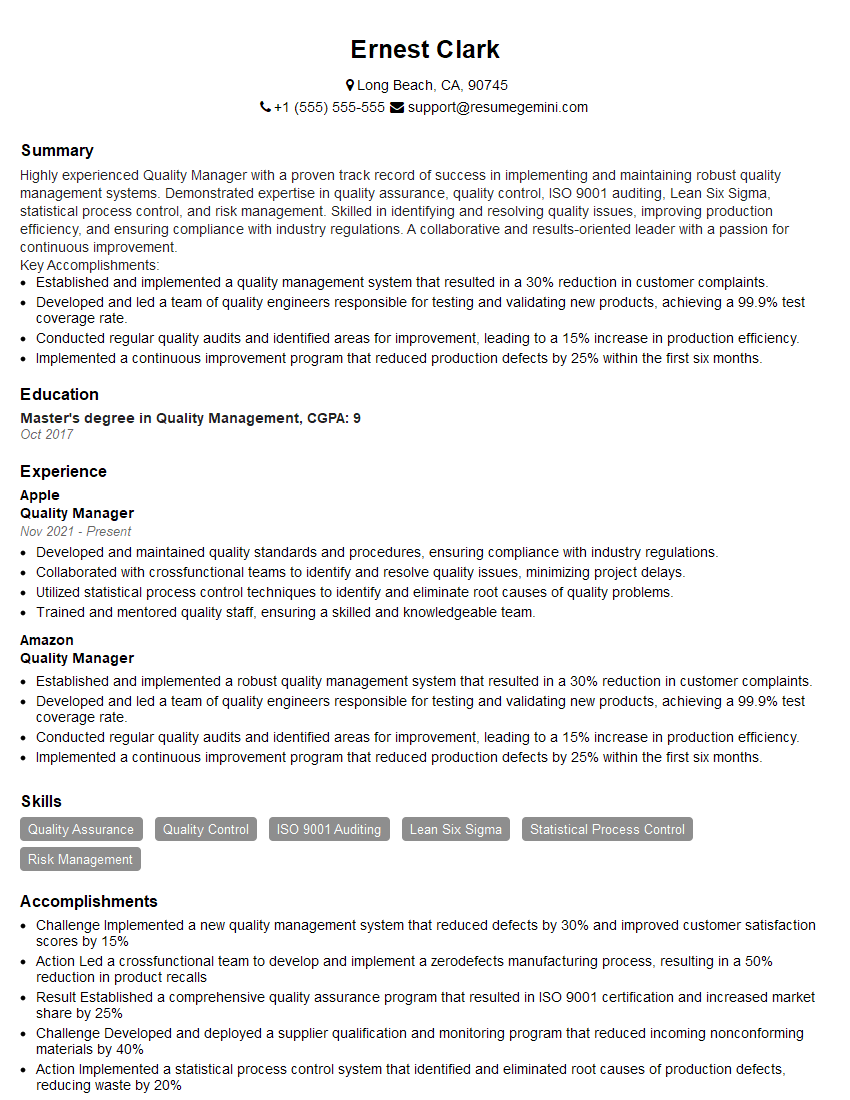
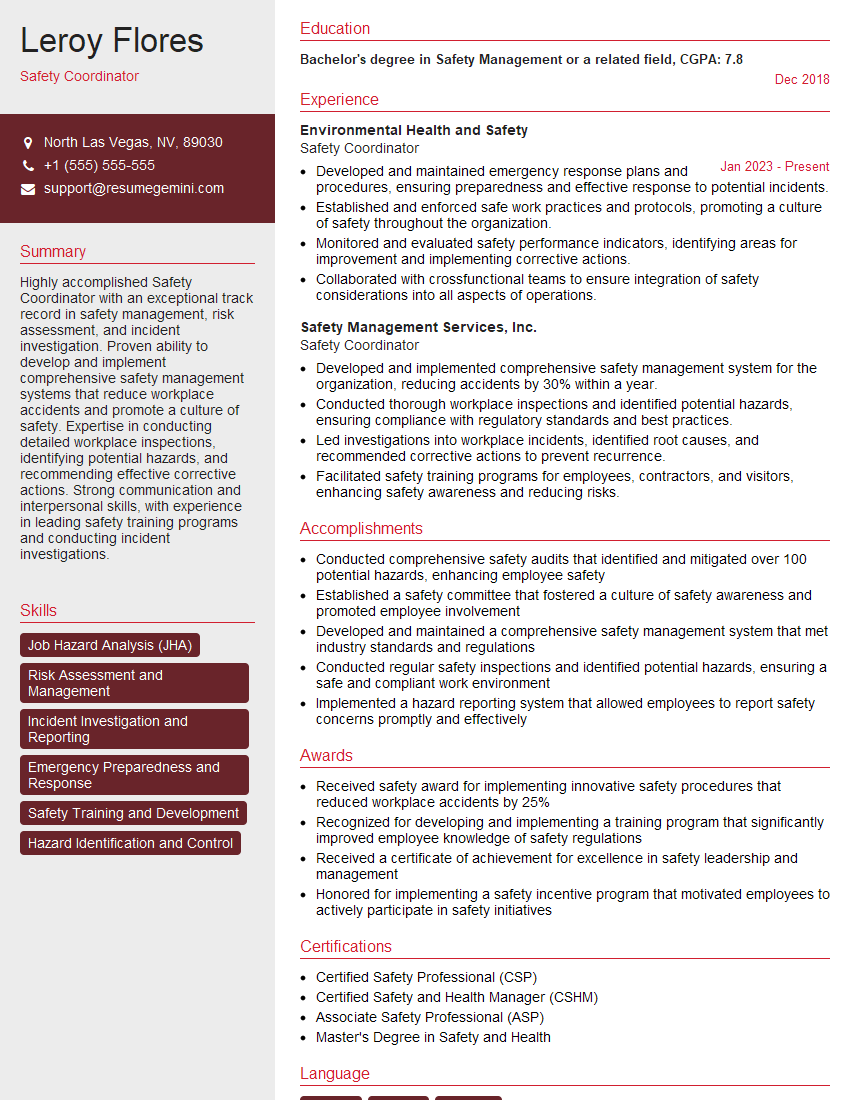
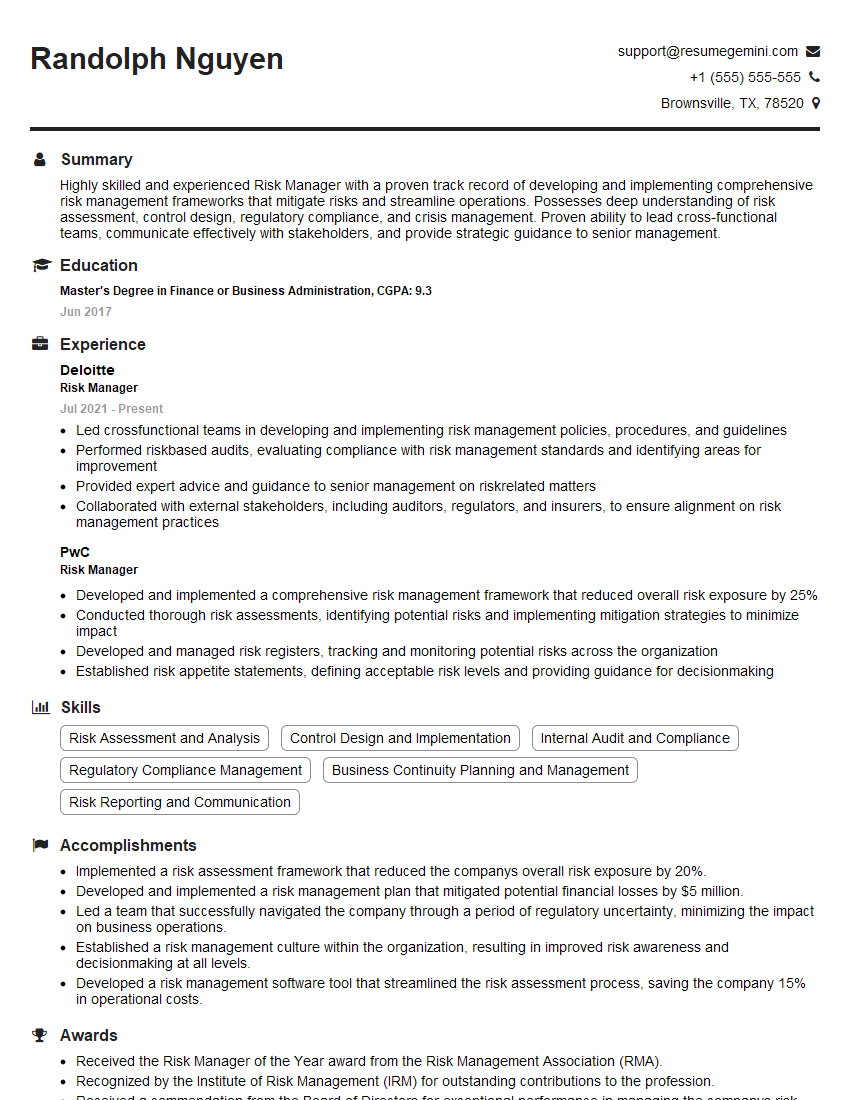
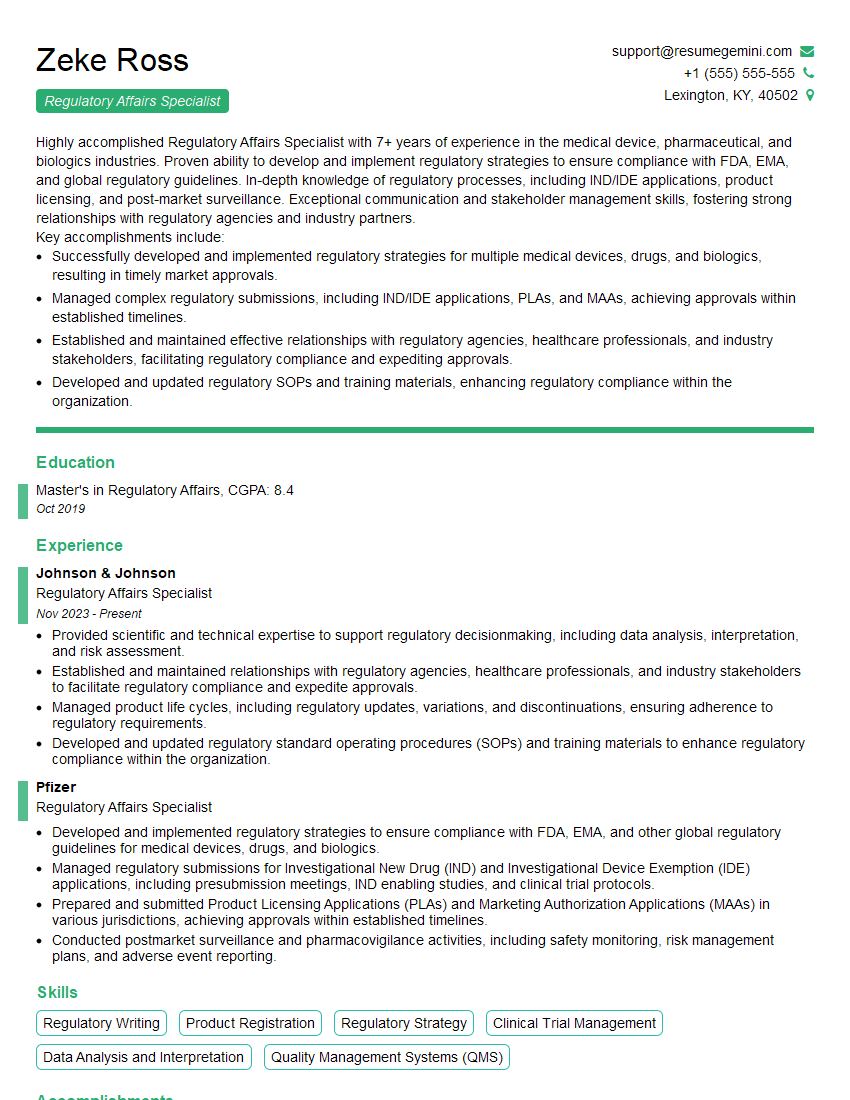
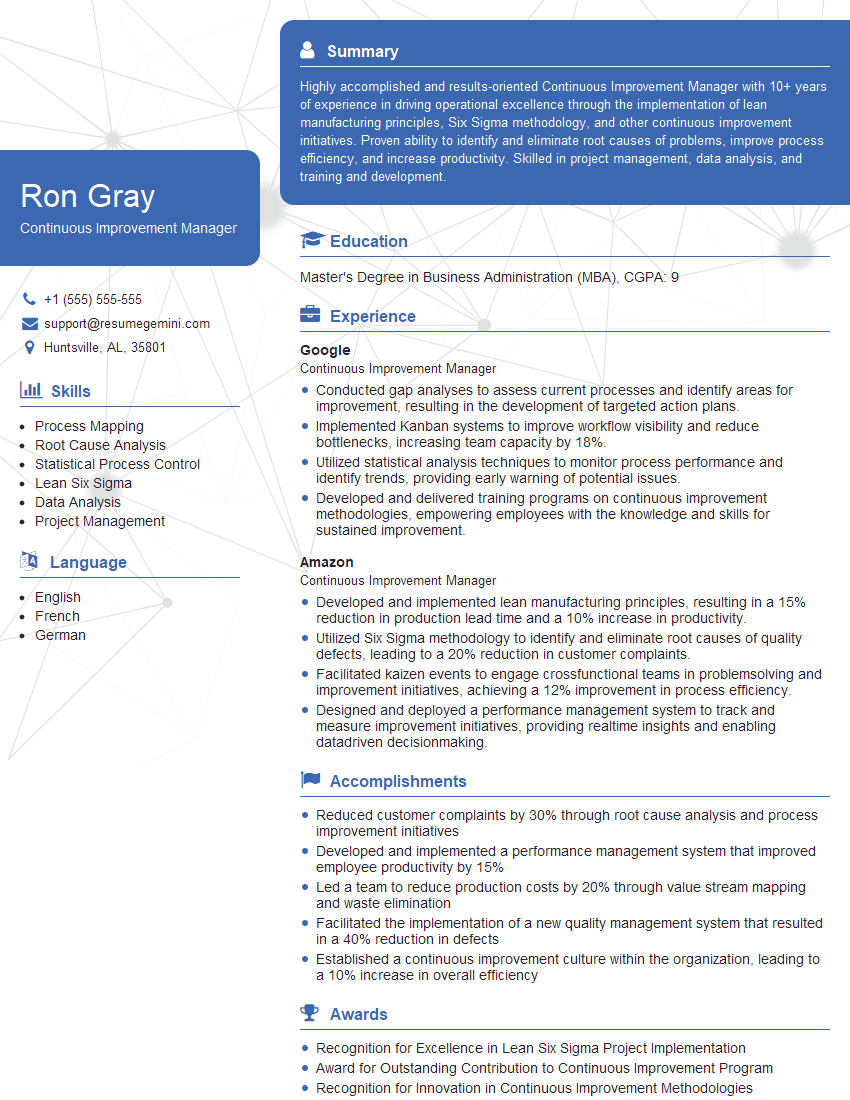
Mastering Health Care Quality and Safety principles is crucial for career advancement in this rapidly evolving field. Demonstrating expertise in these areas significantly enhances your marketability and opens doors to leadership roles and increased earning potential. To further strengthen your job prospects, invest time in crafting an ATS-friendly resume that highlights your skills and experience effectively. ResumeGemini is a trusted resource to help you build a professional and impactful resume. We offer examples of resumes tailored to Health Care Quality and Safety roles to guide you in creating a winning application.

Explore more articles
Users Rating of Our Blogs
Share Your Experience
We value your feedback! Please rate our content and share your thoughts (optional).
What Readers Say About Our Blog
Amazing blog
Interesting Article, I liked the depth of knowledge you’ve shared.
Helpful, thanks for sharing.