Interviews are opportunities to demonstrate your expertise, and this guide is here to help you shine. Explore the essential Job Site Safety Protocols interview questions that employers frequently ask, paired with strategies for crafting responses that set you apart from the competition.
Questions Asked in Job Site Safety Protocols Interview
Q 1. Describe your experience with OSHA regulations.
My experience with OSHA regulations is extensive. I’ve worked for over 10 years in construction and industrial settings, consistently ensuring compliance with all relevant OSHA standards. This includes a deep understanding of OSHA’s General Industry Standards (29 CFR 1910), Construction Standards (29 CFR 1926), and Emergency Action Plans. I’m proficient in interpreting and applying these regulations to diverse job sites, conducting regular safety inspections to identify potential hazards and ensure compliance with the law. I’ve also successfully implemented corrective actions following OSHA inspections and have a proven track record of maintaining a safe working environment that minimizes workplace incidents and ensures worker safety. For example, I once helped a company avoid significant fines by proactively identifying and rectifying several electrical safety violations before an OSHA inspection.
Q 2. Explain your understanding of hazard identification and risk assessment.
Hazard identification and risk assessment are the cornerstones of any effective safety program. Hazard identification involves systematically identifying potential hazards present on a job site. This can be done through methods like job hazard analyses (JHAs), walkthrough inspections, and worker input. Think of it like a detective gathering clues. Once we’ve identified potential hazards, like unguarded machinery or slippery surfaces, the next step is risk assessment. This involves analyzing the likelihood and severity of each hazard causing harm. We use a risk matrix to evaluate this, considering factors like frequency of exposure, severity of potential injury, and existing controls. A simple example would be evaluating the risk of a fall from a scaffold. The likelihood is high if fall protection isn’t used, and the severity could be fatal. This high-risk scenario would require immediate implementation of stringent safety measures, such as fall arrest systems.
Q 3. How do you develop and implement a site-specific safety plan?
Developing and implementing a site-specific safety plan is a crucial step in preventing accidents. It starts with a thorough site survey to identify potential hazards. Then, we create a plan that addresses those specific hazards, including emergency procedures and contact information. The plan should detail preventative measures, such as proper personal protective equipment (PPE) use, safe work practices, and machine guarding. For instance, if we’re working on a construction site near a highway, our plan will detail traffic control measures and worker protection from vehicles. We involve all stakeholders – workers, supervisors, and clients – in the development process to ensure buy-in and understanding. The plan is then distributed to all workers, reviewed regularly, and updated as needed to reflect changes in the job site or procedures. Regular audits ensure continued compliance with the plan.
Q 4. What are your methods for conducting safety training for workers?
Safety training is delivered using a multi-faceted approach tailored to the specific needs of the workers and the job site. This includes both initial safety orientation covering general safety rules and job-specific training focusing on the unique risks associated with particular tasks. We employ various methods such as classroom lectures, hands-on demonstrations, interactive exercises, and videos to keep the training engaging and effective. For example, training for operating a forklift includes classroom instruction on safe operation and maintenance practices, followed by hands-on practice in a controlled environment. We also use regular toolbox talks to address specific issues, reinforce safety rules and discuss near misses to ensure consistent learning and awareness. Documentation of training is meticulously kept, ensuring that all workers receive the appropriate safety education.
Q 5. Describe your experience with incident investigation and reporting.
My experience with incident investigation and reporting is thorough and follows a structured approach. When an incident occurs, the first priority is ensuring the safety of all involved. Then, a prompt and thorough investigation is launched to determine the root cause of the incident, not just the immediate cause. We interview witnesses, review documentation, and examine the physical evidence. This investigation uses a process such as the ‘5 Whys’ to delve deeper into the underlying factors. For example, if a worker trips and falls, we wouldn’t just record ‘tripped and fell,’ we’d investigate why they tripped, why the hazard wasn’t identified, why the area wasn’t cleaned, etc. The findings are documented in a comprehensive report, and corrective actions are implemented to prevent similar incidents. This report is submitted according to company and regulatory requirements, contributing to continuous improvement in our safety practices.
Q 6. How do you enforce safety rules and regulations on a job site?
Enforcing safety rules and regulations requires a balanced approach combining education, motivation, and disciplinary action when necessary. Regular safety inspections and audits are crucial. We utilize a system of positive reinforcement, rewarding safe behavior and recognizing workers who demonstrate a commitment to safety. However, when violations occur, it is essential to address them promptly and decisively. This may involve issuing verbal warnings, written reprimands, or even suspension depending on the severity of the infraction. Consistency is key; all employees must understand that safety rules are non-negotiable. Fairness and transparency are crucial; every situation is handled consistently and according to established procedures. Documentation of all incidents and corrective actions taken is meticulously maintained.
Q 7. What are your strategies for preventing common job site accidents (e.g., falls, electrocution)?
Preventing common job site accidents requires a proactive and multi-pronged approach. For falls, this involves implementing robust fall protection systems, such as guardrails, safety nets, and personal fall arrest systems (PFAS). Regular inspections of scaffolding, ladders, and other elevated work platforms are crucial. For electrocution prevention, we utilize lockout/tagout procedures to de-energize equipment before maintenance or repair. Properly insulated tools and equipment are used, and workers are trained on recognizing and avoiding electrical hazards. In addition to these specific measures, we encourage a safety-first culture through training, regular toolbox talks, and visible leadership commitment. For example, I once implemented a comprehensive fall protection program on a construction site, resulting in a significant decrease in fall-related incidents.
Q 8. Explain your knowledge of personal protective equipment (PPE) and its proper use.
Personal Protective Equipment (PPE) is crucial for minimizing workplace hazards. It’s the last line of defense, protecting workers from potential injuries. Proper PPE selection depends on the specific job tasks and risks involved. This isn’t a one-size-fits-all approach; a welder needs vastly different PPE than an office worker.
- Hard hats: Protect against falling objects.
- Safety glasses/goggles: Shield eyes from flying debris, chemicals, and intense light.
- Hearing protection: Reduces noise-induced hearing loss in loud environments (earplugs or muffs).
- Respiratory protection: Includes respirators for dust, fumes, and gases (e.g., N95 masks, specialized respirators).
- Gloves: Protect hands from cuts, chemicals, burns, and extreme temperatures. Different gloves exist for different hazards.
- High-visibility clothing: Improves visibility in low-light conditions or areas with heavy machinery.
- Safety footwear: Steel-toe boots protect feet from crushing hazards; metatarsal guards protect the top of the foot; slip-resistant soles prevent falls.
Proper use involves ensuring PPE is correctly fitted, inspected for damage before each use, and maintained according to manufacturer instructions. Training is essential – workers must understand when and how to use specific PPE. For example, a hard hat isn’t effective if it’s worn backward or loose. Regular inspections and replacements are crucial to maintain efficacy.
Q 9. How do you manage and mitigate environmental hazards on a job site?
Managing environmental hazards requires a proactive approach, starting with identification and risk assessment. This involves surveying the site to pinpoint potential dangers like spills, uneven terrain, extreme weather, and airborne contaminants. Think of it like a detective investigating a scene, searching for clues.
- Spill Response: Having readily available absorbent materials and proper cleanup procedures for chemical spills is crucial. We should have clearly marked designated areas for waste disposal. Training ensures everyone knows what to do.
- Weather Preparedness: Implementing strategies for extreme weather conditions is vital. This might involve suspending work during storms, providing appropriate weather gear, or establishing safe havens.
- Air Quality: Monitoring air quality, particularly in enclosed spaces or areas with potential dust or fumes, using air quality monitors or other detection methods helps to ensure good air quality for the workforce.
- Ground Stability: Ensuring safe footing means regular inspections for holes or unstable ground. Proper signage and barricades are essential.
- Waste Management: Implementing a proper waste management system to handle hazardous and non-hazardous waste, following all relevant environmental regulations.
Mitigation strategies include engineering controls (e.g., ventilation systems), administrative controls (e.g., work rotation to limit exposure), and PPE. The hierarchy of controls prioritizes engineering and administrative controls over reliance solely on PPE. It’s about creating a safer working environment, rather than solely protecting the workers with equipment.
Q 10. Describe your experience with lockout/tagout procedures.
Lockout/Tagout (LOTO) procedures are critical for preventing accidental energization of equipment during maintenance or repair. Think of it as a ‘Do Not Disturb’ sign, but with serious consequences if ignored. The goal is to isolate the energy source completely, preventing unexpected startup.
- Preparation: Identify all energy sources (electrical, hydraulic, pneumatic, etc.) that need to be controlled.
- Notification: Inform all affected personnel about the planned lockout/tagout.
- Lockout/Tagout: Each energy source is isolated using appropriate lockout devices (locks, tags) by authorized personnel. Each person involved uses their own individual lock.
- Verification: After lockout, verify that the energy source is de-energized. Usually a second person will verify this step.
- Maintenance/Repair: Perform the necessary work.
- Tagout Removal: The authorized person who applied the lock removes the lock and tag after work is completed, verifying that all energy sources are still de-energized.
- Restart: The energy source is carefully re-energized, and equipment is checked for proper operation.
Documentation is essential for every LOTO procedure, ensuring accountability and tracing the sequence of events. Regular training and audits ensure that everyone understands and follows the procedures. Failure to follow LOTO procedures can result in serious injury or fatality.
Q 11. How do you handle emergencies and first aid situations on a job site?
Emergency response and first aid are critical parts of job site safety. Preparation is key. We need a designated emergency response plan, clear communication channels, and well-trained personnel.
- Emergency Plan: This includes procedures for various emergencies (fire, chemical spills, medical emergencies, etc.), clearly outlining evacuation routes and assembly points. Drills help familiarize workers with the plan.
- First Aid Training: A sufficient number of workers should be trained in basic first aid and CPR. Having a well-stocked first aid kit readily available is essential.
- Emergency Contacts: Easy access to emergency numbers (911, local emergency services, and company management) should be posted in highly visible locations.
- Reporting Procedures: Clear guidelines on reporting accidents and injuries, including documentation and follow-up procedures.
In a medical emergency, the priority is to provide immediate first aid while simultaneously calling emergency services. Following the established reporting procedures is critical for both legal and safety reasons. Regular reviews and updates of the emergency response plan are necessary.
Q 12. What is your experience with safety audits and inspections?
Safety audits and inspections are proactive measures to identify potential hazards and ensure compliance with safety regulations. It’s about finding potential problems before they cause incidents. They are a critical part of a strong safety program.
- Pre-Construction Audits: Before any work commences, reviewing the site plans and safety documents to identify potential hazards.
- Regular Inspections: Conducting regular site inspections (daily, weekly, or monthly) to check for hazards, ensure PPE use, and verify compliance with safety procedures. A checklist helps ensure thoroughness.
- Targeted Inspections: Focusing inspections on areas with a higher risk or areas where previous incidents have occurred.
- Corrective Actions: Developing and implementing corrective actions to address any identified hazards. This involves setting deadlines and following up to ensure issues are resolved.
- Documentation: Detailed documentation is essential, including photographic evidence, and this information is to be stored securely and accurately.
Audits provide valuable data to assess the effectiveness of the safety program and make necessary improvements. A common strategy is to involve workers in the inspection process, encouraging them to report any safety concerns.
Q 13. How do you communicate safety information effectively to workers?
Effective communication is the cornerstone of a safe job site. Safety information needs to be clear, concise, and understood by everyone, regardless of language or literacy levels.
- Toolbox Talks: Regular short meetings to discuss specific safety topics, hazards, and near misses. Keep them short, focused, and interactive.
- Safety Training: Providing comprehensive safety training to all workers before starting work, including hands-on demonstrations and practical exercises.
- Visual Aids: Using posters, signs, and other visual aids to reinforce safety messages. Pictures are often easier to understand than long written instructions.
- Multi-lingual Materials: Ensuring that all safety information is available in the languages spoken by the workforce.
- Open Communication Channels: Creating an environment where workers feel comfortable reporting safety concerns or near misses without fear of retribution. This should be encouraged.
Using multiple communication methods ensures information reaches everyone. Regular feedback sessions help gauge understanding and address any gaps in knowledge. Remember, safety is everyone’s responsibility.
Q 14. What are your strategies for promoting a strong safety culture on a job site?
Promoting a strong safety culture isn’t just about rules and regulations; it’s about fostering a shared commitment to safety. It starts from the top and permeates throughout the organization.
- Leadership Commitment: Visible commitment from leadership is crucial. Safety must be a priority, not an afterthought. Leaders should actively participate in safety initiatives and lead by example.
- Worker Involvement: Involving workers in safety planning, inspections, and hazard identification empowers them and fosters ownership. This can be in the form of suggestions boxes and regular meetings.
- Recognition and Rewards: Acknowledging and rewarding safe work practices encourages positive behavior. Celebrating milestones and achievements can generate momentum.
- Continuous Improvement: Regularly evaluating and improving safety procedures. Analyzing near misses and incidents helps identify areas for improvement.
- Accountability: Establishing clear responsibilities for safety at all levels. Everyone should know their role and be held accountable for their actions.
Building a strong safety culture takes time and effort, but the investment pays off in reduced injuries, improved productivity, and a more positive work environment. It’s about creating a workplace where everyone goes home safe every day.
Q 15. How do you identify and address potential safety conflicts among workers?
Identifying and addressing potential safety conflicts requires proactive observation, clear communication, and a strong understanding of human factors. It’s not just about reacting to accidents; it’s about anticipating potential problems.
Proactive Observation: Regularly conducting site inspections, paying close attention to worker interactions and behaviors. For instance, noticing if two teams are working in close proximity without clear communication or designated safe zones.
Communication: Encouraging open dialogue. Toolbox talks, regular safety meetings, and easily accessible reporting mechanisms are crucial for workers to voice concerns without fear of reprisal. This allows for early identification of potential conflicts, like differing interpretations of safety procedures.
Conflict Resolution: Establishing clear procedures for resolving conflicts. This might involve mediation between workers, adjusting work schedules to reduce overlap, or implementing clearer safety protocols to prevent future misunderstandings. For example, if two trades are working simultaneously on scaffolding, implementing a permit-to-work system can help prevent collisions.
Training: Providing comprehensive safety training that emphasizes teamwork, communication, and awareness of others’ activities. This includes training on hazard identification and risk assessment. A simple example is training workers to use hand signals when operating heavy machinery near others.
Career Expert Tips:
- Ace those interviews! Prepare effectively by reviewing the Top 50 Most Common Interview Questions on ResumeGemini.
- Navigate your job search with confidence! Explore a wide range of Career Tips on ResumeGemini. Learn about common challenges and recommendations to overcome them.
- Craft the perfect resume! Master the Art of Resume Writing with ResumeGemini’s guide. Showcase your unique qualifications and achievements effectively.
- Don’t miss out on holiday savings! Build your dream resume with ResumeGemini’s ATS optimized templates.
Q 16. Explain your understanding of confined space entry procedures.
Confined space entry is inherently dangerous, requiring strict adherence to procedures to protect workers from asphyxiation, engulfment, and other hazards. It’s not just about going into a small space; it’s about understanding the risks and mitigating them.
Permit-to-Work System: A crucial element. This system requires a detailed assessment of the confined space, identification of hazards, selection of appropriate PPE and rescue procedures, and authorization before entry.
Atmospheric Monitoring: Testing the atmosphere for oxygen deficiency, toxic gases, and flammables before, during, and after entry is mandatory. This often involves using gas detectors to ensure a safe atmosphere.
Ventilation: Adequate ventilation is crucial to dilute or remove hazardous substances. This could involve mechanical ventilation or natural ventilation depending on the space and hazards.
Rescue Plan: A detailed rescue plan must be in place, including the location of rescue equipment, trained personnel, and emergency contact information. Regular rescue drills are essential to ensure preparedness.
Lockout/Tagout: Implementing procedures to prevent the accidental energization of equipment within the confined space is paramount. This usually involves tagging and locking out energy sources.
Entry and Exit Procedures: A buddy system, where two workers enter and exit together, is commonly used, along with designated entry and exit points.
Q 17. How do you ensure compliance with relevant safety standards and legislation?
Ensuring compliance involves a multi-faceted approach that combines knowledge of relevant legislation, proactive monitoring, and a culture of safety. It’s about going beyond just meeting minimum requirements; it’s about exceeding expectations.
Knowledge of Legislation: Staying up-to-date on OSHA regulations, local and national safety standards, and industry best practices is fundamental. This includes regular review of updates and amendments.
Regular Audits and Inspections: Conducting regular safety inspections of work sites, equipment, and procedures to identify non-compliance and potential hazards. Documenting these inspections and implementing corrective actions is critical.
Training Programs: Providing comprehensive safety training to all employees, tailored to the specific hazards of their work. This includes refresher courses and ongoing training on new regulations and procedures.
Record Keeping: Maintaining accurate records of safety training, incidents, inspections, and corrective actions. This data is crucial for demonstrating compliance and identifying trends.
Incident Reporting and Investigation: Establishing a robust system for reporting and investigating all safety incidents, regardless of severity. This allows for identifying root causes and implementing preventive measures.
Q 18. Describe your experience with developing and implementing safety programs.
Developing and implementing safety programs involves a structured approach that starts with a thorough risk assessment and culminates in ongoing monitoring and improvement. It’s not a one-time event; it’s a continuous process.
Risk Assessment: Identifying all potential hazards at the workplace and assessing the associated risks. This often uses a hierarchical task analysis to break down jobs into steps and identify hazards at each stage.
Hazard Control: Implementing control measures to eliminate or mitigate identified hazards. This might involve engineering controls (e.g., guarding machinery), administrative controls (e.g., work permits), or personal protective equipment (PPE).
Safety Training: Developing and delivering comprehensive safety training programs that cover hazard identification, risk assessment, and the use of control measures. This includes both initial training and ongoing refresher courses.
Emergency Response Planning: Developing and practicing emergency response plans for various scenarios, such as fires, chemical spills, and medical emergencies. This often involves drills and simulations.
Monitoring and Evaluation: Regularly monitoring safety performance through audits, inspections, and incident reporting. Evaluating the effectiveness of safety programs and making adjustments as needed.
Q 19. How do you use data and metrics to track safety performance?
Data and metrics are essential for tracking safety performance, identifying trends, and demonstrating the effectiveness of safety programs. It’s about transforming data into actionable insights.
Key Performance Indicators (KPIs): Tracking KPIs such as incident rates (Lost Time Injury Rate – LTIR, Total Recordable Incident Rate – TRIR), near miss reports, and safety training completion rates.
Data Collection: Using various methods for collecting safety data, such as incident reports, inspections checklists, and safety observation forms. Data should be accurate, timely, and consistently collected.
Data Analysis: Analyzing safety data to identify trends, root causes of incidents, and areas for improvement. This often involves using statistical methods and data visualization techniques.
Reporting: Regularly reporting safety performance data to management and stakeholders. This includes highlighting areas of success and areas needing attention.
Benchmarking: Comparing safety performance to industry benchmarks to identify best practices and areas for improvement.
Q 20. How do you manage safety concerns raised by workers?
Managing safety concerns raised by workers requires a responsive and proactive approach that fosters a culture of open communication and trust. It’s about valuing employee feedback and acting on it.
Open Communication Channels: Establishing multiple channels for workers to raise safety concerns, such as suggestion boxes, anonymous reporting systems, and regular safety meetings.
Prompt Response: Responding promptly to all safety concerns, acknowledging the concern and providing updates on the actions being taken.
Thorough Investigation: Thoroughly investigating all safety concerns to identify the root cause and implement appropriate corrective actions. This might involve interviews with workers and a review of relevant documentation.
Corrective Actions: Implementing corrective actions to address the safety concerns, communicating these actions to workers, and following up to ensure effectiveness.
Feedback: Providing feedback to workers on the actions taken to address their concerns and demonstrating that their voice is valued.
Q 21. Describe your experience with working at height safety procedures.
Working at height safety procedures are critical, demanding strict adherence to protocols to prevent falls, which are a leading cause of serious injuries and fatalities. It’s about minimizing the risk of catastrophic events.
Risk Assessment: Conducting a thorough risk assessment before commencing any work at height, identifying potential hazards and selecting appropriate control measures.
Fall Protection Systems: Using appropriate fall protection systems, such as guardrails, safety nets, or personal fall arrest systems (PFAS), depending on the specific task and environment.
Scaffolding: Ensuring that scaffolding is properly erected, inspected, and maintained according to relevant standards. This includes regular inspections and ensuring proper load capacity.
Personal Protective Equipment (PPE): Requiring workers to wear appropriate PPE, such as safety harnesses, helmets, and appropriate footwear.
Training: Providing comprehensive training to all workers involved in work at height, covering hazard identification, risk assessment, and the use of fall protection equipment. This includes both theoretical and practical training.
Rescue Plan: Having a rescue plan in place in case of a fall, including trained personnel, rescue equipment, and emergency contact information.
Q 22. Explain your understanding of hazard communication systems.
Hazard communication is all about ensuring everyone on a job site understands the risks they face. It’s a system of informing workers about hazardous chemicals, materials, and processes. Think of it as a comprehensive warning system.
A robust system involves several key components:
- Safety Data Sheets (SDS): These detailed documents provide information on hazardous chemicals – their properties, hazards, handling, storage, and emergency procedures. Every chemical used on the site needs its corresponding SDS readily available.
- Labels and Tags: Containers holding hazardous materials must be clearly labeled with pictograms, hazard statements, and precautionary measures. This is the first line of defense, a visual alert that prompts workers to seek out more information.
- Training Programs: Regular training sessions educate workers on how to identify hazards, interpret SDS, and use personal protective equipment (PPE). It’s not enough to simply provide the information; workers must be trained to understand and act on it.
- Emergency Response Plans: These plans outline procedures to follow in case of a spill, leak, or other emergency involving hazardous materials. This is crucial for minimizing harm and containing the situation.
For example, in a construction project, workers need to know the risks associated with asbestos, concrete dust, and chemicals used in welding. Proper hazard communication ensures they are informed of these risks, know how to handle them safely, and understand the necessary safety precautions.
Q 23. How do you conduct toolbox talks and safety meetings?
Toolbox talks and safety meetings are crucial for maintaining a safe work environment. Toolbox talks are short, informal safety discussions held at the beginning of a shift or before starting a specific task. Safety meetings are more formal, often scheduled regularly, and cover a wider range of safety topics.
Conducting Toolbox Talks:
- Identify a relevant topic: Focus on a specific hazard or recent near miss.
- Prepare a brief presentation: Use simple language and visuals to engage workers.
- Facilitate open discussion: Encourage questions and contributions from participants.
- Document the talk: Record the date, topic, attendees, and key discussion points.
Conducting Safety Meetings:
- Establish a clear agenda: Outline the topics to be discussed beforehand.
- Use data to drive discussions: Present accident statistics, near-miss reports, and other relevant data.
- Assign action items: Designate specific responsibilities to follow up on discussed issues.
- Record minutes and distribute them: Ensure accountability and transparency.
For instance, a toolbox talk might focus on the safe use of power tools, while a safety meeting could review the overall accident rate for the month and discuss improvements to safety procedures.
Q 24. Describe your experience with emergency response planning and drills.
Emergency response planning is critical for ensuring a prompt and effective response to incidents. This involves anticipating potential emergencies, developing procedures to handle them, and practicing those procedures through drills. It’s like having a detailed playbook for unexpected situations.
My experience includes developing comprehensive emergency response plans that cover various scenarios:
- Fire emergencies: Including evacuation procedures, fire extinguisher training, and communication protocols.
- Chemical spills: Detailing containment strategies, decontamination procedures, and notification to relevant authorities.
- Medical emergencies: Outlining first aid procedures, emergency contact information, and procedures for transporting injured personnel.
- Natural disasters: Considering potential events like earthquakes, floods, or storms and outlining appropriate actions.
Drills are essential for testing the effectiveness of the plan and familiarizing workers with their roles and responsibilities. Regular drills – both announced and unannounced – help refine the plan and identify any gaps or areas for improvement. For instance, a fire drill allows us to evaluate evacuation times, identify bottlenecks, and confirm the proper functioning of emergency equipment.
Q 25. How do you investigate near misses and identify preventative measures?
Investigating near misses is crucial for preventing future accidents. A near miss is an incident that could have resulted in an injury or damage but didn’t. Treating them as learning opportunities is vital.
My investigation process typically follows these steps:
- Gather information: Interview witnesses, review incident reports, examine the work area, and check equipment.
- Identify root causes: Determine the underlying factors that contributed to the near miss. This often involves using tools like fishbone diagrams or ‘5 Whys’ analysis.
- Develop corrective actions: Implement measures to eliminate or reduce the risk of similar incidents occurring.
- Monitor effectiveness: Track the results of corrective actions to ensure they are effective in reducing risk.
For example, if a worker almost fell from a scaffold, the investigation might reveal inadequate safety railings, insufficient training on fall protection, or poor housekeeping leading to a slip hazard. Corrective actions might involve installing additional railings, providing refresher training, and improving site cleanliness.
Q 26. What is your experience with using safety management software?
I have extensive experience using various safety management software platforms. These tools streamline safety processes, improving efficiency and data management. They’re incredibly helpful in managing all aspects of a job site’s safety.
My experience includes using software for:
- Incident reporting and investigation: Recording near misses, accidents, and incidents, tracking investigations, and generating reports.
- Training management: Scheduling and tracking employee training records, ensuring compliance with safety regulations.
- Document management: Storing and accessing SDS, permits, and other critical safety documents.
- Risk assessment and mitigation: Identifying, assessing, and managing workplace hazards, tracking mitigation actions.
- Auditing and inspections: Conducting regular audits and inspections, documenting findings, and tracking corrective actions.
For example, using software allows for easy tracking of worker certifications, ensuring everyone possesses the necessary training. The data generated helps identify trends and areas needing improvement, enabling data-driven decision making to enhance safety.
Q 27. How do you handle non-compliant workers and subcontractors?
Handling non-compliant workers and subcontractors requires a firm but fair approach. It’s crucial to balance safety concerns with the need for fair and respectful treatment.
My approach involves:
- Verbal warning: Addressing the non-compliance issue directly with the worker or subcontractor, explaining the consequences of continued non-compliance.
- Written warning: Documenting the non-compliance incident, providing a clear statement of expectations, and establishing consequences for continued violations.
- Suspension or termination: If non-compliance persists, suspension or termination may be necessary to ensure the safety of all workers. This decision should be made according to company policies and in consultation with HR.
- Subcontractor management: Enforcing safety standards with subcontractors through pre-qualification, regular inspections, and withholding payments for non-compliance.
It is vital to document every step of the process, ensuring fairness and transparency. Consistency in enforcing safety rules is critical for maintaining a safe work environment and holding everyone accountable.
Q 28. Describe your experience with developing and implementing a safety budget.
Developing and implementing a safety budget involves a strategic approach to allocating resources to ensure a safe workplace. It’s not just about spending money; it’s about investing in safety.
My experience includes:
- Identifying safety needs: Conducting risk assessments to identify hazards and determine the necessary resources to mitigate risks.
- Cost estimation: Estimating the costs associated with safety programs, equipment, training, and other initiatives.
- Budget allocation: Allocating funds across different safety areas based on the identified needs and priorities. Prioritizing high-risk areas is essential.
- Tracking expenditures: Monitoring spending to ensure that the budget is being used effectively and efficiently.
- Reporting and evaluation: Regularly reviewing the safety budget, analyzing expenditure data, and evaluating the effectiveness of safety investments.
For instance, the budget might allocate funds for new PPE, safety training courses, regular safety inspections, and the purchase of safety equipment. The key is to demonstrate a clear link between the safety investments and a reduction in risks and improved safety performance.
Key Topics to Learn for Job Site Safety Protocols Interview
- Hazard Identification and Risk Assessment: Understanding methods for identifying potential hazards (e.g., fall hazards, electrical hazards, chemical hazards) and assessing the associated risks, including severity and likelihood.
- Personal Protective Equipment (PPE): Knowing the appropriate PPE for various job site tasks and situations, including proper selection, donning, doffing, and maintenance of PPE. Practical application: Explain the selection criteria for PPE in different scenarios (e.g., working at heights vs. handling chemicals).
- Lockout/Tagout Procedures: Understanding the theory behind lockout/tagout and the steps involved in safely isolating and de-energizing equipment before maintenance or repair. Practical application: Describe a real-world scenario requiring lockout/tagout and the procedures you would follow.
- Emergency Response Procedures: Familiarity with emergency action plans, including reporting procedures, evacuation routes, and first aid response. Practical application: Discuss your experience or knowledge of handling various emergency situations on a job site.
- Incident Reporting and Investigation: Understanding the importance of accurately and thoroughly documenting incidents and near misses, and participating in investigations to identify root causes and prevent future occurrences.
- Regulatory Compliance: Knowledge of relevant OSHA (or equivalent) regulations and standards related to job site safety, and how to ensure compliance.
- Communication and Teamwork: The critical role of effective communication and teamwork in maintaining a safe work environment. Practical application: Describe a situation where you successfully communicated safety concerns to your team or supervisor.
- Safe Work Practices: Understanding and adhering to safe work practices for specific tasks, such as lifting techniques, machine operation, and working at heights.
Next Steps
Mastering Job Site Safety Protocols is crucial for career advancement in any construction or industrial setting. Demonstrating a strong commitment to safety not only protects you and your colleagues but also showcases your professionalism and responsibility to potential employers. To significantly increase your job prospects, it’s essential to craft an ATS-friendly resume that effectively highlights your skills and experience. ResumeGemini is a trusted resource that can help you build a professional and impactful resume, ensuring your qualifications stand out. Examples of resumes tailored to Job Site Safety Protocols are available to guide you.
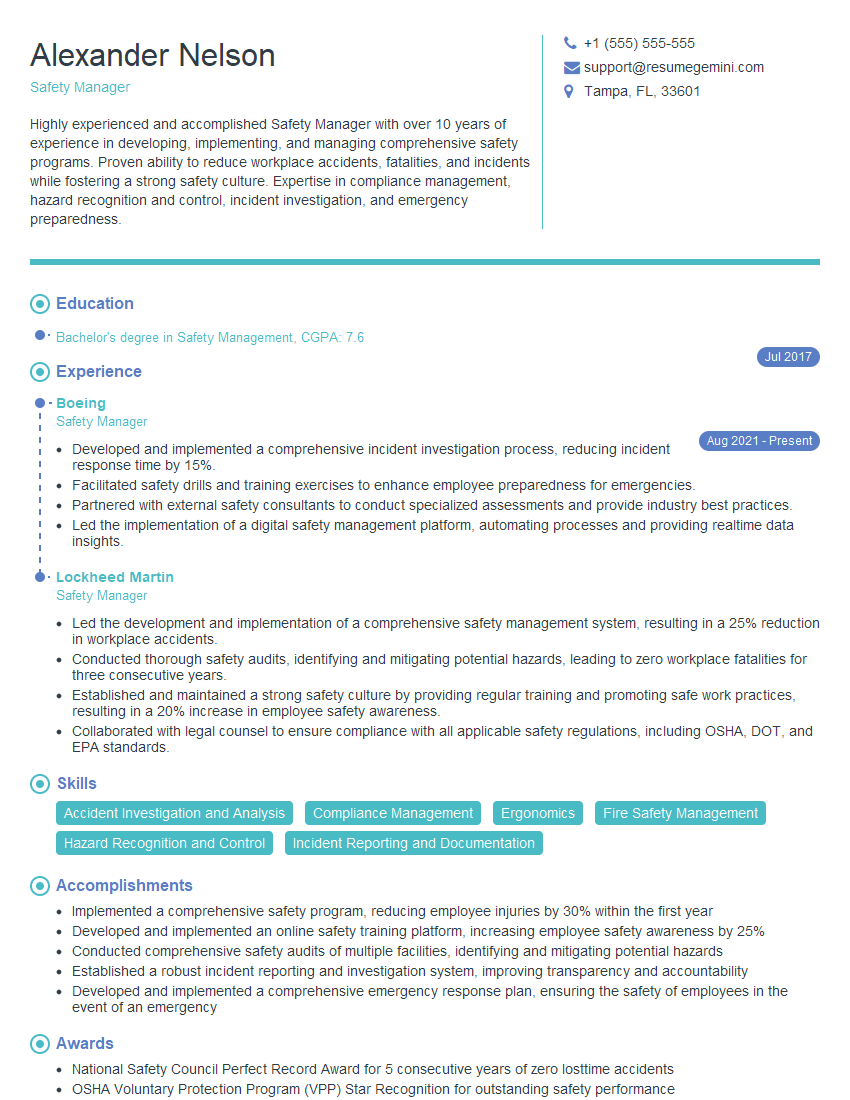
Safety Manager Resume Sample
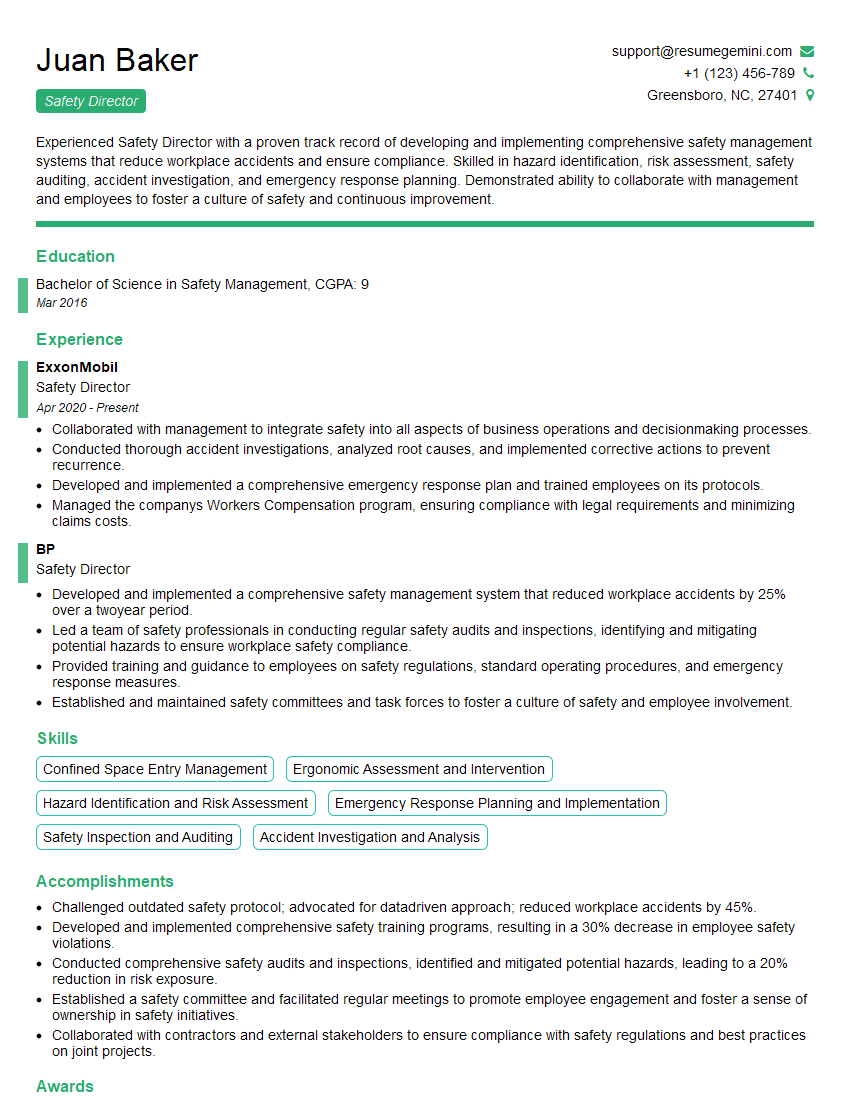
Safety Director Resume Sample
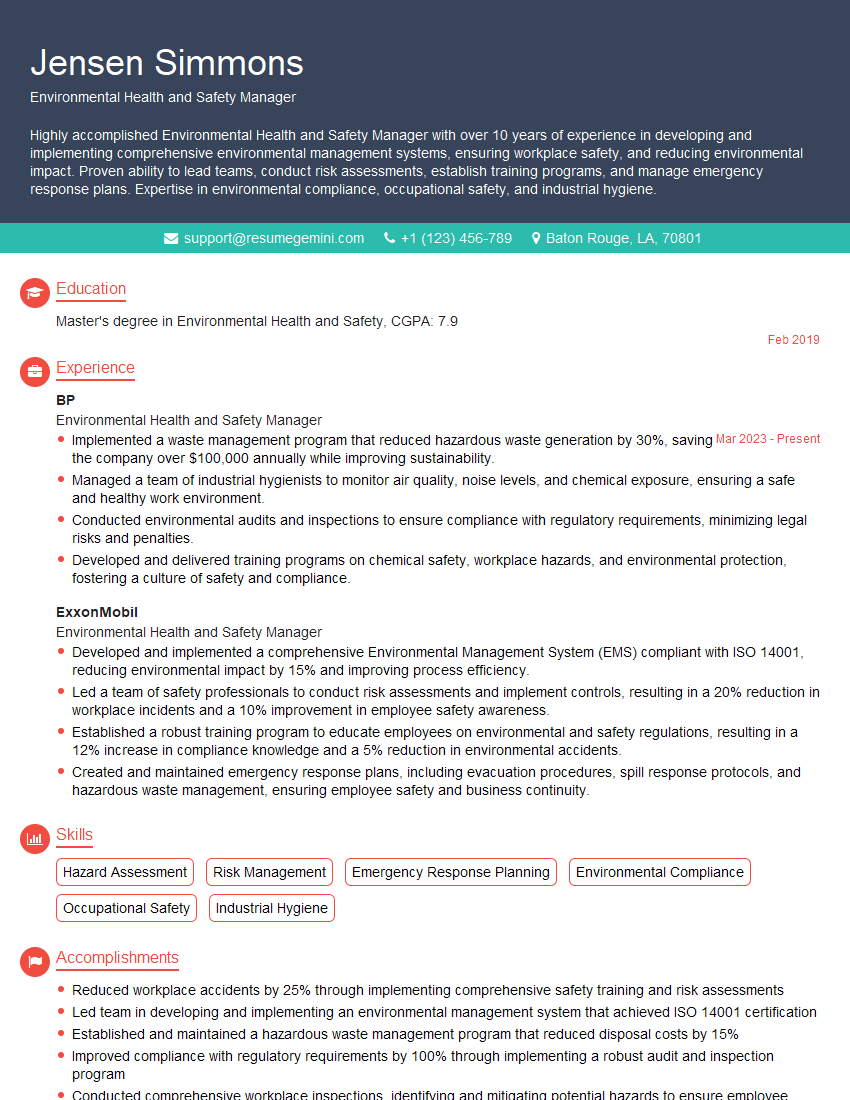
Environmental Health and Safety Manager Resume Sample
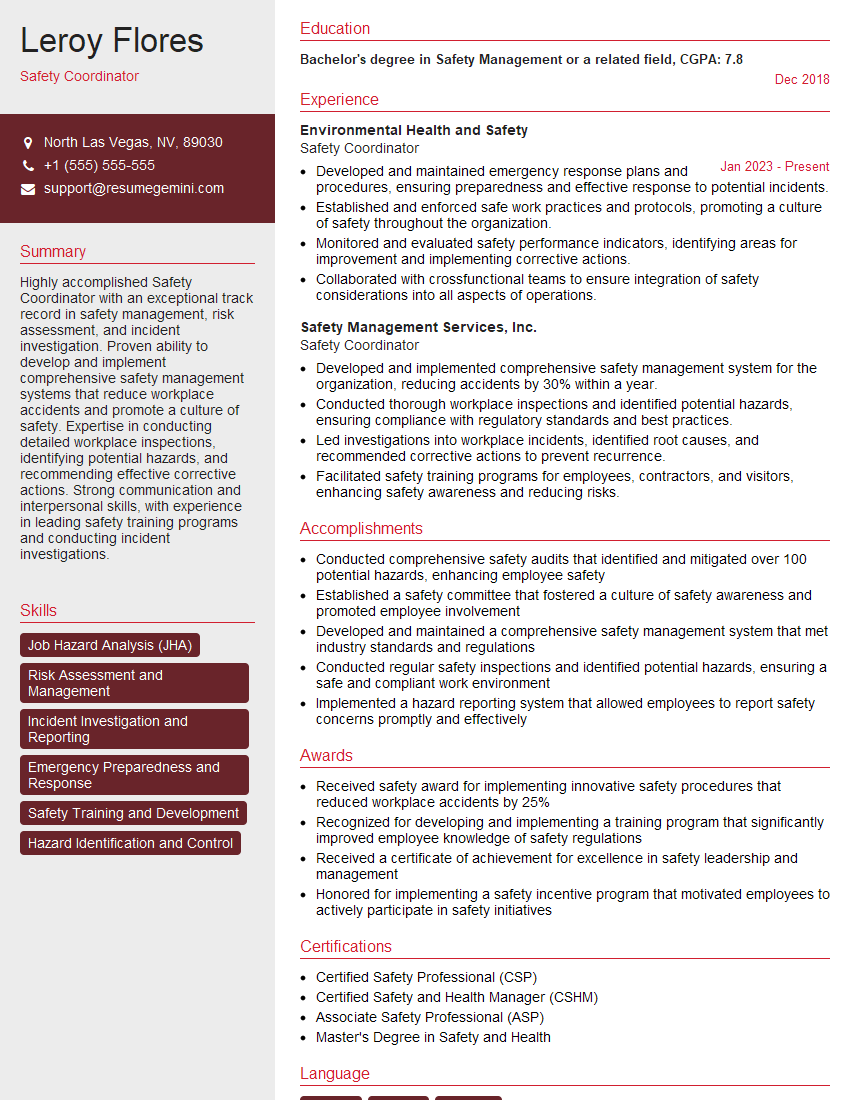
Safety Coordinator Resume Sample

Compliance Officer Resume Sample
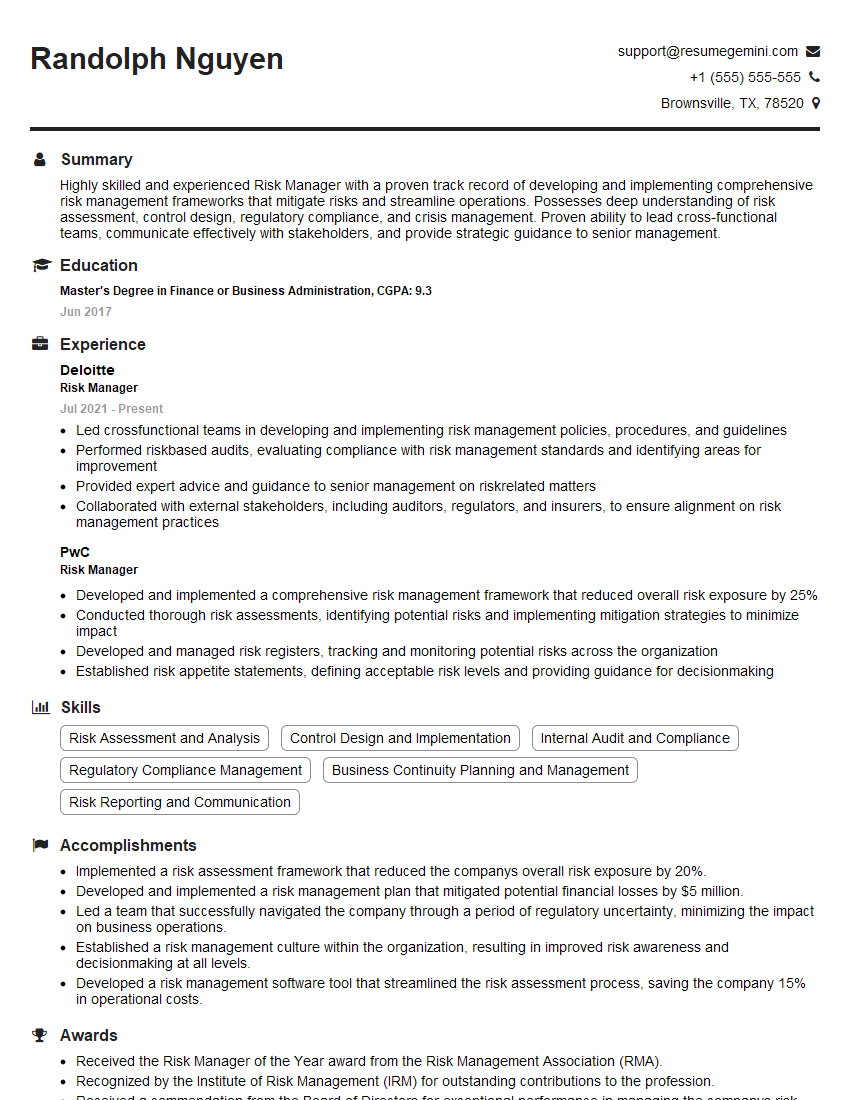
Risk Manager Resume Sample
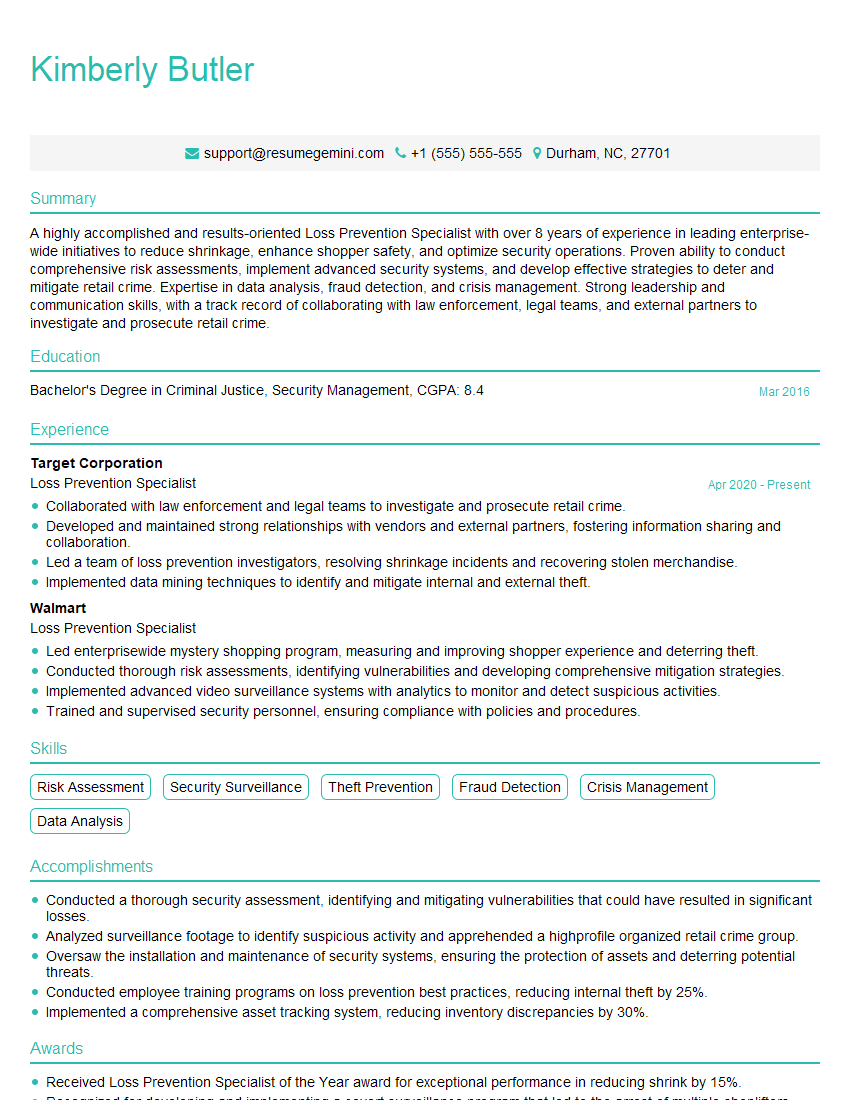
Loss Prevention Specialist Resume Sample
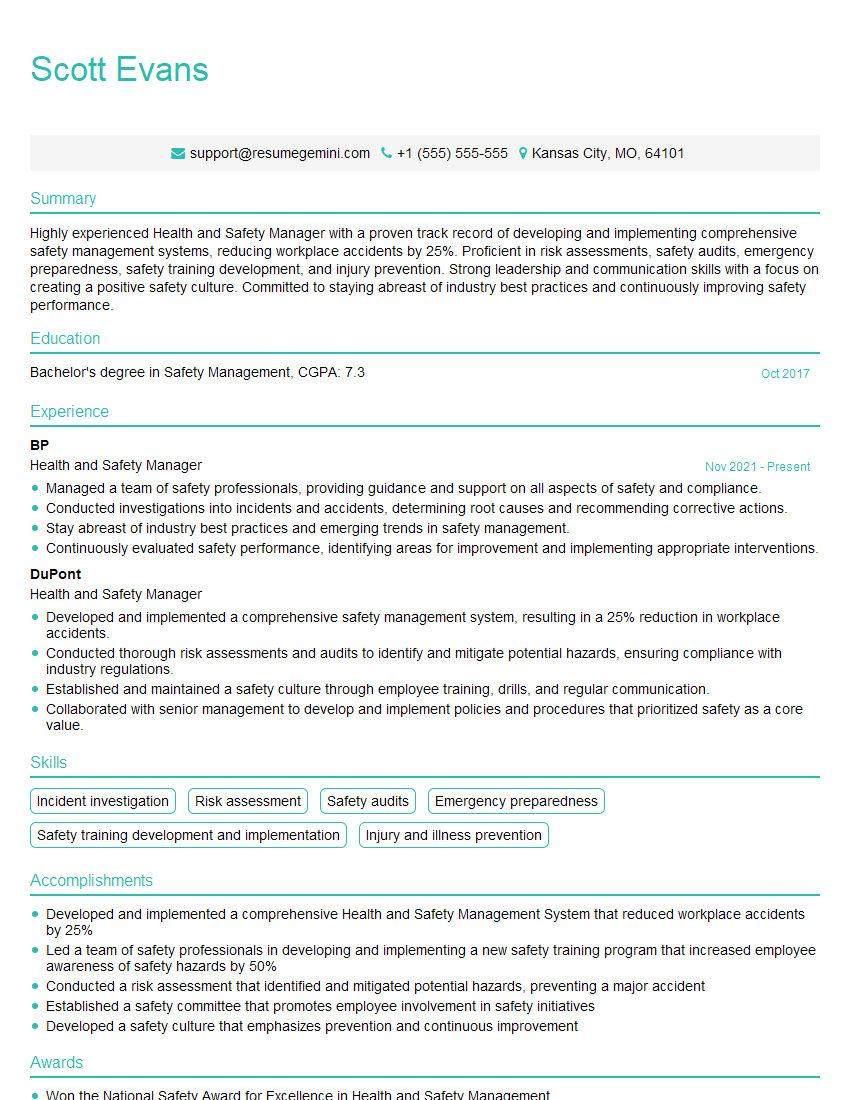
Health and Safety Manager Resume Sample
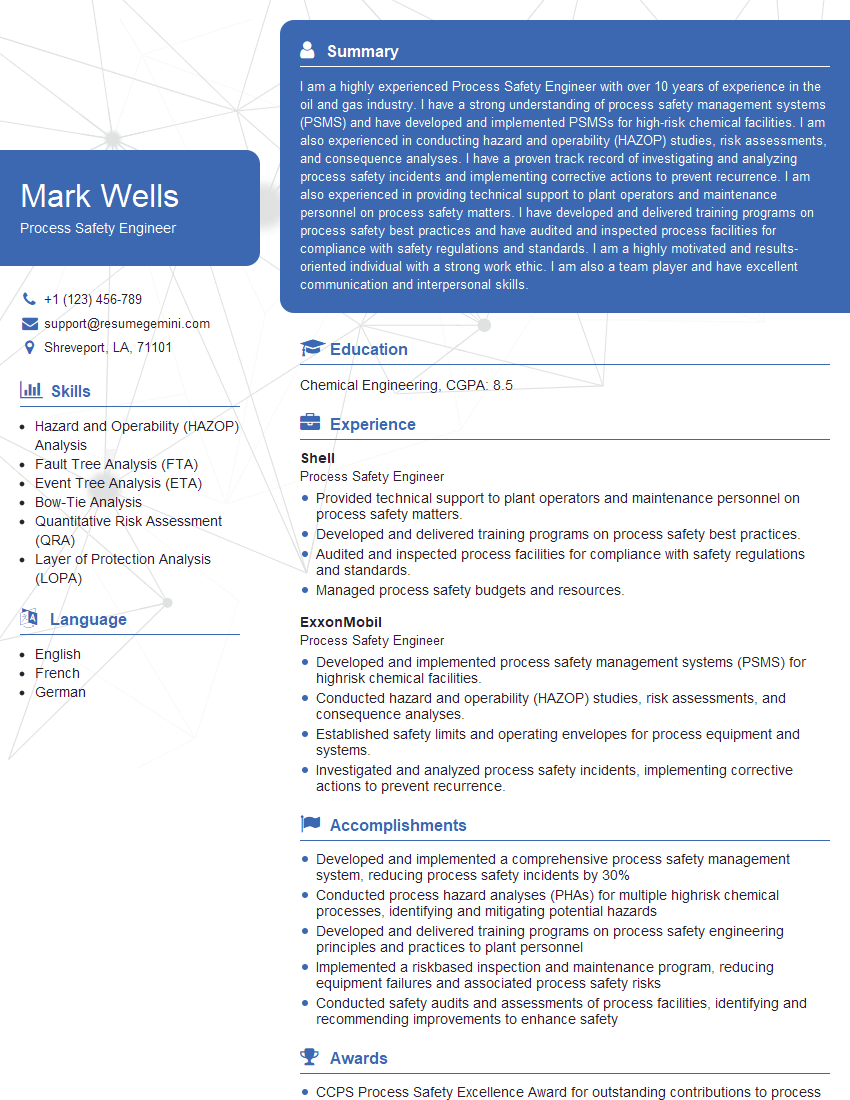
Process Safety Engineer Resume Sample
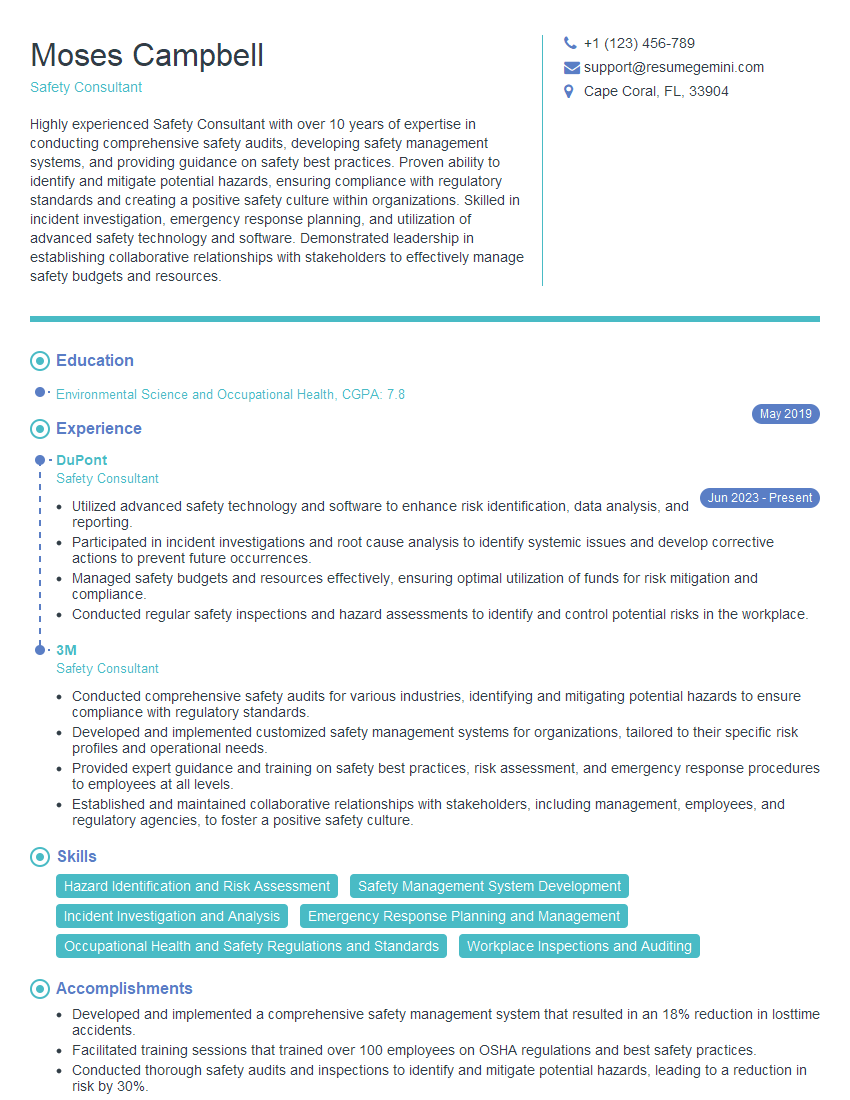
Safety Consultant Resume Sample
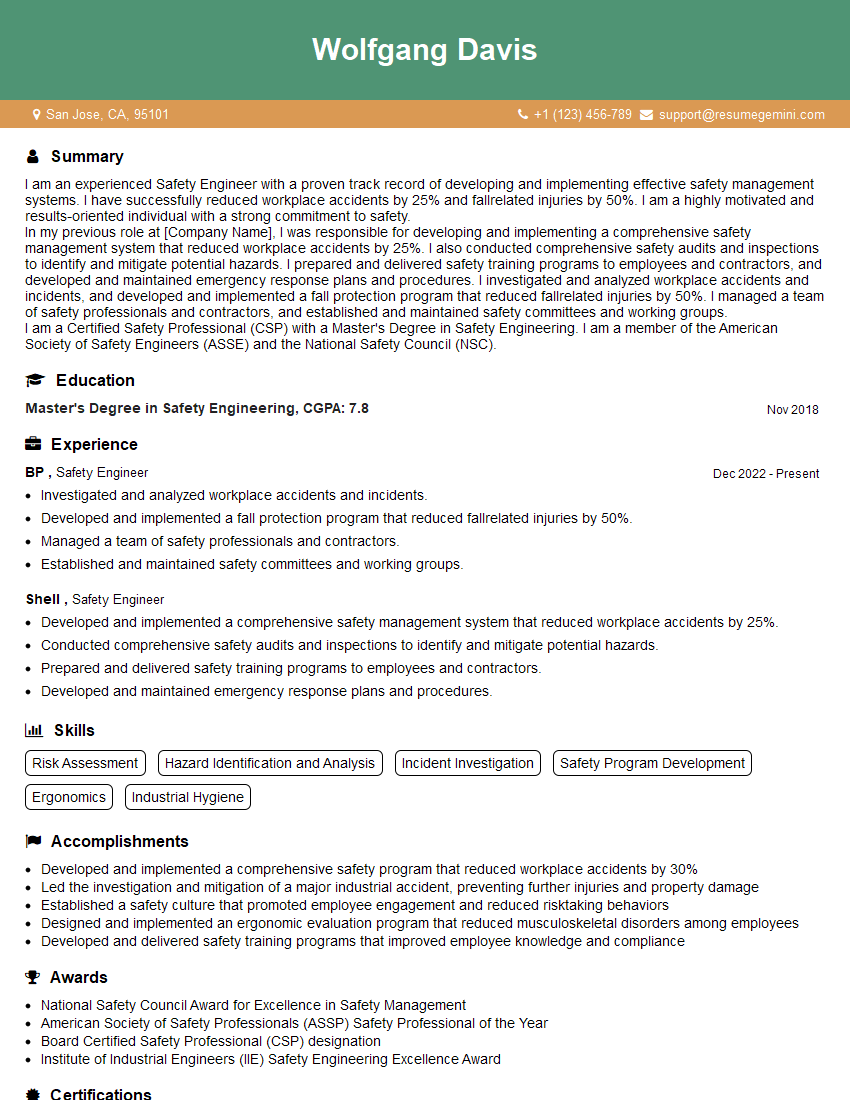
Safety Engineer Resume Sample
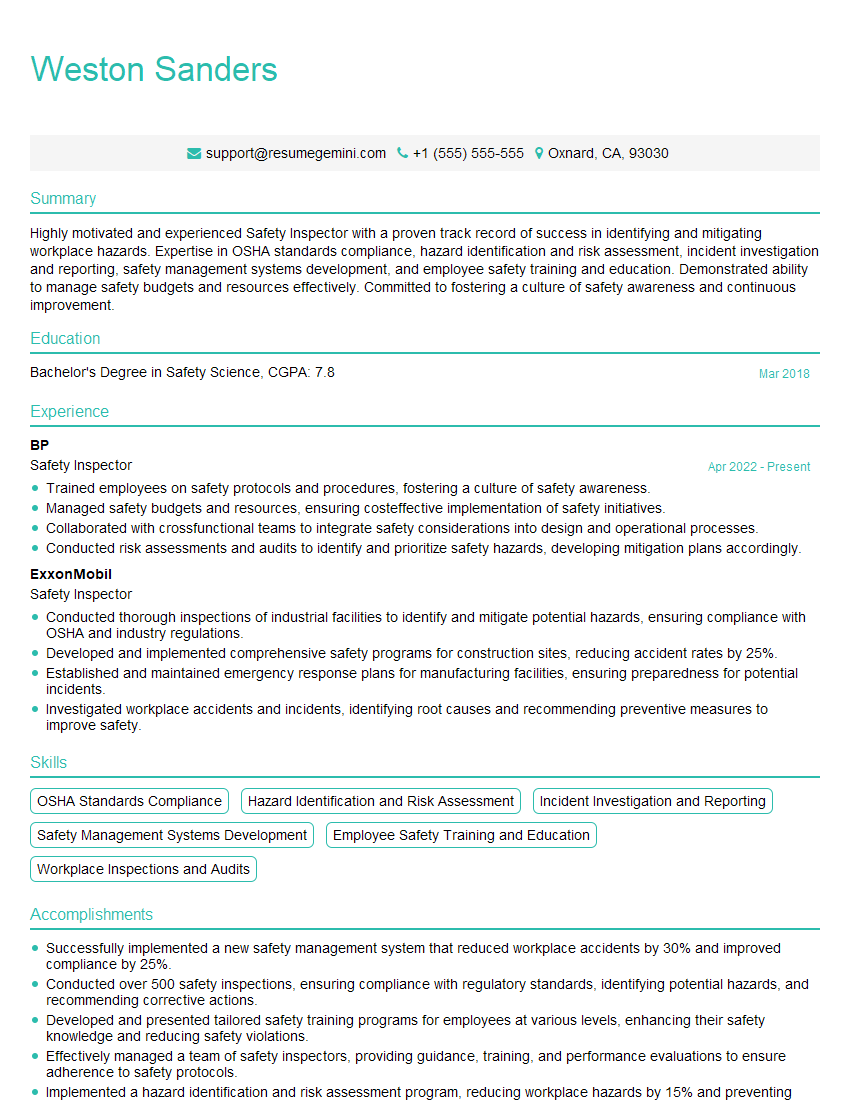
Safety Inspector Resume Sample
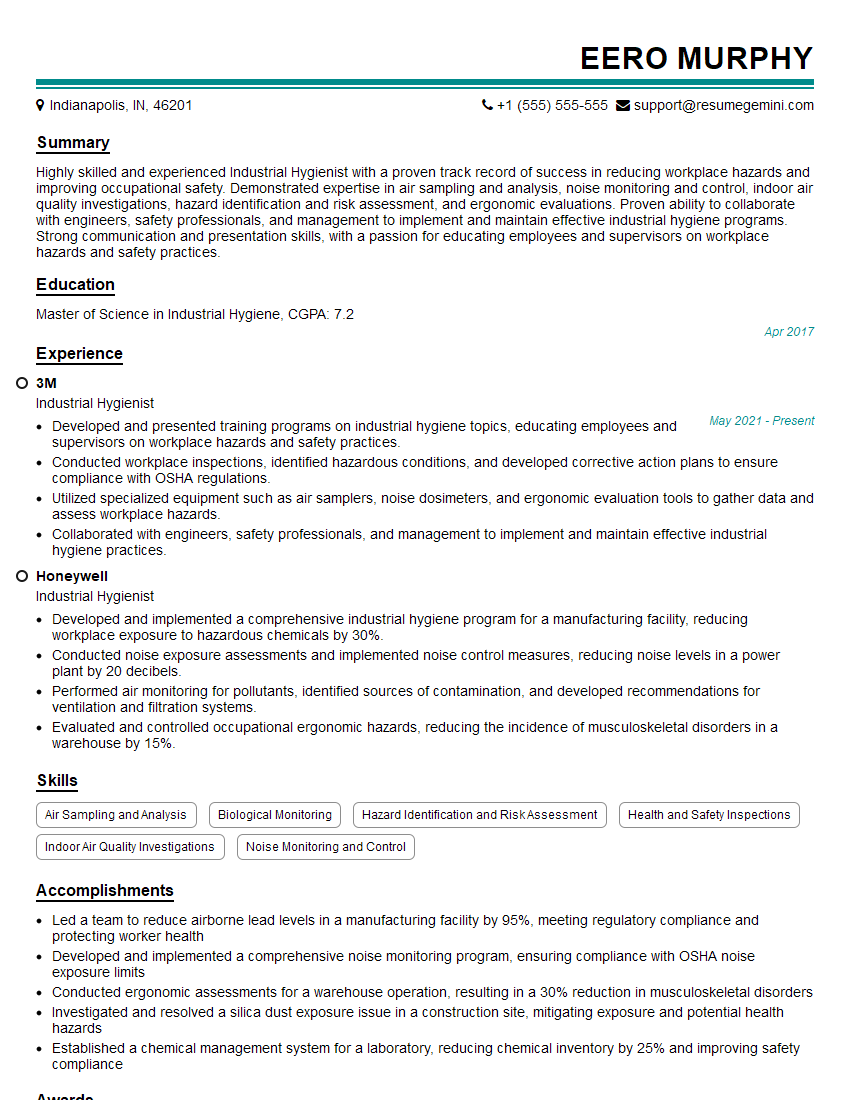
Industrial Hygienist Resume Sample
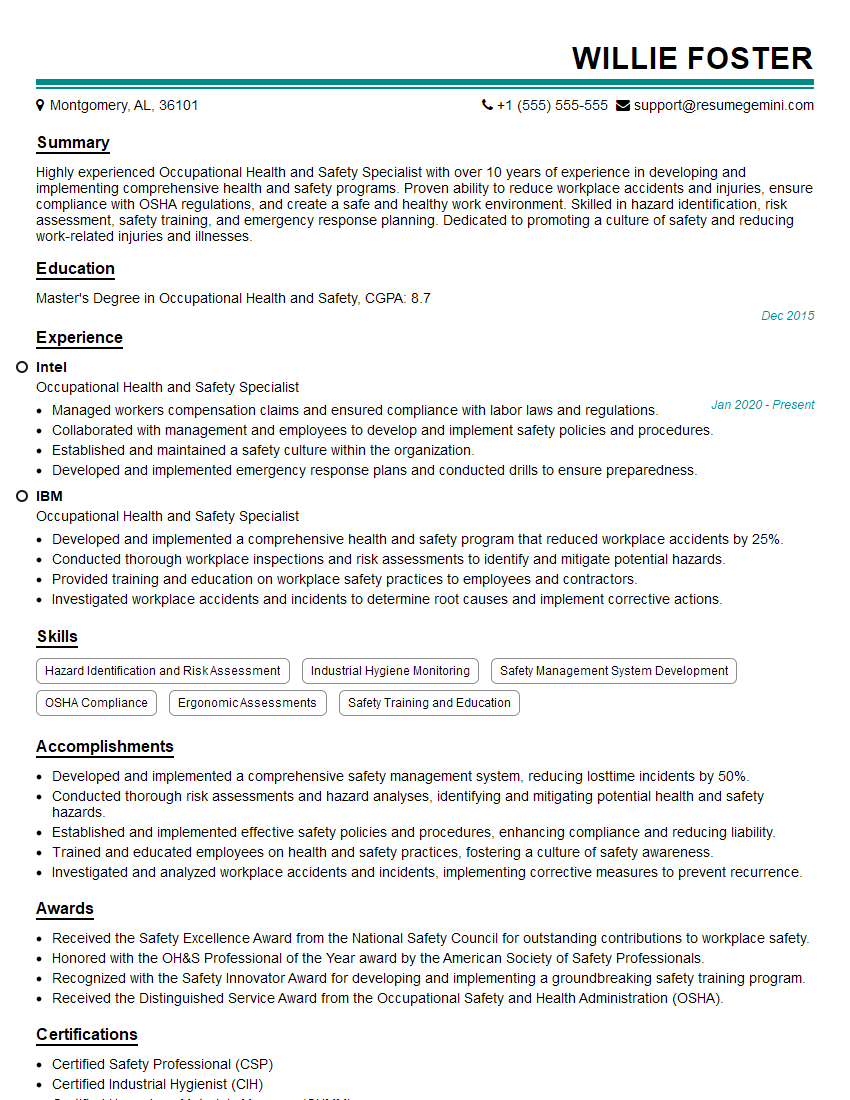
Occupational Health and Safety Specialist Resume Sample
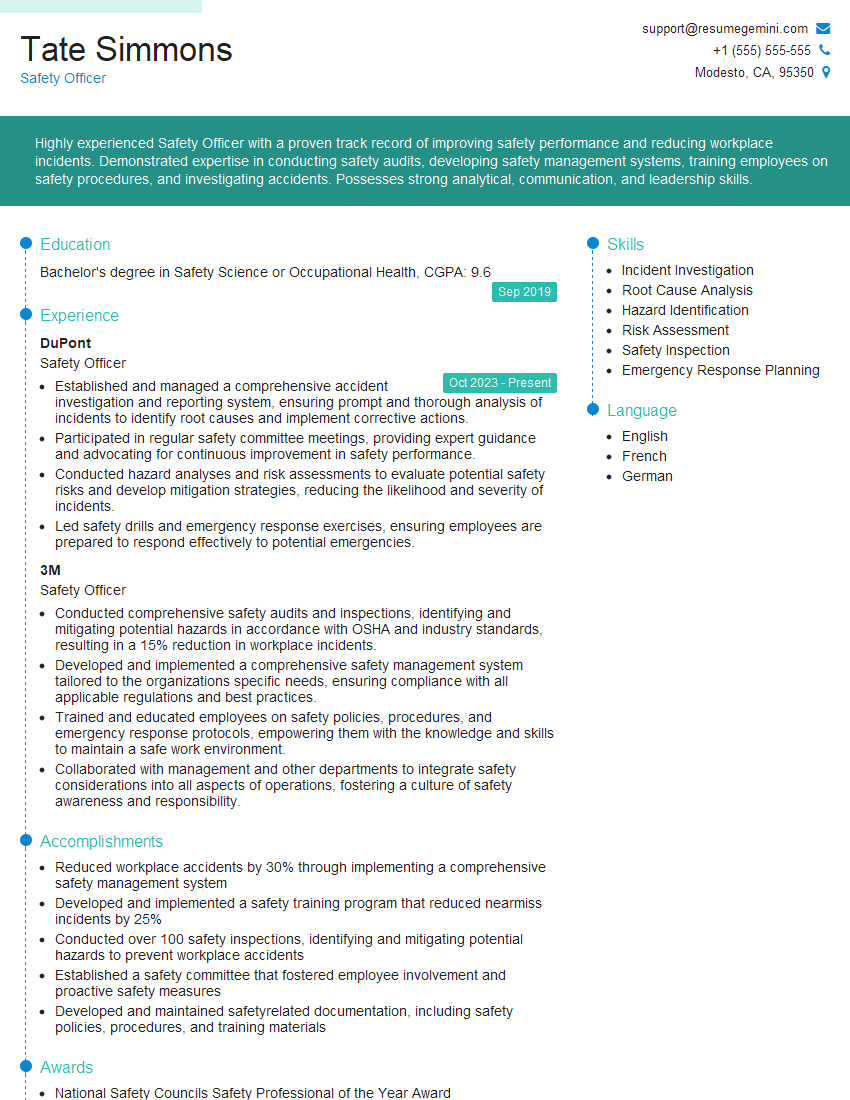
Safety Officer Resume Sample
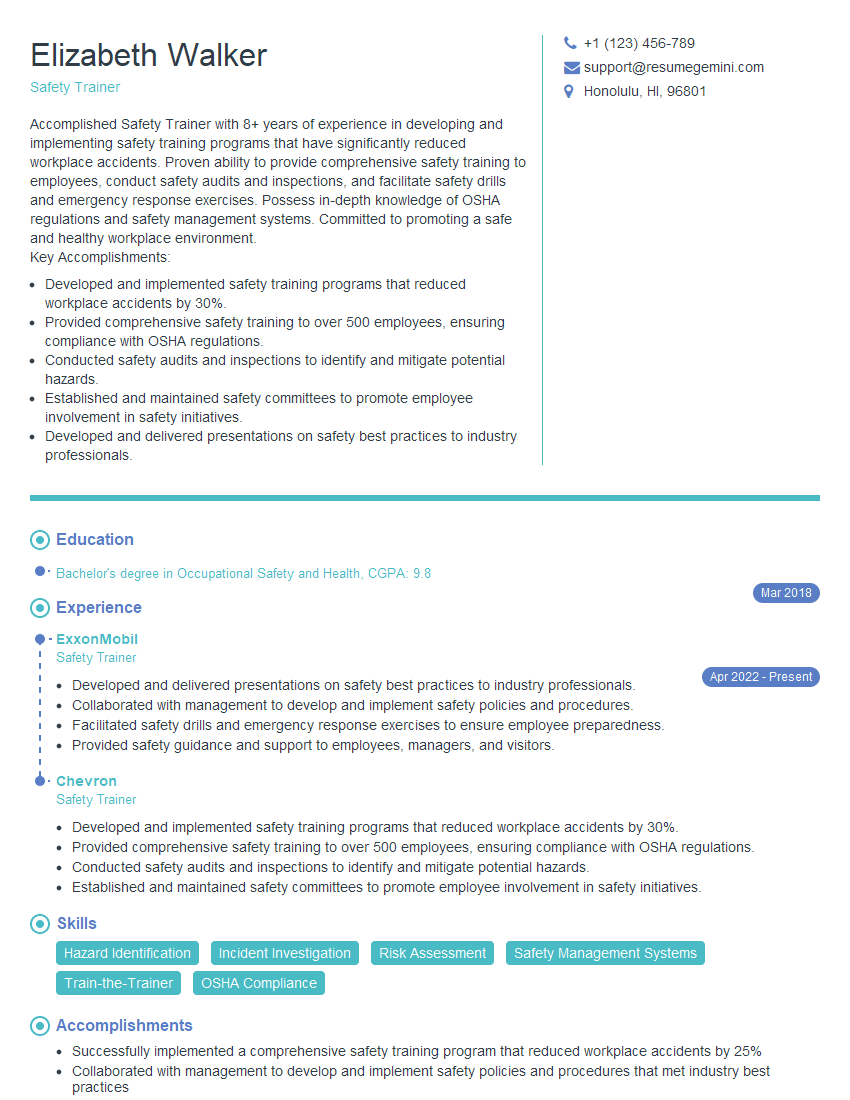
Safety Trainer Resume Sample
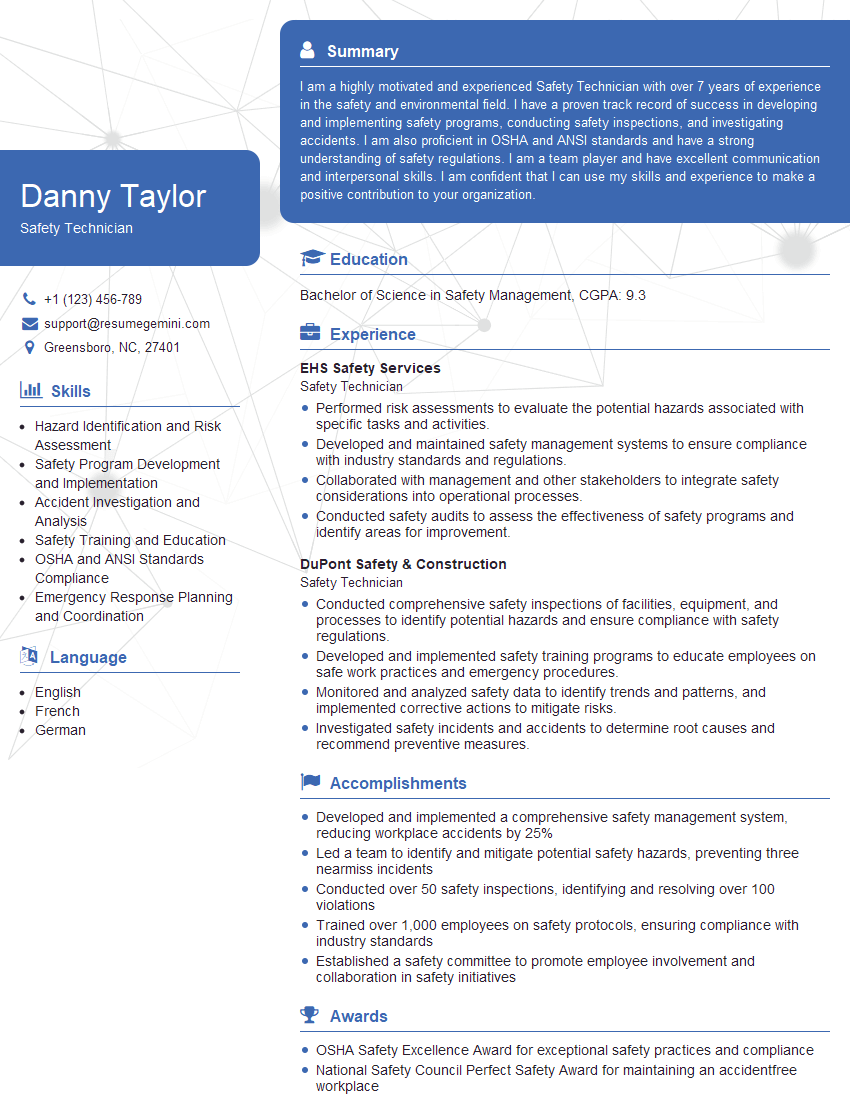
Safety Technician Resume Sample
- Safety Manager
- Safety Director
- Environmental Health and Safety Manager
- Safety Coordinator
- Compliance Officer
- Risk Manager
- Loss Prevention Specialist
- Health and Safety Manager
- Process Safety Engineer
- Safety Consultant
- Safety Engineer
- Safety Inspector
- Industrial Hygienist
- Occupational Health and Safety Specialist
- Safety Officer
- Safety Trainer
- Safety Technician
Explore more articles
Users Rating of Our Blogs
Share Your Experience
We value your feedback! Please rate our content and share your thoughts (optional).
What Readers Say About Our Blog
Amazing blog
hello,
Our consultant firm based in the USA and our client are interested in your products.
Could you provide your company brochure and respond from your official email id (if different from the current in use), so i can send you the client’s requirement.
Payment before production.
I await your answer.
Regards,
MrSmith
hello,
Our consultant firm based in the USA and our client are interested in your products.
Could you provide your company brochure and respond from your official email id (if different from the current in use), so i can send you the client’s requirement.
Payment before production.
I await your answer.
Regards,
MrSmith
These apartments are so amazing, posting them online would break the algorithm.
https://bit.ly/Lovely2BedsApartmentHudsonYards
Reach out at BENSON@LONDONFOSTER.COM and let’s get started!
Take a look at this stunning 2-bedroom apartment perfectly situated NYC’s coveted Hudson Yards!
https://bit.ly/Lovely2BedsApartmentHudsonYards
Live Rent Free!
https://bit.ly/LiveRentFREE
Interesting Article, I liked the depth of knowledge you’ve shared.
Helpful, thanks for sharing.
Hi, I represent a social media marketing agency and liked your blog
Hi, I represent an SEO company that specialises in getting you AI citations and higher rankings on Google. I’d like to offer you a 100% free SEO audit for your website. Would you be interested?