Interviews are more than just a Q&A session—they’re a chance to prove your worth. This blog dives into essential Knowledge of Airport Regulations interview questions and expert tips to help you align your answers with what hiring managers are looking for. Start preparing to shine!
Questions Asked in Knowledge of Airport Regulations Interview
Q 1. Explain the difference between Part 139 and Part 150 airport certifications.
Part 139 and Part 150 are both Federal Aviation Administration (FAA) regulations governing airports in the United States, but they apply to different types of airports and have different certification requirements. Think of it like this: Part 139 is for larger, busier airports, while Part 150 is for smaller, more general aviation airports.
- Part 139: This part certifies airports that serve air carriers that operate under Part 121 (large scheduled airlines) and Part 135 (smaller, on-demand or commuter air carriers). These are typically larger airports with more complex operations and infrastructure, requiring more stringent safety and operational standards. They must demonstrate compliance with detailed standards for runways, taxiways, lighting, markings, and emergency response capabilities. Imagine a major international hub like Atlanta’s Hartsfield-Jackson Airport; this airport would absolutely fall under Part 139.
- Part 150: This part certifies smaller airports that may not serve air carriers under Part 121 or 135. These are usually general aviation airports with simpler operations and fewer safety-critical elements. The certification process is less demanding, focusing primarily on safety and operational efficiency for general aviation aircraft. A small, privately-owned airport primarily used for flight training might be certified under Part 150.
The key difference lies in the scope and complexity of the operational standards. Part 139 has far more detailed and stringent requirements due to the higher risk associated with larger-scale air carrier operations.
Q 2. Describe the role of the FAA in regulating airport operations.
The FAA plays a crucial role in regulating airport operations to ensure safety and efficiency within the National Airspace System. This regulation covers a wide spectrum of activities.
- Certification and oversight of airports: The FAA is responsible for overseeing the certification of airports under Part 139 and Part 150, conducting regular inspections and audits to verify compliance with regulations.
- Establishment of safety standards: The FAA sets minimum safety standards for airport design, construction, maintenance, and operation. These standards address areas like runway integrity, lighting systems, signage, and emergency preparedness.
- Approval of airport plans and projects: Airports must obtain FAA approval for significant construction projects or changes to their operational plans to ensure safety and compliance.
- Enforcement of regulations: The FAA investigates incidents and accidents at airports and enforces compliance with regulations, imposing penalties for violations.
- Air traffic control: The FAA manages air traffic control at many airports, ensuring the safe and efficient flow of air traffic.
In essence, the FAA acts as the guardian of safety and regulatory compliance for all aspects of airport operations in the United States, ensuring a consistent level of safety across the nation’s airport system.
Q 3. What are the key elements of an Airport Emergency Plan (AEP)?
An Airport Emergency Plan (AEP) is a crucial document outlining procedures for handling emergencies at an airport. It’s like an airport’s emergency playbook, detailing how different teams will respond to a range of incidents.
- Emergency Response Plan: This section details the steps to be taken in various emergencies, such as aircraft accidents, fires, bomb threats, natural disasters, and medical emergencies. It specifies the roles and responsibilities of different agencies and personnel involved in the response.
- Emergency Communication Plan: This outlines how communication will be maintained during an emergency, including notification procedures for relevant agencies and the public. Clear communication channels are vital for a coordinated response.
- Emergency Evacuation Plan: This section focuses on procedures for evacuating passengers and personnel from the airport terminal or aircraft in case of emergencies. This includes emergency exits, escape routes and assembly points.
- Emergency Medical Services Plan: This outlines the procedures for providing medical assistance to injured persons. This plan should include procedures for transporting injured persons and coordination with local EMS agencies.
- Training and Exercises: The AEP must include details about regular training programs for airport personnel and emergency responders to ensure they are prepared for various scenarios. Regular drills and exercises are conducted to validate the AEP’s effectiveness.
A well-developed AEP is vital for minimizing casualties, damage, and disruption during an emergency. It needs to be regularly reviewed and updated to reflect changes in airport operations and best practices.
Q 4. How does the TSA ensure aviation security at airports?
The Transportation Security Administration (TSA) is responsible for ensuring aviation security at airports nationwide. Their efforts are multifaceted and aim to prevent terrorist attacks and other security threats.
- Passenger and Baggage Screening: This is the most visible aspect of TSA’s work. They utilize various technologies like X-ray machines and metal detectors to screen passengers and their carry-on and checked baggage for prohibited items.
- Airport Security Assessments: TSA conducts regular security assessments of airports to identify vulnerabilities and recommend improvements to security measures.
- Security Personnel Training and Deployment: TSA trains and deploys security personnel at airports to enhance security protocols and ensure the proper implementation of screening procedures.
- Technology and Innovation: TSA continuously invests in new technologies and security measures to enhance airport security and adapt to evolving threats. Examples include advanced imaging technology and explosives detection systems.
- Collaboration and Information Sharing: TSA works closely with other federal agencies, local law enforcement, and airport authorities to share information and coordinate security efforts.
TSA’s actions aim to create a layered security approach, combining various methods and technologies to make air travel as safe as possible. This is a constantly evolving process adapting to new security risks.
Q 5. Explain the requirements for airport wildlife hazard management.
Airport wildlife hazard management is critical for preventing wildlife strikes, which can cause significant damage to aircraft and endanger passengers and crew. Regulations emphasize a proactive, multi-faceted approach.
- Wildlife Hazard Assessment: Airports must conduct regular assessments to identify wildlife species present around the airport and their potential threat to aircraft operations. This often involves surveys, habitat analysis, and tracking wildlife activity.
- Habitat Modification: Airports may need to modify the surrounding habitat to reduce attractiveness to wildlife. This might involve removing vegetation that provides food or shelter, installing fences, or managing water sources.
- Wildlife Control Measures: Approved methods for deterring or removing wildlife might include noise-making devices, visual deterrents, trained birds of prey, or, in certain circumstances, lethal methods.
- Emergency Response Plan: Airports should have a plan in place to deal with wildlife strikes, including procedures for reporting incidents, securing the area, and assisting aircraft.
- Training and Awareness: Airport personnel involved in wildlife management must receive training to recognize potential hazards and use appropriate control measures. This training extends to pilots, to help them mitigate risks and report sightings.
Effective wildlife hazard management is an ongoing process requiring vigilance and adaptation to changing conditions. The goal is to minimize wildlife activity near runways and taxiways, significantly reducing the risk of bird strikes or other wildlife encounters with aircraft.
Q 6. What are the regulations regarding aircraft noise abatement?
Aircraft noise abatement is a significant concern for communities near airports. Regulations aim to balance the needs of aviation with the well-being of residents. These regulations vary depending on the airport, aircraft, and local ordinances, but common strategies include:
- Noise Monitoring and Reporting: Airports are often required to monitor noise levels and report data to regulatory agencies. This helps track noise impacts and identify areas needing attention.
- Noise Contour Mapping: This creates maps showing areas affected by different noise levels, helping to identify communities most impacted by aircraft noise.
- Operational Procedures: Airports may implement procedures to minimize noise, such as using preferential runway usage based on wind conditions and implementing noise-abatement departure procedures.
- Aircraft Noise Standards: Regulations often set noise limits for aircraft operations, sometimes requiring quieter aircraft or limiting the use of noisier ones during specific times.
- Community Involvement: Many airports engage with local communities to address noise concerns and build collaborative solutions. This could include noise mitigation projects or sound barriers.
The goal is to reduce aircraft noise to acceptable levels while ensuring the continued viability of airport operations. Finding that balance often involves compromises and collaboration between various stakeholders.
Q 7. Describe the process for obtaining an airport operating certificate.
The process of obtaining an airport operating certificate depends on the type of airport and its regulatory classification (Part 139 or Part 150). However, some common elements are shared.
- Application Submission: The airport operator submits an application to the FAA, providing detailed information about the airport’s facilities, operations, and safety management system.
- FAA Review and Inspection: The FAA reviews the application and conducts an on-site inspection of the airport to verify compliance with applicable regulations. This inspection covers various aspects, including runway and taxiway conditions, lighting systems, navigational aids, and emergency services.
- Compliance Demonstration: The airport operator must demonstrate its capability to meet all regulatory requirements, including the development and implementation of an Airport Emergency Plan (AEP) and a Safety Management System (SMS).
- Certificate Issuance: Once the FAA is satisfied that the airport meets all requirements, an operating certificate is issued. This certificate is not permanent; it is subject to periodic inspections and re-certification.
- Ongoing Compliance: The airport operator must maintain compliance with all applicable regulations throughout its operation. This includes regular maintenance of facilities, continued training of personnel, and updates to the safety management system and emergency plan.
The process can be complex and lengthy, varying in duration based on the size and complexity of the airport. Careful planning and diligent preparation are vital for a successful application.
Q 8. What are the key components of a security access control system at an airport?
Airport security access control is a multi-layered system designed to restrict access to secure areas based on authorization. It’s like a high-tech, layered castle defense system protecting the airport’s most sensitive areas.
Identification and Authentication: This involves verifying the identity of individuals seeking access, often using identification cards (e.g., employee IDs, security badges) with biometric verification (fingerprint or iris scans) and possibly access control systems.
Access Control Lists (ACLs): These lists define who is permitted access to specific areas. For instance, only pilots and certain ground crew might have access to the tarmac near the airplanes.
Physical Barriers: These include fences, gates, doors, and checkpoints. Think of these as the castle walls and gates, preventing unauthorized entry.
Surveillance Systems: CCTV cameras, intrusion detection systems, and other surveillance technologies constantly monitor secure areas, providing a watchful eye on activities.
Security Personnel: Trained security officers patrol secure areas, conduct access checks, and respond to incidents. These are the guards patrolling the castle.
Emergency Response Plans: Procedures are in place to handle security breaches or emergencies, ensuring swift responses to any threats.
Imagine a scenario where a baggage handler tries to enter a restricted area without proper authorization. The access control system would immediately flag this, alerting security personnel who would intervene. The layers work together to prevent unauthorized access.
Q 9. How do airport regulations address the handling of hazardous materials?
Airport regulations regarding hazardous materials are stringent and primarily focus on safety and security. They’re designed to prevent accidents and safeguard passengers, employees, and the environment. Think of it like a very strict chemical handling protocol.
Classification and Packaging: Hazardous materials are classified according to their properties (flammability, toxicity, etc.), and they must be packaged according to strict standards (IATA regulations for air transport) to prevent leaks or spills.
Documentation and Labeling: Detailed documentation, including shipping papers and safety data sheets (SDS), must accompany hazardous materials. Clear and consistent labeling is crucial for identifying the nature of the material.
Handling and Storage: Specific procedures must be followed for the handling, storage, and transportation of hazardous materials. This includes designated areas, storage containers, and trained personnel.
Emergency Response Plans: Airports must have well-defined procedures in place to handle spills, leaks, or accidents involving hazardous materials, including emergency response teams and equipment.
For example, lithium batteries, often found in electronics, are carefully regulated due to their fire risk. They require specialized packaging, labeling, and handling to prevent incidents during air travel.
Q 10. Explain the regulations surrounding ground support equipment (GSE) operations.
Ground Support Equipment (GSE) operations are governed by detailed regulations that prioritize safety and efficiency. Imagine a busy city with many different vehicles; this is what airport ground operations are like, but with very specific rules.
Licensing and Certification: GSE operators usually require licenses and certifications, demonstrating competence and familiarity with safety protocols.
Maintenance and Inspections: Regular maintenance and inspections are mandatory to ensure the equipment functions properly and safely. Think of it as regular car maintenance, but more critical.
Safety Procedures: Strict safety protocols must be followed during operation to prevent collisions, injuries, and damage to aircraft. This includes communication procedures, visual signals, and speed limits.
Training: GSE operators receive comprehensive training on safe operating procedures and emergency response. It’s like getting a driver’s license, but much more specific.
Communication Systems: Effective communication systems are essential between GSE operators, pilots, and air traffic controllers to avoid conflicts and ensure coordination.
For example, a pushback tug needs to follow precise procedures when maneuvering an aircraft. Improper handling could lead to accidents. Regulations ensure that the equipment is maintained, operators are trained, and proper communication procedures are followed to minimize risks.
Q 11. What are the requirements for airport pavement maintenance and inspections?
Airport pavement maintenance and inspections are critical for ensuring the safety and efficiency of aircraft operations. Think of it as keeping the roads in a city in good condition for safe and efficient traffic flow.
Regular Inspections: Pavement undergoes regular inspections to detect cracks, potholes, and other defects. These inspections use various methods, including visual assessments and specialized equipment.
Maintenance Strategies: Maintenance strategies are implemented based on the identified defects. This could range from simple repairs to major rehabilitation projects.
Materials and Techniques: Approved materials and techniques must be used during maintenance to ensure the longevity and integrity of the pavement.
Documentation: Detailed records of inspections and maintenance activities must be kept to track pavement conditions and ensure compliance with regulations.
For instance, if a significant crack develops in the runway, it requires immediate attention. Failure to repair it promptly could compromise the safety of landing and taking off aircraft.
Q 12. Describe the process for obtaining approvals for airport construction projects.
The approval process for airport construction projects is complex, involving multiple steps and stakeholders. It’s similar to obtaining permits for a major construction project in a city, but with many more stringent regulations.
Project Planning and Design: This includes detailed plans, environmental impact assessments, and feasibility studies.
Regulatory Approvals: Various regulatory bodies (e.g., Federal Aviation Administration (FAA) in the US) must review and approve the project. This process involves detailed submissions and may include public hearings.
Environmental Compliance: Construction activities must adhere to environmental regulations, minimizing impact on surrounding areas.
Funding and Financing: Securing funding is crucial. This might involve various sources such as government grants, airport revenue bonds, or private investment.
Construction and Monitoring: The construction process is overseen to ensure compliance with approved plans and specifications.
For example, building a new terminal requires extensive planning, regulatory approvals, environmental assessments, and funding. The entire process can take years to complete, as multiple steps are interconnected.
Q 13. How do airport regulations address passenger rights and protections?
Airport regulations address passenger rights and protections to ensure fair and safe treatment. This involves guidelines that protect air travelers’ rights.
Passenger Rights During Delays and Cancellations: Regulations often stipulate airlines’ responsibilities in case of flight disruptions, such as providing meals, accommodation, or compensation depending on the length of the delay or cancellation.
Baggage Handling: Passengers have rights regarding baggage handling, including compensation for lost, damaged, or delayed bags. Airlines are responsible for damage or loss within their control.
Accessibility: Airports and airlines must ensure accessibility for passengers with disabilities, providing assistance and accommodations as needed. This includes ramps, special seating, and trained personnel.
Data Protection: Airports and airlines must adhere to data protection regulations, safeguarding passenger information.
Consumer Protection: Consumer protection laws often govern air travel and provide ways for passengers to seek redress for unfair practices.
For example, if a flight is significantly delayed, passengers may be entitled to compensation or alternative travel arrangements depending on the airline’s policies and applicable regulations.
Q 14. What are the key aspects of airport signage and wayfinding regulations?
Airport signage and wayfinding regulations aim to ensure clear and effective communication, guiding passengers and staff efficiently and safely. Imagine a well-designed city map – that’s what airport signage should be like.
Standardization: Signage systems typically adhere to international or national standards for consistency and clarity, ensuring symbols and colors have universal meanings.
Visibility and Legibility: Signs must be highly visible, regardless of lighting conditions. Font sizes and contrast ratios are carefully chosen for readability. Think of high-visibility safety signs.
Language and Multilingual Support: Airports often use multiple languages on signage, catering to diverse passenger populations.
Accessibility: Signage must be accessible to passengers with disabilities, including tactile signs for visually impaired passengers.
Location and Placement: Signs are strategically placed to guide passengers smoothly through the airport, minimizing confusion.
For example, clear and concise signage guiding passengers to gates, security checkpoints, and baggage claim areas is crucial for preventing delays and ensuring a smooth travel experience.
Q 15. Explain the regulations concerning the use of drones near airports.
Drone operation near airports is heavily regulated due to the potential risk to aviation safety. Regulations vary slightly by country and region, but generally involve restrictions on altitude, distance from runways and terminals, and operational permissions. Think of it like this: airports are busy, complex environments. Drones, even small ones, can pose a serious collision hazard to aircraft, especially during takeoff and landing.
- Altitude Restrictions: Drones are usually prohibited from flying above a certain altitude, often within a radius of several miles from the airport. This varies based on the airport’s size and airspace classification.
- Authorization: In most cases, operating a drone near an airport requires specific authorization or permission from the relevant aviation authority. This often involves filing a flight plan and demonstrating a thorough understanding of airspace regulations.
- No-Fly Zones: Airports frequently have designated no-fly zones, marked on airspace maps, which drones are strictly forbidden from entering. These zones are designed to protect sensitive areas and ensure air safety.
- Registration and Identification: Many jurisdictions mandate drone registration and identification markings to aid in tracking and accountability in case of incidents.
For example, flying a drone near a busy international airport without the necessary permissions could result in significant fines, and even criminal charges in certain circumstances. Always check local regulations and consult official aviation authorities before operating a drone near any airport.
Career Expert Tips:
- Ace those interviews! Prepare effectively by reviewing the Top 50 Most Common Interview Questions on ResumeGemini.
- Navigate your job search with confidence! Explore a wide range of Career Tips on ResumeGemini. Learn about common challenges and recommendations to overcome them.
- Craft the perfect resume! Master the Art of Resume Writing with ResumeGemini’s guide. Showcase your unique qualifications and achievements effectively.
- Don’t miss out on holiday savings! Build your dream resume with ResumeGemini’s ATS optimized templates.
Q 16. Describe the regulations surrounding the storage and handling of aircraft fuel.
The storage and handling of aircraft fuel are governed by stringent regulations to prevent fires, explosions, and environmental contamination. These regulations focus on several key areas: storage tanks, fueling procedures, and emergency response plans. Imagine the catastrophic consequences of a fuel spill or fire at an airport – that’s why these regulations are so crucial.
- Storage Tank Requirements: Fuel storage tanks must meet specific design, construction, and safety standards to prevent leaks and contain potential spills. This includes requirements for tank materials, pressure relief valves, and emergency shutdown systems.
- Fueling Procedures: Strict procedures must be followed during the fueling process to minimize the risk of static electricity buildup, sparks, and spills. This includes grounding equipment, using specialized fueling nozzles, and adhering to proper handling techniques.
- Spill Prevention and Response: Airports must have comprehensive plans to prevent fuel spills and respond effectively to any incidents that occur. This includes containment systems, cleanup procedures, and emergency response teams trained to handle fuel-related incidents.
- Environmental Protection: Regulations are in place to protect the environment from fuel spills or leaks, including requirements for spill containment and cleanup, and potentially, environmental impact assessments.
Non-compliance with these regulations can lead to substantial fines, operational shutdowns, and legal consequences, highlighting the importance of rigorous adherence to safety standards.
Q 17. How do airport regulations address the safety of airport employees?
Airport regulations prioritize the safety of airport employees through a multifaceted approach encompassing training, safety protocols, and emergency response plans. The goal is to create a safe and healthy working environment for everyone who works at the airport, which includes ground crew, air traffic controllers, maintenance personnel, and security staff.
- Training Programs: Comprehensive safety training programs are essential. These programs must cover topics relevant to each employee’s job, such as hazard awareness, emergency procedures, and the use of safety equipment.
- Safety Protocols: Clear and well-defined safety protocols must be in place for all airport operations. These protocols should cover areas like ground handling, baggage handling, aircraft maintenance, and security operations.
- Personal Protective Equipment (PPE): The provision and use of appropriate PPE is crucial. This includes items like high-visibility clothing, safety helmets, gloves, and hearing protection, depending on the job.
- Emergency Response: Airports must have well-rehearsed emergency response plans to deal with various incidents, such as fires, accidents, or medical emergencies. Employees need thorough training on emergency procedures.
- Regular Safety Inspections: Regular safety inspections and audits are crucial for identifying potential hazards and ensuring compliance with regulations.
Failure to adequately address employee safety can result in accidents, injuries, and significant legal and financial ramifications for the airport.
Q 18. What are the procedures for reporting safety incidents or accidents at an airport?
Reporting safety incidents or accidents at an airport is a critical aspect of maintaining operational safety. A timely and accurate report allows for prompt investigation, corrective action, and prevention of future incidents. Think of it as a vital feedback loop for continuous improvement.
- Immediate Reporting: All incidents, regardless of severity, should be reported immediately to the appropriate authorities. This often involves a dedicated safety reporting system or a designated point of contact within the airport’s operations department.
- Incident Documentation: Detailed documentation is crucial, including a description of the event, location, time, individuals involved, any witnesses, and initial assessment of damage or injuries.
- Investigation: A thorough investigation is launched to determine the root cause of the incident, identifying contributing factors and recommending preventative measures.
- Reporting to Regulatory Bodies: Depending on the severity of the incident, reports must be submitted to relevant regulatory bodies, such as the national aviation authority or other oversight agencies.
- Follow-up Actions: Following the investigation, corrective actions are implemented to prevent similar incidents from happening again. This might include changes to procedures, equipment upgrades, or additional training.
The effectiveness of the reporting system and subsequent investigations significantly impacts the overall safety culture and performance of the airport.
Q 19. Explain the process of obtaining permits for airport related activities.
Obtaining permits for airport-related activities varies significantly depending on the nature of the activity and the specific airport. Generally, it involves submitting an application, providing relevant documentation, and undergoing a review process. This ensures that all activities comply with regulations and do not pose a threat to airport operations.
- Application Process: The application process typically begins by submitting a formal request to the airport authority or relevant regulatory body. This application must provide detailed information about the proposed activity, including its nature, duration, location, and potential impact on airport operations.
- Documentation: Supporting documentation is essential, often including plans, technical specifications, safety assessments, and insurance details. The specific requirements will depend on the activity and local regulations.
- Review and Approval: The airport authority will review the application and associated documentation. This review process evaluates the proposed activity’s safety, security, and operational compatibility with existing airport activities. It may involve consultations with various stakeholders.
- Permit Issuance: If approved, the airport authority will issue a permit that outlines the specific conditions under which the activity can be undertaken. These conditions might include time restrictions, safety procedures, and other operational requirements.
- Permit Conditions: The permit outlines the specifics of the approved activity, the permitted duration, any limitations on operations, and any associated fees.
Examples of activities needing permits range from construction projects and ground handling operations to filming and special events.
Q 20. Describe the regulations surrounding the operation of air traffic control towers.
Air traffic control towers are the nerve centers of airport operations, responsible for the safe and efficient flow of air traffic. Their operation is governed by strict regulations that ensure safety, communication, and coordination between the tower and aircraft. Think of it like a highly organized orchestra, where the air traffic controller is the conductor, ensuring all instruments (aircraft) play in harmony.
- Personnel Qualification: Air traffic controllers must meet stringent qualifications and undergo extensive training to ensure they possess the necessary skills and knowledge to manage air traffic safely and effectively. This involves rigorous testing and ongoing competency assessments.
- Equipment and Technology: Air traffic control towers must be equipped with state-of-the-art radar systems, communication equipment, and other technologies that provide accurate and real-time information about aircraft locations and movements. Regular maintenance and upgrades are critical.
- Communication Procedures: Standardized communication procedures are crucial for clear and concise communication between controllers and pilots. These procedures help prevent misunderstandings and ensure accurate instructions are conveyed.
- Emergency Procedures: Thorough emergency procedures must be in place to handle various situations, such as aircraft emergencies, runway incursions, or system failures. Regular drills and training are necessary.
- Regulatory Compliance: Air traffic control tower operations are subject to strict national and international regulations and standards, ensuring safety and consistency across airports globally.
Safety is paramount, and any deviation from these regulations can have serious consequences.
Q 21. What are the requirements for airport lighting systems?
Airport lighting systems are vital for the safe operation of aircraft, particularly during low visibility conditions. These systems are governed by stringent standards to ensure consistency, reliability, and effectiveness. Imagine trying to land a plane in thick fog without proper lighting – it’s simply not possible.
- Runway Lighting: Runways are equipped with a variety of lights, including approach lights, runway edge lights, threshold lights, and centerline lights, to guide pilots during approach and landing. These lights must meet specific intensity and color standards.
- Taxiway Lighting: Taxiways are lit with lights to guide aircraft during taxiing operations. These lights are typically blue or white, clearly distinguishing them from runway lights.
- Airport Perimeter Lighting: Perimeter lights help define the boundaries of the airport, alerting pilots to the edge of the airport area.
- Obstruction Lighting: Tall structures or obstacles near the airport must be equipped with lights to alert pilots to their presence.
- Maintenance and Testing: Regular maintenance and testing of airport lighting systems are crucial to ensure their reliability and prevent failures. This involves routine inspections, repairs, and performance checks.
- Emergency Lighting: Backup lighting systems are essential in case of power outages or system failures.
Standards are set internationally to guarantee consistent lighting patterns and specifications across airports worldwide, enhancing pilot awareness and reducing the risk of accidents.
Q 22. Explain the role of the International Civil Aviation Organization (ICAO).
The International Civil Aviation Organization (ICAO) is a specialized agency of the United Nations that sets international standards and recommended practices for civil aviation. Think of it as the global rule-maker for air travel safety and efficiency. Its role is crucial in ensuring the safe and orderly growth of international civil aviation throughout the world. This includes everything from aircraft design and maintenance standards to air traffic management procedures and airport operations. ICAO doesn’t directly enforce its regulations; that’s the responsibility of individual countries. However, its standards are widely adopted and form the basis of national aviation regulations, promoting consistency and interoperability across the globe. For example, ICAO sets standards for pilot licensing, ensuring that pilots worldwide meet a minimum level of competency. This makes international flights safer and more reliable.
Q 23. How do airport regulations address environmental concerns?
Airport regulations increasingly address environmental concerns through various measures. Noise pollution is a major focus; regulations often include noise abatement procedures, such as curfews on nighttime flights and operational restrictions on noisier aircraft. Air quality is another key area; airports often implement emission reduction strategies, promoting the use of electric ground support equipment and encouraging airlines to adopt more fuel-efficient technologies. Waste management is also crucial; regulations mandate responsible handling of waste generated at the airport, from hazardous materials to everyday trash, often promoting recycling and waste reduction initiatives. Finally, many airports are incorporating sustainable design and construction practices into new infrastructure projects, using renewable energy sources and minimizing their environmental footprint. For instance, an airport might implement a system to collect rainwater for irrigation, reducing reliance on municipal water supplies.
Q 24. What are the regulations concerning baggage handling and security?
Baggage handling and security are tightly regulated at airports for passenger safety and to prevent security breaches. Regulations cover everything from the physical handling of bags (to prevent damage) to security screening processes. Airlines and ground handling agents are held to strict standards to ensure bags are properly loaded, tracked, and handled with care. Security regulations, often aligned with international standards like those set by the Transportation Security Administration (TSA) in the US, require rigorous screening of checked and carry-on baggage to detect prohibited items. This includes X-ray machines, explosive trace detection, and physical inspections. Strict protocols are also in place to manage baggage storage and transfer, and to control access to secure areas to prevent unauthorized access to aircraft and facilities. For example, a baggage handler needs specific security clearance and background checks before being able to work in a secure area of an airport.
Q 25. Describe the procedures for handling lost and found property at an airport.
Procedures for handling lost and found property vary slightly by airport, but generally involve a multi-step process. Passengers reporting lost items should immediately contact airport staff or their airline. Lost items are typically logged into a central lost and found system, often with detailed descriptions and the finder’s information. The airport usually retains lost items for a specified period (often 30-90 days), after which unclaimed items may be donated to charity or disposed of. Passengers can usually check the status of their lost item online or by contacting the airport’s lost and found department. For valuable items, the airport may employ additional security measures and potentially involve law enforcement. For example, a lost passport would be treated differently than a lost hat, requiring more stringent handling procedures.
Q 26. Explain the regulations surrounding the use of airport facilities by non-airline tenants.
Regulations governing non-airline tenants (businesses like restaurants, shops, or car rental agencies) at airports are stringent. These tenants must comply with various rules and regulations regarding safety, security, and operations. Leases often include detailed stipulations about building codes, fire safety, security protocols, and business operations. Tenants typically undergo background checks and must meet specific insurance requirements. Their operations must not interfere with airport activities or pose a safety risk. Airport authorities frequently inspect tenant facilities to ensure compliance. For example, a food court operator must comply with rigorous food safety and hygiene regulations in addition to security rules. The airport’s lease agreement will outline these obligations in detail.
Q 27. How do airport regulations address the issue of snow and ice removal?
Airport regulations regarding snow and ice removal prioritize the safety and operational efficiency of the airport. Comprehensive plans are usually developed outlining procedures for snow and ice removal from runways, taxiways, aprons, and other critical areas. These plans typically specify the equipment to be used (snowplows, de-icing trucks, etc.), the staffing levels required, and the communication protocols in place. The aim is to clear snow and ice quickly and effectively to maintain safe operating conditions and prevent delays. Regulations often specify allowable levels of snow and ice accumulation on the runways before operations must be halted. For instance, airports in regions with frequent snowfall have dedicated snow-removal crews and equipment, and meticulously planned procedures to handle severe winter storms efficiently and safely.
Q 28. What are the key performance indicators (KPIs) used to measure airport safety and efficiency?
Key Performance Indicators (KPIs) for measuring airport safety and efficiency include several metrics. On the safety side, incident and accident rates are crucial; lower rates indicate greater safety. Runway incursion rates (where aircraft or vehicles stray onto runways) are also carefully monitored. On the efficiency side, KPIs often include on-time performance (percentage of flights departing and arriving on schedule), aircraft turnaround time (time between a flight’s arrival and departure), passenger processing time (time spent at security checkpoints and gates), and baggage handling efficiency (percentage of bags delivered on time and without damage). Other metrics might include passenger satisfaction scores and the airport’s environmental impact. Tracking these KPIs allows airports to identify areas for improvement and measure their effectiveness in delivering safe and efficient operations. Regular reporting and analysis of these KPIs ensure continual improvement in airport performance.
Key Topics to Learn for Your Knowledge of Airport Regulations Interview
Ace your interview by mastering these crucial areas of airport regulations. Remember, understanding the “why” behind the regulations is as important as knowing the “what”.
- Airport Security Regulations: Understand the layers of security, from passenger screening procedures to baggage handling protocols and the role of various security personnel. Consider how these regulations impact passenger flow and overall airport efficiency.
- Aircraft Operations and Air Traffic Control: Familiarize yourself with the rules governing aircraft movements on the ground and in the air. Explore concepts like runway assignments, taxiing procedures, and communication protocols between pilots and air traffic controllers. Think about potential conflicts and how regulations mitigate risk.
- Emergency Response Procedures: Understand emergency response plans, including procedures for handling various incidents (e.g., fire, medical emergencies, security breaches). Consider the roles and responsibilities of different airport personnel during such events and how regulations ensure effective coordination.
- Environmental Regulations: Learn about noise pollution regulations, emission controls, and waste management practices at airports. Understand how these regulations balance the needs of the airport with environmental protection.
- International Aviation Regulations (ICAO): Gain a foundational understanding of international standards and how they influence national airport regulations. This demonstrates a broader perspective on aviation safety and compliance.
- Specific Airport Regulations (if applicable): Research regulations specific to the airport or type of airport where you are interviewing. Demonstrating this localized knowledge shows initiative and attention to detail.
Next Steps: Elevate Your Career with a Standout Resume
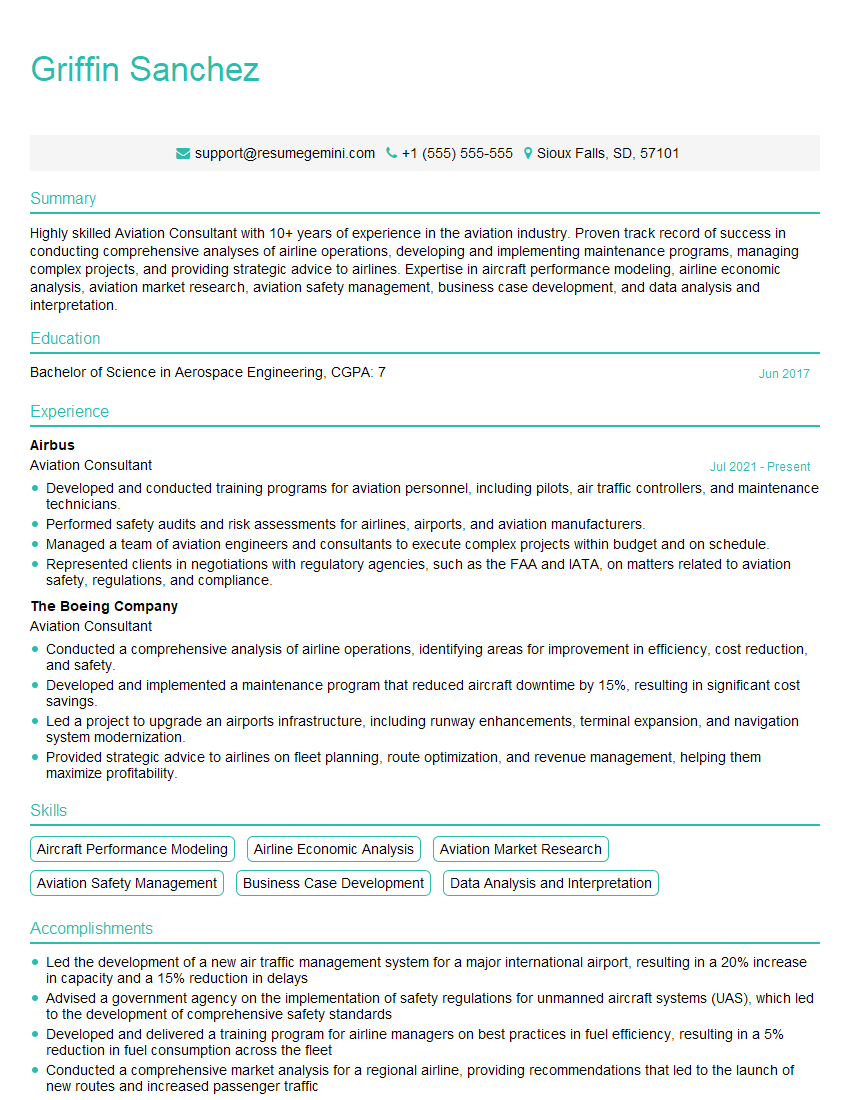
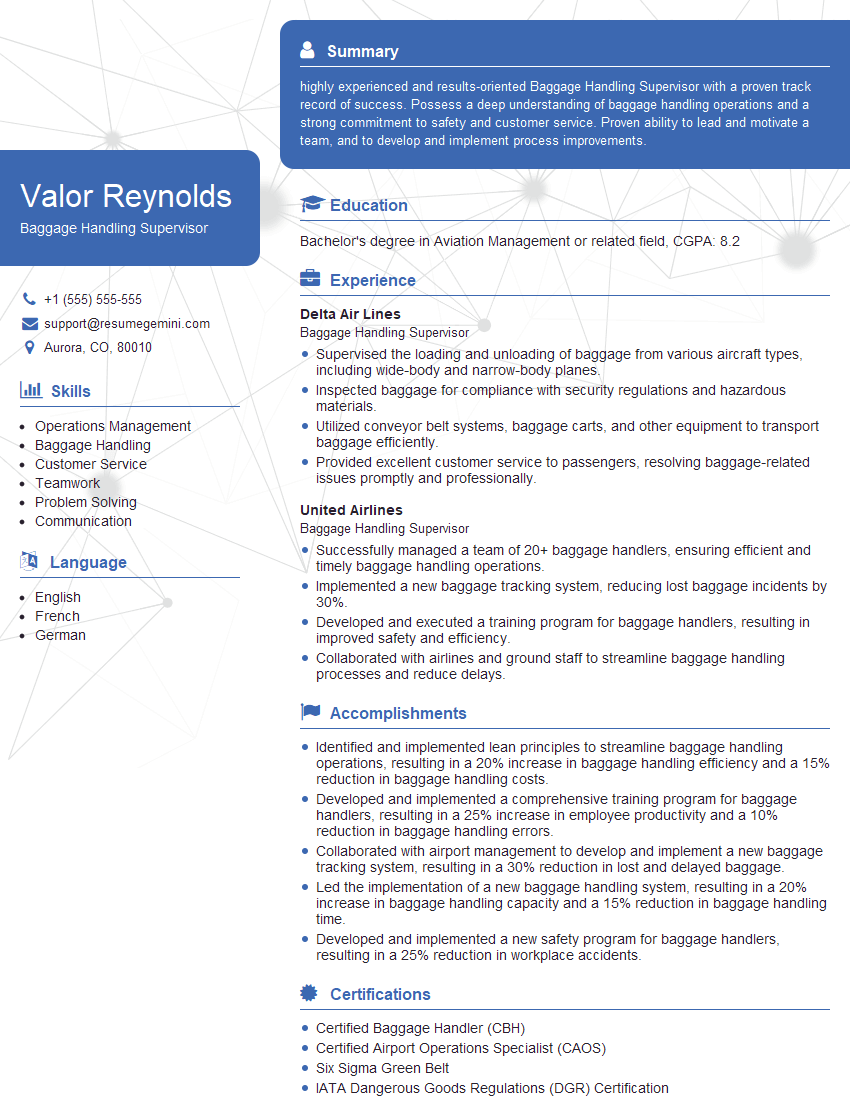
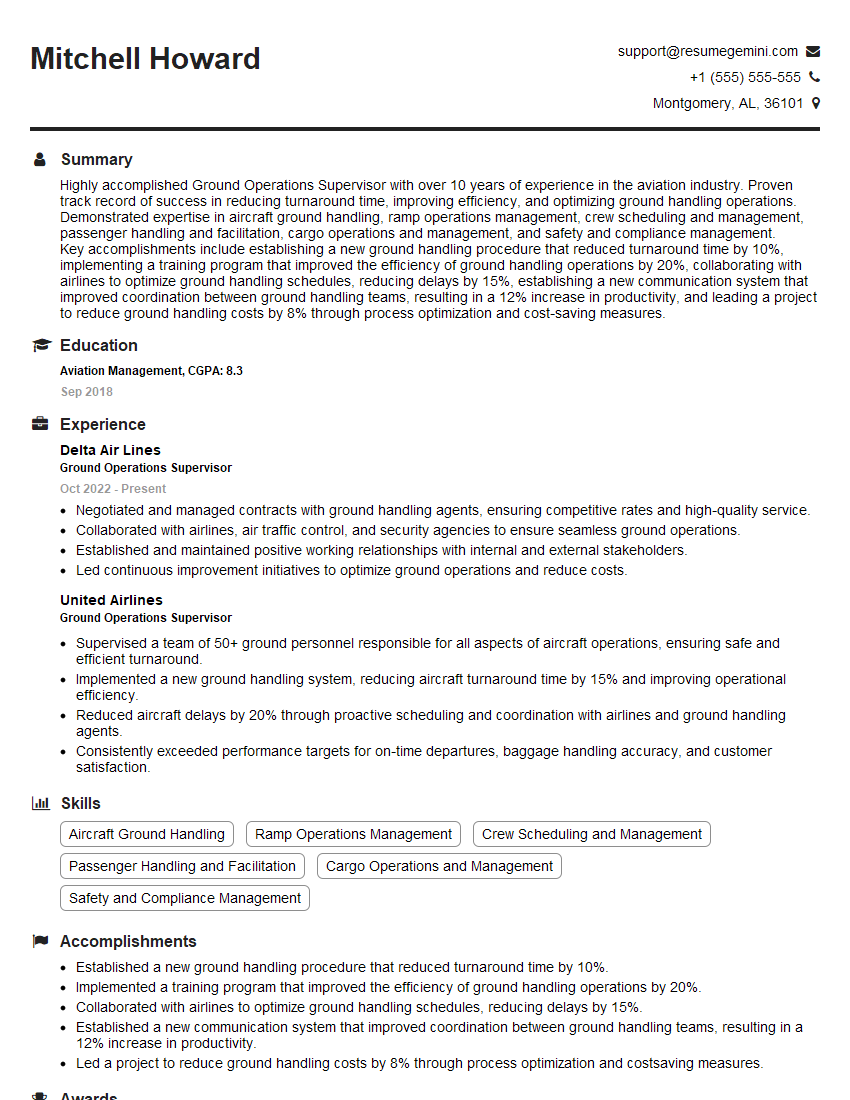
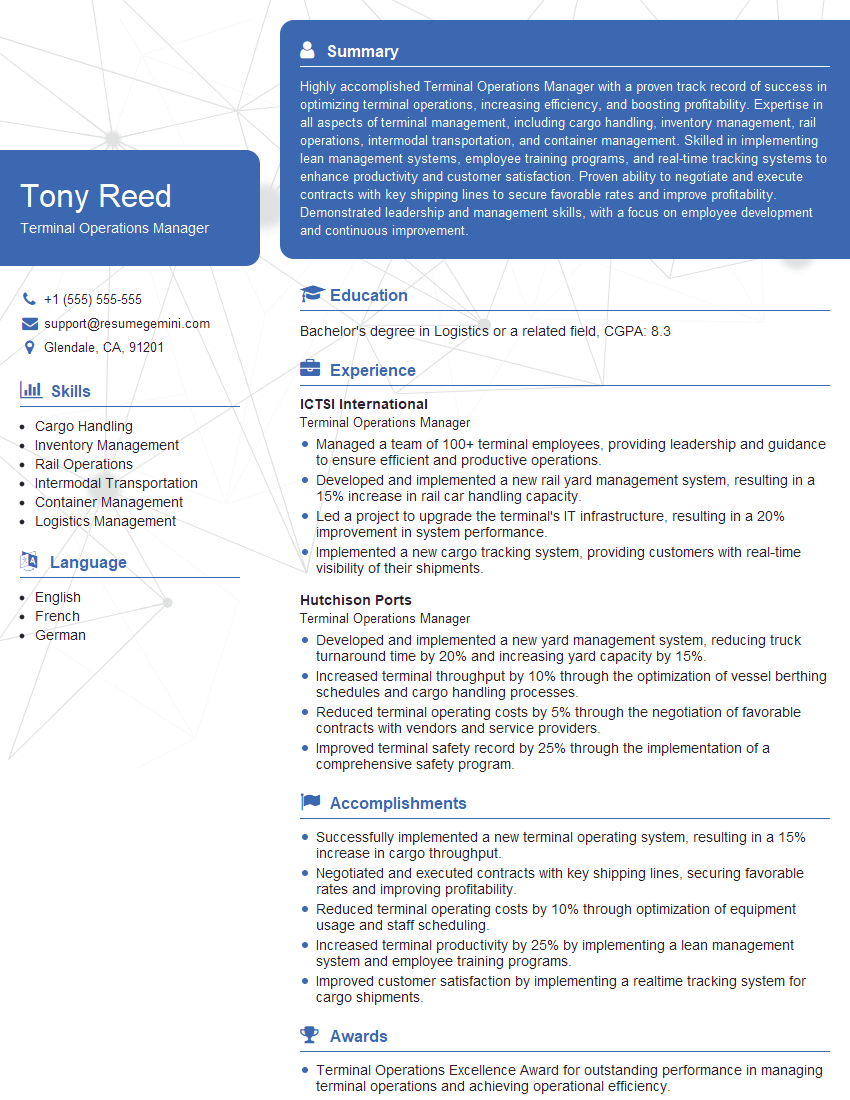
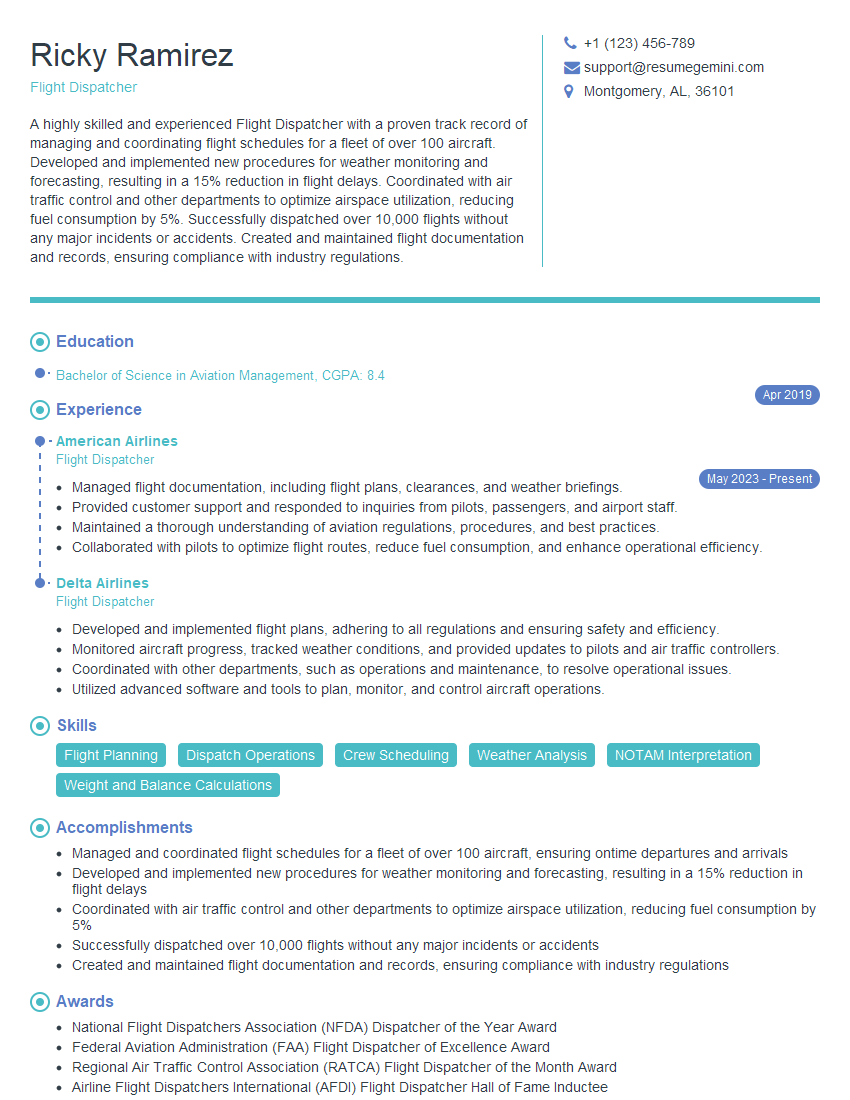
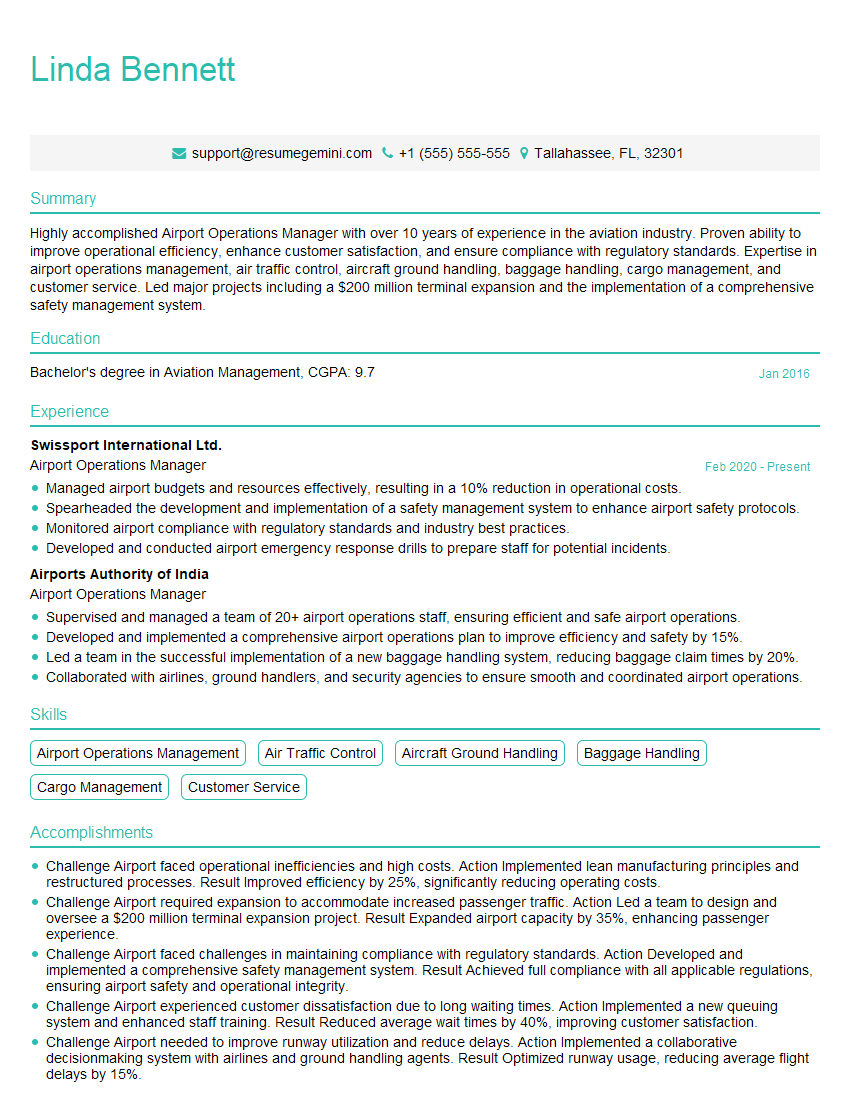
Mastering knowledge of airport regulations is crucial for career advancement in this dynamic field. It demonstrates your commitment to safety, efficiency, and compliance, opening doors to exciting opportunities. To make sure your qualifications shine, crafting a strong, ATS-friendly resume is essential. ResumeGemini can help you build a professional resume that highlights your skills and experience effectively. We offer examples of resumes tailored specifically to roles requiring Knowledge of Airport Regulations, helping you present yourself as the ideal candidate.
Explore more articles
Users Rating of Our Blogs
Share Your Experience
We value your feedback! Please rate our content and share your thoughts (optional).
What Readers Say About Our Blog
Amazing blog
hello,
Our consultant firm based in the USA and our client are interested in your products.
Could you provide your company brochure and respond from your official email id (if different from the current in use), so i can send you the client’s requirement.
Payment before production.
I await your answer.
Regards,
MrSmith
hello,
Our consultant firm based in the USA and our client are interested in your products.
Could you provide your company brochure and respond from your official email id (if different from the current in use), so i can send you the client’s requirement.
Payment before production.
I await your answer.
Regards,
MrSmith
These apartments are so amazing, posting them online would break the algorithm.
https://bit.ly/Lovely2BedsApartmentHudsonYards
Reach out at BENSON@LONDONFOSTER.COM and let’s get started!
Take a look at this stunning 2-bedroom apartment perfectly situated NYC’s coveted Hudson Yards!
https://bit.ly/Lovely2BedsApartmentHudsonYards
Live Rent Free!
https://bit.ly/LiveRentFREE
Interesting Article, I liked the depth of knowledge you’ve shared.
Helpful, thanks for sharing.
Hi, I represent a social media marketing agency and liked your blog
Hi, I represent an SEO company that specialises in getting you AI citations and higher rankings on Google. I’d like to offer you a 100% free SEO audit for your website. Would you be interested?