Are you ready to stand out in your next interview? Understanding and preparing for Knowledge of band saw operation interview questions is a game-changer. In this blog, we’ve compiled key questions and expert advice to help you showcase your skills with confidence and precision. Let’s get started on your journey to acing the interview.
Questions Asked in Knowledge of band saw operation Interview
Q 1. What are the different types of band saw blades and when would you use each?
Band saw blades come in a variety of types, each suited for different materials and cutting applications. The key distinctions lie in the blade’s tooth configuration, material, and width.
- Skip-tooth blades: These blades have some teeth removed, creating gaps. This design is excellent for cutting wood quickly, especially thicker stock, as the gaps allow for chip clearance. Think of it like a comb – the spaces help remove sawdust efficiently. I’d use this for rough cuts in lumber, framing, or even cutting large pieces of wood for furniture projects.
- Standard (fine) tooth blades: These blades have consistently spaced teeth, ideal for precise cuts and intricate work in wood. The smaller teeth create a smoother finish. I’d use this for detailed woodworking, like cutting curves or making joints where a clean, precise cut is critical.
- Hook tooth blades: Designed for faster cutting and aggressive stock removal in metal. The teeth are shaped to ‘hook’ and remove more material with each stroke. I’d use this for cutting through thicker metal sheets or even some softer metals like aluminum.
- High-speed steel (HSS) blades: These blades are generally tougher and more durable, suitable for a wider range of materials including metal and wood. They are slightly more expensive but offer a longer lifespan.
- Bi-metal blades: These combine a high-speed steel cutting edge welded to a more flexible backing. They are excellent for cutting tough materials like steel pipe or even some non-ferrous metals, offering both speed and durability.
Choosing the right blade is crucial for safety and efficiency. Using the wrong blade can lead to poor cuts, blade damage, or even injury.
Q 2. Explain the process of setting up a band saw for a specific cutting task.
Setting up a band saw for a specific cutting task involves several critical steps. It’s a systematic process that ensures both safety and accuracy.
- Blade Selection: Choose the appropriate blade type and tooth configuration based on the material (wood, metal, etc.) and the desired cut quality (rough, fine). As discussed earlier, selecting the right blade is paramount.
- Blade Installation: Carefully install the blade, ensuring it’s correctly oriented (tooth direction matters!), and properly tensioned (more on this in the next question). Incorrect installation is a common source of accidents.
- Blade Tension Adjustment: Adjust the blade tension according to the manufacturer’s specifications for the blade’s type and the machine. Proper tension is critical to avoid blade breakage and maintain cutting quality.
- Guide Adjustment: Position the blade guides close to the blade, but not touching, to minimize vibration and maintain a stable cut. Correct guide placement prevents blade wander and reduces the risk of injury.
- Fence Adjustment (if applicable): If you’re cutting straight lines, adjust the fence to the desired distance from the blade. Ensure the fence is firmly secured to the machine.
- Material Preparation: Securely clamp down or otherwise support the material, preventing movement during the cut. A moving workpiece is a dangerous workpiece.
- Test Cut: Always perform a test cut on a scrap piece of the same material to verify the setup. This allows for fine-tuning adjustments before committing to the final cut.
By following these steps methodically, you’ll ensure a safe and accurate cutting process.
Q 3. How do you measure and verify blade tension?
Blade tension is vital for proper band saw operation. Insufficient tension can lead to blade wander and breakage, while excessive tension can cause the blade to stretch and break or damage the machine. Most band saws have a tension indicator, either a gauge or a scale.
- Visual Inspection: Many band saws have a tension indicator. Refer to your machine’s manual to understand how to interpret the reading.
- Sound Test: A properly tensioned blade should produce a clear, ringing sound when plucked gently. A dull thud indicates insufficient tension, while a high-pitched whine might indicate excessive tension.
- Physical Check (if applicable): Some saws allow for a physical check of the blade’s deflection by gently pushing on the blade between guides. Refer to your manual for the correct amount of allowable deflection.
- Using a Tension Gauge (if available): Some high-end band saws include a gauge for precise tension measurements. Follow the manufacturer’s instructions for its use.
Regularly checking blade tension is essential for safety and maintaining the life of the blade. I always check it before starting any significant project and periodically during operation.
Q 4. Describe the safety precautions you take when operating a band saw.
Safety is paramount when operating a band saw. I always adhere to the following precautions:
- Personal Protective Equipment (PPE): Always wear safety glasses or a face shield, hearing protection, and appropriate clothing (no loose clothing or jewelry). The potential for flying debris or blade breakage necessitates this.
- Proper Setup: Ensure the saw is correctly set up before starting. This includes checking blade tension, guide alignment, and fence placement.
- Secure Workpiece: Securely clamp or support the workpiece to prevent movement during cutting. Movement can cause kickback or other dangerous situations.
- Feeding Technique: Feed the workpiece slowly and steadily, avoiding forcing the blade. Forcing the cut leads to excessive stress on the blade and workpiece, increasing the risk of accidents.
- Avoid Distractions: Concentrate fully on the cutting operation. Avoid distractions and never operate the saw when tired or under the influence of drugs or alcohol.
- Blade Inspection: Regularly inspect the blade for damage or dullness. A damaged blade is a very dangerous blade.
- Emergency Stop: Know the location and operation of the emergency stop button or switch.
- Machine Maintenance: Regular maintenance is key. Keep the machine clean and lubricated to prevent unexpected malfunctions.
Safety is not a secondary concern – it’s fundamental. Prioritizing these precautions is not just following rules; it’s about protecting yourself and others.
Q 5. What are the signs of a dull or damaged band saw blade?
A dull or damaged band saw blade is a significant safety hazard. Recognizing the signs is critical.
- Increased Cutting Time: A dull blade takes significantly longer to complete a cut. This is a clear indicator of dullness.
- Rough Cut Finish: A dull blade produces a rough, splintered surface, as opposed to the smooth cut of a sharp blade.
- Burn Marks: Excessive friction from a dull blade can cause burn marks on the workpiece.
- Blade Wandering: A dull or damaged blade might wander from the intended cut line.
- Visible Damage: Inspect the blade for cracks, chips, or excessive wear on the teeth. These are obvious signs of damage.
- Excessive Vibration: A damaged or dull blade can cause the machine to vibrate excessively.
Always replace a dull or damaged blade immediately. Continuing to use such a blade is unsafe and will likely result in a poor quality cut, or worse, an accident.
Q 6. How do you handle a broken band saw blade?
A broken band saw blade is a serious situation requiring immediate and careful action. Never attempt to repair a broken blade.
- Turn Off the Machine: Immediately turn off the band saw and disconnect the power source.
- Clear the Area: Clear the area around the saw of any debris or loose materials.
- Assess the Breakage: Observe the nature of the breakage and location. This helps to understand what may have caused the failure.
- Remove the Blade: Carefully remove the broken blade segments following the manufacturer’s instructions. Use appropriate tools and gloves to avoid injury from sharp edges.
- Inspect the Machine: Examine the machine for any damage caused by the broken blade. This is crucial for safety and to ensure there is no hidden damage before resuming operation.
- Replace the Blade: Install a new blade following the correct procedure. Refer to the machine manual for the proper technique.
- Investigate the Cause: Once the blade is replaced, try to determine the cause of the breakage. This could involve blade tension, blade type, or material issues. This will help in preventing similar incidents in the future.
Proper handling of a broken blade minimizes the risk of injury and helps to identify underlying problems that may have caused it.
Q 7. What is the proper procedure for cleaning and maintaining a band saw?
Regular cleaning and maintenance are essential for the safe and efficient operation of a band saw. This prolongs its life and prevents unexpected issues.
- Regular Cleaning: After each use, remove sawdust and debris from the machine using a brush or compressed air. Pay special attention to the blade guides and the table.
- Blade Cleaning: Keep the blade clean and free of debris throughout operation. A buildup of debris can cause the blade to wander and potentially break.
- Lubrication: Follow the manufacturer’s recommendations for lubricating the blade guides and other moving parts. This ensures smooth operation and reduces wear.
- Tension Check: Regularly check the blade tension, and adjust as needed. This is a critical aspect of preventative maintenance.
- Guide Adjustment: Periodically check the alignment and position of the blade guides, making adjustments as necessary.
- Table Inspection: Inspect the table surface for damage. This is important for maintaining proper cutting consistency and safety.
- Professional Service: Consider professional service periodically or if you notice any significant issues. This may involve checking motor, belts, and other critical components.
Preventative maintenance is far more cost-effective and safer than dealing with breakdowns. A well-maintained band saw operates smoothly, cuts accurately, and will last significantly longer.
Q 8. How do you adjust the band saw’s guide system?
Adjusting a band saw’s guide system is crucial for maintaining blade stability and preventing breakage. The process varies slightly depending on the saw’s model, but generally involves loosening adjustment knobs or screws, positioning the guides at the correct height and distance from the blade, and then tightening the adjustments. Think of the guides as a support system for the blade – they prevent it from wandering and reduce friction.
Step-by-step adjustment (general):
- Loosen: Locate the adjustment knobs or screws for the upper and lower guides. These are usually clearly marked. Loosen them carefully.
- Position: Position the guides so they’re close to the blade but not touching it. A slight gap, usually measured in thousandths of an inch (or a few tenths of a millimeter), is necessary. Refer to your band saw’s manual for precise specifications.
- Tighten: Carefully tighten the adjustment knobs or screws, ensuring the guides are firmly secured but not overly stressed. Check for any binding or interference.
- Test: Run the saw at a low speed for a short time to ensure proper alignment and function. If you notice the blade vibrating excessively or wandering, repeat the adjustment process.
Improper guide adjustment is a primary cause of blade breakage and inaccurate cuts. Regularly checking and adjusting the guides is vital for safe and efficient band saw operation.
Q 9. Explain the different types of band saw guides and their purposes.
Band saw guides come in various types, each serving a specific purpose in maintaining blade stability and cut quality. The most common types include:
- Roller guides: These are among the most common and use rollers to support the blade, minimizing friction and helping to prevent blade wander. They’re suitable for a range of materials.
- Ball-bearing guides: These offer even less friction than roller guides, providing smoother operation and increased blade life, particularly beneficial for delicate cuts and high-speed operation.
- Ceramic guides: Designed for high-temperature applications, especially when cutting harder metals, ceramic guides resist wear better than steel guides.
- Thrust guides: These guides prevent the blade from drifting sideways and are crucial for maintaining straight cuts. They often incorporate ball bearings or rollers for low friction.
The choice of guide type often depends on the material being cut and the cutting speed. For example, metal cutting often benefits from ceramic or hardened steel guides to withstand the heat and abrasive nature of metal. Woodworking might utilize roller or ball-bearing guides, providing a good balance between stability and blade life.
Q 10. How do you determine the correct feed rate for different materials?
Determining the correct feed rate is crucial for preventing blade breakage and achieving a good surface finish. It’s not a single number; instead, it’s a balance between speed and pressure that depends significantly on the material’s hardness, thickness, and the blade’s teeth per inch (TPI).
General Guidelines:
- Harder materials (e.g., hardwoods, some metals): Require slower feed rates to prevent blade overload and breakage. Less pressure is also needed.
- Softer materials (e.g., softwoods, plastics): Allow for faster feed rates. However, excessive speed can lead to burning or tearing.
- Thicker materials: Generally require slower feed rates.
- Higher TPI blades: Allow for faster feed rates on thinner materials.
Practical Application: Start with a slow feed rate and gradually increase it until you find the optimal speed for clean, smooth cuts without excessive pressure or blade deflection. Experienced operators develop a feel for this based on the sound and feel of the cut. Always refer to the manufacturer’s recommendations for your specific blade and material type.
Q 11. What are the common causes of band saw blade breakage?
Band saw blade breakage is a common issue, often caused by a combination of factors. The most frequent culprits are:
- Dull blades: A dull blade is overworked, generating excessive heat and friction which eventually leads to failure. Regular sharpening is essential.
- Improper blade tension: Too much or too little tension can cause the blade to snap. Always ensure proper tension according to your saw’s manual.
- Poor guide alignment: Misaligned or improperly adjusted guides can cause the blade to deflect, leading to breakage. Regular inspection and adjustment are crucial.
- Incorrect feed rate: Feeding the workpiece too quickly or forcefully can put undue strain on the blade, potentially causing it to break.
- Blade fatigue: Repeated use can weaken the blade, making it more susceptible to breakage.
- Contact with hard objects: Striking a hard object during cutting will severely damage or break the blade.
- Damaged or incorrectly installed blades: Inspect the blade for any kinks, cracks, or damage before use. Ensure it’s properly installed.
Prevention: Regular maintenance, correct blade selection, proper operating technique, and careful attention to the condition of the blade are all vital in preventing breakage.
Q 12. How do you prevent workpieces from binding during cutting?
Preventing workpiece binding during cutting is crucial for safety and for preventing blade damage. Binding occurs when the workpiece gets pinched between the blade and the table, causing the blade to stall or break. Here are ways to prevent it:
- Properly secure the workpiece: Use clamps, hold-downs, or other suitable methods to keep the workpiece firmly in place. This reduces the chance of it moving during cutting.
- Use proper cutting techniques: Apply even pressure and ensure a smooth, steady feed rate. Avoid forcing the workpiece through the cut.
- Maintain clearance between the blade and the workpiece: Ensure there is sufficient clearance between the blade and the table to prevent binding. Properly maintain the saw’s table and fence.
- Use a sharp blade: A dull blade requires more force, increasing the chance of binding. Regular sharpening or replacement is key.
- Keep the blade area free of debris: Remove any sawdust or chips from the blade path to ensure smooth cutting action.
- Use appropriate blade for the material: Choosing the correct type and TPI of blade prevents excessive pressure and binding.
Remember, prevention is always better than cure. By practicing safe cutting techniques and regularly maintaining your band saw, you can significantly reduce the risk of workpiece binding.
Q 13. Describe your experience with various materials (wood, metal, etc.) on a band saw.
My experience with various materials on a band saw is extensive. I’ve worked with a wide range of materials, including various hardwoods (oak, maple, cherry), softwoods (pine, fir, cedar), and numerous metals such as aluminum, mild steel, and stainless steel. The techniques and blade selection vary greatly depending on the material.
Wood: When cutting wood, I emphasize selecting the correct blade teeth per inch (TPI) – higher TPI blades for finer cuts, lower TPI for rougher cuts or thicker stock. I adjust the feed rate based on the hardness of the wood and the blade’s cutting capacity. For intricate curves, I use a thinner blade and take my time.
Metal: Metal cutting requires specific blades designed for metal cutting, often with a higher tooth count and tooth geometry suited to the metal’s properties. Cutting fluid is almost always needed to prevent overheating and improve cutting life. I use slower feed rates and lighter pressure to prevent excessive heat buildup.
In both wood and metal cutting, I always prioritize safety, employing appropriate safety measures like push sticks, clamps, and eye protection.
Q 14. How do you troubleshoot common band saw problems?
Troubleshooting band saw problems involves a systematic approach. I first assess the symptoms, then check the most likely causes. Here’s my process:
Common Problems & Troubleshooting Steps:
- Blade breakage: Check blade tension, guide alignment, feed rate, and blade condition (dullness, damage). Inspect for any hidden obstructions.
- Blade wandering: Check guide alignment, blade tension, and workpiece stability. Ensure the guides are properly adjusted and functioning smoothly.
- Excessive vibration: Check blade tension, guide alignment, and the overall condition of the machine (loose parts, etc.). Ensure the blade is properly seated and that there is no binding.
- Inaccurate cuts: Check guide alignment, blade sharpness, and workpiece clamping. Use a sharp blade for precise cuts. Verify the fence’s squareness to the table.
- Burning or tearing of the workpiece: Adjust feed rate, check blade sharpness, and ensure adequate cooling (cutting fluid for metal).
- Motor problems: Check power supply, motor brushes (if applicable), and potential electrical issues. This often requires professional help.
If the problem persists after checking these points, it may be necessary to consult the owner’s manual or seek professional assistance.
Q 15. What is your experience with different types of band saw machines?
My experience encompasses a wide range of band saw machines, from small benchtop models ideal for intricate woodworking to large industrial machines used for cutting thick metal. I’ve worked extensively with vertical band saws, horizontal band saws, and even specialized band saws like those used in the jewelry-making industry. Each type presents unique challenges and requires a different approach to operation and maintenance. For instance, a benchtop saw requires meticulous attention to detail due to its smaller size and less powerful motor, while an industrial saw demands a focus on safety protocols due to its increased power and potential for larger material handling. My experience extends to various blade types, including those designed for wood, metal, and even plastics. I’m proficient in identifying the right blade for a given material and adjusting the machine accordingly.
- Benchtop Band Saw: Excellent for detailed work on smaller pieces of wood or metal.
- Vertical Band Saw: Commonly used in metalworking shops for cutting straight lines and curves in various materials.
- Horizontal Band Saw: Often found in larger industrial settings for cutting long pieces of wood or metal.
- Portable Band Saw: Offers flexibility and is suited for on-site cutting.
Career Expert Tips:
- Ace those interviews! Prepare effectively by reviewing the Top 50 Most Common Interview Questions on ResumeGemini.
- Navigate your job search with confidence! Explore a wide range of Career Tips on ResumeGemini. Learn about common challenges and recommendations to overcome them.
- Craft the perfect resume! Master the Art of Resume Writing with ResumeGemini’s guide. Showcase your unique qualifications and achievements effectively.
- Don’t miss out on holiday savings! Build your dream resume with ResumeGemini’s ATS optimized templates.
Q 16. Explain the importance of proper blade tracking.
Proper blade tracking is paramount for safe and accurate cutting. A blade that’s not tracking correctly will wander, leading to inaccurate cuts, potentially damaging the workpiece and even causing injury. Imagine trying to cut a straight line with a pencil that keeps slipping – the result would be chaotic. Similarly, a poorly tracked blade will produce uneven cuts and potentially bind, causing the blade to break. Proper tracking ensures the blade remains centered and parallel to the guide fence, resulting in consistent, smooth cuts.
Improper tracking can arise from several factors: a misaligned blade, loose guide bearings, incorrect blade tension, or even worn-out guide posts. Regular checks and adjustments are crucial to prevent these issues.
Q 17. How do you ensure accurate cuts on a band saw?
Achieving accurate cuts involves more than just turning on the machine; it’s a systematic process. First, you must select the appropriate blade for the material being cut. Next, ensure the blade is correctly tensioned and tracked. Properly securing the workpiece is also critical to prevent movement during the cutting process. Use a sturdy workpiece support or vise to hold the material securely in place. Feed the material smoothly and consistently into the blade, avoiding forcing or rushing the cut. Finally, use a fence or jig for straight cuts, especially when working on longer pieces. Think of it like baking a cake – you need the right ingredients (blade, material, setup) and the right technique (steady feeding, correct tension) to get a perfect result.
- Proper Blade Selection: Choosing the right blade for the material greatly influences the accuracy of the cut.
- Secure Workpiece: A moving workpiece leads to inaccurate and potentially dangerous cuts.
- Consistent Feed Rate: Rushing or forcing the cut can cause the blade to wander or break.
- Use of Fences/Jigs: Essential for straight and repeatable cuts.
Q 18. What are the limitations of a band saw?
Band saws, despite their versatility, have limitations. They’re generally not ideal for very thick materials, as the blade may not be able to handle the stress, and the cut might become too rough or slow. Likewise, intricate internal cuts with very tight radii can be difficult to achieve without specialized blades or techniques. They may also struggle with extremely hard or brittle materials. The kerf (width of the cut) is also wider than other cutting methods like lasers, resulting in material waste. Finally, the blade’s speed and feed rate limits the speed of cutting, especially in thicker materials. The speed of cutting will vary considerably depending on the material.
Q 19. What are the different types of band saw fences and their applications?
Band saw fences come in various types, each designed for specific applications. The most common are:
- Standard Straight Fence: This is the basic fence, providing a straight edge for accurate rip cuts (cutting parallel to the grain of the wood). It’s crucial for consistent cuts in woodworking and often adjustable for varying material widths.
- Miter Fence: This allows for angled cuts, making it ideal for creating bevels or miters. Precise angle adjustments are crucial for accurate mitered joints.
- Adjustable Fence: Offers the flexibility to change the distance between the blade and the fence, accommodating different material widths. This is commonly found in benchtop and larger band saws.
- Specialty Fences: There are also specialty fences like those used in specific applications like radius cutting or curved cuts. These tend to be very specific to the workpiece or the material being cut.
Choosing the right fence depends largely on the type of cutting you need to perform and the accuracy required. For simple straight cuts, a standard fence is sufficient. For complex angled cuts, a miter fence is essential. Adjustable fences offer versatility for varied cutting tasks.
Q 20. How do you maintain blade alignment?
Maintaining blade alignment is crucial for accuracy and safety. Regular checks for alignment are essential. This process usually involves adjusting the upper and lower blade guides. The guides should be positioned so the blade runs smoothly and centrally through them. Misalignment leads to blade wandering and potential for breakage, which can be quite dangerous.
The specific procedure varies based on the band saw model. Often, there are adjustment screws or levers on the guide posts that allow for fine-tuning of the blade’s position. Always refer to your band saw’s manual for the exact procedure. If the misalignment is significant, you might need to use specialized tools to accurately align the blade. Always ensure the machine is switched off and unplugged before making any adjustments.
Q 21. How do you handle different thicknesses of material?
Handling different material thicknesses requires adjusting several band saw settings. The first key adjustment is blade selection – thicker materials require blades with a greater tooth size and appropriate tooth geometry; otherwise, the blade can easily break or become dull quickly. The feed rate also needs adjustment – thicker materials require slower feed rates to prevent the blade from overheating and becoming damaged. Finally, you should use appropriate support systems for larger and heavier materials to avoid vibrations and maintain stability throughout the cut, which improves the accuracy and the safety of the process.
For example, cutting through a thick piece of hardwood would necessitate a coarser tooth blade, slower feed rate, and potentially a more robust workpiece support system. Conversely, a thinner piece of plywood would require a finer tooth blade and a faster feed rate.
Q 22. How do you measure the speed of a bandsaw blade?
Measuring the speed of a bandsaw blade is crucial for optimal cutting performance and blade life. There are two primary methods:
- Using the machine’s display: Most modern bandsaws have a digital display showing the blade speed in feet per minute (FPM) or meters per minute. This is the most straightforward method, providing a precise reading.
- Manual calculation: If the machine lacks a digital display, you can calculate the blade speed. You’ll need to know the diameter of the upper and lower wheels (in inches or centimeters) and the motor RPM (revolutions per minute). The formula is:
Blade Speed (FPM) = (π * (Upper Wheel Diameter + Lower Wheel Diameter) / 2) * (RPM / 12). This calculation requires careful measurement and is slightly less accurate due to potential inconsistencies in wheel diameters and motor RPM.
For example, if your upper and lower wheels are both 12 inches in diameter and the motor runs at 1000 RPM, the blade speed would be approximately 3141 FPM. Always consult your bandsaw’s manual for the correct calculation method and to understand the appropriate speed for various materials.
Q 23. Describe your experience with different types of band saw lubricants.
My experience with band saw lubricants encompasses a variety of products, each with its own advantages and disadvantages. I’ve worked with:
- Mineral oil-based lubricants: These are the most common and typically very affordable. They provide decent lubrication, but can sometimes leave residue and require more frequent application. They are generally suitable for less demanding applications.
- Synthetic lubricants: These offer superior performance, lasting longer and reducing friction significantly. They’re better suited for higher-speed operations and demanding materials. While more expensive, the improved blade life and reduced downtime often offset the higher cost.
- Water-soluble lubricants: These are commonly used in situations where cleanliness is paramount, such as food processing applications. They are easily cleaned up but might require a dedicated coolant system.
The choice of lubricant depends heavily on the material being cut, the blade type, and the machine’s operating conditions. I always carefully consider these factors to maximize both cutting efficiency and blade life. I prefer to use synthetic lubricants whenever possible due to their superior performance and longer life cycle, reducing maintenance needs.
Q 24. What are some common mistakes made when operating a band saw?
Common mistakes when operating a bandsaw frequently stem from a lack of proper training or carelessness. Some of the most frequent errors include:
- Improper blade tension: Too loose a blade will wander and potentially break, whereas too tight a blade can lead to excessive friction and premature wear.
- Incorrect blade selection: Using the wrong blade for the material being cut can lead to poor cuts, blade breakage, and even injury.
- Forcing the cut: Pushing the workpiece too hard against the blade can cause the blade to bind, break, or lead to inaccurate cuts. A steady, controlled feed is crucial.
- Ignoring safety features: Failure to use the blade guard, riving knife, or anti-kickback device greatly increases the risk of accidents.
- Lack of attention to workpiece stability: A poorly secured workpiece can shift or bind, causing loss of control and potential injury.
Addressing these issues through careful preparation, training, and adherence to safety guidelines is paramount for safe and efficient bandsaw operation. I always make sure to review these points before commencing any work.
Q 25. How do you ensure the safety of yourself and others while operating a band saw?
Ensuring safety while operating a bandsaw is of utmost importance. My safety procedures include:
- Using appropriate personal protective equipment (PPE): This includes safety glasses, hearing protection, and work gloves. For certain materials, a dust mask or respirator might also be necessary.
- Regularly checking the machine’s condition: Inspecting the blade tension, alignment, and guard before each use is critical. Identifying and addressing any issues promptly prevents accidents.
- Proper workpiece handling: Securely clamping the workpiece to prevent movement during cutting is vital. Smaller pieces can be held with a push stick to maintain a safe distance from the blade.
- Maintaining a clean work area: A clutter-free workspace reduces the risk of tripping or accidental contact with the machine.
- Following all manufacturer safety guidelines: Familiarizing oneself with the machine’s manual and adhering to all safety instructions is non-negotiable.
I also believe in leading by example and reinforcing safety procedures with colleagues to create a culture of safety in the workplace.
Q 26. Describe your experience with using different types of coolants on the band saw.
My experience with coolants on a bandsaw is primarily focused on water-based coolants, specifically those designed for metal cutting. These coolants are essential for:
- Reducing friction: Coolants lubricate the blade, reducing friction and extending its life.
- Preventing heat buildup: Excessive heat can damage the blade and workpiece. Coolants keep the cutting zone cool, improving the quality of the cut.
- Improving chip removal: Coolants help to wash away chips and debris, keeping the cutting zone clear and preventing clogging.
I’ve experimented with different concentrations of coolant to find the optimal balance between lubrication and cleanliness. Too much coolant can lead to messiness, while too little can compromise the cooling and lubricating effect. Finding the sweet spot varies based on the material being cut and the machine’s specifications. I always start with the manufacturer’s recommended concentration and adjust as needed.
Q 27. How do you interpret and follow work instructions related to band saw operation?
Interpreting and following work instructions is a cornerstone of safe and efficient bandsaw operation. My approach involves:
- Careful reading and understanding: I thoroughly review all instructions before starting any work, paying close attention to details such as blade selection, cutting speed, and safety precautions.
- Clarification when needed: If any instructions are unclear or ambiguous, I promptly seek clarification from a supervisor or experienced colleague.
- Adherence to procedures: I meticulously follow all established procedures to ensure consistent quality and safety.
- Documentation: I carefully document any deviations from standard procedures and any issues encountered during the process.
Clear and concise work instructions are crucial for effective and safe work execution. If there is a lack of clarity or completeness, I will proactively address it, to prevent mistakes and enhance safety.
Q 28. Explain your experience with preventative maintenance on a band saw.
Preventative maintenance is crucial for ensuring the longevity and safe operation of a bandsaw. My preventative maintenance routine typically includes:
- Regular blade inspection: Checking for wear, damage, or misalignment is done before each use. Replacing the blade at the first sign of significant wear is a must.
- Cleaning the machine: Regularly removing chips, debris, and coolant residue from the machine keeps it clean and prevents malfunctions.
- Lubrication: Applying lubricant to the blade guides and other moving parts is essential for smooth operation and to prevent wear.
- Checking the tensioning system: Ensuring the blade tensioning mechanism is functioning correctly is vital for maintaining proper blade tension and safety.
- Inspecting the motor and belts: Regular inspection of the motor and belts ensures they are in good condition. Any signs of wear or damage should be addressed immediately.
Following a systematic preventative maintenance schedule minimizes downtime and increases the overall lifespan and safety of the bandsaw. I meticulously document all maintenance activities, maintaining a clear record of machine servicing.
Key Topics to Learn for a Band Saw Operation Interview
- Band Saw Types and Applications: Understand the different types of band saws (horizontal, vertical, etc.) and their respective applications in various industries. Be prepared to discuss their strengths and limitations.
- Safety Procedures and Regulations: Demonstrate a thorough understanding of safety protocols, including proper machine guarding, personal protective equipment (PPE) usage, and emergency procedures. This is crucial for any manufacturing role.
- Blade Selection and Maintenance: Explain the factors influencing blade selection (material, tooth configuration, etc.) and the importance of regular blade maintenance (tensioning, cleaning, and replacement) for optimal performance and safety.
- Material Handling and Cutting Techniques: Discuss safe and efficient methods for handling various materials on the band saw, including proper clamping and cutting techniques to minimize waste and ensure accuracy. Be ready to explain different cutting styles for various materials.
- Troubleshooting and Problem Solving: Be prepared to discuss common problems encountered during band saw operation (e.g., blade breakage, inaccurate cuts) and how to troubleshoot and resolve them effectively. This shows initiative and problem-solving skills.
- Maintenance and Inspection: Describe routine maintenance tasks and inspection procedures necessary to keep the band saw in optimal working condition. Discuss preventative maintenance strategies.
- Understanding of Machine Specifications and Controls: Familiarize yourself with the different controls and settings on various band saw models and explain how they affect the cutting process. Show you can understand and operate the equipment effectively.
Next Steps
Mastering band saw operation is essential for career advancement in many manufacturing and industrial settings. A strong understanding of these techniques demonstrates valuable skills and commitment to safety. To maximize your job prospects, create a professional, ATS-friendly resume that highlights your expertise. ResumeGemini is a trusted resource to help you build a compelling resume that showcases your skills and experience. Examples of resumes tailored to band saw operation expertise are available to help you get started.

Operations Manager Resume Sample

Plant Manager Resume Sample

Production Manager Resume Sample

Manufacturing Manager Resume Sample

Quality Control Manager Resume Sample

Maintenance Supervisor Resume Sample

Production Supervisor Resume Sample
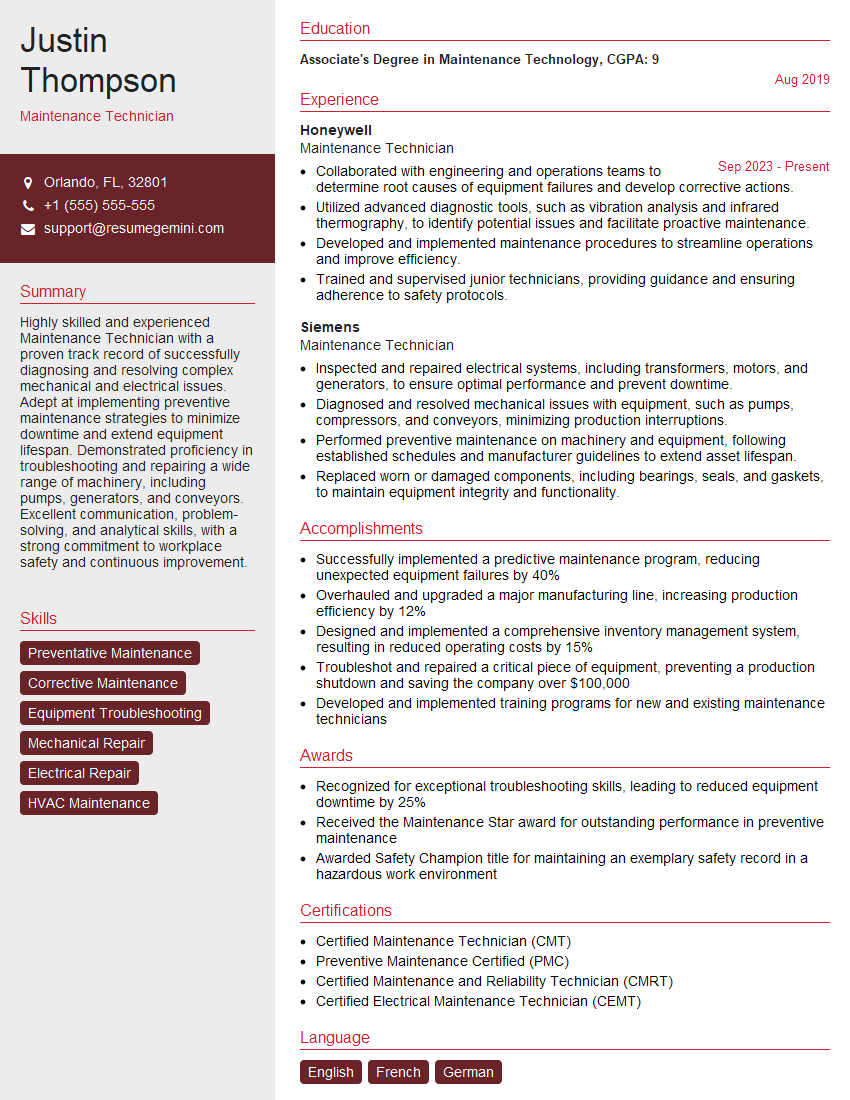
Maintenance Technician Resume Sample

Manufacturing Engineer Resume Sample

Manufacturing Technician Resume Sample

Machine Operator Resume Sample
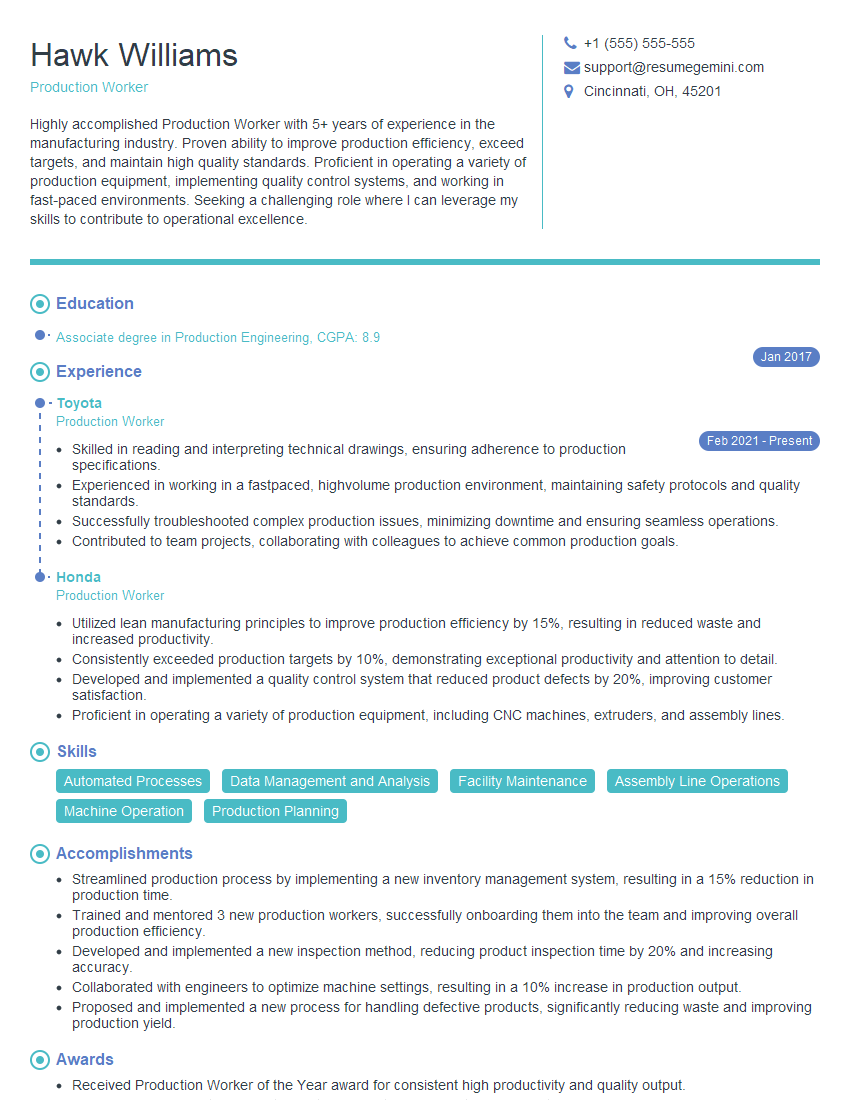
Production Worker Resume Sample

Saw Operator Resume Sample

Shop Foreman Resume Sample
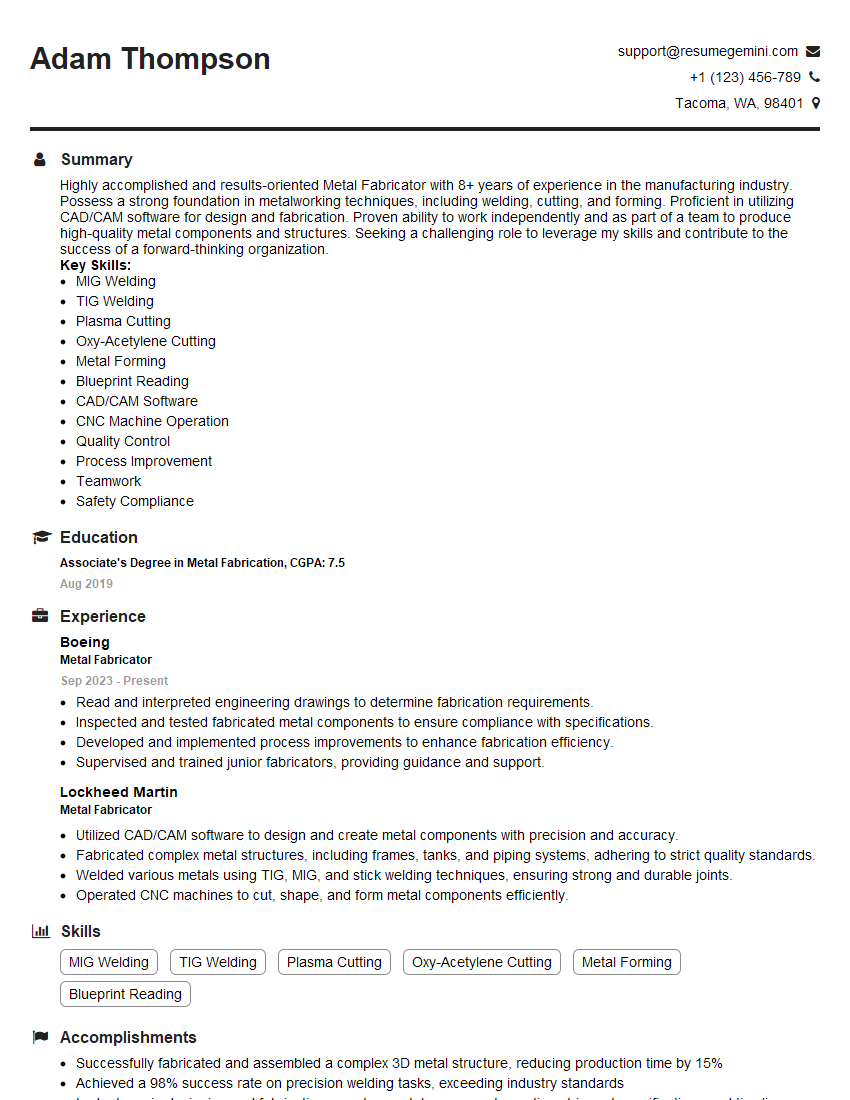
Metal Fabricator Resume Sample

Assembly Line Worker Resume Sample
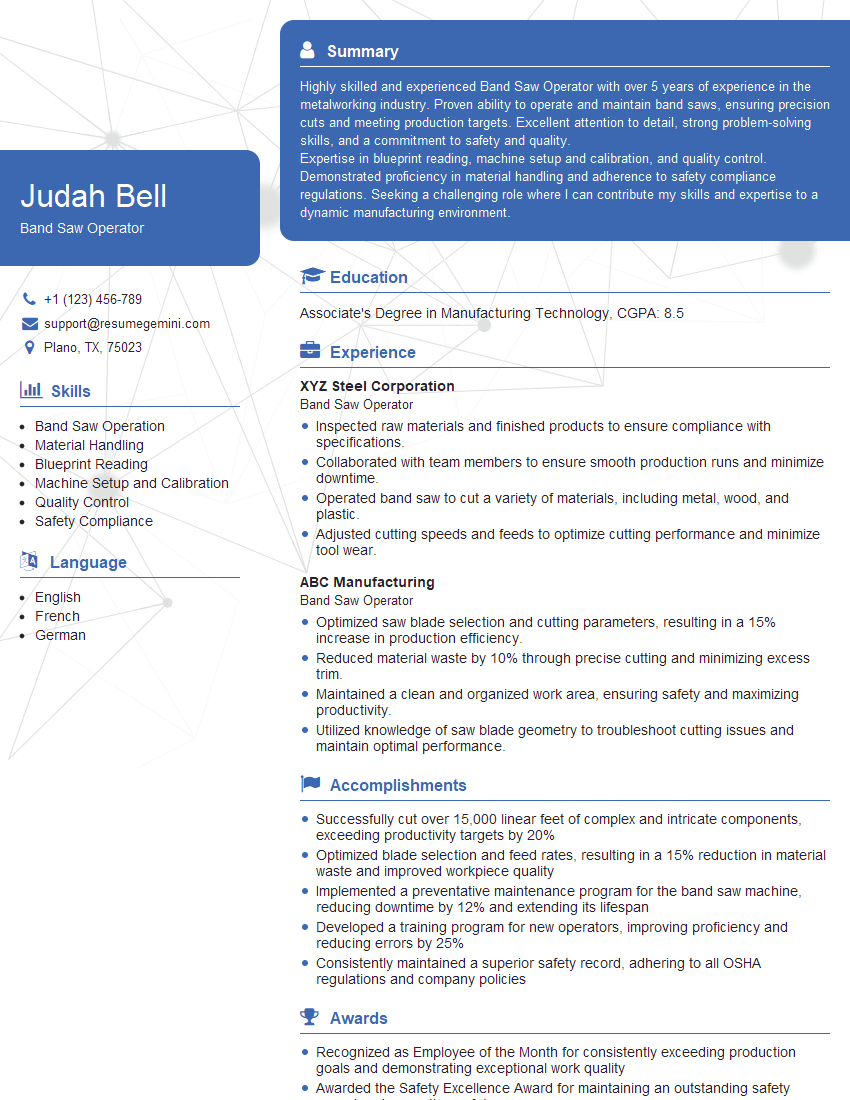
Band Saw Operator Resume Sample

Woodworking Machinist Resume Sample

Quality Control Inspector Resume Sample
- Operations Manager
- Plant Manager
- Production Manager
- Manufacturing Manager
- Quality Control Manager
- Maintenance Supervisor
- Production Supervisor
- Maintenance Technician
- Manufacturing Engineer
- Manufacturing Technician
- Machine Operator
- Production Worker
- Saw Operator
- Shop Foreman
- Metal Fabricator
- Assembly Line Worker
- Band Saw Operator
- Woodworking Machinist
- Quality Control Inspector
Explore more articles
Users Rating of Our Blogs
Share Your Experience
We value your feedback! Please rate our content and share your thoughts (optional).
What Readers Say About Our Blog
Amazing blog
hello,
Our consultant firm based in the USA and our client are interested in your products.
Could you provide your company brochure and respond from your official email id (if different from the current in use), so i can send you the client’s requirement.
Payment before production.
I await your answer.
Regards,
MrSmith
hello,
Our consultant firm based in the USA and our client are interested in your products.
Could you provide your company brochure and respond from your official email id (if different from the current in use), so i can send you the client’s requirement.
Payment before production.
I await your answer.
Regards,
MrSmith
These apartments are so amazing, posting them online would break the algorithm.
https://bit.ly/Lovely2BedsApartmentHudsonYards
Reach out at BENSON@LONDONFOSTER.COM and let’s get started!
Take a look at this stunning 2-bedroom apartment perfectly situated NYC’s coveted Hudson Yards!
https://bit.ly/Lovely2BedsApartmentHudsonYards
Live Rent Free!
https://bit.ly/LiveRentFREE
Interesting Article, I liked the depth of knowledge you’ve shared.
Helpful, thanks for sharing.
Hi, I represent a social media marketing agency and liked your blog
Hi, I represent an SEO company that specialises in getting you AI citations and higher rankings on Google. I’d like to offer you a 100% free SEO audit for your website. Would you be interested?