Unlock your full potential by mastering the most common Knowledge of Industry Guidelines (ICH GCP, FDA, EMA, MHRA) interview questions. This blog offers a deep dive into the critical topics, ensuring you’re not only prepared to answer but to excel. With these insights, you’ll approach your interview with clarity and confidence.
Questions Asked in Knowledge of Industry Guidelines (ICH GCP, FDA, EMA, MHRA) Interview
Q 1. Explain the key principles of ICH GCP.
ICH GCP (International Council for Harmonisation Good Clinical Practice) provides ethical and scientific quality standards for designing, conducting, recording, and reporting clinical trials involving human subjects. Its key principles ensure the rights, safety, and well-being of trial participants are protected, and the clinical trial data is credible and reliable. These principles are built around:
- Protection of Human Rights and Safety: This is paramount. All procedures must minimize risks and maximize benefits for participants. Informed consent is crucial.
- Scientific Validity and Integrity: The study design must be scientifically sound, using appropriate methodologies to ensure reliable and unbiased results. This includes proper data management and analysis.
- Compliance with Regulatory Requirements: All aspects of the trial must adhere to applicable national and international regulations, such as those from the FDA, EMA, or MHRA.
- Good Documentation Practices: Meticulous and accurate documentation is essential throughout the trial, including protocol deviations, adverse events, and data changes. This allows for auditing and transparency.
- Quality Assurance: Systems must be in place to ensure the entire clinical trial process meets the required standards of quality, integrity, and ethical conduct.
Think of it like building a house: each principle is a critical component. Without a strong foundation (protection of human rights), robust structure (scientific validity), and adherence to building codes (regulatory requirements), the entire project (clinical trial) is compromised.
Q 2. Describe the roles and responsibilities of an investigator under ICH GCP.
The Investigator is central to a clinical trial, holding significant responsibility for its conduct. Their roles and responsibilities under ICH GCP include:
- Protecting the Rights, Safety, and Well-being of Participants: This involves obtaining informed consent, monitoring participants closely for adverse events, and ensuring adherence to the protocol.
- Ensuring the Quality and Integrity of the Trial: This entails conducting the trial according to the protocol, maintaining accurate records, and adhering to GCP guidelines.
- Managing the Study Team: The investigator leads the study team, delegating tasks appropriately and ensuring everyone is adequately trained and compliant with GCP.
- Reporting: Timely reporting of adverse events, serious adverse events, and protocol deviations to the sponsor is crucial.
- Maintaining Compliance: The investigator must ensure compliance with all relevant regulations and guidelines.
Imagine the investigator as the conductor of an orchestra. They ensure all sections (study team) play their part correctly, adhere to the score (protocol), and maintain the overall harmony (study integrity).
Q 3. What are the essential components of a clinical trial protocol?
A clinical trial protocol is the blueprint for the entire trial. It provides a detailed plan for how the study will be conducted and is crucial for maintaining consistency and quality. Essential components include:
- Background and Objectives: A rationale for the study and its specific aims.
- Study Design: Details on the type of study (e.g., randomized controlled trial), participant selection criteria, and treatment assignments.
- Statistical Considerations: Sample size calculation, statistical analysis plan, and primary and secondary endpoints.
- Study Procedures: Detailed procedures for participant recruitment, treatment administration, data collection, and safety monitoring.
- Data Management and Analysis Plan: Describes how the data will be collected, managed, and analyzed.
- Ethical Considerations: Discussion of informed consent, risk mitigation, and participant safety.
Think of it as an architectural plan for a building – without a comprehensive plan, the building cannot be constructed effectively and safely.
Q 4. How does informed consent align with ICH GCP guidelines?
Informed consent is a cornerstone of ICH GCP, ensuring that participants understand the study’s purpose, procedures, potential risks and benefits, and their rights before participating. It is a process, not just a form. Alignment with ICH GCP guidelines means:
- Voluntary Participation: Participants must be free to withdraw at any time without penalty.
- Comprehension: The information provided must be easily understood by the participant, using clear and simple language.
- Documentation: The informed consent process must be accurately documented.
- Respect for Persons: Participants must be treated with respect and dignity throughout the process.
Obtaining informed consent is like establishing a contract based on trust and transparency, ensuring the participant feels empowered to make an informed decision.
Q 5. What are the regulatory requirements for data handling and management?
Regulatory requirements for data handling and management are stringent, ensuring data integrity and reliability. Key aspects include:
- Data Validation and Verification: Procedures for checking data accuracy and completeness.
- Data Storage and Security: Secure storage and protection of data from loss or unauthorized access.
- Audit Trails: Detailed records of all data changes and modifications.
- Data Confidentiality: Protecting the privacy of participants’ personal information.
- Data Retention: Maintaining data for a specified period according to regulatory requirements.
Imagine data as a valuable asset. Robust data handling and management are like a high-security vault, protecting this asset and ensuring its integrity for future use.
Q 6. Explain the process of adverse event reporting according to ICH GCP.
Adverse event (AE) reporting is critical for participant safety and trial integrity. ICH GCP mandates prompt and thorough reporting of all AEs to the sponsor. The process typically involves:
- Identification and Documentation: Any unexpected medical occurrence in a participant is recorded.
- Assessment of Severity and Causality: Determining the seriousness and potential relationship between the AE and the study intervention.
- Reporting to the Sponsor: Timely reporting of all AEs, with expedited reporting for serious adverse events (SAEs).
- Regulatory Reporting: Depending on the severity and causality, AEs might need to be reported to regulatory authorities.
Think of AE reporting as a safety net. It ensures potential problems are detected and addressed promptly, safeguarding the wellbeing of participants and the reliability of study data.
Q 7. Describe the FDA’s role in regulating clinical trials.
The FDA (Food and Drug Administration) plays a vital role in regulating clinical trials in the United States. Their responsibilities include:
- Pre-Approval Oversight: Reviewing and approving Investigational New Drug (IND) applications before a trial can begin. This involves assessing the safety and scientific merit of the proposed study.
- Monitoring Compliance: Conducting inspections to ensure trials are conducted according to GCP and regulatory requirements.
- Reviewing Data: Evaluating the data submitted in support of new drug or biological product approvals.
- Enforcement: Taking action against sponsors and investigators who violate regulations.
The FDA acts as a gatekeeper, ensuring only safe and effective products reach the market. Their oversight is vital for protecting public health.
Q 8. What are the key differences between FDA, EMA, and MHRA regulations?
While the FDA (U.S. Food and Drug Administration), EMA (European Medicines Agency), and MHRA (Medicines and Healthcare products Regulatory Agency) all aim to ensure the safety and efficacy of medicines, their regulations differ in specifics. The FDA primarily governs the U.S. market, the EMA the European Economic Area, and the MHRA the United Kingdom. Key differences include:
- Regulatory pathways: The application processes, timelines, and required documentation can vary. For example, the FDA’s IND process has specific requirements that differ from the EMA’s Clinical Trial Application (CTA) process. The level of detail needed in documentation for different aspects like pharmacovigilance differs slightly.
- Data requirements: While all three agencies require robust clinical data demonstrating safety and efficacy, specific requirements, such as the types of statistical analyses needed, can vary. They might give different weightage to particular aspects like long-term safety data or specific patient populations.
- Enforcement and inspection practices: Each agency has its own inspection procedures and approaches to handling non-compliance. The intensity of inspections and the consequences of violations can differ.
- Guidance documents and interpretations: Each agency issues guidance documents that clarify regulatory expectations. However, there can be nuanced differences in interpretation of those guidelines.
For instance, a study might need to include a larger sample size according to FDA guidelines but the EMA might accept a smaller number depending on the disease indication and other factors. These agencies also regularly update their guidelines so keeping abreast with any changes is critical.
Q 9. How do you ensure compliance with Good Documentation Practices (GDP)?
Ensuring compliance with Good Documentation Practices (GDP) is crucial for maintaining the integrity and reliability of clinical trial data. This involves a multifaceted approach:
- Complete and Accurate Records: All entries must be legible, accurate, and contemporaneous (recorded at the time of the event). Any corrections should be made via a clear, traceable method, never obliterating original entries. Think of it like maintaining a meticulous laboratory notebook – precise and transparent.
- Clear and Concise Language: Avoid ambiguity. Use precise terminology, and define any abbreviations used. If a specific data point is unclear, additional supporting documentation should be included.
- Data Integrity: Implement systems to prevent data loss or manipulation. This includes measures like version control for electronic documents, regular data backups, and audit trails for any data changes.
- Retention and Archiving: Maintain records for the duration specified by regulatory guidelines. Secure storage is critical, ensuring data is protected from loss or damage. This usually involves both physical and electronic archiving systems.
- Training and SOPs: All personnel involved in data handling should receive thorough training on GDP principles. Standard Operating Procedures (SOPs) should be in place that document the processes, clearly outlining how data should be recorded, managed, and archived.
For example, if a data entry error is made, the correction should be initialed and dated, with a clear explanation of the change, ensuring a complete audit trail. This ensures transparency and allows for easy tracking of data modifications.
Q 10. Explain the process of submitting an IND (Investigational New Drug) application to the FDA.
Submitting an Investigational New Drug (IND) application to the FDA is a complex process that initiates clinical trials in the United States. The process involves several key steps:
- Pre-IND Meeting: This is a highly recommended step to discuss the proposed study with the FDA and obtain feedback on the study design and data requirements before a formal submission. It’s like a blueprint review, preventing major issues later.
- IND Application Submission: The IND application itself is a comprehensive document package containing detailed information about the investigational drug, including its preclinical data, proposed clinical trial plans, investigator qualifications, and manufacturing information.
- FDA Review: The FDA reviews the IND application for completeness and safety. This review can take several months.
- FDA Approval or Rejection: The FDA will either approve the IND application, allowing the clinical trials to proceed, or issue a clinical hold, delaying the start of the trial pending further information or clarification.
- Annual Reports and Amendments: After the IND is approved, the sponsor must submit annual reports providing progress updates and safety information. Amendments to the IND are required for significant changes to the study protocol.
Failing to provide complete and accurate information in the IND application can lead to delays or rejection. It’s crucial to engage experienced professionals in the preparation and submission process to ensure compliance and a timely review.
Q 11. What is the purpose of a clinical study report (CSR)?
The Clinical Study Report (CSR) is a comprehensive document summarizing the results and findings of a clinical trial. It’s the primary vehicle for communicating the trial’s results to regulatory agencies like the FDA and EMA, as well as to the scientific community. Think of it as the final report card of the clinical trial.
Key purposes of the CSR include:
- Presenting Study Results: It meticulously presents all the essential data collected during the clinical trial, including both positive and negative findings. This includes descriptive statistics, efficacy and safety analyses, and any unexpected adverse events.
- Supporting Regulatory Submissions: The CSR forms a critical component of regulatory submissions for new drug approvals (NDAs or MAAs). It provides the evidence necessary for assessing the safety and efficacy of the investigational drug.
- Facilitating Scientific Communication: The CSR enables other scientists and researchers to understand the methodology, results, and conclusions of the clinical trial. This allows for peer review and helps build upon the knowledge base.
A well-written CSR follows a standardized structure, including sections on the study design, methodology, statistical analyses, results, and safety data. Compliance with regulatory guidelines for CSR content and formatting is crucial.
Q 12. Describe the process for obtaining ethical approval for a clinical trial.
Obtaining ethical approval for a clinical trial is a critical step to ensure the rights, safety, and well-being of the participants. This typically involves the following:
- Protocol Development: The clinical trial protocol must be meticulously crafted, detailing the study’s objectives, methodology, participant selection criteria, safety monitoring plans, and data management procedures. This protocol serves as the ethical review’s foundation.
- Ethics Committee/IRB Selection: An appropriate Ethics Committee or Institutional Review Board (IRB) must be identified based on the location and nature of the clinical trial. This committee comprises independent experts who review research proposals to guarantee ethical conduct.
- Submission of Application: A complete application must be submitted to the chosen Ethics Committee/IRB. This includes the protocol, informed consent forms, investigator brochures, and any relevant supporting documents.
- Ethical Review: The Ethics Committee/IRB thoroughly reviews the application to determine whether the proposed research meets ethical standards. This includes evaluating the risks and benefits to participants, the adequacy of informed consent procedures, and the overall scientific merit of the study.
- Approval or Modifications: The Ethics Committee/IRB will issue either approval, conditional approval (with requests for modifications), or rejection. Any modifications must be addressed before the trial can commence.
- Ongoing Oversight: The Ethics Committee/IRB provides ongoing oversight of the clinical trial, including periodic review of safety reports and progress updates. This ensures that ethical standards are maintained throughout the study duration.
It’s essential to address any concerns raised by the Ethics Committee/IRB promptly and thoroughly to ensure a smooth and ethical trial conduct. A rejection usually indicates a significant ethical concern requiring substantial protocol revision.
Q 13. What are the key elements of a successful quality management system (QMS)?
A successful Quality Management System (QMS) in the clinical research setting ensures consistent compliance with regulatory requirements and promotes the quality and integrity of data. Key elements include:
- Documented Processes: All key processes (e.g., document management, data handling, audit management) must be clearly documented through Standard Operating Procedures (SOPs). These documents should be easily accessible and regularly reviewed and updated.
- Risk Management: A robust risk management system should identify, assess, and mitigate potential risks that could impact the quality and integrity of the clinical trial. This is a proactive approach, minimizing the impact of problems.
- Personnel Training: All personnel involved in the clinical trial must receive adequate training on relevant SOPs, GCP principles, and regulatory requirements. Regular refresher training keeps everyone up-to-date.
- Audits and Inspections: Internal audits and inspections should be conducted regularly to assess compliance with SOPs and regulatory requirements. These act as a check-and-balance mechanism.
- Corrective and Preventive Actions (CAPA): A system should be in place to investigate and address deviations, non-conformances, and complaints. CAPAs are designed to prevent similar issues from recurring.
- Change Management: Processes for managing changes to the clinical trial (e.g., amendments to the protocol) should be defined and documented to ensure that changes are adequately controlled and communicated.
- Management Responsibility: A management team with clearly defined roles and responsibilities should oversee the QMS and ensure its effectiveness. Accountability is essential for success.
Think of a QMS as a sturdy framework built to ensure that the clinical trial is conducted reliably, ethically, and in compliance with all relevant regulations. A strong QMS protects everyone involved.
Q 14. How do you handle deviations from the protocol during a clinical trial?
Deviations from the protocol during a clinical trial are inevitable. Handling them correctly is critical for maintaining data integrity and regulatory compliance. The process typically involves these steps:
- Prompt Identification: Deviations should be identified immediately upon occurrence. This involves vigilant monitoring and thorough record-keeping.
- Documentation: All deviations must be meticulously documented. This includes the nature of the deviation, the date and time of occurrence, the individuals involved, and the circumstances surrounding the deviation.
- Investigation: A thorough investigation should be conducted to determine the root cause of the deviation. This might involve interviewing personnel and reviewing relevant documents.
- Assessment of Impact: The potential impact of the deviation on the integrity and reliability of the trial data should be assessed. This is crucial for determining the appropriate corrective actions.
- Corrective Actions: Appropriate corrective actions should be implemented to address the deviation and prevent recurrence. This might involve modifying procedures, retraining personnel, or implementing additional controls.
- Reporting: Deviations should be reported to the appropriate parties, including the sponsor, the ethics committee/IRB, and regulatory authorities as required. Timely reporting is crucial.
- Documentation of Corrective Actions: All corrective actions taken should be fully documented, including the results of the investigation, the actions taken, and the effectiveness of the corrective actions.
Imagine a deviation as a bump in the road. A well-defined process for handling deviations ensures that the trial stays on track while maintaining the quality and integrity of the data. Ignoring deviations could lead to serious consequences.
Q 15. What are the requirements for conducting clinical trials in multiple countries?
Conducting multinational clinical trials requires meticulous planning and adherence to multiple regulatory frameworks. Each country will have its own specific regulations, often based on ICH GCP guidelines but with national variations. For example, the FDA in the US, the EMA in Europe, and the PMDA in Japan all have their unique requirements.
- Ethical Review Boards (ERBs) / Institutional Review Boards (IRBs): You’ll need to obtain ethical approval from each country’s relevant IRB/ERB. This involves submitting the protocol and other documents for review and obtaining approval before initiating the study in that specific location.
- Regulatory Approvals: National regulatory authorities must approve the trial protocol, investigator brochures, and informed consent forms before commencing the study. This process can vary considerably in length and stringency across regions. For instance, obtaining approvals in the EU may involve interactions with multiple Member State authorities.
- Good Clinical Practice (GCP) Compliance: All aspects of the trial must strictly adhere to ICH GCP guidelines, ensuring consistent data quality and patient safety across all participating countries. This includes careful management of investigator sites, training, monitoring, and data management. This may involve adapting certain aspects of the study to conform to local customs while still maintaining the integrity of the overall study design.
- Harmonization of Documents: All study documents, such as the informed consent form, must be translated accurately into the local language and culturally adapted where necessary. Ensuring clarity and cultural sensitivity is key to securing informed consent.
- Data Management and Reporting: A centralized system for managing and reporting data is essential to ensure consistency and ease of analysis across countries. This often involves using electronic data capture (EDC) systems.
Imagine a global Phase III trial for a new cancer drug. We’d need approvals from the FDA, EMA, and potentially other national authorities, along with approvals from ERBs in each participating country. Each country’s requirements concerning data protection and privacy would need to be addressed. We might need to translate study documents into multiple languages and ensure that the patient population adequately represents the intended target population globally.
Career Expert Tips:
- Ace those interviews! Prepare effectively by reviewing the Top 50 Most Common Interview Questions on ResumeGemini.
- Navigate your job search with confidence! Explore a wide range of Career Tips on ResumeGemini. Learn about common challenges and recommendations to overcome them.
- Craft the perfect resume! Master the Art of Resume Writing with ResumeGemini’s guide. Showcase your unique qualifications and achievements effectively.
- Don’t miss out on holiday savings! Build your dream resume with ResumeGemini’s ATS optimized templates.
Q 16. Explain the process of audit preparation and response to findings.
Audit preparation involves a thorough review of all study-related documents and processes to ensure compliance with GCP and relevant regulations. This is a proactive process, not simply a reaction to an impending audit.
- Documentation Review: We conduct a comprehensive review of all Case Report Forms (CRFs), investigator files, essential documents, training records, and standard operating procedures (SOPs).
- Data Reconciliation: We meticulously check the consistency of data across different sources and ensure accuracy.
- Process Review: The processes used in conducting the clinical trial are examined for efficiency and compliance. This may involve checking the processes related to recruitment, informed consent, data management, and safety reporting.
- Training Verification: We confirm that all personnel involved in the trial have received adequate training and that records of this training are well-maintained.
Responding to audit findings involves a systematic approach:
- Acknowledgment and Classification: Each finding is acknowledged, categorized (e.g., critical, major, minor), and assessed for its impact on the trial’s integrity.
- Corrective Actions: Develop and implement specific, timely, and effective corrective actions to address each finding. These actions should prevent recurrence.
- Preventive Actions: Introduce measures to prevent similar issues from arising in future studies.
- Documentation of Actions: Meticulously document all corrective and preventive actions, ensuring they are adequately reviewed and approved.
- Follow-up Audits: These often occur to verify the effectiveness of the implemented corrective and preventive actions.
For instance, if an audit revealed inconsistencies in data entry, we’d develop and implement a new data entry process with additional checks and balances. We would also train staff on the improved process and then document everything, including follow-up monitoring.
Q 17. What are the main components of a pharmacovigilance system?
A robust pharmacovigilance system is crucial for detecting, assessing, understanding, and preventing adverse events (AEs) related to marketed drugs. It’s a continuous process, not a one-time task. Key components include:
- Spontaneous Reporting System: This system collects reports of suspected AEs from healthcare professionals, patients, and other sources. This might involve a dedicated website or phone line.
- Signal Detection: This involves using statistical and other methods to identify patterns or trends in AE reporting that may suggest a new safety signal for a drug.
- Signal Evaluation: Once a signal is detected, a thorough assessment is conducted to determine if the signal is genuine and if it requires any regulatory action.
- Risk Management Plan (RMP): This plan details the measures to minimize risks associated with a drug, including strategies for risk identification, mitigation, and communication.
- Periodic Safety Update Reports (PSURs): These reports are submitted to regulatory agencies on a regular basis, summarizing the safety data and any new safety information that has emerged.
- Literature Monitoring: This involves continuously monitoring published literature, including scientific journals and medical reports, for potential safety signals.
- Database Management: A well-maintained database is necessary to manage all safety data, including reported AEs, signal detection information, and regulatory communications.
Imagine a case where a new drug is launched and, after several months, an unexpected serious AE is reported several times. The pharmacovigilance system should efficiently detect this as a signal, evaluate its validity, and work to determine the causality and appropriate response, including regulatory communication and potentially updates to the drug’s labeling or even market withdrawal.
Q 18. How do you manage conflicts of interest in clinical research?
Managing conflicts of interest (COI) in clinical research is paramount to maintain the integrity and credibility of the study. COI occurs when an individual’s personal interests (financial, professional, or other) could compromise their objectivity in conducting the research. We use a multi-faceted approach:
- Disclosure: All individuals involved in the study, including investigators, research staff, and sponsors, are required to disclose any potential COIs. This often involves completing a COI disclosure form.
- Review and Management: A COI committee or designated individual reviews the disclosures to assess their potential impact on the study. This review might involve determining whether a potential COI needs mitigation.
- Mitigation Strategies: If a potential COI is identified, we develop and implement mitigation strategies. This may involve removing the individual from certain aspects of the study, or implementing independent oversight of their work. Some examples of mitigation strategies include using independent data monitoring committees or having multiple investigators oversee the study.
- Documentation: All COI disclosures, assessments, and mitigation strategies are meticulously documented and maintained.
- Transparency: Transparency about COIs helps maintain public trust and confidence in the results.
For instance, if an investigator has a financial stake in the pharmaceutical company sponsoring the study, this would be disclosed. The COI committee might determine that the investigator should not be involved in specific aspects of the trial (like data analysis) or be subject to independent oversight of their work. This ensures the study’s integrity remains unaffected.
Q 19. Describe your experience with electronic data capture (EDC) systems.
I have extensive experience with several EDC systems, including Medidata Rave, Oracle InForm, and Veeva Vault EDC. My expertise includes designing and implementing EDC systems for clinical trials, training users, managing data quality, and utilizing the system’s reporting capabilities.
- System Design and Implementation: This involves working with study teams to design electronic Case Report Forms (eCRFs) that accurately capture the required data, ensuring user-friendliness and data integrity.
- User Training: I’ve provided comprehensive training to investigators and study staff on the use of EDC systems, emphasizing data entry standards and best practices.
- Data Management and Quality Control: My responsibilities include implementing strategies for data quality control, including regular data cleaning and validation.
- Data Export and Reporting: I have experience with generating reports and exporting data from EDC systems for analysis and regulatory submissions.
- System Validation and Compliance: I’m familiar with the requirements for system validation and ensuring compliance with regulatory standards.
In one study, we used Medidata Rave to capture data from multiple global sites. This system allowed us to implement centralized data monitoring and reporting, improving data quality and reducing inconsistencies. We established procedures to deal with technical issues and training materials to minimize errors and support investigators.
Q 20. What is your understanding of the principles of data integrity?
Data integrity is the completeness, consistency, and accuracy of data throughout its lifecycle. It’s a cornerstone of GCP and regulatory compliance. It means ensuring that data is reliable and trustworthy and can be used for decision-making with confidence.
- Accuracy: Data should be free from errors and reflect the true values.
- Completeness: All required data should be collected and recorded.
- Consistency: Data should be consistent across different sources and over time.
- Attribution: The origin and handling of data should be traceable.
- Legibility: Data should be clearly legible and readily understandable.
- Timeliness: Data should be recorded and processed promptly.
- End-to-End Processes: Data integrity needs to be maintained throughout every process, from data acquisition to analysis and archiving.
- Data Governance: Implementing a robust data governance framework is essential, including well-defined roles, responsibilities, and procedures.
Imagine a scenario where there’s a discrepancy between the data recorded on the paper CRF and the data entered into the EDC system. This breach of data integrity could invalidate the study results. To ensure data integrity, we would establish and implement robust procedures, including proper training, checks and balances, and regular audits.
Q 21. How do you ensure patient safety during a clinical trial?
Ensuring patient safety is the highest priority in clinical trials. This requires a multi-faceted approach:
- Informed Consent: Patients must provide informed consent, ensuring they fully understand the study’s risks and benefits before participating.
- Adverse Event (AE) Reporting: A robust system for reporting and managing AEs is essential. All AEs, regardless of severity, must be reported promptly.
- Safety Monitoring: Regular monitoring of safety data is crucial to detect potential safety signals early. This often involves Data Safety Monitoring Boards (DSMBs).
- Investigator Training: Investigators and study staff must receive adequate training on patient safety procedures and protocols.
- Medical Oversight: Qualified medical personnel should oversee the study to provide appropriate medical care and address any safety concerns.
- Emergency Procedures: Having clear emergency procedures in place is essential to address unexpected medical events during the study.
- Ethics Committee Oversight: Regular review by the Ethics Committee ensures that the study is being conducted ethically and that patient safety is prioritized.
In a hypothetical situation where a serious AE occurs, immediate reporting to the appropriate authorities and ethics committee is essential. We would then investigate the cause of the AE and implement appropriate corrective actions to prevent similar events from occurring. This may involve modifying the study protocol or providing additional training to the staff.
Q 22. Explain the importance of source data verification (SDV).
Source Data Verification (SDV) is a critical process in clinical research that ensures the accuracy, completeness, and consistency of the data used to support regulatory submissions. It’s essentially a quality control check, comparing the original source documents (e.g., case report forms, lab reports, hospital records) to the data entered into the electronic data capture (EDC) system or other databases. Think of it as a thorough fact-check to maintain data integrity.
The importance of SDV stems from its role in protecting patient safety and ensuring the reliability of clinical trial results. Inaccurate data can lead to flawed conclusions, potentially delaying or even preventing the approval of life-saving medicines. Regulatory agencies like the FDA, EMA, and MHRA rigorously scrutinize SDV procedures during inspections. Insufficient or poorly conducted SDV can result in clinical trial findings being deemed unreliable, leading to delays or rejection of regulatory submissions.
- Example 1: Imagine a trial assessing a new drug for hypertension. If the blood pressure readings recorded in the EDC system are consistently higher than those documented in the patient’s medical charts, this discrepancy needs to be investigated and resolved through SDV. Failure to do so could lead to an overestimation of the drug’s efficacy.
- Example 2: If SDV reveals inconsistencies in the dosage of a study medication administered to patients, it might indicate a protocol deviation that needs to be addressed. This is crucial as it could impact the safety and efficacy conclusions.
Effective SDV involves a well-defined process, trained personnel, clear documentation, and a robust system for managing discrepancies. It’s a proactive measure that safeguards the integrity of the clinical trial data and strengthens the credibility of the final report submitted to regulatory authorities.
Q 23. What is your experience with regulatory inspections?
I have extensive experience with regulatory inspections, having participated in numerous audits conducted by the FDA, EMA, and MHRA across various phases of clinical development. My experience includes both pre-submission and post-submission inspections, encompassing various therapeutic areas. I’ve been involved in responding to inspection findings, preparing for and conducting management review meetings, and implementing corrective and preventive actions (CAPAs).
During inspections, I’ve been responsible for providing documentation, answering questions from inspectors regarding study conduct and data management, and demonstrating adherence to GCP guidelines and regulatory requirements. A key aspect of my role is ensuring that all documentation is readily accessible and meticulously organized. I understand the importance of maintaining a complete audit trail and have played a crucial role in ensuring that our processes satisfy the high standards demanded by regulatory authorities. I am familiar with the various inspection processes, including the preparation and execution stages. My approach is to foster a collaborative relationship with the inspectors, ensuring transparency and proactively addressing any concerns. Successfully navigating these inspections requires a comprehensive understanding of the relevant guidelines, a strong focus on detail, and effective communication skills.
Q 24. How do you stay updated with changes in ICH GCP guidelines?
Staying updated on ICH GCP guidelines is crucial for maintaining compliance and ensuring the quality and integrity of clinical research. I employ a multi-faceted approach to stay current with changes:
- Regularly reviewing the ICH GCP guidelines website: I actively monitor the official website for any updates, revisions, or new guidance documents.
- Subscribing to relevant newsletters and journals: This provides timely information on regulatory changes and industry best practices.
- Attending conferences and workshops: This offers opportunities to learn from experts and network with other professionals in the field.
- Participating in professional organizations: Memberships in organizations like DIA or other relevant bodies offer access to educational resources and updates.
- Maintaining a network of colleagues: This enables me to share insights and discuss emerging regulatory trends.
Moreover, I actively engage in internal training programs to ensure that all team members are aware of the latest guidelines and are implementing them consistently. This collaborative approach not only guarantees compliance but fosters a culture of continuous improvement and vigilance within our organization. Keeping abreast of these evolving regulations is essential for conducting high-quality clinical research that meets global standards.
Q 25. Describe your experience with different regulatory submission processes (e.g., CTAs, NDAs).
My experience encompasses various regulatory submission processes, including Clinical Trial Applications (CTAs) in Europe and New Drug Applications (NDAs) in the United States. I’ve been involved in all stages of the submission process, from the initial planning and preparation to the final submission and response to regulatory queries. This includes preparing and compiling the necessary documentation, working with cross-functional teams, and ensuring the submissions are complete and compliant with the specific requirements of each regulatory agency. I’m familiar with the specific documentation needed for both CTAs and NDAs, including clinical study reports, safety data, chemistry, manufacturing, and control (CMC) information, and preclinical data. My understanding includes the necessary formats and electronic submission processes, and I’ve managed the submission timelines and navigated the interactions with the regulatory authorities.
For instance, in preparing for an NDA submission, we carefully crafted the Clinical Study Reports following the guidelines defined by the FDA, ensuring the data were presented clearly, concisely, and in accordance with their expectations. We developed a detailed submission plan to manage the vast amount of information required, paying close attention to electronic submission requirements and the agency’s specifications. Throughout the process, we engaged in proactive communication with the regulatory authorities and promptly addressed any queries or requests for additional information.
Q 26. How would you handle a situation where a significant safety signal is identified during a clinical trial?
Identifying a significant safety signal during a clinical trial necessitates a swift and decisive response, prioritizing patient safety above all else. My approach would involve the following steps:
- Immediate Assessment: The first step involves a thorough evaluation of the safety signal, assessing its severity, frequency, and causality. This would involve a meeting with the Data Safety Monitoring Board (DSMB) if one is in place, and a careful review of the available data.
- Notification: Regulatory authorities (e.g., FDA, EMA, MHRA) must be promptly notified, adhering to the reporting timelines specified in the trial protocol and regulatory requirements. The level of urgency would be based on the severity of the signal.
- Risk Mitigation: Depending on the nature of the safety signal, appropriate measures must be implemented to mitigate risks to trial participants. This might involve modifying the trial protocol, pausing recruitment, or even terminating the trial if necessary. Communication with the investigators and investigational sites is crucial to ensure consistent implementation.
- Communication Plan: A clear communication plan needs to be developed, including how information will be shared with the study investigators, participants, ethics committees, and sponsors. Transparency and clear communication are key in such situations.
- Documentation: Meticulous documentation of all steps taken, including assessment, notification, mitigation strategies, and communication, is vital for transparency and accountability. This documentation serves as an audit trail and supports future regulatory inspections.
This systematic approach, prioritizing patient safety and regulatory compliance, ensures the responsible conduct of the trial and safeguards the integrity of the data. The entire process relies on strong collaboration between all stakeholders to ensure the rapid and effective management of the safety signal.
Q 27. Explain your understanding of risk-based monitoring.
Risk-based monitoring (RBM) is a quality management approach that focuses on identifying and mitigating risks to the quality and integrity of a clinical trial. Unlike traditional, 100% source data verification (SDV), RBM uses a data-driven approach to prioritize monitoring activities based on the level of risk associated with specific aspects of the trial. This allows for a more efficient and targeted approach, optimizing resources and improving overall trial quality.
An RBM approach typically involves:
- Risk Assessment: Identifying potential risks to data quality, patient safety, and protocol adherence, such as high-risk sites, critical data points, or complex procedures.
- Risk Prioritization: Ranking risks based on their potential impact and likelihood of occurrence, focusing on the most critical areas first.
- Monitoring Strategy Development: Designing a monitoring plan that allocates resources appropriately, using a combination of techniques, such as targeted SDV, remote monitoring, and data review.
- Data Review and Analysis: Continuously monitoring and analyzing data for trends and patterns that indicate potential problems or risks.
- Action Planning and Implementation: Developing and implementing corrective actions to address identified risks and improve trial quality.
The benefits of RBM include increased efficiency, reduced costs, improved data quality, and enhanced patient safety. It allows monitoring resources to be focused where they are needed most, and it promotes a proactive approach to risk management. However, careful planning and a well-defined risk assessment are crucial for successful implementation. A poorly designed RBM system can result in insufficient monitoring and increased risks.
Key Topics to Learn for Knowledge of Industry Guidelines (ICH GCP, FDA, EMA, MHRA) Interview
- ICH GCP Principles: Understanding the core principles of Good Clinical Practice, including ethical considerations, subject rights, and data integrity.
- Informed Consent: Deep dive into the process, documentation, and legal implications of obtaining informed consent from research participants.
- Case Report Form (CRF) Design and Data Management: Practical application of designing efficient CRFs and managing data according to regulatory guidelines.
- Regulatory Inspections and Audits: Preparing for and understanding the process of regulatory inspections and audits, including common findings and corrective actions.
- Data Integrity and Quality Assurance: Understanding the critical importance of data integrity and the quality control measures needed to ensure its accuracy and reliability.
- Adverse Event Reporting: Know the procedures for identifying, documenting, and reporting adverse events in clinical trials.
- FDA, EMA, and MHRA Specific Requirements: Familiarity with the nuances and specific requirements of each regulatory agency (FDA, EMA, MHRA) and their impact on clinical trials.
- Medical Device Regulations (if applicable): Understanding the regulatory landscape for medical devices, especially if your role involves medical devices.
- Pharmacovigilance (if applicable): Knowledge of pharmacovigilance principles and practices, especially if your role involves post-market surveillance.
- Problem-solving scenarios: Practice analyzing hypothetical scenarios involving regulatory compliance issues and developing appropriate solutions.
Next Steps
Mastering Knowledge of Industry Guidelines (ICH GCP, FDA, EMA, MHRA) is crucial for career advancement in the pharmaceutical and medical device industries. A strong understanding of these guidelines demonstrates your commitment to ethical research and regulatory compliance, making you a highly valuable asset to any organization. To significantly boost your job prospects, crafting an ATS-friendly resume is essential. ResumeGemini is a trusted resource to help you build a professional and impactful resume that highlights your expertise in ICH GCP, FDA, EMA, and MHRA guidelines. Examples of resumes tailored to these guidelines are available to help guide you. Invest the time to create a resume that accurately showcases your skills and experience—it’s your first impression with potential employers.
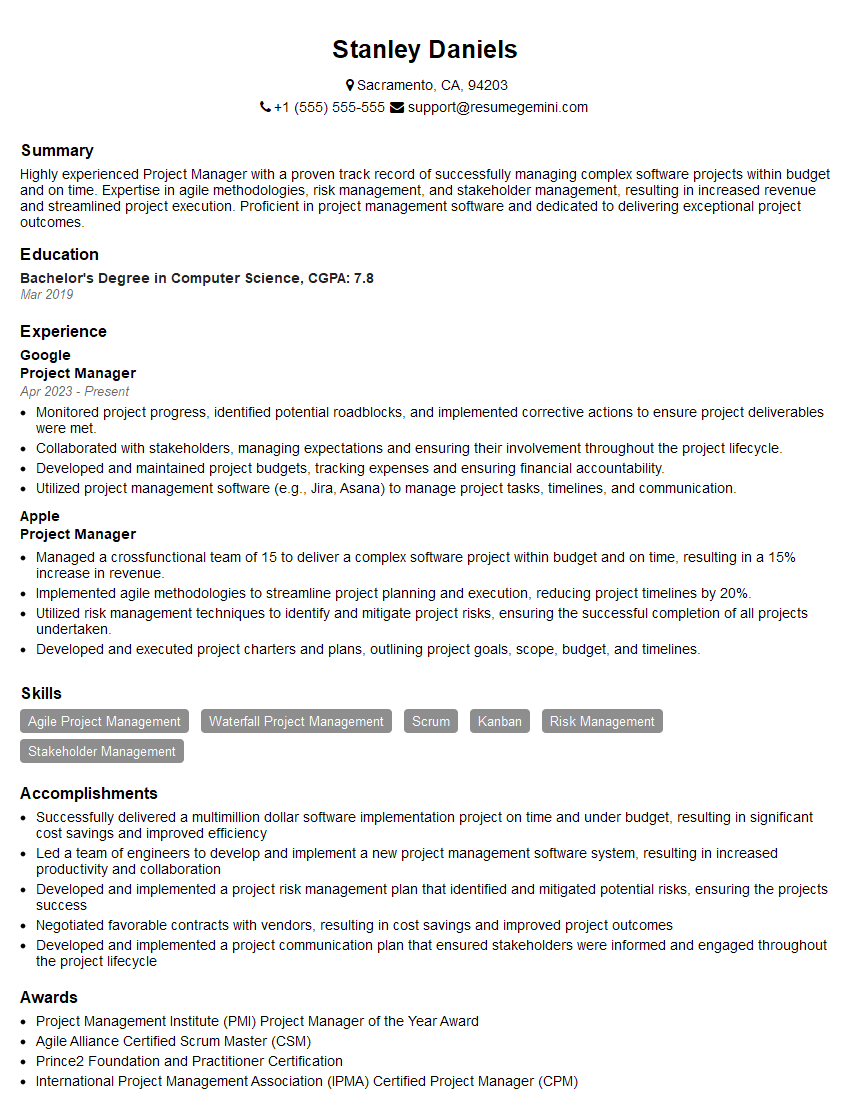
Project Manager Resume Sample
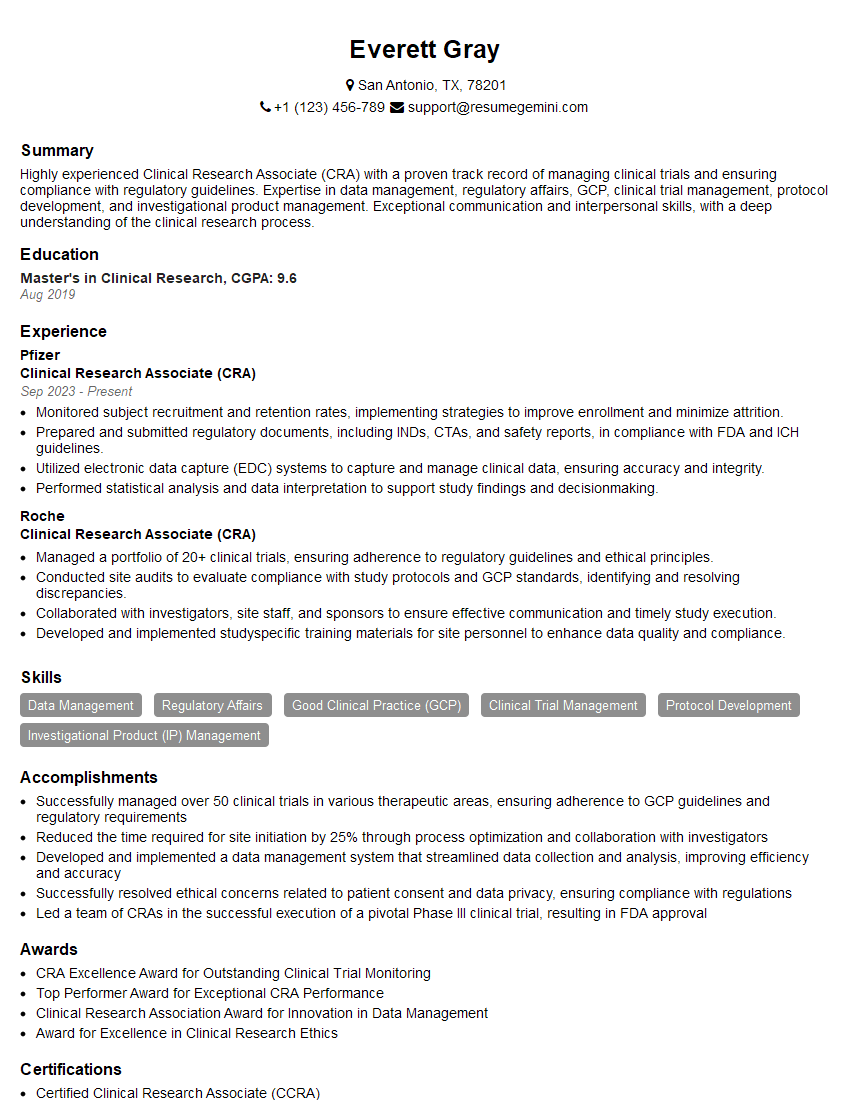
Clinical Research Associate (CRA) Resume Sample
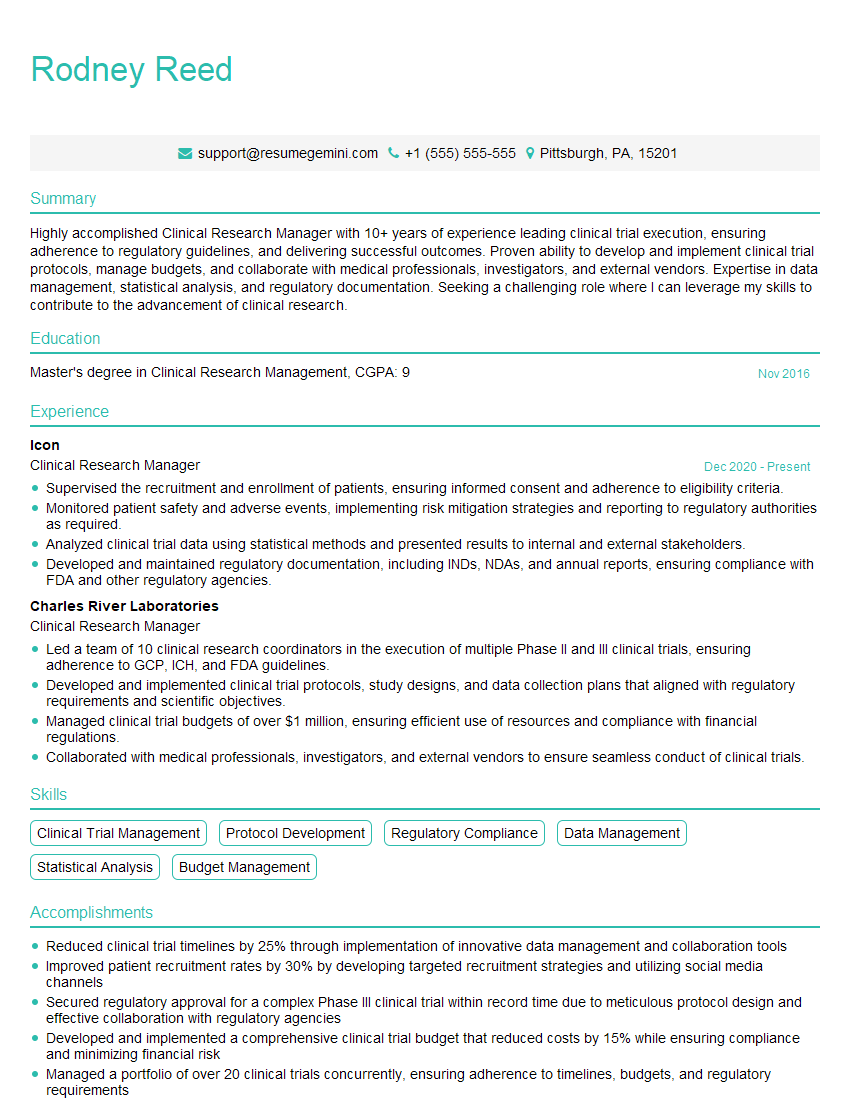
Clinical Research Manager Resume Sample
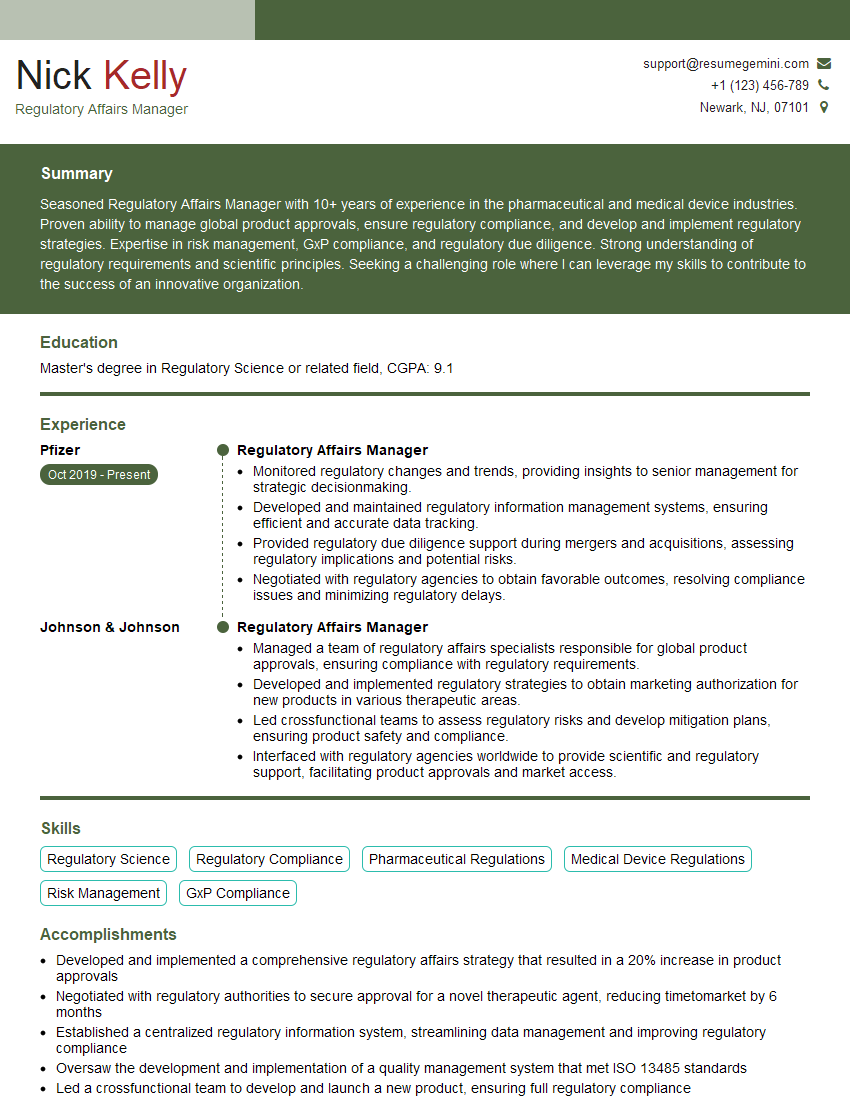
Regulatory Affairs Manager Resume Sample
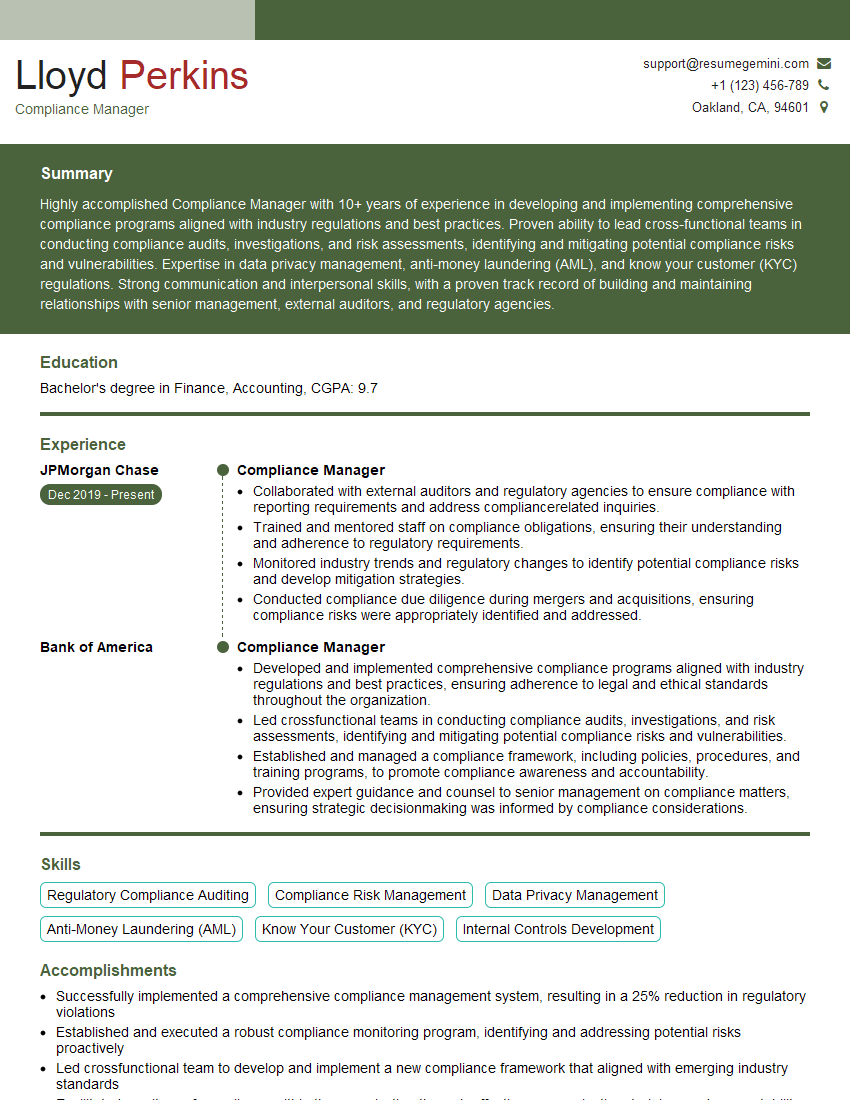
Compliance Manager Resume Sample

Compliance Officer Resume Sample
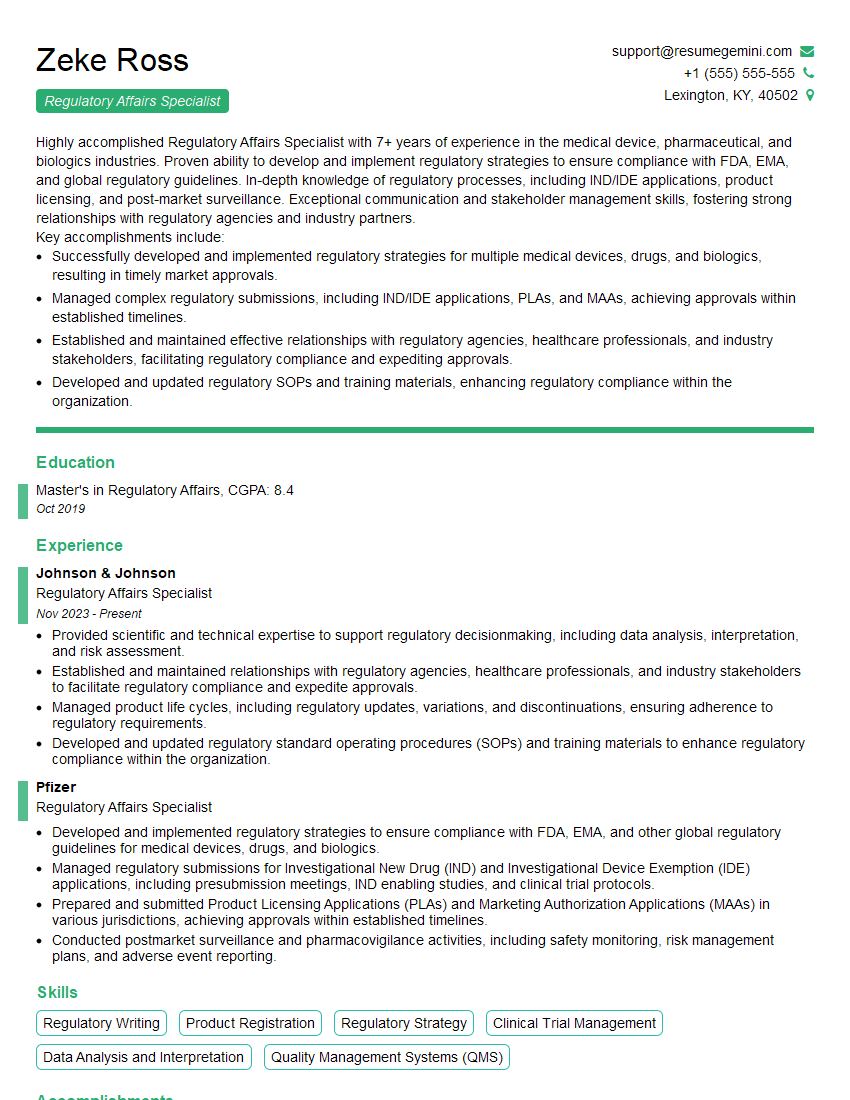
Regulatory Affairs Specialist Resume Sample
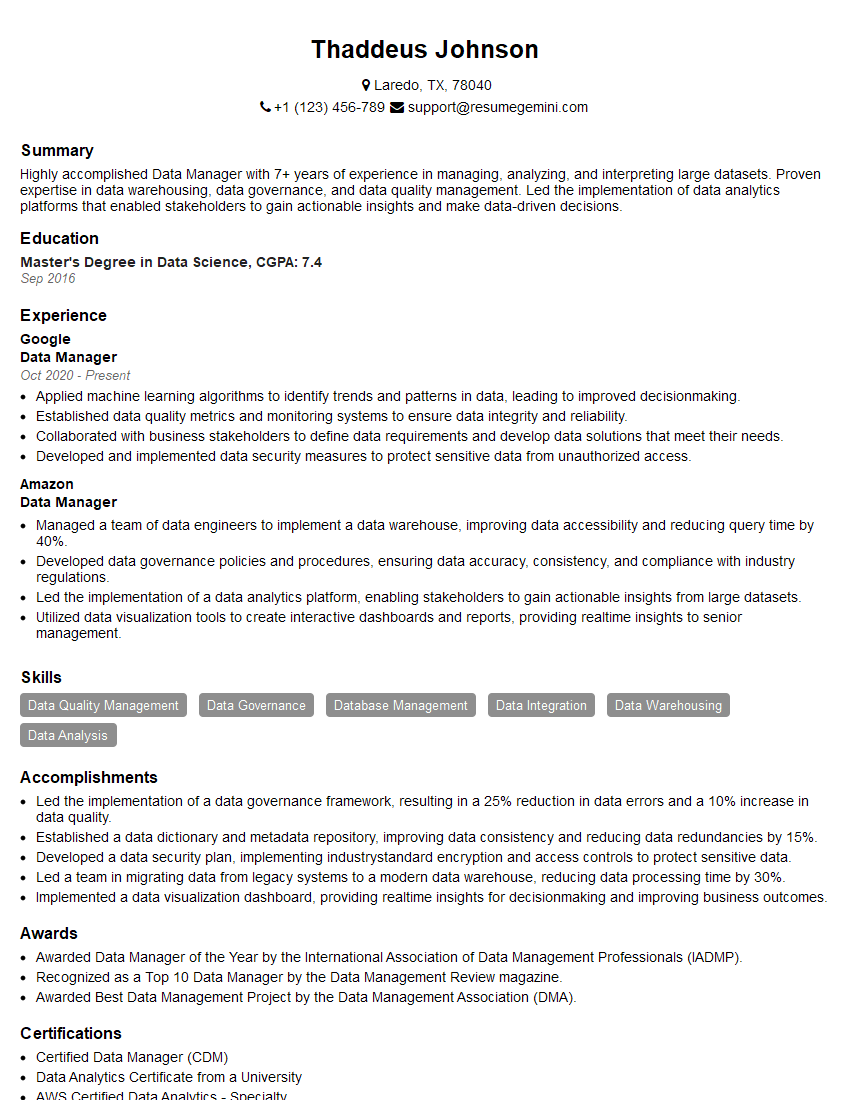
Data Manager Resume Sample
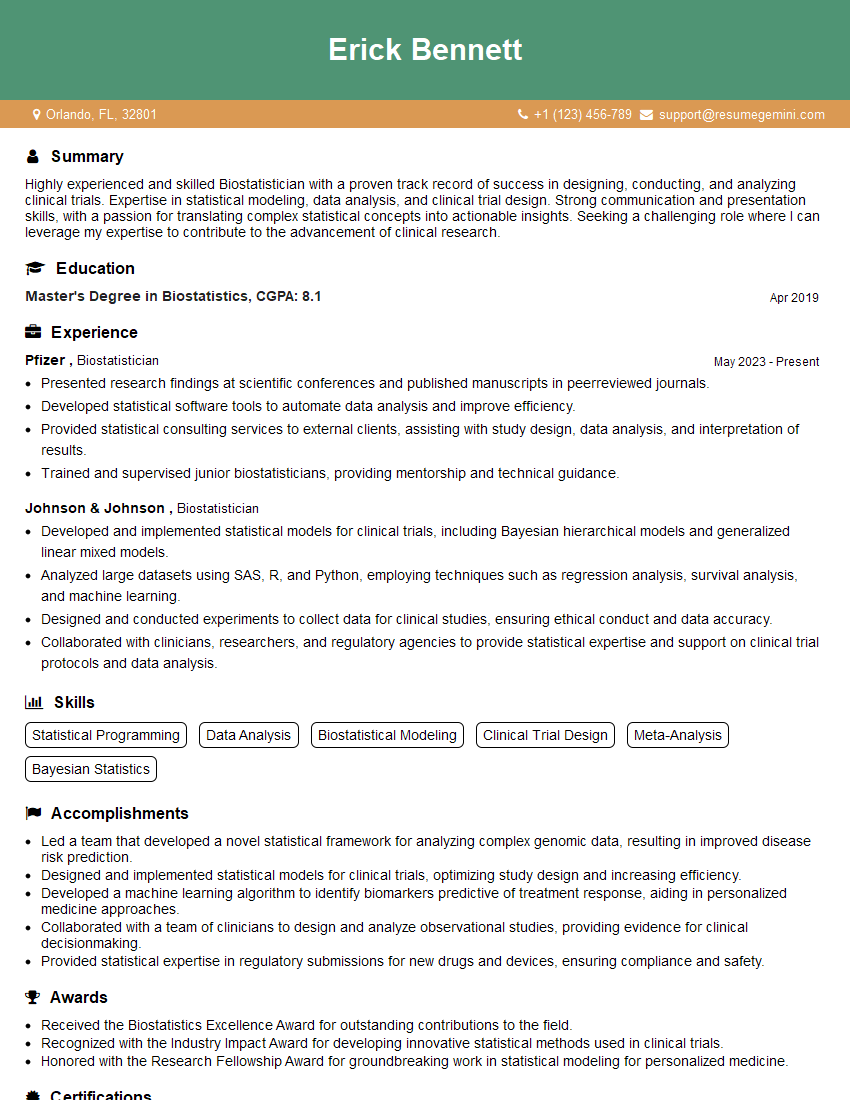
Biostatistician Resume Sample
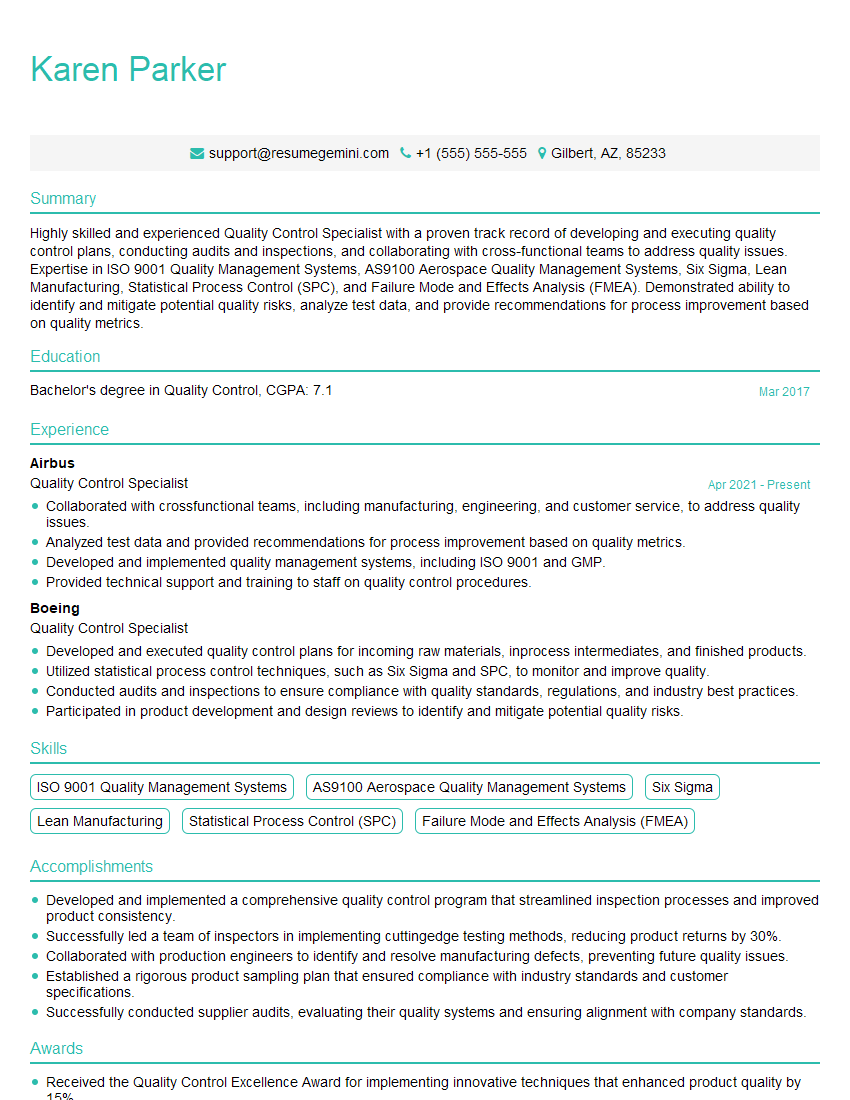
Quality Control Specialist Resume Sample
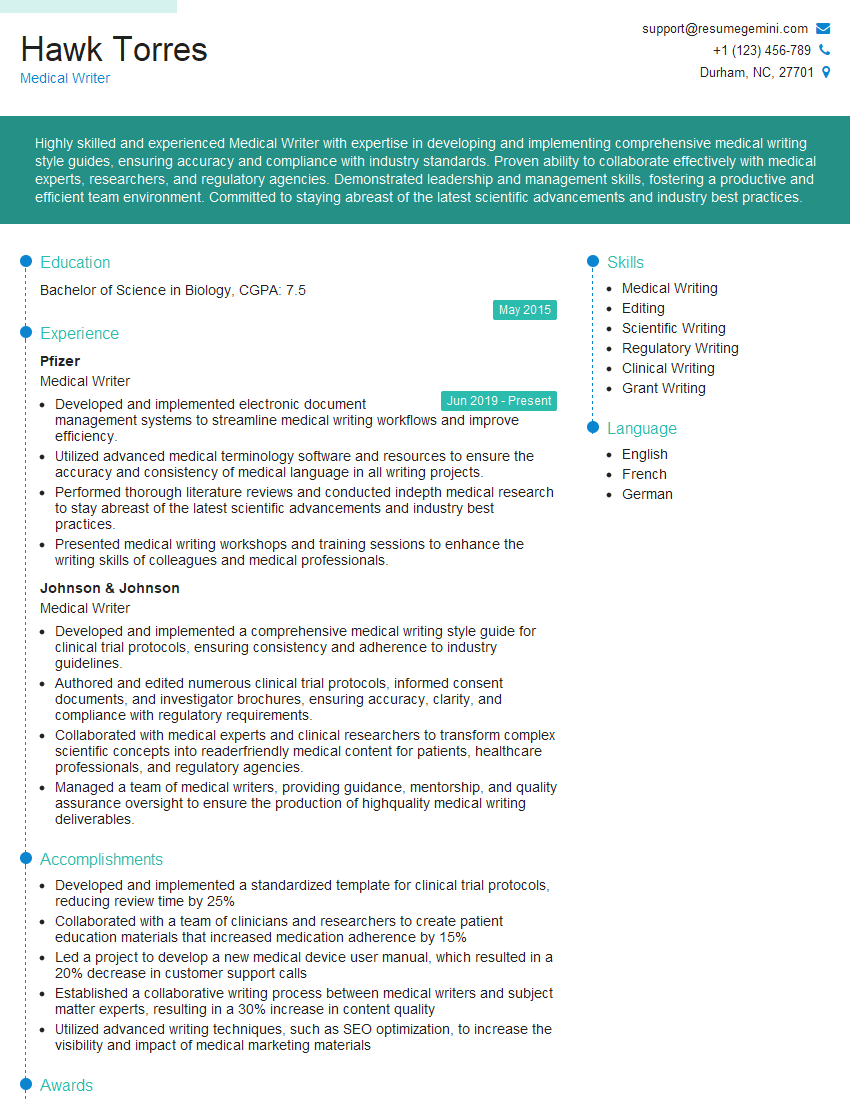
Medical Writer Resume Sample
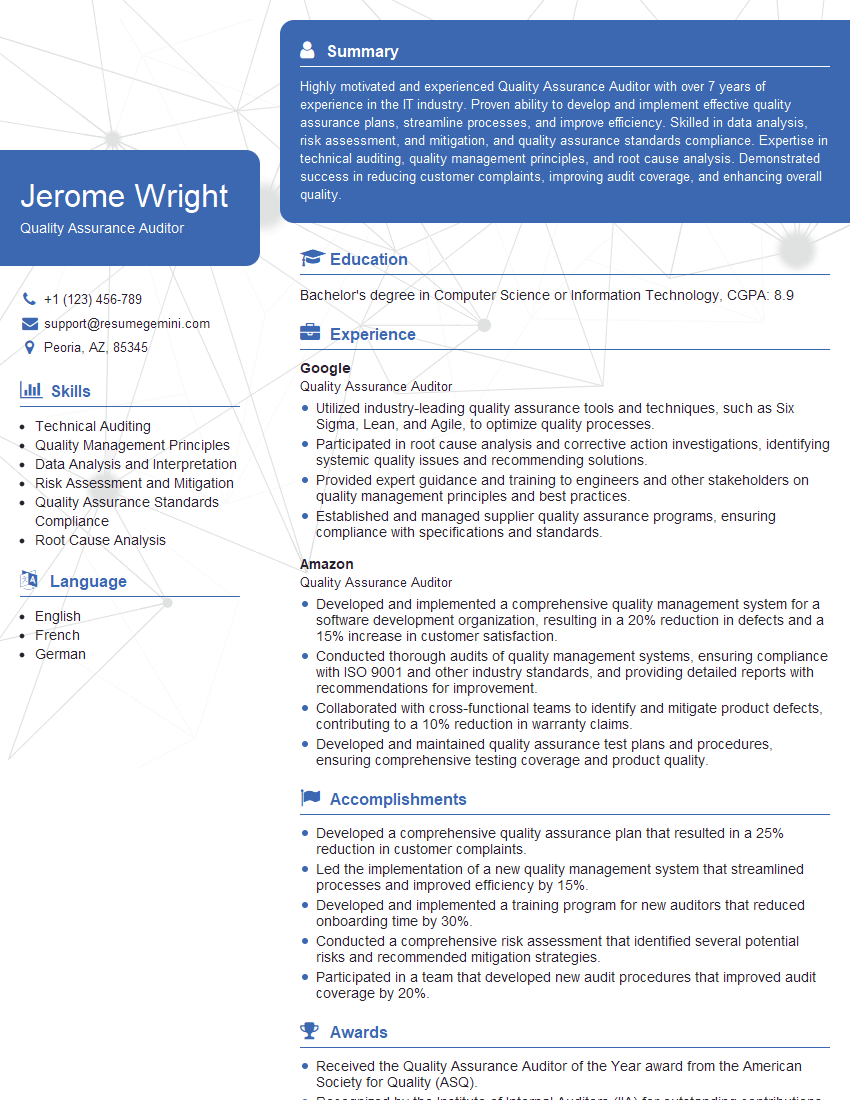
Quality Assurance Auditor Resume Sample
Explore more articles
Users Rating of Our Blogs
Share Your Experience
We value your feedback! Please rate our content and share your thoughts (optional).
What Readers Say About Our Blog
hello,
Our consultant firm based in the USA and our client are interested in your products.
Could you provide your company brochure and respond from your official email id (if different from the current in use), so i can send you the client’s requirement.
Payment before production.
I await your answer.
Regards,
MrSmith
hello,
Our consultant firm based in the USA and our client are interested in your products.
Could you provide your company brochure and respond from your official email id (if different from the current in use), so i can send you the client’s requirement.
Payment before production.
I await your answer.
Regards,
MrSmith
These apartments are so amazing, posting them online would break the algorithm.
https://bit.ly/Lovely2BedsApartmentHudsonYards
Reach out at [email protected] and let’s get started!
Take a look at this stunning 2-bedroom apartment perfectly situated NYC’s coveted Hudson Yards!
https://bit.ly/Lovely2BedsApartmentHudsonYards
Live Rent Free!
https://bit.ly/LiveRentFREE
Interesting Article, I liked the depth of knowledge you’ve shared.
Helpful, thanks for sharing.
Hi, I represent a social media marketing agency and liked your blog
Hi, I represent an SEO company that specialises in getting you AI citations and higher rankings on Google. I’d like to offer you a 100% free SEO audit for your website. Would you be interested?