The thought of an interview can be nerve-wracking, but the right preparation can make all the difference. Explore this comprehensive guide to Laboratory Techniques (e.g., microscopy, molecular biology) interview questions and gain the confidence you need to showcase your abilities and secure the role.
Questions Asked in Laboratory Techniques (e.g., microscopy, molecular biology) Interview
Q 1. Explain the principles of fluorescence microscopy.
Fluorescence microscopy is a powerful technique used to visualize specific structures or molecules within a sample. It relies on the principle of fluorescence, where a substance absorbs light at a specific wavelength (excitation) and then emits light at a longer wavelength (emission). We use fluorescent dyes, or fluorophores, which bind to target molecules or structures. These fluorophores absorb the excitation light and subsequently emit light at a different wavelength, which is then detected by the microscope.
Imagine it like this: a blacklight makes certain materials glow. The blacklight is the excitation light, the glowing material is the fluorophore, and the glow itself is the emitted light that we observe.
The process typically involves illuminating the sample with a specific wavelength of light, filtering out the excitation light, and detecting the emitted fluorescence. Different fluorophores with distinct excitation and emission spectra allow simultaneous visualization of multiple targets within a single sample, providing rich, detailed images.
In a research setting, fluorescence microscopy is crucial for techniques like immunofluorescence (using antibodies labeled with fluorophores) to visualize proteins in cells or immunohistochemistry to study protein localization in tissue samples. It’s also fundamental to studying cellular processes like DNA replication and cell division, using fluorescent markers.
Q 2. Describe the steps involved in performing a polymerase chain reaction (PCR).
Polymerase Chain Reaction (PCR) is an in-vitro method used to amplify a specific DNA sequence exponentially. This is achieved through a cyclical process involving three main steps: denaturation, annealing, and extension.
Denaturation: The double-stranded DNA template is heated to around 95°C to break the hydrogen bonds, separating the DNA into two single strands. Think of it like unzipping a zipper.
Annealing: The temperature is lowered to around 55-65°C to allow short DNA sequences called primers to bind (anneal) to their complementary sequences on the single-stranded DNA. Primers flank the target DNA region that needs to be amplified, specifying which part of the DNA is copied. They act like starting points for the DNA polymerase.
Extension: The temperature is raised to around 72°C (optimal for Taq polymerase), the enzyme responsible for DNA synthesis. Taq polymerase extends the primers by adding nucleotides to create a new complementary DNA strand. The two new DNA strands become templates in the next cycle.
This cycle is repeated for 25-35 cycles, exponentially increasing the amount of the target DNA sequence. This process is incredibly sensitive and can amplify a single copy of DNA into billions of copies. PCR is widely used in various applications, including forensic science, disease diagnosis, genetic engineering, and research.
Q 3. What are the different types of electrophoresis and their applications?
Electrophoresis is a technique used to separate charged molecules based on their size and charge using an electric field. There are several types:
Agarose Gel Electrophoresis: This is commonly used to separate DNA, RNA, and proteins. An agarose gel acts as a sieve, separating molecules based on size. Smaller molecules migrate faster through the gel than larger ones. This is routinely used for DNA fingerprinting, analyzing PCR products, and separating plasmid DNA.
Polyacrylamide Gel Electrophoresis (PAGE): This technique offers higher resolution separation than agarose gel electrophoresis, particularly for proteins. Different types of PAGE exist, including SDS-PAGE (sodium dodecyl sulfate polyacrylamide gel electrophoresis) which denatures proteins and separates them based solely on size, and native PAGE which maintains protein structure and separates based on both size and charge. PAGE is widely used in protein analysis, determining protein purity, and identifying proteins in complex mixtures.
Capillary Electrophoresis: This technique uses narrow capillaries filled with an electrolyte solution to separate molecules. It provides higher speed and resolution than gel electrophoresis. It’s widely used in DNA sequencing, proteomics, and drug analysis.
The choice of electrophoresis method depends on the type of molecule being separated and the level of resolution required.
Q 4. How would you troubleshoot a failed PCR reaction?
Troubleshooting a failed PCR reaction requires a systematic approach. First, visually inspect the reaction mix for any obvious errors, like precipitation or contamination. Then consider these steps:
Primer design: Check primer sequences for potential issues: incorrect length, self-complementarity (primer dimers), or low specificity (binding to non-target regions). Design new primers or optimize annealing temperature.
Template DNA: Ensure sufficient and high-quality template DNA is used. Too little template will result in no product, and degraded DNA will inhibit the reaction. Quantify your template using a spectrophotometer.
Magnesium concentration: Magnesium ions are essential cofactors for Taq polymerase. Too little magnesium will reduce the polymerase activity, while too much can cause non-specific amplification. Optimize the concentration.
Reaction components: Check for correct concentrations and volumes of all components: dNTPs, buffer, and Taq polymerase. Inaccurate concentrations will significantly impact PCR efficiency.
Contamination: PCR is highly sensitive to contamination. Ensure that your reagents and equipment are free of contaminants. Use sterile techniques and dedicated reagents for PCR to prevent false positives.
Thermal cycler malfunction: Ensure your thermal cycler is working correctly by using a positive control with known working primers and template. Inaccurate temperatures in any of the steps will result in low or no amplification.
A positive control (a reaction known to work) and a negative control (a reaction with no template) are essential for identifying the source of failure.
Q 5. Explain the principles of Western blotting.
Western blotting, also known as immunoblotting, is a laboratory technique used to detect specific proteins in a sample. It’s like a detective searching for a specific individual in a crowd. It uses antibodies to detect the target protein after separating proteins by gel electrophoresis.
The process involves these steps:
Protein separation: Proteins from a sample are separated by SDS-PAGE. This separates proteins based on their size.
Transfer: The separated proteins are transferred from the gel to a membrane (typically nitrocellulose or PVDF), creating a replica of the gel. This membrane acts as a solid support for the subsequent steps.
Blocking: The membrane is blocked to prevent non-specific binding of antibodies to the membrane itself. This is like preparing the search area by eliminating irrelevant distractions.
Incubation with primary antibody: The membrane is incubated with a primary antibody specific to the target protein. The primary antibody binds to its target protein. This is like the detective using a specific description to identify the suspect.
Incubation with secondary antibody: The membrane is washed and incubated with a secondary antibody that binds to the primary antibody. This secondary antibody is often linked to an enzyme or a fluorescent tag. This allows for easy detection.
Detection: The presence of the target protein is detected by visualizing the secondary antibody. If the target protein is present, the secondary antibody signals it’s location.
Western blotting is widely used in research to study protein expression, modification, and localization. It’s also used in clinical diagnostics to identify specific proteins associated with disease.
Q 6. Describe the process of preparing a bacterial culture.
Preparing a bacterial culture involves growing bacteria in a controlled environment. The process usually involves these steps:
Sterilization: All equipment and media must be sterilized to prevent contamination with unwanted microorganisms. This is commonly achieved by autoclaving.
Media preparation: Appropriate growth media, containing nutrients required for bacterial growth, is prepared according to the bacterial species needs. Different bacteria have different nutrient requirements.
Inoculation: A small amount of bacterial cells (inoculum) is introduced into the sterile growth medium. This can be done using a sterile inoculating loop or needle.
Incubation: The inoculated culture is incubated at an optimal temperature and under appropriate conditions (aerobic or anaerobic). This is crucial for the bacteria to multiply.
Growth monitoring: The growth of the bacterial culture can be monitored by measuring the optical density or plating dilutions onto agar plates to count colony-forming units (CFUs).
The type of culture (e.g., broth culture, agar plate culture) will depend on the experimental needs. For example, broth cultures provide a large number of bacteria in liquid media, while agar plate cultures are useful for isolating individual colonies.
Q 7. What are the safety precautions to be taken while working with hazardous chemicals?
Working with hazardous chemicals requires strict adherence to safety protocols to protect oneself and the environment. These precautions include:
Risk assessment: Before handling any chemicals, perform a thorough risk assessment to understand the potential hazards and necessary precautions.
Personal Protective Equipment (PPE): Always wear appropriate PPE, including lab coats, gloves, eye protection, and potentially respirators, depending on the chemical.
Proper handling techniques: Follow proper techniques for handling and dispensing chemicals, avoiding spills and inhalation. Use a fume hood for volatile substances.
Waste disposal: Dispose of chemical waste according to established guidelines and regulations. This may involve specific containers and disposal procedures for different chemicals.
Emergency procedures: Know the location of safety equipment (e.g., eye wash stations, safety showers) and understand the emergency procedures in case of accidents or spills.
Material Safety Data Sheets (MSDS): Always consult the MSDS for each chemical to understand its properties, hazards, and safe handling procedures.
Training and supervision: Receive adequate training before handling any hazardous chemicals and work under appropriate supervision, especially when dealing with new chemicals.
Failing to follow these safety precautions can lead to serious health consequences or environmental damage. Always prioritize safety when working in a laboratory setting.
Q 8. How do you ensure accuracy and precision in laboratory measurements?
Accuracy refers to how close a measurement is to the true value, while precision refers to how close repeated measurements are to each other. Ensuring both in lab measurements requires a multi-pronged approach.
- Calibration of Equipment: Regularly calibrate all measuring devices (balances, pipettes, spectrophotometers) using certified standards. Think of it like calibrating your car’s speedometer – you need to ensure it’s showing the correct speed. A poorly calibrated balance will lead to inaccurate weighing, affecting all downstream results.
- Proper Technique: Mastering the correct techniques for each measurement is crucial. For example, parallax error can significantly affect readings on a burette if your eye isn’t level with the meniscus. Similarly, ensuring proper mixing of solutions prevents inconsistencies in concentration.
- Use of Controls: Including positive and negative controls in experiments allows you to assess the reliability of your measurements and identify potential sources of error. A positive control ensures your assay is working, while a negative control eliminates false positives.
- Replicates: Performing multiple replicates of each measurement minimizes the impact of random errors. Averaging these replicates provides a more accurate representation of the true value.
- Data Analysis: Employing appropriate statistical analysis to evaluate the data reveals the precision and potential variability. Standard deviation calculations provide a measure of the spread of your data points.
For example, in a protein quantification assay, using a calibrated spectrophotometer, carefully following the protocol, including blanks and standards, and performing triplicates will increase both the accuracy and precision of your measurements.
Q 9. Explain the concept of cell culture and its applications.
Cell culture is the process of growing cells outside of their natural environment, typically in a controlled laboratory setting. It involves maintaining cells in a nutrient-rich medium that mimics their in vivo conditions. Think of it as creating a miniature, controlled ecosystem for cells.
- Applications: Cell culture has wide-ranging applications across many fields:
- Drug Discovery and Development: Testing the efficacy and toxicity of new drugs on various cell lines.
- Disease Modeling: Studying disease mechanisms and developing potential therapies by culturing cells from diseased tissue.
- Genetic Engineering: Manipulating genes within cells to study gene function or create genetically modified cell lines.
- Biotechnology: Producing valuable biomolecules (e.g., antibodies, proteins) using engineered cell lines.
- Basic Research: Studying cellular processes, cell growth, and differentiation in a controlled manner.
For instance, cancer research heavily relies on cell culture to understand how cancer cells grow, respond to treatments, and to develop targeted therapies. Researchers might culture cancer cells from a patient’s tumor and test the sensitivity of these cells to different anti-cancer drugs.
Q 10. Describe the different types of microscopes and their uses.
Various types of microscopes provide different magnifications and allow visualizing various aspects of samples.
- Light Microscopes: These use visible light to illuminate the specimen. Different types exist:
- Bright-field microscopy: The most basic type, suitable for observing stained specimens.
- Phase-contrast microscopy: Enhances contrast in transparent specimens without staining, allowing visualization of living cells.
- Fluorescence microscopy: Uses fluorescent dyes to label specific cellular components, providing high specificity and contrast.
- Electron Microscopes: Use a beam of electrons instead of light, achieving much higher resolution and magnification. Types include:
- Transmission electron microscopy (TEM): Allows visualization of the internal ultrastructure of cells and tissues.
- Scanning electron microscopy (SEM): Produces detailed images of the surface topography of specimens.
For example, a bright-field microscope might be used to observe stained bacteria under high magnification, while a fluorescence microscope would be used to visualize specific proteins within cells using fluorescent antibodies. TEM could be used to investigate the intricate details of organelles within a cell, like the mitochondria’s cristae structure.
Q 11. How would you sterilize laboratory equipment?
Sterilization is critical to eliminate all forms of life from equipment to prevent contamination. Methods vary based on the type of equipment and the level of sterility required.
- Autoclaving: Uses high-pressure saturated steam to kill microorganisms. It’s the most common method for sterilizing glassware, media, and other heat-resistant items. Think of it as a pressure cooker for sterilization.
- Dry Heat Sterilization: Employs high temperatures in a dry oven to sterilize materials that cannot withstand autoclaving, such as glassware with heat-sensitive coatings.
- Filtration: Uses filters with very small pore sizes (e.g., 0.22 μm) to remove bacteria and other microorganisms from liquids or gases. This is ideal for sterilizing heat-sensitive solutions.
- Gas Sterilization (Ethylene Oxide): Used for sterilizing heat-sensitive instruments and equipment that cannot be autoclaved or filtered. It’s a powerful but potentially hazardous method that requires specialized equipment and training.
- UV Sterilization: UV light damages the DNA of microorganisms and is used for surface sterilization.
The choice of method depends on the type of equipment and its compatibility with various sterilization techniques. For example, a glass pipette would be autoclaved, while a plastic pipette might be sterilized using gamma irradiation or ethylene oxide.
Q 12. What are the different types of pipettes and their applications?
Pipettes are essential for transferring precise volumes of liquids. Different types are designed for various applications and volumes.
- Pasteur Pipettes: Simple glass pipettes used for transferring liquids without precise volume measurement. Often used for qualitative transfers.
- Graduated Pipettes: Glass pipettes with markings indicating different volumes. They offer less precision than other types of pipettes.
- Volumetric Pipettes: Designed to deliver a single, precise volume. They provide the highest accuracy for a specific volume.
- Micropipettes (e.g., Gilson Pipettes): Used for transferring microliter volumes with high precision. They are indispensable in molecular biology and other fields requiring precise measurements of small volumes.
Micropipettes are frequently used in molecular biology to transfer DNA, RNA, or protein samples. Volumetric pipettes are useful when preparing reagents or solutions where high accuracy is critical. Pasteur pipettes are used for non-critical transfers, like adding media to a cell culture flask.
Q 13. Explain the principles of spectrophotometry.
Spectrophotometry measures the absorbance or transmission of light through a solution. This technique is based on Beer-Lambert Law, which states that the absorbance of a solution is directly proportional to the concentration of the analyte and the path length of the light through the solution.
A = εlc
Where:
A= Absorbanceε= Molar absorptivity (a constant specific to the analyte and wavelength)l= Path length (typically 1 cm)c= Concentration
A spectrophotometer measures the amount of light absorbed by a sample at a specific wavelength. By comparing the absorbance of an unknown sample to a standard curve (a series of known concentrations), the concentration of the unknown sample can be determined. This is widely used for quantifying proteins, nucleic acids, and other substances in biological samples.
For example, measuring the absorbance of a protein solution at 280 nm allows you to determine its concentration using a known molar extinction coefficient for that protein.
Q 14. How do you interpret results from an ELISA assay?
ELISA (Enzyme-Linked Immunosorbent Assay) is a plate-based assay technique designed to detect and quantify substances such as peptides, proteins, antibodies, and hormones. The results are interpreted by analyzing the absorbance readings obtained from a plate reader.
- Positive and Negative Controls: These controls are crucial for interpreting the results. A positive control verifies the assay is functioning correctly, whereas a negative control helps identify false positives.
- Standard Curve: A standard curve is generated using known concentrations of the analyte. This curve allows determining the concentration of the unknown samples based on their absorbance readings.
- Cut-off Value: A cut-off value is determined from the standard curve or from the negative controls. Samples with absorbance readings above the cut-off value are considered positive, indicating the presence of the target analyte.
- Absorbance Values: The absorbance values are directly proportional to the concentration of the analyte. Higher absorbance values generally indicate higher concentrations. However, the exact relationship is determined by the standard curve.
For example, a positive ELISA result for a specific antibody in a blood sample indicates the presence of that antibody. The exact concentration of the antibody would be determined from the standard curve. It’s important to consider the cut-off value to avoid misinterpreting weak positive signals as truly negative results. Always check for possible sources of error such as non-specific binding or assay variability when interpreting results.
Q 15. What are the different types of stains used in microscopy?
Microscopy staining techniques are crucial for visualizing cellular structures and components that are otherwise transparent and difficult to distinguish. Different stains target specific cellular components, allowing for enhanced contrast and identification.
Hematoxylin and Eosin (H&E): This is the most common stain in histology. Hematoxylin, a basic dye, stains cell nuclei blue or purple, while eosin, an acidic dye, stains the cytoplasm pink or red. It’s a fantastic general-purpose stain providing excellent contrast between cellular components.
Gram stain: Used in microbiology to differentiate bacteria into Gram-positive (purple) and Gram-negative (pink) based on differences in their cell wall structure. This is vital for bacterial identification and guiding antibiotic treatment.
Acid-fast stain: Specifically stains Mycobacterium species, like the tuberculosis bacterium, which have a waxy cell wall. This stain is crucial for diagnosing infectious diseases.
Periodic acid-Schiff (PAS) stain: Detects polysaccharides and glycoproteins. It’s commonly used to identify glycogen, fungi, and other carbohydrate-rich structures within tissues. It’s essential in diagnosing conditions like glycogen storage diseases.
Immunohistochemistry (IHC) stains: These utilize antibodies to target specific proteins within tissues. This technique is invaluable for identifying specific cell types or diagnosing diseases like cancer. For example, using antibodies against specific cancer markers can help determine the type and stage of the cancer.
Choosing the right stain depends entirely on the type of sample and the specific information you want to obtain. For instance, if I’m studying bacterial infections, I might use a Gram stain. If I am examining a tissue biopsy for cancer, IHC would be a far more appropriate choice.
Career Expert Tips:
- Ace those interviews! Prepare effectively by reviewing the Top 50 Most Common Interview Questions on ResumeGemini.
- Navigate your job search with confidence! Explore a wide range of Career Tips on ResumeGemini. Learn about common challenges and recommendations to overcome them.
- Craft the perfect resume! Master the Art of Resume Writing with ResumeGemini’s guide. Showcase your unique qualifications and achievements effectively.
- Don’t miss out on holiday savings! Build your dream resume with ResumeGemini’s ATS optimized templates.
Q 16. Describe the process of DNA extraction.
DNA extraction is the process of isolating DNA from cells or tissues. This is a fundamental procedure in molecular biology, used for various applications such as PCR, sequencing, and cloning. The basic steps are consistent across many protocols, but specifics can vary depending on the source material.
Cell lysis: The first step involves breaking open the cells to release the DNA. This is typically achieved using a lysis buffer containing detergents (e.g., SDS) to disrupt cell membranes and enzymes (e.g., proteinase K) to digest proteins that protect the DNA.
DNA purification: After cell lysis, the DNA needs to be separated from other cellular components, such as proteins and RNA. This often involves techniques like phenol-chloroform extraction or using commercially available kits that employ silica-based columns to bind DNA selectively.
DNA precipitation: Once purified, the DNA is precipitated using isopropanol or ethanol. This causes the DNA to clump together and become visible as a pellet.
DNA resuspension: Finally, the DNA pellet is resuspended in a suitable buffer, such as TE buffer (Tris-EDTA), to store the DNA until further use.
For example, extracting DNA from a blood sample would involve first lysing the blood cells and then purifying the DNA using a spin column-based kit. In contrast, plant DNA extraction requires additional steps to remove polysaccharides and other plant-specific inhibitors.
Q 17. Explain the principles of gel electrophoresis.
Gel electrophoresis is a technique used to separate DNA, RNA, or proteins based on their size and charge. Imagine it like a race where smaller molecules move faster through a gel matrix than larger ones.
The process involves applying an electric field to a gel matrix containing the molecules of interest. The gel is typically made of agarose (for DNA/RNA) or polyacrylamide (for proteins). Since nucleic acids are negatively charged, they migrate towards the positive electrode (anode). Smaller fragments navigate the pores in the gel more easily, traveling further than larger fragments in a given time.
The separated molecules can then be visualized using various methods, such as staining with ethidium bromide (for DNA/RNA) or specific protein stains. This allows for the determination of the size and quantity of the molecules in the sample. Think of it like separating different colored candies by size using a sieve. The small candies would pass through quickly, while the larger candies would be left behind.
Gel electrophoresis is widely used in molecular biology for various purposes, including DNA fingerprinting, gene cloning, and analyzing PCR products. For instance, verifying the size of a PCR product after amplification is a routine use of gel electrophoresis.
Q 18. How would you quantify DNA or RNA?
Quantifying DNA or RNA is crucial for many molecular biology experiments. Accurate quantification ensures that experiments are performed with the correct amount of material. Several methods are commonly used:
Spectrophotometry: This is a common method using a spectrophotometer to measure the absorbance of DNA or RNA at 260 nm. The absorbance value is then used to calculate the concentration. However, this method is susceptible to contamination from other substances that absorb at 260 nm, so a 260/280 ratio is often calculated to assess purity.
Fluorometry: This method uses fluorescent dyes that bind specifically to DNA or RNA. The fluorescence intensity is then measured, which is proportional to the concentration. This method is generally more sensitive and less susceptible to contamination than spectrophotometry.
Real-time PCR (qPCR): This method combines PCR amplification with fluorescence detection, allowing for quantification of DNA or RNA during the amplification process. This is extremely sensitive and precise.
Choosing the right method depends on the application. For quick estimations, spectrophotometry is sufficient. However, for higher accuracy and sensitivity, fluorometry or qPCR are preferred. For example, in a gene expression study, qPCR is usually necessary to obtain highly accurate measurements of gene expression levels.
Q 19. What are the different types of cell culture media and their components?
Cell culture media provide the necessary nutrients and environmental conditions for cells to grow and proliferate in vitro. The composition varies depending on the cell type and experimental requirements.
Basal media: These are the basic formulations, providing essential nutrients like amino acids, vitamins, salts, and glucose. Examples include Eagle’s Minimum Essential Medium (EMEM), Dulbecco’s Modified Eagle Medium (DMEM), and RPMI 1640.
Serum-supplemented media: Most cell types require serum, such as fetal bovine serum (FBS), to provide growth factors, hormones, and other essential components. FBS is widely used, but it introduces variability because its composition can change between batches.
Serum-free media: These formulations do not contain serum and are defined media with precisely known compositions. They are used to reduce variability and avoid potential contamination from serum, important in applications like pharmaceutical production.
Specialized media: Some cell types require specialized media with additional components like antibiotics (penicillin/streptomycin), antifungal agents, or specific growth factors. For instance, some neuronal cell lines require neurotrophic factors for optimal growth.
The choice of media depends greatly on the cell type and the experiment. For routine cell culture, serum-supplemented media is commonly used. However, serum-free media is preferred when reproducibility and consistency are crucial.
Q 20. Explain the principles of immunohistochemistry.
Immunohistochemistry (IHC) is a powerful technique used to visualize specific proteins within tissue samples using antibodies. It’s like using a molecular-level ‘searchlight’ to find specific targets within a complex tissue sample. This allows researchers to identify and locate specific proteins within the cellular architecture of a tissue.
The process involves incubating tissue sections with primary antibodies that specifically bind to the target protein. A secondary antibody, conjugated to an enzyme or fluorophore, then binds to the primary antibody. This secondary antibody provides a signal for detection, which can be visualized using various methods (e.g., chromogenic substrates producing color, fluorescence).
The principles behind IHC are based on the high specificity of antibody-antigen interactions. The primary antibody recognizes and binds to the target protein (antigen) exclusively, offering very high specificity. The secondary antibody amplifies the signal, making the target protein readily visible. IHC is extensively used in cancer diagnosis, where specific markers can indicate tumor type and stage. For example, identifying the presence of hormone receptors in breast cancer tissue guides treatment decisions.
Q 21. Describe the process of preparing tissue samples for microscopy.
Preparing tissue samples for microscopy is a crucial step that significantly impacts the quality of the resulting images. Proper preparation ensures that the tissue is well-preserved, allowing for clear visualization of cellular structures.
Tissue fixation: The first step involves fixing the tissue to preserve its structure and prevent degradation. Common fixatives include formalin, which crosslinks proteins, preserving cellular architecture. The choice of fixative depends on the tissue type and the target structures being studied.
Tissue processing: The fixed tissue is then processed to remove water and infiltrate it with a supporting medium, typically paraffin wax. This process involves dehydration using graded alcohols and clearing with xylene before embedding in paraffin. This makes the tissue firm and easy to section.
Sectioning: The paraffin-embedded tissue is sectioned into thin slices (usually 4-5 μm thick) using a microtome. These thin sections are then mounted onto glass slides.
Staining: The tissue sections are then stained to enhance the visualization of cellular structures. This step involves specific staining techniques based on the structures of interest (as discussed in question 1).
Mounting: Finally, a coverslip is mounted onto the stained tissue section with a mounting medium to protect the section and prevent it from drying out. This preserves the sample for long-term storage and facilitates microscopic observation.
The entire process needs meticulous attention to detail, as poor fixation or processing can lead to artifacts and compromise the quality of the microscopy images. For example, inadequate fixation can lead to tissue shrinkage or damage, whereas improper sectioning can result in damaged or incomplete tissue sections.
Q 22. How would you troubleshoot a contaminated cell culture?
Contaminated cell cultures are a common frustration in cell biology. Troubleshooting involves a systematic approach, focusing on identifying the source of contamination and implementing appropriate corrective measures. The first step is to visually inspect the culture under a microscope for signs of contamination, such as unusual turbidity, the presence of filamentous structures (fungi), or motile organisms (bacteria).
- Bacterial Contamination: This often presents as cloudiness in the media and may be accompanied by a change in pH. Treatment options are limited; discarding the culture is usually necessary. Preventing future contamination is crucial, emphasizing strict aseptic techniques.
- Fungal Contamination: This shows up as filamentous structures often visible to the naked eye. Again, discarding is the best course of action. Regular cleaning and disinfection of the incubator are vital.
- Mycoplasma Contamination: This is insidious, often undetectable by visual inspection. Specialized testing like PCR or DAPI staining is needed for detection. Contamination may require specialized treatment or discarding.
- Cross-Contamination: This is a common issue when working with multiple cell lines. Careful labeling, using separate pipettes, and thoroughly cleaning the workspace can mitigate this.
Once the type of contamination is identified, implementing appropriate preventative measures is vital. This includes using sterile media and reagents, working in a laminar flow hood, regularly disinfecting the workspace, and ensuring proper training in aseptic techniques. A well-maintained incubator is also essential to prevent contamination.
Q 23. What are the different types of cloning vectors?
Cloning vectors are essential tools in molecular biology used to introduce foreign DNA into a host organism. Different types exist, each suited for specific applications. These include:
- Plasmids: These are circular, double-stranded DNA molecules that replicate independently of the host chromosome. They’re commonly used in bacterial cloning and are relatively easy to manipulate. They often contain antibiotic resistance genes to select for transformed cells. Examples include pUC19 and pBR322.
- Bacteriophages: Viruses that infect bacteria can also be used as cloning vectors. They have a higher cloning capacity than plasmids. Lambda phage is a well-known example.
- Cosmids: These are hybrids of plasmids and phage lambda DNA, combining the advantages of both. They can accommodate larger DNA fragments than plasmids.
- Bacterial Artificial Chromosomes (BACs): These are large plasmids derived from the F-plasmid of E. coli. They can clone very large DNA fragments, making them useful for genomic library construction.
- Yeast Artificial Chromosomes (YACs): Similar to BACs, but used for cloning in yeast. They can handle even larger inserts than BACs.
The choice of vector depends on the size of the DNA fragment to be cloned, the host organism, and the desired application. For instance, if you are cloning a large gene, a BAC or YAC would be more appropriate than a plasmid.
Q 24. Explain the principles of flow cytometry.
Flow cytometry is a powerful technique used to analyze the physical and chemical characteristics of individual cells within a heterogeneous population. It works by suspending cells in a fluid and passing them through a laser beam. The scattered light and fluorescence emitted by the cells are then measured, providing information about various cellular properties.
Principles:
- Hydrodynamic Focusing: Cells are passed through a narrow channel (sheath fluid) to ensure that only one cell passes through the laser beam at a time.
- Light Scattering: Forward scatter (FSC) provides information about cell size, while side scatter (SSC) indicates granularity or internal complexity.
- Fluorescence: Cells are often labeled with fluorescent antibodies or dyes that bind to specific cell surface markers or intracellular components. The emitted fluorescence is detected by photomultiplier tubes (PMTs).
This data is then used to create histograms, scatter plots, or other visualizations, allowing researchers to identify and quantify specific cell populations based on their size, granularity, and expression of particular markers. This has applications ranging from immunology to cancer research, allowing for precise identification and quantification of cells.
Q 25. How do you maintain a sterile work environment?
Maintaining a sterile work environment is paramount in preventing contamination of cell cultures and other sensitive experiments. This requires a multi-faceted approach:
- Laminar Flow Hood: Work should always be conducted within a properly certified laminar flow hood. This creates a sterile environment by filtering out airborne particles and microbes.
- Sterile Techniques: Proper aseptic techniques are essential. This includes sterilizing all equipment and materials, using sterile gloves and pipettes, and working methodically to avoid contaminating surfaces.
- Disinfection: Regularly disinfect work surfaces with 70% ethanol or other appropriate disinfectants before and after each experiment.
- Incubator Maintenance: The incubator should be regularly cleaned and disinfected to prevent microbial growth.
- Proper Waste Disposal: Contaminated materials must be disposed of properly according to institutional guidelines.
- Personal Hygiene: Maintaining personal hygiene, including handwashing, is important to prevent contamination.
Think of it like a surgical operating room – every step is carefully taken to prevent contamination. Regular monitoring and maintenance are crucial to ensure the sterile environment remains intact.
Q 26. What are the ethical considerations in conducting scientific research?
Ethical considerations in scientific research are paramount. They encompass:
- Honesty and Integrity: Researchers have a responsibility to conduct research honestly and with integrity, accurately representing data and avoiding plagiarism.
- Informed Consent: When working with human subjects, informed consent is essential. Participants must understand the risks and benefits of the research and provide their voluntary consent.
- Animal Welfare: When using animals in research, researchers must adhere to strict guidelines ensuring their welfare and minimizing suffering. The 3Rs (Replacement, Reduction, Refinement) are a cornerstone of responsible animal research.
- Data Management: Researchers have a responsibility to manage data responsibly, ensuring its accuracy, security, and accessibility.
- Publication Ethics: Researchers should adhere to publication ethics, avoiding duplicate publication and ensuring proper attribution of credit.
- Conflict of Interest: Researchers must disclose any potential conflicts of interest that could bias their research.
Ethical conduct is not just about following rules, it’s about maintaining the integrity of science and ensuring that research benefits humanity without harming individuals or compromising the environment.
Q 27. Describe your experience with data analysis and interpretation in a laboratory setting.
My experience with data analysis and interpretation involves a variety of techniques depending on the nature of the experiment. For example, in cell culture experiments, I often use statistical software like GraphPad Prism to analyze data such as cell viability or proliferation rates, performing t-tests, ANOVA, or regression analysis to determine statistical significance.
For genomic data, I’ve utilized bioinformatics tools and programming languages like R and Python to analyze large datasets, perform gene expression analysis, and identify differentially expressed genes. I’m proficient in creating various types of visualizations, such as graphs and charts, to effectively communicate findings. I always carefully consider the limitations of each statistical test and ensure that my interpretations are supported by the data and appropriate statistical analyses. For instance, in one project analyzing gene expression following a drug treatment, I used a volcano plot to highlight significantly upregulated and downregulated genes, providing a clear visualization of the drug’s effects.
Critical interpretation is key, ensuring that any conclusions drawn are justified by the data and considering potential confounding factors. I always document my analysis methods meticulously to ensure reproducibility.
Q 28. How do you handle discrepancies in experimental results?
Discrepancies in experimental results are common and require a systematic approach to troubleshoot. The first step is to carefully review the experimental protocol, ensuring all steps were followed precisely. This may involve checking reagents, equipment calibration, and proper execution of techniques.
If the discrepancy is still unexplained, I would investigate potential sources of error, including:
- Technical errors: Pipetting errors, contamination, or improper equipment calibration.
- Human error: Mistakes in data recording or analysis.
- Biological variability: Differences in the experimental subjects or materials used.
Repeating the experiment with increased controls and replicates can confirm the original findings or reveal experimental flaws. Data outliers should be investigated further. If the discrepancy persists after thorough investigation, I would explore alternative explanations and consider publishing the findings, including a discussion of the discrepancies and their potential causes.
It’s important to approach discrepancies with a critical and objective mindset, acknowledging uncertainty and avoiding biased interpretations. A well-documented investigation of discrepancies strengthens the credibility of the overall research.
Key Topics to Learn for Laboratory Techniques (e.g., microscopy, molecular biology) Interview
Landing your dream lab job requires a strong understanding of core techniques. This section highlights key areas to focus your preparation.
- Microscopy:
- Principles of light microscopy (brightfield, darkfield, fluorescence).
- Sample preparation techniques (fixation, staining, mounting).
- Image analysis and interpretation.
- Troubleshooting common microscopy issues (e.g., poor resolution, artifacts).
- Molecular Biology:
- DNA/RNA extraction and purification methods.
- PCR techniques (conventional, real-time).
- Gel electrophoresis principles and applications.
- Cloning and gene expression techniques.
- Understanding and applying basic bioinformatics concepts.
- General Lab Practices:
- Aseptic techniques and sterile procedures.
- Accurate record keeping and data management.
- Safety procedures and handling of hazardous materials.
- Understanding and following Standard Operating Procedures (SOPs).
- Calibration and maintenance of laboratory equipment.
- Problem-Solving & Critical Thinking:
- Analyzing experimental results and drawing conclusions.
- Troubleshooting experimental errors and identifying potential sources of bias.
- Designing experiments and interpreting data effectively.
Next Steps
Mastering these techniques is crucial for career advancement in the laboratory sciences. A strong foundation in these areas will set you apart from other candidates. To maximize your job prospects, focus on crafting an ATS-friendly resume that effectively highlights your skills and experience. ResumeGemini is a trusted resource to help you build a professional and impactful resume. We provide examples of resumes tailored to Laboratory Techniques (e.g., microscopy, molecular biology) to guide you. Take the next step towards your dream career – build your best resume today!

Lab Manager Resume Sample

Research Associate Resume Sample

Senior Scientist Resume Sample

Research Scientist Resume Sample

Quality Control Specialist Resume Sample
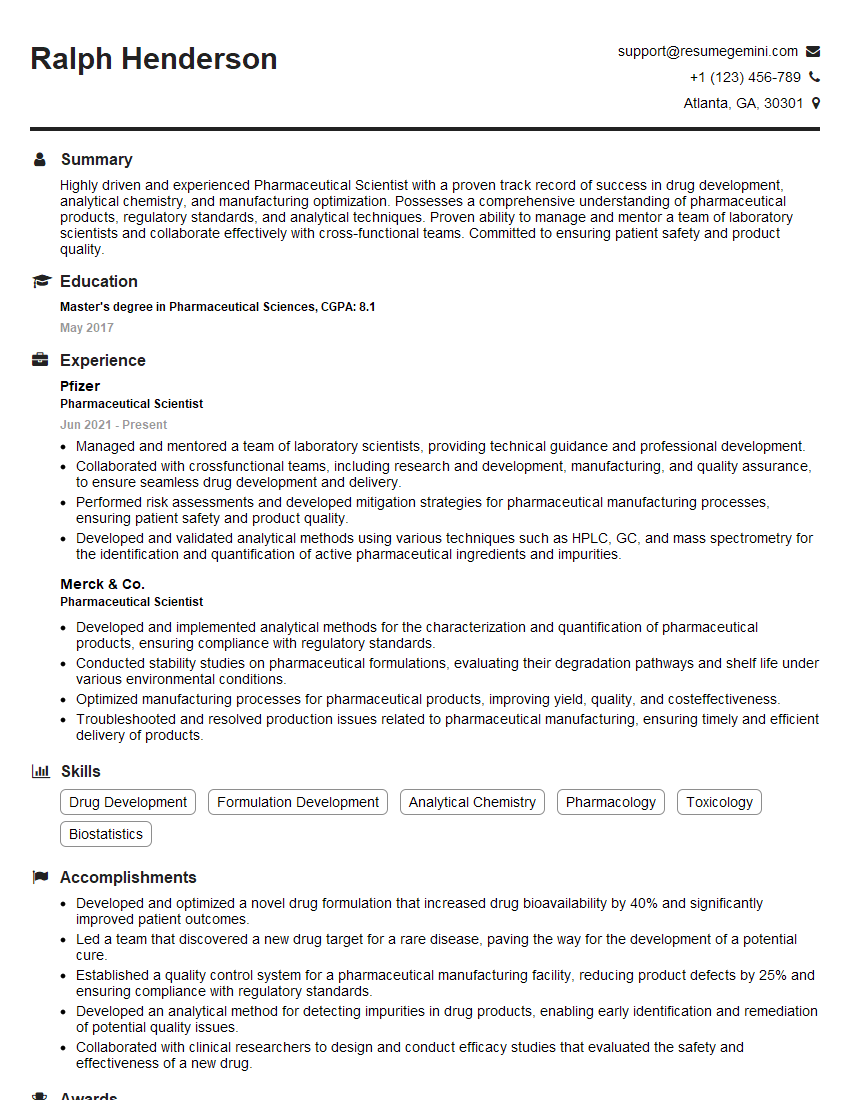
Pharmaceutical Scientist Resume Sample
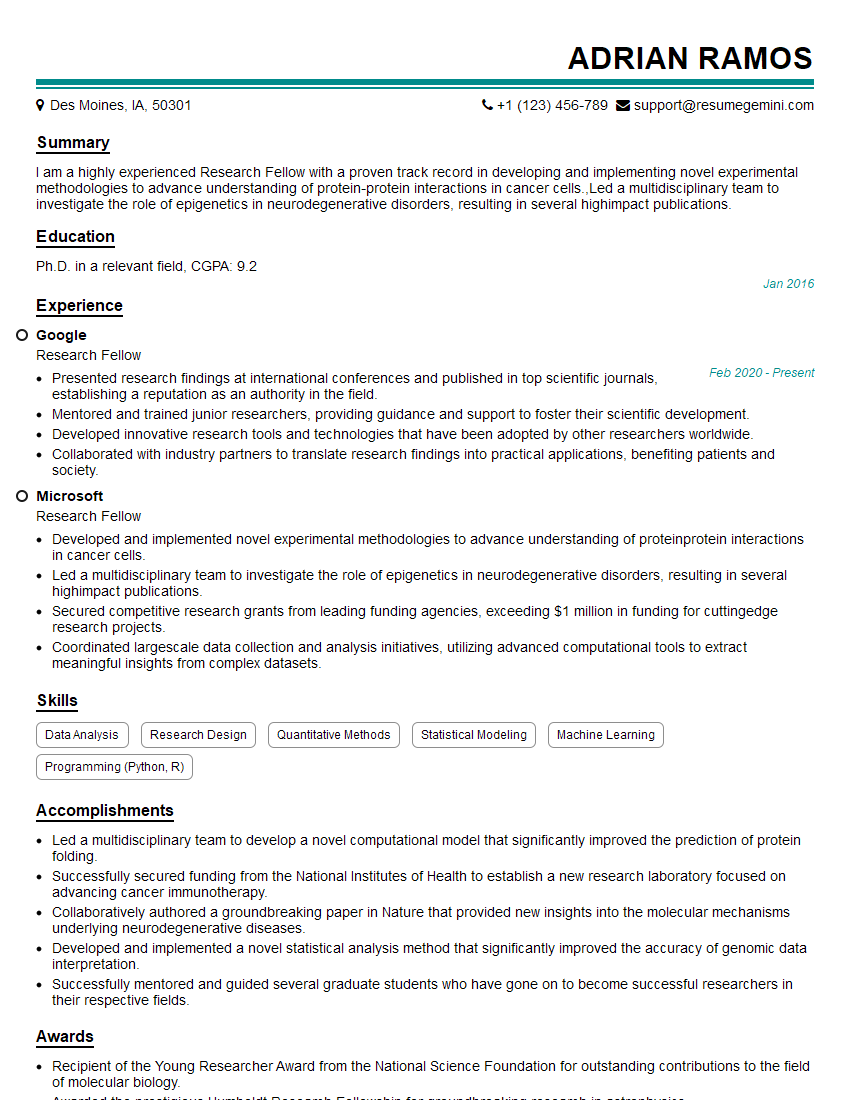
Research Fellow Resume Sample

Laboratory Supervisor Resume Sample

Laboratory Technician Resume Sample
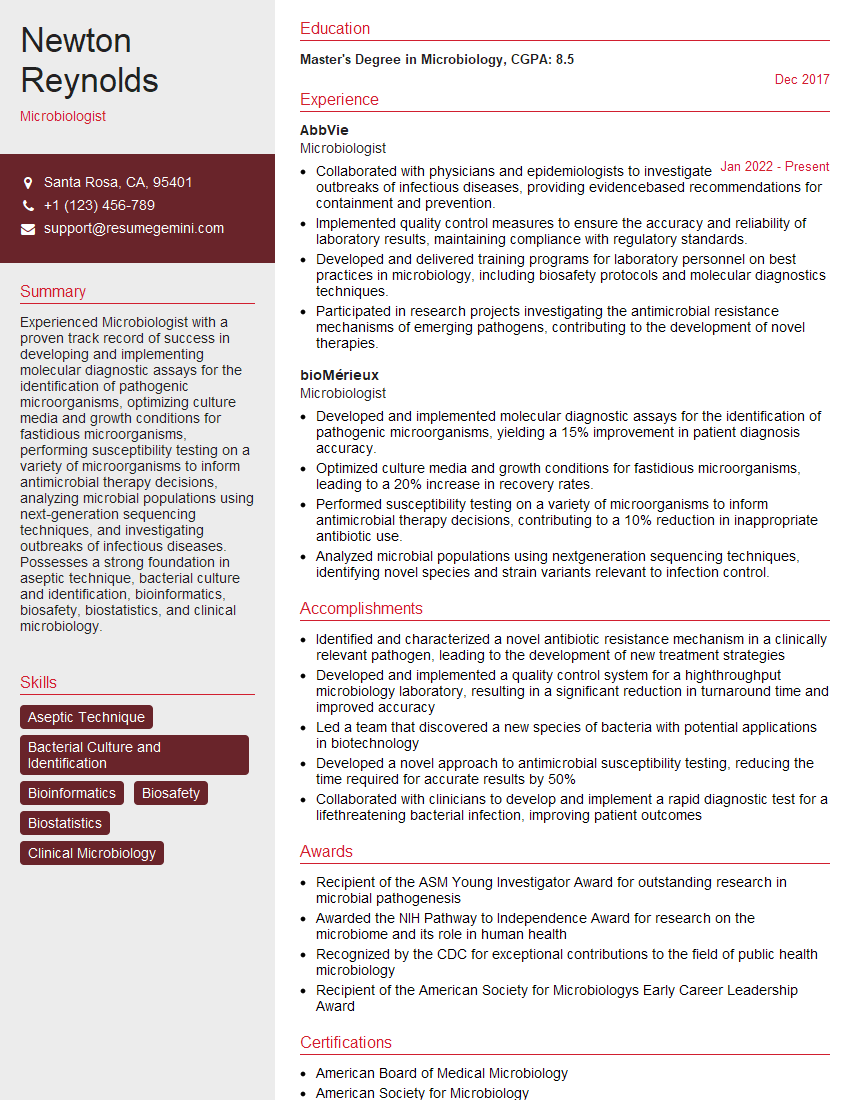
Microbiologist Resume Sample

Clinical Laboratory Scientist Resume Sample

Molecular Biologist Resume Sample
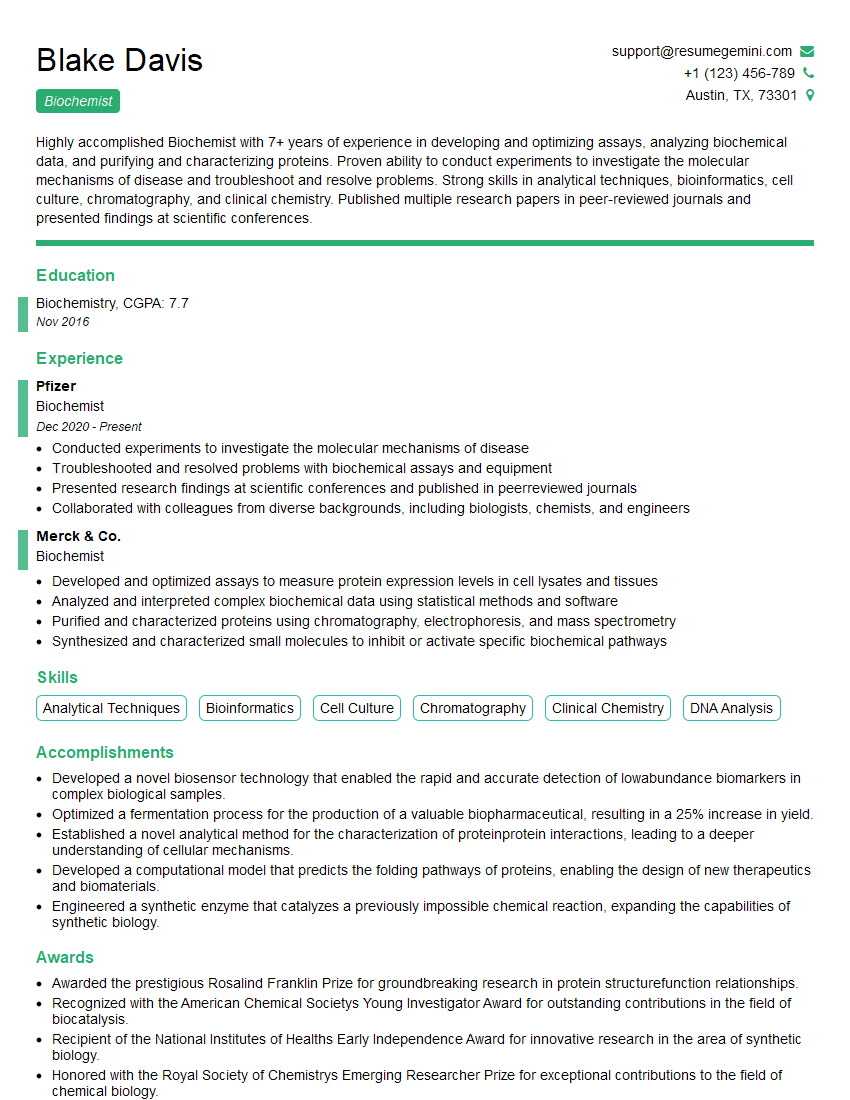
Biochemist Resume Sample
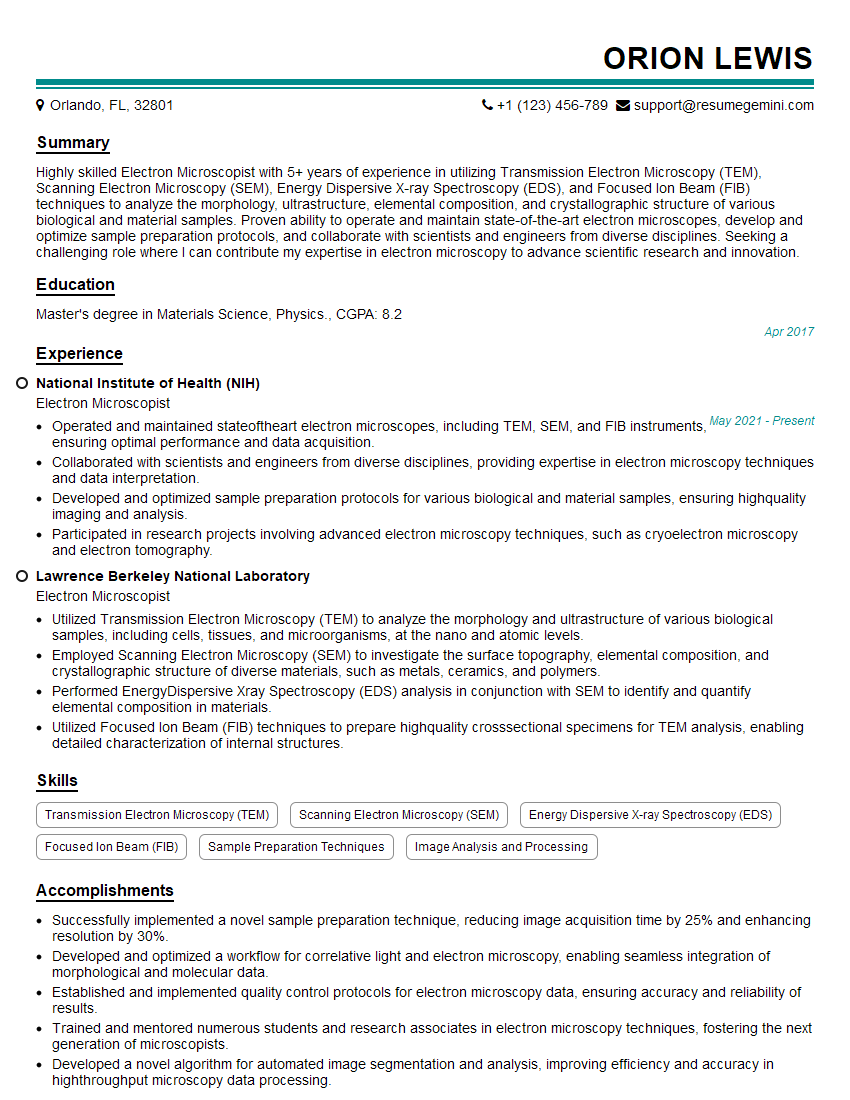
Electron Microscopist Resume Sample
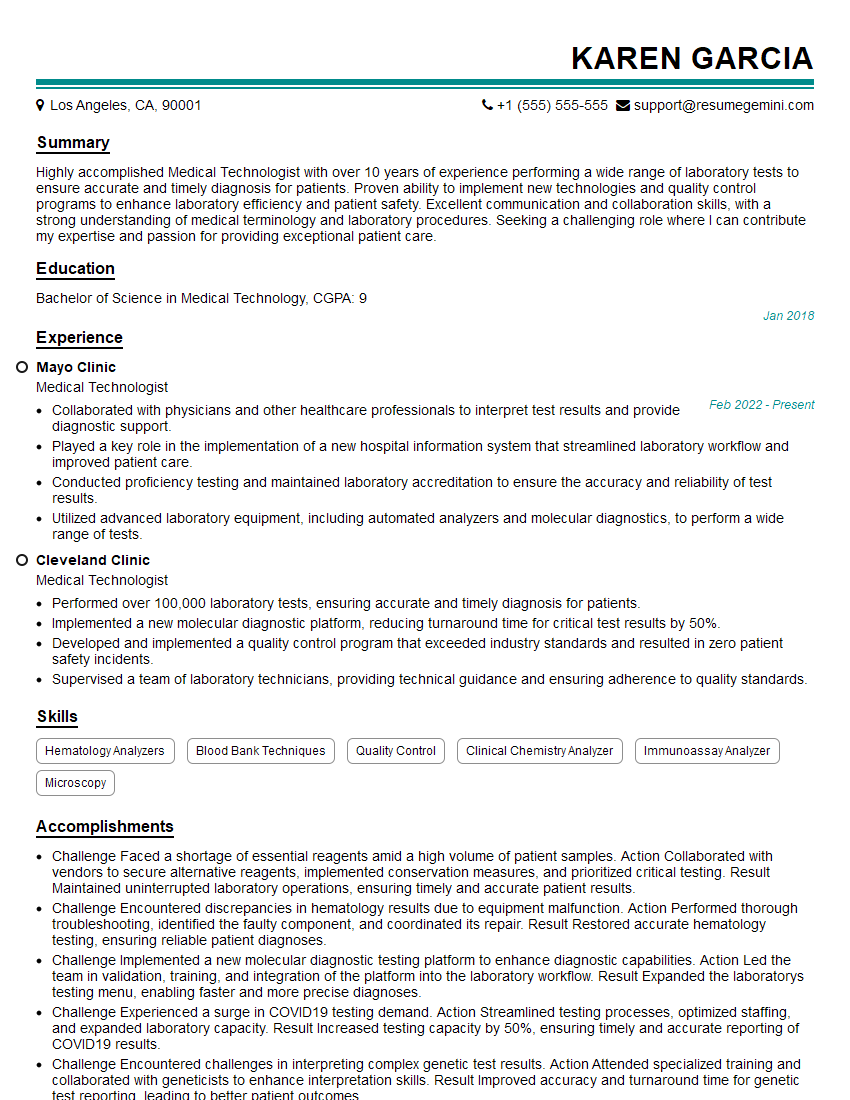
Medical Technologist Resume Sample
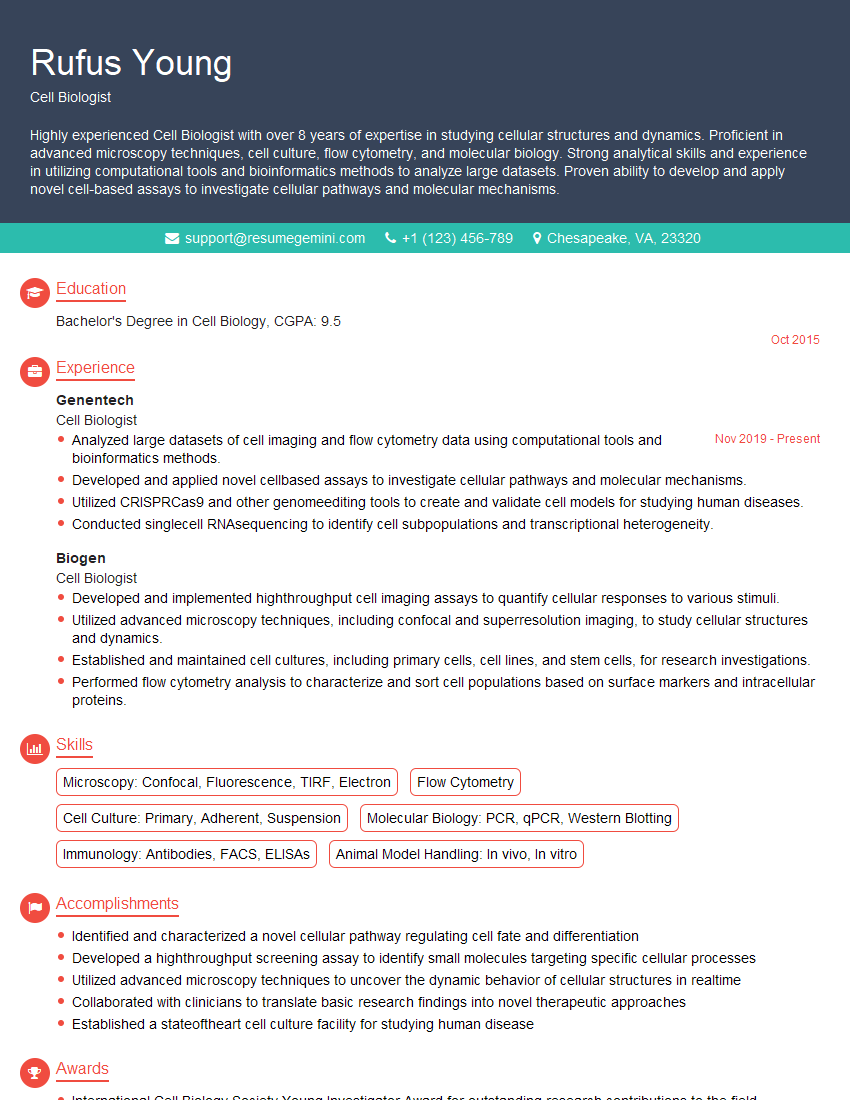
Cell Biologist Resume Sample
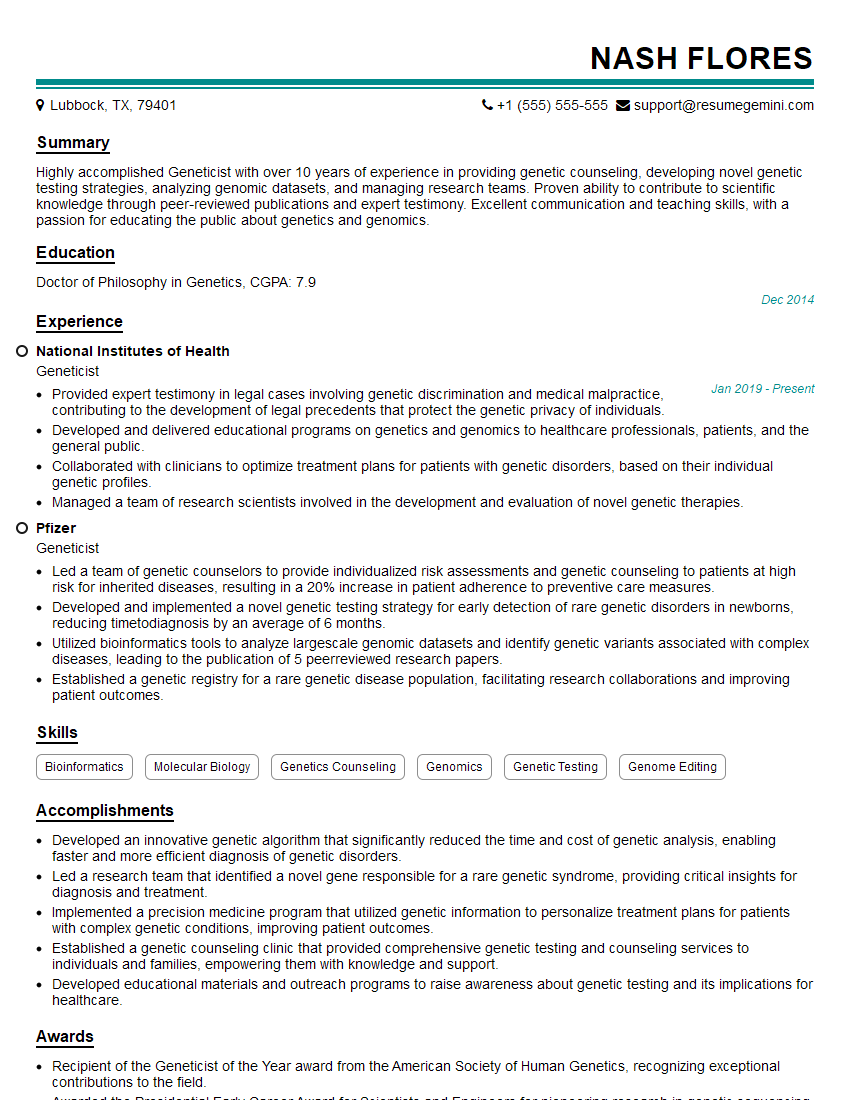
Geneticist Resume Sample

Principal Investigator Resume Sample

Forensic Scientist Resume Sample

Analytical Chemist Resume Sample
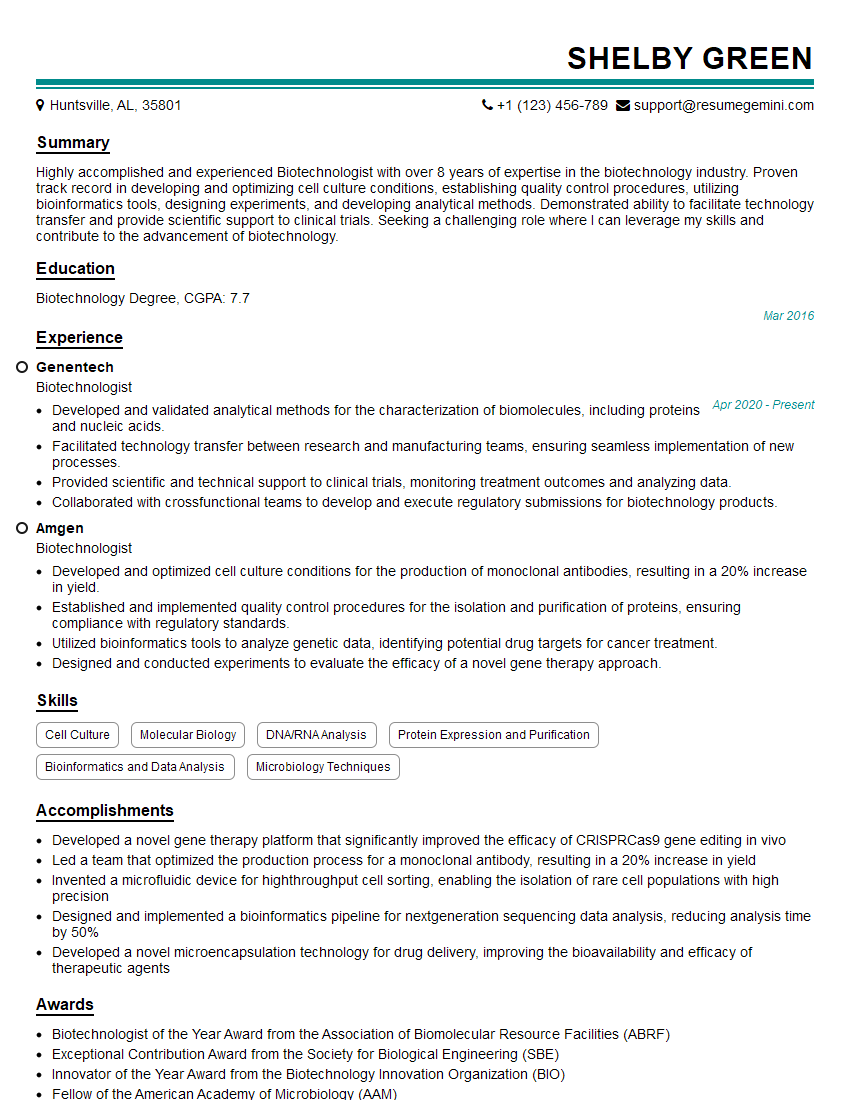
Biotechnologist Resume Sample

Immunologist Resume Sample
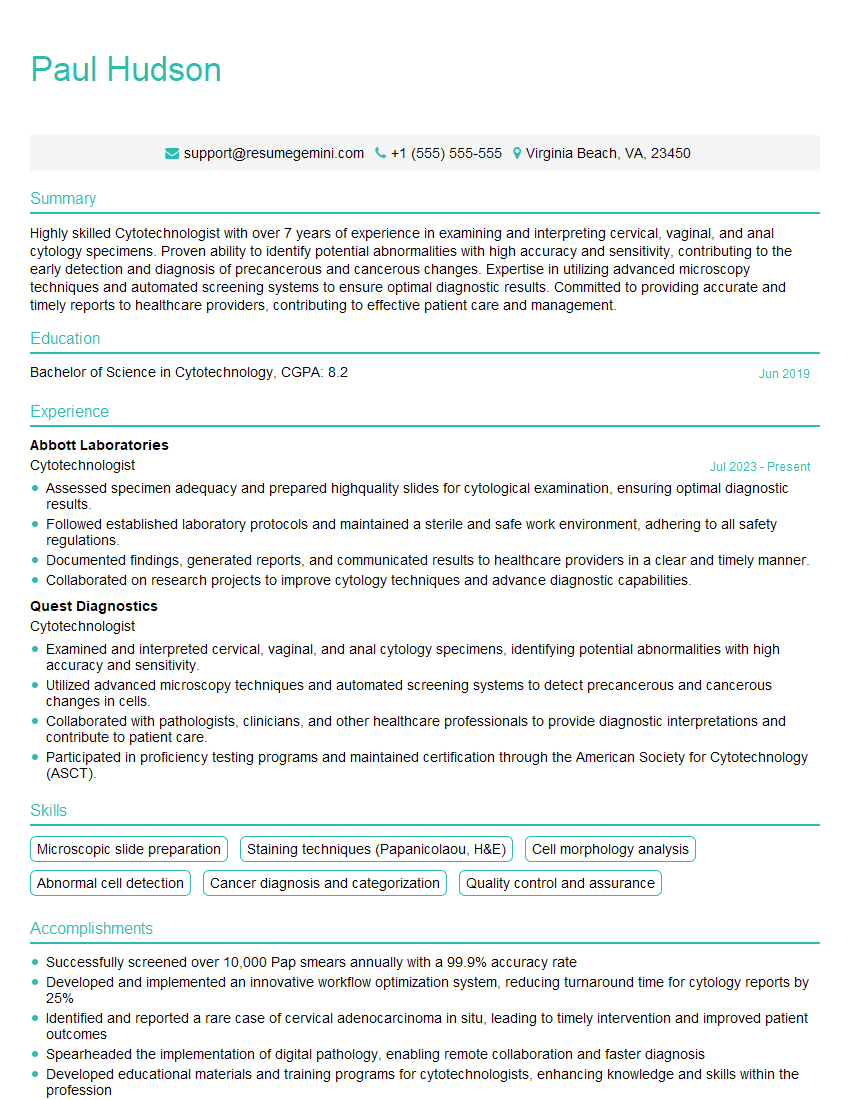
Cytotechnologist Resume Sample
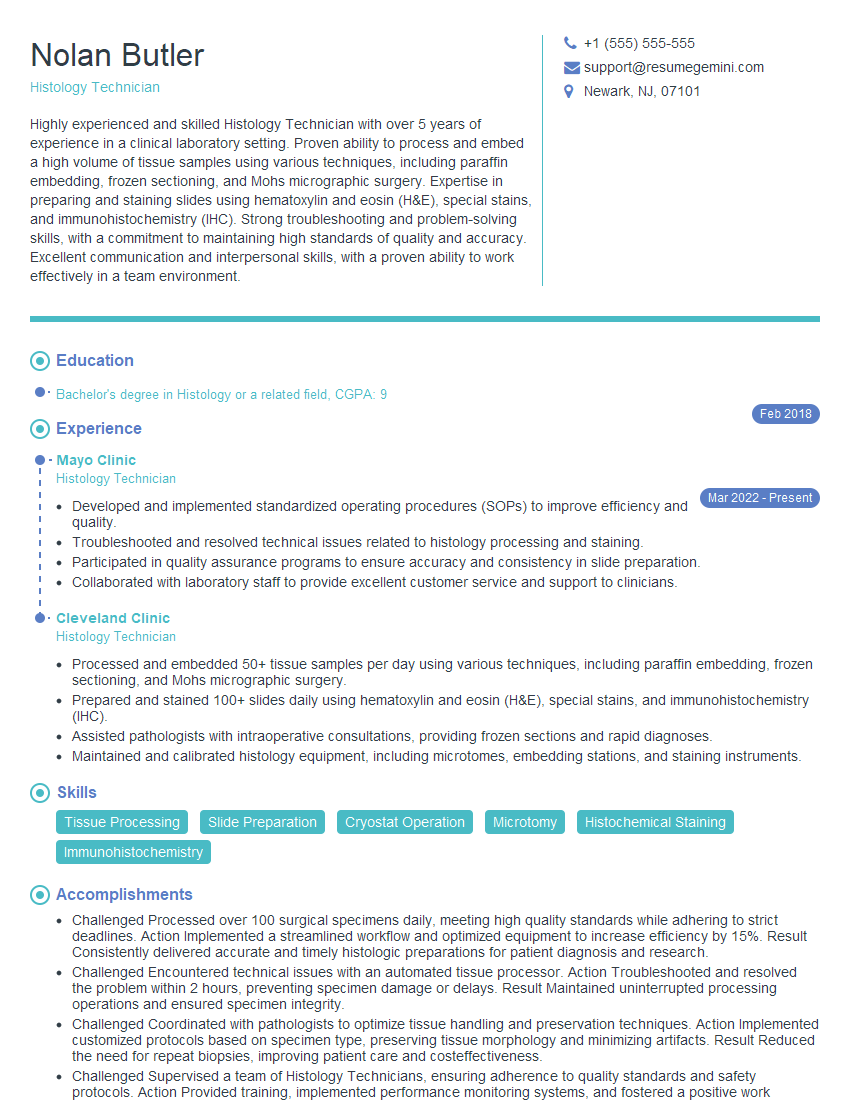
Histology Technician Resume Sample
- Lab Manager
- Research Associate
- Senior Scientist
- Research Scientist
- Quality Control Specialist
- Pharmaceutical Scientist
- Research Fellow
- Laboratory Supervisor
- Laboratory Technician
- Microbiologist
- Clinical Laboratory Scientist
- Molecular Biologist
- Biochemist
- Electron Microscopist
- Medical Technologist
- Cell Biologist
- Geneticist
- Principal Investigator
- Forensic Scientist
- Analytical Chemist
- Biotechnologist
- Immunologist
- Cytotechnologist
- Histology Technician
Explore more articles
Users Rating of Our Blogs
Share Your Experience
We value your feedback! Please rate our content and share your thoughts (optional).
What Readers Say About Our Blog
Amazing blog
Interesting Article, I liked the depth of knowledge you’ve shared.
Helpful, thanks for sharing.