Interviews are opportunities to demonstrate your expertise, and this guide is here to help you shine. Explore the essential Lawn Maintenance interview questions that employers frequently ask, paired with strategies for crafting responses that set you apart from the competition.
Questions Asked in Lawn Maintenance Interview
Q 1. Describe your experience with different types of lawn mowers.
My experience encompasses a wide range of lawn mowers, from basic rotary mowers to sophisticated robotic models. Rotary mowers are excellent for smaller lawns and are relatively inexpensive, but they can sometimes scalp the lawn if not used correctly. I’m proficient in adjusting cutting heights and blade sharpness for optimal performance. For larger properties, I frequently utilize riding mowers, both gas-powered and electric. These increase efficiency significantly. I’m adept at maintaining and troubleshooting these machines, ensuring smooth operation and preventing damage. Finally, I have experience with robotic mowers which offer precision and convenience, although their suitability depends on the lawn’s size and complexity. Choosing the right mower is crucial – a small rotary mower is impractical for a large acreage, while a riding mower might be overkill for a tiny yard. I consider the lawn’s size, terrain, and budget when selecting a mower for a project.
Q 2. Explain your knowledge of various fertilization techniques.
Fertilization is crucial for lawn health, and my approach is always tailored to the specific grass type and soil conditions. I use soil testing to determine nutrient deficiencies before applying any fertilizer. This avoids over-fertilizing, which can damage the lawn and pollute the environment. I’m experienced with granular fertilizers, which are easy to apply but require even distribution, and liquid fertilizers, which provide faster results but necessitate careful application to avoid burning the grass. I also utilize slow-release fertilizers to provide a steady supply of nutrients over time, minimizing the need for frequent applications. For example, a high-nitrogen fertilizer is great for promoting rapid growth in the spring, while a balanced fertilizer is better for overall health throughout the growing season. I always consider environmental impact and choose fertilizers with minimal negative effects on water sources.
Q 3. How do you identify and treat common lawn diseases?
Identifying and treating lawn diseases requires careful observation and a methodical approach. I start by visually inspecting the lawn for signs of disease, such as discoloration, wilting, or unusual spots. Common diseases like dollar spot, brown patch, and leaf spot present distinct symptoms. Once identified, I determine the severity of the infestation. Minor infestations might be managed with cultural practices such as improved aeration and watering techniques. For more severe cases, I use fungicides, always adhering to label instructions and applying them according to the specific disease. I emphasize preventative measures, including proper fertilization, watering, and mowing practices, to minimize the risk of diseases in the first place. I’ve had success in treating brown patch with a combination of fungicide and adjusting watering schedules to avoid prolonged periods of wetness.
Q 4. What are your methods for weed control, including pre-emergent and post-emergent applications?
Weed control involves a combination of pre-emergent and post-emergent herbicides. Pre-emergent herbicides are applied in the spring to prevent weed seeds from germinating. The timing is crucial and depends on the weed type and local climate. I often use pre-emergent herbicides for crabgrass control in spring. Post-emergent herbicides are used to control weeds that have already sprouted. I choose herbicides that target specific weed types to minimize damage to the lawn. For example, a selective herbicide will target broadleaf weeds without harming the grass. I always prioritize Integrated Pest Management (IPM) strategies, combining cultural controls, such as proper mowing and fertilization, with chemical controls only when necessary. For persistent weeds, I may employ a combination of selective herbicides and spot treatments to achieve optimal control without harming the desired turf. I always follow label instructions precisely to ensure safe and effective use.
Q 5. Describe your experience with irrigation systems, including installation and repair.
My experience with irrigation systems includes both installation and repair. I’m familiar with various irrigation system types, including drip irrigation, sprinkler systems, and soaker hoses. For installations, I assess the property’s layout and water needs to design an efficient system. I select appropriate sprinkler heads, piping, and controllers based on the lawn’s size, shape, and soil type. Regular maintenance is critical; I check for leaks, clogged sprinkler heads, and ensure proper water pressure. Repair work involves troubleshooting malfunctioning components, replacing damaged parts, and adjusting system settings. I’ve handled repairs ranging from simple leaks to replacing entire valve systems. My goal is to create a system that is efficient, effective, and environmentally responsible, minimizing water waste. Accurate placement of sprinkler heads and proper pressure adjustments are key to efficient water use.
Q 6. How do you determine the appropriate mowing height for different grass types?
Determining the appropriate mowing height depends significantly on the grass type. For example, Kentucky bluegrass thrives at a height of 2-3 inches, while fescue does well at 2-4 inches. Cutting too short stresses the grass, making it more susceptible to diseases and weeds. Cutting too high can lead to thatching. I always aim for a height that promotes healthy growth, avoiding scalping. The time of year also plays a role; I generally mow slightly higher during hot and dry periods to help retain moisture. I use a combination of visual inspection and knowledge of the specific grass type to determine the correct mowing height. Using a ruler to check the blades’ height ensures accuracy and consistency. Regular adjustments help maintain the ideal grass height, regardless of the growth rate.
Q 7. What safety precautions do you follow when operating lawn care equipment?
Safety is paramount in lawn care. Before operating any equipment, I ensure all safety guards are in place and functioning correctly. I wear appropriate personal protective equipment (PPE), including safety glasses, hearing protection, and sturdy footwear. I always inspect the equipment before each use to check for any damage or malfunctions. I avoid operating equipment in wet or slippery conditions, and I never refuel equipment while the engine is running. When using chemical products, I carefully follow label instructions and wear protective clothing. I’m also mindful of my surroundings, keeping a safe distance from obstructions and bystanders. Regular maintenance and careful operation are crucial for preventing accidents. I emphasize safety not only for myself but also for others who may be present on the property.
Q 8. Explain your experience with soil testing and its implications for lawn care.
Soil testing is fundamental to successful lawn care. It provides a snapshot of your soil’s composition, revealing its pH level, nutrient content (like nitrogen, phosphorus, and potassium), and organic matter levels. This information is crucial because different grasses thrive under specific soil conditions. For instance, a soil with low pH (acidic) might hinder the growth of certain grasses, while a deficiency in phosphorus can lead to stunted growth and weak root systems.
I typically use a soil testing kit to obtain a precise analysis, or I can leverage the services of a professional soil testing lab. The results guide my fertilization and amendment strategies. For example, if the test reveals a low pH, I might recommend applying lime to raise it. If phosphorus is deficient, I’ll incorporate a phosphorus-rich fertilizer into my plan. I always discuss the results with the client, explaining what they mean in simple terms and answering any questions they might have about improving their soil health.
One client, Mrs. Gable, had a lawn struggling with yellowing patches. Soil testing revealed low iron levels, a common issue in high-pH soils. We applied iron sulfate, and within a few weeks, her lawn had a vibrant green color again.
Q 9. How do you manage lawn pests and insects?
Pest and insect management requires a multi-pronged approach. I start with preventative measures such as proper fertilization and watering practices to promote strong, healthy grass that is better able to resist pests. Regular mowing at the correct height also helps. Early detection is key. I regularly inspect lawns for signs of infestation, such as unusual discoloration, wilting, or the presence of insects themselves.
For treatment, I prioritize Integrated Pest Management (IPM), which focuses on using the least-toxic methods first. This could include manual removal of pests, using beneficial insects (like ladybugs for aphids), or adjusting mowing and watering schedules. If these methods prove insufficient, I may use targeted pesticides, always choosing the least-toxic option that will effectively control the infestation. I strictly adhere to label instructions and follow all safety precautions, protecting both the environment and the client’s family.
For example, I recently tackled a grub infestation using a beneficial nematode application. These microscopic worms target grubs in the soil, providing a natural and effective solution.
Q 10. What is your experience with overseeding and aeration?
Overseeding and aeration are crucial for lawn renovation and improving its overall health. Overseeding involves planting new grass seed into an existing lawn to thicken it up, fill bare patches, and improve its density. Aeration is the process of creating small holes in the soil to improve drainage, reduce compaction, and allow air, water, and nutrients to reach the grass roots.
I typically perform aeration using a core aerator, which removes small plugs of soil, rather than a spike aerator which only punctures the soil. This is more effective for long-term improvement. Overseeding is usually done in the fall or spring, depending on the grass type and climate. I choose seed mixes tailored to the specific lawn’s conditions and the client’s preferences. I recommend the best timing and method based on the specifics of each lawn, which may include topdressing the lawn after aeration and overseeding to help establish the new seedlings.
A recent project involved a heavily compacted lawn. Aeration followed by overseeding with a shade-tolerant grass mix dramatically improved its appearance and health.
Q 11. Describe your knowledge of different grass types and their specific needs.
Different grass types have vastly different needs. Knowing these differences is vital for successful lawn care. For example, cool-season grasses like Kentucky bluegrass and fescue thrive in cooler climates and require less frequent mowing. Warm-season grasses like Bermuda and Zoysia prefer warmer temperatures and are more drought-tolerant. Each type has specific needs regarding sunlight, watering, fertilization, and mowing height.
I’m proficient in identifying various grass types and tailoring my approach accordingly. This includes understanding their growth habits, disease susceptibility, and preferred soil conditions. I always explain the type of grass to the client, along with their specific requirements so they understand how to maintain it even after our service is complete.
- Cool-Season Grasses: Generally prefer shade and cooler temperatures. Need less frequent mowing.
- Warm-Season Grasses: Thrive in hot, sunny conditions. Often more drought-tolerant.
Choosing the right grass for the local climate and the client’s preferences is essential for long-term success.
Q 12. How do you handle challenging weather conditions during lawn maintenance?
Challenging weather conditions demand flexibility and proactive measures. Excessive heat can stress lawns, necessitating more frequent and deeper watering (though avoiding overwatering). Drought conditions require strategic watering to conserve water while maintaining lawn health. I adjust my schedule and techniques as needed, sometimes employing methods like deep watering less frequently to encourage deep root growth.
Heavy rains can lead to compaction and fungal diseases. In such cases, proper drainage and aeration are important, and potentially fungicide application may be necessary if disease is present. Winter conditions necessitate different approaches, such as adjusting mowing heights and fertilizing at the appropriate times. I am always mindful of the specific conditions and adapt my practices accordingly, ensuring that the lawn is properly protected and cared for.
During a particularly harsh summer, I adjusted a client’s watering schedule, advising them on deep watering to help their lawn survive and recover.
Q 13. How do you manage customer expectations and address their concerns?
Managing customer expectations and addressing concerns involves clear communication and proactive problem-solving. Before starting any project, I discuss the scope of work, timeline, and expected results in detail. I listen carefully to the client’s needs and concerns, offering realistic assessments and advice. Regular updates throughout the project keep them informed about progress.
I’m always available to answer questions and address any issues that arise. If problems occur, I diagnose the issue, explain the solution, and follow through to ensure the problem is resolved to the client’s satisfaction. Open communication fosters trust and builds strong client relationships. For instance, if a client isn’t satisfied with the results of a fertilization treatment, I will investigate to understand the reasons and offer remedial steps.
Building positive relationships with my clients is paramount to my business.
Q 14. Describe your experience with estimating project costs.
Estimating project costs involves a detailed assessment of several factors. First, I need to determine the size of the lawn and the type of grass. Then I consider the services required, such as mowing, fertilization, weed control, aeration, and overseeding. I factor in material costs (fertilizers, pesticides, seeds), equipment use, labor costs, and any additional services the client requests.
I use a standardized pricing structure, but also tailor it based on the specific needs and complexities of each project. This ensures that the cost estimate is fair and accurate. I clearly present the estimate to the client, explaining each component so that they are well-informed about the total cost involved. Transparency and accuracy are key to maintaining trust and avoiding unexpected costs.
For example, if a client requests organic fertilization, I include the higher cost of these materials in the estimate.
Q 15. How do you maintain your equipment to ensure optimal performance?
Maintaining lawn care equipment is crucial for optimal performance and longevity. It’s akin to regularly servicing your car – preventative maintenance is far cheaper than emergency repairs.
- Regular Cleaning: After each use, I thoroughly clean all equipment, removing grass clippings, dirt, and debris. This prevents build-up that can dull blades or clog engines.
- Blade Sharpening: Sharp blades are essential for a clean cut and prevent tearing of grass. I sharpen mower blades at least twice a year, or more frequently depending on usage. A dull blade causes more stress on the engine and produces a ragged cut, which can damage the lawn.
- Engine Maintenance: For gas-powered equipment, I regularly check and change the oil, air filter, and spark plug according to the manufacturer’s recommendations. This ensures optimal engine performance and extends its lifespan. For battery-powered equipment, I ensure the battery is properly charged and stored.
- Lubrication: Moving parts require regular lubrication to prevent wear and tear. I apply appropriate lubricants to hinges, joints, and other moving components as needed.
- Storage: Proper storage is vital. I store all equipment in a dry, clean location, protecting them from the elements and potential damage.
For example, neglecting to sharpen mower blades leads to scalping, uneven cuts, and increased fuel consumption. A well-maintained engine, on the other hand, will start easily, run smoothly, and provide consistent power, improving efficiency and reducing downtime.
Career Expert Tips:
- Ace those interviews! Prepare effectively by reviewing the Top 50 Most Common Interview Questions on ResumeGemini.
- Navigate your job search with confidence! Explore a wide range of Career Tips on ResumeGemini. Learn about common challenges and recommendations to overcome them.
- Craft the perfect resume! Master the Art of Resume Writing with ResumeGemini’s guide. Showcase your unique qualifications and achievements effectively.
- Don’t miss out on holiday savings! Build your dream resume with ResumeGemini’s ATS optimized templates.
Q 16. Explain your understanding of sustainable lawn care practices.
Sustainable lawn care focuses on minimizing environmental impact while maintaining a healthy lawn. It’s about finding a balance between a beautiful lawn and responsible resource management.
- Reduced Chemical Use: I prioritize organic and natural fertilizers and pest control methods. This minimizes runoff into waterways and reduces harm to beneficial insects and wildlife. Composting grass clippings and using organic mulches helps enrich the soil naturally.
- Water Conservation: Smart irrigation techniques, such as using rain sensors and adjusting watering schedules based on weather conditions, are crucial. I also encourage clients to consider drought-tolerant grass varieties.
- Proper Mowing Techniques: Mowing at the correct height and leaving grass clippings on the lawn (mulching) helps maintain soil health and reduces the need for fertilization.
- Integrated Pest Management (IPM): IPM uses a combination of strategies, prioritizing less harmful methods like introducing beneficial insects or adjusting mowing heights before resorting to pesticides. If chemical intervention is necessary, I opt for the least toxic options.
- Soil Health: Healthy soil is the foundation of a healthy lawn. I promote soil health through aeration, topdressing, and proper fertilization, reducing the need for excessive inputs.
For instance, instead of using chemical weed killers, I might use a combination of targeted hand-weeding and mulching to suppress weed growth. This approach is more time-consuming initially, but it’s more environmentally friendly and results in long-term soil improvement.
Q 17. How do you prioritize tasks when working on multiple properties?
Prioritizing tasks across multiple properties involves efficient scheduling and resource allocation. I use a combination of strategies to ensure optimal workflow.
- Client Needs: I prioritize tasks based on client urgency and contract agreements. For example, a client requesting emergency service for storm damage takes precedence over routine mowing.
- Service Frequency: Regular maintenance tasks like mowing are scheduled based on growth rates and client preferences. Properties requiring more frequent service might be prioritized to maintain consistency.
- Geographic Proximity: I group properties geographically to minimize travel time and fuel consumption, enhancing efficiency.
- Task Complexity: More complex tasks like fertilization or aeration are scheduled based on weather conditions and the availability of specialized equipment.
- Utilizing Technology: I use scheduling apps and calendars to track appointments and ensure timely completion of all tasks across all properties.
Imagine a scenario where one client requires urgent weed control and another has a routine mowing schedule. The weed control task takes precedence due to its urgency and potential for further damage if delayed.
Q 18. Describe your experience with using GPS technology in lawn care.
GPS technology has revolutionized lawn care, allowing for increased efficiency and precision. I use GPS-enabled equipment and software in several ways.
- Precise Mowing Patterns: GPS-guided mowers ensure consistent and efficient mowing patterns, reducing overlaps and missed areas. This saves time and fuel.
- Route Optimization: GPS navigation helps optimize routes between properties, reducing travel time and improving overall productivity.
- Accurate Mapping: GPS mapping allows me to create detailed maps of properties, highlighting areas needing specific attention, such as fertilization or weed control. This detailed information aids in planning and tracking progress.
- Data Collection: Some GPS systems collect data on mowing speed, coverage, and fuel consumption, providing valuable insights for improving efficiency.
For example, using GPS to map a large property allows me to quickly identify areas that need extra attention during fertilization, ensuring even coverage and maximizing the effectiveness of the treatment.
Q 19. How do you handle unexpected problems or equipment malfunctions?
Handling unexpected problems or equipment malfunctions requires quick thinking and a proactive approach. My strategy involves a combination of preparedness and problem-solving.
- Preventive Maintenance: Regular maintenance significantly reduces the likelihood of equipment failures. This proactive approach minimizes unexpected downtime.
- Emergency Kit: I carry a well-stocked emergency kit containing essential tools, spare parts, and basic repair supplies for common equipment issues.
- Contacting Professionals: For more serious malfunctions, I have a network of trusted mechanics and repair services that I can quickly contact.
- Alternative Solutions: In case of equipment failure, I have backup equipment or alternative methods to complete the job, minimizing delays for the client.
- Client Communication: Open and honest communication with clients about unexpected delays or issues is crucial to maintain trust and transparency.
For example, if my mower’s blade breaks, I have a spare blade readily available. If a more serious engine problem arises, I contact my mechanic while simultaneously communicating the delay to the client and providing an estimated timeframe for completion.
Q 20. How do you document your work and maintain accurate records?
Accurate documentation is essential for maintaining client relationships, tracking progress, and managing finances. My system combines digital and physical records.
- Digital Records: I use software to track client details, service history, payment information, and project notes. This allows for easy access to information and generates professional invoices.
- Photos and Videos: Visual documentation (before and after pictures/videos) is crucial to show clients the results of the services provided. This also serves as evidence of completed work.
- Physical Records: I maintain physical copies of contracts, invoices, and other important documents, ensuring redundancy and access in case of digital system issues.
- Regular Backups: Regular backups of all digital data protect against data loss and ensure business continuity.
For instance, before and after photos of a fertilization treatment demonstrate the improvement in lawn health, providing evidence of a job well done and fostering client trust. This also helps resolve any potential disputes about the quality of work.
Q 21. What is your experience with trimming hedges and shrubs?
Trimming hedges and shrubs requires precision and an understanding of plant health. It’s more than just cutting; it’s about shaping and maintaining the health of the plants.
- Proper Tools: I use a variety of tools depending on the size and type of plant, including hand shears, hedge trimmers (both gas and electric), and loppers. Choosing the right tool for the job ensures clean cuts and minimizes damage.
- Plant Knowledge: Understanding the growth habits of different plants is crucial. Over-trimming can damage the plant’s structure and health. I take into account the plant’s natural form and aim to enhance it, not impose an unnatural shape.
- Safe Practices: Safety is paramount. I always use appropriate safety equipment, including eye protection and gloves, when operating power tools.
- Techniques: I use various trimming techniques, such as shaping, thinning, and selective pruning, depending on the desired outcome and the plant’s health. Thinning involves removing some branches to improve air circulation and sunlight penetration.
For example, when trimming a formal hedge, I use a hedge trimmer to create sharp, even lines, ensuring a polished and consistent appearance. For a more natural look, I use hand shears to selectively prune branches, allowing the plant’s natural form to be visible.
Q 22. Describe your experience with creating and maintaining flower beds.
Creating and maintaining vibrant flower beds requires a multi-faceted approach, encompassing design, planting, and ongoing care. I begin by assessing the site’s conditions: sun exposure, soil type, and available space. This informs my plant selection; I choose varieties that thrive in the given environment, considering bloom times for continuous color throughout the season.
For example, I might combine shade-loving hostas with sun-worshipping coneflowers for a diverse and visually appealing bed. After planting, proper watering is crucial – consistent moisture without over-saturation. Regular weeding is essential to prevent competition for resources. Finally, I implement a fertilization schedule, tailored to the specific needs of the plants, using both slow-release granular and liquid feeds as necessary. Deadheading – removing spent blooms – encourages more prolific flowering. I’ve had excellent success creating thriving flower beds, consistently receiving positive client feedback on the beauty and health of their plantings. One notable project involved transforming a neglected corner of a property into a stunning perennial garden that attracts butterflies and hummingbirds, significantly enhancing the property’s aesthetic appeal.
Q 23. How do you ensure the safety of yourself and others while working on a property?
Safety is paramount in lawn care. My approach is proactive and comprehensive. Before starting any work, I thoroughly inspect the area for hazards – hidden wires, underground pipes, or obstacles that could cause injury. I utilize appropriate personal protective equipment (PPE) consistently, including safety glasses, gloves, sturdy footwear, and hearing protection when using power equipment. I always follow manufacturer instructions for all machinery and tools. When working with chemicals, I strictly adhere to label instructions, wearing protective clothing and ensuring proper ventilation. I clearly communicate with clients and other workers about safety protocols and potential hazards on the property. For instance, I always place caution signs around areas where work is being done. I also prioritize regular maintenance checks on all equipment to prevent malfunction and avoid accidents. I believe a safe work environment is the foundation of a successful and productive team. I’ve established a zero-tolerance policy for unsafe practices, creating a culture of responsibility that consistently prioritizes safety.
Q 24. Describe your experience with organic lawn care methods.
I have extensive experience with organic lawn care methods, which prioritize ecological balance and sustainability. This approach minimizes the use of synthetic fertilizers and pesticides, relying instead on natural practices. For fertilization, I utilize compost, manure, and other organic materials to improve soil health and provide nutrients. I promote beneficial microbial activity in the soil through aeration and the introduction of beneficial microbes. Weed control is achieved through mulching, targeted hand-weeding, and the strategic use of organic herbicides like vinegar or corn gluten meal. I also practice sustainable mowing techniques, such as leaving grass clippings on the lawn as natural fertilizer (grasscycling) and maintaining an appropriate mowing height to promote a dense, healthy turf. One successful project involved transforming a chemically treated lawn into a vibrant, healthy, organic lawn within a year, simply by amending the soil, switching to organic fertilization, and practicing sustainable mowing techniques. Clients consistently report a healthier, more resilient lawn and greater peace of mind knowing their property isn’t exposed to harsh chemicals.
Q 25. How do you stay up-to-date on the latest lawn care techniques and technologies?
Staying current in lawn care necessitates continuous learning. I regularly attend industry conferences and workshops offered by organizations like the National Association of Landscape Professionals (NALP) and local horticultural societies. I subscribe to professional journals and online resources that feature the latest research on turfgrass management and pest control. I also actively participate in online forums and communities where landscape professionals share best practices and new techniques. I actively seek out continuing education opportunities focused on sustainable practices and new technologies such as robotic mowers and soil sensors. This commitment to ongoing professional development keeps me at the forefront of the industry and allows me to provide my clients with the most effective and up-to-date services.
Q 26. Describe your experience managing a team in a lawn care environment.
My experience managing lawn care teams centers around fostering a collaborative and productive environment. I believe in clear communication, delegating tasks effectively, and providing consistent training and feedback. I empower my team members by providing them with the necessary tools and knowledge to perform their tasks efficiently and safely. I conduct regular team meetings to discuss project updates, address challenges, and share best practices. I actively build a strong sense of teamwork and camaraderie, creating a supportive environment where everyone feels valued and respected. This approach ensures high-quality work and increases employee satisfaction and retention. In one instance, I successfully guided a team through a demanding season by implementing a proactive scheduling system and utilizing effective communication strategies, resulting in high client satisfaction and project completion within budget and deadlines.
Q 27. How do you handle difficult clients or customer complaints?
Handling difficult clients or complaints requires a calm, professional demeanor and a commitment to resolution. I actively listen to the client’s concerns without interrupting, seeking to understand their perspective. I then clearly outline the steps taken to address the issue, explaining the process and rationale in a clear and concise manner. I empathize with their frustration while maintaining professionalism. If a mistake was made, I take responsibility, outlining corrective actions. I strive to find mutually acceptable solutions, even offering concessions where appropriate, keeping the client’s satisfaction as the priority. For example, I once resolved a dispute concerning a damaged sprinkler head by promptly replacing it and offering a complimentary service on their next visit, turning a negative experience into a positive one that reinforced client loyalty. My goal is always to turn a negative situation into an opportunity to demonstrate professionalism, accountability, and dedication to customer satisfaction.
Q 28. What are your salary expectations for this role?
My salary expectations for this role are commensurate with my experience and expertise in the field, considering the scope of responsibilities and the competitive landscape. I am open to discussing a compensation package that reflects my contributions and aligns with the company’s compensation structure. I am confident that my skills and experience will bring significant value to your organization.
Key Topics to Learn for Lawn Maintenance Interview
- Lawn Health Assessment: Understanding soil types, identifying common lawn diseases and pests, recognizing signs of nutrient deficiencies, and assessing overall lawn health.
- Mowing Techniques: Proper mowing height for different grass types, sharpening and maintaining mower blades, understanding the impact of mowing patterns on lawn health, and safe operating procedures.
- Fertilization and Weed Control: Choosing the right fertilizers based on soil tests and grass type, applying fertilizers and herbicides safely and effectively, understanding the principles of integrated pest management (IPM).
- Irrigation and Watering: Understanding different irrigation systems, optimizing watering schedules to conserve water and promote healthy growth, recognizing signs of overwatering or underwatering.
- Equipment Maintenance and Safety: Proper maintenance and care of lawn care equipment (mowers, trimmers, blowers), safe handling and storage of chemicals and equipment, adherence to safety regulations.
- Client Communication and Customer Service: Effectively communicating with clients about lawn care plans, addressing client concerns and questions professionally, providing excellent customer service.
- Seasonal Lawn Care: Understanding the specific needs of lawns during different seasons (spring, summer, fall, winter), adapting maintenance practices accordingly.
- Problem-Solving and Troubleshooting: Identifying and addressing common lawn problems (e.g., weed infestations, disease outbreaks, pest damage), developing effective solutions.
Next Steps
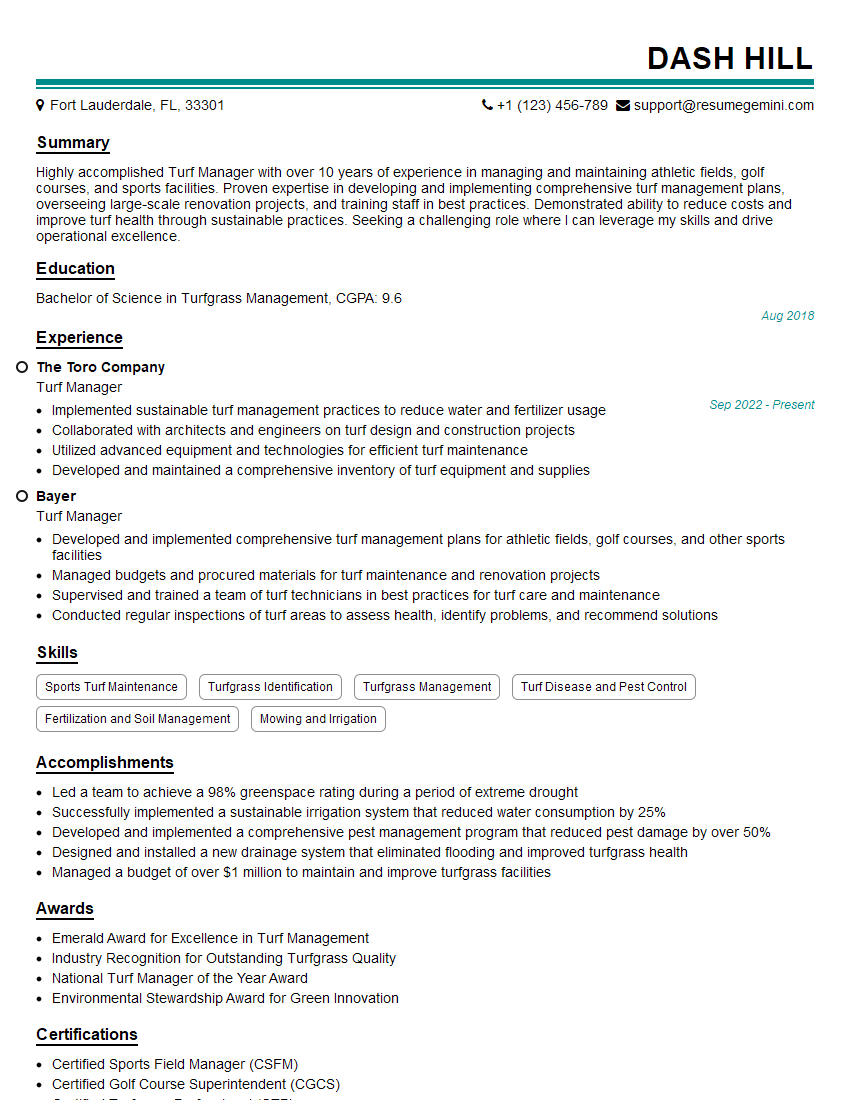
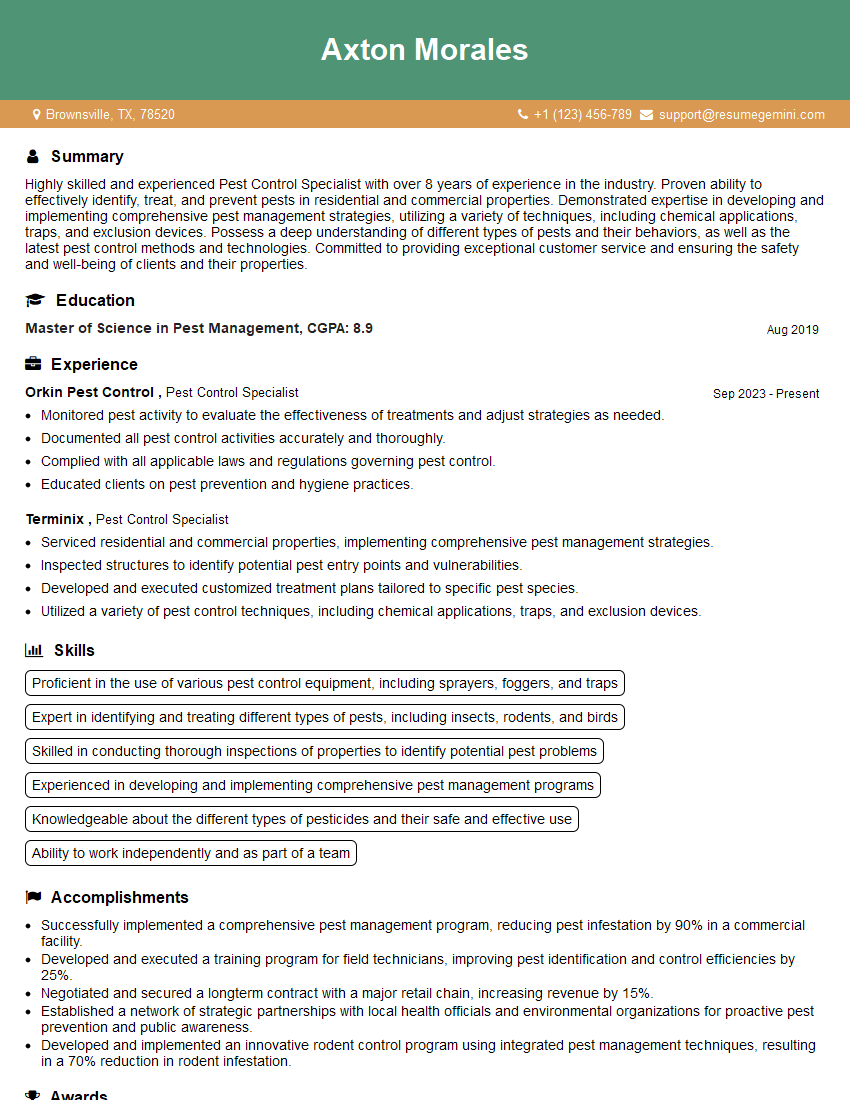
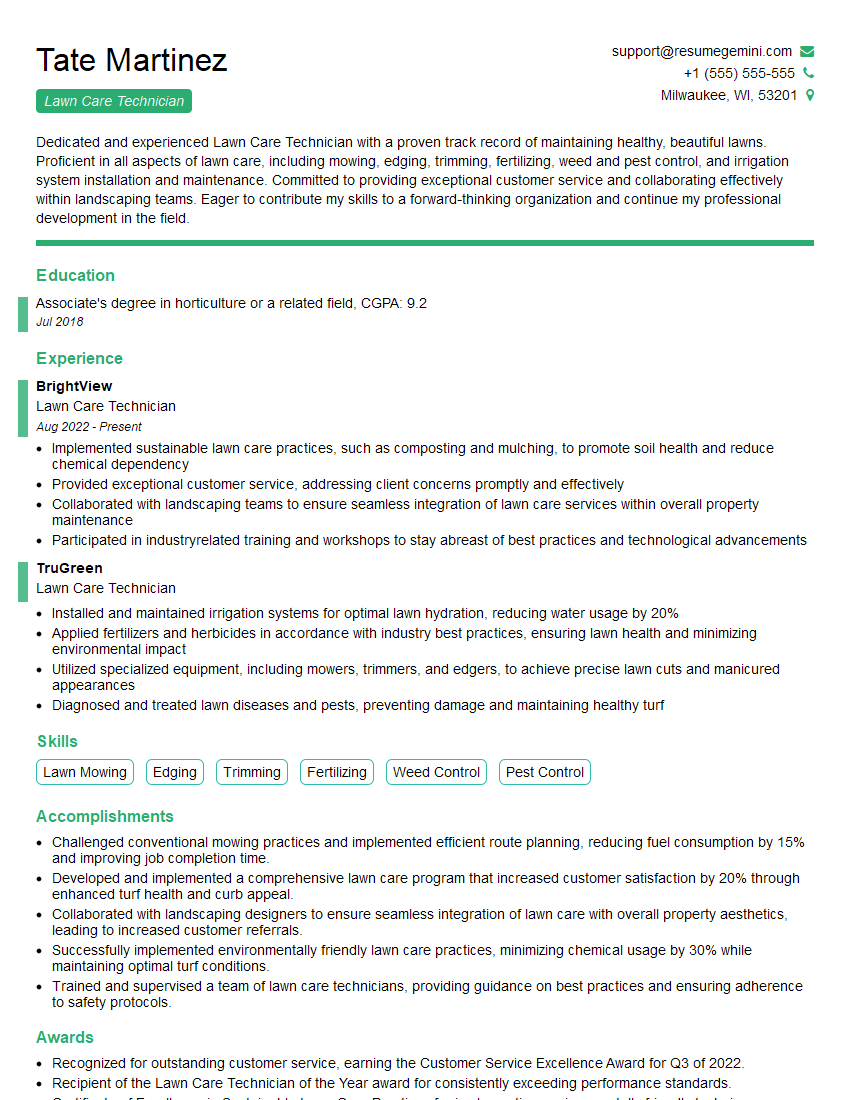
Mastering lawn maintenance opens doors to a rewarding career with opportunities for advancement, from crew member to supervisor to even business ownership. To significantly boost your job prospects, create a compelling and ATS-friendly resume that highlights your skills and experience. ResumeGemini is a trusted resource that can help you build a professional and effective resume tailored to the lawn maintenance industry. Examples of resumes specifically designed for lawn maintenance positions are available to guide you. Invest time in crafting a strong resume – it’s your first impression with potential employers.


Explore more articles
Users Rating of Our Blogs
Share Your Experience
We value your feedback! Please rate our content and share your thoughts (optional).
What Readers Say About Our Blog
hello,
Our consultant firm based in the USA and our client are interested in your products.
Could you provide your company brochure and respond from your official email id (if different from the current in use), so i can send you the client’s requirement.
Payment before production.
I await your answer.
Regards,
MrSmith
hello,
Our consultant firm based in the USA and our client are interested in your products.
Could you provide your company brochure and respond from your official email id (if different from the current in use), so i can send you the client’s requirement.
Payment before production.
I await your answer.
Regards,
MrSmith
These apartments are so amazing, posting them online would break the algorithm.
https://bit.ly/Lovely2BedsApartmentHudsonYards
Reach out at [email protected] and let’s get started!
Take a look at this stunning 2-bedroom apartment perfectly situated NYC’s coveted Hudson Yards!
https://bit.ly/Lovely2BedsApartmentHudsonYards
Live Rent Free!
https://bit.ly/LiveRentFREE
Interesting Article, I liked the depth of knowledge you’ve shared.
Helpful, thanks for sharing.
Hi, I represent a social media marketing agency and liked your blog
Hi, I represent an SEO company that specialises in getting you AI citations and higher rankings on Google. I’d like to offer you a 100% free SEO audit for your website. Would you be interested?