Interviews are more than just a Q&A session—they’re a chance to prove your worth. This blog dives into essential Material Safety Knowledge interview questions and expert tips to help you align your answers with what hiring managers are looking for. Start preparing to shine!
Questions Asked in Material Safety Knowledge Interview
Q 1. Explain the importance of Material Safety Data Sheets (MSDS).
Material Safety Data Sheets (MSDS), now often called Safety Data Sheets (SDS), are crucial documents that provide comprehensive information about the hazards associated with a chemical product and how to handle it safely. Think of them as the instruction manual for chemicals. They’re essential for protecting workers, emergency responders, and the environment.
An SDS details the chemical’s properties, potential health effects (like irritation or toxicity), physical hazards (flammability, reactivity), and safe handling procedures. It outlines the necessary personal protective equipment (PPE), emergency response procedures, and proper disposal methods. Without an SDS, companies and individuals are essentially working blind, potentially leading to accidents, injuries, and environmental damage.
For example, an SDS for a strong acid would clearly indicate its corrosive nature, the need for eye protection and gloves, and specific procedures for spills. Similarly, an SDS for a flammable solvent would highlight its fire hazard and the appropriate fire-suppression techniques.
Q 2. Describe the different hazard classes according to Globally Harmonized System of Classification and Labelling of Chemicals (GHS).
The Globally Harmonized System of Classification and Labelling of Chemicals (GHS) provides a globally consistent system for classifying chemicals based on their hazards and communicating those hazards through labels and safety data sheets. It categorizes hazards into several classes, including:
- Physical Hazards: These pertain to the inherent physical properties of a chemical that can cause harm. Examples include flammability (e.g., gasoline), explosiveness (e.g., dynamite), and oxidizing properties (e.g., hydrogen peroxide).
- Health Hazards: These relate to the potential for a chemical to harm human health. Examples include acute toxicity (immediate poisoning), skin corrosion/irritation, respiratory sensitization (allergic reactions), carcinogenicity (cancer-causing), and reproductive toxicity.
- Environmental Hazards: These focus on the potential of a chemical to cause harm to the environment. This includes aquatic toxicity (harm to aquatic life) and ozone depletion potential.
Each hazard class has specific criteria for classification, determining the level of hazard (e.g., Category 1, 2, 3, etc.), which dictates the required label elements and the precautions mentioned in the SDS. The GHS ensures consistent communication of chemical hazards worldwide, improving safety and preventing misunderstandings.
Q 3. What are the key components of a comprehensive safety program?
A comprehensive workplace safety program is built on several key pillars. It’s not just about putting up signs; it’s a holistic approach encompassing:
- Hazard Identification and Risk Assessment: Proactively identifying potential hazards and assessing the associated risks.
- Hazard Control: Implementing control measures to eliminate or minimize identified hazards (e.g., engineering controls, administrative controls, PPE).
- Safety Training and Education: Providing thorough training to employees on safety procedures, hazard recognition, and emergency response.
- Emergency Preparedness and Response: Developing and practicing emergency plans for various scenarios (e.g., fire, chemical spills, medical emergencies).
- Record Keeping and Reporting: Maintaining accurate records of accidents, near misses, training, and inspections.
- Continuous Improvement: Regularly reviewing and updating the safety program based on performance data, new regulations, and technological advancements.
- Communication and Consultation: Encouraging open communication between management and employees regarding safety concerns.
A strong safety program is a culture, not just a set of rules. It requires active participation and commitment from everyone at all levels of the organization.
Q 4. How do you identify and assess workplace hazards?
Identifying and assessing workplace hazards involves a systematic approach. It often begins with a walk-through inspection of the facility, paying close attention to potential sources of danger. Methods include:
- Workplace Inspections: Regularly scheduled walkthroughs to visually identify potential hazards such as tripping hazards, exposed wiring, or inadequate lighting.
- Job Hazard Analysis (JHA): A systematic process of breaking down a job into individual steps and identifying potential hazards associated with each step.
- Incident Investigation: Thoroughly investigating accidents and near misses to identify root causes and implement preventive measures.
- Employee Feedback: Encouraging employees to report hazards and near misses through open communication channels.
- Reviewing SDSs: Regularly checking safety data sheets for the chemicals used in the workplace.
Once hazards are identified, a risk assessment is performed to determine the likelihood and severity of potential harm, helping prioritize control measures.
Q 5. Explain the process of conducting a risk assessment.
A risk assessment involves a systematic process of evaluating the likelihood and severity of harm from identified hazards. The steps typically include:
- Identify Hazards: List all potential hazards in the workplace.
- Identify Who Might Be Harmed and How: Determine which workers or other people (e.g., visitors) could be exposed to each hazard and how they might be harmed.
- Evaluate the Risks: Assess the likelihood and severity of harm for each hazard. This often uses a risk matrix that considers the probability of occurrence and the potential consequences.
- Record the Findings: Document the identified hazards, risks, and control measures.
- Review and Update: Regularly review and update the risk assessment to reflect changes in the workplace or new information.
For example, a risk assessment for a construction site might identify hazards like falls from heights, exposure to heavy machinery, and chemical exposure. The risk assessment would then determine the likelihood of each hazard occurring and the potential severity of injury, allowing for the implementation of appropriate control measures, such as providing safety harnesses, implementing lockout/tagout procedures, and ensuring proper ventilation.
Q 6. What are your strategies for controlling hazards in the workplace?
Controlling hazards in the workplace employs a hierarchy of controls, prioritizing the most effective methods:
- Elimination: Completely removing the hazard. This is the most effective but not always feasible.
- Substitution: Replacing a hazardous substance or process with a less hazardous alternative.
- Engineering Controls: Implementing physical changes to the workplace to reduce or eliminate hazards (e.g., guarding machinery, improving ventilation).
- Administrative Controls: Implementing work practices or procedures to reduce exposure to hazards (e.g., job rotation, work permits, safety training).
- Personal Protective Equipment (PPE): Providing employees with PPE to protect them from hazards (e.g., gloves, safety glasses, respirators). This is the last line of defense and should only be used when other controls are insufficient.
The choice of control method depends on the specific hazard and the feasibility of implementing each control. A combination of controls is often necessary to adequately mitigate risk.
Q 7. Describe your experience with implementing safety training programs.
I have extensive experience in developing and implementing safety training programs tailored to specific workplace needs and regulatory requirements. My approach is to make training engaging, interactive, and relevant to the employees’ daily tasks.
In previous roles, I’ve developed and delivered training on a wide range of topics including hazard communication, lockout/tagout procedures, chemical handling, fire safety, personal protective equipment (PPE) use, and emergency response. I utilize various methods such as interactive workshops, online modules, practical demonstrations, and case studies to ensure effective learning and knowledge retention.
For instance, when training on chemical handling, I incorporate practical demonstrations on proper PPE usage and spill response procedures. Post-training assessments and ongoing reinforcement activities ensure employees consistently adhere to safety protocols. My training programs always emphasize the importance of employee participation and feedback to continuously improve their effectiveness and relevance.
Q 8. How do you ensure compliance with relevant safety regulations (e.g., OSHA)?
Ensuring compliance with safety regulations like OSHA involves a multi-faceted approach. It begins with a thorough understanding of all applicable standards relevant to our operations. This includes regularly reviewing and updating our knowledge of these standards, as they evolve and change. We then translate these regulations into practical, actionable workplace procedures. This means developing and implementing detailed safety programs, training materials, and regular safety inspections. For example, if we’re working with hazardous chemicals, we’d ensure our handling procedures adhere to OSHA’s Hazard Communication Standard (HazCom), including proper labeling, SDS availability, and employee training. We also maintain meticulous documentation of our compliance efforts, including training records, inspection reports, and any corrective actions taken. Proactive hazard identification and risk assessment are critical components; we conduct regular safety audits to identify potential violations before they become incidents. Finally, we foster a culture of safety where reporting potential hazards is encouraged and not penalized, allowing for continuous improvement.
Q 9. Explain the hierarchy of controls for hazard mitigation.
The hierarchy of controls for hazard mitigation is a prioritized approach to eliminating or minimizing workplace hazards. It’s a pyramid, with the most effective controls at the top. Think of it as a last-resort approach, starting with the most effective and moving down only if the higher levels aren’t feasible.
- Elimination: This is the best approach – removing the hazard entirely. For example, replacing a manual material handling task with automated equipment.
- Substitution: Replacing a hazardous substance with a less hazardous alternative. For instance, switching from a solvent-based cleaner to a water-based one.
- Engineering Controls: Implementing physical changes to the workplace to reduce exposure. Examples include installing ventilation systems to remove harmful fumes or using machine guarding to prevent contact injuries.
- Administrative Controls: Implementing work practices and procedures to reduce exposure. This could involve rotating employees to limit exposure, using warning signs, or implementing strict lockout/tagout procedures.
- Personal Protective Equipment (PPE): Providing workers with equipment to protect them from hazards. PPE is the last line of defense and should only be used when other controls aren’t feasible. Examples include safety glasses, gloves, respirators, and hearing protection.
It’s crucial to remember that the hierarchy isn’t always linear; sometimes, a combination of controls is necessary for effective hazard mitigation.
Q 10. How do you investigate and report workplace accidents?
Investigating and reporting workplace accidents follows a structured process to determine the root cause and prevent recurrence. First, we secure the scene to prevent further injury and preserve evidence. Then, we gather information from all relevant sources – eyewitnesses, injured parties, supervisors, and any available documentation. We take photographs and videos of the accident site. Our investigation will involve analyzing the sequence of events leading to the accident. We use established methods like fault tree analysis or fishbone diagrams to identify contributing factors. The report will include a detailed description of the incident, contributing factors, injuries sustained, corrective actions taken, and recommendations to prevent future incidents. This report will be submitted to regulatory agencies (like OSHA) as required, and internally shared for continuous improvement efforts. Employee privacy is respected while ensuring all necessary information is gathered to prevent future occurrences.
Q 11. Describe your experience with incident investigations and root cause analysis.
I have extensive experience conducting incident investigations and root cause analysis. In a previous role, we had an incident involving a forklift accident. My investigation involved interviewing the operator, examining the forklift’s maintenance records, and analyzing the surrounding work area. Through root cause analysis, using a ‘5 Whys’ approach, we discovered that inadequate training on safe forklift operation and poor visibility in the warehouse due to inadequate lighting were contributing factors. This led to implementing comprehensive retraining programs for forklift operators, upgrading warehouse lighting, and implementing stricter speed limits within the warehouse. The subsequent reduction in near misses and accidents demonstrated the effectiveness of our thorough investigation and corrective actions. I am proficient in various root cause analysis methodologies, including fault tree analysis, fishbone diagrams, and ‘5 Whys’, adapting my approach based on the complexity of the incident.
Q 12. What are your strategies for improving workplace safety culture?
Improving workplace safety culture requires a holistic, long-term commitment. It starts with leadership buy-in; safety must be a core value, demonstrated by management’s active involvement and commitment. We promote open communication by encouraging employees to report hazards without fear of reprisal. This can be achieved through anonymous reporting systems and regular safety meetings where employees can share concerns and suggestions. We implement effective training programs using various methods including interactive modules, hands-on exercises, and scenario-based learning. Regular safety audits and inspections are conducted, not as punitive measures but as opportunities for improvement. We also recognize and reward employees for their contributions to safety. This creates a positive reinforcement loop where safe work practices are seen as valued and important. Finally, we regularly assess and adapt our strategies based on data analysis of accident trends and employee feedback to continuously improve our safety culture.
Q 13. How do you handle emergency situations in the workplace?
Handling emergency situations requires preparedness and a structured response plan. We have established emergency response procedures for various scenarios, including fires, chemical spills, medical emergencies, and severe weather events. These procedures outline clear roles and responsibilities, evacuation routes, and communication protocols. Regular drills and training sessions ensure employees are familiar with these procedures. We have clearly marked emergency exits and assembly points. We maintain readily available emergency equipment, such as fire extinguishers, spill kits, and first-aid supplies. In the event of an emergency, our first priority is to ensure the safety of personnel, then contain and mitigate the hazard, and finally report the incident and initiate the appropriate recovery process. Regular review and update of our emergency response plan are crucial to ensure its effectiveness and adaptability to changing circumstances.
Q 14. What is your experience with personal protective equipment (PPE)?
My experience with personal protective equipment (PPE) is comprehensive. It starts with a thorough hazard assessment to determine the appropriate PPE for each task. This includes evaluating the type and level of hazard, considering factors like chemical resistance, impact protection, and thermal protection. We provide training on the proper selection, use, maintenance, and limitations of PPE. Employees are trained to inspect their PPE before each use and report any damage or defects. We ensure proper fit and comfort are addressed to encourage consistent use. Regular inspections of PPE storage and maintenance facilities are undertaken to ensure adequate supply and optimal condition. We also follow strict procedures for cleaning, disinfecting, and storing PPE to prevent cross-contamination. Beyond the practical aspects, we emphasize the importance of PPE as a crucial element in the overall safety program, reinforcing its use through consistent messaging and leading by example.
Q 15. How do you ensure the proper selection, use, and maintenance of PPE?
Ensuring proper selection, use, and maintenance of Personal Protective Equipment (PPE) is paramount to worker safety. It’s a multi-step process that begins with a thorough hazard assessment. This assessment identifies the specific risks present in a workplace, such as chemical splashes, impact hazards, or electrical risks.
Selection: Based on the hazard assessment, appropriate PPE is chosen. This isn’t a one-size-fits-all approach; the PPE must be specifically designed to mitigate the identified hazard. For instance, if the risk is chemical splashes, chemical-resistant gloves and eye protection are necessary. If the risk is falling objects, a hard hat is crucial. The selection process also considers factors like comfort and fit to ensure employees will actually wear the equipment.
Use: Proper use is equally important. Employees must be trained on how to correctly don, doff (remove), and use the PPE. This includes understanding the limitations of the equipment. For example, even the best gloves might not protect against all chemicals. Regular inspections for damage or wear are also essential.
Maintenance: PPE needs regular maintenance and replacement. Gloves should be replaced if they’re torn or degraded. Hard hats should be checked for cracks or dents. Regular cleaning and storage in a designated area are also vital for extending the lifespan and effectiveness of the PPE. Maintaining records of inspections and replacements is critical for demonstrating compliance.
Example: In a chemical laboratory, a hazard assessment might identify the risk of corrosive chemical splashes. The appropriate PPE would be chemical-resistant gloves, safety glasses, and a lab coat. Employees would be trained on proper use and cleaning of the gloves and glasses, and a system would be in place for regularly replacing damaged or worn equipment.
Career Expert Tips:
- Ace those interviews! Prepare effectively by reviewing the Top 50 Most Common Interview Questions on ResumeGemini.
- Navigate your job search with confidence! Explore a wide range of Career Tips on ResumeGemini. Learn about common challenges and recommendations to overcome them.
- Craft the perfect resume! Master the Art of Resume Writing with ResumeGemini’s guide. Showcase your unique qualifications and achievements effectively.
- Don’t miss out on holiday savings! Build your dream resume with ResumeGemini’s ATS optimized templates.
Q 16. Explain the different types of respiratory protection and their applications.
Respiratory protection involves devices designed to protect the wearer from inhaling hazardous airborne substances. The selection depends entirely on the specific hazard and its concentration. Here are some common types:
- Air-Purifying Respirators (APR): These respirators filter out contaminants from the surrounding air. They’re suitable for environments with known contaminants at levels below the Immediately Dangerous to Life or Health (IDLH) concentration. Common types include N95 masks (filtering out at least 95% of airborne particles), and respirators with cartridges or filters for specific gases and vapors.
- Supplied-Air Respirators (SAR): These respirators provide clean air from a source independent of the surrounding atmosphere, such as a compressed air tank or an air compressor. They are used in environments with high concentrations of contaminants, or oxygen-deficient atmospheres. SARs offer a higher level of protection than APRs.
- Self-Contained Breathing Apparatus (SCBA): SCBAs are self-contained units that provide a user with a supply of breathable air in a completely sealed environment. They’re essential for entry into IDLH environments and offer the highest level of respiratory protection.
Applications: APRs are common in construction (dust masks), healthcare (N95 masks for infection control), and some industrial settings. SARs are used in confined space entry, chemical spills, and other high-hazard situations. SCBAs are used in firefighting, hazardous material response, and other extremely dangerous environments.
Q 17. How do you manage hazardous waste disposal?
Hazardous waste disposal requires adherence to stringent regulations to protect human health and the environment. It begins with proper segregation and identification of the waste streams. Each waste type must be labeled according to its hazardous properties (flammable, corrosive, toxic, etc.).
Next, the waste must be packaged securely in containers that are compatible with the waste’s properties. Leaking or damaged containers must never be used.
The next step involves selecting a licensed hazardous waste disposal facility. These facilities have permits and follow strict regulations for proper treatment, storage, and disposal methods. The waste is transported using vehicles approved for hazardous materials transport. Detailed records must be maintained throughout the entire process, including the waste’s origin, its handling, the transport details, and its final disposal.
Example: A lab generating chemical waste must segregate the waste into specific containers based on the chemical’s properties. The containers are clearly labeled and safely stored until a licensed hazardous waste hauler picks them up and transports them to a permitted disposal facility. All documentation is meticulously maintained for auditing purposes.
Q 18. Describe your experience with lockout/tagout procedures.
Lockout/Tagout (LOTO) procedures are crucial for preventing the accidental release of energy during maintenance or repair of machinery. My experience involves implementing and enforcing LOTO programs in various industrial settings. The process typically involves the following steps:
- Energy Isolation: Identifying all energy sources connected to the equipment (electrical, hydraulic, pneumatic, etc.) and safely isolating them.
- Lockout: Attaching a lock to the energy isolation device to prevent accidental re-energization. Each worker involved in the maintenance should have their own lock.
- Tagout: Attaching a tag to the lockout device, clearly indicating the work being performed, the worker’s name, and the date. This adds an extra layer of visual warning.
- Verification: Before starting work, the crew verifies that the equipment is completely de-energized using appropriate testing procedures.
- Energy Restoration: After completing the work, each worker removes their lock and tag in a controlled manner, verifying that all workers have completed their tasks before the equipment is re-energized.
Example: Before working on a conveyor belt, the power supply would be switched off, locked out, and tagged out by the assigned crew. Before the team begins maintenance, they would test the conveyor to verify it’s completely de-energized, then after the repair, the locks and tags would be removed one at a time by the crew, verifying the absence of any other members before restarting the equipment.
Q 19. How do you ensure compliance with confined space entry permits?
Confined space entry requires strict adherence to permit-required procedures to safeguard workers from potential hazards such as oxygen deficiency, toxic atmospheres, or engulfment. A confined space entry permit is a legally binding document authorizing entry. My experience includes developing and reviewing these permits, ensuring all necessary precautions are in place before entry.
Ensuring Compliance: Prior to issuing a permit, the following must be addressed:
- Atmospheric Testing: The confined space atmosphere needs to be thoroughly tested for oxygen levels, flammable gases, and toxic substances before entry. This is critical for determining the need for respiratory protection and other safety measures.
- Ventilation: Adequate ventilation must be established before entry to reduce the risk of harmful atmospheric conditions. This often involves installing ventilation equipment and monitoring the air quality continuously.
- Rescue Plan: A detailed rescue plan is mandatory, defining the procedures and equipment available in the event of an emergency. This includes identifying a rescue team and establishing communication methods.
- Permit-Space Monitoring: Continuous monitoring of the atmosphere within the confined space is required while workers are inside. This involves regular atmospheric tests and communication with the workers inside.
- Training: All personnel involved in confined space entry must receive comprehensive training on hazards, procedures, and rescue techniques.
Example: Before entering a storage tank, the atmosphere would be tested for oxygen deficiency and toxic gases. A continuous atmospheric monitor and ventilation system would be installed. A rescue plan would be put in place with designated personnel and standby equipment. A permit detailing all these procedures would be issued, ensuring all precautions are taken before, during, and after the confined space entry.
Q 20. What is your experience with fire safety and emergency response plans?
My experience with fire safety and emergency response plans encompasses developing, implementing, and auditing plans for diverse industrial facilities. A comprehensive fire safety plan involves several key components:
- Hazard Identification: Identifying potential fire hazards, including flammable materials, ignition sources, and potential escape routes.
- Fire Prevention Measures: Implementing preventative measures such as proper storage of flammable materials, regular equipment maintenance, and non-smoking policies.
- Fire Detection and Suppression Systems: Installing and maintaining fire detection systems (smoke detectors, heat detectors) and suppression systems (sprinklers, fire extinguishers).
- Emergency Evacuation Plan: Developing and practicing a clear evacuation plan, designating escape routes, and establishing assembly points. This plan must include detailed instructions for all employees.
- Emergency Response Training: Training employees on fire prevention, response procedures, and the use of fire extinguishers. Regular drills and fire safety awareness programs should be included.
Example: In a manufacturing plant, I’d conduct a thorough hazard assessment, identify flammable materials and potential ignition sources, and then design an evacuation plan that utilizes clearly marked exits and designated assembly points. Employees would receive training on using fire extinguishers, and regular fire drills would be held to ensure preparedness.
Q 21. Explain the role of a Safety Data Sheet (SDS) in emergency response.
The Safety Data Sheet (SDS), formerly known as the Material Safety Data Sheet (MSDS), is a crucial document providing comprehensive information on a hazardous chemical. In emergency response, the SDS is an indispensable tool because it provides vital information needed for safe handling and response in the event of a spill, fire, or exposure incident.
Role in Emergency Response:
- Hazard Identification: The SDS clearly identifies the hazards associated with the chemical, including its health effects, flammability, and reactivity. This information is critical in determining the appropriate emergency response.
- First Aid Measures: The SDS provides guidance on immediate first aid measures in case of exposure, enabling quick and effective treatment.
- Firefighting Measures: It outlines appropriate firefighting techniques and extinguishing agents to use in case of a fire involving the chemical. Using the wrong extinguisher can exacerbate the situation.
- Spill Response: The SDS details the recommended procedures for cleaning up spills, including personal protective equipment (PPE) required and containment methods to prevent further spread.
- Disposal Procedures: It guides on the proper disposal of the chemical, ensuring compliance with environmental regulations.
Example: In a chemical spill incident, the SDS for the spilled chemical would provide information on the necessary PPE (e.g., respirators, protective suits), the appropriate cleanup procedures (e.g., absorbent materials, neutralization agents), and the proper disposal method for the contaminated materials. This prevents further exposure and environmental damage.
Q 22. How do you communicate safety information effectively to workers?
Effective communication is the cornerstone of a strong safety culture. It’s not just about delivering information; it’s about ensuring understanding and buy-in. My approach involves a multi-faceted strategy. First, I tailor the message to the audience. Using complex jargon with entry-level workers is counterproductive. Instead, I use clear, concise language, supplemented with visual aids like diagrams, videos, or even role-playing. Second, I utilize multiple communication channels. This includes toolbox talks, safety posters, emails, intranet updates, and even one-on-one conversations. For instance, when introducing a new safety procedure for operating heavy machinery, I’d combine a detailed written manual with a hands-on demonstration and a follow-up Q&A session. Finally, I always encourage feedback and questions, creating an open dialogue where workers feel comfortable voicing concerns.
For example, during my time at a construction site, we introduced a new fall protection system. Instead of simply handing out the instruction manual, we conducted a training session where workers practiced using the equipment under supervision. This interactive approach improved comprehension and fostered a sense of ownership for safety practices.
Q 23. Describe your experience with safety audits and inspections.
Safety audits and inspections are crucial for proactive hazard identification and risk mitigation. My experience includes conducting both planned and unplanned inspections, focusing on compliance with regulations, best practices, and company-specific policies. I use a structured checklist approach, carefully examining work areas, equipment, and employee practices. For example, I’ve conducted inspections of chemical storage areas, verifying proper labeling, ventilation, and emergency response protocols. I also conduct interviews with workers to assess their understanding of safety procedures and identify any potential issues. Following an inspection, I prepare a detailed report highlighting any findings, including non-compliances, recommendations for corrective actions, and timelines for implementation. I follow up to ensure that corrective actions are taken and documented, and that the effectiveness is reviewed.
In one instance, a routine audit revealed a significant gap in the lockout/tagout procedure for electrical equipment. My report prompted immediate corrective action, preventing potential electrical shock hazards. The systematic approach to audits, coupled with thorough documentation and follow-up, is vital for ensuring a consistently safe work environment.
Q 24. How do you develop and implement safety procedures?
Developing and implementing safety procedures requires a structured approach. It begins with hazard identification, using techniques like Job Safety Analyses (JSAs) and hazard and operability studies (HAZOP). Once hazards are identified, risks are assessed, considering the likelihood and severity of potential incidents. Based on the risk assessment, appropriate control measures are selected, following the hierarchy of controls (elimination, substitution, engineering controls, administrative controls, personal protective equipment). These control measures are then translated into detailed written procedures, using simple language and clear visuals. The procedures are reviewed and approved by relevant stakeholders, including management and employees. Finally, they are communicated and implemented through training, regular audits, and ongoing monitoring.
For instance, when developing safety procedures for a chemical handling process, we first conducted a HAZOP study to identify potential hazards, such as leaks, spills, and exposure. Then, we implemented engineering controls like automated safety shut-off systems and administrative controls like restricted access to the area. The resulting procedures clearly defined safe handling techniques, emergency response plans, and personal protective equipment requirements. Regular training and drills ensured that employees were fully competent in adhering to these procedures.
Q 25. How do you handle situations where workers are not following safety protocols?
Addressing non-compliance with safety protocols requires a balanced approach that prioritizes both safety and fairness. My approach involves a three-step process. First, I investigate the situation to understand the root cause of the non-compliance. Was it a lack of training, unclear instructions, inadequate equipment, or simply complacency? Second, I address the issue directly with the worker, employing a coaching rather than punitive approach. I focus on helping them understand the potential consequences of their actions and the importance of following safety procedures. This conversation often involves identifying and addressing any underlying concerns or difficulties they may be experiencing. Finally, I implement corrective actions, which may include additional training, improved procedures, or disciplinary measures, depending on the severity and context of the violation. The key is to promote a learning environment where mistakes are seen as opportunities for improvement.
I remember a situation where a worker was consistently neglecting to use his safety glasses. Instead of immediate discipline, I engaged in a conversation, discovering he found the glasses uncomfortable. We explored alternative options, including prescription safety glasses, which resolved the issue and reinforced his commitment to safety.
Q 26. Explain your understanding of ergonomics and its relevance to workplace safety.
Ergonomics is the science of designing the workplace to fit the worker, minimizing physical strain and promoting comfort and efficiency. It’s crucial for workplace safety because musculoskeletal disorders (MSDs) are a significant source of workplace injuries. My understanding of ergonomics encompasses workstation design, proper lifting techniques, and the use of ergonomic tools and equipment. This includes assessing factors like posture, repetitive movements, and the weight and size of objects being handled. Implementing ergonomic principles reduces the risk of injuries like carpal tunnel syndrome, back pain, and other MSDs.
For example, I’ve worked with companies to implement ergonomic assessments of workstations, making adjustments to chairs, monitor placement, and keyboard positioning to improve posture and reduce strain. We also introduced training programs on proper lifting techniques to prevent back injuries. These interventions significantly reduced reported MSDs and increased worker productivity.
Q 27. Describe your experience with safety management systems (SMS).
Safety Management Systems (SMS) are a structured approach to managing safety risks. My experience involves working with various SMS frameworks, adapting them to different organizational contexts. These systems typically encompass hazard identification, risk assessment, control implementation, monitoring, and continuous improvement. Key components include defining roles and responsibilities, developing and implementing procedures, conducting regular inspections and audits, investigating incidents, and documenting all findings. The effectiveness of an SMS relies on active participation from all levels of the organization and ongoing commitment to improving safety performance.
In a previous role, I helped implement an SMS based on the ISO 45001 standard. This involved developing comprehensive safety policies, creating detailed risk assessments for key processes, and establishing a system for reporting and investigating incidents. The implementation resulted in a significant reduction in workplace accidents and improved overall safety performance.
Q 28. What are your strategies for continuous improvement in workplace safety?
Continuous improvement in workplace safety is an ongoing process, not a one-time event. My strategies involve several key elements. First, I leverage data analysis to track safety performance indicators such as accident rates, near misses, and the effectiveness of safety controls. This data informs decision-making and helps identify areas needing attention. Second, I encourage a culture of proactive hazard reporting. This means creating a safe environment where workers feel comfortable reporting near misses and potential hazards without fear of reprisal. Third, I regularly review and update safety procedures and training materials, reflecting lessons learned from incidents, audits, and best practices. Finally, I actively seek feedback from workers and management, continually refining our safety approach.
For example, after analyzing incident reports, we noticed a spike in hand injuries related to a specific task. This led to a review of the procedure, implementation of a new safety tool, and additional training for workers, resulting in a significant reduction in hand injuries in that area. This iterative approach, driven by data and feedback, is key to maintaining a safe and productive work environment.
Key Topics to Learn for Material Safety Knowledge Interview
- Hazard Identification & Risk Assessment: Understanding methods for identifying potential hazards associated with materials, conducting thorough risk assessments, and implementing appropriate control measures. Practical application includes creating Safety Data Sheets (SDS) summaries and contributing to workplace risk assessments.
- Material Handling & Storage: Safe practices for handling, storing, and transporting various materials, including hazardous substances. This includes understanding proper labeling, segregation, and containment procedures. Practical application focuses on warehouse safety procedures and the proper use of personal protective equipment (PPE).
- Emergency Response Procedures: Knowledge of emergency procedures related to material spills, leaks, or incidents involving hazardous materials. This includes understanding evacuation plans, first aid procedures for material-related injuries, and the use of emergency equipment.
- Regulatory Compliance: Familiarity with relevant safety regulations and standards pertaining to the handling, storage, and disposal of materials. This includes OSHA regulations and other industry-specific guidelines. Practical application includes ensuring compliance with all relevant legislation and internal company policies.
- Personal Protective Equipment (PPE): Selecting, using, and maintaining appropriate PPE for various materials and situations. Understanding the limitations and proper disposal of PPE is also crucial. Practical application involves demonstrating knowledge of different types of PPE and when each is appropriate.
- Waste Management & Disposal: Safe and compliant methods for managing and disposing of hazardous and non-hazardous materials. Understanding waste segregation, recycling, and proper disposal procedures is essential. Practical application includes familiarity with waste manifests and environmentally sound disposal techniques.
Next Steps
Mastering Material Safety Knowledge is crucial for career advancement in many industries, demonstrating your commitment to workplace safety and regulatory compliance. A strong resume is essential to showcasing these skills to potential employers. To increase your chances of landing your dream job, create an ATS-friendly resume that highlights your expertise in Material Safety Knowledge. ResumeGemini is a trusted resource that can help you build a professional and effective resume. We provide examples of resumes tailored to Material Safety Knowledge to help you get started. Take the next step in your career journey and create a resume that makes you stand out!
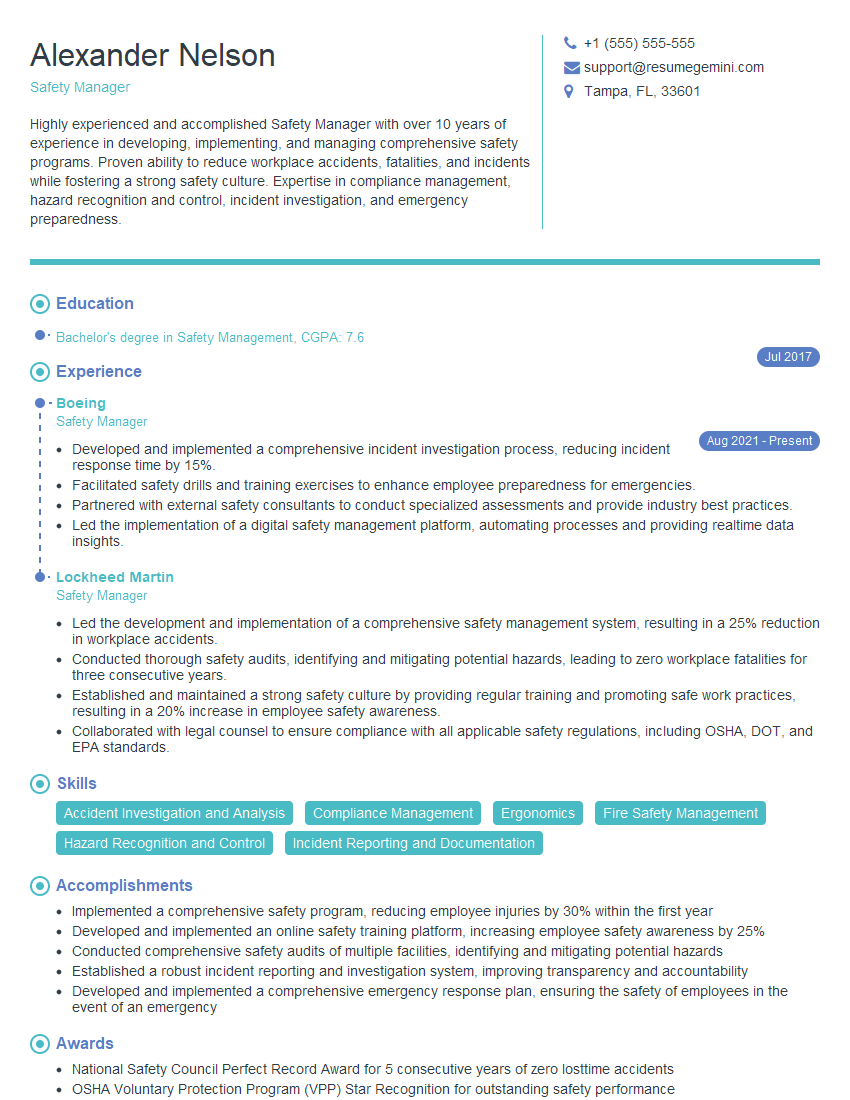
Safety Manager Resume Sample
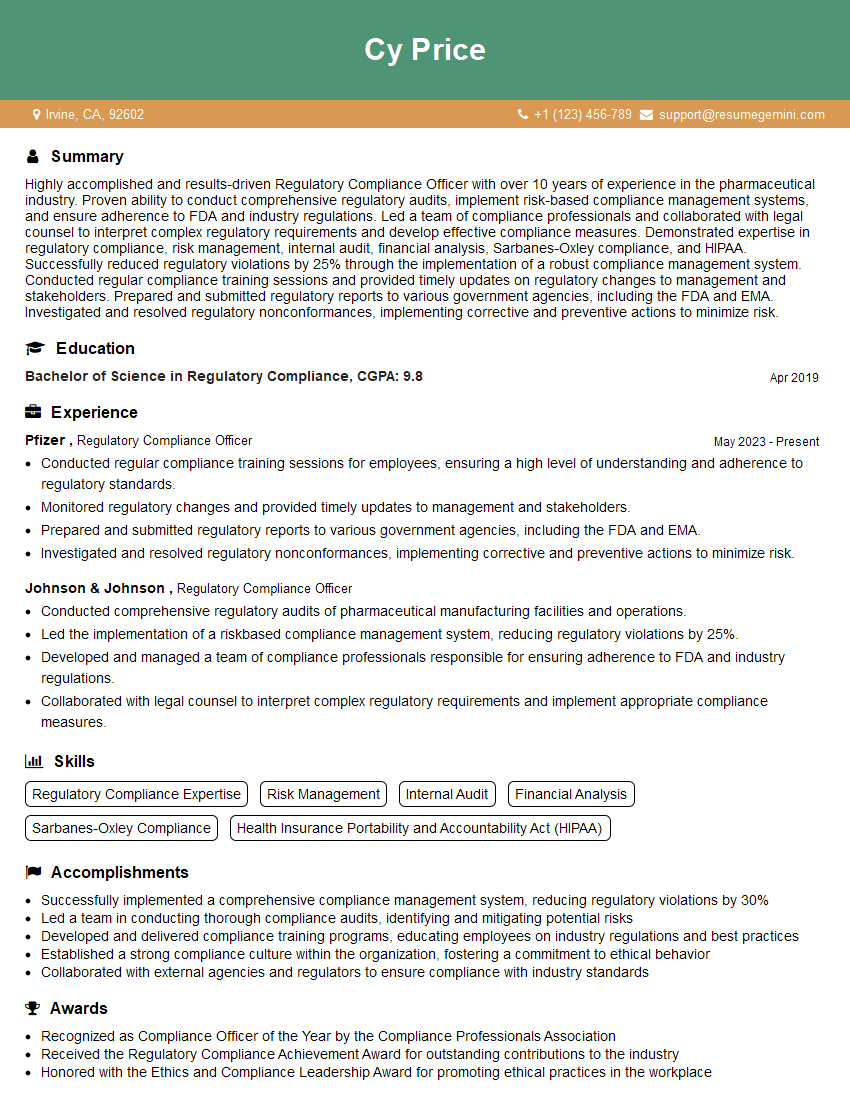
Regulatory Compliance Officer Resume Sample
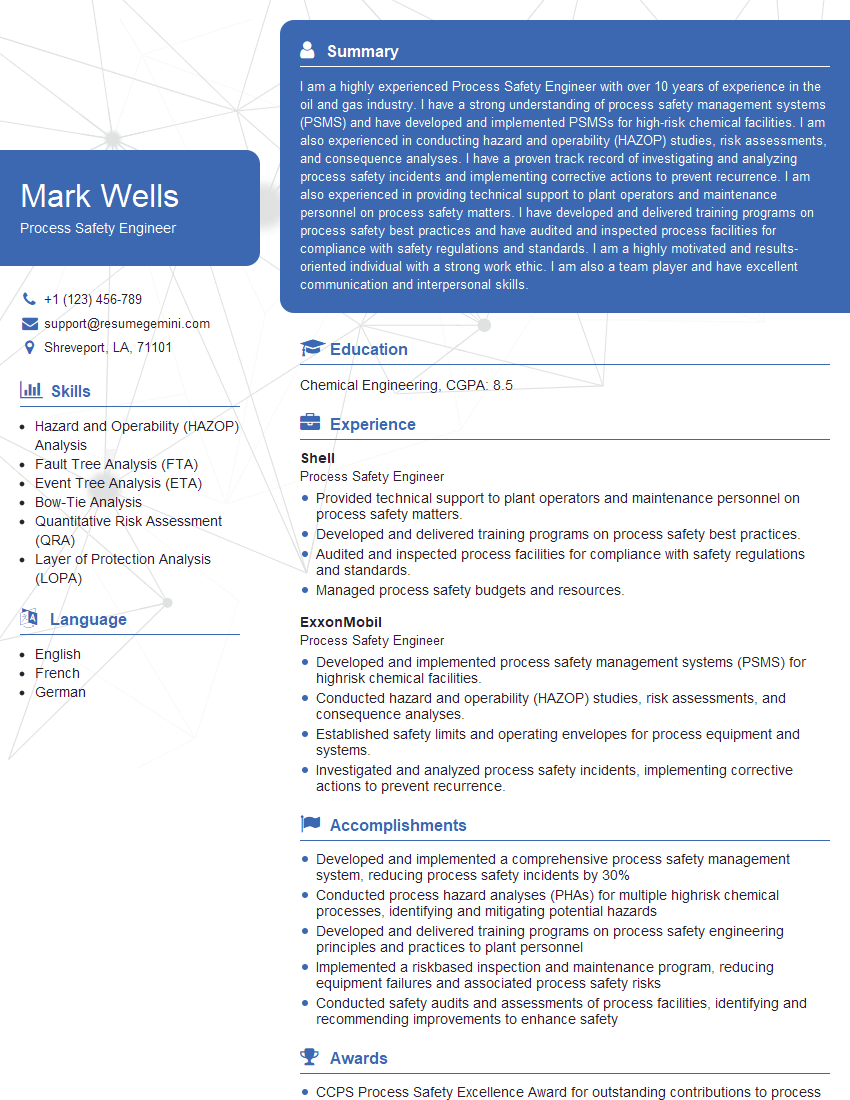
Process Safety Engineer Resume Sample
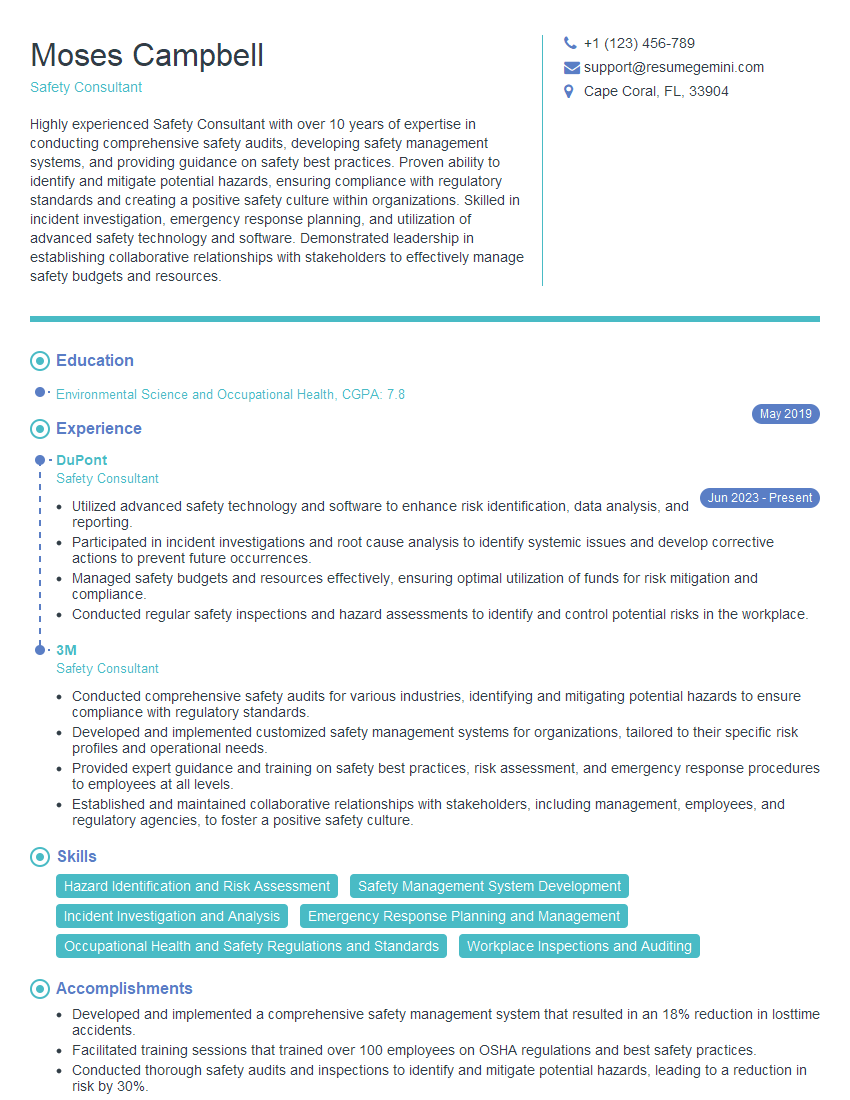
Safety Consultant Resume Sample
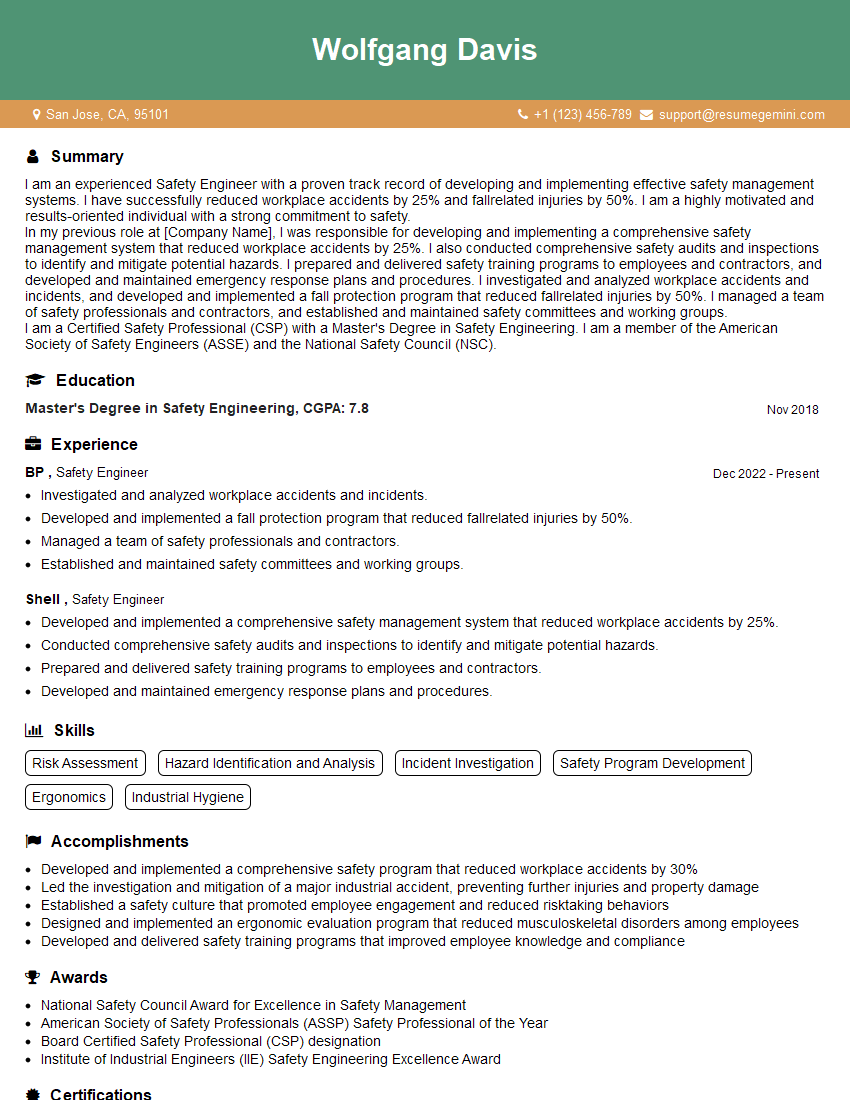
Safety Engineer Resume Sample
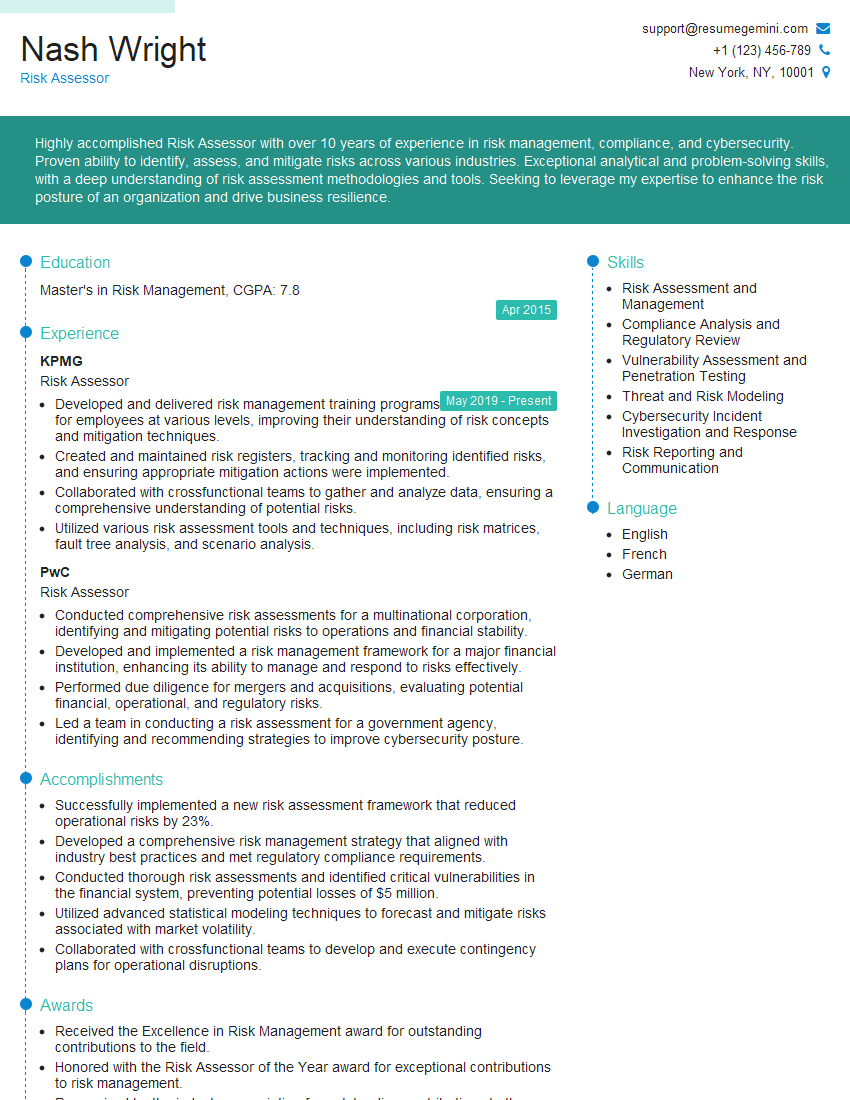
Risk Assessor Resume Sample
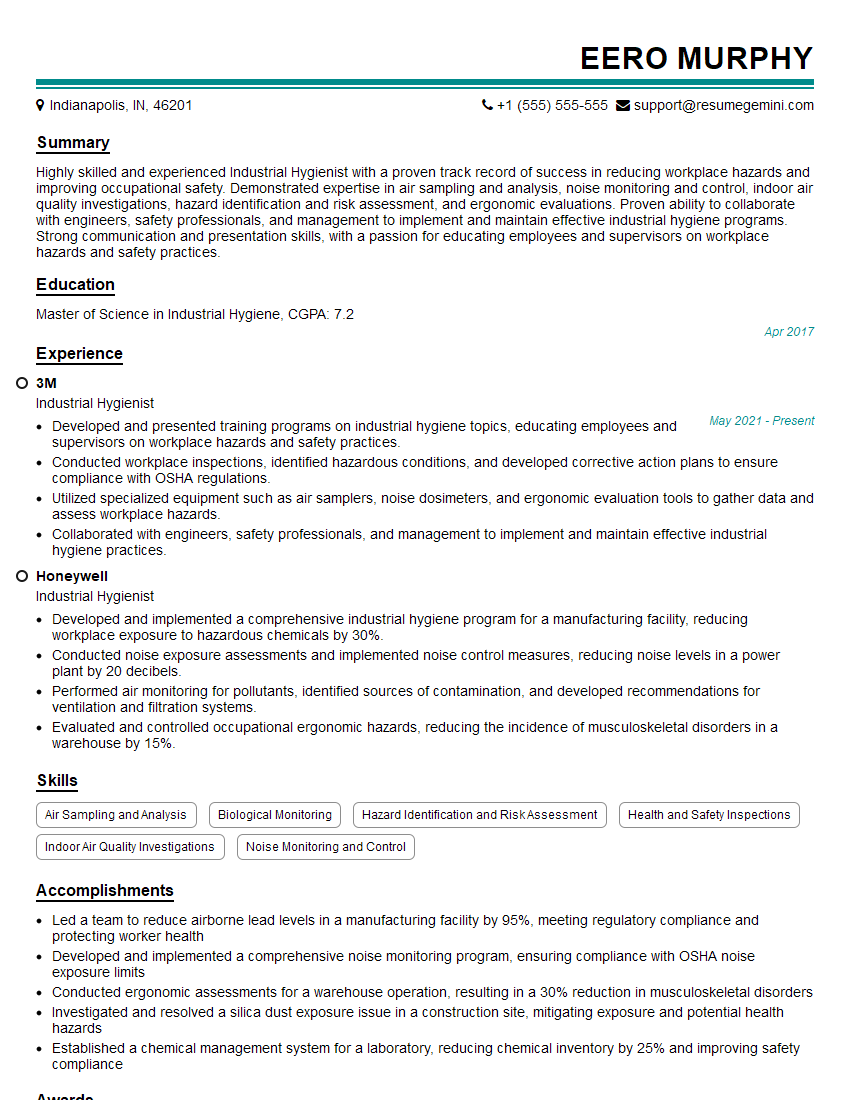
Industrial Hygienist Resume Sample
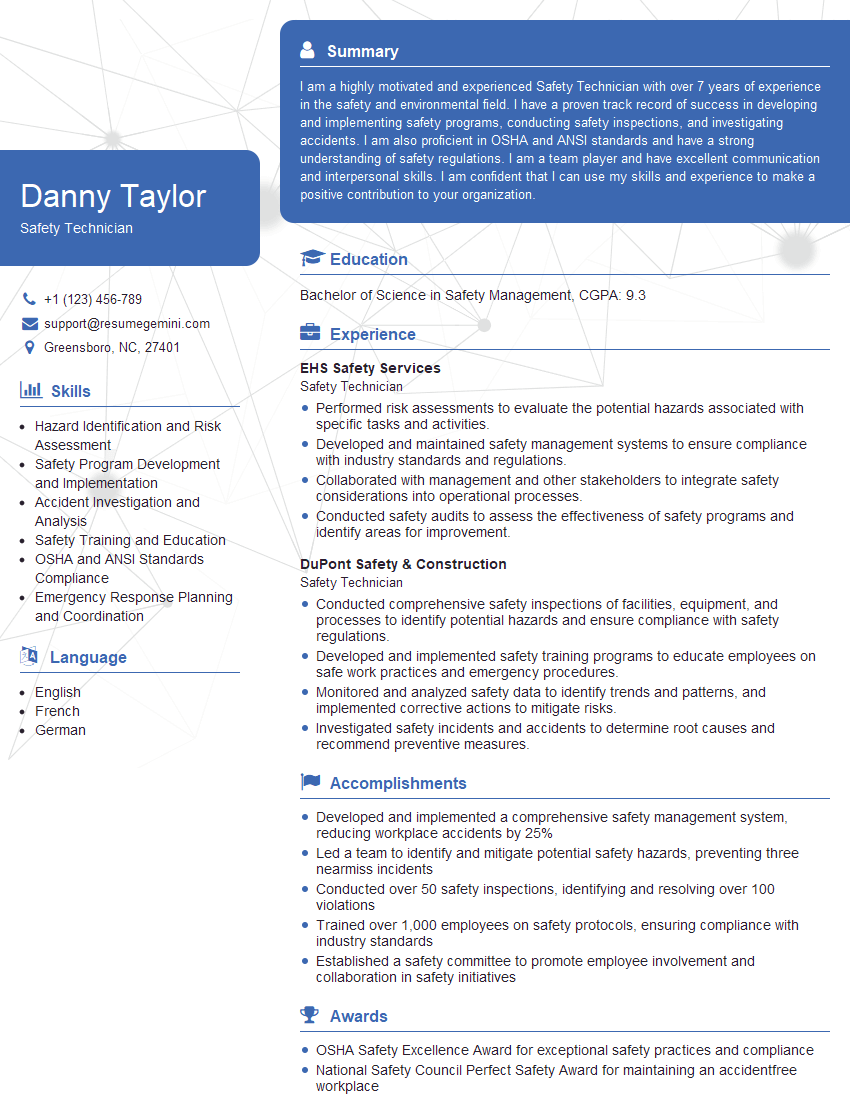
Safety Technician Resume Sample
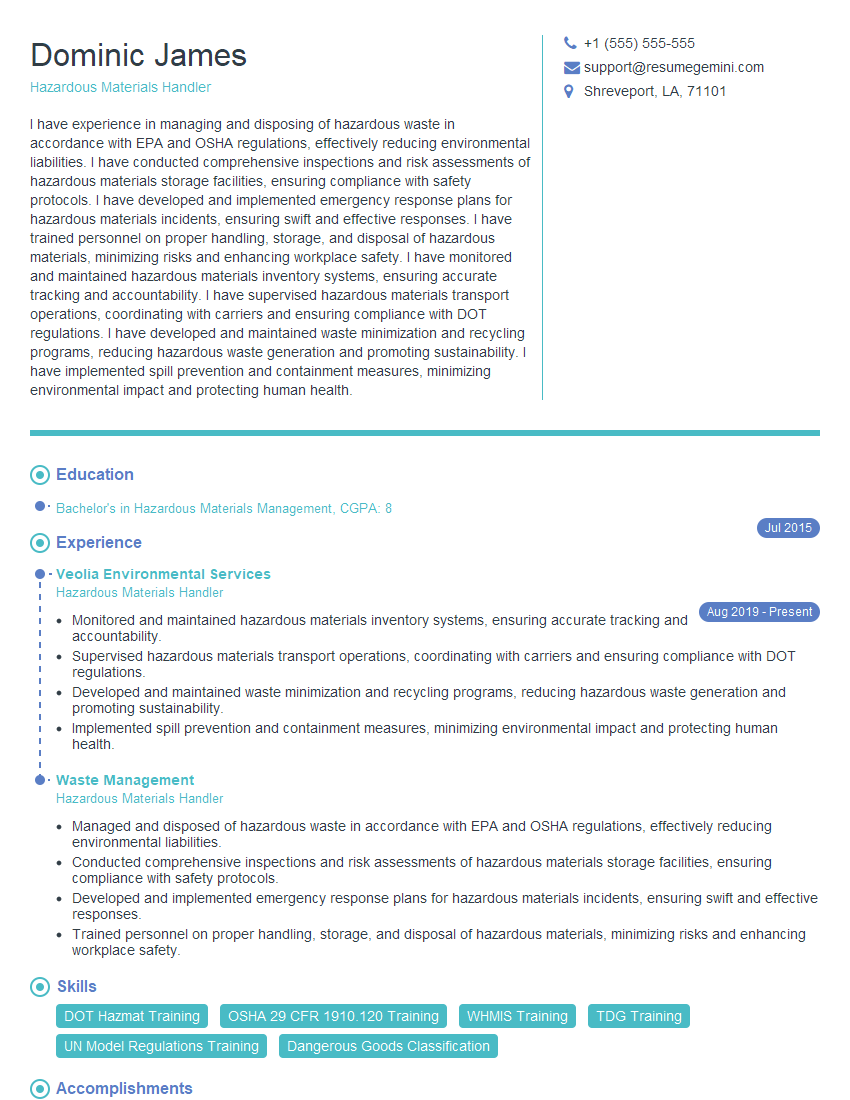
Hazardous Materials Handler Resume Sample
Explore more articles
Users Rating of Our Blogs
Share Your Experience
We value your feedback! Please rate our content and share your thoughts (optional).
What Readers Say About Our Blog
hello,
Our consultant firm based in the USA and our client are interested in your products.
Could you provide your company brochure and respond from your official email id (if different from the current in use), so i can send you the client’s requirement.
Payment before production.
I await your answer.
Regards,
MrSmith
hello,
Our consultant firm based in the USA and our client are interested in your products.
Could you provide your company brochure and respond from your official email id (if different from the current in use), so i can send you the client’s requirement.
Payment before production.
I await your answer.
Regards,
MrSmith
These apartments are so amazing, posting them online would break the algorithm.
https://bit.ly/Lovely2BedsApartmentHudsonYards
Reach out at [email protected] and let’s get started!
Take a look at this stunning 2-bedroom apartment perfectly situated NYC’s coveted Hudson Yards!
https://bit.ly/Lovely2BedsApartmentHudsonYards
Live Rent Free!
https://bit.ly/LiveRentFREE
Interesting Article, I liked the depth of knowledge you’ve shared.
Helpful, thanks for sharing.
Hi, I represent a social media marketing agency and liked your blog
Hi, I represent an SEO company that specialises in getting you AI citations and higher rankings on Google. I’d like to offer you a 100% free SEO audit for your website. Would you be interested?