Interviews are opportunities to demonstrate your expertise, and this guide is here to help you shine. Explore the essential Maternal and Child Nutrition Counseling interview questions that employers frequently ask, paired with strategies for crafting responses that set you apart from the competition.
Questions Asked in Maternal and Child Nutrition Counseling Interview
Q 1. What are the key nutritional needs of pregnant women during each trimester?
Nutritional needs during pregnancy change dramatically across trimesters. Think of it like building a house – each stage requires different materials and efforts.
- First Trimester (Weeks 1-12): Focus is on preventing deficiencies that can impact fetal organ development. Nausea and vomiting are common, so small, frequent meals are key. Increased folate (from leafy greens, legumes, fortified cereals) is crucial for neural tube closure. A mild increase in calorie intake is sufficient at this stage.
- Second Trimester (Weeks 13-28): This is a period of rapid fetal growth. Calorie needs increase significantly, often requiring an extra 340-450 calories per day. Iron requirements skyrocket to support blood volume expansion and fetal hemoglobin production. Good sources include red meat, spinach, and iron-fortified foods. Calcium is vital for bone development in both mother and baby.
- Third Trimester (Weeks 29-40): Calorie needs continue to increase. Maintaining adequate hydration is essential. Iron and calcium remain crucial. The focus shifts towards preparing the body for labor and delivery. Omega-3 fatty acids (from fatty fish, flaxseed) are beneficial for brain development.
Practical Application: As a counselor, I’d assess each client’s individual dietary habits, identify potential deficiencies, and create personalized meal plans tailored to their preferences and needs, addressing potential challenges like morning sickness or food aversions.
Q 2. Describe the importance of breastfeeding for infants.
Breastfeeding is the gold standard for infant nutrition, offering unparalleled benefits for both mother and baby. Think of it as nature’s perfectly designed formula.
- Optimal Nutrition: Breast milk provides a perfectly balanced blend of nutrients tailored to the infant’s needs, changing composition as the baby grows. It contains antibodies that protect against infections and easily digestible proteins, fats, and carbohydrates.
- Immunity Boost: Breast milk is packed with antibodies, immune cells, and protective factors that significantly reduce the risk of infections like ear infections, respiratory illnesses, and diarrhea.
- Cognitive Development: Studies link breastfeeding to improved cognitive development and reduced risk of allergies, asthma, and obesity later in life.
- Bonding: The physical closeness and skin-to-skin contact during breastfeeding promote bonding between mother and baby, contributing to emotional well-being.
- Maternal Benefits: Breastfeeding helps the uterus contract back to its normal size, reduces postpartum bleeding, and may lower the risk of certain cancers.
Practical Application: I counsel mothers on breastfeeding techniques, latching, and proper positioning. I also address common challenges like milk supply concerns, latch difficulties, and mastitis, providing practical solutions and emotional support.
Q 3. What are common nutritional deficiencies in children and how are they addressed?
Nutritional deficiencies in children are a serious concern, often impacting growth, development, and immunity. Common deficiencies include:
- Iron Deficiency Anemia: Leads to fatigue, pallor, and impaired cognitive function. Address this with iron-rich foods (lean red meat, lentils, spinach) and iron supplements if necessary.
- Vitamin D Deficiency: Increases risk of rickets (bone softening) and weakens immunity. Encourage sun exposure (with proper sun protection) and consumption of vitamin D-rich foods (fatty fish, eggs) or supplements.
- Zinc Deficiency: Affects growth, immune function, and wound healing. Zinc-rich foods include red meat, poultry, beans, and nuts.
- Iodine Deficiency: Crucial for thyroid function and mental development. Address with iodized salt and foods rich in iodine.
Addressing Deficiencies: Involves a multi-pronged approach: dietary changes, supplementation when needed, and monitoring progress through blood tests. Educating parents about nutritious food choices and meal planning is paramount.
Example: A child with iron deficiency anemia would benefit from a diet rich in iron-rich foods and, if needed, an iron supplement prescribed by a doctor. The counselor’s role is to empower the parents with knowledge to make sustainable changes to their child’s diet.
Q 4. Explain the role of iron in fetal development and childhood growth.
Iron plays a critical role in fetal development and childhood growth. Think of it as the engine driving oxygen transport and cell production.
- Fetal Development: Iron is essential for the production of hemoglobin, the protein in red blood cells that carries oxygen to the developing fetus. Iron deficiency during pregnancy can lead to low birth weight, premature birth, and impaired cognitive development.
- Childhood Growth: Inadequate iron intake in childhood leads to iron deficiency anemia, impacting physical growth, cognitive function, and immune response. Children with anemia may experience fatigue, reduced concentration, and increased susceptibility to infections.
Practical Application: I advise pregnant women to consume iron-rich foods throughout pregnancy and potentially take iron supplements as recommended by their doctor. For children, I emphasize a diet rich in iron-containing foods and advise parents to monitor for signs of anemia. Regular check-ups are vital to ensure proper iron status.
Q 5. How would you counsel a mother experiencing postpartum depression about nutrition?
Postpartum depression (PPD) can significantly impact a mother’s ability to care for herself and her baby, including her nutrition. Counseling must be sensitive and supportive.
Approach: I would start by validating the mother’s feelings and acknowledging the challenges of PPD. Then, I would focus on small, achievable nutritional goals, avoiding pressure.
- Prioritize nutrient-dense foods: Recommend easy-to-prepare meals rich in essential nutrients to support both physical and mental well-being. Focus on whole grains, lean protein, fruits, and vegetables.
- Address food aversions and appetite changes: Recognize that PPD can affect appetite and preferences. Work with the mother to find foods she can tolerate and enjoy, even if it’s just a few bites.
- Hydration: Encourage adequate hydration, which can help manage mood swings and fatigue.
- Stress management: Incorporate stress-reducing strategies such as gentle exercise, meditation, or yoga into the plan, recognizing the link between stress and nutrition.
- Support system: Emphasize the importance of a strong support system, including family, friends, or support groups.
- Professional help: Strongly encourage seeking professional mental health support from a therapist or psychiatrist alongside nutritional counseling.
Important Note: Nutritional counseling for PPD shouldn’t replace professional mental health treatment. It’s a crucial supplementary tool to support overall recovery.
Q 6. What are the nutritional recommendations for children with allergies?
Nutritional recommendations for children with allergies are highly individualized and depend on the specific allergy. It’s crucial to work closely with an allergist and registered dietitian.
- Allergen Avoidance: The most important aspect is strict avoidance of the allergen. This requires careful reading of food labels and avoiding cross-contamination.
- Nutrient Replacement: Allergies may restrict access to certain nutrients. For example, a child with a dairy allergy might require calcium and vitamin D supplementation. A registered dietitian can help develop a balanced diet plan that compensates for any nutrient gaps.
- Safe Alternatives: Finding suitable substitutes for allergenic foods is vital. For example, soy milk can replace cow’s milk for a child with a dairy allergy.
- Growth Monitoring: Regular monitoring of growth and development is essential to ensure that children with allergies are meeting their nutritional needs.
Example: A child with a peanut allergy needs to avoid peanuts and products containing peanuts. A dietitian can help create a diet plan to ensure adequate protein intake from alternative sources like lentils, beans, or chicken.
Q 7. Discuss the nutritional needs of premature infants.
Premature infants have unique nutritional needs due to their underdeveloped digestive systems and immature organs. They often require specialized nutritional support.
- Specialized Formulas: Premature infants frequently need specialized formulas that mimic breast milk in nutrient composition, but with adjusted levels of proteins, fats, and carbohydrates to meet their specific needs.
- Higher Calorie Density: Premature infants require higher calorie density to support their rapid growth.
- Intravenous Nutrition: In some cases, infants may require intravenous nutrition (TPN – Total Parenteral Nutrition) to provide necessary nutrients directly into the bloodstream.
- Digestive Support: Providing nutrients that are easily digestible and minimizing gastrointestinal stress is crucial.
- Micronutrient Supplementation: Certain micronutrients like iron, calcium, and zinc may need to be supplemented to address potential deficiencies.
Practical Application: Nutritional management of premature infants is a collaborative effort involving neonatologists, registered dietitians, and nurses. Dietitians work with families to develop a feeding plan that aligns with the infant’s growth and developmental milestones.
Q 8. How do you address picky eating in toddlers?
Picky eating in toddlers is a common developmental phase, often stemming from a combination of factors including exploration of their senses, newfound independence, and a naturally slower acceptance of new foods. Addressing this requires patience and a strategic approach, avoiding power struggles.
Offer Variety Repeatedly: Don’t give up after one try. It can take 10-15 exposures to a new food before a child accepts it. Present the food alongside familiar favorites.
Make it Fun: Involve your toddler in age-appropriate food preparation, like washing vegetables or mixing ingredients. Use cookie cutters to make fruits and vegetables more appealing.
Positive Reinforcement: Focus on praise and positive reinforcement for trying new foods, even if they only take a small bite. Avoid pressure or punishment.
Role Modeling: Children often mimic their parents’ eating habits. Show your toddler that you enjoy a variety of healthy foods.
Avoid Power Struggles: Mealtimes should be pleasant, not battlegrounds. Offer choices within healthy options, rather than forcing a specific food.
Consult a Professional: If picky eating is severe or impacting growth, consult a registered dietitian or pediatrician to rule out underlying issues.
Example: Instead of forcing broccoli, offer a small portion alongside pasta and a familiar dipping sauce. If they only eat a few pieces, praise their effort and offer it again at a later meal.
Q 9. Explain the impact of nutrition on cognitive development in children.
Nutrition plays a pivotal role in a child’s cognitive development, influencing brain structure, function, and overall learning ability. Essential nutrients like iron, zinc, iodine, and long-chain polyunsaturated fatty acids (LCPUFAs), such as DHA and ARA, are crucial for brain development and function.
Iron: Supports oxygen transport to the brain, impacting attention and cognitive function. Deficiency can lead to impaired learning and concentration.
Zinc: Essential for brain cell growth and myelination (formation of myelin sheath, which protects nerve fibers). Deficiency can lead to cognitive delays.
Iodine: Crucial for thyroid hormone production, which is vital for brain development. Deficiency can cause intellectual disability.
LCPUFAs (DHA and ARA): Found in fatty fish, nuts, and seeds, these are building blocks of brain cell membranes and are important for visual and cognitive development.
A balanced diet rich in whole grains, fruits, vegetables, lean protein, and healthy fats ensures the child receives all the necessary nutrients for optimal brain development. Conversely, poor nutrition can negatively impact concentration, memory, and overall cognitive performance.
Q 10. What are the signs and symptoms of childhood obesity, and how can nutrition help?
Childhood obesity is defined as having a body mass index (BMI) at or above the 95th percentile for children of the same age and sex. Signs and symptoms may include excessive weight gain, increased body fat, difficulty with physical activity, and potential development of related health issues.
Signs: Increased BMI, visible excess fat, difficulty keeping up with peers during physical activities.
Symptoms: Sleep apnea, elevated blood pressure or cholesterol, early signs of type 2 diabetes.
Nutrition’s Role: Nutrition plays a critical role in managing and preventing childhood obesity. A balanced diet rich in fruits, vegetables, whole grains, and lean protein, coupled with portion control and limiting sugary drinks and processed foods, is essential. Regular physical activity is also key.
Strategies: Focus on family-based approaches to healthy eating and regular exercise. Involve children in meal preparation and grocery shopping. Limit screen time and promote active play. Regular monitoring of BMI and appropriate medical intervention are crucial.
Q 11. Discuss the role of fiber in a child’s diet.
Fiber is an essential part of a child’s diet, contributing to healthy digestion and overall well-being. It’s a type of carbohydrate that the body can’t digest, promoting healthy bowel movements and gut health.
Digestive Health: Fiber adds bulk to the stool, preventing constipation and promoting regular bowel movements. It helps feed beneficial gut bacteria.
Blood Sugar Control: Soluble fiber helps slow down the absorption of sugar into the bloodstream, preventing blood sugar spikes.
Cholesterol Management: Soluble fiber can help lower cholesterol levels.
Weight Management: Fiber promotes satiety, helping children feel full and reducing overeating.
Good Sources: Fruits, vegetables, whole grains, legumes (beans and lentils).
Practical Application: Encourage consumption of whole-grain bread, cereals, fruits with skins (apples, pears), and vegetables. Avoid excessive consumption of processed foods low in fiber.
Q 12. What are some strategies for preventing childhood diabetes?
Preventing childhood diabetes, particularly type 2 diabetes, requires a multifaceted approach focused on lifestyle modifications starting early in life.
Healthy Diet: Encourage a balanced diet rich in fruits, vegetables, whole grains, and lean protein. Limit sugary drinks, processed foods, and unhealthy fats.
Regular Physical Activity: Aim for at least 60 minutes of moderate-to-vigorous physical activity most days of the week. Incorporate activities the child enjoys.
Healthy Weight Management: Maintain a healthy weight for age and height. Address any weight concerns early through nutrition and activity modifications.
Breastfeeding: Breastfeeding has been linked to a reduced risk of type 2 diabetes later in life.
Family History: Children with a family history of diabetes are at increased risk and require closer monitoring.
Early Intervention: Early identification and management of risk factors are critical. Regular check-ups with a pediatrician or healthcare provider are essential.
Q 13. How do you adapt nutritional advice for families with different cultural backgrounds?
Adapting nutritional advice for families with different cultural backgrounds is crucial for effective counseling. It requires cultural sensitivity and an understanding that food is often intertwined with traditions, beliefs, and social practices.
Cultural Sensitivity: Learn about the family’s cultural food practices, preferences, and dietary restrictions. Avoid imposing Western dietary standards.
Collaboration: Work collaboratively with the family to develop a nutrition plan that respects their cultural values and integrates healthy choices within their existing framework.
Respectful Communication: Use respectful and non-judgmental language. Avoid making negative comments about traditional foods.
Finding Common Ground: Identify foods that are culturally acceptable and align with nutritional recommendations. Explore ways to adapt traditional dishes to make them healthier.
Recipe Adaptation: Help families modify traditional recipes to reduce sodium, fat, or sugar content while maintaining the flavor and cultural authenticity.
Example: Instead of recommending a completely Western-style diet, you might work with a family to find healthier versions of their traditional dishes, reducing oil usage in stir-fries or using whole wheat flour in tortillas.
Q 14. Explain the importance of weight management in pregnancy.
Weight management during pregnancy is essential for both the mother’s and baby’s health. Excessive weight gain can increase the risk of complications like gestational diabetes, preeclampsia, and cesarean delivery. Inadequate weight gain, on the other hand, can lead to low birth weight and other complications for the baby.
Healthy Weight Gain: The recommended weight gain during pregnancy varies based on the mother’s pre-pregnancy BMI. Healthcare providers will provide guidance on the appropriate weight gain range for the individual.
Balanced Nutrition: A balanced diet rich in fruits, vegetables, whole grains, lean protein, and healthy fats is crucial. Ensure adequate intake of essential nutrients like folate, iron, and calcium.
Regular Exercise: Moderate-intensity exercise, such as walking or swimming, is generally safe and beneficial during pregnancy, helping manage weight and improve overall well-being.
Monitoring: Regular monitoring of weight gain by a healthcare provider is essential to ensure healthy weight progression.
Importance: Proper weight management reduces the risk of complications during pregnancy and delivery and promotes a healthy pregnancy outcome for both mother and child.
Q 15. Describe different methods for assessing a child’s nutritional status.
Assessing a child’s nutritional status involves a multi-pronged approach, combining anthropometric measurements, clinical examination, and dietary assessment.
- Anthropometry: This involves measuring the child’s height, weight, and head circumference. These measurements are then compared to standardized growth charts (like the WHO growth standards) to determine if the child is growing appropriately. For example, a child consistently falling below the 5th percentile for weight-for-age might indicate undernutrition.
- Clinical Examination: A physical examination helps identify signs of malnutrition, such as wasting (low weight-for-height), stunting (low height-for-age), or edema (swelling due to fluid retention). Visible signs like dry skin, brittle hair, or pale conjunctiva can also point towards nutritional deficiencies.
- Dietary Assessment: This involves gathering information about the child’s usual diet, including the types and quantities of foods consumed. Methods include 24-hour dietary recalls, food frequency questionnaires, and food records. This helps identify potential dietary inadequacies or excesses.
- Biochemical Tests: Blood tests can measure levels of specific nutrients, like iron, vitamin D, or zinc, to detect deficiencies. These tests are often used when clinical signs suggest a particular nutrient deficiency.
It’s crucial to remember that these methods should be used in conjunction to provide a comprehensive assessment. No single method alone provides a complete picture of a child’s nutritional status.
Career Expert Tips:
- Ace those interviews! Prepare effectively by reviewing the Top 50 Most Common Interview Questions on ResumeGemini.
- Navigate your job search with confidence! Explore a wide range of Career Tips on ResumeGemini. Learn about common challenges and recommendations to overcome them.
- Craft the perfect resume! Master the Art of Resume Writing with ResumeGemini’s guide. Showcase your unique qualifications and achievements effectively.
- Don’t miss out on holiday savings! Build your dream resume with ResumeGemini’s ATS optimized templates.
Q 16. How do you counsel families regarding food insecurity?
Counseling families facing food insecurity requires a sensitive and multi-faceted approach. It’s not just about providing food; it’s about addressing the underlying systemic issues and empowering families to make sustainable changes.
- Active Listening and Empathy: Begin by actively listening to the family’s concerns and challenges without judgment. Understanding their circumstances is crucial for tailoring effective solutions.
- Needs Assessment: Determine the family’s specific needs, including access to food, resources, and knowledge. This might involve identifying barriers to accessing food banks, community gardens, or nutrition assistance programs.
- Resource Referrals: Connect the family with appropriate resources like food banks, SNAP (Supplemental Nutrition Assistance Program), WIC (Women, Infants, and Children), and local community support organizations.
- Nutrition Education: Provide practical nutrition education focusing on maximizing nutrient density within their budget. This might involve teaching them how to cook nutritious meals affordably, using cost-effective ingredients, and stretching their food budget.
- Empowerment and Advocacy: Empower families by helping them identify their strengths and advocate for their needs within the community. This could involve assisting them with applications for assistance programs or helping them navigate bureaucratic processes.
For example, I might work with a family to create a weekly meal plan using inexpensive, nutrient-rich foods like beans, lentils, and seasonal produce available at local markets or food banks.
Q 17. What are the common nutrition-related concerns in adolescence?
Adolescence is a period of rapid growth and development, making nutrition particularly important. Common nutrition-related concerns include:
- Inadequate Calcium and Vitamin D Intake: This can lead to insufficient bone mineralization and increased risk of osteoporosis later in life.
- Iron Deficiency Anemia: Rapid growth and menstruation in girls can increase iron demands, leading to anemia if intake is insufficient.
- Eating Disorders: Adolescence is a time of increased vulnerability to eating disorders like anorexia nervosa, bulimia nervosa, and binge eating disorder, which can have severe consequences for physical and mental health.
- Unhealthy Dieting Practices: Many adolescents engage in restrictive dieting or fad diets, often without adequate nutrition knowledge, potentially leading to nutrient deficiencies.
- Excessive Sugar and Processed Food Consumption: Easy access to sugary drinks and processed foods contributes to weight gain, increased risk of chronic diseases, and poor overall nutritional status.
- Vitamin B12 Deficiency (in Vegans/Vegetarians): Adolescents following vegetarian or vegan diets need careful planning to ensure adequate B12 intake, as it’s not readily found in plant-based foods.
Addressing these concerns involves individualized counseling, education about healthy eating habits, and, when necessary, referral to specialists.
Q 18. Discuss the impact of nutrition on a child’s immune system.
Nutrition plays a vital role in supporting a child’s immune system. A balanced diet provides the essential nutrients needed for the proper development and function of immune cells and tissues.
- Protein: Essential for building and repairing tissues, including immune cells.
- Vitamins (A, C, D, E): Act as antioxidants and support immune cell function.
- Minerals (Zinc, Iron, Selenium): Crucial for immune cell activity and overall immune system health. Zinc deficiency, for instance, is strongly associated with impaired immune function.
- Fatty Acids (Omega-3): Have anti-inflammatory properties and support immune regulation.
Malnutrition, particularly deficiencies in micronutrients, can significantly impair immune function, increasing susceptibility to infections. Conversely, a well-nourished child has a stronger immune system and is better able to fight off illness.
For example, a child with a vitamin A deficiency may have impaired immune response and increased vulnerability to infections.
Q 19. Explain the role of calcium and vitamin D in childhood development.
Calcium and vitamin D are critical for healthy childhood development, primarily impacting bone health.
- Calcium: The primary building block of bones and teeth. Adequate calcium intake during childhood and adolescence is crucial for achieving peak bone mass, which helps prevent osteoporosis and fractures later in life.
- Vitamin D: Essential for calcium absorption. Vitamin D promotes calcium uptake from the gut, ensuring that the calcium consumed is effectively used for bone growth and mineralization. Vitamin D also plays a role in immune function and overall health.
Insufficient intake of either calcium or vitamin D can lead to rickets in young children and osteomalacia (softening of the bones) in older children. Ensuring adequate intake through diet (dairy products, leafy greens, fortified foods) and sun exposure (with appropriate sun protection) is crucial.
For example, a child with insufficient vitamin D may not absorb enough calcium, leading to poor bone growth and an increased risk of fractures.
Q 20. What are the potential long-term health consequences of childhood malnutrition?
Childhood malnutrition can have severe and long-lasting consequences on health and well-being, impacting physical, cognitive, and psychosocial development.
- Stunting: Irreversible reduction in height, associated with cognitive impairment and reduced productivity in adulthood.
- Wasting: Low weight for height, increasing vulnerability to infections and mortality.
- Cognitive Impairment: Malnutrition can negatively affect brain development, leading to reduced cognitive abilities, learning difficulties, and lower educational attainment.
- Increased Susceptibility to Infections: A weakened immune system increases risk of infections, which can have long-term health effects.
- Chronic Diseases: Childhood malnutrition has been linked to an increased risk of developing chronic diseases like heart disease, type 2 diabetes, and obesity in adulthood.
- Reduced School Performance and Socioeconomic Outcomes: Malnutrition can impact school attendance, learning ability, and ultimately limit socioeconomic opportunities.
Addressing malnutrition early in life is essential to mitigate these long-term consequences. Early intervention and preventive measures are crucial.
Q 21. How would you counsel a family about introducing solid foods to an infant?
Introducing solid foods to an infant is a significant milestone, requiring careful planning and execution. The process should be gradual, age-appropriate, and safe.
- Timing: Generally, solids are introduced around 6 months of age, when infants exhibit developmental readiness signs like good head control, ability to sit upright with support, and showing interest in food.
- Starting Foods: Begin with single-ingredient, iron-fortified foods like pureed iron-rich cereals, followed by single pureed fruits and vegetables. This helps identify any potential food allergies or intolerances.
- Gradual Introduction: Introduce new foods one at a time, waiting 2-3 days between each new food to monitor for allergic reactions or digestive problems.
- Texture Progression: Gradually increase the texture of foods as the infant grows, progressing from purees to mashed foods, soft chunks, and eventually table foods.
- Allergen Introduction: Introduce common allergens (peanuts, eggs, dairy, soy, wheat, fish, shellfish) early and frequently, unless there’s a family history of severe allergies.
- Avoid Added Sugars and Salts: Infants don’t need added sugars or salts; focus on offering whole, unprocessed foods.
- Breastfeeding/Formula: Continue breastfeeding or formula feeding as the primary source of nutrition for at least the first year.
It’s important to emphasize responsive feeding. Observe the infant’s cues for hunger and fullness, allowing them to self-regulate their intake. Always consult with a pediatrician or registered dietitian for personalized guidance.
Q 22. Describe your experience with nutrition education programs for families.
Throughout my career, I’ve designed and implemented numerous nutrition education programs for families, focusing on diverse age groups and cultural backgrounds. My experience spans from large-scale community workshops on healthy eating habits during pregnancy and infancy to individual family counseling sessions addressing specific dietary concerns. For example, I developed a six-week program for low-income families focusing on budget-friendly, nutritious meal planning using readily available resources. This involved hands-on cooking demonstrations, interactive sessions on food label reading, and personalized meal plans tailored to each family’s needs and preferences. In another instance, I created a series of online modules for expectant mothers, covering topics like weight management during pregnancy, the importance of prenatal vitamins, and breastfeeding support. These programs consistently incorporated interactive elements like quizzes, recipe exchanges, and peer support groups to foster engagement and knowledge retention.
Q 23. What are the ethical considerations in providing nutrition counseling?
Ethical considerations are paramount in nutrition counseling. Maintaining client confidentiality is crucial – all information shared during sessions remains strictly private unless legally mandated to be disclosed. Objectivity is essential; I strive to provide evidence-based advice, avoiding biases or promoting specific products without scientific justification. Informed consent is a cornerstone; clients must fully understand the counseling process, its potential benefits and limitations, and have the autonomy to choose or decline any recommendations. Cultural sensitivity is key – dietary practices and beliefs vary widely, and I tailor my advice to respect and accommodate these differences. Finally, maintaining professional boundaries is vital, ensuring the client-counselor relationship remains professional and avoids any potential conflicts of interest.
Q 24. How do you stay updated on the latest research in maternal and child nutrition?
Staying current in maternal and child nutrition requires a multi-pronged approach. I regularly subscribe to and read reputable peer-reviewed journals like the American Journal of Clinical Nutrition and the Journal of the Academy of Nutrition and Dietetics. I actively participate in professional development workshops and conferences offered by organizations like the Academy of Nutrition and Dietetics and the International Lactation Consultant Association. I also monitor reputable online resources like the USDA’s website and the websites of leading health organizations for updated guidelines and research findings. Moreover, I engage in continuing education courses to earn continuing education credits, ensuring my knowledge base remains up-to-date and aligned with current best practices.
Q 25. Describe a challenging case you encountered and how you resolved it.
One challenging case involved a teenage mother struggling with severe postpartum depression and exhibiting disordered eating patterns. Her nutritional intake was severely compromised, impacting both her well-being and her infant’s health. Initially, she was resistant to any intervention. My approach involved building a trusting relationship first, acknowledging her struggles without judgment. We started with small, achievable goals, focusing on one aspect at a time, rather than overwhelming her with a complete dietary overhaul. I collaborated with her mental health provider to coordinate care and ensure a holistic approach. We gradually introduced healthy eating habits, addressing her emotional needs alongside her nutritional ones. It was a slow process requiring patience and empathy, but eventually, she made significant progress in both her mental health and dietary choices, resulting in improved health for both her and her baby.
Q 26. How do you build rapport and trust with clients and families?
Building rapport and trust is foundational to effective nutrition counseling. I start by actively listening to clients and their concerns, creating a safe and non-judgmental space for open communication. I use empathetic language, acknowledging their challenges and validating their feelings. I make a conscious effort to learn about their cultural background, dietary preferences, and lifestyle to personalize my recommendations. I avoid using medical jargon and explain concepts clearly and simply. I also actively involve them in the decision-making process, empowering them to take ownership of their dietary choices. Regular follow-up and consistent support are crucial in maintaining the therapeutic relationship and building long-term trust.
Q 27. Explain your understanding of MyPlate and its application to children.
MyPlate is a visual guide to healthy eating, emphasizing portion control and a balanced intake of food groups. For children, its application involves adapting the recommendations to their age and developmental stage. Fruits and vegetables should make up a significant portion of their plate, providing essential vitamins and minerals. Grains should be primarily whole grains, offering fiber and energy. Lean protein sources like poultry, fish, beans, and lentils support growth and development. Dairy or dairy alternatives provide calcium for strong bones. Portion sizes are adjusted according to the child’s age and calorie needs. It’s important to remember that MyPlate is a guideline, not a rigid rule, and cultural factors should be taken into account when implementing it for individual children.
Q 28. Describe the difference between gestational diabetes and type 1 diabetes in children.
Gestational diabetes and type 1 diabetes in children are distinct conditions. Gestational diabetes develops during pregnancy, typically resolving after delivery. It’s caused by hormonal changes that impair the body’s ability to effectively use insulin. It primarily affects the mother’s health but can impact the baby’s development. Type 1 diabetes, on the other hand, is an autoimmune disease where the body’s immune system destroys insulin-producing cells in the pancreas. It is diagnosed in childhood and requires lifelong management with insulin therapy. Type 1 diabetes directly affects the child’s ability to regulate blood sugar, potentially causing serious long-term health consequences if not properly controlled. While both conditions can impact a child’s health indirectly or directly, they differ significantly in their underlying causes, onset, duration, and treatment.
Key Topics to Learn for Maternal and Child Nutrition Counseling Interview
- Nutritional Needs During Pregnancy: Understanding the increased caloric and micronutrient requirements of pregnant women, including the importance of folic acid, iron, and calcium. Practical application: Developing personalized meal plans addressing gestational diabetes or hyperemesis gravidarum.
- Infant and Young Child Nutrition: Mastering the principles of breastfeeding, complementary feeding, and the nutritional needs of infants and toddlers. Practical application: Counseling parents on introducing solid foods, managing picky eating, and addressing nutritional deficiencies.
- Childhood Obesity Prevention: Learning strategies for preventing and managing childhood obesity, including healthy eating habits and physical activity guidelines. Practical application: Developing family-based interventions to promote healthy weight management.
- Common Nutritional Deficiencies: Identifying and addressing common nutritional deficiencies in mothers and children, such as iron deficiency anemia and vitamin D deficiency. Practical application: Developing strategies for nutritional supplementation and dietary modifications.
- Cultural Considerations in Nutrition Counseling: Understanding the influence of culture and ethnicity on dietary practices and food choices. Practical application: Adapting nutritional recommendations to meet the specific needs and preferences of diverse populations.
- Communication and Counseling Techniques: Developing effective communication and counseling skills to build rapport with clients and promote behavior change. Practical application: Utilizing motivational interviewing techniques to encourage healthy eating habits.
- Community Resources and Programs: Familiarity with local, state, and national resources and programs that support maternal and child nutrition. Practical application: Connecting clients with relevant services and support systems.
- Ethical Considerations in Nutrition Counseling: Understanding ethical principles and professional guidelines related to maternal and child nutrition counseling. Practical application: Navigating ethical dilemmas and maintaining client confidentiality.
Next Steps
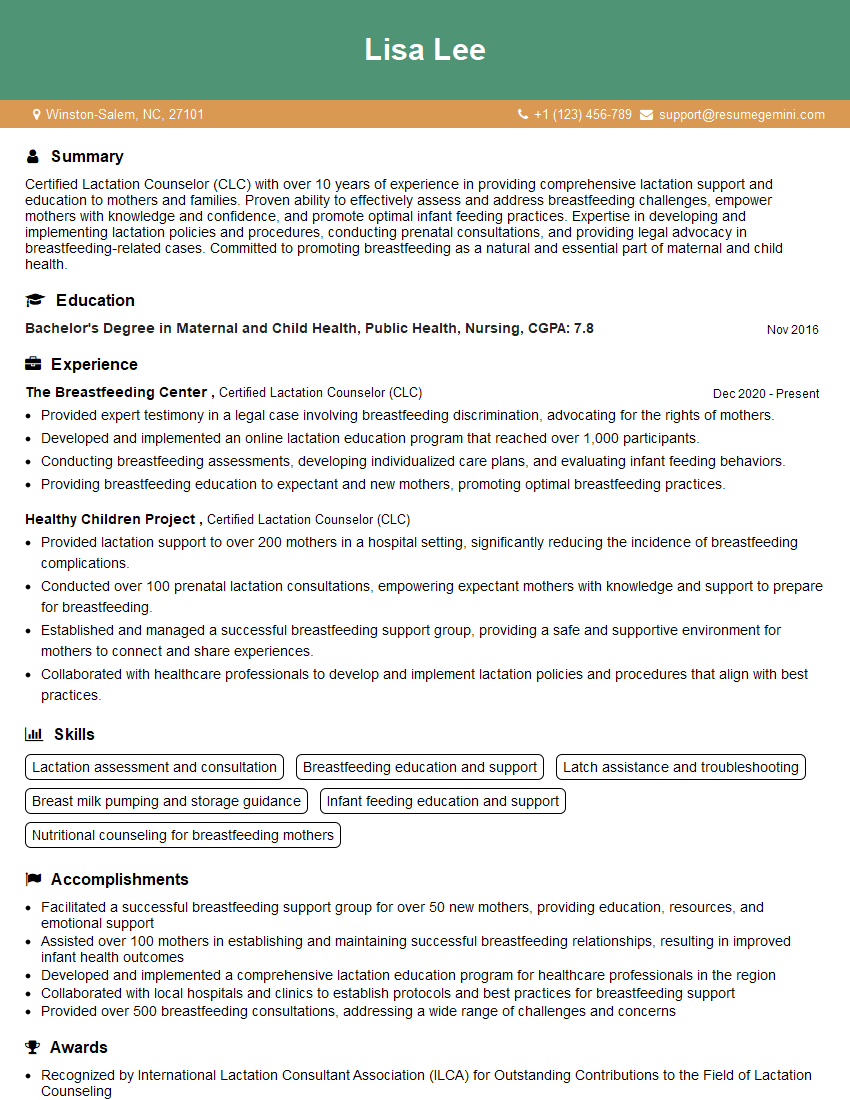
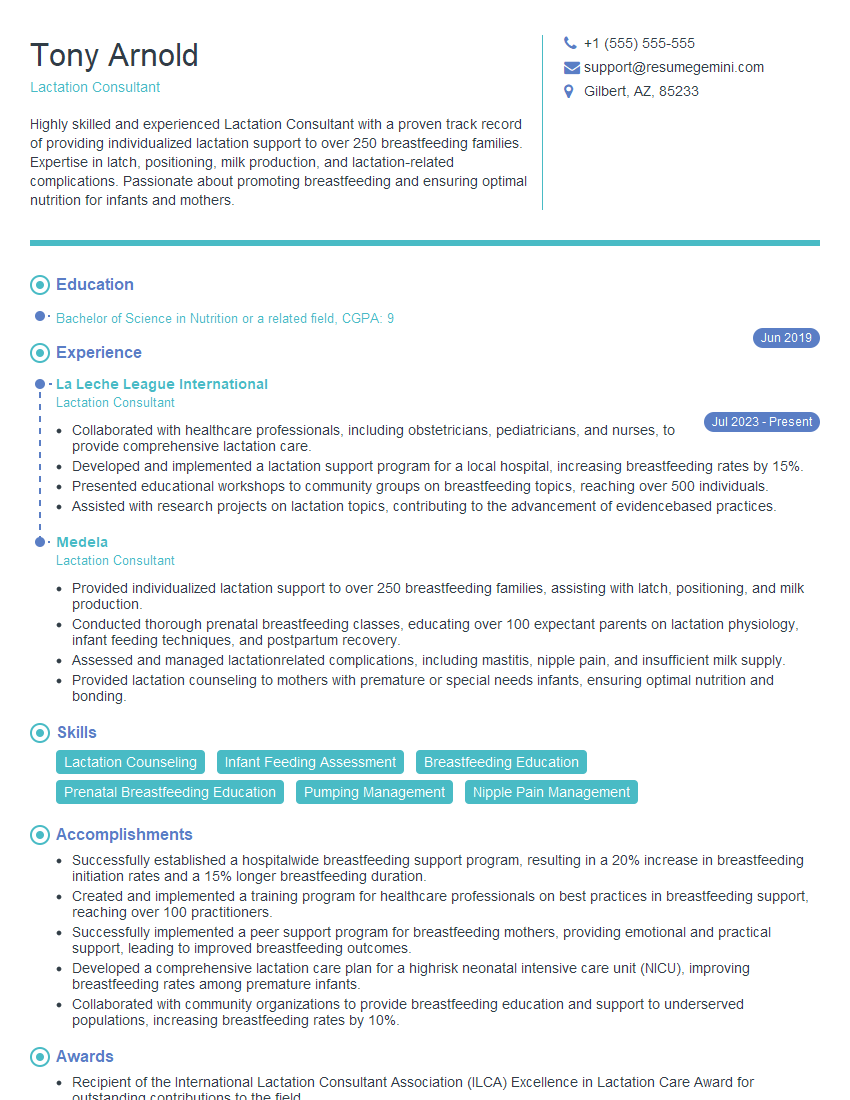
Mastering Maternal and Child Nutrition Counseling opens doors to a fulfilling career with significant impact on the health and well-being of families. To maximize your job prospects, focus on creating a compelling and ATS-friendly resume that highlights your skills and experience. ResumeGemini is a trusted resource that can help you craft a professional and impactful resume tailored to this field. Examples of resumes specifically designed for Maternal and Child Nutrition Counseling professionals are available to guide you. Invest time in building a strong resume – it’s your first impression on potential employers.
Explore more articles
Users Rating of Our Blogs
Share Your Experience
We value your feedback! Please rate our content and share your thoughts (optional).
What Readers Say About Our Blog
Amazing blog
hello,
Our consultant firm based in the USA and our client are interested in your products.
Could you provide your company brochure and respond from your official email id (if different from the current in use), so i can send you the client’s requirement.
Payment before production.
I await your answer.
Regards,
MrSmith
hello,
Our consultant firm based in the USA and our client are interested in your products.
Could you provide your company brochure and respond from your official email id (if different from the current in use), so i can send you the client’s requirement.
Payment before production.
I await your answer.
Regards,
MrSmith
These apartments are so amazing, posting them online would break the algorithm.
https://bit.ly/Lovely2BedsApartmentHudsonYards
Reach out at BENSON@LONDONFOSTER.COM and let’s get started!
Take a look at this stunning 2-bedroom apartment perfectly situated NYC’s coveted Hudson Yards!
https://bit.ly/Lovely2BedsApartmentHudsonYards
Live Rent Free!
https://bit.ly/LiveRentFREE
Interesting Article, I liked the depth of knowledge you’ve shared.
Helpful, thanks for sharing.
Hi, I represent a social media marketing agency and liked your blog
Hi, I represent an SEO company that specialises in getting you AI citations and higher rankings on Google. I’d like to offer you a 100% free SEO audit for your website. Would you be interested?