Every successful interview starts with knowing what to expect. In this blog, we’ll take you through the top Medical Emergencies and Resuscitation interview questions, breaking them down with expert tips to help you deliver impactful answers. Step into your next interview fully prepared and ready to succeed.
Questions Asked in Medical Emergencies and Resuscitation Interview
Q 1. Describe the initial assessment and management of a patient experiencing cardiac arrest.
Cardiac arrest is a life-threatening emergency requiring immediate action. Initial assessment and management follows a systematic approach, prioritizing the ABCDEs:
- A – Airway: Ensure a patent airway. This might involve head tilt-chin lift or jaw thrust maneuver (if spinal injury is suspected), and potentially suctioning to clear any obstructions. Think of it like clearing a clogged pipe to allow for smooth airflow.
- B – Breathing: Assess for the presence and quality of breathing. Look for chest rise and fall, listen for breath sounds, and feel for air movement. If breathing is absent or inadequate, begin rescue breathing using a bag-valve mask (BVM) or mouth-to-mouth resuscitation.
- C – Circulation: Check for a pulse. If no pulse is present, immediately start chest compressions. High-quality chest compressions are crucial, aiming for a rate of 100-120 compressions per minute and a depth of at least 2 inches. The goal is to maintain blood flow to vital organs.
- D – Disability: Briefly assess the patient’s level of consciousness. This is usually done after initiating compressions and ventilation. Look for any signs of trauma or other underlying conditions that might be contributing to the arrest.
- E – Exposure: Completely expose the patient to check for any injuries, medical alerts (like a medic alert bracelet), or other clues that might aid in determining the cause of cardiac arrest. This step helps prevent overlooking critical information.
Simultaneously, call for advanced life support (ALS) and initiate defibrillation if an automated external defibrillator (AED) is available. Early defibrillation within the first few minutes significantly improves survival chances. Think of defibrillation as a restart button for the heart.
After the initial assessment, the management shifts towards advanced life support interventions, including medication administration, advanced airway management, and monitoring of vital signs.
Q 2. Explain the differences between cardiogenic shock and septic shock.
Both cardiogenic and septic shock are life-threatening conditions causing inadequate tissue perfusion, but they have different underlying causes:
- Cardiogenic Shock: This occurs when the heart’s pumping ability is severely impaired, leading to reduced cardiac output. Think of it as a pump failure. Causes include myocardial infarction (heart attack), heart valve problems, and cardiomyopathies. The body’s tissues aren’t getting enough blood due to the heart’s inability to pump effectively.
- Septic Shock: This is a life-threatening condition caused by an overwhelming infection. The body’s immune response goes into overdrive, leading to widespread inflammation and vasodilation (widening of blood vessels). This causes blood pressure to plummet, resulting in poor tissue perfusion. Imagine it as the pipes in the body becoming too wide, allowing blood to flow through too slowly.
Key differences lie in their etiology and treatment strategies. Cardiogenic shock requires interventions to improve the heart’s function, such as inotropes (medications that increase heart contractility) and potentially mechanical circulatory support. Septic shock necessitates aggressive fluid resuscitation to improve blood volume and vasopressors (medications to constrict blood vessels) to raise blood pressure, along with broad-spectrum antibiotics to treat the infection.
Q 3. What are the key components of Advanced Cardiac Life Support (ACLS)?
Advanced Cardiac Life Support (ACLS) encompasses a comprehensive set of guidelines and protocols for managing cardiac arrest and other life-threatening arrhythmias. Key components include:
- High-quality CPR: This forms the bedrock of ACLS, emphasizing correct chest compression technique and minimizing interruptions.
- Defibrillation: Early defibrillation is paramount, as it can restore a normal heart rhythm.
- Advanced Airway Management: Techniques like endotracheal intubation or supraglottic airway devices are employed to secure a definitive airway, ensuring efficient ventilation.
- Pharmacological Interventions: Various medications such as epinephrine, amiodarone, and vasopressin are used to support circulation and correct rhythm disturbances.
- Rhythm Interpretation and Management: Accurate electrocardiogram (ECG) interpretation is crucial to identifying the underlying arrhythmia and guiding treatment.
- Post-Cardiac Arrest Care: This involves managing complications like hypothermia, cerebral edema, and organ dysfunction.
ACLS requires a high level of training and expertise. It’s a dynamic process that adapts to the specific needs of each patient, requiring constant assessment and adjustment of treatment strategies.
Q 4. How would you manage a patient presenting with anaphylaxis?
Anaphylaxis is a severe, life-threatening allergic reaction that requires immediate intervention. Management focuses on securing the airway and providing supportive care:
- Immediate Actions: The first priority is to remove the offending allergen if known. This might be removing a bee stinger or stopping an infusion of a medication causing the reaction.
- Epinephrine Administration: Intramuscular epinephrine (EpiPen or similar auto-injector) is the cornerstone of anaphylaxis treatment. This is the most critical step to increase blood pressure and open airways.
- Airway Management: If the patient is having difficulty breathing, oxygen supplementation and potentially advanced airway management (intubation) might be needed.
- Fluid Resuscitation: Intravenous fluids may be necessary to combat hypotension (low blood pressure).
- Monitoring: Continuous monitoring of vital signs and oxygen saturation is vital throughout the treatment.
- Ongoing Care: Patients must be transported to a hospital for ongoing observation and treatment to prevent recurrence.
It is crucial to remember that anaphylaxis can progress rapidly, and timely intervention is critical to ensure survival. Early recognition and prompt treatment are key.
Q 5. Describe the steps involved in managing a patient with a tension pneumothorax.
A tension pneumothorax is a life-threatening condition where air accumulates in the pleural space, compressing the lung and compromising venous return to the heart. Management requires immediate intervention:
- Needle Decompression: This is the immediate life-saving procedure. A large-bore needle is inserted into the second intercostal space in the mid-clavicular line on the affected side. This allows air to escape, relieving pressure on the lung and improving cardiovascular function. Think of it as providing a pressure release valve.
- Chest Tube Insertion: After needle decompression, a chest tube is typically inserted to provide continuous drainage of air and fluid from the pleural space. This is a more definitive treatment, preventing the reaccumulation of air.
- Supplemental Oxygen: Oxygen should be administered to improve oxygenation.
- Monitoring: Continuous monitoring of vital signs and respiratory status is crucial.
- Transport to Hospital: Definitive care and further monitoring are provided at the hospital.
Delay in treatment can lead to cardiovascular collapse and death, highlighting the urgency of this condition.
Q 6. Explain your understanding of the trauma triad of death.
The trauma triad of death refers to three interconnected physiological processes that contribute to mortality in severely injured patients:
- Hypothermia: Trauma patients often experience significant heat loss, leading to hypothermia (low body temperature). This impairs coagulation (blood clotting), making bleeding more difficult to control.
- Acidosis: Lack of oxygen to tissues, combined with blood loss and the body’s stress response, leads to an accumulation of acids in the body (acidosis). This further impairs clotting and heart function.
- Coagulopathy: As mentioned, the combination of hypothermia and acidosis, along with the body’s natural response to trauma, leads to clotting disorders (coagulopathy). This results in uncontrolled bleeding and worsens the other two components of the triad.
Breaking this lethal cycle is vital in managing severely injured patients. Active warming, fluid resuscitation, and blood product transfusion are key strategies to address each component of the triad.
Q 7. How would you prioritize patients in a mass casualty incident (MCI)?
Prioritizing patients in a mass casualty incident (MCI) involves using a triage system to quickly assess and categorize patients based on their need for immediate medical attention. The most commonly used system is START (Simple Triage And Rapid Treatment):
- Assess Respiration: Patients are initially assessed based on their breathing. Those with absent or agonal breathing are immediately tagged as immediate (red).
- Assess Perfusion (Pulse): Those with respirations are then assessed for pulse. Absent pulse signifies immediate (red) need as well.
- Assess Mental Status: Those with pulse and respirations are evaluated for mental status (can they follow simple commands?). Those unable to follow simple commands are tagged as immediate (red).
- Categorization: Patients are categorized as red (immediate), yellow (delayed), green (minor), or black (deceased/expectant).
This system allows first responders to quickly identify and prioritize patients who require immediate life-saving interventions. The goal is to maximize the number of lives saved given the limited resources in an MCI.
Q 8. What are the indications for endotracheal intubation?
Endotracheal intubation is a critical procedure used to secure a patient’s airway, providing a pathway for ventilation and oxygenation. Indications arise when a patient is unable to maintain adequate oxygenation or ventilation on their own. This could be due to several factors.
- Respiratory Failure: This is a primary indication, characterized by inadequate gas exchange, evidenced by low oxygen saturation (SpO2) levels and elevated carbon dioxide levels (PaCO2). Examples include severe pneumonia, pulmonary edema, or acute respiratory distress syndrome (ARDS).
- Loss of Protective Airway Reflexes: Patients who are unconscious or have depressed levels of consciousness, such as those with a head injury, stroke, or drug overdose, are at risk of aspirating their own secretions or vomit. Intubation protects their airway.
- Upper Airway Obstruction: Conditions like severe laryngeal edema, foreign body aspiration, or trauma can completely block the upper airway, necessitating immediate intervention with intubation.
- Facilitation of Mechanical Ventilation: For patients requiring mechanical ventilation, intubation is often necessary to deliver controlled breaths effectively.
- Aspiration Prevention: Prophylactic intubation may be considered in anticipation of potential aspiration risk, such as during major surgery.
The decision to intubate is made on a case-by-case basis, weighing the benefits against the risks of the procedure, which can include complications like trauma to the airway, infection, or esophageal intubation.
Q 9. Explain the procedure for inserting an IV line in a critically ill patient.
Inserting an IV line in a critically ill patient requires a swift yet meticulous approach. Speed is crucial as prompt fluid resuscitation or medication administration may be life-saving. However, accurate placement is paramount to avoid complications.
- Assess the Patient: Quickly assess the patient’s hemodynamic status and identify suitable veins. Peripheral veins in the hands and arms are preferred initially.
- Prepare the Equipment: Gather all necessary supplies, including gloves, antiseptic solution, appropriate gauge IV catheter, and tourniquet.
- Select the Vein: Locate a vein that is visible, palpable, and relatively straight. Avoid veins that feel hard or thrombosed.
- Apply the Tourniquet: Apply a tourniquet proximal to the insertion site to distend the vein.
- Clean the Site: Cleanse the area with an antiseptic solution using a circular motion, moving outward from the insertion site.
- Insert the Catheter: With the bevel facing upward, insert the catheter into the vein at a 15-30 degree angle, observing for flashback of blood into the catheter hub.
- Advance the Catheter: Carefully advance the catheter a short distance into the vein.
- Secure the Catheter: Remove the tourniquet, apply pressure to the insertion site, and secure the IV catheter with tape.
- Flush the Line: Flush the IV line with saline solution to ensure patency.
- Document: Document the catheter size, insertion site, and time of insertion.
In critically ill patients, central venous access (e.g., via a central line) may be necessary for rapid fluid resuscitation or administration of medications that are caustic to peripheral veins. This procedure is more complex and typically performed by experienced medical professionals.
Q 10. Describe your experience with different types of airway management devices.
My experience encompasses a range of airway management devices, each with its own advantages and limitations. I’ve worked extensively with endotracheal tubes, which remain the gold standard for definitive airway management. I am also proficient in the use of supraglottic airway devices, such as the laryngeal mask airway (LMA) and the i-gel. These offer a less invasive alternative to intubation in specific situations.
- Endotracheal Tubes: Provide a secure airway for ventilation, allowing for controlled delivery of oxygen and medications. Require specialized training and carries risks of complications such as trauma to the vocal cords or trachea.
- Laryngeal Mask Airway (LMA): A supraglottic airway that seals the airway at the level of the hypopharynx. Easier to insert than an endotracheal tube, and suitable for patients who are not fully unconscious. However, may not offer the same level of airway protection against aspiration as an endotracheal tube.
- i-gel: A newer supraglottic airway device made from a single-use, malleable material. Has a better seal and reportedly less risk of airway trauma compared to LMAs, but still less secure than an endotracheal tube.
The choice of airway device depends on several factors, including the patient’s condition, the urgency of the situation, and the level of expertise available. For example, in a patient with a traumatic head injury requiring ventilation and protection from aspiration, endotracheal intubation would be the preferred option. If a patient needs short-term airway support in a less critical scenario, an LMA might be more appropriate.
Q 11. How would you manage a patient with a severe allergic reaction?
Managing a severe allergic reaction, or anaphylaxis, is a critical emergency requiring immediate action. The hallmark is a life-threatening response involving multiple organ systems. The treatment is based on the ABCs – Airway, Breathing, Circulation.
- Airway Management: Assess the airway for any signs of obstruction (wheezing, stridor). If necessary, provide supplemental oxygen and consider intubation if there is significant airway compromise.
- Oxygen: Administer high-flow oxygen via a non-rebreather mask.
- Epinephrine: IM injection of epinephrine is the first-line treatment. Epinephrine acts as a bronchodilator, vasoconstrictor and reduces inflammation.
- Fluid Resuscitation: Administer intravenous fluids to address hypotension.
- Antihistamines and Corticosteroids: Antihistamines (like diphenhydramine) help to counteract the effects of histamine release. Corticosteroids (like methylprednisolone) reduce inflammation and may prevent late-phase reactions.
- Monitoring: Continuously monitor vital signs (heart rate, blood pressure, oxygen saturation). Observe for any signs of recurrence or worsening symptoms.
Remember, early recognition and prompt treatment are crucial in anaphylaxis. Delay in administering epinephrine can have fatal consequences.
Q 12. Explain your understanding of the Glasgow Coma Scale (GCS).
The Glasgow Coma Scale (GCS) is a neurological assessment tool used to objectively quantify the level of consciousness in a patient. It assesses three key areas: eye opening, verbal response, and motor response. Each area is scored numerically, and these scores are added to obtain a total GCS score, ranging from 3 (indicating deep coma) to 15 (indicating full alertness).
- Eye Opening: Scored from 1 to 4, with 4 points for spontaneous opening, 3 for opening in response to speech, 2 for opening in response to pain, and 1 for no eye opening.
- Verbal Response: Scored from 1 to 5, with 5 points for oriented conversation, 4 for confused conversation, 3 for inappropriate words, 2 for incomprehensible sounds, and 1 for no verbal response.
- Motor Response: Scored from 1 to 6, with 6 points for obeying commands, 5 for localizing to pain, 4 for normal flexion (withdrawal), 3 for abnormal flexion (decorticate posturing), 2 for abnormal extension (decerebrate posturing), and 1 for no motor response.
The GCS provides a quick and easy way to monitor changes in a patient’s neurological status. For instance, a GCS score of 8 or less generally indicates severe head injury and may necessitate intubation and mechanical ventilation. A decreasing GCS score suggests worsening neurological function, demanding immediate intervention.
Q 13. What are the signs and symptoms of a stroke?
Stroke, or cerebrovascular accident (CVA), occurs when blood flow to part of the brain is interrupted, resulting in cell death. Recognizing the signs and symptoms quickly is crucial because timely treatment can significantly improve outcomes.
- Sudden numbness or weakness of the face, arm, or leg, especially on one side of the body. This is often described as a drooping face, arm weakness, or difficulty speaking (aphasia).
- Sudden confusion or trouble speaking or understanding speech. The person may struggle to find the right words or may not understand what others are saying.
- Sudden trouble seeing in one or both eyes. This may manifest as blurred vision, double vision, or loss of vision in one eye.
- Sudden trouble walking, dizziness, loss of balance, or coordination. The person may feel unsteady on their feet or experience sudden falls.
- Sudden severe headache with no known cause. This is a sudden, intense headache, which may be accompanied by nausea or vomiting.
The acronym FAST is commonly used to remember these key signs: Face drooping, Arm weakness, Speech difficulty, Time to call emergency services. Any of these symptoms require immediate medical attention as prompt treatment can prevent permanent brain damage.
Q 14. Describe the management of a patient with a suspected myocardial infarction.
Suspected myocardial infarction (MI), or heart attack, requires immediate intervention to minimize damage to the heart muscle. Management follows established guidelines and prioritizes restoring blood flow to the affected area of the heart.
- Oxygen Administration: High-flow oxygen should be given to improve oxygen supply to the heart.
- ECG Monitoring: Continuous electrocardiogram (ECG) monitoring is essential to identify the characteristic changes associated with an MI, such as ST-segment elevation.
- Analgesia: Pain management with morphine or other suitable analgesics is crucial to reduce pain and anxiety.
- Antiplatelet Therapy: Aspirin is administered to inhibit platelet aggregation and prevent further clot formation. Other antiplatelet agents may be added.
- Anticoagulation: Heparin or other anticoagulants may be given to prevent further clot development.
- Reperfusion Therapy: This is the cornerstone of MI management and aims to restore blood flow to the ischemic myocardium. Options include percutaneous coronary intervention (PCI) or thrombolysis (clot-busting medication).
- Beta-blockers: These medications reduce heart rate and blood pressure, decreasing the workload on the heart.
- ACE Inhibitors: These help to reduce blood pressure and improve cardiac function.
- Statins: These medications lower cholesterol levels, reducing the risk of future cardiovascular events.
- Ongoing Monitoring: Close monitoring of vital signs, ECG, and cardiac enzymes (troponin) is crucial to assess the extent of damage and monitor the effectiveness of treatment.
The specific treatment strategy depends on factors like the patient’s clinical presentation, ECG findings, and availability of resources. Time is critical in MI management – prompt action can dramatically improve survival rates and reduce the extent of heart damage.
Q 15. How would you differentiate between different types of heart blocks?
Heart blocks are categorized by the degree to which the electrical impulses that coordinate the heartbeat are disrupted. This disruption occurs in the conduction system, the pathway that carries these impulses from the sinoatrial (SA) node, the heart’s natural pacemaker, to the ventricles, causing the heart to contract.
- First-degree heart block: This is the mildest form. The delay in the impulse conduction is consistent and prolonged, but all impulses eventually reach the ventricles. Think of it like a slight traffic jam – the cars are delayed but eventually get through.
- Second-degree heart block (Mobitz I or Wenckebach): Here, the delay progressively increases until an impulse is completely blocked, resulting in a missed ventricular beat. This is like a traffic jam that worsens until a car has to completely stop and wait for the next wave of traffic to move.
- Second-degree heart block (Mobitz II): In this type, there’s a constant drop of atrial impulses that fail to reach the ventricles. This is more serious, as the pattern isn’t progressive like Mobitz I; it’s a periodic complete block.
- Third-degree heart block (Complete heart block): This is the most severe type. No impulses from the atria reach the ventricles; the atria and ventricles beat independently at their own rates. It’s like a complete roadblock separating the atria and ventricles – they have no communication.
Differentiating between these involves careful ECG interpretation, focusing on PR interval (time between atrial and ventricular activation) and the regularity of ventricular rhythm. The presence of dropped beats and the pattern of these drops are crucial in diagnosis.
Career Expert Tips:
- Ace those interviews! Prepare effectively by reviewing the Top 50 Most Common Interview Questions on ResumeGemini.
- Navigate your job search with confidence! Explore a wide range of Career Tips on ResumeGemini. Learn about common challenges and recommendations to overcome them.
- Craft the perfect resume! Master the Art of Resume Writing with ResumeGemini’s guide. Showcase your unique qualifications and achievements effectively.
- Don’t miss out on holiday savings! Build your dream resume with ResumeGemini’s ATS optimized templates.
Q 16. What are the common causes of respiratory failure?
Respiratory failure occurs when the lungs fail to adequately exchange oxygen and carbon dioxide. This can stem from problems with ventilation (getting air into and out of the lungs) or perfusion (blood flow through the lungs). Common causes fall into several categories:
- Lung diseases: Conditions like pneumonia, pulmonary edema (fluid in the lungs), acute respiratory distress syndrome (ARDS), chronic obstructive pulmonary disease (COPD), and pulmonary fibrosis impair gas exchange.
- Neuromuscular disorders: Diseases or injuries affecting the nerves and muscles involved in breathing (e.g., myasthenia gravis, Guillain-Barré syndrome) can lead to inadequate ventilation.
- Central nervous system disorders: Brain injuries, strokes, or drug overdoses can depress the respiratory center in the brain, reducing the drive to breathe.
- Trauma: Chest injuries, such as rib fractures or pneumothorax (collapsed lung), can compromise lung function.
- Overdose: Opioids and other sedatives can significantly depress respiratory drive.
The clinical presentation varies depending on the cause, but it typically includes shortness of breath (dyspnea), rapid breathing (tachypnea), low oxygen levels (hypoxemia), and high carbon dioxide levels (hypercapnia). Diagnosis involves a combination of clinical evaluation, blood gas analysis, and imaging studies like chest X-rays.
Q 17. Explain the concept of fluid resuscitation.
Fluid resuscitation is the process of restoring circulating blood volume in patients who have lost significant fluid, usually due to blood loss (hemorrhage), dehydration, or burns. The goal is to improve tissue perfusion (oxygen and nutrient delivery to tissues) and restore organ function. Imagine your body’s circulatory system as a river; fluid resuscitation is like replenishing the river’s water level after a drought.
Fluids used for resuscitation include:
- Crystalloids: These are solutions containing electrolytes like sodium and chloride (e.g., normal saline, lactated Ringer’s solution). They distribute throughout the body, both inside and outside blood vessels.
- Colloids: These contain larger molecules that stay primarily within the bloodstream, providing a more sustained increase in blood volume (e.g., albumin, dextran).
The choice of fluid and the rate of administration depend on the patient’s condition and the severity of fluid loss. Close monitoring of vital signs, urine output, and fluid balance is crucial to avoid overhydration or under-resuscitation.
Q 18. How would you assess and manage a patient with hypovolemic shock?
Hypovolemic shock is a life-threatening condition caused by significant blood or fluid loss, leading to inadequate tissue perfusion. Assessment and management are time-sensitive and require a systematic approach.
- Assessment: This involves quickly evaluating vital signs (blood pressure, heart rate, respiratory rate, oxygen saturation), assessing skin perfusion (capillary refill time, skin color and temperature), and looking for signs of blood loss (external bleeding, bruising). A focused history about the potential cause is equally crucial.
- Management: The primary goals are to stop the bleeding (if present), restore circulating blood volume, and maintain tissue oxygenation. This involves:
- Control of bleeding: Direct pressure, elevation, tourniquet (if necessary).
- Fluid resuscitation: Rapid administration of crystalloid solutions (e.g., normal saline) followed by colloids if necessary.
- Oxygen therapy: High-flow oxygen to improve tissue oxygenation.
- Monitoring: Continuous monitoring of vital signs, urine output, and fluid balance.
- Potential blood transfusion: If blood loss is significant, blood products are required.
- Further management: Once stabilized, the underlying cause of hypovolemia must be addressed surgically or medically.
Early recognition and prompt intervention are vital for improving survival rates in hypovolemic shock. Delay in treatment can lead to irreversible organ damage.
Q 19. Describe your experience with interpreting ECGs.
My experience with ECG interpretation spans over [Number] years, involving a wide range of clinical settings. I’m proficient in identifying and interpreting various arrhythmias, ischemia, and myocardial infarction patterns. I regularly use ECGs to guide the management of patients presenting with chest pain, palpitations, syncope, and other cardiovascular emergencies.
My approach is systematic, starting with an assessment of the rhythm (regular or irregular), rate, and presence of P waves (associated with atrial contraction). I then look at the PR interval, QRS complex duration, and ST segments to identify abnormalities suggestive of conduction disturbances, ventricular hypertrophy, ischemia, or infarction. I routinely use computerized ECG interpretation systems as a valuable aid, but I always critically review the computer’s interpretation against my own assessment, especially in complex cases.
For example, I recently helped manage a patient with sudden-onset palpitations and lightheadedness. The ECG showed a narrow-complex tachycardia with a regular rhythm. After confirming it was supraventricular tachycardia, I successfully performed vagal maneuvers that successfully terminated the arrhythmia. In another instance, an ECG revealed ST-segment elevation in multiple leads, leading to prompt initiation of PCI, which significantly improved the patient’s outcome.
Q 20. What are the key aspects of post-resuscitation care?
Post-resuscitation care focuses on minimizing further organ damage, supporting vital organ function, and optimizing the patient’s chances of neurological recovery. Key aspects include:
- Maintain airway, breathing, and circulation (ABCs): Continued close monitoring and support of ventilation and oxygenation are essential.
- Neurological monitoring: Frequent neurological assessments are crucial to detect any deterioration or improvement in brain function. This includes monitoring level of consciousness, pupillary response, and motor function.
- Targeted temperature management (TTM): Mild therapeutic hypothermia (cooling the body) may be used in certain cases of cardiac arrest to reduce brain damage.
- Hemodynamic support: Maintaining adequate blood pressure and tissue perfusion is crucial. Medications and fluids are adjusted as needed.
- Electrolyte and acid-base balance correction: Electrolyte abnormalities and metabolic acidosis frequently occur post-resuscitation. Prompt correction is essential.
- Monitoring for complications: Post-resuscitation patients are at increased risk of various complications, including acute kidney injury, arrhythmias, and infections. Close monitoring and preventative measures are crucial.
- Early mobilization and rehabilitation: Early mobilization and rehabilitation can help improve functional recovery and prevent complications.
Post-resuscitation care requires a multidisciplinary approach involving physicians, nurses, respiratory therapists, and rehabilitation specialists. The goal is to achieve the best possible outcome and improve the patient’s quality of life.
Q 21. How would you manage a patient with a pulmonary embolism?
Pulmonary embolism (PE) is a life-threatening condition where a blood clot blocks a pulmonary artery, reducing blood flow to the lungs. Management depends on the severity of the PE and the patient’s overall clinical status.
- Assessment: This involves a thorough evaluation of the patient’s symptoms (shortness of breath, chest pain, cough, tachycardia), clinical examination findings, and diagnostic testing. The gold standard for diagnosis is computed tomography pulmonary angiography (CTPA).
- Management: The treatment goals are to prevent further clot formation, dissolve existing clots, and support the respiratory and circulatory systems. This involves:
- Anticoagulation: This is the cornerstone of treatment, using medications like heparin or direct thrombin inhibitors (e.g., dabigatran) to prevent further clot formation and reduce the risk of recurrence.
- Thrombolysis: In cases of massive PE with hemodynamic instability (low blood pressure and shock), fibrinolytic therapy (clot-busting medications) may be used to rapidly break down the clot.
- Supportive care: This includes oxygen therapy, mechanical ventilation (if necessary), and supportive fluids to maintain adequate blood pressure and oxygenation.
- Monitoring: Continuous monitoring of vital signs, oxygen saturation, and cardiac rhythm is critical.
- Long-term management: After the acute phase, long-term anticoagulation therapy is usually necessary to prevent recurrence.
The severity of PE can range from asymptomatic to life-threatening. Early diagnosis and prompt treatment are crucial to reduce mortality and morbidity.
Q 22. Explain the different types of shock and their management.
Shock represents a critical condition where inadequate tissue perfusion leads to cellular dysfunction and organ damage. Different types of shock stem from various underlying causes, each requiring tailored management.
- Hypovolemic Shock: This is caused by a significant loss of blood or fluid volume, like from severe bleeding or dehydration. Management focuses on rapid fluid resuscitation – intravenous fluids like normal saline or lactated Ringer’s – to restore blood volume. Blood transfusions may be necessary in cases of hemorrhagic shock.
- Cardiogenic Shock: This occurs when the heart’s pumping ability is severely impaired, often due to heart attack or heart failure. Management requires supportive measures like inotropes (medications to strengthen heart contractions), vasopressors (to raise blood pressure), and potentially mechanical circulatory support (e.g., intra-aortic balloon pump).
- Obstructive Shock: Here, the heart’s ability to pump effectively is hindered by physical obstruction, such as a pulmonary embolism (blood clot in the lungs) or cardiac tamponade (fluid accumulation around the heart). Management depends on the cause and can include removing the obstruction (e.g., thrombolysis for a PE, pericardiocentesis for tamponade), or supportive measures to improve cardiac output.
- Distributive Shock: This is characterized by widespread vasodilation, causing a reduction in systemic vascular resistance and a drop in blood pressure. Septic shock (due to infection), anaphylactic shock (allergic reaction), and neurogenic shock (nervous system dysfunction) fall under this category. Management involves addressing the underlying cause (e.g., antibiotics for sepsis, epinephrine for anaphylaxis), fluid resuscitation, and vasopressors to maintain blood pressure.
Early recognition of shock is crucial. Clinical signs include hypotension (low blood pressure), tachycardia (rapid heart rate), tachypnea (rapid breathing), altered mental status, and cool, clammy skin. Prompt and appropriate management is critical to improve patient survival.
Q 23. What is your approach to managing a patient with a head injury?
Managing a head injury requires a systematic approach, prioritizing airway, breathing, and circulation (ABCs). The initial assessment includes evaluating the patient’s level of consciousness using the Glasgow Coma Scale (GCS), checking for signs of skull fracture (e.g., battle signs, raccoon eyes), and assessing for other injuries.
Initial steps: Ensure a patent airway, providing supplemental oxygen if needed. Control any external bleeding. Immobilize the cervical spine to prevent further injury. Intravenous access should be established for fluid resuscitation and medication administration.
Further management: Continuous monitoring of vital signs, neurological status (GCS, pupil response), and oxygen saturation is essential. Imaging studies (CT scan) are crucial to rule out intracranial hemorrhage or other structural brain damage. Depending on the severity, management may involve surgical intervention (e.g., craniotomy to evacuate hematoma) or intensive care unit admission for close monitoring and supportive care. Managing intracranial pressure is paramount in severe head injuries.
An example is a patient found unconscious after a fall. We would immediately secure the airway, assess for breathing, check for a pulse, immobilize the neck, and then proceed with a thorough neurological examination and imaging to guide further treatment. The entire process emphasizes a multidisciplinary approach involving neurosurgeons, neurologists, and critical care specialists.
Q 24. Describe your experience with using a defibrillator.
I have extensive experience using defibrillators, both manual and automated external defibrillators (AEDs). My training and experience encompass both recognizing the need for defibrillation (ventricular fibrillation or pulseless ventricular tachycardia) and performing the procedure safely and effectively.
Using an AED involves following a clear step-by-step process. First, ensure the patient is lying flat. Next, attach the pads to the patient’s chest according to the manufacturer’s instructions. Then, the device analyzes the heart rhythm. If a shockable rhythm is detected, the AED prompts for shock delivery. It is imperative to ensure that no one is touching the patient during the shock. Post-shock, immediate CPR is resumed, following the established guidelines for chest compressions and rescue breaths.
With manual defibrillators, the process is similar, but involves manual rhythm analysis and energy selection. My experience includes managing defibrillation in various settings, from hospital emergency departments to pre-hospital care. Regular training and proficiency checks are paramount in maintaining competency.
I’ve successfully used defibrillators on numerous occasions, with positive outcomes in many cases. It’s crucial to remember that defibrillation is just one part of a comprehensive resuscitation effort, which also incorporates CPR, medication administration, and advanced cardiac life support protocols.
Q 25. How do you handle difficult or emotional situations during a medical emergency?
Medical emergencies often present incredibly challenging and emotional situations for both patients and healthcare providers. My approach involves maintaining a calm and professional demeanor, focusing on clear communication, and prioritizing the immediate needs of the patient.
In difficult scenarios, I use effective communication strategies to convey information clearly and empathetically to patients and their families. This includes active listening, validating their feelings, and providing honest, yet sensitive, updates. I find it helpful to involve other members of the healthcare team to share the emotional burden and leverage the expertise of others.
Debriefing sessions after particularly challenging situations provide opportunities for processing emotions and improving team dynamics. Reflecting on the event helps to analyze what went well and what could be improved, fostering continuous learning and personal growth. Seeking support from colleagues, supervisors, or mental health professionals is vital for maintaining personal well-being.
For example, I recall a scenario where a child was brought in with a severe injury. The emotional distress of the parents was palpable. We focused on providing immediate medical attention while also offering comfort and support to the parents. Following the event, our team debriefed to process the emotional intensity and identify any areas where our communication or approach could have been optimized.
Q 26. Explain your understanding of ethical considerations in emergency medicine.
Ethical considerations are paramount in emergency medicine, where rapid decision-making often occurs under pressure. Core principles include beneficence (acting in the patient’s best interest), non-maleficence (avoiding harm), autonomy (respecting patient choices), and justice (fair and equitable distribution of resources).
In situations with limited resources or multiple patients requiring urgent attention, ethical frameworks like triage become essential. Triage prioritizes patients based on the severity of their condition and the likelihood of benefit from intervention. This involves difficult decisions, requiring careful consideration of all relevant factors.
Another significant area is informed consent. While obtaining fully informed consent might be impossible in a true emergency, we strive to ensure the patient, or their surrogate, understands the nature of the treatment and any risks involved to the greatest extent possible under the circumstances.
Maintaining patient confidentiality is also crucial, especially when dealing with sensitive information in high-stress situations. Ethical dilemmas in emergency medicine require careful consideration and often involve consultation with colleagues and ethical review boards to reach the most appropriate and ethical course of action.
Q 27. Describe your experience with teamwork and communication in emergency situations.
Teamwork and communication are absolutely indispensable in emergency situations. Effective teamwork hinges on clear communication, mutual respect, shared understanding of roles and responsibilities, and a collaborative approach.
In a code situation, for instance, I rely on the established roles within the resuscitation team: leader (typically the physician or senior nurse), airway manager, circulation manager, medication manager, and recorder. Clear, concise, and structured communication, often using standardized terminology, is crucial to avoid confusion and ensure coordinated efforts.
Effective communication techniques, such as SBAR (Situation, Background, Assessment, Recommendation) help to streamline information exchange and ensure a shared understanding among team members. Active listening and situation awareness are critical in adapting to rapidly changing circumstances. Regular team training and drills significantly improve the cohesiveness and efficiency of the team’s response during high-pressure situations.
Building trust and rapport among team members is equally important, allowing individuals to feel comfortable expressing concerns, challenging decisions when appropriate, and providing feedback constructively. A positive team dynamic fostered through regular interaction and mutual support significantly improves performance and patient outcomes.
Key Topics to Learn for Medical Emergencies and Resuscitation Interview
- Airway Management: Understanding advanced airway techniques, including intubation and cricothyrotomy, and their appropriate applications in various emergency scenarios. Practical application includes demonstrating knowledge of selection criteria and potential complications.
- Cardiopulmonary Resuscitation (CPR): Mastering adult, pediatric, and neonatal CPR techniques, including high-quality chest compressions, effective ventilation, and the use of advanced cardiac life support (ACLS) algorithms. Practical application includes explaining the rationale behind each step and troubleshooting common challenges.
- Shock Management: Identifying different types of shock (hypovolemic, cardiogenic, septic, etc.), understanding their pathophysiology, and applying appropriate treatment strategies, including fluid resuscitation and vasopressor support. Practical application includes differentiating between shock types based on clinical presentation and vital signs.
- Trauma Resuscitation: Applying the principles of ATLS (Advanced Trauma Life Support) in managing trauma patients, including primary and secondary surveys, hemorrhage control, and the use of damage control surgery principles. Practical application includes prioritizing interventions based on patient acuity and injury severity.
- Cardiac Arrest Management: Detailed knowledge of ACLS algorithms, including defibrillation, medication administration, and post-resuscitation care. Practical application includes explaining the rationale behind specific treatment choices and managing potential complications.
- Pediatric Emergencies: Understanding the unique challenges of managing pediatric emergencies, including airway management in children, pediatric CPR, and the recognition and treatment of common pediatric conditions. Practical application includes adapting adult protocols to pediatric patients based on age and weight.
- Team Dynamics and Communication: Effective communication and teamwork are crucial in emergency situations. Practical application includes discussing strategies for effective leadership and communication within a medical team.
Next Steps
Mastering Medical Emergencies and Resuscitation is paramount for career advancement in emergency medicine and related specialties. It demonstrates a commitment to patient safety and showcases critical thinking skills highly valued by employers. To significantly enhance your job prospects, creating a strong, ATS-friendly resume is essential. ResumeGemini is a trusted resource that can help you build a professional and impactful resume tailored to highlight your expertise in this crucial field. Examples of resumes specifically designed for Medical Emergencies and Resuscitation professionals are available to guide you.
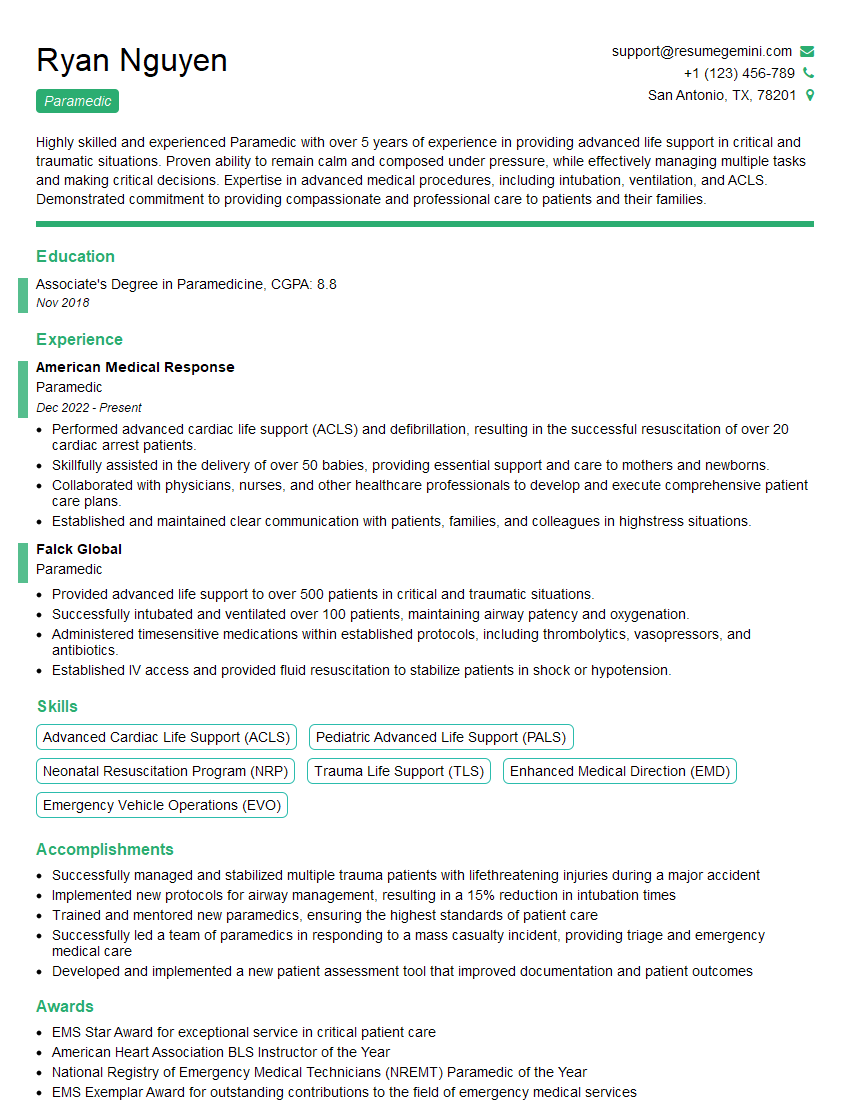
Paramedic Resume Sample
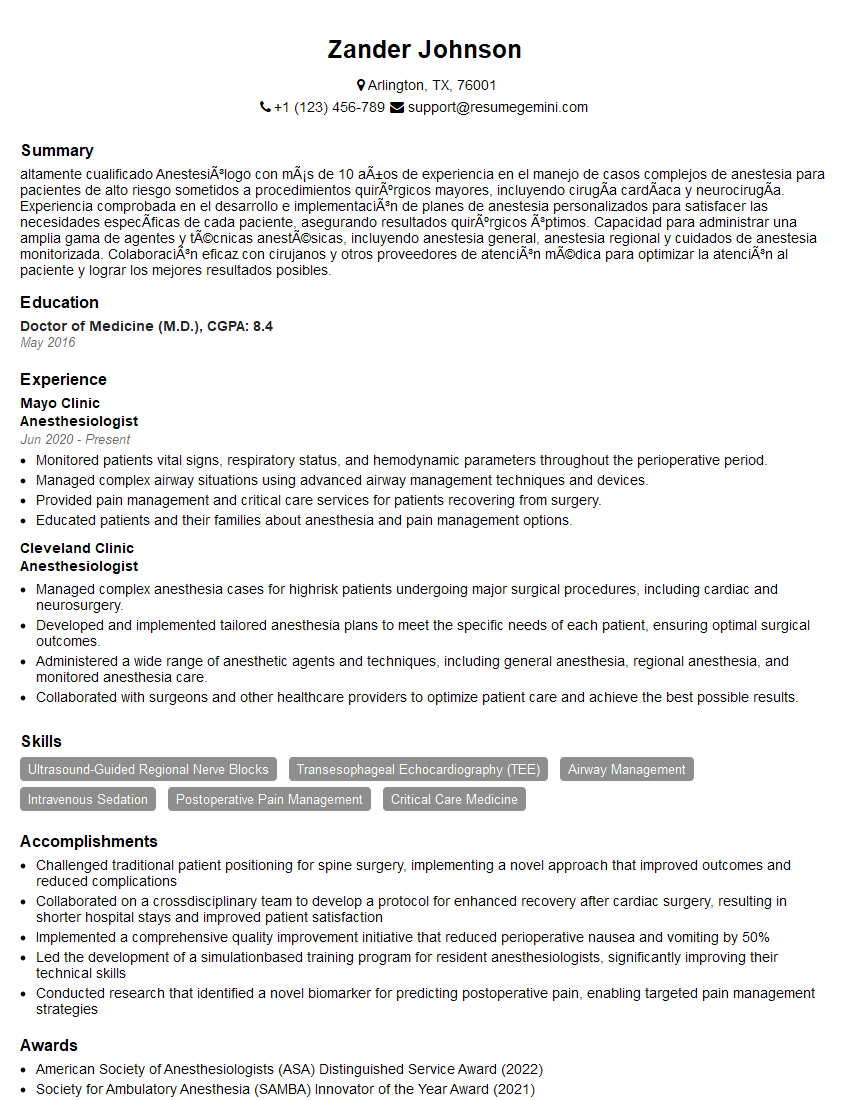
Anesthesiologist Resume Sample
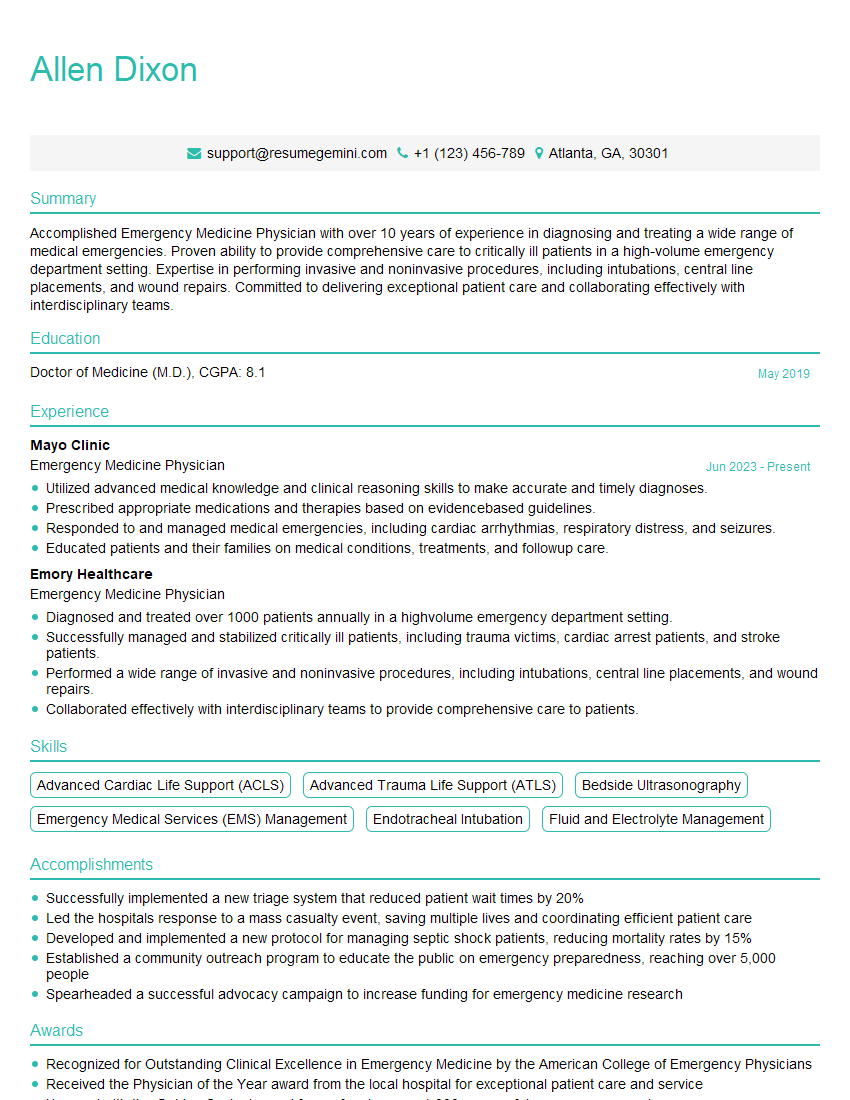
Emergency Medicine Physician Resume Sample
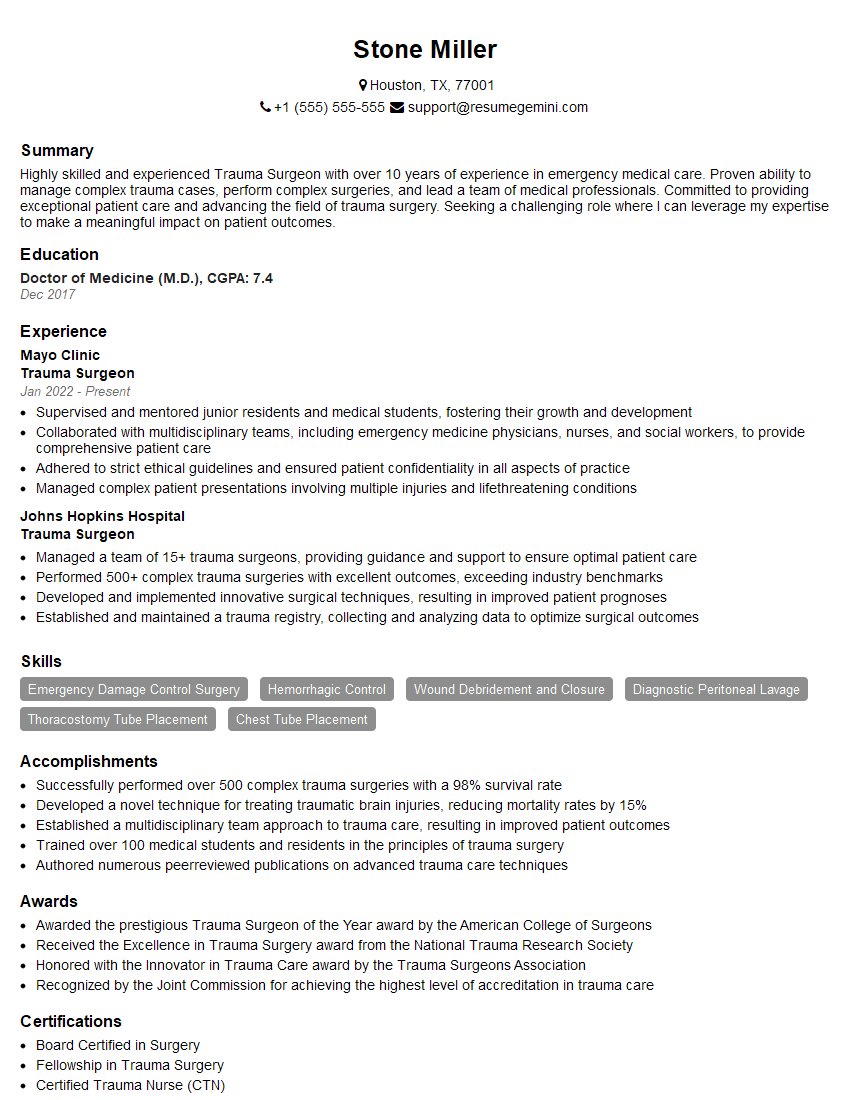
Trauma Surgeon Resume Sample
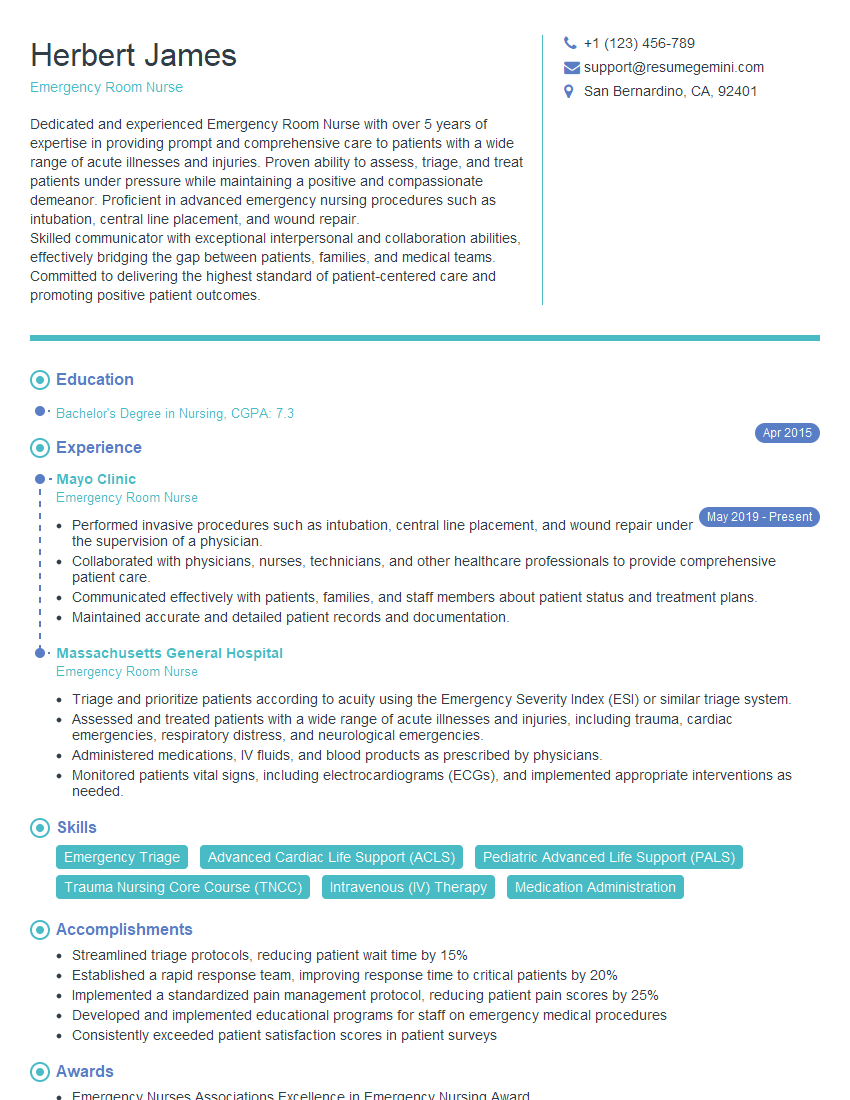
Emergency Room Nurse Resume Sample
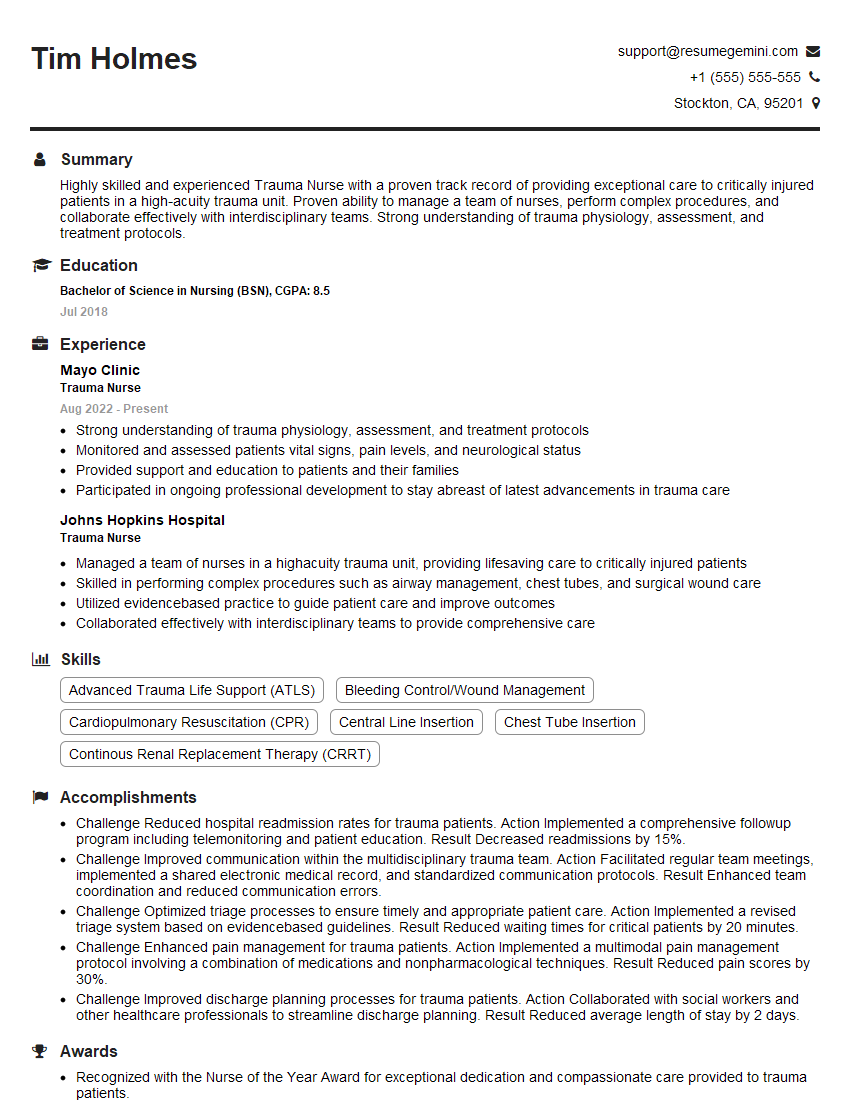
Trauma Nurse Resume Sample
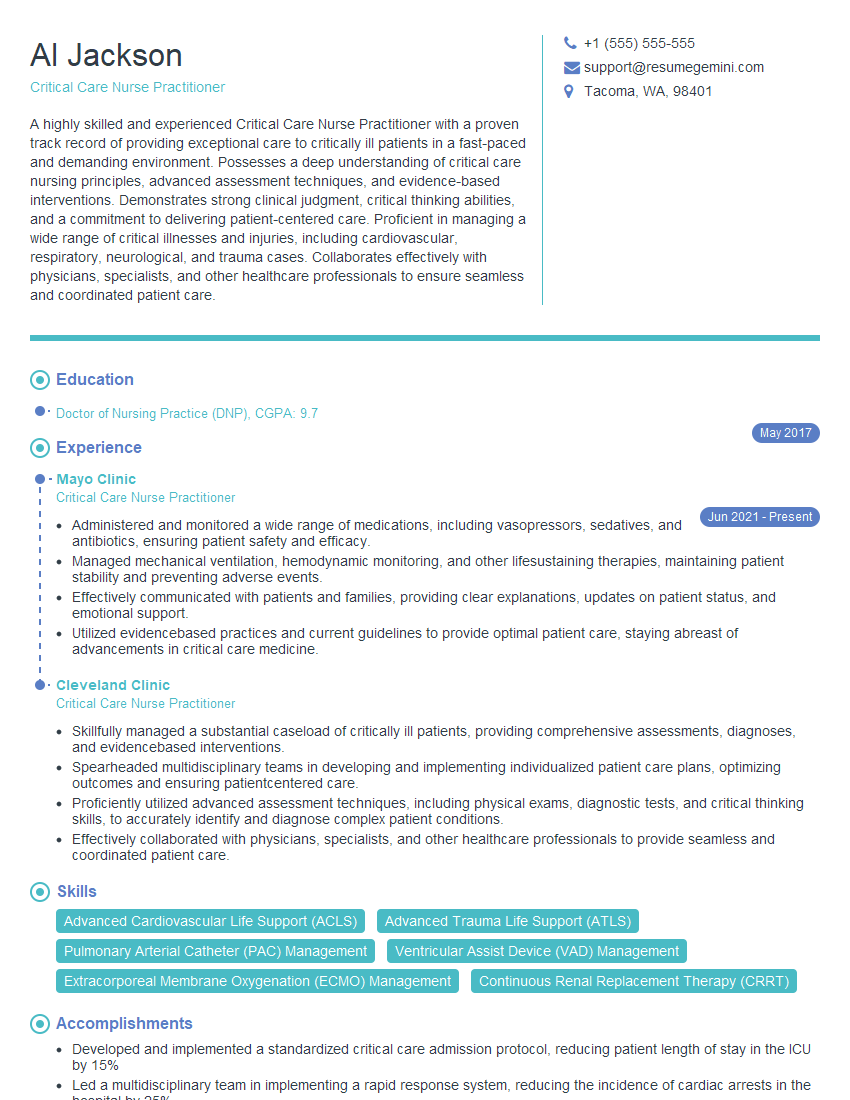
Critical Care Nurse Practitioner Resume Sample
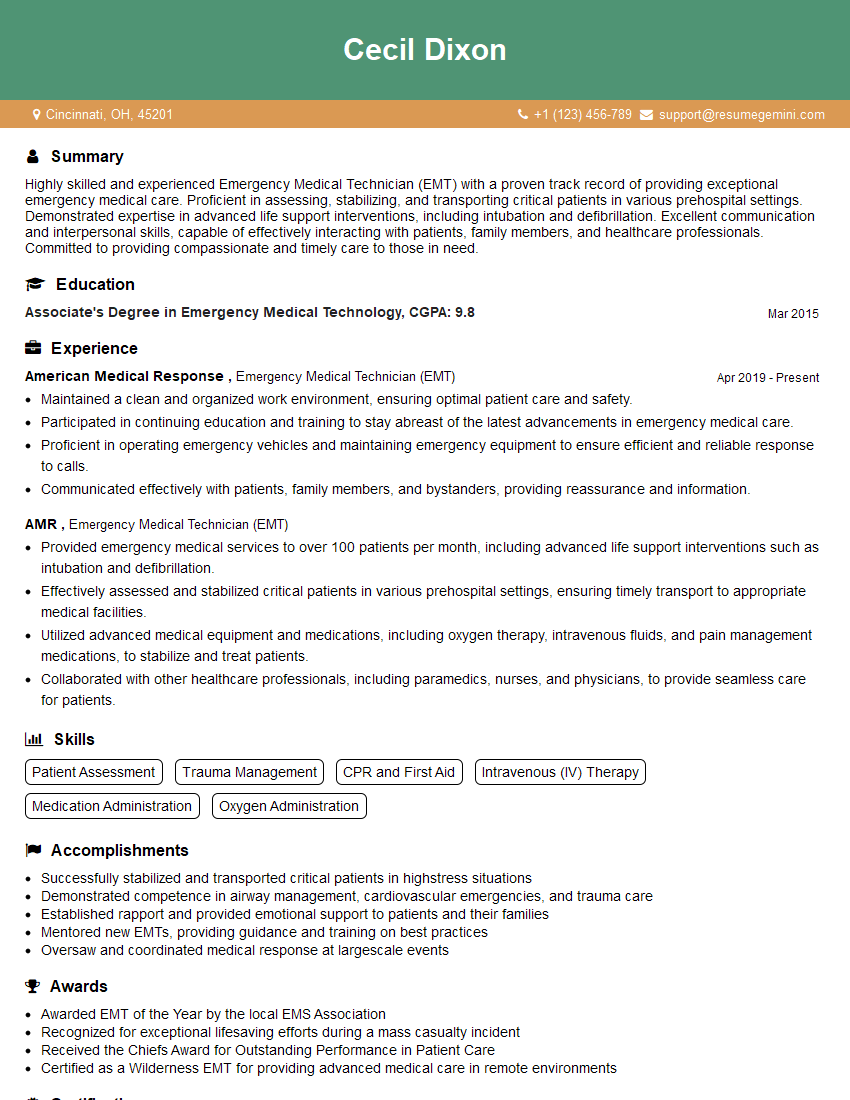
Emergency Medical Technician (EMT) Resume Sample
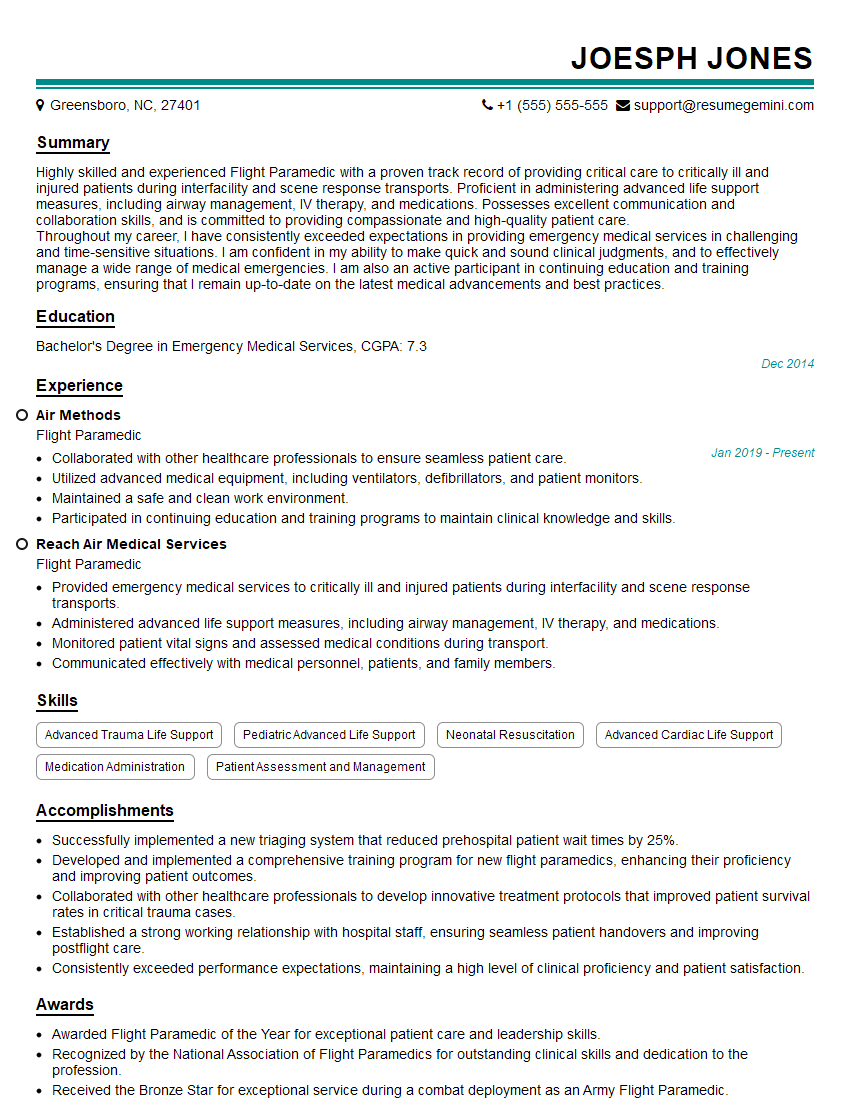
Flight Paramedic Resume Sample
Explore more articles
Users Rating of Our Blogs
Share Your Experience
We value your feedback! Please rate our content and share your thoughts (optional).
What Readers Say About Our Blog
hello,
Our consultant firm based in the USA and our client are interested in your products.
Could you provide your company brochure and respond from your official email id (if different from the current in use), so i can send you the client’s requirement.
Payment before production.
I await your answer.
Regards,
MrSmith
hello,
Our consultant firm based in the USA and our client are interested in your products.
Could you provide your company brochure and respond from your official email id (if different from the current in use), so i can send you the client’s requirement.
Payment before production.
I await your answer.
Regards,
MrSmith
These apartments are so amazing, posting them online would break the algorithm.
https://bit.ly/Lovely2BedsApartmentHudsonYards
Reach out at [email protected] and let’s get started!
Take a look at this stunning 2-bedroom apartment perfectly situated NYC’s coveted Hudson Yards!
https://bit.ly/Lovely2BedsApartmentHudsonYards
Live Rent Free!
https://bit.ly/LiveRentFREE
Interesting Article, I liked the depth of knowledge you’ve shared.
Helpful, thanks for sharing.
Hi, I represent a social media marketing agency and liked your blog
Hi, I represent an SEO company that specialises in getting you AI citations and higher rankings on Google. I’d like to offer you a 100% free SEO audit for your website. Would you be interested?