Cracking a skill-specific interview, like one for Medical Law and Ethics, requires understanding the nuances of the role. In this blog, we present the questions you’re most likely to encounter, along with insights into how to answer them effectively. Let’s ensure you’re ready to make a strong impression.
Questions Asked in Medical Law and Ethics Interview
Q 1. Explain the difference between negligence and malpractice in a medical context.
Both negligence and malpractice involve the failure to meet a standard of care, but malpractice is a specific type of negligence that applies only to professionals like doctors. Negligence is a broader term, encompassing any careless act that causes harm. In a medical context, negligence might involve a nurse accidentally administering the wrong medication, leading to complications. This isn’t necessarily malpractice because it may not involve a breach of the professional standard expected of a nurse. Malpractice, however, implies that a healthcare professional failed to exercise the level of skill and care expected of a reasonably competent professional in the same specialty, resulting in harm to the patient. For example, a surgeon leaving a surgical sponge inside a patient during an operation is clearly malpractice because it is a blatant breach of the standard of care expected of a surgeon.
Think of it this way: negligence is a general failure to act reasonably, while malpractice is a professional failure to act reasonably.
Q 2. Describe the key elements of informed consent.
Informed consent is a cornerstone of medical ethics and law. It means a patient has the right to make voluntary decisions about their own healthcare based on a full understanding of the relevant information. Key elements include:
- Disclosure: The doctor must adequately explain the proposed treatment, including its benefits, risks, alternatives, and the potential consequences of refusing treatment. This should be done in a way that the patient can understand, avoiding overly technical jargon.
- Comprehension: The patient must demonstrate understanding of the information provided. This means the doctor must assess whether the patient grasps the essential details and can answer basic questions about their treatment.
- Voluntariness: The patient must make the decision freely, without coercion or undue influence from family, friends, or healthcare providers. This is particularly important when considering vulnerable populations.
- Competence: The patient must possess the capacity to understand the information and make a reasoned decision. This may be impacted by factors like age, cognitive impairment, or mental illness.
For instance, a patient scheduled for surgery needs to understand the procedure, potential complications like infection or bleeding, and the likelihood of success before providing consent. If the surgeon fails to adequately explain these factors, the consent may be deemed invalid, potentially leading to legal action.
Q 3. What are the ethical considerations surrounding end-of-life care?
End-of-life care presents complex ethical dilemmas. Central considerations include:
- Respect for patient autonomy: Patients have the right to make decisions about their own lives, including choosing to forgo life-sustaining treatment. This aligns with the principle of self-determination.
- Beneficence: Healthcare professionals have a duty to act in the best interest of the patient, which may involve providing comfort care and pain management even if it doesn’t prolong life.
- Non-maleficence: Healthcare professionals should avoid causing harm, which necessitates careful consideration of the potential consequences of treatment decisions.
- Justice: Equitable access to palliative care and end-of-life options is crucial. Disparities in access based on socioeconomic status or other factors are ethically problematic.
- Withdrawal or withholding of treatment: The ethical and legal permissibility of withdrawing or withholding life-sustaining treatment is a significant consideration, often guided by the patient’s wishes (or those of their surrogate decision-maker) and the prognosis.
A common example is a patient with a terminal illness who requests to discontinue life support. Balancing respect for their autonomy with the potential grief of family members requires sensitive and compassionate communication and careful legal navigation.
Q 4. Explain the concept of patient confidentiality and HIPAA regulations.
Patient confidentiality is the ethical and legal obligation of healthcare professionals to protect patient information. HIPAA (Health Insurance Portability and Accountability Act) is the US federal law that establishes national standards for protecting sensitive patient health information. HIPAA mandates that covered entities (healthcare providers, health plans, and healthcare clearinghouses) protect the privacy and security of individually identifiable health information (PII).
The key provisions of HIPAA relate to:
- Privacy Rule: This outlines how protected health information (PHI) can be used and disclosed. It requires providers to obtain patient authorization before using or disclosing PHI for purposes other than treatment, payment, or healthcare operations.
- Security Rule: This sets standards for the electronic protection of PHI. It mandates safeguards to ensure the confidentiality, integrity, and availability of electronic PHI.
- Breach Notification Rule: This requires covered entities to notify individuals, as well as the Secretary of Health and Human Services, in the event of a breach of unsecured PHI.
Failure to comply with HIPAA can result in significant civil and criminal penalties. A simple example of a HIPAA violation would be a doctor discussing a patient’s diagnosis with a friend in a public setting.
Q 5. How would you handle a conflict between patient autonomy and beneficence?
Conflicts between patient autonomy and beneficence are common in healthcare. Patient autonomy is the right of patients to make their own decisions about their healthcare, while beneficence is the healthcare provider’s obligation to act in the patient’s best interest. For instance, a patient might refuse a potentially life-saving treatment due to personal beliefs or preferences.
Resolving such conflicts involves:
- Careful communication: Engaging in open and empathetic dialogue with the patient to understand their values and concerns is critical.
- Shared decision-making: Collaborating with the patient to find a mutually acceptable course of action. The goal is not to force treatment but to help the patient understand the risks and benefits to empower their decision-making.
- Ethical consultation: Seeking guidance from an ethics committee or consultant can help navigate complex situations and ensure that the decision respects both autonomy and beneficence.
- Documentation: Meticulously documenting all aspects of the discussion, including the patient’s concerns, the rationale for different treatment options, and the final decision, is essential for legal and ethical protection.
A practical approach might involve explaining the benefits and risks of a treatment in detail, offering alternative approaches, and respecting the patient’s final decision even if it goes against the physician’s recommendation. The focus should always be on empowering the patient to make an informed choice.
Q 6. Discuss the legal implications of medical errors.
Medical errors can have significant legal implications. The legal action taken depends on several factors, including the severity of the error, whether the error constituted negligence or malpractice, and the resulting harm to the patient.
Potential legal implications include:
- Medical malpractice lawsuits: Patients who suffer harm due to a medical error can sue for compensation. The plaintiff (patient) must prove negligence or malpractice, demonstrating that the healthcare provider breached the standard of care and that this breach directly caused the patient’s injuries.
- Criminal charges: In cases of gross negligence or intentional misconduct, healthcare providers could face criminal charges such as manslaughter or assault.
- Licensing board actions: State licensing boards can investigate medical errors and impose sanctions such as fines, suspension, or revocation of a healthcare professional’s license.
- Hospital liability: Hospitals can be held vicariously liable for the negligence of their employees under the doctrine of *respondeat superior* (let the master answer).
For example, a surgical error leading to a patient’s death could result in a wrongful death lawsuit against the surgeon, hospital, and potentially other healthcare professionals involved. The outcome of such a lawsuit depends on evidence demonstrating the breach of standard of care and causality.
Q 7. Describe the role of an Institutional Review Board (IRB).
An Institutional Review Board (IRB) is an independent ethics committee that reviews research proposals involving human subjects to ensure they adhere to ethical principles and protect the rights and welfare of participants. IRBs safeguard participants from undue risks, ensuring that research is conducted ethically and legally.
The IRB’s role includes:
- Reviewing research protocols: IRBs meticulously examine research proposals to assess potential risks and benefits to participants, the methodology’s rigor, the informed consent process, and the data management plan.
- Approving or modifying research projects: After reviewing the proposal, the IRB determines whether the research can proceed as planned, requires modifications, or should be rejected.
- Monitoring ongoing studies: IRBs may monitor studies to ensure that protocols are being followed and that participants are protected from harm.
- Investigating reported adverse events: Should any adverse events arise during a study, the IRB will investigate to determine the cause and whether changes are needed to protect participants.
Imagine a research study testing a new drug. The IRB would carefully evaluate the study’s design, ensuring that participants are fully informed of the risks and benefits, their participation is voluntary, and their data is protected. The IRB serves as a critical check on the ethical conduct of research involving human subjects.
Q 8. What are the ethical challenges related to genetic testing and gene editing?
Genetic testing and gene editing present a complex web of ethical challenges. At the heart of it lies the tension between benefiting individuals and society, and respecting individual autonomy and avoiding potential harms.
- Genetic Discrimination: The fear of genetic discrimination in employment, insurance, or social contexts is a major concern. Imagine someone with a genetic predisposition to a disease being denied health insurance or a job based solely on that information. This is a real risk, necessitating strong anti-discrimination laws.
- Informed Consent: Obtaining truly informed consent for genetic testing and editing is incredibly difficult. The complexity of the science and the potential long-term consequences make it challenging to ensure patients fully understand the implications of their choices. This requires careful counseling and transparent communication.
- Germline Editing: Gene editing that affects reproductive cells (germline) raises significant ethical concerns because changes are heritable, affecting future generations without their consent. The potential for unintended consequences and the inherent difficulty in predicting the long-term effects pose serious risks.
- Equity and Access: The high cost of these technologies raises questions about equitable access. Will these advances only benefit the wealthy, exacerbating existing health disparities?
- Playing God?: The very act of altering the human genome raises profound philosophical and religious questions for many, questioning the ethical boundaries of human intervention in natural processes.
Addressing these challenges requires a multi-faceted approach, including robust regulations, ethical guidelines, public education, and ongoing dialogue involving scientists, ethicists, policymakers, and the public.
Q 9. Explain the legal and ethical considerations of organ transplantation.
Organ transplantation is a life-saving procedure, but it’s fraught with legal and ethical complexities.
- Allocation of Organs: The scarcity of organs leads to difficult decisions about who receives them. Ethical frameworks focus on factors like medical urgency, likelihood of success, and equitable distribution across different demographic groups. Legal frameworks often prioritize these frameworks but are subject to legal challenges in various jurisdictions. This is often seen in the debate over which factors should outweigh others such as age or lifestyle choices.
- Consent and Donation: Organ donation requires informed consent, either from the individual (living donation) or their family (deceased donation). Legal frameworks govern how consent is obtained and documented, ensuring it’s voluntary and free from coercion.
- Confidentiality: Maintaining patient confidentiality is paramount, both for the living donor and the recipient. Legal protections, such as HIPAA in the US, are vital.
- Commercialization: The buying and selling of organs is illegal in most countries, due to the ethical implications of exploitation and coercion.
- Medical Malpractice: As with any medical procedure, the potential for negligence or malpractice exists. Legal frameworks exist to address potential claims of medical errors related to organ procurement, transplantation, or post-operative care.
Balancing the need for life-saving interventions with ethical principles necessitates careful consideration of these points. Transparency, public education, and robust regulatory frameworks are crucial.
Q 10. How do you approach a situation where a colleague is engaging in unethical behavior?
Witnessing unethical behavior by a colleague is a difficult but necessary situation to address. My approach follows a structured process:
- Gather Information: I would first carefully document the observed behavior, ensuring I have accurate and objective details. This includes dates, times, witnesses if any, and specific actions.
- Informal Discussion (if appropriate): If the infraction is minor and I have a comfortable working relationship with the colleague, I might try an informal, private discussion. The goal is to address the issue directly but constructively, focusing on the impact of their actions and not making accusations.
- Formal Channels: If the informal approach is unsuccessful or the behavior is serious (e.g., patient endangerment, fraud, or gross negligence), I would escalate the matter through formal channels, such as reporting to a supervisor, ethics committee, or compliance officer, depending on the institutional guidelines. This will often involve reporting the issue through established systems like a hotline.
- Protection: I would also be mindful of my own protection. Documentation is crucial to protect myself from potential retaliation. Depending on the specifics, legal counsel may be necessary.
The goal is to resolve the issue ethically and responsibly, protecting patients and upholding professional standards. This often requires a delicate balance between addressing the problem and maintaining professional relationships.
Q 11. Describe your understanding of medical futility.
Medical futility refers to interventions that are unlikely to produce any significant benefit for the patient, often defined as achieving a desired outcome or improving the quality of life. It’s a complex concept that involves clinical judgment, patient values, and ethical considerations.
Determining medical futility isn’t solely based on physiological factors; it takes into account the patient’s goals and values. An intervention may be futile for one patient but not another, depending on their individual circumstances and wishes. For instance, aggressive life support may be deemed futile for a patient with terminal cancer whose primary goal is comfort, while the same intervention might be viewed differently for a young patient with a treatable condition.
The discussion around medical futility often involves difficult conversations with patients and families, requiring sensitivity, empathy, and clear communication. There needs to be a clear explanation of the treatment’s limited potential and exploration of alternative approaches that focus on comfort and quality of life. This may involve palliative care or discussions about end-of-life decisions.
Q 12. Explain the difference between assault and battery in a medical setting.
In a medical setting, assault and battery are distinct yet often related offenses.
- Assault: Assault involves the apprehension of harmful or offensive contact. It’s the threat of harm, not the actual physical contact. For example, a doctor threatening a patient with a painful procedure without consent could be considered assault.
- Battery: Battery is the actual harmful or offensive contact. This involves physical touching without consent. Performing a medical procedure without informed consent is a clear example of battery.
It’s crucial to note that both assault and battery require the absence of consent. A patient’s consent is a vital aspect of medical treatment. Without valid consent, any physical contact or threat of contact can constitute a legal offense.
Q 13. What are the legal implications of releasing patient information without consent?
Releasing patient information without consent has significant legal implications, varying by jurisdiction. However, the core principle remains the same: patient confidentiality is paramount.
Unauthorized disclosure can lead to various legal actions, including:
- Civil lawsuits: Patients can sue for breach of confidentiality, seeking compensation for damages incurred due to the disclosure. This could include emotional distress, financial loss, or reputational harm.
- Criminal charges: In some cases, depending on the nature of the information disclosed and the intent of the person releasing it, criminal charges like violation of privacy laws or HIPAA violations in the US could be filed.
- Professional sanctions: Healthcare professionals face disciplinary actions from their licensing boards, potentially including fines, suspension, or revocation of their license.
Exceptions exist under specific circumstances, such as mandatory reporting of certain diseases or suspected abuse, but these exceptions are strictly defined by law and require careful adherence to legal and ethical guidelines. In all other situations, obtaining explicit consent before sharing any patient information is crucial.
Q 14. Discuss the ethical implications of using artificial intelligence in healthcare.
The use of artificial intelligence (AI) in healthcare presents both exciting opportunities and significant ethical challenges.
- Algorithmic Bias: AI algorithms are trained on data, and if that data reflects existing societal biases (e.g., racial, socioeconomic), the AI system will perpetuate and potentially amplify those biases in its diagnoses, treatment recommendations, or resource allocation. This could lead to disparities in care.
- Data Privacy and Security: AI systems require vast amounts of patient data for training and operation. Protecting the privacy and security of this sensitive information is paramount, and robust safeguards must be in place to prevent breaches and misuse.
- Transparency and Explainability: Many AI algorithms are “black boxes,” making it difficult to understand how they arrive at their conclusions. This lack of transparency can make it challenging to identify and correct errors or biases, and can erode trust in the system.
- Responsibility and Accountability: When an AI system makes an error, who is responsible? Determining liability in cases of misdiagnosis or treatment failures involving AI is a complex legal and ethical issue.
- Human Oversight: While AI can assist healthcare professionals, it shouldn’t replace human judgment and expertise. Maintaining appropriate levels of human oversight is crucial to ensure ethical and effective healthcare delivery.
Navigating these challenges requires careful consideration of ethical frameworks, robust regulatory measures, and ongoing dialogue between AI developers, healthcare professionals, policymakers, and the public to ensure responsible and beneficial use of AI in healthcare.
Q 15. How would you handle a situation involving a patient lacking decision-making capacity?
Handling a patient lacking decision-making capacity requires a multifaceted approach rooted in ethical principles and legal frameworks. The core principle is to act in the patient’s best interests. This involves first determining whether the patient truly lacks capacity. Capacity isn’t an all-or-nothing state; it’s context-specific. A patient might lack capacity to make complex medical decisions but retain capacity to decide on simpler matters like what to eat. We use a standardized assessment to determine capacity, considering the patient’s ability to understand the information, appreciate the consequences, reason through the options, and communicate a choice.
If capacity is lacking, we then identify a surrogate decision-maker. This could be a designated healthcare power of attorney (HCPOA) specified in advance directives, a family member with legal standing (often following a hierarchy laid out in state law), or a court-appointed guardian. The surrogate’s role is to make decisions based on what they believe the patient would want, if they could express it, or what is in the patient’s best interests if their wishes are unknown or unclear. We meticulously document all communications and decisions made on behalf of the incapacitated patient, ensuring transparency and accountability.
For example, I once worked with a patient suffering from a severe stroke who lost decision-making capacity. We identified their spouse as the HCPOA based on the patient’s advance directive. The spouse, with our guidance and explanation of treatment options, chose a course of action consistent with the patient’s known preferences. This entire process was carefully documented, including the assessment of capacity, the identification of the surrogate, the decision-making process, and the chosen treatment.
Career Expert Tips:
- Ace those interviews! Prepare effectively by reviewing the Top 50 Most Common Interview Questions on ResumeGemini.
- Navigate your job search with confidence! Explore a wide range of Career Tips on ResumeGemini. Learn about common challenges and recommendations to overcome them.
- Craft the perfect resume! Master the Art of Resume Writing with ResumeGemini’s guide. Showcase your unique qualifications and achievements effectively.
- Don’t miss out on holiday savings! Build your dream resume with ResumeGemini’s ATS optimized templates.
Q 16. Explain the concept of due process in healthcare disciplinary actions.
Due process in healthcare disciplinary actions ensures fairness and protects the rights of healthcare professionals. It mirrors principles in the legal system, ensuring that individuals aren’t punished without a proper hearing and a chance to defend themselves. This is crucial for maintaining professional integrity and avoiding wrongful accusations.
Key elements of due process include:
- Notice of Charges: Clear and detailed notification of the specific allegations against the professional.
- Opportunity to Respond: A fair chance to present their side of the story, including presenting evidence and witnesses.
- Impartial Hearing Body: A neutral body (e.g., a disciplinary board or committee) that makes decisions based on evidence, not bias.
- Right to Legal Counsel: Access to legal representation to assist in the process.
- Access to Records: Ability to review the evidence used against them.
- Appeal Process: An opportunity to challenge the decision through a formal appeals process if dissatisfied with the outcome.
Failure to follow due process can lead to legal challenges and invalidate disciplinary actions. Imagine a scenario where a doctor is suspended without being notified of the charges, given a chance to respond, or allowed to present evidence. Such a scenario would be a clear violation of due process and could easily be overturned in court.
Q 17. Describe your experience with healthcare compliance programs.
Throughout my career, I’ve been deeply involved in developing and implementing healthcare compliance programs. These programs are essential for minimizing legal and ethical risks, ensuring patient safety, and maintaining the integrity of healthcare organizations. My experience encompasses various aspects, including:
- Policy Development: Creating and updating policies and procedures aligned with relevant laws and regulations, such as HIPAA and the False Claims Act.
- Training and Education: Designing and delivering training programs to healthcare professionals on compliance issues, ensuring they understand their responsibilities and obligations.
- Monitoring and Auditing: Implementing systems to regularly monitor compliance and conduct internal audits to identify potential vulnerabilities and areas for improvement.
- Incident Management: Developing processes for handling compliance violations and reporting incidents to regulatory agencies when required.
- Risk Assessment: Conducting regular risk assessments to identify potential areas of non-compliance and proactively mitigating those risks.
In a previous role, I led a team in developing a comprehensive compliance program for a large hospital system. This included creating new policies, implementing a robust training program for all staff, and conducting regular audits. The result was a significant reduction in compliance violations and improved patient safety.
Q 18. How do you ensure compliance with HIPAA regulations?
Ensuring HIPAA compliance is paramount. The Health Insurance Portability and Accountability Act (HIPAA) is a US federal law that protects the privacy and security of Protected Health Information (PHI). My approach to HIPAA compliance involves a multi-pronged strategy:
- Policy and Procedure Implementation: Developing and implementing strict policies and procedures regarding the handling, storage, and transmission of PHI. This includes access controls, data encryption, and disposal protocols.
- Employee Training: Providing thorough training to all employees on HIPAA regulations and their responsibilities regarding PHI. This training should be regularly updated.
- Security Measures: Implementing robust security measures to protect PHI from unauthorized access, use, disclosure, disruption, modification, or destruction. This involves physical security, network security, and data security.
- Data Breaches: Establishing procedures for responding to and reporting data breaches to the appropriate authorities and affected individuals.
- Regular Audits and Monitoring: Conducting regular audits and monitoring activities to ensure compliance with HIPAA regulations and identify any areas needing improvement.
For instance, we utilize strong password policies, encrypt sensitive data both in transit and at rest, and conduct regular security awareness training to prevent phishing and other cyber threats. We also have a clear protocol for handling any suspected breaches, immediately launching an investigation and reporting to relevant authorities.
Q 19. What are the legal and ethical considerations surrounding research involving human subjects?
Research involving human subjects raises complex legal and ethical considerations. The central principle is the ethical imperative to protect the rights and welfare of participants. This is governed by regulations like the US Common Rule, which outlines requirements for Institutional Review Boards (IRBs).
Key considerations include:
- Informed Consent: Participants must provide voluntary, informed consent after receiving complete information about the research, including its purpose, procedures, risks, and benefits. This requires using clear, understandable language and addressing any questions the participant may have.
- Beneficence and Non-Maleficence: The research must maximize benefits and minimize harms to participants. This requires careful risk-benefit assessment and the implementation of safety measures.
- Justice: The selection of participants should be fair and equitable, avoiding exploitation or targeting vulnerable populations.
- Privacy and Confidentiality: Protecting the privacy and confidentiality of participants’ data is paramount. This includes secure data storage, de-identification techniques, and adherence to data protection laws.
- IRB Review: All research involving human subjects must undergo rigorous review by an IRB to ensure it meets ethical and legal standards.
For example, a clinical trial requiring participants to undergo a potentially risky procedure must undergo very thorough IRB review and demonstrate the potential benefits outweigh the risks to participants. Further, the study must have robust measures in place to ensure patient privacy and confidentiality.
Q 20. Explain the concept of ‘reasonable physician standard’ in malpractice cases.
In medical malpractice cases, the ‘reasonable physician standard’ is a legal benchmark determining whether a healthcare professional acted negligently. It’s not about perfection; it’s about whether the physician’s actions deviated from what a reasonably prudent and competent physician in the same specialty would have done under similar circumstances. This standard is crucial in determining liability.
Key aspects of the reasonable physician standard include:
- Locality Rule (modifying): Traditionally, the standard was based on the practice in the same geographic locality. This is increasingly being replaced with a ‘national’ standard, reflecting the accessibility of information and best practices across different regions.
- Specialty and Expertise: The standard is adjusted to reflect the specific specialty and level of expertise of the physician. A neurosurgeon would be held to a different standard than a general practitioner.
- Medical Knowledge and Technology: The standard incorporates current medical knowledge and available technology at the time of the alleged negligence. A physician failing to utilize a widely accepted diagnostic test could be held liable.
- Expert Testimony: Establishing negligence often requires expert testimony from physicians in the same specialty to demonstrate deviation from the standard of care. This provides crucial evidence in court.
For example, if a general practitioner fails to diagnose a condition that a reasonably competent GP in similar circumstances would have diagnosed using standard diagnostic tools, then negligence could be established. The testimony of another GP confirming the deviation from the reasonable standard of care would be critical in such cases.
Q 21. Discuss the ethical considerations of resource allocation in healthcare.
Resource allocation in healthcare presents significant ethical challenges. Limited resources—financial, personnel, and technological—force difficult choices about who receives what care. Fairness, justice, and efficiency are central to ethical resource allocation. There is no single universally accepted solution, and various ethical frameworks can be applied.
Key ethical considerations include:
- Utilitarianism: Prioritizing the greatest good for the greatest number of people. This may involve focusing on interventions with the highest overall impact on health outcomes.
- Egalitarianism: Ensuring equal access to healthcare for all individuals, regardless of socioeconomic status or other factors. This often requires addressing systemic inequalities.
- Libertarianism: Emphasizing individual autonomy and freedom of choice. This approach may prioritize individual preferences, even if it means unequal distribution of resources.
- Need-Based Allocation: Giving priority to those with the greatest need, often based on medical urgency or severity of illness.
- First-Come, First-Served: A simple approach but potentially inefficient and unfair, especially in situations with limited resources and varying levels of need.
The process of resource allocation often involves difficult trade-offs. For example, deciding between investing in expensive life-saving technology for a small number of patients versus providing preventive care to a larger population requires careful ethical consideration of the multiple frameworks.
Q 22. How would you address a conflict between a patient’s wishes and family’s desires?
Resolving conflicts between a patient’s wishes and their family’s desires requires a delicate balance of respecting autonomy and ensuring patient well-being. The core principle is to prioritize the patient’s wishes, provided they possess the capacity to make informed decisions. This capacity is assessed by evaluating their understanding of the medical situation, the proposed treatments, and the potential risks and benefits. If the patient has capacity, their wishes should be followed, even if the family disagrees.
However, there are situations where a patient lacks capacity due to cognitive impairment, coma, or other factors. In such cases, the next of kin or designated surrogate decision-maker steps in, guided by the patient’s previously expressed wishes (if any, documented in advance directives like a living will or durable power of attorney for healthcare), or by what’s in the patient’s best interests.
The process involves:
- Careful Assessment of Capacity: A thorough evaluation by the medical team, potentially involving consultations with psychiatrists or other specialists.
- Review of Advance Directives: Checking for legally binding documents expressing the patient’s preferences.
- Substituted Judgment: If no advance directives exist, the surrogate makes decisions based on what they believe the patient would have wanted.
- Best Interests Standard: If the patient’s wishes are unknown, the decision is based on what is medically best for the patient, considering quality of life and potential burdens.
- Mediation or Ethical Consultation: If significant disagreements persist, involving a mediator or ethics committee can facilitate communication and reach a consensus.
Example: Imagine a patient with advanced dementia who has no advance directives. Their family is torn between life-sustaining treatment and palliative care. A careful assessment of the patient’s current quality of life, combined with an ethical review, might lead to a decision in favour of palliative care, prioritizing comfort over prolonging life artificially.
Q 23. Explain the legal and ethical considerations surrounding physician-assisted suicide.
Physician-assisted suicide (PAS), also known as physician aid-in-dying, is surrounded by complex legal and ethical considerations. Legally, its legality varies significantly across jurisdictions. Some countries and states have legalized PAS under strict regulations, while others strictly prohibit it. These regulations typically require the patient to be terminally ill, have a prognosis of six months or less to live, be mentally competent to make the decision, and undergo a thorough evaluation by multiple physicians to confirm their wishes and diagnosis.
Ethically, PAS raises profound questions. Arguments in favor emphasize patient autonomy and the right to self-determination, particularly for those experiencing unbearable suffering. Proponents argue that individuals should have the right to choose how and when they die, especially when faced with an incurable and painful condition.
However, significant ethical concerns remain. Opponents raise concerns about the potential for coercion, particularly among vulnerable populations, and the slippery slope argument, suggesting that legalizing PAS might lead to the devaluation of life and pressure on individuals to choose death over life. Concerns also exist regarding potential misdiagnosis or changes in patient wishes, and the impact on medical professionals themselves. The inherent conflict between the physician’s role of preserving life and participating in ending it is a major ethical challenge.
Example: The legal framework surrounding PAS in Oregon, USA, provides a case study. Strict regulations concerning patient competency, consultation requirements, and waiting periods are designed to mitigate potential abuses and ensure informed consent. The ongoing debate, however, highlights the enduring ethical complexity of the issue.
Q 24. Describe your understanding of the concept of justice in healthcare.
Justice in healthcare refers to the fair and equitable distribution of healthcare resources and services. It implies that all individuals have equal access to high-quality care, regardless of their socioeconomic status, race, ethnicity, gender, or other factors. It’s about ensuring that resources are allocated in a way that maximizes overall health benefits and minimizes health disparities.
Several principles underpin the concept of justice in healthcare:
- Equitable Access: Removing barriers to care, such as cost and geographical location.
- Fair Allocation of Resources: Distributing scarce resources in a just and efficient manner. This often involves difficult choices, prioritizing based on need, urgency, and potential benefit.
- Addressing Health Disparities: Actively working to eliminate inequalities in health outcomes across different population groups.
- Transparency and Accountability: Ensuring that resource allocation decisions are made transparently and are subject to accountability mechanisms.
Example: A just healthcare system would address the issue of unequal access to organ transplantation by prioritizing those most in need and establishing a fair allocation system to minimize wait times and ensure equitable access across different populations.
Q 25. How would you handle a situation involving a whistleblower?
Handling a whistleblower situation requires a careful and measured approach, prioritizing both the protection of the whistleblower and addressing the potential wrongdoing. The first step is to ensure the safety and confidentiality of the whistleblower. This might involve establishing secure communication channels and providing legal counsel.
Next, a thorough investigation is required. This involves verifying the allegations presented by the whistleblower, often requiring collaboration with internal and external investigators. Evidence must be gathered methodically and objectively, following established protocols. The investigation should assess the credibility of the whistleblower’s claims and any potential repercussions of inaction.
Based on the findings, appropriate actions should be taken. If the allegations are substantiated, corrective measures may range from disciplinary actions to reporting the matter to regulatory agencies. If the allegations are unfounded, the whistleblower should be appropriately informed, and steps should be taken to prevent future retaliatory actions. Documentation throughout the entire process is crucial.
Example: Imagine a nurse who discovers that a colleague is falsifying medical records. The hospital must ensure the nurse’s safety and confidentiality, launch a thorough investigation, and take appropriate actions based on the findings. This might involve disciplinary actions against the colleague, remediation of the falsified records and reporting the matter to the relevant licensing board.
Q 26. What are the legal implications of violating patient privacy?
Violating patient privacy carries significant legal implications, with consequences varying depending on the nature and severity of the violation, as well as applicable jurisdiction. The most significant legislation in the US is the Health Insurance Portability and Accountability Act (HIPAA), which sets strict standards for the protection of protected health information (PHI). Violations can result in civil and criminal penalties, including hefty fines and even imprisonment in some cases.
Types of violations include:
- Unauthorized Disclosure: Sharing PHI with unauthorized individuals or entities, such as family members without consent.
- Improper Disposal: Failing to properly secure or dispose of PHI, leading to potential breaches.
- Lack of Security Measures: Inadequate measures to protect PHI from unauthorized access, such as weak passwords or insecure data storage.
Legal Consequences can include:
- Civil Penalties: Monetary fines imposed by the government.
- Criminal Penalties: Jail time and/or significant fines for willful or negligent violations.
- Civil Lawsuits: Patients can sue healthcare providers for damages resulting from privacy breaches. This can include compensation for emotional distress, financial losses, and reputational harm.
Example: A doctor who discusses a patient’s diagnosis with a friend in a public place is violating HIPAA regulations, and can face significant legal ramifications if the patient files a complaint.
Q 27. Discuss the ethical dilemmas related to using placebo treatments in clinical trials.
The use of placebo treatments in clinical trials presents a complex ethical dilemma. While placebos are crucial for scientific rigor, ensuring accurate assessment of the efficacy of a new treatment compared to a control, their use raises ethical concerns related to informed consent and patient well-being.
Ethical Concerns:
- Informed Consent: Patients must be fully informed about the possibility of receiving a placebo and the potential risks and benefits of participation. This requires clear, transparent communication and ensuring the patient understands the implications of receiving a treatment that may not be effective.
- Withholding Beneficial Treatment: If a known effective treatment exists, the ethical justification for withholding it from the control group needs to be carefully evaluated. The potential harm of not receiving effective treatment must be weighed against the scientific value of the placebo control.
- Deception: The use of placebos can involve elements of deception, as patients may not be fully aware of the nature of the treatment they receive. This raises concerns about the trust between researchers and participants.
Mitigation Strategies:
- Clear and Transparent Consent Processes: Comprehensive informed consent forms detailing the study design and potential risks and benefits.
- Use of Placebo Only When Necessary: Placebos should only be used when there is no ethically justifiable alternative and the benefits of the study outweigh the potential risks to participants.
- Access to Treatment After the Trial: Participants should have access to effective treatment after the trial concludes, regardless of the group they were assigned to.
Example: A clinical trial evaluating a new drug for a serious illness would require rigorous informed consent protocols, carefully explaining to participants the possibility of receiving a placebo. The trial should only proceed if the potential benefits of the new drug outweigh the risks of withholding potential effective treatment.
Q 28. Explain your understanding of the principles of medical ethics (autonomy, beneficence, non-maleficence, justice).
The four principles of medical ethics – autonomy, beneficence, non-maleficence, and justice – provide a framework for ethical decision-making in healthcare. They are interconnected and often require balancing competing considerations.
1. Autonomy: This principle respects the patient’s right to self-determination and the ability to make informed decisions about their own medical care. This includes the right to refuse treatment, even if it might be beneficial.
2. Beneficence: This principle emphasizes the physician’s responsibility to act in the patient’s best interests, taking positive steps to promote their well-being and improve their health.
3. Non-maleficence: This principle highlights the obligation to avoid causing harm to the patient. This requires careful consideration of potential risks and benefits of any intervention. The goal is to “do no harm”.
4. Justice: This principle focuses on the fair and equitable distribution of healthcare resources and services. It ensures that all individuals have equal access to high-quality care, regardless of their social or economic circumstances.
Balancing Principles: In practice, these principles often come into conflict. For example, a patient’s autonomy to refuse a life-saving treatment might conflict with the physician’s beneficent obligation to preserve life. Ethical decision-making requires careful consideration of all relevant principles and finding a balance that respects the values and rights of all involved.
Example: A patient with a terminal illness wishes to forgo further treatment. While the physician might wish to offer treatment (beneficence), they must respect the patient’s right to choose their own course of action (autonomy), provided they have capacity to make the decision.
Key Topics to Learn for Your Medical Law and Ethics Interview
Ace your interview by mastering these fundamental areas of Medical Law and Ethics. Remember, a strong understanding of both the theory and practical application is key.
- Informed Consent: Explore the legal and ethical principles surrounding patient autonomy and the process of obtaining informed consent. Consider the practical challenges in obtaining truly informed consent in various clinical settings.
- Patient Confidentiality & HIPAA: Understand the legal ramifications of breaching patient confidentiality, particularly in the context of HIPAA regulations. Practice analyzing hypothetical scenarios involving potential breaches and ethical dilemmas.
- Medical Malpractice & Negligence: Grasp the elements required to establish medical malpractice or negligence claims. Develop your ability to critically analyze medical records and identify potential areas of liability.
- End-of-Life Care & Advance Directives: Familiarize yourself with the legal and ethical considerations surrounding end-of-life decisions, including advance directives, DNR orders, and the role of surrogates.
- Ethical Decision-Making Frameworks: Learn to apply various ethical frameworks (e.g., utilitarianism, deontology) to resolve complex medical ethical dilemmas. Practice analyzing case studies and formulating well-reasoned arguments.
- Professional Responsibility & Medical Ethics Codes: Understand the ethical obligations of healthcare professionals, including adherence to professional codes of conduct and the importance of maintaining professional boundaries.
Next Steps: Unlock Your Career Potential
A strong foundation in Medical Law and Ethics is paramount for career advancement in the healthcare field. It demonstrates your commitment to patient well-being and your understanding of the legal landscape. To maximize your job prospects, it’s crucial to present yourself effectively. Creating an ATS-friendly resume is the first step towards getting noticed by recruiters.
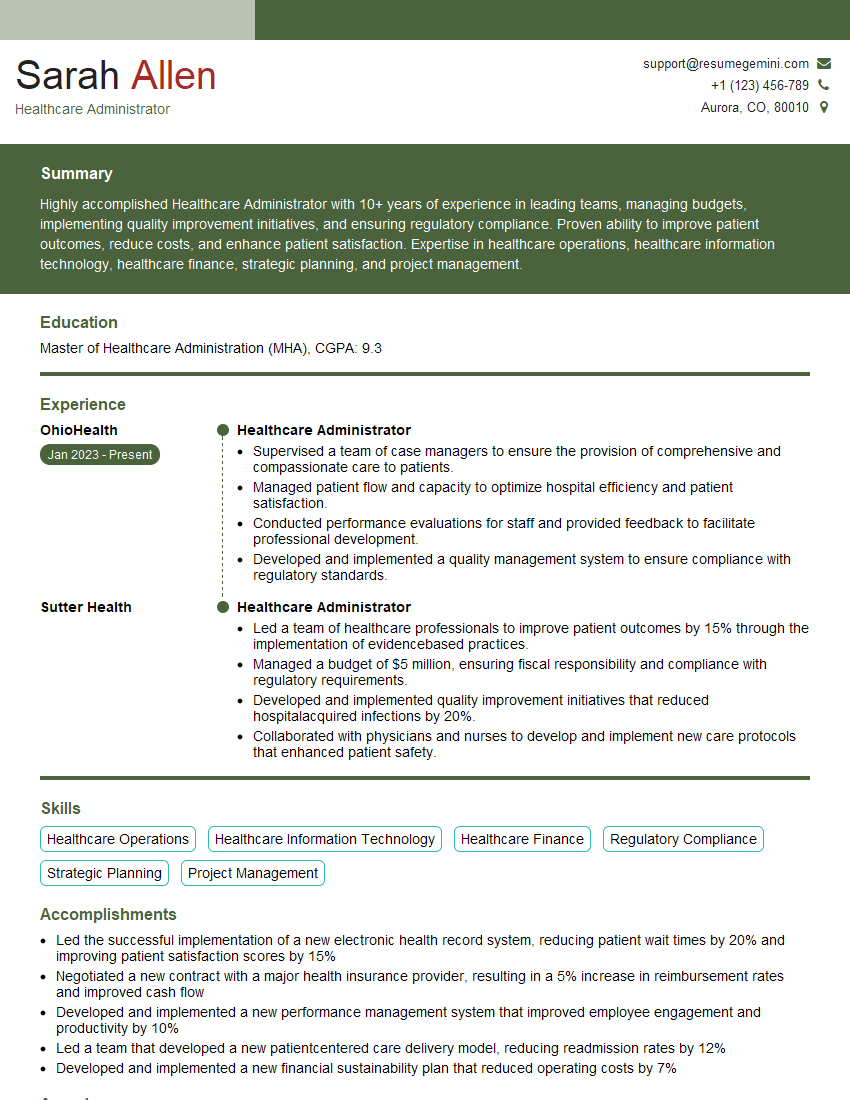
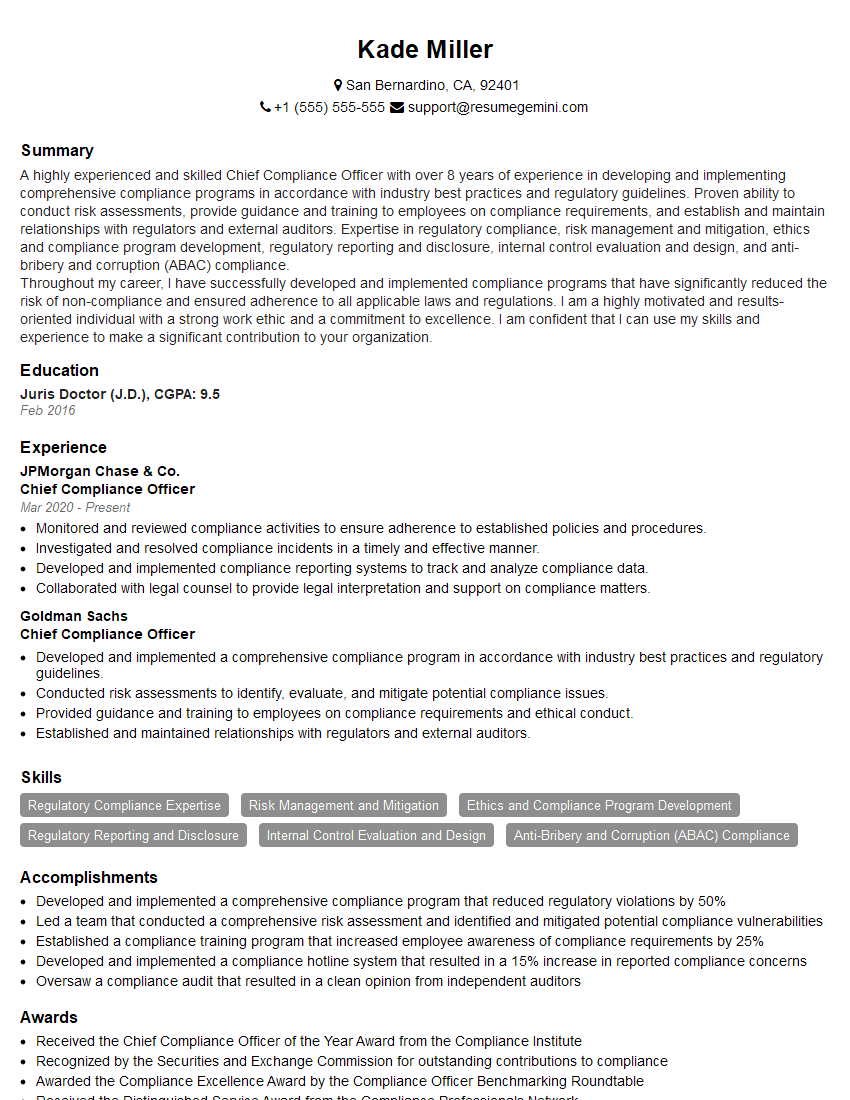
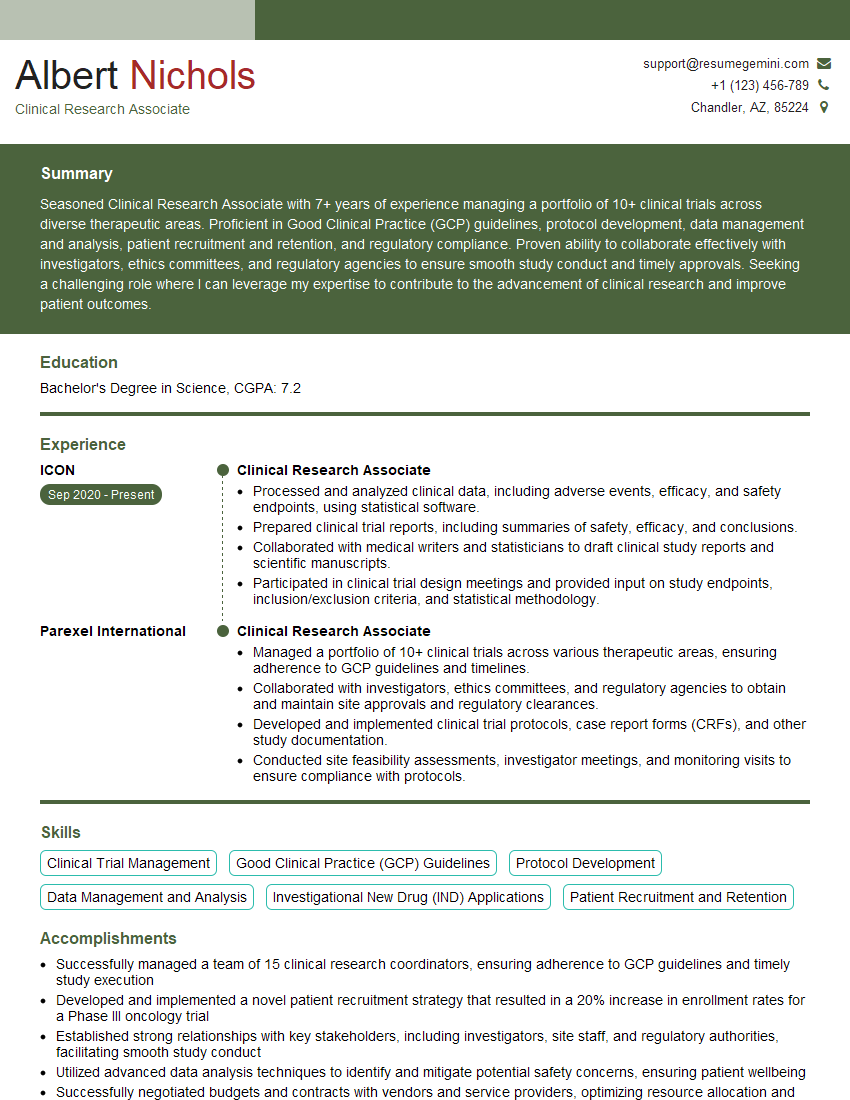
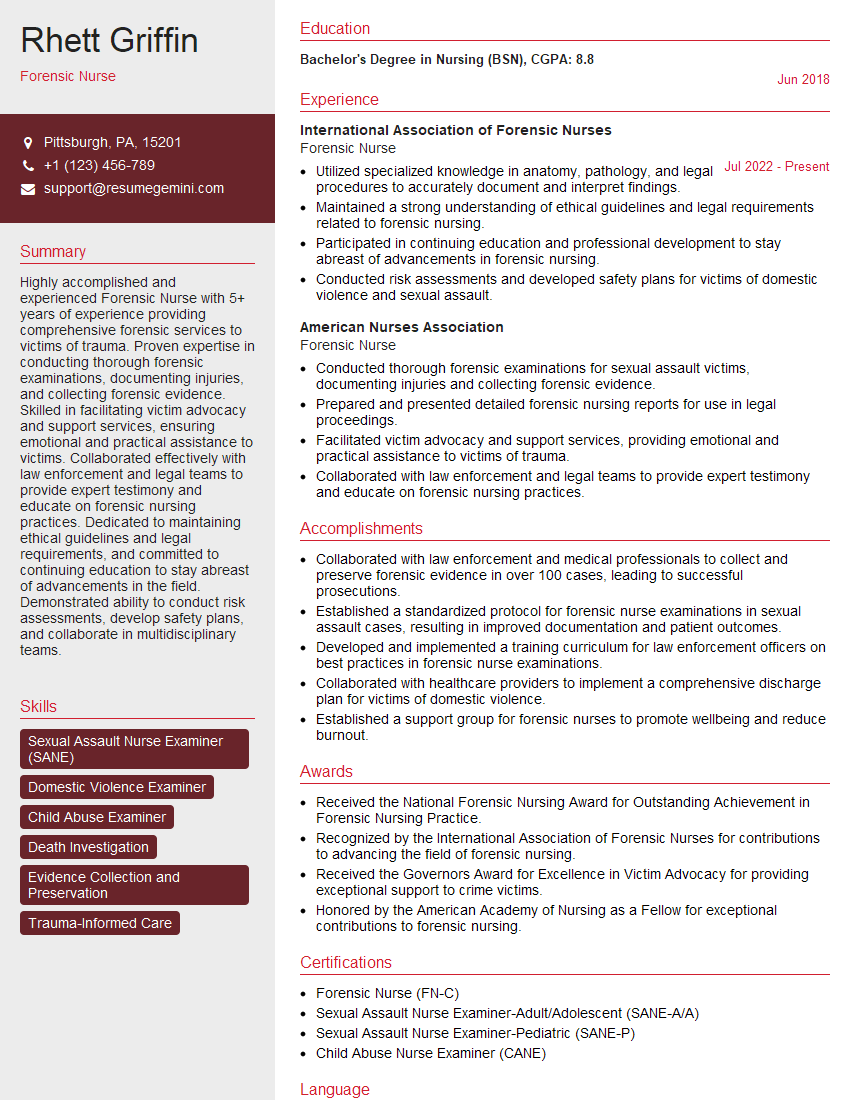
We highly recommend using ResumeGemini to build a professional and impactful resume. ResumeGemini provides tools and resources to help you craft a compelling narrative that showcases your skills and experience. You’ll find examples of resumes tailored specifically to Medical Law and Ethics professionals to guide your creation.
Explore more articles
Users Rating of Our Blogs
Share Your Experience
We value your feedback! Please rate our content and share your thoughts (optional).
What Readers Say About Our Blog
hello,
Our consultant firm based in the USA and our client are interested in your products.
Could you provide your company brochure and respond from your official email id (if different from the current in use), so i can send you the client’s requirement.
Payment before production.
I await your answer.
Regards,
MrSmith
hello,
Our consultant firm based in the USA and our client are interested in your products.
Could you provide your company brochure and respond from your official email id (if different from the current in use), so i can send you the client’s requirement.
Payment before production.
I await your answer.
Regards,
MrSmith
These apartments are so amazing, posting them online would break the algorithm.
https://bit.ly/Lovely2BedsApartmentHudsonYards
Reach out at [email protected] and let’s get started!
Take a look at this stunning 2-bedroom apartment perfectly situated NYC’s coveted Hudson Yards!
https://bit.ly/Lovely2BedsApartmentHudsonYards
Live Rent Free!
https://bit.ly/LiveRentFREE
Interesting Article, I liked the depth of knowledge you’ve shared.
Helpful, thanks for sharing.
Hi, I represent a social media marketing agency and liked your blog
Hi, I represent an SEO company that specialises in getting you AI citations and higher rankings on Google. I’d like to offer you a 100% free SEO audit for your website. Would you be interested?