Interviews are opportunities to demonstrate your expertise, and this guide is here to help you shine. Explore the essential Medical Stabilization and Evacuation interview questions that employers frequently ask, paired with strategies for crafting responses that set you apart from the competition.
Questions Asked in Medical Stabilization and Evacuation Interview
Q 1. Describe the process of stabilizing a patient with a suspected spinal injury.
Suspected spinal injury stabilization prioritizes preventing further damage to the spinal cord. This involves maintaining spinal immobility throughout the entire process, from initial assessment to hospital arrival.
The process begins with a careful scene assessment to ensure the safety of both the patient and rescuers. Then, we perform a rapid primary assessment, checking for airway, breathing, and circulation (ABCs). If there are any immediate life threats, those are addressed first. Next comes the crucial step of spinal immobilization. This is generally achieved using a cervical collar and a long spine board. We carefully logroll the patient, ensuring the head, neck, and spine are kept in alignment. Several rescuers are usually required to perform this safely and effectively.
Throughout the process, we monitor the patient’s vital signs, level of consciousness, and for any signs of neurological deterioration. Once immobilized, we proceed with secondary assessment, which includes a detailed physical examination, focusing on any other injuries the patient might have. The patient is then carefully loaded onto a stretcher, maintaining spinal alignment, and transported to a definitive care facility. Think of it like carefully transporting a delicate piece of china – every movement must be deliberate and controlled.
It’s crucial to remember that even with the best immobilization techniques, some spinal cord damage may already exist. Our priority is to prevent further harm during transport.
Q 2. Explain the different types of medical evacuations and their appropriate applications.
Medical evacuations are categorized by the urgency and distance of transport.
- Emergency Medical Services (EMS): This is for immediate, life-threatening conditions within a local area. Think of a heart attack or stroke where rapid transport to the nearest hospital is crucial. This often involves ambulances.
- Interfacility Transfers: These involve moving a patient between healthcare facilities, perhaps from a smaller hospital to a specialized center that can offer better care. This transport is less urgent than EMS but still requires careful patient monitoring and appropriate transport.
- Air Medical Evacuation: This is used when ground transport is impractical or too time-consuming due to distance, terrain, or weather. Helicopters or fixed-wing aircraft are used for these evacuations, providing rapid transport across large distances. A classic example would be someone injured in a remote hiking area.
- Long-Distance Medical Evacuation: These are for patients requiring specialized care far from their current location, often involving air travel across countries or continents. Medevac jets with onboard medical staff and intensive care capabilities are employed for these types of evacuations.
The choice of evacuation type depends on the patient’s condition, the distance to the appropriate medical facility, the available resources, and any environmental factors.
Q 3. What are the key considerations when selecting the appropriate mode of transport for a patient?
Selecting the right mode of transport is paramount and hinges on several key considerations. The patient’s condition is the primary driver. Is it a life-threatening emergency requiring immediate transport, or can transport be slightly delayed?
- Patient Condition: Critically unstable patients need immediate and potentially air transport. Patients with stable, less urgent conditions might be transported via ground ambulance.
- Distance to Facility: For short distances, a ground ambulance may suffice. Longer distances might demand air transport for speed.
- Terrain and Weather: Inaccessible terrain, mountainous areas, or severe weather conditions necessitate air medical evacuation.
- Resource Availability: The presence of an appropriate transport option, such as an ambulance or helicopter service, is crucial. Budget considerations also play a role.
- Patient Size and Weight: Some transport modes have weight restrictions.
For example, a patient with a severe head injury needs rapid transport, and a helicopter might be the best option, even if it’s slightly more expensive than an ambulance. Conversely, a patient with a minor fracture might be safely transported by ambulance, saving resources. The decision-making process is always a balance of urgency, resources, and safety.
Q 4. How do you prioritize patients during a mass casualty incident?
Mass casualty incidents (MCIs) demand a systematic approach to patient prioritization. The most widely used method is the START (Simple Triage And Rapid Treatment) system.
START categorizes patients based on their respiratory status, perfusion (circulation), and mental status. Patients are quickly assessed and tagged with a color-coded system:
- Immediate (Red): Patients with life-threatening injuries who need immediate attention – for example, those who are not breathing or have no pulse.
- Delayed (Yellow): Patients with serious injuries but whose lives aren’t immediately threatened. Think of a patient with a fractured femur.
- Minimal (Green): Patients with minor injuries – a superficial cut, for instance.
- Expectant (Black): Patients with extensive injuries incompatible with life – typically those who are already deceased or beyond the reach of immediate lifesaving measures.
The START method allows triage teams to rapidly identify and prioritize patients with the most urgent needs, ensuring efficient allocation of limited resources in a chaotic environment. This structured approach is critical for maximizing survival rates in the aftermath of large-scale disasters.
Q 5. Describe your experience with airway management in a pre-hospital setting.
Airway management in the pre-hospital setting is a high-stakes procedure requiring rapid assessment and intervention. It’s often the most critical aspect of immediate care. I have extensive experience across various techniques.
My experience includes the use of advanced airway management techniques such as endotracheal intubation (placing a breathing tube into the trachea) using both direct and video laryngoscopes. I am proficient in performing cricothyrotomy (an emergency airway procedure) when more conventional methods are not feasible. I’m also skilled in using basic airway adjuncts like oral and nasal airways to help maintain a patent airway.
In challenging scenarios, like those involving trauma patients with potential cervical spine injuries, I carefully employ techniques that minimize the risk of further spinal cord damage while securing the airway. It’s crucial to balance speed and safety. Regular continuing education and practice maintain my proficiency in these critical skills.
A memorable instance involved a patient with severe facial trauma. Conventional intubation was impossible, so a cricothyrotomy was necessary to secure the airway. This rapid response made all the difference in that particular emergency.
Q 6. Explain your understanding of hypothermia and its treatment in the field.
Hypothermia, a dangerously low body temperature, is a significant concern in cold environments, especially after trauma. It impairs bodily functions and can lead to cardiac arrest. Recognizing it early is critical.
Symptoms can include shivering (initially), confusion, slowed heart rate and breathing, decreased level of consciousness, and eventually cardiac arrest. Treatment in the field focuses on gentle rewarming.
We avoid rapid rewarming, as it can cause dangerous cardiovascular complications. Instead, we utilize passive external rewarming techniques, such as removing wet clothing, placing blankets or layers of clothing on the patient, and protecting them from the elements. For more severe cases, active external rewarming techniques like using warm, humidified oxygen might be implemented. Oral fluids or IV fluids are essential to maintain adequate hydration, while continuous monitoring of vital signs is crucial. It’s important to prioritize patient safety and prevent cardiac complications during the rewarming process.
Remember, prevention is key. Dressing appropriately for the environment and taking precautions against exposure to the elements are crucial for avoiding hypothermia altogether.
Q 7. What are the potential complications of rapid decompression during a high-altitude evacuation?
Rapid decompression during high-altitude evacuation can lead to serious, potentially life-threatening complications. The speed of ascent can cause dissolved gases in the body to form bubbles, which can block blood vessels and cause decompression sickness, also known as “the bends.”
Potential complications include:
- Decompression Sickness: Joint pain (the bends), neurological symptoms (numbness, tingling, paralysis), respiratory problems, and skin manifestations. This risk is amplified by pre-existing conditions, like diabetes or obesity.
- Arterial Gas Embolism (AGE): Air bubbles entering the arteries can obstruct blood flow, leading to stroke, heart attack, or other life-threatening issues.
- Altitude Sickness: Although related, high-altitude sickness is distinct from decompression sickness and arises from the decreased partial pressure of oxygen at altitude. Symptoms include headaches, nausea, and dizziness.
Minimizing these risks requires careful planning and execution. This involves using pressurized aircraft where feasible, maintaining a controlled rate of ascent, and ensuring patients have received appropriate pre-flight medical screenings and counseling regarding the risks and appropriate preventative measures. Post-evacuation monitoring for any symptoms of decompression sickness is also crucial.
Q 8. How do you handle a patient experiencing an acute allergic reaction during transport?
Managing an acute allergic reaction, or anaphylaxis, during transport requires immediate and decisive action. Anaphylaxis is a life-threatening condition characterized by a sudden drop in blood pressure, airway swelling, and difficulty breathing. Think of it like a body-wide inflammatory response gone haywire.
My approach begins with assessing the patient’s airway, breathing, and circulation (ABCs). If the airway is compromised, I would immediately initiate advanced airway management, which could include inserting an endotracheal tube or using a supraglottic airway device. Simultaneously, I administer high-flow oxygen. Epinephrine is the cornerstone of treatment; I’d immediately administer an intramuscular dose, repeating as needed per established protocols. Other interventions might include intravenous fluids to combat hypotension and antihistamines or corticosteroids to reduce inflammation. Continuous monitoring of vital signs is crucial throughout the transport. For example, I once encountered a patient on a mountain rescue mission who experienced anaphylaxis after a bee sting. Swift administration of epinephrine, coupled with rapid descent to lower altitude, saved their life.
Documentation throughout the entire process is vital, detailing the medications administered, the patient’s response, and changes in vital signs. This allows for a seamless handover to the receiving hospital.
Q 9. Describe your experience with the use of advanced life support equipment.
My experience with advanced life support (ALS) equipment is extensive, encompassing both pre-hospital and in-hospital settings. I’m proficient in the use of cardiac monitors and defibrillators, including the analysis of ECG rhythms and the implementation of appropriate defibrillation or cardioversion techniques. I’m skilled in using invasive hemodynamic monitoring equipment such as arterial lines and central venous catheters for precise assessment and management of circulatory status. I’m also adept at managing patients with ventilatory support, including the use of advanced ventilators and airway management techniques. This includes bag-valve mask ventilation, intubation and managing advanced airway adjuncts.
For example, during a recent wilderness evacuation, I utilized a portable ventilator and a 12-lead ECG to stabilize a patient with a cardiac arrest. The ability to continuously monitor vital signs and provide advanced respiratory support was critical to the patient’s survival. My experience encompasses regular training and competency assessments to ensure safe and effective operation of all ALS equipment.
Q 10. How do you manage a patient with severe hemorrhage in a remote location?
Managing severe hemorrhage in a remote location presents unique challenges. The primary goal is to control bleeding as quickly as possible and prevent hypovolemic shock. This involves a systematic approach focusing on direct pressure, elevation, and tourniquets when appropriate. Direct pressure on the bleeding site is the first-line intervention. If this fails, a tourniquet can be applied proximal to the injury to control arterial bleeding, but only as a last resort, documenting the time of application. Elevation of the injured limb can also aid in reducing blood flow.
Fluid resuscitation is crucial but limited in remote settings. We might use readily available intravenous fluids, or even isotonic solutions if needed. Pain management is important but must balance the risk of masking the signs of ongoing bleeding and shock. In some cases, we need to prioritize rapid evacuation to a higher level of care. I’ve had experience successfully using improvised techniques in remote areas, like packing a wound with clean material and applying pressure. We prioritize getting the patient to a facility for definitive surgical care as quickly as possible. Proper documentation of all interventions and patient response is critical for the receiving facility’s understanding of the situation.
Q 11. Explain your understanding of different types of shock and their treatment.
Shock represents a life-threatening condition where the body’s tissues and organs aren’t receiving enough oxygen. Several types exist, each with unique causes and treatment strategies. Hypovolemic shock is due to low blood volume, often from bleeding or dehydration; cardiogenic shock results from heart failure, unable to pump blood effectively; septic shock stems from overwhelming infection, causing widespread inflammation; neurogenic shock is caused by damage to the nervous system, leading to vasodilation and decreased blood pressure; and anaphylactic shock, already discussed, results from an allergic reaction.
Treatment varies depending on the type of shock. Hypovolemic shock requires fluid resuscitation, while cardiogenic shock needs medication to improve heart function. Septic shock involves antibiotics and supportive care. Neurogenic shock requires careful blood pressure management. The common thread across all types is the need for rapid assessment, intervention to address the underlying cause, and supportive care to maintain vital functions. For instance, in managing a patient with septic shock, I would focus on rapid IV fluid administration, antibiotics, and close monitoring for signs of organ dysfunction. Timely and appropriate treatment are vital to improving the chances of patient survival.
Q 12. How do you communicate effectively with a patient who is experiencing significant pain and anxiety?
Communicating with a patient in significant pain and anxiety requires a calm, empathetic, and patient approach. It’s crucial to build rapport by actively listening and validating their feelings. Simple, clear language is key, avoiding medical jargon. Nonverbal communication, such as maintaining eye contact and using a gentle touch, can also ease anxiety. Pain management is essential, and appropriate pain relief medication should be administered following established protocols.
I find that explaining the steps of the procedure, and what to expect, can reduce anxiety. Offering choices whenever possible empowers the patient. Regular reassurance and updates are crucial. For example, I recall a patient experiencing severe back pain due to a fall. By actively listening to their concerns and providing reassurance while administering pain medication, I was able to effectively manage their pain and anxiety during transport. It’s a balancing act between providing medical care and providing emotional support.
Q 13. Describe your experience with patient charting and documentation within medical evacuation procedures.
Accurate and thorough patient charting and documentation are essential in medical evacuation procedures. These records serve as a legal and medical record, facilitating continuity of care and communication among healthcare providers. My documentation includes a comprehensive patient history, including presenting complaints, vital signs, medications administered, interventions performed, and the patient’s response to treatment. I meticulously record the transport conditions and any unusual events that occurred during the evacuation.
I use a standardized charting system, ensuring consistency and clarity. Electronic health records (EHRs) where possible, improve efficiency and reduce errors. For example, I would document a patient’s blood pressure, heart rate, respiratory rate, and oxygen saturation every 5-15 minutes. Detailed documentation of medication administration, including dosage and time, is critical. This detailed approach aids in continuous care and accountability, protecting both the patient and the healthcare providers involved.
Q 14. What are your strategies for maintaining your own safety and well-being during a demanding evacuation?
Maintaining safety and well-being during demanding evacuations is paramount. This requires a multifaceted approach encompassing physical, mental, and emotional preparedness. Prior to each mission, I ensure I have adequate rest and nutrition. I review equipment and protocols, and I conduct thorough risk assessments. During the mission, I prioritize teamwork and clear communication with my team members. I utilize appropriate personal protective equipment (PPE) to protect myself from potential hazards.
Physical fitness is vital, enabling me to endure strenuous conditions. Mental resilience is equally important, and I prioritize self-care and debriefing after challenging missions to process experiences and prevent burnout. For instance, I always ensure my equipment is functioning correctly, and I practice safety drills regularly. By staying physically and mentally prepared and by maintaining open and honest communication with my team, we ensure a safe and effective outcome for everyone involved in the mission.
Q 15. Explain the importance of infection control in medical evacuation.
Infection control is paramount in medical evacuations because patients are often immunocompromised, and the environments can be challenging. A single infection can quickly escalate, jeopardizing the patient’s recovery and potentially affecting the entire medical team. Think of it like this: a small spark in a dry forest can rapidly become a wildfire.
Our protocols incorporate stringent measures at every stage. This includes meticulous hand hygiene, using appropriate personal protective equipment (PPE) like gloves, masks, and gowns, and employing proper sterilization techniques for all equipment. We utilize aseptic techniques during wound care and other procedures, and we carefully manage waste disposal to prevent contamination. We meticulously document all infection control measures to aid in tracking and preventing future incidents. For example, if a patient presents with a suspected infectious disease like tuberculosis, we’ll implement airborne precautions, including the use of N95 respirators and HEPA filters.
Career Expert Tips:
- Ace those interviews! Prepare effectively by reviewing the Top 50 Most Common Interview Questions on ResumeGemini.
- Navigate your job search with confidence! Explore a wide range of Career Tips on ResumeGemini. Learn about common challenges and recommendations to overcome them.
- Craft the perfect resume! Master the Art of Resume Writing with ResumeGemini’s guide. Showcase your unique qualifications and achievements effectively.
- Don’t miss out on holiday savings! Build your dream resume with ResumeGemini’s ATS optimized templates.
Q 16. How do you handle communication challenges during a remote area evacuation?
Communication in remote areas is often the biggest hurdle. Satellite phones, high-frequency radios, and even text messaging can be unreliable, hampered by terrain, weather, or technical malfunctions. Imagine trying to coordinate a complex operation with spotty cell service – it’s highly stressful.
To overcome this, we establish multiple communication channels. We use pre-determined check-in times, and we have backup plans in place. For instance, we might employ a combination of satellite phone, shortwave radio, and pre-arranged rendezvous points. Clear, concise communication is critical, using standardized terminology to avoid confusion. Before any evacuation, we also establish clear communication protocols with the receiving facility. We designate a primary and secondary communication officer to handle any issues that might occur.
Q 17. What are the legal and ethical considerations related to medical evacuation?
Medical evacuations are fraught with legal and ethical considerations. Patient consent is essential; we need informed consent before undertaking any procedure. This becomes more complex with unconscious or incapacitated patients, where we might need to rely on surrogate decision-makers or legal guardians. Privacy laws must be strictly observed, ensuring patient data is handled confidentially.
In addition, we must adhere to relevant aviation regulations and licensing requirements. There are considerations related to liability and malpractice. For example, decisions about resource allocation during multiple casualty incidents can involve difficult ethical choices. We often need to prioritize patients based on triage principles, balancing the urgency of each case to maximize the benefit for the greatest number of patients. Ongoing professional development keeps us up-to-date on best practices and relevant legislation.
Q 18. Describe your experience working as part of a multidisciplinary team.
My experience working in multidisciplinary teams is extensive. During a recent evacuation of a critically injured climber from a remote mountain range, I collaborated with paramedics, flight nurses, pilots, mountain rescue personnel, and hospital staff. Each member brought unique expertise, from advanced medical care to helicopter piloting and mountain navigation.
Effective teamwork hinges on clear roles, open communication, and mutual respect. In this case, the pilot’s expertise in navigating challenging terrain was essential, as was the paramedic’s rapid assessment of the patient’s injuries and the flight nurse’s ability to administer crucial medication during transport. Collaboration ensured a smooth and effective rescue operation, optimizing the patient’s outcome. I believe in fostering a team environment where each member feels valued and respected, as this leads to better patient care.
Q 19. How do you manage conflict within a team during a stressful medical evacuation?
Conflict is inevitable under pressure. During an evacuation, time is of the essence and stakes are high. We manage conflict by focusing on shared goals and de-escalation techniques. For instance, I’ve encountered disagreements over treatment plans in the field. Our approach is always to engage in calm, respectful dialogue, emphasizing data-driven decision-making.
If a disagreement persists, we employ a structured problem-solving approach involving all stakeholders. This includes clearly defining the problem, brainstorming potential solutions, evaluating their pros and cons, and reaching a consensus-based decision. The safety and wellbeing of the patient always takes priority. A calm and collected leadership style helps to maintain order, and a post-incident debrief allows us to analyze what worked and what could be improved in future scenarios.
Q 20. Explain your knowledge of relevant safety regulations pertaining to medical evacuations.
Safety regulations are paramount in medical evacuations. We adhere to all relevant aviation regulations, including those governing aircraft maintenance, flight crew qualifications, and emergency procedures. This includes complying with regulations set by aviation authorities and adhering to the strictest safety standards.
For example, we follow stringent protocols for handling hazardous materials, including oxygen and medications. We regularly undergo safety training and audits to ensure that we remain compliant with all current regulations. Additionally, we maintain meticulous documentation for every evacuation, including pre-flight checks and post-flight reports. This attention to safety procedures is critical in minimizing risk and ensuring the wellbeing of both the patient and the crew.
Q 21. How would you handle equipment failure during a medical evacuation?
Equipment failure is a significant concern; a malfunctioning ventilator or defibrillator mid-flight could have life-threatening consequences. Our preparedness includes having backup equipment readily available. This includes carrying spare batteries, oxygen tanks, and critical medical supplies. We’re trained in the maintenance and troubleshooting of our equipment and we always practice with backups.
In the event of a malfunction, our established protocols involve immediate problem assessment, followed by implementing contingency plans. This could involve switching to backup equipment, modifying the treatment plan, or if necessary, making an emergency landing at the nearest suitable location. Regular equipment checks and maintenance are critical preventative measures. We conduct thorough pre-flight inspections and rigorous maintenance schedules to minimize the risk of equipment failure. Furthermore, we conduct regular simulations of equipment failure to practice response strategies.
Q 22. How do you deal with unexpected complications during a patient’s transfer?
Unexpected complications during patient transfer are a serious concern, requiring immediate and decisive action. My approach is based on a systematic process: Assess, Adapt, Act, and Document.
- Assess: Rapidly assess the patient’s condition, focusing on changes in vital signs, symptoms, and potential causes of the complication. This may involve using advanced monitoring equipment, such as ECGs or pulse oximeters, to identify the root cause.
- Adapt: Based on the assessment, I adjust the treatment plan. This could range from administering supplemental oxygen to initiating advanced life support, such as CPR or medication administration. Prioritization is key – stabilizing life-threatening issues takes precedence.
- Act: I immediately implement the revised plan, coordinating with the medical team to ensure seamless execution. This includes clearly communicating the situation to the receiving facility and potentially requesting further support, like a helicopter evacuation for a severe deterioration.
- Document: Meticulous documentation is essential. I record all interventions, changes in the patient’s condition, and the rationale behind my decisions. This information is critical for legal and medical review and ensures continuity of care.
For example, during a mountain rescue operation, a patient experienced sudden cardiac arrest. I immediately initiated CPR, used an AED, and contacted the receiving hospital to relay the critical situation, enabling them to prepare for advanced resuscitation upon arrival. The entire process was meticulously documented.
Q 23. Explain your experience with patient handover procedures.
Patient handover procedures are paramount to ensuring continuity of care. My experience involves using the ISBAR (Identify, Situation, Background, Assessment, Recommendation) framework. This structured approach ensures clear communication of critical information.
- Identify: Myself and the patient are clearly identified.
- Situation: I concisely state the reason for the transfer and the patient’s current condition.
- Background: I provide relevant medical history, including pre-existing conditions, medications, and recent treatments.
- Assessment: I communicate my findings, including vital signs, physical exam results, and laboratory data.
- Recommendation: I clearly state my recommendations for continued care.
Beyond ISBAR, I’m experienced in using standardized handover forms and ensuring face-to-face handover whenever possible, allowing for clarifying questions and ensuring a smooth transition of responsibility. In remote areas with limited communication, I might use secure encrypted messaging to transfer critical information and utilize satellite phones to maintain constant contact until the patient is safely transferred.
Q 24. Describe your knowledge of different types of medical communication systems used in evacuation scenarios.
Effective medical communication is critical in evacuation scenarios. I’m proficient in utilizing various systems, ranging from simple VHF radios to sophisticated satellite communication networks.
- VHF Radios: Used for short-range communication within a defined area. Ideal for coordinating ground teams or communicating with nearby facilities.
- Satellite Phones: Provide communication in remote areas without terrestrial infrastructure, allowing for communication across vast distances.
- Encrypted Messaging Systems: Ensure secure and confidential transmission of patient data, particularly when dealing with sensitive information.
- Telemedicine Platforms: Enable real-time communication with specialists, facilitating remote diagnosis and treatment guidance.
For instance, during an international medical evacuation, satellite phones were crucial in coordinating the flight path, relaying real-time patient updates, and communicating with the receiving hospital. We used encrypted messaging to share sensitive medical records securely.
Q 25. How do you adapt your treatment plans based on the limitations of the evacuation environment?
Adapting treatment plans to the limitations of the evacuation environment is crucial. Resources are often limited during evacuations, requiring prioritization of care and creative problem-solving.
- Resource Constraints: I adapt treatment plans based on available medications, equipment, and personnel. This may involve prioritizing interventions based on urgency and resource availability.
- Environmental Challenges: Factors like weather, terrain, and transportation limitations influence treatment strategies. For example, I might use less sophisticated equipment if its use is easier under challenging environmental circumstances.
- Patient Stability: Maintaining patient stability throughout the evacuation is the primary goal. I adjust medication dosages or administration routes to suit the transportation conditions and available resources.
During a wildfire evacuation, limited access to electricity meant using manual blood pressure cuffs and opting for simpler, less equipment-dependent treatments. Prioritizing basic life support and ensuring airway patency were the immediate priorities given limited resources.
Q 26. Explain your experience managing patients with pre-existing medical conditions during evacuation.
Managing patients with pre-existing conditions during evacuation requires careful planning and proactive management. A thorough understanding of the patient’s medical history and potential complications is essential.
- Medication Management: Ensuring patients have access to their prescribed medications and monitoring for potential drug interactions is critical. I often collaborate with pharmacists to streamline medication management during the evacuation.
- Risk Assessment: Identifying potential risks associated with the evacuation and adjusting the plan to mitigate these risks. This might include providing additional oxygen for patients with respiratory conditions.
- Symptom Monitoring: Closely monitoring for any deterioration in the patient’s condition. Pre-existing conditions can be exacerbated by stress and environmental factors.
A patient with diabetes required careful glucose monitoring and adjustments to insulin dosages throughout the evacuation, especially due to changing levels of physical activity and stress. This required constant communication and close monitoring to prevent hypoglycemic or hyperglycemic crises.
Q 27. Describe your proficiency in utilizing medical mapping and navigation tools.
Proficiency in medical mapping and navigation tools is essential for efficient and safe evacuation. This involves utilizing various technologies to plan routes, track progress, and identify potential hazards.
- GPS Systems: Used to track locations, plan routes, and communicate coordinates with support teams.
- Digital Mapping Software: Provides detailed terrain information, identifies potential obstacles, and allows for route planning, considering factors like elevation, terrain difficulty, and weather.
- GIS (Geographic Information Systems): Used to analyze environmental data, such as weather patterns and population density, informing evacuation strategies.
During a remote area rescue, GIS software helped us plan the most efficient route, considering terrain, weather conditions, and the patient’s condition. GPS tracking enabled real-time monitoring of the rescue team’s progress, ensuring timely arrival and efficient resource allocation.
Key Topics to Learn for Medical Stabilization and Evacuation Interview
- Trauma Assessment and Management: Understanding primary and secondary surveys, managing airway, breathing, and circulation (ABCs), and recognizing life-threatening injuries.
- Practical Application: Describing your experience (or theoretical understanding) in prioritizing patients based on injury severity using triage systems like START or SALT. Explain how you would manage a patient with a penetrating chest wound in a resource-limited environment.
- Shock Management: Differentiating various types of shock (hypovolemic, septic, cardiogenic), explaining their pathophysiology, and outlining appropriate treatment strategies, including fluid resuscitation and medication administration.
- Practical Application: Detail a scenario where you had to manage a patient in shock, including your decision-making process regarding fluid administration and monitoring vital signs. Discuss the challenges you faced and how you overcame them.
- Evacuation Procedures and Protocols: Understanding different modes of evacuation (ground, air, water), patient packaging and handling techniques, communication protocols, and safety considerations during transport.
- Practical Application: Describe your experience (or theoretical knowledge) with patient transfer and hand-off procedures, emphasizing safety protocols and communication with receiving medical facilities. Discuss challenges related to patient transport in different terrains or environments.
- Medical Equipment and Supplies: Familiarity with common medical equipment used in stabilization and evacuation (e.g., IV pumps, oxygen delivery systems, splints, stretchers), knowledge of their proper use, and troubleshooting common issues.
- Practical Application: Describe a situation where malfunctioning equipment impacted your ability to stabilize a patient, and explain how you adapted to the challenge to provide the best possible care.
- Ethical and Legal Considerations: Understanding the ethical implications of decision-making in critical situations, adherence to medical protocols and legal regulations related to patient care and transport.
- Practical Application: Discuss a scenario presenting ethical dilemmas in a medical evacuation context and your approach to resolving the conflict while prioritizing patient well-being and legal compliance.
Next Steps
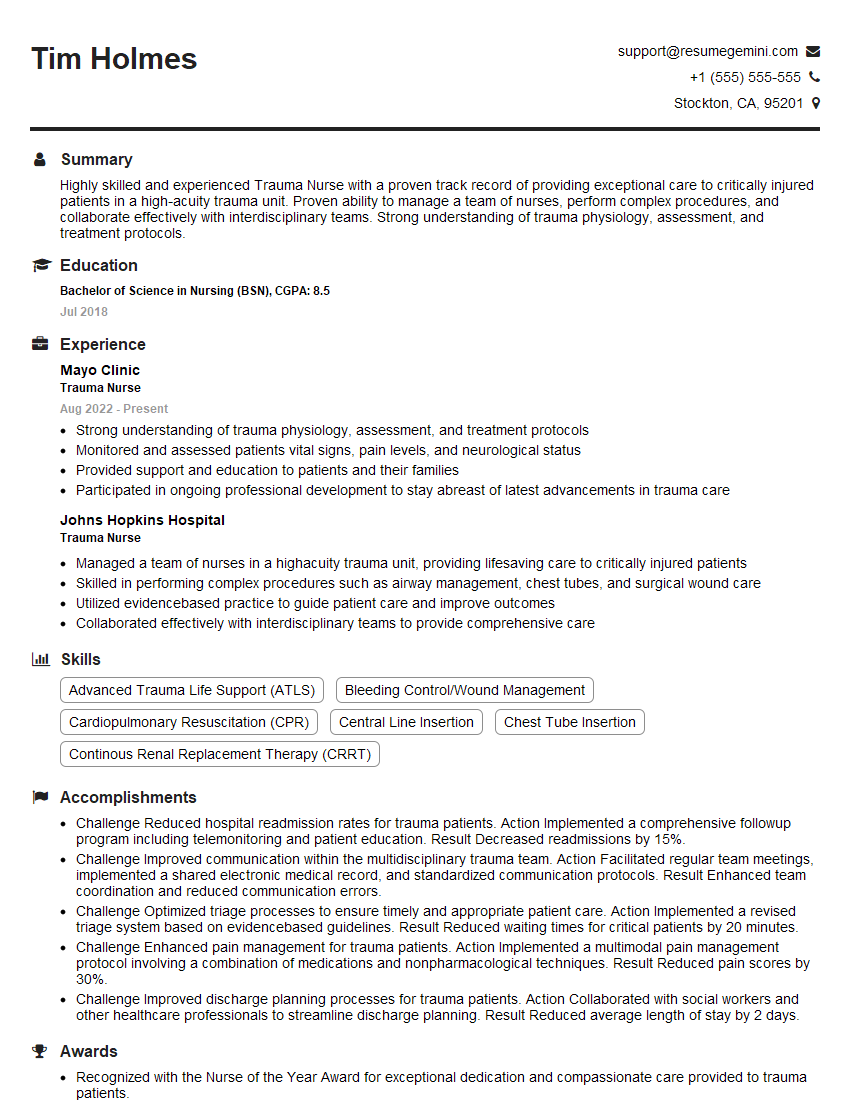
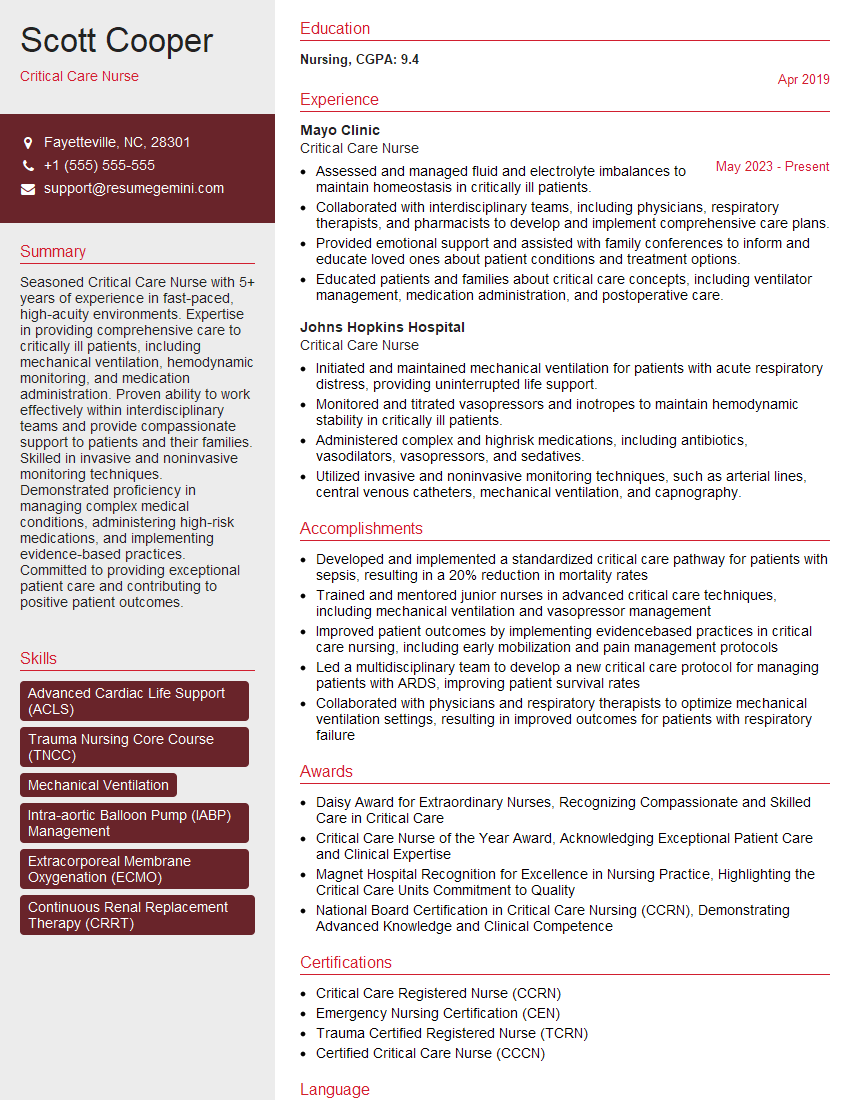
Mastering Medical Stabilization and Evacuation is crucial for career advancement in emergency medicine and related fields. It demonstrates a high level of skill and commitment to patient care, opening doors to specialized roles and leadership opportunities. To significantly boost your job prospects, crafting an ATS-friendly resume is essential. ResumeGemini is a trusted resource that can help you build a professional and impactful resume that highlights your qualifications effectively. Examples of resumes tailored to Medical Stabilization and Evacuation roles are available to guide you through the process. Invest in your future; create a resume that reflects your expertise.
Explore more articles
Users Rating of Our Blogs
Share Your Experience
We value your feedback! Please rate our content and share your thoughts (optional).
What Readers Say About Our Blog
Amazing blog
hello,
Our consultant firm based in the USA and our client are interested in your products.
Could you provide your company brochure and respond from your official email id (if different from the current in use), so i can send you the client’s requirement.
Payment before production.
I await your answer.
Regards,
MrSmith
hello,
Our consultant firm based in the USA and our client are interested in your products.
Could you provide your company brochure and respond from your official email id (if different from the current in use), so i can send you the client’s requirement.
Payment before production.
I await your answer.
Regards,
MrSmith
These apartments are so amazing, posting them online would break the algorithm.
https://bit.ly/Lovely2BedsApartmentHudsonYards
Reach out at BENSON@LONDONFOSTER.COM and let’s get started!
Take a look at this stunning 2-bedroom apartment perfectly situated NYC’s coveted Hudson Yards!
https://bit.ly/Lovely2BedsApartmentHudsonYards
Live Rent Free!
https://bit.ly/LiveRentFREE
Interesting Article, I liked the depth of knowledge you’ve shared.
Helpful, thanks for sharing.
Hi, I represent a social media marketing agency and liked your blog
Hi, I represent an SEO company that specialises in getting you AI citations and higher rankings on Google. I’d like to offer you a 100% free SEO audit for your website. Would you be interested?