Every successful interview starts with knowing what to expect. In this blog, we’ll take you through the top Microbiology and Quality Control interview questions, breaking them down with expert tips to help you deliver impactful answers. Step into your next interview fully prepared and ready to succeed.
Questions Asked in Microbiology and Quality Control Interview
Q 1. Explain the difference between sterilization and disinfection.
Sterilization and disinfection are both methods used to reduce or eliminate microorganisms, but they differ significantly in their outcome. Sterilization is the complete elimination or destruction of all forms of microbial life, including bacteria, viruses, fungi, and spores. Think of it as achieving absolute microbial cleanliness. Disinfection, on the other hand, reduces the number of viable microorganisms to a safe level, but it doesn’t necessarily eliminate all of them. It targets mainly vegetative cells and may not be effective against resistant spores. Imagine disinfection as significantly reducing the microbial load, making a surface safe for handling, but not entirely sterile.
For example, sterilizing surgical instruments ensures the complete absence of microbes, preventing infection. Disinfecting a countertop reduces the risk of foodborne illnesses but doesn’t guarantee complete sterility.
Q 2. Describe various methods of microbial sterilization and their applications.
Several methods achieve microbial sterilization, each with specific applications:
- Heat Sterilization: This is a widely used method.
- Dry heat sterilization (e.g., oven sterilization) is effective for glassware and metal instruments but requires higher temperatures and longer exposure times compared to moist heat.
- Moist heat sterilization (e.g., autoclaving) is the most common method, using steam under pressure (typically 121°C at 15 psi for 15-20 minutes). It’s highly effective and suitable for various materials, including liquids, glassware, and surgical instruments.
- Filtration: This physical method removes microbes by passing a liquid or gas through a filter with a pore size small enough to trap microorganisms. It’s used for sterilizing heat-sensitive liquids like some medications and biological solutions. HEPA filters, for example, are used in cleanrooms and biological safety cabinets to remove airborne microbes.
- Radiation Sterilization: This method uses ionizing radiation (gamma rays or electron beams) or non-ionizing radiation (UV light) to kill microorganisms. Ionizing radiation is highly effective for sterilizing medical devices and pharmaceuticals. UV light is less powerful but is useful for surface disinfection.
- Chemical Sterilization: Various chemicals can sterilize surfaces or objects. Ethylene oxide gas is a powerful sterilant used for sterilizing heat-sensitive medical equipment, but it’s toxic and requires careful handling. Other chemical sterilants include glutaraldehyde and peracetic acid.
The choice of method depends on the nature of the material being sterilized, the type of microorganisms to be eliminated, and practical considerations such as cost, time, and safety.
Q 3. What are the principles of aseptic technique?
Aseptic technique is a set of procedures used to prevent contamination of sterile materials and environments by microorganisms. Think of it as a series of precautions to maintain sterility. The core principles include:
- Maintaining a sterile field: Working in a designated area free from contaminants, often using a sterile drape or bench cover.
- Hand hygiene: Thorough handwashing or use of an appropriate hand sanitizer before and after procedures.
- Sterile equipment and supplies: Using only sterile instruments, gloves, and materials.
- Minimizing air movement: Reducing air currents to prevent airborne contamination. This might involve working near a laminar flow hood or in a clean room.
- Proper disposal of contaminated materials: Following appropriate protocols to dispose of contaminated materials to avoid cross-contamination.
Aseptic technique is critical in various settings, such as operating rooms, microbiology labs, and pharmaceutical production facilities, where maintaining sterility is crucial to prevent infections and ensure product safety.
Q 4. How do you perform a bacterial colony count?
A bacterial colony count, also known as a viable count, determines the number of viable bacteria in a sample. The process involves:
- Sample dilution: The original sample is diluted serially to obtain countable colony numbers (typically 30-300 colonies per plate). This ensures that each colony arises from a single bacterium.
- Plating: A known volume (e.g., 0.1 ml) of the diluted sample is spread evenly on a nutrient agar plate using a sterile spreader.
- Incubation: The plates are incubated at an appropriate temperature (e.g., 37°C for most bacteria) for a specific duration (e.g., 24-48 hours) to allow colony formation.
- Counting: Colonies are counted using a colony counter. Each colony represents a colony-forming unit (CFU), indicating the presence of at least one viable bacterium.
- Calculations: The number of CFUs is multiplied by the dilution factor to determine the original bacterial concentration in the sample.
For example, if 100 colonies are counted on a plate inoculated with 0.1 ml of a 10-3 dilution, the original sample contains 105 CFU/ml (100 CFU × 103/0.1 ml).
Q 5. What are the common methods used for microbial identification?
Various methods are used to identify microorganisms:
- Microscopic examination: Observing the shape, size, and arrangement of cells under a microscope provides initial clues.
- Gram staining: A differential staining technique that classifies bacteria into Gram-positive (purple) and Gram-negative (pink) groups based on their cell wall structure.
- Biochemical tests: Assessing microbial metabolism through various tests (e.g., oxidase, catalase, fermentation tests) reveals specific metabolic characteristics.
- Immunological methods: Employing antibodies to detect specific microbial antigens (e.g., ELISA, agglutination tests).
- Molecular methods: Using nucleic acid-based techniques like PCR (Polymerase Chain Reaction) or 16S rRNA gene sequencing for precise identification.
Often, a combination of methods is used for accurate identification. For instance, Gram staining might be followed by biochemical tests and potentially confirmed with molecular methods for definitive identification.
Q 6. Explain the significance of microbial limit testing.
Microbial limit testing is a critical quality control procedure used to assess the microbial quality of various products, including pharmaceuticals, cosmetics, and food products. Its significance lies in:
- Ensuring product safety: By determining the microbial load, it helps ensure that the product does not contain harmful levels of microorganisms that could cause infection or spoilage.
- Monitoring manufacturing processes: Microbial limit testing helps monitor the effectiveness of manufacturing processes and identify potential contamination sources.
- Meeting regulatory requirements: Many regulatory agencies (e.g., FDA, EMA) have established microbial limits for different products, and meeting these limits is essential for product approval and market access.
- Protecting consumers: Microbial limit testing ultimately protects consumers by ensuring that the products they use are safe and free from excessive microbial contamination.
For example, a pharmaceutical product intended for injection must meet stringent microbial limits to prevent potential infections.
Q 7. What are the different types of media used in microbiology and their purposes?
Microbiology utilizes a wide variety of media (growth substrates), each serving a specific purpose:
- Nutrient agar: A general-purpose medium supporting the growth of a broad range of non-fastidious bacteria.
- Blood agar: An enriched medium containing red blood cells, used to grow fastidious bacteria and detect hemolytic activity.
- MacConkey agar: A selective and differential medium; selective for Gram-negative bacteria and differential for lactose fermentation.
- Sabouraud dextrose agar: A selective medium formulated to support fungal growth while inhibiting bacterial growth.
- Liquid broth media: Used for growing large quantities of microorganisms, performing biochemical tests, or determining bacterial growth kinetics.
- Selective media: Designed to support the growth of specific microorganisms while inhibiting the growth of others.
- Differential media: Allow distinguishing between different types of microorganisms based on their metabolic characteristics.
The choice of medium depends on the type of microorganism being cultured and the specific goals of the experiment. For instance, isolating a specific bacterium from a mixed culture would require using a selective medium, while differentiating between different species might necessitate a differential medium.
Q 8. Describe the validation process for sterilization equipment.
Sterilization equipment validation is a critical process ensuring equipment effectively eliminates microorganisms. It’s not a single test but a comprehensive program demonstrating consistent performance. The process typically involves three stages: installation qualification (IQ), operational qualification (OQ), and performance qualification (PQ).
IQ verifies the equipment is installed correctly according to manufacturer specifications. This might include checking dimensions, power supply, and safety features. Think of it as making sure the car is assembled properly before you even turn the key.
OQ confirms the equipment functions according to its design. This involves testing parameters like temperature, pressure, and time within the sterilization chamber to verify they are within acceptable ranges. This is like ensuring your car’s engine starts and all systems, like the speedometer, function as designed.
PQ demonstrates the sterilization process effectively kills microorganisms. This typically involves using biological indicators (BIs), such as Geobacillus stearothermophilus spores for steam sterilization, which are highly resistant to the sterilization process. If the BI is killed, it validates the efficacy of the cycle. This final step confirms your car can safely and reliably reach its destination.
Documentation of all these steps is essential, including test results, calibration certificates, and personnel involved. Any deviations from the established parameters must be thoroughly investigated and documented.
Q 9. How do you investigate a microbial contamination issue?
Investigating microbial contamination is a systematic process requiring meticulous attention to detail. The first step is to contain the contamination to prevent further spread. This might involve isolating the contaminated area and implementing enhanced cleaning and disinfection protocols. Next, we need to identify the source of the contamination. This involves a thorough investigation including:
Environmental Monitoring Data Review: Examining historical environmental monitoring data from the affected area to identify any trends or potential sources.
Sampling: Taking samples from various sources, such as the affected product, equipment surfaces, air, and personnel, for microbial analysis. Different sampling techniques are used depending on the surface or area.
Microbial Identification: Identifying the specific microorganisms using techniques such as Gram staining, biochemical tests, and molecular methods (e.g., 16S rRNA sequencing).
Root Cause Analysis: Once the source and type of contaminant are identified, a root cause analysis is performed to determine the underlying reasons for the contamination. This often involves reviewing SOPs, investigating equipment performance, and evaluating personnel training.
Once the root cause is identified, corrective actions are implemented, and preventative measures are put in place to prevent recurrence. A thorough investigation report should document the entire process, findings, corrective actions, and preventive measures.
Q 10. Explain the importance of GMP (Good Manufacturing Practices) in a microbiology lab.
Good Manufacturing Practices (GMP) are a set of guidelines that ensure the quality, safety, and efficacy of manufactured products. In a microbiology lab, GMP is crucial to guarantee accurate and reliable results and prevent contamination that could affect the quality of products or research. Key aspects include:
Personnel Training: Trained personnel are essential to ensure proper aseptic techniques are followed and that tests are performed correctly.
Facility and Equipment Maintenance: A clean and well-maintained lab with properly calibrated equipment is critical. This includes regular cleaning and disinfection of work surfaces and equipment.
Standard Operating Procedures (SOPs): Detailed SOPs for all tests and procedures ensure consistency and reproducibility of results.
Documentation and Record Keeping: Meticulous record-keeping is crucial for traceability and auditing purposes. Every action, from sample collection to result interpretation, needs to be thoroughly documented.
Quality Control: Implementing quality control measures, including regular checks on equipment, reagents, and media, is essential to ensure reliability of results.
Adherence to GMP ensures the credibility and reliability of the lab’s work and protects public health by reducing the risk of contamination and inaccurate results.
Q 11. What are the different types of quality control tests performed in a microbiology lab?
Quality control tests in a microbiology lab vary depending on the specific applications, but common types include:
Sterility Testing: Checking for the presence of microorganisms in products intended to be sterile (e.g., pharmaceuticals, medical devices).
Bioburden Testing: Determining the number of microorganisms present in a product before sterilization.
Preservative Efficacy Testing: Evaluating the effectiveness of preservatives in preventing microbial growth in products.
Endotoxin Testing (Limulus Amebocyte Lysate Assay): Detecting bacterial endotoxins, which are components of the cell walls of Gram-negative bacteria that can cause adverse reactions.
Microbial Identification: Identifying specific microorganisms using various techniques, as mentioned earlier.
Media Fill Studies: Simulating large-scale production processes in a lab setting to assess the risk of contamination.
Environmental Monitoring: Assessing the microbial load in the lab environment, as discussed in the next answer.
The selection and frequency of tests depend on the specific requirements of the product or research being conducted and regulatory guidelines.
Q 12. Explain the concept of Standard Operating Procedures (SOPs) in a QC setting.
Standard Operating Procedures (SOPs) are written instructions that detail the steps required for performing a specific task in a consistent manner. In a quality control setting, SOPs are vital for ensuring standardization, reproducibility, and quality of results. They serve as a guide for personnel, reducing variations in methods and ensuring everyone performs the task the same way. A well-written SOP includes:
Objective: A clear statement of the purpose of the procedure.
Scope: Specifies the applicability of the SOP.
Materials and Equipment: Lists all necessary materials and equipment.
Procedure: Provides a step-by-step guide with clear and concise instructions.
Results and Interpretation: Explains how to interpret the results obtained.
Safety Precautions: Highlights any safety concerns or precautions.
Approval and Review: Specifies the approval process and the frequency of reviews and updates.
SOPs are essential for maintaining quality, compliance, and regulatory requirements. They minimize errors, reduce variability, and ensure consistent and reliable results. They are also important for training new employees.
Q 13. Describe your experience with environmental monitoring in a microbiology lab.
Environmental monitoring is a critical aspect of quality control in a microbiology lab. It helps to assess the microbial load in the environment and identify potential sources of contamination. My experience involves implementing and managing environmental monitoring programs, including:
Sampling Locations: Strategically selecting sampling locations based on risk assessment, such as high-traffic areas, equipment surfaces, and air.
Sampling Methods: Using various sampling techniques, like contact plates, settle plates, and air samplers, to collect representative samples.
Frequency of Monitoring: Establishing a monitoring schedule that balances cost and risk, ensuring appropriate monitoring frequency based on the criticality of the area.
Data Analysis and Interpretation: Analyzing the collected data to identify any trends or deviations from established alert and action levels. This involves evaluating colony counts and identifying microorganisms to pinpoint potential contamination sources.
Corrective Actions: Implementing corrective actions to address any deviations from acceptable levels, including enhanced cleaning and disinfection, equipment repair, and personnel retraining.
Effective environmental monitoring helps prevent contamination, ensures product quality, and maintains compliance with regulatory requirements. It’s a proactive approach to maintaining a clean and controlled laboratory environment.
Q 14. How do you interpret microbiological test results?
Interpreting microbiological test results requires careful consideration of various factors. It’s not just about looking at the numbers; context is vital. The interpretation should consider:
Test Method: Understanding the limitations and sensitivities of the test method used is crucial. For instance, different media support the growth of different microorganisms.
Acceptable Limits: Results should be compared against pre-established acceptance criteria (action and alert levels), which are often specified by regulatory guidelines or internal standards.
Microbial Identification: Identifying the specific microorganisms detected is crucial. The presence of certain microorganisms may be more concerning than others, depending on the product or process.
Environmental Factors: Environmental conditions, such as temperature and humidity, can influence microbial growth and should be considered in the interpretation.
Trends: Analyzing trends in the results over time can be valuable in identifying potential problems and preventing future contamination events.
For example, a high colony count in a sterility test indicates failure, necessitating investigation and corrective actions. In environmental monitoring, consistent exceedances of alert levels would trigger a more thorough investigation. Proper documentation and communication are essential parts of the interpretation process, allowing for informed decisions and appropriate actions.
Q 15. What is the significance of microbial identification in a QC setting?
Microbial identification in quality control (QC) is paramount because it directly impacts product safety and efficacy. Identifying the specific microorganisms present in a sample – whether it’s raw materials, in-process materials, or finished products – allows us to determine if contamination has occurred and the nature of that contamination. This is crucial for preventing the release of potentially harmful products and for implementing corrective actions to prevent future contamination.
For instance, identifying E. coli in a food product would trigger a recall, while identifying a specific mold species might guide remediation efforts in a manufacturing facility. The identification process informs decisions about product disposition, process adjustments, and even the design of future manufacturing strategies.
- Impact on Product Safety: Identifying pathogens ensures the absence of harmful bacteria, viruses, or fungi.
- Process Optimization: Identification informs modifications to processes to prevent contamination.
- Regulatory Compliance: Accurate microbial identification is essential for meeting regulatory requirements and demonstrating compliance.
Career Expert Tips:
- Ace those interviews! Prepare effectively by reviewing the Top 50 Most Common Interview Questions on ResumeGemini.
- Navigate your job search with confidence! Explore a wide range of Career Tips on ResumeGemini. Learn about common challenges and recommendations to overcome them.
- Craft the perfect resume! Master the Art of Resume Writing with ResumeGemini’s guide. Showcase your unique qualifications and achievements effectively.
- Don’t miss out on holiday savings! Build your dream resume with ResumeGemini’s ATS optimized templates.
Q 16. Explain your experience with data analysis and reporting in a microbiology lab.
My experience with data analysis and reporting in a microbiology lab encompasses a wide range of activities. I’m proficient in using LIMS (Laboratory Information Management Systems) to track samples, results, and trends. I’m adept at generating various reports, including summaries of microbial counts, identification results, and environmental monitoring data. I regularly employ statistical analysis tools, such as calculating averages, standard deviations, and control charts (like Shewhart charts or CUSUM charts) to analyze data and identify patterns or trends.
For example, in a recent project involving sterility testing of a pharmaceutical product, I analyzed data from multiple batches to assess the effectiveness of our sterilization process. Using SPC charts, I identified an upward trend in microbial counts, indicating a potential problem that needed immediate investigation. This led to a successful root cause analysis that ultimately improved our sterilization parameters.
My reports are designed for clarity and ease of interpretation, with concise summaries and visually appealing graphs and charts. I always ensure that the reports are tailored to the specific audience, whether it’s a production team, quality assurance personnel, or regulatory authorities.
Q 17. What is your experience with different types of microscopes?
I have extensive experience with various types of microscopes, each serving a unique purpose in microbiological analysis. My expertise includes:
- Bright-field microscopy: This is my most frequently used microscope for routine observations of microbial morphology, size, and arrangement. I routinely use it to identify bacterial colonies and assess the purity of cultures.
- Phase-contrast microscopy: I use this technique to visualize living microorganisms without staining, which preserves their natural state and allows for observation of motility.
- Fluorescence microscopy: This is essential for immunofluorescence assays, enabling the detection of specific microbial antigens using fluorescently labeled antibodies.
- Electron microscopy (both Transmission and Scanning): Though less frequently used for routine QC, I have utilized this technology for high-resolution imaging, crucial for identifying more challenging microorganisms or for detailed structural analysis.
For example, in investigating a contamination event, bright-field microscopy initially identified the presence of yeast. However, using electron microscopy, I could definitively determine the species, which informed our investigation into the source of the contamination.
Q 18. Describe your understanding of statistical process control (SPC).
Statistical Process Control (SPC) is a powerful tool for monitoring and controlling processes to maintain consistency and reduce variability. In microbiology, SPC is applied to monitor various parameters such as microbial counts in environmental monitoring samples, the results of sterility testing, or the performance of analytical methods. We use control charts to track these parameters over time. By plotting data points on these charts, we can visually identify trends, shifts, or unusual variations that might indicate process instability or deviations from acceptable limits.
Control charts, such as Shewhart charts or CUSUM charts, establish control limits based on historical data. Data points outside these limits signal potential problems requiring investigation. The use of SPC helps prevent problems before they escalate, leading to significant improvements in product quality and process efficiency. For example, a consistent upward trend in the number of CFUs (colony-forming units) in an environmental monitoring sample might indicate a contamination issue in our cleanroom requiring immediate corrective action.
Q 19. How do you handle deviations and out-of-specification results?
Handling deviations and out-of-specification (OOS) results is a critical aspect of QC. Upon discovering such results, the first step involves immediately implementing a hold on the affected materials or products to prevent their release. Then, a thorough investigation is initiated following a documented procedure. This typically involves:
- Reviewing the data: Confirming the accuracy and reliability of the results. This may involve repeating the test or reviewing the analytical method.
- Investigating potential causes: Using root cause analysis techniques to identify the underlying reason(s) for the deviation.
- Implementing corrective actions: Addressing the root cause to prevent recurrence.
- Documenting the investigation and actions taken: Maintaining a complete record of the entire process in accordance with regulatory requirements.
For example, an OOS result in a sterility test might lead us to investigate the sterilization process, the testing methodology, or even the environmental conditions. The investigation may reveal a malfunctioning sterilizer, a flaw in the testing procedure, or increased microbial load in the environment.
Q 20. Explain your experience with root cause analysis (RCA).
Root cause analysis (RCA) is a systematic approach to identify the underlying cause(s) of deviations, failures, or OOS results. My experience involves applying various RCA techniques, including the 5 Whys, fishbone diagrams (Ishikawa diagrams), and fault tree analysis. These tools help us move beyond simply treating symptoms and address the fundamental issues causing the problem.
For example, if we consistently observe high microbial counts in a particular area of a cleanroom, using the 5 Whys technique might lead us through a series of questions: Why are the counts high? (Poor cleaning). Why is the cleaning poor? (Insufficient training). Why is the training insufficient? (Lack of updated procedures). Why are the procedures outdated? (Lack of regular review). This final answer reveals the root cause – a systematic failure to review and update cleaning procedures. This allows for targeted and effective corrective actions.
Q 21. How do you ensure the accuracy and reliability of microbiological test results?
Ensuring the accuracy and reliability of microbiological test results requires a multi-faceted approach. It starts with meticulous attention to detail throughout the entire testing process. This includes:
- Proper sample collection and handling: Using sterile techniques to avoid contamination.
- Validation and qualification of methods and equipment: Ensuring that our methods are accurate and reliable and that our equipment is properly calibrated and functioning correctly.
- Using appropriate controls and quality checks: Including positive and negative controls in every test to monitor the performance of the method.
- Maintaining a well-controlled environment: Working in clean and properly sanitized laboratory spaces.
- Training and competency of personnel: Ensuring that all personnel are properly trained in sterile techniques, testing procedures, and data interpretation.
- Regular review and updates of Standard Operating Procedures (SOPs): SOPs should be regularly reviewed and updated to ensure they remain relevant and compliant.
We also employ proficiency testing programs to assess the competence of our laboratory and ensure that our results are comparable to those of other accredited laboratories. By implementing these measures, we build confidence in the accuracy and reliability of our microbiological test results, safeguarding product quality and patient safety.
Q 22. What are the common sources of error in microbiological testing?
Errors in microbiological testing can stem from various sources, broadly categorized as pre-analytical, analytical, and post-analytical. Pre-analytical errors occur before the actual testing begins and include issues like improper sample collection, transportation, or storage leading to contamination or degradation of the sample. For example, using a non-sterile swab to collect a sample could introduce extraneous bacteria, leading to false-positive results.
Analytical errors occur during the testing process itself. These could be due to inaccurate dilutions, incorrect incubation temperatures, contaminated reagents, or even misinterpretation of results. A classic example is forgetting to calibrate a spectrophotometer, leading to inaccurate measurements of bacterial growth.
Post-analytical errors involve issues with data handling and reporting. This includes inaccurate recording of results, calculation errors, or failure to follow proper quality control procedures. For instance, an incorrect transcription of a bacterial count onto a lab report can have significant consequences.
- Preventing errors: Implementing strict Standard Operating Procedures (SOPs), regular calibration and maintenance of equipment, using positive and negative controls, and rigorous staff training are crucial in minimizing errors.
Q 23. How do you manage and dispose of biological waste safely?
Safe management and disposal of biological waste is paramount in microbiology labs. It involves adhering to stringent guidelines to prevent the spread of infectious agents and protect the environment. We follow a color-coded system for waste segregation: yellow for biohazardous waste (e.g., culture plates, contaminated sharps), and general waste for non-contaminated materials. Sharps containers are puncture-resistant and used exclusively for needles and syringes.
Liquid waste is often autoclaved (sterilized using high-pressure steam) before disposal. Solid waste is typically incinerated or treated using other methods approved by local regulatory agencies. All processes are meticulously documented to ensure traceability and compliance. Regular training is essential for all laboratory personnel to ensure proficiency in handling biological waste and understanding the associated risks. For example, failure to properly decontaminate a work surface before discarding a culture could lead to cross-contamination.
Q 24. Describe your experience working with different types of safety equipment and procedures.
My experience encompasses a wide range of safety equipment and procedures. This includes working with biological safety cabinets (BSCs) – class II BSCs specifically – for handling infectious agents, autoclaves for sterilization, incubators for cultivating microorganisms, and various types of personal protective equipment (PPE) such as gloves, lab coats, and safety glasses. I’m proficient in aseptic techniques, including sterile field preparation, and the proper use of flame sterilization for inoculating loops and needles.
I am familiar with emergency procedures, including spill response protocols for chemical and biological spills, and have participated in regular safety training and drills. One example is responding to a spill of a bacterial culture, correctly containing and decontaminating the area following established protocols, minimizing the potential for infection spread and environmental contamination.
Q 25. What is your understanding of regulatory requirements related to microbiology and quality control?
My understanding of regulatory requirements related to microbiology and quality control is comprehensive. I’m familiar with guidelines issued by organizations like the FDA (Food and Drug Administration), EPA (Environmental Protection Agency), and relevant international standards (ISO). These regulations cover various aspects, including quality management systems, good laboratory practices (GLP), good manufacturing practices (GMP), and specific requirements for different types of microbiological testing. Specific regulations depend on the nature of the samples being tested, and this must be considered when selecting appropriate methodologies.
For instance, testing for pathogens in food products requires adherence to strict FDA regulations, while environmental monitoring in pharmaceutical facilities necessitates compliance with GMP guidelines and ISO 14644 standards regarding cleanroom environments. Understanding these guidelines is essential to ensure the accuracy, reliability, and legal compliance of our laboratory’s work.
Q 26. Explain your experience with quality systems such as ISO 9001 or ISO 17025.
I have extensive experience working within quality systems, particularly ISO 9001 and ISO 17025. ISO 9001 focuses on establishing and maintaining a quality management system, encompassing documentation control, internal audits, corrective and preventive actions, and continuous improvement. ISO 17025 specifically addresses the competence of testing and calibration laboratories, emphasizing technical competence, management systems, and quality assurance.
In my previous role, I was actively involved in implementing and maintaining ISO 17025 standards within the microbiology laboratory. This included contributing to the development and revision of SOPs, participating in proficiency testing schemes, and ensuring traceability of test results. I’ve also participated in internal audits and assisted in the preparation for external audits, demonstrating a thorough understanding of quality management principles and their application within the microbiology laboratory. An example of this is ensuring the complete traceability of reagents, from the supplier certification to the expiration date and lot numbers.
Q 27. How do you stay up-to-date with the latest advancements in microbiology and quality control?
Staying current in the rapidly evolving fields of microbiology and quality control necessitates a multi-pronged approach. I regularly attend conferences, workshops, and webinars focusing on relevant advancements in methodologies and regulations. I also subscribe to reputable journals such as the Journal of Clinical Microbiology, Applied and Environmental Microbiology, and others publishing cutting-edge research in the field.
Furthermore, active participation in professional organizations like the American Society for Microbiology (ASM) provides access to resources, publications, and networking opportunities with other experts. Online resources, reputable websites and databases, are also key tools for accessing the latest research findings and regulatory updates, ensuring I maintain a high level of expertise.
Q 28. Describe a situation where you had to solve a complex problem in a microbiology lab.
In a previous role, we encountered a situation where unexpected bacterial growth was observed in a supposedly sterile product during routine quality control testing. The initial results were puzzling, as the product had passed all previous quality checks. We systematically investigated the issue by examining all potential sources of error, employing a problem-solving approach:
- Review of SOPs: We thoroughly reviewed and double-checked our sample collection, preparation, and testing procedures for any deviations from the established SOPs.
- Equipment Calibration: We verified the calibration of all equipment used in the testing process, including incubators and autoclaves.
- Reagent Verification: We checked the integrity and sterility of all reagents and media used in the testing.
- Environmental Monitoring: We conducted an enhanced environmental monitoring program to rule out contamination sources within the laboratory environment.
- Root Cause Analysis: Through careful investigation, we discovered a minor leak in one of the autoclaves, leading to incomplete sterilization of some batches of the product. This was the root cause of the contamination.
Once identified, we corrected the autoclave leak, retested the affected batches, and implemented enhanced preventative maintenance procedures to avoid recurrence. The experience highlighted the importance of rigorous investigation, detailed record-keeping, and thorough understanding of the entire testing process.
Key Topics to Learn for Microbiology and Quality Control Interview
- Microbial Growth and Physiology: Understanding microbial growth curves, nutritional requirements, and environmental factors influencing growth is crucial. Consider practical applications in media preparation and sterilization techniques.
- Sterilization and Disinfection: Master the principles and methods of sterilization (autoclaving, filtration) and disinfection. Be prepared to discuss their applications in a QC laboratory setting and the validation of these processes.
- Aseptic Techniques: Thorough knowledge of aseptic techniques is essential for maintaining the integrity of microbiological experiments and preventing contamination. Prepare to discuss practical examples and potential challenges.
- Microbial Identification and Characterization: Understand various methods for identifying and characterizing microorganisms (e.g., Gram staining, biochemical tests, molecular techniques). Be ready to explain their applications in quality control testing.
- Quality Control in Pharmaceutical/Food Industries: Learn about the regulatory aspects of quality control, including GMP (Good Manufacturing Practices) and relevant standards. Focus on practical examples of quality control testing in these industries.
- Environmental Monitoring: Understand the importance of environmental monitoring in preventing contamination and ensuring product quality. Discuss sampling methods and interpretation of results.
- Statistical Analysis in Quality Control: Familiarize yourself with basic statistical concepts used in quality control, such as mean, standard deviation, and statistical process control (SPC) charts. Be able to interpret data and identify trends.
- Validation and Verification: Understand the difference between validation and verification in a QC setting and how these processes ensure reliable and consistent results.
- Documentation and Record Keeping: Discuss the importance of accurate and complete documentation in a regulated environment, and best practices for maintaining laboratory records.
- Problem Solving and Troubleshooting: Be prepared to discuss how you approach problem-solving in a laboratory setting, particularly when unexpected results occur. Think of examples from your experience.
Next Steps
Mastering Microbiology and Quality Control opens doors to exciting and impactful careers in various industries. A strong foundation in these areas is highly sought after, leading to greater job opportunities and career advancement. To significantly boost your job prospects, creating an ATS-friendly resume is paramount. ResumeGemini is a trusted resource to help you build a professional and impactful resume that highlights your skills and experience effectively. Examples of resumes tailored to Microbiology and Quality Control are available to guide you, ensuring your application stands out.

Quality Assurance Manager Resume Sample
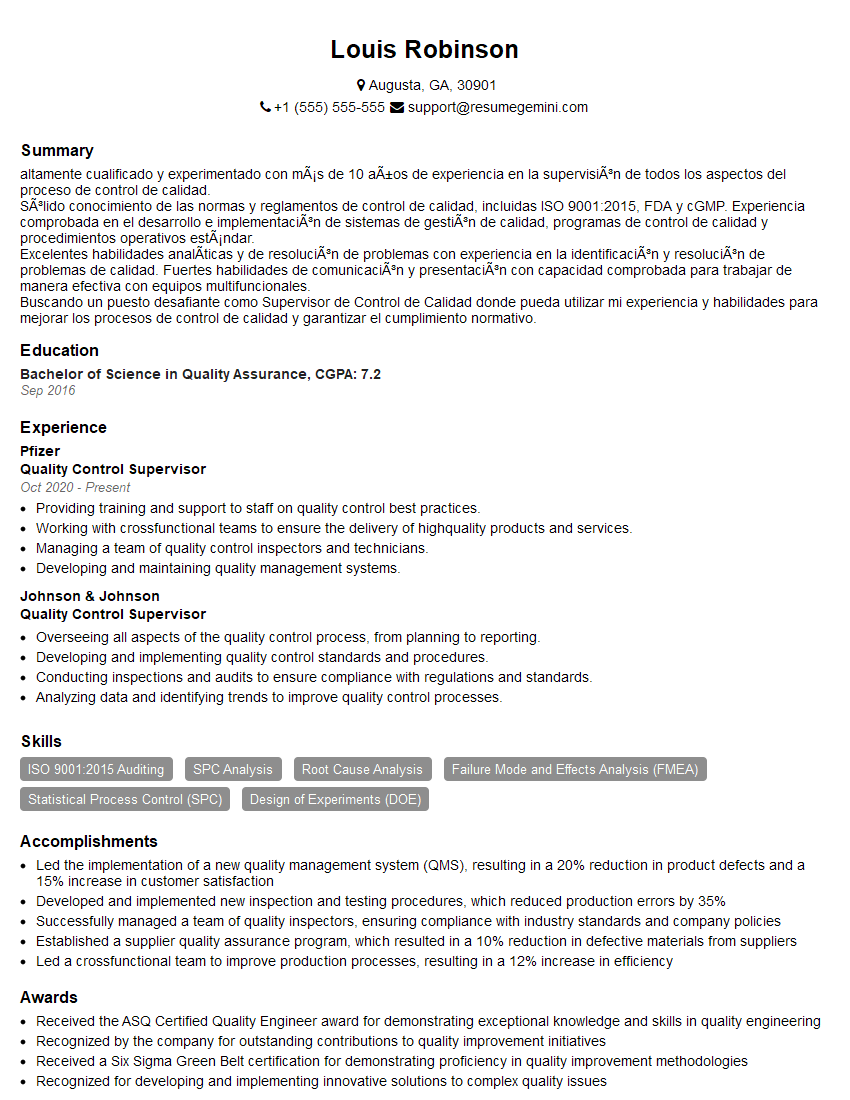
Quality Control Supervisor Resume Sample
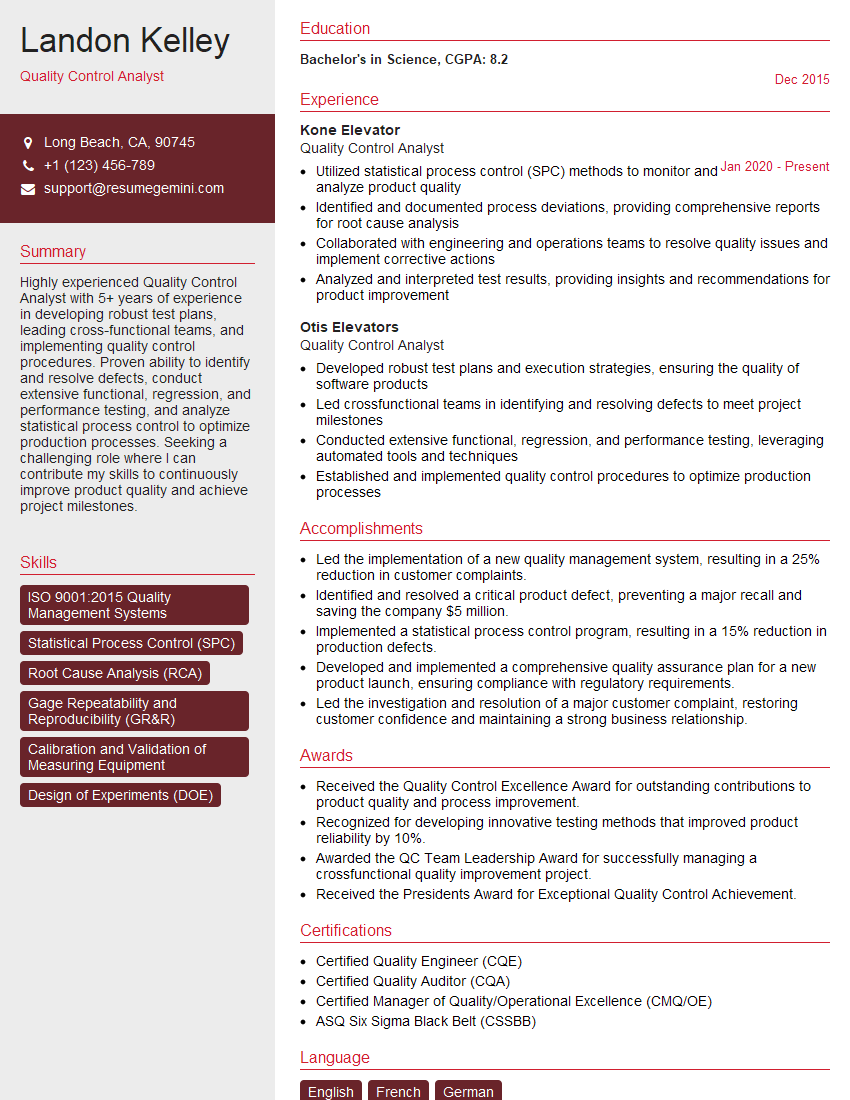
Quality Control Analyst Resume Sample
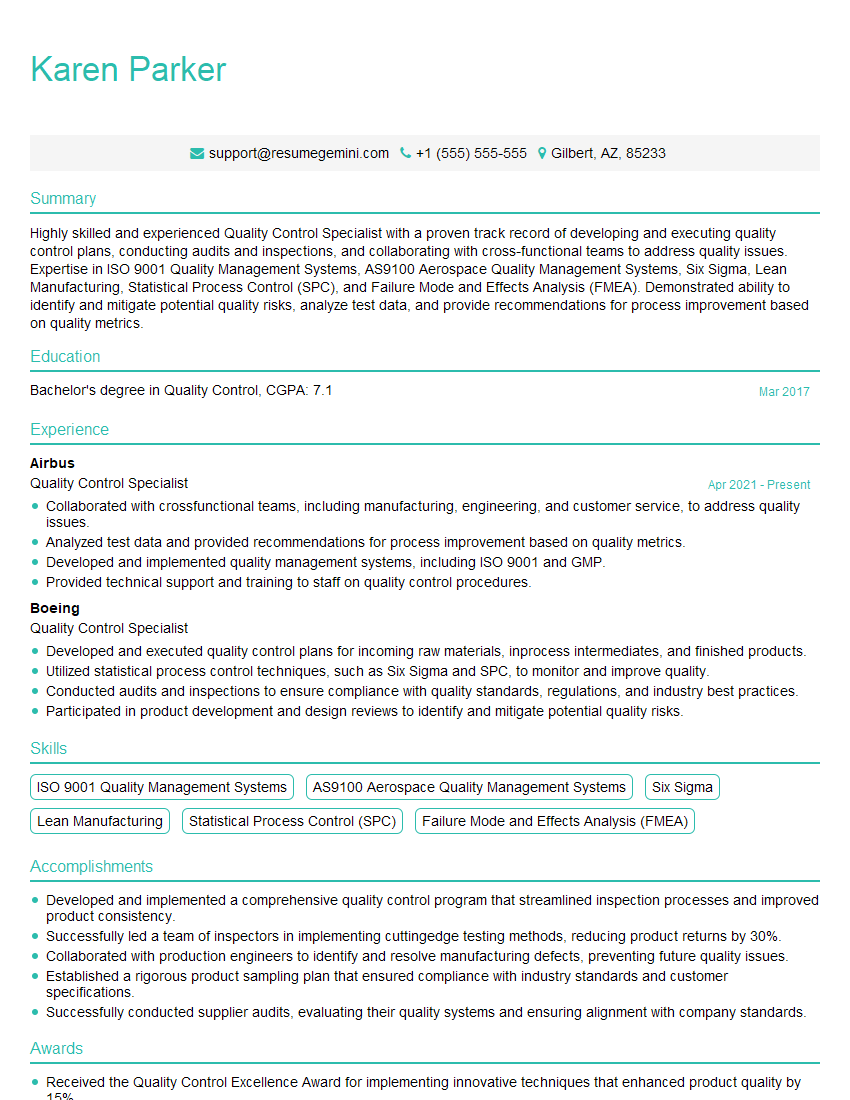
Quality Control Specialist Resume Sample
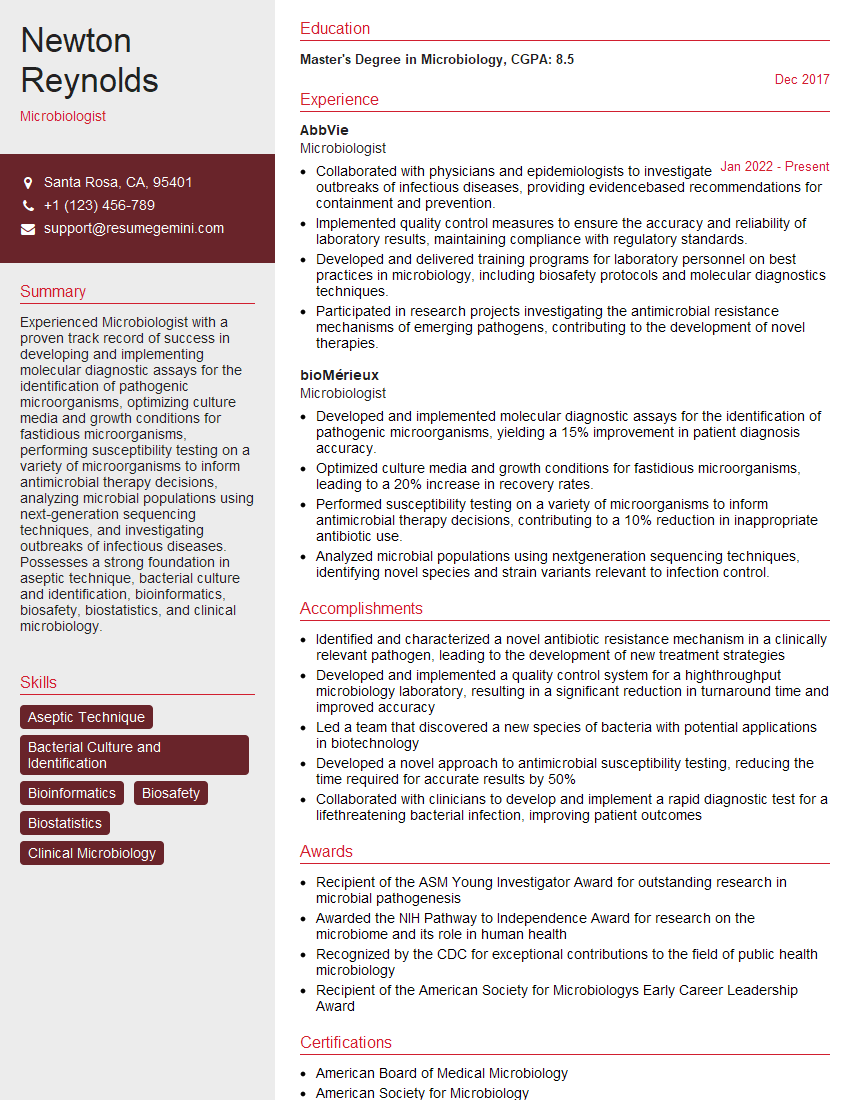
Microbiologist Resume Sample
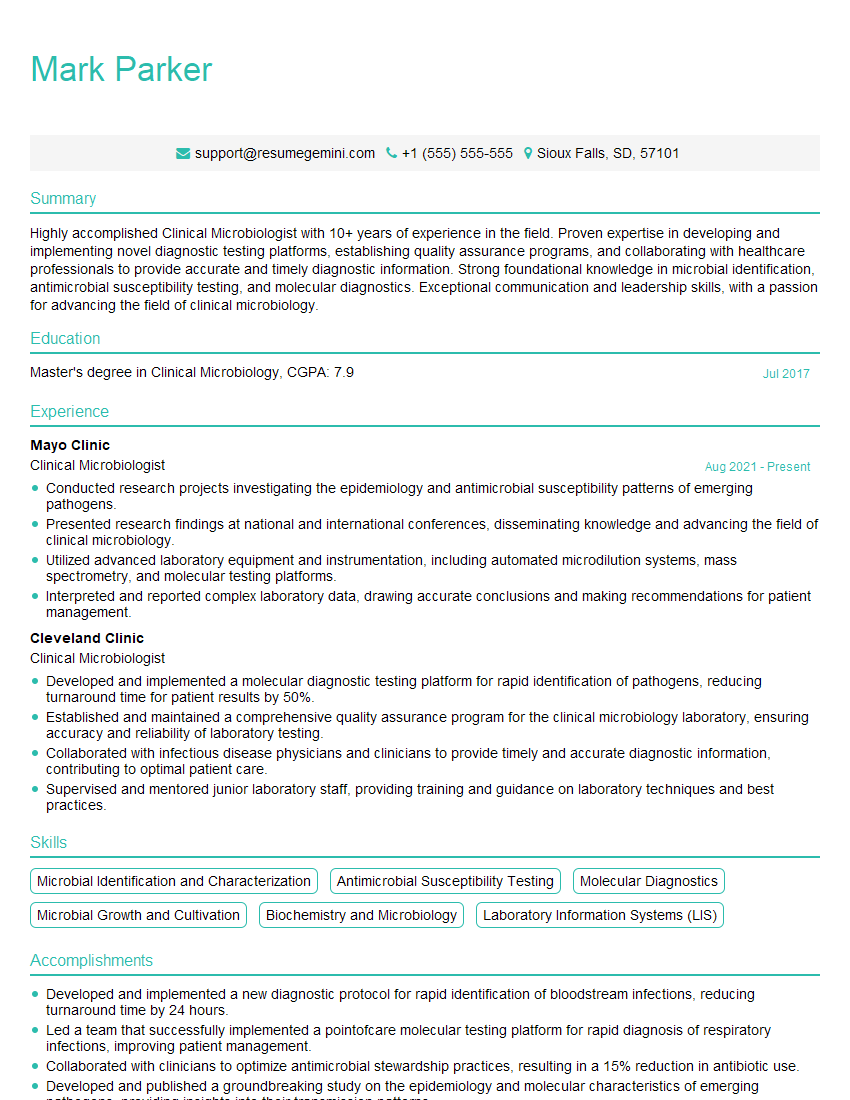
Clinical Microbiologist Resume Sample
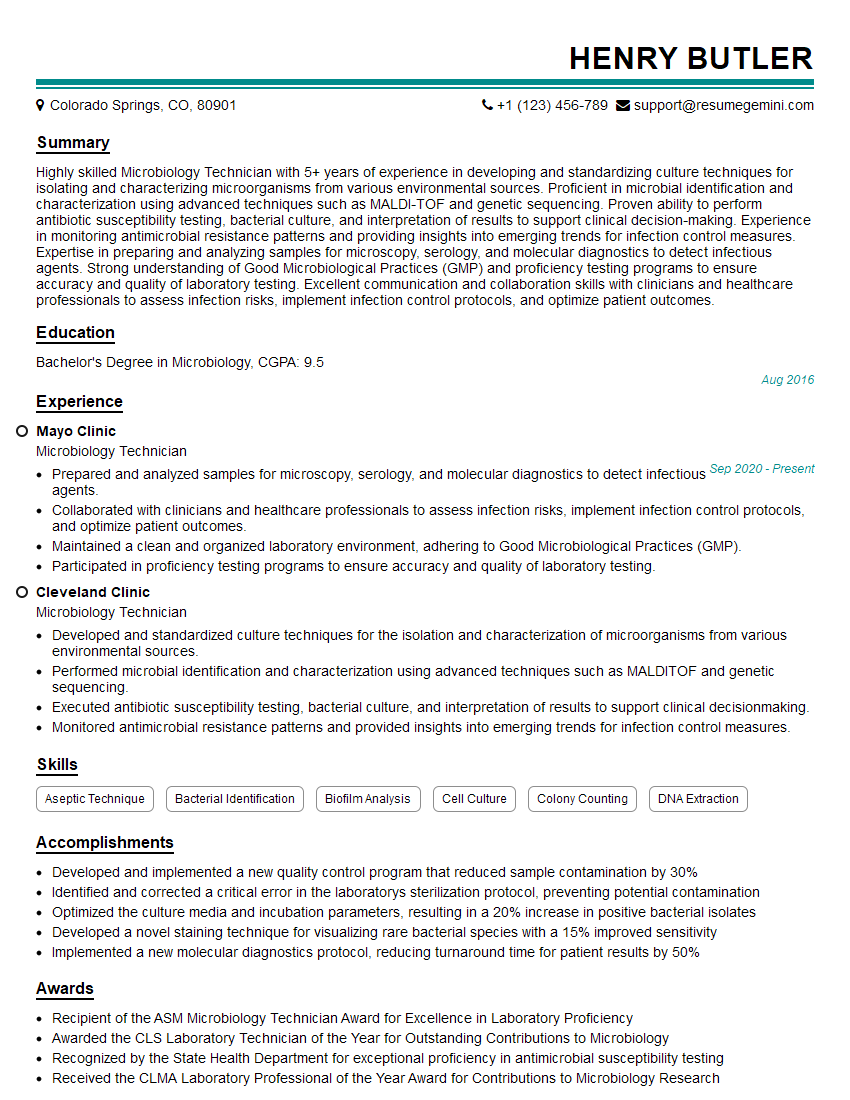
Microbiology Technician Resume Sample
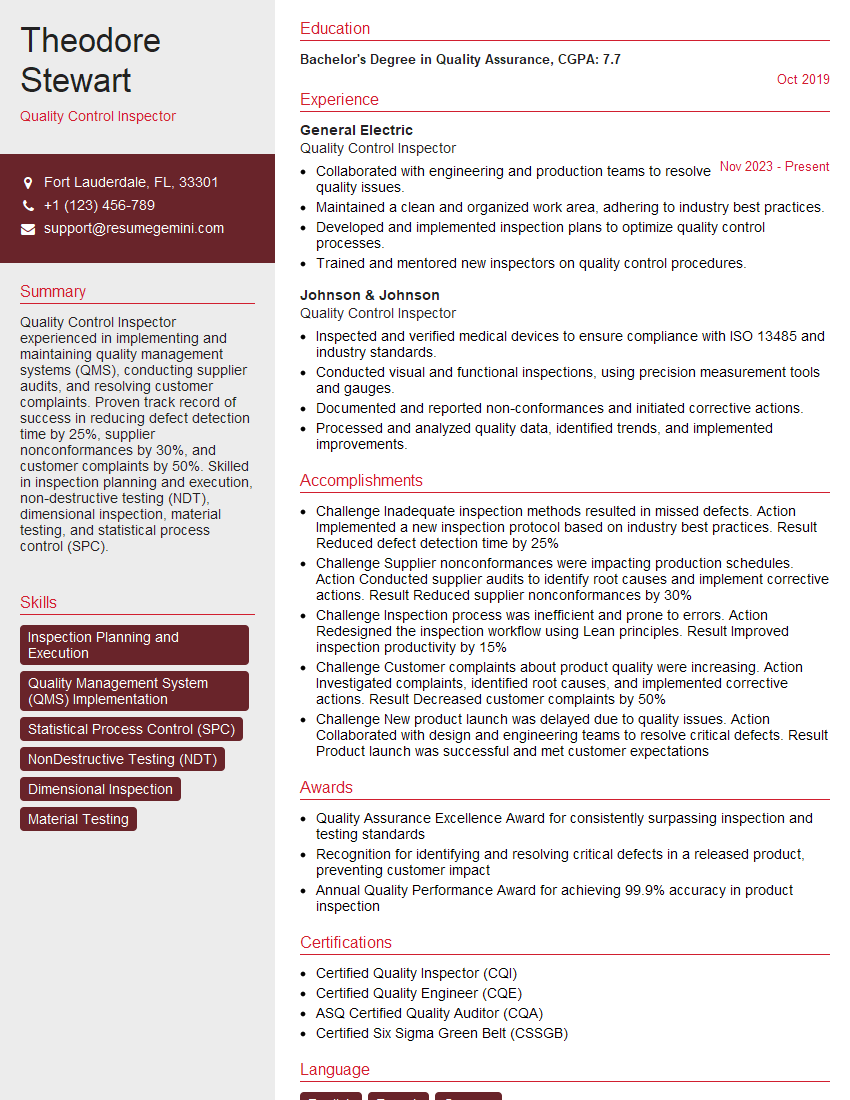
Quality Control Inspector Resume Sample
Explore more articles
Users Rating of Our Blogs
Share Your Experience
We value your feedback! Please rate our content and share your thoughts (optional).
What Readers Say About Our Blog
Amazing blog
hello,
Our consultant firm based in the USA and our client are interested in your products.
Could you provide your company brochure and respond from your official email id (if different from the current in use), so i can send you the client’s requirement.
Payment before production.
I await your answer.
Regards,
MrSmith
hello,
Our consultant firm based in the USA and our client are interested in your products.
Could you provide your company brochure and respond from your official email id (if different from the current in use), so i can send you the client’s requirement.
Payment before production.
I await your answer.
Regards,
MrSmith
These apartments are so amazing, posting them online would break the algorithm.
https://bit.ly/Lovely2BedsApartmentHudsonYards
Reach out at BENSON@LONDONFOSTER.COM and let’s get started!
Take a look at this stunning 2-bedroom apartment perfectly situated NYC’s coveted Hudson Yards!
https://bit.ly/Lovely2BedsApartmentHudsonYards
Live Rent Free!
https://bit.ly/LiveRentFREE
Interesting Article, I liked the depth of knowledge you’ve shared.
Helpful, thanks for sharing.
Hi, I represent a social media marketing agency and liked your blog
Hi, I represent an SEO company that specialises in getting you AI citations and higher rankings on Google. I’d like to offer you a 100% free SEO audit for your website. Would you be interested?