Unlock your full potential by mastering the most common Mission Debriefing and Lessons Learned interview questions. This blog offers a deep dive into the critical topics, ensuring you’re not only prepared to answer but to excel. With these insights, you’ll approach your interview with clarity and confidence.
Questions Asked in Mission Debriefing and Lessons Learned Interview
Q 1. Describe your experience facilitating After Action Reviews (AARs).
Facilitating After Action Reviews (AARs) is about creating a safe space for teams to analyze their performance after a mission, project, or event. My approach is heavily influenced by the principles of continuous improvement. I start by setting a clear and structured agenda, ensuring everyone understands the purpose – to learn, not to blame. I then guide participants through a structured process, typically involving a chronological review of events, identification of what went well, what could be improved, and how to improve it next time.
For example, during an AAR for a recent software deployment, we reviewed the timeline, pinpoint successes (smooth database migration) and failures (unforeseen API compatibility issue). This led to actionable steps such as increased testing and improved documentation.
Beyond the structured format, I actively foster open communication, using techniques such as brainstorming and anonymous feedback mechanisms to encourage participation from all team members, regardless of seniority. Finally, I ensure clear action items are documented and assigned with follow-up deadlines, turning lessons learned into tangible improvements.
Q 2. What methodologies do you utilize for conducting effective mission debriefings?
My methodology for conducting effective mission debriefings incorporates several key elements. First, I prioritize a structured approach. This often involves a predefined framework, like the five Ws and one H (Who, What, When, Where, Why, and How), to ensure comprehensive coverage of critical aspects of the mission. I always begin by establishing a safe and non-judgmental environment, emphasizing the learning objective. This is followed by a chronological review of the mission events. We then use techniques like SWOT analysis to objectively assess strengths, weaknesses, opportunities, and threats. Finally, I guide the discussion towards identifying and prioritizing actionable recommendations for future improvements.
For instance, when debriefing a complex rescue operation, this structured approach helped us identify a critical communication breakdown, leading to improved protocols and enhanced inter-agency cooperation.
Q 3. How do you identify key performance indicators (KPIs) relevant to a mission debrief?
Identifying relevant KPIs for a mission debrief requires a thorough understanding of the mission’s objectives. It’s not a one-size-fits-all approach; the KPIs must be tailored to the specific context. Generally, I start by revisiting the mission’s goals and defining success metrics. These could include things like timeliness, cost-effectiveness, accuracy, safety, or stakeholder satisfaction.
For example, in a humanitarian aid mission, KPIs could include the number of people reached, the efficiency of resource allocation, and the overall impact on the affected population. In a military operation, KPIs might focus on casualties, mission completion rate, or enemy engagement outcomes. Ultimately, the selection of KPIs should directly reflect the intended measures of mission success and allow for objective evaluation of performance.
Q 4. Explain your approach to identifying root causes of failures or shortcomings.
Identifying root causes of failures employs a systematic approach. I often utilize tools like the ‘5 Whys’ technique to progressively drill down to the underlying reasons behind a problem. This helps move beyond surface-level explanations to reveal the fundamental issues. Additionally, I leverage fault tree analysis to visualize potential failure points and their contributing factors. This is crucial in complex scenarios with multiple interwoven causes. Throughout this process, I maintain a focus on objective data analysis, including reviewing logs, incident reports, and direct feedback from personnel involved.
For instance, if a project missed its deadline, the ‘5 Whys’ might reveal that inadequate resource allocation (Why 5), followed by poor communication (Why 4), led to task dependencies not being met (Why 3), resulting in delays (Why 2), ultimately causing the missed deadline (Why 1).
Q 5. How do you ensure the objectivity and accuracy of information gathered during debriefings?
Ensuring objectivity and accuracy in debriefings requires a multi-pronged approach. First, I establish ground rules that emphasize honesty and transparency. I utilize multiple data sources, avoiding reliance on a single account. This may include reviewing logs, recordings, and multiple firsthand accounts. I encourage participants to cite evidence, and actively challenge assumptions. Anonymity features such as anonymous surveys can encourage more candid feedback. Finally, I present findings in a neutral and fact-based manner, focusing on observable events and avoiding speculation or subjective interpretations.
Data triangulation is critical. If one account contradicts another, further investigation is required to determine the source of discrepancy.
Q 6. How do you handle conflicting perspectives or disagreements during a debriefing session?
Handling conflicting perspectives is a crucial skill in facilitating debriefings. My approach involves creating a safe space where everyone feels comfortable expressing their views, even if they differ. I actively listen to all sides, clarifying positions and identifying the underlying issues causing the disagreement. I emphasize the importance of focusing on the facts rather than personalities. I often employ techniques such as structured discussion formats (e.g., round-robin) to ensure everyone has a chance to speak, and facilitate a process of collaborative problem-solving to reach a shared understanding.
Sometimes, a facilitator may need to mediate – restating viewpoints, highlighting common ground, and encouraging compromises.
Q 7. What techniques do you employ to encourage open and honest communication during debriefs?
Encouraging open and honest communication requires building trust and fostering psychological safety. I start by emphasizing the non-punitive nature of the debrief, clearly stating that the focus is on learning and improvement, not blame. I use active listening techniques, ensuring everyone feels heard and valued. I might employ techniques such as anonymous feedback forms to encourage those who may be hesitant to speak up publicly. I promote a culture of shared responsibility by highlighting the collaborative nature of the mission, and focusing the discussion on systemic issues rather than individual errors. I also ensure a respectful and inclusive environment for all participants.
Creating a blame-free culture is paramount. For example, a simple phrase like, “What could we have done differently?” can encourage more open discussion than, “Who is to blame for this?”
Q 8. Describe your experience with documenting lessons learned and sharing them effectively.
Documenting lessons learned and sharing them effectively is crucial for continuous improvement. My approach involves a structured process that begins with immediately after a mission or project concludes, capturing initial observations and key events. I then utilize a variety of methods for documentation, from detailed written reports to interactive presentations, depending on the audience and the complexity of the project. For instance, for a complex IT project, a detailed report with accompanying flowcharts will be highly effective, while for a smaller team, a concise, conversational presentation will suit better. Effective sharing involves tailoring the message for the audience. Technical teams need granular detail, while executive summaries are suited for higher-level stakeholders. I frequently leverage visual aids, like graphs and charts, to highlight key findings and recommendations. Finally, I ensure the documented lessons are easily accessible through a centralized repository, such as a shared drive or dedicated project management system.
For example, during a recent software deployment, we experienced unexpected downtime. My post-project report meticulously documented the root cause (a configuration error), the impact (lost revenue and customer frustration), and the recommended solution (enhanced testing and stricter configuration management). This report was disseminated to the technical team for immediate implementation and summarized for executive review, ensuring everyone understood the lessons learned and the actions taken.
Q 9. How do you prioritize lessons learned based on their potential impact?
Prioritizing lessons learned hinges on assessing their potential impact across several dimensions. I use a risk-based prioritization matrix that considers factors like the likelihood of recurrence, the severity of potential consequences if the issue remains unaddressed, and the feasibility of implementing a solution. For example, a high-impact, high-likelihood issue (like a recurring software bug causing major system failures) gets top priority, while a low-impact, low-likelihood issue (a minor procedural inconvenience) might be addressed later. This matrix helps create a clear roadmap for addressing the most critical issues first and ensures resources are deployed effectively. I often involve stakeholders in the prioritization process to ensure everyone agrees on the ranking and associated action plan.
Q 10. How do you ensure that lessons learned are implemented and sustained?
Ensuring implementation and sustainability requires a multi-pronged approach. First, the recommendations stemming from lessons learned need to be clearly actionable and integrated into existing processes. Vague recommendations are ineffective. Secondly, ownership and accountability must be clearly assigned. Each recommendation should have a designated owner responsible for its implementation and monitoring of its success. Regular follow-up and progress reviews are critical to ensure implementation stays on track. Finally, I advocate for embedding the lessons into relevant training materials and standard operating procedures (SOPs) to promote long-term sustainability. This proactive approach prevents the same mistakes from occurring in the future.
For example, after identifying a weakness in our cybersecurity protocols, we didn’t just issue a report; we created a new training module for the team, updated our SOPs to reflect the new protocols, and established a regular security audit process to continuously monitor the effectiveness of the changes.
Q 11. Explain your process for tracking the implementation and effectiveness of recommendations from debriefings.
Tracking the implementation and effectiveness of recommendations involves a structured process. First, I create a tracking table that lists each recommendation, the assigned owner, the target completion date, and key performance indicators (KPIs) to measure success. This table is regularly updated and reviewed during progress meetings. I utilize project management tools to automate tracking and create visual dashboards that show progress toward completion. The KPIs should directly address the problem identified in the original debriefing. For example, if the debriefing highlighted customer service issues, the KPIs could track customer satisfaction scores or call resolution times. By monitoring these metrics, we can objectively assess whether the implemented recommendations have improved performance.
Q 12. How do you tailor your debriefing approach to different types of missions or projects?
My debriefing approach adapts to different mission or project types by focusing on the specific objectives and challenges involved. A complex research project requires a detailed, data-driven debrief, focusing on methodology, data analysis, and interpretation. In contrast, a quick, operational mission might benefit from a more streamlined, focused approach, emphasizing immediate feedback and action items. I always tailor the format (e.g., formal meeting, informal discussion), the questions asked, and the level of detail to suit the context. A highly technical project will necessitate technical expertise during the debriefing process, while a less technical project will require a less technical review.
Q 13. How familiar are you with various debriefing frameworks or models (e.g., 5 Whys, Fishbone Diagram)?
I am proficient in various debriefing frameworks. The 5 Whys, a root cause analysis technique, is particularly useful for uncovering the underlying reasons behind failures or unexpected outcomes. By repeatedly asking “Why?” we can drill down to the root cause, providing a clear understanding of the problem. The Fishbone diagram (Ishikawa diagram) helps visualize the potential causes of a problem, allowing for a more comprehensive analysis. Other frameworks I utilize include SWOT analysis (Strengths, Weaknesses, Opportunities, Threats) to assess the overall situation, and the STAR method (Situation, Task, Action, Result) for structured storytelling and sharing individual experiences.
For example, if a project was delayed, the 5 Whys might reveal a lack of resource allocation as the root cause. A fishbone diagram could then identify multiple contributing factors, such as poor initial planning, underestimation of effort, and unforeseen technical challenges.
Q 14. Describe your experience using data analysis to support your debriefing findings.
Data analysis plays a critical role in supporting debriefing findings. I use data to objectively assess the success of missions or projects and to identify areas for improvement. This includes analyzing quantitative data, such as project timelines, budgets, and key performance indicators, alongside qualitative data, such as feedback from team members and stakeholders. Tools such as statistical software packages or data visualization tools are used to analyze trends, patterns, and outliers, providing a strong evidence base for the debriefing’s conclusions. For instance, analyzing customer feedback data can reveal areas where service quality can be improved. By using charts and graphs to present the data, I ensure that everyone understands the insights and can clearly see where issues arose or success was achieved.
Q 15. How do you ensure confidentiality and data security during debriefing sessions?
Confidentiality and data security are paramount during debriefing sessions, especially when sensitive information is discussed. We establish a clear confidentiality agreement at the outset, emphasizing the importance of protecting sensitive data. This agreement outlines who can access the information, how it will be stored, and the consequences of breaches.
Practical Measures:
- Secure Location: Debriefings are held in private, secure locations, free from unauthorized access.
- Data Anonymization: Where possible, we anonymize data to protect individual identities. For example, instead of using names, we might refer to individuals as ‘Team Member A’ or ‘Participant 1’.
- Secure Documentation: All notes and recordings are encrypted and stored securely, adhering to organizational data security policies. Access is restricted to authorized personnel only.
- Technology: If using technology for recording or sharing materials, we utilize secure platforms with strong encryption and access controls.
- Designated Personnel: Only relevant individuals with a need-to-know basis participate. This prevents unnecessary exposure of confidential information.
Think of it like a doctor-patient relationship – what’s shared in the debriefing stays within the context of improving the process, and is treated with the utmost respect and discretion.
Career Expert Tips:
- Ace those interviews! Prepare effectively by reviewing the Top 50 Most Common Interview Questions on ResumeGemini.
- Navigate your job search with confidence! Explore a wide range of Career Tips on ResumeGemini. Learn about common challenges and recommendations to overcome them.
- Craft the perfect resume! Master the Art of Resume Writing with ResumeGemini’s guide. Showcase your unique qualifications and achievements effectively.
- Don’t miss out on holiday savings! Build your dream resume with ResumeGemini’s ATS optimized templates.
Q 16. How do you adapt your communication style to effectively engage different stakeholders during a debrief?
Effective communication is key to a successful debrief. My approach involves adapting my style to resonate with different stakeholders. For example, I use clear, concise language with technical experts, avoiding unnecessary jargon. With senior management, I focus on the high-level impact and strategic implications. For team members who are less comfortable speaking up, I create a safe and supportive environment through active listening, open-ended questions, and non-judgmental feedback.
Strategies:
- Active Listening: Paying close attention to both verbal and nonverbal cues helps me understand each stakeholder’s perspective.
- Tailored Language: I adjust my vocabulary and communication style to match the audience’s level of understanding and technical expertise.
- Visual Aids: Using charts, graphs, and other visual aids can help make complex information more accessible and engaging for all participants.
- Open-ended Questions: Prompts like ‘What were your biggest challenges?’ or ‘What could we have done differently?’ encourage open discussion and deeper reflection.
- Feedback Mechanisms: Anonymous feedback forms or surveys can help me gauge the effectiveness of my communication and identify areas for improvement.
Imagine a debriefing involving engineers, project managers, and executives. Each group needs information presented in a slightly different way to resonate with their understanding and needs.
Q 17. Describe a situation where a debriefing led to significant process improvement.
During a project launch debrief, we discovered a significant bottleneck in the initial stages of client onboarding. The debrief revealed that the onboarding checklist was overly complex and lacked clear prioritization, leading to delays and frustration among team members. We used a ‘5 Whys’ root cause analysis technique to identify the underlying issues. This revealed a lack of clear communication between departments and poorly defined roles and responsibilities.
Process Improvement:
- Simplified Checklist: We streamlined the onboarding checklist, eliminating redundant steps and clarifying expectations.
- Improved Communication: We implemented a new cross-departmental communication system, ensuring clarity and transparency throughout the process.
- Role Definition: We clarified responsibilities and created a detailed role-based matrix to address the overlap and accountability gaps.
The result? Onboarding time reduced by 40%, client satisfaction improved significantly, and team morale increased due to improved clarity and efficiency.
Q 18. How do you handle situations where participants are reluctant to share information during a debriefing?
Reluctance to share information is a common challenge in debriefings. It often stems from fear of blame, lack of trust, or simply discomfort in a group setting. My approach is to create a safe and inclusive space where participants feel comfortable sharing their honest experiences without judgment.
Strategies:
- Build Trust: Start by emphasizing that the debrief is for learning and improvement, not for assigning blame. Highlight the confidential nature of the session.
- Anonymous Feedback: Provide anonymous feedback mechanisms (e.g., online surveys) for those who prefer not to share publicly.
- One-on-One Conversations: Follow up with individual team members who were hesitant to participate in the group session to gather their input privately.
- Positive Reinforcement: Acknowledge and appreciate any contributions, no matter how small. This encourages open communication.
- Neutral Facilitation: Maintain a neutral stance as a facilitator, avoiding judgment and focusing on extracting factual information.
Creating a blame-free culture where sharing mistakes is seen as a learning opportunity is crucial in overcoming reluctance.
Q 19. How do you measure the success of a debriefing session?
Measuring the success of a debriefing session goes beyond simply completing the process. We assess success through tangible outcomes and qualitative feedback.
Metrics:
- Actionable Items: The number and quality of actionable items identified and implemented. This shows the direct impact on future processes.
- Process Improvements: Quantifiable improvements in efficiency, productivity, or quality as a direct result of the lessons learned.
- Stakeholder Satisfaction: Feedback from participants regarding their experience, the usefulness of the session, and their perceived value from participating.
- Risk Mitigation: Identification and mitigation of future risks, showcasing proactive steps taken based on insights from the debrief.
- Behavioral Changes: Observation of changes in team behavior or processes based on the lessons learned from the debrief.
For example, a successful debrief might lead to a 20% reduction in project completion time, a 15% decrease in error rates, or a significant uptick in employee satisfaction scores.
Q 20. How do you balance the need for thoroughness with the need for efficiency in a debriefing?
Balancing thoroughness and efficiency requires careful planning and execution. A well-structured agenda, clear objectives, and time management are crucial. We focus on the most critical aspects of the mission or project, prioritizing discussions around key decision points and significant events.
Strategies:
- Focused Agenda: Creating a pre-defined agenda that outlines specific topics for discussion and allocates appropriate time for each item.
- Prioritization: Identifying and focusing on the most critical aspects of the event. Avoid getting bogged down in minor details.
- Timeboxing: Allocating specific time slots for each agenda item to ensure the debrief remains focused and efficient.
- Structured Techniques: Employing structured debriefing techniques (e.g., SWOT analysis, 5 Whys) to guide the discussion and ensure key areas are addressed effectively.
- Summary and Action Items: Concluding with a concise summary of key findings and agreeing on clear action items with assigned responsibilities and deadlines.
Think of it like a well-orchestrated symphony – each section has a purpose, and the conductor ensures it runs smoothly and effectively, without sacrificing the quality of the performance.
Q 21. How do you incorporate lessons learned into future planning and risk mitigation strategies?
Lessons learned are not just valuable retrospective insights; they are crucial for shaping future strategies and mitigating risks. We incorporate them into future planning through a systematic process.
Integration Strategies:
- Risk Assessments: We incorporate lessons learned into updated risk assessments, identifying potential vulnerabilities and developing mitigation strategies to prevent similar issues in the future.
- Training Materials: We develop training materials and share best practices based on the lessons learned, improving team competency and performance.
- Process Improvements: We revise existing processes and procedures based on identified shortcomings, enhancing efficiency and effectiveness.
- Standard Operating Procedures (SOPs): We update SOPs to reflect lessons learned, ensuring consistency and reducing future errors.
- Future Planning: We use the insights to inform future project planning, improving decision-making and anticipating potential challenges.
For instance, if a debrief reveals a flaw in safety protocols, this knowledge is immediately incorporated into revised protocols, training modules, and future risk assessments. This proactive approach ensures continuous improvement and prevents the recurrence of similar incidents.
Q 22. Describe your experience with using technology to support mission debriefing and lessons learned processes.
Technology plays a crucial role in modern mission debriefing and lessons learned processes. It enhances efficiency, collaboration, and accessibility. My experience includes leveraging various tools, from simple shared documents and video conferencing to sophisticated project management software and dedicated debriefing platforms. For instance, I’ve used platforms like Microsoft Teams to conduct virtual debriefings, recording sessions and sharing transcripts for later reference. This enables geographically dispersed teams to participate effectively. I’ve also utilized collaborative document editing tools like Google Docs to capture real-time input from multiple participants during a debrief. Furthermore, I’ve integrated project management software such as Asana or Jira to track action items and assign responsibilities arising from lessons learned. This ensures accountability and follow-through. Finally, dedicated lessons learned databases allow for the systematic collection, categorization, and search of lessons learned across multiple projects, promoting knowledge sharing and preventing past mistakes from recurring.
For example, in a recent project involving a complex software deployment, we used a dedicated platform to record the debrief, which automatically transcribed the session. This saved significant time in generating meeting minutes and allowed team members to easily search for specific topics discussed. The platform also integrated with our project management software, automatically creating action items based on identified areas for improvement.
Q 23. How do you ensure that lessons learned are readily accessible and shareable across teams?
Making lessons learned readily accessible and shareable is paramount. This involves a multi-pronged approach. Firstly, I ensure that all debriefing materials are stored in a centralized, easily accessible repository. This might be a shared network drive, a cloud-based platform like SharePoint, or a dedicated lessons learned database. Secondly, I utilize a standardized format for documenting lessons learned. This ensures consistency and ease of retrieval. Typically, I use a template that includes a clear description of the situation, the problem encountered, the solution implemented, and the key takeaways or lessons learned. Thirdly, I employ robust search capabilities to facilitate easy retrieval of relevant information. Finally, I promote a culture of knowledge sharing through regular communication and updates to relevant teams. This can involve newsletters, team meetings, or informal knowledge-sharing sessions. The key is to make it as easy as possible for people to find and use the information.
For example, we implemented a searchable database of lessons learned across our organization, tagged by project, keyword, and topic. This enabled engineers working on different projects to quickly find solutions and insights, leading to faster problem-solving and improved efficiency.
Q 24. What are some common challenges you face during debriefings, and how do you overcome them?
Common challenges during debriefings include time constraints, emotional barriers, lack of participation, and difficulty in identifying root causes. To overcome time constraints, I meticulously plan the agenda, allocate sufficient time for each topic, and encourage concise contributions. I mitigate emotional barriers by creating a psychologically safe space, emphasizing a non-judgmental environment focused on improvement, not blame. I encourage active participation through diverse engagement techniques, such as brainstorming sessions, structured discussions, and anonymous feedback tools. Identifying root causes often requires the use of root cause analysis techniques like the ‘5 Whys’ method or fishbone diagrams, working collaboratively to unpack underlying systemic issues. I also prepare a pre-debrief questionnaire to gather important initial information that saves time during the debriefing itself.
For instance, in one project a team member was hesitant to voice concerns due to fear of criticism. I addressed this by emphasizing the non-blame culture and focusing the discussion on systemic issues rather than individual performance. This facilitated open communication and enabled the team to identify and address critical problems.
Q 25. How do you facilitate the participation and contribution of all stakeholders in a debrief?
Facilitating the participation of all stakeholders is crucial. This begins with careful planning and stakeholder identification. It includes inviting the right individuals, clearly stating the purpose and objectives of the debrief, and preparing materials in advance. During the debriefing itself, I employ various techniques to ensure equal participation. This includes using round-robin discussions, encouraging quieter participants, actively managing group dynamics, and utilizing visual aids or interactive tools to engage everyone. I also actively listen and create space for diverse perspectives. Furthermore, anonymous feedback mechanisms can be very helpful to encourage honest and open contribution from those who may be hesitant to speak openly in a group setting.
In a recent project, we used a digital whiteboard to allow participants to anonymously add their thoughts and ideas, which sparked valuable discussions and ensured that even quieter participants felt their contributions were valued.
Q 26. How do you ensure that the tone and atmosphere of a debriefing is conducive to learning and improvement?
Setting a conducive tone and atmosphere is crucial. It begins with establishing clear ground rules emphasizing respect, honesty, and a focus on learning. I explain that the purpose is improvement, not blame. Active listening, empathy, and non-judgmental feedback are key. Using facilitative questioning techniques encourages constructive discussion and minimizes defensiveness. A comfortable, relaxed environment can be fostered through the use of appropriate visual aids, comfortable seating arrangements, and appropriate breaks. Finally, celebrating successes alongside lessons learned reinforces the positive and constructive nature of the process. A good debriefing should feel collaborative and supportive.
For example, I’ve started debriefings by sharing a short success story from the mission to set a positive tone before moving to areas that need improvement.
Q 27. Describe your experience in presenting findings and recommendations from debriefings to senior management.
Presenting findings and recommendations to senior management requires a structured and compelling presentation. I begin by summarizing the key objectives of the mission, followed by a concise overview of the accomplishments and challenges encountered. I then present the lessons learned, emphasizing the key takeaways and providing concrete examples. Recommendations are presented clearly and concisely, focusing on their potential impact and feasibility. Finally, I conclude by outlining next steps and responsibilities for implementing the recommendations. Visual aids, such as charts, graphs, and infographics, are used to enhance understanding and engagement. It’s critical to tailor the presentation to the audience’s level of knowledge and their priorities. The goal is to make the information accessible and meaningful to senior leadership.
In a past presentation to the executive team, I used a concise infographic summarizing the key lessons learned and recommendations, making it easy for them to understand the key takeaways and grasp the urgency for action.
Q 28. How do you maintain the momentum of change and continuous improvement after a debriefing?
Maintaining momentum after a debrief requires proactive measures. This begins with clearly defined action items, assigned owners, and established deadlines. Regular follow-up meetings are scheduled to track progress and address roadblocks. The lessons learned are integrated into standard operating procedures and training programs. Furthermore, celebrating the successes achieved as a result of the implemented changes reinforces the positive impact of the debriefing process. Continuous monitoring and evaluation are conducted to assess the effectiveness of the implemented changes and to identify any areas requiring further adjustment. This cyclical approach ensures the sustained impact of lessons learned and supports a culture of continuous improvement.
For example, we created a dashboard to track the implementation of recommendations from a debrief, and we presented progress updates at regular management meetings, keeping it top of mind and demonstrating that these improvements were more than just a one-time exercise.
Key Topics to Learn for Mission Debriefing and Lessons Learned Interviews
- Defining Success and Failure: Understanding the criteria for evaluating mission outcomes and identifying areas for improvement. This includes establishing clear metrics and objectives beforehand.
- Structured Debriefing Techniques: Mastering frameworks like the 5 Whys, SWOT analysis, or similar methodologies to systematically analyze successes and failures. Practical application includes leading and participating effectively in debrief sessions.
- Identifying Root Causes: Moving beyond surface-level observations to pinpoint the underlying causes of both positive and negative outcomes. This requires strong analytical skills and the ability to synthesize information from various sources.
- Actionable Recommendations: Formulating concrete, measurable, achievable, relevant, and time-bound (SMART) recommendations based on debrief findings. This includes prioritizing actions and assigning responsibilities.
- Communication and Collaboration: Effectively communicating debrief findings and recommendations to stakeholders at all levels. This includes active listening, clear articulation, and persuasive communication skills.
- Continuous Improvement Mindset: Demonstrating a commitment to learning from past experiences and applying lessons learned to future endeavors. This involves a proactive and reflective approach to problem-solving.
- Data Analysis in Debriefing: Utilizing data and metrics to support findings and recommendations. This could involve interpreting charts, graphs, and other quantitative information.
Next Steps
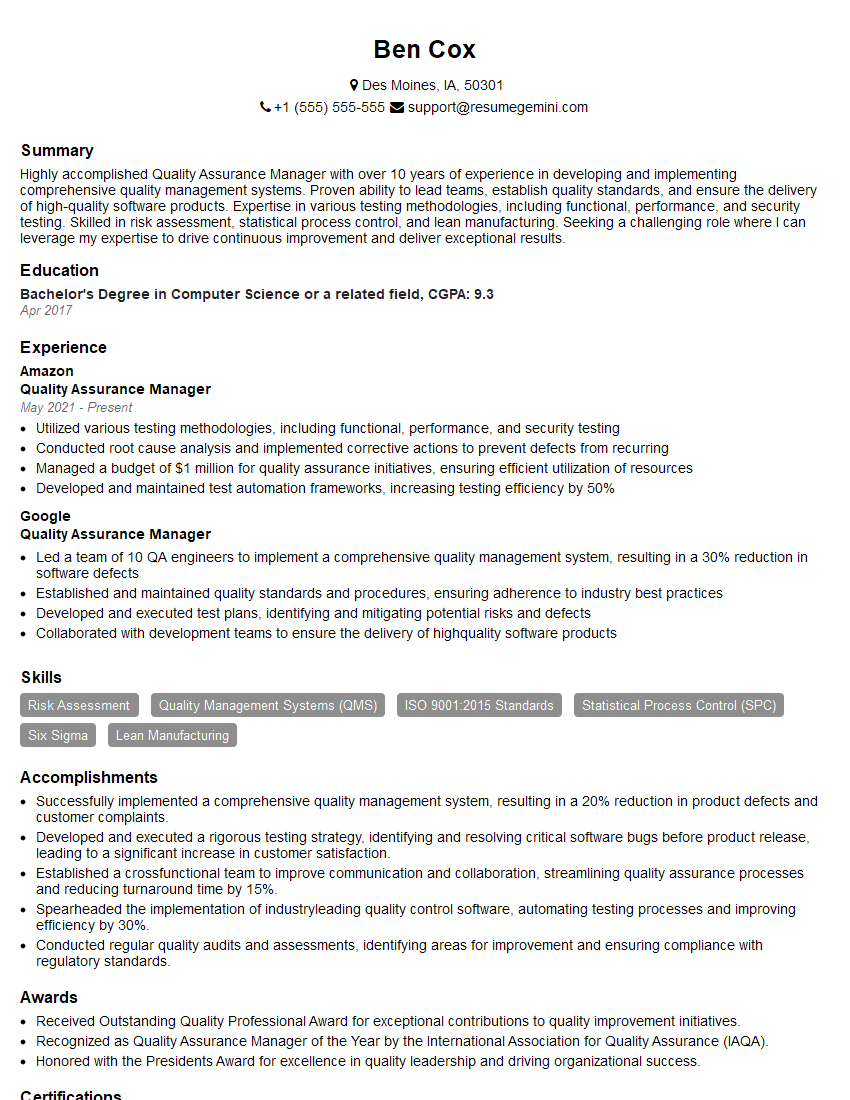
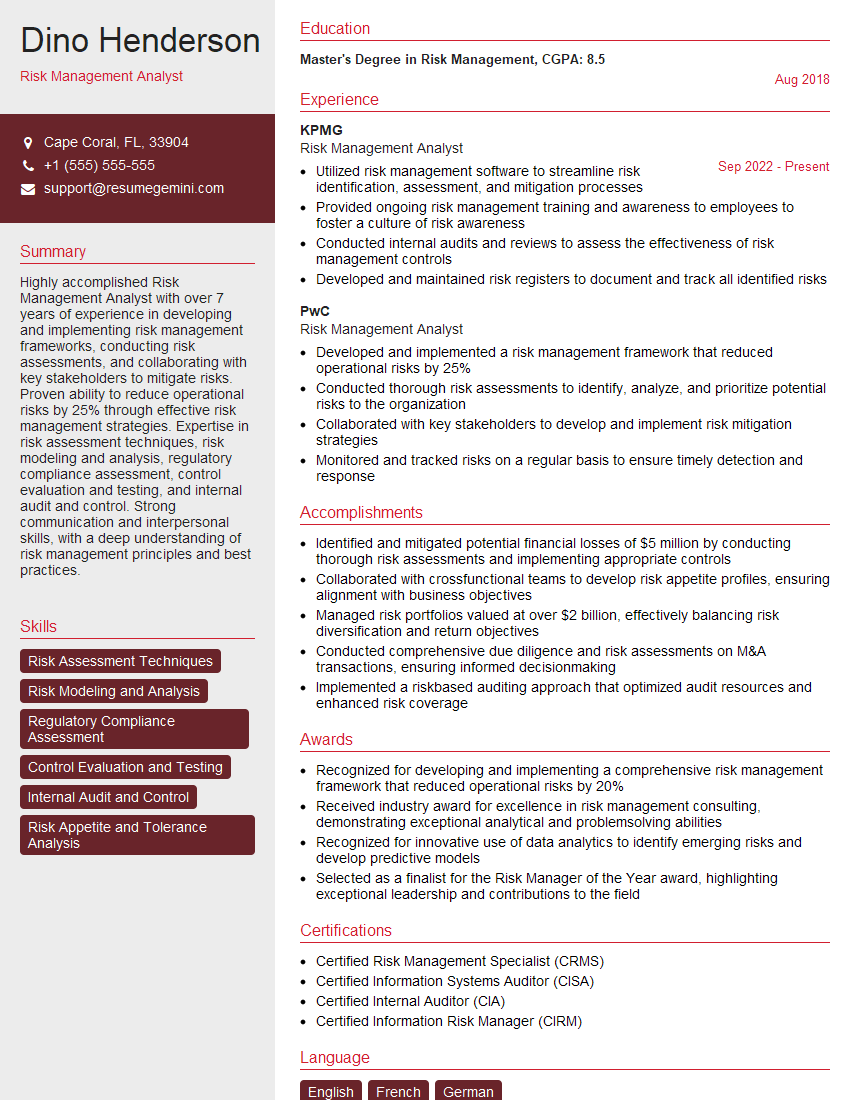
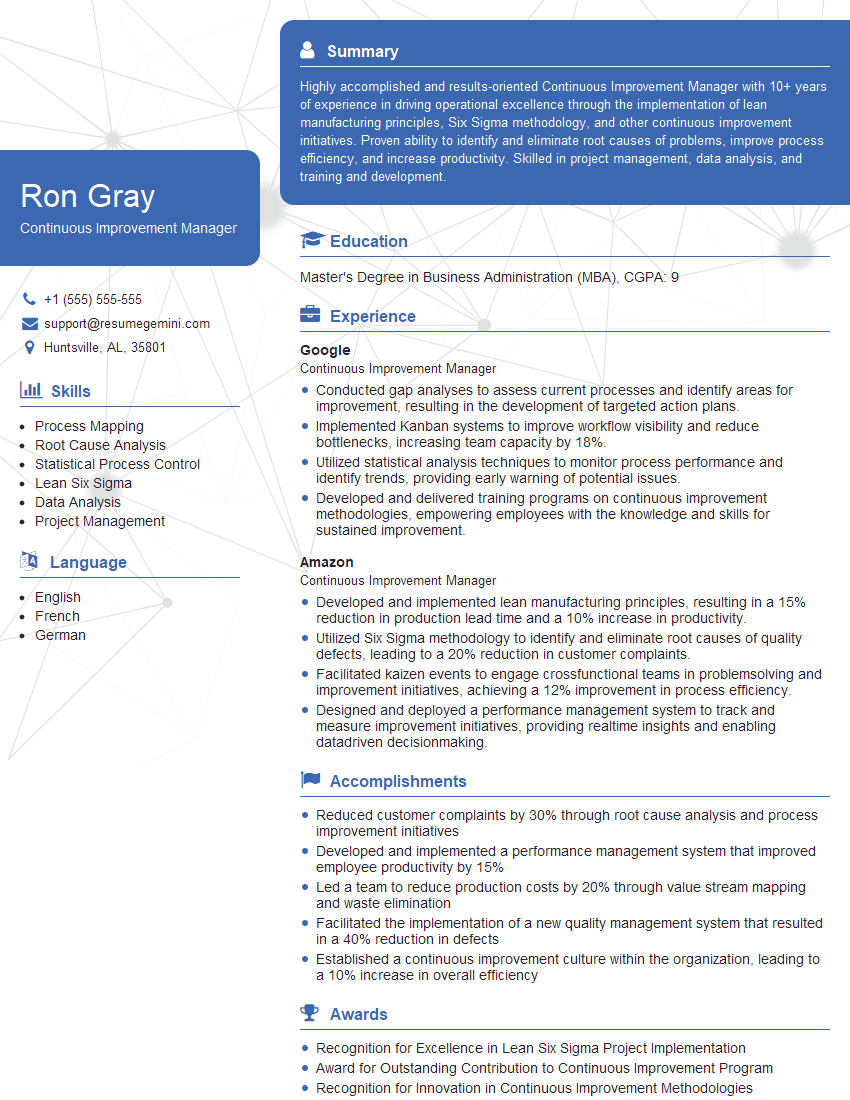
Mastering Mission Debriefing and Lessons Learned is crucial for career advancement, showcasing your analytical abilities, problem-solving skills, and commitment to continuous improvement. These skills are highly valued across various industries. To maximize your job prospects, creating an ATS-friendly resume is essential. ResumeGemini is a trusted resource to help you build a professional resume that highlights your expertise in this area. Examples of resumes tailored to Mission Debriefing and Lessons Learned are available to help guide you. Invest the time to craft a compelling narrative – your career success depends on it!
Explore more articles
Users Rating of Our Blogs
Share Your Experience
We value your feedback! Please rate our content and share your thoughts (optional).
What Readers Say About Our Blog
Amazing blog
hello,
Our consultant firm based in the USA and our client are interested in your products.
Could you provide your company brochure and respond from your official email id (if different from the current in use), so i can send you the client’s requirement.
Payment before production.
I await your answer.
Regards,
MrSmith
hello,
Our consultant firm based in the USA and our client are interested in your products.
Could you provide your company brochure and respond from your official email id (if different from the current in use), so i can send you the client’s requirement.
Payment before production.
I await your answer.
Regards,
MrSmith
These apartments are so amazing, posting them online would break the algorithm.
https://bit.ly/Lovely2BedsApartmentHudsonYards
Reach out at BENSON@LONDONFOSTER.COM and let’s get started!
Take a look at this stunning 2-bedroom apartment perfectly situated NYC’s coveted Hudson Yards!
https://bit.ly/Lovely2BedsApartmentHudsonYards
Live Rent Free!
https://bit.ly/LiveRentFREE
Interesting Article, I liked the depth of knowledge you’ve shared.
Helpful, thanks for sharing.
Hi, I represent a social media marketing agency and liked your blog
Hi, I represent an SEO company that specialises in getting you AI citations and higher rankings on Google. I’d like to offer you a 100% free SEO audit for your website. Would you be interested?