Feeling uncertain about what to expect in your upcoming interview? We’ve got you covered! This blog highlights the most important Negotiation Tactics interview questions and provides actionable advice to help you stand out as the ideal candidate. Let’s pave the way for your success.
Questions Asked in Negotiation Tactics Interview
Q 1. Describe your preferred negotiation style and its strengths and weaknesses.
My preferred negotiation style is principled negotiation, also known as interest-based bargaining. It focuses on finding mutually beneficial solutions by collaborating with the other party to identify underlying interests rather than solely focusing on positions.
Strengths: This approach builds trust and rapport, leading to more durable agreements. It allows for creative problem-solving, resulting in outcomes that better address the needs of all involved. It fosters a positive relationship, which is valuable for future interactions.
Weaknesses: It can be time-consuming, especially if the other party isn’t equally committed to collaboration. It requires strong communication and active listening skills, and may not be effective against negotiators who are primarily focused on winning at all costs.
Q 2. Explain the concept of the BATNA (Best Alternative to a Negotiated Agreement). How do you determine your BATNA?
Your BATNA, or Best Alternative to a Negotiated Agreement, is your fallback position if the current negotiation fails. It’s your plan B. A strong BATNA significantly improves your negotiating power, because you’re not desperate to reach an agreement.
Determining your BATNA involves:
- Identifying alternatives: What other options do you have? Could you find a different supplier, partner, or solution?
- Evaluating alternatives: How attractive are these alternatives in terms of cost, quality, and risk? Assign a value or score to each.
- Choosing the best alternative: Select the option that provides you with the best outcome if the current negotiation doesn’t succeed.
For example, if negotiating a job offer, your BATNA might be accepting another job offer you already have, continuing your current job, or starting your own business. Clearly defining your BATNA gives you a clear benchmark against which to evaluate any proposed agreement.
Q 3. How do you identify and manage conflicting interests during a negotiation?
Conflicting interests are inevitable in negotiation. The key is to identify them early and manage them constructively. This starts with active listening and seeking to understand the other party’s perspective. What are their underlying needs and priorities?
Strategies for managing conflicting interests:
- Separate the people from the problem: Avoid personal attacks and focus on the issues at hand.
- Focus on interests, not positions: Understand the reasons behind each party’s stated positions to find common ground.
- Invent options for mutual gain: Brainstorm creative solutions that address the interests of all parties. Don’t prematurely dismiss options.
- Insist on objective criteria: Use external benchmarks, market rates, or industry standards to help evaluate proposals fairly.
Imagine negotiating a contract where you want a low price, and the supplier wants a higher price. Instead of fighting over price, you can explore their interests: Perhaps they need a guaranteed volume of orders, or early payment. By understanding their interests, you might find ways to create value, such as offering a higher volume of orders in exchange for a price reduction.
Q 4. Describe a situation where you successfully negotiated a favorable outcome. What strategies did you use?
During a negotiation for a significant software license for my previous company, the vendor’s initial price was far above our budget. Instead of immediately rejecting their offer, I focused on building rapport and understanding their needs. I discovered they valued long-term partnerships and repeat business.
Strategies Used:
- Building rapport: I spent time understanding their business challenges and goals, building a personal connection.
- Value creation: I proposed a tiered pricing model that offered incentives for early adoption and commitment to long-term use, addressing their need for stable revenue streams.
- Strategic concessions: I offered concessions in areas less important to us in exchange for a reduction in the licensing fee.
- Objective criteria: I referenced industry benchmarks to justify our desired price range.
This approach resulted in a mutually beneficial agreement: a lower price for us and a valuable long-term contract for the vendor.
Q 5. How do you handle difficult or aggressive negotiators?
Dealing with difficult or aggressive negotiators requires patience, skill, and emotional intelligence. Avoid mirroring their aggressive behavior.
Strategies for handling aggressive negotiators:
- Remain calm and professional: Don’t let their emotions derail the negotiation.
- Listen actively and empathetically: Try to understand the underlying reasons for their aggression.
- Reframe aggressive tactics: If they use threats, reframe the discussion to focus on interests and mutual gains. For example, instead of responding to a threat directly, you might say, “I understand your concern about deadlines. Let’s explore how we can both achieve our objectives within a realistic timeframe.”
- Call for a break if needed: If the situation becomes too heated, taking a short break can help regain composure and refocus.
- Involve a mediator or third party if necessary: Sometimes, a neutral party can facilitate a productive resolution.
Remember, maintaining your composure and focusing on the underlying issues are key to de-escalating the situation.
Q 6. What are the ethical considerations in negotiation?
Ethical considerations are paramount in negotiation. It’s crucial to maintain integrity and fairness throughout the process. Unethical behavior can damage your reputation and erode trust, making future negotiations more difficult.
Ethical considerations include:
- Honesty and transparency: Be truthful in your representations and avoid misleading the other party.
- Fairness and equity: Strive for outcomes that are just and equitable for all involved.
- Respect for the other party: Treat the other party with respect, regardless of their behavior.
- Compliance with laws and regulations: Ensure all actions comply with applicable laws and regulations.
- Avoiding manipulative tactics: Don’t use deceptive or coercive tactics to pressure the other party into an agreement.
Building a strong reputation for ethical conduct will lead to more successful and sustainable relationships.
Q 7. Explain the difference between distributive and integrative bargaining.
Distributive bargaining and integrative bargaining represent two contrasting approaches to negotiation.
Distributive Bargaining (Win-Lose): This approach assumes a fixed pie of resources. The goal is to claim as much of the pie as possible for oneself. It’s often characterized by competitive strategies, such as making high initial offers, withholding information, and making concessions reluctantly.
Integrative Bargaining (Win-Win): This approach focuses on expanding the pie. The goal is to find mutually beneficial solutions that create value for all parties involved. It requires collaboration, communication, and a willingness to explore creative options.
Example: Imagine negotiating the price of a car. Distributive bargaining would involve haggling over the price, trying to get the lowest possible price. Integrative bargaining might involve exploring additional services, such as extended warranties or free maintenance, to create value and make the deal more appealing for both parties.
Q 8. How do you prepare for a high-stakes negotiation?
Preparing for a high-stakes negotiation is like preparing for a crucial sporting event – thorough planning is key. It’s not just about knowing your own goals, but deeply understanding the other party’s perspective and potential motivations.
- Define your goals and BATNA (Best Alternative To a Negotiated Agreement): What’s your ideal outcome, and what’s your Plan B if the negotiation fails? This provides a strong baseline and prevents you from accepting less than acceptable terms. For example, if you’re negotiating a salary, your BATNA could be your current salary plus offers from other companies.
- Research the other party: Understanding their background, company culture, recent decisions, and public statements provides valuable insights into their priorities and potential negotiation strategies. Imagine negotiating a contract with a company known for aggressive tactics – your preparation needs to be more robust.
- Develop a negotiation strategy: Outline your opening position, potential concessions, and fallback positions. Think about what information you’ll disclose and what you’ll strategically withhold. Consider different scenarios and how you’ll adapt your approach.
- Practice your communication: Rehearse potential conversations and anticipate tough questions. This builds confidence and ensures you’re prepared for any curveballs.
- Assemble your team (if necessary): A strong team can bring diverse expertise and perspectives, helping you anticipate potential challenges and develop a more comprehensive strategy.
Q 9. How do you build rapport and trust with the other party?
Building rapport and trust is crucial; it lays the foundation for a successful negotiation. It’s about creating a connection and showing that you value the other party’s needs and concerns.
- Active listening: Pay attention, ask clarifying questions, and reflect back what you’ve heard. This shows you respect their viewpoint.
- Find common ground: Look for shared interests or values – even seemingly small ones – to build a sense of connection. For example, if you both attended the same university, mentioning that can initiate a positive conversation.
- Empathy: Try to understand their perspective and motivations, even if you don’t necessarily agree with them. Show genuine interest in their concerns.
- Be transparent and honest (within reason): While you don’t need to reveal all your cards, being upfront about your intentions builds trust. Avoid deceptive tactics; they often backfire in the long run.
- Nonverbal communication: Maintain eye contact, use open body language, and project warmth and sincerity. A friendly demeanor can go a long way.
Q 10. How do you handle a stalemate during a negotiation?
A stalemate is not necessarily a failure. It’s an opportunity to re-evaluate your strategy and find creative solutions.
- Re-examine your goals and priorities: Are your initial demands still realistic? Are there aspects you can be more flexible on?
- Seek clarification: Make sure you fully understand the other party’s concerns and positions. Ask open-ended questions to gain deeper insight.
- Introduce new options: Consider alternative solutions or compromise options that address both parties’ needs. For example, you might offer a different payment schedule or a different service package.
- Take a break: Stepping away from the negotiation table can allow both sides to cool down, re-group, and approach the situation with fresh perspectives.
- Consider mediation: If the stalemate persists, a neutral third party can facilitate communication and help find common ground.
Remember, walking away is always an option, especially if the deal isn’t beneficial to you. Your BATNA provides a safety net.
Q 11. Describe your approach to making concessions.
Concessions are essential for reaching an agreement, but they should be strategic, not impulsive. They are best given incrementally, in response to progress from the other party.
- Don’t give away concessions early: Your concessions have value; use them strategically. Save your best ones for later in the negotiation.
- Make concessions that are less important to you: Prioritize your key objectives and be willing to compromise on less critical aspects.
- Link concessions to concessions: Frame your concessions as a response to the other party’s progress, ensuring reciprocal movement.
- Don’t concede too much too quickly: It weakens your position and can signal desperation.
- Explain your reasoning for concessions: This clarifies why you are making the concession and reinforces mutual respect.
For example, instead of immediately dropping your price by 10%, you might offer a small discount conditional upon the other party agreeing to a specific contract term.
Q 12. How do you assess the other party’s power and leverage?
Assessing the other party’s power and leverage is essential for developing an effective negotiation strategy. This involves understanding their alternatives, resources, and influence.
- Identify their BATNA: What are their alternatives if the negotiation fails? A strong BATNA gives them more leverage.
- Assess their resources: What financial, human, or technological resources do they have? This impacts their ability to make concessions.
- Analyze their network and relationships: Do they have strong connections or influential allies who could impact the negotiation?
- Understand their urgency: How much pressure are they under to reach an agreement? The more urgent they are, the greater your leverage.
- Evaluate their negotiating style and reputation: Have they been involved in similar negotiations before? What is their track record?
Imagine negotiating with a large corporation versus a small startup – their resources and risk tolerance will significantly differ, impacting your negotiation strategy.
Q 13. How do you manage your emotions during a tense negotiation?
Managing your emotions is crucial during a tense negotiation. Losing your composure can damage rapport and weaken your position.
- Self-awareness: Recognize your emotional triggers and practice techniques to manage stress and anxiety, such as deep breathing or mindfulness.
- Pause and reflect: If you feel overwhelmed, take a break to regain composure before responding.
- Separate the person from the problem: Focus on the issue at hand, not on personal attacks or emotional outbursts from the other party.
- Maintain professionalism: Even when faced with difficult situations, remain calm, respectful, and focused on finding a mutually acceptable solution.
- Seek support: If you’re struggling to manage your emotions, rely on your team or a trusted advisor for guidance.
Maintaining emotional control allows for clearer thinking and strategic decision-making, even under pressure.
Q 14. Explain the concept of anchoring in negotiation.
Anchoring is a powerful negotiation tactic where you set the initial price or parameter, thus influencing the subsequent discussion and ultimately the final agreement.
The first number put on the table acts as an anchor, and subsequent proposals tend to gravitate around that anchor. For example, if you are selling a house and initially list it at $500,000, the buyer’s counter-offers are likely to be in the vicinity of that number, even if the house’s true market value is lower. Conversely, a low initial offer can also act as an anchor, potentially driving down the final price.
Effectively using anchoring involves:
- Researching market value: Your anchor should be justifiable and grounded in reality.
- Justifying your anchor: Provide a rationale for your opening offer, supporting it with data or evidence.
- Being prepared to adjust your anchor: Your initial offer may not be accepted immediately. You might need to adjust based on the other party’s response, but you’ve still set the general direction of the negotiation.
Be aware that anchoring can be a double-edged sword. If the other party recognizes your tactic, it could damage trust and lead to a less cooperative negotiation.
Q 15. How do you deal with information asymmetry in a negotiation?
Information asymmetry, where one party has more knowledge than the other, is a common challenge in negotiations. The key is to mitigate this imbalance, not necessarily eliminate it entirely. This involves a multi-pronged approach.
Diligent Research: Before entering the negotiation, conduct thorough research. This includes understanding the other party’s background, their needs, their potential alternatives, and the market conditions. The more information you gather independently, the less reliant you are on the other party’s disclosures.
Strategic Questioning: Ask open-ended, probing questions to elicit information from the other party. Avoid leading questions; instead, aim for questions that encourage them to reveal their priorities and constraints. For example, instead of asking “Will you accept $100,000?”, try “What are your financial goals for this project?”
Active Listening: Pay close attention not only to what the other party says, but also to their body language and tone. Often, unspoken information is just as valuable as verbal communication. This helps in identifying inconsistencies or hidden agendas.
Independent Verification: If possible, verify information received from the other party through independent sources. This could involve checking industry benchmarks, speaking to other stakeholders, or conducting market research.
Transparency (when appropriate): In some cases, selectively revealing your own information can encourage reciprocity and build trust, leading to a more balanced exchange of information.
Example: In a real estate negotiation, I once uncovered a hidden lien on a property the seller was trying to conceal through strategic questioning and independent title searches. This allowed me to renegotiate the price significantly.
Career Expert Tips:
- Ace those interviews! Prepare effectively by reviewing the Top 50 Most Common Interview Questions on ResumeGemini.
- Navigate your job search with confidence! Explore a wide range of Career Tips on ResumeGemini. Learn about common challenges and recommendations to overcome them.
- Craft the perfect resume! Master the Art of Resume Writing with ResumeGemini’s guide. Showcase your unique qualifications and achievements effectively.
- Don’t miss out on holiday savings! Build your dream resume with ResumeGemini’s ATS optimized templates.
Q 16. What are some common negotiation fallacies to avoid?
Negotiators often fall prey to several cognitive biases that hinder effective outcomes. Here are some common fallacies to avoid:
Anchoring Bias: Over-relying on the first piece of information presented (the ‘anchor’) can skew your perception of what’s reasonable. Always consider the anchor’s context and be prepared to adjust your expectations based on further information.
Confirmation Bias: Seeking out information that confirms your pre-existing beliefs and ignoring contradictory evidence. Actively seek out diverse perspectives and challenge your own assumptions.
Availability Heuristic: Overestimating the likelihood of events that are easily recalled. Don’t let vivid past experiences cloud your judgment in the current negotiation.
Overconfidence Bias: Overestimating your own abilities or the strength of your position. This can lead to missed opportunities or unnecessarily confrontational tactics.
Loss Aversion: Feeling the pain of a loss more strongly than the pleasure of an equivalent gain. This can make you overly resistant to compromise.
Example: In a salary negotiation, I once saw a candidate anchored to their previous salary, failing to account for their increased experience and the current market rate. This resulted in a lower offer than they deserved.
Q 17. How do you utilize active listening during a negotiation?
Active listening is paramount in negotiation. It’s not merely hearing words; it’s about understanding the speaker’s perspective, needs, and concerns. This involves both verbal and non-verbal cues.
Paraphrasing: Repeat back what you’ve heard to confirm your understanding. For example, “So, if I understand correctly, your main concern is the delivery timeline?”
Summarizing: Periodically summarize key points discussed to ensure everyone’s on the same page and to highlight areas of agreement and disagreement.
Asking Clarifying Questions: Don’t hesitate to ask for clarification if something is unclear. This demonstrates engagement and helps prevent misunderstandings.
Observing Body Language: Pay attention to the other party’s body language – their facial expressions, posture, and gestures – to gauge their emotions and level of engagement.
Empathy: Try to understand the other party’s perspective, even if you don’t necessarily agree with it. This helps in building rapport and finding mutually beneficial solutions.
Example: In a contract negotiation, active listening allowed me to identify a hidden concern about liability that wasn’t explicitly stated. By addressing this concern proactively, I secured a more favorable agreement.
Q 18. How do you document and track progress during a negotiation?
Effective documentation and tracking are crucial for a successful negotiation. This ensures clarity, maintains a record of progress, and reduces the risk of misunderstandings.
Meeting Minutes: After each negotiation session, create detailed minutes summarizing key discussions, agreements, and outstanding issues. Distribute these minutes to all parties for confirmation.
Action Items: Clearly define action items with assigned owners and deadlines to ensure follow-up and progress.
Negotiation Log: Maintain a comprehensive log of all communication, including emails, phone calls, and meeting notes. This helps in tracking the evolution of the negotiation.
Decision Matrix (when appropriate): If the negotiation involves multiple options or criteria, using a decision matrix can help in objectively evaluating the pros and cons of different proposals.
Version Control: If working with documents, use version control software to track changes and ensure everyone is working from the latest version.
Example: In a complex merger and acquisition negotiation, a well-maintained negotiation log helped us quickly locate a crucial email that clarified a previously ambiguous clause.
Q 19. How do you know when to walk away from a negotiation?
Knowing when to walk away is a critical skill. It’s better to walk away from a bad deal than to force a settlement that ultimately harms your interests.
Best Alternative to a Negotiated Agreement (BATNA): Clearly define your BATNA – your best alternative if the current negotiation fails. This provides a benchmark for evaluating potential agreements.
Reservation Price: Establish a clear reservation price – the lowest price or least favorable terms you’re willing to accept. Don’t go below this price.
Deal Breakers: Identify non-negotiable items or conditions. If these are not met, walking away is the only option.
Time Constraints: Consider the time and resources invested in the negotiation. If the costs outweigh the potential benefits, it’s time to walk away.
Gut Feeling: Trust your instincts. If something feels wrong or if you’re consistently feeling pressured, it might be time to reconsider the deal.
Example: I once walked away from a seemingly lucrative business deal because the due diligence revealed significant legal risks that exceeded the potential rewards. While disappointing initially, it proved to be the correct decision.
Q 20. How do you handle unexpected events or changes during a negotiation?
Unexpected events during a negotiation require flexibility and adaptability. The key is to respond calmly and strategically.
Assess the Impact: First, calmly assess the impact of the unexpected event on the negotiation. What has changed? How does it affect your position and the other party’s position?
Re-evaluate Your Strategy: Based on your assessment, re-evaluate your negotiation strategy. You may need to adjust your goals, tactics, or concessions.
Communicate Clearly: Communicate the changes and their implications to the other party openly and honestly. This helps in maintaining trust and transparency.
Seek Clarification: If the event is unclear or ambiguous, don’t hesitate to seek clarification from the other party or relevant stakeholders.
Flexibility: Be willing to adjust your approach as needed. Rigid adherence to a plan can be detrimental in the face of unexpected changes.
Example: During a contract negotiation, a sudden change in government regulations impacted the project’s feasibility. We had to work collaboratively with the other party to renegotiate the terms, taking the new regulations into account. By maintaining open communication and adapting our strategy, we reached a mutually acceptable solution.
Q 21. Describe your experience with collaborative problem-solving in a negotiation.
Collaborative problem-solving is a powerful approach in negotiation, fostering mutually beneficial outcomes rather than adversarial ones. It involves a shift from a win-lose to a win-win mentality.
Joint Problem Definition: Begin by collaboratively defining the problem or challenge. This ensures everyone is working towards a common understanding of the issues.
Brainstorming: Engage in brainstorming sessions to generate a wide range of potential solutions. Encourage creative thinking and avoid judgment at this stage.
Prioritization: Evaluate the potential solutions based on various criteria, such as feasibility, cost, and impact. Prioritize options that address the core needs of all parties.
Compromise and Concession: Be willing to compromise and make concessions to reach an agreement that benefits everyone. Remember that a good compromise reflects mutual gain rather than just splitting the difference.
Focus on Interests, Not Positions: Instead of focusing solely on stated positions, delve deeper to understand underlying interests and needs. This allows for more creative and effective solutions.
Example: In a labor negotiation, we used a collaborative problem-solving approach to address concerns about employee compensation and benefits. By working together, we found creative solutions that met the needs of both management and the union, resulting in a mutually beneficial agreement that avoided a costly strike.
Q 22. How do you adapt your negotiation strategy based on different cultural contexts?
Adapting negotiation strategies across cultures requires understanding that communication styles, values, and decision-making processes vary significantly. What works in one culture might be ineffective, or even offensive, in another. My approach involves thorough pre-negotiation research. This includes understanding the cultural norms of the other party, such as their preferred communication style (direct vs. indirect), their approach to time (monochronic vs. polychronic), and their emphasis on relationships versus tasks. For example, in some collectivist cultures, building rapport and trust is paramount before discussing business, while in individualistic cultures, the focus might be directly on the deal. I adapt my communication style accordingly, being mindful of nonverbal cues and adjusting my level of formality. I also pay close attention to the other party’s reactions and adjust my approach as needed throughout the negotiation. For instance, if I notice a hesitation, I might slow the pace, offer more explanations, or involve a cultural liaison if necessary. Successful cross-cultural negotiation demands flexibility, patience, and a deep respect for cultural differences.
Q 23. How do you prioritize different negotiation objectives?
Prioritizing negotiation objectives requires a clear understanding of your goals and their relative importance. I use a method that combines strategic ranking and weighting. First, I list all my objectives, ranging from essential to desirable. Then, I assign a weight to each objective reflecting its importance. For example, securing a favorable price might receive a weight of 80%, while achieving a long-term partnership might be 20%. This weighting allows me to make informed trade-offs during the negotiation. If necessary to secure the higher-weighted objective (e.g., price), I might be willing to compromise on the lower-weighted objective (e.g., partnership aspects). This process enhances clarity and allows for flexible decision-making throughout the negotiation. It’s crucial to revisit and adjust priorities as new information emerges during the process; a rigid approach can be detrimental.
Q 24. Explain the concept of value creation in negotiation.
Value creation in negotiation goes beyond simply dividing a fixed pie; it’s about expanding the pie itself. Instead of focusing solely on claiming value (getting the biggest slice), we should also focus on creating value by finding mutually beneficial solutions. This involves identifying and leveraging the interests and priorities of all parties involved. Imagine negotiating the sale of a house. A purely claim-based approach might focus solely on price. However, a value-creation approach would consider other aspects, such as flexible closing dates, included furniture, or potential repairs. By exploring these elements, we could create additional value for both buyer and seller, leading to a more satisfying and sustainable outcome. Techniques for value creation include brainstorming, exploring different options, and making trade-offs based on differing priorities. The key is to shift the mindset from a win-lose scenario to a win-win scenario.
Q 25. How do you manage time effectively during a negotiation?
Effective time management in negotiation is crucial. I start by setting a clear agenda and sticking to it as much as possible, while remaining flexible for crucial unexpected discussions. I allocate specific time blocks for different negotiation stages—opening, information exchange, bargaining, and closing. I also use techniques like setting deadlines (both internal and external) to create a sense of urgency and prevent the negotiation from dragging on unnecessarily. For instance, I might set a time limit for discussing each specific point to avoid getting sidetracked. Furthermore, I actively listen to understand the other party’s perspective and concerns quickly, which helps streamline the discussion. During the negotiation, I keep an eye on the clock and ensure we’re making progress toward a mutually agreeable solution. It’s crucial to avoid wasting time on unproductive arguments or digressions. The key is to be efficient yet thorough, balancing speed with substance.
Q 26. Describe your approach to post-negotiation follow-up.
Post-negotiation follow-up is often overlooked, but it’s crucial for solidifying the agreement and building a long-term relationship. Immediately following the negotiation, I send a concise summary of the agreed-upon terms to all parties, confirming the details and ensuring everyone is on the same page. This helps prevent misunderstandings and disputes later on. I also schedule a brief follow-up call or meeting to address any outstanding issues or questions. Depending on the agreement, this might involve regular check-ins to monitor progress and ensure everything is running smoothly. For complex agreements, I ensure all necessary documentation is finalized and distributed promptly. Building a relationship is important; therefore, I maintain regular contact to nurture the relationship and keep the lines of communication open. This approach fosters trust and lays the foundation for future collaborations.
Q 27. How do you measure the success of a negotiation?
Measuring negotiation success involves looking beyond just the immediate outcome. While achieving a favorable price or contract terms is important, I evaluate success based on several key factors. Did I achieve my primary objectives? Did I create value for all parties involved? Was the process efficient and respectful? Did I build or strengthen a positive relationship with the other party? I use a balanced scorecard approach, considering both quantitative and qualitative aspects. Quantitative measures might include the financial benefits achieved. Qualitative measures might include assessing the strength of the relationship built and the overall fairness of the agreement. A successful negotiation is not just about winning; it’s about finding a sustainable solution that benefits all parties while maintaining strong relationships.
Q 28. How do you handle disagreements about the terms of a negotiated agreement?
Disagreements about the terms are inevitable in any negotiation. My approach focuses on understanding the root cause of the disagreement. Is it a misunderstanding, a difference in priorities, or a clash of values? I actively listen to the other party’s perspective, seeking to understand their concerns and objections. Then, I explore options to bridge the gap, such as exploring alternative solutions or making concessions where appropriate. If the disagreement is significant, I might propose mediation or arbitration to help facilitate a resolution. The key is to remain calm and professional, focusing on finding a mutually acceptable solution. Escalating the conflict rarely leads to positive outcomes. Therefore, I strive for collaboration and compromise, keeping in mind the long-term relationship with the other party.
Key Topics to Learn for Negotiation Tactics Interview
- Understanding Different Negotiation Styles: Explore various approaches like competitive, collaborative, and accommodating, and learn to adapt your style based on the situation and counterpart.
- Preparation and Planning: Practice defining your goals, identifying your BATNA (Best Alternative To a Negotiated Agreement), and researching the other party’s likely positions and interests. This includes anticipating potential obstacles and developing contingency plans.
- Active Listening and Communication: Master techniques for effective listening, clarifying information, and conveying your message persuasively and respectfully. Practice nonverbal communication skills as well.
- Building Rapport and Trust: Understand the importance of creating a positive and collaborative atmosphere to foster mutual understanding and increase the chances of a successful outcome.
- Value Creation and Claiming Value: Learn strategies for identifying and maximizing mutual gains (value creation) while effectively advocating for your own interests (value claiming). This includes exploring creative solutions and win-win scenarios.
- Handling Objections and Difficult Situations: Develop effective strategies for addressing objections, managing conflict, and navigating challenging negotiations with grace and professionalism.
- Ethical Considerations: Understand and apply ethical principles throughout the negotiation process, ensuring fairness and integrity.
- Post-Negotiation Analysis: Reflect on your performance, identify areas for improvement, and learn from both successes and setbacks to refine your negotiation skills.
Next Steps
Mastering negotiation tactics is crucial for career advancement, opening doors to leadership roles and higher earning potential. A strong understanding of these skills allows you to effectively advocate for yourself, build strong relationships, and achieve mutually beneficial outcomes. To maximize your job prospects, create an ATS-friendly resume that highlights your negotiation skills and accomplishments. ResumeGemini is a trusted resource for building professional, impactful resumes that catch the eye of recruiters. Examples of resumes tailored to showcasing Negotiation Tactics expertise are available to help you get started.
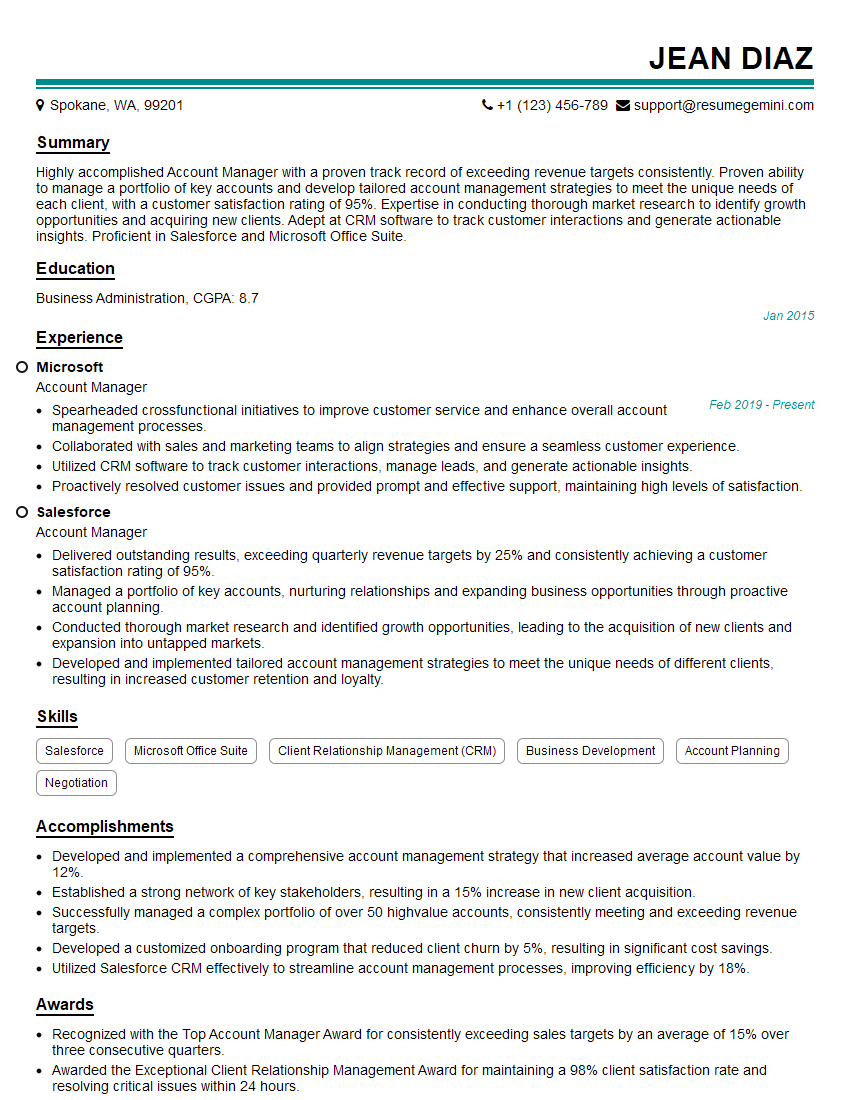
Account Manager Resume Sample
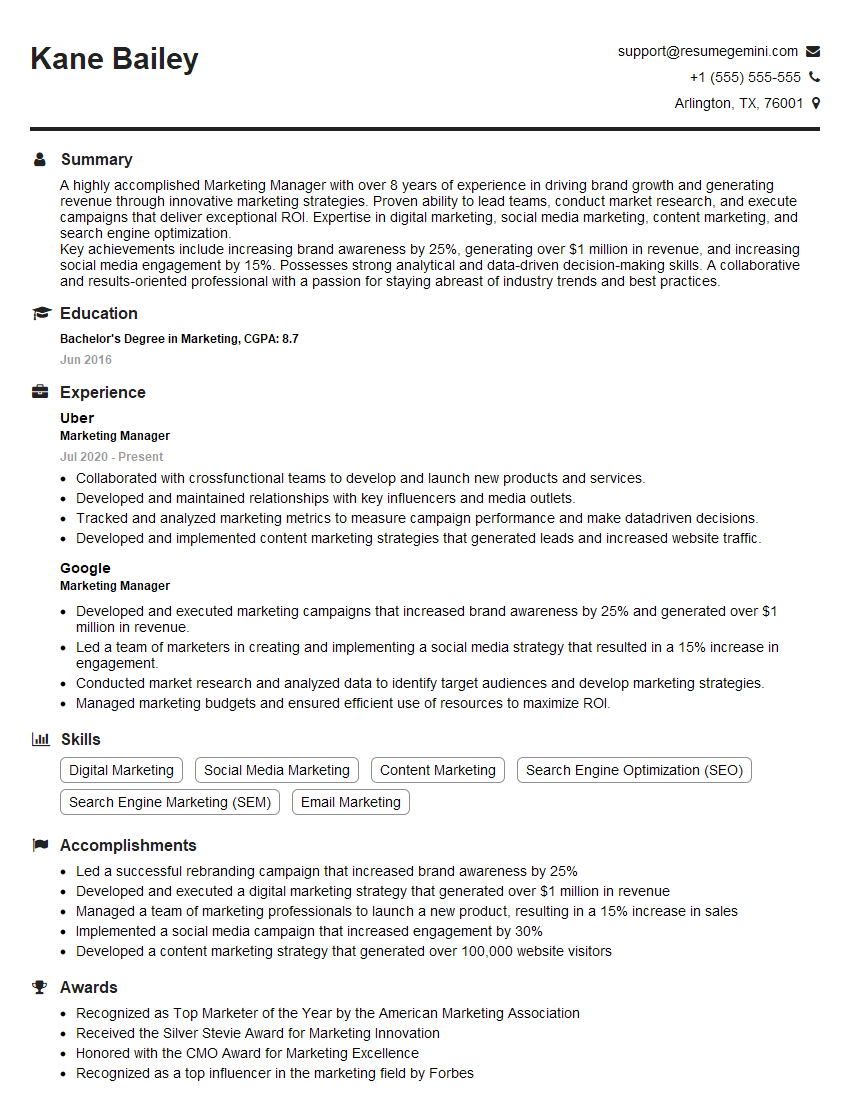
Marketing Manager Resume Sample
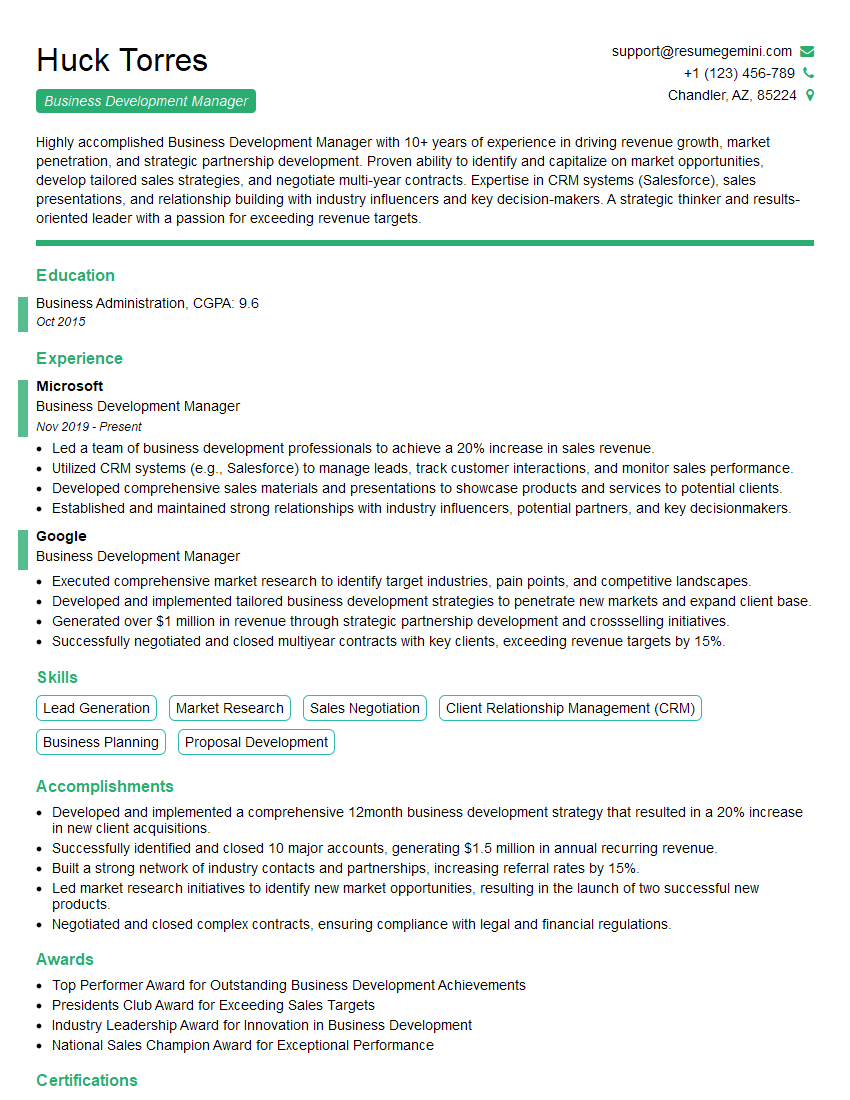
Business Development Manager Resume Sample
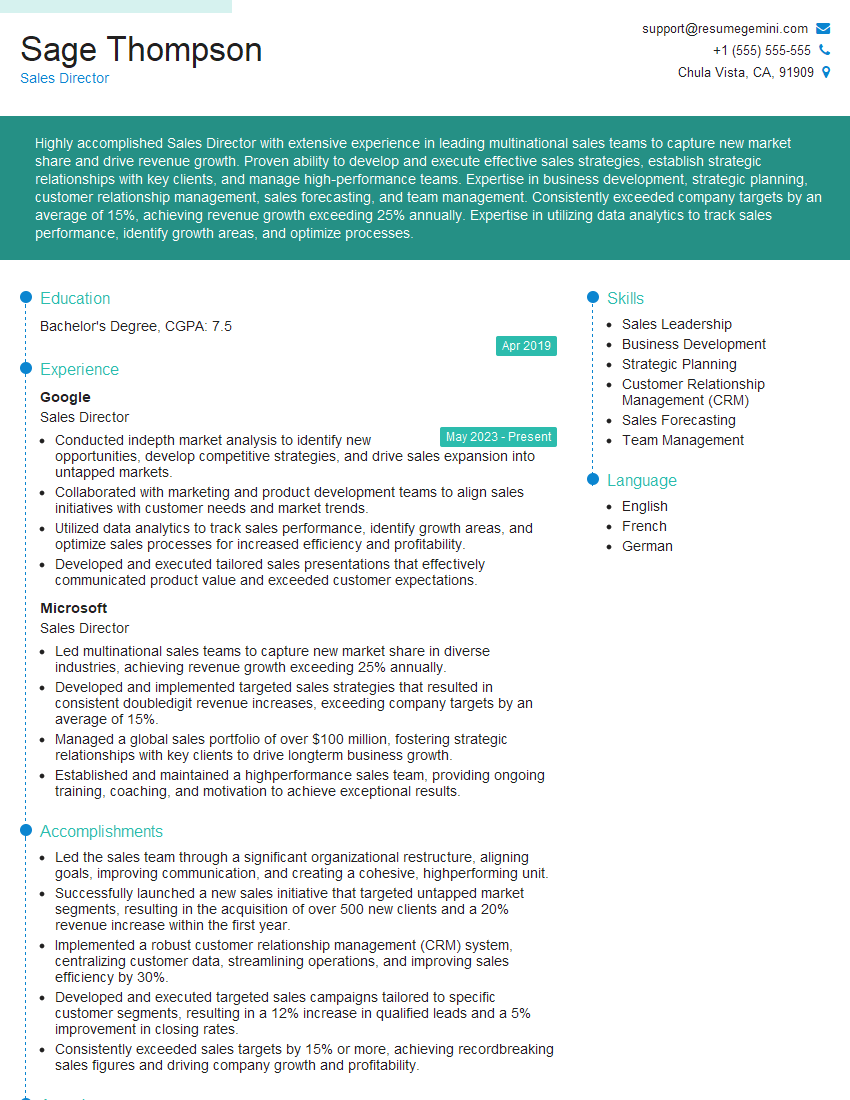
Sales Director Resume Sample
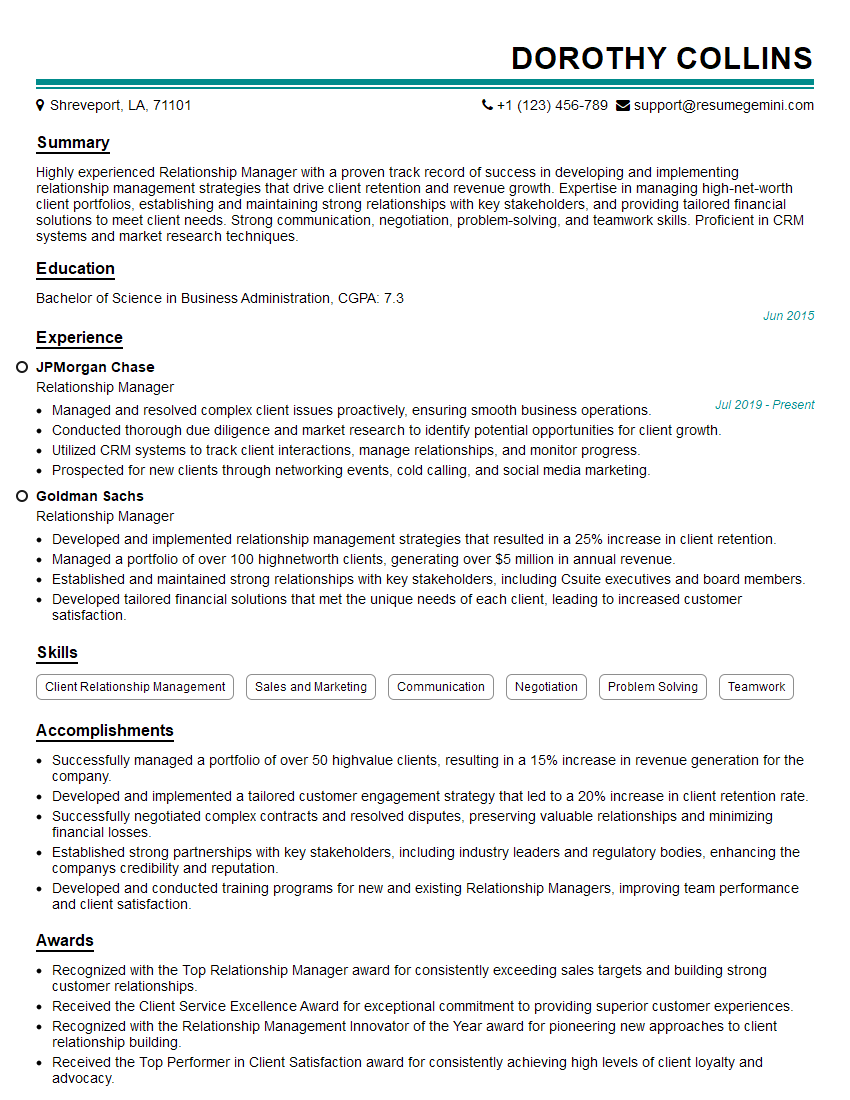
Relationship Manager Resume Sample

Procurement Manager Resume Sample
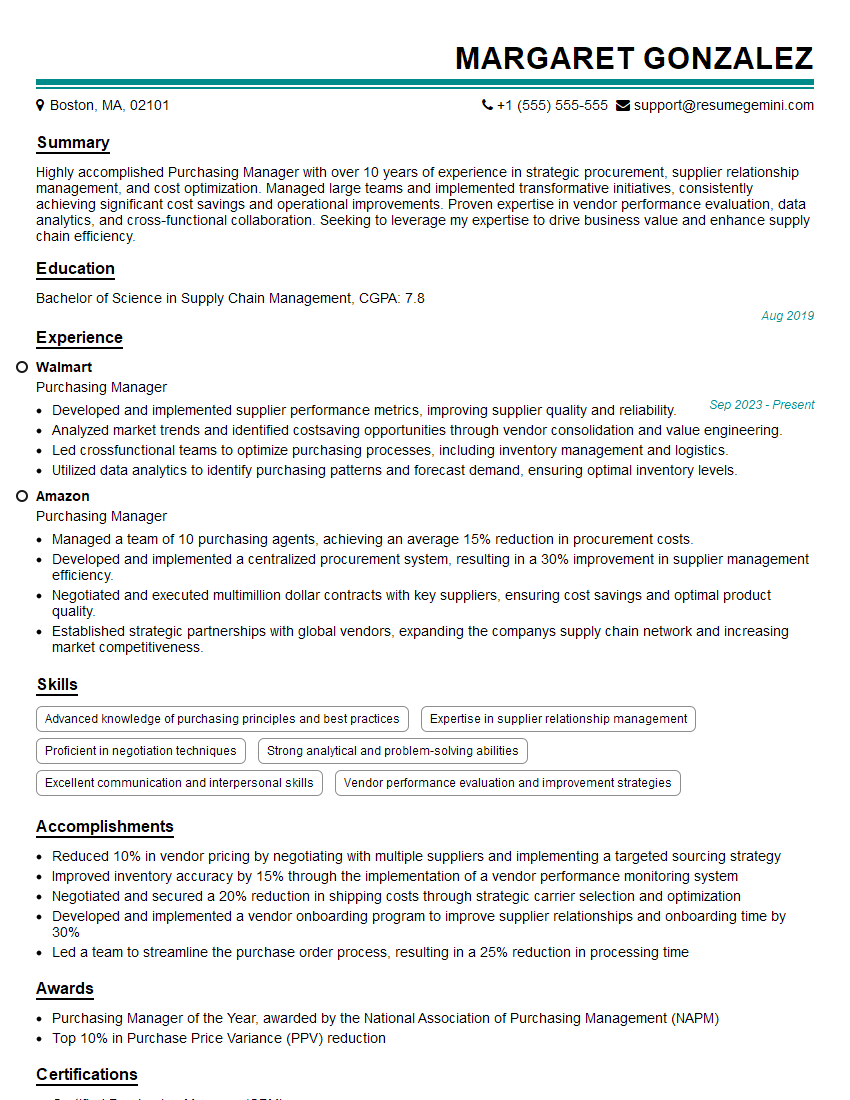
Purchasing Manager Resume Sample
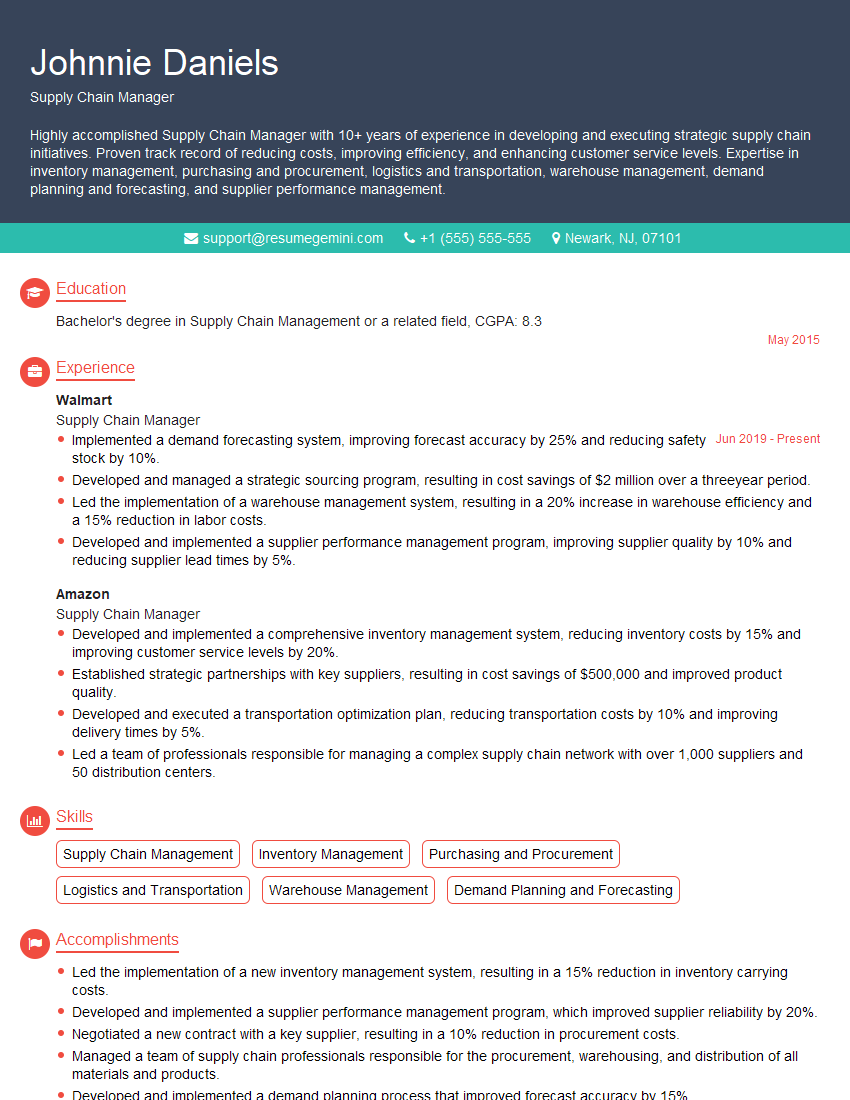
Supply Chain Manager Resume Sample
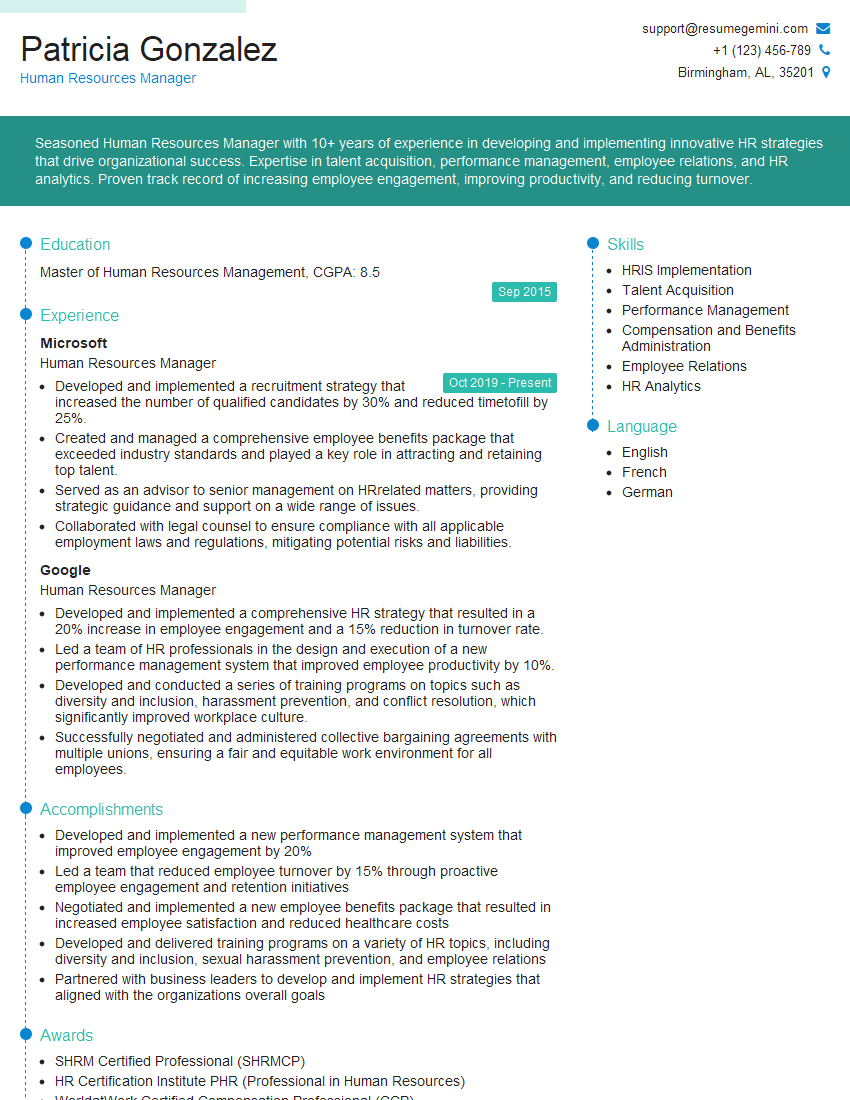
Human Resources Manager Resume Sample
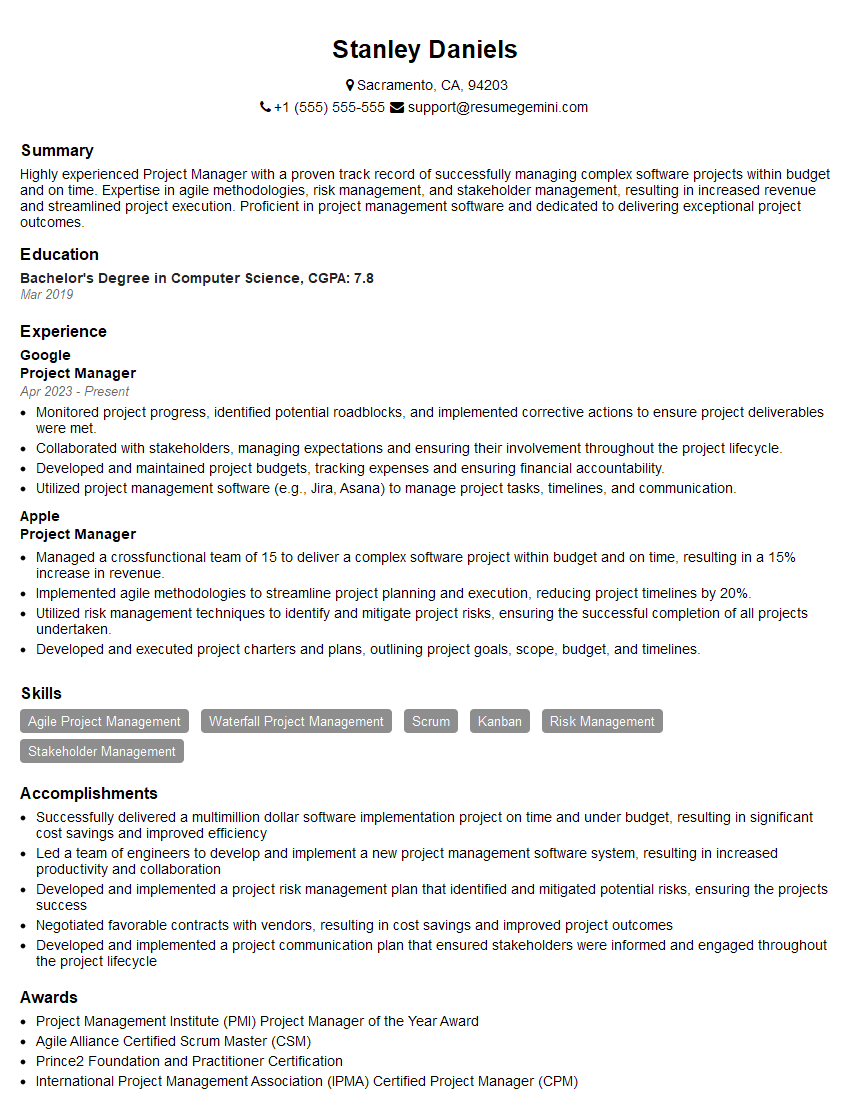
Project Manager Resume Sample
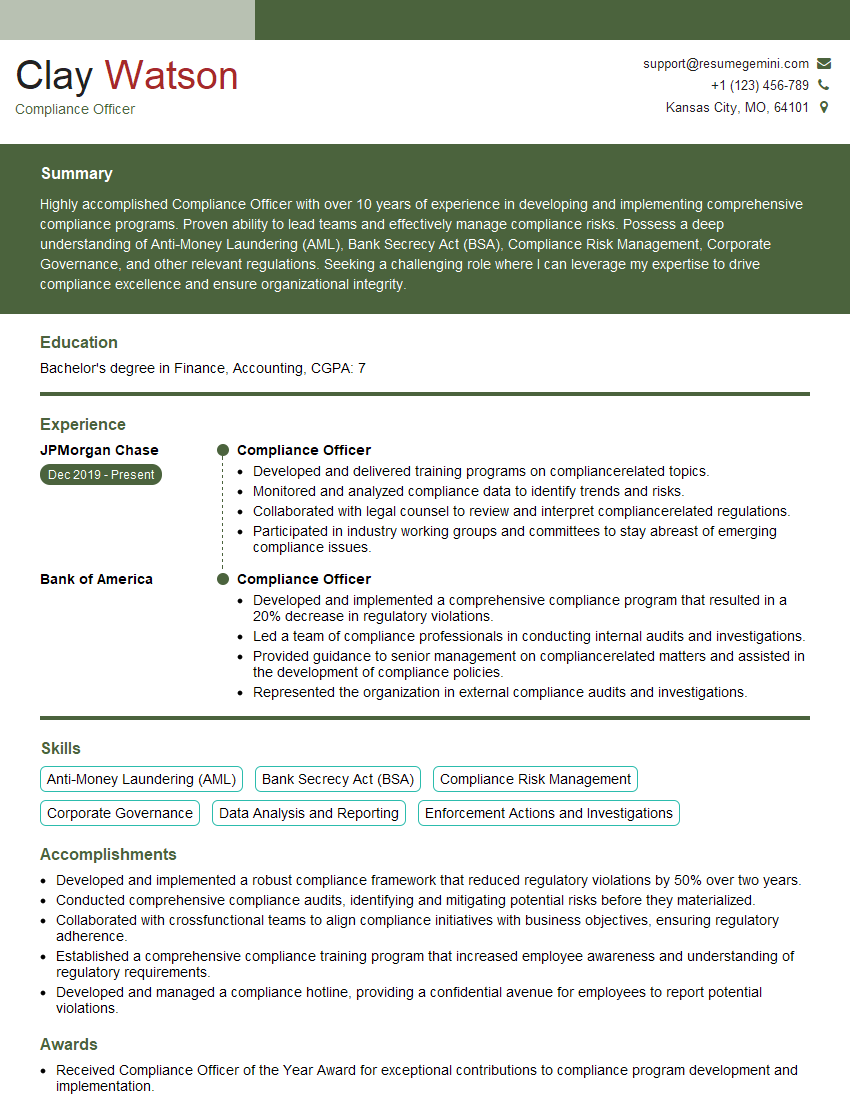
Compliance Officer Resume Sample
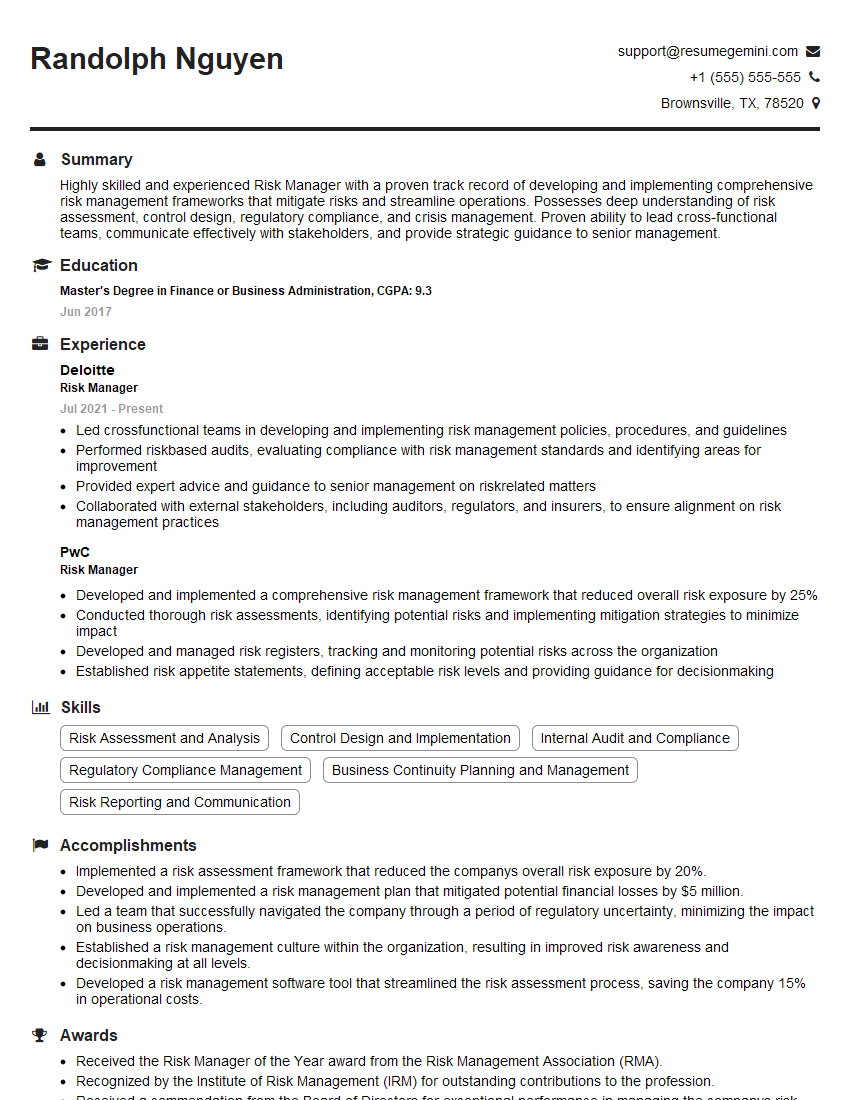
Risk Manager Resume Sample
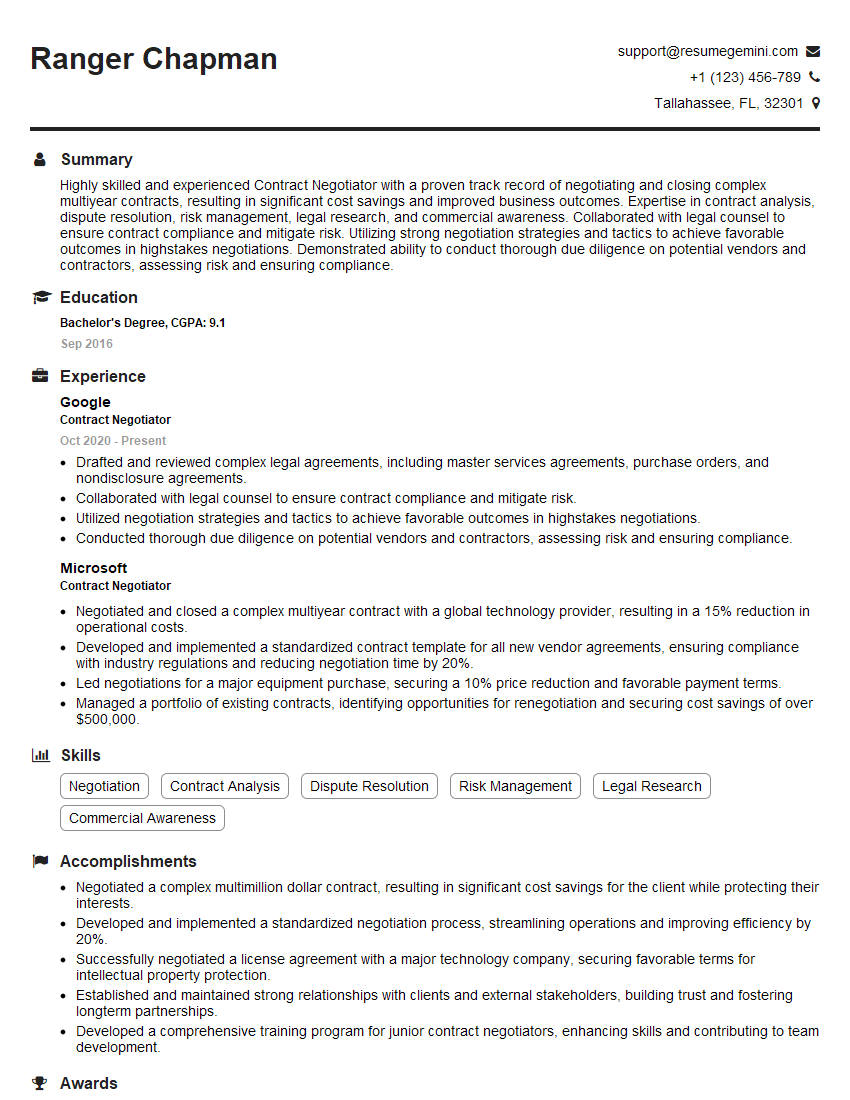
Contract Negotiator Resume Sample
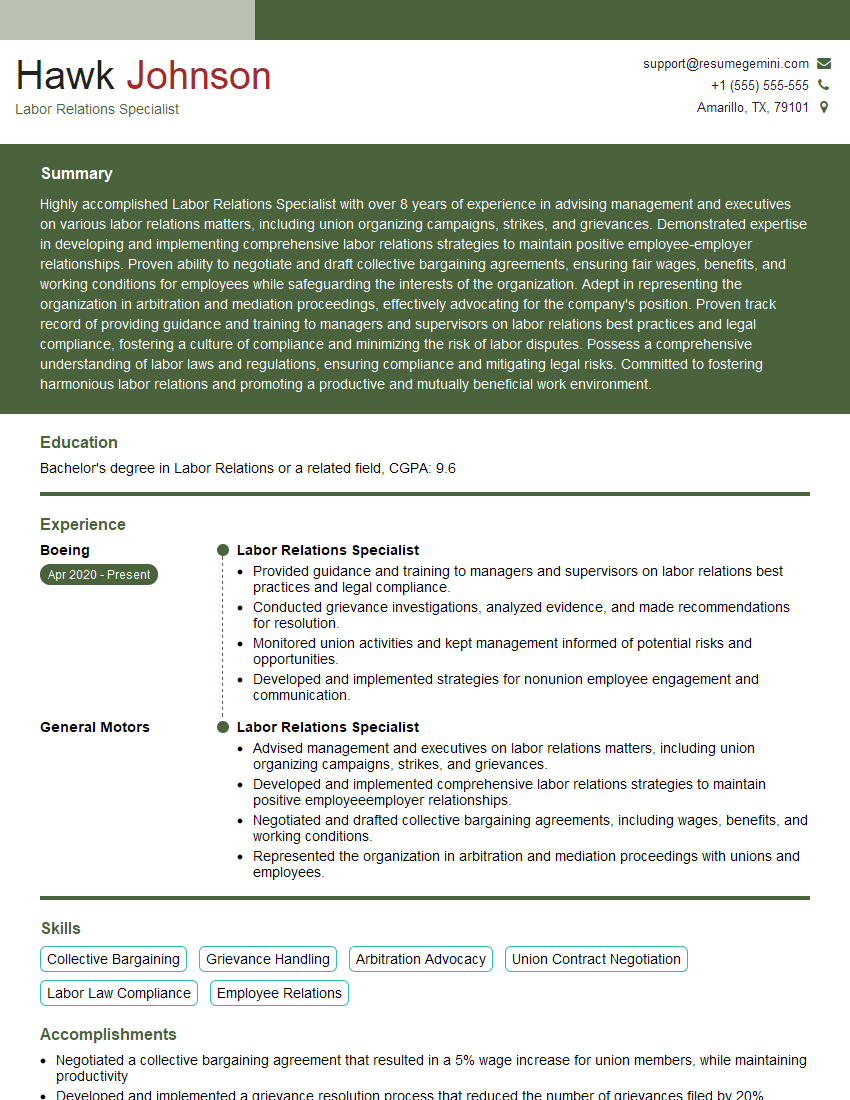
Labor Relations Specialist Resume Sample
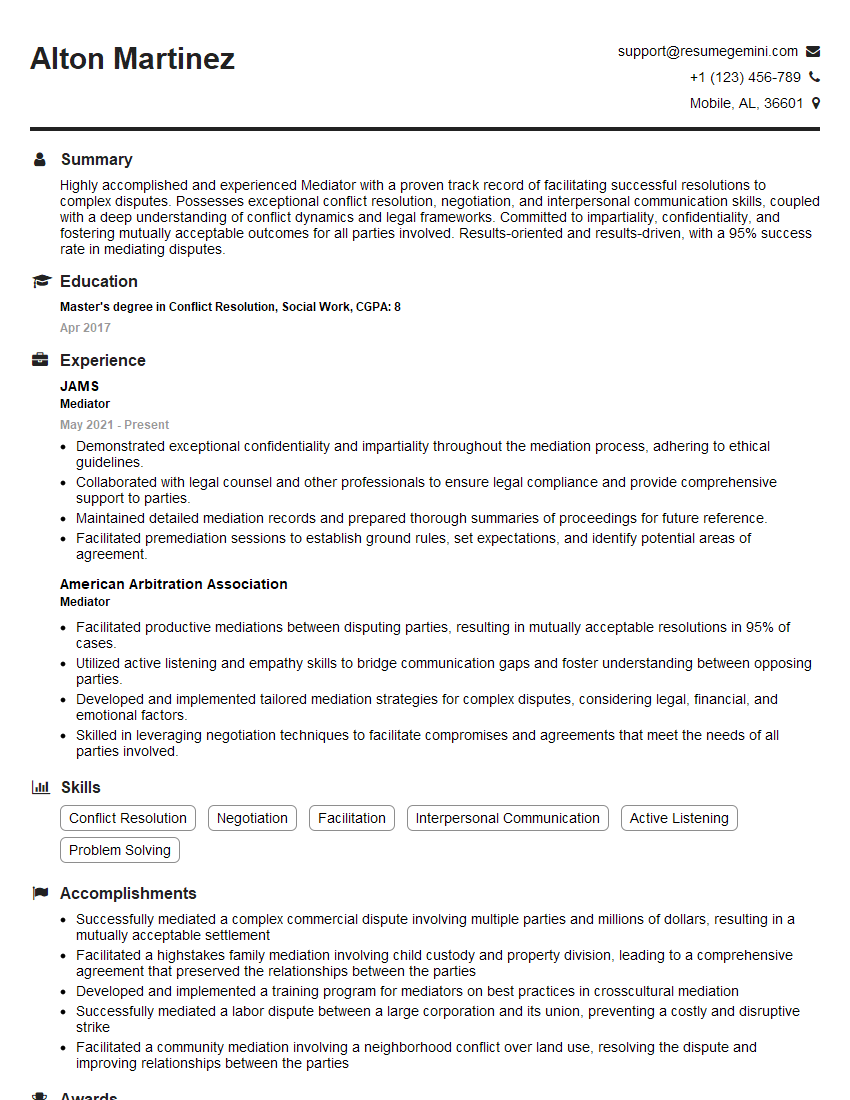
Mediator Resume Sample
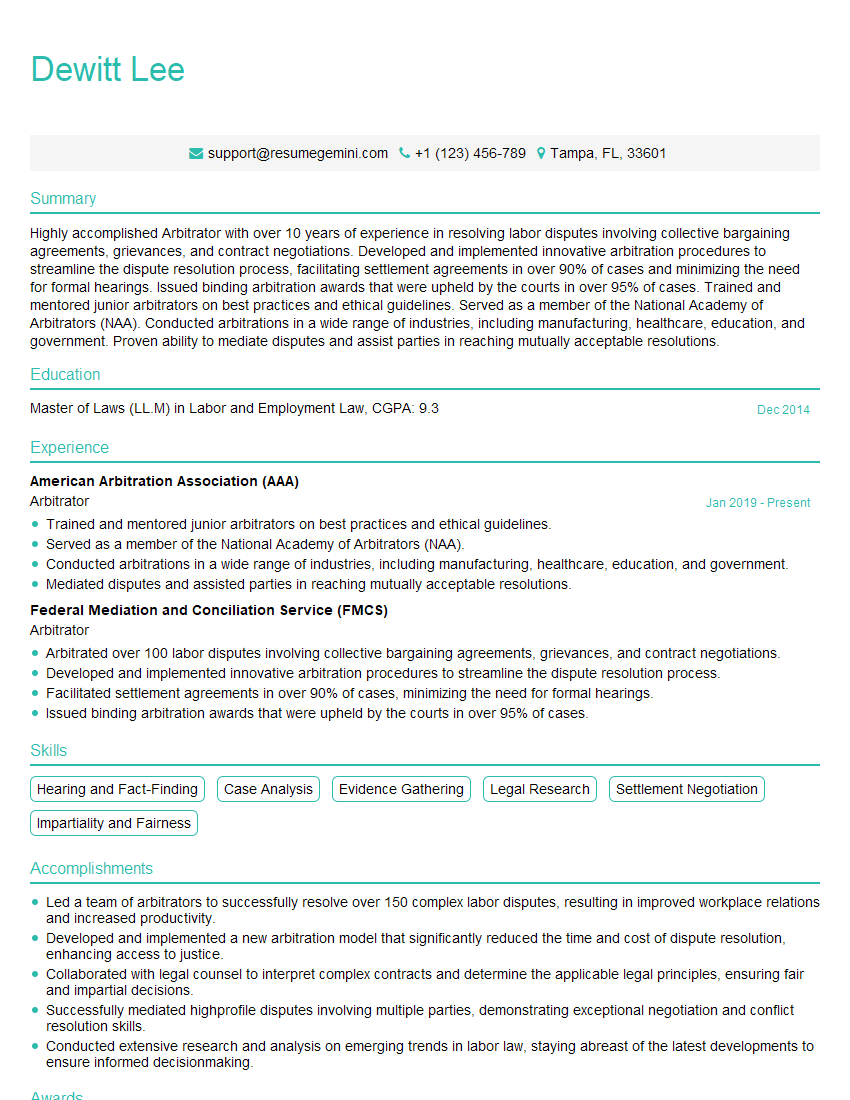
Arbitrator Resume Sample
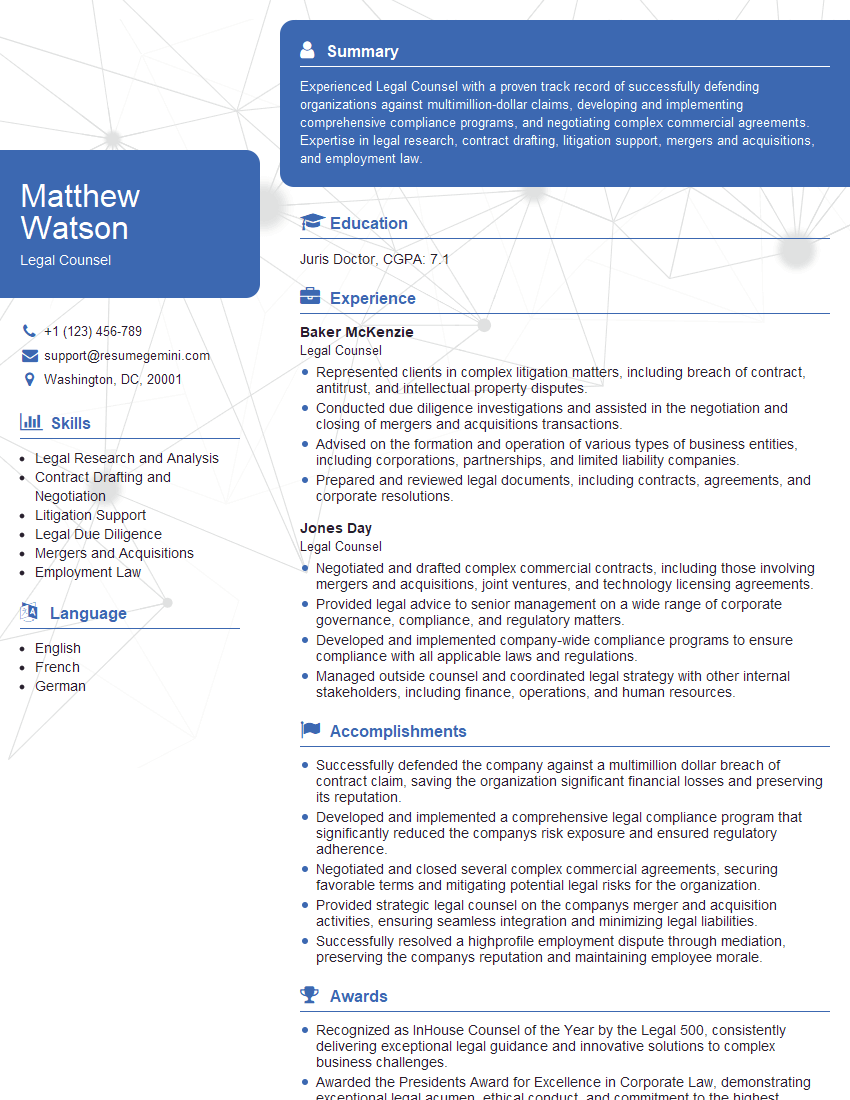
Legal Counsel Resume Sample
- Account Manager
- Marketing Manager
- Business Development Manager
- Sales Director
- Relationship Manager
- Procurement Manager
- Purchasing Manager
- Supply Chain Manager
- Human Resources Manager
- Project Manager
- Compliance Officer
- Risk Manager
- Contract Negotiator
- Labor Relations Specialist
- Mediator
- Arbitrator
- Legal Counsel
Explore more articles
Users Rating of Our Blogs
Share Your Experience
We value your feedback! Please rate our content and share your thoughts (optional).
What Readers Say About Our Blog
Amazing blog
hello,
Our consultant firm based in the USA and our client are interested in your products.
Could you provide your company brochure and respond from your official email id (if different from the current in use), so i can send you the client’s requirement.
Payment before production.
I await your answer.
Regards,
MrSmith
hello,
Our consultant firm based in the USA and our client are interested in your products.
Could you provide your company brochure and respond from your official email id (if different from the current in use), so i can send you the client’s requirement.
Payment before production.
I await your answer.
Regards,
MrSmith
These apartments are so amazing, posting them online would break the algorithm.
https://bit.ly/Lovely2BedsApartmentHudsonYards
Reach out at BENSON@LONDONFOSTER.COM and let’s get started!
Take a look at this stunning 2-bedroom apartment perfectly situated NYC’s coveted Hudson Yards!
https://bit.ly/Lovely2BedsApartmentHudsonYards
Live Rent Free!
https://bit.ly/LiveRentFREE
Interesting Article, I liked the depth of knowledge you’ve shared.
Helpful, thanks for sharing.
Hi, I represent a social media marketing agency and liked your blog
Hi, I represent an SEO company that specialises in getting you AI citations and higher rankings on Google. I’d like to offer you a 100% free SEO audit for your website. Would you be interested?