Feeling uncertain about what to expect in your upcoming interview? We’ve got you covered! This blog highlights the most important Nutrition Counseling Techniques interview questions and provides actionable advice to help you stand out as the ideal candidate. Let’s pave the way for your success.
Questions Asked in Nutrition Counseling Techniques Interview
Q 1. Explain the difference between a Registered Dietitian (RD) and a Certified Nutrition Specialist (CNS).
Both Registered Dietitians (RDs) and Certified Nutrition Specialists (CNSs) are qualified to provide nutrition counseling, but their paths to licensure and scope of practice differ. RDs are credentialed through the Academy of Nutrition and Dietetics, completing an accredited dietetics education program, supervised practice, and a national exam. Their scope of practice is broad, encompassing medical nutrition therapy, community health, and food service management. CNSs, on the other hand, are certified by the Board for Certification of Nutrition Specialists. They usually hold advanced degrees in nutrition and pass a rigorous exam focusing on scientific principles of nutrition. While CNSs often work in similar settings to RDs, their expertise is more focused on the scientific aspects of nutrition and may involve more research-based practice.
Think of it like this: an RD is a general practitioner of nutrition, while a CNS is a nutrition specialist, often with a deeper dive into research and specific areas like sports nutrition or functional medicine.
Q 2. Describe your experience using motivational interviewing techniques in nutrition counseling.
Motivational interviewing (MI) is a cornerstone of my counseling approach. I use it to guide clients toward self-discovery and commitment to dietary changes, rather than dictating a plan. For example, I recently worked with a client struggling with sugar cravings. Instead of telling her to cut out sugar entirely, I used open-ended questions like, “What are some things you’ve tried to manage your sugar cravings?” and “What are your thoughts and feelings about reducing your sugar intake?” This helped her identify her own barriers and create solutions she was invested in. I also used reflective listening – paraphrasing her responses to ensure I understood her perspective and validate her feelings – and summarized progress to build her confidence and commitment.
I also utilize the OARS framework within MI. Open-ended questions, affirmations, reflective listening, and summarizing all play critical roles in building a collaborative and empowering relationship with the client. By fostering self-efficacy, MI significantly improves long-term adherence to dietary recommendations.
Q 3. How do you assess a patient’s readiness for dietary change?
Assessing readiness for dietary change is crucial. I use a combination of tools and techniques, including questionnaires (like the Stages of Change model or a simple self-assessment scale), and open-ended discussions. I explore their perceived barriers and benefits related to change. For instance, a client might acknowledge the health benefits of eating more vegetables but express concerns about time constraints or cooking skills. Understanding their current level of motivation, self-efficacy, and perceived support is key. This assessment informs the pace and intensity of our work. If someone is in the precontemplation stage (not even thinking about change), my focus shifts to raising awareness and building motivation, rather than proposing detailed meal plans.
Q 4. What strategies do you use to address client resistance to dietary recommendations?
Client resistance is normal and expected. I address it using a collaborative, empathetic approach, again leveraging MI principles. For example, if a client resists reducing their red meat consumption, I might explore their reasons through gentle questioning, acknowledging their concerns, and highlighting potential compromises. Perhaps they could start by incorporating more plant-based meals gradually, instead of a drastic overnight change. I emphasize the importance of making sustainable, gradual changes that fit their lifestyle rather than imposing strict limitations. It’s about finding common ground and building a plan together. I might also use strategies like normalizing the experience of resistance, focusing on strengths, and reframing challenges as opportunities for growth.
Q 5. Outline the steps involved in developing a personalized nutrition plan for a client.
Developing a personalized nutrition plan is a multi-step process:
- Assessment: This involves a thorough review of their medical history, dietary habits, lifestyle, preferences, and goals. This might include a 24-hour dietary recall, food frequency questionnaire, and anthropometric measurements.
- Goal Setting: Collaborative goal setting ensures that the client is invested in the process. Realistic and achievable goals are crucial for success.
- Nutritional Analysis: Identifying dietary deficiencies or excesses based on the assessment. This is often done using nutrition software to create a detailed picture of their current nutrient intake.
- Plan Development: Creating a personalized plan that addresses specific needs and goals while considering their cultural background, lifestyle, and preferences. This could include specific meal plans, recipe ideas, and strategies for managing challenges.
- Implementation and Monitoring: Guiding the client in implementing the plan and monitoring their progress. Regular follow-up appointments provide ongoing support and adjustments as needed.
- Evaluation and Adjustment: Regularly evaluating progress and adapting the plan based on individual needs and responses. This could involve making changes to calorie goals, macronutrient ratios, or specific food choices.
Q 6. How do you incorporate cultural considerations into nutrition counseling?
Cultural considerations are paramount. I approach each client with cultural humility, recognizing my own biases and seeking to understand their unique background. This includes considering their food preferences, traditions, beliefs, and access to food. For instance, a vegetarian client from India might have different dietary restrictions and culinary traditions compared to a vegetarian client from the US. I avoid imposing my own cultural norms and instead collaborate with the client to integrate culturally appropriate foods and practices into their nutrition plan. I may also refer them to community resources and culturally competent healthcare providers if needed.
Q 7. Explain your understanding of the Health Belief Model and its application in nutrition counseling.
The Health Belief Model (HBM) is a framework for understanding health behaviors, emphasizing individual perceptions and beliefs. In nutrition counseling, I apply the HBM to understand what motivates a client to adopt healthy eating habits. The key components are: perceived susceptibility (their belief of their risk), perceived severity (how serious they see the consequences), perceived benefits (belief in the positive outcomes of change), perceived barriers (obstacles they anticipate), cues to action (triggers for change), and self-efficacy (their belief in their ability to make the change). For example, a client with high perceived susceptibility to heart disease due to family history, who perceives a strong benefit in lowering cholesterol, but faces barriers like lack of time and cooking skills, needs a tailored plan addressing those barriers and strengthening their self-efficacy.
Understanding these components allows me to address the client’s specific concerns, provide tailored support, and improve the likelihood of long-term adherence to dietary recommendations.
Q 8. Describe a situation where you had to modify a nutrition plan due to client feedback or unforeseen circumstances.
Adaptability is crucial in nutrition counseling. I recall a client, Sarah, initially following a vegan meal plan designed to manage her type 2 diabetes. While her blood sugar levels showed some improvement, she expressed feeling constantly fatigued and struggled with the restrictive nature of the plan. Her feedback highlighted the importance of considering individual preferences and limitations, not just the textbook approach. We modified her plan together, incorporating more easily accessible protein sources like lentils and tofu, along with a small portion of fish once a week to address her fatigue. This adjustment prioritized adherence while maintaining the focus on blood sugar control. We also explored alternative vegan protein sources that might better suit her lifestyle. The result was significantly improved compliance and better overall well-being.
Q 9. How do you handle conflicting information from different sources regarding a client’s health?
Conflicting information is a common challenge. My approach involves a systematic review of all sources, prioritizing peer-reviewed studies and evidence-based guidelines from reputable organizations like the Academy of Nutrition and Dietetics. I cross-reference information, noting the methodology and potential biases of each source. If discrepancies persist, I consult with other healthcare professionals involved in the client’s care—their physician, endocrinologist, etc.—to collaboratively reach a consensus informed by the client’s individual needs and their medical history. Transparency with the client is paramount; I explain the various viewpoints and my rationale for the chosen course of action.
Q 10. What are some common barriers to healthy eating, and how do you address them?
Many barriers hinder healthy eating. Common ones include:
- Time constraints: Busy schedules often leave little time for meal prepping or grocery shopping.
- Financial limitations: Healthy foods can be expensive, making access challenging for some.
- Lack of knowledge: Misconceptions about nutrition abound, hindering informed food choices.
- Taste preferences: People may simply not enjoy healthy options.
- Emotional eating: Using food to cope with stress or negative emotions.
- Providing practical tips for time-efficient meal planning and preparation.
- Exploring affordable healthy food options and resources like food banks or community gardens.
- Educating clients on accurate nutrition information and debunking myths.
- Collaboratively finding healthy substitutes they enjoy.
- Helping clients identify and manage emotional eating triggers through stress-reduction techniques and mindful eating practices.
Q 11. Describe your approach to educating clients about nutrition labels and food choices.
My approach to nutrition label education is hands-on. I encourage clients to read labels with me, explaining the meaning of serving sizes, calories, macronutrients (carbohydrates, fats, protein), and micronutrients (vitamins, minerals). I demonstrate how to calculate percentages of daily values and identify added sugars, unhealthy fats, and sodium. I emphasize understanding the relationship between labels and portion sizes. For example, we might compare similar products to highlight differences in nutritional content, guiding choices toward healthier options. I also teach them to be critical consumers, not solely relying on marketing claims but looking at the actual nutritional information provided. Practical exercises, such as comparing similar products in a grocery store, solidify their learning.
Q 12. How do you measure the effectiveness of your nutrition counseling interventions?
Measuring effectiveness involves a multi-faceted approach. I track changes in anthropometric measurements like weight, body mass index (BMI), and waist circumference. Biochemical markers, such as blood glucose levels, cholesterol, and blood pressure, provide valuable insights into metabolic health. However, these are just numbers. I also assess behavioral changes through self-monitoring tools like food diaries and questionnaires, evaluating improvements in adherence to the plan, increased physical activity, and overall lifestyle changes. Lastly, and critically, I regularly assess the client’s self-reported well-being, their satisfaction with the plan, and their perceived improvements in energy levels, mood, and overall quality of life.
Q 13. How do you build rapport and trust with clients?
Building rapport and trust is fundamental. I start by actively listening to the client’s concerns and goals, validating their feelings, and creating a safe, non-judgmental environment. I personalize the nutrition plan, considering their lifestyle, preferences, and cultural background. Transparency in my approach is vital – I clearly explain my rationale for recommendations and answer questions thoroughly. Regular check-ins and flexible adjustments to the plan demonstrate responsiveness to their needs and progress. Celebrating small successes along the way reinforces their commitment and builds confidence. Empathy and genuine care are key ingredients in nurturing a trusting relationship.
Q 14. Explain your experience with different dietary approaches (e.g., Mediterranean, DASH, keto).
I have extensive experience with various dietary approaches. The Mediterranean diet emphasizes whole grains, fruits, vegetables, legumes, nuts, and olive oil, minimizing red meat and processed foods; it’s beneficial for cardiovascular health. The DASH (Dietary Approaches to Stop Hypertension) diet similarly focuses on fruits, vegetables, and whole grains, reducing sodium intake to manage blood pressure. I have worked with clients using the ketogenic diet, which involves a very low carbohydrate, high-fat intake, though I carefully assess its suitability for individual health conditions. With each approach, I adapt the plan to the individual’s needs and preferences, making sure it is safe, sustainable, and effective for their specific health goals. I emphasize the importance of choosing a dietary pattern that aligns with one’s lifestyle, values, and cultural background for long-term success.
Q 15. Describe your understanding of the role of micronutrients in overall health.
Micronutrients, vitamins, and minerals, are essential for numerous bodily functions, even though needed in smaller amounts compared to macronutrients (carbohydrates, proteins, and fats). They act as catalysts and co-factors in metabolic processes, impacting everything from energy production to immune function and cell growth. A deficiency can lead to significant health problems.
- Vitamins: Vitamins like Vitamin D (crucial for calcium absorption and bone health), Vitamin B12 (essential for nerve function and red blood cell formation), and Vitamin C (an antioxidant supporting immune function) are examples. A deficiency in Vitamin D can lead to rickets in children or osteomalacia in adults.
- Minerals: Minerals such as iron (oxygen transport in the blood), calcium (bone health and muscle function), and zinc (immune function and wound healing) are equally critical. Iron deficiency can cause anemia, characterized by fatigue and weakness.
In my practice, I assess micronutrient status through dietary history, considering factors like age, gender, lifestyle, and medical conditions. I also utilize blood work when necessary to identify deficiencies and recommend appropriate dietary changes or supplementation where needed. For example, a vegan client might require a B12 supplement, as this vitamin is primarily found in animal products.
Career Expert Tips:
- Ace those interviews! Prepare effectively by reviewing the Top 50 Most Common Interview Questions on ResumeGemini.
- Navigate your job search with confidence! Explore a wide range of Career Tips on ResumeGemini. Learn about common challenges and recommendations to overcome them.
- Craft the perfect resume! Master the Art of Resume Writing with ResumeGemini’s guide. Showcase your unique qualifications and achievements effectively.
- Don’t miss out on holiday savings! Build your dream resume with ResumeGemini’s ATS optimized templates.
Q 16. How do you incorporate behavior change techniques into your nutrition counseling sessions?
Behavior change is central to successful nutrition counseling. I employ a combination of evidence-based techniques, tailoring my approach to each client’s individual needs and preferences.
- Goal Setting: We collaboratively establish SMART goals (Specific, Measurable, Achievable, Relevant, Time-bound). For instance, instead of ‘eat healthier,’ a goal might be ‘increase vegetable intake to at least 2 cups per day within 4 weeks.’
- Self-Monitoring: I encourage clients to track their food intake, using food diaries or apps, to increase awareness of their eating habits. This allows us to identify patterns and areas for improvement.
- Cognitive Restructuring: We address negative thoughts and beliefs about food, replacing them with healthier, more realistic ones. For example, a client who believes they ‘must’ have dessert after every meal could be guided to explore healthier dessert alternatives or to manage cravings.
- Stimulus Control: This involves modifying the environment to reduce exposure to tempting, unhealthy foods. For example, removing junk food from the house or avoiding certain restaurants.
- Social Support: I encourage clients to involve family and friends in their journey, creating a supportive environment. It can be as simple as having family members eat healthier meals alongside them.
- Relapse Prevention: We anticipate challenges and develop strategies to overcome them. For example, discussing ways to navigate social events without derailing progress.
The key is to create a collaborative partnership and empower clients to make sustainable lifestyle changes. I regularly check in to provide support and address any roadblocks they encounter.
Q 17. How do you handle clients who are struggling with emotional eating?
Emotional eating is a complex issue often stemming from underlying emotional distress. My approach is to address both the emotional and dietary aspects.
- Identify Triggers: We explore the situations, emotions, and thoughts that lead to emotional eating. Journaling can be a helpful tool for identifying these triggers.
- Develop Coping Mechanisms: Instead of turning to food for comfort, we identify alternative coping strategies like exercise, mindfulness, or talking to a therapist.
- Mindful Eating: This practice encourages paying attention to hunger and fullness cues, savoring food without distractions, and appreciating the sensory experience of eating.
- Stress Management: We explore stress reduction techniques like yoga, meditation, or deep breathing exercises, as chronic stress can exacerbate emotional eating.
- Self-Compassion: I emphasize self-compassion and understanding rather than self-criticism. Slip-ups are viewed as learning opportunities, not failures.
Often, I collaborate with therapists or other healthcare professionals to provide holistic support. It’s essential to address the root causes of emotional eating, not just the symptoms.
Q 18. Explain your experience working with clients who have specific medical conditions (e.g., diabetes, hypertension).
I have extensive experience working with clients managing chronic conditions like diabetes and hypertension. My approach is evidence-based and individualized.
- Diabetes: For clients with diabetes, I focus on carbohydrate counting, portion control, blood glucose monitoring, and meal planning to manage blood sugar levels effectively. I also educate them about healthy food choices and the impact of different foods on blood sugar.
- Hypertension: For those with hypertension, I emphasize a DASH (Dietary Approaches to Stop Hypertension) diet, rich in fruits, vegetables, whole grains, and low in sodium, saturated fat, and cholesterol. I help clients modify their diets to achieve and maintain a healthy weight and blood pressure.
In both cases, I work closely with the client’s physician or other healthcare providers to ensure a coordinated care plan. Collaboration is crucial to achieve optimal health outcomes. For example, I might work with a diabetes educator to develop a comprehensive meal plan for a client with type 2 diabetes, focusing on consistency in carbohydrate intake throughout the day to improve blood glucose control.
Q 19. Describe your understanding of food allergies and intolerances.
Food allergies and intolerances are distinct but can both cause significant digestive distress. A food allergy involves an immune system response, potentially life-threatening (anaphylaxis), whereas a food intolerance does not involve the immune system but may still cause discomfort.
- Allergies: Reactions can range from mild (rash, hives) to severe (anaphylaxis, requiring immediate medical attention). Accurate diagnosis is essential, usually involving allergy testing. Management involves strict avoidance of the allergen.
- Intolerances: These are often triggered by difficulty digesting certain foods (e.g., lactose intolerance). Symptoms can include bloating, gas, diarrhea, and abdominal pain. Management often involves eliminating or reducing the problematic food or using enzyme supplements (like lactase for lactose intolerance).
In my practice, I collaborate with allergists and other specialists to help clients manage these conditions. I help develop elimination diets and provide education on safe food handling and label reading to prevent accidental exposure. It is crucial to emphasize the importance of accurate diagnosis by a medical professional before making any dietary changes based on suspected allergies or intolerances.
Q 20. How do you address misinformation and myths about nutrition?
Nutrition misinformation is rampant. My approach involves providing evidence-based information and addressing myths directly.
- Identify Misconceptions: I start by identifying the specific myths the client believes. For example, ‘detox teas’ are not a legitimate way to improve health.
- Provide Evidence-Based Information: I explain the scientific basis for healthy eating guidelines using reliable sources such as peer-reviewed studies and reputable organizations (e.g., the Academy of Nutrition and Dietetics).
- Use Clear and Simple Language: I avoid jargon and explain complex concepts in a way that is easy for the client to understand, using analogies or relatable examples.
- Address Underlying Concerns: I try to understand the reasons behind the client’s belief in the misinformation. Often, people adopt these beliefs due to fear, lack of trust in conventional medicine, or social influence.
- Critical Evaluation Skills: I empower clients to become critical consumers of nutrition information by teaching them how to evaluate the credibility of sources.
It is important to approach this discussion with empathy and respect, acknowledging the client’s perspective, while clearly presenting accurate and evidence-based information.
Q 21. Explain your experience utilizing technology (apps, websites, etc.) in nutrition counseling.
Technology plays a significant role in modern nutrition counseling. I utilize various tools to enhance client engagement and tracking.
- Food Tracking Apps (e.g., MyFitnessPal, Lose It!): These apps help clients track their food intake, calories, and macronutrients. This data provides valuable insights into their eating patterns.
- Recipe Websites and Apps: I recommend trusted websites and apps offering healthy recipes tailored to clients’ dietary needs and preferences.
- Telehealth Platforms: Virtual consultations allow for convenient and accessible sessions, particularly beneficial for clients in remote areas or with mobility challenges.
- Educational Materials: I use online resources, videos, and infographics to supplement in-person sessions, providing clients with additional information and support. Interactive features such as quizzes and trackers can improve engagement.
While technology is a powerful tool, it’s essential to maintain a personal and human-centered approach. The technology should support, not replace, the therapeutic relationship.
Q 22. How do you maintain client confidentiality?
Client confidentiality is paramount in nutrition counseling. I adhere to strict ethical guidelines and legal regulations, such as HIPAA (Health Insurance Portability and Accountability Act) in the US, to protect sensitive client information. This means I never discuss client details with anyone outside of the professional team directly involved in their care, unless I have their explicit written consent.
My practice involves securely storing all client records, both physical and digital, using password-protected computers and encrypted storage systems. I also maintain a strict policy on disposing of any paperwork that contains personal information, ensuring it is shredded before discarding. Furthermore, I am transparent with clients about how their data is handled and stored, making sure they are fully informed and comfortable with my privacy protocols. Think of it like a bank – they take extensive measures to protect your financial information, and I take similar measures to protect my clients’ health information.
Q 23. Describe your approach to setting realistic goals with clients.
Setting realistic goals is crucial for client success and motivation. I start by collaboratively establishing a baseline through thorough assessments, including dietary intake analysis, lifestyle evaluations, and discussions of their health history and aspirations. I then work with the client to identify small, achievable steps that align with their individual circumstances and preferences. For example, instead of aiming for a drastic calorie deficit immediately, we might focus on incorporating one extra serving of vegetables per day or swapping sugary drinks for water. These small changes accumulate over time, creating sustainable progress and preventing burnout.
We regularly review and adjust goals based on their progress and feedback. This ensures the plan remains relevant, challenging, and attainable. Think of it like climbing a mountain – reaching the peak might seem daunting, but breaking it down into smaller stages makes the journey more manageable and rewarding.
Q 24. How do you document your client interactions and progress?
Thorough documentation is essential for effective client care and legal protection. I use a secure electronic health record (EHR) system to meticulously document all client interactions, including initial assessments, progress notes, dietary recommendations, and changes to the treatment plan. This includes detailed information about dietary intake, physical activity levels, progress towards goals, and any challenges encountered. I also record client feedback and our discussions regarding modifications to their plan. Each entry includes the date, time, and my professional signature or electronic equivalent.
This detailed documentation allows me to track progress, identify trends, make informed decisions, and ensures continuity of care if another professional needs to take over. It also serves as a crucial legal record in case of any disputes or claims.
Q 25. Explain your experience with different communication styles and how you adapt your approach accordingly.
Effective communication is the cornerstone of successful nutrition counseling. I’m adept at adapting my approach based on the individual client’s communication style. Some clients prefer a direct, factual approach; others may benefit from a more collaborative and empathetic style.
- For clients who are highly analytical, I use data-driven insights and evidence-based research to support my recommendations.
- For those who are more emotionally driven, I prioritize building rapport, creating a safe space for open dialogue, and addressing their concerns and emotional needs.
- Some clients prefer brevity and efficiency, while others need more time and explanation. I adjust the pacing and detail of my communication accordingly.
I also actively listen to my clients, paying close attention to their verbal and non-verbal cues, enabling me to adjust my approach to meet their individual needs. This ensures the counseling process is both informative and supportive.
Q 26. Describe your knowledge of current nutrition research and its implications for practice.
My knowledge of current nutrition research is constantly evolving. I regularly review peer-reviewed journals like the American Journal of Clinical Nutrition and The Journal of Nutrition, attending professional conferences, and actively participating in continuing education opportunities. Recent research on the gut microbiome’s impact on overall health, the benefits of personalized nutrition plans based on genetics, and the role of various dietary patterns in chronic disease prevention are all areas I consistently stay informed about.
For instance, current research highlights the importance of incorporating prebiotics and probiotics into the diet to support gut health. This informs my recommendations to clients, encouraging increased consumption of fermented foods and fiber-rich fruits and vegetables. I also use this knowledge to tailor recommendations, recognizing that individual needs and responses vary considerably. Staying up-to-date on research ensures my practice is evidence-based and yields optimal results for my clients.
Q 27. How do you stay up-to-date on the latest advancements in nutrition and dietetics?
Staying current in the rapidly evolving field of nutrition requires a multifaceted approach. I’m a member of the Academy of Nutrition and Dietetics, which provides access to continuing education resources, journals, and conferences. I actively participate in webinars, workshops, and online courses offered by reputable organizations, focusing on emerging research and best practices.
Furthermore, I subscribe to reputable nutrition newsletters and journals and follow leading experts in the field through professional social media platforms. This diverse approach ensures I am exposed to a broad spectrum of knowledge and perspectives, keeping my skills and understanding sharp and current.
Q 28. Describe a time you had to deal with a challenging client and how you overcame it.
I once worked with a client who was extremely resistant to change. Despite having a clear medical need to lose weight, they were highly skeptical of my recommendations and frequently missed appointments. Initially, I tried to directly address their resistance with factual information and evidence-based arguments. However, this approach only seemed to reinforce their defensiveness.
I then shifted my approach, focusing on building a strong therapeutic relationship. I actively listened to their concerns, acknowledging their feelings of frustration and skepticism. I reframed my recommendations, focusing on small, achievable goals that they felt comfortable with rather than overwhelming them with drastic changes. We spent more time discussing the reasons behind their resistance, identifying potential barriers, and developing strategies to overcome them together. By gradually fostering trust and collaboration, I was able to help them make meaningful and sustainable changes to their diet and lifestyle. The key was recognizing that sometimes building rapport and understanding is more important than immediately implementing a strict plan.
Key Topics to Learn for Nutrition Counseling Techniques Interview
- Motivational Interviewing: Understand the core principles and techniques of motivational interviewing, including open-ended questions, affirmations, reflective listening, and summarizing, and how to apply them in a nutrition counseling setting.
- Behavior Change Theories: Explore the practical applications of theories like the Health Belief Model, Transtheoretical Model (Stages of Change), and Social Cognitive Theory in developing effective nutrition plans and strategies. Practice applying these frameworks to real-world client scenarios.
- Dietary Assessment and Analysis: Master various methods of dietary assessment (24-hour recall, food frequency questionnaires, food records) and demonstrate your ability to analyze dietary data to identify nutritional deficiencies or excesses and recommend appropriate interventions.
- Setting Realistic Goals and Developing Action Plans: Learn how to collaboratively set achievable goals with clients, considering their individual circumstances, preferences, and cultural backgrounds. Practice creating personalized action plans that promote sustainable dietary changes.
- Cultural Competence and Sensitivity: Understand the importance of cultural humility and tailoring your counseling approach to meet the diverse needs of clients from various cultural backgrounds. Consider how cultural factors influence food choices and dietary practices.
- Communication and Interpersonal Skills: Develop strong communication skills to effectively build rapport with clients, actively listen to their concerns, and provide clear, concise, and empathetic guidance. Practice active listening and non-violent communication techniques.
- Addressing Barriers to Change: Learn to identify and address common barriers to behavior change, such as time constraints, lack of access to resources, and psychological factors. Develop strategies to overcome these barriers and support client adherence to their nutrition plans.
- Ethical Considerations in Nutrition Counseling: Understand and apply ethical principles, including confidentiality, informed consent, and professional boundaries, in your interactions with clients.
Next Steps
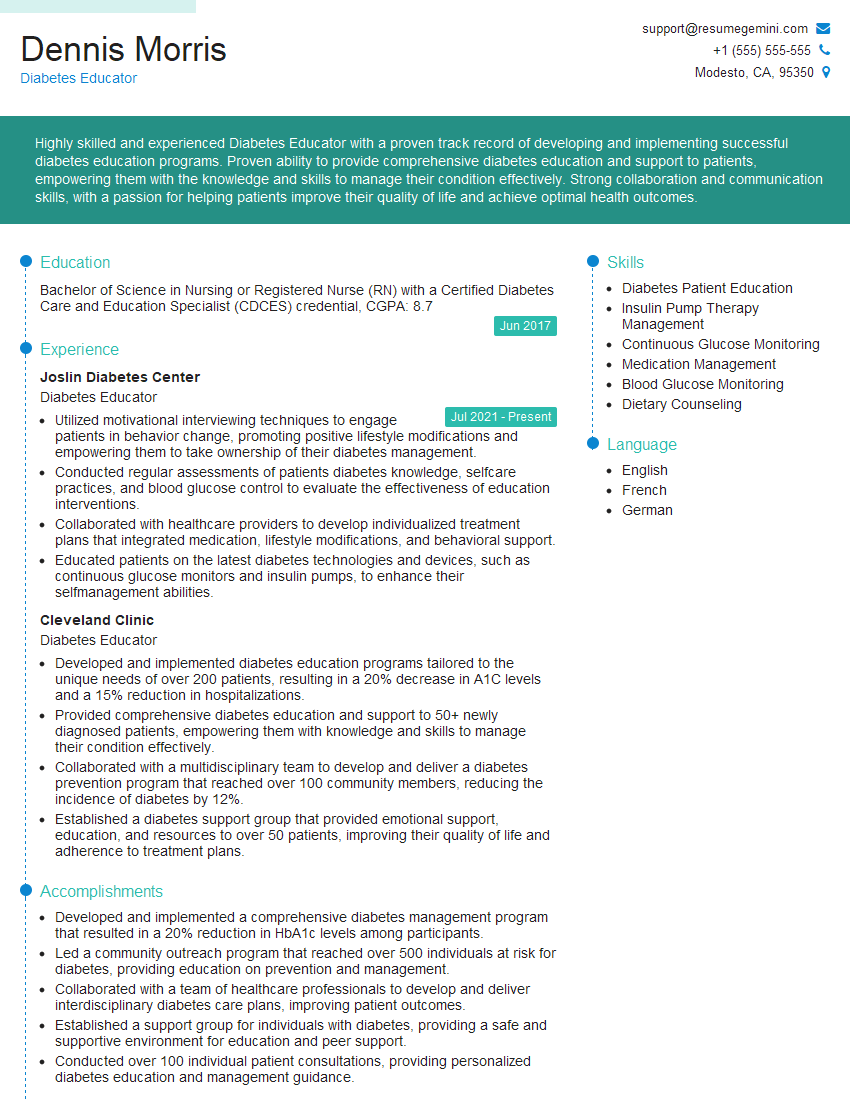
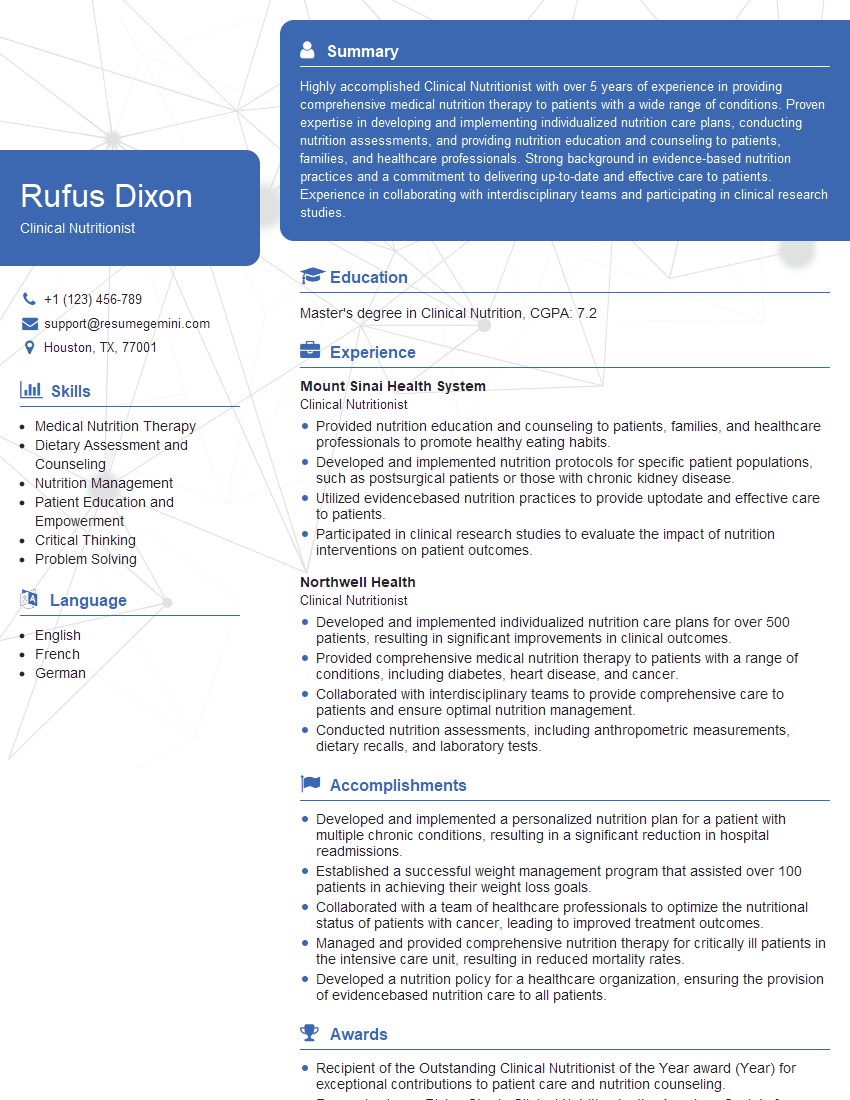
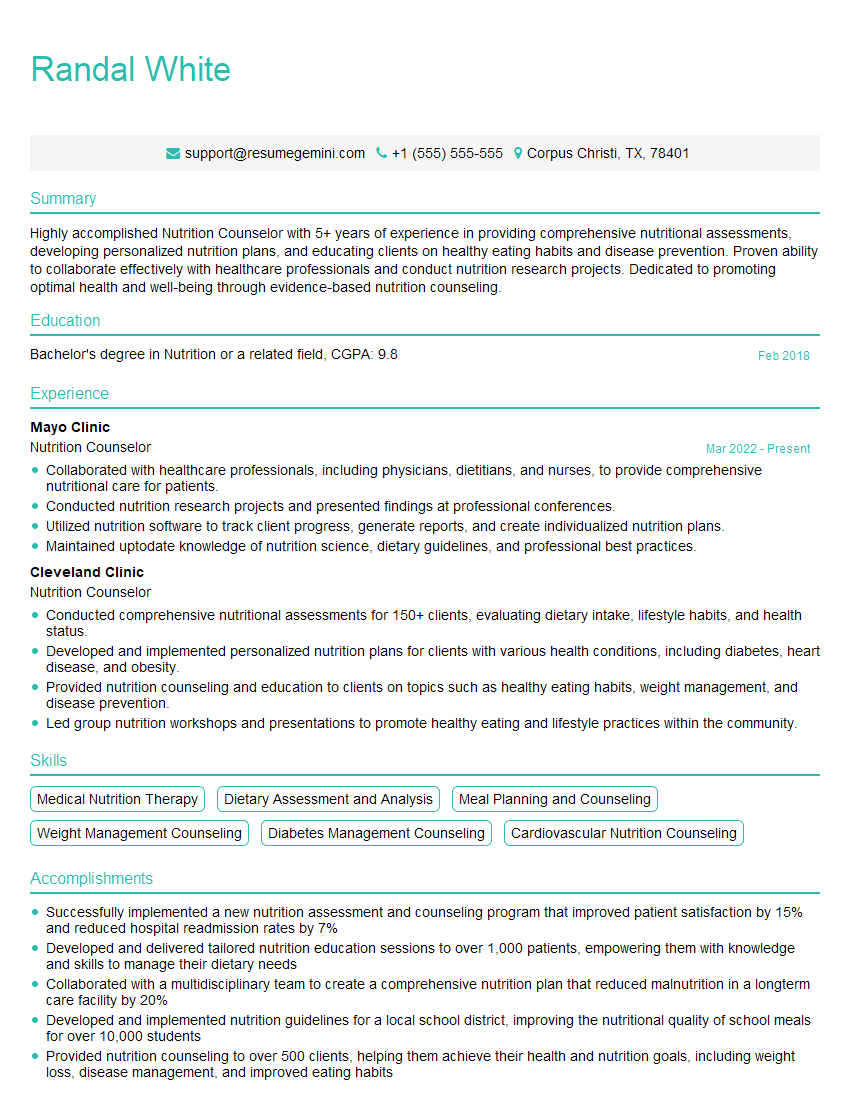
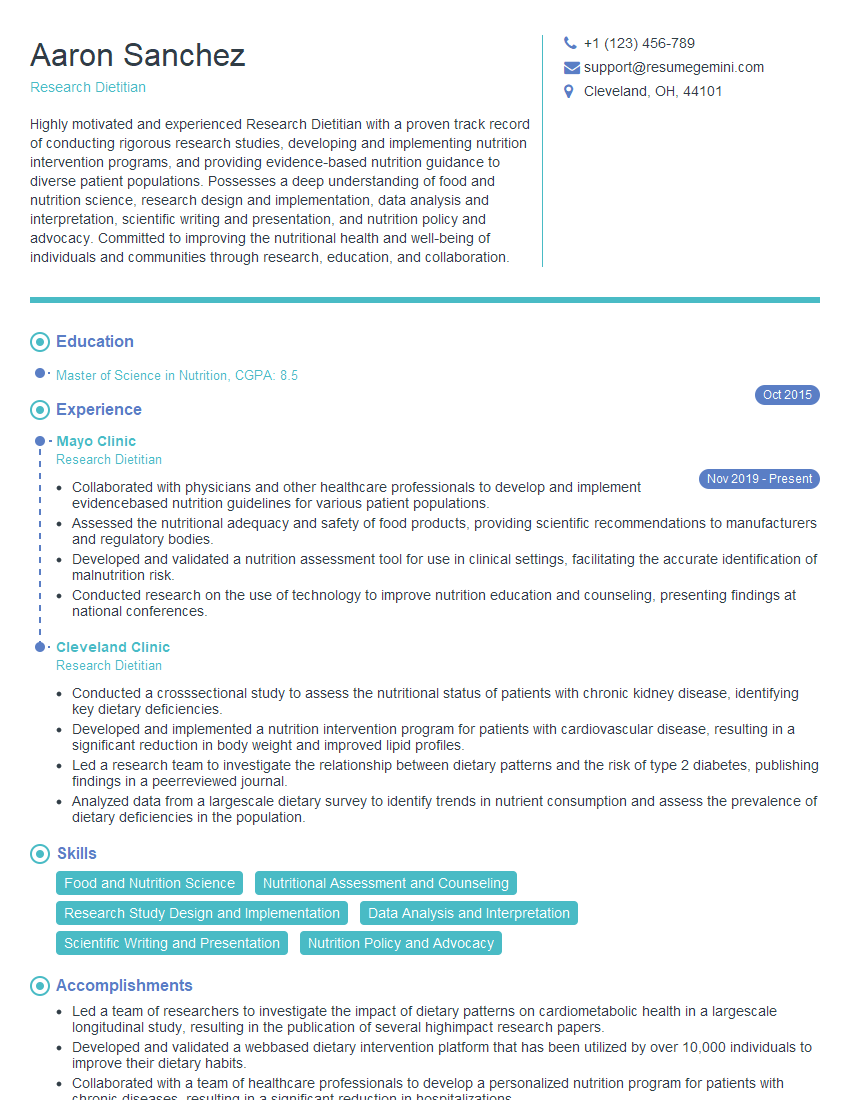
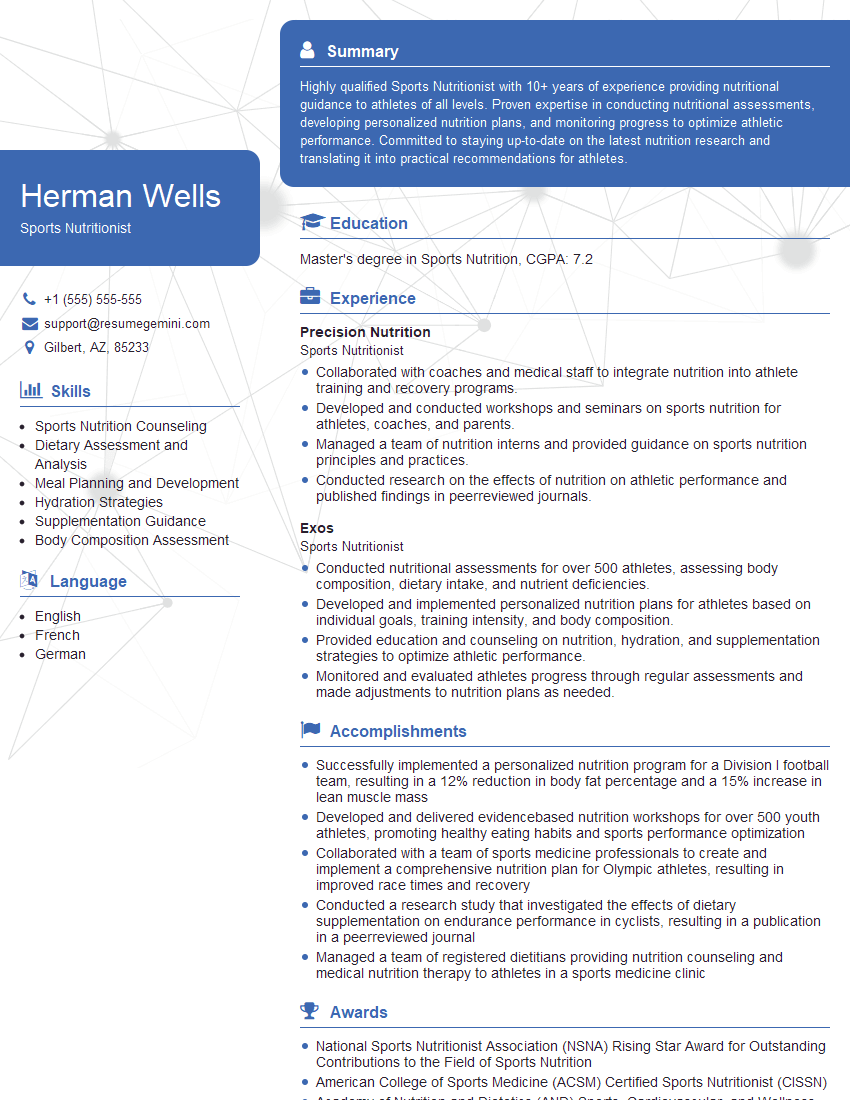
Mastering Nutrition Counseling Techniques is crucial for a successful and fulfilling career. It allows you to effectively impact clients’ health and well-being and demonstrate your expertise to potential employers. To significantly enhance your job prospects, creating an ATS-friendly resume is essential. ResumeGemini is a trusted resource that can help you build a professional and impactful resume tailored to highlight your skills and experience in Nutrition Counseling Techniques. Examples of resumes specifically designed for this field are available to guide you.
Explore more articles
Users Rating of Our Blogs
Share Your Experience
We value your feedback! Please rate our content and share your thoughts (optional).
What Readers Say About Our Blog
Amazing blog
hello,
Our consultant firm based in the USA and our client are interested in your products.
Could you provide your company brochure and respond from your official email id (if different from the current in use), so i can send you the client’s requirement.
Payment before production.
I await your answer.
Regards,
MrSmith
hello,
Our consultant firm based in the USA and our client are interested in your products.
Could you provide your company brochure and respond from your official email id (if different from the current in use), so i can send you the client’s requirement.
Payment before production.
I await your answer.
Regards,
MrSmith
These apartments are so amazing, posting them online would break the algorithm.
https://bit.ly/Lovely2BedsApartmentHudsonYards
Reach out at [email protected] and let’s get started!
Take a look at this stunning 2-bedroom apartment perfectly situated NYC’s coveted Hudson Yards!
https://bit.ly/Lovely2BedsApartmentHudsonYards
Live Rent Free!
https://bit.ly/LiveRentFREE
Interesting Article, I liked the depth of knowledge you’ve shared.
Helpful, thanks for sharing.
Hi, I represent a social media marketing agency and liked your blog
Hi, I represent an SEO company that specialises in getting you AI citations and higher rankings on Google. I’d like to offer you a 100% free SEO audit for your website. Would you be interested?