Feeling uncertain about what to expect in your upcoming interview? We’ve got you covered! This blog highlights the most important Nutrition Education and Interventions interview questions and provides actionable advice to help you stand out as the ideal candidate. Let’s pave the way for your success.
Questions Asked in Nutrition Education and Interventions Interview
Q 1. Explain the difference between macronutrients and micronutrients.
Macronutrients and micronutrients are both essential components of a healthy diet, but they differ significantly in the quantities needed and their roles in the body. Macronutrients are the energy-providing nutrients that we need in relatively large amounts. They include carbohydrates, proteins, and fats. These fuel our bodies and provide the building blocks for cells and tissues. Micronutrients, on the other hand, are vitamins and minerals, needed in smaller amounts but equally crucial for various bodily functions. They act as catalysts in metabolic processes and support the overall health and well-being of the body.
- Macronutrients: Think of these as the foundation of your house – you need a lot to build the structure.
- Micronutrients: These are like the finishing touches – paint, fixtures – needed in smaller quantities but vital for a complete and beautiful structure.
For example, carbohydrates provide immediate energy, proteins build and repair tissues, and fats are important for hormone production and insulation. Meanwhile, Vitamin C boosts immunity, and iron helps carry oxygen throughout the body. An imbalance in either macronutrients or micronutrients can lead to health problems.
Q 2. Describe the role of fiber in a healthy diet.
Fiber, a type of carbohydrate found in plants, plays a crucial role in maintaining a healthy digestive system and overall well-being. It’s often referred to as ‘roughage’ because it’s not digested by the body. Instead, it adds bulk to the stool, promoting regular bowel movements and preventing constipation. There are two main types: soluble and insoluble fiber.
- Soluble fiber dissolves in water, forming a gel-like substance that helps lower cholesterol and regulate blood sugar levels. Examples include oats, barley, apples, and beans.
- Insoluble fiber doesn’t dissolve in water and adds bulk to the stool, promoting regularity. Examples include wheat bran, vegetables, and whole grains.
Adequate fiber intake is also associated with a reduced risk of several chronic diseases, including heart disease, type 2 diabetes, and certain types of cancer. Think of fiber as a natural ‘cleaner’ for your digestive system, sweeping away waste products and preventing build-up.
Q 3. What are the dietary guidelines for Americans?
The Dietary Guidelines for Americans are a set of recommendations developed by the U.S. Department of Agriculture (USDA) and the Department of Health and Human Services (HHS) to promote health and prevent chronic disease through diet and physical activity. These guidelines are updated every five years and provide evidence-based advice for individuals aged two and older. Key recommendations usually include:
- Following a healthy eating pattern across the lifespan.
- Focusing on variety, nutrient density, and amount.
- Limiting added sugars, saturated fats, and sodium.
- Shifting to healthier food and beverage choices.
- Supporting healthy eating patterns for all.
The guidelines emphasize the importance of consuming a variety of nutrient-rich foods from all food groups, including fruits, vegetables, whole grains, lean proteins, and low-fat dairy. They also stress the need to limit unhealthy fats, added sugars, and sodium, as well as choosing appropriate portion sizes.
Q 4. How would you educate a patient about portion control?
Educating a patient about portion control involves a multi-faceted approach. It’s not just about restricting food intake but about building awareness of appropriate serving sizes and mindful eating habits. I’d start by:
- Visual aids: Using tools like MyPlate or measuring cups and spoons to demonstrate appropriate portion sizes.
- Hands-on demonstrations: Showing them how much a serving of various foods actually looks like, using their hands as a visual guide (e.g., a fist-sized serving of vegetables).
- Label reading: Teaching them to understand serving sizes listed on food labels and how that translates to their plate.
- Mindful eating techniques: Encouraging them to eat slowly, paying attention to hunger and fullness cues, and avoiding distractions while eating (like watching TV).
- Setting realistic goals: Gradually reducing portion sizes rather than making drastic changes overnight to avoid feelings of deprivation.
For instance, I might explain that a serving of meat is about the size of a deck of cards, and a serving of pasta is roughly the size of a tennis ball. This makes the concept more relatable and easier to implement.
Q 5. Explain the concept of MyPlate.
MyPlate is a visual guide designed by the USDA to help individuals make healthier food choices. It depicts a divided plate showing the recommended proportions of different food groups: fruits, vegetables, grains, protein foods, and dairy. The graphic emphasizes the importance of balance and variety in the diet. It’s a simple yet effective tool to promote healthy eating habits.
- Fruits and Vegetables: Occupy half the plate, promoting consumption of a wide range of colorful produce.
- Grains: Make up about one-quarter of the plate, with a focus on whole grains.
- Protein Foods: Compose the remaining quarter, including lean meats, poultry, seafood, beans, and nuts.
- Dairy: Is represented separately as a small glass, suggesting servings of low-fat or fat-free dairy products.
MyPlate helps individuals visualize a balanced meal, allowing them to easily adjust their food choices to meet their nutritional needs. It’s a user-friendly resource that aids in promoting healthy eating practices without being overly complicated.
Q 6. Describe the impact of sugar on health.
Excessive sugar consumption has significant negative impacts on health. Added sugars, found in processed foods, sugary drinks, and desserts, contribute to weight gain, increased risk of type 2 diabetes, heart disease, and other chronic health problems. Sugar provides empty calories, meaning it provides energy without essential nutrients.
- Weight Gain: Sugary foods and drinks are high in calories but lack essential nutrients, leading to weight gain and obesity.
- Type 2 Diabetes: Regular consumption of added sugar can lead to insulin resistance and increased risk of developing type 2 diabetes.
- Heart Disease: High sugar intake can contribute to high triglyceride levels, low HDL cholesterol, and high blood pressure, all risk factors for heart disease.
- Tooth Decay: Sugars feed bacteria in the mouth, leading to tooth decay and cavities.
It’s important to limit added sugar intake and choose whole, unprocessed foods instead. Reading food labels carefully and being mindful of hidden sugars in processed foods is crucial for managing sugar consumption effectively.
Q 7. What are some common nutrition-related misconceptions?
Many nutrition-related misconceptions can hinder individuals from making informed food choices. Some common ones include:
- All fats are bad: While saturated and trans fats should be limited, unsaturated fats (like those found in olive oil and avocados) are essential for health.
- Detox diets are necessary: The body has its own natural detoxification system; specialized diets are unnecessary and can even be harmful.
- Carbs are the enemy: While refined carbohydrates should be limited, complex carbohydrates (like whole grains and vegetables) are crucial for energy and fiber.
- Gluten-free is always healthier: Gluten-free diets are necessary only for individuals with celiac disease or gluten sensitivity; otherwise, they may lack essential nutrients.
- Organic food is always superior: While organic food may have some benefits, it’s not always nutritionally superior to conventionally grown food.
Addressing these misconceptions through accurate education is critical in helping individuals make healthy and informed food choices. Providing evidence-based information and debunking myths is crucial for effective nutrition interventions.
Q 8. How do you address dietary restrictions and allergies?
Addressing dietary restrictions and allergies requires a multifaceted approach prioritizing safety and individual needs. It begins with a thorough assessment, using questionnaires and direct conversation to identify all allergies, intolerances, and restrictions (e.g., religious, ethical, or medical). This includes understanding the severity of each restriction – a peanut allergy is vastly different from a preference for avoiding red meat.
Next, I create personalized meal plans and recommendations that entirely avoid the identified allergens. For example, a client with celiac disease would receive gluten-free recipes and guidance on reading food labels. For those with less severe restrictions, like lactose intolerance, I’d explain how to substitute dairy products or find low-lactose alternatives.
Ongoing communication is vital. I empower clients with the knowledge to make informed choices by teaching them how to identify hidden allergens or understand ingredient lists. This includes creating safe-eating strategies for social events or dining out. Regular check-ins allow me to adapt the plan as needed, addressing any challenges or changes in their dietary needs.
Q 9. What strategies do you use to motivate individuals to adopt healthy eating habits?
Motivating individuals to adopt healthy eating habits is about fostering a positive and sustainable relationship with food, not about strict diets. I employ several strategies focusing on behavior change, building self-efficacy, and promoting long-term success.
- Setting realistic, achievable goals: Instead of aiming for drastic changes overnight, we work towards small, incremental improvements. For instance, adding one serving of fruits and vegetables per day is a more manageable goal than a complete diet overhaul.
- Personalized approach: I consider individual preferences, lifestyles, and cultural background when crafting a plan. Encouraging the incorporation of familiar foods makes the process less daunting.
- Skill-building: I teach practical cooking skills and provide resources on meal prepping and healthy grocery shopping. This equips clients with the tools for long-term success.
- Positive reinforcement and support: Regular check-ins provide encouragement and address challenges. Celebrating successes, no matter how small, boosts motivation and self-efficacy.
- Mindful eating techniques: Practicing mindful eating promotes awareness of hunger and fullness cues, improving eating habits.
For example, I helped a client who initially struggled with portion control by teaching them about plate sizes and mindful eating practices. Over time, this led to significant improvements in their relationship with food and their weight.
Q 10. Explain the importance of hydration.
Hydration is crucial for virtually every bodily function. Water is not just a thirst quencher; it’s essential for regulating body temperature, transporting nutrients, flushing out waste products, and maintaining healthy organ function.
Dehydration, even mild, can lead to fatigue, headaches, decreased cognitive function, and reduced physical performance. Severe dehydration can have serious health consequences. For athletes, adequate hydration is critical for performance and preventing heat-related illnesses.
I emphasize the importance of drinking water consistently throughout the day. I advise clients to carry water bottles, drink before they feel thirsty and pay attention to urine color as an indicator of hydration status (pale yellow is ideal). I also discuss the benefits of water-rich foods like fruits and vegetables to contribute to overall fluid intake.
Q 11. Discuss the role of nutrition in disease prevention.
Nutrition plays a pivotal role in disease prevention. A well-balanced diet rich in fruits, vegetables, whole grains, lean proteins, and healthy fats significantly reduces the risk of chronic diseases like heart disease, type 2 diabetes, some types of cancer, and obesity.
For example, diets high in fiber can lower cholesterol levels, reducing the risk of cardiovascular disease. A diet abundant in antioxidants from fruits and vegetables can protect cells from damage, lowering the risk of certain cancers. Maintaining a healthy weight through proper nutrition significantly reduces the risk of developing type 2 diabetes and other metabolic disorders.
Conversely, diets high in processed foods, saturated fats, trans fats, added sugars, and sodium increase the risk of these diseases. My role involves educating clients about these connections, providing guidance on making healthy food choices, and helping them adopt lifestyle changes that support overall health and disease prevention.
Q 12. How would you counsel a client on weight management?
Counseling a client on weight management isn’t about quick fixes; it’s a collaborative process focused on sustainable lifestyle changes. It starts with a comprehensive assessment including their medical history, current diet, activity level, and weight management goals. I avoid restrictive diets, instead focusing on balanced nutrition and gradual adjustments.
We collaboratively set realistic weight loss goals – typically 1-2 pounds per week. I help them track their food intake and physical activity, not to restrict but to increase self-awareness. We discuss portion control, mindful eating, and healthy snacking options. We also incorporate regular physical activity, emphasizing activities they enjoy to promote adherence.
Regular check-ins allow for adjustments to the plan based on progress and challenges. I provide ongoing support and encouragement to build self-efficacy and confidence in managing their weight effectively. The focus is on long-term lifestyle changes rather than short-term weight loss.
Q 13. Describe your experience developing nutrition education materials.
I have extensive experience developing nutrition education materials tailored to diverse audiences. My approach emphasizes clarity, accuracy, and engagement. I’ve created materials ranging from simple handouts and brochures to interactive workshops and online courses.
For example, I developed a series of visually appealing brochures on healthy eating for low-income families, incorporating culturally relevant recipes and budgeting tips. For a corporate wellness program, I designed interactive workshops on stress management and healthy eating that included practical cooking demonstrations. I also created an online course using videos, quizzes, and interactive elements to educate people about diabetes management through nutrition.
In all my work, I ensure information is evidence-based, easy to understand, and culturally appropriate. I use visuals, storytelling, and interactive elements to make the materials engaging and memorable, focusing on practical application and behavior change.
Q 14. How would you assess a patient’s nutritional needs?
Assessing a patient’s nutritional needs is a multi-step process requiring a holistic approach. It begins with a thorough dietary assessment, using methods like 24-hour dietary recalls, food frequency questionnaires, or food records to understand their current eating patterns. This provides insights into their nutrient intake, portion sizes, and food choices.
Next, I conduct a comprehensive medical history review, looking at any medical conditions, medications, and allergies that might impact their nutritional needs. I may also use anthropometric measurements (height, weight, BMI) and biochemical indicators (blood tests) to assess their nutritional status. This may include checking for deficiencies in vitamins and minerals.
Finally, I conduct a lifestyle assessment, considering factors like activity level, socioeconomic status, and cultural practices, which profoundly influence dietary choices and nutritional needs. By integrating all this information, I can create an individualized nutrition plan that addresses their specific needs and supports their overall health and well-being.
Q 15. What are the key indicators of malnutrition?
Malnutrition encompasses both undernutrition and overnutrition, indicating an imbalance of nutrients impacting health. Key indicators vary depending on the type and severity, but common signs include:
- Undernutrition: Low weight-for-height (wasting), low height-for-age (stunting), low weight-for-age, visible muscle wasting, edema (swelling), fatigue, impaired immunity, and delayed development in children.
- Overnutrition: High weight-for-height (obesity), elevated BMI, high blood pressure, high cholesterol, type 2 diabetes, and increased risk of heart disease.
Practical Application: In a clinical setting, I’d use anthropometric measurements (weight, height, BMI) and biochemical indicators (blood tests for albumin, hemoglobin) to assess malnutrition. For example, a child with severely low weight-for-height and edema strongly suggests severe undernutrition requiring immediate intervention. Similarly, an adult with a BMI over 30, coupled with high blood pressure and cholesterol, points to overnutrition and associated health risks.
Career Expert Tips:
- Ace those interviews! Prepare effectively by reviewing the Top 50 Most Common Interview Questions on ResumeGemini.
- Navigate your job search with confidence! Explore a wide range of Career Tips on ResumeGemini. Learn about common challenges and recommendations to overcome them.
- Craft the perfect resume! Master the Art of Resume Writing with ResumeGemini’s guide. Showcase your unique qualifications and achievements effectively.
- Don’t miss out on holiday savings! Build your dream resume with ResumeGemini’s ATS optimized templates.
Q 16. Explain the concept of food insecurity.
Food insecurity is a state where access to adequate food is limited by a lack of resources, either financial or physical. It’s not simply about hunger; it encompasses the uncertainty of having enough food, the quality of that food, and the ability to acquire it consistently. Food insecurity can lead to malnutrition, impacting physical and mental health, especially in vulnerable populations like children and the elderly.
Types: Food insecurity ranges from mild to severe. Mild insecurity may involve reducing food quality or quantity, while severe insecurity implies skipping meals or experiencing chronic hunger.
Real-world Example: I worked with a community facing high unemployment rates. Many families experienced food insecurity due to limited income, relying on food banks and struggling to provide nutritious meals for their children. This created a cycle of poor health and educational setbacks.
Q 17. How do you tailor nutrition education to different age groups?
Tailoring nutrition education is crucial for effective impact. I adjust my approach based on the age group’s developmental stage, cognitive abilities, and learning styles:
- Children (Preschool – Elementary): I use interactive games, storytelling, and hands-on activities to teach about healthy eating habits. Visual aids like colorful charts and puppets are particularly effective.
- Adolescents: Peer education, social media campaigns, and discussions about body image and nutrition can be very engaging. Focusing on sports performance and energy levels is often motivating.
- Adults: I employ interactive workshops, cooking demonstrations, and personalized dietary plans tailored to their health conditions and lifestyle. Group discussions and addressing their concerns directly are important.
- Older Adults: Considerations for age-related changes in metabolism and nutrient absorption are critical. I focus on practical strategies for maintaining bone health, managing chronic diseases, and improving digestion. Simplified recipes and accessible information are key.
Example: While teaching preschoolers about fruits and vegetables, I’d use a puppet show to make the lesson fun and memorable. With adults managing diabetes, I’d focus on carbohydrate counting and portion control, using personalized meal plans.
Q 18. Describe your experience working with diverse populations.
I have extensive experience working with diverse populations, including low-income families, ethnic minorities, and individuals with various cultural backgrounds and health conditions. Understanding cultural food preferences and practices is essential for creating culturally sensitive and effective interventions.
Example: While working with a predominantly Latino community, I adapted my nutrition education materials to reflect their cultural food habits, utilizing familiar ingredients and cooking methods. I also learned about their beliefs regarding certain foods and incorporated that knowledge into my approach.
Addressing Language Barriers: For populations with limited English proficiency, I collaborate with bilingual health educators or utilize translated materials.
Q 19. How do you handle client resistance to dietary changes?
Client resistance is common, often stemming from deeply ingrained habits, beliefs, or perceived barriers. Addressing resistance requires a collaborative and empathetic approach:
- Active Listening: Understanding the client’s concerns, values, and motivations is critical.
- Motivational Interviewing: This technique helps clients explore their ambivalence towards change, setting their own goals and empowering them to make decisions.
- Setting Realistic Goals: Small, achievable changes are more sustainable than drastic overhauls.
- Addressing Barriers: Identifying and addressing practical obstacles like time constraints, cost, or access to healthy food is crucial.
- Celebrating Successes: Acknowledging and reinforcing even small wins can build confidence and motivation.
Example: A client resistant to reducing sugar intake might be helped by gradually decreasing it over time instead of abruptly eliminating it. Addressing potential cravings and suggesting healthy alternatives are vital.
Q 20. What methods do you use to evaluate the effectiveness of your nutrition interventions?
Evaluating the effectiveness of nutrition interventions is crucial. I use a variety of methods, both quantitative and qualitative:
- Pre- and Post-Intervention Assessments: Measuring changes in anthropometric measurements (weight, BMI), biochemical indicators (blood glucose, cholesterol), and dietary intake using questionnaires or food diaries.
- Surveys and Questionnaires: Assessing changes in knowledge, attitudes, and behaviors related to nutrition.
- Focus Groups and Interviews: Gathering qualitative data to understand clients’ experiences and perspectives.
- Outcome Measures: Tracking changes in health-related outcomes, such as blood pressure, HbA1c levels, or disease management.
Example: In a weight-loss program, I would assess participants’ weight, BMI, and dietary habits at the beginning and end of the program, alongside their reported levels of physical activity. Focus groups would provide additional insights.
Q 21. How do you incorporate technology into your nutrition education programs?
Technology significantly enhances nutrition education. I utilize various tools:
- Mobile Apps: Providing access to personalized dietary plans, recipe databases, and exercise tracking tools.
- Websites and Online Resources: Sharing educational materials, videos, and interactive tools.
- Telehealth: Conducting virtual consultations, providing remote support, and reaching clients in geographically remote areas.
- Social Media: Engaging with clients through social media platforms to share information and support.
Example: I created a user-friendly website with recipes, videos, and educational articles on healthy eating, making information readily available. I also use a telehealth platform for remote consultations, extending my reach to those who lack transportation.
Q 22. What are some evidence-based strategies for improving dietary intake?
Improving dietary intake requires a multi-faceted approach, going beyond simply telling people what to eat. Evidence-based strategies focus on behavior change and address the environmental and social factors influencing food choices.
Educational Interventions: These involve providing clear, concise information about nutrition, portion sizes, and healthy food choices. For example, using visual aids like MyPlate to illustrate recommended proportions of food groups is highly effective. Workshops and cooking demonstrations can further empower individuals with practical skills.
Counseling and Behavioral Therapy: Cognitive Behavioral Therapy (CBT) techniques are invaluable in addressing ingrained habits and emotional eating. Setting realistic, achievable goals, identifying triggers, and developing coping mechanisms are key components. For instance, working with a client to replace mindless snacking with planned healthy alternatives.
Environmental Modifications: Making healthy food readily accessible and less convenient to choose unhealthy options significantly influences choices. This could involve stocking the pantry with whole grains and fruits instead of processed foods, or choosing a grocery store with a wide selection of fresh produce.
Policy and Systems Changes: Policies promoting healthier food choices in schools, workplaces, and communities play a crucial role in population-level improvements. Examples include implementing nutrition standards in school meals or encouraging healthier food options in vending machines.
Social Support: Involving family and friends in healthy eating plans, creating support groups, or joining online communities with shared goals can provide motivation and accountability.
The most successful strategies often combine several of these approaches, tailoring the intervention to the specific needs and context of the individual or community.
Q 23. Describe your experience with community-based nutrition programs.
I have extensive experience working on community-based nutrition programs, particularly focusing on underserved populations. In one program, I designed and implemented a nutrition education series for low-income families, focusing on budget-friendly, healthy meal planning. We used a participatory approach, incorporating community input and traditional recipes to ensure cultural relevance and acceptability. The program included hands-on cooking classes, grocery store tours highlighting affordable healthy options, and follow-up support groups. We tracked outcomes using pre- and post-intervention surveys, measuring changes in dietary habits and knowledge. The results showed significant improvements in fruit and vegetable consumption and a better understanding of healthy eating principles. In another program, I worked with a local health clinic to develop a weight management program for adults with type 2 diabetes. This involved collaborating with physicians, nurses, and diabetes educators to create a holistic program that included nutrition counseling, physical activity guidance, and medication management support.
Q 24. How would you address ethical dilemmas related to nutrition counseling?
Ethical dilemmas in nutrition counseling can arise in several areas. For instance, a client may disclose information about their eating disorder that you are not qualified to address, requiring appropriate referral. Another scenario is a client’s unwillingness to make necessary lifestyle changes, potentially due to cultural or personal beliefs that conflict with recommended dietary guidelines. In such situations, it is crucial to:
Maintain Client Autonomy: Respect the client’s right to make their own decisions, even if those decisions differ from your recommendations. The focus should be on providing evidence-based information and empowering the client to choose.
Ensure Confidentiality: Protect client information per HIPAA guidelines and professional codes of conduct. Only share information with other healthcare professionals involved in their care with informed consent.
Manage Conflicts of Interest: Avoid recommending products or services that provide personal financial gain. Be transparent about any potential conflicts.
Seek Supervision or Consultation: When faced with complex ethical challenges or uncertainty, consult with colleagues, supervisors, or ethics committees for guidance.
Prioritize Non-Maleficence and Beneficence: Always act in the client’s best interests, avoiding harm while striving to provide benefit.
Addressing these dilemmas ethically requires careful consideration of professional guidelines and a commitment to upholding client well-being and autonomy.
Q 25. Explain the role of nutrition in athletic performance.
Nutrition plays a critical role in athletic performance, impacting energy levels, muscle growth, recovery, and overall health. The specific nutritional needs vary greatly depending on the type of sport, training intensity, and individual characteristics.
Carbohydrates: Provide the primary source of energy for muscle contraction. Athletes need adequate carbohydrate intake to fuel training and competition, avoiding depletion that can lead to fatigue.
Proteins: Essential for muscle repair and growth. Athletes, particularly those involved in strength training, require higher protein intakes to support muscle protein synthesis.
Fats: Provide a concentrated source of energy and are important for hormone production and nutrient absorption. Healthy fats are crucial for overall health and athletic performance.
Hydration: Maintaining adequate hydration is critical for optimal performance and preventing dehydration-related issues. Electrolyte balance is also important, especially during prolonged or intense exercise.
Micronutrients: Vitamins and minerals support various metabolic processes essential for athletic function. Deficiencies can impair performance.
Proper nutrition planning, including pre-workout, during-workout, and post-workout nutrition strategies, is essential for maximizing athletic performance and supporting recovery. Individualized plans, tailored to specific needs and training regimens are always best.
Q 26. How do you stay current with the latest advancements in nutrition science?
Staying current in the rapidly evolving field of nutrition science requires a multifaceted approach:
Peer-Reviewed Journals: I regularly read journals like the American Journal of Clinical Nutrition and the Journal of the Academy of Nutrition and Dietetics to stay updated on the latest research findings.
Professional Organizations: Active membership in professional organizations such as the Academy of Nutrition and Dietetics provides access to continuing education opportunities, webinars, and conferences that feature the latest advancements.
Conferences and Workshops: Attending conferences and workshops allows for direct engagement with leading researchers and practitioners in the field.
Online Resources and Databases: Utilizing reputable online resources like PubMed and Google Scholar enables me to access a vast amount of scientific literature.
Continuing Education: I actively participate in continuing education courses to maintain my professional license and stay abreast of new developments in nutrition science and practice.
This combination of strategies ensures I maintain a high level of expertise and apply the most current, evidence-based practices in my work.
Q 27. Describe your experience collaborating with healthcare professionals.
Collaborating with other healthcare professionals is fundamental to providing holistic patient care. My experience includes working closely with physicians, nurses, physical therapists, and other specialists in various settings.
For example, in a diabetes management clinic, I worked collaboratively with physicians to develop individualized meal plans for patients, integrating my recommendations with their medication management strategies. Effective communication, shared understanding of patient goals, and a respectful approach to differing perspectives are crucial for successful teamwork. Regular team meetings, shared electronic health records, and open communication channels ensure that the patient receives consistent and coordinated care. This collaborative approach allows for a more comprehensive assessment of the patient’s needs and leads to more effective and sustainable outcomes.
Q 28. How do you maintain confidentiality and client privacy?
Maintaining client confidentiality and privacy is paramount. I adhere strictly to HIPAA regulations and professional codes of ethics. This includes:
Secure Data Storage: All client information, including medical records and counseling notes, is stored securely using password-protected electronic systems and locked filing cabinets.
Limited Access: Access to client information is limited to authorized personnel only.
Informed Consent: Clients are fully informed about how their information will be used and who it will be shared with. Written consent is obtained before sharing any information with other healthcare professionals.
Confidentiality in Communication: I conduct all communication with clients in a private setting, avoiding discussions of sensitive information in public areas.
Data Disposal: Client records are disposed of securely and confidentially following established protocols.
Protecting client privacy is a non-negotiable aspect of my professional practice.
Key Topics to Learn for Nutrition Education and Interventions Interview
- Dietary Guidelines and Recommendations: Understanding current national and international dietary guidelines, their rationale, and how to effectively communicate them to diverse populations.
- Behavior Change Theories and Models: Applying theories like the Transtheoretical Model, Social Cognitive Theory, and Health Belief Model to design and implement effective nutrition interventions.
- Needs Assessment and Program Planning: Conducting thorough needs assessments to identify target audiences, their nutritional needs, and barriers to healthy eating, then translating those findings into effective intervention strategies.
- Curriculum Development and Educational Strategies: Designing engaging and culturally appropriate nutrition education materials and programs for various age groups and settings (e.g., schools, community centers, healthcare facilities).
- Program Evaluation and Measurement: Utilizing appropriate methods to evaluate the effectiveness of nutrition interventions, including outcome measures, data analysis, and reporting.
- Community Nutrition and Public Health: Understanding the role of nutrition in public health initiatives and strategies for addressing nutrition-related disparities within communities.
- Cultural Competence and Health Equity: Addressing the cultural and socioeconomic factors that influence dietary choices and tailoring interventions to promote health equity.
- Communication and Collaboration: Effectively communicating nutritional information to diverse audiences and collaborating with other healthcare professionals and community stakeholders.
- Technology and Nutrition Education: Utilizing technology (e.g., apps, websites, social media) to enhance the reach and effectiveness of nutrition interventions.
- Ethical Considerations in Nutrition Practice: Understanding and applying ethical principles related to informed consent, confidentiality, and responsible dissemination of nutrition information.
Next Steps
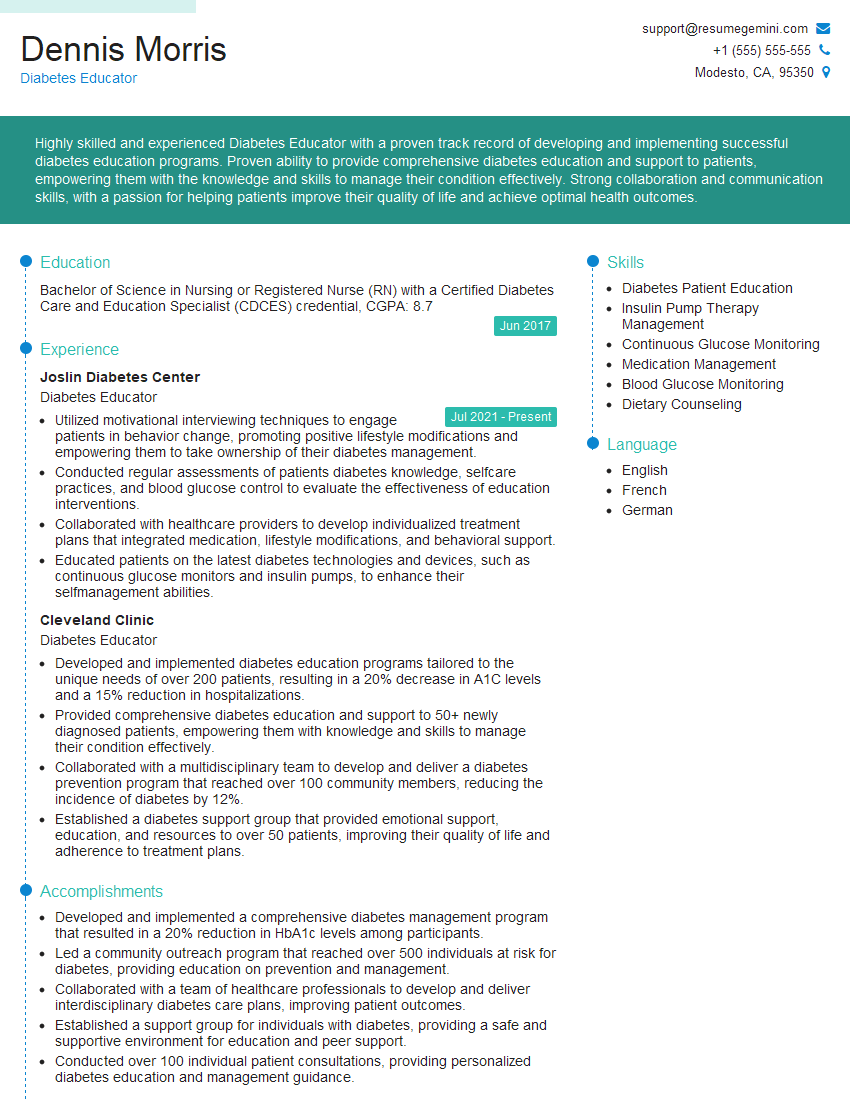
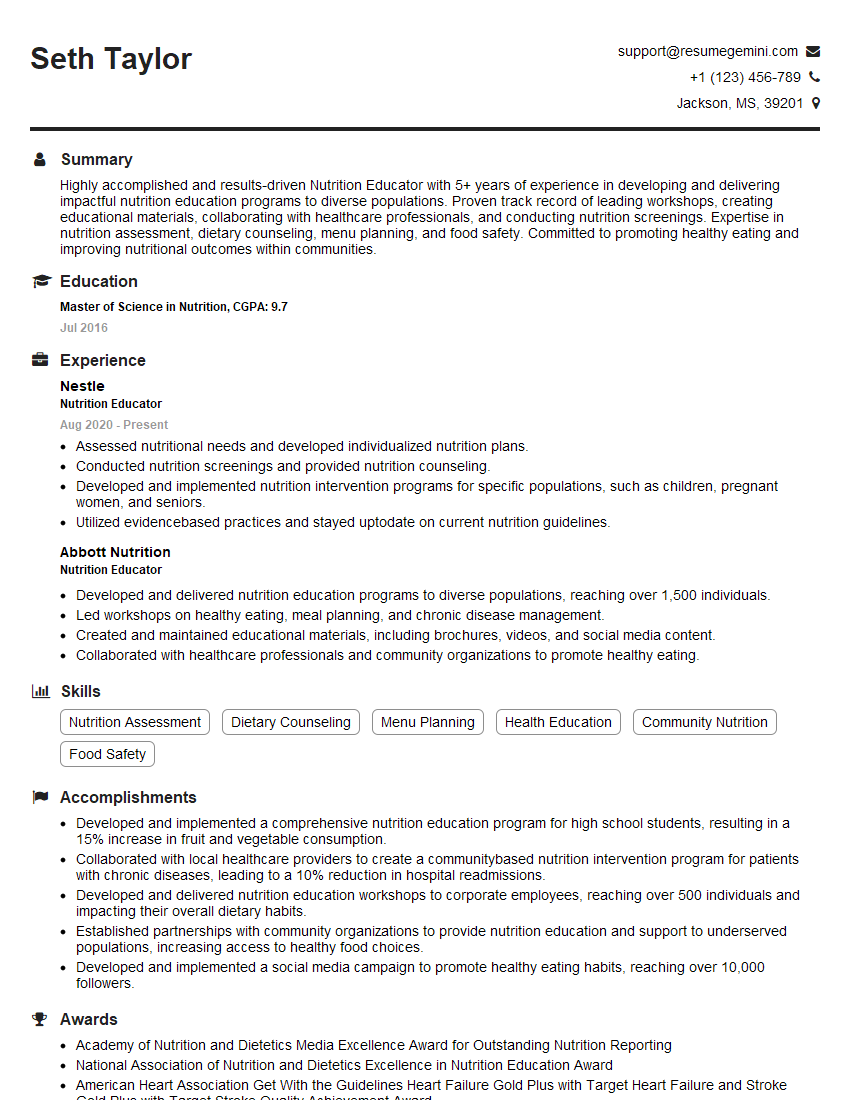
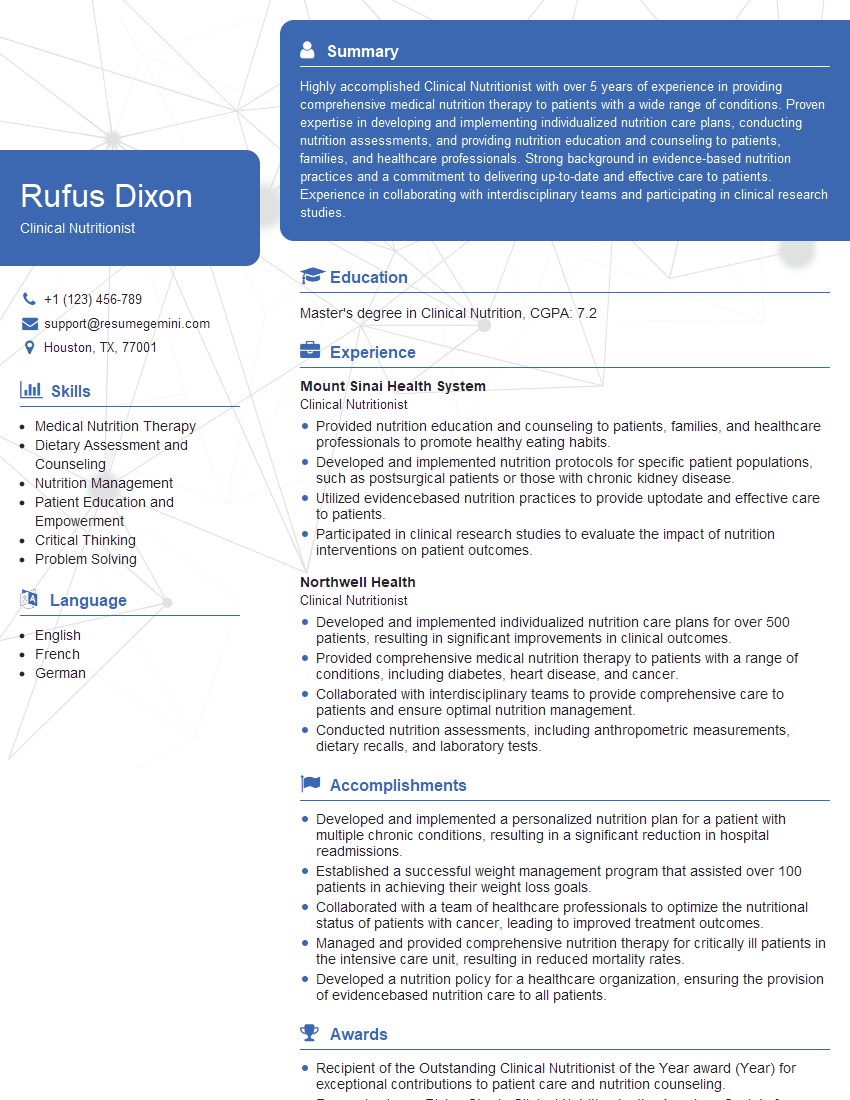
Mastering Nutrition Education and Interventions is crucial for career advancement in this rapidly evolving field. A strong understanding of these concepts will significantly enhance your interview performance and open doors to exciting opportunities. To maximize your job prospects, creating an ATS-friendly resume is essential. ResumeGemini is a trusted resource to help you build a professional and impactful resume that highlights your skills and experience effectively. Examples of resumes tailored to Nutrition Education and Interventions are available to guide you through the process. Invest time in crafting a compelling resume; it’s your first impression on potential employers.
Explore more articles
Users Rating of Our Blogs
Share Your Experience
We value your feedback! Please rate our content and share your thoughts (optional).
What Readers Say About Our Blog
hello,
Our consultant firm based in the USA and our client are interested in your products.
Could you provide your company brochure and respond from your official email id (if different from the current in use), so i can send you the client’s requirement.
Payment before production.
I await your answer.
Regards,
MrSmith
hello,
Our consultant firm based in the USA and our client are interested in your products.
Could you provide your company brochure and respond from your official email id (if different from the current in use), so i can send you the client’s requirement.
Payment before production.
I await your answer.
Regards,
MrSmith
These apartments are so amazing, posting them online would break the algorithm.
https://bit.ly/Lovely2BedsApartmentHudsonYards
Reach out at [email protected] and let’s get started!
Take a look at this stunning 2-bedroom apartment perfectly situated NYC’s coveted Hudson Yards!
https://bit.ly/Lovely2BedsApartmentHudsonYards
Live Rent Free!
https://bit.ly/LiveRentFREE
Interesting Article, I liked the depth of knowledge you’ve shared.
Helpful, thanks for sharing.
Hi, I represent a social media marketing agency and liked your blog
Hi, I represent an SEO company that specialises in getting you AI citations and higher rankings on Google. I’d like to offer you a 100% free SEO audit for your website. Would you be interested?