Cracking a skill-specific interview, like one for Passionate about providing compassionate and high-quality healthcare., requires understanding the nuances of the role. In this blog, we present the questions you’re most likely to encounter, along with insights into how to answer them effectively. Let’s ensure you’re ready to make a strong impression.
Questions Asked in Passionate about providing compassionate and high-quality healthcare. Interview
Q 1. Describe your approach to providing patient-centered care.
Patient-centered care is all about prioritizing the individual needs and preferences of each patient. It’s about treating them as partners in their healthcare journey, not just recipients of care. My approach involves active listening, empathy, and shared decision-making.
- Active Listening: I make sure to truly hear what the patient is saying, both verbally and nonverbally. This includes paying attention to their concerns, fears, and expectations.
- Empathy: I strive to understand the patient’s perspective and feelings, acknowledging their experience, even if I don’t necessarily agree with it.
- Shared Decision-Making: I present treatment options clearly and concisely, explaining the benefits and risks of each. Ultimately, I work collaboratively with the patient to determine the best course of action, empowering them to make informed choices.
For example, a patient might be hesitant about a certain medication due to a past experience. Instead of dismissing their concerns, I would take the time to understand their apprehension, explore alternative options together, and address any misconceptions they might have.
Q 2. How do you handle difficult patients or family members?
Handling difficult patients or family members requires patience, understanding, and strong communication skills. It’s crucial to remember that their behavior often stems from fear, anxiety, grief, or a lack of understanding. My approach focuses on de-escalation and building rapport.
- Active Listening and Empathy: I start by actively listening to their concerns, even if expressed in a challenging manner. Empathy helps to build trust and creates an environment for open communication.
- Clear and Calm Communication: I speak clearly and calmly, using simple language and avoiding medical jargon. I validate their feelings and concerns, even if I don’t agree with their approach.
- Setting Boundaries: While empathy is key, it’s equally important to set professional boundaries. I address disrespectful or abusive behavior directly and firmly, while maintaining a respectful tone.
- Collaboration and Teamwork: If necessary, I involve other members of the healthcare team, such as social workers or psychologists, to provide additional support and address complex situations.
For instance, if a family member is angry about a treatment decision, I would calmly listen to their concerns, acknowledge their feelings, and explain the reasoning behind the decision, providing them with supporting evidence and information. If the situation escalates, I would involve a supervisor or social worker to help de-escalate the situation.
Q 3. Explain your understanding of patient confidentiality and HIPAA regulations.
Patient confidentiality is paramount and is governed by the Health Insurance Portability and Accountability Act (HIPAA) in the United States. HIPAA regulations protect the privacy and security of patients’ Protected Health Information (PHI). PHI includes any information that can be used to identify an individual and relates to their past, present, or future health status, including demographic information, medical history, test results, and treatment plans.
- Strict Adherence to Policies: I adhere strictly to all HIPAA regulations, including accessing only the information necessary for my role and avoiding discussions about patients in public spaces.
- Secure Information Handling: I ensure all patient information is handled securely, both electronically and physically. This includes using strong passwords, following data encryption protocols, and properly disposing of any paper records.
- Only Sharing Information with Authorized Individuals: I only share PHI with other healthcare professionals directly involved in the patient’s care or with individuals who have the patient’s explicit consent. I also ensure that these individuals are also HIPAA compliant.
I understand that violations of HIPAA can have serious legal and ethical consequences, and I prioritize protecting patient information at all times. For example, if I need to discuss a patient’s case with a colleague, I would only do so in a private and secure setting, and I would never use the patient’s name unless absolutely necessary.
Q 4. Describe a time you had to deliver difficult news to a patient or family.
Delivering difficult news is one of the most challenging aspects of healthcare. I recall having to inform a family that their loved one had received a terminal diagnosis. My approach was guided by empathy, honesty, and compassion.
- Private and Comfortable Setting: I arranged a private meeting in a quiet and comfortable space to provide emotional support.
- Clear and Honest Communication: I used clear and simple language to explain the diagnosis and prognosis, answering their questions openly and honestly.
- Emotional Support: I acknowledged their grief, sadness, and shock, validating their feelings and providing emotional support. I offered to connect them with resources such as bereavement counseling or support groups.
- Collaboration and Teamwork: I worked closely with the medical team and social workers to ensure the patient and family received comprehensive support.
Although the situation was incredibly difficult, I felt it was important to provide the family with as much information and support as possible to help them cope with this devastating news. The experience reinforced the importance of empathy and open communication in such delicate situations.
Q 5. How do you prioritize patient needs in a fast-paced environment?
Prioritizing patient needs in a fast-paced environment requires effective time management and organizational skills. My approach is based on a combination of triage, prioritization frameworks, and teamwork.
- Triage: I assess patients based on the urgency of their needs, prioritizing those with the most critical conditions.
- Prioritization Frameworks: I use prioritization frameworks like the Urgent/Important matrix to differentiate between tasks and allocate my time effectively. Urgent and important tasks (e.g., life-threatening conditions) take precedence.
- Effective Time Management: I use time management techniques such as time blocking and task batching to efficiently manage my workload and minimize interruptions.
- Teamwork and Delegation: I collaborate effectively with other members of the healthcare team, delegating tasks when appropriate to ensure efficient patient care.
For example, if I have multiple patients requiring attention, I would prioritize those in critical condition first, while delegating less urgent tasks to other team members. This enables me to provide efficient and effective care to all patients.
Q 6. How do you manage stress and maintain composure in challenging situations?
Healthcare can be incredibly demanding, so stress management is essential for both professional success and personal well-being. I utilize a variety of strategies to maintain composure and manage stress.
- Mindfulness and Meditation: I practice mindfulness techniques and meditation to reduce stress and promote emotional regulation.
- Physical Exercise and Healthy Lifestyle: Regular exercise, a balanced diet, and sufficient sleep are crucial for maintaining physical and mental well-being.
- Stress-Reduction Techniques: I utilize various stress-reduction techniques, including deep breathing exercises and progressive muscle relaxation.
- Seeking Support: I actively seek support from colleagues, mentors, and friends when facing challenging situations. A strong support network is vital for navigating the pressures of healthcare.
Maintaining a healthy work-life balance is also critical. I ensure I take breaks, utilize vacation time, and engage in activities outside of work that help me recharge and prevent burnout.
Q 7. Describe your experience with electronic health records (EHRs).
I have extensive experience using electronic health records (EHRs), including systems like Epic and Cerner. I am proficient in documenting patient encounters, ordering tests, reviewing results, managing medications, and communicating with other healthcare providers using the EHR system.
- Data Entry and Documentation: I am highly skilled in accurately entering and documenting patient data, ensuring completeness and clarity.
- Data Retrieval and Analysis: I efficiently retrieve and analyze patient information from the EHR, utilizing this information to inform care decisions.
- Communication and Collaboration: I utilize the EHR’s communication tools to effectively communicate with other members of the healthcare team.
- Patient Education: I leverage the EHR’s patient portal to provide patients with convenient access to their medical records and information.
My experience with EHRs has significantly improved my efficiency and the overall quality of patient care. I understand the importance of maintaining accurate and up-to-date records and ensuring the security and privacy of patient data within the electronic system.
Q 8. How do you ensure accuracy and efficiency in your work?
Accuracy and efficiency are paramount in healthcare. I ensure both through a multi-pronged approach. Firstly, I meticulously follow established protocols and checklists for every procedure, minimizing the risk of human error. This includes double-checking medications, verifying patient information, and confirming all equipment is functioning correctly before initiating any treatment. Secondly, I leverage technology effectively. Electronic health records (EHRs) help streamline processes, reducing paperwork and improving data accessibility. Finally, I prioritize continuous learning and professional development to stay updated on best practices and technological advancements, which directly contributes to both accuracy and speed.
For example, in my previous role, we implemented a new EHR system. Initially, there was a learning curve, but by actively participating in training sessions and proactively seeking support, I quickly became proficient. This resulted in a significant reduction in administrative time, allowing me to dedicate more time to direct patient care.
Q 9. Describe a time you had to adapt to a change in your work environment.
Adaptability is crucial in healthcare. One instance involved the sudden closure of our outpatient clinic due to a building emergency. We had to rapidly transition to a telehealth model. This required learning new software, adapting communication strategies for virtual consultations, and ensuring patient privacy and data security in a remote setting. It was challenging, requiring quick problem-solving and collaboration with colleagues, but we successfully transitioned within a week, ensuring uninterrupted patient care. This experience underscored the importance of flexibility, technological proficiency, and effective team communication in navigating unexpected changes.
Q 10. How do you maintain professional boundaries with patients?
Maintaining professional boundaries with patients is critical to providing ethical and effective care. I achieve this by adhering to strict confidentiality guidelines, respecting patients’ personal space, and avoiding any form of personal relationship. This includes refraining from discussing personal matters outside of the clinical context and setting clear limitations on interactions outside of scheduled appointments. Professional attire and appropriate communication further reinforce these boundaries. If a patient attempts to cross boundaries, I address it calmly and professionally, redirecting the conversation back to their health concerns and reinforcing the professional nature of our relationship.
For instance, if a patient tries to share intensely personal information irrelevant to their care, I would gently redirect the conversation by saying something like, “I understand you’re going through a difficult time, and I want to focus on your medical needs for today’s appointment. We can always discuss additional support resources if needed.”
Q 11. How do you stay up-to-date on the latest advancements in healthcare?
Staying current in healthcare requires a proactive approach. I regularly read peer-reviewed medical journals, attend professional conferences and webinars, and participate in continuing medical education (CME) programs. I also actively engage with professional networks and online communities to discuss emerging trends and best practices. Utilizing online resources like medical databases (e.g., PubMed) and subscribing to relevant newsletters also ensures I am informed about the latest research and developments in my field.
For example, I recently completed a CME course on the latest advancements in diabetes management, which directly improved my ability to provide evidence-based care to my diabetic patients.
Q 12. How do you handle disagreements with colleagues?
Disagreements with colleagues are inevitable. My approach focuses on respectful and constructive communication. I begin by actively listening to their perspective, seeking to understand their point of view before presenting my own. I emphasize collaboration by focusing on finding solutions that benefit the patient and the team. If the disagreement persists, I advocate for a facilitated discussion with a supervisor or mediator to ensure a fair and objective resolution. The goal is always to resolve conflict professionally, maintaining positive working relationships.
Q 13. Describe your experience with teamwork and collaboration.
Teamwork and collaboration are essential in healthcare. I have extensive experience working within multidisciplinary teams, including physicians, nurses, therapists, and administrative staff. I value open communication, active participation in team discussions, and a willingness to share expertise and support colleagues. I contribute by clearly communicating my responsibilities, proactively seeking input from others, and consistently fulfilling my commitments. I believe in a shared-decision making approach, where all team members feel valued and empowered to contribute their unique perspectives.
In one instance, our team faced a complex case involving a patient with multiple co-morbidities. By effectively collaborating and leveraging each team member’s expertise, we developed a comprehensive and personalized care plan that resulted in a positive outcome for the patient.
Q 14. How do you handle conflict resolution with patients or colleagues?
Conflict resolution requires a calm and empathetic approach. With patients, I aim to understand their concerns, validate their feelings, and clearly explain the situation from a medical perspective. I strive to find mutually acceptable solutions, keeping the patient’s well-being as the priority. With colleagues, I employ similar strategies, focusing on open communication and collaborative problem-solving. If necessary, I will involve a supervisor or mediator to facilitate a neutral and fair resolution. My ultimate goal in any conflict situation is to maintain respect, improve communication, and achieve a positive outcome for everyone involved.
Q 15. How do you ensure patient safety in your work?
Patient safety is paramount in healthcare. It’s a multifaceted approach encompassing various strategies to minimize risks and prevent harm. My approach is proactive and multi-layered, focusing on adhering to established protocols, meticulous documentation, and a strong emphasis on communication.
- Adherence to Protocols: I strictly follow established hospital policies and procedures, including medication administration, infection control, and fall prevention protocols. For example, I always perform a double-check on medication dosages before administration and meticulously follow hand hygiene practices.
- Meticulous Documentation: Detailed and accurate charting is crucial. This ensures continuity of care and allows for easy tracking of patient progress and any potential issues. I meticulously document all vital signs, medication administration, patient interactions, and any unusual occurrences.
- Open Communication: Open communication with the patient, their family, and the healthcare team is key. I actively listen to concerns, address questions promptly, and report any potential safety risks immediately to the appropriate personnel. For instance, if I notice a patient’s condition deteriorating, I immediately escalate it to the attending physician.
- Incident Reporting: Thorough reporting of any incidents, near misses, or adverse events is essential for continuous quality improvement. Accurate and timely reporting helps identify systemic weaknesses and prevent future occurrences.
Ultimately, a culture of safety is fostered by a team committed to continuous vigilance, proactive risk assessment, and open communication.
Career Expert Tips:
- Ace those interviews! Prepare effectively by reviewing the Top 50 Most Common Interview Questions on ResumeGemini.
- Navigate your job search with confidence! Explore a wide range of Career Tips on ResumeGemini. Learn about common challenges and recommendations to overcome them.
- Craft the perfect resume! Master the Art of Resume Writing with ResumeGemini’s guide. Showcase your unique qualifications and achievements effectively.
- Don’t miss out on holiday savings! Build your dream resume with ResumeGemini’s ATS optimized templates.
Q 16. Describe your understanding of quality improvement initiatives.
Quality improvement (QI) initiatives are systematic processes aimed at enhancing healthcare services and outcomes. They involve identifying areas for improvement, implementing changes, and evaluating their effectiveness. I believe in a data-driven approach, using various tools and techniques to drive improvement.
- Data Analysis: QI starts with analyzing existing data to pinpoint areas needing attention. For example, we might analyze readmission rates to identify factors contributing to them and implement strategies to reduce them.
- Plan-Do-Study-Act (PDSA) Cycle: This iterative cycle is commonly used in QI. It involves planning a change, implementing it on a small scale, studying the results, and acting on the findings to either refine the change or implement it broadly. For example, we might test a new patient education program on a small group, analyze the results, and adjust the program based on our findings before rolling it out to all patients.
- Root Cause Analysis (RCA): When adverse events occur, RCA helps identify the underlying causes and prevent recurrence. This involves systematically investigating the event to understand the contributing factors, not just the immediate cause.
- Benchmarking: Comparing our performance to similar organizations or best practices helps us identify opportunities for improvement. We might compare our patient satisfaction scores to those of high-performing institutions and identify what strategies they use to improve patient experience.
Successful QI requires a collaborative effort from all healthcare professionals, a commitment to data-driven decision-making, and a culture that embraces continuous learning and improvement.
Q 17. How do you measure the effectiveness of your patient care?
Measuring the effectiveness of patient care involves a combination of objective and subjective measures, focusing both on clinical outcomes and patient experience.
- Clinical Outcomes: These are measurable indicators of a patient’s health status. Examples include reduced hospital readmission rates, improved vital signs, decreased infection rates, and increased functional independence. For example, monitoring the blood pressure of a patient with hypertension and tracking their response to medication gives a direct measure of treatment effectiveness.
- Patient Satisfaction: Gathering feedback from patients through surveys and interviews provides valuable insights into their experience. It helps identify areas where care can be improved and ensures patients feel heard and valued. High patient satisfaction often correlates with better health outcomes.
- Patient Reported Outcome Measures (PROMs): These are questionnaires that directly assess a patient’s perspective on their health status, functional abilities, and quality of life. They provide valuable information that complements clinical data.
- Process Measures: Monitoring aspects of healthcare delivery, such as adherence to protocols, medication error rates, and waiting times, helps evaluate the efficiency and effectiveness of processes.
By combining these measures, we get a comprehensive picture of the effectiveness of our patient care and identify areas where improvements can be made.
Q 18. How do you handle ethical dilemmas in healthcare?
Ethical dilemmas are inevitable in healthcare. My approach involves a systematic process incorporating ethical principles, consultation, and reflection.
- Identify the Dilemma: Clearly define the ethical conflict, including the relevant facts, values, and stakeholders involved. For instance, a conflict might arise between a patient’s right to autonomy (refusing treatment) and the physician’s duty to beneficence (providing life-saving care).
- Gather Information: Collect all relevant information, including the patient’s preferences, medical history, and legal considerations. Consult with colleagues, ethicists, or legal counsel as needed.
- Consider Ethical Principles: Apply relevant ethical principles, such as autonomy, beneficence, non-maleficence, and justice, to guide decision-making. Weigh the potential benefits and harms of different courses of action.
- Develop a Plan of Action: Formulate a plan of action based on the ethical analysis, ensuring it aligns with professional standards and legal requirements. This might involve seeking a second opinion, involving the ethics committee, or discussing the options with the patient and family.
- Reflect and Evaluate: After making a decision and acting on it, it’s important to reflect on the outcome and evaluate the effectiveness of the process. This process allows for continuous learning and improvement in ethical decision-making.
Ethical decision-making requires careful consideration, empathy, and a commitment to acting in the best interests of the patient while respecting their autonomy and rights.
Q 19. Describe your experience with cultural competency in healthcare.
Cultural competency is fundamental to providing compassionate and effective healthcare. It involves understanding and respecting the diverse cultural backgrounds, beliefs, and practices of patients. My approach focuses on continuous learning and adaptation.
- Self-Reflection: I regularly reflect on my own cultural biases and assumptions to ensure they don’t impact my interactions with patients. Recognizing my own limitations is the first step towards providing culturally sensitive care.
- Knowledge Acquisition: I actively seek knowledge about different cultures through reading, workshops, and interactions with diverse patient populations. Understanding cultural nuances related to health beliefs, communication styles, and family dynamics is crucial.
- Communication Strategies: I use respectful and inclusive language, adapting my communication style to match the patient’s preferences. This includes using interpreters when necessary and being mindful of nonverbal cues.
- Collaboration: I collaborate with interpreters, community health workers, and other healthcare professionals who have expertise in specific cultural groups to ensure patients receive appropriate and culturally sensitive care.
- Cultural Humility: I approach each interaction with cultural humility, acknowledging that I may not fully understand a patient’s culture and remaining open to learning from them.
Providing culturally competent care not only improves patient outcomes but also strengthens the therapeutic relationship and fosters trust.
Q 20. How do you communicate effectively with patients who have different communication styles?
Effective communication is crucial, especially when dealing with diverse communication styles. My approach focuses on active listening, clear and concise language, and adapting my style to the individual.
- Active Listening: I pay close attention to both verbal and nonverbal cues, ensuring I understand the patient’s message accurately. This includes observing body language, facial expressions, and tone of voice.
- Clear and Concise Language: I avoid medical jargon and use simple, straightforward language that the patient can easily understand. I encourage the patient to ask questions and clarify anything they don’t understand.
- Adapting Communication Style: I adjust my communication style to suit the patient’s needs and preferences. Some patients may prefer direct and concise communication, while others may prefer a more empathetic and conversational approach. For example, I might use visual aids or write down key information for patients with limited literacy.
- Using Interpreters: When language barriers exist, I use qualified interpreters to ensure effective communication. I ensure that the interpreter conveys both verbal and nonverbal cues accurately.
- Patience and Empathy: Communication can be challenging, especially with patients who have cognitive impairments or emotional distress. Patience, empathy, and a non-judgmental approach are essential.
Building rapport and trust through effective communication is fundamental to providing high-quality care.
Q 21. How do you advocate for your patients’ needs?
Patient advocacy involves actively supporting and defending the patient’s rights and needs. My approach is proactive and comprehensive.
- Understanding Patient Needs: I actively listen to the patient’s concerns and try to understand their perspective. This includes acknowledging their emotional state, cultural background, and personal preferences.
- Accessing Resources: I help patients access the resources and services they need, such as specialists, support groups, financial assistance programs, or home healthcare services. For example, I might assist a patient in obtaining necessary medical equipment or connecting them with a social worker to address social determinants of health.
- Navigating Healthcare System: I help patients navigate the complexities of the healthcare system, explaining medical procedures, insurance coverage, and treatment options in a clear and understandable manner. I might help them fill out paperwork or make appointments.
- Advocating for Treatment Decisions: I advocate for the patient’s wishes regarding their treatment plan, ensuring their voice is heard and their autonomy is respected, even if it means challenging decisions made by other healthcare professionals.
- Documentation and Reporting: I meticulously document patient needs and the actions taken on their behalf to ensure consistent and effective advocacy. Reporting any concerns or barriers to care to the appropriate personnel is also crucial.
Patient advocacy is a fundamental aspect of my role, and I am committed to ensuring that all my patients receive the best possible care and have their voices heard.
Q 22. Describe your experience with pain management techniques.
Pain management is a crucial aspect of compassionate healthcare. My approach involves a holistic understanding of the patient’s pain, considering its physical, emotional, and psychological dimensions. I utilize a multi-modal approach, combining pharmacological and non-pharmacological methods.
Pharmacological methods include selecting the appropriate analgesic (pain reliever), considering factors like the type and intensity of pain, the patient’s medical history, and potential drug interactions. This might involve opioids for severe pain, non-steroidal anti-inflammatory drugs (NSAIDs) for inflammation-related pain, or adjuvant analgesics to enhance the effects of primary pain relievers. For instance, I’ve successfully managed post-surgical pain in a patient using a combination of morphine and gabapentin, carefully monitoring for side effects.
Non-pharmacological techniques are equally important and often integrated. These include:
- Physical Therapy: Improving mobility and reducing pain through exercises and stretches.
- Occupational Therapy: Adapting daily tasks to minimize pain and promote independence.
- Cognitive Behavioral Therapy (CBT): Helping patients cope with pain by changing negative thought patterns and behaviors.
- Relaxation Techniques: Methods like deep breathing, meditation, and guided imagery to reduce stress and pain perception. I’ve seen patients significantly reduce their reliance on medication by incorporating mindfulness practices.
Regular assessment of pain levels, using validated scales like the numeric rating scale (NRS) or the visual analog scale (VAS), is critical to adjusting the treatment plan and ensuring efficacy.
Q 23. How do you assess patient needs and develop a care plan?
Assessing patient needs and developing a care plan is a systematic process that begins with a thorough patient interview and physical examination. I build rapport with patients to create a safe space where they feel comfortable sharing their concerns and history. This includes their medical history, current symptoms, lifestyle, social support system, and personal goals.
This information is then analyzed to identify the patient’s priorities and the key problems that need to be addressed. I then work collaboratively with the patient, incorporating their preferences and values into a tailored care plan. This plan outlines specific, measurable, achievable, relevant, and time-bound (SMART) goals. For example, a patient recovering from a stroke might have goals related to improving mobility, swallowing function, and communication skills. The plan also details the interventions needed to achieve these goals, outlining the frequency, duration, and responsible healthcare professional for each.
Regular review and modification of the care plan are crucial. The plan is not static; it adapts as the patient’s condition evolves. For example, if a patient’s pain level increases unexpectedly, the pain management strategy needs immediate reassessment and adjustment.
Q 24. Explain your understanding of infection control protocols.
Infection control is paramount in healthcare settings. My understanding of these protocols is comprehensive, encompassing hand hygiene, appropriate use of personal protective equipment (PPE), environmental cleaning and disinfection, waste management, and adherence to isolation precautions when necessary.
Hand hygiene is the cornerstone of infection prevention. I rigorously follow the World Health Organization’s guidelines for handwashing, using alcohol-based hand rub frequently and performing thorough handwashing with soap and water when indicated. The correct use of PPE, including gloves, gowns, masks, and eye protection, is crucial when dealing with patients with suspected or confirmed infections. I always follow the guidelines of the facility for appropriate PPE donning and doffing procedures.
Proper cleaning and disinfection of equipment and the environment are essential. I adhere strictly to the recommended protocols for cleaning and disinfecting surfaces, instruments, and equipment after each use. The disposal of contaminated waste according to established procedures is also vital to prevent the spread of infection.
Isolation precautions, such as contact, droplet, and airborne precautions, are implemented to limit the transmission of infectious agents. I am well-versed in the various types of isolation precautions and know how to apply them appropriately based on the specific infection.
Q 25. How do you ensure a patient’s dignity and comfort?
Ensuring patient dignity and comfort is a core value of my practice. I strive to create a respectful and supportive environment where patients feel valued and empowered. This starts with actively listening to their concerns and respecting their preferences, regardless of their condition or background.
I always introduce myself and explain procedures clearly before initiating any intervention. I maintain appropriate professional boundaries while simultaneously providing emotional support and empathy. I offer choices whenever possible, allowing patients to maintain a sense of control over their care. For example, I might offer choices in meal selection, positioning, or pain relief methods.
Maintaining patient privacy is also critical. I ensure confidentiality by safeguarding patient information and respecting their right to privacy. I use appropriate language and avoid any actions that might be demeaning or disrespectful. I always involve patients in decisions about their care to the extent that their condition allows, ensuring they feel heard and understood.
Finally, I create a comfortable environment by attending to the patient’s physical needs, including pain management, hygiene, and providing a comfortable and clean environment. I use appropriate techniques to ensure safe patient movement and handling. Even small gestures, like adjusting the bed linen or offering a comforting blanket, contribute to creating a calm and supportive atmosphere.
Q 26. Describe your experience with end-of-life care.
End-of-life care requires a unique blend of medical expertise, emotional intelligence, and spiritual awareness. My experience involves providing compassionate support to patients and their families during this difficult time. It’s about ensuring the patient’s comfort and dignity while respecting their wishes and values.
I work closely with the patient and their family to understand their goals and preferences for end-of-life care. This includes discussions about pain and symptom management, advance care planning, and spiritual or emotional needs. I ensure that the patient’s wishes are respected regarding life-sustaining treatments and other medical interventions.
Pain and symptom management are critical aspects of end-of-life care. I aim to provide adequate pain relief and manage other distressing symptoms such as nausea, shortness of breath, and anxiety, using a variety of pharmacological and non-pharmacological methods. I prioritize comfort and strive to minimize suffering.
Beyond the medical aspects, I provide emotional support and guidance to the patient and their family. I actively listen to their concerns and offer empathy and compassion. I collaborate with other members of the interdisciplinary team, including chaplains, social workers, and palliative care specialists, to offer a holistic approach to end-of-life care. I consider it a privilege to accompany patients and their loved ones during this challenging journey, offering comfort and support at a time of immense emotional need.
Q 27. How do you utilize technology to enhance patient care?
Technology plays an increasingly vital role in enhancing patient care. I utilize electronic health records (EHRs) for efficient documentation, secure communication, and data analysis. EHRs enable easy access to a patient’s complete medical history, facilitating better decision-making and reducing the risk of medical errors. For instance, medication reconciliation is much easier and more accurate using EHRs, minimizing potential drug interactions.
Telemedicine offers opportunities to provide remote consultations, monitor patients remotely, and improve access to care, especially for patients in remote areas or those with mobility limitations. For example, I’ve used telehealth to monitor a patient’s blood pressure and oxygen saturation after discharge, allowing for early intervention if needed.
Furthermore, various clinical decision support systems (CDSS) are integrated into EHRs, providing evidence-based guidance for treatment decisions. These tools can help identify potential drug interactions, alert clinicians to abnormal lab values, and suggest appropriate treatment protocols. This enhances efficiency and improves the quality of care provided.
Data analytics tools allow for the analysis of patient data to identify trends and patterns, which can help improve patient outcomes and optimize resource allocation. For instance, analyzing patient data might reveal a higher-than-expected rate of hospital readmissions for a specific condition, prompting the development of strategies to prevent future readmissions.
Q 28. How do you maintain a positive and supportive work environment?
Maintaining a positive and supportive work environment is crucial for providing high-quality patient care. I believe in fostering a culture of teamwork, respect, and open communication. This involves actively listening to colleagues’ concerns and perspectives, valuing their contributions, and celebrating successes as a team. I actively participate in team meetings, contribute constructively to discussions, and offer support to my colleagues.
I prioritize effective communication. This means clearly and respectfully conveying information, actively listening to others, and providing feedback constructively. I believe in addressing conflicts proactively and professionally, finding collaborative solutions whenever possible. I actively seek opportunities for professional development and encourage my colleagues to do the same, fostering a culture of continuous learning and improvement.
I also contribute to a positive work environment by being a reliable and supportive team member, consistently meeting deadlines, taking initiative, and offering assistance to others. Recognizing and appreciating the contributions of colleagues, both individually and as a team, creates a sense of camaraderie and mutual respect, ultimately leading to a more positive and productive work environment.
Key Topics to Learn for Passionate about providing compassionate and high-quality healthcare Interview
- Compassionate Care: Defining and demonstrating your understanding of patient-centered care, empathy, and active listening. Consider examples where you’ve shown compassion in challenging situations.
- High-Quality Healthcare Delivery: Explore the principles of evidence-based practice, adherence to protocols, and continuous improvement in healthcare delivery. Think about how you’ve contributed to quality improvements in past roles.
- Communication and Teamwork: Discuss effective communication strategies with patients, families, and colleagues. Highlight your ability to collaborate effectively within a healthcare team.
- Ethical Considerations: Review ethical dilemmas in healthcare, including patient confidentiality, informed consent, and end-of-life care. Prepare to discuss your approach to ethical decision-making.
- Problem-Solving and Critical Thinking: Practice analyzing healthcare scenarios, identifying problems, and developing effective solutions. Be ready to discuss your problem-solving process using the STAR method (Situation, Task, Action, Result).
- Professionalism and Demeanor: Reflect on your professional conduct, including punctuality, responsibility, and maintaining a positive attitude under pressure. Prepare examples that illustrate these qualities.
- Adaptability and Resilience: Discuss your ability to adapt to changing circumstances and maintain composure in stressful situations. Consider examples where you’ve demonstrated resilience in the face of challenges.
Next Steps
Mastering the principles of compassionate and high-quality healthcare is crucial for career advancement in this field. It demonstrates your commitment to patient well-being and your ability to contribute meaningfully to a healthcare organization. To significantly boost your job prospects, creating an ATS-friendly resume is essential. ResumeGemini is a trusted resource that can help you build a professional and impactful resume that highlights your skills and experience effectively. Examples of resumes tailored to showcasing your commitment to compassionate and high-quality healthcare are available to help you get started.
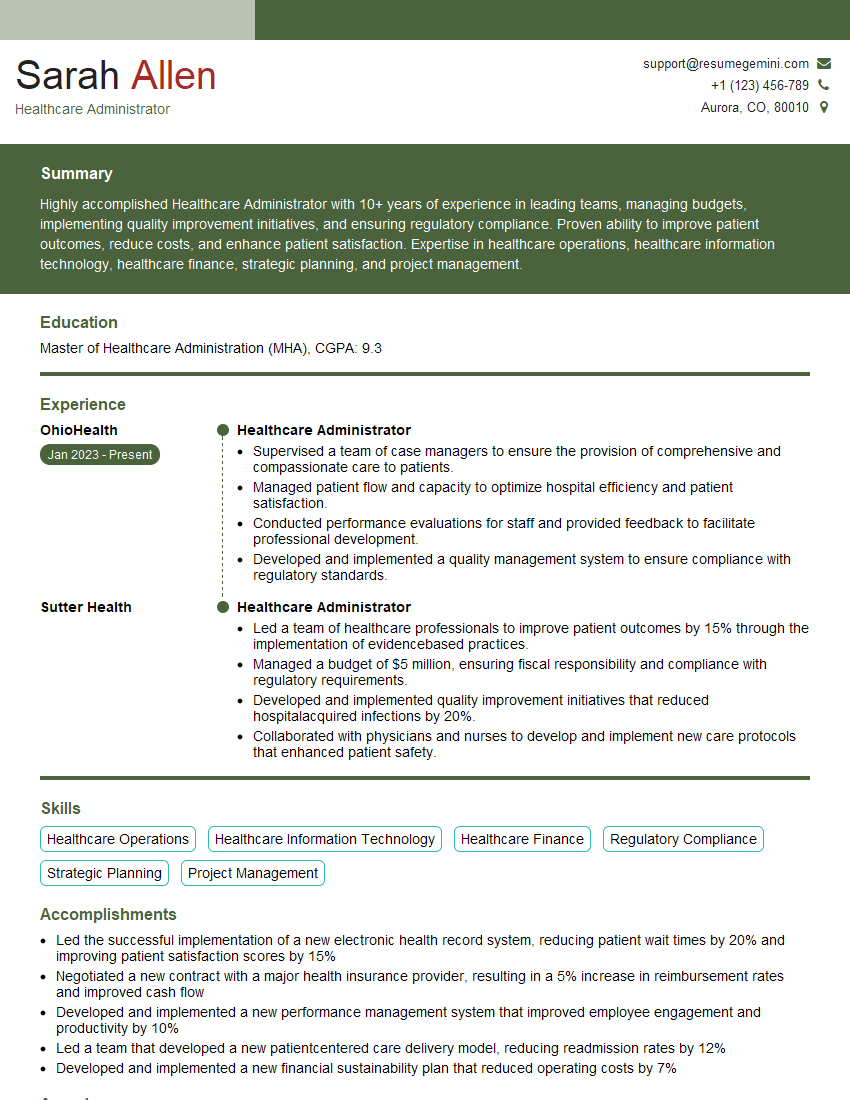
Healthcare Administrator Resume Sample
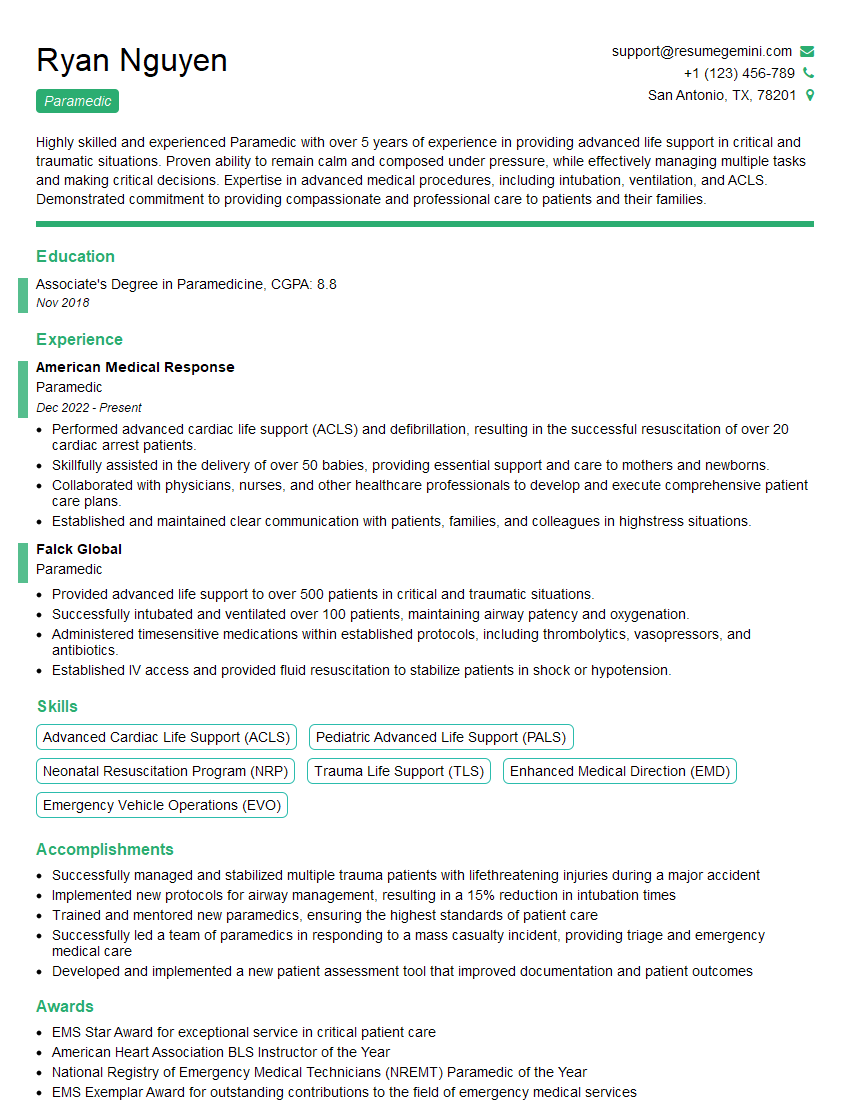
Paramedic Resume Sample
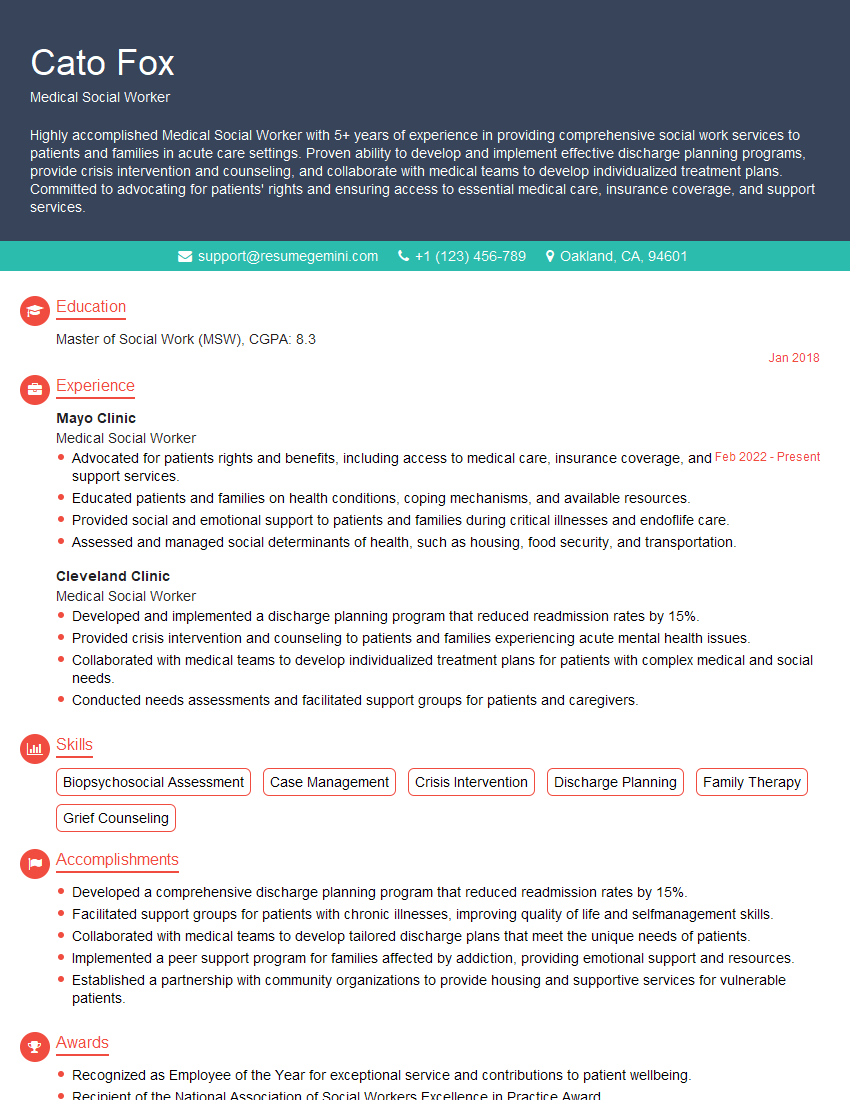
Medical Social Worker Resume Sample
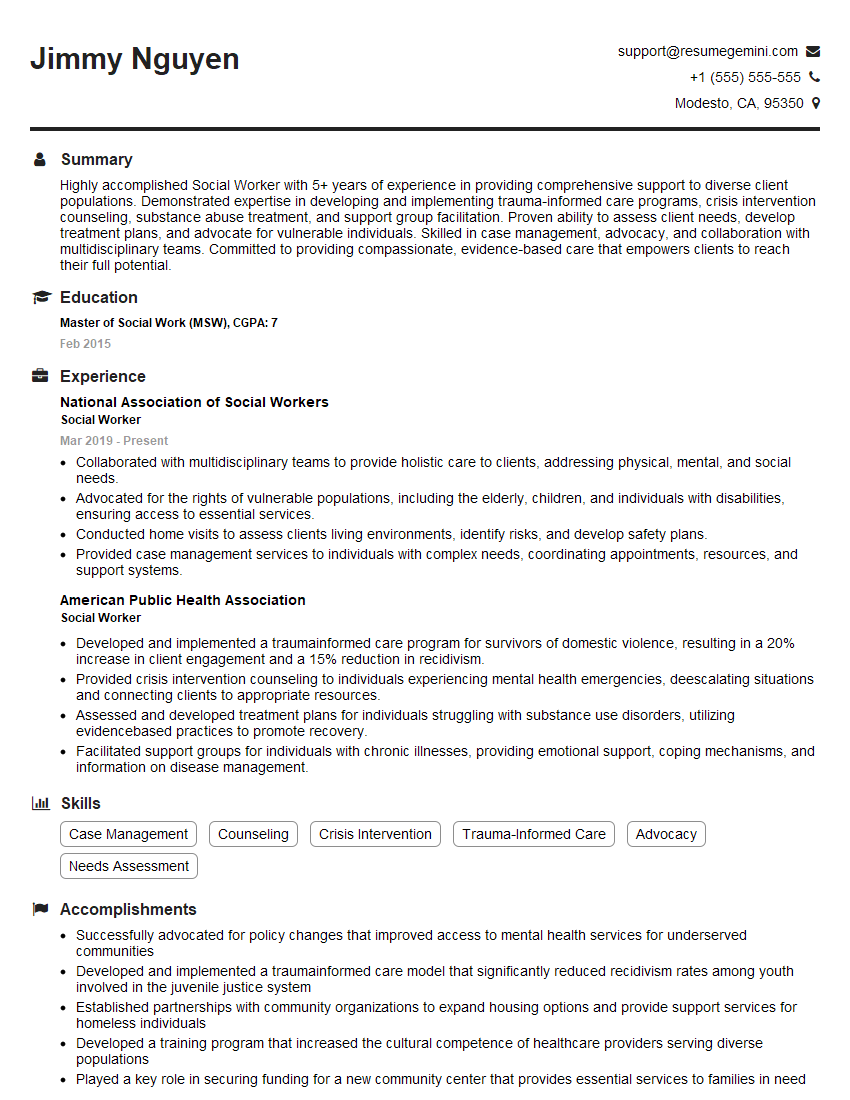
Social Worker Resume Sample
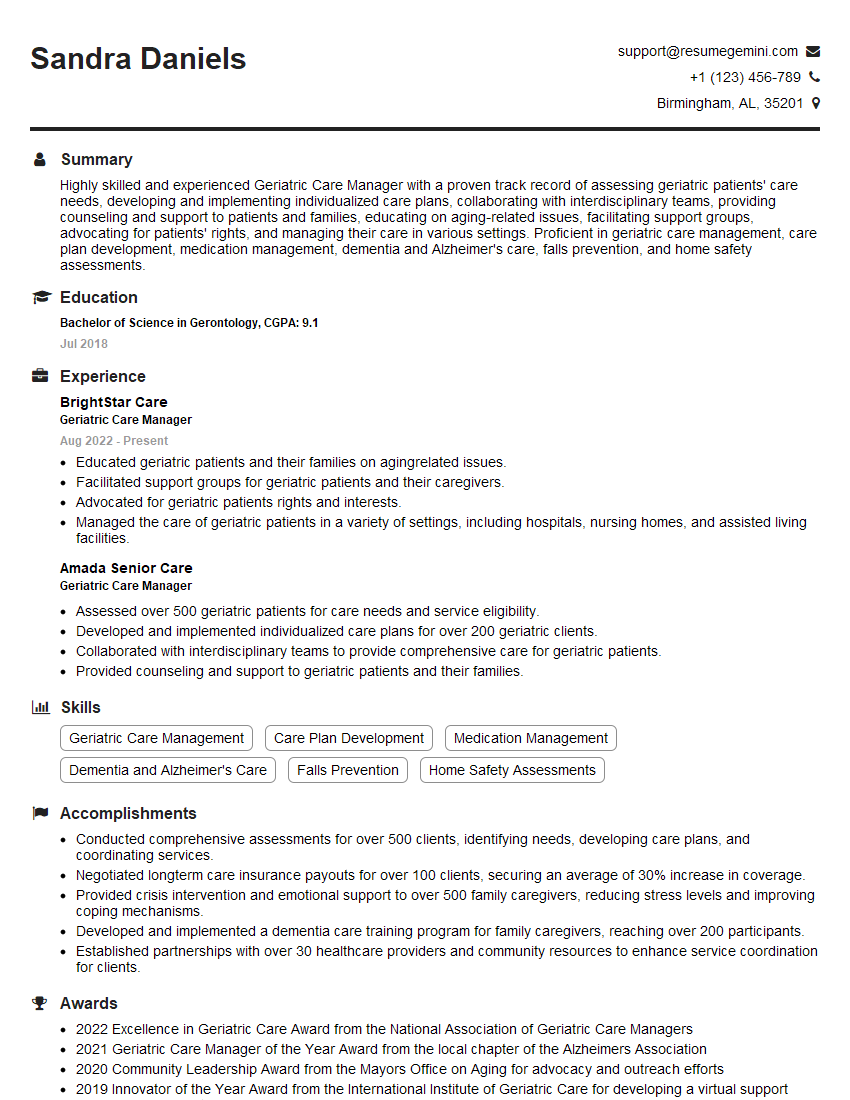
Geriatric Care Manager Resume Sample
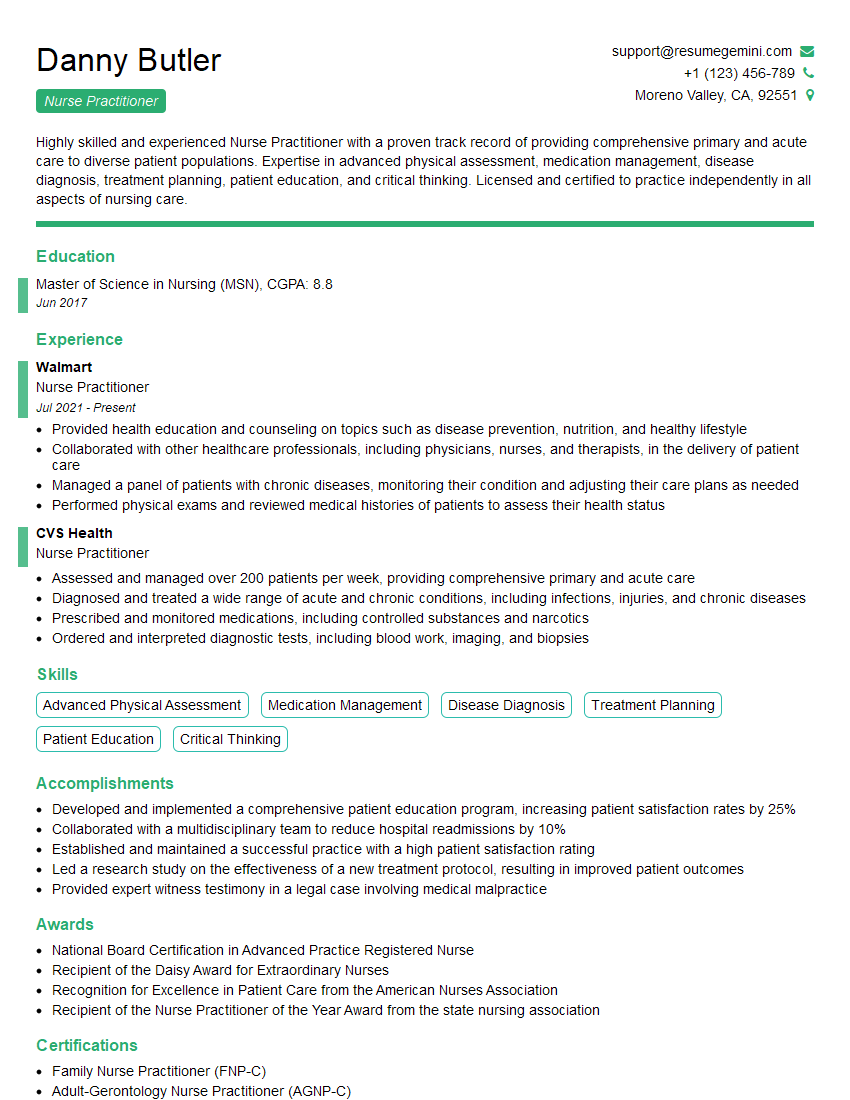
Nurse Practitioner Resume Sample
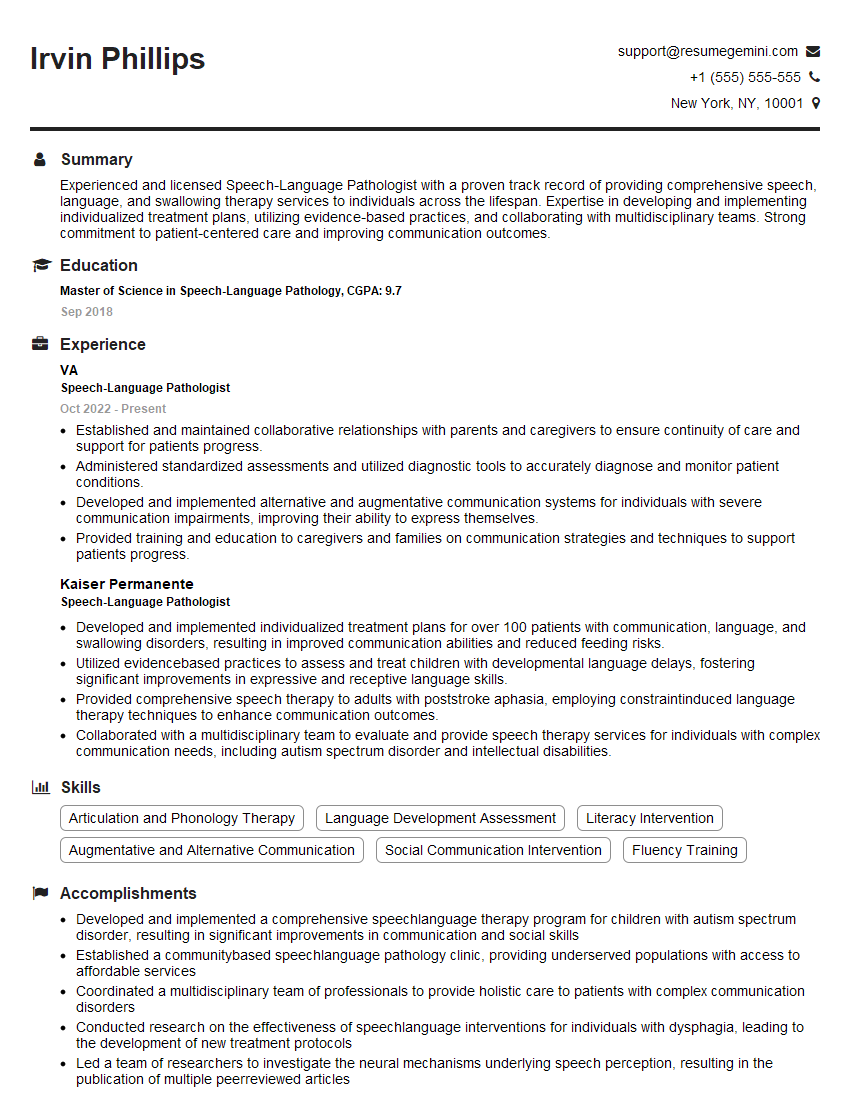
Speech-Language Pathologist Resume Sample
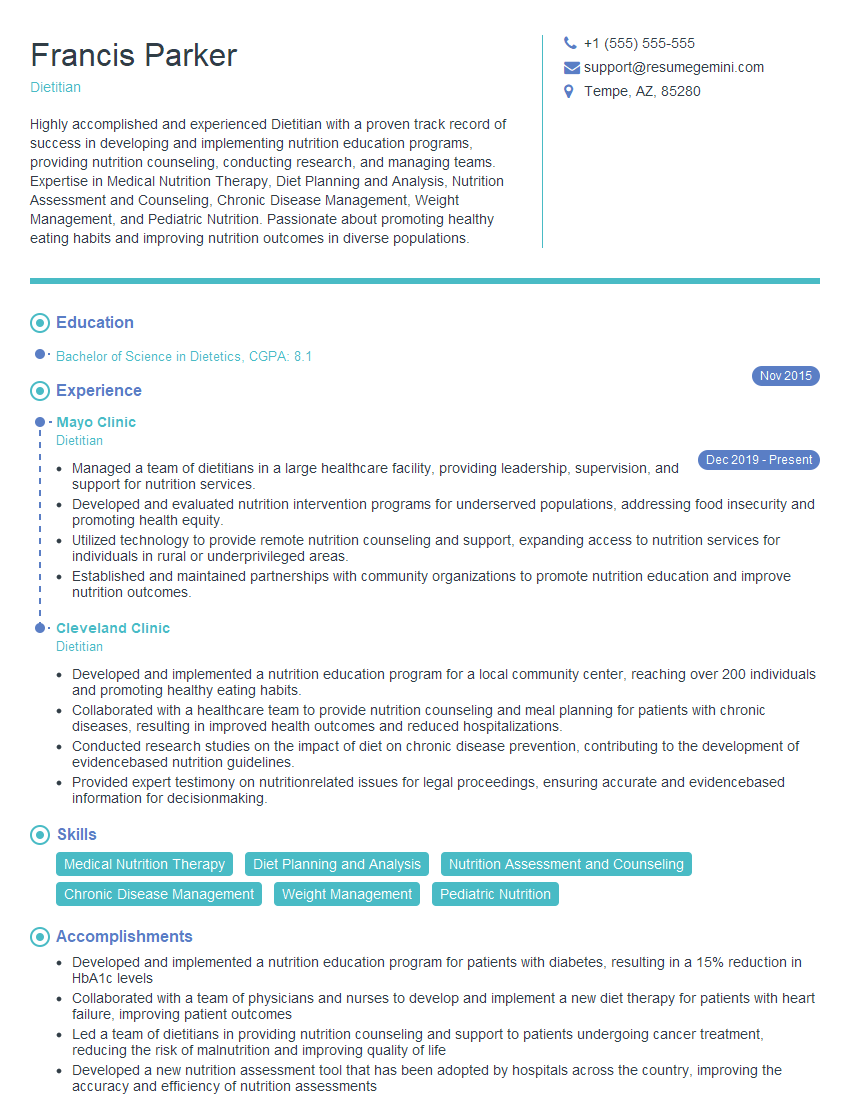
Dietitian Resume Sample
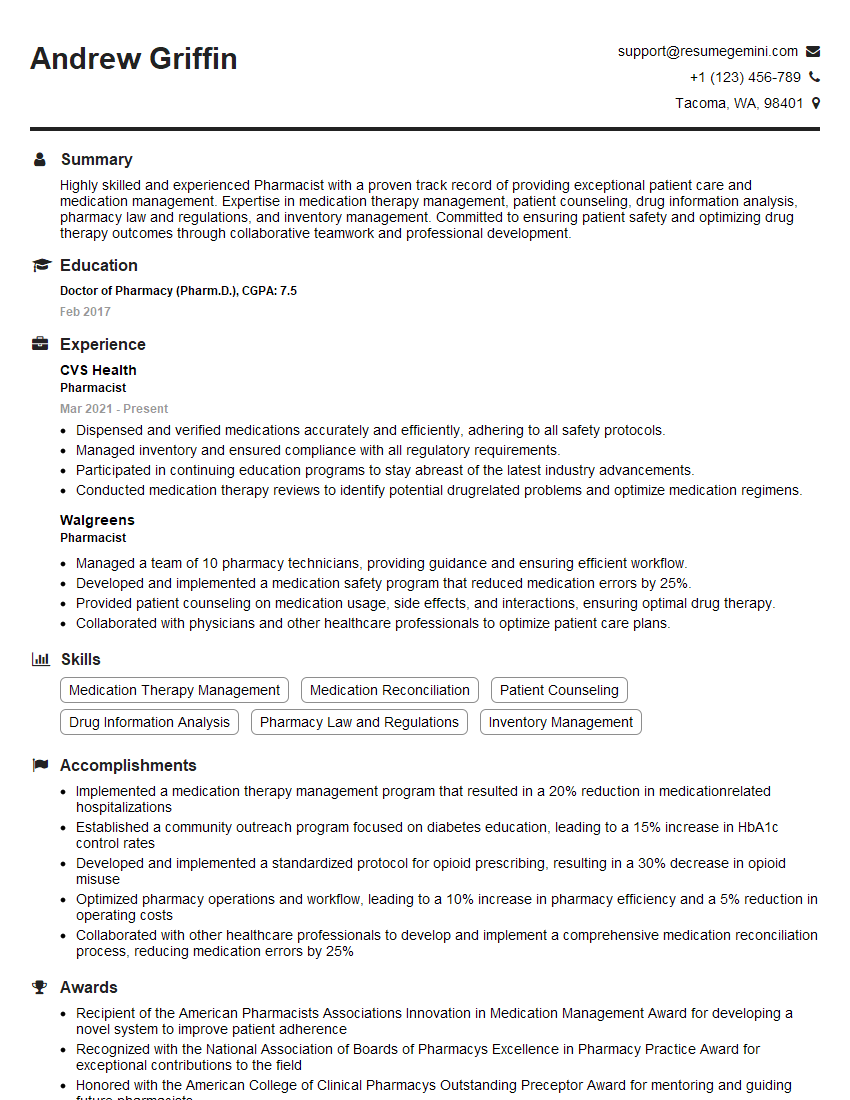
Pharmacist Resume Sample

Physician Assistant Resume Sample
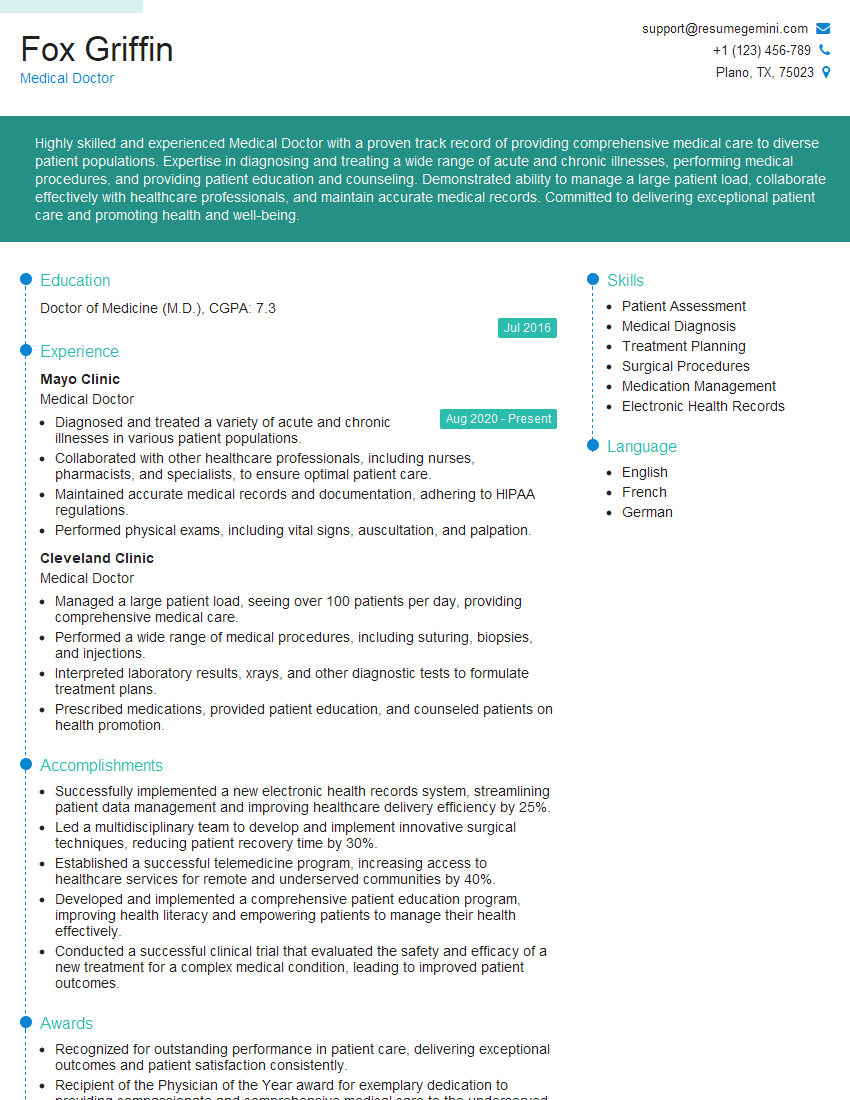
Medical Doctor Resume Sample
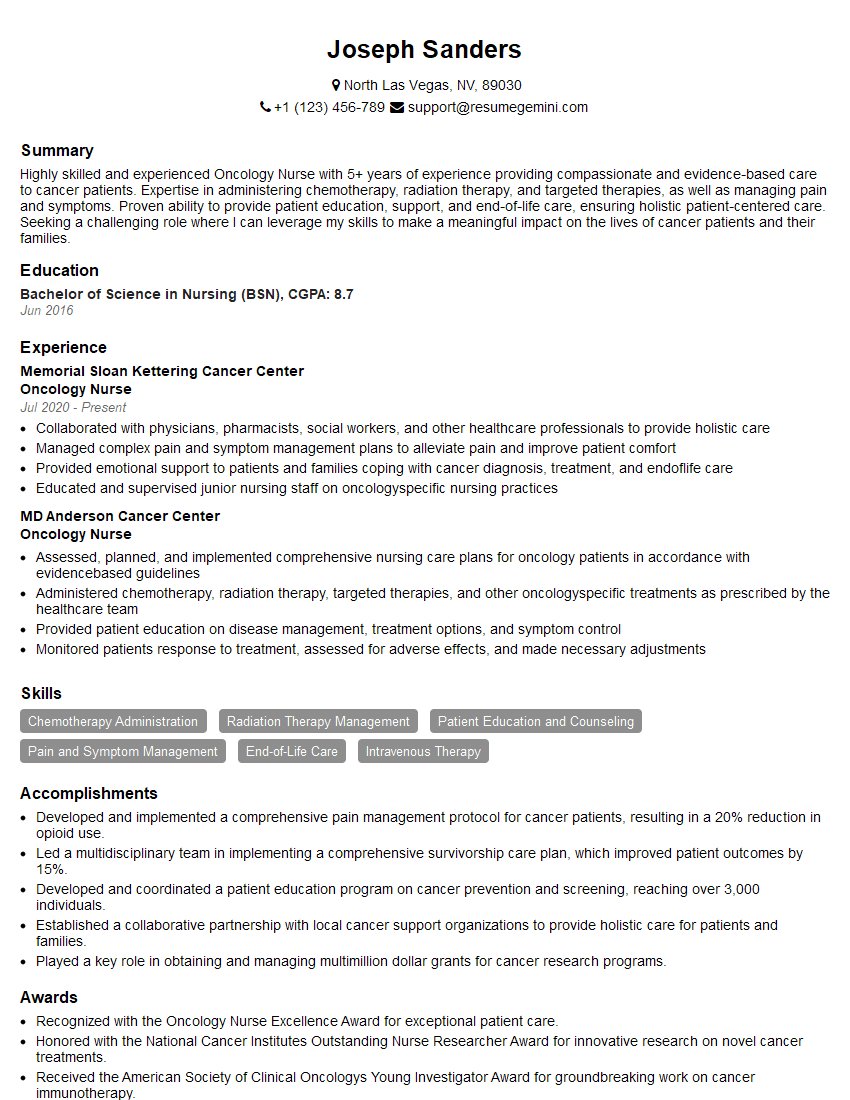
Oncology Nurse Resume Sample
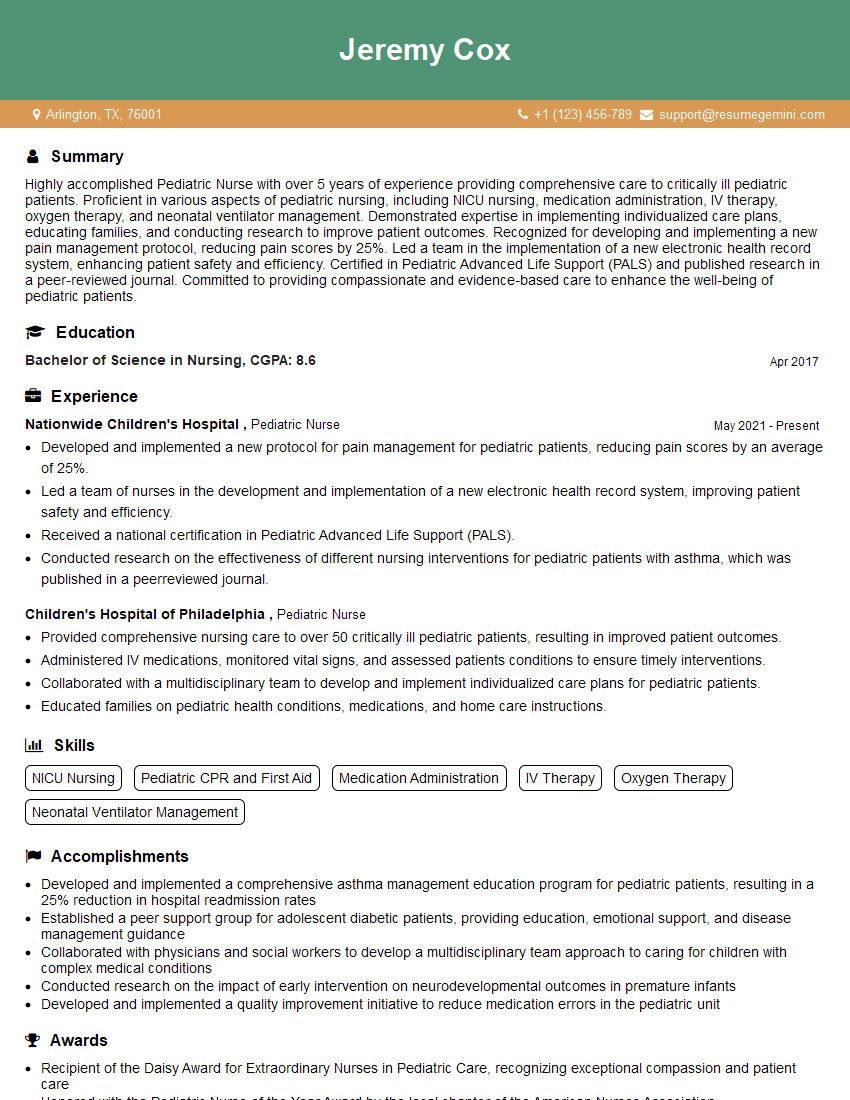
Pediatric Nurse Resume Sample
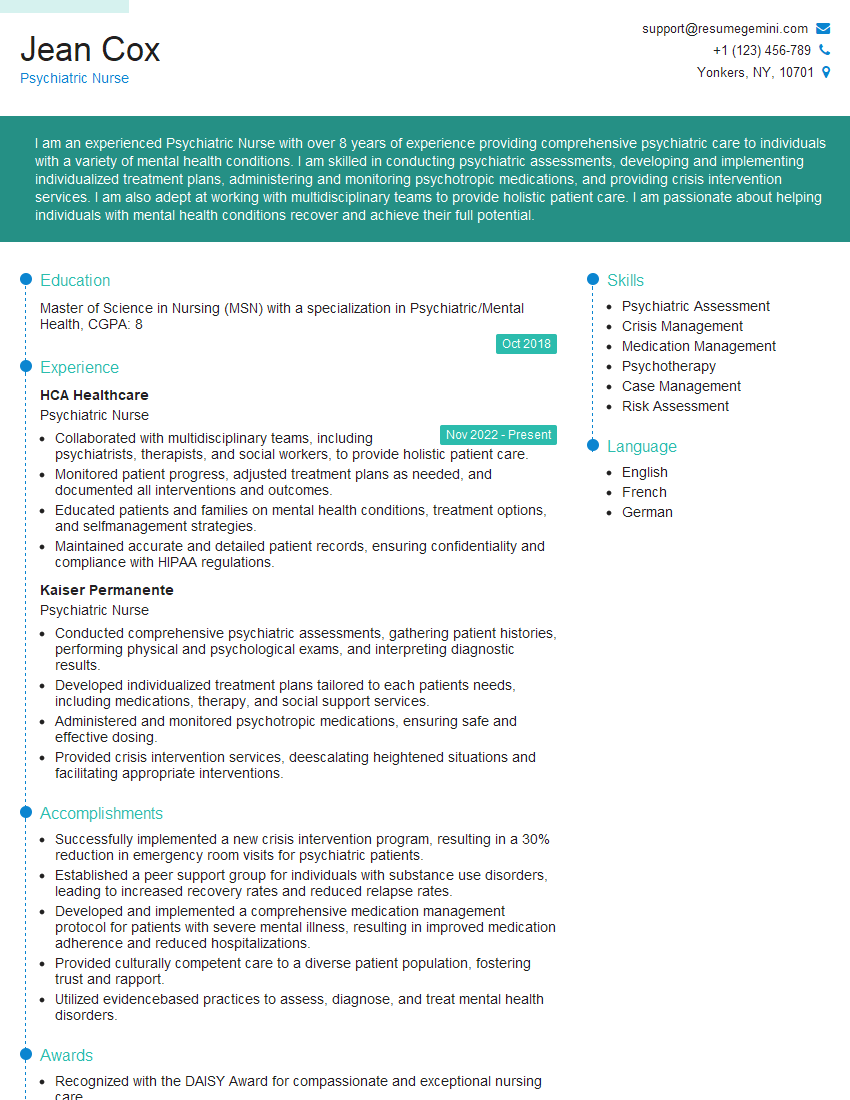
Psychiatric Nurse Resume Sample
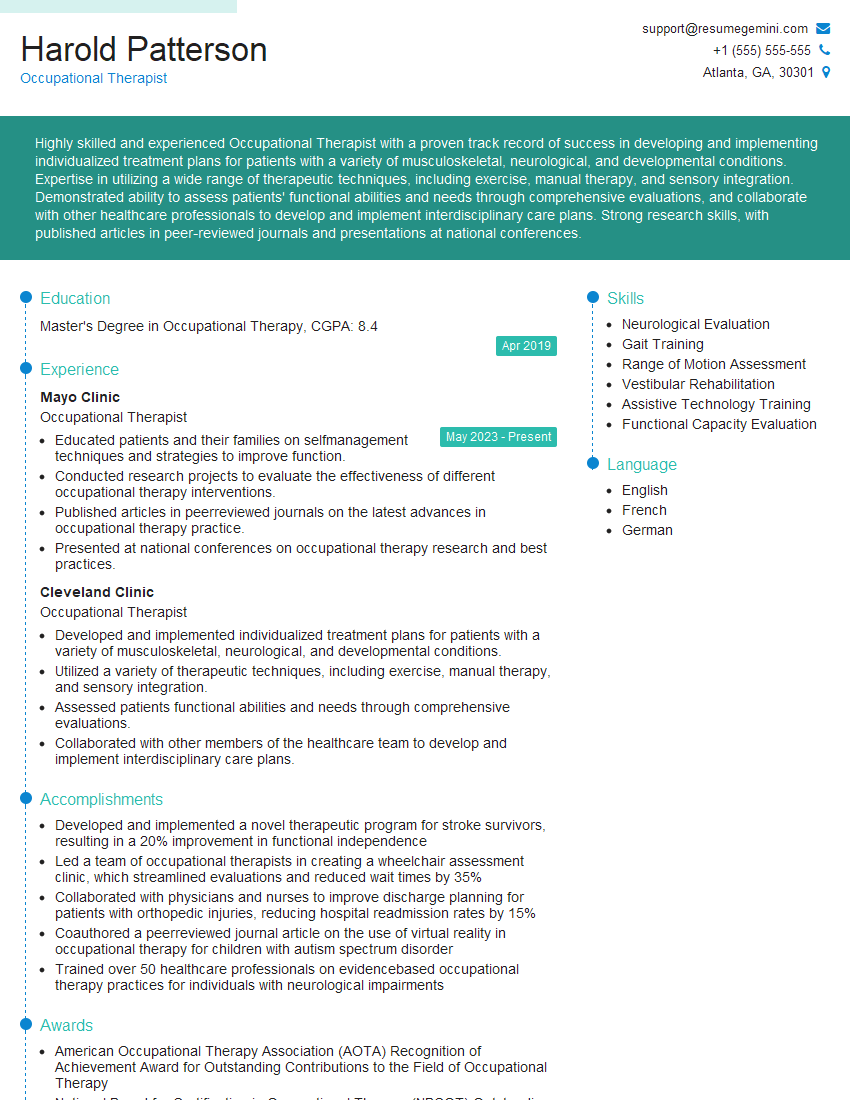
Occupational Therapist Resume Sample
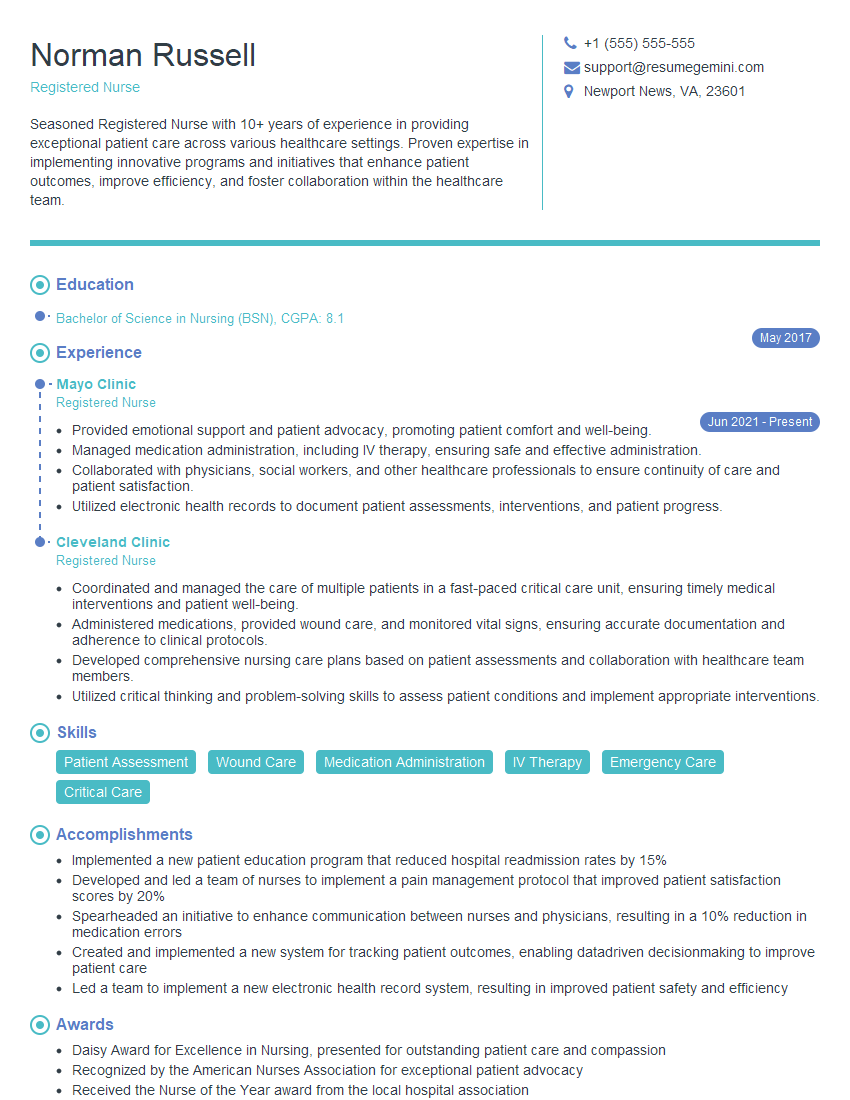
Registered Nurse Resume Sample
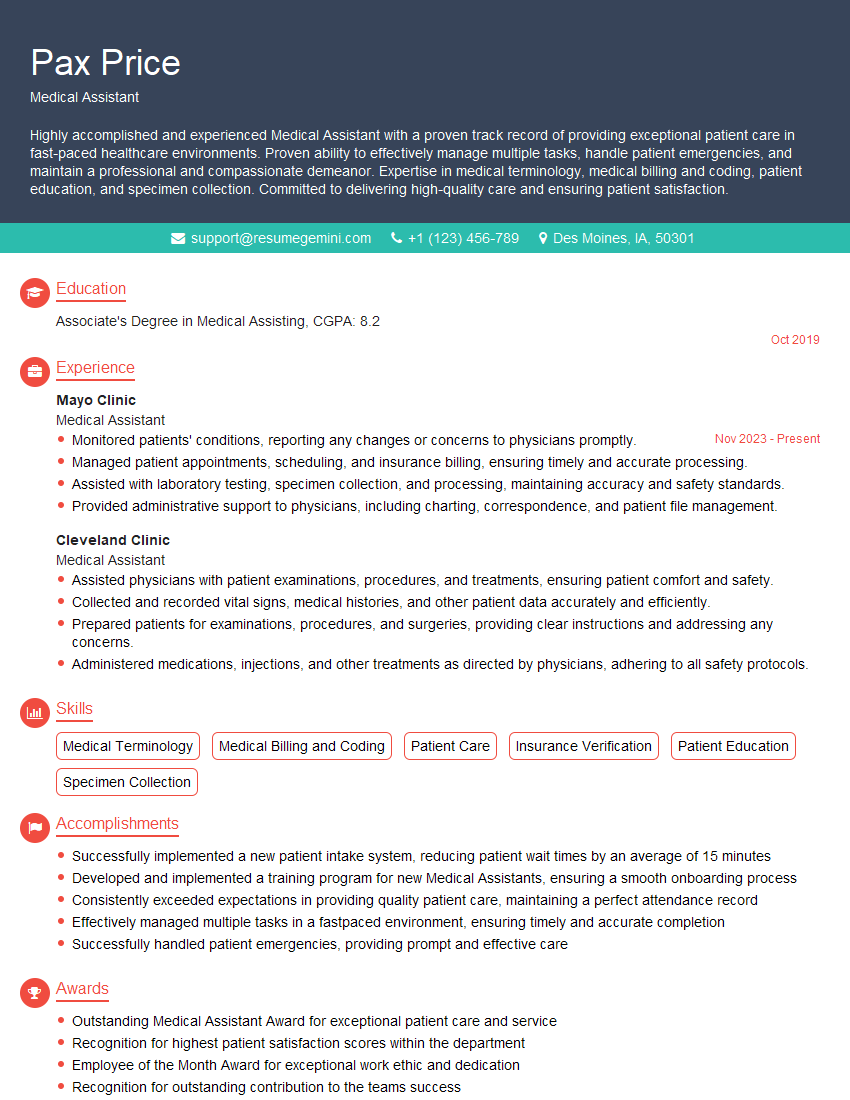
Medical Assistant Resume Sample
- Healthcare Administrator
- Paramedic
- Medical Social Worker
- Social Worker
- Geriatric Care Manager
- Nurse Practitioner
- Speech-Language Pathologist
- Dietitian
- Pharmacist
- Physician Assistant
- Medical Doctor
- Oncology Nurse
- Pediatric Nurse
- Psychiatric Nurse
- Occupational Therapist
- Registered Nurse
- Medical Assistant
Explore more articles
Users Rating of Our Blogs
Share Your Experience
We value your feedback! Please rate our content and share your thoughts (optional).
What Readers Say About Our Blog
Amazing blog
hello,
Our consultant firm based in the USA and our client are interested in your products.
Could you provide your company brochure and respond from your official email id (if different from the current in use), so i can send you the client’s requirement.
Payment before production.
I await your answer.
Regards,
MrSmith
hello,
Our consultant firm based in the USA and our client are interested in your products.
Could you provide your company brochure and respond from your official email id (if different from the current in use), so i can send you the client’s requirement.
Payment before production.
I await your answer.
Regards,
MrSmith
These apartments are so amazing, posting them online would break the algorithm.
https://bit.ly/Lovely2BedsApartmentHudsonYards
Reach out at BENSON@LONDONFOSTER.COM and let’s get started!
Take a look at this stunning 2-bedroom apartment perfectly situated NYC’s coveted Hudson Yards!
https://bit.ly/Lovely2BedsApartmentHudsonYards
Live Rent Free!
https://bit.ly/LiveRentFREE
Interesting Article, I liked the depth of knowledge you’ve shared.
Helpful, thanks for sharing.
Hi, I represent a social media marketing agency and liked your blog
Hi, I represent an SEO company that specialises in getting you AI citations and higher rankings on Google. I’d like to offer you a 100% free SEO audit for your website. Would you be interested?