Interviews are more than just a Q&A session—they’re a chance to prove your worth. This blog dives into essential Porters Five Forces Analysis interview questions and expert tips to help you align your answers with what hiring managers are looking for. Start preparing to shine!
Questions Asked in Porters Five Forces Analysis Interview
Q 1. Define Porter’s Five Forces.
Porter’s Five Forces is a framework for analyzing the competitive intensity and attractiveness of an industry. It helps businesses understand the forces that shape competition and profitability. Instead of just looking at your direct competitors, it broadens the scope to include factors like the ease of new companies entering the market, the power of your suppliers and buyers, and the threat of substitute products.
Understanding these forces allows companies to develop strategies to improve their competitive position and profitability. It’s a crucial tool for strategic planning and decision-making.
Q 2. Explain the concept of ‘Threat of New Entrants’.
The ‘Threat of New Entrants’ refers to the ease with which new competitors can enter a particular market. A high threat of new entrants means it’s relatively easy for new businesses to start competing, which puts downward pressure on prices and profits for existing companies.
- Factors increasing the threat: Low capital requirements, easy access to technology and distribution channels, lack of government regulation, absence of economies of scale.
- Factors decreasing the threat: High capital requirements, strong brand loyalty, proprietary technology, government regulations, significant economies of scale (meaning larger companies have a cost advantage).
Imagine the food truck industry – relatively low barrier to entry, making the threat of new entrants high. Compare that to the airline industry, where significant capital investment in planes and infrastructure creates a much higher barrier to entry.
Q 3. Describe the factors influencing ‘Bargaining Power of Suppliers’.
The ‘Bargaining Power of Suppliers’ refers to the influence suppliers have on the prices they charge and the terms they offer. Powerful suppliers can command higher prices, reduce quality, or limit supply, all of which negatively impact the profitability of buyers.
- Factors increasing supplier power: Supplier concentration (few large suppliers), lack of substitute inputs, high switching costs for buyers, importance of the supplier’s product to the buyer’s business.
- Factors decreasing supplier power: Many suppliers, readily available substitutes, low switching costs, buyer concentration (a few large buyers).
For example, consider the auto industry. The bargaining power of suppliers providing specialized microchips has recently increased significantly due to supply chain disruptions and global demand.
Q 4. How does ‘Bargaining Power of Buyers’ affect profitability?
The ‘Bargaining Power of Buyers’ directly affects profitability. Powerful buyers can negotiate lower prices, demand better quality or services, and play competitors against each other, thus squeezing profit margins.
- Factors increasing buyer power: Buyer concentration (a few large buyers), low switching costs for buyers, standardized products, buyer’s price sensitivity.
- Factors decreasing buyer power: Many buyers, high switching costs, differentiated products, low price sensitivity.
Think about supermarkets negotiating with food producers. Because supermarkets represent a concentrated group of powerful buyers, they often dictate prices and terms to smaller producers.
Q 5. Explain the ‘Threat of Substitute Products or Services’.
The ‘Threat of Substitute Products or Services’ refers to the availability of products or services that can meet the same customer needs in a different way. Substitutes place a ceiling on the prices companies can charge because customers can switch if prices get too high.
For example, the threat of substitutes for air travel is high due to the availability of alternatives like trains and cars, especially for shorter distances. However, for long-haul travel, the threat of substitutes is lower.
Q 6. How does rivalry among existing competitors impact industry profitability?
Rivalry among existing competitors is often the most powerful of the five forces. Intense rivalry leads to price wars, increased advertising spending, and other competitive actions that can significantly reduce industry profitability.
- Factors increasing rivalry: Many competitors of roughly equal size and strength, slow industry growth, high fixed costs (leading to a strong incentive to increase volume), low switching costs for buyers, diverse competitors with different strategies.
- Factors decreasing rivalry: Few competitors, fast industry growth, low fixed costs, high switching costs for buyers, highly similar competitors with similar strategies.
The fast-food industry, with its many competitors and relatively low switching costs for customers, exhibits high rivalry.
Q 7. Provide an example of a high-barrier-to-entry industry and explain why.
The pharmaceutical industry is a classic example of a high-barrier-to-entry industry. Several factors contribute to this:
- High R&D costs: Developing new drugs requires massive investment in research and clinical trials, a significant financial hurdle for new entrants.
- Strict regulations: The regulatory approval process for new drugs is lengthy, complex, and expensive, acting as a strong barrier.
- Patents and intellectual property: Strong patent protection gives established pharmaceutical companies exclusive rights to their drugs for a considerable period, preventing direct competition.
- Specialized knowledge and expertise: The industry requires significant scientific and technical expertise, which takes time and resources to develop.
These factors make it extremely difficult for new companies to successfully enter and compete in the pharmaceutical market.
Q 8. How can a company mitigate the threat of new entrants?
Mitigating the threat of new entrants is crucial for established businesses. New entrants can disrupt markets by introducing competition, lowering prices, and stealing market share. To deter them, companies can employ several strategies, collectively creating significant barriers to entry.
- Economies of Scale: Achieving a large production volume allows companies to reduce per-unit costs, making it difficult for smaller, newer competitors to match their prices. Think Walmart – their sheer size allows them to negotiate lower prices from suppliers and offer lower prices to consumers.
- Brand Loyalty: Strong brand recognition and customer loyalty create a significant hurdle for new entrants. Apple, for example, benefits hugely from this; switching from an iPhone to a competing Android device requires a significant change in user habits.
- High Capital Requirements: Requiring substantial initial investment to enter the market (e.g., building factories, developing technology) acts as a deterrent. The automotive industry is a prime example; the cost of setting up manufacturing plants and developing new car models is exceptionally high.
- Network Effects: When a product or service becomes more valuable as more people use it (like social media platforms), it’s harder for newcomers to compete. Facebook’s immense user base is a powerful network effect.
- Government Regulations and Policies: Patents, licenses, and industry-specific regulations can make it difficult for new businesses to enter. The pharmaceutical industry often utilizes patents to protect their inventions.
- Access to Distribution Channels: Securing favorable distribution channels, like shelf space in major retail stores, can prevent newcomers from easily reaching customers. This is common in the consumer packaged goods industry.
By strategically combining these approaches, companies can create a robust defense against the threat of new entrants.
Q 9. What strategies can a company use to reduce the bargaining power of suppliers?
Reducing supplier bargaining power is essential for maintaining profitability. Powerful suppliers can dictate prices, terms, and even the quality of goods or services, squeezing profit margins. Several strategies can help companies address this:
- Supplier Diversification: Don’t rely on a single supplier; spread your sourcing across multiple vendors to reduce dependence. This weakens any individual supplier’s negotiating power. For example, a car manufacturer might source parts from various companies globally.
- Backward Integration: Consider acquiring or merging with a supplier to gain control over the supply chain. This eliminates the supplier as a separate entity and ensures access to vital resources. Many tech companies have started producing their own chips to reduce their dependence on external suppliers.
- Long-Term Contracts: Negotiate long-term contracts with favorable pricing and terms to lock in costs and reduce uncertainty. This provides price stability for the buyer, but needs careful forecasting.
- Developing Alternative Inputs: Explore alternative raw materials or components that can replace existing ones, reducing your reliance on specific suppliers. This is particularly helpful in industries with readily available substitutes.
- Building Strategic Partnerships: Cultivate strong relationships with suppliers built on mutual benefit and trust. This can lead to more collaborative and flexible arrangements.
By employing these tactics, a company can significantly reduce its vulnerability to powerful suppliers.
Q 10. How can a company improve its bargaining power with buyers?
Improving bargaining power with buyers is critical to ensuring profitability and maintaining pricing flexibility. Buyers with strong bargaining power can demand lower prices, special discounts, and other concessions, which can significantly impact a company’s bottom line. Here’s how to strengthen your position:
- Product Differentiation: Create unique and highly valued products or services that are difficult for buyers to substitute. This reduces buyers’ price sensitivity as they are less likely to switch to a competitor offering something less desirable. Think of luxury car brands – customers are less price-sensitive due to the unique value proposition.
- Strong Brand Recognition: A powerful brand creates loyalty and reduces buyers’ willingness to switch to cheaper alternatives. Apple’s brand recognition allows them to maintain higher prices relative to competitors.
- Exclusive Partnerships: Forming exclusive partnerships with key buyers or distributors reduces competition and grants leverage in negotiations. This is common in industries with specific distribution channels.
- Switching Costs for Buyers: Make it costly or inconvenient for buyers to switch suppliers. This can be achieved through exclusive contracts, specialized software, or complicated procedures.
- Large Market Share: A significant market share offers greater influence in negotiations. For example, a dominant player in a specific market segment will have considerable leverage with buyers.
By focusing on differentiation, brand building, and establishing strategic partnerships, companies can significantly strengthen their bargaining position with buyers.
Q 11. How can a company reduce the threat of substitute products?
Substitute products pose a serious threat by offering comparable functionality or value at a potentially lower cost. To reduce this threat, companies should consider these strategies:
- Product Differentiation: Create unique features and benefits that make your product superior and less susceptible to substitution. Apple’s ecosystem, integrating iPhones, iPads, and Macs, creates a strong barrier to switching to other brands.
- Value Enhancement: Improve the value proposition of your product through additional features, better performance, or improved customer service. This reduces the appeal of cheaper substitutes.
- Cost Reduction: Find ways to reduce production costs without compromising quality, making your product more price-competitive. This can involve streamlined processes or supply-chain efficiencies.
- Hedging against Substitution: Diversify your product portfolio, offering various products and services that cater to different customer segments and reduce the impact of any one substitute product.
- Innovation: Continuously innovate to stay ahead of potential substitutes and maintain a competitive edge. Companies that relentlessly innovate often remain ahead of the curve.
By understanding customer needs and actively managing the value proposition, companies can significantly minimize the threat from substitutes.
Q 12. Describe a situation where rivalry among competitors is intense.
Rivalry among existing competitors is often intense when several factors align. Consider the fast-food industry, particularly the burger segment. The rivalry is fierce due to:
- Numerous Competitors: Many established players (McDonald’s, Burger King, Wendy’s, etc.) compete for the same customer base.
- Low Switching Costs: Customers can easily switch between brands with minimal inconvenience.
- Slow Industry Growth: The market isn’t expanding rapidly, meaning companies primarily compete for existing market share.
- Similar Products: Many offerings are quite similar, leading to price competition as a major differentiator.
- High Fixed Costs: Significant investment in restaurants and infrastructure creates pressure to maintain high sales volumes to cover costs.
This combination of factors leads to frequent price wars, promotional offers, and intense marketing campaigns, showcasing the highly competitive landscape of this industry segment.
Q 13. Analyze the Five Forces for the airline industry.
Analyzing the five forces in the airline industry reveals a complex and challenging environment:
- Threat of New Entrants: Relatively high, especially for niche carriers or low-cost airlines. However, significant capital investment in aircraft and licenses creates a substantial barrier.
- Bargaining Power of Suppliers: High for aircraft manufacturers (Boeing, Airbus), as airlines have limited options. Fuel prices also represent a significant cost and influence profitability.
- Bargaining Power of Buyers: Moderate to high. Customers have many choices, especially online travel agencies (OTAs) providing price comparisons and deals. Business travelers may have less flexibility due to corporate contracts.
- Threat of Substitute Products: Moderate to high. Trains, buses, and cars offer alternatives for shorter distances, particularly within a region, reducing airline reliance.
- Rivalry Among Competitors: Very high. Airlines constantly compete on price, routes, service quality, and loyalty programs. Consolidation has somewhat reduced the number of major players, but competition remains fierce.
Overall, the airline industry presents a highly competitive landscape with significant challenges related to costs, customer choices, and the need for constant innovation.
Q 14. Analyze the Five Forces for the pharmaceutical industry.
The pharmaceutical industry presents a unique landscape when analyzed through Porter’s Five Forces:
- Threat of New Entrants: Low to moderate. High research and development costs, strict regulatory approvals (FDA, EMA), and lengthy patent protection periods create significant barriers to entry.
- Bargaining Power of Suppliers: Moderate. While many specialized raw materials are needed, the industry is not overly dependent on a single supplier for these items; diversifying sources is possible.
- Bargaining Power of Buyers: Moderate to high. Government agencies, insurance companies, and large hospital systems have significant purchasing power and can influence drug pricing.
- Threat of Substitute Products: Moderate to high. Generic drugs (once patents expire), alternative treatments, and lifestyle changes can all substitute branded medications.
- Rivalry Among Competitors: High, especially among companies developing similar drugs. Competition is fierce for market share and regulatory approvals, leading to intense R&D and marketing efforts.
The pharmaceutical industry balances high barriers to entry with intense competition, high regulatory hurdles, and the constant threat of generic competition and alternative therapies, creating a complex and challenging environment.
Q 15. Analyze the Five Forces for the fast-food industry.
Porter’s Five Forces is a framework for analyzing the competitive intensity and attractiveness of an industry. Let’s apply it to the fast-food industry:
- Threat of New Entrants: Relatively low. High initial investment costs (real estate, equipment) and established brand recognition create barriers. However, smaller, niche players can still emerge, especially with innovative concepts or lower price points.
- Bargaining Power of Suppliers: Moderate. Fast-food relies heavily on agricultural products (meat, potatoes, vegetables). Suppliers can exert pressure through price increases, particularly during shortages. However, large chains often have significant purchasing power to negotiate favorable terms.
- Bargaining Power of Buyers: High. Customers have many choices and are highly price-sensitive. The industry is characterized by low switching costs; buyers can easily change restaurants.
- Threat of Substitute Products or Services: High. Fast food competes with other quick and convenient meal options like grocery stores, meal kits, and casual dining restaurants. Healthier alternatives also pose a threat.
- Rivalry Among Existing Competitors: Very high. The fast-food industry is intensely competitive, with established giants and many regional and smaller chains. Competition focuses on price, menu innovation, location, and marketing.
In summary, the fast-food industry presents a challenging environment with high competition and significant buyer power, making profitability dependent on efficient operations, strong branding, and menu innovation.
Career Expert Tips:
- Ace those interviews! Prepare effectively by reviewing the Top 50 Most Common Interview Questions on ResumeGemini.
- Navigate your job search with confidence! Explore a wide range of Career Tips on ResumeGemini. Learn about common challenges and recommendations to overcome them.
- Craft the perfect resume! Master the Art of Resume Writing with ResumeGemini’s guide. Showcase your unique qualifications and achievements effectively.
- Don’t miss out on holiday savings! Build your dream resume with ResumeGemini’s ATS optimized templates.
Q 16. How can Porter’s Five Forces be used for strategic planning?
Porter’s Five Forces is invaluable for strategic planning. By analyzing each force, companies can:
- Identify opportunities and threats: A high threat of new entrants might signal the need for proactive strategies to deter competition, while a weak supplier power presents an opportunity to negotiate better terms.
- Develop competitive strategies: Understanding the intensity of rivalry can inform decisions about pricing, product differentiation, and marketing.
- Make investment decisions: Analyzing the overall attractiveness of an industry helps guide decisions on whether to enter, expand, or exit a market.
- Improve profitability: By understanding the forces influencing profitability, companies can develop strategies to enhance their position and increase margins.
For example, a company facing high buyer power might focus on product differentiation or building brand loyalty to reduce price sensitivity. A company with a strong competitive position can leverage that to negotiate better terms with suppliers.
Q 17. How can Porter’s Five Forces inform pricing decisions?
Porter’s Five Forces directly impacts pricing decisions. A company must consider:
- Competitive Rivalry: High rivalry often leads to price wars, requiring a strategy to maintain profitability despite pressure to lower prices. Differentiation is key.
- Buyer Power: High buyer power limits pricing flexibility. Companies need to balance pricing with the risk of losing customers to competitors.
- Supplier Power: Strong supplier power can push input costs higher, affecting the company’s ability to set competitive prices.
- Threat of Substitutes: The availability of cheaper substitutes restricts pricing ability. A company needs to offer a compelling value proposition.
For instance, a company with a unique product and low threat of substitutes may have more pricing flexibility than one facing intense competition and readily available substitutes.
Q 18. How can Porter’s Five Forces be used to identify attractive industries?
Attractive industries are characterized by weak competitive forces. Using Porter’s Five Forces, we look for industries where:
- Threat of New Entrants is low: High barriers to entry protect existing players.
- Supplier Power is low: Companies have leverage in negotiating terms.
- Buyer Power is low: Customers are less price-sensitive.
- Threat of Substitutes is low: Few alternative products or services exist.
- Rivalry Among Competitors is low: Competition is less fierce.
Industries with this profile offer greater potential for profitability and sustained competitive advantage. Analyzing the five forces allows for a data-driven approach to industry selection, reducing the risk of entering a highly competitive or unattractive market.
Q 19. How can Porter’s Five Forces be used to assess a company’s competitive position?
Porter’s Five Forces helps assess a company’s competitive position by evaluating its ability to withstand the pressures of each force. A strong competitive position is characterized by:
- Strong defenses against new entrants: This could be through strong brand recognition, economies of scale, or proprietary technology.
- Effective management of supplier relationships: This involves securing reliable supplies at favorable prices.
- Ability to influence buyer behavior: This might involve building customer loyalty through strong branding or superior customer service.
- Ability to differentiate from substitutes: This could be through unique features, superior quality, or a strong brand image.
- Competitive advantage over rivals: This could be through cost leadership, differentiation, or focus.
By analyzing its strengths and weaknesses in relation to each force, a company can identify areas needing improvement and develop strategies to enhance its competitive position.
Q 20. What are the limitations of Porter’s Five Forces?
While powerful, Porter’s Five Forces has limitations:
- Static Analysis: It provides a snapshot in time and doesn’t account for dynamic industry changes.
- Oversimplification: The framework simplifies complex interactions between market forces.
- Difficulty in Measurement: Quantifying the strength of each force can be subjective and challenging.
- Focus on Industry, Not Firm: It primarily analyzes the industry, not individual firm strategies.
- Neglects Complements: It doesn’t explicitly consider the impact of complementary products or services.
Despite these limitations, Porter’s Five Forces remains a valuable tool for strategic analysis when used thoughtfully and complemented with other analytical frameworks.
Q 21. How does Porter’s Five Forces relate to SWOT analysis?
Porter’s Five Forces and SWOT analysis are complementary tools. SWOT (Strengths, Weaknesses, Opportunities, Threats) analyzes a company’s internal capabilities and external environment. Porter’s Five Forces informs the external part of the SWOT analysis:
- Opportunities: Favorable industry dynamics identified by Porter’s Five Forces (e.g., low threat of new entrants) become opportunities in the SWOT analysis.
- Threats: Unfavorable industry dynamics (e.g., high buyer power) are identified as threats.
By combining both, you gain a holistic view: Porter’s Five Forces helps understand the industry landscape and its impact, while SWOT analyzes how a specific company’s internal capabilities can be leveraged to exploit opportunities and mitigate threats. It’s a powerful combination for strategic decision-making.
Q 22. How do you incorporate Porter’s Five Forces into a case study analysis?
Incorporating Porter’s Five Forces into a case study analysis involves systematically evaluating each force’s impact on the industry’s attractiveness and a specific company’s competitive position. It’s not just about listing the forces; it’s about quantifying their influence and understanding their interplay.
The process typically involves these steps:
- Industry Definition: Clearly define the industry under analysis. Specificity is crucial – ‘restaurants’ is too broad; ‘fast-casual pizza restaurants in urban areas’ is much better.
- Force Assessment: For each of the five forces (threat of new entrants, bargaining power of suppliers, bargaining power of buyers, threat of substitute products or services, and rivalry among existing competitors), gather data to assess its strength (high, medium, low). Use evidence from the case study to support your assessments. Consider factors like market share concentration, switching costs, differentiation, and economies of scale.
- Interdependence Analysis: Analyze how the forces interact. For instance, high supplier power can lead to higher costs, reducing profitability and intensifying rivalry. This requires a holistic perspective.
- Overall Attractiveness Assessment: Based on the strength of each force, determine the overall attractiveness of the industry. A highly attractive industry presents favorable conditions for profitability, while an unattractive industry presents challenges.
- Company-Specific Analysis: Analyze how the specific company in the case study is positioned relative to these forces. Does it have advantages that mitigate some of the negative forces? Does it exploit opportunities created by the industry’s dynamics?
- Strategic Recommendations: Conclude with actionable strategic recommendations based on your analysis. This could include strategies to improve the company’s competitive position or adapt to industry changes.
Example: Analyzing a case study on Netflix would involve evaluating the threat of new streaming services (Disney+, HBO Max), the bargaining power of content creators (studios, actors), the power of subscribers (churn rate, price sensitivity), the threat of substitutes (cable TV, video games), and the rivalry between existing streaming platforms. The analysis would then lead to recommendations for Netflix’s strategy, such as investing in original content to differentiate itself or exploring partnerships to reduce content costs.
Q 23. Describe a time you used Porter’s Five Forces to make a business decision.
During my time at a consulting firm, we were advising a regional grocery chain facing increasing competition from large national chains and online grocery delivery services. We used Porter’s Five Forces to guide our recommendations.
Our analysis revealed:
- High Buyer Power: Customers had many choices, and switching costs were low.
- Moderate Supplier Power: The grocery chain had some leverage with local suppliers but was dependent on national brands.
- High Threat of New Entrants: Online delivery services and smaller, niche grocery stores were entering the market.
- Moderate Threat of Substitutes: Meal kit services and restaurant delivery were alternatives for some customers.
- High Rivalry: Competition was fierce, with price wars and promotional offers.
Based on this analysis, we recommended:
- Focus on differentiation: Instead of competing solely on price, the grocery chain should highlight its commitment to local sourcing, fresh produce, and personalized customer service.
- Strengthen supplier relationships: Negotiate better terms with key suppliers and explore partnerships with local farms.
- Explore strategic alliances: Partner with a local delivery service to compete in the online grocery market.
The client adopted several of these recommendations, resulting in improved customer loyalty and increased market share.
Q 24. What are some common mistakes made when using Porter’s Five Forces?
Common mistakes when using Porter’s Five Forces include:
- Oversimplification: Treating the forces as static rather than dynamic. Markets are constantly evolving, and the forces change over time. A thorough analysis requires understanding the trends and potential shifts.
- Lack of Data: Making assumptions about the strength of the forces without sufficient data. Thorough market research and competitor analysis are crucial for a robust assessment.
- Ignoring Interdependencies: Failing to consider how the forces interact and influence one another. A change in one force can trigger a cascade of effects throughout the others.
- Focusing Only on the Industry: Neglecting to assess the firm’s specific position and competitive advantage. A company might perform well even in an unattractive industry if it has a strong, unique offering.
- Static Analysis: Viewing the analysis as a one-time exercise. Regularly reviewing and updating the assessment is vital for long-term strategic planning.
These mistakes can lead to inaccurate conclusions and ineffective strategic decisions. A rigorous and nuanced application of the framework is essential to derive valuable insights.
Q 25. How do technological advancements affect Porter’s Five Forces?
Technological advancements significantly impact all five forces. They can either increase or decrease the strength of each force, leading to major industry disruptions:
- Threat of New Entrants: Technology can lower barriers to entry (e.g., e-commerce platforms reducing the need for physical stores). However, it can also create higher barriers for technologically complex industries.
- Supplier Power: Technology can increase supplier power (e.g., specialized software providers) or decrease it (e.g., 3D printing allowing for in-house production).
- Buyer Power: Technology empowers buyers with increased access to information and price comparison tools, increasing their bargaining power.
- Threat of Substitutes: Technological innovation constantly creates new substitutes (e.g., streaming services replacing cable TV). Existing companies need to adapt quickly.
- Rivalry Among Existing Competitors: Technology fuels competition by enabling faster innovation and efficient operations. This can lead to increased price wars and more aggressive competitive strategies.
Example: The rise of mobile technology drastically increased the bargaining power of consumers in the travel industry, allowing for easy price comparisons and booking directly with airlines and hotels, thus reducing the power of traditional travel agencies.
Q 26. How do government regulations impact Porter’s Five Forces?
Government regulations can significantly alter the competitive landscape by influencing the strength of Porter’s Five Forces:
- Threat of New Entrants: Regulations like licensing requirements or environmental standards can increase barriers to entry, reducing the threat of new entrants. Conversely, deregulation can make entry easier.
- Supplier Power: Regulations like environmental regulations or labor laws can affect the cost and availability of resources, impacting supplier power.
- Buyer Power: Consumer protection laws or regulations on pricing can strengthen buyer power.
- Threat of Substitutes: Regulations can either encourage or discourage the development and adoption of substitute products or services.
- Rivalry Among Existing Competitors: Antitrust laws discourage anti-competitive practices like price fixing, while industry-specific regulations can create a more level playing field.
Example: Stringent environmental regulations in the automotive industry have increased the cost of production for traditional car manufacturers, impacting their profitability and potentially increasing the competitive advantage of companies focusing on electric vehicles.
Q 27. How can a company use Porter’s Five Forces to create a sustainable competitive advantage?
A company can use Porter’s Five Forces to create a sustainable competitive advantage by identifying opportunities to either mitigate threats or exploit weaknesses in the forces. This involves developing a strategic position that is defensible against competitors.
Strategies include:
- Cost Leadership: Achieving the lowest cost structure in the industry to withstand price wars and compete effectively. This requires operational efficiency and economies of scale.
- Differentiation: Offering unique products or services that are valued by customers and command premium prices. This requires innovation and branding.
- Focus Strategy: Concentrating on a specific niche market segment and developing expertise within that segment. This reduces competitive pressure.
- Strategic Alliances: Partnering with suppliers or other companies to improve bargaining power or access resources.
- Innovation: Continuously innovating to create new products, services, or processes that disrupt the industry and create barriers to entry.
By carefully analyzing the forces and identifying their vulnerabilities, a company can develop a robust strategy that allows it to sustain profitability and outcompete rivals, even in challenging environments.
Q 28. How would you explain Porter’s Five Forces to a non-business person?
Imagine you’re trying to open a lemonade stand. Porter’s Five Forces helps you understand the challenges and opportunities in your little business ‘industry’:
- Threat of new entrants: How easy is it for others to open competing lemonade stands? If it’s easy, competition will be fierce.
- Bargaining power of suppliers: How much control do you have over the price of lemons and sugar? Powerful suppliers can drive up your costs.
- Bargaining power of buyers: How much power do customers have to negotiate the price of your lemonade? If many alternatives exist (like other stands or free water), buyers have significant power.
- Threat of substitutes: Are there other refreshing drinks available (juice, iced tea)? These are substitutes that can steal your customers.
- Rivalry among existing competitors: How many other lemonade stands are already around? More competition means you’ll have to work harder to attract customers.
By analyzing these five forces, you can better understand how difficult or easy it will be to run a successful lemonade stand and what strategies you need to use to thrive.
Key Topics to Learn for Porters Five Forces Analysis Interview
- Understanding the Five Forces: A thorough grasp of each force (Threat of New Entrants, Bargaining Power of Suppliers, Bargaining Power of Buyers, Threat of Substitute Products or Services, and Rivalry Among Existing Competitors) and their interrelationships.
- Applying the Framework: Analyzing real-world industry examples to demonstrate your ability to identify and assess the competitive landscape. Practice applying the framework to different industries and business models.
- Strategic Implications: Discuss how understanding the five forces informs strategic decision-making, such as pricing strategies, market entry strategies, and competitive advantage.
- Data Analysis & Interpretation: Explain how to gather and interpret relevant market data to support your analysis of the five forces. This includes understanding market share, profitability, and growth rates.
- Limitations of the Framework: Acknowledge the limitations of Porter’s Five Forces and discuss situations where it might not be fully applicable. This demonstrates a nuanced understanding of the tool.
- Dynamic Environments: Discuss how the five forces can change over time and the importance of continuously monitoring and adapting your analysis.
- Competitive Advantage & Strategy Formulation: Explain how understanding the five forces can help businesses develop strategies to achieve and sustain a competitive advantage.
Next Steps
Mastering Porter’s Five Forces Analysis is crucial for demonstrating strategic thinking and market understanding – highly sought-after skills in today’s competitive job market. This knowledge will significantly boost your interview performance and career prospects across various industries. To enhance your job search further, create a compelling and ATS-friendly resume that highlights your analytical abilities and relevant experience. ResumeGemini is a trusted resource that can help you build a professional resume showcasing your skills effectively. Examples of resumes tailored to showcase Porter’s Five Forces Analysis expertise are available to guide you through the process.
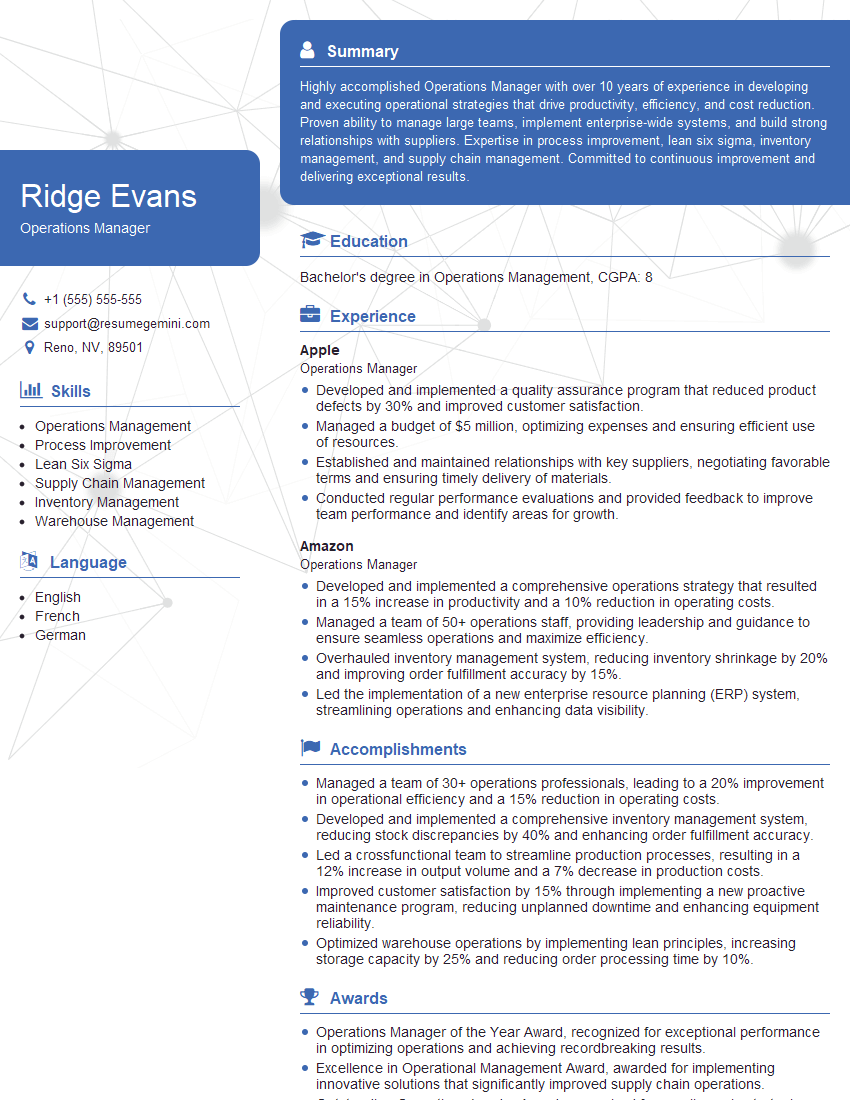
Operations Manager Resume Sample
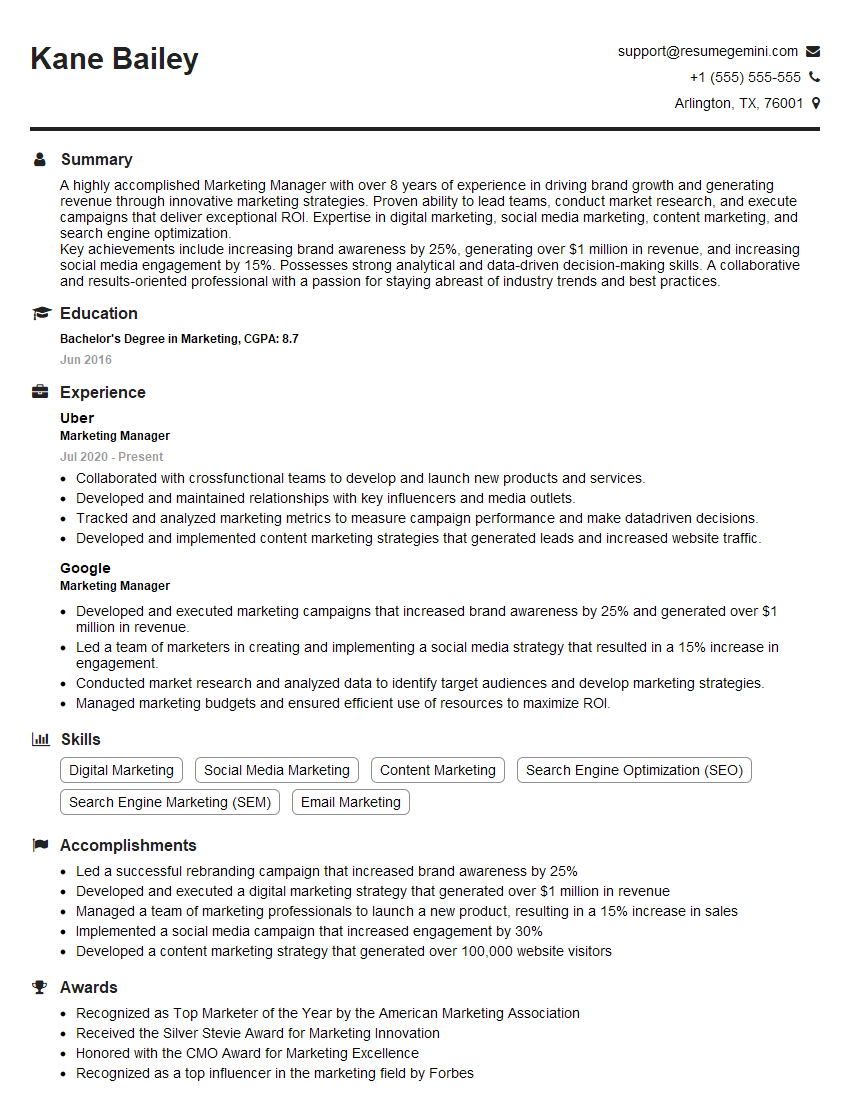
Marketing Manager Resume Sample
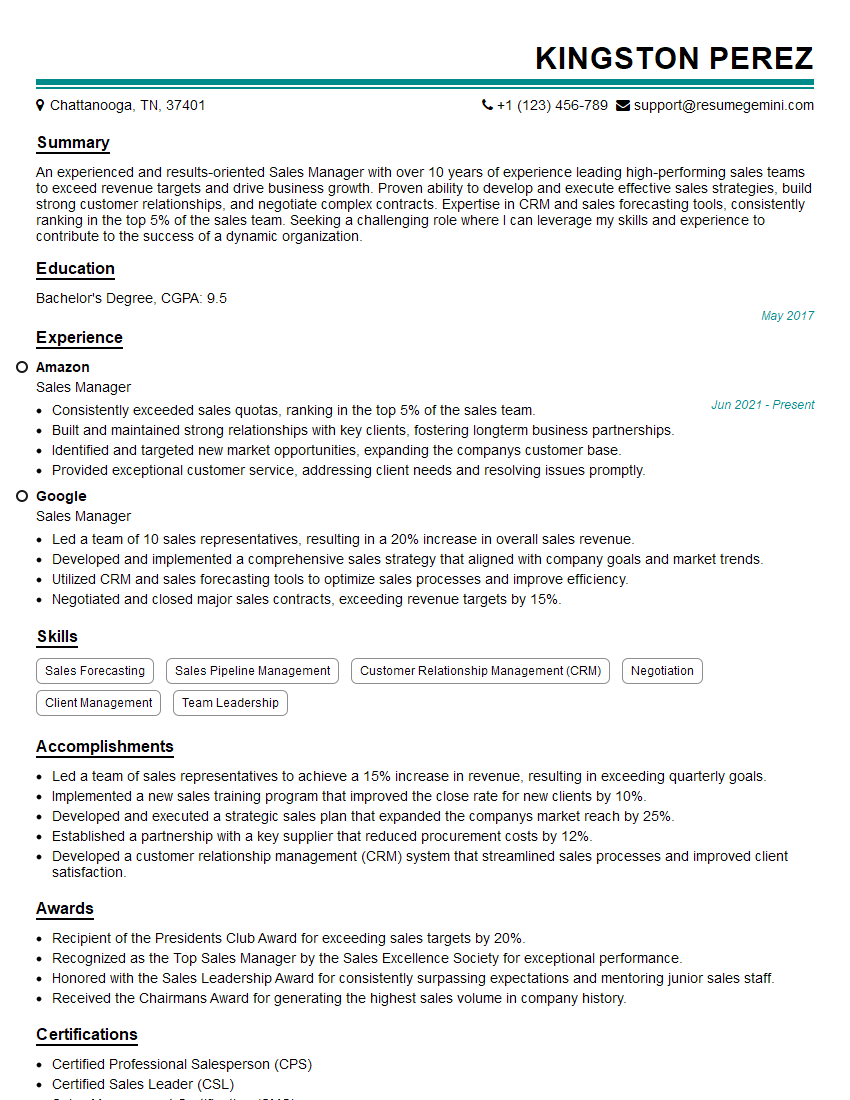
Sales Manager Resume Sample
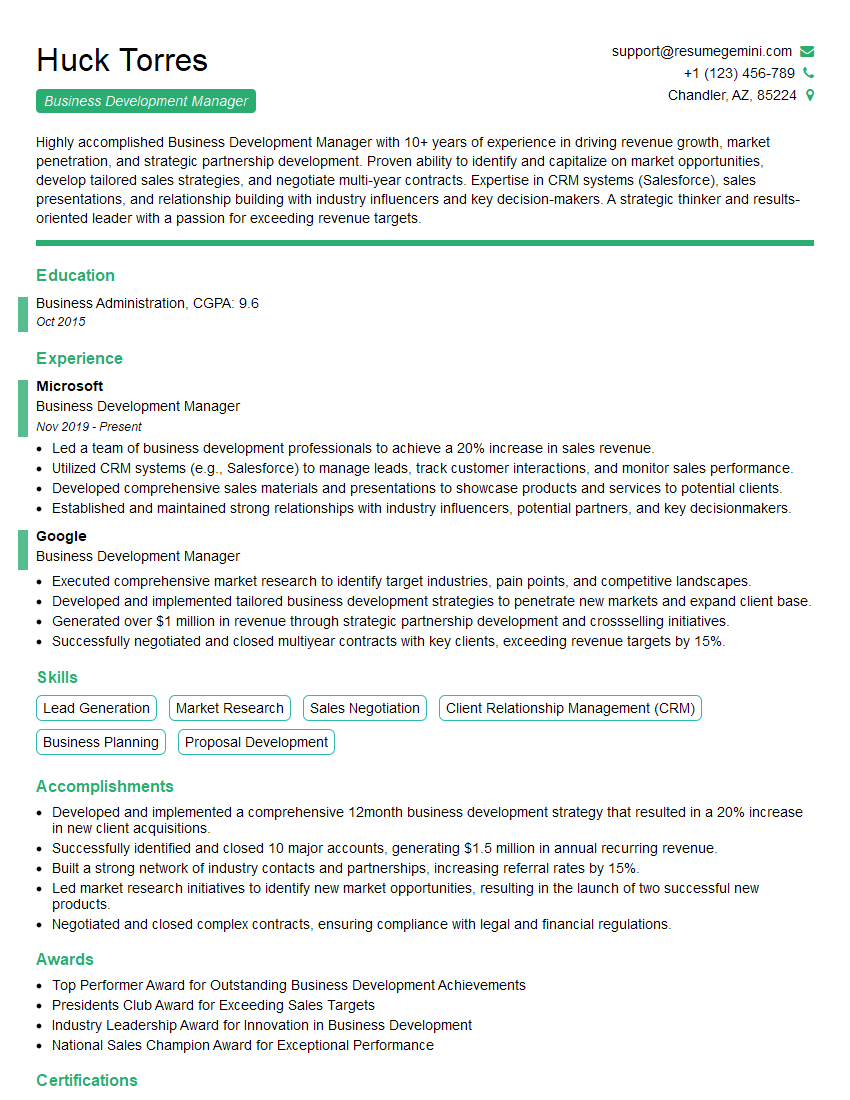
Business Development Manager Resume Sample
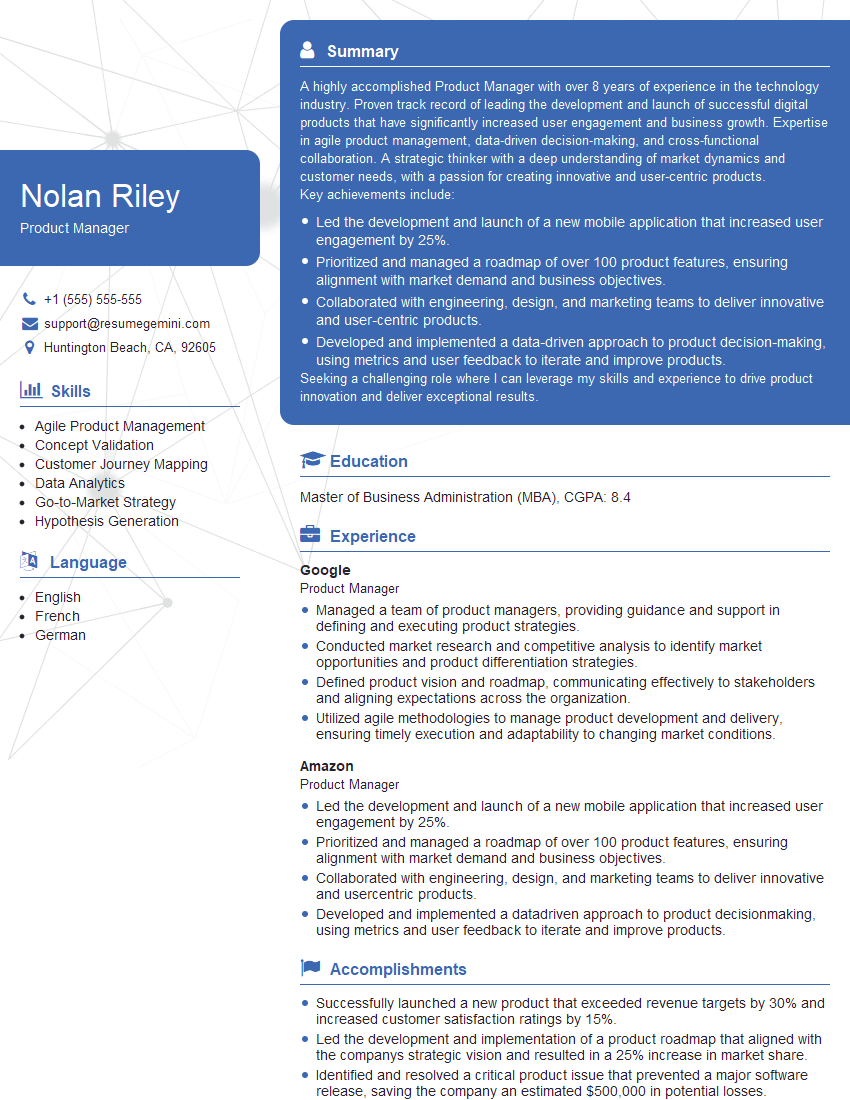
Product Manager Resume Sample
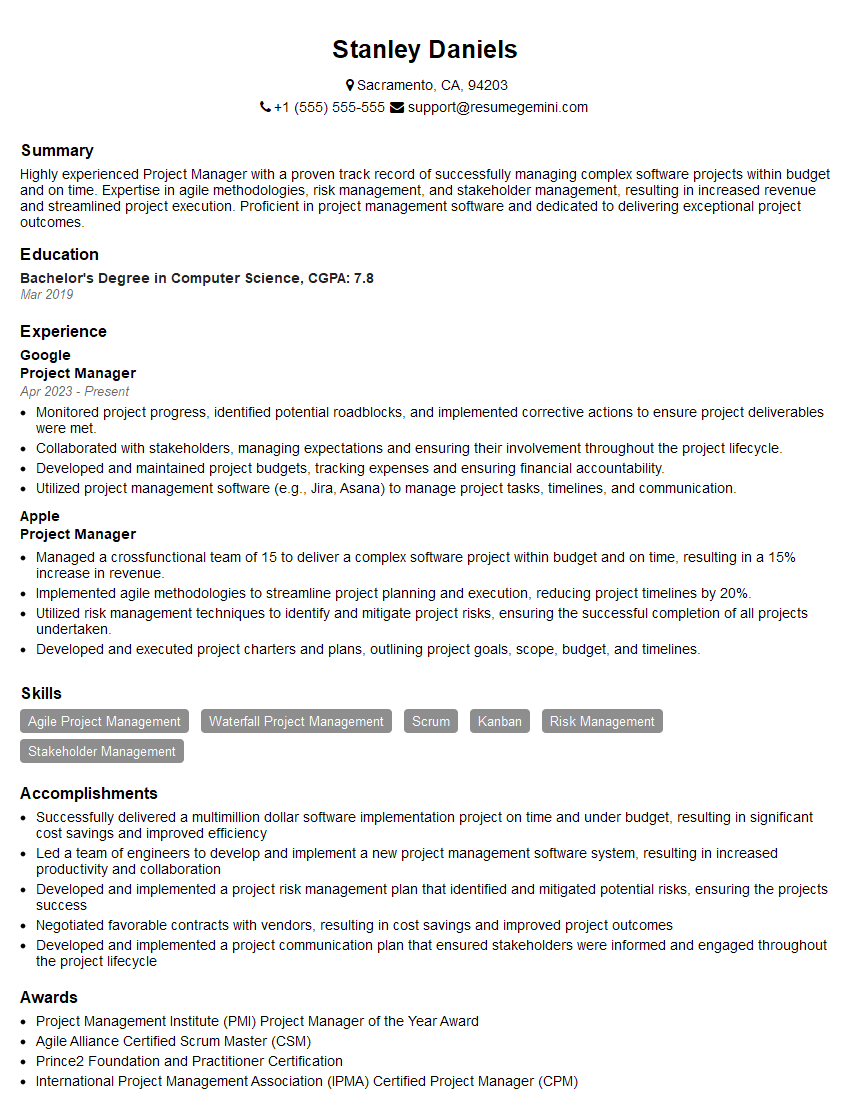
Project Manager Resume Sample
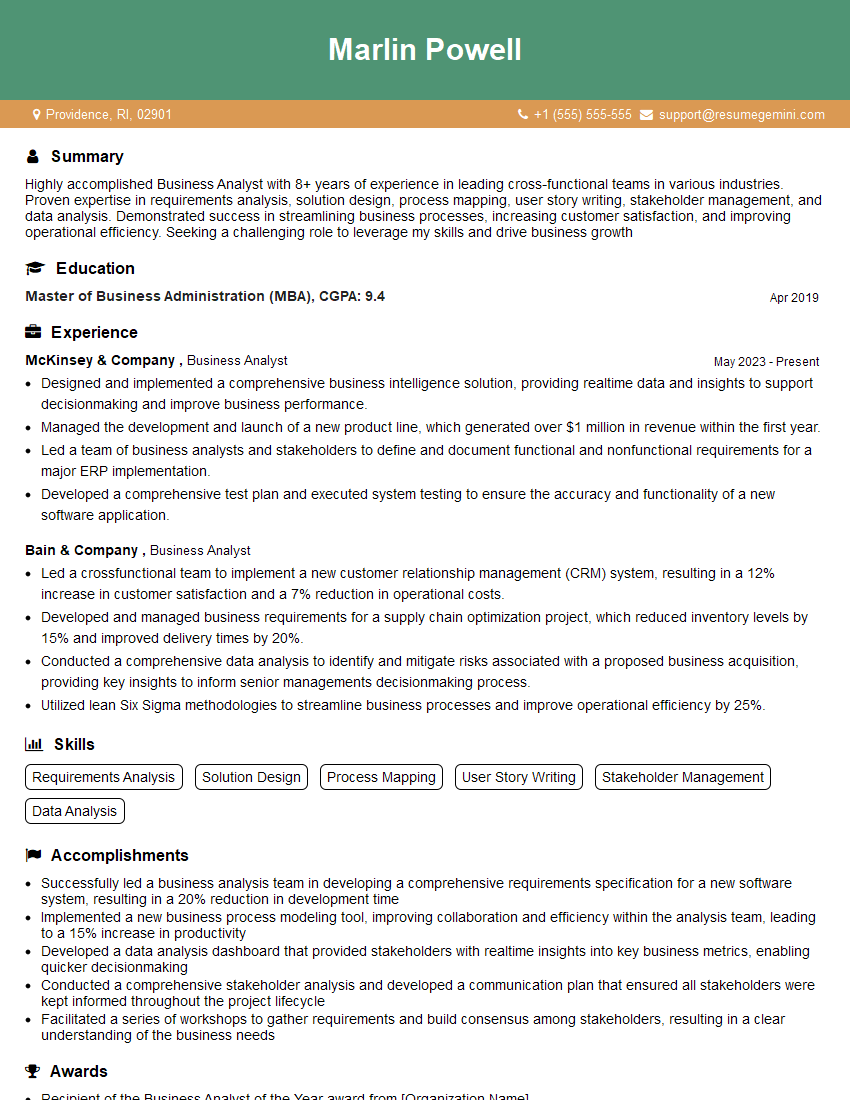
Business Analyst Resume Sample
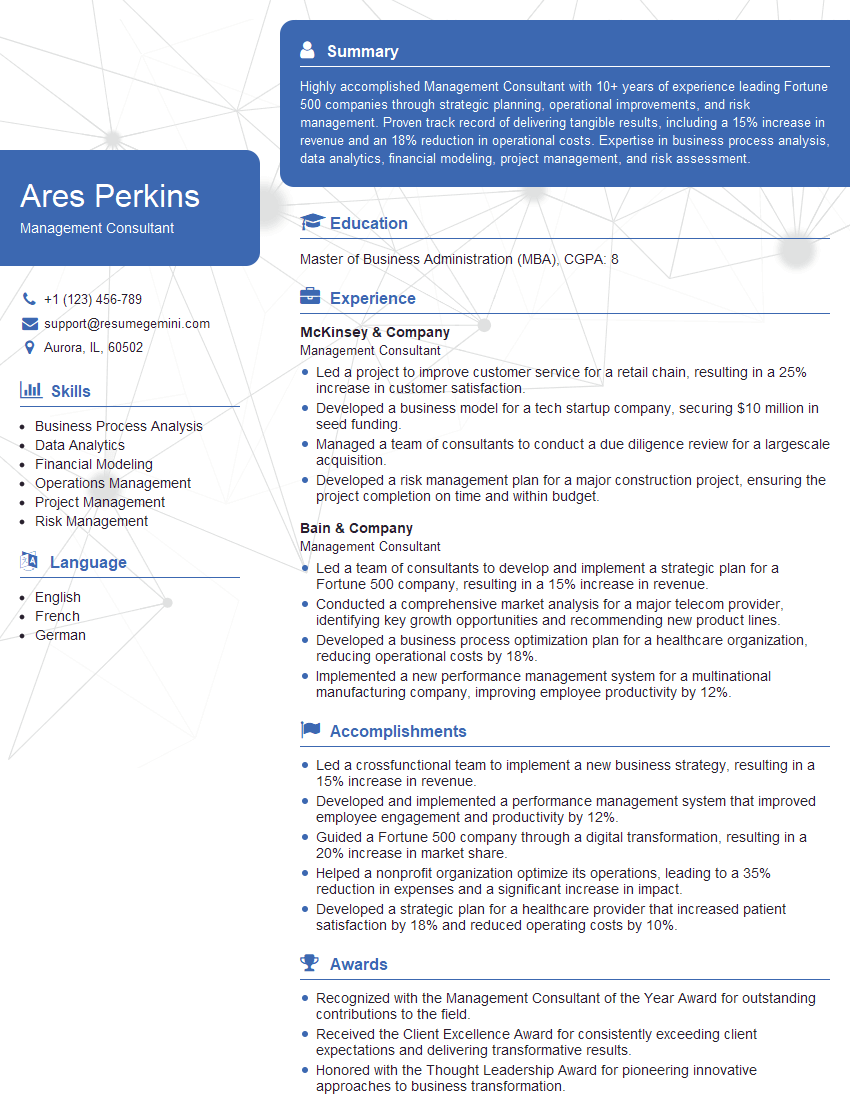
Management Consultant Resume Sample
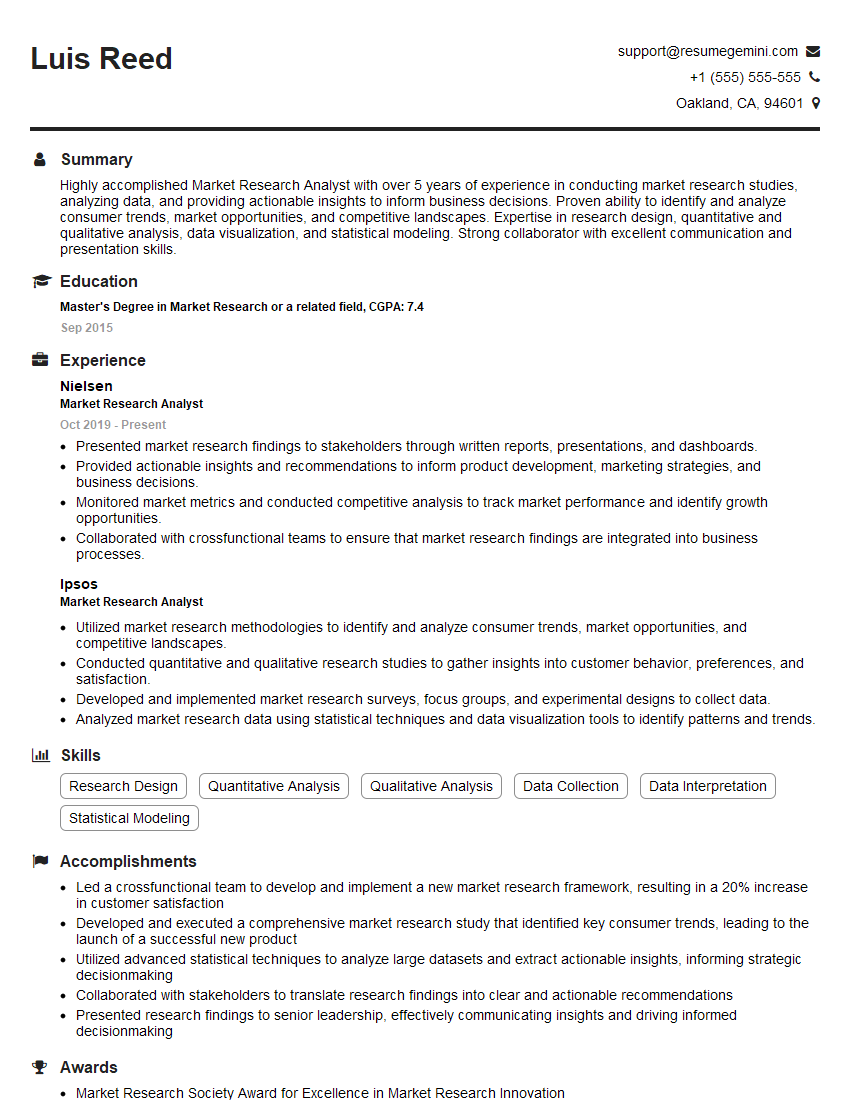
Market Research Analyst Resume Sample
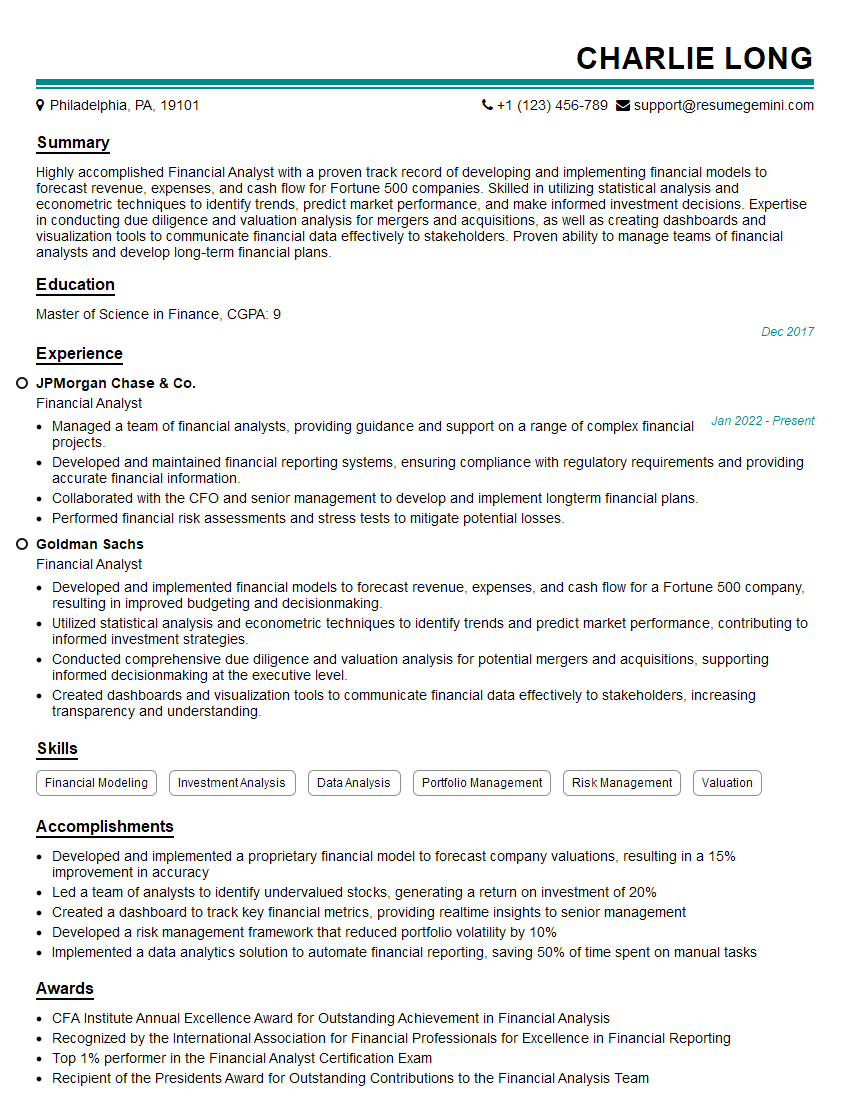
Financial Analyst Resume Sample
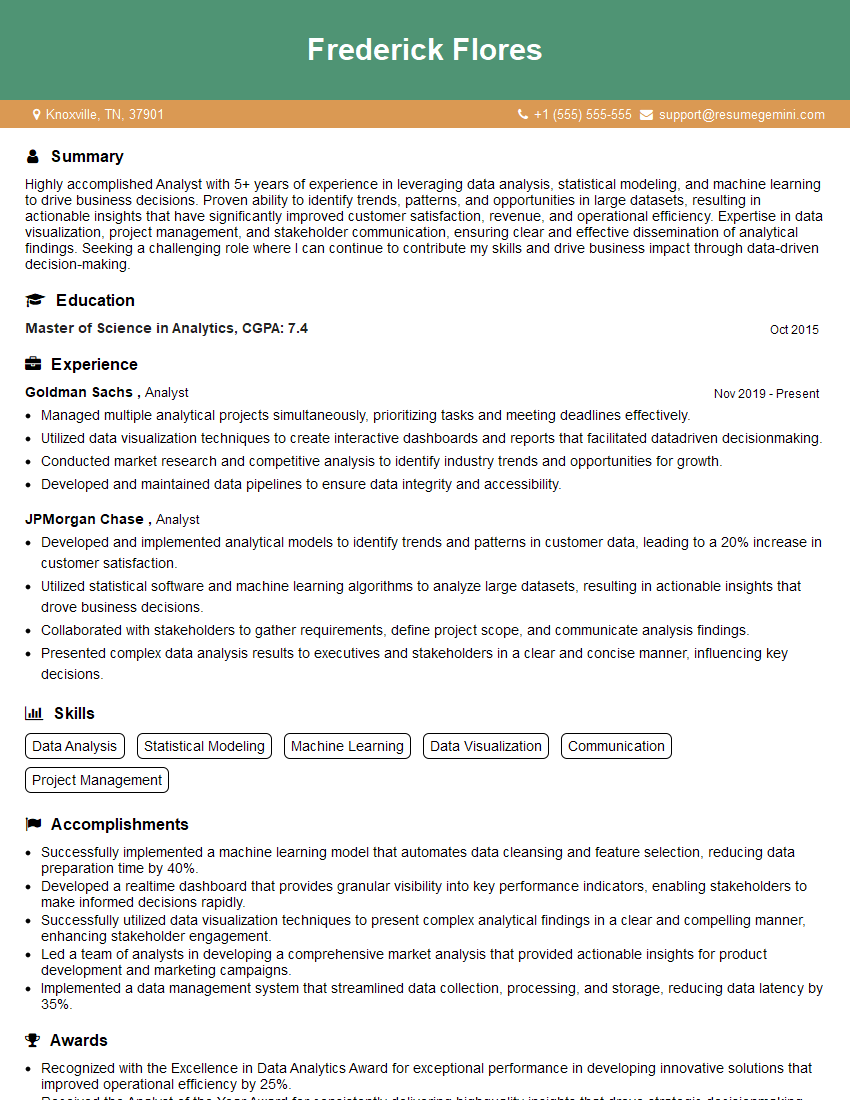
Analyst Resume Sample
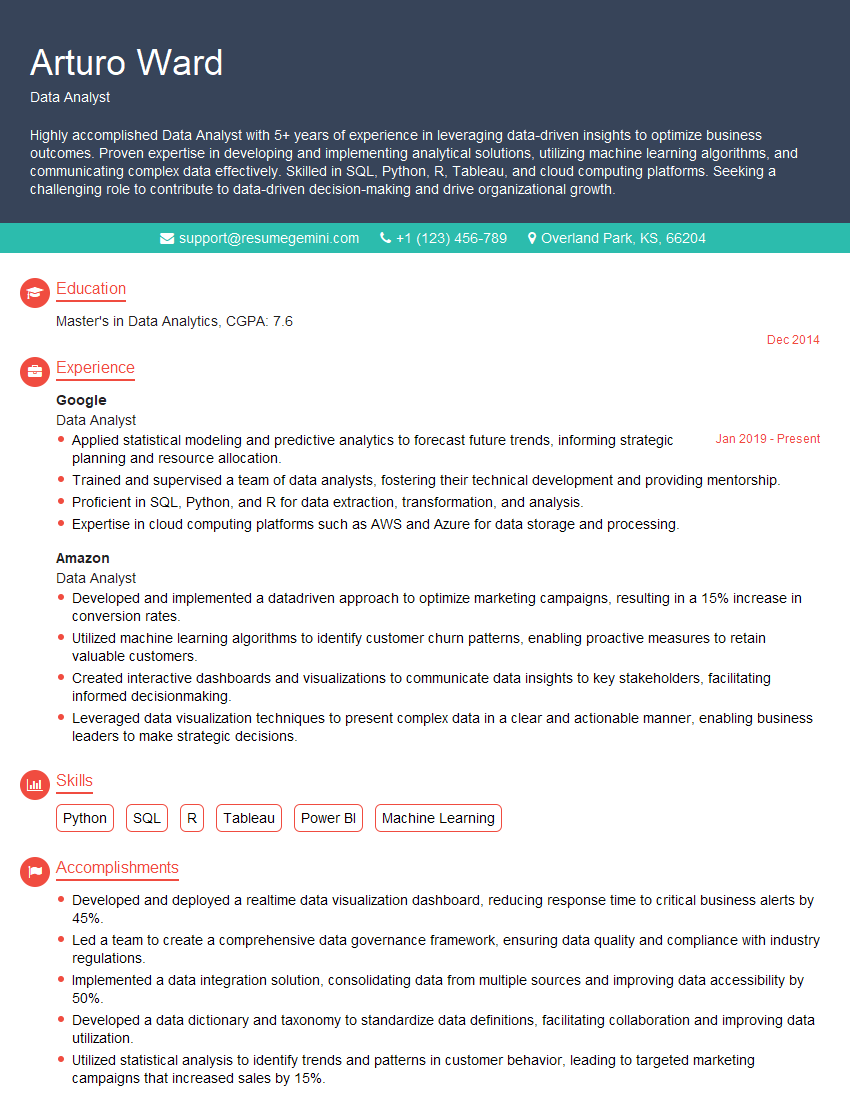
Data Analyst Resume Sample
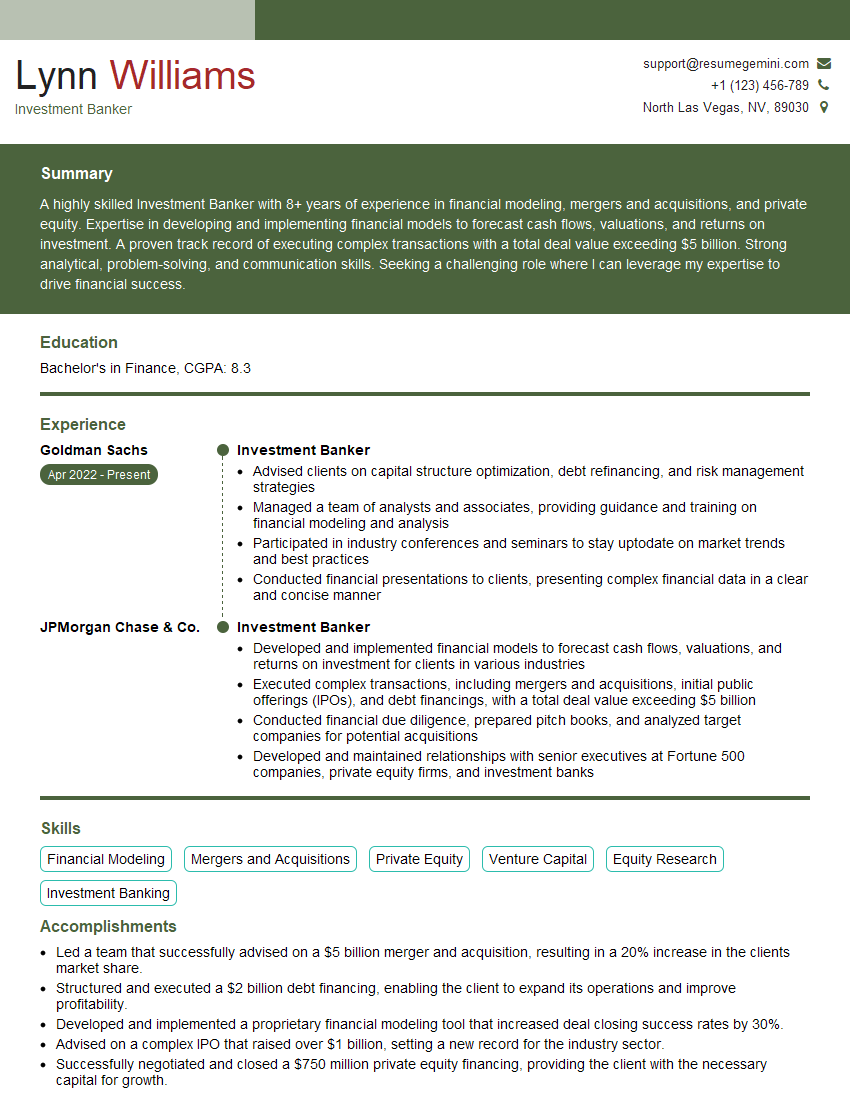
Investment Banker Resume Sample
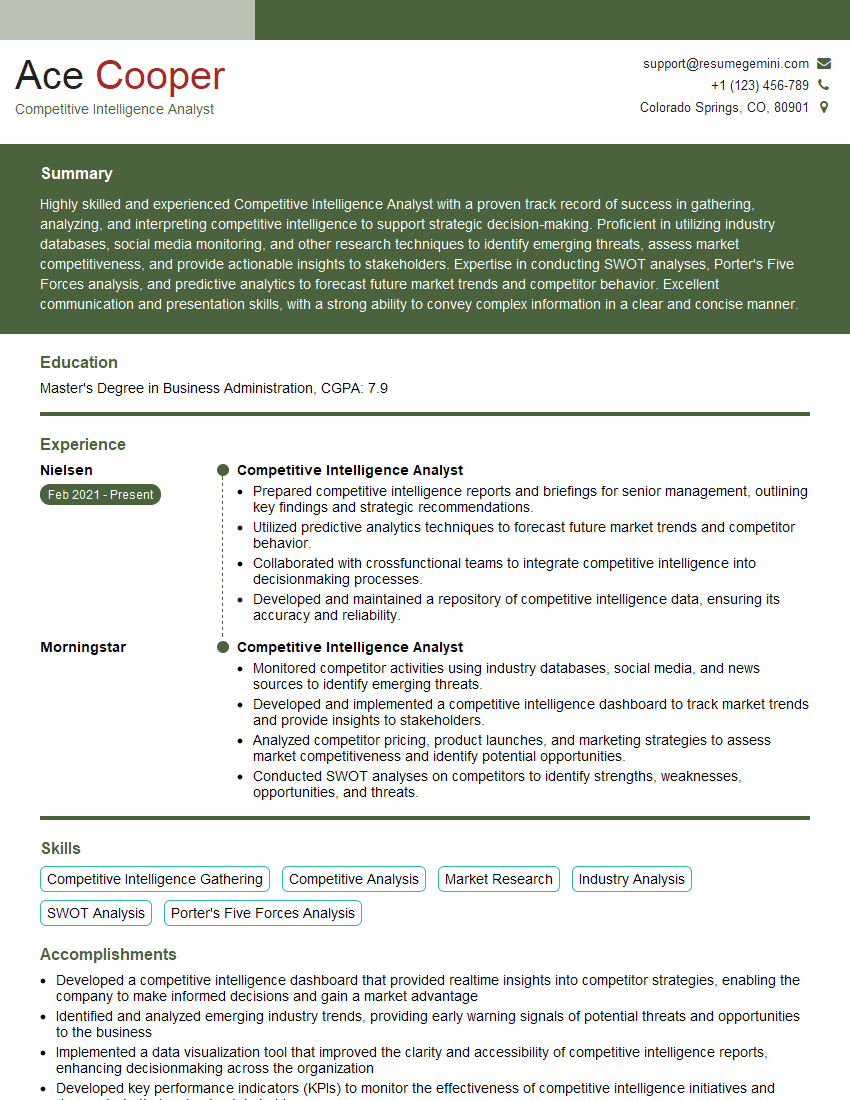
Competitive Intelligence Analyst Resume Sample
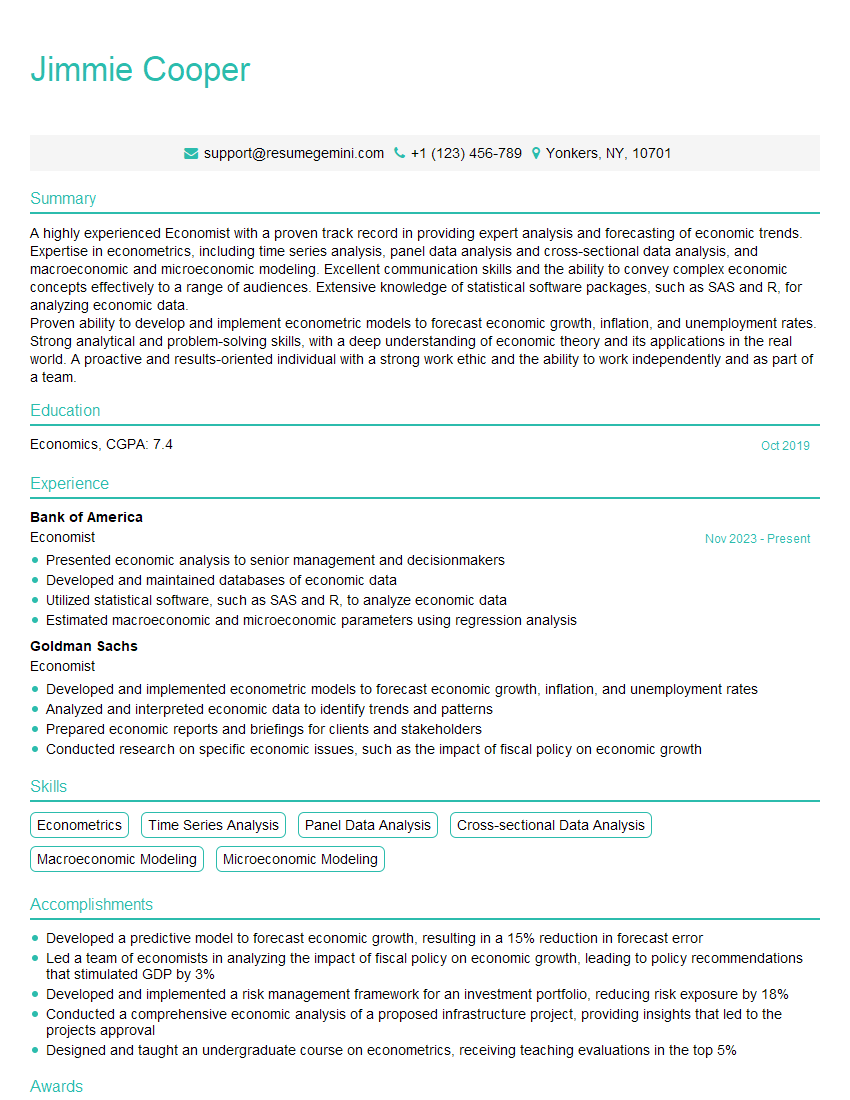
Economist Resume Sample
Explore more articles
Users Rating of Our Blogs
Share Your Experience
We value your feedback! Please rate our content and share your thoughts (optional).
What Readers Say About Our Blog
Amazing blog
hello,
Our consultant firm based in the USA and our client are interested in your products.
Could you provide your company brochure and respond from your official email id (if different from the current in use), so i can send you the client’s requirement.
Payment before production.
I await your answer.
Regards,
MrSmith
hello,
Our consultant firm based in the USA and our client are interested in your products.
Could you provide your company brochure and respond from your official email id (if different from the current in use), so i can send you the client’s requirement.
Payment before production.
I await your answer.
Regards,
MrSmith
These apartments are so amazing, posting them online would break the algorithm.
https://bit.ly/Lovely2BedsApartmentHudsonYards
Reach out at BENSON@LONDONFOSTER.COM and let’s get started!
Take a look at this stunning 2-bedroom apartment perfectly situated NYC’s coveted Hudson Yards!
https://bit.ly/Lovely2BedsApartmentHudsonYards
Live Rent Free!
https://bit.ly/LiveRentFREE
Interesting Article, I liked the depth of knowledge you’ve shared.
Helpful, thanks for sharing.
Hi, I represent a social media marketing agency and liked your blog
Hi, I represent an SEO company that specialises in getting you AI citations and higher rankings on Google. I’d like to offer you a 100% free SEO audit for your website. Would you be interested?