Feeling uncertain about what to expect in your upcoming interview? We’ve got you covered! This blog highlights the most important Prioritization and Estimation interview questions and provides actionable advice to help you stand out as the ideal candidate. Let’s pave the way for your success.
Questions Asked in Prioritization and Estimation Interview
Q 1. Explain the MoSCoW method for prioritizing tasks.
The MoSCoW method is a prioritization technique used to categorize tasks based on their importance. It’s a simple yet effective way to ensure the most crucial work gets done first. The acronym stands for:
- Must have: These are essential features or tasks absolutely necessary for the project’s success. Without them, the project is likely to fail.
- Should have: These are important features that significantly enhance the project but aren’t critical for its basic functionality. They add value and improve user experience.
- Could have: These are desirable features that would be nice to have but aren’t essential. They might be added later if time and resources allow.
- Won’t have: These are features or tasks that are deemed unnecessary or will be excluded from this iteration of the project. They might be reconsidered for future releases.
Example: Imagine building a mobile banking app. ‘Must have’ features would include secure login, account balance display, and fund transfer. ‘Should have’ features could include bill pay and budgeting tools. ‘Could have’ features might be advanced analytics or personalized financial advice. ‘Won’t have’ features in the first release might be international money transfer, a feature that’s deemed too complex for the initial launch.
Q 2. Describe the difference between relative and absolute estimation.
The key difference between relative and absolute estimation lies in the scale used. Absolute estimation assigns a specific amount of time (e.g., days, hours) to a task. It attempts to predict the exact effort required. Relative estimation, on the other hand, compares tasks to each other without assigning specific time units. It focuses on the relative size or complexity of one task compared to another.
Example: Let’s say we have three tasks: A, B, and C. Absolute estimation might assign 3 days to A, 2 days to B, and 1 day to C. Relative estimation, using story points for instance, might assign 8 points to A, 5 points to B, and 3 points to C. The points represent relative complexity; A is more complex than B, which is more complex than C, but we don’t know precisely how many days each would take.
Relative estimation is generally preferred in Agile environments because it’s less prone to inaccurate time predictions and promotes team collaboration by focusing on relative sizing rather than fixed time estimations.
Q 3. How would you prioritize tasks with competing deadlines and priorities?
Prioritizing tasks with competing deadlines and priorities requires a structured approach. I would typically use a combination of methods:
- List all tasks: Create a comprehensive list of all tasks, including their deadlines and associated priorities.
- Identify dependencies: Determine if any tasks depend on others. Complete dependent tasks must happen before others.
- Apply a weighted scoring system: Assign weights to both urgency (deadline proximity) and importance. This could be a simple 1-5 scale for each. Multiply the scores to get a weighted priority score.
- Visualize with a Kanban board: A visual representation helps manage workflows and understand task dependencies. This is crucial in seeing the big picture.
- Engage in stakeholder communication: Openly communicate trade-offs and adjustments needed to meet deadlines. Sometimes, rescoping or adjusting expectations might be required.
- Regularly reassess and adjust: Circumstances change. Regularly review the priorities based on project progress and updated information.
Example: Task A (High Urgency, High Importance) has a tight deadline, while Task B (Medium Urgency, High Importance) has a more flexible deadline. Using a weighted system, A might receive a higher priority despite B being equally important. This systematic approach ensures the most critical tasks are addressed first, even with multiple deadlines involved.
Q 4. What are some common estimation biases, and how can they be mitigated?
Several common estimation biases can significantly impact project timelines and budgets. Some key biases are:
- Planning fallacy: Underestimating the time and effort required due to optimism or past experience not mirroring the current situation.
- Anchoring bias: Over-relying on initial estimates, even if new information suggests otherwise.
- Confirmation bias: Seeking out information that confirms pre-existing beliefs and ignoring contradictory evidence.
- Availability heuristic: Overestimating the likelihood of events that are easily recalled, often due to their vividness or recent occurrence.
Mitigation strategies include:
- Use multiple estimation techniques: Employing different methods (e.g., three-point estimation, Delphi technique) can help identify and mitigate biases.
- Break down tasks: Smaller, well-defined tasks are easier to estimate accurately than large, vague ones.
- Team collaboration: Collective estimation from diverse team members can reduce individual bias.
- Regular review and adjustment: Regularly reassess estimates throughout the project lifecycle based on actual progress.
- Historical data analysis: Leverage past project data to improve estimation accuracy but be mindful that past results may not always reflect the future.
Q 5. Explain your experience with Agile estimation techniques (e.g., Planning Poker, T-Shirt Sizing).
I have extensive experience with Agile estimation techniques, primarily Planning Poker and T-Shirt Sizing.
Planning Poker: This is a collaborative estimation technique using a deck of cards with story points (e.g., Fibonacci sequence: 1, 2, 3, 5, 8, 13, 20). Team members independently estimate the relative size of a user story, then reveal their cards. Discussions ensue to reach a consensus. This approach leverages collective knowledge and addresses potential individual biases. It fosters open communication and a shared understanding of task complexity.
T-Shirt Sizing: This is a simpler, faster method using size categories (e.g., XS, S, M, L, XL) to represent relative task size. It’s useful for quick estimations, particularly in situations where precise numerical values are not necessary. It’s less precise than Planning Poker but works well for quick brainstorming sessions and prioritizing tasks.
In my experience, Planning Poker is better for complex projects requiring more accurate estimation, while T-Shirt Sizing is ideal for situations demanding rapid prioritization or less critical tasks.
Q 6. How do you handle unexpected delays or scope creep during a project?
Unexpected delays and scope creep are inevitable in project management. My approach involves:
- Identify the root cause: Thoroughly investigate the reason for the delay or scope change. Was it a technical issue, a misunderstanding, or an external factor?
- Assess the impact: Determine how the delay or scope change affects the project timeline, budget, and overall deliverables.
- Reprioritize tasks: Re-evaluate the project priorities based on the new information. This might involve removing some tasks, adjusting deadlines, or reallocating resources.
- Communicate transparently: Keep stakeholders informed of the situation and the proposed solutions. Transparency builds trust and helps manage expectations.
- Implement mitigation strategies: Develop a plan to address the root cause of the delay or scope creep and prevent similar issues in the future. This might involve improving communication, enhancing risk management processes, or introducing more robust change management procedures.
- Document changes: Formalize the changes to the project scope, timeline, and budget to maintain accurate project records.
By systematically addressing these steps, you can effectively manage unexpected issues and keep the project on track, minimizing negative consequences.
Q 7. Describe a time you had to re-prioritize tasks due to changing requirements.
In a previous project developing a customer relationship management (CRM) system, we encountered a significant change in requirements midway through the development process. The client decided they needed a much more robust reporting module than originally specified.
This necessitated a complete re-prioritization of tasks. We used the MoSCoW method to re-evaluate each task based on the new requirements. Tasks related to the reporting module were moved to the ‘Must have’ category, while some less critical features were shifted to ‘Could have’ or ‘Won’t have’ for this release. We held a series of meetings with the client and development team to openly discuss the impact of the change, including potential timeline adjustments. We used a Kanban board to visually manage the adjusted task flow and to ensure transparency and collaboration throughout the re-prioritization process. Although it involved additional effort, the systematic approach ensured a smooth transition and ultimately delivered a product that met the client’s evolved needs.
Q 8. What metrics do you use to track the effectiveness of your prioritization strategies?
Measuring the effectiveness of prioritization strategies requires a multi-faceted approach. We can’t rely on a single metric; instead, we need a combination to paint a complete picture. Key metrics I use include:
- Cycle Time: This measures the time it takes to complete a prioritized task from start to finish. A decrease in cycle time indicates improved efficiency and prioritization effectiveness. For example, if we consistently prioritize tasks with high business value and low complexity, we should see our cycle time reduce.
- Throughput: This reflects the number of prioritized tasks completed within a specific timeframe. Increased throughput signifies effective prioritization and resource allocation. If we prioritize tasks based on urgency and importance, using a framework like the Eisenhower Matrix, we’d expect higher throughput.
- Lead Time: This measures the time from the moment a task is requested to its completion. Reducing lead time reflects better prioritization and faster response to critical needs. For instance, if a client requests an urgent bug fix, prioritizing it promptly reduces its lead time.
- Customer Satisfaction (CSAT): Directly measuring customer satisfaction helps determine if the prioritized work delivered value. High CSAT scores usually indicate that the prioritization decisions aligned with customer needs.
- Value Delivered (Business Outcomes): Ultimately, we must track how the completed tasks contribute to our business goals. Key Performance Indicators (KPIs) specific to the business should be closely monitored and correlated with prioritization decisions. For example, if prioritizing features related to increased customer conversion, we’d expect improved conversion rates.
Regularly reviewing these metrics helps to identify areas for improvement and refine our prioritization strategies. Trends in these metrics help us understand what is and isn’t working.
Q 9. How do you communicate priorities effectively to stakeholders?
Effective communication of priorities is crucial for alignment and success. My approach involves several key strategies:
- Visual Communication: Using tools like Kanban boards, roadmaps, and burn-down charts makes priorities easily understandable. A visual representation is much more effective than a long email.
- Regular Stakeholder Meetings: Holding regular meetings (weekly or bi-weekly) to discuss priorities, address concerns, and provide updates ensures transparency and fosters collaboration. This is a perfect opportunity for clarifying expectations and ensuring everyone’s on the same page.
- Prioritization Matrix/Framework: Employing a clear and universally understood prioritization framework (like RICE scoring or MoSCoW) ensures everyone is working with the same criteria. This gives everyone a consistent understanding of the rationale behind decisions.
- Clear and Concise Communication: Using simple language, avoiding jargon, and focusing on the ‘why’ behind the prioritization decisions helps ensure stakeholders understand the rationale. This is crucial, as people are much more likely to support a decision they understand.
- Documentation: Maintaining clear documentation of prioritized tasks, including rationale and assigned owners, promotes accountability and minimizes confusion. A central repository accessible to all stakeholders is key.
By combining these approaches, I ensure priorities are not only understood but also actively supported by all stakeholders.
Q 10. Explain the concept of opportunity cost in project prioritization.
Opportunity cost in project prioritization refers to the potential benefits that are forgone when choosing one project over another. It’s essentially the value of the next best alternative. Imagine you have limited resources (time, budget, personnel) and multiple projects competing for them. When you select Project A, you’re implicitly choosing *not* to pursue Project B, C, or D. The potential benefits you miss out on by not selecting those projects represent the opportunity cost of choosing Project A.
For example, let’s say you’re deciding between developing a new mobile app (Project A) and improving your website’s SEO (Project B). If you choose Project A, the opportunity cost is the potential increase in website traffic and revenue you would have gained from investing in Project B. A good prioritization process carefully weighs the potential benefits of each project against its opportunity cost to make the most informed decision.
Q 11. How do you use data to inform your prioritization decisions?
Data is fundamental to effective prioritization. I use data in several ways:
- Quantitative Data Analysis: Analyzing historical data on project completion times, resource utilization, and customer feedback helps identify trends and patterns. This allows us to predict more accurately the time, resources, and effort required for future tasks.
- Qualitative Data Gathering: Gathering feedback from stakeholders through surveys, interviews, and user research allows us to understand the needs, pain points, and priorities of different groups. This helps make our prioritization decisions relevant to the actual users and the business.
- Business Metrics: Aligning prioritization with business objectives is critical. Using data on sales, customer acquisition cost (CAC), and other relevant KPIs helps ensure that our prioritization decisions are driving business value. This provides measurable evidence of the efficacy of our prioritization process.
- A/B Testing: For features or improvements with measurable impact, A/B testing helps validate assumptions and compare different approaches. We can use data gathered from A/B tests to make data-driven prioritization choices and avoid costly mistakes.
By integrating data analysis into every step of the prioritization process, I ensure decisions are evidence-based, minimizing guesswork and maximizing impact.
Q 12. What are the benefits and drawbacks of using different prioritization frameworks (e.g., Eisenhower Matrix, RICE scoring)?
Different prioritization frameworks each offer unique strengths and weaknesses:
- Eisenhower Matrix (Urgent/Important):
- Benefits: Simple, easy to understand, useful for quickly categorizing tasks. Good for time management and identifying critical tasks.
- Drawbacks: Can be subjective in determining urgency and importance. Doesn’t quantify value or effort; may not be suitable for complex projects with multiple stakeholders.
- RICE Scoring (Reach, Impact, Confidence, Effort):
- Benefits: Provides a quantitative approach, weighing factors like reach, impact, and effort. More objective than the Eisenhower Matrix, enabling better comparison across different projects.
- Drawbacks: Requires estimations for each factor, which can be prone to inaccuracy. Can be complex to implement, requiring training and buy-in from stakeholders.
- MoSCoW Method (Must have, Should have, Could have, Won’t have):
- Benefits: Clear categorization of requirements based on their necessity. Helps define scope and prioritize essential features.
- Drawbacks: Requires clear understanding of project requirements upfront. Can be challenging to adapt to changing priorities during project execution.
The best framework depends on the context. For smaller projects with limited resources, the Eisenhower Matrix might suffice. For larger, complex projects with multiple stakeholders, RICE scoring or the MoSCoW method may be more suitable. It’s often beneficial to combine methods to benefit from their respective strengths.
Q 13. Describe your experience with using Kanban boards for task management and prioritization.
Kanban boards are an invaluable tool for task management and prioritization. I’ve used them extensively in several projects, leveraging their visual nature to facilitate efficient workflow and clear prioritization. The board visually displays tasks in different stages (e.g., To Do, In Progress, Testing, Done), allowing for easy tracking of progress. Prioritization is managed through the order of tasks on the board, with higher-priority tasks placed at the top of the ‘To Do’ column. This makes it clear what needs attention first. The visual cues aid in identifying bottlenecks and areas requiring attention.
For example, I’ve used Kanban boards in Agile development projects to manage sprints. Each task card includes details like the task description, assigned person, estimated effort, and priority level. This ensures transparency and allows the team to self-organize around priorities. The visual flow of the board also helps us easily identify any roadblocks and take quick corrective action. Furthermore, I’ve found that the visual representation of workflow enhances communication between team members and stakeholders, reducing misunderstandings and improving overall project delivery.
Q 14. How do you involve stakeholders in the prioritization process?
Involving stakeholders in the prioritization process is essential for buy-in and successful project execution. My strategy involves:
- Early and Frequent Engagement: Start discussions with stakeholders early in the process to gather input and understand their perspectives. Regular communication during prioritization keeps everyone informed and engaged.
- Workshops and Collaborative Sessions: Using interactive workshops and collaborative sessions allows stakeholders to actively participate in the prioritization process. This can involve using voting systems, brainstorming sessions, or collaborative prioritization tools.
- Transparency and Open Communication: Being transparent about the decision-making process, rationale behind priorities, and potential trade-offs builds trust and fosters collaboration. Open communication addresses concerns and builds confidence in the process.
- Data-Driven Decision Making: Presenting data and analytics on business needs, market trends, and customer feedback makes prioritization decisions more objective and transparent. The data provides a common language for discussion.
- Prioritization Matrix or Framework: Employing a framework like RICE scoring or MoSCoW provides a structured approach and ensures all stakeholders understand the evaluation criteria. This eliminates subjectivity and enhances collaborative decision-making.
By actively involving stakeholders, I ensure that the chosen priorities align with the overall business objectives and receive the necessary support for successful execution. It promotes a sense of ownership among stakeholders and improves commitment to the project goals.
Q 15. How do you estimate the effort required for tasks with high uncertainty?
Estimating effort for highly uncertain tasks requires a different approach than for well-defined ones. Instead of precise numbers, we focus on ranges and probabilities. Think of it like weather forecasting – you can’t predict the exact temperature, but you can give a range (e.g., 20-25°C) and a probability of it falling within that range.
I typically use techniques like the Three-Point Estimation (optimistic, most likely, pessimistic) to account for uncertainty. Let’s say we’re developing a new feature with uncertain dependencies:
- Optimistic (O): 5 days – assuming everything goes perfectly.
- Most Likely (M): 10 days – a realistic estimate considering potential minor hiccups.
- Pessimistic (P): 20 days – accounting for significant unforeseen problems.
Then I’d calculate a weighted average, often using the formula: (O + 4M + P) / 6. In this case: (5 + 4*10 + 20) / 6 ≈ 10.83 days. This gives a more robust estimate than a single point prediction. It’s also crucial to communicate the range and uncertainty to stakeholders, managing expectations upfront.
Career Expert Tips:
- Ace those interviews! Prepare effectively by reviewing the Top 50 Most Common Interview Questions on ResumeGemini.
- Navigate your job search with confidence! Explore a wide range of Career Tips on ResumeGemini. Learn about common challenges and recommendations to overcome them.
- Craft the perfect resume! Master the Art of Resume Writing with ResumeGemini’s guide. Showcase your unique qualifications and achievements effectively.
- Don’t miss out on holiday savings! Build your dream resume with ResumeGemini’s ATS optimized templates.
Q 16. What are some techniques for breaking down large tasks into smaller, more manageable units?
Breaking down large tasks is fundamental for effective estimation and project management. It’s like trying to eat a whole pizza in one bite – impossible! We use techniques like the Work Breakdown Structure (WBS). This involves recursively decomposing a project into smaller, more manageable components until each component is clearly defined and easily estimable.
For example, let’s say the task is ‘Develop a new e-commerce website’. We could break it down as follows:
- Phase 1: Design & Planning
- Wireframing
- UI/UX Design
- Database Design
- Phase 2: Development
- Frontend Development
- Backend Development
- API Integration
- Phase 3: Testing & Deployment
- Unit Testing
- Integration Testing
- Deployment to Production
This hierarchical structure allows us to estimate each smaller task individually and aggregate these estimates for the overall project. This increases accuracy and allows for better progress tracking.
Q 17. Explain the difference between effort estimation and duration estimation.
While related, effort and duration estimations are distinct. Effort refers to the total amount of work required to complete a task, often measured in person-hours or days. Duration is the time it takes to complete the task, considering factors like resource availability and scheduling constraints.
Consider writing a report: The effort might be 8 hours of work. However, if the writer only has 2 hours available each day, the duration will be 4 days.
Effort estimation focuses on the ‘how much’ while duration estimation considers the ‘how long’. Both are essential for accurate project planning.
Q 18. How do you handle conflicting priorities from different stakeholders?
Conflicting priorities are inevitable. My approach involves a structured process of prioritization. I begin by documenting all stakeholder requests, clarifying their needs and importance. Then, I utilize a prioritization framework such as MoSCoW (Must have, Should have, Could have, Won’t have) or a weighted scoring system based on factors like business value, risk, and urgency.
This helps to visualize and compare the relative importance of different tasks. Open communication is key. I facilitate discussions with stakeholders to clarify conflicts, find compromises, and achieve consensus on a prioritized backlog. Sometimes, prioritization requires difficult decisions, and clearly explaining the rationale behind those choices is critical for maintaining positive working relationships.
Q 19. How do you balance short-term priorities with long-term goals?
Balancing short-term priorities with long-term goals requires strategic thinking. It’s like planning a road trip: you need to focus on the immediate task of driving safely (short-term), but you also need to keep your eye on the final destination (long-term).
I achieve this balance by using techniques like roadmapping. This involves creating a high-level plan that outlines both immediate and long-term objectives. We then prioritize tasks based on their contribution to both short-term deliverables and the overall strategic goals. Sometimes, dedicating a small percentage of time to long-term initiatives, even during periods of high short-term pressure, can ensure progress towards the bigger picture. It’s about creating a sustainable approach, not just reacting to immediate demands.
Q 20. How do you measure the accuracy of your estimations?
Measuring estimation accuracy is crucial for continuous improvement. I track the difference between estimated and actual effort/duration for each task. This difference is often expressed as a percentage of error. For example, if a task was estimated at 10 hours and took 12 hours, the error is 20%.
Over time, I collect this data to calculate average error rates and identify trends. This allows me to assess the overall accuracy of my estimations and pinpoint areas for improvement. Visualizations like cumulative flow diagrams and burn-down charts can also help to identify discrepancies between estimations and actual progress.
Q 21. What strategies do you use to improve the accuracy of your estimations over time?
Improving estimation accuracy is an ongoing process. Key strategies include:
- Regularly reviewing past estimations: Analyzing what went right and wrong helps refine future estimations.
- Improving estimation techniques: Exploring and applying more sophisticated methods as needed.
- Increased team involvement: Collective estimations, leveraging the experience and knowledge of multiple team members, often leads to more accurate results.
- Using historical data: Building a database of completed tasks and their associated estimations provides a valuable benchmark for future projects.
- Continuous feedback and learning: Regularly assessing estimations against actuals and adjusting future estimates accordingly is crucial.
Remember, accurate estimation is not about being perfect; it’s about continuously improving the process and learning from past experiences. The goal is to reduce uncertainty and improve project predictability over time.
Q 22. Describe a situation where your prioritization decisions resulted in a positive outcome.
Prioritization is crucial for success in any project. A recent project involved developing a new mobile application with several features: user authentication, product browsing, shopping cart functionality, and payment integration. Initially, the team wanted to launch with all features simultaneously. However, I advocated for prioritizing user authentication and product browsing first, followed by the shopping cart, and finally, payment integration. This phased approach allowed us to release a Minimum Viable Product (MVP) quickly, gathering user feedback and validating our core functionalities before investing heavily in less critical features. The positive outcome was a faster time to market, reduced development risk, and the ability to adapt based on real-world user interactions. We received valuable feedback on the core functionalities from early adopters, which allowed us to iterate and improve the shopping cart and payment integration features before their official release, leading to a more successful and user-friendly final product. Ignoring this phased approach could have resulted in a delayed launch and a less user-friendly initial release.
Q 23. How do you deal with pressure to deliver on unrealistic deadlines?
Unrealistic deadlines are a common challenge. My approach involves a three-step process: First, I engage in open and honest communication with stakeholders to explain the potential risks and consequences of adhering to the unrealistic timeline. This usually involves providing data-backed estimations and explaining the potential impact on quality and team morale. Second, I propose alternative solutions, suggesting a revised timeline that aligns with realistic estimations or prioritizing the most critical features to deliver a functional, albeit potentially limited, product by the imposed deadline. Finally, I focus on clear communication and transparency, proactively providing updates on progress and any unforeseen challenges. This builds trust and allows stakeholders to make informed decisions. For example, if a deadline is impossible to meet, I will present options like delivering core features early and delaying less critical aspects, or suggesting a phased rollout.
Q 24. What tools or techniques do you use to manage your workload and prioritize tasks?
Effective workload management is crucial for my success. I leverage a combination of tools and techniques. My primary tool is a Kanban board (either physical or digital), allowing me to visualize my tasks, their status, and dependencies. I utilize techniques such as timeboxing, allocating specific time blocks for focused work on particular tasks. Prioritization follows the MoSCoW method (Must have, Should have, Could have, Won’t have), categorizing tasks based on their importance and urgency. Regular review and adjustment of my Kanban board ensure that I remain adaptable to changing priorities. I also use project management software to track progress, deadlines, and team contributions. It’s vital to regularly review and adjust my workload management techniques, ensuring they remain effective and aligned with my current needs and project demands.
Q 25. Explain the concept of Parkinson’s Law and how it relates to estimation.
Parkinson’s Law states that ‘work expands so as to fill the time available for its completion.’ This is highly relevant to estimation because if we give ourselves too much time for a task, we’ll subconsciously take that longer time, even if the task could be completed sooner. This often leads to less efficient use of time and resources. Conversely, a tighter deadline (within reason) can incentivize focus and streamline the process, leading to more effective time management. For example, if I estimate a task will take 5 days, but only have 3 days allocated, I am more likely to find efficiencies and avoid unnecessary complexities. However, it’s essential to maintain a balance; overly tight deadlines can lead to rushed work and compromise quality. The key is to create realistic estimations, considering potential challenges and then allocating enough time, but not too much.
Q 26. How do you ensure that your estimations are realistic and achievable?
Realistic estimations are the cornerstone of successful project management. I use a combination of techniques to ensure my estimations are accurate and achievable. First, I break down complex tasks into smaller, more manageable sub-tasks, making estimation more precise. I use historical data from similar projects to inform my estimations, providing a baseline to work from. I also involve the team in the estimation process to leverage their expertise and knowledge. This collaborative approach generates a more accurate estimate and increases team buy-in. Finally, I add buffer time to account for unforeseen issues or complexities. This buffer is crucial in mitigating potential delays and maintaining project momentum. For example, if a subtask estimate is 2 days, I might add half a day buffer, acknowledging the potential for unforeseen issues.
Q 27. Describe a time you had to make a difficult prioritization decision. What factors did you consider?
A challenging prioritization decision involved a project with two high-priority features: improving website security and implementing a new marketing campaign. Both were crucial for the business, but resources were limited. To make the decision, I considered several factors: the urgency of each feature (website security was more urgent due to potential vulnerabilities), the potential impact on the business (revenue loss from security breaches versus potential revenue gain from the marketing campaign), the technical feasibility and complexity of each feature (website security required more technical expertise), and the potential risks and consequences of delaying either feature. Ultimately, I prioritized website security due to its immediate urgency and potential for significant negative consequences. This decision, while difficult, was necessary to protect the business and mitigate potential risks. I communicated the reasoning clearly to stakeholders, explaining the rationale behind the decision and establishing a plan for implementing the marketing campaign once security was addressed.
Key Topics to Learn for Prioritization and Estimation Interview
- Understanding Prioritization Frameworks: Explore various methods like MoSCoW, Eisenhower Matrix, Value vs. Effort, and Kano Model. Understand their strengths and weaknesses and when to apply each.
- Practical Application of Prioritization: Learn how to apply these frameworks to real-world scenarios, such as project management, feature selection, and task delegation. Practice analyzing trade-offs and making data-driven decisions.
- Estimation Techniques: Master different estimation methods like story points, three-point estimation, and relative estimation. Practice converting estimations into realistic timelines and resource allocation.
- Risk Assessment and Mitigation in Estimation: Learn how to identify potential risks and uncertainties that might impact estimations. Develop strategies for mitigating these risks and building contingency plans.
- Communicating Prioritization and Estimations: Practice clearly and concisely communicating your rationale and estimations to stakeholders. This includes justifying your choices and addressing potential concerns.
- Dealing with Uncertainty and Changing Priorities: Develop strategies for adapting to changing priorities and unexpected challenges. Learn how to effectively re-prioritize tasks and adjust estimations as needed.
- Agile Methodologies and Estimation: Understand the role of prioritization and estimation in Agile frameworks like Scrum and Kanban. Learn how to participate effectively in sprint planning and estimation sessions.
Next Steps
Mastering prioritization and estimation skills is crucial for career advancement in nearly any field, demonstrating your ability to manage workload, make informed decisions, and deliver results effectively. A strong resume showcasing these abilities is essential for attracting the attention of recruiters and hiring managers. To significantly increase your chances, build an ATS-friendly resume that highlights your skills and accomplishments. ResumeGemini is a trusted resource that can help you craft a compelling and effective resume. Examples of resumes tailored to highlighting Prioritization and Estimation skills are available within ResumeGemini, allowing you to see how to best present your experience. Take the next step towards your dream job today!
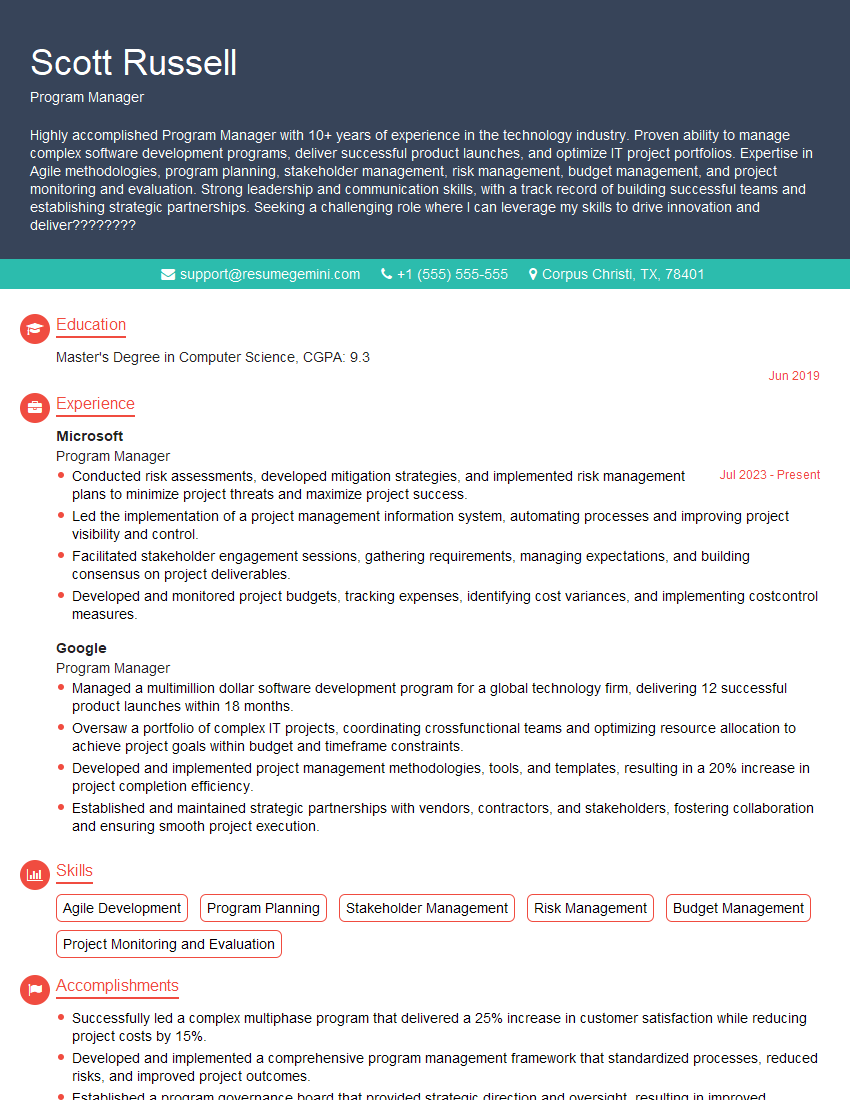
Program Manager Resume Sample
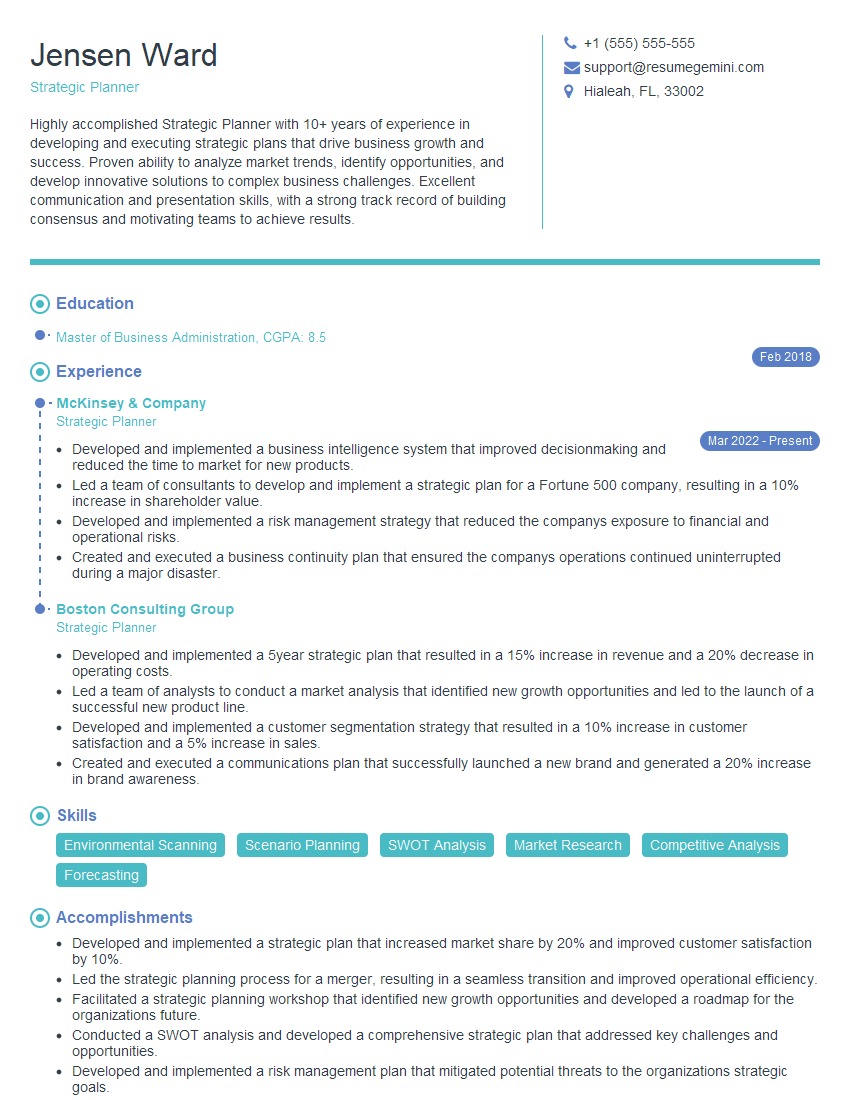
Strategic Planner Resume Sample

Operations Manager Resume Sample
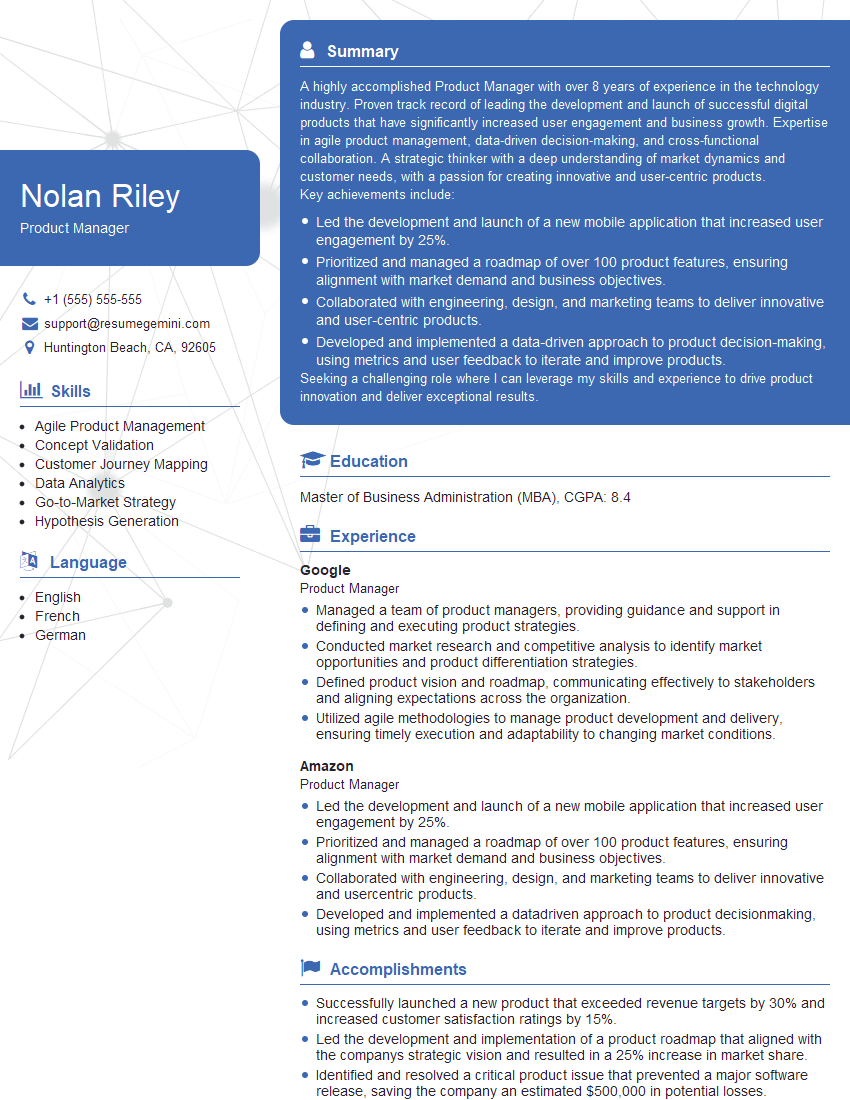
Product Manager Resume Sample
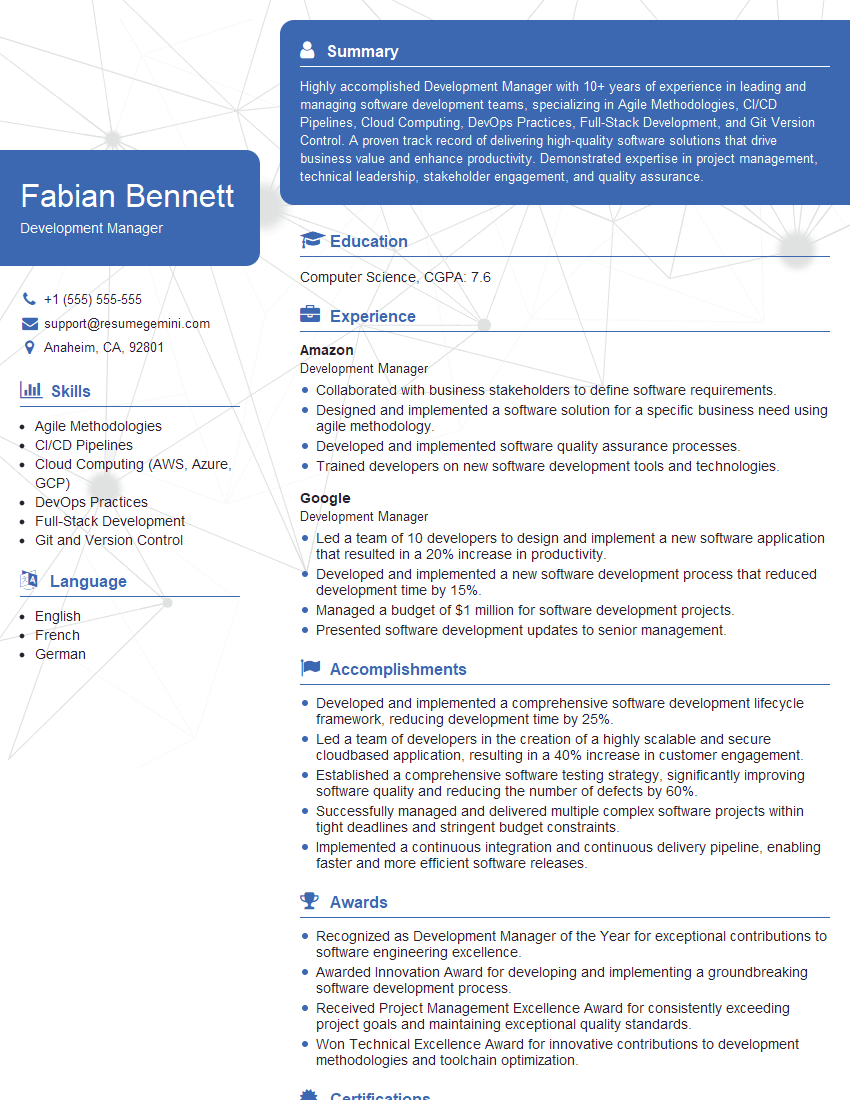
Development Manager Resume Sample

Project Manager Resume Sample
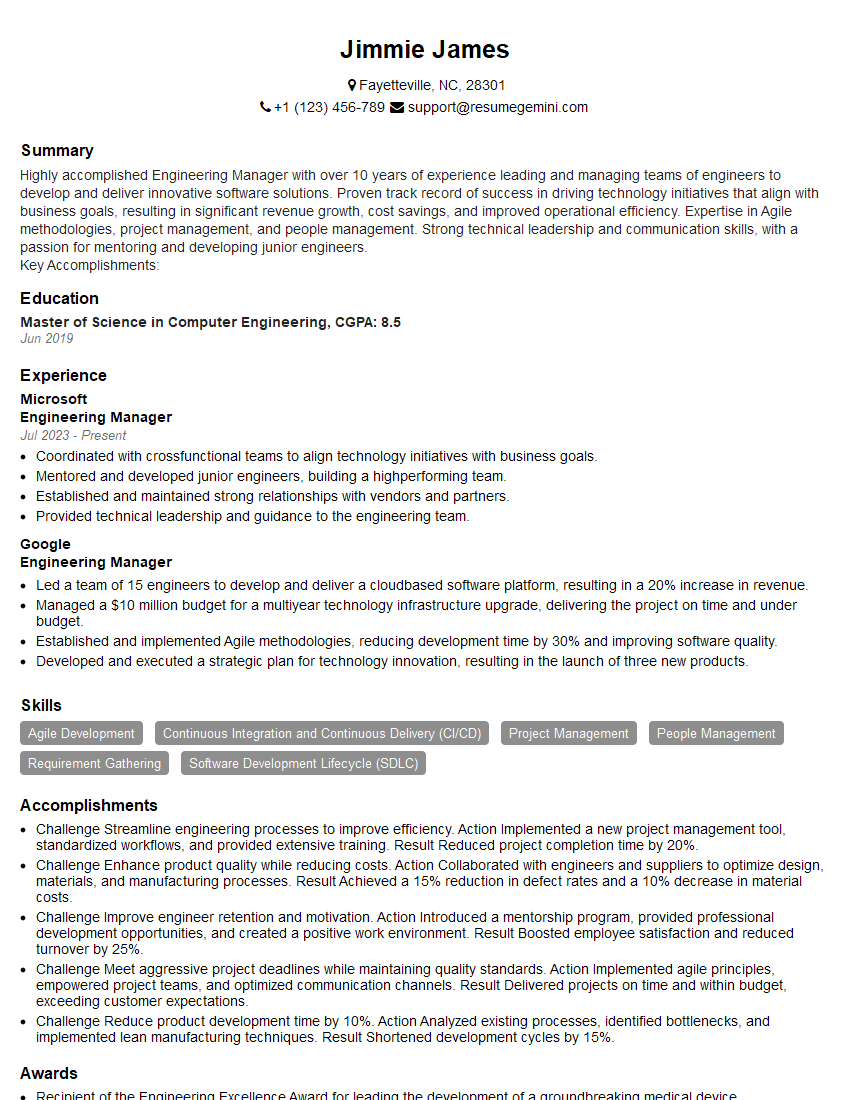
Engineering Manager Resume Sample
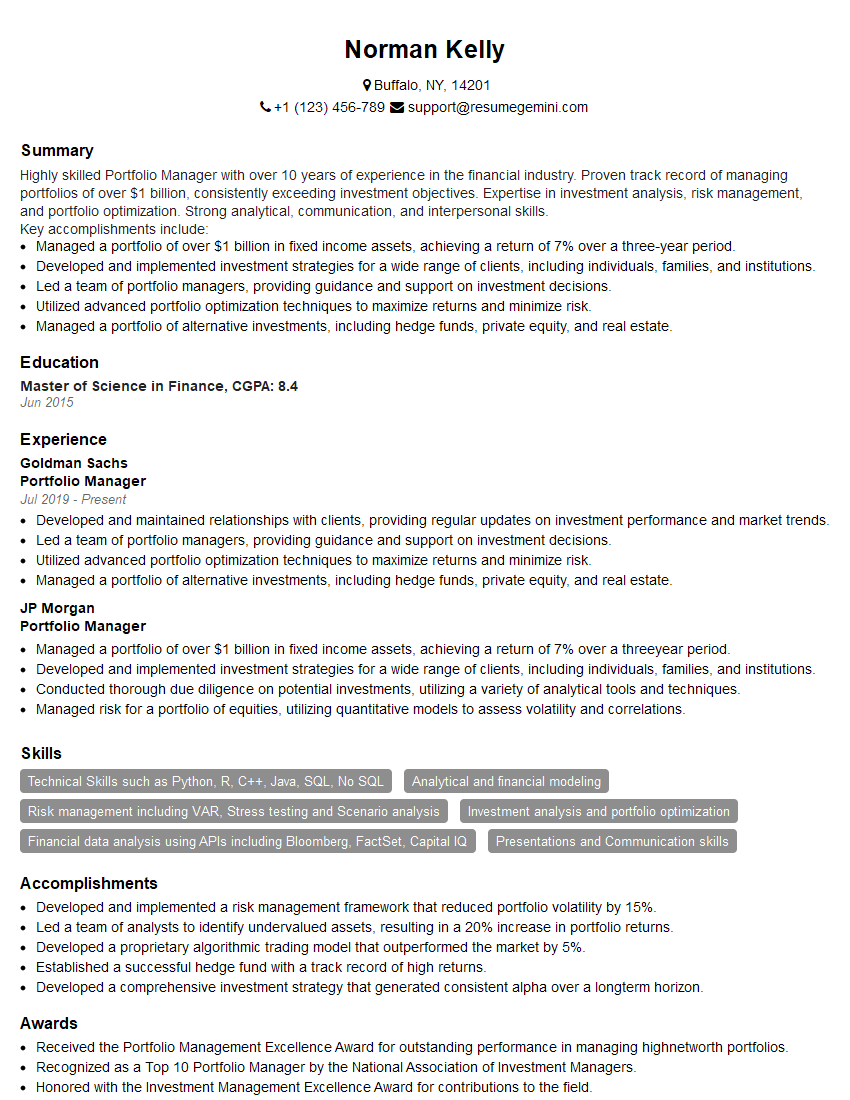
Portfolio Manager Resume Sample
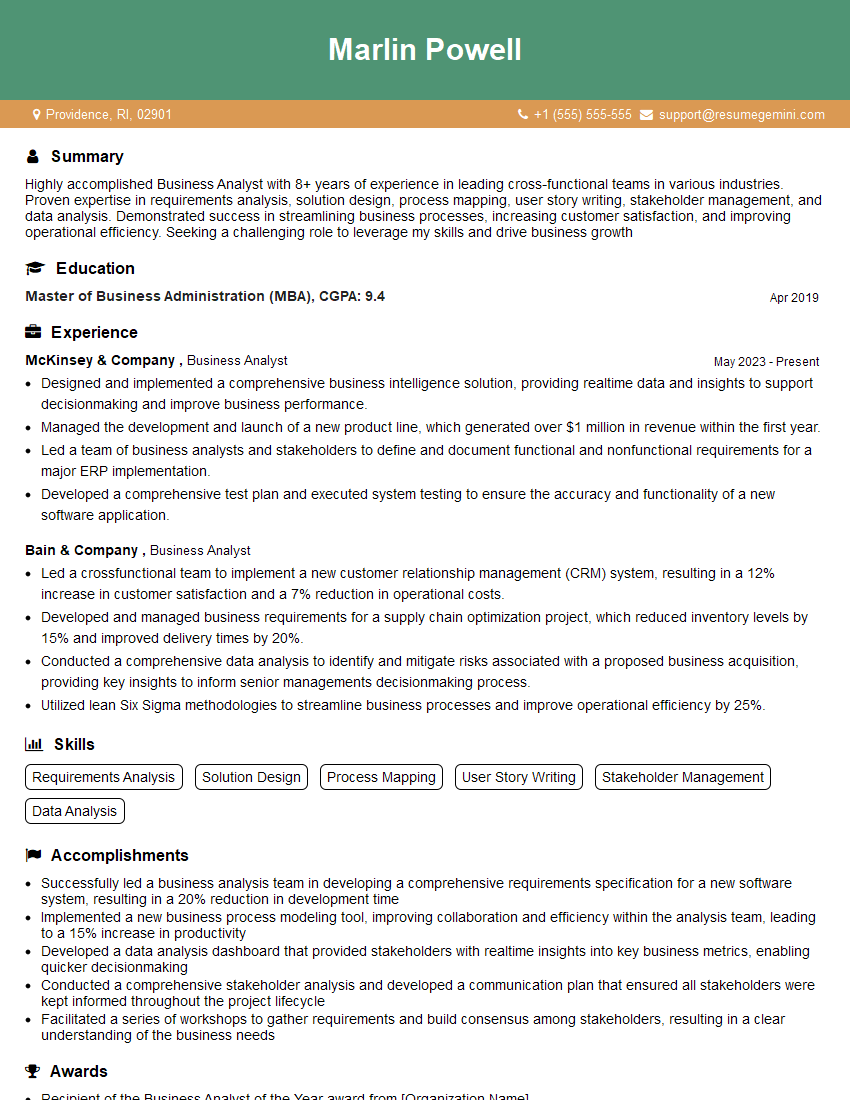
Business Analyst Resume Sample
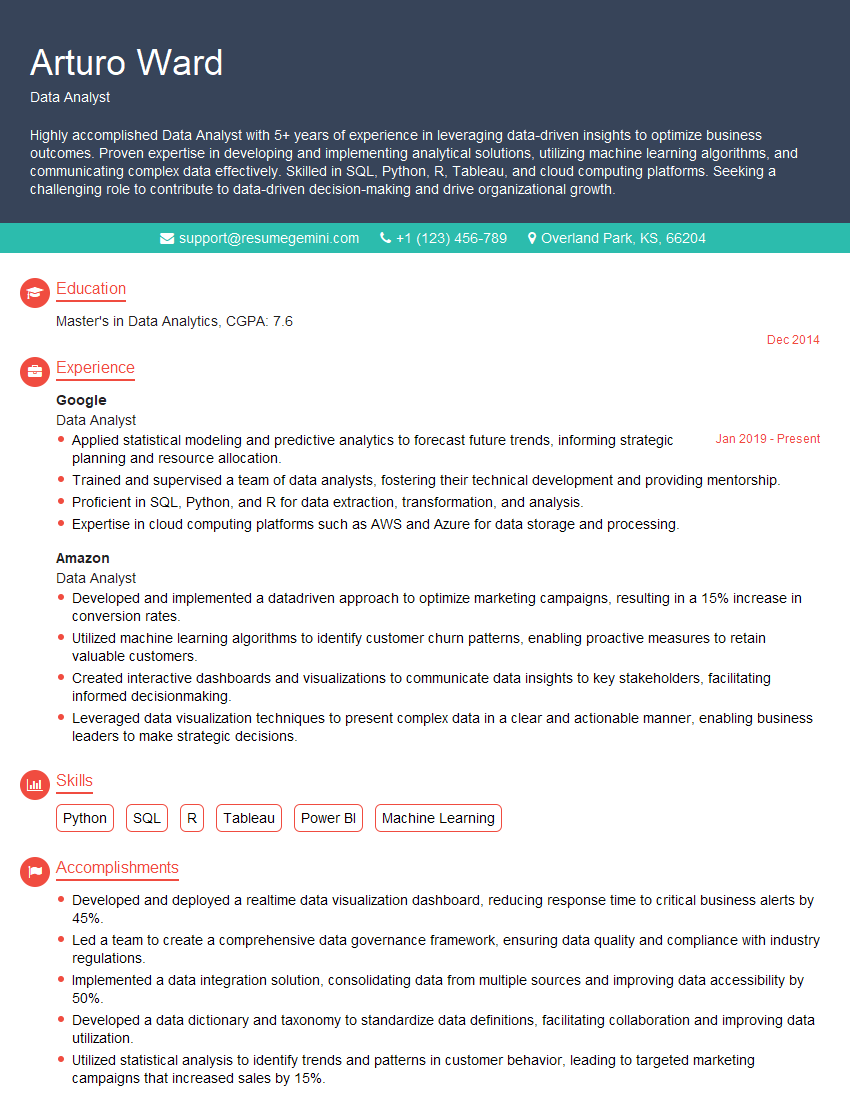
Data Analyst Resume Sample
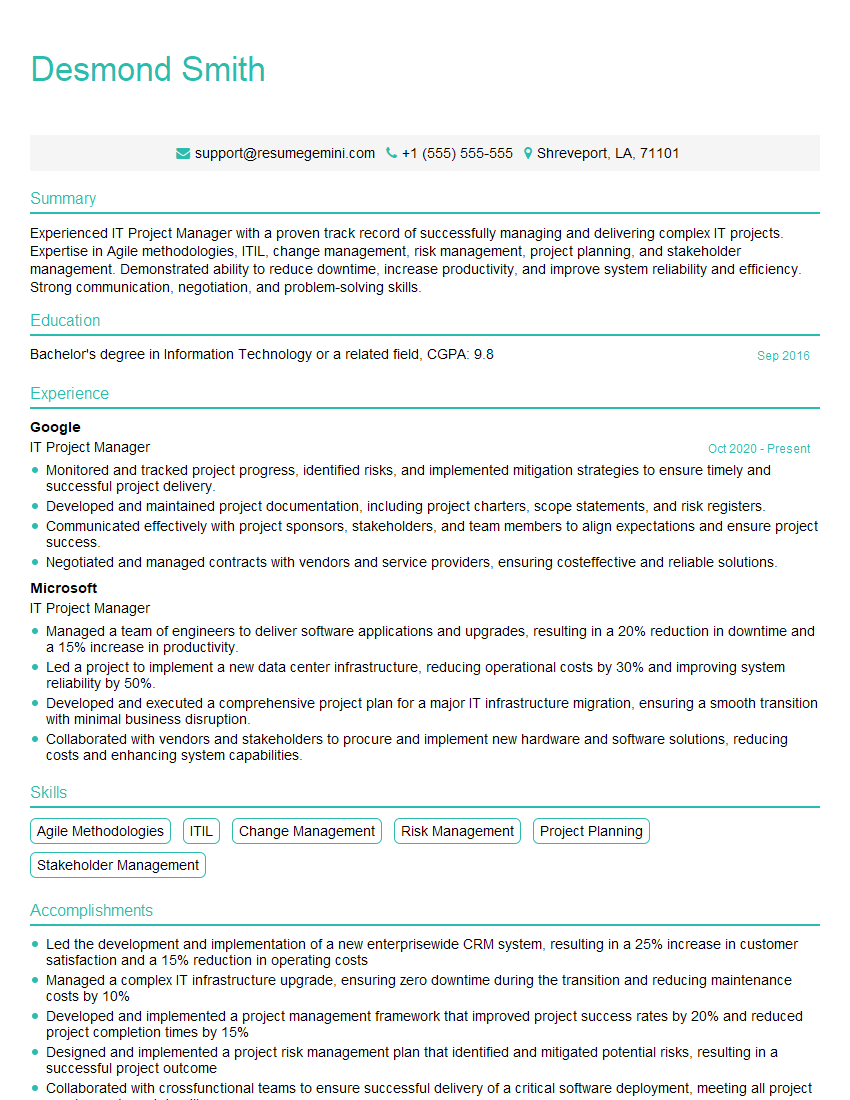
IT Project Manager Resume Sample
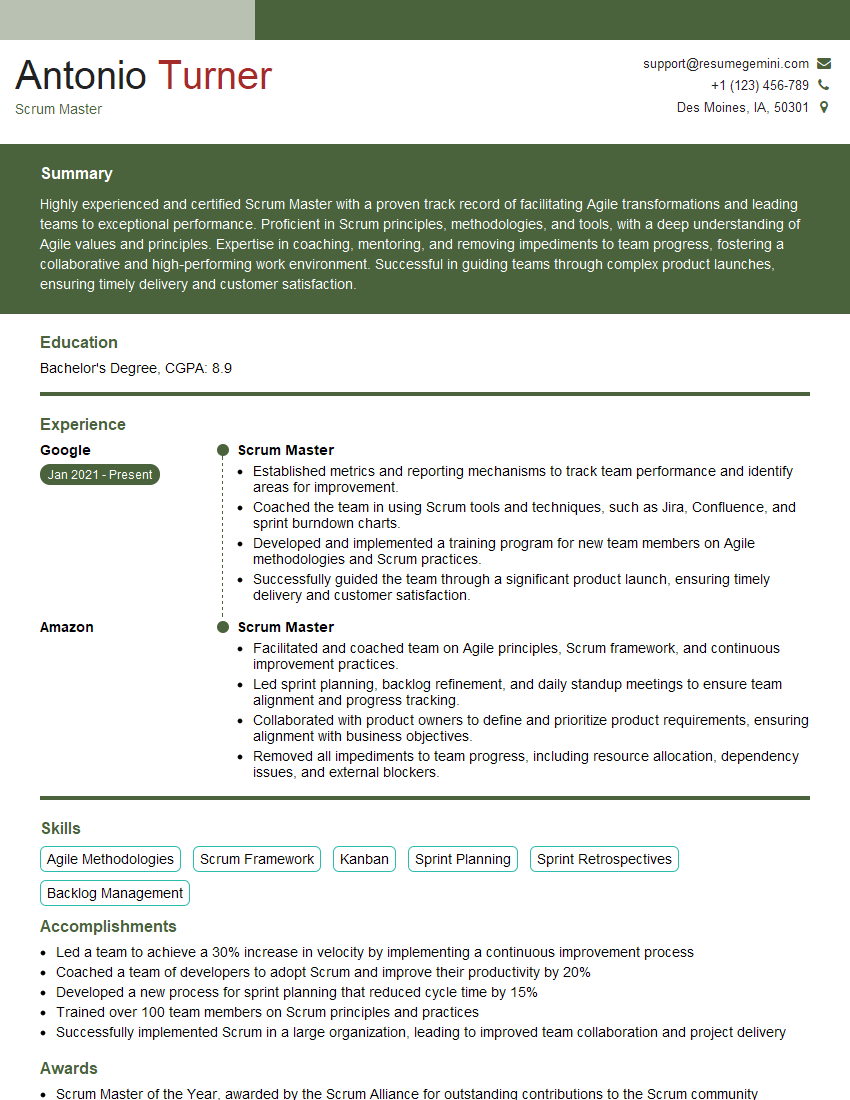
Scrum Master Resume Sample
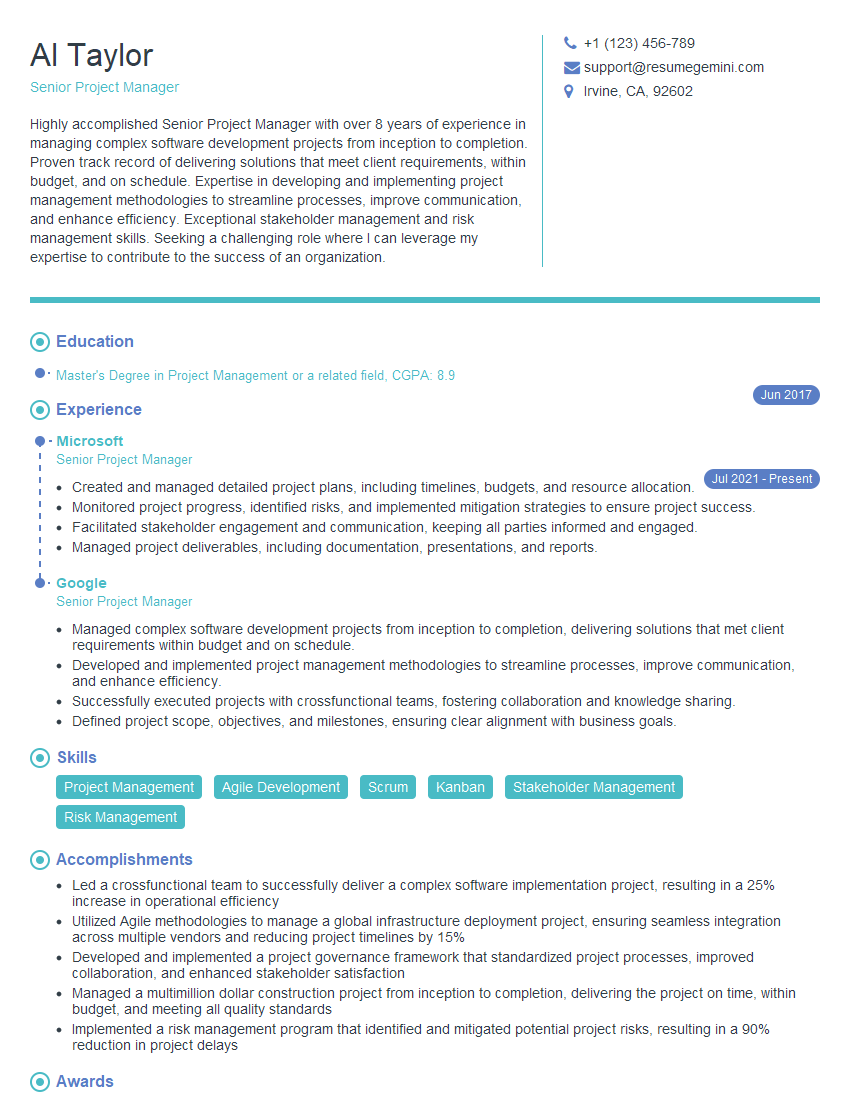
Senior Project Manager Resume Sample
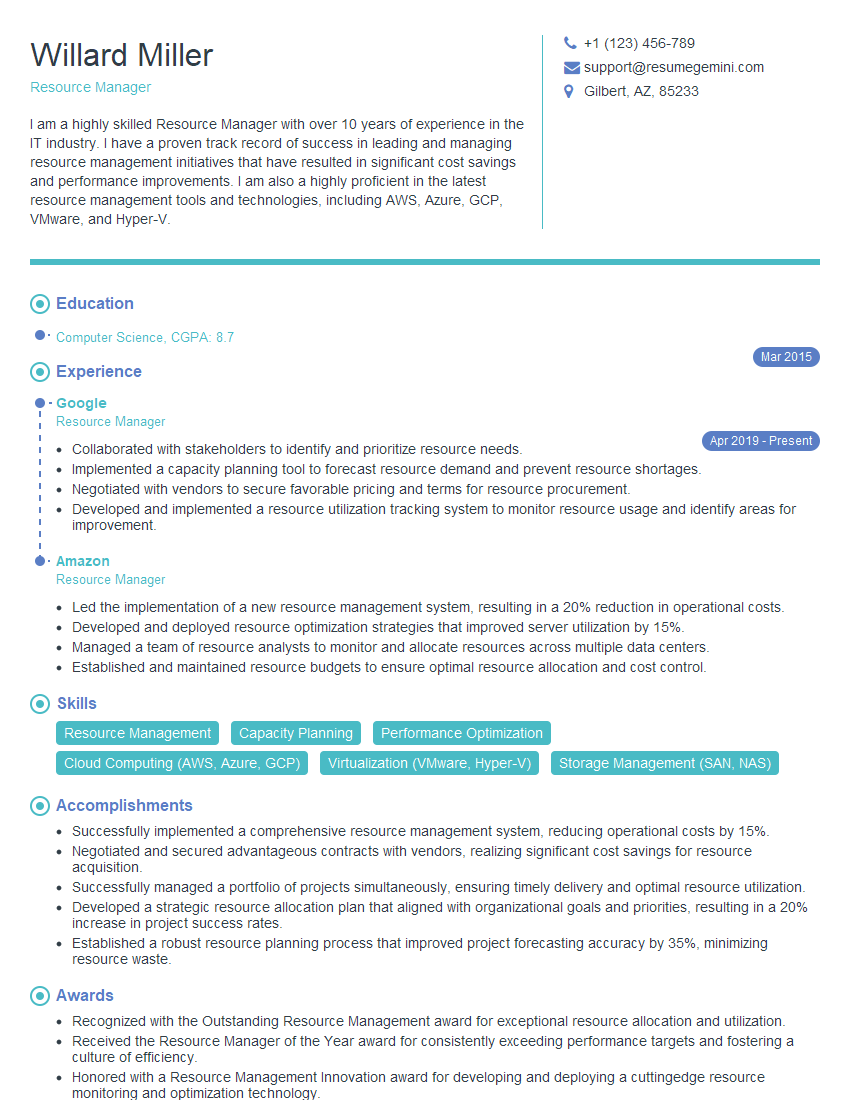
Resource Manager Resume Sample
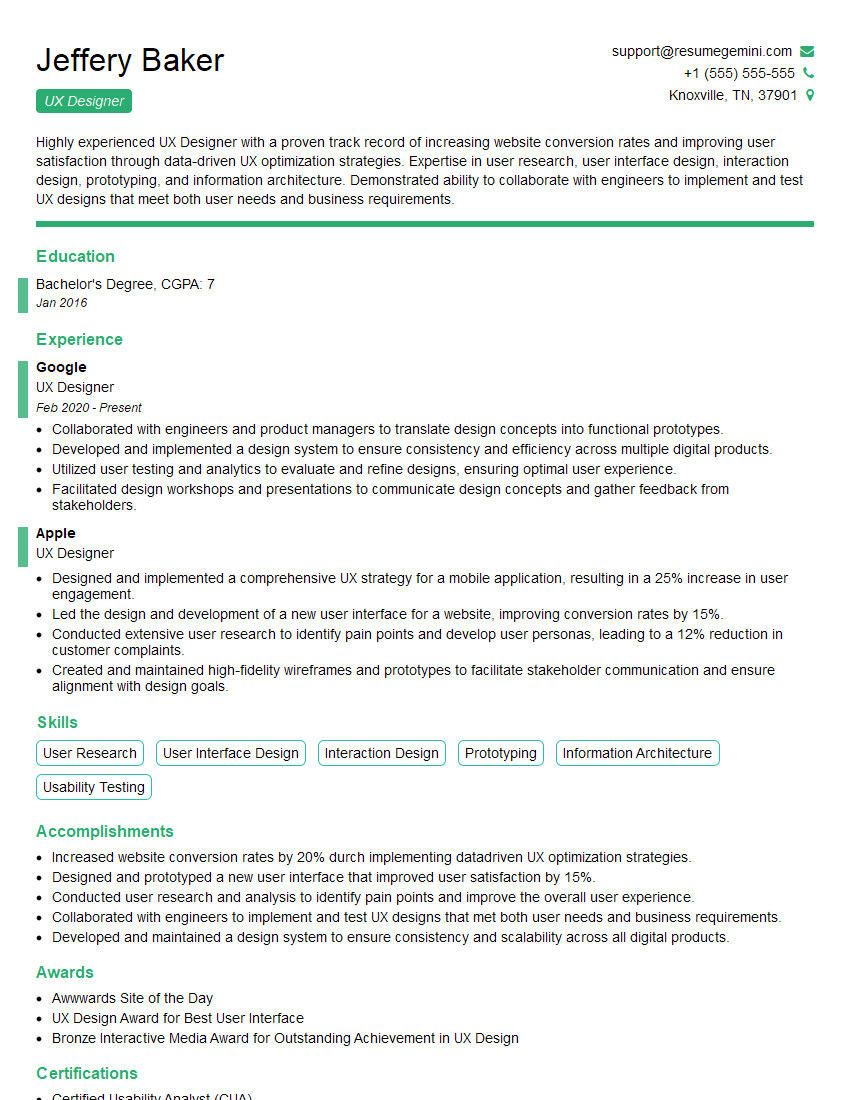
UX Designer Resume Sample
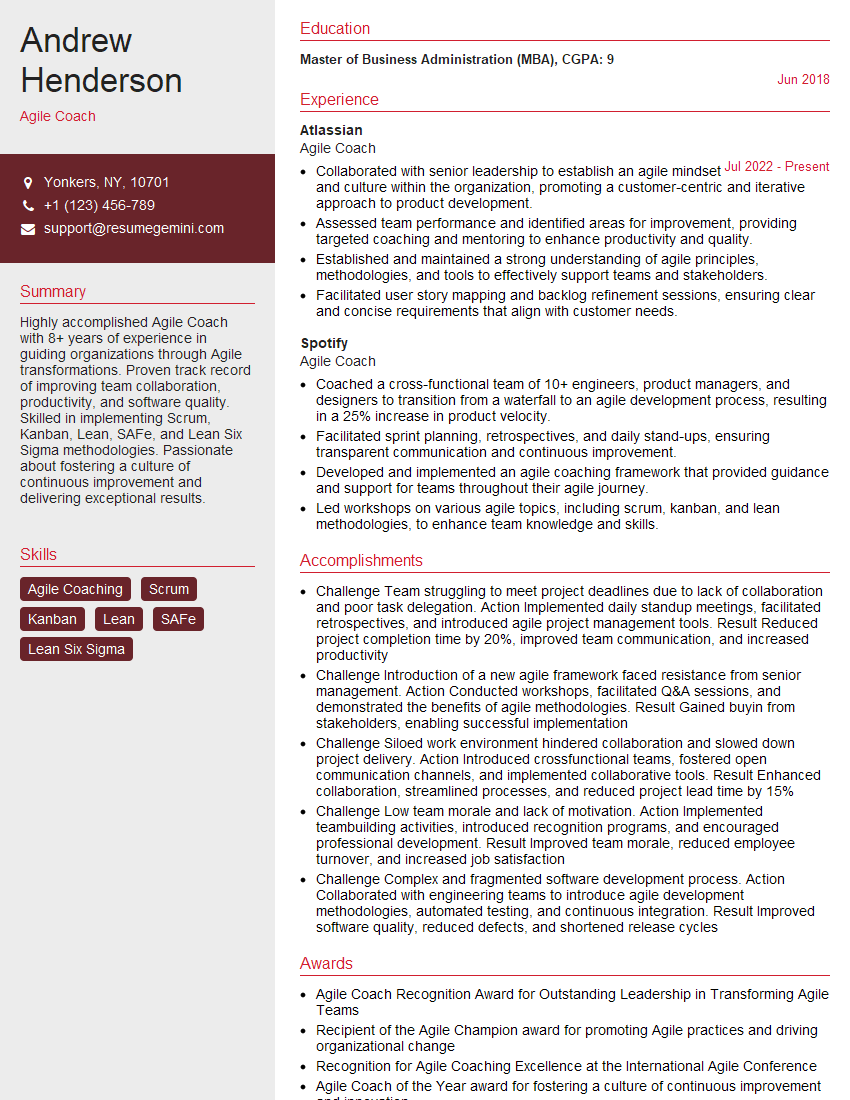
Agile Coach Resume Sample
Explore more articles
Users Rating of Our Blogs
Share Your Experience
We value your feedback! Please rate our content and share your thoughts (optional).
What Readers Say About Our Blog
Amazing blog
hello,
Our consultant firm based in the USA and our client are interested in your products.
Could you provide your company brochure and respond from your official email id (if different from the current in use), so i can send you the client’s requirement.
Payment before production.
I await your answer.
Regards,
MrSmith
hello,
Our consultant firm based in the USA and our client are interested in your products.
Could you provide your company brochure and respond from your official email id (if different from the current in use), so i can send you the client’s requirement.
Payment before production.
I await your answer.
Regards,
MrSmith
These apartments are so amazing, posting them online would break the algorithm.
https://bit.ly/Lovely2BedsApartmentHudsonYards
Reach out at BENSON@LONDONFOSTER.COM and let’s get started!
Take a look at this stunning 2-bedroom apartment perfectly situated NYC’s coveted Hudson Yards!
https://bit.ly/Lovely2BedsApartmentHudsonYards
Live Rent Free!
https://bit.ly/LiveRentFREE
Interesting Article, I liked the depth of knowledge you’ve shared.
Helpful, thanks for sharing.
Hi, I represent a social media marketing agency and liked your blog
Hi, I represent an SEO company that specialises in getting you AI citations and higher rankings on Google. I’d like to offer you a 100% free SEO audit for your website. Would you be interested?