Feeling uncertain about what to expect in your upcoming interview? We’ve got you covered! This blog highlights the most important Proficient in conducting physical exams and interpreting lab results. interview questions and provides actionable advice to help you stand out as the ideal candidate. Let’s pave the way for your success.
Questions Asked in Proficient in conducting physical exams and interpreting lab results. Interview
Q 1. Describe your approach to conducting a comprehensive physical exam on a patient presenting with chest pain.
Assessing a patient with chest pain requires a systematic approach. It begins with obtaining a thorough history, including the character, location, radiation, duration, and associated symptoms of the pain. Then, a focused physical exam follows, concentrating on the cardiovascular and respiratory systems.
- Vital Signs: Blood pressure, heart rate, respiratory rate, and oxygen saturation are crucial initial indicators.
- Inspection: Observe for signs of distress, cyanosis (bluish discoloration of the skin), or abnormal breathing patterns.
- Palpation: Palpate the chest wall for tenderness, masses, or abnormal pulsations.
- Auscultation: Listen carefully to the heart sounds for murmurs, gallops, or rubs, and to the lungs for abnormal breath sounds (e.g., crackles, wheezes). This helps differentiate cardiac from pulmonary causes.
- Peripheral Pulses: Check the pulses in all extremities to assess perfusion.
For example, a patient with sharp, stabbing chest pain that worsens with deep breaths might suggest a pulmonary embolism or pleurisy. Conversely, crushing chest pain radiating to the arm could indicate a myocardial infarction (heart attack). The physical exam findings guide further investigations, like an electrocardiogram (ECG) and cardiac enzyme tests.
Q 2. How do you differentiate between normal and abnormal findings during a lung auscultation?
Normal lung sounds are clear and relatively quiet during inspiration and expiration, described as vesicular breath sounds. Abnormal findings indicate underlying pathology. Think of it like listening to a calm stream versus a rushing river.
- Crackles (rales): Discontinuous, popping sounds heard during inspiration, often indicating fluid in the alveoli (tiny air sacs in the lungs), as seen in pneumonia or pulmonary edema.
- Wheezes: Continuous, whistling sounds heard during inspiration or expiration, usually indicating airway narrowing, as seen in asthma or bronchitis.
- Rhonchi: Low-pitched, rumbling sounds, often suggesting mucus in the larger airways.
- Absent or Diminished Breath Sounds: May indicate pneumothorax (collapsed lung), pleural effusion (fluid in the pleural space), or other conditions that obstruct air flow.
For instance, hearing widespread crackles during auscultation would prompt further investigation for potential pneumonia, while high-pitched wheezes might suggest an asthma exacerbation requiring immediate intervention.
Q 3. Explain the significance of elevated white blood cell count in a complete blood count (CBC).
An elevated white blood cell count (leukocytosis) in a complete blood count (CBC) generally indicates the body’s response to infection, inflammation, or stress. White blood cells are our immune system’s soldiers; an increased number suggests a battle is underway.
The significance depends on the degree of elevation and the differential count (the breakdown of different types of white blood cells). A significant increase in neutrophils, for example, often points towards a bacterial infection. Eosinophilia (increased eosinophils) can suggest allergic reactions or parasitic infections. Lymphocytosis (increased lymphocytes) can be associated with viral infections.
For instance, a patient presenting with fever and a markedly elevated white blood cell count, particularly neutrophils, would strongly suggest a bacterial infection needing prompt antibiotic treatment. However, it’s crucial to consider the clinical picture and other lab results for a definitive diagnosis.
Q 4. Interpret the following basic metabolic panel (BMP) results and explain potential implications: Sodium 130 mEq/L, Potassium 5.5 mEq/L, Glucose 200 mg/dL.
The provided Basic Metabolic Panel (BMP) shows abnormalities that warrant immediate attention:
Sodium (Na): 130 mEq/L(Low): Hyponatremia. This suggests a sodium deficit, which can be caused by various conditions like dehydration, kidney problems, or hormonal imbalances.Potassium (K): 5.5 mEq/L(High): Hyperkalemia. High potassium levels can be life-threatening and are frequently associated with kidney disease, dehydration, or certain medications.Glucose: 200 mg/dL(High): Hyperglycemia. This indicates elevated blood sugar levels, suggestive of uncontrolled diabetes or other metabolic disorders.
The combination of hyponatremia, hyperkalemia, and hyperglycemia points toward a serious underlying issue, possibly related to kidney function or diabetes with electrolyte disturbances. This requires urgent medical evaluation and management, potentially including intravenous fluids and medications to correct the electrolyte imbalances.
Q 5. How do you assess a patient’s neurological status during a physical exam?
A comprehensive neurological assessment involves evaluating several key areas:
- Mental Status: Assess level of consciousness, orientation (person, place, time), memory, attention, and cognitive function.
- Cranial Nerves: Test the function of each cranial nerve (I-XII) to assess sensory and motor function of the head and neck.
- Motor System: Evaluate muscle strength, tone, coordination, and reflexes in all four extremities.
- Sensory System: Test sensation (touch, pain, temperature, vibration) in different parts of the body.
- Cerebellar Function: Assess balance, gait, and coordination (e.g., finger-to-nose test).
For example, a patient with altered mental status and asymmetric reflexes might suggest a stroke, while difficulty with coordination could indicate a cerebellar problem. The detailed neurological exam helps localize the lesion and guide further diagnostic testing such as brain imaging.
Q 6. What are the key elements of a proper abdominal examination?
A proper abdominal examination is methodical and includes:
- Inspection: Observe the abdomen for scars, distension, masses, or abnormal pulsations. Note the skin color and presence of striae (stretch marks).
- Auscultation: Listen for bowel sounds in all four quadrants to assess gastrointestinal motility. Note the frequency and character of the sounds (normal, hyperactive, hypoactive, absent).
- Percussion: Percuss the abdomen to assess the size and consistency of organs, and to detect the presence of fluid (ascites) or gas.
- Palpation: Palpate the abdomen gently at first, then more deeply to assess organ size, tenderness, masses, and muscle tone. Begin in areas away from the painful area to build trust.
For example, a patient with right lower quadrant tenderness and rebound tenderness might suggest appendicitis. Distended abdomen and absent bowel sounds might indicate an intestinal obstruction. A careful abdominal examination is vital in diagnosing a range of conditions affecting the gastrointestinal system.
Q 7. Explain the significance of elevated liver enzymes (ALT, AST) in a liver function test (LFT).
Elevated levels of liver enzymes, alanine aminotransferase (ALT) and aspartate aminotransferase (AST), in a liver function test (LFT) generally indicate liver cell damage or injury. Think of it as the liver ‘crying out for help’.
The ratio of ALT to AST can provide clues about the cause. ALT is predominantly found in the liver, so a significantly elevated ALT suggests primary liver damage. AST is also present in other tissues (e.g., heart, muscles), so an elevated AST may not always indicate liver-specific damage.
Causes of elevated liver enzymes are numerous and include:
- Viral hepatitis (A, B, C)
- Alcoholic liver disease
- Non-alcoholic fatty liver disease (NAFLD)
- Drug-induced liver injury
- Autoimmune hepatitis
Further investigation is needed to pinpoint the cause. This might involve additional blood tests, imaging studies (ultrasound, CT scan), and liver biopsy.
Q 8. How would you interpret a urinalysis report showing significant proteinuria and hematuria?
Significant proteinuria (protein in the urine) and hematuria (blood in the urine) together strongly suggest kidney damage. Proteinuria indicates a breakdown in the glomerular filtration barrier within the kidneys, preventing the proper filtration of protein from the blood. Hematuria points to bleeding somewhere in the urinary tract, from the kidneys down to the urethra. The combination is a serious finding and warrants immediate investigation.
Possible Causes: Several conditions can cause this combination. Glomerulonephritis (inflammation of the glomeruli, the filtering units of the kidneys) is a prime suspect. Other possibilities include kidney stones causing bleeding and damaging the kidney tissues, urinary tract infections (UTIs) with severe inflammation, kidney cancer, and even systemic diseases like lupus or vasculitis (inflammation of blood vessels).
Next Steps: A comprehensive workup is crucial. This would involve further urinalysis (looking for specific types of cells and casts), blood tests (including kidney function tests, complete blood count, and inflammatory markers), and imaging studies (ultrasound or CT scan of the kidneys and urinary tract) to pinpoint the underlying cause and guide treatment.
Example: I once saw a patient with these findings who ultimately was diagnosed with IgA nephropathy, a type of glomerulonephritis. Early detection and treatment with blood pressure management and supportive care were critical to preserving kidney function.
Q 9. Describe your approach to documenting physical exam findings and lab results.
My approach to documenting physical exam findings and lab results emphasizes accuracy, completeness, and clarity. I follow a structured format to ensure consistency and prevent omissions. For physical exams, I use a standardized system, noting each body system systematically (e.g., general appearance, vital signs, cardiovascular, respiratory, neurological).
Physical Exam Documentation: I record observations using precise, objective terminology (e.g., instead of ‘swollen ankles,’ I’d write ‘2+ pitting edema in bilateral lower extremities’). I include measurements wherever applicable (e.g., blood pressure, heart rate, height, weight, circumference).
Lab Result Documentation: I record the specific lab tests performed, the results obtained, and the units of measurement. I also note the date and time the sample was collected. Any discrepancies or unusual findings are highlighted, and any follow-up tests are indicated. I maintain a chronological order, making it easy to track changes over time. Finally, I always sign and date my documentation.
Example: If a patient has elevated cholesterol, I record the specific lipid panel values (e.g., total cholesterol, HDL, LDL, triglycerides) with their respective units (e.g., mg/dL).
Q 10. How do you ensure accurate and precise measurement during a physical exam?
Accurate and precise measurement during a physical exam is paramount for reliable diagnosis and effective treatment. This relies on using calibrated instruments, proper techniques, and attention to detail. For example, I always use a calibrated sphygmomanometer and stethoscope to measure blood pressure, ensuring the cuff is appropriately sized for the patient’s arm.
- Calibration: I regularly check the calibration of instruments like weighing scales, sphygmomanometers, and measuring tapes. This guarantees their accuracy.
- Technique: Proper technique is essential for accurate measurements. For instance, taking multiple blood pressure readings and averaging them helps reduce error. Similarly, when measuring height and weight, I ensure the patient is standing straight and the scale is properly zeroed.
- Environment: The environment should be conducive to accurate measurements. A quiet room is ideal for auscultation (listening to sounds using a stethoscope), and ensuring adequate lighting is crucial for assessing skin lesions or wound sizes.
- Patient Factors: Patient factors also affect the accuracy. For example, a patient’s anxiety can elevate their blood pressure. I always consider this and try to create a relaxing atmosphere before taking measurements.
Example: In measuring a patient’s respiratory rate, I avoid making my presence obvious as this might influence their breathing pattern. Instead, I observe their chest movements subtly for a full minute.
Q 11. What are the potential sources of error in lab results, and how do you address them?
Several factors can introduce errors in lab results. Understanding these potential sources is crucial for proper interpretation and management. These errors can be broadly classified as pre-analytical, analytical, and post-analytical.
- Pre-analytical Errors: These occur before the sample is even analyzed. Examples include incorrect patient identification, inadequate sample collection (e.g., hemolysis in a blood sample), improper storage or transport of samples, and delays in processing.
- Analytical Errors: These occur during the actual laboratory testing process. They can be due to instrument malfunction, reagent issues, or human error in the testing procedure.
- Post-analytical Errors: These occur after the test results are generated. Examples include transcription errors, incorrect interpretation, or delayed reporting of results.
Addressing Errors: Addressing these errors requires a multi-faceted approach. This includes strict adherence to standardized procedures, regular quality control checks, proper equipment maintenance, staff training, and robust quality assurance programs within the laboratory. If I suspect an error in a lab result, I’ll verify the result with the lab, consider repeating the test, and compare with other clinical findings to ensure that clinical decisions are based on reliable information.
Example: If a patient’s potassium level is critically high, I’d want to ensure that the result wasn’t due to hemolysis (rupture of red blood cells) during sample collection, as this can artificially elevate the potassium level. I’d confirm with the lab and potentially request a repeat sample.
Q 12. How do you handle discrepancies between physical exam findings and lab results?
Discrepancies between physical exam findings and lab results are not uncommon and require careful consideration. They often indicate the need for further investigation. It’s crucial to avoid jumping to conclusions and instead conduct a thorough reassessment.
Approach: First, I’d meticulously review both the physical exam notes and the lab results to ensure no errors were made in data collection or interpretation. Then, I’d consider factors that might explain the discrepancy, such as the timing of the tests, the patient’s clinical status at the time of the physical exam versus the lab test, or the presence of confounding factors.
Example: A patient may have elevated blood pressure at the time of the physical exam, but a 24-hour ambulatory blood pressure monitoring (ABPM) might show normal levels, as their white-coat hypertension (increased blood pressure in medical settings) is detected only during that situation. Another possibility is that a lab result represents an acute event not yet reflected in the physical exam (e.g., an early-stage infection with subtle symptoms).
Next Steps: If discrepancies remain unexplained after careful review, I’d order additional investigations, such as repeat testing, different tests, or imaging studies, to resolve the incongruence. Consultation with colleagues is also valuable in complex cases.
Q 13. Explain the significance of abnormal cardiac rhythms identified via ECG.
Abnormal cardiac rhythms identified via electrocardiogram (ECG) can indicate a wide range of cardiac conditions, from benign to life-threatening. ECG measures the electrical activity of the heart, and deviations from the normal rhythm can reflect issues with the heart’s conduction system, heart muscle, or electrolyte imbalances.
Significance: The significance depends on the specific abnormality. For example:
- Bradycardia (slow heart rate): Can result from various conditions, including heart block, electrolyte imbalances, or medications.
- Tachycardia (fast heart rate): Can be caused by stress, anxiety, fever, or underlying heart conditions like atrial fibrillation (irregular heartbeat) or ventricular tachycardia (rapid heartbeat originating in the ventricles, potentially life-threatening).
- Arrhythmias (irregular heartbeats): Include atrial fibrillation, atrial flutter, premature ventricular contractions (PVCs), and others. These can lead to reduced blood flow and increase the risk of blood clots, stroke, or heart failure.
- Heart Blocks: These represent disturbances in the electrical conduction pathway within the heart, causing delays or blockages in impulse transmission.
Clinical Implications: The clinical implications of abnormal cardiac rhythms vary greatly depending on the specific rhythm and the patient’s overall health. Some rhythms may require immediate intervention, while others may only necessitate monitoring and lifestyle changes.
Example: A patient presenting with atrial fibrillation may require anticoagulant therapy to prevent stroke. A patient with a significant heart block might require a pacemaker.
Q 14. How would you interpret an abnormal lipid profile?
An abnormal lipid profile indicates an imbalance in blood fats (lipids), increasing the risk of cardiovascular disease. It involves elevated levels of cholesterol (specifically LDL cholesterol – the ‘bad’ cholesterol) and/or triglycerides, and often low levels of HDL cholesterol – the ‘good’ cholesterol.
Interpretation: The interpretation involves considering the levels of various components:
- Total Cholesterol: A high level increases heart disease risk.
- LDL Cholesterol: High levels are strongly associated with increased risk of atherosclerosis (plaque buildup in arteries).
- HDL Cholesterol: Low levels indicate an increased risk of heart disease. High levels are protective.
- Triglycerides: High levels are also linked to increased cardiovascular risk and other metabolic issues.
Clinical Significance: High levels of LDL cholesterol and triglycerides, and low HDL cholesterol indicate a high risk for coronary artery disease, stroke, and peripheral artery disease. This necessitates lifestyle interventions (diet, exercise) and potentially medication to lower lipid levels.
Example: A patient with significantly elevated LDL and triglycerides, along with low HDL, would be considered to have a high risk of cardiovascular disease. Treatment might involve a statin medication to lower LDL, along with dietary changes to reduce saturated and trans fats and increase fiber intake.
Q 15. What are the key indicators of infection in a complete blood count (CBC) and differential?
A complete blood count (CBC) with differential is a crucial blood test that provides valuable insights into a patient’s overall health, particularly in identifying signs of infection. Several key indicators within the CBC and differential point towards the presence of infection.
Elevated White Blood Cell (WBC) Count (Leukocytosis): This is often the first sign of infection. The body produces more WBCs to fight off invading pathogens. A significantly elevated WBC count, perhaps above 11,000 cells/µL (though normal ranges vary slightly by lab and individual), warrants further investigation.
Increased Neutrophils: Neutrophils are a type of WBC that are the first responders to bacterial infections. A high percentage of neutrophils (neutrophilia) in the differential is indicative of a bacterial infection. For example, a patient presenting with a suspected urinary tract infection (UTI) might show a significantly elevated neutrophil count.
Increased Lymphocytes: Lymphocytes are another type of WBC crucial in fighting viral infections. An elevated lymphocyte count (lymphocytosis) suggests a viral infection. Viral illnesses like mononucleosis often show a marked increase in lymphocytes.
Increased Monocytes: Monocytes are involved in both bacterial and viral infections, as well as chronic inflammatory conditions. An elevated monocyte count can suggest a chronic infection or inflammation.
Left Shift: This refers to an increase in the number of immature neutrophils (bands) in the blood. This is a strong indicator of an acute bacterial infection. The body is releasing immature neutrophils because it needs more fighting cells quickly.
Increased Erythrocyte Sedimentation Rate (ESR) and C-Reactive Protein (CRP): Although not part of the CBC differential itself, these inflammatory markers are often ordered alongside a CBC. Elevated levels indicate inflammation, often associated with infection.
It’s crucial to remember that an abnormal CBC is not diagnostic on its own. It needs to be interpreted in conjunction with the patient’s clinical presentation, physical exam findings, and other relevant investigations.
Career Expert Tips:
- Ace those interviews! Prepare effectively by reviewing the Top 50 Most Common Interview Questions on ResumeGemini.
- Navigate your job search with confidence! Explore a wide range of Career Tips on ResumeGemini. Learn about common challenges and recommendations to overcome them.
- Craft the perfect resume! Master the Art of Resume Writing with ResumeGemini’s guide. Showcase your unique qualifications and achievements effectively.
- Don’t miss out on holiday savings! Build your dream resume with ResumeGemini’s ATS optimized templates.
Q 16. Explain the significance of elevated creatinine levels in a renal function test.
Creatinine is a waste product produced by muscle metabolism and filtered by the kidneys. An elevated creatinine level in a renal function test (which usually also includes blood urea nitrogen or BUN) indicates impaired kidney function. The kidneys are not effectively filtering waste products from the blood.
The significance of elevated creatinine depends on the degree of elevation and the patient’s history. A slightly elevated level might indicate mild kidney damage, whereas a severely elevated level points towards severe kidney impairment or even acute kidney injury (AKI) or chronic kidney disease (CKD).
Factors affecting creatinine levels include age, muscle mass, and hydration status. It’s important to consider these factors during interpretation. For instance, a highly muscular individual might have a slightly higher creatinine level than average, which is not necessarily indicative of kidney problems.
Clinicians use the estimated glomerular filtration rate (eGFR), which incorporates creatinine and other factors, to assess kidney function more accurately than creatinine alone. A decreased eGFR indicates reduced kidney function. Monitoring creatinine levels is crucial in managing kidney disease and evaluating the effectiveness of treatment.
Q 17. How do you explain complex lab results to a patient in a clear and understandable way?
Explaining complex lab results to a patient requires clear, concise communication, avoiding medical jargon whenever possible. I employ a structured approach:
Start with the overall picture: Before diving into specifics, I summarize the main findings in simple terms. For instance, “Your blood tests showed some abnormalities suggesting that your kidneys might not be functioning as well as they should.”
Use analogies and visual aids: I use everyday analogies to illustrate complex concepts. For example, I might compare the kidneys to a filter, explaining that elevated creatinine means the filter isn’t working optimally. Visual aids, like diagrams, can help enhance understanding.
Focus on the patient’s concerns: I address the patient’s specific questions and concerns first. Rather than presenting a list of numbers, I concentrate on explaining what those numbers mean for their health and well-being.
Avoid overwhelming the patient: I break down complex information into smaller, manageable chunks. I avoid medical jargon, and if I must use a term, I clearly define it.
Use repetition and summaries: Repeating key information and summarizing at the end ensures the patient retains the most important details. I also encourage questions and provide opportunities for the patient to clarify any doubts.
Involve family members if appropriate: For patients with complex conditions or those struggling to understand the information, I involve family members or caregivers to assist in the communication process.
The goal is not just to explain the results but to empower the patient with the knowledge they need to actively participate in their healthcare decisions.
Q 18. Describe your experience with point-of-care testing (POCT).
I have extensive experience with point-of-care testing (POCT), using various devices such as blood glucose meters, rapid influenza tests, and pregnancy tests. My experience encompasses both performing the tests and interpreting the results. I understand the importance of proper technique, quality control measures, and the limitations of POCT in comparison to laboratory testing.
In a previous role, I frequently used POCT to assess blood glucose levels in diabetic patients. This allowed for immediate feedback, enabling timely adjustments to insulin dosages. I also utilized rapid strep tests to quickly determine the need for antibiotic treatment in patients with sore throats, optimizing treatment and preventing unnecessary antibiotic use. The use of POCT in these circumstances allowed for a significant improvement in patient care and decreased wait times for critical information. I have always meticulously followed manufacturer’s guidelines to ensure accuracy and reliability of results. Understanding the limitations of POCT – such as the possibility of false positives or negatives – is crucial for appropriate clinical decision-making and often warrants confirmation with laboratory testing where appropriate.
Q 19. What is your understanding of quality assurance and quality control procedures in a clinical laboratory?
Quality assurance (QA) and quality control (QC) are fundamental to ensuring the accuracy and reliability of laboratory results. QA encompasses all aspects that contribute to high-quality laboratory testing, including proper equipment maintenance, staff training, and adherence to established protocols. QC, on the other hand, involves specific procedures and controls implemented to monitor the accuracy and precision of tests.
Examples of QC include using control samples with known values, regular calibration of equipment, and participation in external quality assessment programs. These measures help detect errors and ensure that results are reliable. I have consistently followed strict QA/QC procedures, including proper documentation, proficiency testing, and troubleshooting when discrepancies arise. I understand the importance of adhering to regulatory guidelines, such as those from CLIA and CAP, ensuring that our lab maintains the highest standards of quality.
In a previous position, I was instrumental in implementing a new QC program for our hematology analyzer. This included selecting appropriate control materials and establishing new protocols for maintaining the instrument and interpreting control results. The implementation of this program significantly reduced variability in our hematology testing and improved the quality of the results we provided.
Q 20. How do you prioritize different tests and investigations based on a patient’s presenting complaint?
Prioritizing tests and investigations depends heavily on the patient’s presenting complaint, medical history, and physical examination findings. I utilize a systematic approach:
Immediate life-threatening conditions: If the patient presents with a life-threatening condition, such as severe respiratory distress or unstable vital signs, immediately prioritize tests that will assist in stabilizing the patient and determining the most urgent course of action (e.g., blood gas analysis, ECG).
Most likely diagnosis: Based on the chief complaint and physical exam findings, I first order tests to confirm or rule out the most likely diagnosis. For example, in a patient presenting with symptoms suggestive of a UTI, I would prioritize a urinalysis and urine culture.
Rule out serious conditions: Always consider and investigate the possibility of serious, albeit less likely, conditions. For example, even if the most likely diagnosis is a simple viral infection, it’s still important to rule out more serious conditions like bacterial meningitis if indicated by symptoms or exam findings.
Patient-specific factors: Consider patient factors like age, medical history, and allergies when selecting tests. For instance, a patient with a history of kidney disease might require modified tests to avoid nephrotoxicity.
Cost-effectiveness: Always keep in mind cost-effectiveness. I try to order the minimum number of tests necessary to reach an accurate diagnosis while making sure to rule out serious possibilities.
This approach ensures the most efficient and effective use of resources, while prioritizing the patient’s immediate needs and long-term health.
Q 21. Describe a situation where you had to interpret ambiguous lab results. How did you proceed?
I once encountered ambiguous results in a patient with persistent fatigue and unexplained weight loss. Initial blood work showed slightly elevated liver enzymes, but not significantly enough to point to a clear diagnosis of liver disease. Further investigations, including imaging studies (ultrasound), were also inconclusive.
My approach involved:
Thorough review of the data: I meticulously reviewed all available data, including the patient’s history, physical exam findings, and lab results, looking for any patterns or inconsistencies.
Consultations: I consulted with colleagues, including gastroenterologists and hepatologists, to discuss the case and gather diverse perspectives.
Further testing: Based on the consultation, we decided to order more specific liver function tests, autoimmune markers, and a liver biopsy to get a definitive diagnosis.
Differential Diagnosis: During this process, I considered various possibilities including viral hepatitis, autoimmune liver disease, and even non-alcoholic fatty liver disease.
Ultimately, the liver biopsy revealed evidence of autoimmune hepatitis. This case highlighted the importance of a multidisciplinary approach and the need for perseverance when dealing with ambiguous results. Sometimes, despite thorough initial investigations, additional tests are necessary to arrive at a precise diagnosis.
Q 22. How familiar are you with different types of laboratory equipment and their usage?
My familiarity with laboratory equipment extends across a wide range, encompassing both routine and specialized instruments. I’m proficient in operating and interpreting results from hematology analyzers (like those used for complete blood counts or CBCs), chemistry analyzers (for blood glucose, electrolytes, liver function tests, etc.), coagulation analyzers (PT/PTT), and immunoassay analyzers (for hormone levels, tumor markers, etc.). I understand the principles behind these instruments, including their calibration, quality control procedures, and potential sources of error. For instance, I know the importance of proper sample handling and the impact it can have on results. Understanding the limitations of each instrument is crucial; a faulty instrument can lead to inaccurate results, impacting patient care.
- Example: If a chemistry analyzer shows consistently elevated glucose readings, I know to check the calibration, reagents, and even the integrity of the samples themselves before concluding a patient has hyperglycemia.
- Example: I’m also familiar with more specialized equipment like flow cytometers (used in immunology and hematology), microbiology analyzers (for bacterial identification), and molecular diagnostic tools (PCR). While I may not operate these myself, I can interpret their results effectively.
Q 23. What is your approach to ensuring patient confidentiality and data security related to lab results?
Patient confidentiality and data security are paramount. I adhere strictly to HIPAA regulations and institutional policies regarding the handling of protected health information (PHI). This involves several key practices: secure storage of physical lab reports, limiting access to electronic health records (EHRs) only to authorized personnel, using strong passwords and multi-factor authentication for electronic systems, and always following proper disposal procedures for any documents or samples containing PHI. I’d never discuss a patient’s results with anyone other than the patient themselves or the authorized treating physician.
In addition to these routine safeguards, I consistently review and update my knowledge of data security protocols and best practices to remain compliant and protect patients’ sensitive information. Imagine a data breach – it could not only compromise the patient’s trust but also lead to legal ramifications.
Q 24. How do you maintain up-to-date knowledge of the latest advances in diagnostic testing and interpretation?
Staying current in diagnostic testing is essential. I actively participate in continuing medical education (CME) courses and workshops focusing on advancements in laboratory medicine. I regularly review peer-reviewed journals and reputable online resources, such as the journals of clinical pathology and laboratory medicine. I also attend relevant conferences and webinars. Keeping abreast of new assays and interpretation guidelines is crucial for accurate diagnosis and treatment. For instance, new biomarkers or genetic tests regularly emerge, demanding continual learning.
I also actively participate in quality assurance initiatives and participate in our institution’s continuing education programs focused on new lab technologies and their implications for patient care.
Q 25. Explain your understanding of the limitations of physical exams and lab tests in establishing a diagnosis.
Physical exams and lab tests are invaluable tools, but they have limitations. A physical exam might miss subtle findings, especially in early stages of a disease. For example, a patient with early-stage hypertension might have a normal blood pressure during a single exam. Similarly, lab tests can be affected by various factors like pre-analytical variability (sample collection, handling), analytical variability (instrument errors), and post-analytical variability (data entry, interpretation). A normal lab test does not definitively rule out a disease, and abnormal results need careful correlation with clinical findings and other diagnostic tools.
Therefore, integrating physical exam findings with laboratory data, patient history, and other imaging studies is crucial for accurate diagnosis. It’s like putting together a puzzle – each piece of information contributes to a complete picture.
Q 26. Describe your experience in utilizing electronic health records (EHR) to document physical exam findings and lab results.
I’m highly proficient in using EHRs to document physical exam findings and lab results. I meticulously document all observations, including vital signs, physical examination findings (e.g., heart sounds, lung sounds, abdominal exam), and interpretations of lab tests. I use standardized terminology and coding systems (e.g., SNOMED CT, LOINC) to ensure clarity, consistency, and interoperability. I am familiar with various EHR systems and can easily navigate their features, including order entry, result review, and clinical documentation. I make sure to include a summary interpretation for easy access, especially for lab values outside the reference range.
For instance, instead of writing “abnormal heart sounds,” I’d specify “S4 gallop heard at the apex” along with my interpretation of its clinical significance. This level of detail is crucial for accurate tracking, continuity of care and also helps reduce medical errors.
Q 27. What safety precautions do you take while performing physical exams?
Patient safety is my top priority. I follow strict infection control protocols during physical exams, including hand hygiene before and after each patient encounter, using gloves appropriately, and disposing of sharps properly. I explain each step of the exam to the patient, ensuring their comfort and cooperation. I maintain a safe environment by ensuring the examination table is clean and properly positioned. If performing a procedure that might cause discomfort, I take steps to minimize pain and ensure patient understanding.
In situations involving potentially contagious diseases, I take additional precautions, such as wearing appropriate personal protective equipment (PPE), including masks, gowns, and eye protection.
Q 28. How do you handle a situation where a critical lab result is delayed or unavailable?
A delay in critical lab results is a serious matter. My first step would be to investigate the reason for the delay. I’d contact the laboratory to ascertain the status of the test and identify potential issues. Depending on the clinical urgency, I might request a repeat test or explore alternative methods to obtain the necessary information. In cases involving critical results (like blood cultures or cardiac enzyme levels), I would inform the attending physician immediately so that they can make timely decisions regarding patient management and treatment.
In the meantime, I would focus on providing supportive care to the patient, and carefully monitor their clinical status, keeping in mind the differential diagnoses related to the test delay, until the results are available. This might involve close monitoring of vital signs, adjusting medications or other interventions based on clinical judgement.
Key Topics to Learn for Proficient in conducting physical exams and interpreting lab results Interview
- Physical Examination Techniques: Mastering the systematic approach to a comprehensive physical exam, including vital signs assessment, auscultation, palpation, percussion, and visual inspection. Understanding the nuances of each technique and their application in various clinical scenarios.
- Interpreting Vital Signs: Analyzing blood pressure, heart rate, respiratory rate, temperature, and oxygen saturation. Recognizing normal ranges and deviations indicating underlying conditions. Understanding the implications of abnormal vital signs and how to react appropriately.
- Common Lab Tests & Their Interpretation: Familiarity with a wide range of lab tests (e.g., complete blood count (CBC), basic metabolic panel (BMP), liver function tests (LFTs), lipid profile). Understanding the significance of normal and abnormal results, including recognizing patterns and correlations between different tests.
- Differential Diagnosis: Developing the skill to consider multiple possible diagnoses based on presenting symptoms, physical exam findings, and lab results. Understanding the process of narrowing down possibilities through clinical reasoning and further investigation.
- Documentation and Communication: Effectively documenting findings from physical examinations and lab results in a clear, concise, and accurate manner. Communicating complex medical information to both colleagues and patients in a comprehensible way.
- Ethical Considerations: Understanding patient confidentiality, informed consent, and professional boundaries within the context of physical exams and lab result interpretation.
- Case Studies and Problem-Solving: Practicing analyzing hypothetical patient cases, integrating information from physical exams and lab results to arrive at a diagnosis and appropriate management plan. This includes understanding the limitations of lab tests and the need for clinical judgment.
Next Steps
Mastering the art of conducting physical exams and interpreting lab results is crucial for career advancement in healthcare. It demonstrates a strong foundation of clinical skills and a capacity for critical thinking, highly valued by employers. To enhance your job prospects, focus on creating an ATS-friendly resume that highlights your abilities effectively. ResumeGemini is a trusted resource to help you build a professional resume that showcases your skills and experience. Examples of resumes tailored to highlight proficiency in conducting physical exams and interpreting lab results are available to help guide you.
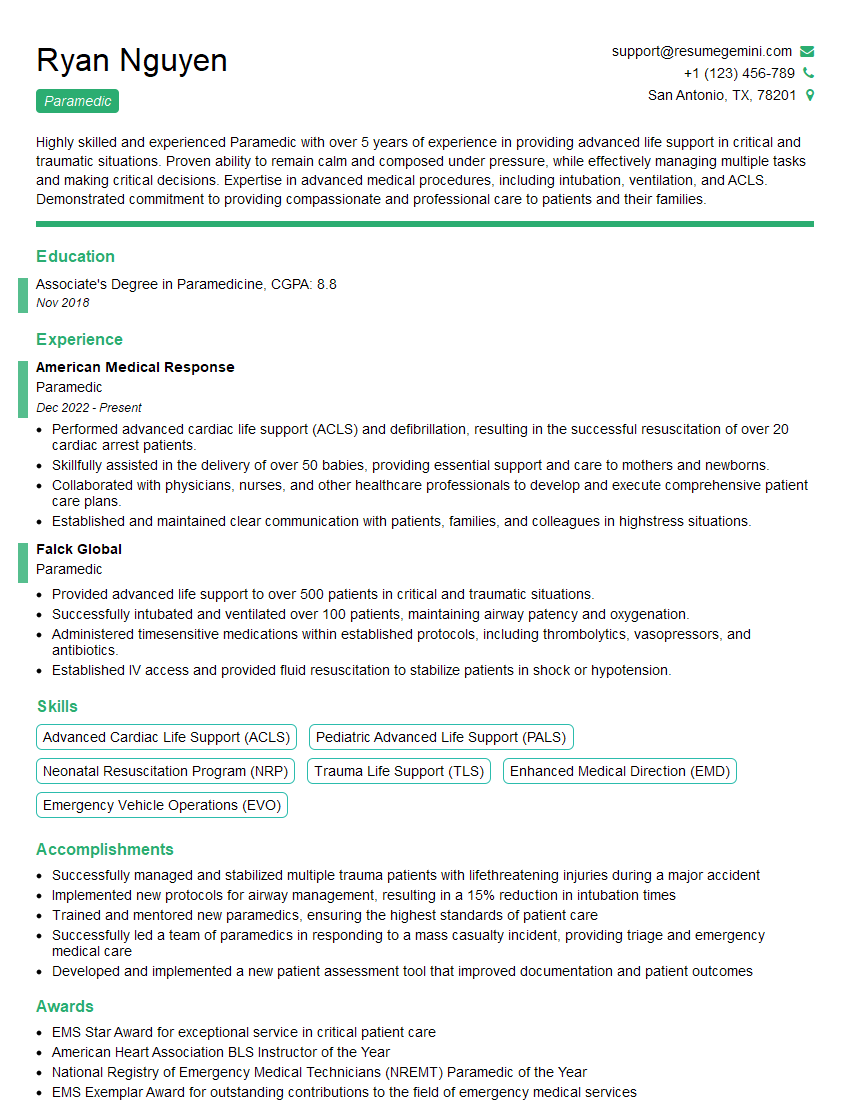
Paramedic Resume Sample

Clinical Laboratory Scientist Resume Sample
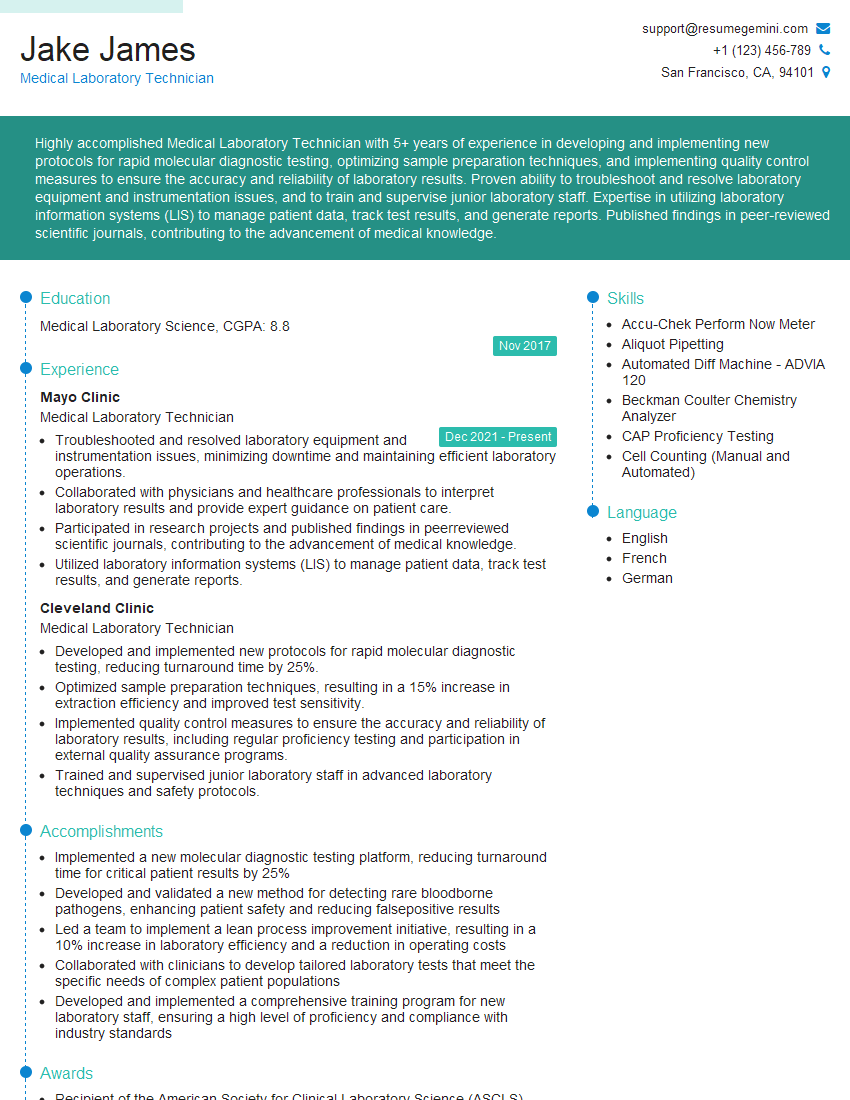
Medical Laboratory Technician Resume Sample
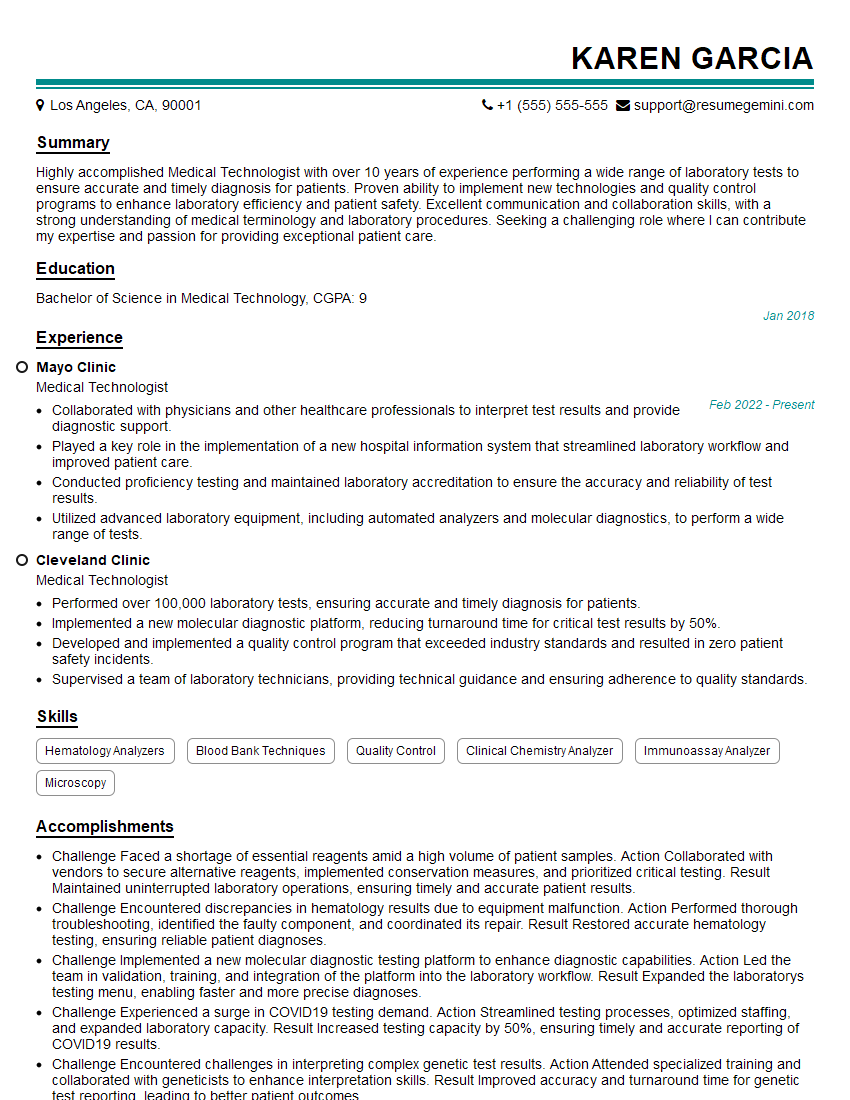
Medical Technologist Resume Sample
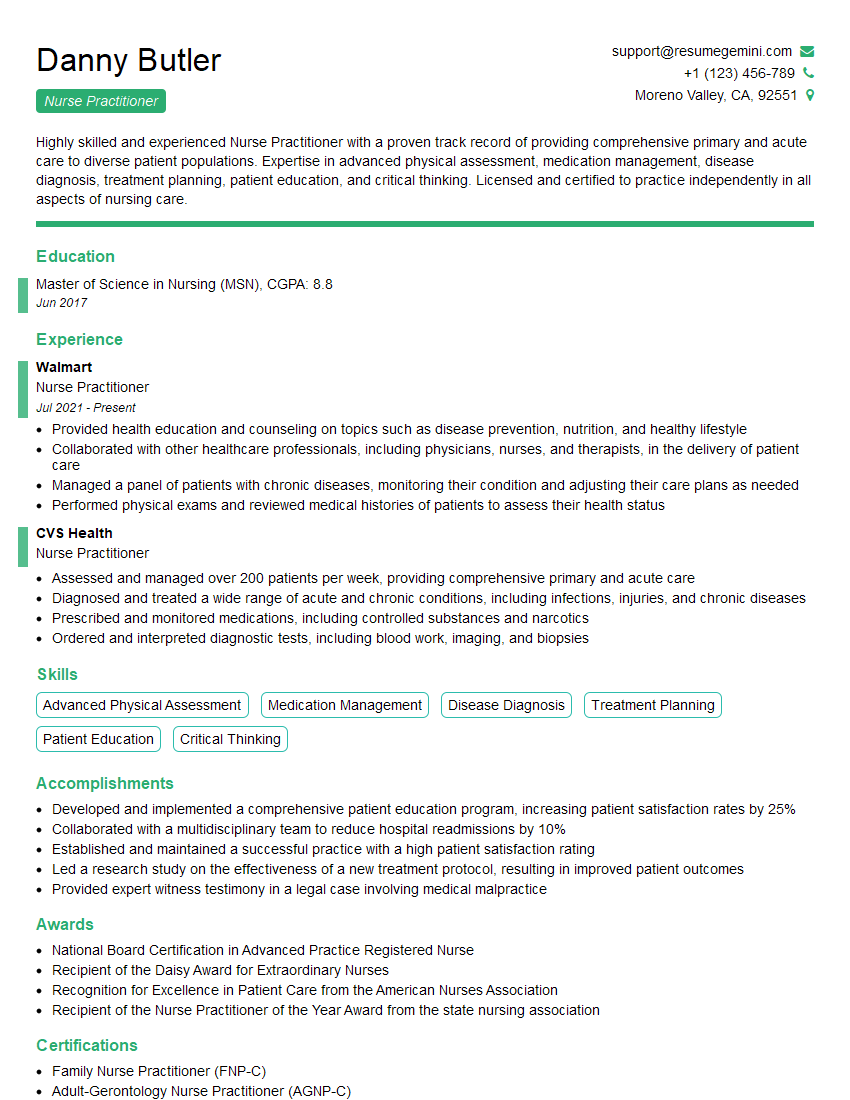
Nurse Practitioner Resume Sample
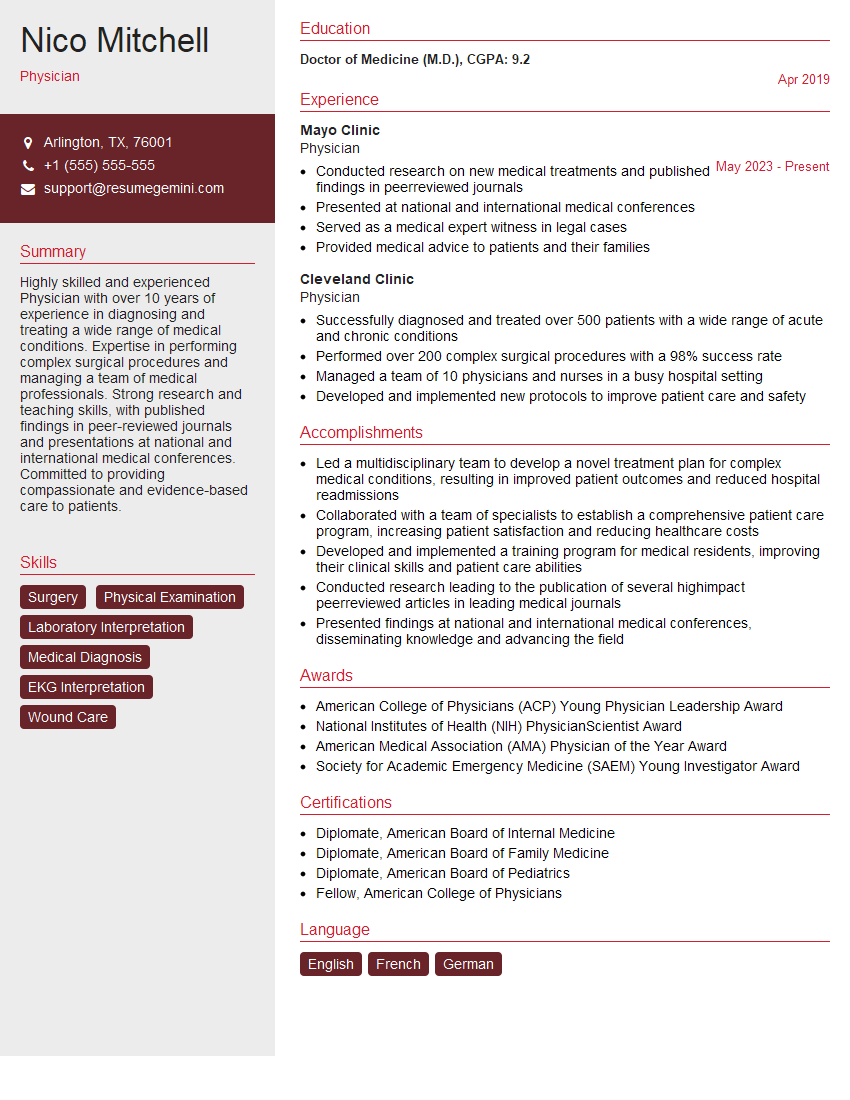
Physician Resume Sample
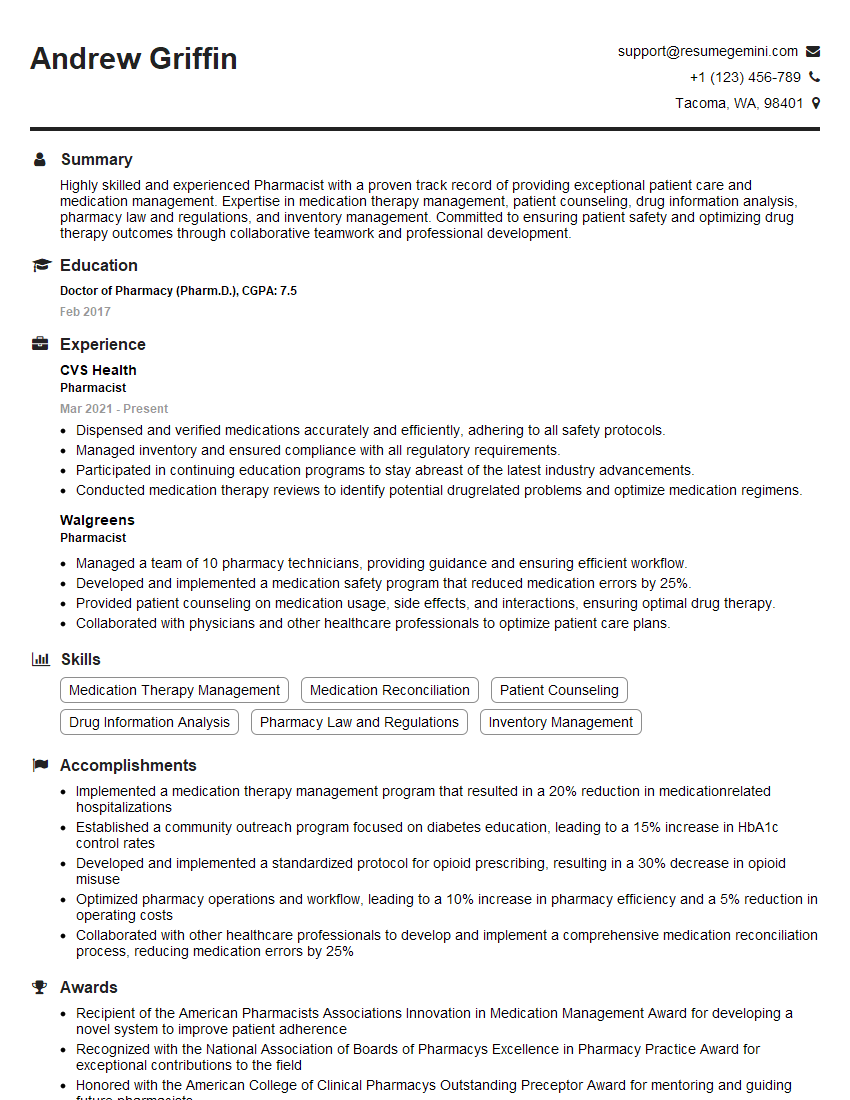
Pharmacist Resume Sample

Physician Assistant Resume Sample

Public Health Physician Resume Sample
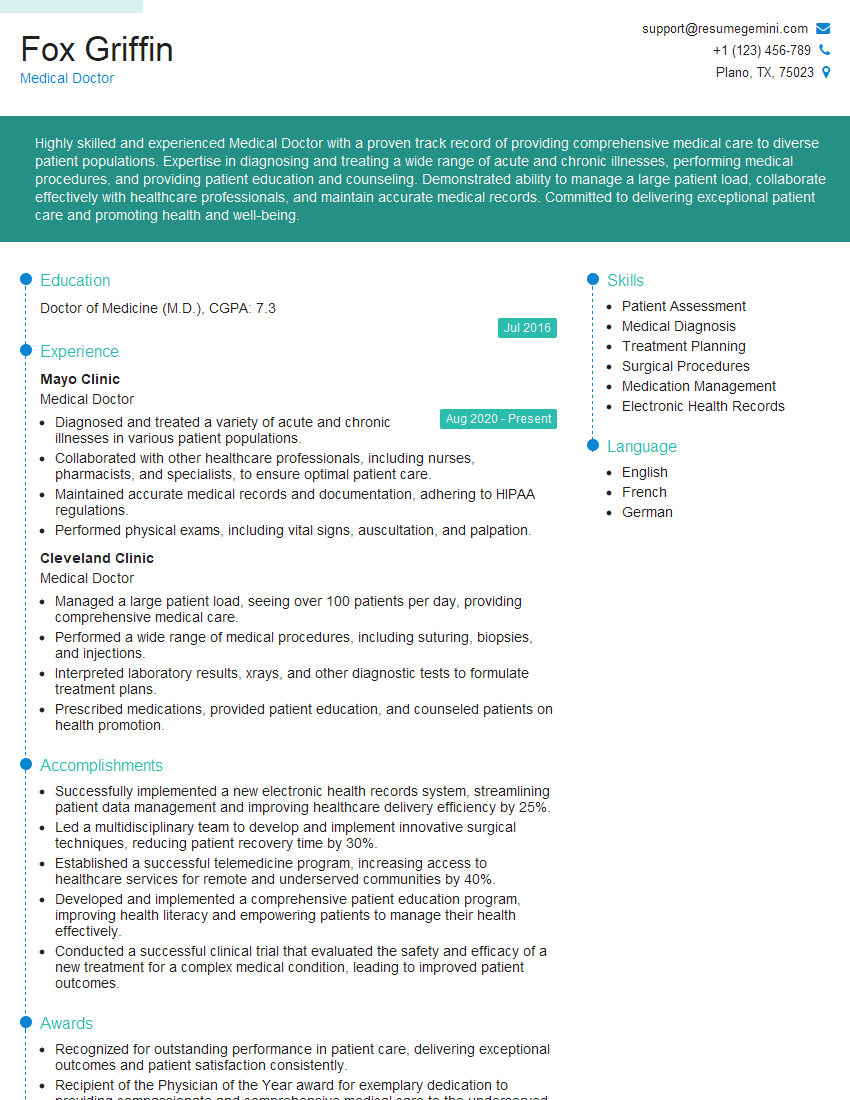
Medical Doctor Resume Sample

Pathologist Assistant Resume Sample
Explore more articles
Users Rating of Our Blogs
Share Your Experience
We value your feedback! Please rate our content and share your thoughts (optional).
What Readers Say About Our Blog
Amazing blog
hello,
Our consultant firm based in the USA and our client are interested in your products.
Could you provide your company brochure and respond from your official email id (if different from the current in use), so i can send you the client’s requirement.
Payment before production.
I await your answer.
Regards,
MrSmith
hello,
Our consultant firm based in the USA and our client are interested in your products.
Could you provide your company brochure and respond from your official email id (if different from the current in use), so i can send you the client’s requirement.
Payment before production.
I await your answer.
Regards,
MrSmith
These apartments are so amazing, posting them online would break the algorithm.
https://bit.ly/Lovely2BedsApartmentHudsonYards
Reach out at BENSON@LONDONFOSTER.COM and let’s get started!
Take a look at this stunning 2-bedroom apartment perfectly situated NYC’s coveted Hudson Yards!
https://bit.ly/Lovely2BedsApartmentHudsonYards
Live Rent Free!
https://bit.ly/LiveRentFREE
Interesting Article, I liked the depth of knowledge you’ve shared.
Helpful, thanks for sharing.
Hi, I represent a social media marketing agency and liked your blog
Hi, I represent an SEO company that specialises in getting you AI citations and higher rankings on Google. I’d like to offer you a 100% free SEO audit for your website. Would you be interested?