Interviews are opportunities to demonstrate your expertise, and this guide is here to help you shine. Explore the essential Reconstructive Dentistry interview questions that employers frequently ask, paired with strategies for crafting responses that set you apart from the competition.
Questions Asked in Reconstructive Dentistry Interview
Q 1. Describe your experience with different types of dental implants.
My experience encompasses a wide range of dental implants, from the most common to the more complex. This includes various implant systems, focusing on their biocompatibility, osseointegration properties, and long-term success rates. I’ve worked extensively with different implant diameters and lengths, selecting the optimal size based on the individual bone volume and patient’s specific needs. For example, I frequently utilize both endosseous (placed within the bone) and subperiosteal (placed on top of the bone) implants, choosing the appropriate type based on the patient’s bone density and overall oral health. I also have experience with zygomatic implants, which are crucial for patients with severely atrophied maxillae, allowing for the placement of fixed full-arch prostheses even in challenging cases.
Beyond implant placement, I consider factors like the type of abutment (the connector between the implant and the restoration) and the restorative material (e.g., zirconia, titanium) crucial for a successful outcome. I’ve managed cases involving immediate loading (placing the prosthesis immediately after implant placement) as well as delayed loading, always weighing the risks and benefits for each patient’s unique circumstances. Careful planning, including detailed CBCT scans and meticulous surgical technique, ensures minimal complications and optimal implant integration.
Q 2. Explain the process of fabricating a full-arch fixed prosthesis.
Fabricating a full-arch fixed prosthesis is a multi-stage process demanding precision and expertise. It begins with a thorough assessment of the patient’s oral health and bone structure, often involving CBCT imaging for detailed analysis. Next, we plan the implant placement, strategically positioning the implants to provide optimal support for the final restoration. The actual surgical placement of the implants then takes place, often involving bone grafting or sinus augmentation techniques to ensure sufficient bone volume for stable implant integration. After a healing period (osseointegration), impressions are taken to create a highly accurate model of the patient’s jaw and newly placed implants.
Using CAD/CAM technology, a digital model is created, allowing for precise design and fabrication of the full-arch restoration. I usually prefer zirconia for its strength, biocompatibility, and aesthetic properties. The final prosthesis is then meticulously fitted and cemented into place, ensuring a snug and comfortable fit. Post-operative care includes regular follow-up appointments to monitor the success of the implants and the prosthesis’s long-term stability. For example, a patient with severe bone loss in the maxilla might require a combination of sinus lift and zygomatic implants before the fabrication of a full-arch prosthesis can proceed.
Q 3. How do you manage patients with complex medical histories requiring reconstructive dentistry?
Managing patients with complex medical histories requires a multidisciplinary approach. I closely collaborate with the patient’s physician, cardiologist, or other specialists as needed. This collaborative approach ensures we consider potential drug interactions, bleeding risks, and other medical factors before, during, and after reconstructive procedures. For example, a patient on anticoagulants requires careful management to minimize bleeding risks during surgery. We may adjust their medication in consultation with their physician or employ other strategies, such as using local hemostatic agents. Additionally, patients with diabetes require close blood glucose monitoring to ensure optimal healing and reduce infection risk.
A thorough medical history review is paramount. This includes a complete list of medications, allergies, and pre-existing conditions. Pre-operative medical clearances might be required, ensuring the patient is medically fit for the proposed procedure. The selection of materials and techniques also takes into account potential sensitivities or contraindications based on the patient’s medical history. For example, certain metals might be contraindicated in patients with allergies. Personalized treatment plans are essential, optimizing safety and ensuring the best possible outcome for each individual.
Q 4. Discuss your experience with different types of dental materials used in reconstruction.
My experience encompasses a broad spectrum of dental materials used in reconstructive dentistry. These include metals (titanium, gold alloys), ceramics (zirconia, porcelain), and composite resins. The choice of material depends on various factors, such as the specific application, the patient’s aesthetic requirements, and the biocompatibility of the material. For instance, zirconia is known for its exceptional strength and biocompatibility, making it an excellent choice for full-arch restorations and implant abutments. Porcelain offers outstanding aesthetics, allowing for lifelike tooth restorations, but is generally less strong than zirconia. Titanium is widely used in implants due to its excellent biocompatibility and osseointegration properties.
I frequently utilize composite resins for their versatility in direct restorations, particularly for smaller repairs or filling cavities. The selection process involves considering the material’s properties, the patient’s oral condition, and their expectations. For example, when creating a natural-looking anterior restoration, porcelain is favored for its superior aesthetics, while zirconia would be preferred for its strength in posterior restorations that bear more significant forces. I stay updated on the latest advancements in dental materials, ensuring I utilize the most effective and durable materials available.
Q 5. Explain your approach to diagnosing and treating temporomandibular joint (TMJ) disorders.
Diagnosing and treating temporomandibular joint (TMJ) disorders starts with a thorough clinical examination, focusing on the patient’s history, symptoms, and physical findings. This includes assessing jaw range of motion, palpation of the TMJ, and evaluation of muscle tenderness. Additional diagnostic tools such as MRI or CT scans might be necessary to rule out structural abnormalities or severe pathologies. A critical aspect of the diagnosis involves differentiating between muscular issues (myofascial pain) and articular pathologies (internal derangement).
Treatment approaches are tailored to the specific diagnosis. For myofascial pain, conservative measures such as physical therapy, occlusal splints, and medication to manage pain and inflammation are often effective. For more severe articular issues, surgical intervention might be required. In many cases, a multidisciplinary approach involving collaboration with a physical therapist or an orthodontist is beneficial. For example, a patient presenting with clicking and pain in the TMJ might benefit from a combination of occlusal splint therapy to improve the jaw’s position and physical therapy to strengthen the surrounding muscles and improve jaw mobility. Regular follow-up is essential to monitor progress and adjust the treatment plan as needed.
Q 6. Describe your experience with digital workflow in reconstructive dentistry (CAD/CAM).
Digital workflow in reconstructive dentistry, utilizing CAD/CAM technology, has revolutionized my practice. From initial scans using intraoral scanners to the final fabrication of restorations, digital technology offers unparalleled precision, efficiency, and accuracy. This process significantly reduces the need for traditional impression-taking techniques, which can be uncomfortable for some patients and prone to inaccuracies. The digital model allows for precise planning and design of restorations, considering factors such as tooth anatomy, occlusion, and aesthetics.
The use of CAD/CAM technology enables the creation of highly customized restorations, often improving the fit, function, and longevity of the final product. For example, we can design and fabricate implant abutments and crowns with intricate details that might be difficult or impossible to achieve with conventional methods. This digital workflow also integrates seamlessly with other digital technologies, such as CBCT imaging, to provide a holistic and precise approach to reconstructive dentistry. Overall, the integration of digital technology has not only improved the efficiency and accuracy of our work but also enhanced the quality of care that I am able to provide.
Q 7. How do you manage patient expectations in complex reconstructive cases?
Managing patient expectations in complex reconstructive cases is crucial for a positive outcome. It begins with a clear and thorough explanation of the treatment plan, including the potential benefits, risks, and limitations of each approach. I use visual aids, such as photographs, models, and CBCT images, to help patients understand the complexity of their case and the proposed treatment strategy. Open and honest communication throughout the entire process is key. This includes discussing potential complications and addressing any concerns the patient might have.
Realistic expectations are established from the beginning, avoiding any over-promises. I emphasize that reconstructive dentistry is an iterative process, and multiple stages might be required to achieve the desired outcome. I always involve patients in the decision-making process, ensuring they feel heard and understood. Regular communication and progress updates keep patients informed and involved, fostering a strong doctor-patient relationship. Following up after treatment ensures ongoing support and addresses any long-term concerns. By setting realistic expectations and fostering clear communication, patients feel confident, empowered, and satisfied with their overall experience.
Q 8. What are the common complications associated with implant placement and how do you manage them?
Implant placement, while highly successful, can be associated with several complications. These can be broadly categorized into early complications (occurring during or shortly after surgery) and late complications (appearing months or years later).
- Early Complications: These include infection (peri-implantitis), nerve damage, sinus perforation (during maxillary implant placement), and implant malpositioning. Managing these often involves immediate intervention. For example, infection necessitates antibiotic therapy and sometimes surgical revision. Nerve damage may require surgical exploration and repair, while sinus perforations are managed with techniques like bone grafting and/or membrane placement. Malpositioning may necessitate implant removal and replacement.
- Late Complications: These include implant failure (osseointegration failure), peri-implantitis (inflammation around the implant), and implant fracture. Peri-implantitis requires meticulous oral hygiene instruction, professional cleaning, and potentially antibiotic therapy or surgical intervention. Implant failure is addressed by implant removal and, if appropriate, replacement after appropriate bone augmentation. Implant fracture is rare but requires replacement.
Careful preoperative planning, including thorough patient assessment and advanced imaging, is crucial in minimizing complications. Selecting appropriate implant placement sites, adhering to strict sterile surgical techniques, and providing detailed postoperative instructions are also vital for a successful outcome. Regular follow-up appointments allow for early detection and management of any potential issues.
Q 9. Explain your understanding of different bone grafting techniques used in reconstructive dentistry.
Bone grafting is a cornerstone of reconstructive dentistry, particularly in implant surgery. It’s essential when there’s insufficient bone volume to support an implant. Several techniques exist, each with specific applications:
- Autografts: Bone harvested from the patient’s own body (e.g., iliac crest). It provides the best osteoconductive and osteoinductive properties but involves a second surgical site and potential donor site morbidity.
- Allografts: Bone from a cadaver donor. It’s readily available but carries a slightly higher risk of disease transmission and less predictable integration.
- Xenografts: Bone from another species (e.g., bovine bone). It’s biocompatible and readily available, acting primarily as a scaffold for new bone formation.
- Alloplasts: Synthetic bone substitutes (e.g., hydroxyapatite, tricalcium phosphate). These materials provide structural support and promote bone growth.
- Guided Bone Regeneration (GBR): This technique uses a membrane to protect the bone graft from invasion by soft tissues, allowing for optimal bone formation. It is frequently combined with other bone graft materials.
The choice of bone grafting technique depends on factors like the amount of bone needed, the patient’s overall health, and the location of the defect. For instance, a small defect might be adequately addressed with a xenograft or alloplast, while a larger defect might require an autograft combined with GBR.
Q 10. Describe your experience with soft tissue management in implant dentistry.
Soft tissue management is paramount in implant dentistry, as it directly influences the aesthetic outcome and long-term success of the implant. Adequate soft tissue volume and proper contour are crucial for proper implant emergence and gingival health. My approach emphasizes a holistic perspective, considering factors like keratinized tissue thickness, gingival architecture, and overall facial aesthetics.
Techniques include:
- Soft tissue augmentation: This involves increasing the volume of soft tissue using various materials, such as collagen matrices or autogenous connective tissue grafts, to improve aesthetics and cover exposed implants.
- Gingival grafting: This technique is used to increase the width of keratinized tissue around the implant, enhancing tissue stability and improving the patient’s hygiene.
- Esthetic crown shaping and positioning: Achieving natural-looking emergence profiles and papillae preservation is crucial.
For example, a patient with insufficient keratinized tissue around an implant may require a connective tissue graft to improve long-term stability and reduce the risk of peri-implantitis. Pre-prosthetic surgery may be required to improve soft tissue contour before final prosthesis delivery. A multidisciplinary approach, often involving periodontists, is often crucial.
Q 11. How do you assess the need for pre-prosthetic surgery in complex cases?
The need for pre-prosthetic surgery in complex cases is assessed through a thorough examination and diagnostic workup. This includes a comprehensive medical history, detailed clinical examination, and advanced imaging (CBCT). The goals of pre-prosthetic surgery are to create optimal conditions for prosthesis placement, enhancing both function and aesthetics.
Several factors indicate the need for pre-prosthetic surgery:
- Insufficient bone volume: Bone grafting may be needed to support implants.
- Inadequate soft tissue volume: Soft tissue augmentation may be required to improve aesthetics and maintain implant health.
- Complex restorative needs: Cases with significant tooth loss or severe bone loss may require staged procedures, including guided bone regeneration or sinus lifts, before final restorations are placed.
- Significant periodontal disease: Treatment of existing periodontal problems is often crucial prior to implant placement.
For instance, a patient with extensive bone loss in the posterior maxilla may require a sinus lift procedure to increase bone volume prior to implant placement. A treatment plan outlining the staged approach, including pre-prosthetic surgery steps, is created to ensure a predictable and optimal final outcome.
Q 12. What is your approach to treating patients with significant tooth wear or attrition?
Treating patients with significant tooth wear or attrition requires a comprehensive approach, considering the extent of wear, the patient’s age, and their esthetic desires. The primary goals are to restore function, protect remaining tooth structure, and enhance aesthetics. A thorough assessment involves evaluating occlusal relationships, evaluating the health of remaining teeth, and assessing the patient’s overall expectations.
Treatment options include:
- Direct Restorations: Composite resin restorations are often used for less extensive wear, offering excellent aesthetics and conservative tooth preparation.
- Indirect Restorations: In cases of significant wear, indirect restorations like porcelain veneers or full-coverage crowns may be needed for improved strength and durability. These may involve occlusal equilibration to adjust the bite.
- Full-Mouth Rehabilitation: Patients with extensive wear may require a comprehensive approach that includes restorative procedures combined with occlusal splints and/or orthodontic treatment.
- Occlusal guards or splints: These are vital in many cases to protect the teeth from further damage and manage bruxism (teeth grinding).
For example, a young patient with moderate wear may benefit from composite resin build-ups, while an older patient with extensive wear and compromised tooth structure might require full-coverage crowns or porcelain veneers. The choice depends on careful clinical assessment and patient preferences.
Q 13. Describe your experience with different types of removable partial dentures and their applications.
Removable partial dentures (RPDs) are valuable tools in reconstructive dentistry, used to replace missing teeth when fixed prostheses (like implants or bridges) are not feasible or preferred. Various designs cater to different needs:
- Clasp-retained RPDs: These utilize metal clasps that engage existing teeth for retention. They are cost-effective and generally well-tolerated but might affect the aesthetics.
- Precision attachment RPDs: These use more sophisticated attachments (e.g., ball attachments, Dalbo attachments) for improved retention and aesthetics. They often offer better retention and esthetics but are more complex and expensive.
- Bar-retained RPDs: These utilize a metal bar that is strategically placed on the abutment teeth for retention. They offer excellent strength and stability, often used in situations with compromised abutment teeth.
- Telescopic crowns: Involve the fabrication of internal and external crowns to provide retention and stability. Offer excellent aesthetics.
The choice of RPD design depends on factors such as the number and location of missing teeth, the condition of remaining teeth, and the patient’s preferences and financial constraints. For example, a patient with multiple posterior missing teeth might benefit from a clasp-retained RPD, while a patient with significant remaining tooth structure and high aesthetic expectations might be a better candidate for precision attachments or a bar-retained RPD.
Q 14. How do you address esthetic concerns during the reconstructive process?
Addressing esthetic concerns is a crucial aspect of reconstructive dentistry. My approach involves a collaborative effort with the patient, focusing on understanding their aesthetic goals and expectations. This entails considering factors like tooth shade, shape, size, and gingival architecture. Detailed mock-ups and wax-ups are often used to help visualize and refine the final result.
Strategies for managing aesthetic concerns include:
- Careful tooth preparation: Conservative tooth preparation minimizes tooth structure removal and preserves natural tooth contours.
- Selection of appropriate materials: Choosing materials that mimic the natural appearance of teeth (e.g., high-translucency porcelain) is paramount.
- Precise shade matching: Using shade guides and spectrophotometers ensures accurate color reproduction.
- Soft tissue management: Addressing gingival health and contour contributes significantly to the overall aesthetics.
For example, in a case involving anterior tooth replacement, a digital smile design may be created to show the patient the expected result and allow for adjustments before the final restorations are made. Careful communication and collaboration are key to achieving an aesthetically pleasing and functional outcome that matches the patient’s expectations.
Q 15. Explain your approach to treating patients with oral cancer requiring reconstructive surgery.
Treating patients with oral cancer requiring reconstructive surgery involves a multidisciplinary approach. It’s crucial to understand that my role as a reconstructive dentist is part of a larger team, including oncologists, surgeons, and maxillofacial prosthodontists. My focus begins after the primary cancer treatment (surgery, radiation, or chemotherapy) has been completed and the patient is deemed cancer-free.
My approach involves a thorough assessment of the defect. This includes evaluating the extent of the resection, the remaining bone and soft tissue, and the patient’s overall health and expectations. We create a treatment plan that addresses both the functional and aesthetic aspects. This might involve using techniques like bone grafting to rebuild lost bone structure, followed by the placement of dental implants to support a prosthesis (crown or denture). Sometimes, we use alternative approaches such as using obturators to fill in the defect, or employing tissue grafts to create a more favorable environment for prosthetic rehabilitation.
For example, a patient who had a significant portion of their mandible (jawbone) removed due to cancer might require a complex reconstruction involving bone grafts harvested from the fibula (leg bone) or the iliac crest (hip bone). Following successful bone integration, implants can be placed to support a fixed prosthesis (a bridge or denture) that restores function and aesthetics. Throughout the process, close collaboration with the surgical team is vital to ensure optimal healing and successful outcomes.
Career Expert Tips:
- Ace those interviews! Prepare effectively by reviewing the Top 50 Most Common Interview Questions on ResumeGemini.
- Navigate your job search with confidence! Explore a wide range of Career Tips on ResumeGemini. Learn about common challenges and recommendations to overcome them.
- Craft the perfect resume! Master the Art of Resume Writing with ResumeGemini’s guide. Showcase your unique qualifications and achievements effectively.
- Don’t miss out on holiday savings! Build your dream resume with ResumeGemini’s ATS optimized templates.
Q 16. How do you manage patients with bruxism or parafunctional habits in reconstructive treatment?
Managing bruxism (teeth grinding) and other parafunctional habits in reconstructive treatment is paramount to prevent damage to the restoration and long-term success. We first identify the cause, which could be stress, sleep disorders, or even a malocclusion (bad bite).
My approach is multifaceted. Firstly, we conduct a thorough clinical examination, including assessing muscle tenderness, jaw joint sounds (TMJ), and the wear patterns on existing teeth. We might utilize diagnostic tools like electromyography (EMG) to measure muscle activity during sleep.
Treatment strategies can include:
- Splinting: Custom-made nightguards or mouthguards to protect teeth and prevent further damage. This is often the first line of defense.
- Occlusal adjustment: Carefully reshaping the teeth to create a more harmonious bite, reducing muscle strain.
- Stress management techniques: Referring the patient to a therapist or recommending relaxation exercises.
- Botox: In certain cases, Botox injections can help relax the jaw muscles and reduce bruxism.
When designing the final restoration – whether it’s a crown, bridge, or implant-supported prosthesis – I carefully consider the patient’s bruxism history. I may use stronger, more durable materials like zirconia or high-strength ceramics to withstand the forces of bruxism. The design of the restoration itself is also important – avoiding sharp edges and creating a smooth, comfortable occlusion are crucial to minimizing wear and tear.
Q 17. What is your experience with using guided surgery in implant placement?
Guided surgery using computer-aided design (CAD) and computer-aided manufacturing (CAM) techniques has revolutionized implant placement. I have extensive experience in this area and find it significantly improves accuracy and predictability.
In guided surgery, a three-dimensional model of the patient’s jaw is created using CBCT scans. This model is then used to plan the precise placement of dental implants virtually. A surgical guide is fabricated based on this plan, and during the procedure, the guide ensures that the implants are positioned accurately according to the pre-operative plan.
The advantages of guided surgery include reduced surgical invasiveness, minimized soft tissue trauma, and increased accuracy in implant placement, leading to improved bone integration and reduced risks of complications. This is especially beneficial in complex cases where bone augmentation is needed, or when there is limited bone available. For example, in a severely atrophic mandible, where the bone has significantly resorbed, guided surgery allows for precise placement of implants in the optimal position despite the limited bone volume. My experience has shown that it significantly increases the success rate of implant treatment, and results in a shorter healing time for my patients.
Q 18. Discuss your experience with different types of ceramic materials and their applications.
My experience encompasses a wide range of ceramic materials, each with unique properties and applications in reconstructive dentistry.
The most commonly used materials include:
- Feldspathic porcelain: Known for its excellent aesthetics, it’s often used for anterior restorations (front teeth) where lifelike appearance is crucial. However, it’s less strong than other options.
- Zirconia: A high-strength ceramic exhibiting exceptional biocompatibility and fracture resistance. It’s ideal for posterior restorations (back teeth) and long-span bridges due to its durability. Aesthetic properties are also improving with advanced techniques.
- Lithium disilicate: Offering a balance between strength and aesthetics, this ceramic is a good compromise for both anterior and posterior applications. It’s a reliable choice for restorations that need to withstand significant occlusal forces.
- Hybrid ceramics: Combining ceramic and composite resins, these materials offer increased strength while maintaining acceptable aesthetics.
Material selection depends on factors like the location of the restoration (anterior vs. posterior), the functional demands (amount of chewing force), the aesthetic requirements, and the patient’s budget. For example, I might choose zirconia for a molar crown due to its strength, while selecting feldspathic porcelain for a veneer on a front tooth to achieve a natural appearance. A thorough understanding of these properties is essential for selecting the appropriate material to ensure the longevity and success of the restoration.
Q 19. How do you select appropriate abutments and crowns for different clinical situations?
Selecting appropriate abutments and crowns requires a careful consideration of several factors.
The abutment acts as the connection between the implant and the crown. Its selection depends on the implant system used, the amount of remaining bone, and the angulation of the implant. Different abutments are available to accommodate various clinical scenarios, including those with tilted or malpositioned implants. We might need to use custom-made abutments for optimal fit and esthetics.
The crown‘s selection depends on the factors mentioned earlier regarding ceramic materials. In addition, we consider factors like the size and shape of the remaining tooth structure, the patient’s occlusion, and their esthetic expectations.
For example, in a case with limited bone, a smaller diameter abutment and a correspondingly smaller crown might be chosen. In situations requiring greater strength, a full-coverage crown (covering the entire tooth structure) might be preferred over a partial-coverage crown (veneer or inlay). The choice is always patient-specific and demands detailed planning and clinical judgment.
Q 20. Explain your understanding of the principles of occlusion and its relevance in reconstruction.
Occlusion, or the way the teeth come together during biting and chewing, is fundamental to successful reconstructive dentistry. A healthy occlusion is characterized by balanced forces distributed evenly across the teeth. An unbalanced occlusion can lead to excessive wear, periodontal problems, temporomandibular joint (TMJ) disorders, and even failure of restorations.
In reconstructive cases, restoring proper occlusion is essential. My approach involves analyzing the patient’s occlusion using various diagnostic methods such as mounting study models, taking photographs, and performing functional assessments. I often use articulators to simulate jaw movements and plan restorative treatment.
The principles of occlusion guide my decisions in several ways:
- Centric relation: The most retruded position of the mandible, critical for establishing a stable bite.
- Intercuspal position: The position where teeth achieve maximum contact.
- Lateral excursions: The paths the mandible follows during side-to-side movements.
- Protrusive movements: The paths the mandible follows during forward movements.
By meticulously considering these factors and ensuring a harmonious occlusion, I aim to create restorations that not only look good but also function effectively and minimize the risk of long-term complications.
Q 21. How do you manage complications related to denture stomatitis?
Denture stomatitis, an inflammation of the oral mucosa under a denture, is a common complication that requires prompt management. It’s often caused by Candida albicans, a type of yeast.
My approach involves a thorough evaluation to identify the cause and severity. Treatment usually starts with improving denture hygiene.
Management strategies include:
- Improved denture hygiene: Thorough cleaning of the denture daily using a denture cleanser and brushing the denture and the underlying mucosa.
- Antifungal therapy: Topical or systemic antifungal medications (like nystatin or fluconazole) to eliminate the yeast infection.
- Denture relining or remaking: If the denture doesn’t fit properly, causing irritation, a new denture or relining might be necessary to improve the fit and reduce pressure points.
- Oral hygiene instruction: Educating the patient on proper oral hygiene practices, including regular brushing, flossing, and the use of antimicrobial mouthwashes.
- Addressing systemic factors: If underlying medical conditions (such as diabetes) contribute to the stomatitis, addressing those issues is crucial.
In some cases, a combination of therapies is required. For example, a patient might need antifungal medication along with a denture reline and improved oral hygiene instruction. Regular follow-up appointments are necessary to monitor the healing process and ensure the stomatitis resolves completely.
Q 22. Describe your experience with the use of different impression techniques.
Impression techniques are fundamental in reconstructive dentistry, providing the accurate representation of the patient’s dentition needed for restorative work. My experience encompasses a wide range of methods, from traditional alginate impressions to the latest digital scanning technologies.
Traditional Alginate Impressions: I’m proficient in taking accurate alginate impressions, understanding the importance of proper mixing ratios, tray selection, and patient management to minimize gag reflexes. This technique remains valuable for its affordability and ease of use, particularly in certain situations.
Polyether Impressions: These offer superior detail and dimensional stability compared to alginate, making them ideal for complex restorations. I carefully select the appropriate viscosity and ensure meticulous technique to avoid voids and distortions.
Silicone Impressions (PVS): Addition silicone offers excellent accuracy, hydrophilicity (ability to capture moisture), and tear resistance. I use different types of silicone depending on the specific needs of the case, considering factors such as viscosity and setting time. For example, putty-wash techniques are often used for achieving optimal detail in crown and bridge preparations.
Digital Impressions (Intraoral Scanners): I’m highly experienced with various intraoral scanners. These technologies eliminate the need for traditional impression materials, offering immediate digital models, reduced chair-time, and enhanced accuracy. I’m familiar with the workflow, including software integration, data management, and potential troubleshooting.
The choice of impression technique is tailored to the individual patient’s needs and the specific restorative procedure. Factors considered include the complexity of the case, the patient’s tolerance, and the desired level of accuracy.
Q 23. What is your approach to long-term maintenance and follow-up care after reconstructive treatment?
Long-term success in reconstructive dentistry relies heavily on meticulous post-treatment care. My approach emphasizes a proactive and collaborative relationship with the patient.
Post-operative Instructions: Clear and comprehensive instructions are given to the patient regarding oral hygiene, diet, and pain management. This includes detailed demonstrations and written materials.
Regular Recall Appointments: A schedule of regular check-ups is established, typically at 6-month intervals, to monitor the health of the restorations, assess for any wear or damage, and address any concerns the patient may have. This allows for early detection and prevention of problems.
Occlusal Adjustment (as needed): In cases involving complex restorations, occlusal adjustments might be necessary to optimize the bite and prevent excessive wear or discomfort. This ensures optimal function and longevity of the restorations.
Oral Hygiene Reinforcement: I stress the importance of meticulous oral hygiene throughout the entire process. This often includes personalized instructions and recommendations on brushing techniques, interdental cleaning, and potentially the use of therapeutic mouthwashes.
Proactive Communication: Open communication channels are crucial. Patients are encouraged to contact the office with any questions or concerns that arise between appointments. This fosters trust and ensures proactive management of potential issues.
This holistic approach aims to extend the lifespan of the restorations, maintain patient comfort, and ultimately, optimize their long-term oral health.
Q 24. Discuss your experience with working with dental laboratories and technicians.
Effective collaboration with dental laboratories and technicians is paramount in achieving optimal results in reconstructive dentistry. My experience involves building strong, collaborative relationships based on clear communication and mutual respect.
Detailed Communication: I provide laboratories with comprehensive case information, including detailed specifications, precise measurements, photos, and digital models (when applicable). This ensures that the technicians have all the necessary information to fabricate high-quality restorations.
Clear Articulation of Expectations: Open communication is essential, clarifying the desired aesthetics, function, and material specifications. This allows for mutual understanding and prevents misunderstandings.
Regular Feedback and Adjustments: Throughout the process, I maintain ongoing communication with the laboratory technicians. This enables quick adjustments and modifications if needed, ensuring that the final product meets the patient’s needs and my clinical expectations.
Quality Control: Upon receiving the restorations from the laboratory, I conduct a thorough inspection before cementation to verify the accuracy, fit, and overall quality. Any necessary adjustments are made before proceeding to the next step.
Building trust and fostering a positive working relationship with the laboratory team leads to consistent quality and predictability in the outcomes of complex reconstructive cases.
Q 25. How do you stay updated with the latest advancements in reconstructive dentistry?
Staying current in the rapidly evolving field of reconstructive dentistry is critical. I employ several strategies to maintain my expertise.
Continuing Education Courses: I regularly participate in continuing education courses, workshops, and conferences focused on the latest techniques, materials, and technologies in reconstructive dentistry.
Professional Journals and Publications: I actively read peer-reviewed journals and publications to stay abreast of research findings and clinical advancements. This includes journals such as the Journal of Prosthetic Dentistry and the International Journal of Oral & Maxillofacial Implants.
Professional Organizations: Membership in professional organizations such as the American College of Prosthodontists (ACP) provides access to resources, networking opportunities, and ongoing education.
Mentorship and Collaboration: I actively seek opportunities to collaborate with experienced colleagues and engage in mentorship programs to share knowledge and learn from others.
Hands-on Practice and Case Reviews: Regularly reviewing my own cases and engaging in hands-on practice with new techniques and materials helps solidify knowledge and identify areas for improvement.
This multi-faceted approach ensures I provide my patients with the most advanced and effective treatments available.
Q 26. Explain your approach to handling challenging or unexpected situations during treatment.
Unexpected situations can arise during reconstructive treatment. My approach prioritizes patient safety, problem-solving, and effective communication.
Thorough Pre-operative Assessment: A detailed assessment, including medical history and radiographic evaluation, helps to anticipate potential challenges and mitigate risks.
Contingency Planning: Having a plan B (and even a plan C) for potential complications helps ensure smooth navigation of unexpected events. This could involve alternative treatment options or strategies to manage complications.
Problem-Solving Approach: When encountering unexpected challenges, I follow a systematic approach: identify the problem, assess the situation, explore possible solutions, implement the chosen solution, and evaluate the outcome.
Collaboration and Consultation: When needed, I readily consult with specialists, such as endodontists, periodontists, or oral surgeons, to address complex issues. This ensures comprehensive care and enhances treatment outcomes.
Transparent Communication: I maintain open and honest communication with the patient, explaining the situation clearly, outlining potential solutions, and involving them in decision-making.
Flexibility, adaptability, and a proactive mindset are essential in handling unexpected circumstances in reconstructive dentistry, ensuring optimal patient care.
Q 27. Describe your experience with managing medically compromised patients requiring reconstructive dentistry.
Managing medically compromised patients requiring reconstructive dentistry requires a careful and individualized approach. My experience involves close collaboration with the patient’s physician and a thorough understanding of their medical history.
Detailed Medical History Review: A comprehensive review of the patient’s medical history, including medications, allergies, and existing conditions, is paramount to identify potential risks and interactions.
Collaboration with Physicians: Consultation with the patient’s physician is crucial to determine the suitability and safety of dental procedures. This may involve obtaining clearance or modifying the treatment plan to accommodate medical limitations.
Modified Treatment Plans: Treatment plans are tailored to address the patient’s specific medical needs. This may involve adjusting appointments, utilizing different materials or techniques, or employing additional monitoring strategies.
Medication Management: Careful consideration is given to the patient’s medications, particularly those that could impact healing or bleeding. This includes potential interactions with anesthetic agents or other medications used during the procedure.
Patient Monitoring: Patients are closely monitored during and after treatment to detect any adverse reactions or complications. This may include vital sign monitoring or adjusting the treatment plan based on the patient’s response.
A cautious and collaborative approach ensures the safety and well-being of medically compromised patients while delivering effective reconstructive dental care.
Q 28. How do you prioritize treatment planning in cases with multiple dental and medical needs?
Prioritizing treatment planning in cases with multiple dental and medical needs requires a systematic and comprehensive approach. I use a staged approach to address the most urgent needs first, while considering long-term goals.
Comprehensive Assessment: A thorough assessment of the patient’s overall health, including medical and dental history, is fundamental. This involves a full clinical examination, radiographic evaluation, and potentially additional diagnostic tests.
Urgent vs. Elective Needs: I prioritize the treatment of urgent needs, such as addressing pain, infection, or compromised teeth that pose an immediate risk to the patient’s health.
Risk Assessment: I carefully assess the risks associated with each treatment modality in the context of the patient’s overall health and medical history. This includes considering the potential impact of anesthesia, medications, and surgical interventions.
Treatment Sequencing: I develop a phased treatment plan, addressing the most critical needs first and then proceeding to more elective treatments. This approach minimizes risks and ensures that the patient can tolerate the treatment phases.
Patient Communication and Collaboration: Open communication with the patient is crucial. I explain the proposed treatment plan clearly, discuss the risks and benefits of each phase, and involve them in the decision-making process. This collaborative approach ensures that the patient is comfortable and informed throughout the process.
This multi-faceted approach aims to optimize the patient’s oral health while minimizing potential risks associated with multiple dental and medical needs.
Key Topics to Learn for Reconstructive Dentistry Interview
- Full-Mouth Rehabilitation: Understanding the comprehensive treatment planning process, including diagnostic considerations, treatment sequencing, and the integration of various restorative techniques.
- Occlusion and TMJ Dysfunction: Diagnosing and managing occlusal discrepancies, their impact on restorative treatment, and the relationship between occlusion and temporomandibular joint disorders. Practical application includes case selection for splint therapy or occlusal adjustments.
- Esthetic Dentistry in Reconstruction: Mastering the principles of shade selection, tooth morphology, and soft tissue integration to achieve natural-looking restorations. Consider the role of digital smile design and mock-ups.
- Material Science: In-depth knowledge of the properties of various restorative materials (e.g., ceramics, composites, metals) and their appropriate applications in reconstructive procedures. Be prepared to discuss the advantages and limitations of each.
- Implant-Supported Restorations: Understanding the principles of implant placement, osseointegration, and the design and fabrication of implant-supported restorations (crowns, bridges, overdentures). Discuss different implant systems and their biocompatibility.
- Treatment Planning and Case Presentation: Developing comprehensive treatment plans, presenting them effectively to patients, and justifying treatment decisions based on clinical evidence and patient needs. Consider the ethical and legal aspects.
- Advanced Techniques: Explore topics such as adhesive dentistry, CAD/CAM technology, and digital workflows in reconstructive dentistry. Be ready to discuss your experience and comfort level with these technologies.
- Problem-Solving: Discuss approaches to managing complex clinical cases, including complications and unexpected challenges. Be prepared to demonstrate critical thinking and decision-making skills.
Next Steps
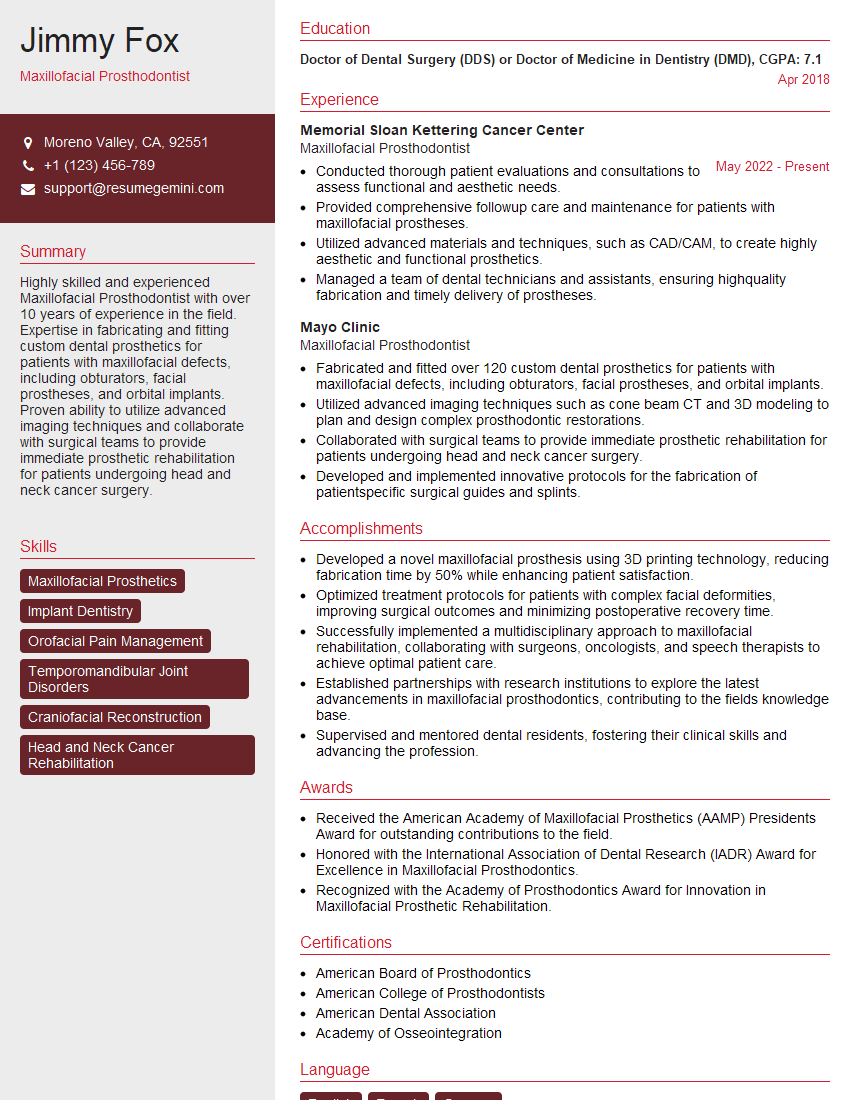
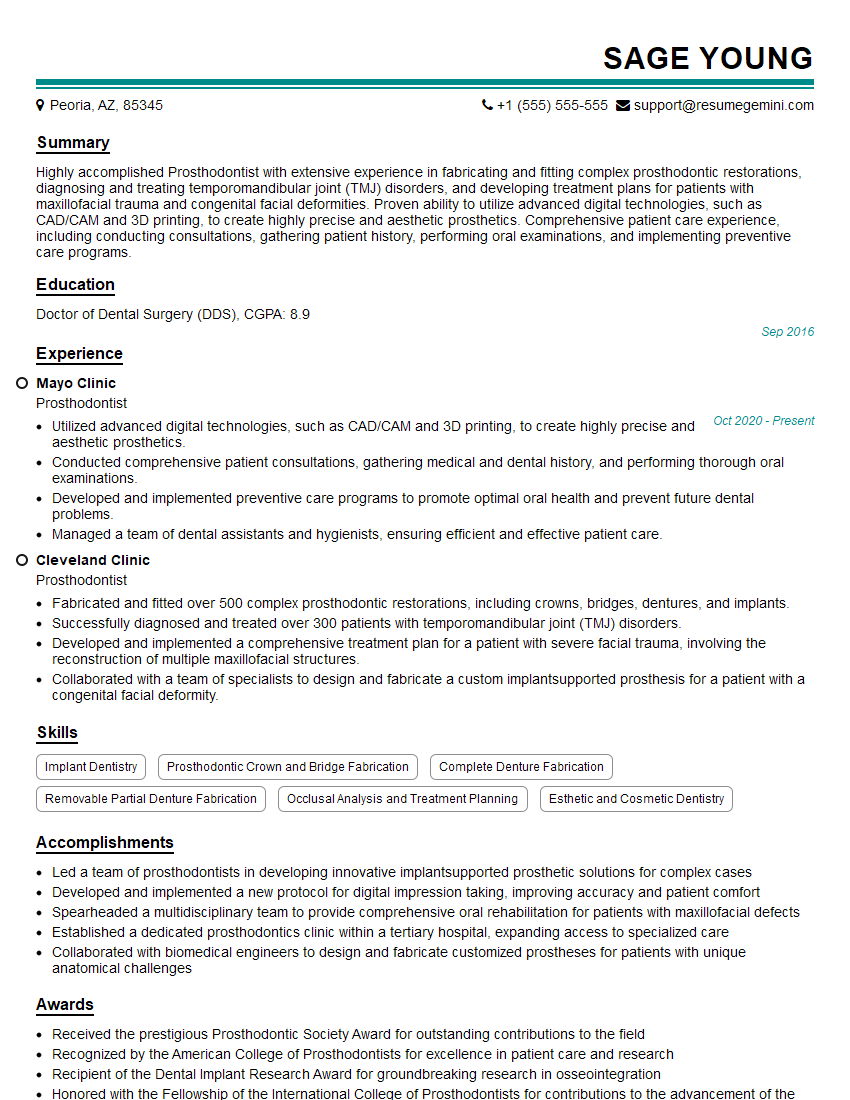
Mastering Reconstructive Dentistry opens doors to exciting career opportunities, allowing you to provide comprehensive care and achieve exceptional clinical outcomes. A strong, ATS-friendly resume is crucial for showcasing your skills and experience to potential employers. To elevate your resume and significantly improve your job prospects, we strongly recommend using ResumeGemini. ResumeGemini offers a user-friendly platform and provides examples of resumes tailored specifically to Reconstructive Dentistry, ensuring your application stands out from the competition. Take advantage of this valuable resource to create a professional and impactful resume that reflects your expertise.
Explore more articles
Users Rating of Our Blogs
Share Your Experience
We value your feedback! Please rate our content and share your thoughts (optional).
What Readers Say About Our Blog
hello,
Our consultant firm based in the USA and our client are interested in your products.
Could you provide your company brochure and respond from your official email id (if different from the current in use), so i can send you the client’s requirement.
Payment before production.
I await your answer.
Regards,
MrSmith
hello,
Our consultant firm based in the USA and our client are interested in your products.
Could you provide your company brochure and respond from your official email id (if different from the current in use), so i can send you the client’s requirement.
Payment before production.
I await your answer.
Regards,
MrSmith
These apartments are so amazing, posting them online would break the algorithm.
https://bit.ly/Lovely2BedsApartmentHudsonYards
Reach out at [email protected] and let’s get started!
Take a look at this stunning 2-bedroom apartment perfectly situated NYC’s coveted Hudson Yards!
https://bit.ly/Lovely2BedsApartmentHudsonYards
Live Rent Free!
https://bit.ly/LiveRentFREE
Interesting Article, I liked the depth of knowledge you’ve shared.
Helpful, thanks for sharing.
Hi, I represent a social media marketing agency and liked your blog
Hi, I represent an SEO company that specialises in getting you AI citations and higher rankings on Google. I’d like to offer you a 100% free SEO audit for your website. Would you be interested?