Interviews are more than just a Q&A session—they’re a chance to prove your worth. This blog dives into essential Sanitizing interview questions and expert tips to help you align your answers with what hiring managers are looking for. Start preparing to shine!
Questions Asked in Sanitizing Interview
Q 1. What are the different types of sanitizers and their applications?
Sanitizers come in various forms, each suited for specific applications. The choice depends heavily on the type of surface, the level of contamination, and the desired outcome (reducing microbial load to safe levels).
- Chemical Sanitizers: These are the most common, utilizing chemicals to kill or inhibit microbial growth. Examples include:
- Chlorine-based solutions: Effective against a broad spectrum of microorganisms, often used in food service and healthcare settings. Proper dilution is crucial to avoid corrosion and ensure effectiveness.
- Iodine-based solutions: Known for their broad-spectrum efficacy and low toxicity, used in various applications, including healthcare and water treatment. They can stain surfaces, though.
- Quaternary ammonium compounds (quats): These are widely used in household and industrial cleaning products due to their relatively low toxicity and effectiveness against many bacteria and viruses. However, they may not be effective against all microorganisms or spores.
- Alcohol-based solutions (e.g., isopropyl alcohol, ethanol): Effective against many bacteria and viruses, commonly used for hand sanitization and disinfecting small surfaces. Their effectiveness is limited by their rapid evaporation.
- Physical Sanitizers: These rely on physical methods to reduce microbial load:
- Heat: High temperatures, like those used in autoclaves, can sterilize materials by killing all microorganisms. This is highly effective but not suitable for all materials.
- Ultraviolet (UV) radiation: UV light can damage microbial DNA, leading to inactivation. UV sanitizers are used in various settings, from water treatment to surface disinfection.
For instance, a restaurant would use chlorine-based solutions to sanitize food contact surfaces, while a hospital might use a combination of quats and alcohol for disinfecting equipment and surfaces.
Q 2. Explain the difference between cleaning, disinfecting, and sterilizing.
Cleaning, disinfecting, and sterilizing represent a hierarchy of microbial reduction. Think of it like cleaning a messy room:
- Cleaning: This is the first step, involving the removal of visible dirt, debris, and organic matter from a surface. It reduces the number of microorganisms but doesn’t kill them. Think of sweeping the floor before mopping.
- Disinfecting: This involves using a chemical agent to kill or inactivate most harmful microorganisms on a surface. It reduces the microbial load to a safe level, but doesn’t necessarily eliminate all microorganisms. This is like mopping the floor to kill germs left after sweeping.
- Sterilizing: This is the most rigorous process, eliminating all forms of microbial life, including bacteria, viruses, fungi, and spores. It’s often achieved through high-temperature or chemical methods, such as autoclaving or using specific sterilizing agents. This would be like completely renovating the room, removing even the microscopic particles.
The level of sanitation required depends on the context. A kitchen counter needs to be disinfected, while surgical instruments need to be sterilized.
Q 3. Describe the proper procedures for sanitizing various surfaces (e.g., food contact surfaces, restrooms).
Sanitizing procedures vary depending on the surface and the sanitizer used. Always follow the manufacturer’s instructions for concentration and contact time.
- Food Contact Surfaces: These require thorough cleaning followed by disinfection with a food-grade sanitizer approved by relevant authorities. For example, rinsing with a chlorine solution followed by thorough rinsing with clean water is a common practice. Ensure the sanitizer is compatible with the material and doesn’t leave residue.
- Restrooms: Cleaning should be done first, removing all visible soil. Disinfection follows using an appropriate disinfectant cleaner, ensuring contact time is met. Focus on high-touch areas like door handles, faucets, and toilet seats. Always ensure proper ventilation when using chemical disinfectants.
- Other Surfaces: General surfaces like floors, walls, and furniture can be cleaned and disinfected based on the level of contamination and the type of surface. Always choose a disinfectant suitable for the material to avoid damage.
Remember, proper ventilation is crucial when using any chemical sanitizer to avoid inhalation of fumes.
Q 4. How do you determine the appropriate concentration and contact time for a sanitizer?
Determining the correct concentration and contact time is crucial for effective sanitization. This information is always provided by the sanitizer manufacturer on the product label or Safety Data Sheet (SDS).
The concentration is the amount of sanitizer in a solution (e.g., ppm for chlorine). The contact time is the minimum amount of time the surface must remain wet with the sanitizer to achieve effective microbial reduction. These parameters are optimized for the specific sanitizer and target microorganisms.
Using too low a concentration or too short a contact time will lead to ineffective sanitization, while using excessive concentrations may be wasteful, corrosive, or environmentally harmful.
Always refer to the manufacturer’s instructions and any relevant regulatory guidelines for your specific situation.
Q 5. What are the safety precautions you must take when handling sanitizers?
Handling sanitizers requires careful attention to safety to prevent harm to yourself and the environment.
- Personal Protective Equipment (PPE): Always wear appropriate PPE, including gloves, eye protection, and a respirator if necessary, especially when dealing with concentrated solutions or strong chemicals.
- Ventilation: Ensure adequate ventilation to prevent inhaling fumes. Work in well-ventilated areas or use local exhaust ventilation.
- Proper Dilution: Carefully follow the manufacturer’s instructions for diluting sanitizers. Incorrect dilution can compromise effectiveness or cause damage.
- Storage: Store sanitizers in their original containers, properly labeled, and away from incompatible substances, heat, and direct sunlight.
- Disposal: Follow local regulations and manufacturer’s recommendations for safe disposal of used sanitizer solutions and empty containers.
- First Aid: Be aware of the first aid measures in case of accidental exposure. Consult the SDS for specific information.
Treating sanitizers with respect and following these precautions are essential for safe and effective sanitation.
Q 6. How do you monitor the effectiveness of a sanitizing program?
Monitoring the effectiveness of a sanitation program is vital to ensure its continued success. This can be achieved through a variety of methods:
- Visual Inspection: Regularly inspect surfaces for cleanliness and the absence of visible soil or microbial growth.
- ATP Bioluminescence Testing: This rapid test measures adenosine triphosphate (ATP), an indicator of microbial presence. High ATP levels suggest inadequate cleaning or sanitization.
- Microbial Swab Testing: Collecting samples from surfaces and testing them in a laboratory to quantify microbial load provides a more definitive assessment.
- Monitoring Sanitizer Concentration: Regularly checking the concentration of working sanitizer solutions ensures it remains within the effective range.
- Record Keeping: Maintain detailed records of cleaning and sanitizing activities, including dates, times, methods, and personnel involved. This helps identify trends and improve the program.
Regular monitoring and documentation allow for adjustments to the sanitation program as needed, ensuring effectiveness and maintaining a safe environment.
Q 7. What are some common sanitation-related hazards and how can they be mitigated?
Several hazards are associated with sanitation practices, and mitigation strategies are essential to minimize risks:
- Chemical Exposure: Improper handling of chemicals can lead to skin irritation, respiratory problems, or other health issues. Mitigation involves using appropriate PPE, following safety data sheets, and ensuring adequate ventilation.
- Microbial Exposure: Exposure to pathogens during cleaning and sanitizing can cause infections. Mitigation includes proper hand hygiene, use of appropriate disinfectants, and adhering to infection control protocols.
- Physical Hazards: Slips, trips, and falls can occur due to wet floors or cluttered areas. Mitigation involves proper cleaning procedures, signage, and non-slip flooring.
- Equipment Hazards: Improper use or maintenance of cleaning equipment can lead to injuries. Mitigation involves training, regular maintenance, and the use of safety guards.
- Environmental Impact: Some sanitizers can harm the environment. Mitigation involves using eco-friendly sanitizers and proper disposal methods.
A comprehensive safety program, including regular training and adherence to safety protocols, is essential to mitigate these hazards and create a safe work environment.
Q 8. Explain the importance of proper handwashing in sanitation practices.
Proper handwashing is the cornerstone of sanitation, acting as the first line of defense against the spread of harmful microorganisms. It’s incredibly important because our hands constantly come into contact with surfaces and objects that may harbor bacteria, viruses, or other pathogens. Failing to wash hands effectively can lead to cross-contamination, spreading these pathogens to food, equipment, and other people.
Effective handwashing involves more than just a quick rinse. It’s a meticulous process that should follow these steps:
- Wet hands with clean, running water (warm or cold).
- Apply soap and lather well, rubbing hands together vigorously for at least 20 seconds. This includes the backs of your hands, between fingers, and under nails.
- Rinse thoroughly under clean, running water.
- Dry hands completely with a clean towel or air dryer.
Think of it like this: your hands are like tiny transport vehicles for germs. Thorough handwashing is the process of disinfecting those vehicles before they can deliver their harmful cargo.
Q 9. How do you address a situation where sanitation standards are not being met?
Addressing unmet sanitation standards requires a systematic approach. First, I’d identify the specific areas where standards are falling short through observation, data review (temperature logs, sanitation checklists), and potentially employee interviews. Then, I’d pinpoint the root cause of the problem. Is it a lack of training, inadequate equipment, insufficient cleaning supplies, or perhaps a systemic issue?
Once the root cause is identified, corrective actions are implemented. This could involve additional staff training, procuring better equipment, ensuring sufficient supplies, or even revising existing sanitation procedures. Regular monitoring and follow-up are crucial to ensure that the implemented changes are effective and that standards are consistently met. For example, if inadequate training is identified as the root cause, I’d develop and deliver comprehensive training programs which include both theoretical knowledge and hands-on practice. Regular audits and feedback mechanisms are incorporated to identify and correct any further deviations.
Q 10. What is your experience with different types of sanitation equipment (e.g., high-pressure washers, steam cleaners)?
I have extensive experience with a variety of sanitation equipment, including high-pressure washers, steam cleaners, and ultrasonic cleaners. High-pressure washers are ideal for removing heavy soil and debris from large surfaces, such as floors and walls. However, caution is necessary to prevent damage to sensitive surfaces. Steam cleaners are effective for sanitizing smaller areas, particularly where grease or stubborn residues are present, utilizing the heat to kill microbes. Ultrasonic cleaners are incredibly useful for delicate equipment, such as utensils and small tools, using sound waves to dislodge contaminants.
My experience involves not just the operation of this equipment, but also its proper maintenance and safety procedures. For instance, I’m familiar with the different nozzle types and pressure settings for high-pressure washers, ensuring appropriate cleaning without causing damage. With steam cleaners, it is imperative to manage water levels and understand the safety measures to avoid burns.
Q 11. Describe your experience with sanitation record-keeping and documentation.
Meticulous record-keeping is essential for demonstrating compliance and identifying potential areas for improvement. My experience encompasses various record-keeping methods, including digital systems and manual logbooks. These records include details such as the date, time, location, equipment used, cleaning agents employed, and personnel involved. For example, a typical entry for a cleaning task would document the area cleaned (e.g., ‘processing line 2’), the cleaning agent used (‘bleach solution at 1:100 dilution’), the time spent, and the initials of the personnel involved. In addition, temperature logs are diligently maintained for critical control points to monitor the efficacy of sanitizing processes.
These records aren’t just for auditing purposes; they can pinpoint trends, identify recurring problems, and allow for prompt corrective actions. For instance, if a specific area consistently shows higher microbial contamination despite routine cleaning, the records would help in analyzing the problem and changing procedures accordingly.
Q 12. How do you ensure compliance with relevant sanitation regulations and standards (e.g., FDA, HACCP)?
Ensuring compliance with regulations such as FDA guidelines and HACCP principles is paramount. My approach involves thoroughly understanding the specific requirements for the industry and environment I am working in. This starts with regular review of the relevant regulations and attending industry updates to remain abreast of changes.
Practical application of compliance includes implementing standard operating procedures (SOPs) based on these regulations, utilizing approved cleaning agents and equipment, and meticulously documenting all sanitation activities. Regular internal audits and external inspections are crucial, providing feedback and verifying compliance. Training staff to understand and adhere to these standards is equally important. If non-compliance is detected, a comprehensive corrective action plan (CAPA) is implemented to rectify the issue, prevent recurrence, and document the entire process.
Q 13. What are the key indicators of a contaminated surface?
Several key indicators suggest surface contamination. Visible signs include the presence of soil, debris, stains, or unusual odors. However, visible contamination is just the tip of the iceberg. More importantly are the less obvious signs that necessitate microbiological testing:
- High microbial counts: Testing reveals an excessive number of bacteria or other microorganisms on a surface.
- Presence of specific pathogens: Tests may detect the presence of harmful bacteria like E. coli or Salmonella, indicating a serious contamination risk.
- Biofilms: The formation of sticky microbial communities on surfaces is a strong indicator of persistent contamination and requires more aggressive cleaning methods.
- Unusual changes in organoleptic properties: Food or surfaces may exhibit unusual colors, smells, or textures.
It is crucial to remember that the absence of visible contamination doesn’t necessarily mean a surface is clean. Microbial contamination is often invisible to the naked eye, demanding regular testing and proper sanitization protocols.
Q 14. Explain the process of validating a sanitizing procedure.
Validating a sanitizing procedure involves scientifically demonstrating its effectiveness in killing or reducing microorganisms to a safe level. This usually involves a multi-step process:
- Define the objective: Clearly state what the sanitizing procedure aims to achieve (e.g., reduce E. coli by 5 logs).
- Select test organisms: Choose microorganisms relevant to the environment and potential contaminants.
- Establish the method: Detail the sanitizing procedure, including contact time, temperature, and concentration of sanitizing agent.
- Conduct testing: Inoculate test surfaces with the chosen microorganisms, apply the sanitizing procedure, and then perform microbiological testing to determine the reduction in microbial load.
- Analyze the results: Statistical analysis of the data determines if the procedure meets the defined objective.
- Document the process: Maintain complete records of the validation process, including methods, results, and interpretations.
Validation should be performed regularly to ensure the continued effectiveness of the sanitation procedure, especially after changes in equipment, procedures, or cleaning agents. For instance, if a new cleaning agent is introduced, the validation process must be repeated to confirm that it achieves the desired level of microbial reduction.
Q 15. How do you train others on proper sanitation procedures?
Training others on proper sanitation procedures involves a multi-faceted approach combining theoretical knowledge with hands-on practice. I begin with a clear explanation of the importance of sanitation in preventing the spread of harmful microorganisms, emphasizing its impact on public health and safety. This is followed by a detailed explanation of the different types of microorganisms and their susceptibility to various sanitizing agents.
- Theory Sessions: These sessions cover the basics of sanitation, including the difference between cleaning, disinfecting, and sterilizing. We explore various methods, including handwashing techniques, surface disinfection, and equipment sanitation, along with the appropriate use of personal protective equipment (PPE). We delve into the selection criteria for sanitizing agents based on the specific application and the types of microorganisms targeted.
- Practical Demonstrations: Practical sessions allow trainees to apply what they’ve learned. I demonstrate proper techniques for cleaning and disinfecting surfaces using various tools and agents. This involves showing the correct dilutions, contact times, and safety precautions. We cover the safe handling and disposal of used sanitizing solutions.
- Hands-on Practice: Trainees engage in hands-on practice under supervision, providing immediate feedback and correction. This includes mock scenarios mimicking real-world situations such as cleaning spills or sanitizing equipment.
- Assessment and Feedback: I incorporate regular quizzes and practical assessments to evaluate understanding and proficiency. Constructive feedback is provided to reinforce correct practices and address any shortcomings.
- Ongoing Support: Even after training, I provide ongoing support through regular check-ins and the availability of resources such as updated protocols and guidelines.
For example, when training food handlers, I emphasize the importance of handwashing and proper food handling techniques to prevent foodborne illnesses. In a healthcare setting, the focus would shift to infection control, sterilization, and the safe handling of medical equipment.
Career Expert Tips:
- Ace those interviews! Prepare effectively by reviewing the Top 50 Most Common Interview Questions on ResumeGemini.
- Navigate your job search with confidence! Explore a wide range of Career Tips on ResumeGemini. Learn about common challenges and recommendations to overcome them.
- Craft the perfect resume! Master the Art of Resume Writing with ResumeGemini’s guide. Showcase your unique qualifications and achievements effectively.
- Don’t miss out on holiday savings! Build your dream resume with ResumeGemini’s ATS optimized templates.
Q 16. What are the limitations of different sanitizing methods?
Different sanitizing methods have various limitations. Understanding these limitations is crucial for selecting the most appropriate method for a specific application.
- Heat Sanitization (e.g., autoclaving): While highly effective for sterilization, it’s not suitable for heat-sensitive materials. Also, it can be energy-intensive and require specialized equipment.
- Chemical Sanitization: The effectiveness of chemical sanitizers depends on factors like concentration, contact time, temperature, and the presence of organic matter. Some chemicals can be corrosive, toxic, or environmentally harmful. Improper use can lead to ineffective sanitation or even damage to the surfaces being sanitized.
- Ultraviolet (UV) Sanitization: UV light is effective against many microorganisms but may not penetrate shadowed areas effectively. Its effectiveness also depends on the intensity and duration of exposure. It may not be suitable for all surfaces.
- Radiation Sanitization: Ionizing radiation (e.g., gamma rays) is highly effective but requires specialized equipment and is often costly. It also carries safety concerns due to its potential harm to humans.
For example, using bleach to sanitize wooden cutting boards might cause discoloration and damage, while using high-heat sterilization on plastic lab equipment might melt it. Selecting the right method requires careful consideration of the material being sanitized, the target microorganisms, and the available resources.
Q 17. How do you deal with cross-contamination during sanitization?
Cross-contamination is a major concern during sanitation, occurring when microorganisms are transferred from one surface to another. Preventing cross-contamination requires a systematic approach.
- Designated Cleaning Tools: Use color-coded cleaning tools or separate tools for different areas to avoid transferring contaminants. For example, use a red mop for restrooms and a blue mop for food preparation areas.
- Clean in One Direction: Clean from the cleanest to the dirtiest areas to avoid recontaminating already-cleaned surfaces. Imagine cleaning a kitchen – start with the counters and work your way towards the floor.
- Proper Waste Disposal: Dispose of contaminated materials properly to prevent the spread of microorganisms. This includes using appropriate containers and following established waste disposal protocols.
- Airflow Management: Consider the airflow in the environment to minimize the spread of airborne contaminants. Proper ventilation can help reduce cross-contamination.
- Sanitizer Rotation: Rotate sanitation chemicals and methods periodically to prevent the development of resistant microorganisms. If you’re constantly using the same sanitizer, you might inadvertently help create resistant strains.
For instance, if you sanitize a cutting board with a contaminated sponge, you risk transferring bacteria to the cutting board. Using a clean sponge and proper sanitizing techniques is critical.
Q 18. What is your experience with microbial testing and its relevance to sanitation?
Microbial testing is crucial for validating the effectiveness of sanitation procedures. My experience involves utilizing various methods to assess microbial load before and after sanitation.
- Swab Sampling: Collecting samples from surfaces using sterile swabs and culturing them on appropriate media to determine the number and types of microorganisms present.
- ATP Bioluminescence Testing: Using ATP (adenosine triphosphate) bioluminescence testing to quickly assess the cleanliness of surfaces. ATP is present in all living cells, so high ATP levels indicate contamination. This provides a rapid indication of cleanliness before further microbiological testing.
- Plate Counts: Quantifying the number of viable microorganisms present through plate counts to assess the efficacy of the sanitation process.
The results from microbial testing inform decisions on sanitation protocols, ensuring that the chosen methods are effective in reducing microbial loads to safe levels. For example, if post-sanitization testing shows a high microbial count, it indicates the need for revised procedures or alternative sanitizing agents. Inconsistencies in test results highlight areas needing improved cleaning and sanitation practices.
Q 19. How do you handle spills of hazardous materials that require sanitization?
Handling spills of hazardous materials that require sanitization requires a structured approach emphasizing safety and environmental protection.
- Safety First: The priority is the safety of personnel. This involves using appropriate personal protective equipment (PPE), such as gloves, goggles, and respirators, depending on the nature of the spilled material.
- Containment: Contain the spill to prevent its spread. This might involve using absorbent materials to soak up the spill, creating a barrier to prevent further contamination.
- Neutralization (if applicable): If the spilled material requires neutralization, follow the manufacturer’s instructions for the specific chemical. Never mix chemicals unless specifically instructed to do so.
- Sanitization: After containment and neutralization, sanitize the affected area using an appropriate sanitizing agent effective against the specific hazardous material. The selection of the sanitizer should be based on its compatibility with the affected surface and effectiveness against the contaminant. Follow the manufacturer’s instructions for dilution and contact time.
- Waste Disposal: Dispose of contaminated materials according to local regulations and safety guidelines. Proper waste disposal is critical to prevent further environmental contamination.
- Documentation: Maintain accurate records of the spill, including the type of material, quantity, steps taken for containment and sanitization, and waste disposal methods. This is vital for regulatory compliance and incident investigation.
For instance, a mercury spill requires specialized handling and disposal due to its toxicity. A bleach spill, on the other hand, might require neutralization with a mild acid followed by thorough rinsing and disinfection.
Q 20. Describe your experience with different types of sanitizing chemicals.
My experience encompasses a wide range of sanitizing chemicals, each with its strengths and weaknesses.
- Quaternary Ammonium Compounds (Quats): These are effective against a broad spectrum of microorganisms, are relatively non-toxic, and are commonly used in various settings, including food service and healthcare.
- Chlorine-based Sanitizers (e.g., bleach): These are powerful disinfectants effective against a wide range of pathogens, but they are corrosive, can damage certain materials, and lose effectiveness over time when exposed to sunlight or organic matter. Accurate dilution is crucial.
- Iodine-based Sanitizers: These are effective against bacteria and fungi, and are often used in healthcare settings. However, they can stain surfaces and are not effective against all types of viruses.
- Alcohols (e.g., ethanol, isopropanol): These are effective against bacteria and some viruses, but their effectiveness is limited against spores and certain viruses. They also evaporate quickly.
- Peroxyacetic Acid (PAA): PAA is a powerful disinfectant effective against a wide range of microorganisms, including spores. However, it is corrosive and requires careful handling.
The selection of the appropriate sanitizing chemical depends on the specific application and the target microorganisms. For example, bleach might be suitable for sanitizing hard surfaces, while a quat might be preferred for food contact surfaces. Understanding the properties and limitations of each chemical is essential for safe and effective sanitation.
Q 21. How do you assess the effectiveness of a new sanitation method or product?
Assessing the effectiveness of a new sanitation method or product requires a rigorous and scientific approach.
- Laboratory Testing: Conduct laboratory tests to determine the efficacy of the new method or product against a range of microorganisms under controlled conditions. This typically involves using standardized methods to quantify microbial reduction.
- Field Testing: Perform field testing in a real-world setting to evaluate its performance under practical conditions. This might involve comparing the new method to existing methods to assess its effectiveness in reducing microbial loads in a specific environment.
- Material Compatibility Testing: Evaluate the compatibility of the new method or product with different materials to ensure it does not cause damage or discoloration. This is crucial for ensuring its suitability for various applications.
- Toxicity and Safety Assessments: Assess its toxicity and safety for humans and the environment. This might involve evaluating its potential health risks through appropriate safety data sheets (SDS) and any necessary toxicity testing.
- Cost-Benefit Analysis: Evaluate the cost-effectiveness of the new method or product compared to existing methods, considering factors such as initial investment, ongoing operational costs, and the potential savings from reduced contamination or improved sanitation.
For example, if a new sanitizing product claims to be highly effective against a particular bacteria, we would test its effectiveness in a lab setting and then compare its performance to a known effective sanitizer in a real-world scenario. A thorough assessment considers efficacy, safety, cost, and practicality.
Q 22. What are the common causes of sanitation failures and how to prevent them?
Sanitation failures stem from a variety of sources, often interconnected. Think of it like a chain – break one link, and the whole system falters. Common causes include inadequate infrastructure (broken pipes, overflowing septic systems), insufficient resources (lack of cleaning supplies, water shortages), poor hygiene practices (improper handwashing, contaminated food handling), and ineffective waste management (inadequate garbage collection, improper disposal of hazardous materials).
- Inadequate Infrastructure: Preventing failures here involves regular maintenance checks and timely repairs of sanitation systems. Investing in robust and resilient infrastructure is crucial, using materials designed for longevity and the local climate. For example, using corrosion-resistant pipes in areas with high salinity can prevent leaks and contamination.
- Insufficient Resources: This requires proactive resource planning and allocation. It means securing sufficient funding, engaging local communities to support sustainable practices, and providing training on efficient resource utilization. For example, promoting water conservation techniques or utilizing greywater recycling systems can mitigate water scarcity issues.
- Poor Hygiene Practices: Education is key here. Comprehensive public health campaigns, targeted at various age groups and socioeconomic levels, emphasizing handwashing, food safety, and proper waste disposal, are essential. Providing access to clean water and sanitation facilities is equally crucial.
- Ineffective Waste Management: Implementing efficient waste collection systems, including regular garbage collection schedules and proper waste sorting facilities, is crucial. Promoting composting and recycling programs encourages environmentally friendly practices and reduces landfill burden. For instance, establishing clear guidelines on hazardous waste disposal prevents contamination and environmental damage.
Q 23. Describe your understanding of the principles of hygiene and sanitation.
Hygiene and sanitation are intertwined principles focusing on maintaining cleanliness to prevent disease transmission. Hygiene refers to individual practices that promote cleanliness and prevent disease, such as handwashing, showering, and proper food preparation. Sanitation, on the other hand, refers to the public health conditions related to the provision of clean water and the management of human waste to prevent disease transmission. Think of hygiene as the personal responsibility and sanitation as the community responsibility. Both are vital for public health.
The core principles involve:
- Clean Water and Sanitation: Access to safe drinking water and adequate sanitation facilities is fundamental. This includes toilets, sewage systems, and proper waste disposal methods.
- Waste Management: Effective management of solid and liquid waste is critical to prevent contamination of water sources and the spread of disease. This includes proper garbage collection, recycling programs, and safe disposal of hazardous waste.
- Hygiene Education: Public awareness campaigns play a crucial role in promoting good hygiene practices and responsible waste management. This includes education about handwashing, food safety, and proper sanitation practices.
- Disease Surveillance: Monitoring disease patterns helps identify potential outbreaks and guide interventions to prevent wider spread. Regular testing and data analysis are key.
Q 24. How would you handle a sanitation-related emergency?
Handling a sanitation-related emergency, such as a sewage overflow or a water contamination event, requires a swift and coordinated response. My approach would follow these steps:
- Assessment and Containment: The first priority is to assess the situation’s extent and implement immediate containment measures to prevent further contamination. This might involve isolating the affected area, diverting sewage flow, or implementing temporary water restrictions.
- Notification and Communication: Public health authorities and the affected community must be notified promptly. Clear and concise communication is crucial to mitigate panic and ensure public safety.
- Cleanup and Remediation: Professional cleaning and disinfection of affected areas are necessary, using appropriate techniques and chemicals to eliminate pathogens. This may involve specialized equipment and trained personnel.
- Investigation and Prevention: Once the immediate crisis is managed, a thorough investigation is needed to identify the root cause and implement preventive measures to avoid recurrence. This may involve inspecting infrastructure, reviewing sanitation procedures, and strengthening emergency response plans.
- Monitoring and Evaluation: Ongoing monitoring is essential to ensure the effectiveness of the implemented solutions and to detect any potential future problems. This includes regular water quality testing and surveillance for waterborne illnesses.
For instance, during a sewage overflow, immediate containment would involve diverting the flow and deploying absorbent materials. Then, thorough cleaning and disinfection of the affected area would follow, using appropriate disinfectants.
Q 25. What are some emerging trends in sanitation technology?
The field of sanitation technology is rapidly evolving, driven by the need for sustainable and efficient solutions. Some key trends include:
- Improved Sanitation Infrastructure: Developments in materials science lead to the creation of durable and low-maintenance sanitation systems. For example, advanced materials for pipes reduce leaks and corrosion.
- Decentralized Wastewater Treatment: Smaller-scale, on-site wastewater treatment systems are becoming more common, particularly in areas with limited access to centralized systems. This includes constructed wetlands and advanced bio-treatment technologies.
- Smart Sanitation Systems: The integration of sensors, data analytics, and automation is enhancing efficiency and real-time monitoring of sanitation systems. This allows for predictive maintenance and early detection of issues.
- Innovative Toilet Technologies: Developments in toilet design are addressing issues such as water scarcity and the safe disposal of human waste in remote areas. For example, urine-diverting toilets and composting toilets are gaining popularity.
- Sustainable Sanitation Solutions: There’s a growing emphasis on environmentally friendly sanitation solutions, such as anaerobic digestion of wastewater, which converts waste into biogas for energy production.
Q 26. Explain your experience with implementing a sanitation program.
In a previous role, I was responsible for implementing a sanitation program in a rural community lacking access to adequate sanitation facilities. The project involved several phases:
- Needs Assessment: We began with a comprehensive needs assessment to identify the community’s sanitation challenges, including access to water, existing sanitation practices, and community attitudes towards sanitation.
- Community Engagement: We actively involved the community in all phases of the project through workshops, meetings, and focus groups. This ensured community ownership and support.
- Infrastructure Development: We constructed a series of latrines using locally available materials and simple, durable designs, ensuring easy maintenance and community acceptance.
- Hygiene Education: We conducted extensive hygiene education campaigns focusing on handwashing, safe water handling, and proper waste disposal practices. These sessions were interactive and culturally sensitive.
- Monitoring and Evaluation: We monitored the program’s impact through regular inspections, water quality testing, and health surveys. This data was used to adapt the program and measure its effectiveness.
The project resulted in a significant reduction in open defecation and an improvement in community health. The community’s active participation was a key success factor, highlighting the importance of inclusivity and shared responsibility in sanitation initiatives.
Q 27. How do you maintain sanitation equipment and ensure its proper functioning?
Maintaining sanitation equipment is crucial to prevent malfunctions and ensure its longevity. My approach combines preventive and corrective maintenance. Preventive maintenance includes regular inspections, cleaning, and lubrication according to the manufacturer’s instructions. This prevents breakdowns and extends the lifespan of the equipment. Corrective maintenance involves addressing issues promptly as they arise, ensuring timely repairs. This can prevent minor issues from escalating into major problems.
For example, regular cleaning of pumps prevents blockages. Regular lubrication of moving parts ensures smooth operation and reduces wear and tear. Preventive maintenance schedules and checklists can ensure thoroughness. Detailed records of maintenance activities are crucial for tracking issues and identifying trends.
Furthermore, using appropriate personal protective equipment (PPE) during maintenance is critical for the safety of personnel.
Q 28. What are your strategies for continuous improvement of sanitation practices?
Continuous improvement in sanitation practices is essential for maintaining high standards and adapting to emerging challenges. My strategies include:
- Data-Driven Decision Making: Regular monitoring and evaluation of sanitation performance indicators are key. This data helps identify areas for improvement and assess the effectiveness of interventions.
- Regular Training and Staff Development: Equipping staff with the latest knowledge and skills is critical. This involves providing opportunities for professional development, including workshops and training courses.
- Benchmarking and Best Practices: Learning from other successful sanitation programs and adopting best practices from around the world improves efficiency and effectiveness.
- Innovation and Technology Adoption: Embracing new technologies and innovative approaches keeps practices at the forefront of the field. This may involve adopting new sanitation technologies or implementing smart monitoring systems.
- Feedback Mechanisms: Establishing systems for gathering feedback from staff, stakeholders, and communities improves accountability and responsiveness. This can be through surveys, feedback forms, or community forums.
For example, comparing our sanitation performance against other similar programs and regularly reviewing our internal processes to identify bottlenecks are key parts of my approach.
Key Topics to Learn for Your Sanitizing Interview
- Principles of Sanitation: Understand the fundamental concepts of hygiene, disinfection, and sterilization. Explore different levels of sanitation and their applications.
- Sanitizing Methods and Technologies: Become familiar with various sanitizing methods, including chemical disinfection (e.g., using bleach, quaternary ammonium compounds), heat sterilization (e.g., autoclaving), and UV disinfection. Understand their effectiveness and limitations.
- Sanitation in Different Environments: Explore the specific sanitation requirements and challenges in various settings, such as food processing, healthcare, and industrial manufacturing. Consider the different types of contaminants in each environment.
- Regulatory Compliance and Standards: Familiarize yourself with relevant health and safety regulations and industry standards related to sanitation practices. This includes understanding relevant certifications and documentation.
- Hazard Analysis and Critical Control Points (HACCP): Understand the principles of HACCP and its application in maintaining sanitation and preventing contamination, particularly in food safety contexts.
- Personal Protective Equipment (PPE) and Safety Procedures: Learn about the proper use of PPE and safe handling procedures for sanitizing agents and equipment to ensure workplace safety.
- Monitoring and Validation of Sanitizing Processes: Understand the importance of monitoring and validating the effectiveness of sanitation procedures through testing and documentation.
- Troubleshooting and Problem-Solving: Develop your ability to identify and resolve sanitation-related issues, such as contamination sources and ineffective cleaning protocols.
Next Steps
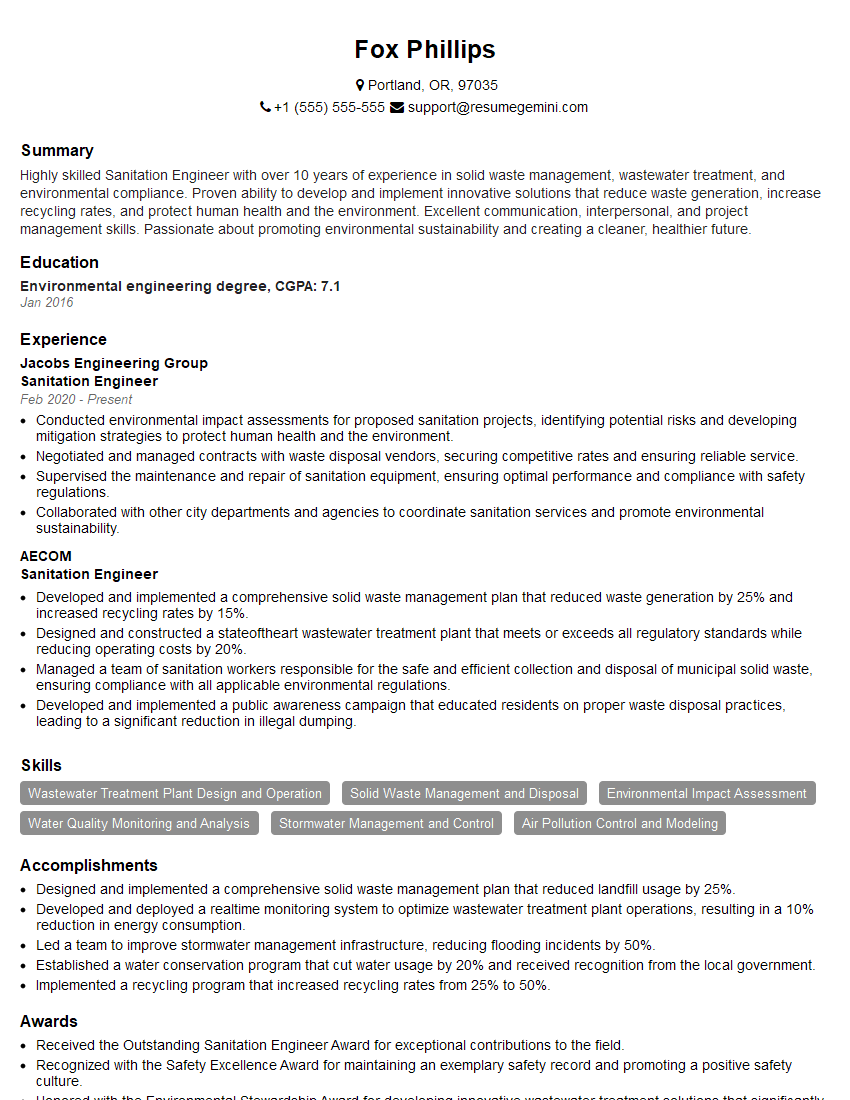
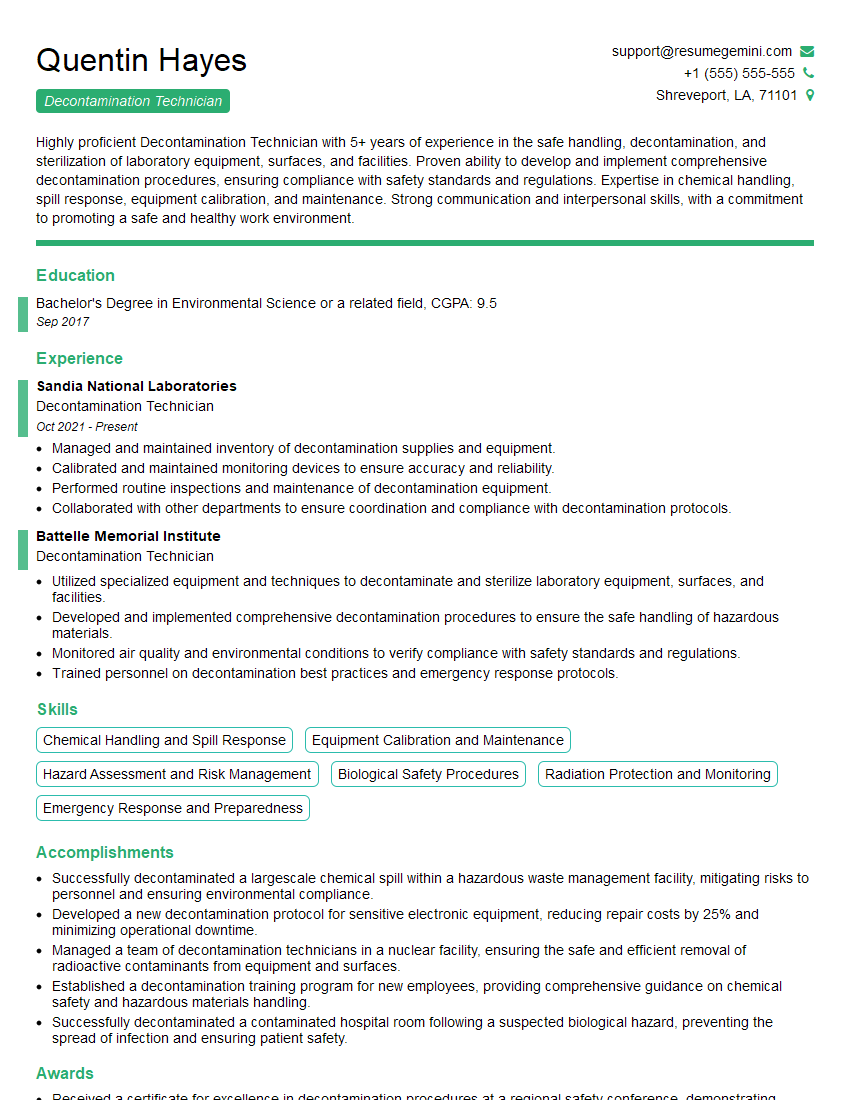
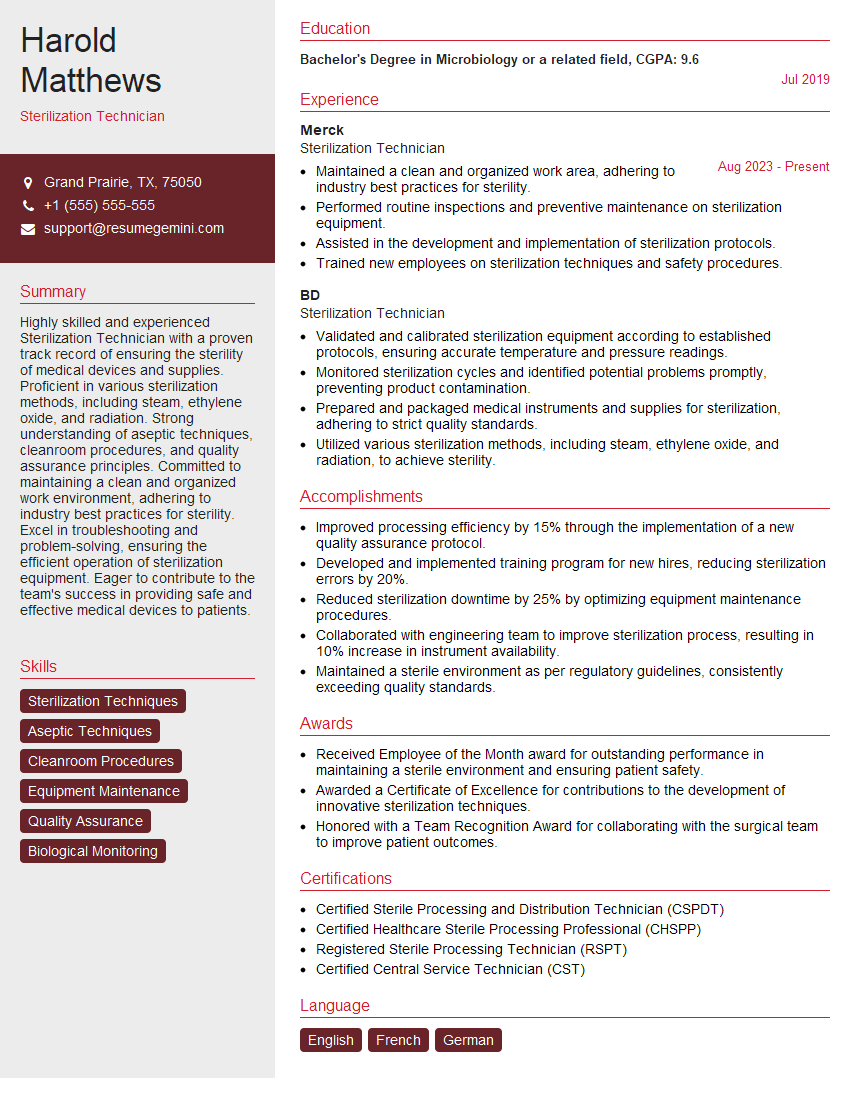
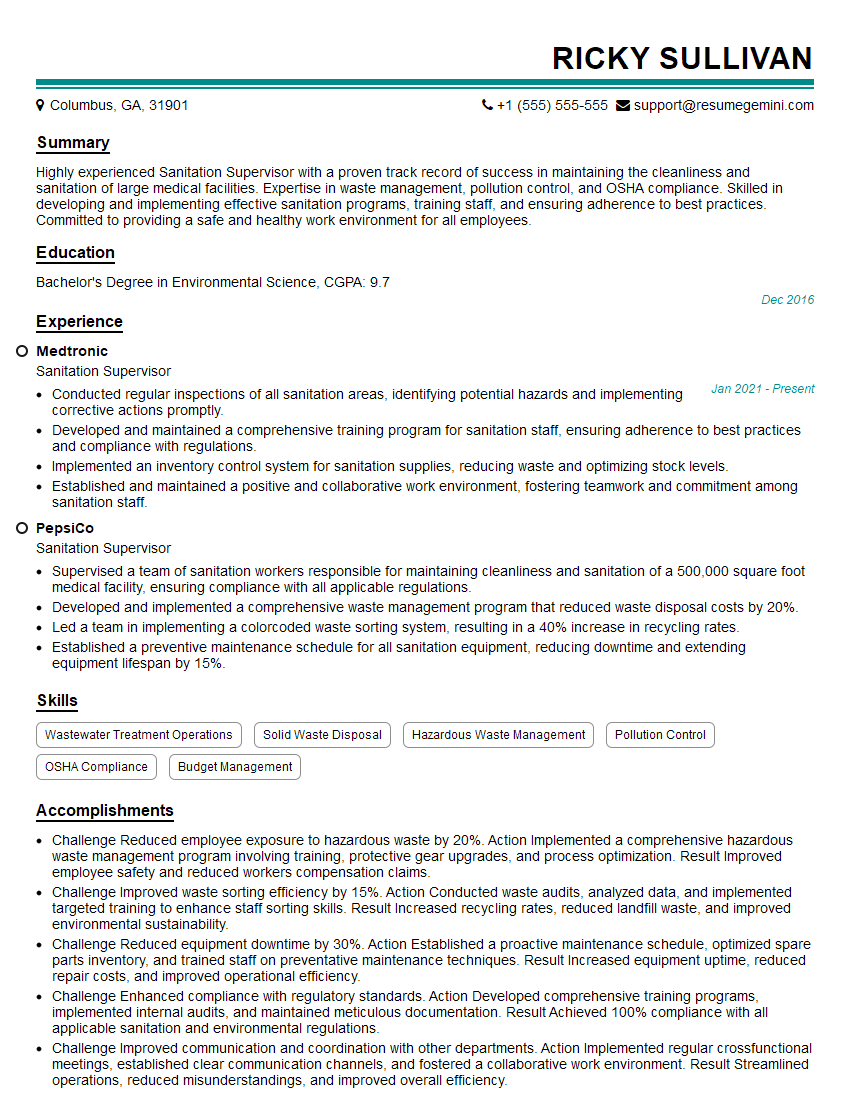
Mastering sanitizing techniques opens doors to exciting and rewarding career opportunities in various high-demand industries. To maximize your chances of landing your dream job, a well-crafted resume is crucial. An ATS-friendly resume ensures your application gets noticed by recruiters and hiring managers. We highly recommend using ResumeGemini to build a professional and impactful resume that showcases your skills and experience effectively. ResumeGemini offers examples of resumes tailored specifically to the sanitizing field to help you create a compelling application. Take the next step towards your successful career in sanitizing today!
Explore more articles
Users Rating of Our Blogs
Share Your Experience
We value your feedback! Please rate our content and share your thoughts (optional).
What Readers Say About Our Blog
Amazing blog
Interesting Article, I liked the depth of knowledge you’ve shared.
Helpful, thanks for sharing.