Are you ready to stand out in your next interview? Understanding and preparing for Shellac Application interview questions is a game-changer. In this blog, we’ve compiled key questions and expert advice to help you showcase your skills with confidence and precision. Let’s get started on your journey to acing the interview.
Questions Asked in Shellac Application Interview
Q 1. Describe your experience with Shellac application.
I have over eight years of experience in Shellac application, working in high-volume salons and building a loyal clientele. My expertise encompasses all aspects, from client consultation and nail preparation to application and safe removal. I’ve consistently delivered flawless, long-lasting Shellac manicures, adapting my techniques to diverse nail types and client preferences. I’m proficient in handling various Shellac shades and finishes, including glitter and textured effects. I also stay updated with the latest trends and techniques in the industry through continuous professional development.
For example, I once had a client with very thin, brittle nails. By carefully adjusting my prep techniques and using a strengthening base coat, I was able to give her a gorgeous Shellac manicure that lasted without damaging her nails further. This required a thorough understanding of both nail health and Shellac application.
Q 2. What are the key differences between Shellac and gel polish?
While both Shellac and gel polish aim to provide a long-lasting manicure, there are key distinctions. Shellac, a proprietary brand by CND, is a hybrid polish combining the ease of application of nail polish with the durability of gel. It’s cured under a UV or LED lamp and requires a special base and top coat for optimal results. Gel polish, on the other hand, is a broader category encompassing many brands and formulations. While also cured under a lamp, gel polish may vary in chemical composition and application requirements. Shellac is generally known for its relatively quicker removal process and lower risk of nail damage if proper techniques are followed, while some gel polishes can be more difficult to remove.
Think of it like this: Shellac is a specific type of soda (like Coca-Cola), while gel polish is the broader category of carbonated beverages.
Q 3. Explain the proper preparation of the nail before Shellac application.
Proper nail preparation is paramount for a long-lasting and damage-free Shellac manicure. This involves several crucial steps:
- Cleanse: Thoroughly clean the nails with a non-oily cleanser to remove any dirt, oil, or residue.
- Shape: File the nails to the desired shape and length, smoothing any rough edges.
- Buff: Lightly buff the nail surface to create a slightly rough texture that promotes better adhesion. Avoid excessive buffing, as this can thin the nail plate.
- Dehydrate: Use a nail dehydrator to remove any remaining moisture on the nail plate. This prevents lifting.
- Prime (optional): A primer can enhance adhesion, especially on oily nails. Follow the product instructions carefully.
Neglecting any of these steps can lead to premature chipping or lifting of the Shellac.
Q 4. How do you ensure proper adhesion of Shellac to the natural nail?
Ensuring proper adhesion involves meticulous attention to detail during the preparation phase and careful application. The key is to create a clean, dry, and slightly textured surface for the Shellac to bond to. This is achieved through the steps described above – proper cleaning, shaping, buffing, dehydration, and optional priming. Using the correct CND Shellac base coat is also essential, as it’s formulated to work optimally with the Shellac color and top coat to create a strong, cohesive bond.
Applying too much pressure during application or using contaminated tools can also compromise adhesion. It’s important to be methodical and thorough in every step.
Q 5. What are the steps involved in applying Shellac?
Applying Shellac is a precise process. Here’s a step-by-step guide:
- Apply Base Coat: Thinly apply a layer of CND Shellac base coat to the entire nail, ensuring it doesn’t touch the cuticle area. Cure under an LED or UV lamp for the recommended time.
- Apply Color Coat(s): Apply one or two thin coats of Shellac color, ensuring each coat is cured under the lamp. Avoid thick coats as this can cause uneven curing and lifting.
- Apply Top Coat: Apply a thin layer of CND Shellac top coat. Cure under the lamp.
- Cleanse: After curing, remove the tacky layer with a lint-free wipe saturated with 99% isopropyl alcohol.
Throughout the process, maintaining cleanliness and avoiding touching the cured layers is vital for preventing lifting or smudging.
Q 6. How do you remove Shellac without damaging the natural nail?
Removing Shellac without damaging the natural nail requires patience and the correct technique. Never peel or pry it off! This will damage the nail surface and could result in layers of the natural nail being pulled away. Instead, use a professional acetone soak-off method:
- Prepare: Buff the top coat to slightly roughen the surface, allowing the acetone to penetrate better. This doesn’t require heavy buffing.
- Soak: Saturate cotton pads with pure acetone and wrap each nail tightly with aluminum foil. Allow to soak for 10-15 minutes.
- Remove: Gently push the softened Shellac off with a cuticle pusher or orangewood stick. Avoid forceful scraping. If some Shellac persists, re-soak for a few minutes.
- Hydrate: Once removed, moisturize the nails and cuticles with cuticle oil to replenish hydration.
Using a high-quality acetone and avoiding prolonged soaking time minimizes the risk of nail damage.
Q 7. What are some common Shellac application problems and how do you solve them?
Common Shellac application problems include lifting, chipping, and uneven curing.
- Lifting: This is often due to improper preparation (inadequate cleaning, buffing, or dehydration), thick coats of polish, or touching the cured layers. Solution: Ensure thorough preparation and apply thin coats.
- Chipping: This can result from excessive buffing, weakened nails, or using low-quality products. Solution: Avoid excessive buffing and use a strengthening base coat. Always use CND’s Shellac system.
- Uneven Curing: This happens when the lamp is too weak or the coats are too thick. Solution: Use a powerful UV/LED lamp and apply thin, even coats.
If you encounter persistent problems, consider taking a refresher course or consulting with a senior technician to refine your technique.
Q 8. What are the different types of Shellac top coats?
Shellac top coats are designed to protect the color and add shine to your manicure. While CND Shellac is the most well-known brand, other brands offer similar products. Generally, you’ll find a few types:
- High-Gloss Top Coat: This is the standard top coat, providing a brilliant, mirror-like shine. Think of it as the classic, go-to option for most clients.
- Matte Top Coat: For a modern, sophisticated look, a matte top coat creates a velvety smooth, non-shiny finish. It’s perfect for those who prefer a more understated style.
- Quick Dry Top Coat: Designed for speed, these top coats reduce drying time, allowing for quicker service turnaround. This is particularly helpful for busy salons.
- Strengthening Top Coat: Some top coats incorporate strengthening agents to help protect the nail from breakage. This is an excellent option for clients with weak or brittle nails.
Choosing the right top coat depends entirely on the client’s preference and nail condition. I always discuss options with my client before beginning the service, ensuring they’re fully informed about the choices.
Q 9. How do you maintain the sanitation and hygiene of your workstation?
Maintaining a sanitary workstation is paramount in a nail salon. My routine involves several key steps:
- Disinfection: I begin by thoroughly disinfecting my workstation with a hospital-grade disinfectant, ensuring all surfaces, including the table, lamp, and tools, are treated. I pay special attention to areas that might harbor bacteria, like the lamp handle or tool holders.
- Clean Tools: All tools, including files, buffers, and cuticle pushers, are sterilized before and after each client. I use an autoclave or UV sterilizer for proper disinfection. Single-use tools are, of course, disposed of immediately.
- Gloves and Hygiene: I always wear fresh, clean gloves for each client and wash my hands thoroughly before and after each service. This helps prevent cross-contamination and protects both the client and myself.
- Waste Disposal: Proper disposal of waste materials is essential. I use designated containers for sharps and other waste, following all local regulations.
- Air Quality: Maintaining proper ventilation in the workspace helps minimize airborne particles and ensure a comfortable environment.
Regular deep cleaning of the workstation is also critical. I do this at least once a week, paying extra attention to hard-to-reach areas.
Q 10. Explain your experience with various Shellac colors and finishes.
My experience with Shellac colors and finishes is extensive. I’ve worked with the entire CND Shellac color range, and I’m comfortable creating both classic and trendy nail designs. I understand the nuances of different color families, from creamy pastels to deep, rich jewel tones. Knowing how colors react with different lighting and base coats is crucial to achieving a consistent and beautiful finish. For example, lighter pastel shades often require a slightly more opaque base coat to prevent the nail bed from showing through. I am also well versed in creating different finishes: from the standard high-gloss to the contemporary matte effect, as well as glitters and special effects, depending on client requests.
I’m always updated on the newest color trends, and I enjoy collaborating with clients to create custom designs that suit their personalities and styles. For instance, a recent client requested a custom gradient using shades of purple and pink to match her outfit for a special occasion. These types of challenges allow me to showcase my creativity and artistic skills.
Q 11. How do you handle client allergies or sensitivities?
Client allergies and sensitivities are a top priority. Before any Shellac application, I conduct a thorough consultation to discuss the client’s nail history, allergies, and sensitivities. I ask specific questions about any previous reactions to nail products. I always have a list of ingredients readily available for clients who wish to examine them.
If a client expresses any concerns or reports a past reaction, I carefully assess the situation. In cases of known allergies, I will recommend alternative services or products to ensure their safety and well-being. Should any reaction occur during the treatment, I’ll stop immediately, remove the product, and provide any necessary first aid. I always maintain a well-stocked first-aid kit and readily available contact information for local medical professionals.
Q 12. Describe your experience with different nail shapes and designs.
I have extensive experience with various nail shapes and designs. I’m proficient in creating classic shapes like oval, round, square, and almond, as well as more modern styles like coffin, stiletto, and ballerina. Understanding the client’s preferences and lifestyle is crucial to recommending the right nail shape for them. For instance, longer, pointed shapes might not be suitable for those who frequently type or engage in manual labor.
I’m also experienced in numerous design techniques, including nail art, using various tools and methods to create intricate patterns and details. This includes freehand designs, stamping, striping tape, and the use of embellishments. I’m constantly learning and practicing new techniques to enhance my skills and offer a wide variety of styles to my clients.
Q 13. What is the appropriate curing time for Shellac?
The appropriate curing time for Shellac depends on the specific product and the type of LED or UV lamp being used. Generally, each coat of Shellac (base, color, and top coat) requires curing under a UV or LED lamp for approximately 30-60 seconds. The exact time is usually indicated on the product packaging. It’s crucial to follow these instructions carefully to ensure proper curing and longevity of the manicure.
Under-curing can lead to a weak application prone to chipping, while over-curing can cause the product to become brittle or damage the natural nail. Therefore, it’s always best to use a timer to ensure accurate curing time.
Q 14. How do you handle chipped or lifting Shellac?
Handling chipped or lifting Shellac requires a careful approach to prevent further damage to the natural nail. I first assess the extent of the damage. For minor chips, I might be able to carefully buff the area smooth and apply a thin layer of top coat to seal it, extending the lifespan of the manicure.
However, if the chip is significant or if the Shellac is lifting noticeably, I would carefully remove the entire application using a non-acetone-based remover and apply a fresh manicure. Removing the product incorrectly (e.g., forceful peeling) can severely damage the natural nail plate and must be avoided at all costs. I always prioritize the health and integrity of the client’s natural nails.
Q 15. What are the safety precautions involved in using Shellac?
Safety is paramount when working with Shellac. The primary concern is avoiding inhalation of the fumes, so proper ventilation is crucial. I always work in a well-ventilated area, preferably with an extractor fan. Secondly, Shellac, while generally considered safe, can cause allergic reactions in some individuals. A patch test 24-48 hours before a full application is essential to rule out any allergies. Finally, proper hygiene practices are key. This includes wearing gloves to protect my hands, and using properly disinfected tools and surfaces to prevent the spread of bacteria or fungi. It’s also vital to ensure the client’s hands are thoroughly cleaned and sanitized before commencing the application. Ignoring these precautions could lead to respiratory issues, allergic reactions, or infections.
Career Expert Tips:
- Ace those interviews! Prepare effectively by reviewing the Top 50 Most Common Interview Questions on ResumeGemini.
- Navigate your job search with confidence! Explore a wide range of Career Tips on ResumeGemini. Learn about common challenges and recommendations to overcome them.
- Craft the perfect resume! Master the Art of Resume Writing with ResumeGemini’s guide. Showcase your unique qualifications and achievements effectively.
- Don’t miss out on holiday savings! Build your dream resume with ResumeGemini’s ATS optimized templates.
Q 16. Describe your experience with different brands of Shellac.
I’ve had extensive experience with several Shellac brands, including CND Shellac, which is the industry standard and known for its durability and wide color range. I’ve also worked with Gelish, another popular brand praised for its vibrant colors and relatively easy application. While both offer high-quality products, I find CND Shellac slightly easier to work with and its removal process generally less stressful on the natural nail. I’ve also experimented with some lesser-known brands, but ultimately I prefer to use reputable brands known for consistent quality and adherence to safety standards. My choice depends on the client’s preferences and specific nail needs, but CND Shellac remains my go-to choice for its overall performance and client satisfaction.
Q 17. How do you assess the client’s nail health before Shellac application?
Assessing a client’s nail health is a crucial first step. I begin by visually inspecting the nails for any signs of damage, such as dryness, brittleness, peeling, or discoloration. I carefully look for any signs of infection like redness, swelling, or pus around the cuticle or nail plate. I ask about the client’s nail care routine, including any recent exposure to harsh chemicals or prolonged water immersion. If I observe any abnormalities or concerns, I’ll recommend treatment or advise against Shellac application until the underlying issue is addressed. For instance, if the nails are extremely dry and brittle, I’ll suggest strengthening treatments before proceeding. This proactive approach safeguards both the client’s nail health and ensures the longevity of the Shellac manicure.
Q 18. What are the post-application care instructions you provide to clients?
After the Shellac application, I provide clients with detailed aftercare instructions emphasizing gentleness and hydration. I advise them to avoid prolonged exposure to water, especially hot water, as this can loosen the Shellac and potentially damage the natural nail. Harsh chemicals, like those found in many cleaning products, should also be avoided. I encourage them to use a cuticle oil regularly to moisturize the nails and cuticles. Furthermore, I recommend that they avoid picking or peeling the Shellac, as this can damage their natural nails. Finally, I emphasize the importance of scheduling regular maintenance appointments to prevent lifting or chipping and maintain their manicure’s aesthetic appeal. A handout summarizing these instructions is also provided for easy reference.
Q 19. How do you handle difficult clients or situations?
Handling difficult clients requires patience, empathy, and excellent communication skills. I approach each situation with calm professionalism. If a client is unhappy with the result, I listen attentively to their concerns and address them calmly and respectfully. I always strive to find a solution that satisfies them, whether it’s a minor adjustment or a complete re-do (if warranted). If a client becomes aggressive or disrespectful, I maintain a calm demeanor while setting clear boundaries, reminding them of our professional relationship and expectations for respectful communication. If the situation cannot be resolved, I may politely decline further service, prioritizing my well-being and professional integrity.
Q 20. How do you maintain your professional development in the field of Shellac application?
Maintaining my professional development is a continuous process. I regularly attend industry workshops and conferences to stay updated on the latest techniques, product innovations, and safety regulations. I actively participate in online professional communities and forums to learn from other experienced technicians and share best practices. I also dedicate time to practicing new techniques and perfecting my existing skills to continuously improve the quality of my services. Staying abreast of industry trends ensures I provide my clients with the highest quality Shellac application and maintain a competitive edge in this ever-evolving field.
Q 21. What are your strengths and weaknesses as a Shellac technician?
My strengths lie in my attention to detail, my ability to create flawless applications, and my excellent client communication skills. I’m meticulous in my work and always prioritize client satisfaction. I’m also adept at handling various nail conditions and adapting my techniques accordingly. A potential weakness is that I sometimes strive for perfection to the point of being overly cautious, leading to potentially slower service times on occasion. I’m actively working on improving my efficiency without compromising the quality of my work. This involves streamlining my processes and optimizing my workflow to achieve a balance between speed and precision.
Q 22. What is your salary expectation?
My salary expectation is in the range of $XX,XXX to $YY,YYY annually. This range is based on my experience of [Number] years in the beauty industry specializing in Shellac application, my proven ability to consistently deliver high-quality results and exceed client expectations, and the competitive salary range for similar roles in this region. I am, of course, open to discussing this further based on the specifics of the role and benefits package.
Q 23. What are your career goals?
My career goals are focused on continuous professional growth within the beauty industry. I aspire to become a leading expert in advanced Shellac techniques and nail art, eventually mentoring and training other professionals. Long-term, I envision potentially owning my own salon or becoming a highly sought-after freelance nail technician, specializing in high-end clientele.
Q 24. Why are you interested in this position?
I am highly interested in this position because of [Company Name]’s reputation for excellence and its commitment to providing clients with exceptional service. The opportunity to work with a team of skilled professionals and to contribute my expertise to a thriving business environment is very appealing. Moreover, the prospect of utilizing the latest Shellac products and technologies excites me, and I am confident I can make a significant contribution to your team’s success.
Q 25. What is your experience with nail art?
My experience with nail art is extensive. I am proficient in various techniques, including freehand painting, using stencils, stamping, rhinestones application, and 3D nail art. I’ve created intricate designs ranging from subtle and elegant to bold and vibrant, always tailoring my approach to reflect the client’s individual style and preferences. I regularly stay updated on current nail art trends through online courses and industry publications. For example, I recently mastered the ‘water marble’ technique, which has become very popular with my clientele.
- Freehand painting of floral designs.
- Geometric designs using striping tape.
- Intricate designs using dotting tools.
- Incorporating embellishments like rhinestones and glitter.
Q 26. Describe a time you had to solve a challenging Shellac application issue.
One challenging situation involved a client who came in with severely damaged nails due to previous improper Shellac application. The nails were thin, brittle, and lifting. Instead of simply applying a new Shellac layer (which would have further damaged them), I first gently removed the existing Shellac using a non-acetone remover and a gentle filing technique. I then meticulously repaired the damaged areas using a nail strengthening base coat and paid extra attention to applying thin layers of Shellac to prevent further stress. The key was patience, precision, and prioritizing the client’s nail health above speed. The result was healthy-looking nails with a flawless Shellac manicure, which greatly pleased the client.
Q 27. How do you handle client dissatisfaction?
Handling client dissatisfaction is a crucial aspect of my profession. My first step is always to listen empathetically and understand their concerns fully. I would then calmly explain the process and identify the source of their dissatisfaction. If there was a genuine mistake on my part, I would offer a sincere apology and immediately rectify the issue, whether it’s a reapplication, a discount, or a complimentary service. For instance, if the color wasn’t applied perfectly, I would remove and redo it. My aim is to turn a negative experience into a positive one and maintain a strong and trusting relationship with every client.
Q 28. What are your time management skills?
I am highly adept at managing my time effectively, prioritizing tasks, and meeting deadlines consistently. I maintain a well-organized schedule, often utilizing appointment scheduling software to manage bookings. I am also skilled at multi-tasking, such as prepping the next client’s supplies while providing service to the current one. I strive to complete every task with efficiency and precision, without sacrificing quality of work. This ensures that every client receives prompt and personalized attention, and my workflow stays seamless.
Key Topics to Learn for Shellac Application Interview
- Nail Preparation: Understanding proper nail hygiene, cuticle care, and preparation techniques for optimal Shellac adhesion. This includes identifying and addressing common nail issues that might affect the application.
- Product Knowledge: Deep understanding of Shellac products, including base coats, color coats, and top coats. Knowing the properties of each and how they interact is crucial. This extends to understanding different Shellac brands and their unique characteristics.
- Application Techniques: Mastering the precise application process, from thin and even coats to proper curing times and preventing common application errors like smudging or bubbling. This includes understanding the use of various application tools.
- Curing and Drying: Understanding the science behind UV/LED curing and the importance of proper curing times for optimal durability and chip resistance. Troubleshooting issues related to incomplete curing.
- Aftercare and Maintenance: Advising clients on proper aftercare to prolong the life of their Shellac manicure and identifying potential problems clients may encounter.
- Health and Safety: Adhering to strict hygiene protocols, understanding the safe handling and disposal of materials, and recognizing potential allergic reactions or sensitivities.
- Client Consultation: Effective communication with clients to understand their needs and preferences, offering professional advice and suggesting suitable color choices and designs.
- Troubleshooting: Identifying and resolving common problems such as lifting, chipping, and uneven application. This includes understanding the causes of these issues and implementing corrective measures.
Next Steps
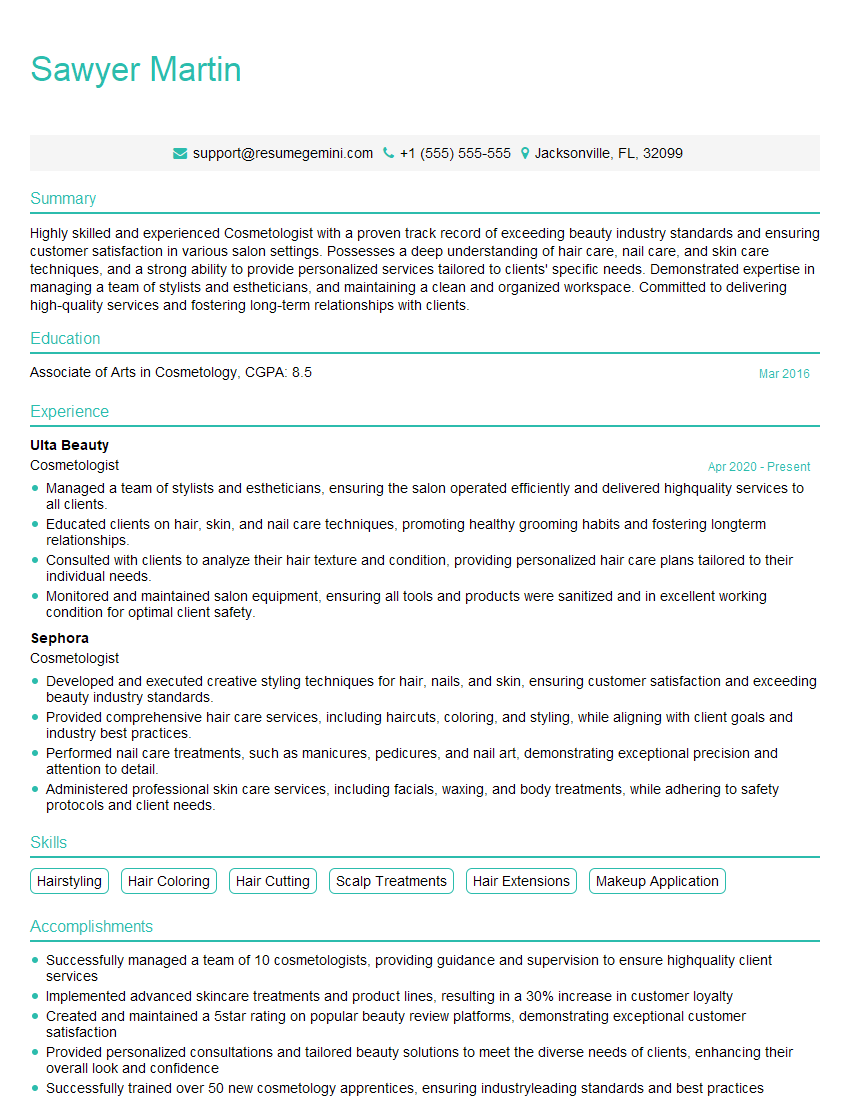
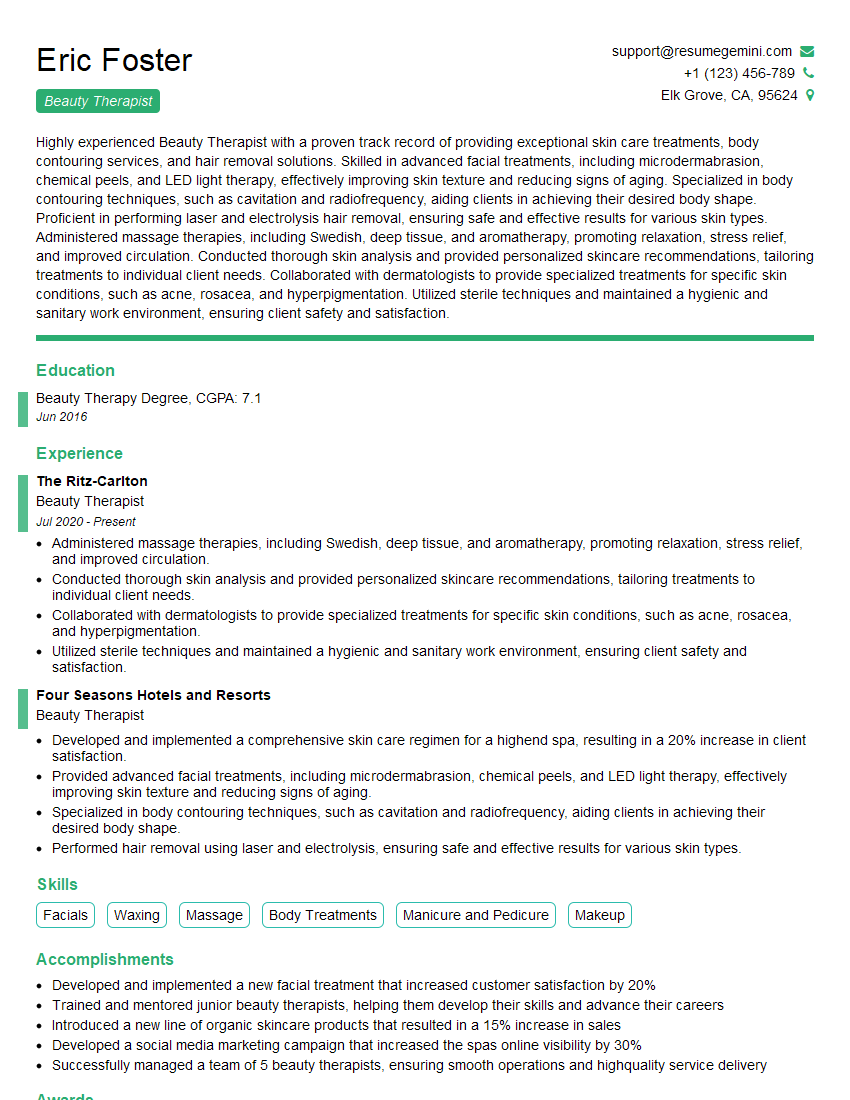
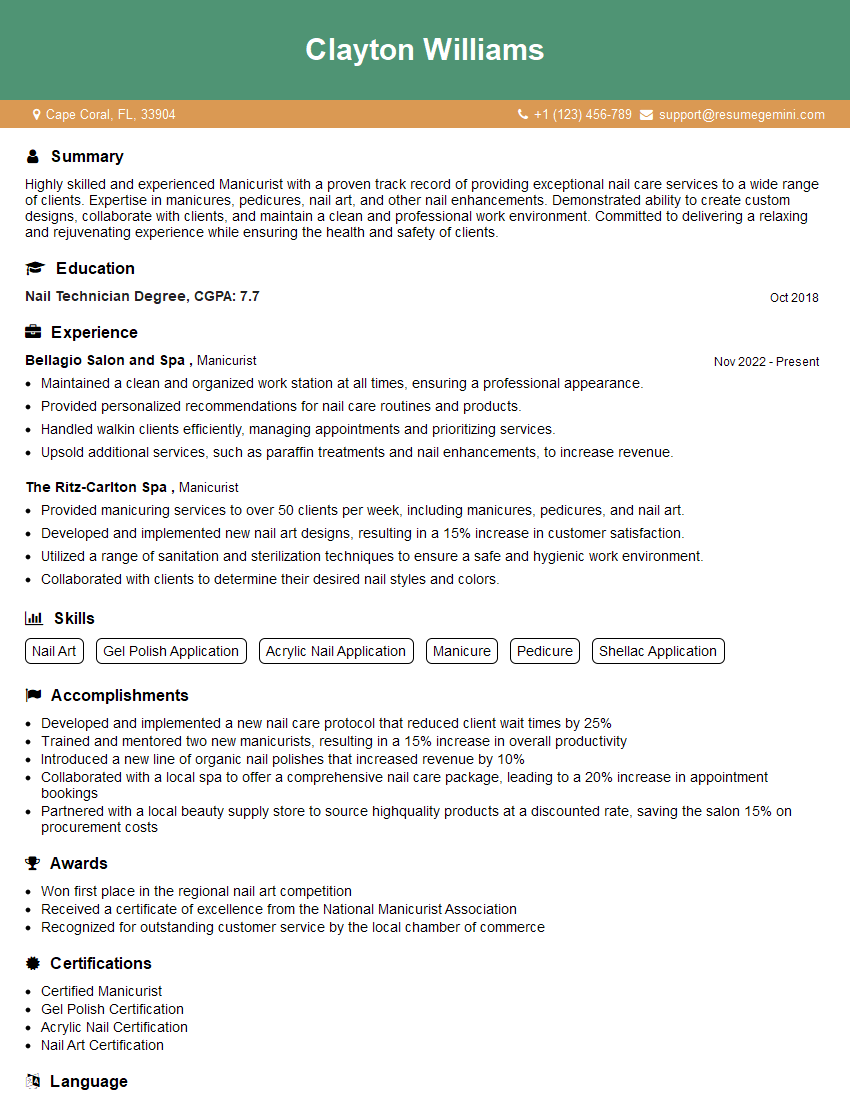
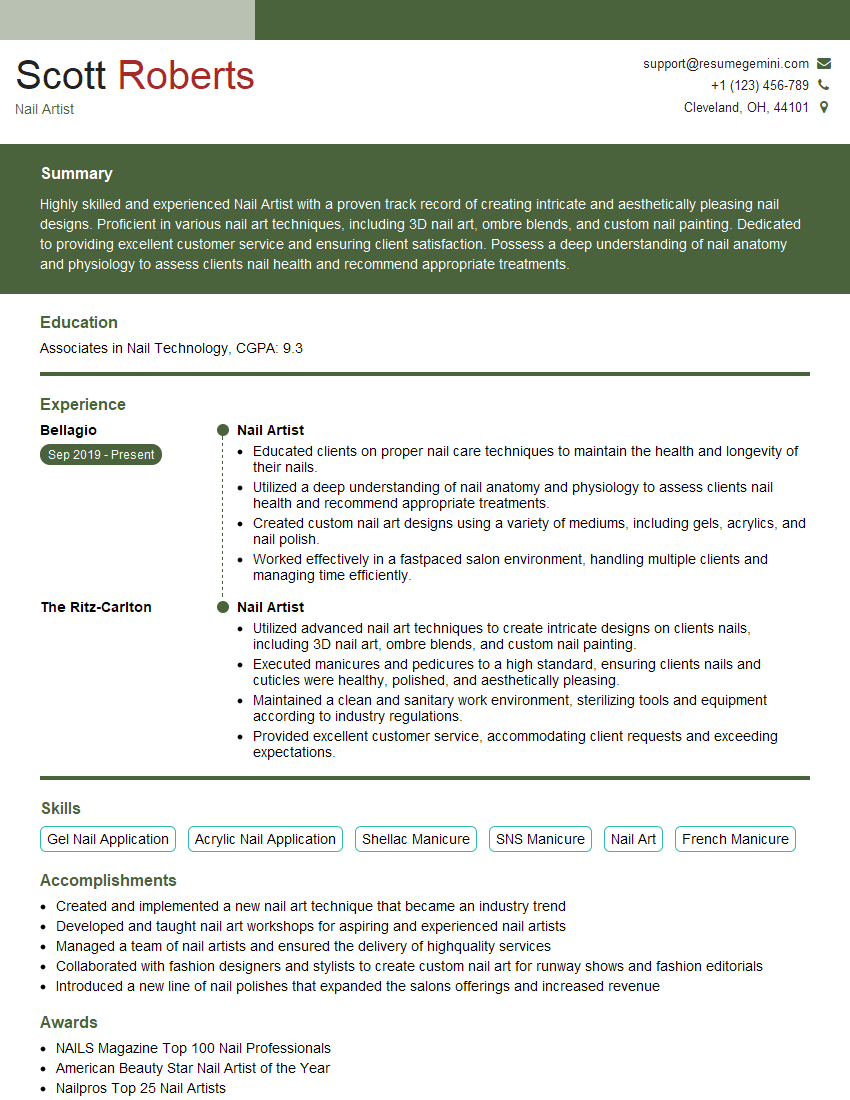
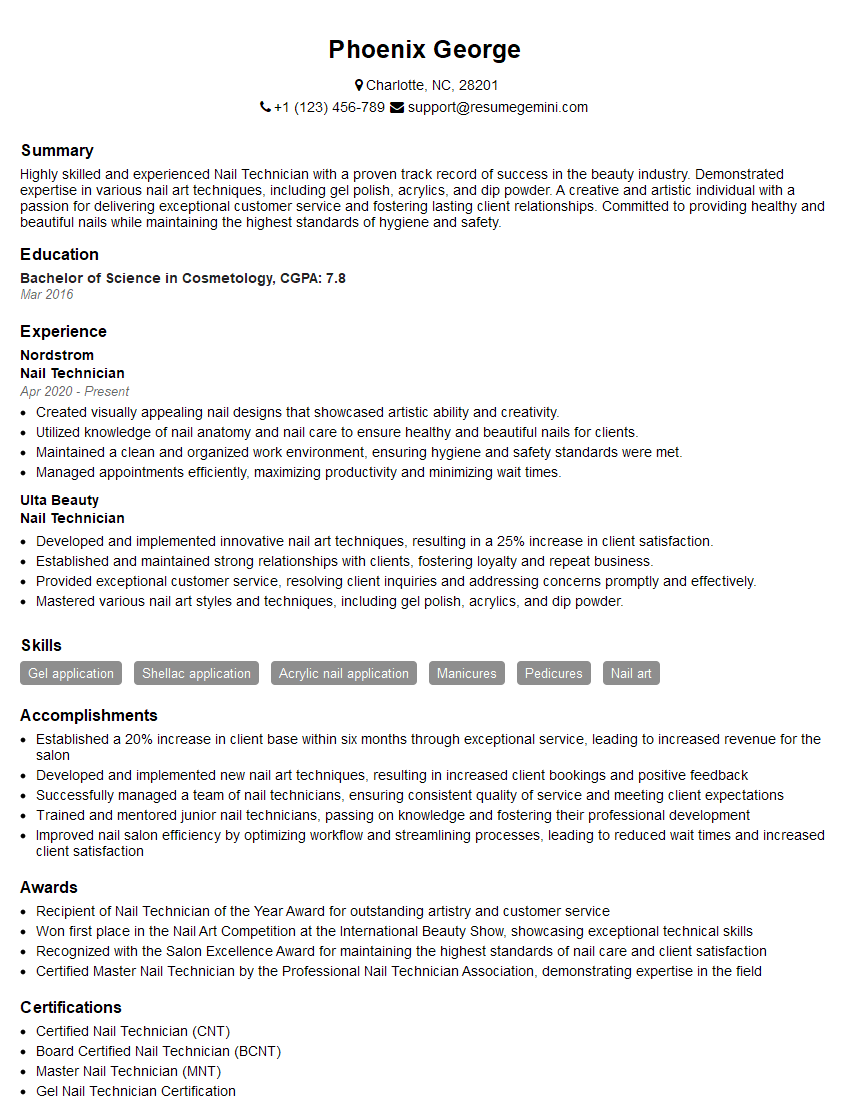
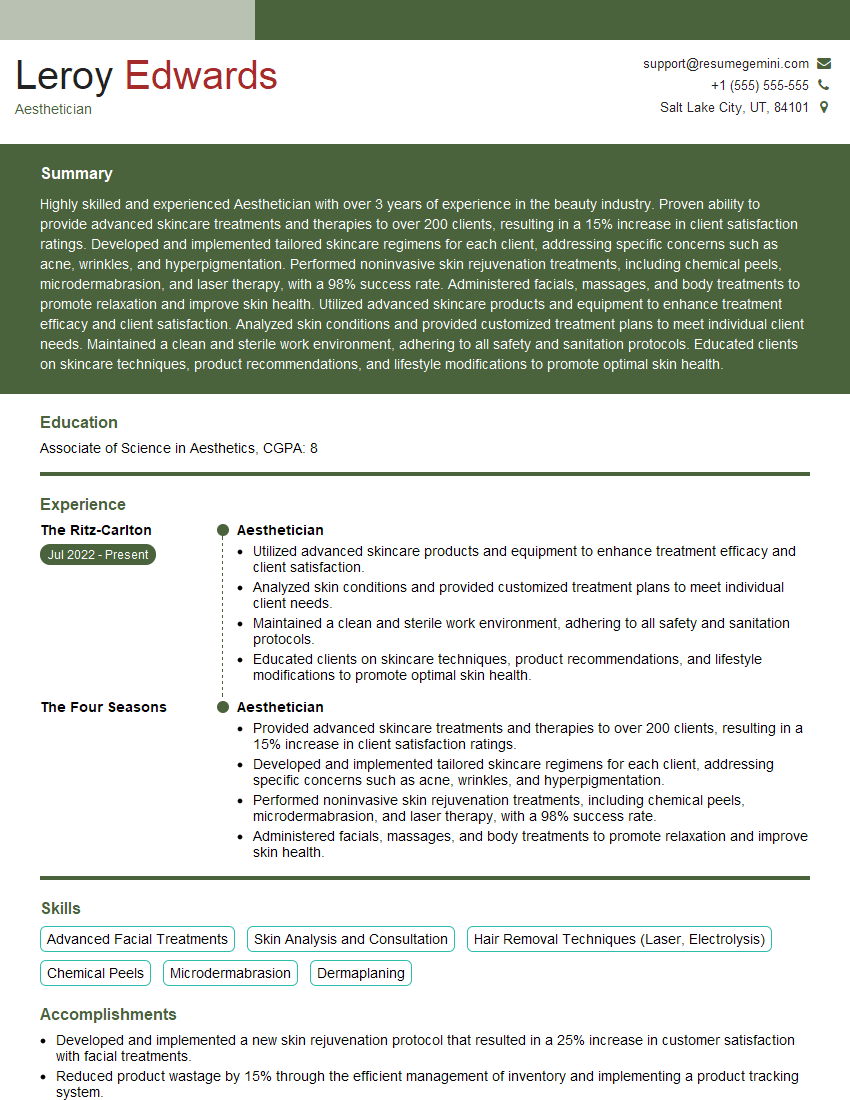
Mastering Shellac application opens doors to exciting career opportunities in the beauty industry, offering competitive salaries and the chance to build a loyal clientele. To maximize your job prospects, it’s crucial to have a professional and ATS-friendly resume that highlights your skills and experience effectively. ResumeGemini is a trusted resource to help you create a standout resume that grabs recruiters’ attention. Examples of resumes tailored to Shellac Application expertise are available to guide you through the process. Invest in your future – build a resume that reflects your capabilities and lands you your dream job!
Explore more articles
Users Rating of Our Blogs
Share Your Experience
We value your feedback! Please rate our content and share your thoughts (optional).
What Readers Say About Our Blog
Amazing blog
hello,
Our consultant firm based in the USA and our client are interested in your products.
Could you provide your company brochure and respond from your official email id (if different from the current in use), so i can send you the client’s requirement.
Payment before production.
I await your answer.
Regards,
MrSmith
hello,
Our consultant firm based in the USA and our client are interested in your products.
Could you provide your company brochure and respond from your official email id (if different from the current in use), so i can send you the client’s requirement.
Payment before production.
I await your answer.
Regards,
MrSmith
These apartments are so amazing, posting them online would break the algorithm.
https://bit.ly/Lovely2BedsApartmentHudsonYards
Reach out at [email protected] and let’s get started!
Take a look at this stunning 2-bedroom apartment perfectly situated NYC’s coveted Hudson Yards!
https://bit.ly/Lovely2BedsApartmentHudsonYards
Live Rent Free!
https://bit.ly/LiveRentFREE
Interesting Article, I liked the depth of knowledge you’ve shared.
Helpful, thanks for sharing.
Hi, I represent a social media marketing agency and liked your blog
Hi, I represent an SEO company that specialises in getting you AI citations and higher rankings on Google. I’d like to offer you a 100% free SEO audit for your website. Would you be interested?