Unlock your full potential by mastering the most common Stay Up-to-Date on Nutrition Research interview questions. This blog offers a deep dive into the critical topics, ensuring you’re not only prepared to answer but to excel. With these insights, you’ll approach your interview with clarity and confidence.
Questions Asked in Stay Up-to-Date on Nutrition Research Interview
Q 1. What are the current recommendations for dietary fiber intake?
Current dietary fiber recommendations vary slightly depending on the organization and the individual’s age and sex, but generally aim for a high intake. The recommended daily allowance (RDA) isn’t precisely defined for fiber like it is for some vitamins and minerals, but instead, focuses on adequate intake (AI). The AI is typically expressed as grams per 1000 kcal. For example, the Institute of Medicine suggests an AI of 14 grams per 1000 calories consumed for adults. This translates to roughly 25-30 grams of fiber per day for most adults, though many experts recommend even higher intakes of 35-40 grams daily for optimal health. This means focusing on whole grains, fruits, vegetables, and legumes.
It’s important to note that gradually increasing fiber intake is crucial to avoid gastrointestinal distress. A sudden surge in fiber can cause bloating, gas, and discomfort. Staying well-hydrated is also essential for proper fiber digestion.
Example: Instead of refined white bread, choose whole-wheat bread. Instead of white rice, opt for brown rice. These small changes add up to a significant increase in daily fiber intake.
Q 2. Describe the latest research on the gut microbiome and its impact on health.
The gut microbiome, the vast community of microorganisms residing in our intestines, is increasingly recognized as a major player in overall health. Recent research highlights its multifaceted impact, influencing everything from digestion and nutrient absorption to immunity and even mental health. A diverse and balanced microbiome, rich in beneficial bacteria, is associated with better health outcomes.
Studies show links between an imbalanced gut microbiome (dysbiosis) and various diseases, including inflammatory bowel disease (IBD), obesity, type 2 diabetes, and certain mental health conditions. This is because the microbiome interacts with our immune system, influencing inflammatory responses. It also plays a crucial role in metabolism, affecting how we process food and store energy.
Latest research focuses on:
- Prebiotics and probiotics: Investigating the effects of prebiotics (food for beneficial bacteria) and probiotics (live beneficial bacteria) on microbiome composition and health outcomes. This involves exploring various strains and delivery methods.
- Fecal microbiota transplantation (FMT): Exploring FMT as a therapeutic approach for treating certain gut-related diseases by transferring healthy gut bacteria from a donor to a recipient.
- The microbiome’s role in drug metabolism: Understanding how the microbiome influences drug efficacy and side effects, paving the way for personalized medicine approaches.
Practical Application: Encouraging dietary patterns rich in diverse plant-based foods, prebiotics (like inulin and fructooligosaccharides), and potentially incorporating probiotic-rich foods like yogurt can support a healthy microbiome.
Q 3. Summarize recent findings on the role of specific micronutrients in disease prevention.
Recent research continually refines our understanding of micronutrients’ roles in disease prevention. Many studies highlight the synergistic effects of multiple micronutrients rather than focusing solely on individual vitamins and minerals.
Examples of recent findings include:
- Vitamin D: Continued research emphasizes Vitamin D’s role beyond bone health, linking sufficient levels to reduced risk of various cancers, autoimmune diseases, and cardiovascular disease. However, more research is needed to establish optimal intake levels and specific mechanisms.
- Magnesium: Research increasingly connects adequate magnesium intake to reduced risk of type 2 diabetes, cardiovascular disease, and even improved mental health. Magnesium plays critical roles in metabolic processes and blood pressure regulation.
- Antioxidants (vitamins C and E, carotenoids): While initial research greatly touted antioxidant benefits in preventing chronic diseases through neutralization of free radicals, current findings suggest a more nuanced role. It is not solely the antioxidant capacity but the whole spectrum of these nutrients’ effects that appear to be relevant in disease prevention. For example, Beta-carotene, a precursor to Vitamin A, is particularly important in eye health.
- B Vitamins: Studies continue to explore the role of B vitamins (folate, B12, etc.) in reducing the risk of cardiovascular disease, neurological disorders, and certain cancers, particularly relating to homocysteine metabolism and cell division.
Important Note: It’s crucial to obtain micronutrients through a balanced diet rather than relying solely on supplements. Excessive intake of some micronutrients can have adverse effects.
Q 4. Explain the difference between observational and interventional nutrition studies.
Observational and interventional studies represent two fundamental approaches in nutrition research, differing significantly in their design and the conclusions they can draw.
Observational studies examine dietary habits and health outcomes in populations without manipulating any variables. Researchers collect data on what people eat and their health status, then analyze associations. This includes cohort studies (following a group over time) and case-control studies (comparing individuals with a disease to those without).
Example: A cohort study might follow a large group of individuals for 10 years, tracking their diets and assessing the incidence of heart disease. It can show correlations between dietary patterns and heart disease risk but cannot prove causation.
Interventional studies (also known as clinical trials or randomized controlled trials, RCTs), on the other hand, actively intervene by manipulating dietary intake or other variables in a controlled setting. Participants are randomly assigned to different groups (e.g., a control group and an intervention group receiving a specific diet), allowing researchers to assess the direct effects of the intervention on health outcomes.
Example: An RCT could randomly assign participants to follow either a low-fat or a low-carbohydrate diet for six months, comparing the effects on weight loss and other health markers. This design provides stronger evidence for cause-and-effect relationships.
Key Difference: Observational studies identify associations, while interventional studies establish causation (with greater certainty).
Q 5. What are some limitations of current nutrition research methodologies?
Current nutrition research methodologies face several limitations, making it challenging to draw definitive conclusions.
1. Dietary Assessment Challenges: Accurately measuring dietary intake is difficult. People may misremember or inaccurately report their food consumption. Food frequency questionnaires and 24-hour recalls are subject to bias and error.
2. Confounding Factors: Many factors besides diet influence health outcomes (e.g., genetics, lifestyle, socioeconomic status, environmental factors). It is difficult to isolate the specific effects of diet in observational studies.
3. Generalizability: Results from studies on specific populations might not be generalizable to other populations with different genetic backgrounds or lifestyles.
4. Ethical Considerations: In interventional studies, it is crucial to ensure that interventions are safe and ethical, especially when restricting nutrient intake.
5. Long-term Studies: Many chronic diseases develop over long periods. Long-term studies are expensive and logistically challenging, making it difficult to fully understand the long-term impacts of dietary interventions.
6. Compliance: Ensuring participant compliance with dietary interventions in interventional studies is crucial for accurate results, but can be difficult to achieve.
Q 6. How do you stay updated on the latest nutrition research findings?
Staying current in nutrition research requires a multifaceted approach.
1. Regularly reviewing reputable scientific journals: This involves reading abstracts and full-text articles to gain a thorough understanding of the latest findings.
2. Attending scientific conferences and workshops: These events offer opportunities to learn from leading experts and network with colleagues.
3. Following key researchers and institutions on social media and through their websites: This allows for access to timely updates and summaries of their research.
4. Utilizing reputable online resources and databases: These platforms provide abstracts, full-text articles, and other valuable information, (as mentioned in the next answer).
5. Critical Evaluation: It is crucial to critically appraise research studies, focusing on the study design, sample size, methodology, and potential biases before accepting the findings as evidence-based.
Q 7. What are the key databases and journals you utilize for nutrition research?
Several key databases and journals are crucial for staying updated on nutrition research.
Databases:
- PubMed: A comprehensive database of biomedical literature.
- Web of Science: Another extensive database offering access to many journals across various scientific disciplines.
- Scopus: A large abstract and citation database of peer-reviewed literature.
- Cochrane Library: A collection of systematic reviews and meta-analyses focusing on evidence-based healthcare interventions, including nutrition.
Journals:
- The American Journal of Clinical Nutrition
- The Journal of Nutrition
- British Journal of Nutrition
- Advances in Nutrition
- Nutrients
I also utilize Google Scholar to find relevant articles and track citations, although it is essential to always verify articles’ credibility through other means.
Q 8. Discuss the ethical considerations in conducting nutrition research.
Ethical considerations in nutrition research are paramount, ensuring the integrity of the science and the well-being of participants. Key areas include informed consent, ensuring participants understand the study’s purpose, procedures, risks, and benefits before participation. This requires clear, accessible language, avoiding jargon, and providing ample opportunity for questions.
Another crucial aspect is minimizing risk and maximizing benefits. This involves rigorous study design, appropriate sample sizes, and careful monitoring of participants for adverse effects. For example, in a weight-loss study, regular monitoring for potential health complications related to rapid weight loss is essential.
Confidentiality and data security are also critical. Researchers must protect the privacy of participants’ information through secure data storage and anonymization techniques. Transparency in reporting, including potential conflicts of interest, is essential for maintaining the credibility of the research.
Finally, justice and equity must guide research design and implementation. Studies should not disproportionately benefit certain populations while neglecting others. For instance, research should represent the diversity of the population and avoid excluding vulnerable groups.
Q 9. How do you critically appraise nutrition research publications?
Critically appraising nutrition research involves a systematic evaluation of its rigor and validity. I use a structured approach, starting with assessing the study design. Is it a randomized controlled trial (RCT), considered the gold standard, or a less robust observational study? RCTs minimize bias by randomly assigning participants to intervention and control groups. Observational studies, like cohort studies, can identify associations but cannot prove causation.
Next, I examine the study population – was it representative of the target population? A small, homogenous sample limits generalizability. I then evaluate the methods used: Were the measurements accurate and reliable? Were the statistical analyses appropriate?
The results section is scrutinized for clarity and consistency. Are the findings statistically significant and clinically meaningful? Finally, I look at the discussion and conclusion – are the authors’ interpretations justified by the data? Do they acknowledge limitations? Are there conflicts of interest declared?
Using checklists and critical appraisal tools helps to systematize this process. I also look for publication in peer-reviewed journals, suggesting some level of scrutiny by experts in the field.
Q 10. Explain the concept of ‘nutritional paradox’ and provide an example.
The ‘nutritional paradox’ refers to situations where a nutrient or dietary pattern associated with health benefits in one population is linked to negative health outcomes in another. This highlights the complexity of nutrition and the influence of individual and environmental factors.
A classic example is the relationship between dietary fat and heart disease. While high saturated fat intake is associated with increased heart disease risk in some populations, others with similar intakes seem protected. This variation can be explained by genetic factors, physical activity levels, overall dietary patterns, and other lifestyle factors, emphasizing the need for a nuanced approach to nutrition advice.
Understanding the nutritional paradox reminds us that blanket recommendations can be misleading and a personalized approach, considering individual contexts and characteristics, is crucial. Genetic predisposition, gut microbiome composition, and metabolic differences all contribute to varying responses to the same dietary pattern.
Q 11. Describe a recent nutritional guideline update and its rationale.
A recent significant update is the ongoing refinement of dietary guidelines regarding added sugar intake. Many countries have reduced the recommended daily intake of added sugars, reflecting growing evidence linking high added sugar consumption to increased risk of obesity, type 2 diabetes, cardiovascular disease, and non-alcoholic fatty liver disease.
The rationale stems from the fact that added sugars provide empty calories, lacking essential nutrients. These sugars contribute significantly to weight gain and metabolic disturbances, impacting long-term health. The updates often include recommendations to limit sugary drinks and processed foods, promoting whole, unprocessed foods instead. These guidelines often incorporate recommendations for healthier food choices based on latest research indicating correlations and causal relationships between nutrition and specific diseases.
Q 12. What are the major controversies in current nutrition research?
Current nutrition research faces several major controversies. One is the optimal macronutrient ratio for health – the ideal balance of carbohydrates, proteins, and fats remains debated. Some advocate for low-carb, high-fat diets, while others emphasize the importance of whole grains and complex carbohydrates. The lack of long-term data and the variation in individual responses complicate the issue.
Another controversy revolves around the role of specific dietary components, such as cholesterol, saturated fat, and red meat. While earlier guidelines emphasized restriction, some studies suggest a more nuanced relationship, indicating the importance of considering the type of fat and the overall dietary pattern.
The influence of the gut microbiome on health and its interaction with diet is another area of ongoing debate and active research. The role of probiotics and prebiotics, the effect of different dietary patterns on microbial diversity, and the impact of the gut microbiome on various diseases are not yet fully understood.
Finally, the issue of dietary supplements and their effectiveness for preventing or treating various health conditions is hotly debated, often plagued by poor-quality research and conflicts of interest.
Q 13. How do you interpret and communicate complex nutrition research findings to a lay audience?
Communicating complex nutrition research findings to a lay audience requires clear, concise, and engaging language. I avoid jargon and technical terms, using simple analogies and relatable examples. For instance, instead of saying ‘the study demonstrated a significant positive correlation between fiber intake and reduced risk of colon cancer,’ I might say ‘eating more fiber may lower your chances of getting colon cancer’.
Visual aids, such as charts and graphs, can greatly enhance understanding. I focus on the key messages and implications of the research, emphasizing the practical relevance to everyday life. I also address any potential limitations of the study and avoid making overly strong or generalized claims.
Interactive formats, such as workshops or Q&A sessions, can facilitate two-way communication and address individual concerns. Using storytelling, incorporating personal anecdotes (while preserving confidentiality) can also make complex research more accessible and engaging. The goal is to empower individuals to make informed dietary choices based on the latest scientific evidence.
Q 14. What is your understanding of the role of genetics in nutrition?
Genetics plays a significant role in how individuals respond to nutrition. Our genes influence various aspects of metabolism, nutrient absorption, and the susceptibility to certain diseases. For example, some people have genetic variants that affect their ability to process lactose (milk sugar), leading to lactose intolerance.
Genetic variations can also influence how our bodies respond to different dietary patterns. Some individuals may be genetically predisposed to obesity or type 2 diabetes, making them more sensitive to the effects of high-sugar diets. Nutrigenomics, the study of how genes interact with nutrients, is a rapidly expanding field that is shedding light on these complex interactions.
Understanding the role of genetics in nutrition helps us tailor dietary recommendations to individual needs. This personalized approach, known as precision nutrition, aims to optimize health outcomes by considering individual genetic predispositions, alongside lifestyle factors and environmental influences. This involves examining individual genetic markers to predict response to specific nutrients, creating more effective and safer nutritional interventions.
Q 15. Discuss the impact of food processing on nutrient bioavailability.
Food processing significantly impacts nutrient bioavailability – the extent to which nutrients are absorbed and utilized by the body. Highly processed foods often undergo treatments like heating, milling, and refining that can degrade or remove essential vitamins, minerals, and antioxidants. For example, refining grains removes the bran and germ, which are rich in fiber, B vitamins, and minerals. Conversely, some processing methods can enhance bioavailability. For instance, chopping vegetables increases surface area, improving the absorption of certain nutrients.
Think of it like this: a whole, unprocessed apple has all its nutrients intact and easily available. Apple sauce, while still containing some nutrients, has lost some due to heat and processing. Apple juice, further processed, may contain fewer nutrients yet. The level of processing directly correlates with the loss of bioavailability. Understanding these changes is crucial for making informed food choices and promoting optimal health.
- Reduced bioavailability: Milling grains, prolonged heating, frying
- Increased bioavailability: Chopping vegetables, fermentation (e.g., yogurt), certain processing techniques that enhance nutrient release.
Career Expert Tips:
- Ace those interviews! Prepare effectively by reviewing the Top 50 Most Common Interview Questions on ResumeGemini.
- Navigate your job search with confidence! Explore a wide range of Career Tips on ResumeGemini. Learn about common challenges and recommendations to overcome them.
- Craft the perfect resume! Master the Art of Resume Writing with ResumeGemini’s guide. Showcase your unique qualifications and achievements effectively.
- Don’t miss out on holiday savings! Build your dream resume with ResumeGemini’s ATS optimized templates.
Q 16. Explain the concept of personalized nutrition.
Personalized nutrition focuses on tailoring dietary recommendations to an individual’s unique genetic makeup, lifestyle, health status, and preferences. It goes beyond general dietary guidelines, acknowledging that one size doesn’t fit all. For example, two individuals with the same weight and activity level might respond differently to a low-carbohydrate diet due to variations in their genes or gut microbiome.
This approach involves analyzing various factors such as genetic predispositions to certain diseases, microbiome composition, metabolic responses to different foods, and personal preferences to develop a dietary plan optimized for the individual. Advances in genomics, metabolomics, and other ‘omics’ technologies are crucial to this development. The goal is to improve health outcomes, prevent disease, and promote sustained dietary changes, personalized for each individual. While still an evolving field, personalized nutrition holds immense potential for improving overall health and well-being.
Q 17. Describe the role of nutrition in the prevention and management of chronic diseases.
Nutrition plays a pivotal role in both preventing and managing chronic diseases. A balanced diet rich in fruits, vegetables, whole grains, and lean protein, combined with adequate hydration, is fundamental to good health and disease prevention. Conversely, diets high in saturated and trans fats, processed foods, added sugars, and sodium are linked to increased risks of chronic diseases.
- Cardiovascular Disease: A diet low in saturated and trans fats, high in fruits, vegetables, and fiber, can help manage blood pressure, cholesterol levels, and weight, all crucial factors in cardiovascular health.
- Type 2 Diabetes: A diet focused on whole grains, lean protein, healthy fats, and moderate carbohydrate intake can improve insulin sensitivity and blood glucose control.
- Certain Cancers: Diets rich in fruits and vegetables containing antioxidants and phytonutrients may reduce cancer risk.
- Obesity: A balanced calorie intake tailored to individual needs, combined with regular physical activity, is essential for weight management.
Nutritional interventions, either through dietary modifications or nutritional supplements under medical supervision, are crucial components in managing chronic diseases and improving overall health outcomes. It’s essential to note that individual needs vary greatly depending on the specific disease and its severity. A registered dietitian can provide guidance tailored to specific health conditions.
Q 18. How do you evaluate the credibility of nutrition information from different sources?
Evaluating the credibility of nutrition information requires a critical and discerning approach. Look for information from reputable sources such as registered dietitians, qualified healthcare professionals, evidence-based journals (e.g., The American Journal of Clinical Nutrition), and government health organizations. Beware of information solely based on testimonials, anecdotal evidence, or sources promoting specific products or diets.
- Source credibility: Is the source a reputable organization, qualified professional, or peer-reviewed journal?
- Evidence-based information: Is the information supported by scientific research and studies? Look for citations and references.
- Balanced perspective: Does the information present a balanced view, or does it promote a specific product or diet aggressively?
- Lack of bias: Is the information free of conflicts of interest or overt attempts to sell something?
- Date of publication: Is the information up-to-date and consistent with the most recent scientific findings?
Remember that nutrition science is constantly evolving. Always be wary of claims that seem too good to be true or that promise quick fixes. Healthy eating is a journey, not a race, and sustainable lifestyle changes are far more effective than crash diets.
Q 19. What are some current challenges in translating nutrition research into practice?
Translating nutrition research into practice faces many challenges. One major hurdle is the complexity of human nutrition and the vast individual variability in response to dietary interventions. What works for one person might not work for another. Furthermore, translating research findings into clear, concise, and easily understandable messages for the general public can be difficult.
Another challenge is the influence of food industry marketing and media portrayals of nutrition. Misinformation is rampant, and conflicting messages often confuse consumers. Finally, implementing dietary changes requires significant behavioral modifications, which can be challenging for many individuals. Lack of access to affordable, healthy foods in certain communities creates significant disparities and makes it difficult to implement evidence-based recommendations. Overcoming these challenges requires collaborative efforts from researchers, healthcare professionals, policymakers, and the food industry.
Q 20. Discuss the role of nutrition in different life stages (e.g., pregnancy, childhood, aging).
Nutritional needs vary significantly across different life stages.
- Pregnancy: Increased nutrient requirements are crucial for fetal development. Folate, iron, and calcium are particularly important. Prenatal vitamins are often recommended to meet these increased needs.
- Childhood: Adequate nutrition is essential for growth and development, both physically and cognitively. A balanced diet that provides sufficient protein, vitamins, and minerals is crucial. Healthy eating habits established in childhood often have lasting effects.
- Aging: Nutrient needs change as we age. Maintaining adequate protein intake is important to preserve muscle mass. Calcium and vitamin D are important for bone health, and attention to hydration is also crucial. Age-related changes in digestion and metabolism may require dietary modifications.
Each life stage presents unique nutritional considerations. Consulting with a healthcare professional or registered dietitian can ensure individuals receive the best possible nutritional guidance tailored to their specific needs and circumstances.
Q 21. Describe the different types of dietary patterns (e.g., Mediterranean, DASH).
Several well-researched dietary patterns have shown positive health benefits.
- Mediterranean Diet: Emphasizes fruits, vegetables, whole grains, legumes, nuts, olive oil, and fish. It’s low in red meat and processed foods. Associated with reduced risk of heart disease, certain cancers, and cognitive decline.
- DASH Diet (Dietary Approaches to Stop Hypertension): Focuses on fruits, vegetables, whole grains, lean protein, and low-fat dairy. It is low in saturated and trans fats, sodium, and added sugars. Primarily aimed at managing and preventing hypertension (high blood pressure).
- Vegetarian/Vegan Diets: Exclude meat and, in the case of vegan diets, all animal products. Well-planned vegetarian/vegan diets can be very healthy, providing an abundance of fruits, vegetables, and fiber, but require careful attention to nutrient intake, particularly iron, vitamin B12, and omega-3 fatty acids.
It is important to remember that these are dietary *patterns*, not strict diets. They offer a framework for healthy eating, allowing for flexibility and personal preference within the guidelines. These are just a few examples; many other healthy dietary patterns exist.
Q 22. What are the latest advancements in nutrition technology?
Advancements in nutrition technology are revolutionizing how we understand and approach diet and health. We’re moving beyond simple calorie counting to a much more nuanced understanding of individual needs.
AI-powered dietary analysis tools: These tools analyze individual dietary data, considering factors beyond macronutrients, like micronutrient intake, food interactions, and even the gut microbiome. They can provide personalized recommendations and track progress, fostering better adherence to dietary plans.
Wearable biosensors: Devices that monitor glucose levels, heart rate variability, and sleep patterns can provide real-time feedback on the body’s response to different foods and nutritional strategies. This personalized data allows for more precise adjustments to dietary plans based on individual metabolic responses.
Precision nutrition: This field uses genetic information and other biomarkers to tailor dietary recommendations to individual genetic predispositions and metabolic profiles. For instance, understanding an individual’s genetic predisposition to certain nutrient deficiencies can guide personalized supplementation strategies.
Gut microbiome analysis: Advances in microbiome sequencing allow researchers and practitioners to better understand the complex relationship between gut bacteria and health. This is impacting nutrition recommendations, with a growing emphasis on prebiotics and probiotics to support a healthy gut.
These technologies promise to move us towards truly personalized nutrition plans, making dietary advice more effective and accessible for everyone.
Q 23. How do you approach conflicting findings in nutrition research?
Conflicting findings in nutrition research are common, and often arise from methodological differences, population variations, or limitations in study design. My approach involves a systematic evaluation of the research.
Assess the quality of the studies: I carefully examine the methodology, sample size, and potential biases of each study. Studies with rigorous methodology, larger sample sizes, and minimized bias are given more weight.
Consider the context of the studies: I assess the characteristics of the study populations (age, sex, ethnicity, health status) to understand if the findings are generalizable to a wider population. A study conducted on a specific population might not be directly applicable to others.
Look for consistent patterns: Even with conflicting findings, I search for overarching patterns or trends across multiple studies. A consistent pattern across multiple well-conducted studies provides stronger evidence than a single isolated study.
Consult systematic reviews and meta-analyses: These studies synthesize the results of multiple studies, offering a more comprehensive view of the evidence. This is often a crucial step in understanding the overall picture.
Remain cautious and avoid overinterpreting: It’s crucial to acknowledge the limitations of the evidence and avoid drawing definitive conclusions when data are conflicting. Uncertainty is often part of the process.
Ultimately, my goal is to synthesize the available evidence to provide the most accurate and nuanced understanding of a given nutritional topic, acknowledging the limitations and uncertainties when necessary.
Q 24. Explain your understanding of the nutrient-gene interaction.
Nutrient-gene interaction, or nutrigenomics, explores how nutrients affect gene expression and how individual genetic variations influence the response to nutrients. It’s a complex interplay.
For example, some individuals have genetic variations that affect their ability to metabolize folate. Those with certain gene variants might require a higher intake of folate to achieve optimal levels compared to individuals without those variants. This also applies to other nutrients and their influence on gene expression, affecting metabolism, disease risk, and overall health.
Understanding these interactions is crucial for developing personalized nutrition strategies. It helps explain why different people respond differently to the same diet. It might explain why one person thrives on a high-carb diet while another struggles. Ultimately, nutrigenomics helps us tailor dietary recommendations for maximum effectiveness and health benefit.
Q 25. Describe a recent breakthrough in nutrition research and its significance.
A recent breakthrough lies in the growing understanding of the gut microbiome’s influence on overall health and its interaction with nutrition. Research has shown the complex ecosystem of microbes in our gut plays a significant role in metabolism, immunity, and even mental health.
The significance is profound. We now understand that manipulating the gut microbiome through diet (e.g., prebiotics, probiotics, dietary fiber) can significantly impact various health outcomes. This includes improved digestion, reduced inflammation, better immune function, and even potential benefits for conditions like obesity and type 2 diabetes.
This field is rapidly evolving, with ongoing research into specific bacterial strains and their roles in various health conditions. This knowledge is transforming how we approach nutrition, with an increasing focus on supporting a diverse and healthy gut microbiome.
Q 26. How do you address misinformation and myths related to nutrition?
Addressing nutrition misinformation requires a multi-pronged approach focused on critical evaluation of sources and effective communication.
Identify the source: Determine the credibility of the source. Is it a peer-reviewed journal, a reputable organization, or an individual with relevant expertise? Be wary of sources lacking transparency or scientific backing.
Evaluate the evidence: Does the information rely on anecdotal evidence, personal testimonials, or scientifically sound studies? Look for studies published in reputable journals with rigorous methodologies.
Consider the context: Understand the intended audience and the context in which the information is presented. Marketing claims often lack scientific rigor.
Consult multiple reliable sources: Don’t rely on a single source. Compare information across multiple credible sources to get a well-rounded understanding.
Use clear and concise language: When communicating accurate information, use plain language that’s easy to understand. Avoid jargon and technical terms whenever possible. Use analogies and relatable examples.
Ultimately, combating misinformation requires promoting media literacy and empowering individuals with the tools to critically evaluate nutritional claims.
Q 27. What is your experience using statistical software for analyzing nutrition data?
I have extensive experience using statistical software for analyzing nutrition data. My expertise includes R and SAS, and I’m proficient in various statistical techniques applicable to nutrition research.
For instance, I’ve used R to perform linear regression analysis to investigate the relationship between dietary intake and blood lipid levels. In SAS, I’ve conducted ANOVA tests to compare nutrient intake across different dietary groups. I’m also comfortable with multivariate techniques and data visualization to effectively interpret and communicate findings.
My experience extends to handling large datasets, managing missing data, and performing statistical quality control. This ensures that the analysis is robust and the results are reliable and meaningful.
Q 28. What is your experience with systematic reviews and meta-analyses in nutrition?
I have significant experience conducting and interpreting systematic reviews and meta-analyses in nutrition. This involves a rigorous process of identifying, appraising, and synthesizing evidence from multiple studies.
My experience includes developing search strategies to identify relevant studies, critically appraising the methodological quality of included studies, extracting relevant data, and performing statistical analysis to synthesize findings. I’m familiar with various methods for assessing heterogeneity and publication bias, crucial for evaluating the reliability of the pooled effect estimates. I’m comfortable reporting the results in accordance with PRISMA guidelines.
This systematic approach allows for a comprehensive understanding of a given nutritional topic, leading to more robust and reliable conclusions. This rigorous process helps filter out unreliable or biased data, providing a clear and unbiased picture of what the research indicates.
Key Topics to Learn for Stay Up-to-Date on Nutrition Research Interviews
Ace your next interview by mastering these key areas of nutrition research. Focus on understanding both the theoretical underpinnings and practical applications to showcase your comprehensive knowledge.
- Emerging Trends in Nutritional Science: Understand the latest research on dietary patterns, macronutrient metabolism, and micronutrient deficiencies. Be prepared to discuss current debates and controversies within the field.
- Research Methodologies in Nutrition: Familiarize yourself with various research designs (e.g., randomized controlled trials, observational studies, meta-analyses) and their strengths and limitations. Be able to critically evaluate research findings.
- Data Analysis and Interpretation: Demonstrate your ability to interpret statistical data relevant to nutritional research. Practice analyzing data sets and drawing meaningful conclusions.
- Ethical Considerations in Nutrition Research: Understand the ethical implications of conducting research involving human subjects, including informed consent, data privacy, and conflict of interest.
- Application of Nutrition Research to Public Health: Discuss how findings from nutritional research translate into public health initiatives and policy recommendations. Consider examples of successful interventions.
- Technological Advancements in Nutrition Research: Explore the role of technology (e.g., nutrigenomics, metabolomics) in advancing our understanding of nutrition and its impact on health.
- Critical Appraisal of Nutrition Information: Develop skills in identifying credible sources of nutrition information and differentiating between evidence-based claims and misinformation.
Next Steps
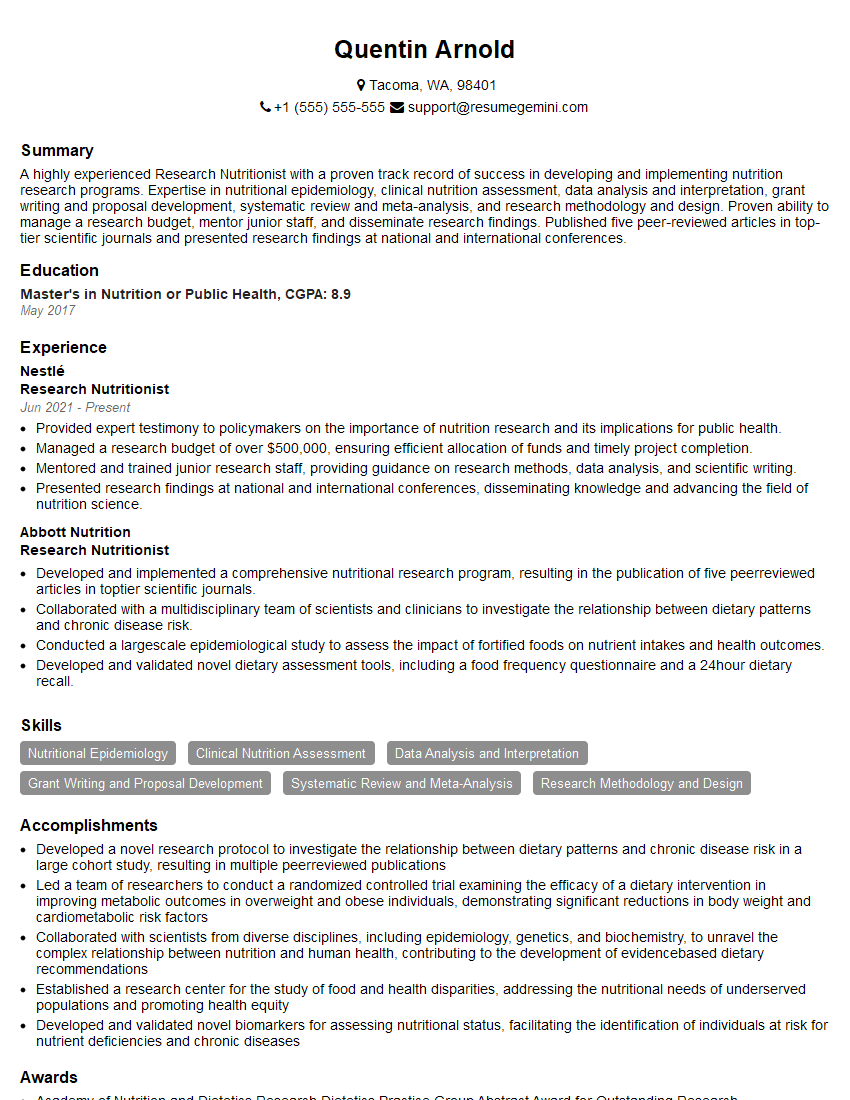
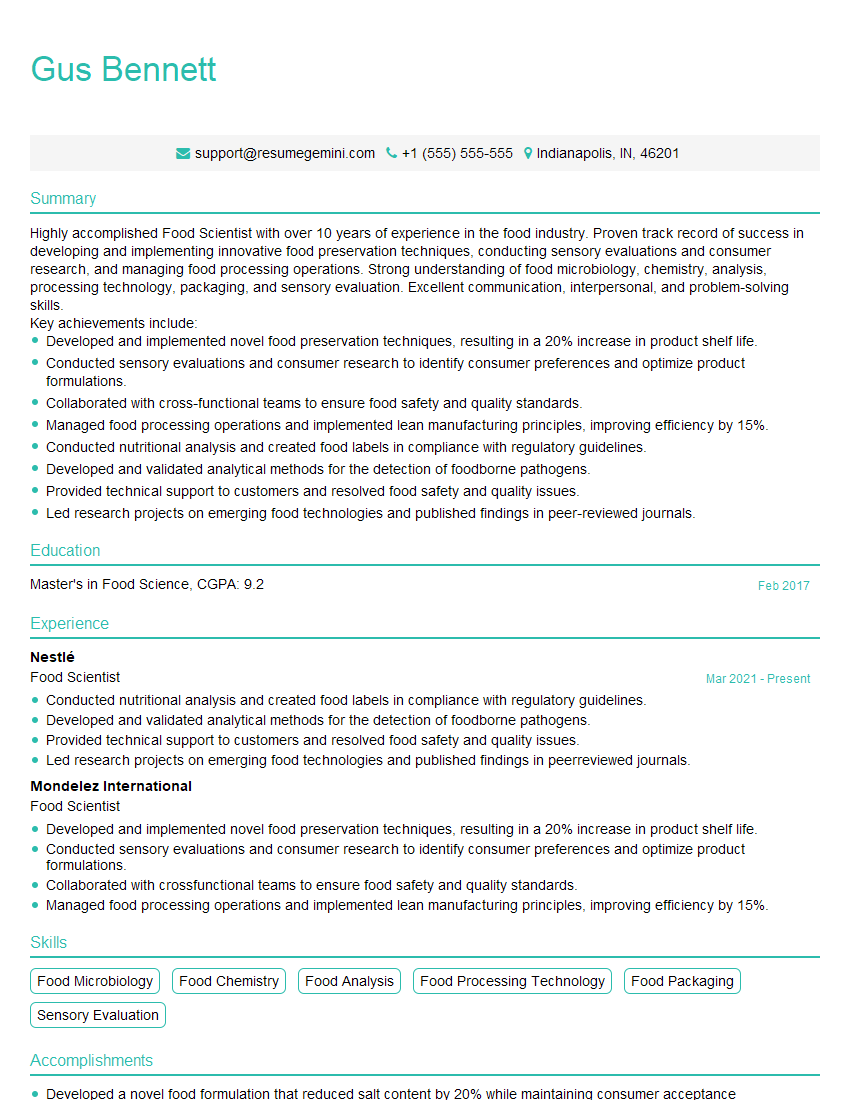
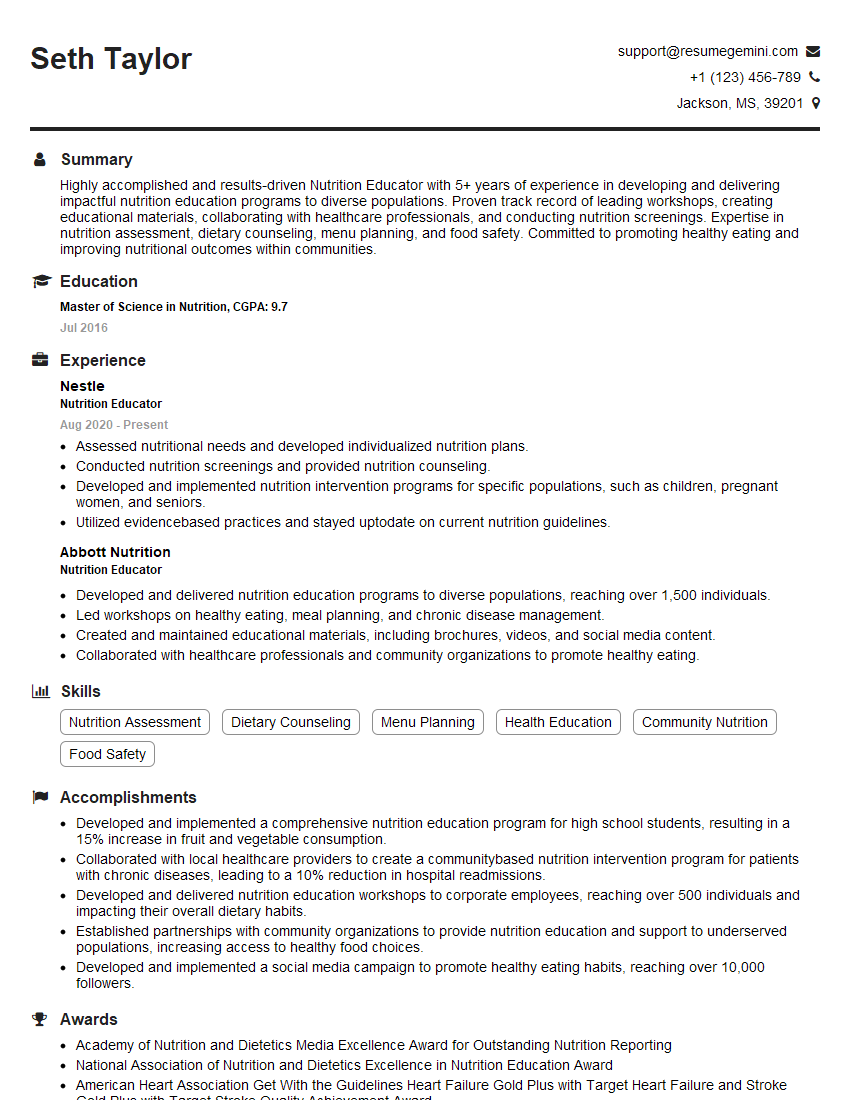
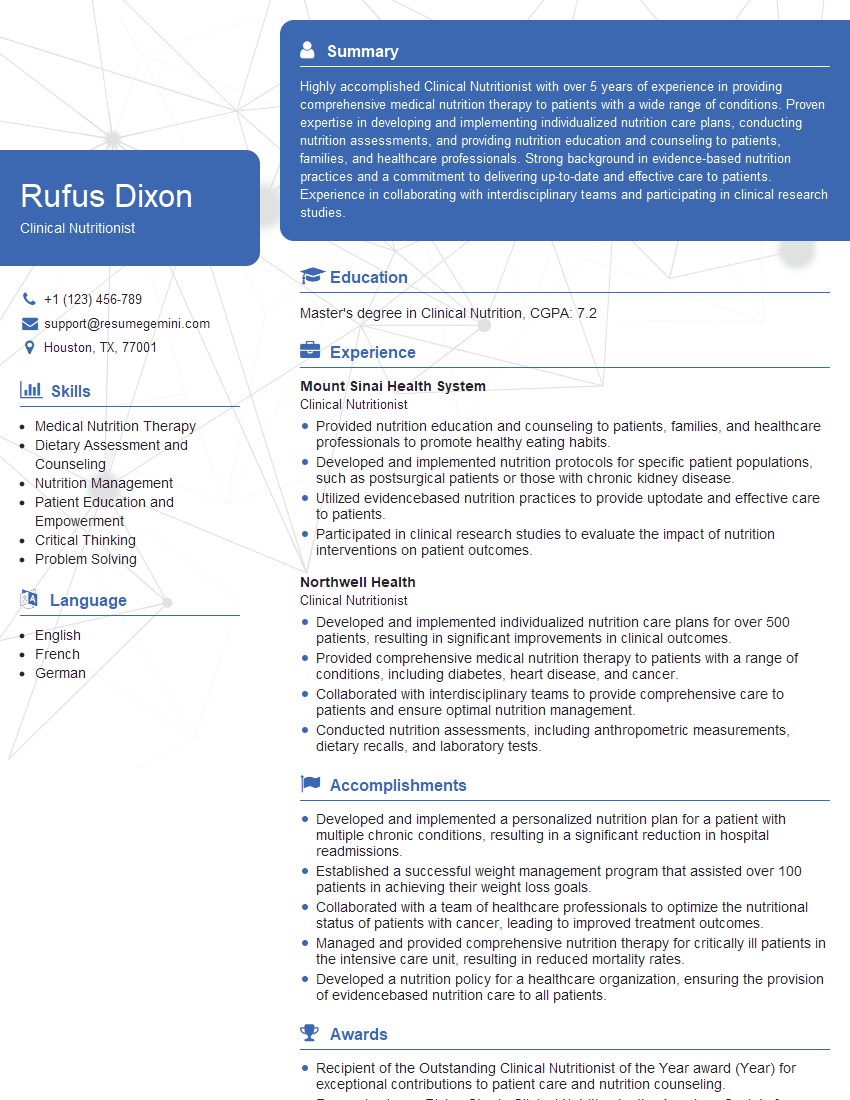
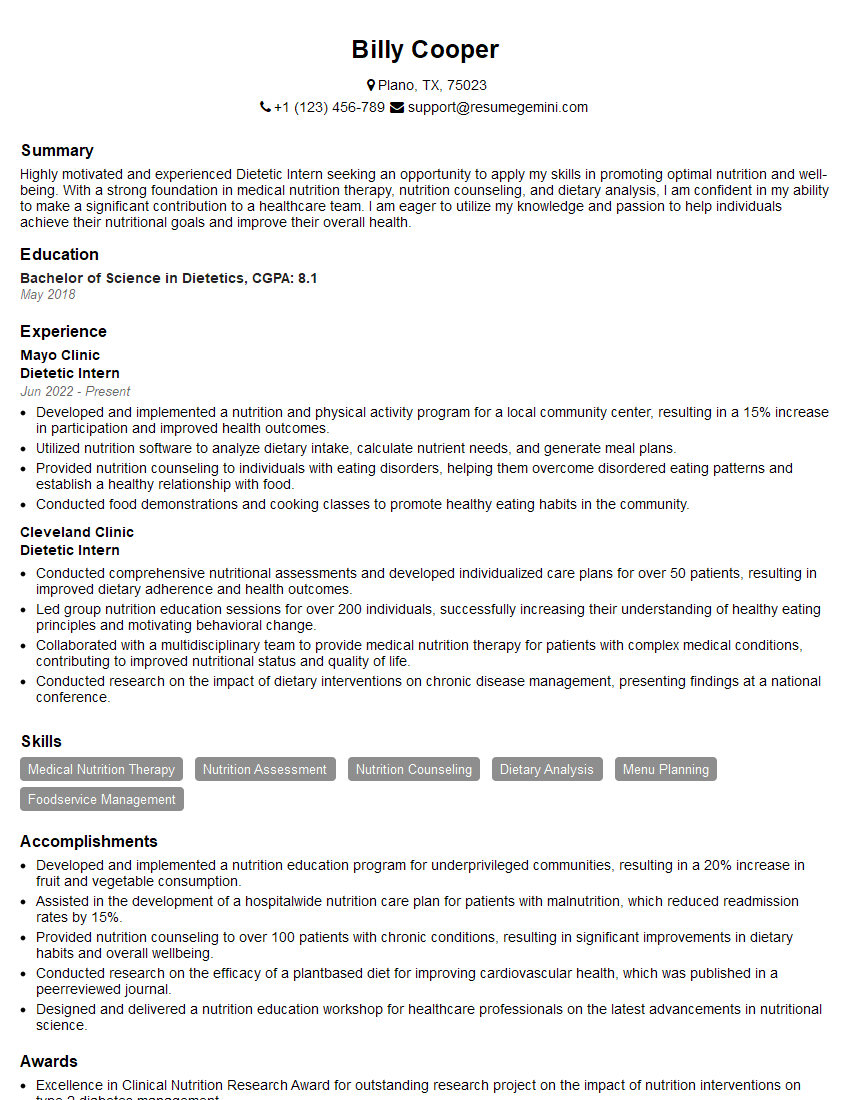
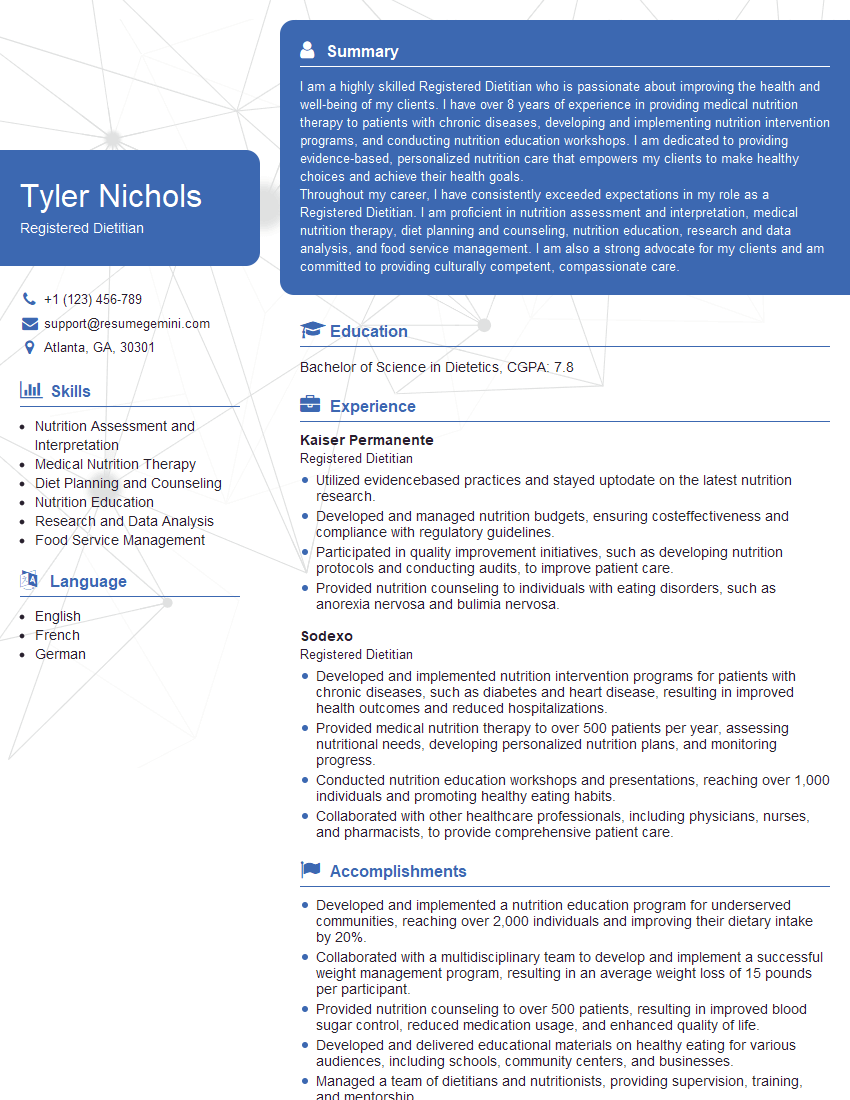
Staying current with nutrition research is crucial for career advancement in this dynamic field. A strong resume is your first step towards landing your dream role. Crafting an ATS-friendly resume that highlights your skills and experience is essential. ResumeGemini is a trusted resource to help you build a compelling and effective resume that showcases your expertise in Stay Up-to-Date on Nutrition Research. Examples of resumes tailored to this field are available to help guide you.
Explore more articles
Users Rating of Our Blogs
Share Your Experience
We value your feedback! Please rate our content and share your thoughts (optional).
What Readers Say About Our Blog
Amazing blog
hello,
Our consultant firm based in the USA and our client are interested in your products.
Could you provide your company brochure and respond from your official email id (if different from the current in use), so i can send you the client’s requirement.
Payment before production.
I await your answer.
Regards,
MrSmith
hello,
Our consultant firm based in the USA and our client are interested in your products.
Could you provide your company brochure and respond from your official email id (if different from the current in use), so i can send you the client’s requirement.
Payment before production.
I await your answer.
Regards,
MrSmith
These apartments are so amazing, posting them online would break the algorithm.
https://bit.ly/Lovely2BedsApartmentHudsonYards
Reach out at [email protected] and let’s get started!
Take a look at this stunning 2-bedroom apartment perfectly situated NYC’s coveted Hudson Yards!
https://bit.ly/Lovely2BedsApartmentHudsonYards
Live Rent Free!
https://bit.ly/LiveRentFREE
Interesting Article, I liked the depth of knowledge you’ve shared.
Helpful, thanks for sharing.
Hi, I represent a social media marketing agency and liked your blog
Hi, I represent an SEO company that specialises in getting you AI citations and higher rankings on Google. I’d like to offer you a 100% free SEO audit for your website. Would you be interested?