Are you ready to stand out in your next interview? Understanding and preparing for Surface Restoration interview questions is a game-changer. In this blog, we’ve compiled key questions and expert advice to help you showcase your skills with confidence and precision. Let’s get started on your journey to acing the interview.
Questions Asked in Surface Restoration Interview
Q 1. Describe your experience with different surface restoration techniques.
My experience in surface restoration encompasses a wide range of techniques, tailored to the specific material and damage. I’m proficient in methods like patching, grinding, polishing, and coating, adapting my approach based on the project’s requirements. For instance, repairing a cracked concrete sidewalk involves a different process than restoring a scratched wooden floor. With concrete, I might use a combination of patching compounds and grinding to achieve a smooth, even surface, while wood restoration might require careful sanding, filling, and potentially staining or sealing. For metal surfaces, techniques like abrasive blasting, followed by protective coatings, are frequently employed.
I’ve worked on projects involving everything from minor repairs to large-scale restorations, constantly refining my skills and expanding my knowledge base to accommodate new materials and technologies.
- Patching: Used for filling cracks, holes, or other imperfections in surfaces.
- Grinding: A process that uses abrasive tools to level surfaces and remove imperfections.
- Polishing: Achieves a high-gloss finish, often used on stone, metal, or wood.
- Coating: Applying protective layers (e.g., paints, sealants) to enhance durability and appearance.
Q 2. What are the common causes of surface damage you’ve encountered?
Surface damage is caused by a variety of factors. In my experience, the most common culprits include:
- Weathering: Exposure to sun, rain, ice, and wind can cause fading, cracking, and deterioration, especially in exterior surfaces like concrete and wood.
- Physical Impact: Scratches, dents, and chips often result from accidental impacts, heavy use, or vandalism.
- Chemical Spills: Acidic or alkaline substances can etch or stain surfaces, requiring specialized cleaning and restoration techniques. I once had to deal with a significant spill of automotive fluid on a concrete garage floor which required careful neutralization before any repair could be attempted.
- Wear and Tear: High-traffic areas often show significant wear and tear, requiring regular maintenance or more extensive restoration.
- Biological Growth: Mold, mildew, and algae can disfigure and damage surfaces, particularly in damp environments.
Understanding the root cause of the damage is crucial for selecting the correct restoration method and preventing future problems.
Q 3. Explain your process for assessing damage before starting a restoration project.
My assessment process begins with a thorough visual inspection, carefully noting the type, extent, and location of the damage. I use tools like moisture meters to detect hidden problems and assess the structural integrity of the underlying material. Photography and detailed documentation are crucial at this stage. For larger projects, I might create detailed drawings or 3D models to accurately plan the restoration work.
Next, I gather information about the surface material’s composition and history. This helps me determine its suitability for various restoration techniques. I always consider the surrounding environment to assess potential risks during the restoration process and choose the most suitable methodology. The goal is to develop a comprehensive plan that addresses the damage effectively while ensuring the safety of the workers and the longevity of the restoration.
Q 4. What types of surface materials have you restored (e.g., concrete, wood, metal)?
My expertise spans a wide range of surface materials. I’ve successfully restored:
- Concrete: Sidewalks, driveways, floors, and building facades.
- Wood: Floors, furniture, decks, and trim.
- Metal: Automotive parts, structural elements, and railings.
- Stone: Countertops, flooring, and building exteriors. Marble and granite present unique challenges due to their delicate nature and susceptibility to etching.
- Plaster: Walls, ceilings, and decorative elements.
Each material presents unique challenges and requires specialized knowledge and techniques. For instance, restoring a heavily weathered wooden deck requires different methods than repairing a cracked concrete patio.
Q 5. How do you choose the appropriate restoration materials for a given project?
Selecting the right materials is paramount for a successful restoration project. The choice depends on several factors:
- Material Compatibility: The chosen material must be compatible with the existing surface to prevent adverse reactions or incompatibility. For example, using a filler that is not compatible with the substrate can lead to cracks and future damage.
- Durability: The material should be durable enough to withstand the anticipated wear and tear, environmental conditions, and intended use of the restored surface.
- Aesthetic Considerations: Color, texture, and finish should match the existing surface for a seamless restoration. Sometimes, specific pigments or stains are needed to achieve an exact match.
- Cost-Effectiveness: A balance between cost and quality is essential. While premium materials may be more expensive, they might offer superior durability and longevity, resulting in long-term cost savings.
I always consult datasheets and conduct small-scale tests to ensure compatibility and desired results before committing to large-scale application.
Q 6. Describe your experience with surface preparation techniques (e.g., cleaning, grinding).
Surface preparation is critical for achieving a lasting restoration. My experience includes a range of techniques:
- Cleaning: This involves removing dirt, debris, loose material, and contaminants from the surface using appropriate methods like pressure washing, sandblasting, or chemical cleaning. The choice of cleaning method depends on the type of surface and the nature of the contamination.
- Grinding: Used to level uneven surfaces, remove old coatings, or create a suitable profile for bonding new materials. Different grit sizes are selected to achieve the desired level of smoothness.
- Abrasive Blasting: A more aggressive method used to remove rust, paint, or other coatings from metal surfaces.
- Sanding: A common method for smoothing wood surfaces, removing imperfections and preparing for finishing.
The specific preparation steps are tailored to the project’s needs. For example, a heavily rusted metal surface requires a more aggressive preparation process than a slightly scratched wooden floor. I’m experienced in selecting appropriate abrasives and ensuring thorough surface preparation before applying any restoration materials.
Q 7. What safety precautions do you take during surface restoration work?
Safety is my top priority. All my work adheres to strict safety protocols and regulations. This includes:
- Personal Protective Equipment (PPE): I consistently use appropriate PPE, including safety glasses, respirators, gloves, and protective clothing to mitigate risks associated with dust, chemicals, and other hazards.
- Proper Ventilation: Adequate ventilation is crucial when working with solvents, dust, or fumes. I ensure proper ventilation is in place, and in some cases, use respirators with appropriate cartridges.
- Fall Protection: When working at heights, I use appropriate fall protection equipment and techniques.
- Hazardous Material Handling: I follow all safety regulations when handling hazardous materials, including proper storage, disposal, and labeling.
- Equipment Maintenance: Regularly inspecting and maintaining all tools and equipment to ensure they are in safe working order.
Safety is not just about following regulations; it’s about a proactive approach that anticipates and mitigates potential hazards before they occur. A safe work environment ensures the project’s success and the well-being of everyone involved.
Q 8. How do you manage project timelines and budgets for surface restoration projects?
Managing project timelines and budgets for surface restoration is crucial for success. It’s a balancing act between delivering high-quality work and meeting financial and scheduling constraints. My approach involves a multi-step process starting with a thorough site assessment. This allows me to accurately estimate the scope of work, material needs, and labor hours. I then develop a detailed project schedule, broken down into manageable tasks with assigned deadlines, using project management software. This ensures accountability and allows for real-time tracking of progress. For budgeting, I create a comprehensive cost breakdown, factoring in materials, labor, equipment rental, potential unforeseen issues (a contingency of at least 10%), and profit margin. Regular progress meetings with clients are vital, keeping them informed and allowing for adjustments if needed. For example, on a recent church restoration, meticulous planning and regular communication allowed us to complete the project two weeks ahead of schedule and under budget. This was achieved by identifying and addressing potential delays early on and efficiently managing resources.
Q 9. Explain your experience with different types of coatings and sealants.
My experience with coatings and sealants is extensive, encompassing a wide range of materials for various substrates. I’m proficient with epoxy coatings for durability and chemical resistance (often used in industrial settings), polyurethane coatings for their flexibility and UV resistance (common in exterior applications), acrylic coatings for ease of application and cost-effectiveness (suitable for interior projects), and specialized coatings like those formulated for marine environments. Sealants are just as critical; I’ve used silicone sealants for their flexibility and water resistance (ideal for caulking and expansion joints), polyurethane sealants for their high strength and durability, and specialized sealants designed for specific materials like stone or wood. Choosing the right coating or sealant is critical and depends on several factors including the substrate material, the environmental conditions, the desired aesthetic, and budget constraints. Selecting the wrong sealant on a historic building, for example, could lead to irreversible damage.
Q 10. How do you handle unexpected problems or challenges during a restoration project?
Unexpected problems are inevitable in surface restoration. My approach focuses on proactive problem-solving. First, thorough inspection and preparation significantly reduce surprises. Second, I maintain open communication with the client, immediately reporting any unforeseen issues and offering solutions. For example, discovering hidden water damage during a plaster repair required a change of plan, involving additional steps to address the underlying cause before proceeding with the cosmetic restoration. We documented this, revised the project timeline and budget with the client’s approval, and successfully completed the project. Third, I have a network of specialized contractors (e.g., structural engineers, mold remediation specialists) I can consult for complex issues. This ensures efficient and expert handling of unusual challenges. Finally, documenting all steps, including photos and notes, helps in troubleshooting and prevents future similar problems.
Q 11. Describe your experience with color matching and blending techniques.
Color matching and blending are crucial for achieving seamless repairs, especially on historic buildings or antiques. My experience involves using various techniques, including spectrophotometry for accurate color measurement, and employing various pigments and binders to achieve precise matches. Sometimes, a perfect match isn’t possible, so I focus on creating a harmonious blend that visually minimizes the repair. I use a layered approach, applying thin coats and constantly evaluating the color. For example, repairing a chipped section of antique furniture required careful selection of wood stains and lacquers. I meticulously blended the colors until the repair was practically invisible. This process requires patience, artistic skill, and attention to detail, ensuring a natural-looking finish.
Q 12. How do you ensure the quality of your surface restoration work?
Quality assurance is paramount. I use a multi-layered approach. First, meticulous preparation: thorough cleaning, surface preparation, and proper material selection. Second, strict adherence to manufacturer’s instructions for materials and techniques. Third, rigorous quality checks at each stage, using both visual inspection and specialized testing equipment (e.g., moisture meters, adhesion testers) where necessary. Fourth, detailed documentation of every step. Finally, I seek client feedback throughout and at completion to ensure satisfaction. For example, after completing a large-scale concrete restoration, we conducted independent testing to verify the strength and durability of the repair, providing the client with a comprehensive report. This transparent approach strengthens trust and guarantees a superior outcome.
Q 13. What are the different types of surface damage you’re familiar with repairing?
My experience covers a wide range of surface damage. This includes cracks (from hairline fissures to significant structural damage), chips and gouges (in various materials, from wood and plaster to metal and stone), scratches, stains (water, oil, etc.), discoloration (from weathering, sun exposure, or chemical damage), delamination (separation of layers in materials like paint or coatings), and even biological damage (mold, mildew). Understanding the underlying cause of the damage is as crucial as the repair itself. For example, a cracked brick wall might require not only repair of the crack but also investigation and correction of the cause (e.g., foundation settlement).
Q 14. Explain your experience with repairing cracks, chips, and other surface imperfections.
Repairing cracks, chips, and imperfections requires a tailored approach based on the material and severity of the damage. Cracks often necessitate filling with appropriate materials, carefully matching the substrate; this might involve epoxy resins for concrete, specialized fillers for wood, or specialized mortars for masonry. Chips are often filled and then feathered to blend seamlessly. For example, repairing a chipped granite countertop requires carefully matching the color and texture using a specialized stone repair kit, followed by polishing to achieve a seamless finish. Larger imperfections may require more complex solutions like section replacement or structural reinforcement. Success involves patience, precision, and a deep understanding of material science and repair techniques.
Q 15. What is your experience with using specialized tools and equipment for surface restoration?
My experience with specialized tools and equipment in surface restoration is extensive. I’m proficient in using a wide range of tools, from basic hand tools like chisels and scrapers to advanced equipment like laser scanners for precise measurements and robotic sandblasters for delicate cleaning. For example, when restoring a historic building’s façade, I’ve used a combination of micro-abrasive blasting to carefully remove deteriorated mortar and a laser scanner to create a 3D model for precise patching. This allows for efficient planning and guarantees a seamless final product. My expertise also encompasses the use of specialized adhesives, mortars, and consolidants appropriate for various materials, ensuring structural integrity and longevity.
- Hand tools: Chisels, scrapers, brushes, putty knives
- Power tools: Rotary hammers, angle grinders, sanders
- Specialized equipment: Laser scanners, robotic sandblasters, water blasting equipment
- Materials: Various types of mortars, plasters, paints, consolidants, and adhesives tailored to specific materials.
Career Expert Tips:
- Ace those interviews! Prepare effectively by reviewing the Top 50 Most Common Interview Questions on ResumeGemini.
- Navigate your job search with confidence! Explore a wide range of Career Tips on ResumeGemini. Learn about common challenges and recommendations to overcome them.
- Craft the perfect resume! Master the Art of Resume Writing with ResumeGemini’s guide. Showcase your unique qualifications and achievements effectively.
- Don’t miss out on holiday savings! Build your dream resume with ResumeGemini’s ATS optimized templates.
Q 16. How do you document the progress of a surface restoration project?
Thorough documentation is crucial for any surface restoration project. My process involves a multi-faceted approach. Initially, a detailed photographic record is maintained, including before, during, and after shots, focusing on problem areas and the progress of repairs. This is supplemented with written records outlining the methods used, materials employed, and any challenges encountered. For complex projects, I utilize digital 3D modelling and scanning techniques to record existing conditions and track changes. Finally, a comprehensive report summarizing the project, including images, specifications, and maintenance recommendations, is provided to the client upon completion. Think of it like building a detailed ‘story’ of the restoration. Each step, each decision is documented to ensure transparency and to provide valuable data for future maintenance.
Q 17. Describe your experience with working with clients and managing their expectations.
Building strong client relationships is paramount. I initiate projects with a thorough consultation, clearly explaining the process, outlining timelines and costs, and addressing any concerns. I believe in open communication and provide regular updates throughout the project, using photos and concise reports. Managing expectations involves setting realistic goals, discussing potential challenges proactively, and offering various options when feasible. For example, I recently worked on a project where the client’s initial vision was unrealistic given the building’s age and condition. By presenting a detailed analysis and alternative solutions, we collaboratively defined a more achievable yet still aesthetically pleasing outcome, leading to a happy client and a successful restoration.
Q 18. What are the key considerations when restoring historical surfaces?
Restoring historical surfaces demands meticulous care and specialized knowledge. Key considerations include identifying the original materials and construction techniques. This often involves historical research, material analysis, and consultation with preservation specialists. The goal is not simply to repair damage but to preserve the historical integrity of the surface. This requires using compatible materials and methods, minimizing interventions, and prioritizing reversibility. For instance, when restoring a 19th-century plaster ceiling, I would avoid using modern, quick-drying materials that may chemically react with the original plaster, potentially causing further damage. Instead, I would opt for lime-based mortars which are historically accurate and compatible with the existing structure.
Q 19. How do you comply with relevant building codes and regulations?
Compliance with building codes and regulations is crucial and integrated into every stage of my projects. Before commencing any work, I thoroughly review the relevant codes and obtain the necessary permits. I ensure all materials used meet the specified safety and performance standards. This includes working with certified and inspected contractors, carefully documenting all work carried out, and providing the required certification upon completion of the project. My experience includes navigating the intricacies of historic preservation ordinances which often present unique challenges, ensuring the work both adheres to code and respects the historical significance of the structure.
Q 20. What is your understanding of different restoration methods (e.g., patching, repairing, replacing)?
My understanding of restoration methods is comprehensive, encompassing various approaches depending on the nature of the damage and the material.
- Patching: Involves repairing minor surface damage using compatible materials. This could be as simple as filling a crack in a wall with matching plaster or more complex patching using techniques like micro-concrete injection.
- Repairing: Focuses on stabilizing and strengthening damaged areas. This can involve consolidation techniques to strengthen weakened stonework, or structural repairs to address underlying issues causing surface damage.
- Replacing: Is employed when extensive damage renders repair impractical or aesthetically unfeasible. This often includes replacing severely deteriorated sections with materials that are both visually and structurally compatible with the original.
Q 21. How do you determine the feasibility of a surface restoration project?
Determining the feasibility of a surface restoration project involves a thorough assessment of several factors. I start with a detailed visual inspection, evaluating the extent of the damage and identifying the underlying causes. This is followed by material analysis to determine the composition and condition of the surfaces. Furthermore, I assess the structural integrity of the substrate to identify any potential problems that may need addressing before restoration can begin. Finally, I factor in budgetary considerations, project timelines, and access constraints to determine the overall feasibility and provide a realistic assessment of the project’s viability.
Q 22. What are your skills in assessing structural integrity related to surface restoration?
Assessing the structural integrity of a surface before restoration is paramount. It’s like getting a thorough medical checkup before starting treatment. I begin by visually inspecting the surface for cracks, spalling, delamination, or any other signs of damage. This initial assessment helps determine the extent of the problem. Next, I utilize non-destructive testing methods like tapping tests (listening for hollow sounds indicating voids) and moisture meters to assess the internal condition. For more complex cases, I may employ more sophisticated techniques like ground-penetrating radar or ultrasonic testing to identify hidden defects. The data collected is then used to create a comprehensive report detailing the structural condition, identifying areas of weakness, and recommending appropriate restoration strategies. For example, I recently worked on a historic building where a tapping test revealed significant voiding behind a section of plaster. This allowed us to plan for cavity filling before proceeding with surface repair, preventing future problems.
Q 23. What is your experience working with environmentally friendly restoration materials?
Sustainability is a core value in my practice. I have extensive experience with environmentally friendly restoration materials, focusing on low-VOC (volatile organic compounds) options that minimize harmful emissions. This includes utilizing lime-based plasters, natural pigments, and plant-based binders instead of synthetic alternatives. For example, I recently completed a project using a bio-based sealant on a sandstone façade. This sealant not only protected the stone but also allowed it to breathe, preventing moisture buildup and ensuring longevity. Choosing eco-friendly materials is not just good for the environment; it also often leads to a healthier work environment for my team and the building occupants.
Q 24. Explain your experience with moisture mitigation techniques related to surface restoration.
Moisture mitigation is crucial for successful surface restoration. Ignoring moisture issues will lead to recurring problems. My approach is multi-faceted and starts with identifying the source of moisture. This involves using moisture meters to assess the moisture content of various building materials and inspecting for leaks, rising damp, or condensation. Once the source is identified, the appropriate mitigation strategies are implemented. This might include repairing leaks, installing drainage systems, implementing vapor barriers, or applying specialized coatings. For instance, I tackled a project where rising damp was damaging the plasterwork in a basement. We first addressed the dampness through the installation of a chemical damp proof course, followed by careful removal of damaged plaster and the application of a breathable lime-based plaster to allow the wall to dry properly. Only after the moisture problem was resolved did we proceed with aesthetic restoration.
Q 25. How do you maintain accurate records and documentation for restoration projects?
Maintaining accurate records and documentation is critical for transparency and accountability. I use a combination of digital and physical methods. Each project has a dedicated digital folder containing detailed photographic documentation at every stage (before, during, and after), material specifications, test results, and client communication. I also maintain a comprehensive physical logbook with daily notes on site conditions, activities performed, materials used, and any unexpected issues encountered. This detailed record-keeping is invaluable for future reference, warranty claims, and provides a clear audit trail for the entire project. For example, detailed photographic documentation of a crack repair allows us to easily monitor its performance over time and address any recurrence promptly.
Q 26. Describe your experience with bidding and estimating costs for surface restoration projects.
Accurate bidding and cost estimating is crucial for project success. I start by conducting a thorough site survey to assess the scope of work, including material quantities, labor hours, and potential challenges. I then develop a detailed breakdown of costs, including materials, equipment, labor, permits, and contingency for unexpected expenses. I leverage my experience and knowledge of material pricing and labor rates to create realistic estimates. Software like spreadsheets or dedicated estimating programs are employed to calculate costs and generate comprehensive proposals for clients. Transparency is key; I always clearly detail the cost breakdown in the proposal to ensure the client fully understands the pricing structure. I also factor in potential variations and contingencies to avoid surprises and maintain a strong client relationship.
Q 27. How do you prioritize tasks and manage multiple projects simultaneously?
Managing multiple projects requires a systematic approach. I use project management software to track tasks, deadlines, and resource allocation across different projects. Prioritization is based on factors like deadlines, client requirements, and project complexity. I delegate tasks effectively to my team, ensuring clear communication and accountability. Regular progress meetings and clear communication with clients maintain project momentum and address potential issues proactively. Think of it as orchestrating a symphony – each instrument (project) needs careful attention, but the conductor (project manager) ensures they work together harmoniously to produce a beautiful result.
Q 28. What are your professional development goals related to surface restoration?
My professional development goals focus on staying at the cutting edge of surface restoration. I plan to pursue advanced training in emerging technologies like nanomaterials for restoration and advanced digital documentation techniques. I also aim to expand my expertise in specific areas, such as historic preservation techniques and the restoration of specialized materials. Continuous learning ensures I remain proficient in delivering high-quality and sustainable restoration services, benefiting both my clients and the built environment.
Key Topics to Learn for Surface Restoration Interview
- Material Science Fundamentals: Understanding the properties of various materials (concrete, wood, metal, etc.) and their susceptibility to damage is crucial. This includes knowledge of their composition, strength, and degradation mechanisms.
- Damage Assessment and Analysis: Learn to accurately identify and classify different types of surface damage, such as cracks, stains, corrosion, and erosion. This involves practical skills in visual inspection and potentially non-destructive testing methods.
- Restoration Techniques: Master a range of restoration methods, including cleaning, patching, repairing, and coating techniques specific to different materials. Understand the advantages and limitations of each approach.
- Surface Preparation: Thorough preparation is key to successful restoration. Learn about techniques like cleaning, abrasive blasting, and surface profiling to ensure proper adhesion and longevity of repairs.
- Protective Coatings and Sealants: Gain a deep understanding of various coating systems and sealants used to protect restored surfaces from future damage. This includes knowledge of their application methods and performance characteristics.
- Health and Safety Regulations: Familiarize yourself with relevant health and safety regulations and best practices related to surface restoration materials and techniques. This is crucial for workplace safety and compliance.
- Project Management and Cost Estimation: Develop skills in project planning, scheduling, budgeting, and cost estimation for surface restoration projects. This includes understanding material costs, labor, and potential unforeseen expenses.
- Problem-Solving and Troubleshooting: Be prepared to discuss how you would approach and solve common problems encountered during surface restoration projects, such as unexpected material failures or unforeseen site conditions.
Next Steps
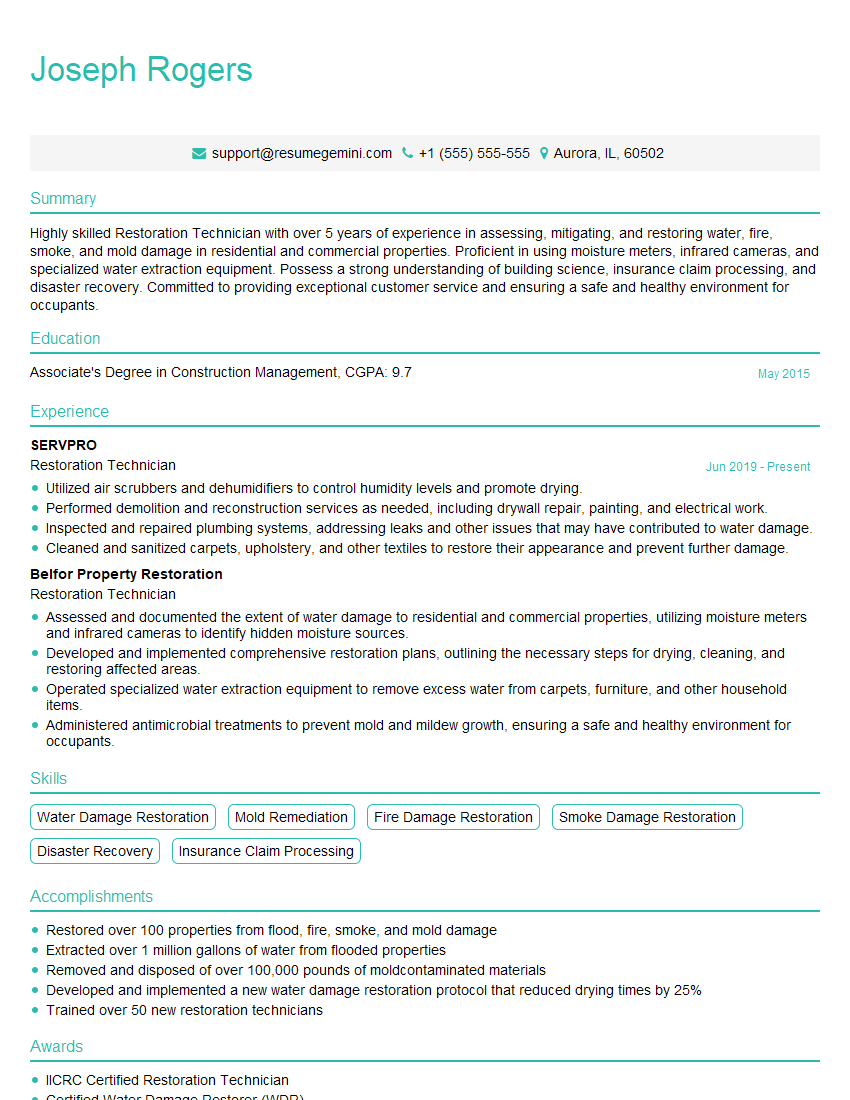
Mastering surface restoration opens doors to exciting career opportunities and significant professional growth within the construction, preservation, and restoration industries. To enhance your job prospects, creating a strong, ATS-friendly resume is essential. ResumeGemini can help you build a professional and impactful resume that highlights your skills and experience effectively. Take advantage of their resources and access examples of resumes tailored specifically for Surface Restoration professionals to give your application the edge it needs.
Explore more articles
Users Rating of Our Blogs
Share Your Experience
We value your feedback! Please rate our content and share your thoughts (optional).
What Readers Say About Our Blog
Amazing blog
hello,
Our consultant firm based in the USA and our client are interested in your products.
Could you provide your company brochure and respond from your official email id (if different from the current in use), so i can send you the client’s requirement.
Payment before production.
I await your answer.
Regards,
MrSmith
hello,
Our consultant firm based in the USA and our client are interested in your products.
Could you provide your company brochure and respond from your official email id (if different from the current in use), so i can send you the client’s requirement.
Payment before production.
I await your answer.
Regards,
MrSmith
These apartments are so amazing, posting them online would break the algorithm.
https://bit.ly/Lovely2BedsApartmentHudsonYards
Reach out at BENSON@LONDONFOSTER.COM and let’s get started!
Take a look at this stunning 2-bedroom apartment perfectly situated NYC’s coveted Hudson Yards!
https://bit.ly/Lovely2BedsApartmentHudsonYards
Live Rent Free!
https://bit.ly/LiveRentFREE
Interesting Article, I liked the depth of knowledge you’ve shared.
Helpful, thanks for sharing.
Hi, I represent a social media marketing agency and liked your blog
Hi, I represent an SEO company that specialises in getting you AI citations and higher rankings on Google. I’d like to offer you a 100% free SEO audit for your website. Would you be interested?