Feeling uncertain about what to expect in your upcoming interview? We’ve got you covered! This blog highlights the most important Surgical Assistance and Procedures interview questions and provides actionable advice to help you stand out as the ideal candidate. Let’s pave the way for your success.
Questions Asked in Surgical Assistance and Procedures Interview
Q 1. Describe your experience with surgical instrument preparation and sterilization techniques.
Surgical instrument preparation and sterilization are critical for preventing surgical site infections (SSIs), a major cause of morbidity and mortality. My experience encompasses a multi-step process, beginning with the meticulous cleaning of instruments to remove visible debris. This often involves enzymatic detergents and ultrasonic cleaning to reach hard-to-access areas. Following cleaning, instruments undergo sterilization, typically using steam autoclaves (moist heat) or ethylene oxide gas (for items sensitive to high heat and moisture). I’m proficient in monitoring sterilization cycles, ensuring parameters like temperature and pressure (for autoclaves) are within acceptable ranges. Proper documentation, including cycle logs and instrument tracking, is meticulously maintained. I understand and adhere to strict aseptic techniques throughout the entire process, including the use of sterile gloves, gowns, and masks. For example, during my time at [Hospital Name], I was responsible for preparing instrument sets for complex cardiac surgeries, requiring a high degree of precision and adherence to sterilization protocols.
Beyond the standard methods, I also have experience with low-temperature sterilization techniques, such as plasma sterilization and hydrogen peroxide gas plasma sterilization. These are particularly useful for delicate instruments sensitive to heat or moisture. Understanding the limitations and efficacy of each method is paramount to selecting the appropriate sterilization technique for the specific instrument and procedure. Regular maintenance and calibration of sterilization equipment are crucial to maintaining the integrity of the sterilization process and ensuring patient safety.
Q 2. Explain the different types of surgical drapes and their applications.
Surgical drapes are essential for creating a sterile field and minimizing the risk of infection. Different types are used depending on the surgical site and the needs of the procedure.
- Incise drapes: These are fenestrated (with an opening) drapes, typically used to expose the surgical site while maintaining a sterile field around the incision. They often feature adhesive borders to prevent slippage.
- Non-fenestrated drapes: These are used to cover areas surrounding the surgical site, providing a barrier against contamination. They are frequently used to isolate various body parts.
- U drapes: Shaped like a U, these drapes are often used for leg, arm, or perineal procedures.
- Split drapes: These drapes allow multiple surgeons to work on different parts of the patient simultaneously while maintaining sterile zones.
The material of the drape also influences its application. For example, impermeable drapes prevent fluid penetration, crucial during procedures with significant fluid spillage. Proper draping technique is vital to minimize contamination. We must ensure there are no gaps or wrinkles in the drapes, and that the drapes are securely placed to prevent them from shifting during the procedure. A good understanding of different drape types and proper application is key to maintaining a sterile environment.
Q 3. What are the key steps involved in setting up a surgical field?
Setting up a surgical field is a crucial step, requiring meticulous attention to detail and strict adherence to aseptic technique. Here’s a step-by-step breakdown:
- Preparation of the surgical site: This involves cleansing the skin with an antiseptic solution using a circular motion, moving outward from the incision site. Hair removal, if necessary, is performed using clippers to reduce the risk of skin abrasions.
- Positioning of the patient: This must be done in a way that provides optimal surgical access while maintaining patient safety and comfort. Proper padding and positioning aids are used.
- Draping the patient: Following appropriate antiseptic preparation, the surgical drapes are meticulously applied, creating a sterile field around the incision site. This is done by the surgical team, making sure to prevent any contamination during the process.
- Arrangement of instruments and supplies: All necessary instruments, sutures, and supplies are arranged in an organized manner within the sterile field to ensure easy access for the surgeon. This frequently involves using mayo stands and other sterile containers.
- Final checks: A final check ensures that the surgical site is adequately prepared, the drapes are securely in place, and all necessary supplies are readily available.
Maintaining a sterile field throughout the procedure is a continuous process, and each step contributes to the overall success of minimizing the risk of infection.
Q 4. How do you maintain sterility during a surgical procedure?
Maintaining sterility during a surgical procedure is paramount and requires a team effort. Several key strategies are employed:
- Strict adherence to aseptic technique: This includes proper hand hygiene, use of sterile gloves and gowns, maintaining a sterile field through careful draping and instrument handling, and minimizing unnecessary movements within the sterile field. Any break in sterility needs immediate correction.
- Continuous monitoring of the sterile field: The surgical team constantly monitors the sterility of the field, immediately addressing any potential contamination. This includes checking drapes for tears or displacement and ensuring that any non-sterile items are kept far from the surgical site.
- Appropriate handling of instruments and supplies: Instruments should only be handled within the sterile field and passed carefully between team members. All items used during the procedure must be sterile.
- Airflow management: Maintaining proper airflow in the operating room helps to minimize airborne contamination.
- Surgical attire and behavior: Team members adhere to strict protocols regarding surgical attire, including masks, caps, and shoe covers, along with appropriate behaviour within the operating room to maintain a sterile environment.
A breach of sterility, however minor, can have significant consequences. Continuous vigilance and precise technique are paramount.
Q 5. Describe your experience with handling and passing surgical instruments.
Handling and passing surgical instruments requires precision, dexterity, and a deep understanding of surgical techniques and instrument function. My experience involves knowing the instruments’ names, uses, and proper handling methods. I can anticipate the surgeon’s needs based on the stage of the procedure, and I pass instruments smoothly and efficiently to prevent delays or interruptions. This involves utilizing the proper technique – a neutral zone for passing – to avoid contamination. For example, during laparoscopic procedures, I am proficient in accurately and efficiently passing delicate instruments to the surgeon, ensuring a smooth surgical workflow. I also maintain awareness of instrument positions and orientations so I can quickly grab and provide the proper instrument for the next step. This requires a deep understanding of various instruments used in a variety of procedures from general surgery to cardiac surgery.
Beyond the technical skills, effective communication with the surgeon is crucial. I understand the importance of clear, concise verbal cues, as well as non-verbal communication. For instance, a subtle nod or visual confirmation can be as important as a spoken request. This collaborative and anticipatory approach is critical for a successful procedure and patient safety.
Q 6. What is your understanding of surgical counts and their importance?
Surgical counts are a critical safety measure designed to prevent retained surgical items (RSIs). RSIs are a serious complication that can lead to significant morbidity and mortality. The count involves systematically verifying that all instruments, sponges, needles, and other items used in the procedure are accounted for before, during, and after the surgery. Typically, two independent counts are performed: a pre-operative count before the incision, an intraoperative count (if necessary), and a final count before the incision is closed. I am proficient in performing and documenting these counts, carefully noting any discrepancies.
The importance of surgical counts cannot be overstated. A missing item is a potential catastrophe for the patient and a critical error for the surgical team. The process not only ensures patient safety, but also demonstrates meticulous attention to detail and adherence to established protocols. This diligent process reinforces a culture of safety and accountability within the operating room.
Q 7. How do you manage and anticipate the surgeon’s needs during a procedure?
Anticipating the surgeon’s needs is a crucial aspect of surgical assistance. It’s not merely about reacting to requests; it’s about proactively understanding the flow of the procedure and having the necessary instruments and supplies ready before they are requested. This involves a deep understanding of the surgical technique being employed, the surgeon’s preferences, and the different stages of the operation. I achieve this through close observation, understanding surgical terminology, active listening, and effective communication with the surgeon and other members of the surgical team.
For example, during a complex laparoscopic cholecystectomy, I anticipate the need for different sized clips and sutures, based on the size of the cystic duct and artery, and the surgeon’s surgical technique. Similarly, during an open appendectomy, I’d anticipate the need for specific retractors or suction based on the location and difficulty of the surgery. This proactive approach not only increases efficiency but also contributes to a smooth and uninterrupted surgical workflow, improving both surgical efficiency and ultimately, patient safety.
Q 8. Explain your experience with different types of surgical dressings.
My experience encompasses a wide range of surgical dressings, each selected based on the specific wound type, location, and the stage of healing. For instance, alginate dressings are excellent for highly exuding wounds as they absorb large volumes of fluid. I’ve used these extensively in post-operative situations involving significant tissue damage. Conversely, hydrocolloid dressings are ideal for wounds requiring a moist healing environment, preventing the formation of scabs and minimizing pain during dressing changes. I’ve found them particularly useful for pressure ulcers and burns. Foam dressings provide cushioning and absorption and are well-suited for wounds with moderate exudate. I frequently employ these for superficial wounds and to protect fragile skin. Finally, gauze dressings, while simple, remain crucial, particularly for initial wound assessment, packing deep wounds, and situations where transparency is needed for monitoring. Selection always involves considering factors like infection risk, patient comfort, and the overall surgical plan.
Q 9. Describe your knowledge of surgical anatomy relevant to your area of expertise.
My surgical anatomy knowledge is comprehensive and directly relevant to my role. I have a thorough understanding of the musculoskeletal, vascular, and nervous systems, focusing on the areas commonly involved in surgical procedures I assist with. For example, during laparoscopic cholecystectomies, precise knowledge of the biliary tree, including the cystic duct and artery, is critical to avoid accidental injury. In orthopedic procedures, a detailed understanding of bone anatomy, joint articulation, and ligamentous structures is essential for proper instrument passing and retraction. My knowledge extends to identifying key anatomical landmarks for accurate incision placement, minimizing collateral damage, and ensuring effective surgical outcomes. Regular review of anatomical atlases and participation in surgical case discussions ensures my knowledge stays up-to-date and clinically relevant.
Q 10. How do you handle emergencies during a surgical procedure?
Handling emergencies requires quick thinking and coordinated teamwork. My approach is based on the ‘ABCDE’ principle: Airway, Breathing, Circulation, Disability, Exposure. In a scenario like sudden hypotension (low blood pressure), my immediate actions would involve alerting the surgeon, assisting with fluid resuscitation by preparing and administering IV fluids as directed, and monitoring vital signs. If there’s significant bleeding, my response would involve assisting with haemostasis (stopping bleeding) using appropriate techniques and instruments under the surgeon’s guidance. Communication is key; I ensure clear and concise updates are given to the surgical team. Prior experience has taught me the importance of maintaining calm and systematically addressing the emergency, following established protocols to mitigate risks and ensure patient safety.
Q 11. What is your approach to maintaining a safe and organized surgical environment?
Maintaining a safe and organized surgical environment is paramount. This starts with meticulous preparation: ensuring the operating room is properly set up with sterile instruments, equipment, and supplies. I adhere to strict aseptic techniques, using appropriate barriers and disinfectants. Instruments are carefully counted and checked before and after the procedure to prevent retained surgical items. During the procedure, I maintain a clean workspace, promptly discarding used materials and managing waste according to hospital protocols. Clear communication and a collaborative approach with the surgical team are also vital. Organizing and anticipating the surgeon’s needs contributes to the efficiency and safety of the operation. Regular cleaning and disinfection of the surgical field are part of my routine, minimizing the risk of infection. Regular equipment maintenance and familiarity with emergency protocols further contribute to a safe environment. The entire process is guided by our hospital’s robust safety protocols.
Q 12. Explain your understanding of asepsis and its importance in surgical settings.
Asepsis, the absence of microorganisms, is fundamental in surgical settings to prevent surgical site infections (SSIs), a significant cause of morbidity and mortality. My understanding of asepsis involves meticulous adherence to established sterile techniques. This includes proper hand hygiene using surgical hand scrubs, wearing sterile gowns and gloves, maintaining a sterile field, and handling instruments with care. I carefully monitor the sterile field throughout the procedure, alerting the surgical team immediately to any potential breaches in sterility. Understanding the principles of surgical scrubbing, gowning and gloving, and the principles of maintaining a sterile field are crucial to ensuring asepsis. Regular training and adherence to hospital protocols solidify this understanding, directly impacting patient outcomes and safety.
Q 13. How do you communicate effectively with surgeons and other members of the surgical team?
Effective communication is the cornerstone of teamwork in surgery. I maintain clear and concise communication with the surgical team using professional terminology. I actively listen, anticipating their needs and providing prompt assistance. When passing instruments, I use clear verbal cues to identify the instrument and its intended use. If I encounter any uncertainties or problems, I communicate this immediately to the surgeon. My communication style is characterized by professionalism, respect, and a commitment to open and honest dialogue. Regular team briefings before and debriefings after surgical procedures promote transparency and reinforce shared understanding.
Q 14. Describe your experience with different types of surgical wounds and closure techniques.
My experience covers a variety of surgical wounds and closure techniques. For example, clean wounds, such as those resulting from an elective surgical incision, often heal by primary closure, directly approximating the wound edges with sutures. I’m proficient in various suture techniques, including simple interrupted, continuous, and running sutures. Contaminated wounds, however, may require different management, possibly including delayed closure or the use of drains. I’m familiar with wound packing techniques to manage deep wounds and allow for secondary intention healing. Complex wounds involving significant tissue loss may require more advanced techniques such as skin grafts or flaps. Selection of the appropriate closure technique is determined by the surgeon based on the wound characteristics, considering infection risk, tension, and patient-specific factors. I have assisted with a range of closure techniques from simple wound closures to complex reconstructions, always guided by the surgical plan and the surgeon’s instructions.
Q 15. What is your understanding of patient safety protocols in the operating room?
Patient safety in the operating room is paramount and hinges on a multi-layered approach. It’s not just about following a checklist; it’s a mindset that permeates every aspect of the surgical procedure. This includes meticulous adherence to sterile technique to prevent infections, a system of checks and balances to ensure the correct patient, procedure, and site, and constant vigilance in monitoring the patient’s vital signs and responding promptly to any changes.
- Sterile Technique: This involves rigorous handwashing, gowning, gloving, and the use of sterile instruments and drapes. A breach in sterile technique can lead to serious infections, potentially life-threatening for the patient. For example, we always maintain a sterile field and immediately replace any contaminated item.
- Time-Out Procedure: Before any incision, a ‘time-out’ is conducted, verifying the patient’s identity, the surgical site, and the planned procedure with the entire surgical team. This pause prevents devastating errors like operating on the wrong body part or wrong patient.
- Surgical Site Marking: The surgical site is always clearly marked by the surgeon, reducing the risk of operating on the wrong location. This seemingly simple step is crucial in preventing catastrophic mistakes.
- Continuous Monitoring: Constant monitoring of vital signs, including heart rate, blood pressure, oxygen saturation, and temperature, allows for early detection of complications and prompt intervention.
In essence, patient safety protocols are a dynamic system, requiring active participation and communication from everyone in the OR. It’s a shared responsibility where every team member plays a critical role in ensuring the patient’s well-being.
Career Expert Tips:
- Ace those interviews! Prepare effectively by reviewing the Top 50 Most Common Interview Questions on ResumeGemini.
- Navigate your job search with confidence! Explore a wide range of Career Tips on ResumeGemini. Learn about common challenges and recommendations to overcome them.
- Craft the perfect resume! Master the Art of Resume Writing with ResumeGemini’s guide. Showcase your unique qualifications and achievements effectively.
- Don’t miss out on holiday savings! Build your dream resume with ResumeGemini’s ATS optimized templates.
Q 16. How do you identify and address potential surgical complications?
Identifying and addressing potential surgical complications requires a proactive and vigilant approach. It starts with a thorough pre-operative assessment, including a comprehensive review of the patient’s medical history and potential risk factors. During the surgery, careful observation of the patient’s response to the procedure and constant monitoring of vital signs are key.
- Pre-operative risk assessment: Factors such as age, existing medical conditions, and medications can increase the risk of complications. This helps in anticipating potential issues and developing preventative strategies.
- Intra-operative vigilance: Close observation of bleeding, changes in vital signs, and any unusual responses to anesthesia or surgical manipulation are crucial for early detection of problems. For instance, a sudden drop in blood pressure might indicate significant blood loss requiring immediate attention.
- Prompt Response: A well-coordinated team response is vital. This includes escalating concerns to the attending surgeon, implementing appropriate interventions (e.g., administering fluids, transfusing blood), and potentially adjusting the surgical plan.
- Post-operative Care: Monitoring for signs of infection, bleeding, or other complications continues after the surgery. This involves careful wound assessment, pain management, and follow-up appointments.
Addressing complications often involves a combination of technical skills, clinical judgment, and teamwork. For example, if a patient experiences excessive bleeding, the surgical team must work together to identify the source of the bleeding, control it through techniques such as cauterization or sutures, and manage the patient’s blood volume. The process often involves adapting the surgical plan to mitigate further risks.
Q 17. Describe your experience with electrocautery equipment and its proper use.
Electrocautery, also known as electrosurgery, uses high-frequency electrical current to cut and coagulate tissue. It’s a fundamental tool in many surgical procedures. Proper use is crucial for patient safety and achieving the desired surgical outcome.
- Types of Electrocautery: There are monopolar and bipolar electrocautery units. Monopolar uses a single electrode to deliver current, requiring a grounding pad to complete the circuit. Bipolar uses two electrodes, localizing the current to the area between the electrodes.
- Safe Handling: Proper grounding pad placement is vital to prevent burns. The pad should be placed on a large, well-perfused muscle mass, ensuring good contact. The active electrode must be handled carefully to avoid accidental burns to the patient or the surgical team.
- Power Settings: The power settings must be appropriate for the tissue being treated. Using excessive power can cause deep burns or tissue damage. Conversely, insufficient power may result in inadequate coagulation or cutting.
- Troubleshooting: If the electrocautery malfunctions, the procedure must be stopped immediately, the equipment inspected, and any necessary repairs or replacements made before resuming surgery. Regular maintenance and checks are also vital.
For example, during a laparoscopic cholecystectomy (gallbladder removal), I regularly use bipolar electrocautery to precisely coagulate small blood vessels, minimizing bleeding and ensuring a clear surgical field. In contrast, monopolar electrocautery might be used for cutting through thicker tissues during an open procedure.
Q 18. Explain your understanding of laser safety procedures.
Laser safety procedures are paramount due to the intense energy emitted by lasers. Improper use can lead to severe eye injuries, burns, and fires. These procedures encompass multiple aspects, from pre-operative planning to post-operative care.
- Pre-operative Planning: This involves identifying the appropriate laser for the procedure and determining the necessary safety precautions based on the laser’s wavelength and power. We also ensure that all personnel in the OR are aware of the laser’s capabilities and limitations.
- Protective Measures: This is crucial. Specific laser safety eyewear must be worn by all personnel in the OR to protect their eyes from the laser beam. The surgical site should be adequately shielded to protect surrounding tissues. Flammable materials should be removed from the operating area to prevent fire hazards.
- Laser Operation: The laser should only be operated by trained personnel. The parameters of the laser, including power, pulse duration, and spot size, should be carefully adjusted for the specific application.
- Post-operative Procedures: After the procedure, the laser should be properly deactivated and stored. The patient needs to be assessed for any unexpected effects of laser exposure.
Imagine using a CO2 laser to vaporize tissue during a dermatological procedure. Protective eyewear is absolutely essential for everyone present, and the laser’s power must be precisely controlled to avoid unintended tissue damage. A fire hazard becomes especially significant if flammable materials are nearby.
Q 19. How do you ensure the proper functioning of surgical equipment?
Ensuring the proper functioning of surgical equipment is a critical aspect of patient safety and procedural success. This involves a combination of pre-operative checks, intra-operative monitoring, and post-operative maintenance.
- Pre-operative Checks: Before every procedure, we perform a meticulous check of all equipment, including its functionality and calibration. This includes inspecting instruments for damage, checking the functionality of power equipment, and ensuring that all necessary supplies are present and within their expiration dates.
- Intra-operative Monitoring: During the procedure, continuous monitoring of equipment performance is essential. This might involve visually inspecting equipment, checking displays, and responding to any error messages. Any malfunction should immediately stop the procedure for rectification.
- Post-operative Maintenance: After the procedure, the equipment must be properly cleaned, disinfected, and prepared for sterilization, depending on the nature of the equipment. This ensures the equipment is available and ready for future use.
- Regular Servicing: Surgical equipment requires regular servicing and calibration by qualified technicians to ensure accuracy and safety. This is crucial for preventing equipment failure and ensuring reliable performance.
For instance, if the electrosurgical unit malfunctions mid-procedure, this could lead to a surgical delay and potentially harm the patient. Regular maintenance and thorough pre-operative checks greatly decrease this probability. Likewise, if a faulty suction system fails during a procedure involving substantial bleeding, the surgeon could encounter significantly more challenges in controlling the bleeding.
Q 20. Describe your experience with monitoring vital signs during surgery.
Monitoring vital signs during surgery is a continuous process, crucial for detecting and responding to any changes that may indicate complications. It requires careful observation, accurate recording, and prompt action.
- Parameters: Vital signs continuously monitored include heart rate, blood pressure, oxygen saturation (SpO2), respiratory rate, and temperature. These provide a comprehensive picture of the patient’s physiological state.
- Methods: Monitoring is typically done using a variety of electronic devices, including pulse oximeters, blood pressure cuffs, and electrocardiograms (ECGs). These devices provide continuous or intermittent readings, depending on the specific instrument and patient needs.
- Interpretation: Changes in vital signs need to be interpreted in context with the surgical procedure and the patient’s medical history. For example, a transient drop in blood pressure during a certain phase of surgery might be expected and managed accordingly, whereas a sustained drop might indicate a more serious issue.
- Communication: Anesthesiologists and surgical nurses constantly monitor vital signs and communicate any significant changes to the surgeon, allowing for immediate and appropriate intervention.
For instance, a sudden decrease in SpO2 might indicate respiratory compromise, requiring immediate intervention such as adjusting the ventilator settings or providing supplemental oxygen. A significant rise in heart rate could indicate pain, blood loss, or other underlying problems, demanding further investigation and intervention.
Q 21. Explain your understanding of surgical robotics and your experience with them (if any).
Surgical robotics has revolutionized minimally invasive surgery, offering enhanced precision, dexterity, and control for the surgeon. My experience includes assisting in procedures using the da Vinci Surgical System.
- System Components: The da Vinci system typically consists of a surgeon’s console, a patient-side cart with robotic arms, and a high-definition 3D vision system. The surgeon manipulates the robotic arms from the console, translating their movements into precise surgical actions.
- Advantages: Robotics offer several advantages, including smaller incisions, less pain for patients, reduced blood loss, shorter hospital stays, and faster recovery times. The magnified 3D vision enhances the surgeon’s ability to visualize the surgical field.
- Limitations: Robotics require specialized training for surgeons and support staff, and the equipment is expensive. The system also has limitations regarding tactile feedback, which can be a challenge for certain procedures.
- Role of the Surgical Assistant: As a surgical assistant, my role includes preparing and managing the robotic instruments, assisting the surgeon with camera manipulation, and managing other aspects of the procedure to ensure smooth and efficient workflow.
For example, in a robotic prostatectomy, I’ve assisted the surgeon by setting up the robotic arms, maintaining the sterile field, and providing instruments as needed. The enhanced precision of the robotic system allows for more precise dissection and reduced risk of complications, such as nerve damage.
Q 22. Describe your experience in handling tissue specimens and their proper processing.
Handling tissue specimens correctly is paramount to accurate diagnosis and treatment. My experience encompasses the entire process, from careful retrieval in the operating room to proper fixation and labeling for pathology. This involves meticulous attention to detail to avoid contamination or damage.
First, I ensure proper identification of the specimen, using unique identifiers that match the patient’s information. Then, the tissue is carefully placed in an appropriately sized container with a suitable fixative, usually formalin, to preserve its structure and prevent degradation. The container is then securely sealed and labeled with all relevant patient and specimen information, including the date, time, and the surgical site. For example, during a cholecystectomy (gallbladder removal), I would meticulously excise the gallbladder, ensuring its integrity as much as possible, and immediately place it in a labeled formalin-filled container.
Finally, I carefully document the handling and transport of the specimen, ensuring a chain of custody is maintained. This chain of custody ensures the integrity of the specimen and minimizes the risk of errors that might impact diagnostic results. Improper handling at any stage can compromise the analysis and potentially delay or affect treatment decisions. My experience includes handling diverse specimen types from various surgical procedures, emphasizing the importance of adhering to standardized protocols throughout the process.
Q 23. What is your understanding of surgical wound healing and post-operative care?
Surgical wound healing is a complex process involving several phases: inflammation, proliferation, and remodeling. Understanding these phases is crucial for providing appropriate post-operative care. The inflammatory phase involves initial hemostasis (stopping bleeding) and the body’s response to injury, with the presence of redness, swelling, and pain. During the proliferation phase, granulation tissue forms, laying the foundation for new tissue development. Finally, the remodeling phase involves collagen matrix reorganization, resulting in scar tissue formation.
Post-operative care focuses on minimizing complications and optimizing healing. This includes careful wound assessment, pain management, infection prevention (prophylactic antibiotics as needed), and patient education on proper wound care. For instance, I’ve assisted in numerous cases where meticulous wound closure techniques and appropriate post-operative dressing changes have been instrumental in minimizing infection and promoting optimal healing. Patient education, specifically regarding activity restrictions, diet, and pain management strategies, is a crucial part of post-operative care ensuring patient compliance and better outcomes. The patient’s overall health, comorbidities, and adherence to post-op instructions all significantly influence the healing process.
Q 24. How do you prioritize tasks during a complex surgical procedure?
Prioritizing tasks during a complex surgical procedure requires a combination of anticipation, situational awareness, and effective communication. I use a system based on urgency and importance. Tasks that are immediately critical to the surgeon’s actions (e.g., preparing specific instruments, providing suction) always take precedence.
- Urgent and Important: These are time-sensitive tasks directly impacting the ongoing surgical steps. Examples include handing the surgeon the correct instrument at the precise moment, managing bleeding, and preparing medications.
- Important but Not Urgent: These are tasks that contribute to the overall efficiency of the procedure but aren’t immediately critical. For instance, preparing and labeling specimens for pathology would fall under this category.
- Urgent but Not Important: These tasks might be time-sensitive but not directly related to the core surgical steps, such as fetching additional supplies. While urgent, they can be delegated or postponed if needed.
- Neither Urgent nor Important: These are tasks that can be addressed after the procedure, such as organizing equipment for sterilization.
Effective communication with the surgical team is vital. Anticipating the surgeon’s needs and proactively preparing instruments or supplies prevents delays and ensures a smooth workflow. My experience has shown that a proactive approach, combined with clear communication and attention to detail, significantly improves efficiency and patient safety.
Q 25. Explain your experience with different types of surgical retractors and their application.
Surgical retractors are essential tools for maintaining optimal surgical exposure. My experience involves using a variety of retractors, each designed for specific applications. For example, self-retaining retractors, such as the Weitlaner and Balfour retractors, are commonly used to provide prolonged exposure during abdominal surgeries. These retractors have blades and a mechanism that allows for hands-free retraction.
In contrast, handheld retractors, like Richardson retractors, offer more flexibility and allow for fine adjustments during the procedure. These are particularly useful in smaller, more delicate procedures. The type of retractor used depends largely on the surgical site, procedure type, and the surgeon’s preference. The surgeon will generally have a preference, and I am responsible for anticipating their needs and promptly providing the appropriate retractor. Improper use or selection of retractors can result in tissue damage, impaired visualization, and potentially compromise the outcome of the surgery.
I have experience using various types of retractors, from the simple to more complex designs. My proficiency lies not only in choosing the correct retractor but also in the technique of using them to provide optimal exposure without causing harm to surrounding tissues.
Q 26. How do you manage sharps safely in the operating room?
Sharps safety is a non-negotiable priority in the operating room. My approach involves a multi-faceted strategy that starts with meticulous technique during the procedure and extends to proper disposal afterwards. During the procedure, I use needle-holding forceps to pass needles to the surgeon, which minimizes the risk of needlesticks. I also maintain a clear surgical field, avoiding cluttered areas where sharps could easily become obscured.
After use, all sharps are immediately placed into designated sharps containers. These containers are puncture-resistant and clearly labeled. It is crucial to never recap needles, as this significantly increases the risk of accidental needlesticks. Furthermore, I strictly adhere to the facility’s protocols for handling and disposal of sharps, ensuring proper sterilization or disposal methods are implemented. These procedures are crucial for maintaining a safe environment for all members of the surgical team, and to prevent accidental injuries and healthcare-associated infections.
The goal is not only to prevent immediate injury but also to foster a culture of safety and prevent sharps-related injuries throughout the operating room.
Q 27. Describe your experience with assisting with various surgical specialties.
My surgical assisting experience spans various specialties, including general surgery, gynecology, orthopedics, and urology. This diverse experience has provided me with a broad understanding of surgical techniques and principles across different anatomical areas and procedures.
In general surgery, my experience includes assisting in laparoscopic cholecystectomies, appendectomies, and hernia repairs. In gynecology, I’ve assisted with hysterectomies, laparoscopic tubal ligations, and other gynecological procedures. Orthopedic experience includes assisting with arthroscopies, fracture repairs, and joint replacements. Finally, in urology, I have experience assisting with procedures such as nephrectomies and cystoscopies. Each specialty requires a unique skill set, and I have worked diligently to build a strong foundational understanding of different surgical approaches and techniques. This broad experience enables me to adapt quickly to various surgical settings and procedures.
Q 28. How do you stay current with advancements in surgical techniques and technology?
Staying current with advancements in surgical techniques and technology is crucial for providing optimal patient care. I utilize several strategies to achieve this.
- Professional Organizations: I am an active member of relevant professional organizations such as the Association of Surgical Technologists (AST). These organizations provide access to continuing education opportunities, publications, and conferences that highlight the latest advancements in the field.
- Peer-Reviewed Journals and Publications: I regularly read peer-reviewed journals and surgical publications to stay abreast of the latest research and clinical trials in surgical techniques and technologies.
- Conferences and Workshops: Attending surgical conferences and workshops provides hands-on experience with new technologies and allows networking with experts in the field.
- Online Resources: Utilizing reputable online resources and educational platforms keeps me up-to-date on advancements and best practices in surgical techniques.
Continuous learning is a cornerstone of my professional development. By proactively seeking out new knowledge, I ensure that I provide the most up-to-date and effective surgical assistance.
Key Topics to Learn for Surgical Assistance and Procedures Interview
- Surgical Instrument Knowledge: Understanding the function, sterilization, and proper handling of various surgical instruments. This includes identifying instruments by name and purpose.
- Aseptic Technique: Mastering principles and practices of sterile technique to prevent surgical site infections. Practical application includes gowning, gloving, and maintaining a sterile field.
- Surgical Procedures and Workflow: Familiarize yourself with the typical steps involved in common surgical procedures. Understanding the sequence of events and the role of the surgical assistant is crucial.
- Patient Positioning and Safety: Learn about proper patient positioning for different surgical procedures and how to ensure patient safety throughout the procedure.
- Tissue Handling and Hemostasis: Understanding techniques for proper tissue handling, including suturing, and methods for controlling bleeding (hemostasis).
- Surgical Drapes and Field Preparation: Know how to properly prepare the surgical field, including draping the patient to maintain sterility.
- Post-Operative Care Assistance: Understanding the basic post-operative care procedures and the role of the surgical assistant in patient recovery.
- Communication and Teamwork: Effective communication with the surgical team is paramount. Practice clear and concise communication skills, demonstrating your ability to work collaboratively in a high-pressure environment.
- Troubleshooting and Problem Solving: Be prepared to discuss how you would handle unexpected situations or equipment malfunctions during a surgical procedure.
- Surgical Anatomy and Physiology: A solid understanding of relevant anatomy and physiology will enhance your ability to assist effectively.
Next Steps
Mastering Surgical Assistance and Procedures is vital for career advancement in the healthcare field, opening doors to specialized roles and increased responsibility. A well-crafted resume is key to showcasing your skills and experience to potential employers. To maximize your job prospects, create an ATS-friendly resume that highlights your achievements and qualifications. ResumeGemini is a trusted resource that can help you build a professional, impactful resume. They offer examples of resumes tailored specifically to Surgical Assistance and Procedures to guide you through the process. Invest the time to build a strong resume—it’s your first impression on a potential employer.
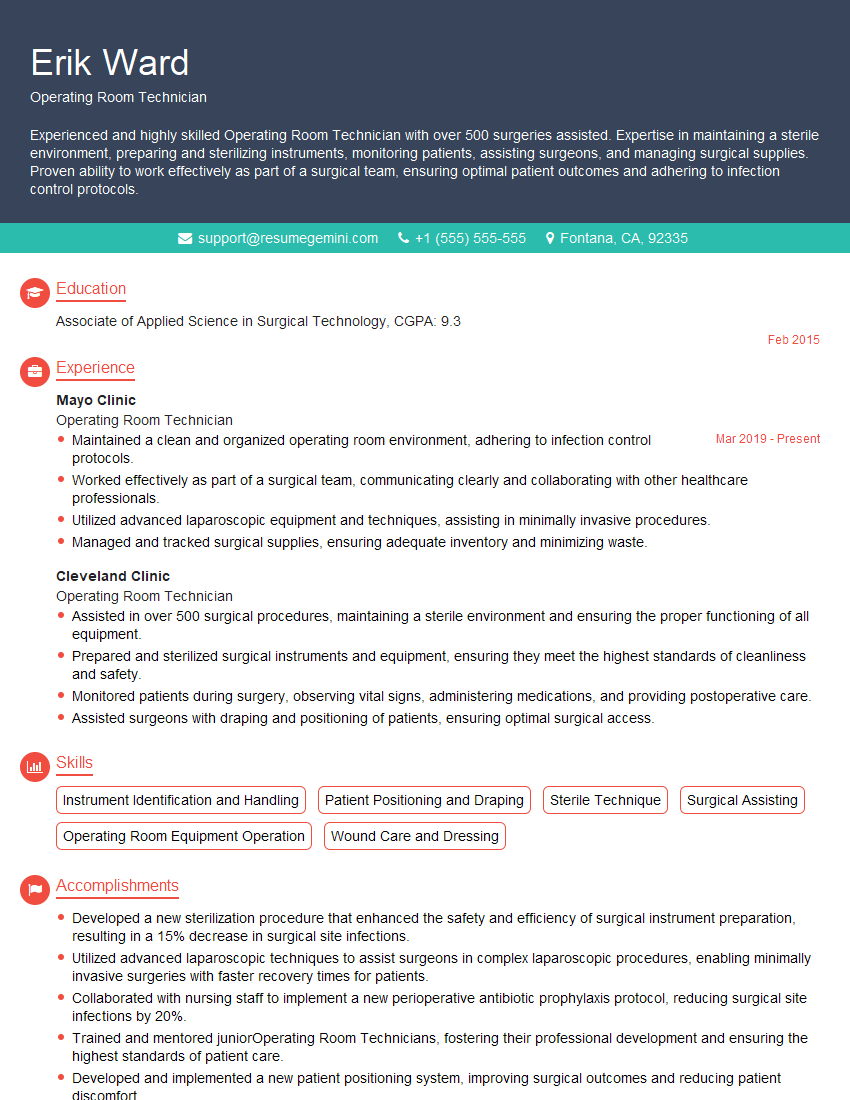
Operating Room Technician Resume Sample
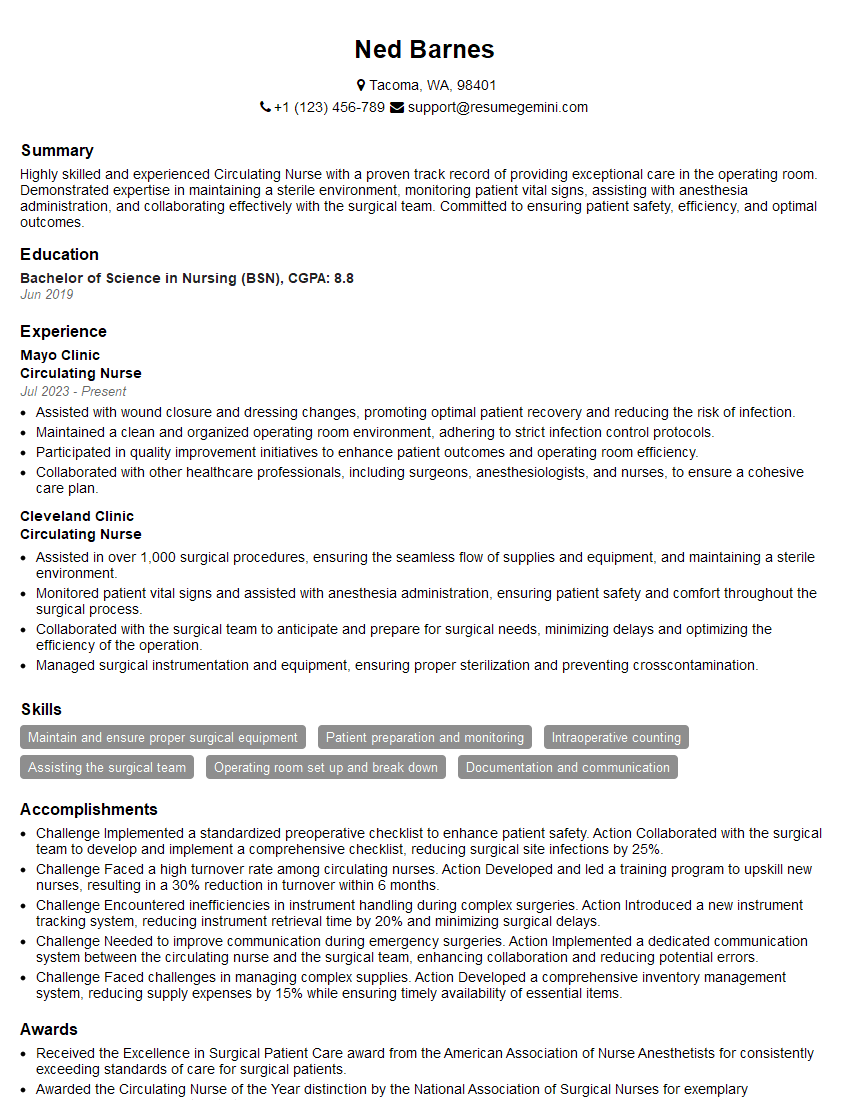
Circulating Nurse Resume Sample
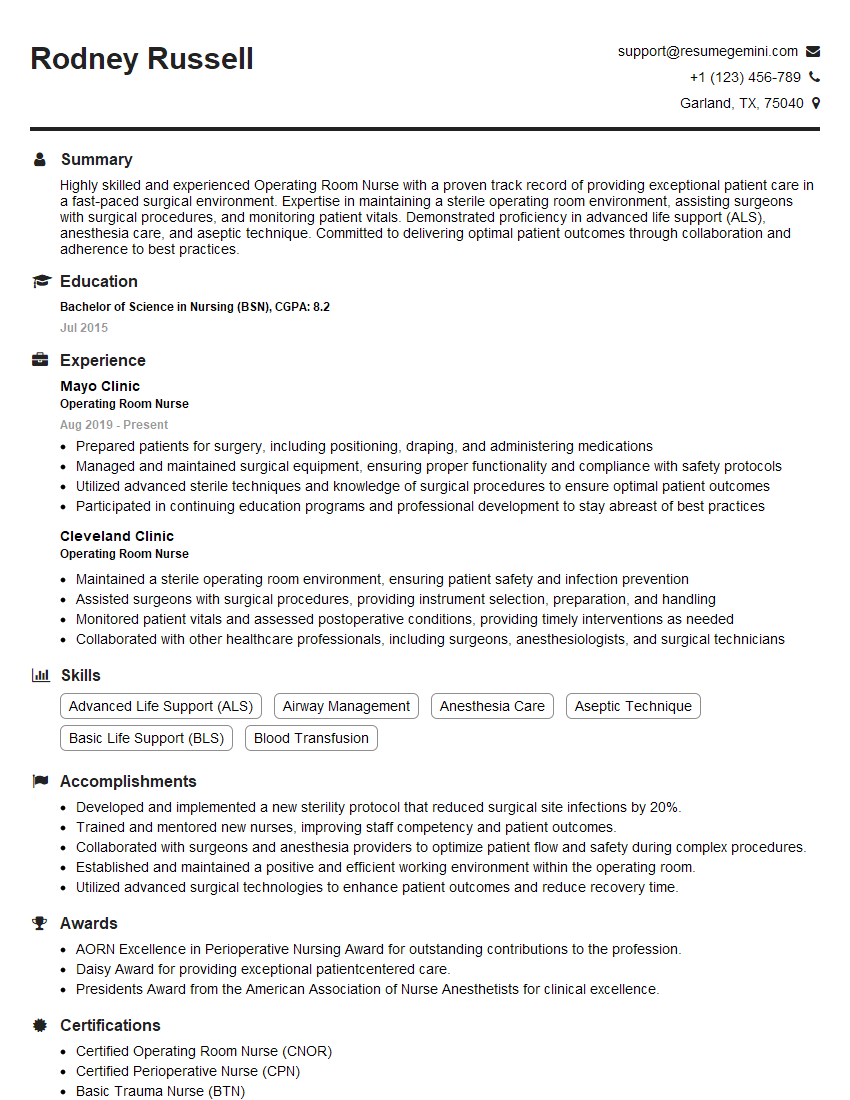
Operating Room Nurse Resume Sample
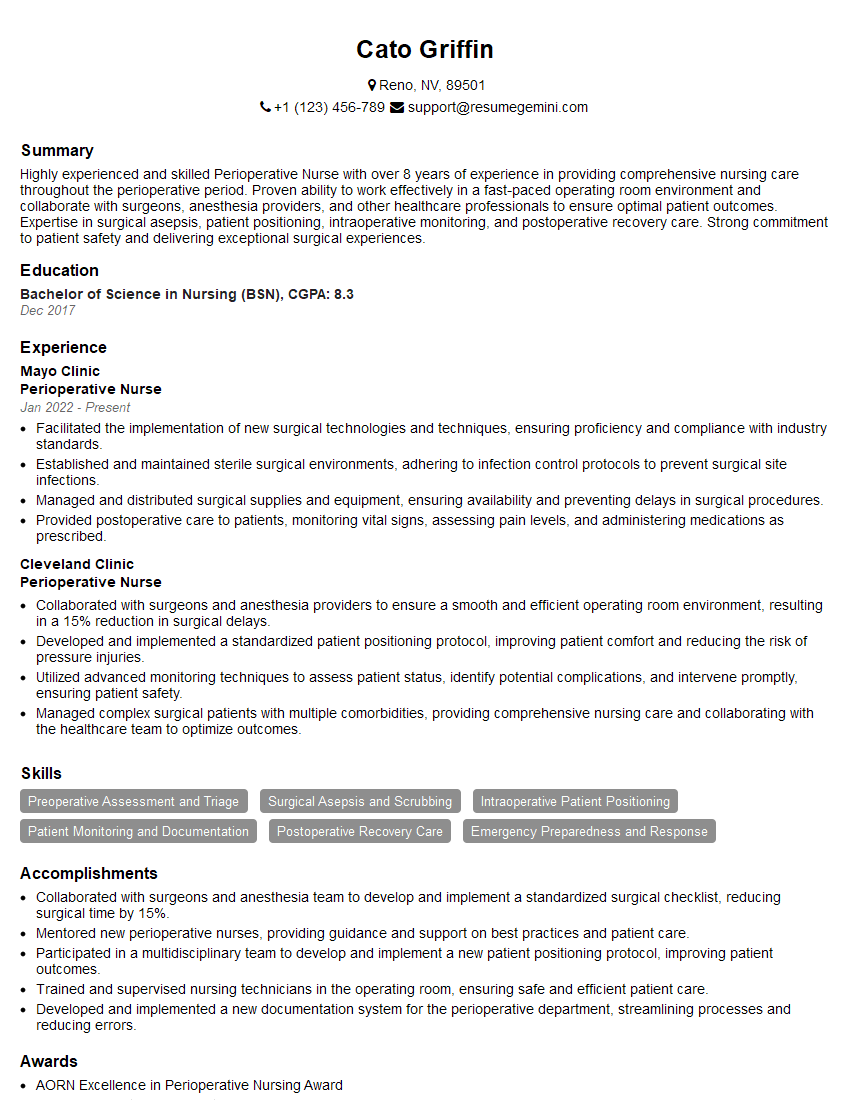
Perioperative Nurse Resume Sample
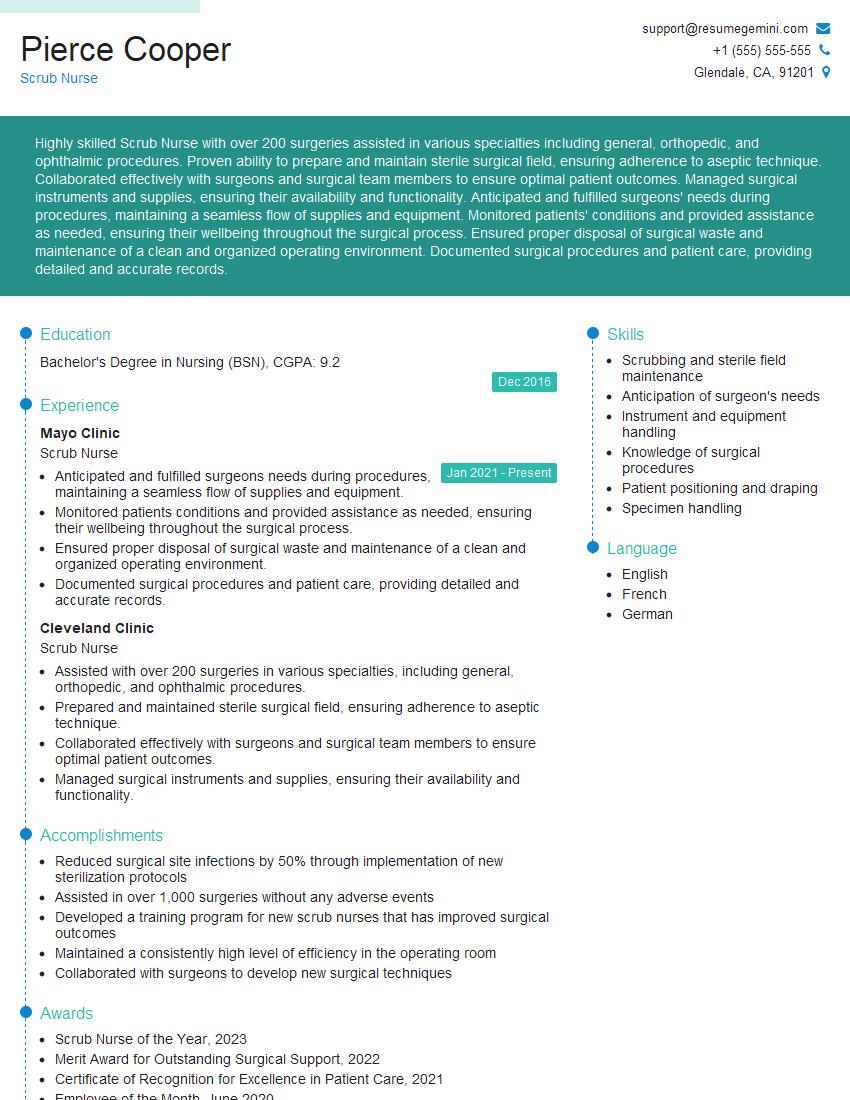
Scrub Nurse Resume Sample
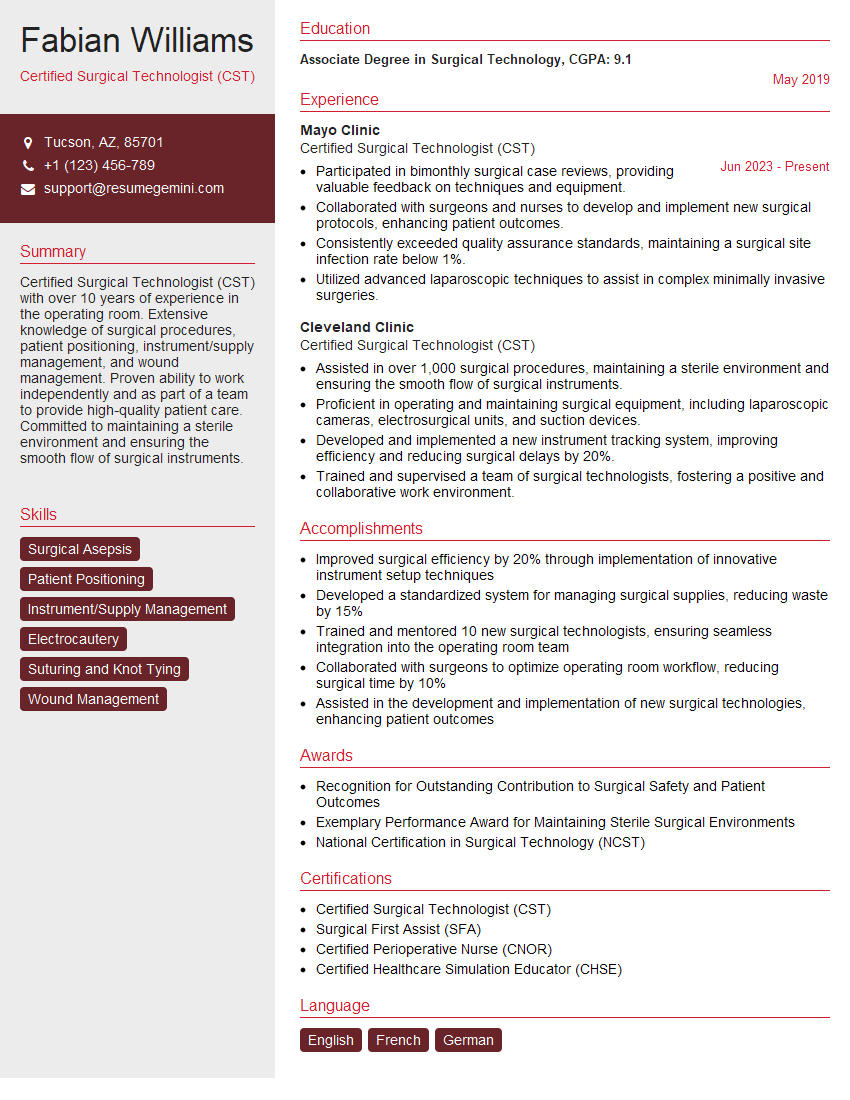
Certified Surgical Technologist (CST) Resume Sample
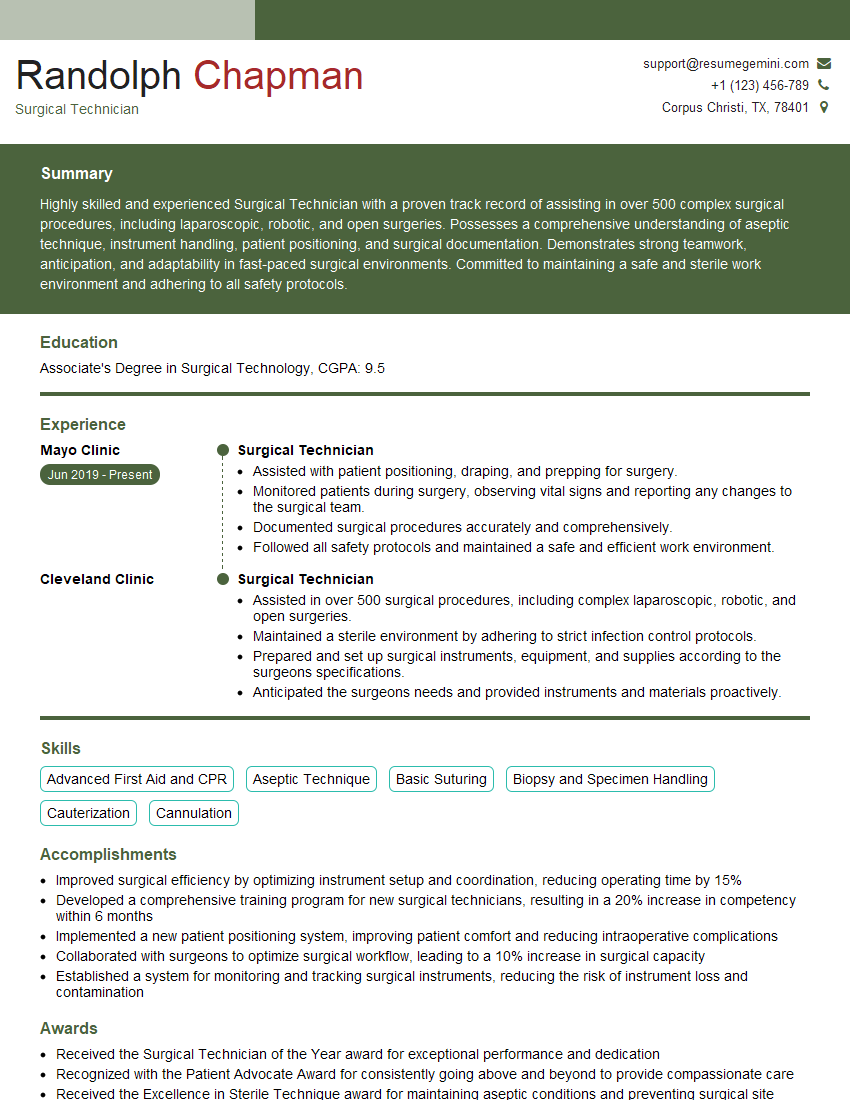
Surgical Technician Resume Sample

Certified Surgical Assistant (CSA) Resume Sample
First Assistant Resume Sample
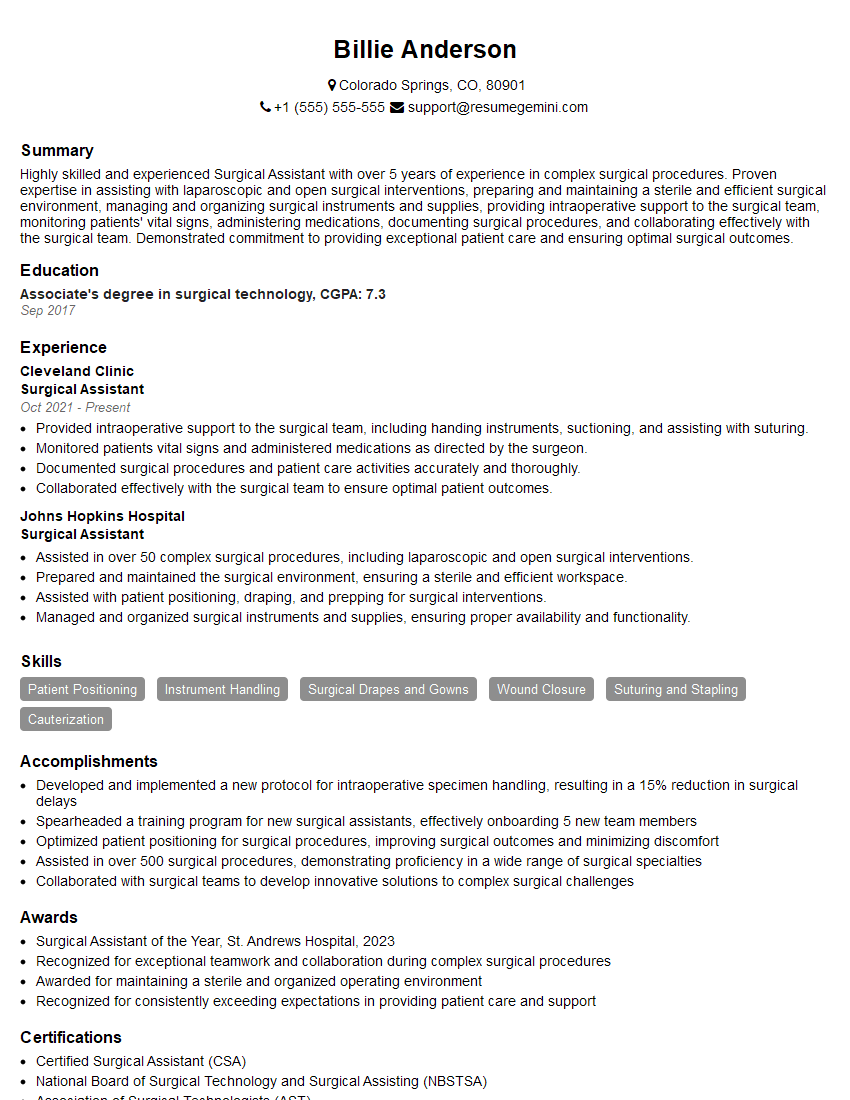
Surgical Assistant Resume Sample
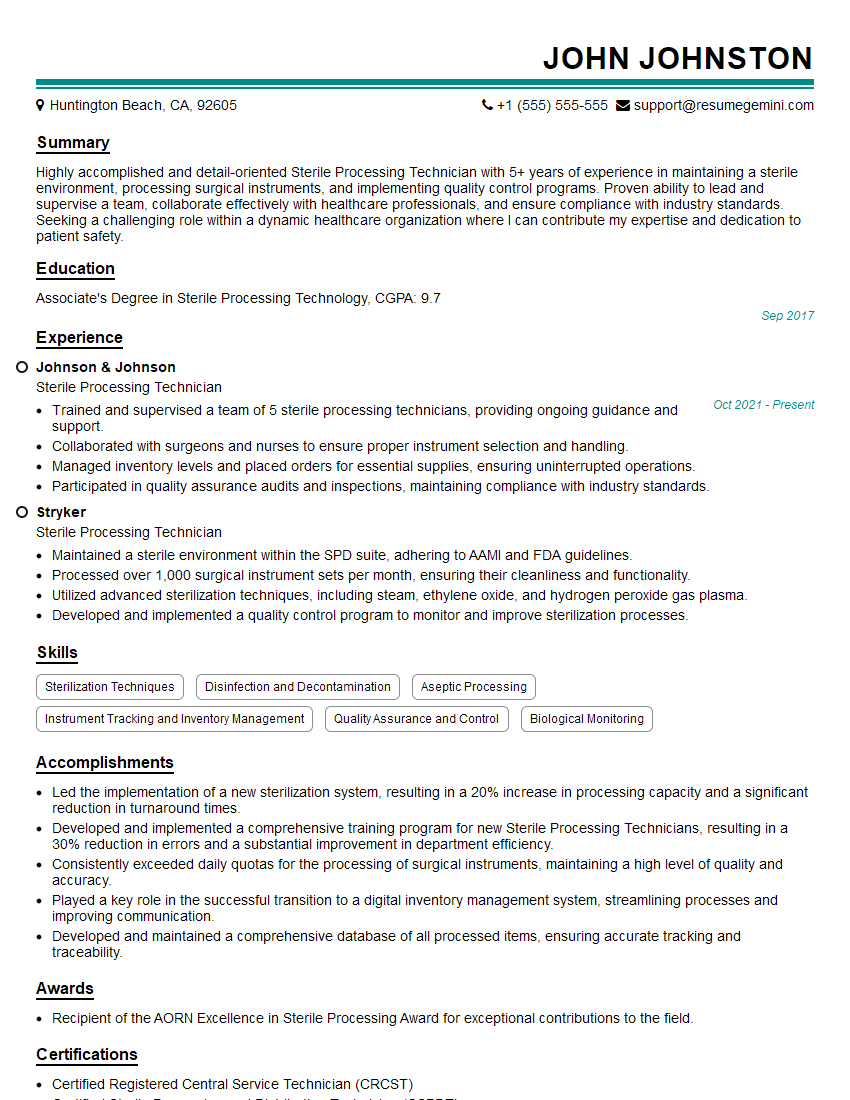
Sterile Processing Technician Resume Sample
Explore more articles
Users Rating of Our Blogs
Share Your Experience
We value your feedback! Please rate our content and share your thoughts (optional).
What Readers Say About Our Blog
Amazing blog
hello,
Our consultant firm based in the USA and our client are interested in your products.
Could you provide your company brochure and respond from your official email id (if different from the current in use), so i can send you the client’s requirement.
Payment before production.
I await your answer.
Regards,
MrSmith
hello,
Our consultant firm based in the USA and our client are interested in your products.
Could you provide your company brochure and respond from your official email id (if different from the current in use), so i can send you the client’s requirement.
Payment before production.
I await your answer.
Regards,
MrSmith
These apartments are so amazing, posting them online would break the algorithm.
https://bit.ly/Lovely2BedsApartmentHudsonYards
Reach out at BENSON@LONDONFOSTER.COM and let’s get started!
Take a look at this stunning 2-bedroom apartment perfectly situated NYC’s coveted Hudson Yards!
https://bit.ly/Lovely2BedsApartmentHudsonYards
Live Rent Free!
https://bit.ly/LiveRentFREE
Interesting Article, I liked the depth of knowledge you’ve shared.
Helpful, thanks for sharing.
Hi, I represent a social media marketing agency and liked your blog
Hi, I represent an SEO company that specialises in getting you AI citations and higher rankings on Google. I’d like to offer you a 100% free SEO audit for your website. Would you be interested?