The right preparation can turn an interview into an opportunity to showcase your expertise. This guide to Survey Fieldwork Best Practices interview questions is your ultimate resource, providing key insights and tips to help you ace your responses and stand out as a top candidate.
Questions Asked in Survey Fieldwork Best Practices Interview
Q 1. Explain the importance of proper sampling techniques in survey fieldwork.
Proper sampling techniques are the bedrock of any successful survey. They determine the representativeness of your findings and, ultimately, the validity of your conclusions. Imagine trying to understand the average height of adults by only measuring basketball players – your results would be wildly skewed! That’s why choosing the right sampling method is crucial.
There are various techniques, each with its own strengths and weaknesses. Probability sampling, where every member of the population has a known chance of being selected, is ideal for generalizability. This includes:
- Simple Random Sampling: Every member has an equal chance (like drawing names from a hat).
- Stratified Random Sampling: The population is divided into subgroups (strata), and a random sample is taken from each (e.g., surveying equal proportions of men and women).
- Cluster Sampling: The population is divided into clusters (e.g., geographical areas), and a random sample of clusters is selected, with all members within the selected clusters being surveyed.
Non-probability sampling, where the probability of selection isn’t known, is often used for convenience or when a complete sampling frame isn’t available. While quicker and cheaper, it limits generalizability. Examples include convenience sampling (surveying whoever is readily available) and snowball sampling (referrals from existing participants).
The choice of sampling method depends heavily on the research question, budget, and time constraints. For instance, a national survey requiring high accuracy would demand a probability sampling method like stratified random sampling, while a pilot study might use a smaller, convenience sample.
Q 2. Describe your experience with different data collection methods (e.g., online, phone, in-person).
My experience spans across various data collection methods. I’ve extensively used online surveys (using platforms like SurveyMonkey and Qualtrics), phone surveys (both CATI – Computer Assisted Telephone Interviewing and traditional methods), and in-person interviews. Each method presents unique advantages and challenges.
Online surveys offer cost-effectiveness, scalability, and easy data management. However, they can be prone to sampling bias (only those with internet access can participate) and lack the richness of in-person interactions. I’ve effectively used online panels to target specific demographics.
Phone surveys allow for a wider reach than in-person interviews, while maintaining a personal touch. However, response rates can be lower, and the length of the survey needs to be carefully considered. Using CATI systems improved efficiency and data accuracy in my previous role.
In-person interviews offer the highest quality data, as they allow for detailed probing and observation of nonverbal cues. However, they are costly, time-consuming, and geographically limited. I successfully managed a large-scale in-person survey project by optimizing interviewer training and route planning.
The selection of the best method depends on factors like budget, target population, complexity of questions, and desired data depth.
Q 3. How do you ensure the quality and accuracy of collected data?
Ensuring data quality and accuracy is paramount. My approach involves a multi-layered strategy starting before data collection even begins.
First, I meticulously design the survey instrument, ensuring questions are clear, unambiguous, and relevant. Pre-testing with a small sample helps identify and fix any issues. This pilot phase is crucial in refining the survey and avoids costly mistakes in the main data collection.
During data collection, rigorous quality control measures are implemented. This includes regular monitoring of interviewer performance, checking for inconsistencies in responses, and promptly addressing any identified issues. For example, we use double data entry for crucial variables to minimize manual entry errors.
After data collection, a thorough data cleaning process is essential. This involves identifying and handling missing data, outliers, and inconsistencies. I utilize statistical techniques and data visualization tools to identify potential errors and decide on appropriate handling methods (e.g., imputation for missing values).
Finally, data validation checks ensure the data aligns with expectations. This includes verifying the consistency of responses and cross-checking against existing data sources. This rigorous approach increases confidence in the accuracy and reliability of the final dataset.
Q 4. What are some common challenges in survey fieldwork, and how have you overcome them?
Survey fieldwork inevitably faces various challenges. Non-response bias, where the characteristics of non-respondents differ from respondents, is a common issue. Another challenge is interviewer error, such as leading questions or inaccurate recording of responses. Logistical difficulties like reaching remote areas or scheduling appointments can also arise.
To address non-response bias, I’ve employed strategies like multiple attempts to contact participants, offering incentives, and using weighting techniques to adjust for non-response. Interviewer error is minimized through comprehensive training, standardization of interview procedures, and regular supervision.
Logistical challenges are tackled through meticulous planning, including optimized routing for in-person surveys and the use of technology to improve contact rates (e.g., SMS reminders for online surveys). In one project involving a geographically dispersed population, I leveraged a combination of online surveys and phone interviews to overcome logistical barriers.
Flexibility and adaptability are crucial in fieldwork. Being prepared to adjust strategies based on challenges encountered is key to achieving the project’s goals.
Q 5. Explain your experience with data validation and cleaning processes.
Data validation and cleaning are critical steps ensuring data quality. My experience involves a systematic process using both automated and manual techniques.
Automated techniques include using statistical software (like SPSS or R) to identify outliers, inconsistencies, and missing values. For example, I use range checks to identify responses outside the acceptable range for a variable. Data cleaning scripts are also employed to automate tasks like standardizing data formats and replacing missing values using imputation methods.
Manual techniques involve visual inspection of the data to detect inconsistencies and errors that automated methods might miss. This often includes looking for patterns of improbable responses or illogical combinations of answers. For example, a respondent indicating they are unmarried but have children might require further investigation.
A well-documented data cleaning process is crucial for transparency and reproducibility. I maintain detailed logs of all cleaning steps, including the rationale behind each decision. This allows for easy review and replication of the cleaning process by others, ensuring the integrity of the final dataset.
Q 6. How do you handle non-response bias in your fieldwork?
Non-response bias, where non-respondents differ systematically from respondents, is a significant threat to survey validity. Ignoring it can lead to misleading conclusions.
My strategies for handling non-response bias involve several steps:
- Maximize Response Rates: This includes multiple attempts to contact participants, using various modes (phone, email, mail), offering incentives, and ensuring the survey is short and engaging.
- Weighting: If response patterns suggest non-response bias, weighting adjusts the data to represent the population more accurately. This is based on available information about non-respondents.
- Imputation: Carefully considered imputation techniques can fill in missing data but require caution to avoid introducing bias. Methods like multiple imputation offer better handling of uncertainty.
- Analysis of Non-response: Analyzing characteristics of non-respondents can provide insights into the potential biases and the limits of the findings. This information should be transparently reported.
The choice of method depends on the severity of non-response and the available information. A combination of strategies often provides the most robust solution.
Q 7. Describe your experience managing a field team.
Managing a field team requires strong leadership, organizational skills, and a commitment to quality. My experience involves a structured approach that balances efficiency and accuracy.
First, I carefully select and train interviewers. This includes thorough training on survey procedures, data collection techniques, and ethical considerations. Clear communication channels are established, ensuring interviewers feel supported and can readily address concerns.
Regular monitoring and supervision are crucial. This can involve reviewing completed questionnaires, conducting random quality checks, and providing feedback to improve performance. I use project management software to track progress, identify potential issues, and ensure timely completion of fieldwork. The use of technology (e.g., tablets for data collection) improves efficiency and minimizes errors.
Open communication and teamwork are essential. Regular meetings provide opportunities for feedback, problem-solving, and sharing best practices. Maintaining a positive and supportive work environment boosts morale and enhances productivity. I’ve found that clear expectations, consistent feedback, and opportunities for professional growth contribute significantly to a high-performing field team.
Q 8. How do you ensure the ethical conduct of fieldwork activities?
Ethical conduct in fieldwork is paramount. It ensures the integrity of our research and protects the rights of respondents. My approach is guided by several key principles:
- Informed Consent: Before engaging any respondent, I clearly explain the survey’s purpose, duration, data usage, and their right to withdraw at any time. This includes obtaining explicit consent, either verbally or in writing, depending on the project’s requirements and ethical review board guidelines.
- Confidentiality and Anonymity: I guarantee the confidentiality of all collected data. Where possible, I anonymize data during the cleaning and analysis phases. Respondents are reassured their individual responses cannot be linked back to them.
- Data Security: I employ secure data storage and transmission methods to prevent unauthorized access or breaches. This includes password-protected files, encrypted data transfer, and adherence to relevant data protection regulations.
- Transparency and Honesty: I am upfront about my affiliation and the research objectives. I never misrepresent the survey’s purpose to incentivize participation.
- Respectful Interactions: I treat every respondent with respect, courtesy, and patience, regardless of their responses. I am mindful of cultural sensitivities and adapt my approach accordingly.
- Avoiding coercion or undue influence: I ensure respondents feel free to answer honestly without pressure or incentives that could compromise their responses. This includes avoiding overly lengthy surveys or aggressive recruitment tactics.
For example, in a recent study on sensitive health topics, I developed a detailed informed consent form that clearly explained the anonymous nature of the data collection and the purpose of the research. I also made sure to conduct the interviews in private settings to maintain respondent confidentiality.
Q 9. What software or tools are you proficient in for managing survey fieldwork?
My proficiency in survey fieldwork management software spans several key tools. I’m highly experienced with:
- SurveyMonkey: For designing and distributing online surveys, managing responses, and generating reports.
- Qualtrics: Similar to SurveyMonkey, but with more advanced features for branching logic, complex question types, and more robust data analysis capabilities.
- Epi Info: A powerful and versatile tool for epidemiological data collection and analysis, especially useful for large-scale surveys and complex data structures.
- CSPro: Specifically designed for complex survey data management, including data entry, validation, and quality control. This is ideal for handling large datasets with complex sampling designs.
- GIS software (e.g., ArcGIS, QGIS): For geographically mapping respondents, optimizing routes for fieldwork, and visualizing spatial patterns in data.
- Spreadsheet Software (Excel, Google Sheets): For data cleaning, initial analysis, and report generation, before importing into more advanced statistical packages.
Furthermore, I utilize project management tools like Asana or Trello to coordinate fieldwork teams, track progress, and manage schedules. This ensures efficient and timely completion of fieldwork projects.
Q 10. How do you deal with difficult or unresponsive respondents?
Dealing with unresponsive or difficult respondents requires a combination of tact, empathy, and persistence. My approach involves:
- Multiple Contact Attempts: I try reaching respondents through various methods (phone, email, text) at different times, respecting their preferences.
- Understanding Obstacles: I try to identify any potential barriers to participation (language, accessibility, scheduling conflicts). I may offer alternative ways to complete the survey (e.g., shorter interview, different format).
- Empathetic Communication: I address concerns with patience and respect, clearly explaining the importance of their participation and reiterating the confidentiality of their responses.
- Offering Incentives (Ethically): While maintaining ethical guidelines, I might offer a small incentive, such as a gift card, to encourage participation. This should be disclosed upfront.
- Respecting Refusals: I always respect the respondent’s decision to refuse participation and never pressure them.
- Documentation: I meticulously document all contact attempts and outcomes, including reasons for non-participation.
For instance, if a respondent repeatedly refuses to answer a specific question, I might politely rephrase it or offer an alternative, ensuring I don’t compromise the integrity of the survey’s data.
Q 11. Explain your understanding of stratified sampling.
Stratified sampling is a probability sampling technique where the population is divided into subgroups (strata) based on shared characteristics. Each stratum is then sampled independently, ensuring representation from all subgroups.
This is crucial for gaining a more accurate representation of the population, particularly when certain subgroups might be underrepresented in a simple random sample. The strata are usually chosen based on relevant variables, such as age, gender, income, location, etc.
Example: If conducting a survey on voter preferences, we might stratify the sample by age group (18-25, 26-40, 41-65, 65+), ensuring adequate representation from each age cohort. This helps avoid skewed results that might arise if we only sampled from one age group disproportionately.
The advantage of stratified sampling is the enhanced precision and reduced sampling error compared to simple random sampling. It allows for more accurate generalizations about the entire population.
Q 12. What are your experiences with quota sampling?
Quota sampling is a non-probability sampling technique where researchers select a sample that reflects the proportions of different characteristics in the population. For example, if 60% of the population is female and 40% is male, the sample would aim to maintain that same 60/40 split.
My experience with quota sampling includes its application in several market research projects. We often used quota sampling to ensure our sample mirrored the demographic characteristics of the target market. For example, when surveying consumer preferences for a new product, we might set quotas for age, gender, income, and geographic location to ensure our findings are representative of the relevant consumer base.
While quota sampling provides a more representative sample than simple convenience sampling, it’s crucial to acknowledge that it is not a probability sampling method. Therefore, statistical inferences about the whole population cannot be made with the same level of confidence as with probability methods. The selection within each quota may also introduce bias, especially if not carefully managed.
Q 13. Describe your experience using GPS technology for fieldwork.
GPS technology is invaluable in fieldwork, especially for surveys requiring precise geographic location data. My experience encompasses using GPS devices and smartphone GPS capabilities for:
- Respondent Location Tracking: Recording the exact location of interviews or surveys, particularly beneficial for spatial analysis and mapping patterns in responses.
- Route Optimization: Planning efficient routes to reach multiple respondents in a given area, minimizing travel time and cost.
- Data Validation: Verifying the accuracy of reported locations by respondents.
- Mapping Survey Coverage: Visualizing the geographic distribution of completed surveys to identify gaps in coverage or areas with high response rates.
In one project investigating community attitudes towards a new infrastructure development, we used GPS to accurately track the location of each respondent’s household. This allowed us to map responses spatially and identify correlations between geographic location and survey responses, providing crucial context for decision-making.
Accuracy is crucial when using GPS. I ensure I use high-quality GPS devices or applications with reliable location services, accounting for potential inaccuracies due to signal interference or atmospheric conditions.
Q 14. How familiar are you with different types of survey questionnaires?
My familiarity with different types of survey questionnaires is extensive. I’m proficient in designing and administering:
- Structured Questionnaires: These use predetermined, closed-ended questions with fixed response options. This allows for easy data analysis and comparison but can limit the richness of the responses.
- Unstructured Questionnaires: Employ open-ended questions, allowing respondents to answer in their own words. This provides rich qualitative data, but analysis is more complex and time-consuming.
- Semi-structured Questionnaires: Combine elements of both structured and unstructured questionnaires, using a combination of open-ended and closed-ended questions. This provides a balance between data richness and ease of analysis.
- Likert Scale Questionnaires: Use a rating scale (e.g., strongly agree to strongly disagree) to measure attitudes or opinions. They are easy to analyze quantitatively.
- Dichotomous Questionnaires: Offer only two response options (e.g., yes/no, true/false).
- Ranking Questionnaires: Ask respondents to rank items in order of preference or importance.
The choice of questionnaire type depends heavily on the research objectives and the type of data needed. For example, a large-scale quantitative study might use a structured questionnaire with Likert scales, while a qualitative study exploring a complex social phenomenon might utilize a semi-structured or unstructured approach. I always prioritize selecting the most appropriate questionnaire format to address the specific research questions accurately and efficiently.
Q 15. How do you ensure respondent confidentiality?
Respondent confidentiality is paramount in survey fieldwork. It’s about protecting the privacy of individuals who participate in our research. We achieve this through several key strategies.
- Anonymization: We often design surveys to collect data without identifying information. For example, instead of asking for names, we might use unique identification numbers assigned randomly.
- Data Encryption: All collected data is encrypted both during transmission and storage. This prevents unauthorized access even if a breach were to occur. Think of it like using a secret code to protect sensitive information.
- Data Access Control: Access to raw data is strictly limited to authorized personnel only, and only those with a legitimate need-to-know. We use robust access control systems and regularly audit access logs.
- Informed Consent: Before participation, respondents are fully informed about the purpose of the survey, how their data will be used, and their right to withdraw at any time. We use clear and concise language to ensure understanding.
- Data Anonymization/Aggregation: For reporting, we aggregate data to present trends and patterns without revealing individual responses. Individual responses are never shared in reports.
Imagine conducting a survey on sensitive health topics – anonymity and data security are crucial to encourage honest participation and to prevent potential harm to respondents.
Career Expert Tips:
- Ace those interviews! Prepare effectively by reviewing the Top 50 Most Common Interview Questions on ResumeGemini.
- Navigate your job search with confidence! Explore a wide range of Career Tips on ResumeGemini. Learn about common challenges and recommendations to overcome them.
- Craft the perfect resume! Master the Art of Resume Writing with ResumeGemini’s guide. Showcase your unique qualifications and achievements effectively.
- Don’t miss out on holiday savings! Build your dream resume with ResumeGemini’s ATS optimized templates.
Q 16. How do you track and monitor fieldwork progress?
Tracking and monitoring fieldwork progress requires a robust system. We rely on a combination of technology and human oversight.
- Fieldwork Management Software: We utilize specialized software that allows us to track interviewer assignments, completed surveys, response rates, and geographical coverage in real-time. This provides a clear overview of the project’s progress.
- Regular Check-ins: We have scheduled check-ins with our field teams. These provide opportunities to discuss progress, address challenges, and provide support. This also helps to maintain team morale.
- Data Dashboards: We use dashboards that visualize key metrics, such as daily completion rates, response rates by region, and potential problem areas. This helps to identify bottlenecks or issues quickly.
- Progress Reports: We generate regular progress reports detailing the status of each aspect of the fieldwork, including any challenges encountered and the steps taken to mitigate them. This allows for continuous improvement and adaptive management.
For instance, if a specific area is lagging behind in completion rates, we can quickly identify the cause – whether it’s a lack of interviewers, logistical issues, or a problem with the questionnaire. This allows for proactive intervention.
Q 17. What are your experience managing field budgets?
Managing field budgets requires careful planning and execution. I’ve experience managing budgets ranging from small-scale local projects to large-scale national surveys.
- Detailed Budgeting: We create a detailed budget that includes all anticipated expenses: interviewer fees, travel costs, data entry, data processing, materials (questionnaires, incentives), software licensing, and contingency funds.
- Cost-Effective Strategies: I am adept at identifying and implementing cost-effective strategies, such as leveraging technology to reduce travel costs or utilizing online survey platforms when feasible.
- Monitoring and Control: Throughout the project, I monitor expenses closely, comparing actual costs against the budget. This allows for prompt adjustments if needed to remain on track.
- Transparent Reporting: I provide regular and transparent budget reports to stakeholders, highlighting variances and explaining any necessary changes.
For example, in one project, by using online survey tools instead of solely relying on in-person interviews, we were able to reduce travel costs by approximately 30%, thereby staying well within budget.
Q 18. Describe a situation where you had to adapt your fieldwork plan due to unforeseen circumstances.
During a large-scale consumer survey, we encountered unforeseen circumstances when a major hurricane struck the region where a significant portion of our fieldwork was planned. Our original plan was disrupted significantly, impacting both our field team’s safety and our ability to reach respondents.
We immediately adapted our plan by:
- Prioritizing safety: We suspended fieldwork in the affected areas, ensuring our team’s safety and well-being.
- Alternative data collection methods: We shifted to alternative data collection methods in affected regions, such as using telephone interviews or online surveys where possible, to still reach our target demographic.
- Rephasing the timeline: We adjusted the project timeline, extending it to account for the delay caused by the hurricane.
- Communication: We maintained open communication with stakeholders about the changes, keeping them informed of our progress and updated timelines.
This experience highlighted the importance of flexibility and adaptability in fieldwork planning. Having a contingency plan for unforeseen events is crucial to mitigate potential disruptions.
Q 19. How do you maintain the safety and security of field staff?
The safety and security of field staff are non-negotiable. We have comprehensive measures in place to ensure their well-being.
- Safety Training: All field staff receive comprehensive safety training before commencing fieldwork. This includes training on personal safety, emergency procedures, and ethical conduct.
- Risk Assessment: We conduct thorough risk assessments of all fieldwork locations to identify and mitigate potential hazards. This may involve consulting local authorities or security personnel.
- Communication Protocols: We establish clear communication protocols, requiring regular check-ins from field staff. If communication ceases, we have established emergency procedures to locate them.
- Appropriate Equipment: We provide field staff with appropriate equipment, including reliable transportation, communication devices, and personal protective equipment as needed.
- Emergency Support: We have established emergency contact information and clear procedures for dealing with emergencies or incidents.
For instance, in regions with known security risks, we might provide field staff with GPS trackers and establish regular check-in procedures with local security teams.
Q 20. How do you ensure the compliance of fieldwork activities with relevant regulations?
Compliance with relevant regulations is a fundamental aspect of our fieldwork. We adhere strictly to all applicable laws, ethical guidelines, and industry best practices.
- Data Protection Regulations (GDPR, CCPA etc.): We ensure complete compliance with data protection regulations like GDPR and CCPA, emphasizing data minimization, transparency, and secure data handling.
- Ethical Guidelines: Our fieldwork activities always adhere to the highest ethical standards, including informed consent, respondent confidentiality, and data integrity.
- Internal Reviews: We have established robust internal review processes to ensure that our fieldwork practices remain compliant with all relevant regulations.
- External Audits: We are open to external audits to verify our compliance.
- Documentation: We maintain detailed documentation of our fieldwork procedures, ensuring a clear audit trail.
Understanding and complying with regulations is crucial for maintaining the integrity of our research and avoiding potential legal or ethical issues. This builds trust with respondents and stakeholders.
Q 21. How proficient are you in data entry and data management?
I am highly proficient in data entry and data management. My experience includes using various data entry methods, including manual entry, optical character recognition (OCR) software, and direct data import from electronic devices.
- Data Cleaning and Validation: I am skilled in data cleaning and validation techniques, ensuring data accuracy and consistency before analysis. This includes identifying and correcting errors and inconsistencies.
- Data Management Software: I am proficient in using various data management software, such as SPSS, R, Stata, and Excel, to organize, analyze, and report findings.
- Data Visualization: I can create clear and informative data visualizations, such as charts and graphs, to effectively communicate survey results.
- Database Management: I have experience managing databases and ensuring data integrity through proper indexing, data normalization and security measures.
For example, in a recent project involving a large dataset, I developed a customized data cleaning script using R that significantly reduced manual effort and improved data quality.
Q 22. Describe your experience with using CATI or CAPI systems.
I have extensive experience with both Computer-Assisted Telephone Interviewing (CATI) and Computer-Assisted Personal Interviewing (CAPI) systems. CATI involves conducting interviews over the phone using specialized software that guides the interviewer through the questionnaire, automatically recording responses and managing respondent selection. I’ve used systems like Voxco and Qualtrics for CATI projects, managing large-scale surveys with hundreds of interviewers. CAPI, on the other hand, utilizes handheld devices or laptops to administer questionnaires in person. My experience with CAPI includes using tablets loaded with custom-built survey apps, often incorporating multimedia elements like images or videos to enhance respondent engagement. In both CATI and CAPI, I’m proficient in data validation checks, ensuring data quality and consistency in real-time. For instance, in a CATI project assessing consumer preferences for a new product, I implemented range checks to ensure that responses on price sensitivity fell within realistic bounds. In a CAPI project studying local community issues, I utilized skip logic to streamline the interview based on respondent answers, improving efficiency and reducing respondent burden.
Q 23. How do you handle incomplete or inconsistent data?
Handling incomplete or inconsistent data is crucial for maintaining data integrity. My approach is multifaceted. Firstly, I utilize data cleaning techniques during the fieldwork itself. This involves immediate follow-up with interviewers to clarify inconsistencies or missing information. For example, if an interviewer skips a crucial question, I’ll contact them for immediate clarification rather than waiting until data processing. Secondly, I employ data validation rules during data entry or import (for example, range checks, consistency checks, and plausibility checks). This automatically flags inconsistencies. For instance, if a respondent reports an age of 150, the system flags it as an error. Thirdly, after initial cleaning, I perform a detailed data review and analysis to identify patterns or trends in missing data. This helps pinpoint systemic issues, such as poorly designed questions or interviewer training gaps. For example, if many respondents leave a specific question blank, it suggests a problem with the question’s phrasing or clarity that needs addressing. I then use imputation techniques, where appropriate, to handle missing data while carefully considering the implications for bias. I always document the methods used to address incomplete or inconsistent data and highlight any potential limitations in the final report.
Q 24. How do you create and maintain positive relationships with respondents?
Building rapport with respondents is paramount for achieving high-quality data. I start by emphasizing the importance of their participation and clearly explaining the survey’s purpose and benefits. I always identify myself and the organization conducting the research. For example, in a community health survey, I clearly state my affiliation with the local health authority and emphasize the importance of their input in improving local services. During the interview, I use active listening techniques, showing genuine interest in their responses and confirming their understanding of the questions. I maintain a professional and respectful demeanor throughout the interaction. I also tailor my communication style to match the respondent, using simple, non-technical language and adapting to their pace. In addition, I ensure their privacy and confidentiality are respected, explaining how their data will be handled. Finally, I express my gratitude for their time and contribution at the end of each interview, leaving them with a positive impression of the research process.
Q 25. What are your strategies for recruiting and training field staff?
Recruiting and training field staff are critical steps. For recruitment, I use a combination of online job boards, university networks, and referrals. I prioritize candidates with prior experience in interviewing or customer service. The selection process includes reviewing applications, conducting interviews, and assessing their communication skills and attention to detail. Once selected, comprehensive training is essential. This includes training on the survey instrument, proper interviewing techniques, data entry procedures, and ethical considerations. Role-playing exercises allow them to practice handling various scenarios, such as dealing with reluctant respondents or answering difficult questions. I provide ongoing support and supervision throughout the fieldwork, offering regular feedback and addressing any concerns they might have. Consistent monitoring and quality control measures help maintain data quality and identify any training gaps. This might involve reviewing completed questionnaires, conducting call-backs to verify responses, or using mystery shoppers to assess interviewer performance.
Q 26. How familiar are you with different types of response rates and their implications?
I’m very familiar with different response rates and their implications. Response rate is the percentage of successfully completed surveys compared to the total number of attempted contacts. Different types of response rates exist. For example, the contact rate refers to the proportion of sampled individuals successfully contacted. A low contact rate might indicate problems with sampling or recruitment. The cooperation rate reflects the proportion of contacted individuals who agree to participate. Low cooperation might suggest issues with questionnaire design, interviewer skills, or respondent perceptions of the research. The completion rate indicates the percentage of those who started the survey who also completed it. A low completion rate could point to problems with questionnaire length, complexity, or respondent fatigue. Low response rates can significantly impact the generalizability of findings and increase the risk of non-response bias. Therefore, I always strive for high response rates by employing various strategies such as multiple contact attempts, using incentives, and carefully selecting sampling techniques. I meticulously document and analyze response rates in my final report, discussing any potential biases due to low response.
Q 27. Describe your experience in analyzing and interpreting fieldwork data.
Analyzing and interpreting fieldwork data involves several steps. First, I perform data cleaning and validation to address any inconsistencies or errors. Then, I use statistical software (such as SPSS or R) to analyze the data. This might involve descriptive statistics to summarize the data, inferential statistics to test hypotheses, and multivariate analysis techniques to explore complex relationships among variables. For example, I might use cross-tabulation to examine relationships between demographic variables and attitudes. I also employ data visualization techniques (charts and graphs) to present the findings clearly and concisely. Interpretation involves carefully assessing the findings in light of the study’s objectives and the context of the research. I am adept at identifying trends, patterns, and outliers and recognizing potential limitations of the data. For example, I carefully consider potential bias stemming from a low response rate or specific characteristics of the sample. This interpretation ensures the analysis aligns with the research questions and that conclusions are justifiable based on the available evidence.
Q 28. How do you present your fieldwork findings effectively?
Presenting fieldwork findings effectively involves clear and concise communication. I typically use a combination of methods, including written reports, presentations, and visualizations. The written report provides a detailed account of the methodology, findings, and interpretations, using tables and figures to present data effectively. The report includes a clear executive summary and is tailored to the audience. For instance, a report for a research team might use more technical language than a report for stakeholders. Presentations provide a concise overview of the key findings, focusing on the most impactful results and utilizing visuals to enhance audience engagement. I adapt the presentation style to suit the audience. For example, a presentation to a non-technical audience might focus more on visuals and less on statistical details. Data visualization (charts, graphs, maps) is crucial for presenting complex data in a user-friendly way, making findings accessible to a wider audience and allowing for better understanding of key insights. The overall aim is to communicate findings clearly, accurately, and engagingly, fostering understanding and action based on the research.
Key Topics to Learn for Survey Fieldwork Best Practices Interview
- Sampling Techniques: Understanding probability and non-probability sampling methods, their strengths and weaknesses, and choosing the appropriate method for different research objectives. Consider scenarios where you’d choose one over another.
- Questionnaire Design and Development: Mastering the art of crafting clear, unbiased, and effective survey questions. Explore question types (open-ended, multiple choice, Likert scales), avoiding leading questions and ensuring respondent comprehension. Practice designing a questionnaire for a specific research topic.
- Data Collection Methods: Familiarize yourself with various data collection methods like online surveys, telephone interviews, in-person interviews, and their respective advantages and disadvantages. Analyze the impact of each method on response rates and data quality.
- Interviewer Training and Supervision: Understand the importance of proper interviewer training to ensure consistent data collection and minimize interviewer bias. Consider strategies for effective supervision and quality control during fieldwork.
- Data Management and Cleaning: Learn about best practices for handling and cleaning collected data, including identifying and addressing missing data, outliers, and inconsistencies. This includes understanding data validation techniques.
- Ethical Considerations: Understand and apply ethical guidelines in survey fieldwork, including informed consent, respondent confidentiality, and data security. Consider potential ethical dilemmas and appropriate responses.
- Technological Proficiency: Demonstrate familiarity with survey software and data analysis tools. Be prepared to discuss your experience with relevant technologies used in survey fieldwork.
Next Steps
Mastering Survey Fieldwork Best Practices is crucial for career advancement in market research, data analysis, and related fields. A strong understanding of these principles demonstrates professionalism, attention to detail, and a commitment to data integrity – all highly valued by employers. To significantly boost your job prospects, create an ATS-friendly resume that highlights your skills and experience effectively. ResumeGemini is a trusted resource to help you build a professional and impactful resume tailored to the specific requirements of your target roles. Examples of resumes tailored to Survey Fieldwork Best Practices are available, providing valuable guidance and inspiration for crafting your own.
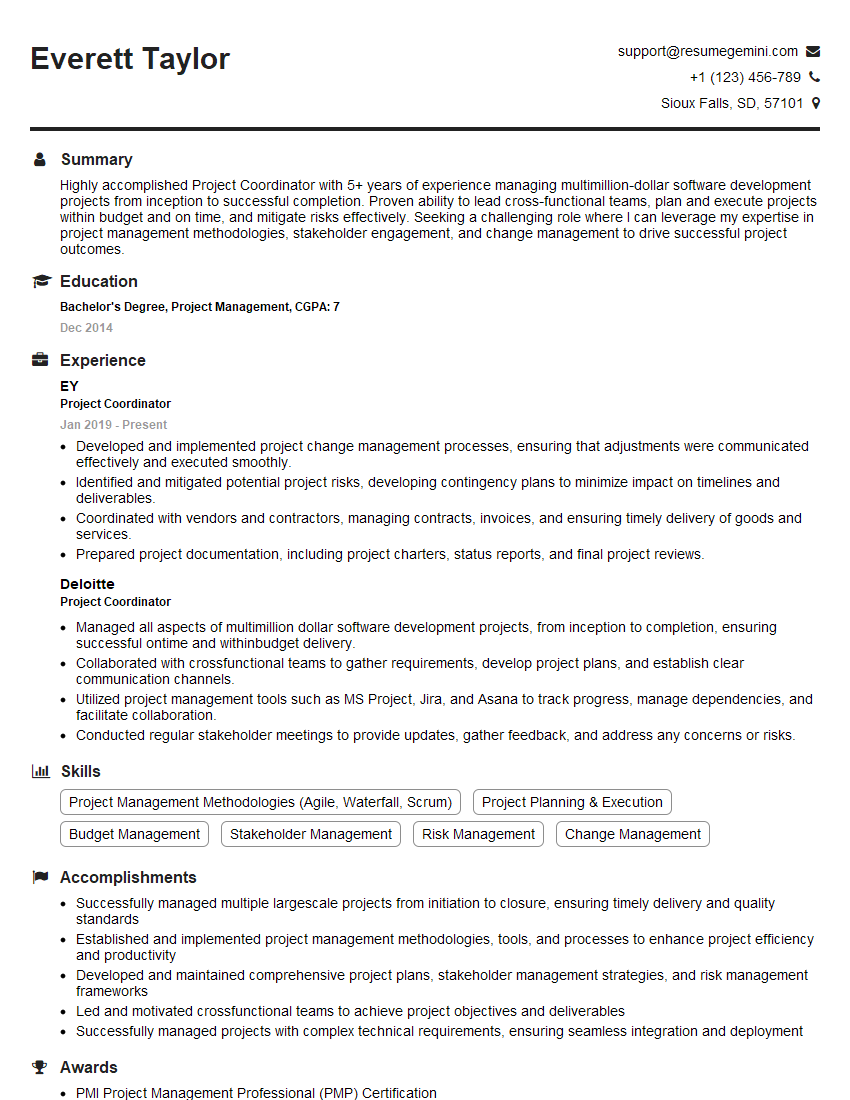
Project Coordinator Resume Sample

Research Associate Resume Sample
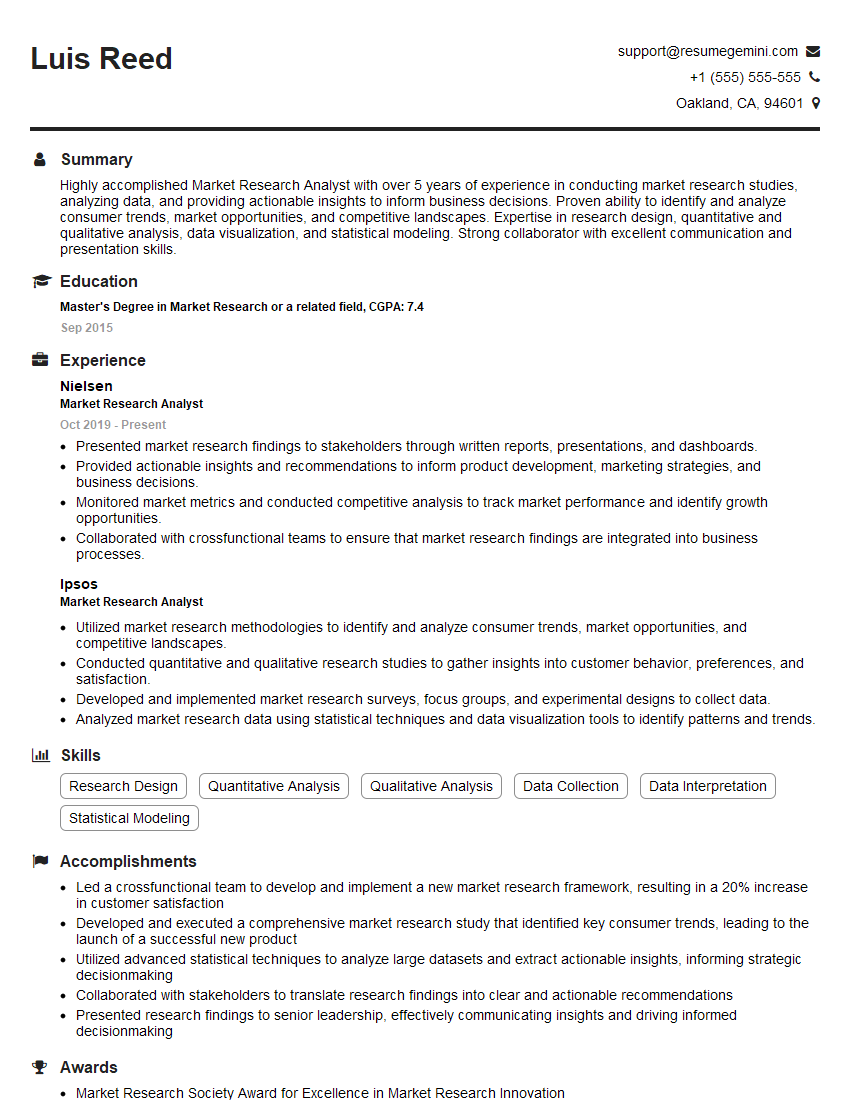
Market Research Analyst Resume Sample
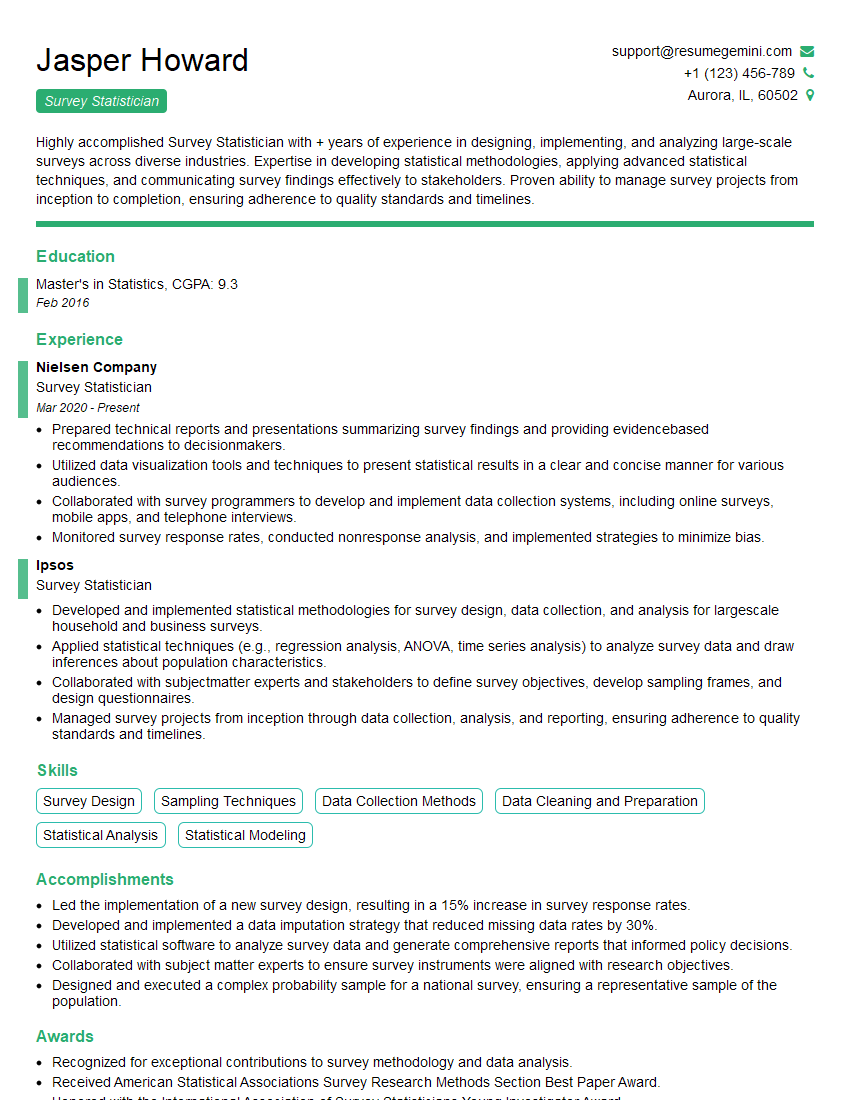
Survey Statistician Resume Sample
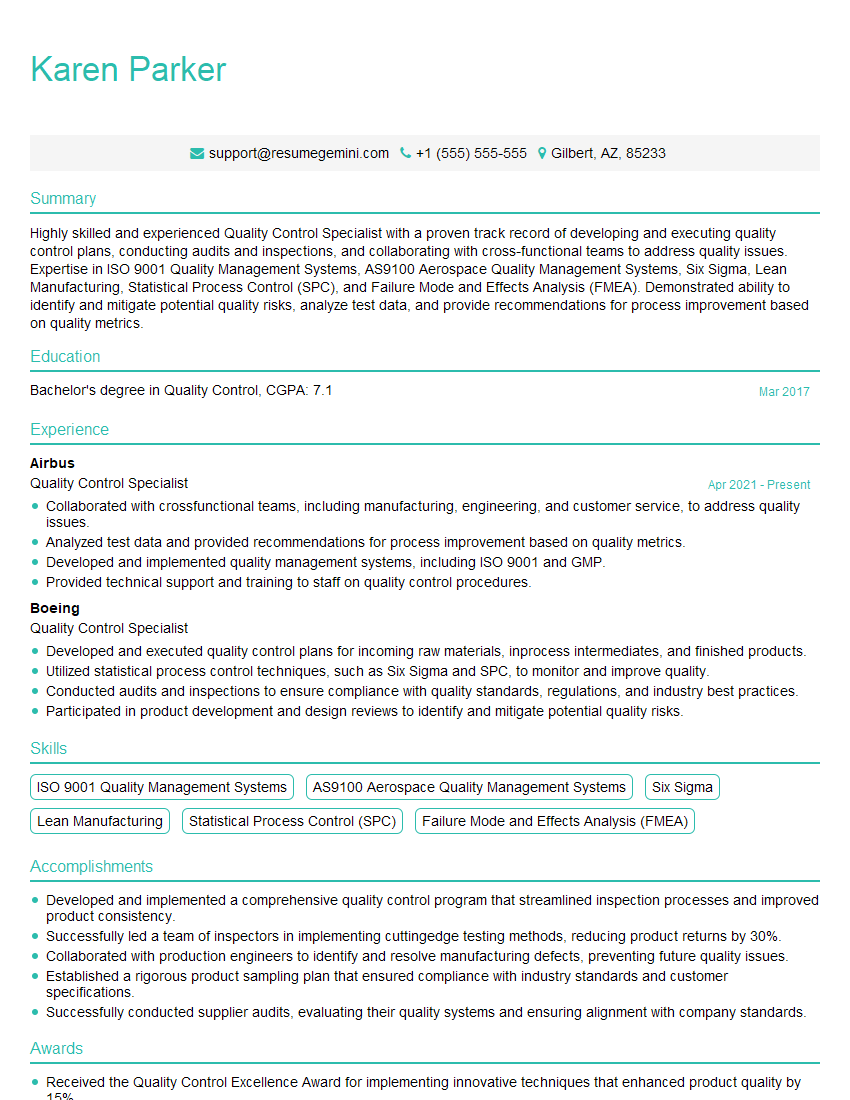
Quality Control Specialist Resume Sample
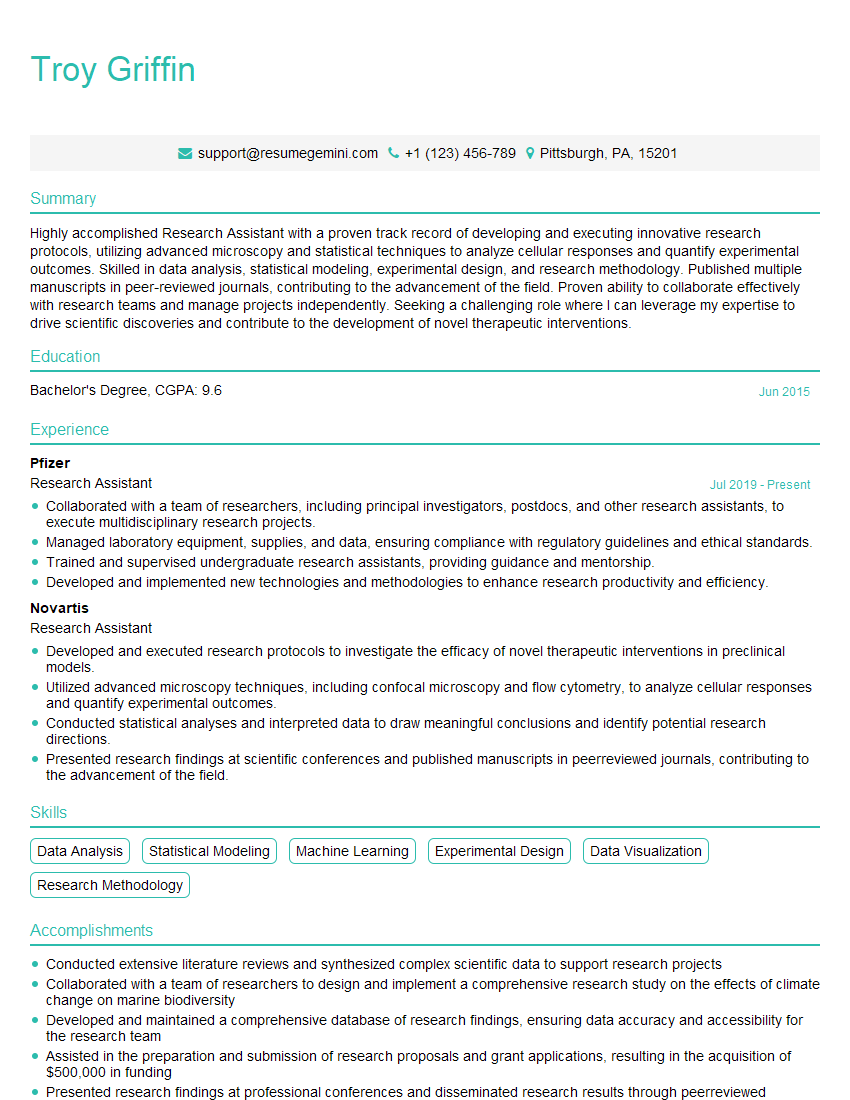
Research Assistant Resume Sample
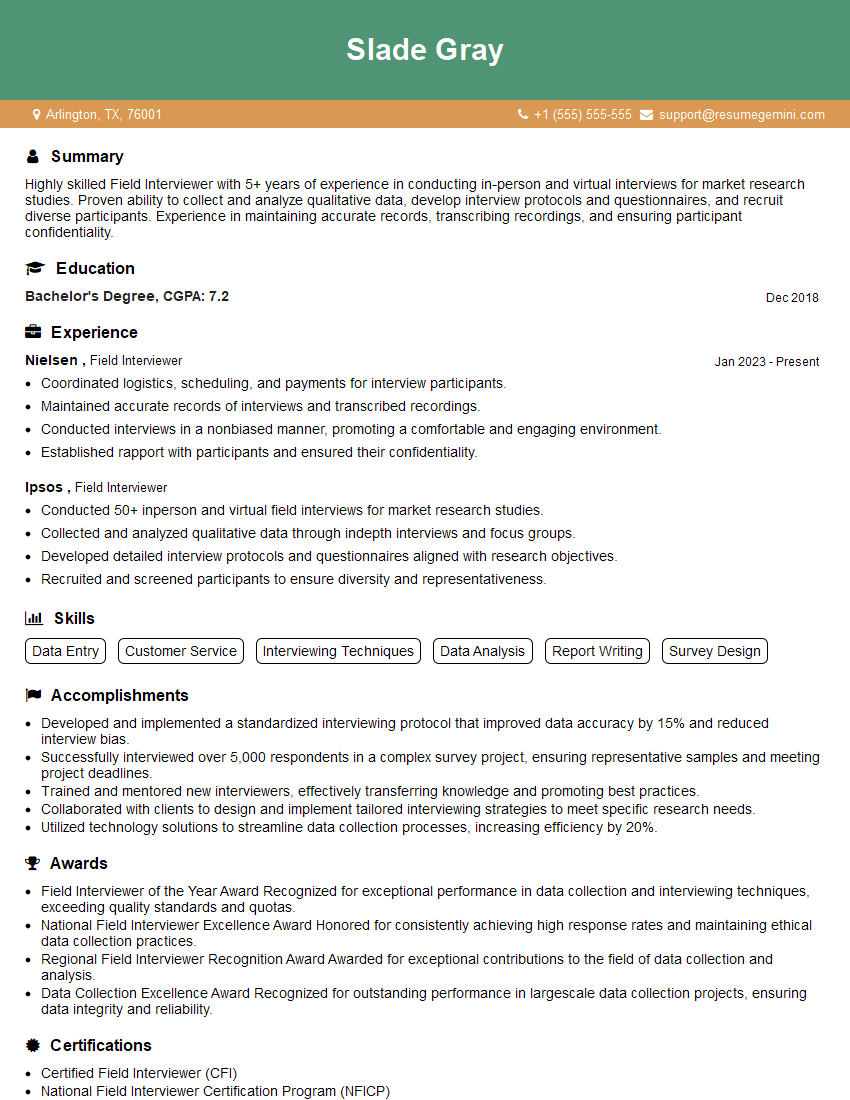
Field Interviewer Resume Sample
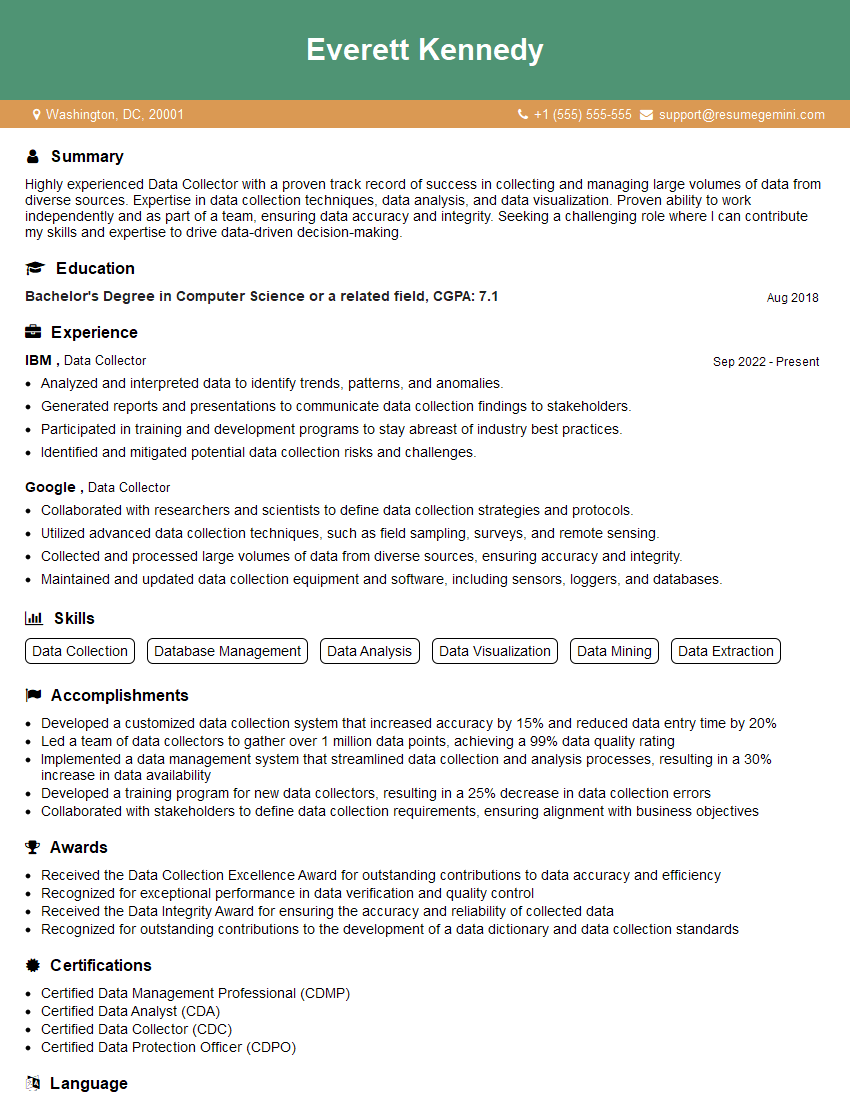
Data Collector Resume Sample
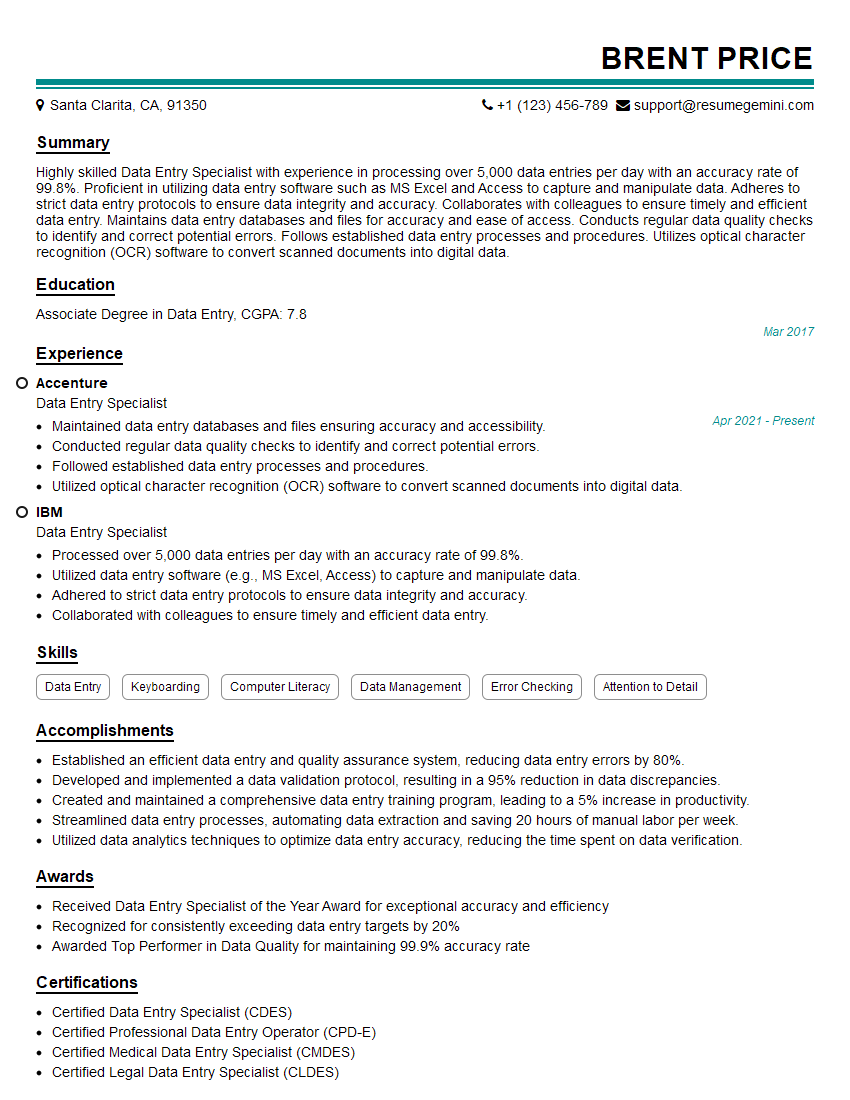
Data Entry Specialist Resume Sample
Explore more articles
Users Rating of Our Blogs
Share Your Experience
We value your feedback! Please rate our content and share your thoughts (optional).
What Readers Say About Our Blog
Amazing blog
hello,
Our consultant firm based in the USA and our client are interested in your products.
Could you provide your company brochure and respond from your official email id (if different from the current in use), so i can send you the client’s requirement.
Payment before production.
I await your answer.
Regards,
MrSmith
hello,
Our consultant firm based in the USA and our client are interested in your products.
Could you provide your company brochure and respond from your official email id (if different from the current in use), so i can send you the client’s requirement.
Payment before production.
I await your answer.
Regards,
MrSmith
These apartments are so amazing, posting them online would break the algorithm.
https://bit.ly/Lovely2BedsApartmentHudsonYards
Reach out at BENSON@LONDONFOSTER.COM and let’s get started!
Take a look at this stunning 2-bedroom apartment perfectly situated NYC’s coveted Hudson Yards!
https://bit.ly/Lovely2BedsApartmentHudsonYards
Live Rent Free!
https://bit.ly/LiveRentFREE
Interesting Article, I liked the depth of knowledge you’ve shared.
Helpful, thanks for sharing.
Hi, I represent a social media marketing agency and liked your blog
Hi, I represent an SEO company that specialises in getting you AI citations and higher rankings on Google. I’d like to offer you a 100% free SEO audit for your website. Would you be interested?