Interviews are opportunities to demonstrate your expertise, and this guide is here to help you shine. Explore the essential Trait Mapping and Identification interview questions that employers frequently ask, paired with strategies for crafting responses that set you apart from the competition.
Questions Asked in Trait Mapping and Identification Interview
Q 1. Explain the difference between trait mapping and trait identification.
Trait mapping and trait identification are closely related but distinct processes. Trait identification focuses on pinpointing specific personality traits relevant to a particular outcome, such as job performance or customer satisfaction. It involves identifying the key traits that differentiate high performers from low performers. Think of it as defining what traits matter. Trait mapping, on the other hand, goes further; it’s the process of measuring and modeling the relationship between those identified traits and the desired outcome. It’s about understanding how the identified traits influence the outcome and creating a predictive model. Imagine a map – trait identification defines the landmarks (traits), while trait mapping creates the map itself showing how to navigate from the traits to the outcome.
Q 2. Describe three common methods used for trait mapping.
Three common methods for trait mapping are:
- Factor Analysis: This statistical method helps uncover underlying latent traits from a larger set of observed variables (e.g., survey responses). For instance, we might find that responses related to teamwork, communication, and helpfulness all load highly on a single factor representing ‘collaborativeness.’
- Regression Analysis: This allows us to model the relationship between identified traits (independent variables) and an outcome (dependent variable, like job performance). We can determine the predictive power of each trait and build a model to predict future performance based on trait scores.
- Machine Learning Algorithms: Techniques like Random Forests or Support Vector Machines can be used to build more complex models that capture non-linear relationships between traits and outcomes. These methods excel in situations with large datasets and complex interactions between traits.
The choice of method depends on the nature of the data, the complexity of the relationships, and the desired level of model sophistication.
Q 3. What are the limitations of relying solely on self-reported trait data?
Relying solely on self-reported trait data has significant limitations. Individuals may:
- Exhibit social desirability bias: They might answer in a way they believe is socially acceptable, rather than truthfully reflecting their traits. For example, someone might overstate their conscientiousness.
- Lack self-awareness: They may not accurately perceive their own strengths and weaknesses. Someone might genuinely believe they are a strong leader, even if their behavior indicates otherwise.
- Respond inconsistently: Mood, fatigue, or the context of the survey could influence responses, leading to unreliable data.
Therefore, it’s crucial to triangulate self-reported data with other sources like peer ratings, observational data, or performance metrics to obtain a more comprehensive and accurate picture of an individual’s traits.
Q 4. How do you validate the accuracy of a trait mapping model?
Validating a trait mapping model involves several steps:
- Split-sample validation: Divide the dataset into training and testing sets. Build the model on the training set and evaluate its performance on the unseen testing set. This helps to assess the model’s generalizability.
- Cross-validation: Repeatedly split the data into different training and testing sets, building and evaluating the model multiple times. This reduces the risk of overfitting to a specific data split.
- External validation: Test the model on a completely independent dataset collected from a different source or at a different time. This demonstrates the model’s robustness across different contexts.
- Assessing predictive validity: Measure the model’s ability to accurately predict future outcomes, such as job performance or customer satisfaction. This assesses the practical usefulness of the model.
Strong validation results, showing consistency across different tests, build confidence in the accuracy and reliability of the trait mapping model.
Q 5. What are some ethical considerations in using trait mapping for hiring decisions?
Ethical considerations in using trait mapping for hiring decisions are paramount. We must avoid:
- Bias and discrimination: Models must be carefully examined for biases against protected groups. Even seemingly neutral traits can indirectly lead to discriminatory outcomes if the model is not appropriately designed and validated.
- Lack of transparency: Applicants should be informed about the use of trait mapping in the selection process and have the opportunity to understand how the data is used and interpreted.
- Overreliance on predictions: Trait mapping should supplement, not replace, human judgment and holistic assessment. Individual circumstances and unique skills must be considered.
- Privacy concerns: Data collection and use must comply with relevant privacy regulations. Informed consent is essential, and data security measures must be implemented.
Responsible use requires ongoing monitoring, auditing, and a commitment to fairness and transparency.
Q 6. Explain how you would handle missing data in a trait mapping dataset.
Handling missing data in a trait mapping dataset is crucial for maintaining data integrity. Several strategies can be employed:
- Deletion: Removing data points with missing values is straightforward but can lead to significant information loss, especially if the missing data is not random.
- Imputation: Replacing missing values with estimated values. Methods include mean/median imputation, k-nearest neighbors imputation, or more sophisticated techniques based on machine learning. The choice depends on the nature of the missing data and the characteristics of the dataset.
- Model-based approaches: Some machine learning models are robust to missing data and can handle it directly without requiring imputation. This approach often leads to better performance when the missing data pattern is complex.
The best approach depends on the extent and pattern of missing data, the chosen analytical method, and the potential impact on the results. Careful consideration is crucial to avoid introducing bias or distorting the findings.
Q 7. Describe a situation where trait mapping could be misused or misinterpreted.
Trait mapping could be misused or misinterpreted in several ways. For instance, a company might develop a model predicting sales performance based on traits, but if that model inadvertently overemphasizes extroversion, it could unfairly disadvantage introverted individuals who may possess other valuable sales skills, such as meticulous planning and deep customer understanding. Another example is using a model based on a limited sample population: A model trained solely on data from one demographic group might yield inaccurate and biased predictions for other groups. Finally, using the model to make hiring decisions without considering other factors like experience and skills would be a misuse, potentially leading to unfair and inaccurate personnel selection.
Q 8. How do you ensure the fairness and unbiasedness of a trait mapping system?
Ensuring fairness and unbiasedness in trait mapping is paramount. It’s about designing a system that accurately reflects individual attributes without perpetuating existing biases. This involves several key strategies:
- Diverse Data Collection: We need a representative sample of individuals across various demographics (age, gender, ethnicity, background) to avoid skewed results. A system trained only on data from one demographic will inevitably be biased against others.
- Careful Item Selection: The questions or tasks used to assess traits must be carefully crafted to avoid ambiguity or cultural biases. For example, a question that assumes a specific level of familiarity with a certain technology could unfairly disadvantage candidates unfamiliar with it.
- Regular Auditing and Validation: The system should be regularly audited for bias using statistical methods like disparate impact analysis. This checks if different groups are disproportionately affected by the system’s output. We’d also validate the system’s results against real-world performance metrics to ensure they predict actual job success equally across groups.
- Transparency and Explainability: Understanding *how* the system arrives at its conclusions is crucial for identifying and mitigating bias. Techniques like SHAP values (SHapley Additive exPlanations) can help explain the contribution of each factor to the overall trait score, highlighting potential biases.
For instance, imagine a system assessing ‘leadership potential.’ If the training data predominantly features examples of extroverted leaders, the system might unfairly penalize introverted candidates who may exhibit different, equally effective leadership styles. Careful selection of data and evaluation metrics is essential to address this.
Q 9. Discuss the role of statistical analysis in trait mapping and identification.
Statistical analysis forms the backbone of trait mapping and identification. It allows us to move beyond subjective assessments and provides objective, data-driven insights. Here’s how:
- Descriptive Statistics: We use descriptive statistics (mean, standard deviation, percentiles) to understand the distribution of traits within a population. This gives us a baseline understanding of individual differences.
- Correlation Analysis: We examine the relationships between different traits and job performance metrics using correlation coefficients. A strong positive correlation between a trait and success indicates that the trait is a valuable predictor.
- Regression Analysis: Regression models help predict job performance based on a combination of traits. This allows us to identify the most important traits and quantify their individual contributions.
- Factor Analysis: This powerful technique helps reduce the number of traits by identifying underlying latent factors that explain the correlations between observed traits. This simplifies the interpretation and improves the efficiency of the system.
- Hypothesis Testing: We use statistical tests to determine the significance of our findings, ensuring they are not due to random chance.
For example, if we find a significant positive correlation between ‘conscientiousness’ and ‘project completion rate,’ we can conclude that conscientiousness is a valuable trait for predicting project success. Regression analysis can then help us quantify the extent to which this trait impacts performance.
Q 10. What are the key performance indicators (KPIs) for a successful trait mapping project?
The success of a trait mapping project hinges on several key performance indicators (KPIs):
- Accuracy of Trait Prediction: This measures how well the system predicts actual trait levels. We might use metrics like correlation between predicted and actual scores, or the percentage of correctly classified individuals.
- Predictive Validity: This assesses how well the mapped traits predict relevant outcomes, such as job performance, retention, or training success. This is often measured using correlation coefficients or regression analysis.
- Fairness and Bias Metrics: KPIs such as disparate impact ratios ensure that the system doesn’t unfairly discriminate against any particular group.
- Cost-Effectiveness: The efficiency of the mapping process in terms of time, resources, and cost is important. This includes the time taken for data collection, analysis, and implementation.
- Usability and Acceptability: How easy is the system to use and understand by both HR professionals and candidates? Feedback surveys can assess user satisfaction.
For example, a high predictive validity indicates the system successfully identifies individuals likely to perform well, while low bias metrics show fairness across demographics. A balance between accuracy, fairness, and cost-effectiveness is crucial for a truly successful project.
Q 11. How do you interpret correlation coefficients in the context of trait mapping?
Correlation coefficients, typically represented by ‘r’, quantify the strength and direction of the linear relationship between two variables in trait mapping. The value ranges from -1 to +1:
- +1: Perfect positive correlation; as one trait increases, the other increases proportionally.
- 0: No linear correlation; there’s no consistent relationship between the two traits.
- -1: Perfect negative correlation; as one trait increases, the other decreases proportionally.
In trait mapping, we might see a correlation between ‘attention to detail’ and ‘accuracy in data entry.’ A high positive correlation (e.g., r = 0.7) suggests that individuals with high attention to detail tend to have higher accuracy in data entry. The strength of the correlation helps determine the importance of a trait in predicting a specific outcome. However, it’s crucial to remember that correlation doesn’t imply causation.
Q 12. Explain the concept of factor analysis in trait mapping.
Factor analysis is a statistical method used to identify underlying latent factors that explain the correlations between observed traits. Imagine you have many individual traits, such as ‘teamwork,’ ‘communication,’ ‘problem-solving,’ and ‘leadership.’ Factor analysis can reveal that these traits might load onto a smaller number of underlying factors, like ‘interpersonal skills’ and ‘leadership abilities.’
This is done by examining the correlations between the observed traits. Traits that are highly correlated are likely to be influenced by the same underlying factor. Factor analysis uses mathematical techniques to identify these factors and estimate how strongly each observed trait contributes to each factor (factor loadings). This process simplifies the interpretation of the data by reducing the dimensionality and revealing the essential structure of the traits. For instance, factor analysis could help identify a hidden ‘organizational skills’ factor underlying traits like ‘time management,’ ‘planning,’ and ‘task prioritization.’
Q 13. What are some common pitfalls to avoid when interpreting trait mapping results?
Interpreting trait mapping results requires caution to avoid several common pitfalls:
- Overinterpretation: Avoid drawing conclusions beyond what the data supports. Correlation doesn’t equal causation. A high correlation between two traits doesn’t necessarily mean one causes the other. There may be a third, unmeasured factor influencing both.
- Ignoring Context: Trait scores should always be interpreted within their context. A low score on a trait doesn’t necessarily indicate a deficiency; it might simply reflect a different style or approach.
- Ignoring Measurement Error: All assessments have some degree of error. Consider the reliability and validity of the measures used.
- Confounding Variables: Be mindful of other factors that may influence the results. For example, a person’s performance might be affected by factors beyond their personality traits, such as team dynamics or management style.
- Ignoring Individual Differences: Avoid generalizing results to all individuals. Trait mapping provides insights about population trends, but individual variations must be considered.
For example, interpreting a low ‘extraversion’ score as a lack of leadership potential is a mistake. Introverted individuals can be highly effective leaders. The key is to understand the nuances of individual differences and avoid stereotyping.
Q 14. How do you integrate trait mapping data with other HR data sources?
Integrating trait mapping data with other HR data sources, such as performance reviews, 360-degree feedback, and training records, can provide a holistic view of employees. This enriched data set allows for more accurate predictions and more effective HR decision-making:
- Data Fusion Techniques: Methods like data integration and machine learning algorithms can combine data from different sources. This could involve creating a composite score that incorporates both trait scores and performance data.
- Predictive Modeling: More sophisticated predictive models can be built by combining trait mapping data with performance data. This allows for more accurate predictions of future performance and identifying high-potential individuals.
- Personalized Development Plans: Trait mapping data can be used to tailor employee development plans to address specific strengths and weaknesses. This could involve targeted training programs or mentorship opportunities.
- Talent Management: By integrating trait data with performance data, organizations can identify talent gaps and develop strategies for talent acquisition and retention.
For instance, combining trait scores with performance review data can reveal whether individuals with certain traits consistently outperform others in specific roles. This can inform recruitment strategies, identify training needs, and improve performance management practices.
Q 15. Explain how trait mapping can inform talent acquisition strategies.
Trait mapping, at its core, is the process of identifying and analyzing the key personality traits and behavioral characteristics that contribute to success in specific roles or within an organization. By understanding these traits, we can significantly improve talent acquisition strategies. Think of it like this: instead of simply looking at resumes and experience, we’re looking at the underlying characteristics that drive performance.
For example, if we’re hiring for a sales role, we might identify traits like extroversion, persuasiveness, resilience, and competitive drive as crucial. We can then use assessments and interviews designed to specifically measure these traits. This allows us to move beyond superficial qualifications and focus on identifying candidates who are truly likely to excel in the role. This targeted approach reduces time-to-hire, improves candidate selection accuracy and ultimately increases the return on investment in recruitment.
Another application involves aligning organizational culture with candidate traits. If your company values collaborative teamwork, you would prioritize candidates exhibiting traits like cooperation and empathy. This holistic approach ensures a better person-organization fit, leading to higher employee retention and productivity.
Career Expert Tips:
- Ace those interviews! Prepare effectively by reviewing the Top 50 Most Common Interview Questions on ResumeGemini.
- Navigate your job search with confidence! Explore a wide range of Career Tips on ResumeGemini. Learn about common challenges and recommendations to overcome them.
- Craft the perfect resume! Master the Art of Resume Writing with ResumeGemini’s guide. Showcase your unique qualifications and achievements effectively.
- Don’t miss out on holiday savings! Build your dream resume with ResumeGemini’s ATS optimized templates.
Q 16. How can trait mapping be used to improve employee performance?
Trait mapping is a powerful tool for enhancing employee performance because it allows for targeted development initiatives. Once we understand an individual’s strengths and weaknesses through trait mapping, we can design training programs and mentorship opportunities that directly address skill gaps and amplify existing strengths.
For instance, if a trait mapping exercise reveals that a team member lacks effective communication skills, we can provide tailored training in active listening, presentation skills, or conflict resolution. Similarly, if a high-potential employee exhibits strong analytical abilities but lacks leadership traits, we can offer leadership development programs to cultivate these skills. This personalized approach ensures that training efforts are efficient and impactful, maximizing the return on investment in employee development.
Furthermore, trait mapping can facilitate better performance feedback. Understanding an employee’s underlying traits provides context for performance reviews, making it easier to provide constructive criticism and identify strategies for improvement. It shifts the focus from simply evaluating past performance to understanding the behavioral drivers and creating a roadmap for future success.
Q 17. Discuss the application of trait mapping in leadership development.
In leadership development, trait mapping plays a crucial role in identifying and nurturing future leaders. It helps us move beyond simply identifying high-performing individuals and delve into the specific traits that are essential for effective leadership, such as emotional intelligence, strategic thinking, decision-making, and communication.
Through assessments and 360-degree feedback, we can pinpoint leadership potential within the organization and design tailored development plans. For example, an individual might possess strong technical skills but lack the communication skills necessary for influencing others. In this case, trait mapping would highlight the need for communication skills training, executive coaching, and opportunities to develop influence and collaboration skills.
By focusing on specific trait development, organizations can cultivate a pipeline of future leaders who possess the necessary skills and characteristics to guide the organization toward its goals. This ensures succession planning is not simply filling roles but strategically building a high-performing leadership team with diverse and complementary strengths.
Q 18. How do you address potential biases in trait mapping assessments?
Addressing potential biases in trait mapping assessments is crucial for ensuring fairness and accuracy. Several strategies can mitigate these biases:
- Using diverse assessment tools: Relying on a single assessment instrument can amplify biases. A multi-faceted approach incorporating various assessment methods (e.g., personality questionnaires, behavioral interviews, simulations) helps create a more comprehensive and balanced profile.
- Blind scoring: Removing identifying information from assessment materials prevents unconscious biases based on gender, race, or other demographic factors from influencing the scoring process.
- Training assessors: Providing thorough training to assessors on bias awareness and mitigation techniques is critical. This helps them recognize and avoid biases in their interpretations of assessment results.
- Regularly reviewing assessment instruments: Assessments should be regularly reviewed for potential biases and updated to ensure fairness and relevance. This involves examining the items, scoring mechanisms, and overall design to identify any potential sources of bias.
- Establishing clear scoring criteria: Implementing objective and clearly defined scoring criteria minimizes the subjectivity involved in assessment interpretation.
By implementing these strategies, we can significantly reduce the impact of biases on trait mapping assessments, leading to more accurate and equitable evaluations of individuals.
Q 19. What software or tools are you familiar with for conducting trait mapping?
I am familiar with a range of software and tools for conducting trait mapping, both proprietary and open-source. Some examples include:
- SHL assessments: A suite of widely used assessments covering various cognitive abilities, personality traits, and behavioral styles.
- TalentLens: Offers a range of assessments focusing on personality, skills, and potential.
- DISC assessments: Focuses on four behavioral styles: Dominance, Influence, Steadiness, and Conscientiousness.
- 16PF Questionnaire: Measures sixteen personality factors.
- Open-source statistical packages (R, Python): These can be used for data analysis and developing custom assessment tools, offering great flexibility but requiring substantial technical expertise.
The choice of software depends on the specific needs of the project, budget, and available resources. The most important aspect is selecting tools that are reliable, valid, and appropriate for the context of the assessment.
Q 20. Describe your experience with different personality assessment instruments.
My experience encompasses a wide array of personality assessment instruments, each with its unique strengths and limitations. I’ve extensively used:
- The Big Five Inventory (BFI): A widely respected measure of the five major personality traits (Openness, Conscientiousness, Extraversion, Agreeableness, and Neuroticism).
- Myers-Briggs Type Indicator (MBTI): While popular, it’s important to acknowledge its limitations concerning reliability and predictive validity. It’s more useful for self-awareness and team dynamics rather than rigorous selection.
- HEXACO Personality Inventory: Measures six personality factors, adding Honesty-Humility to the Big Five.
- Hogan Assessment Systems: These assessments focus on predicting workplace behavior and are frequently used for leadership selection and development.
My approach involves carefully selecting the most appropriate instrument for the specific purpose and context, always considering its psychometric properties (reliability and validity) and potential biases. I believe that a multi-method approach is usually optimal to ensure a comprehensive understanding of an individual’s traits and potential.
Q 21. Explain the concept of predictive validity in trait mapping.
Predictive validity in trait mapping refers to the extent to which the identified traits accurately predict future job performance or other relevant outcomes. It’s a crucial measure of the assessment’s effectiveness. A highly predictive assessment accurately identifies individuals who will be successful in a given role.
For example, if a trait mapping assessment identifies ‘resilience’ as a key predictor of success in a high-pressure sales role, and individuals scoring high on resilience consistently outperform those scoring low, then the assessment demonstrates strong predictive validity for that specific trait and role. This means the assessment can be confidently used in future talent acquisition and development efforts.
Establishing predictive validity typically involves longitudinal studies that track the performance of individuals who have undergone the assessment over time. Statistical analysis is then used to determine the correlation between the assessed traits and actual performance. High correlation coefficients indicate strong predictive validity, while low correlations suggest that the assessment is less effective in predicting future outcomes.
Q 22. How do you communicate complex trait mapping results to non-technical audiences?
Communicating complex trait mapping results to non-technical audiences requires translating technical jargon into plain language and using effective visualization techniques. Instead of focusing on statistical significance or complex algorithms, I prioritize conveying the key findings in a clear, concise, and relatable manner.
For instance, instead of saying “The GWAS analysis revealed a significant association (p<0.05) between SNP rs1234567 and the predisposition to trait X,” I’d explain: “Our research found a specific gene variant linked to a higher chance of developing trait X. This doesn’t mean everyone with this variant will develop the trait, but it increases the likelihood.”
- Analogies and metaphors: Comparing complex concepts to familiar everyday situations can greatly improve understanding. For example, I might compare gene variants affecting a trait to ingredients affecting the taste of a cake.
- Visual aids: Charts, graphs, and infographics can simplify complex data. A simple bar graph showing the relative risk associated with different gene variants is far more accessible than a dense table of statistical outputs.
- Storytelling: Framing the results within a narrative context, highlighting real-world implications and potential benefits, makes the information more engaging and memorable.
- Interactive elements: In presentations, interactive elements, like quizzes or polls, can help assess comprehension and keep the audience engaged.
Q 23. Describe a time you had to defend your trait mapping methodology.
During a project mapping traits related to disease susceptibility in a specific population group, my methodology—which incorporated both genetic and environmental factors—was challenged by a colleague who advocated for a purely genetic approach. He argued that environmental factors were too complex and difficult to quantify reliably.
To defend my approach, I presented a robust argument backed by evidence. I highlighted that failing to consider environmental factors like diet and lifestyle would lead to an incomplete and potentially misleading understanding of the trait’s etiology. I presented research showing strong correlations between specific environmental factors and the expression of the trait in the population. I also demonstrated how integrating both genetic and environmental data improved the predictive power of the model, leading to more accurate risk assessments.
Furthermore, I explained the limitations of purely genetic approaches, emphasizing that such models can overlook substantial sources of variance in disease susceptibility. Ultimately, my colleague acknowledged the strength of the evidence and the value of incorporating a multifactorial approach.
Q 24. How do you ensure data privacy and security in trait mapping projects?
Data privacy and security are paramount in trait mapping projects, given the sensitive nature of the genetic and phenotypic data involved. My approach involves a multi-layered strategy:
- Data anonymization and de-identification: Before any analysis, all personally identifiable information (PII) is removed or replaced with unique identifiers. This ensures that individual participants cannot be linked to their data.
- Secure data storage and access control: Data is stored on secure servers with restricted access, utilizing robust encryption methods. Access is granted only to authorized personnel on a need-to-know basis.
- Compliance with data protection regulations: All projects strictly adhere to relevant regulations, such as HIPAA and GDPR, ensuring compliance with data privacy laws and ethical guidelines.
- Regular security audits and vulnerability assessments: Regular assessments identify and address potential security vulnerabilities to prevent data breaches.
- Informed consent: Participants provide informed consent, clearly outlining the purpose of the study, how their data will be used, and their rights regarding data privacy.
These measures help minimize the risk of data breaches and ensure the responsible handling of sensitive participant information.
Q 25. What are the future trends in trait mapping and identification?
Trait mapping and identification are rapidly evolving, driven by advancements in technology and our understanding of complex biological systems. Key future trends include:
- Increased integration of multi-omics data: Combining genomic, transcriptomic, proteomic, and metabolomic data will provide a more holistic understanding of trait etiology.
- Artificial intelligence and machine learning: AI/ML algorithms will be increasingly used to analyze large datasets, identify complex gene-environment interactions, and predict trait expression with greater accuracy.
- Advancements in single-cell technologies: Single-cell sequencing allows for the analysis of individual cells, providing insights into cellular heterogeneity and its contribution to trait variability.
- Improved computational tools and resources: Faster and more powerful computational tools will be essential for analyzing the ever-increasing volume of data generated by next-generation sequencing technologies.
- Focus on polygenic traits: Understanding the contributions of numerous genes and their interactions with environmental factors in shaping complex traits will be a major focus.
Q 26. How can trait mapping be used to promote diversity and inclusion?
Trait mapping can significantly contribute to diversity and inclusion by challenging biases and promoting equitable representation in research. Currently, many genetic studies lack diverse representation, leading to biased findings that may not be generalizable across populations. To promote diversity and inclusion:
- Ensure diverse participant recruitment: Actively recruit participants from diverse ethnic and racial backgrounds to capture the full spectrum of genetic variation.
- Develop culturally sensitive research protocols: Develop and implement research protocols that account for cultural differences in attitudes towards genetic research and healthcare.
- Address health disparities: Utilize trait mapping to better understand the genetic and environmental factors contributing to health disparities across different populations.
- Develop more inclusive analytic methods: Employ analytical methods that account for population stratification and avoid bias.
- Promote transparency and accessibility of research findings: Disseminate research findings in accessible formats and ensure the benefits of research are shared equitably.
By actively addressing these aspects, trait mapping can be a powerful tool for advancing health equity and improving the lives of people from all backgrounds.
Q 27. How would you adapt your trait mapping approach for different cultural contexts?
Adapting trait mapping approaches for different cultural contexts requires careful consideration of several factors:
- Cultural sensitivity in data collection: Ensure that data collection methods are culturally appropriate and do not inadvertently introduce bias. This may involve using different languages, employing culturally sensitive communication strategies, and considering potential cultural differences in attitudes toward research participation.
- Accounting for genetic heterogeneity: Recognize that genetic variation differs across populations. Statistical models need to adjust for population stratification to avoid confounding results.
- Understanding environmental influences: Consider how environmental factors, such as diet, lifestyle, and exposure to environmental toxins, may vary across cultures and impact the expression of the trait being studied.
- Collaboration with local communities: Collaborating with local researchers and community leaders is essential to ensure culturally appropriate research design and data interpretation.
- Addressing ethical considerations: Be mindful of ethical considerations specific to the cultural context, such as issues related to informed consent, data sharing, and benefit sharing.
Adapting to cultural contexts is crucial for ensuring the validity and generalizability of trait mapping results and for avoiding the perpetuation of health disparities.
Key Topics to Learn for Trait Mapping and Identification Interview
- Understanding Trait Models: Explore different frameworks used for mapping and identifying personality traits (e.g., Big Five, HEXACO). Grasp the theoretical underpinnings and limitations of each model.
- Data Collection and Analysis: Learn how to effectively gather data relevant to trait identification, including behavioral observations, self-reports, and performance assessments. Understand methods for analyzing this data to draw accurate conclusions.
- Practical Application in Selection Processes: Understand how trait mapping is used in various hiring contexts, such as candidate screening, interview design, and performance management. Consider the ethical considerations involved.
- Identifying Bias and Ensuring Fairness: Explore potential biases in trait mapping and discuss strategies for mitigating them to ensure equitable and objective evaluations.
- Interpretation and Reporting: Master the art of clearly and concisely communicating trait assessments, providing actionable insights for decision-making. Understand the importance of nuanced interpretation.
- Technological Tools and Applications: Familiarize yourself with software and technologies that support trait mapping and identification, including automated assessment tools and data analysis platforms.
Next Steps
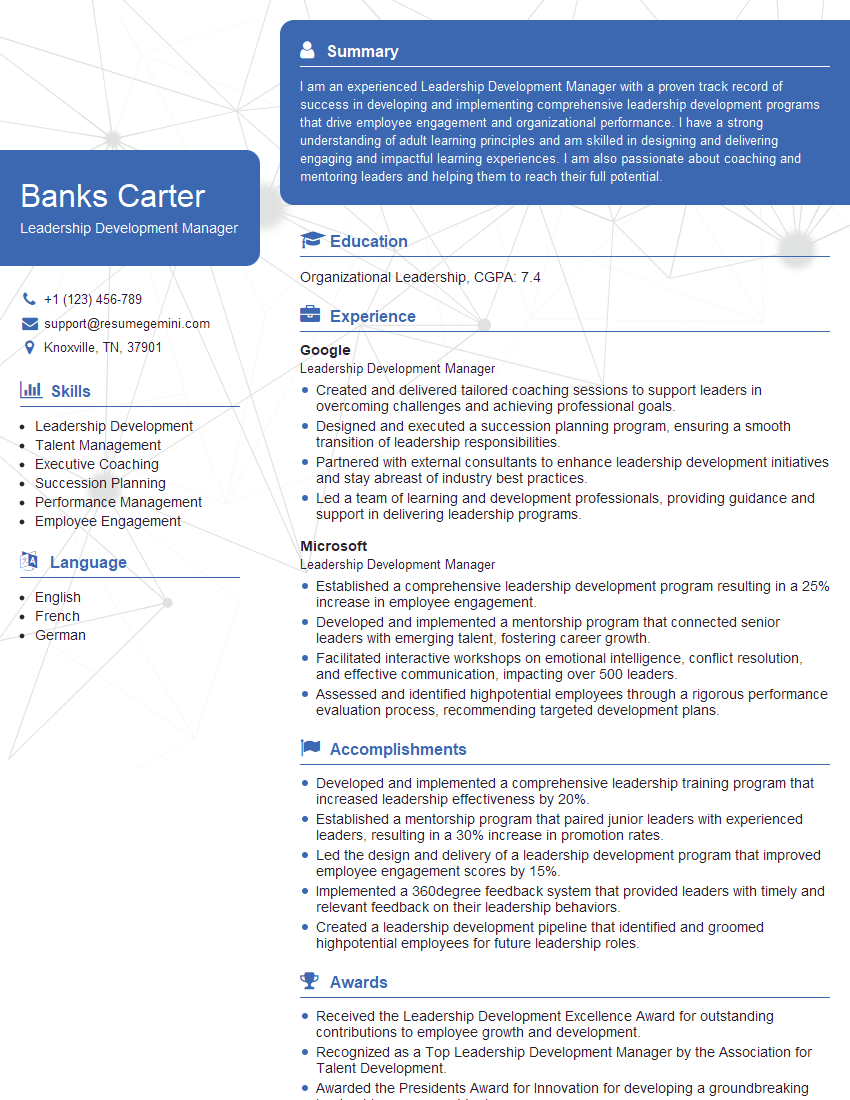
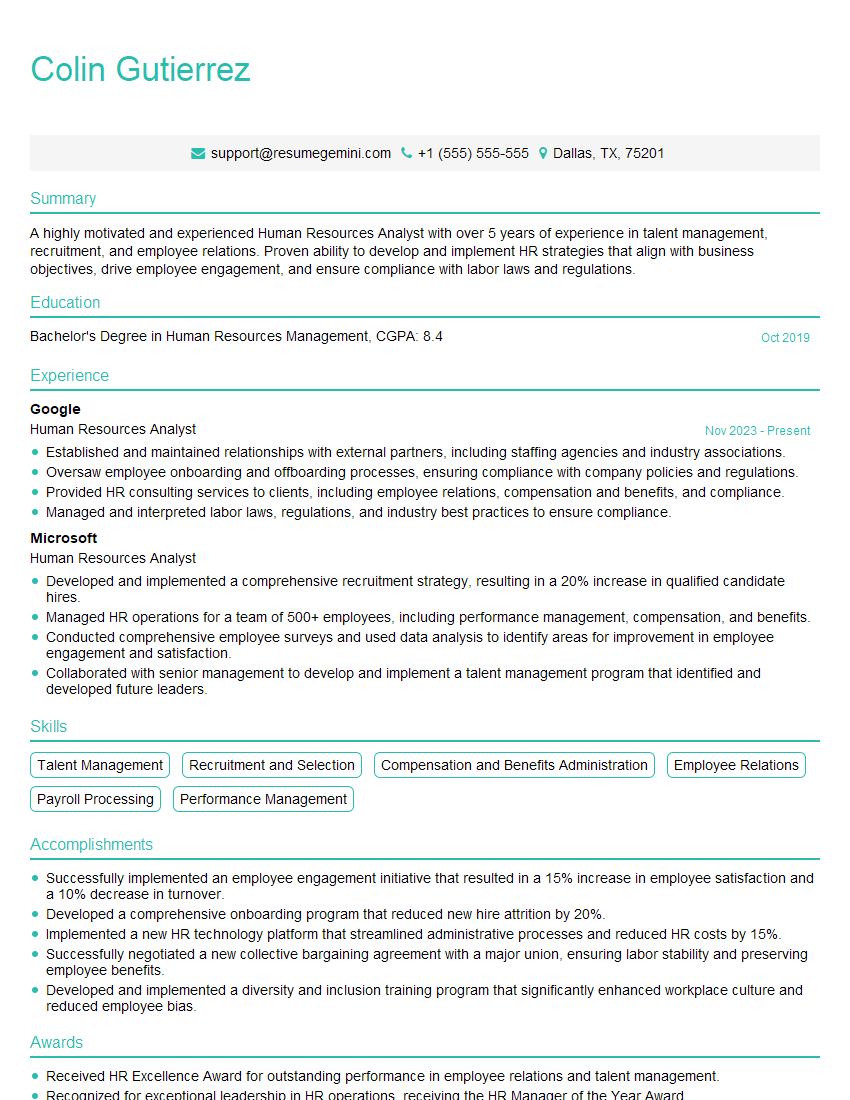
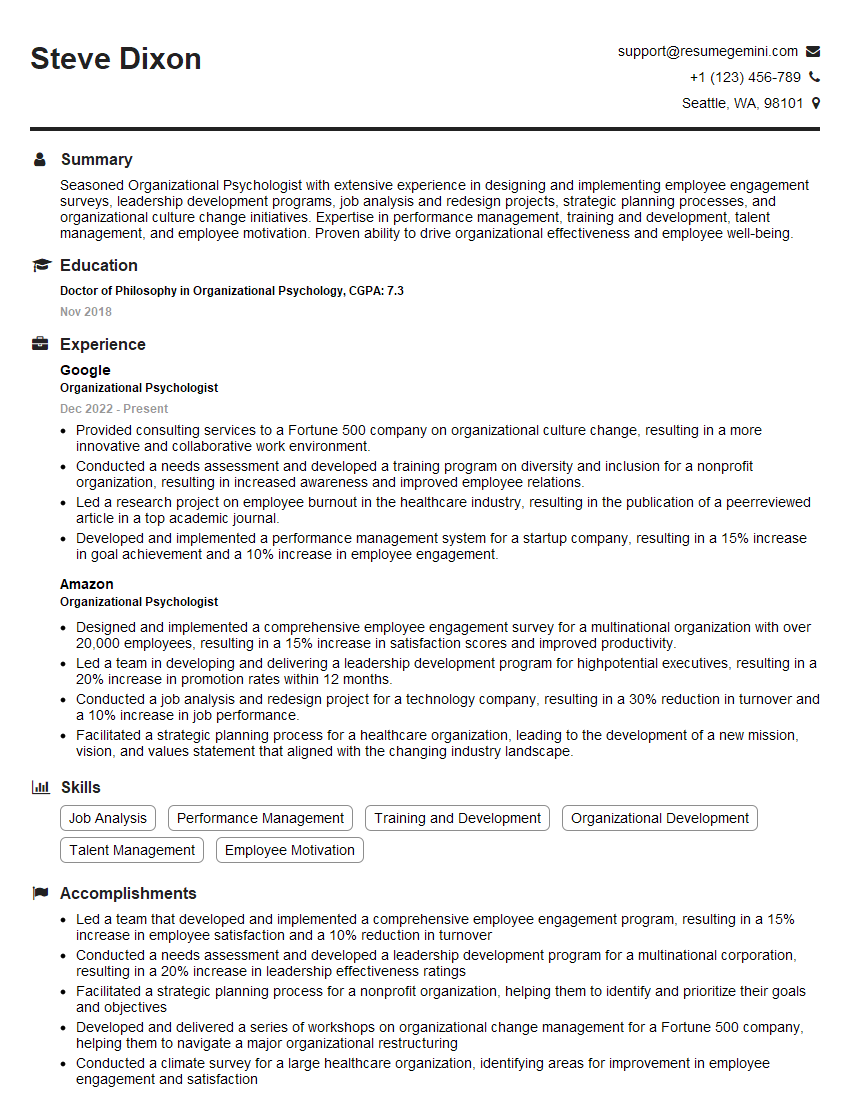
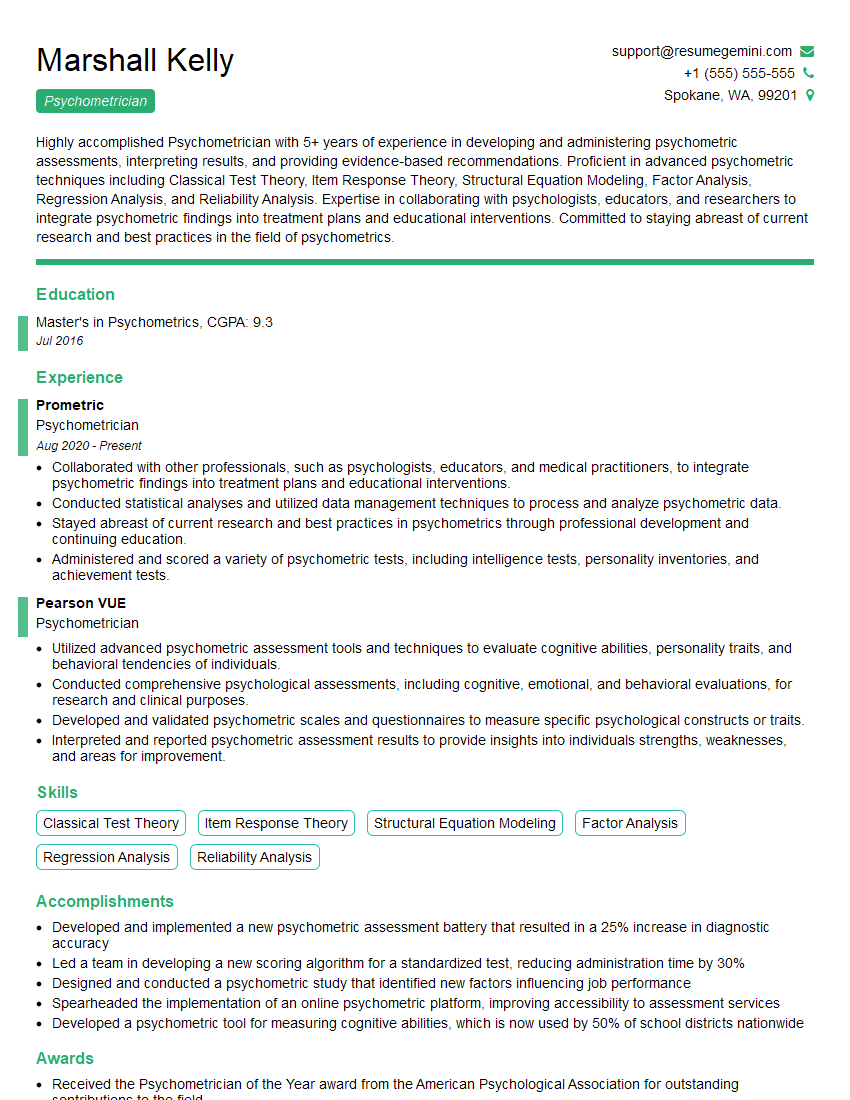
Mastering Trait Mapping and Identification is crucial for advancing your career in fields requiring in-depth understanding of human behavior and performance. A strong understanding of these concepts will significantly boost your interview success rate and open doors to exciting opportunities. To enhance your job prospects, create an ATS-friendly resume that highlights your relevant skills and experiences effectively. ResumeGemini is a trusted resource to help you build a professional resume that showcases your capabilities. We provide examples of resumes tailored to Trait Mapping and Identification to help you get started. Take the next step and craft a compelling resume that reflects your expertise in this field.

Explore more articles
Users Rating of Our Blogs
Share Your Experience
We value your feedback! Please rate our content and share your thoughts (optional).
What Readers Say About Our Blog
Amazing blog
hello,
Our consultant firm based in the USA and our client are interested in your products.
Could you provide your company brochure and respond from your official email id (if different from the current in use), so i can send you the client’s requirement.
Payment before production.
I await your answer.
Regards,
MrSmith
hello,
Our consultant firm based in the USA and our client are interested in your products.
Could you provide your company brochure and respond from your official email id (if different from the current in use), so i can send you the client’s requirement.
Payment before production.
I await your answer.
Regards,
MrSmith
These apartments are so amazing, posting them online would break the algorithm.
https://bit.ly/Lovely2BedsApartmentHudsonYards
Reach out at BENSON@LONDONFOSTER.COM and let’s get started!
Take a look at this stunning 2-bedroom apartment perfectly situated NYC’s coveted Hudson Yards!
https://bit.ly/Lovely2BedsApartmentHudsonYards
Live Rent Free!
https://bit.ly/LiveRentFREE
Interesting Article, I liked the depth of knowledge you’ve shared.
Helpful, thanks for sharing.
Hi, I represent a social media marketing agency and liked your blog
Hi, I represent an SEO company that specialises in getting you AI citations and higher rankings on Google. I’d like to offer you a 100% free SEO audit for your website. Would you be interested?