Interviews are opportunities to demonstrate your expertise, and this guide is here to help you shine. Explore the essential Troubleshooting and repairing complex instrumentation systems interview questions that employers frequently ask, paired with strategies for crafting responses that set you apart from the competition.
Questions Asked in Troubleshooting and repairing complex instrumentation systems Interview
Q 1. Describe your experience troubleshooting complex instrumentation systems.
Troubleshooting complex instrumentation systems requires a methodical approach combining theoretical knowledge with practical experience. My experience spans diverse industries, including pharmaceuticals and chemical processing, where I’ve addressed issues in systems ranging from simple level sensors to sophisticated mass spectrometers. I’m adept at identifying malfunctions across various layers, from individual components like transmitters and valves to the overall control system architecture. This involves analyzing data from multiple sources, understanding the interdependencies between different instruments, and effectively utilizing diagnostic tools. For instance, I once resolved a production bottleneck caused by a seemingly minor issue in a flow meter’s calibration, which highlighted the importance of attention to detail and systemic thinking.
My troubleshooting methodology relies heavily on a structured approach: I start by carefully observing the system’s behavior, gathering all available data (process variables, error logs, historical data), formulating hypotheses about the root cause, testing these hypotheses through systematic checks, and finally implementing corrective actions and verifying their effectiveness. This iterative process is crucial for avoiding costly mistakes and ensuring a durable solution.
Q 2. Explain your process for diagnosing faulty sensors in a process control system.
Diagnosing faulty sensors begins with understanding the sensor’s operating principles and the specific parameters it’s measuring. My process involves several key steps:
- Initial Inspection: Visual inspection for obvious damage (loose connections, physical damage, corrosion).
- Data Analysis: Review historical sensor data to identify trends or anomalies preceding the malfunction. Look for drift, spikes, or consistent offsets. If the system has a historian, this is invaluable.
- Calibration Check: Compare the sensor’s readings to a known standard or a secondary, reliable sensor. This helps determine whether the problem is with the sensor itself or elsewhere in the loop.
- Loop Verification: Check the entire instrument loop for wiring faults, broken connections, or incorrect signal conditioning. This includes inspecting the transmitter, the signal cable, and the receiver (often a PLC or DCS).
- Signal Tracing: Use specialized tools like multimeters and loop calibrators to trace the signal path and verify signal strength and integrity.
- Replacement and Verification: If the sensor is deemed faulty, replace it with a known good unit. Verify proper operation after replacement.
For example, I once diagnosed a faulty temperature sensor by observing a systematic drift in its readings over time. By comparing it to a secondary RTD, I confirmed the malfunction and subsequently replaced the sensor, restoring the system’s accuracy.
Q 3. How do you identify the root cause of instrumentation malfunctions?
Identifying the root cause of instrumentation malfunctions is paramount to prevent recurrence. It requires a combination of technical expertise, analytical skills, and attention to detail. My approach relies on a structured troubleshooting methodology:
- Gather Information: Collect all relevant data – error messages, sensor readings, process data, maintenance logs, etc. This is like assembling the pieces of a puzzle.
- Analyze the Data: Identify patterns and correlations in the collected data. Look for recurring issues or anomalies.
- Develop Hypotheses: Based on the data analysis, formulate potential root causes. Be systematic and consider various possibilities, not just the most obvious ones.
- Test Hypotheses: Conduct tests to validate or refute each hypothesis. This may involve isolating components, performing signal tracing, or consulting technical documentation.
- Verify Solution: Once a root cause is identified and addressed, thoroughly verify that the problem is resolved and that the solution does not introduce new issues.
- Document Findings: Meticulously document the troubleshooting process, root cause, and implemented solution for future reference and to prevent similar problems.
Imagine a scenario where a pressure transmitter consistently reports inaccurate readings. After investigation, we might discover a clogged impulse line, a faulty diaphragm, or even a software bug in the control system. Thorough analysis helps pinpoint the true culprit, rather than simply replacing the transmitter without addressing the underlying issue.
Q 4. What calibration techniques are you familiar with for various instruments?
My calibration experience encompasses various instrumentation types, utilizing both manual and automated techniques. I’m proficient in calibrating:
- Temperature sensors (RTDs, Thermocouples): Using calibration baths, ovens, and electronic calibrators, applying traceable standards to ensure accuracy.
- Pressure transmitters: Employing deadweight testers and electronic calibrators, verifying accuracy across the sensor’s entire range.
- Flow meters: Using flow provers, weigh scales, or comparison to master meters, depending on the type of flow meter.
- Level sensors: Utilizing level indicators, calibrated volumes, and comparison techniques depending on the sensor type (e.g., hydrostatic, ultrasonic).
Calibration techniques are selected based on the instrument’s type, accuracy requirements, and available resources. For instance, a high-precision pressure transmitter may necessitate a deadweight tester, while a less critical level sensor might be calibrated using a simpler comparison method. Accurate calibration ensures the reliability and integrity of process measurements.
Q 5. Explain your experience with preventative maintenance of instrumentation systems.
Preventative maintenance is crucial for minimizing downtime and ensuring the longevity of instrumentation systems. My experience includes developing and implementing preventative maintenance plans that encompass:
- Regular Inspections: Visual inspections for signs of wear, corrosion, or damage. Checking connections and tightening loose bolts.
- Calibration Schedules: Establishing and adhering to rigorous calibration schedules based on manufacturer recommendations and process requirements. Frequency varies depending on the instrument’s criticality and stability.
- Cleaning and Lubrication: Cleaning sensor probes and housings, and lubricating moving parts to ensure optimal performance.
- Component Replacement: Proactive replacement of aging components before they fail, minimizing downtime and preventing cascading failures.
- Data Analysis: Regularly reviewing historical data to identify emerging trends and potential problems before they manifest as full-blown malfunctions.
A well-structured preventative maintenance program can significantly reduce the likelihood of unexpected failures, leading to improved process efficiency and cost savings. For example, a proactive cleaning of a flow meter can prevent future blockages and maintain accuracy, avoiding expensive production delays.
Q 6. How do you interpret instrument loop diagrams and P&IDs?
Instrument loop diagrams and Piping and Instrumentation Diagrams (P&IDs) are essential tools for understanding the instrumentation system’s architecture and functionality. I can confidently interpret both.
Instrument Loop Diagrams: These diagrams detail the individual instrument loops, showing the flow of signals from the sensor to the control system. They include information on the sensor type, transmitter, signal cables, control valves, and the connection points to the PLC or DCS. I use loop diagrams to trace the signal path and identify potential bottlenecks or points of failure.
P&IDs: These provide a comprehensive overview of the entire process, including piping, equipment, instruments, and control systems. I use P&IDs to understand the overall system layout, the relationships between different instruments, and the process flow. The symbols and annotations on a P&ID provide critical information for troubleshooting and maintenance.
My ability to interpret these diagrams is critical in accurately diagnosing malfunctions. They are the roadmaps to understanding the system and its interdependencies.
Q 7. Describe your experience working with programmable logic controllers (PLCs).
I possess extensive experience working with Programmable Logic Controllers (PLCs), including programming, troubleshooting, and configuration. My experience encompasses various PLC platforms such as Allen-Bradley, Siemens, and Rockwell Automation. My skills include:
- PLC Programming: Proficient in ladder logic, function block diagrams, and structured text programming languages. I can develop and modify PLC programs to meet specific process control requirements.
- Troubleshooting PLC Programs: I can effectively diagnose and resolve PLC program errors using diagnostic tools and debugging techniques. This includes analyzing fault codes, examining program logic, and using online monitoring tools.
- PLC Configuration: Experienced in configuring PLC hardware, including input/output modules, communication networks, and other peripherals.
- HMI Interaction: Proficient in working with Human Machine Interfaces (HMIs) to configure displays, alarms, and operator interfaces for effective process monitoring and control.
For example, I once resolved a production issue caused by a logic error in a PLC program controlling a batch process. By carefully analyzing the program’s logic and using debugging tools, I identified and corrected the error, restoring normal operation and preventing significant production losses.
Q 8. How do you troubleshoot pneumatic and hydraulic instrumentation?
Troubleshooting pneumatic and hydraulic instrumentation involves a systematic approach combining visual inspection, pressure testing, and signal analysis. Think of it like a detective investigating a crime scene – you need to gather clues to pinpoint the culprit.
Pneumatic Systems: I start by checking for leaks using soapy water. A hissing sound or bubbling indicates a leak in the tubing, fittings, or valves. I then verify air pressure using a gauge at various points in the system, comparing readings to specifications. If the pressure is low, I investigate the compressor, regulator, or filters for malfunctions. A clogged filter, for example, can significantly reduce pressure and affect instrument performance. I also examine the instrument’s internal components for damage or wear. For example, a diaphragm rupture in a pressure transmitter would cause a faulty reading.
Hydraulic Systems: Similar to pneumatic systems, I begin with a visual inspection, checking for leaks (this time, looking for fluid drips or stains). I use a pressure gauge to measure hydraulic pressure and compare it to the system’s specifications. Low pressure could indicate a leak in the lines, a faulty pump, or a clogged filter. I’d also check for the condition of hydraulic fluid (is it clean and at the correct level?), examine the condition of seals and O-rings, and check for proper operation of hydraulic actuators. A damaged seal in a hydraulic cylinder, for example, could lead to performance issues. If the problem persists after initial checks, I may use specialized diagnostic tools like flow meters or particle counters to investigate further.
Q 9. What safety protocols do you follow when working with instrumentation systems?
Safety is paramount when working with instrumentation systems. My protocol begins with a thorough risk assessment, identifying potential hazards like high pressure, high voltage, hazardous chemicals, and confined spaces. I always use appropriate personal protective equipment (PPE) including safety glasses, gloves, and hearing protection, depending on the situation. Before commencing any work, I ensure the system is isolated and de-energized using lockout/tagout procedures to prevent accidental startup. I never work alone; a second person provides an extra set of eyes and is vital for emergency response. I follow all relevant safety regulations and company procedures diligently and thoroughly document all safety checks performed.
For example, when working with high-pressure systems, I would ensure pressure relief valves are in place and functioning correctly before starting any maintenance. In case of electrical work, I use insulated tools and follow procedures to avoid electrical shocks. This rigorous adherence to safety protocols is non-negotiable and ensures both my safety and the safety of others around me.
Q 10. Describe a time you had to troubleshoot a complex instrumentation problem under pressure.
During a plant shutdown, a critical level transmitter in a large storage tank malfunctioned, causing significant delays and potential financial losses. The system was indicating an empty tank when it was actually almost full, leading to a near-miss production halt. Under immense pressure to restore the system quickly, I systematically eliminated possibilities. I first visually inspected all wiring, connections, and the sensor itself, finding no obvious issues. Next, I used a calibrated pressure gauge to verify the actual tank level, confirming the transmitter’s reading was incorrect. I then checked the power supply and signal using a multimeter, noting a weak signal. This indicated a potential problem with the sensor itself or the connecting cable. By carefully tracing the signal, I found a small break in the cable shielding near a clamp. This resulted in signal interference and incorrect readings. Replacing the damaged cable section resolved the issue, getting the plant back online before causing any significant production disruption. This experience reinforced the importance of systematic troubleshooting and careful attention to detail, even under pressure.
Q 11. How familiar are you with different types of industrial communication protocols (e.g., Profibus, Modbus)?
I have extensive experience with various industrial communication protocols, including Profibus, Modbus, Ethernet/IP, and Foundation Fieldbus. My understanding extends beyond simply knowing the names; I can configure devices, troubleshoot communication problems, and interpret data transmitted over these networks.
Profibus, for instance, is often used in complex process automation systems. I’m familiar with its various protocols like DP (Decentralized Peripherals) and PA (Process Automation). Modbus, a simpler protocol, is common in smaller systems and offers easy integration with PLCs and HMIs. Understanding the differences between these protocols is crucial in selecting the correct system components and addressing communication issues. For example, if a Modbus device is not responding, I would first check the communication parameters (baud rate, parity, etc.), verify cable connectivity, and test the device’s functionality using Modbus diagnostic tools. My experience includes working with various communication hardware such as serial and Ethernet ports, and gateways for converting between different protocols.
Q 12. Explain your experience with data acquisition and analysis from instrumentation systems.
Data acquisition and analysis are integral to my work. I’ve used various hardware and software tools to collect data from instrumentation systems, including data loggers, SCADA systems, and specialized software packages. This data is crucial for identifying trends, diagnosing problems, and optimizing system performance.
For example, in one project involving a series of temperature sensors, I used a data logger to collect temperature readings over several weeks. Analyzing this data revealed a cyclical pattern of temperature fluctuations, which pointed to a problem with the cooling system. The data analysis allowed for a targeted fix rather than a more widespread, costly investigation. I’m proficient in using tools like spreadsheets and statistical software to analyze this collected data, identifying patterns, anomalies, and trends to make informed decisions about repairs and maintenance. I am comfortable generating reports and visualizations to communicate findings effectively to engineering and management teams.
Q 13. How do you use diagnostic tools (e.g., multimeters, oscilloscopes) to troubleshoot problems?
Multimeters and oscilloscopes are indispensable tools in my troubleshooting arsenal. A multimeter is my first line of defense, allowing me to measure voltage, current, and resistance, helping identify faulty wiring, power supply issues, or component failures. For example, a multimeter can quickly determine if a sensor is receiving proper power or if there is a short circuit in the wiring. An oscilloscope is particularly useful for examining dynamic signals, such as those from pressure transmitters or temperature sensors. It lets me see signal characteristics in detail, such as frequency, amplitude, and waveform shape. This helps pinpoint signal noise, interference, or problems in the signal conditioning circuitry.
For instance, if a pressure transmitter is giving erratic readings, an oscilloscope could reveal the presence of electrical noise affecting the signal. This allows me to identify the source of the noise (e.g., faulty grounding, electromagnetic interference) and implement corrective measures. These tools, combined with my knowledge of electrical circuits and signal processing, provide a powerful combination for diagnosing instrumentation problems.
Q 14. What are the common causes of instrument drift and how do you address them?
Instrument drift, the gradual change in an instrument’s output over time, is a common problem. Several factors can cause this. Environmental factors such as temperature changes, humidity, and vibration are frequent culprits. Aging components, particularly capacitors and resistors, can also contribute to drift as their characteristics change over time. Calibration issues, where the instrument’s calibration has become inaccurate, also frequently lead to drift. There may also be issues caused by contamination of sensors. For example, a build-up of dust on an optical sensor might cause a drift in readings.
Addressing instrument drift involves several steps. First, I identify the cause. If temperature is a factor, I can try to improve temperature control or select a sensor with a lower temperature coefficient. For aging components, replacement is often necessary. Regular calibration is crucial for maintaining accuracy and minimizing drift; I follow a defined calibration schedule using traceable standards and maintain accurate records. If contamination is the cause, thorough cleaning of the sensor may solve the problem. In some cases, regular preventative maintenance including replacing aging parts can greatly minimize the impact of drift.
Q 15. Describe your experience with different types of sensors (e.g., temperature, pressure, level).
My experience with sensors spans a wide range, encompassing various technologies and applications. I’ve worked extensively with temperature sensors like thermocouples (Type K, J, T, etc.), RTDs (platinum resistance thermometers), and thermistors, understanding their respective strengths and limitations – for instance, thermocouples are robust and work well in high-temperature environments, but RTDs offer higher accuracy. Similarly, I’m proficient with pressure sensors, including diaphragm-type, capacitive, and piezoelectric sensors, used in applications ranging from low-pressure gas measurements to high-pressure hydraulic systems. Level sensors are another area of expertise; I’ve worked with ultrasonic, radar, float, and capacitance level sensors, choosing the optimal sensor based on factors like the medium’s properties (e.g., conductivity, density), tank geometry, and required accuracy. In each case, my experience includes not just sensor selection, but also calibration, installation, and troubleshooting techniques, including diagnosing faults through signal analysis and understanding the impact of environmental factors.
For example, in one project involving a level measurement system in a chemical reactor, we initially used an ultrasonic sensor. However, due to the presence of significant foaming in the reactor, the sensor readings were inaccurate. We switched to a radar level sensor which proved more suitable for this specific application because of its ability to penetrate the foam.
Career Expert Tips:
- Ace those interviews! Prepare effectively by reviewing the Top 50 Most Common Interview Questions on ResumeGemini.
- Navigate your job search with confidence! Explore a wide range of Career Tips on ResumeGemini. Learn about common challenges and recommendations to overcome them.
- Craft the perfect resume! Master the Art of Resume Writing with ResumeGemini’s guide. Showcase your unique qualifications and achievements effectively.
- Don’t miss out on holiday savings! Build your dream resume with ResumeGemini’s ATS optimized templates.
Q 16. How do you document your troubleshooting process and findings?
Thorough documentation is crucial in troubleshooting complex instrumentation systems. My approach involves a multi-step process. I start by creating a detailed log of initial observations, including the symptoms of the malfunction, timestamps, and any error codes reported by the system. Next, I meticulously document all steps taken during troubleshooting, listing the tests performed, measurements taken, and the corresponding results. This includes both hardware and software aspects. I utilize diagrams (hand-drawn or using software), schematics, and flowcharts to visually represent the system and the troubleshooting pathway. Finally, I conclude with a comprehensive report summarizing the root cause of the malfunction, corrective actions taken, and preventive measures to avoid similar issues in the future. I usually employ a structured reporting format using a dedicated software or a standardized template to maintain consistency and traceability.
For instance, I might use a spreadsheet to log sensor readings at different intervals during a pressure test, including annotations to explain observed deviations from expected values and actions taken to investigate these deviations. This allows for easy analysis and follow-up actions.
Q 17. How familiar are you with different types of actuators (e.g., valves, motors)?
My experience with actuators is equally comprehensive, covering various types and technologies. I’m adept at working with pneumatic and electric valves, understanding the intricacies of different valve types such as ball valves, globe valves, butterfly valves, and control valves. The selection depends on factors like the flow rate, pressure, and required control precision. I also possess considerable experience with various motor types – AC and DC motors, servo motors, and stepper motors – used in applications ranging from simple positioning tasks to complex motion control systems. Furthermore, I’m familiar with the associated control hardware and software needed to operate and maintain these actuators.
In a recent project involving a robotic arm, I had to troubleshoot a problem with one of the joints. Using my knowledge of servo motor dynamics, I was able to isolate the fault to a faulty encoder within the motor, replacing it and restoring full functionality.
Q 18. What is your experience with instrument loop checking and testing?
Instrument loop checking and testing are fundamental aspects of my work. This involves a systematic approach to verify the functionality of the entire measurement and control loop, from the sensor to the actuator and back. This typically includes checking for proper wiring, signal integrity, calibration accuracy, and loop response time. I use various test equipment, such as multimeters, signal generators, loop calibrators, and data acquisition systems. I understand the importance of following safety procedures and lockout/tagout procedures during loop checks, especially in high-voltage or high-pressure systems. My experience includes performing both manual and automated loop testing and diagnosing faults through analyzing loop response curves.
For instance, a typical loop check would involve verifying the 4-20 mA signal from a pressure transmitter, using a loop calibrator to simulate different pressure readings and checking for the corresponding linear output signal.
Q 19. How do you handle situations where multiple instruments are malfunctioning simultaneously?
When multiple instruments malfunction simultaneously, a methodical and systematic approach is essential. I would begin by categorizing the malfunctions, identifying if they are related (common cause) or independent failures. Using a fault tree analysis technique, I would analyze the system architecture to identify potential common causes, such as power supply issues, communication network problems, or environmental factors (e.g., temperature fluctuations, humidity). After establishing potential root causes, I would prioritize troubleshooting based on the criticality of the affected instruments and their impact on overall system operation. A systematic investigation of each potential cause, involving individual instrument checks and system-level tests, would follow. Effective communication with operators and other team members during this process is crucial to maintain situational awareness and avoid unnecessary downtime.
Imagine a scenario where multiple sensors in a refinery suddenly fail. The first step would be to check the common power supply for these sensors, as a single point of failure can affect many instruments simultaneously. Only after ruling out such common cause failures, would I start troubleshooting each individual sensor.
Q 20. Explain your knowledge of different types of instrument signal transmission (e.g., analog, digital).
I have a strong understanding of different instrument signal transmission methods. Analog signals, typically 4-20 mA current loops or 0-10 V voltage signals, are commonly used for their simplicity and robustness in industrial environments. I understand their limitations, such as susceptibility to noise and the need for signal conditioning. Digital signals, such as those using various fieldbuses (e.g., Profibus, Modbus, Ethernet/IP), offer advantages like higher accuracy, noise immunity, and the ability to transmit more information. I’m familiar with the protocols and communication standards associated with different fieldbuses and the use of data acquisition systems to interface with these signals. Furthermore, I understand the benefits and drawbacks of each approach in different applications, selecting the most suitable method based on system requirements and cost considerations. Proper grounding and shielding are key aspects I consider for both signal types to minimize noise and interference.
For example, a longer distance transmission might benefit from the noise immunity of digital signals sent over a fieldbus compared to a more susceptible analog loop.
Q 21. How do you prioritize troubleshooting tasks in a high-pressure environment?
Prioritizing tasks in a high-pressure environment requires a structured approach. I use a combination of techniques, including the Pareto principle (80/20 rule) to focus on the critical few issues that impact the majority of the system, risk assessment to identify potential consequences of delays, and a clear understanding of the overall process objectives. I always begin by assessing the impact of each malfunction on safety, production, and overall system integrity. Critical failures that pose safety risks or significant production losses take precedence over minor issues. I leverage my experience to identify potential root causes quickly and initiate parallel troubleshooting tasks where appropriate. Clear communication and collaboration with the team are essential to ensure everyone is informed and working effectively towards resolution. This includes transparently communicating the prioritization rationale and progress updates.
In a process plant experiencing multiple simultaneous issues, I would immediately focus on addressing any safety-critical alarms before moving on to production-related issues, using established escalation protocols to manage the workload and ensure appropriate expertise is deployed for each problem.
Q 22. What are the common causes of instrument failure?
Instrument failures stem from a variety of causes, broadly categorized into environmental factors, operational issues, and component degradation.
- Environmental Factors: Extreme temperatures, humidity, vibration, and corrosive atmospheres can all damage sensitive components, leading to malfunctions. For example, a temperature sensor exposed to consistently high temperatures might drift outside its calibrated range, providing inaccurate readings.
- Operational Issues: Incorrect installation, improper calibration, or exceeding operational limits can cause premature wear and tear. Imagine a pressure transmitter subjected to pressure surges beyond its design specification – it could easily get damaged.
- Component Degradation: Over time, components like sensors, transmitters, and actuators wear out. This is often due to normal aging, but can be accelerated by the factors mentioned above. For example, the diaphragm in a differential pressure transmitter might fatigue and become less responsive, leading to measurement errors.
Troubleshooting typically involves a systematic approach, starting with visual inspections, checking for obvious damage, then moving on to more detailed diagnostics using calibration tools and specialized software.
Q 23. Explain your experience with troubleshooting complex control loops.
My experience with troubleshooting complex control loops centers around systematically isolating the problem. I begin by understanding the loop’s purpose and the process variables it controls. I then use a combination of techniques:
- Analyzing process data: Reviewing historical data from the Distributed Control System (DCS) or Programmable Logic Controller (PLC) is crucial. This helps identify trends, deviations from setpoints, and unusual behavior.
- Inspecting loop components: This involves physically checking sensors, transmitters, valves, and actuators for signs of malfunction or damage. I look for things like loose connections, leaks, and visible wear.
- Signal tracing: Using multimeters and other diagnostic tools, I trace the signals throughout the loop to identify points of deviation from the expected values. This can pinpoint faulty components or wiring problems.
- Loop tuning and adjustments: Once the root cause is identified and fixed, I often need to retune the PID controller parameters to optimize the loop performance.
For instance, I once worked on a loop controlling the temperature of a reactor. The process was oscillating wildly. Through data analysis, I found a significant delay in the temperature sensor’s response. Replacing the sensor resolved the issue.
Q 24. Describe your experience with using specialized software for instrumentation diagnostics.
I’m proficient with various specialized software packages used for instrumentation diagnostics, including Emerson AMS, Honeywell Experion, and Rockwell Automation RSLogix. These packages provide powerful tools for:
- Online diagnostics: Monitoring instrument health, detecting anomalies, and identifying potential failures in real-time.
- Calibration and configuration: Setting up and calibrating instruments, configuring parameters, and performing loop tuning.
- Data logging and analysis: Recording instrument readings over time, analyzing trends, and generating reports for documentation and future analysis.
- Remote diagnostics: Accessing and troubleshooting instruments remotely, reducing downtime and improving efficiency.
For example, using Emerson AMS, I once remotely diagnosed a faulty flow transmitter in a remote facility by analyzing its diagnostic data and adjusting its configuration. This avoided an expensive on-site visit.
Q 25. How do you ensure the accuracy and reliability of instrument readings?
Ensuring the accuracy and reliability of instrument readings is paramount. My approach combines preventive and corrective measures:
- Calibration: Regular calibration against traceable standards is essential. The frequency depends on the instrument type, its criticality, and its stability. This ensures the instrument readings are within acceptable tolerances.
- Verification: Periodic checks of instrument performance against known values or other instruments provides confidence in the readings’ accuracy. Cross-checking with redundant sensors is a powerful technique.
- Preventative Maintenance: Regular inspection, cleaning, and lubrication of instruments help prevent failures and prolong their lifespan. This includes checking connections, ensuring proper grounding, and protecting instruments from environmental damage.
- Data validation: Reviewing instrument data for inconsistencies and anomalies helps catch errors or malfunctions early. This often involves using statistical process control (SPC) charts.
For instance, in a pharmaceutical manufacturing environment, even slight inaccuracies in temperature readings can affect product quality and safety, emphasizing the need for rigorous calibration and verification protocols.
Q 26. What are your skills in electrical troubleshooting related to instrumentation?
My electrical troubleshooting skills are a critical part of my instrumentation expertise. I’m proficient in using various diagnostic tools such as multimeters, oscilloscopes, and loop testers to identify and resolve electrical issues. This includes:
- Wiring diagnostics: Tracing and testing circuits to identify shorts, opens, or faulty connections.
- Signal analysis: Using oscilloscopes to analyze signals for noise, distortion, or other abnormalities.
- Grounding and shielding: Ensuring proper grounding and shielding to minimize electrical interference and noise.
- Troubleshooting power supplies: Diagnosing and resolving issues with power supplies affecting instrument operation.
For example, I once resolved a recurring problem of intermittent readings from a level sensor by identifying a faulty ground connection that was introducing noise into the signal.
Q 27. How do you stay updated on the latest technologies and best practices in instrumentation?
Keeping up with the latest technologies and best practices in instrumentation is crucial. I utilize several strategies:
- Professional organizations: Active membership in organizations like ISA (International Society of Automation) provides access to industry publications, conferences, and training opportunities.
- Industry publications and journals: Regularly reading trade magazines and journals keeps me abreast of new products and technologies.
- Vendor training: Participating in training courses offered by instrument manufacturers helps me learn about the latest features and troubleshooting techniques for specific equipment.
- Online resources: Utilizing online forums, webinars, and tutorials expands my knowledge base and exposes me to diverse perspectives.
Continuous learning is not just about acquiring new knowledge; it’s also about refining existing skills and staying ahead of the curve in this rapidly evolving field.
Q 28. Describe your experience working with a team to troubleshoot a complex instrumentation problem.
I’ve frequently collaborated with teams to troubleshoot complex instrumentation problems. Effective teamwork relies on clear communication, structured problem-solving, and leveraging individual expertise.
In one instance, we were facing erratic readings from multiple analyzers in a refinery. Our team, comprising process engineers, instrumentation technicians, and control system specialists, followed these steps:
- Problem Definition: We clearly defined the problem, documenting the symptoms and their impact on the process.
- Data Gathering: We systematically collected data from various sources, including the DCS, analyzer readings, and maintenance logs.
- Root Cause Analysis: We used a structured approach, such as a fishbone diagram, to identify potential root causes. We brainstormed possible scenarios, considering various equipment, environmental, and operational factors.
- Solution Implementation: Based on the identified root causes, we developed and implemented a solution. This involved replacing faulty components, reconfiguring the system, and retraining operators.
- Verification and Documentation: We verified the effectiveness of the solution and thoroughly documented the entire troubleshooting process for future reference.
Effective communication and collaboration were essential in identifying and resolving the issue swiftly and efficiently, minimizing downtime and maintaining safe operations.
Key Topics to Learn for Troubleshooting and Repairing Complex Instrumentation Systems Interviews
- Understanding Instrumentation System Architectures: Comprehending the interconnectedness of sensors, transducers, signal conditioning units, and data acquisition systems is crucial. Consider exploring different types of instrumentation systems and their common failure points.
- Diagnostic Techniques: Master practical troubleshooting methods such as systematic checks, signal tracing, and the use of diagnostic tools (multimeters, oscilloscopes, etc.). Practice applying these techniques to simulated scenarios.
- Calibration and Adjustment Procedures: Learn the principles of calibration and how to perform accurate adjustments to ensure system accuracy and reliability. Understand the importance of calibration standards and documentation.
- Preventive Maintenance Strategies: Discuss proactive maintenance approaches to minimize downtime and extend the lifespan of instrumentation systems. This includes understanding preventative maintenance schedules and identifying potential failure risks.
- Troubleshooting Specific Instrumentation Types: Gain expertise in troubleshooting common instrumentation types like pressure, temperature, flow, and level measurement systems. Focus on the unique challenges and solutions for each type.
- Safety Procedures and Regulations: Demonstrate a strong understanding of safety protocols in handling complex instrumentation systems, including lockout/tagout procedures and awareness of potential hazards.
- Data Analysis and Interpretation: Develop skills in interpreting data from instrumentation systems to diagnose problems and make informed decisions. Practice analyzing trends and identifying anomalies.
- Troubleshooting Complex Control Systems: If applicable to the specific role, understand how to troubleshoot programmable logic controllers (PLCs) or other control systems that interact with the instrumentation.
Next Steps
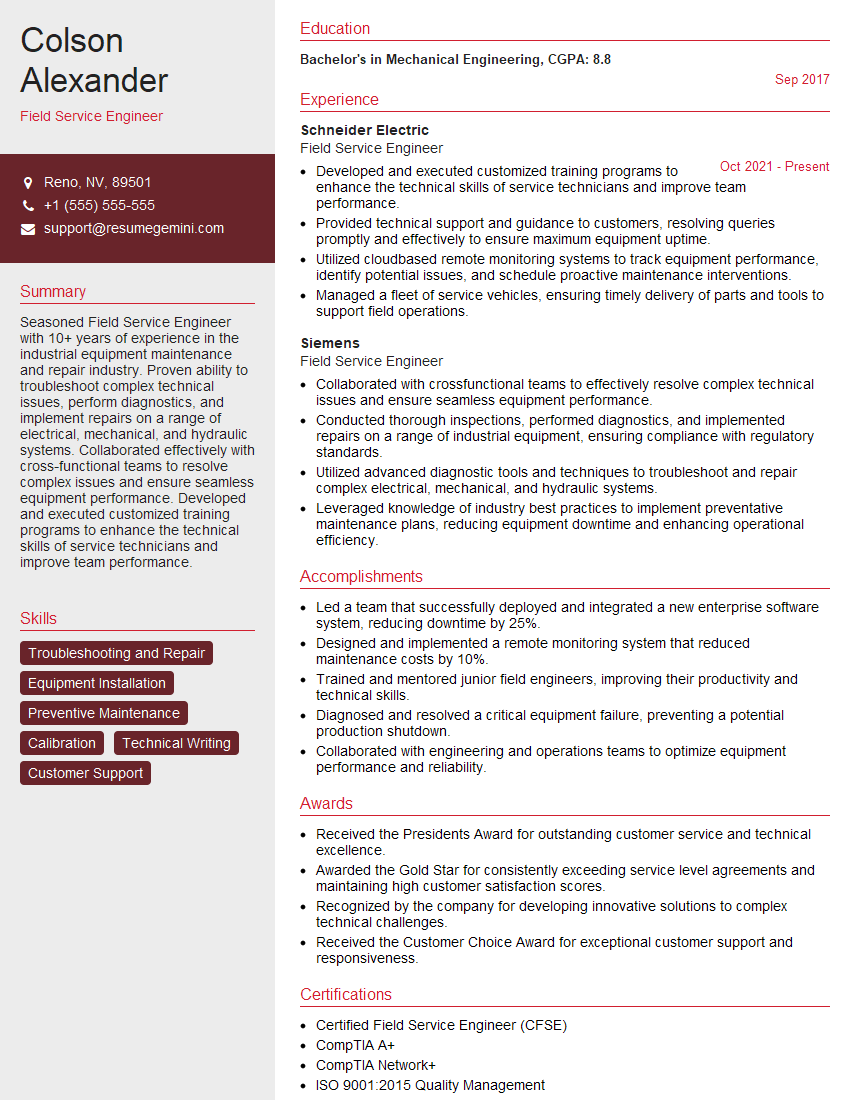
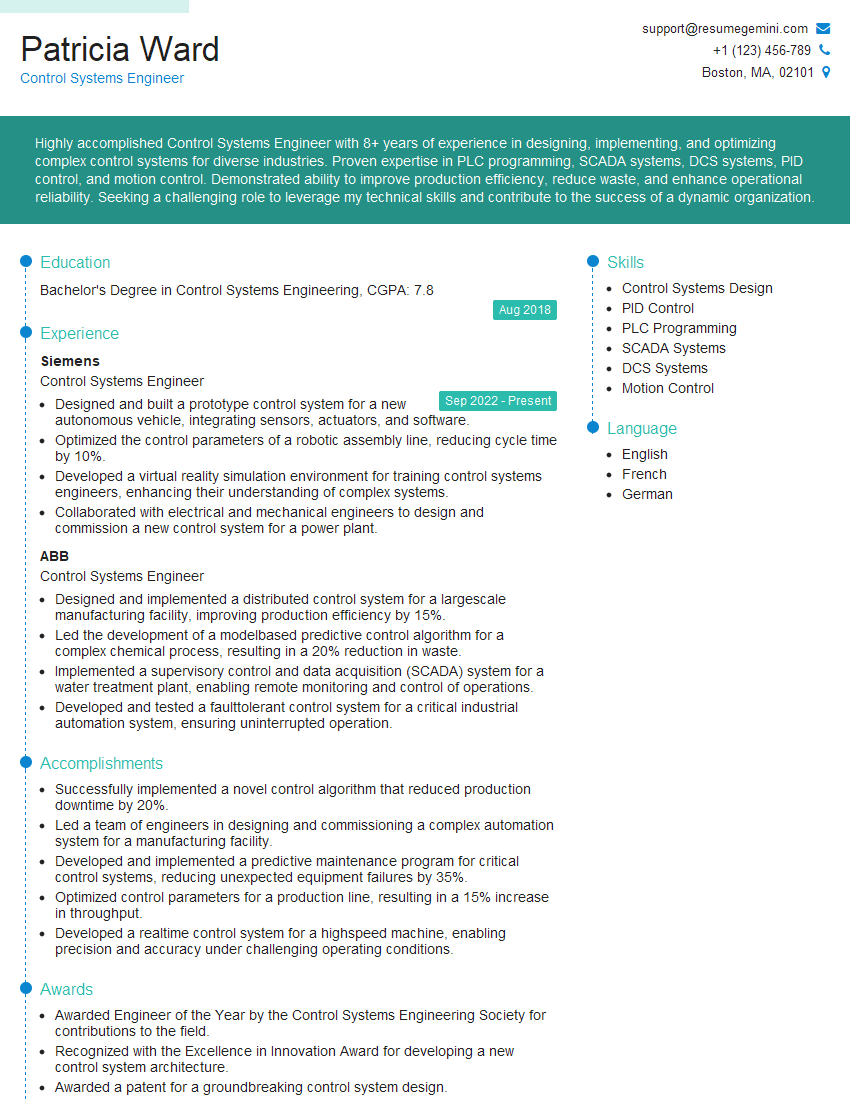
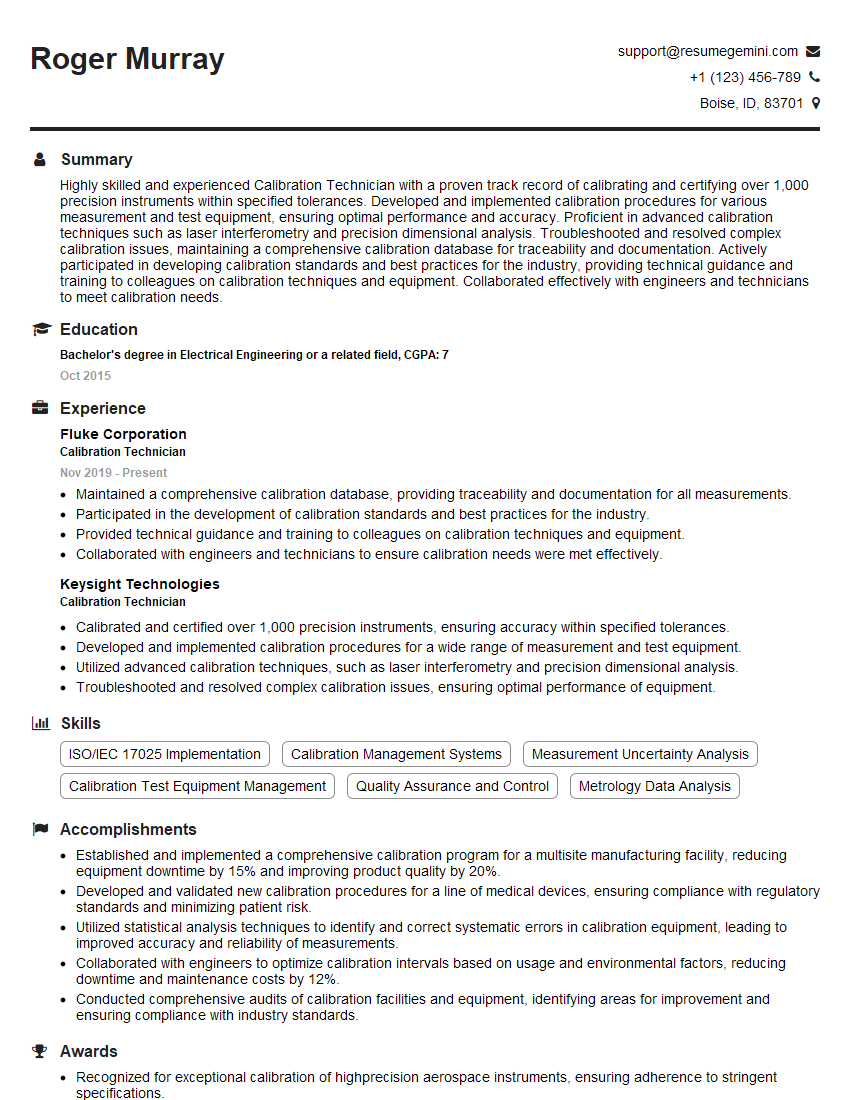
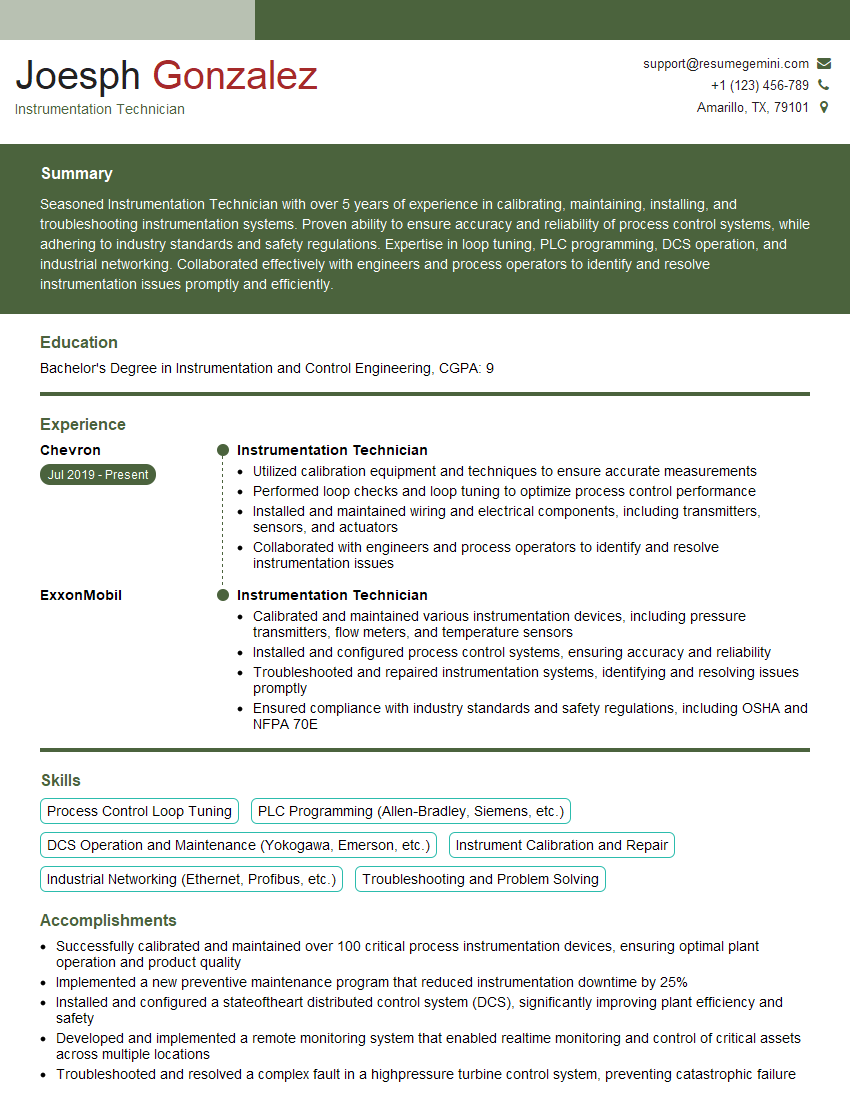
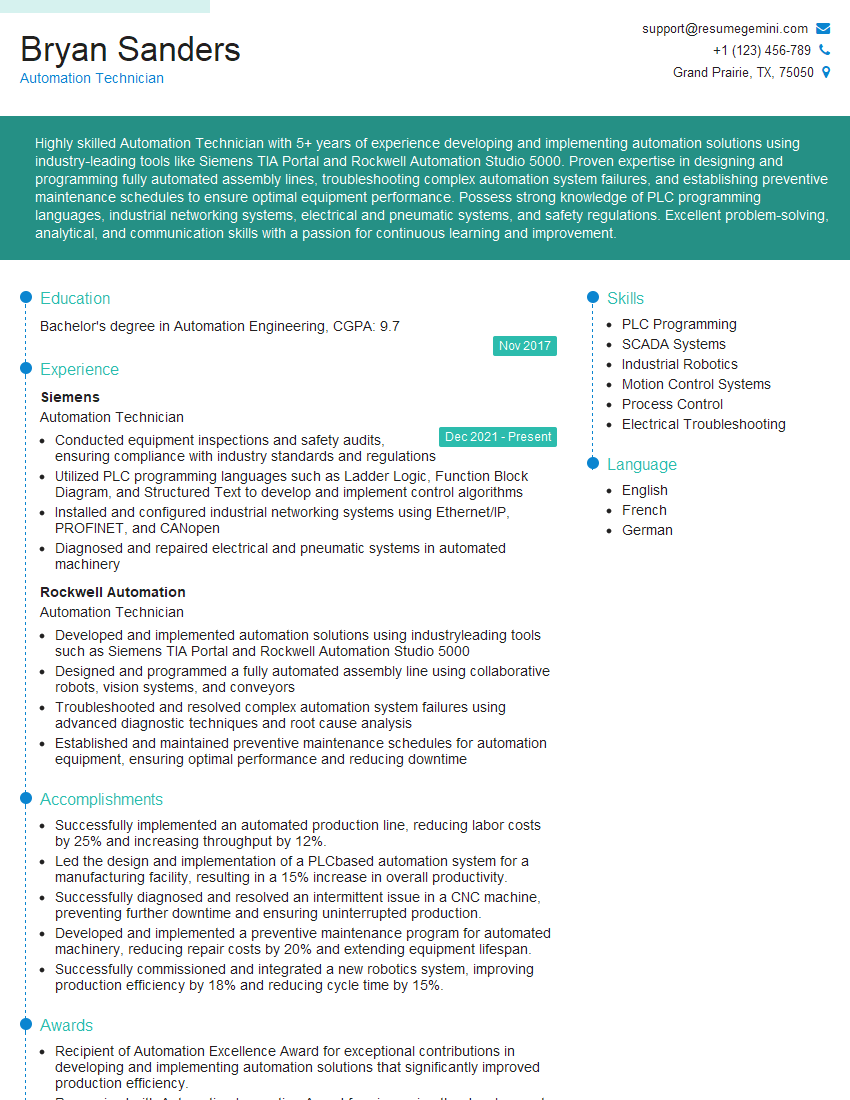
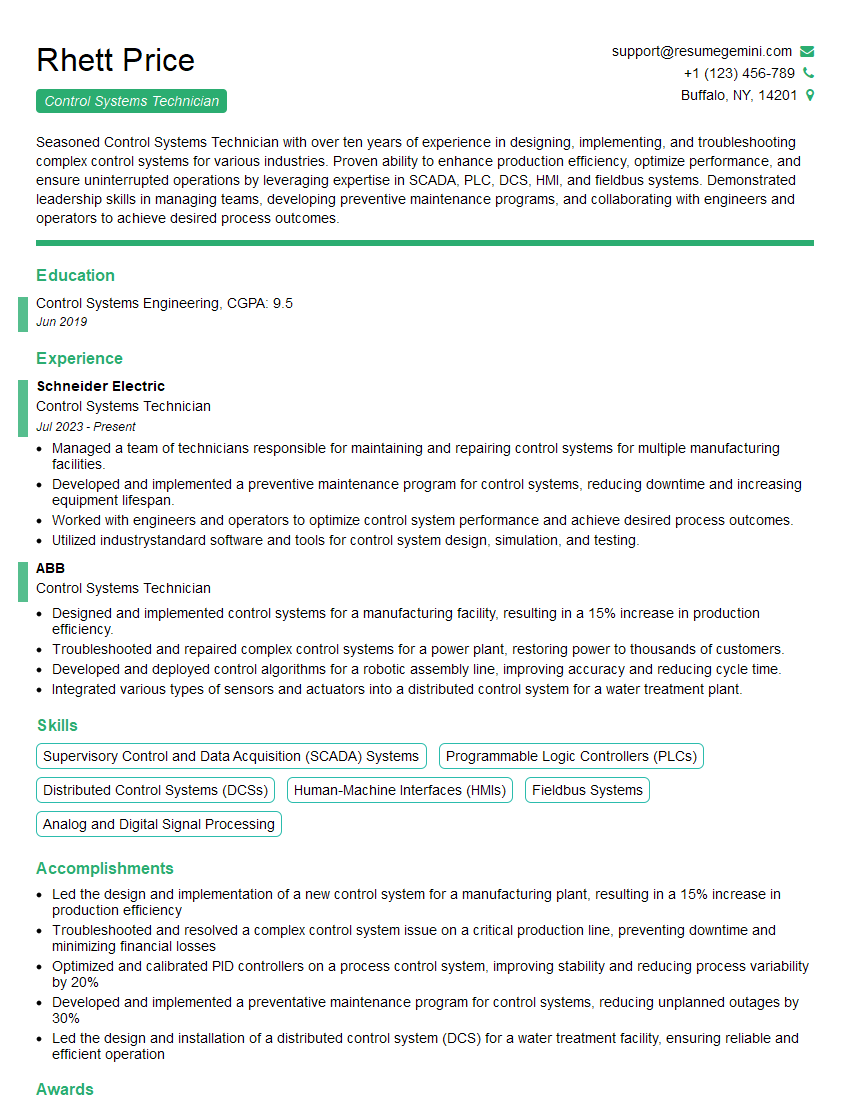
Mastering troubleshooting and repairing complex instrumentation systems is essential for career advancement in this highly specialized field. It demonstrates critical thinking, problem-solving, and technical proficiency, opening doors to senior roles and higher earning potential. To maximize your job prospects, create a compelling, ATS-friendly resume that showcases your skills and experience effectively. ResumeGemini is a trusted resource to help you build a professional resume that stands out. Examples of resumes tailored to Troubleshooting and repairing complex instrumentation systems are available to guide you.
Explore more articles
Users Rating of Our Blogs
Share Your Experience
We value your feedback! Please rate our content and share your thoughts (optional).
What Readers Say About Our Blog
Amazing blog
hello,
Our consultant firm based in the USA and our client are interested in your products.
Could you provide your company brochure and respond from your official email id (if different from the current in use), so i can send you the client’s requirement.
Payment before production.
I await your answer.
Regards,
MrSmith
hello,
Our consultant firm based in the USA and our client are interested in your products.
Could you provide your company brochure and respond from your official email id (if different from the current in use), so i can send you the client’s requirement.
Payment before production.
I await your answer.
Regards,
MrSmith
These apartments are so amazing, posting them online would break the algorithm.
https://bit.ly/Lovely2BedsApartmentHudsonYards
Reach out at BENSON@LONDONFOSTER.COM and let’s get started!
Take a look at this stunning 2-bedroom apartment perfectly situated NYC’s coveted Hudson Yards!
https://bit.ly/Lovely2BedsApartmentHudsonYards
Live Rent Free!
https://bit.ly/LiveRentFREE
Interesting Article, I liked the depth of knowledge you’ve shared.
Helpful, thanks for sharing.
Hi, I represent a social media marketing agency and liked your blog
Hi, I represent an SEO company that specialises in getting you AI citations and higher rankings on Google. I’d like to offer you a 100% free SEO audit for your website. Would you be interested?