Feeling uncertain about what to expect in your upcoming interview? We’ve got you covered! This blog highlights the most important Use of measuring devices interview questions and provides actionable advice to help you stand out as the ideal candidate. Let’s pave the way for your success.
Questions Asked in Use of measuring devices Interview
Q 1. Explain the concept of measurement uncertainty.
Measurement uncertainty is the doubt that exists about the value of a measurement. It’s not about mistakes, but about the inherent limitations of any measurement process. Think of it like trying to hit the bullseye on a dartboard – even the most skilled player will have some variation in their throws. This variation represents the uncertainty. We quantify uncertainty using statistical methods, typically expressing it as a range of values (e.g., ±0.1 mm) within which the true value likely lies. The smaller the uncertainty, the more precise the measurement. For example, measuring a length with a ruler might have an uncertainty of ±1mm, while a high-precision laser measurement system might have an uncertainty of ±0.01mm.
Uncertainty is crucial because it dictates the reliability of our data. It helps us understand the limitations of our instruments and methods, enabling informed decisions and avoiding overconfidence in results.
Q 2. Describe different types of measuring devices and their applications.
Measuring devices span a vast range, each designed for specific applications. Here are a few examples:
- Length Measurement: Rulers, calipers, micrometers, laser distance meters. Rulers are suitable for rough estimations, while micrometers offer high precision for small dimensions. Laser distance meters are excellent for large distances.
- Weight Measurement: Scales (analog and digital), balances (analytical and precision). A kitchen scale suffices for cooking, whereas an analytical balance is essential in a laboratory setting where extremely precise measurements are critical.
- Temperature Measurement: Thermometers (mercury, digital, infrared), thermocouples. A simple mercury thermometer might be suitable for everyday use, while thermocouples are used in industrial applications needing high-temperature measurements.
- Time Measurement: Stopwatches, oscilloscopes, atomic clocks. Stopwatches are useful for simple timing tasks, while oscilloscopes offer high temporal resolution for signal analysis. Atomic clocks are the most precise timekeeping devices, used in applications needing extreme accuracy.
- Electrical Measurement: Multimeters, oscilloscopes, clamp meters. Multimeters are versatile instruments that measure voltage, current, and resistance, while oscilloscopes analyze time-varying signals. Clamp meters measure current without breaking the circuit.
The choice of device always depends on the required accuracy, the range of values to be measured, and the application’s environment.
Q 3. How do you ensure the accuracy of measuring devices?
Ensuring accuracy involves several key steps:
- Calibration: Regular calibration against traceable standards is crucial. This ensures the device’s readings align with established reference values. Calibration frequency depends on the device’s type and application.
- Proper Handling and Maintenance: Following the manufacturer’s instructions is essential. This includes storing devices correctly, avoiding damage, and regularly cleaning them.
- Environmental Control: Temperature, humidity, and other environmental factors can affect measurements. Controlling these factors improves accuracy.
- Operator Training: Proper training on using the device minimizes errors caused by human factors such as incorrect readings or improper handling.
- Verification: Before each use, perform a quick verification check using known standards or previously measured items to ensure that the device is functioning correctly.
For instance, a laboratory might have a schedule for calibrating its analytical balances annually to maintain data integrity.
Q 4. What are the common sources of measurement errors?
Common sources of measurement errors include:
- Instrumental Errors: These stem from imperfections in the measuring device itself, such as miscalibration, wear and tear, or inherent limitations in precision.
- Environmental Errors: Factors like temperature fluctuations, humidity, or electromagnetic interference can affect readings.
- Observational Errors: Human error during reading, recording, or interpreting data is a significant source of error. Parallax error, for instance, occurs when reading a scale at an angle.
- Systematic Errors: These errors consistently occur in the same direction, such as a consistently off-zero reading on a scale.
- Random Errors: These errors are unpredictable and vary randomly. They can be caused by small fluctuations in environmental factors or random variations in measurement processes.
Minimizing these errors requires meticulous attention to detail, proper calibration, and sound experimental design.
Q 5. Explain the process of calibrating a measuring device.
Calibration involves comparing a measuring device’s readings to a known standard with higher accuracy. The process generally follows these steps:
- Preparation: Gather the necessary equipment, including the device to be calibrated, the standard, and any supporting equipment (e.g., temperature-controlled environment).
- Comparison: Take measurements using both the device being calibrated and the known standard under controlled conditions. Record the data carefully.
- Analysis: Compare the readings from the device and the standard to determine the differences or deviations. Analyze if the deviation is within acceptable limits.
- Adjustment (if needed): If the deviation is outside acceptable limits, the device may need adjustment or repair. Some devices allow for internal adjustments, while others might require professional service.
- Documentation: Document the entire calibration process, including date, time, standards used, deviations, and any adjustments made.
Calibration certificates are crucial for demonstrating the device’s reliability and traceability to national or international standards.
Q 6. How do you select the appropriate measuring device for a specific task?
Selecting the right measuring device requires careful consideration of several factors:
- Required Accuracy: Determine the precision needed for the task. High-precision applications necessitate more accurate devices.
- Measurement Range: The device must cover the range of values expected during measurement.
- Resolution: This refers to the smallest increment that the device can measure. Higher resolution implies greater precision for smaller changes.
- Environmental Conditions: The device should be suitable for the operating environment (temperature, humidity, etc.).
- Cost: Balance the cost of the device with the required accuracy and other factors.
- Ease of Use: The device should be user-friendly and appropriate for the operator’s skill level.
For example, measuring the thickness of a human hair would require a micrometer, while measuring the distance between two cities would necessitate a laser distance meter.
Q 7. Describe your experience with different measurement scales (e.g., metric, imperial).
Throughout my career, I’ve extensively used both metric (SI) and imperial systems. The metric system (meter, kilogram, second, etc.) is the predominant system in scientific research and much of the world, due to its logical base-10 structure and ease of conversion. I’ve worked on projects using metric measurements for various parameters such as length, mass, and volume in laboratory settings, engineering projects, and manufacturing processes.
The imperial system (inch, pound, foot, etc.) is still prevalent in certain industries and regions. I’ve used this system in projects involving older engineering drawings, construction projects, and some manufacturing applications within specific industries. Understanding both is crucial to avoid errors and ensure effective communication in diverse contexts. Conversion between these systems is often necessary, highlighting the importance of accuracy and attention to detail in this process. I’m proficient in using conversion factors and ensuring accurate results when switching between the systems.
Q 8. How do you handle discrepancies in measurement readings?
Discrepancies in measurement readings are inevitable, but understanding their source is crucial. My approach involves a systematic investigation. First, I verify the measuring device’s calibration status – is it within its certified accuracy range? A simple recalibration often resolves minor discrepancies. Second, I examine the measurement process itself. Were the environmental conditions (temperature, humidity, vibration) optimal? Was the measurement technique followed precisely? Human error can be a significant factor, so I’d review the operator’s procedure. For example, if we’re measuring the length of a component using a caliper, incorrect zeroing or parallax error can cause significant deviation. Third, I check for any defects in the item being measured. Is there a surface irregularity causing inconsistent readings? Fourth, if discrepancies persist after these checks, I would repeat the measurements multiple times and employ statistical analysis to determine the root cause. A control chart can help visualize if the readings are within acceptable limits of variation or if there’s a systematic bias. For example, if measurements consistently fall below the expected value, it might indicate a problem with the calibration of the measuring device, whilst if readings are randomly distributed, random error may be at fault. Only after exhausting these steps would I consider the possibility of instrument malfunction or a fundamental problem with the measurement method.
Q 9. Explain the importance of traceability in measurement.
Traceability in measurement is paramount for ensuring reliability and comparability of results. It establishes an unbroken chain of comparisons linking a measurement result back to a national or international standard. Think of it like a family tree for your measurements. Each measurement needs to be traceable to a higher authority, ultimately to fundamental units defined by international organizations like the Bureau International des Poids et Mesures (BIPM). Without traceability, measurements become isolated and meaningless. Imagine a factory producing precision parts; if their measurement tools aren’t traceable to a known standard, they can’t guarantee the quality of their products, leading to potential failures or rejections. Traceability is crucial for accreditation, compliance with regulations (e.g., ISO 9001), and building trust in your results. It’s maintained through regular calibration of instruments, using certified reference materials, and meticulous record-keeping of all calibration certificates and measurement procedures. This ensures that anyone reviewing the data can have confidence in its accuracy and reliability.
Q 10. What are the different types of measurement standards?
Measurement standards are the foundation of accurate measurements. They are broadly categorized into:
- International Standards: These are the highest-level standards, defined by organizations like the BIPM. They define fundamental units (e.g., kilogram, meter, second) and provide the basis for all other standards.
- National Standards: National metrology institutes (NMIs), such as NIST (USA) or NPL (UK), maintain national standards, which are traceable to international standards. They calibrate and certify other standards and measuring devices.
- Working Standards: These are used in laboratories and industrial settings. They are calibrated against national or secondary standards and provide a direct link between the standard and the actual measurement processes. For instance, a calibrated micrometer used on a factory floor would be considered a working standard, periodically checked against a more accurate standard to ensure its accuracy.
- Reference Standards: These are highly accurate standards used to calibrate working standards. They are typically more stable and less frequently used than working standards, but crucial for maintaining the overall accuracy of the measuring system.
The type of standard used depends on the required accuracy and the application. For high-precision measurements, national or reference standards are necessary; for routine measurements, working standards suffice.
Q 11. Describe your experience with statistical process control (SPC) in relation to measurements.
Statistical Process Control (SPC) is integral to maintaining consistent and accurate measurements. My experience involves applying various SPC tools, such as control charts (X-bar and R charts, C charts, p-charts), to monitor measurement processes. For example, in a manufacturing environment, we might use X-bar and R charts to monitor the diameter of manufactured shafts. By plotting the average diameter (X-bar) and the range of diameters (R) over time, we can detect any shifts in the process mean or increases in variability. Out-of-control points on the chart indicate potential issues requiring investigation – perhaps a machine needs recalibration or maintenance, or there’s a raw material inconsistency. SPC doesn’t just help detect problems; it also helps in preventing them. By setting appropriate control limits, we can ensure that the measurement process remains stable and predictable, producing consistent and accurate results. Furthermore, I have experience using capability analysis to determine if the measurement system is capable of meeting the specifications, and using process behavior charts to understand the underlying process behaviour.
Q 12. How do you interpret measurement data and identify trends?
Interpreting measurement data and identifying trends requires a combination of statistical analysis and domain expertise. I start by visually inspecting the data – histograms, scatter plots, and time-series plots can reveal patterns and outliers. For example, a histogram might show that the distribution of measurement values is skewed, indicating potential bias in the measurement process. Time-series plots are particularly useful for identifying trends and changes over time. Statistical techniques, such as regression analysis, can help quantify relationships between variables. For example, we could analyze the relationship between temperature and measurement accuracy to understand if temperature fluctuations affect the readings. Identifying outliers is vital; they can indicate errors or unusual events. A thorough investigation of outliers is always necessary to determine their cause. Software such as Minitab or JMP are invaluable for processing large datasets and performing advanced statistical analysis to further support the interpretation of trends and help explain the reasons for these trends.
Q 13. How do you maintain and troubleshoot measuring devices?
Maintaining and troubleshooting measuring devices is a crucial aspect of ensuring measurement accuracy. This involves following a structured approach:
- Regular Calibration: Instruments are calibrated according to their manufacturer’s specifications and using traceable standards to ensure they remain within acceptable accuracy levels. Calibration records are meticulously maintained.
- Cleaning and Handling: Proper cleaning and handling prevent damage and ensure accurate measurements. This includes using appropriate cleaning solutions and avoiding dropping or mishandling instruments.
- Preventive Maintenance: Regular inspections and maintenance prevent unexpected failures. For example, checking for wear and tear on mechanical components or cleaning optical components of instruments regularly can ensure consistent operation.
- Troubleshooting: If a device malfunctions, a systematic approach is used to diagnose the problem. This could involve checking connections, power supplies, and internal components. Documentation of the process and final resolution is crucial.
The specific maintenance procedures vary depending on the type of measuring device, but the overarching principles of calibration, cleanliness, and preventative maintenance remain constant.
Q 14. Explain your experience with different types of sensors.
My experience encompasses a wide range of sensors, including:
- Contact Sensors: Such as LVDTs (Linear Variable Differential Transformers) for displacement measurements, thermocouples for temperature, and strain gauges for strain measurements. These sensors offer high accuracy in specific applications, but require physical contact with the measured object.
- Non-Contact Sensors: Including laser sensors for distance measurement, ultrasonic sensors for distance and proximity detection, and optical sensors for color or light intensity measurement. These sensors are valuable when contact is not feasible or desirable.
- Digital Sensors: Many modern sensors provide digital outputs, simplifying integration with data acquisition systems. Examples include digital pressure sensors and digital accelerometers.
- Analog Sensors: These output an analog signal (voltage or current) proportional to the measured quantity. They require analog-to-digital conversion before the data can be processed by a computer.
The choice of sensor depends on factors such as the desired accuracy, measurement range, environmental conditions, and cost. Understanding sensor characteristics, like sensitivity, linearity, and drift, is vital for selecting and employing the appropriate sensor for each application.
Q 15. Describe your experience with data acquisition systems.
My experience with data acquisition systems (DAS) spans over ten years, encompassing various applications from environmental monitoring to precision engineering. I’m proficient in designing, implementing, and troubleshooting DAS, which involve selecting appropriate sensors, signal conditioning circuits, and data loggers tailored to specific measurement needs. This includes working with both analog and digital signals, understanding sampling rates and resolutions, and ensuring data integrity throughout the acquisition process. For example, in a recent project involving soil moisture monitoring, I designed a DAS using capacitance-type soil moisture sensors, an analog-to-digital converter (ADC), a microcontroller for data processing and storage, and a data logger for long-term monitoring. The system was programmed to sample data at predetermined intervals and store it on an SD card. I’ve also worked extensively with commercially available DAS products, configuring them for various applications and adapting them to unique project requirements.
A critical aspect of my work with DAS is ensuring data accuracy and reliability. This involves proper sensor calibration, noise reduction techniques, and thorough data validation. I’m well-versed in various calibration methods, including multi-point calibration and temperature compensation, and I understand how to mitigate noise through appropriate filtering and signal averaging techniques.
Career Expert Tips:
- Ace those interviews! Prepare effectively by reviewing the Top 50 Most Common Interview Questions on ResumeGemini.
- Navigate your job search with confidence! Explore a wide range of Career Tips on ResumeGemini. Learn about common challenges and recommendations to overcome them.
- Craft the perfect resume! Master the Art of Resume Writing with ResumeGemini’s guide. Showcase your unique qualifications and achievements effectively.
- Don’t miss out on holiday savings! Build your dream resume with ResumeGemini’s ATS optimized templates.
Q 16. What software are you familiar with for data analysis of measurement results?
I’m highly proficient in several software packages for data analysis. My primary tools include MATLAB, Python (with libraries like NumPy, SciPy, and Pandas), and LabVIEW. MATLAB is my go-to for signal processing, statistical analysis, and visualization of complex datasets. Python offers flexibility and powerful libraries for data manipulation, statistical modeling, and custom script development. LabVIEW is invaluable for integrating DAS hardware and software, particularly for real-time applications. For instance, I’ve used Python with Pandas to efficiently process large datasets of temperature readings from several sensors, calculating statistical parameters like mean, standard deviation, and creating insightful visualizations. In another project, I used MATLAB’s signal processing toolbox to identify and remove noise from vibration data obtained using accelerometers, leading to more accurate analysis of machine performance. My experience also includes using specialized software for specific instruments, like the proprietary software provided by manufacturers for certain types of spectrometers.
Q 17. How do you ensure the safety of yourself and others when using measuring devices?
Safety is paramount when using measuring devices. My approach prioritizes risk assessment before commencing any measurement procedure. This involves identifying potential hazards associated with the specific equipment and the environment. For instance, when using high-voltage equipment, I ensure proper grounding and isolation procedures are followed. Similarly, when handling lasers, I utilize appropriate safety eyewear and ensure the laser is not pointed at individuals. Furthermore, I always adhere to the manufacturer’s safety guidelines provided in the device’s manual. Proper training is essential, and I encourage regular refresher courses on safety protocols. Beyond individual safety, I also ensure that work areas are appropriately secured, warning signs are posted, and any potential risks are communicated clearly to colleagues. I follow the principle of ‘safety first’ in every measurement activity.
Q 18. Describe a time you had to troubleshoot a malfunctioning measuring device.
During a project involving high-precision displacement measurements using a laser interferometer, the instrument started providing erratic readings. My first step was to review the instrument’s manual and check for any error codes. The manual indicated potential issues with thermal drift or misalignment. I systematically checked the environment for temperature fluctuations and ensured the interferometer was correctly aligned according to the procedure outlined in the manual. After verifying these, the problem persisted. I then meticulously examined all connections, ensuring there were no loose cables or faulty components. Further investigation revealed a small air bubble in the optical path of the interferometer, which was causing the erratic readings. I carefully purged the air bubble from the system, and the instrument began functioning correctly. This experience highlighted the importance of systematic troubleshooting, checking the obvious factors first, and carefully consulting the instrument’s manual.
Q 19. Explain your experience with different types of error analysis (e.g., systematic, random).
Error analysis is a crucial aspect of accurate measurement. I’m familiar with various types of errors, including systematic errors (consistent, repeatable errors caused by biases in the measurement system) and random errors (unpredictable variations in measurements). Systematic errors can stem from instrument calibration issues, environmental factors (temperature, pressure), or inherent biases in the measurement technique. For example, a consistently inaccurate thermometer would introduce a systematic error. Random errors, however, are due to unpredictable fluctuations and are typically minimized through repeated measurements and statistical analysis. The process usually involves identifying the sources of these errors, quantifying their magnitudes using statistical methods (standard deviation, variance), and employing techniques to reduce their impact on the overall measurement accuracy. For example, I might use a robust statistical method, like the median instead of the mean, to reduce the effect of outliers in datasets heavily affected by random errors. Understanding and addressing both systematic and random errors is key to ensuring reliable measurement results.
Q 20. How do you document your measurement procedures and results?
Documentation is paramount for maintaining data integrity and traceability. I always meticulously document my measurement procedures and results. This typically involves creating detailed reports or lab notebooks that include the following: a description of the measurement objective, a list of the equipment used, including model numbers and calibration certificates, a step-by-step account of the measurement procedure, the raw data obtained, any calculations performed, and an error analysis of the results. I always maintain a chain of custody for all data, and if using digital data acquisition, I employ data management systems with version control and appropriate backup procedures to ensure data security. Clear and concise documentation is critical for transparency, reproducibility, and the successful completion of any measurement-based project.
Q 21. What are the key performance indicators (KPIs) for measuring device accuracy?
Key Performance Indicators (KPIs) for measuring device accuracy include several parameters. Accuracy itself is typically expressed as the difference between the measured value and the true value. Other KPIs include precision (the repeatability of measurements), resolution (the smallest increment that can be reliably measured), sensitivity (the change in output for a given change in input), linearity (the deviation from a straight-line relationship between input and output), and stability (the consistency of measurements over time). Each KPI offers a distinct perspective on the performance of a measuring device, and a complete evaluation requires considering all relevant KPIs. For example, a high-precision device might still have low accuracy if not properly calibrated. Therefore, a holistic approach to evaluating these KPIs is needed to ensure the chosen device meets the specific requirements of the application.
Q 22. Explain the difference between precision and accuracy in measurement.
Accuracy refers to how close a measurement is to the true value, while precision refers to how close repeated measurements are to each other. Think of it like shooting arrows at a target. High accuracy means your arrows are clustered near the bullseye, regardless of how spread out they are. High precision means your arrows are clustered together, but they might all be far from the bullseye. A measurement can be precise but not accurate, or accurate but not precise, or both.
- Example: If the true length of a part is 10cm, a series of measurements of 9.9cm, 10.1cm, and 10.0cm is both precise (measurements are close together) and accurate (average is close to 10cm). Measurements of 9.8cm, 9.7cm, and 9.9cm are precise but not accurate.
- Practical Application: In manufacturing, high precision is vital for producing parts that fit together correctly, while high accuracy ensures the parts meet the specified dimensions.
Q 23. How do you handle outliers in measurement data?
Outliers, or data points significantly different from others, can skew results. Handling them requires careful consideration. I wouldn’t automatically discard an outlier. Instead, I’d investigate the cause. Was there a measurement error (e.g., incorrect tool usage, environmental factors)? Was there a genuine anomaly in the item being measured?
- Investigation Steps: First, visually inspect the data for outliers. Then, I might use statistical methods such as the Grubbs’ test to objectively determine if an outlier is statistically significant. If a genuine error is identified, the data point would be removed. If the cause is unknown, I would document it clearly and consider reporting it with the rest of the data, but I might use a statistical method that is robust against outliers such as the median, instead of the mean to report central tendency.
- Example: If I’m measuring the diameter of shafts and one measurement is dramatically different from the rest, I’d check the caliper calibration, inspect the shaft for defects, and verify the measurement procedure before making a decision on the outlier.
Q 24. Describe your experience with different types of calibration certificates.
Calibration certificates document the traceability of a measuring instrument to national or international standards. I’ve worked extensively with several types:
- Traceable to National Standards: These certificates confirm that the instrument’s calibration is traceable to a national metrology institute (e.g., NIST in the US), providing the highest level of confidence.
- ISO 17025 Accredited Certificates: These come from calibration labs accredited by a nationally recognized accreditation body, demonstrating the lab’s competence and adherence to internationally recognized standards.
- Manufacturer’s Calibration Certificate: Often provided when a new instrument is purchased, this verifies that the instrument met the manufacturer’s specifications at the time of production. This usually doesn’t provide long-term validity.
I always check for the certificate’s expiry date, the scope of calibration, and the uncertainty associated with the measurements.
Q 25. How familiar are you with Good Measurement Practices (GMP)?
I’m very familiar with Good Measurement Practices (GMP). GMP encompasses all aspects of ensuring accurate, reliable, and traceable measurements, including proper instrument selection, calibration, operation, maintenance, and data handling. GMP emphasizes a systematic approach to avoid errors and ensure data integrity.
My understanding includes elements such as the use of documented procedures, proper record keeping, appropriate training of personnel, and regular reviews of the measurement system to identify areas for improvement.
Q 26. Describe your proficiency in using specific measuring tools (e.g., calipers, micrometers, CMM).
I’m proficient in using various measuring tools:
- Vernier Calipers: I can accurately measure external, internal, and depth dimensions with vernier calipers. I understand the concept of least count and how to minimize parallax error.
- Micrometers: I’m skilled in using micrometers for precise measurements of small dimensions. I understand thimble readings and how to achieve high-precision measurements.
- Coordinate Measuring Machine (CMM): I have experience programming and operating a CMM for complex 3D measurements. I understand the importance of probe selection, touch trigger techniques, and data analysis.
Beyond these, I have experience with other tools including dial indicators, optical comparators, and laser scanning systems, all within the context of strict quality control processes.
Q 27. Explain your understanding of the ISO 9001 standard concerning measurement systems.
ISO 9001:2015 (and subsequent revisions) emphasizes the importance of establishing, maintaining, and improving a measurement system to ensure product conformity. This involves:
- Calibration: Regularly calibrating measuring equipment against traceable standards.
- Traceability: Maintaining complete traceability of all measurements back to national or international standards.
- Competence: Ensuring personnel are properly trained and competent in the use and maintenance of measuring equipment.
- Control of Measuring Devices: Implementing procedures to control measuring devices, including identification, handling, storage, and maintenance.
- Monitoring and Improvement: Regularly monitoring and improving the measurement system through data analysis and corrective actions.
I’ve worked in environments where adherence to ISO 9001 was paramount, understanding that a robust measurement system is crucial for demonstrating product conformity and enhancing overall quality management.
Q 28. How would you address a situation where a measurement result is outside of the acceptable tolerance?
If a measurement falls outside the acceptable tolerance, a thorough investigation is crucial. I’d follow these steps:
- Verify the Measurement: Re-measure the part using the same or a different calibrated measuring instrument to eliminate the possibility of a simple measurement error.
- Investigate the Measuring System: Check the calibration status of the measuring instrument and the environmental conditions during measurement (temperature, humidity, etc.). Were proper measurement techniques followed?
- Assess the Part: Inspect the part for defects or anomalies that might explain the deviation. Was the part damaged during processing? Is it made of the specified material?
- Document the Findings: Thoroughly document all steps of the investigation, including measurements, observations, and analysis. This documentation is crucial for traceability and problem-solving.
- Corrective Actions: Implement corrective actions based on the investigation findings. This may involve recalibrating equipment, improving measurement procedures, or addressing defects in the manufacturing process.
The goal is not only to understand why the measurement was outside tolerance but also to prevent similar occurrences in the future.
Key Topics to Learn for Use of Measuring Devices Interview
- Understanding Measurement Units and Systems: Mastering the conversion between different units (metric, imperial) and understanding the implications of accuracy and precision in various contexts.
- Types of Measuring Devices: Familiarize yourself with a wide range of devices, including calipers, micrometers, rulers, scales, pressure gauges, and other relevant instruments specific to your target role. Understand their operating principles and limitations.
- Calibration and Accuracy: Learn about the importance of calibration procedures, error analysis, and the impact of environmental factors on measurement accuracy. Practice calculating measurement uncertainties.
- Practical Application and Problem Solving: Be prepared to discuss real-world scenarios where you’ve used measuring devices, highlighting your problem-solving skills and ability to select the appropriate tool for the task. Consider examples from past projects or coursework.
- Data Recording and Analysis: Understand best practices for recording measurements, including proper notation and significant figures. Be prepared to discuss methods for analyzing measured data and identifying potential sources of error.
- Safety Procedures: Demonstrate awareness of safety protocols associated with using different measuring instruments, including handling delicate equipment and avoiding potential hazards.
- Advanced Techniques (if applicable): Depending on the role, you might need to explore advanced concepts such as statistical process control (SPC), dimensional metrology, or specific measurement techniques related to your industry.
Next Steps
Mastering the use of measuring devices is crucial for success in many technical fields, demonstrating your precision, attention to detail, and problem-solving abilities. A strong understanding of these principles will significantly enhance your career prospects and open doors to exciting opportunities.
To maximize your chances, create an ATS-friendly resume that highlights your skills and experience effectively. We strongly encourage you to use ResumeGemini, a trusted resource for building professional resumes. ResumeGemini offers valuable tools and resources to create a compelling document, and we provide examples of resumes tailored to roles involving the use of measuring devices to help guide you.
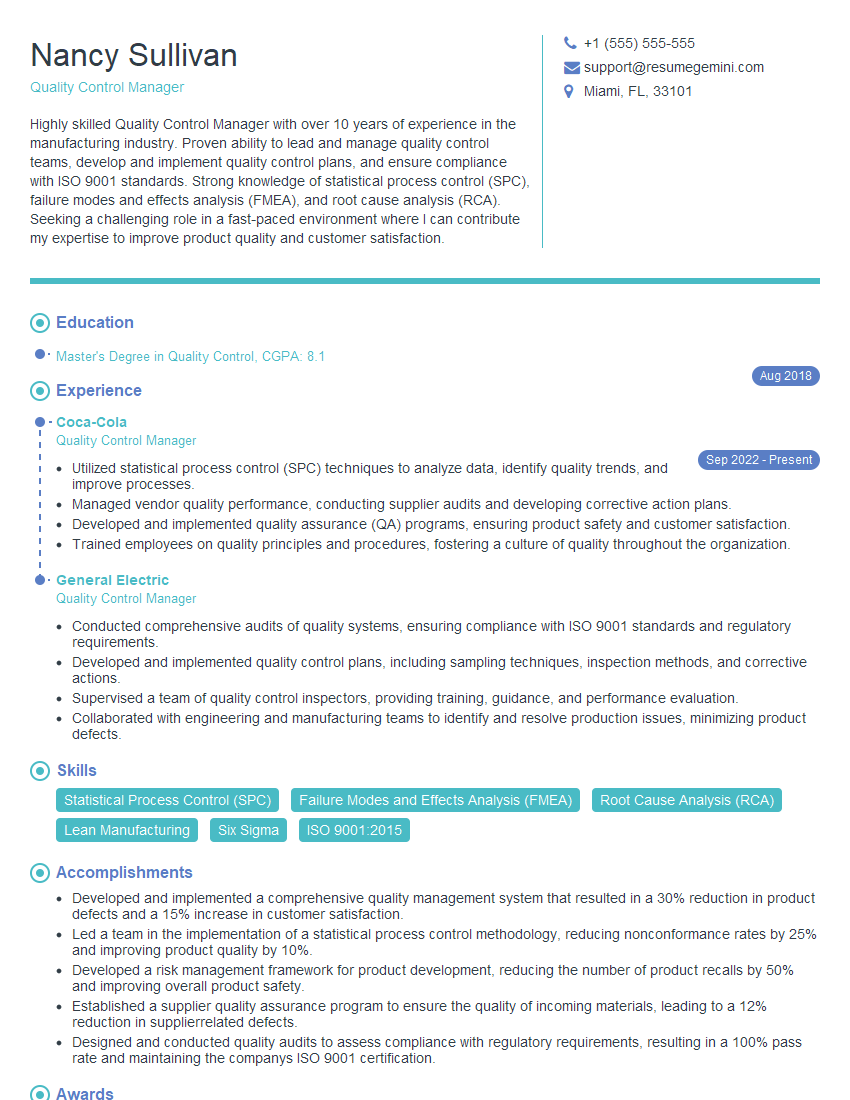
Quality Control Manager Resume Sample
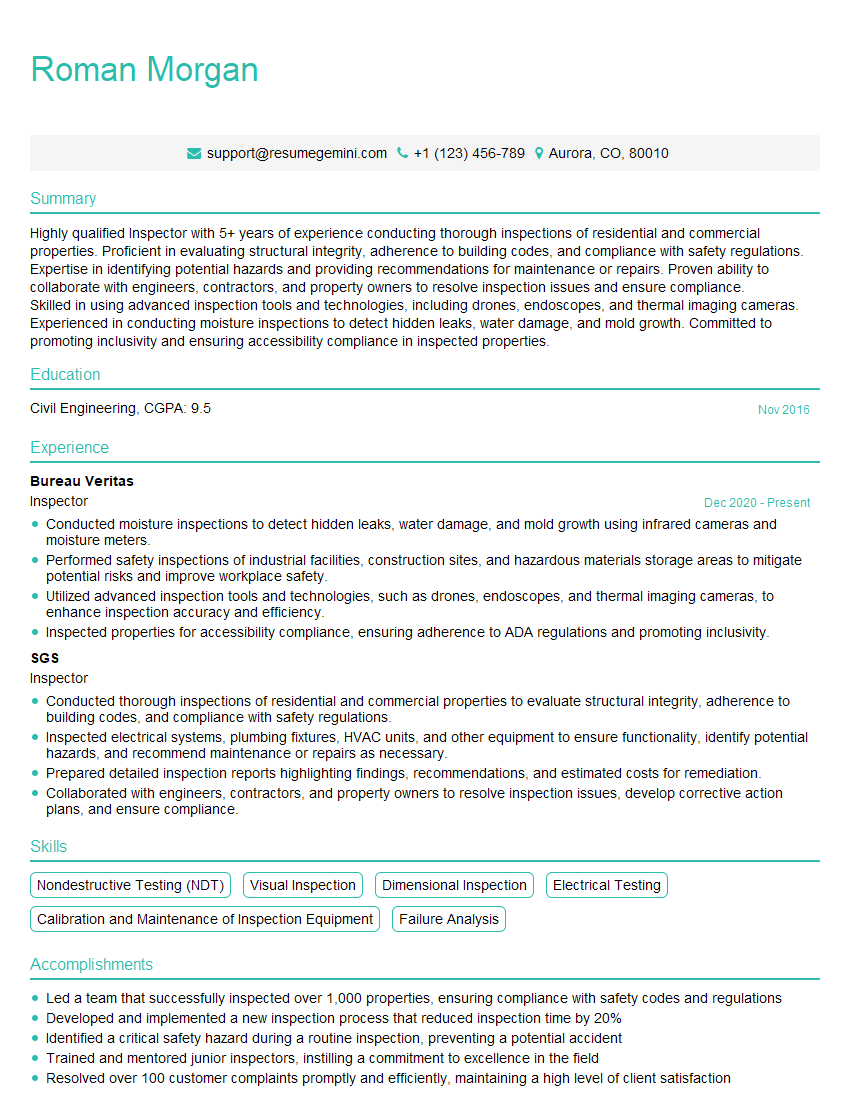
Inspector Resume Sample
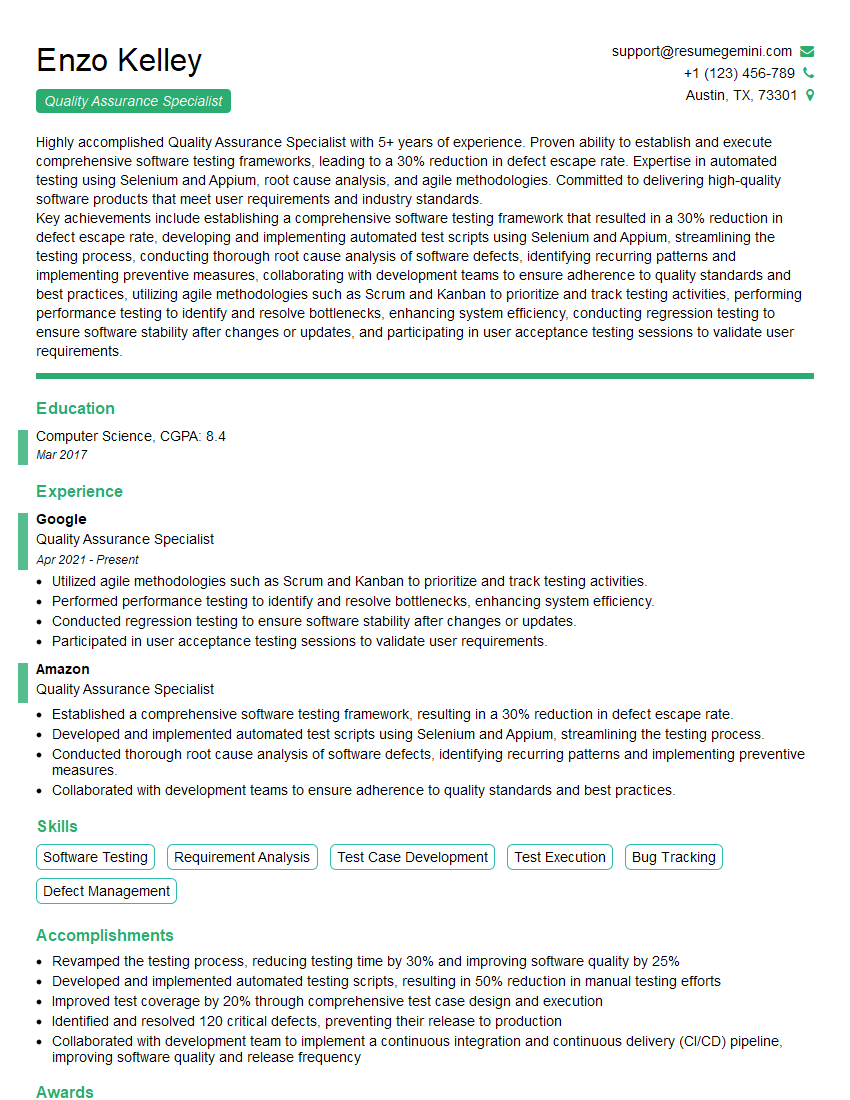
Quality Assurance Specialist Resume Sample
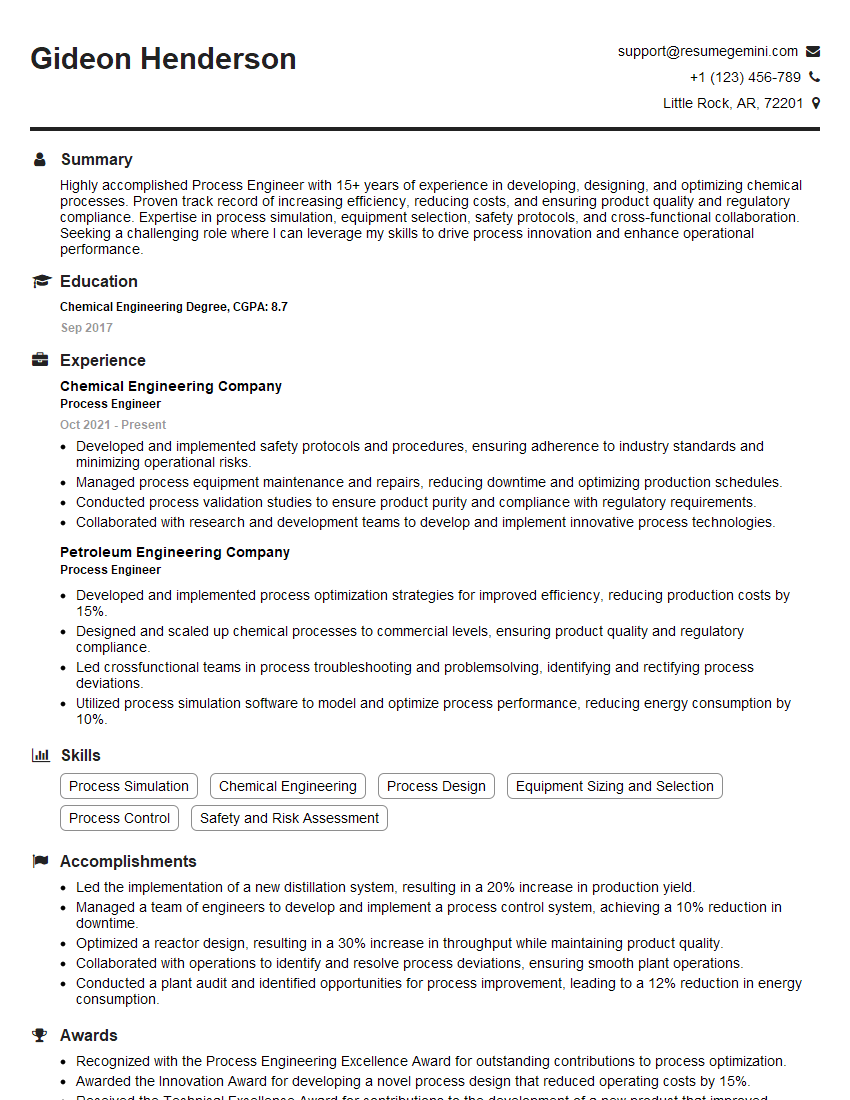
Process Engineer Resume Sample
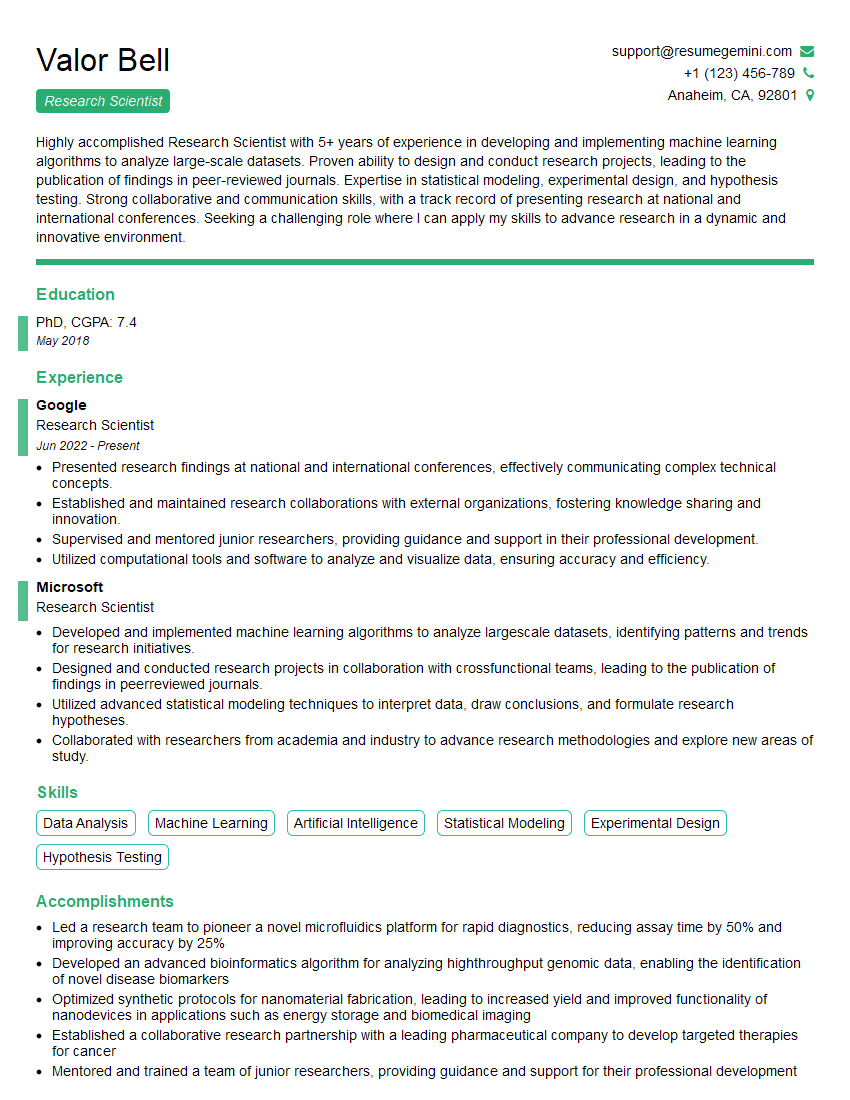
Research Scientist Resume Sample
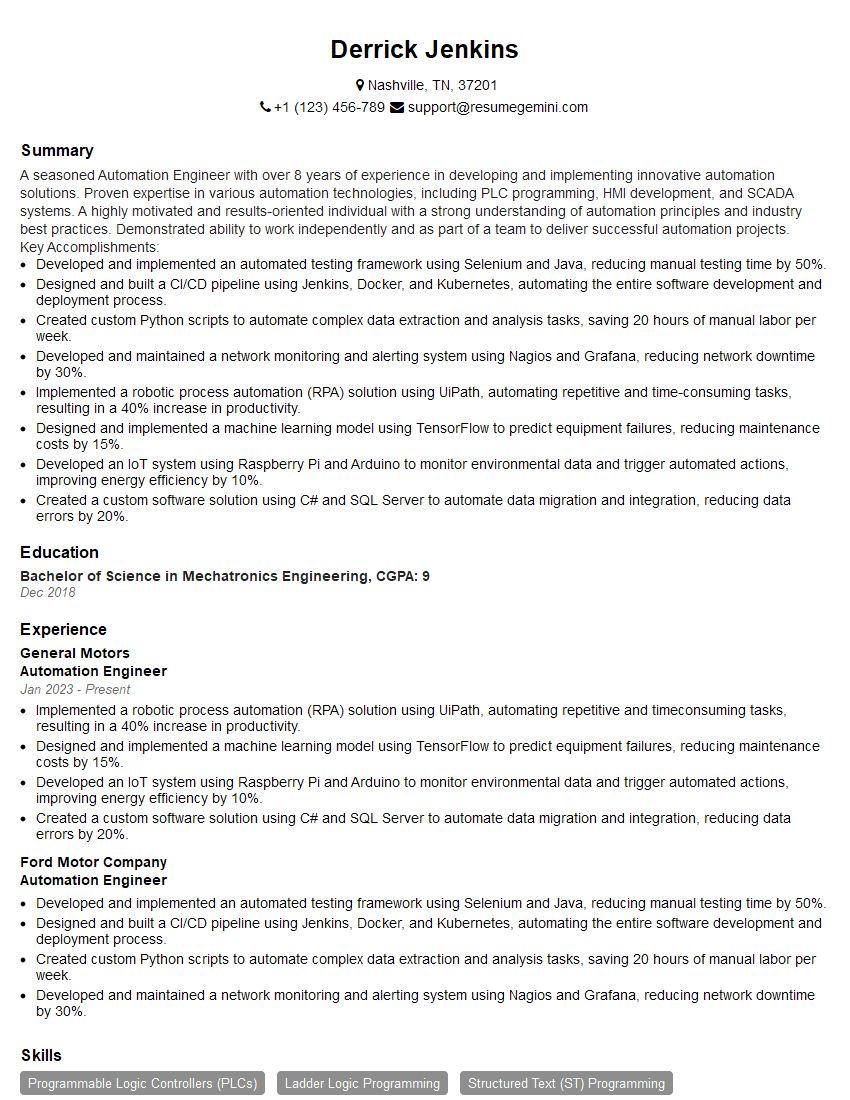
Automation Engineer Resume Sample
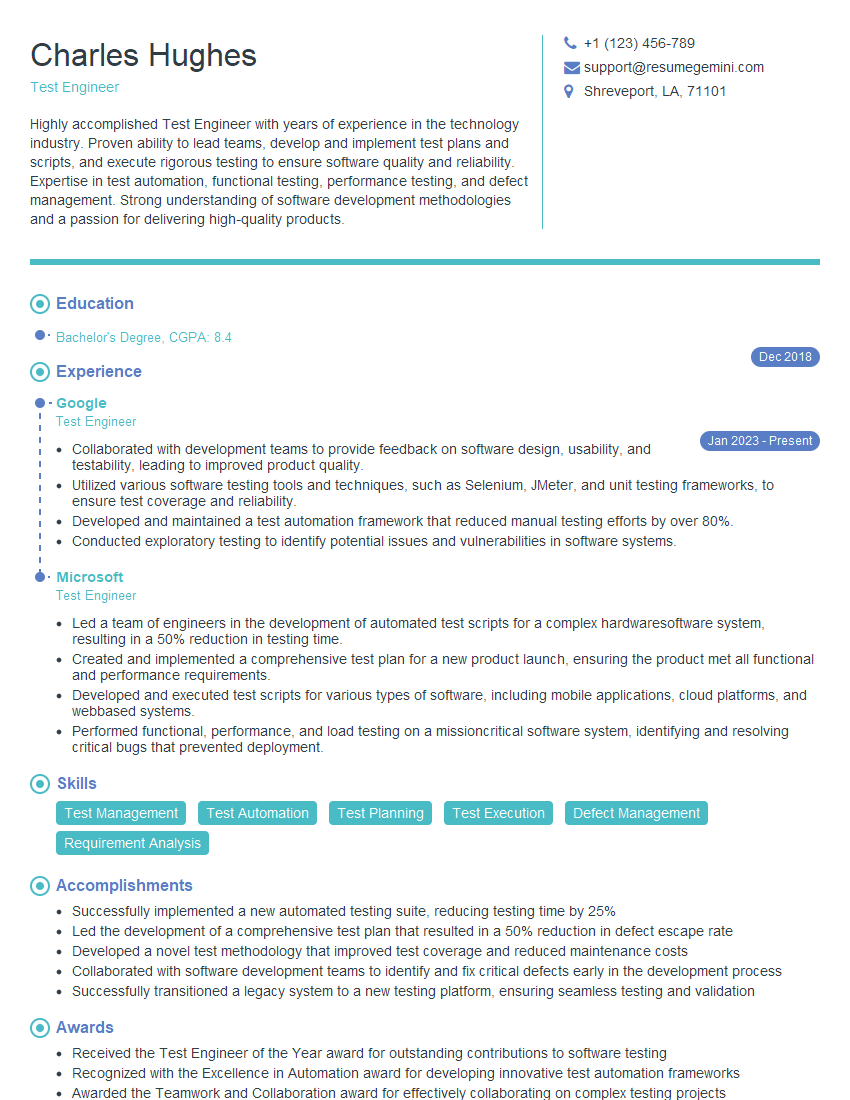
Test Engineer Resume Sample
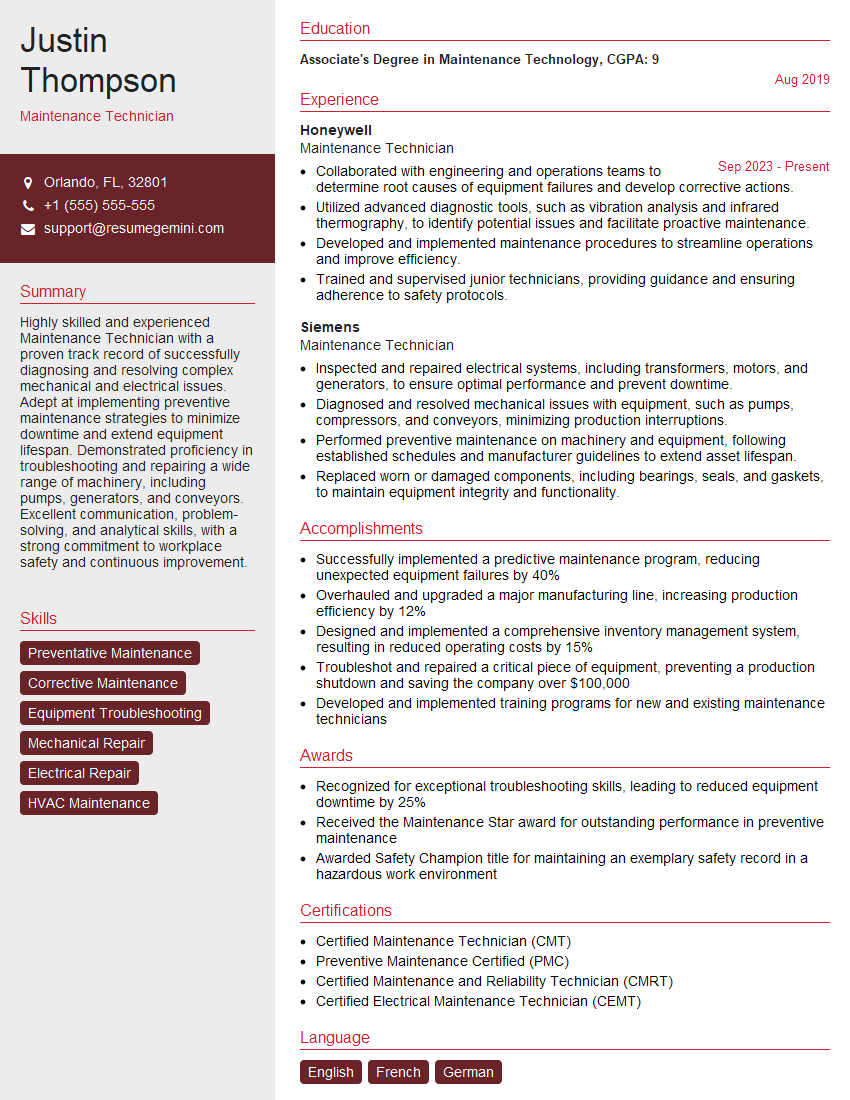
Maintenance Technician Resume Sample
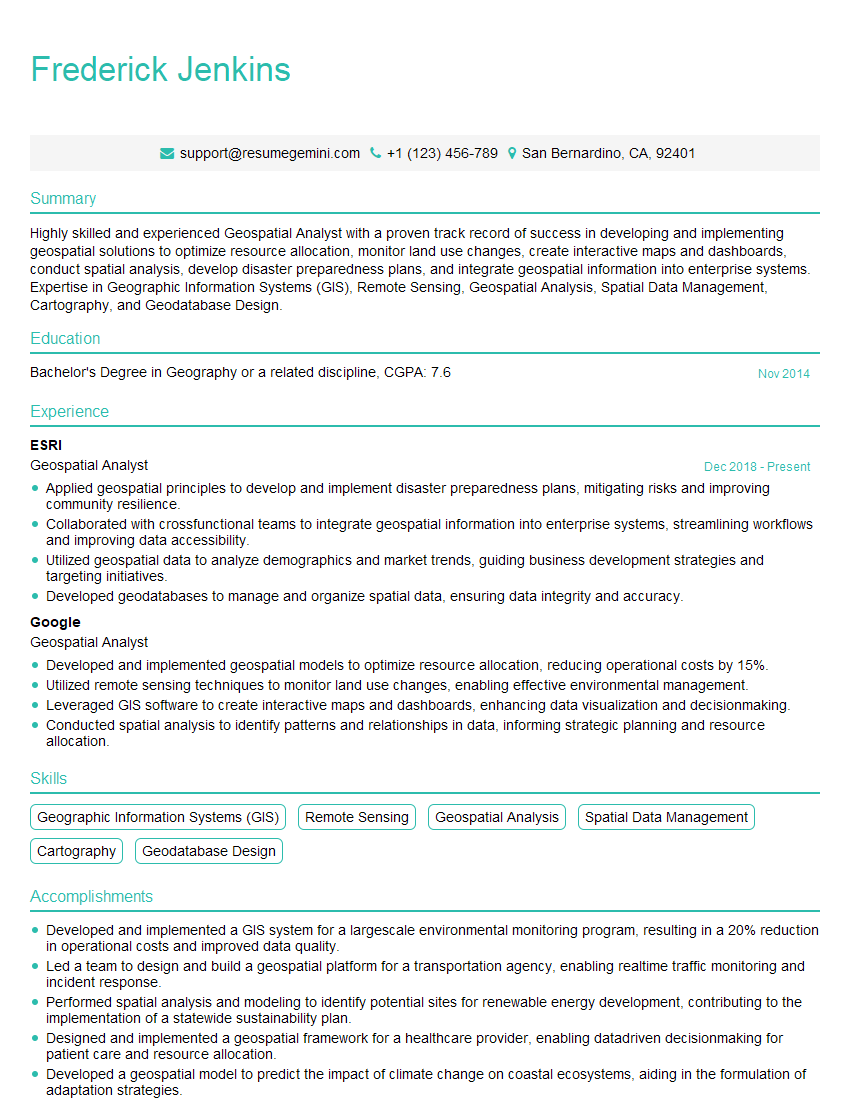
Geospatial Analyst Resume Sample
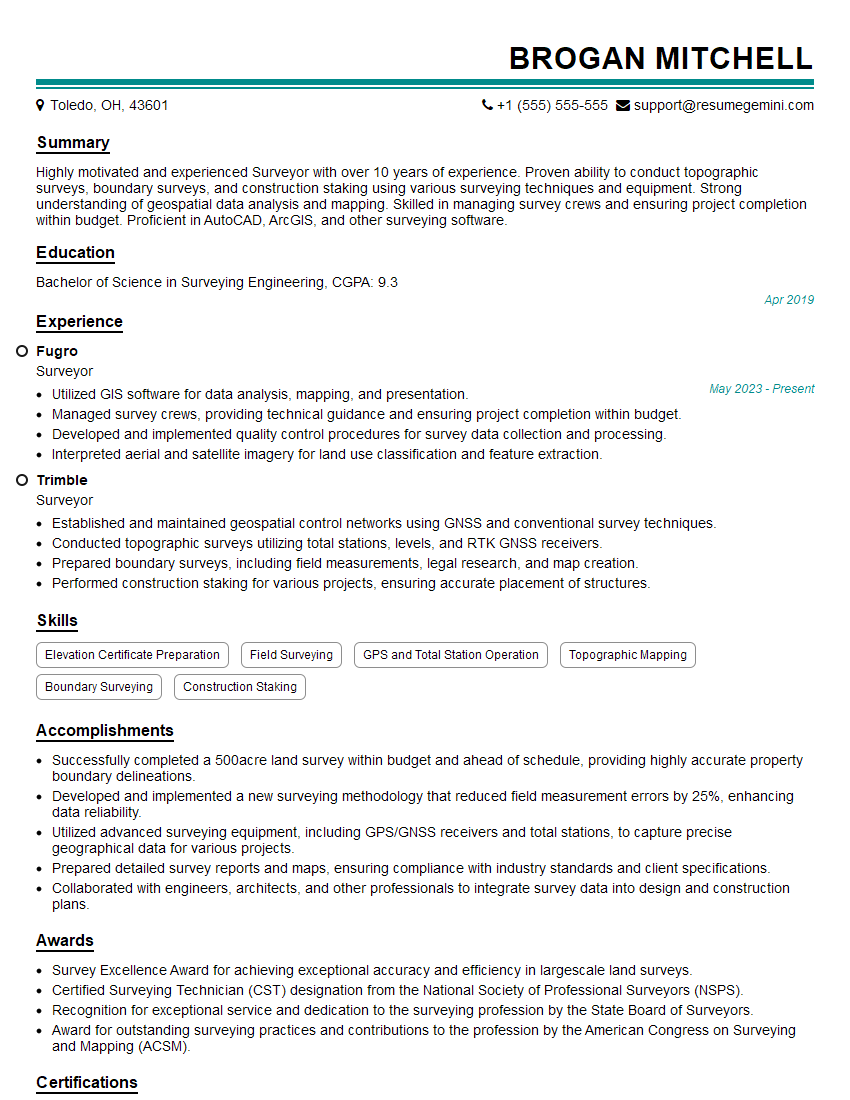
Surveyor Resume Sample
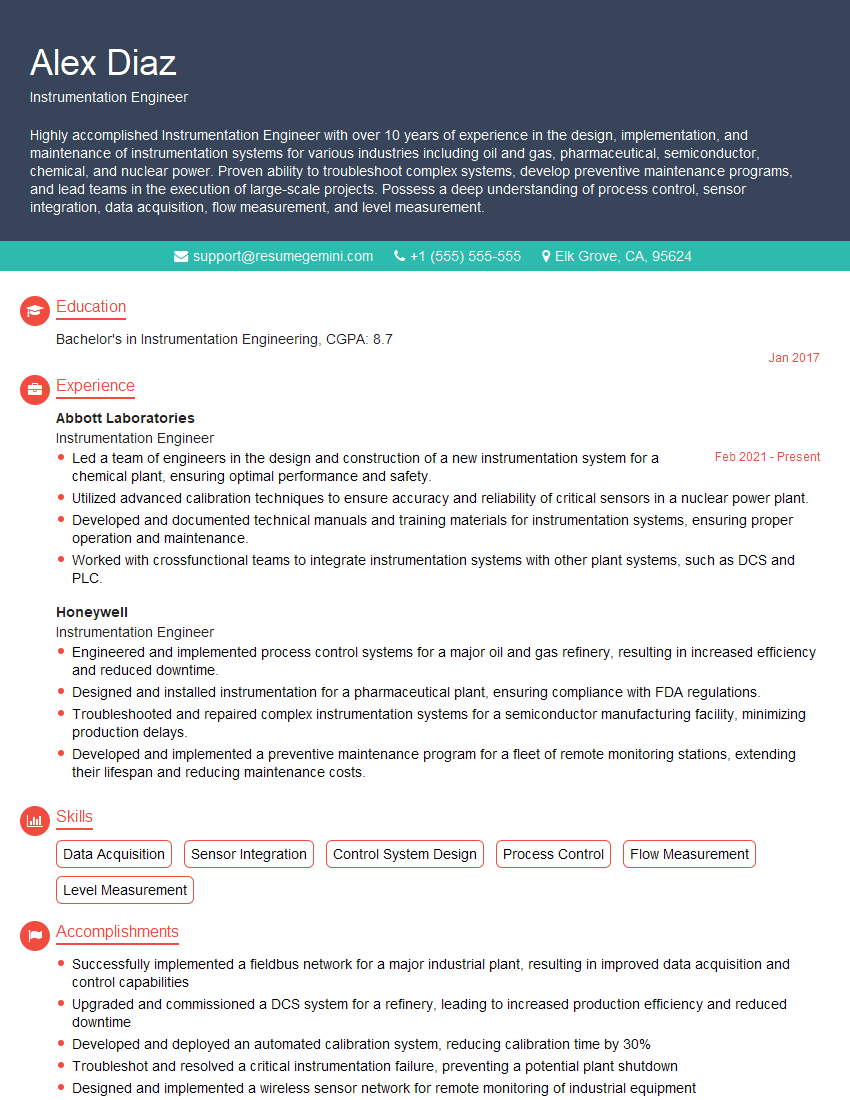
Instrumentation Engineer Resume Sample
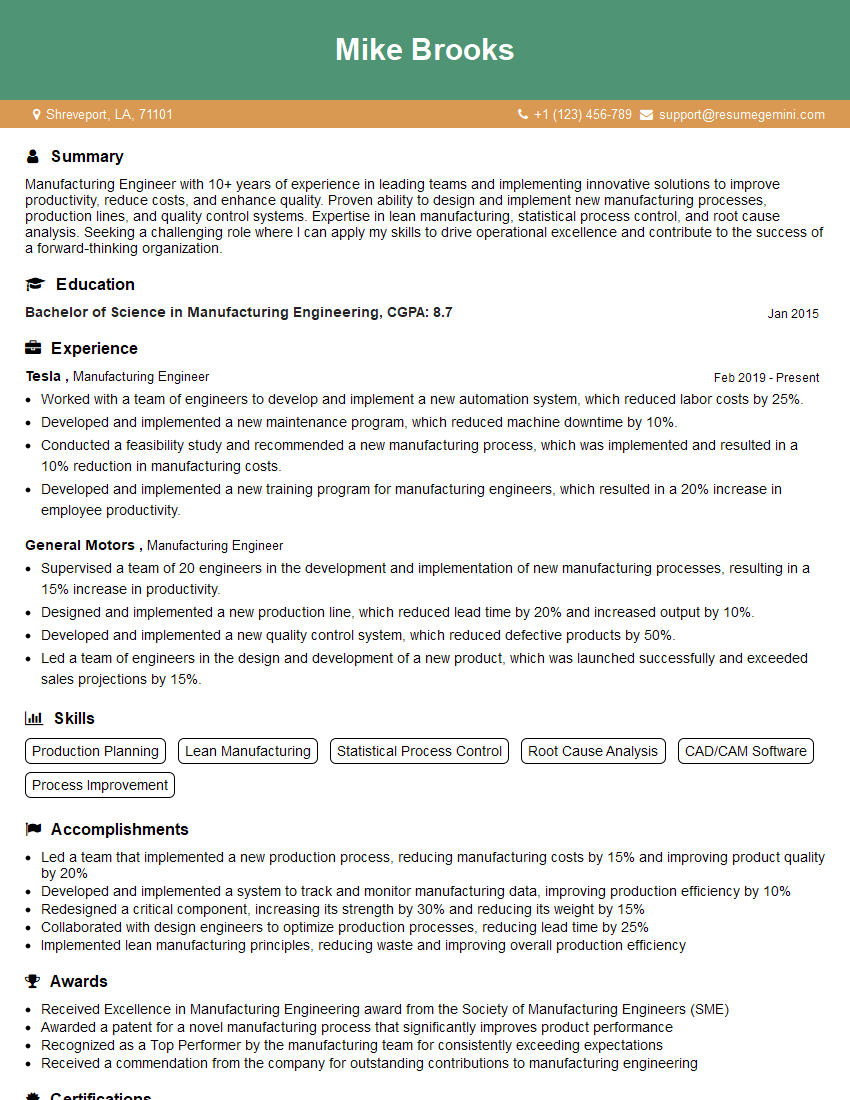
Manufacturing Engineer Resume Sample
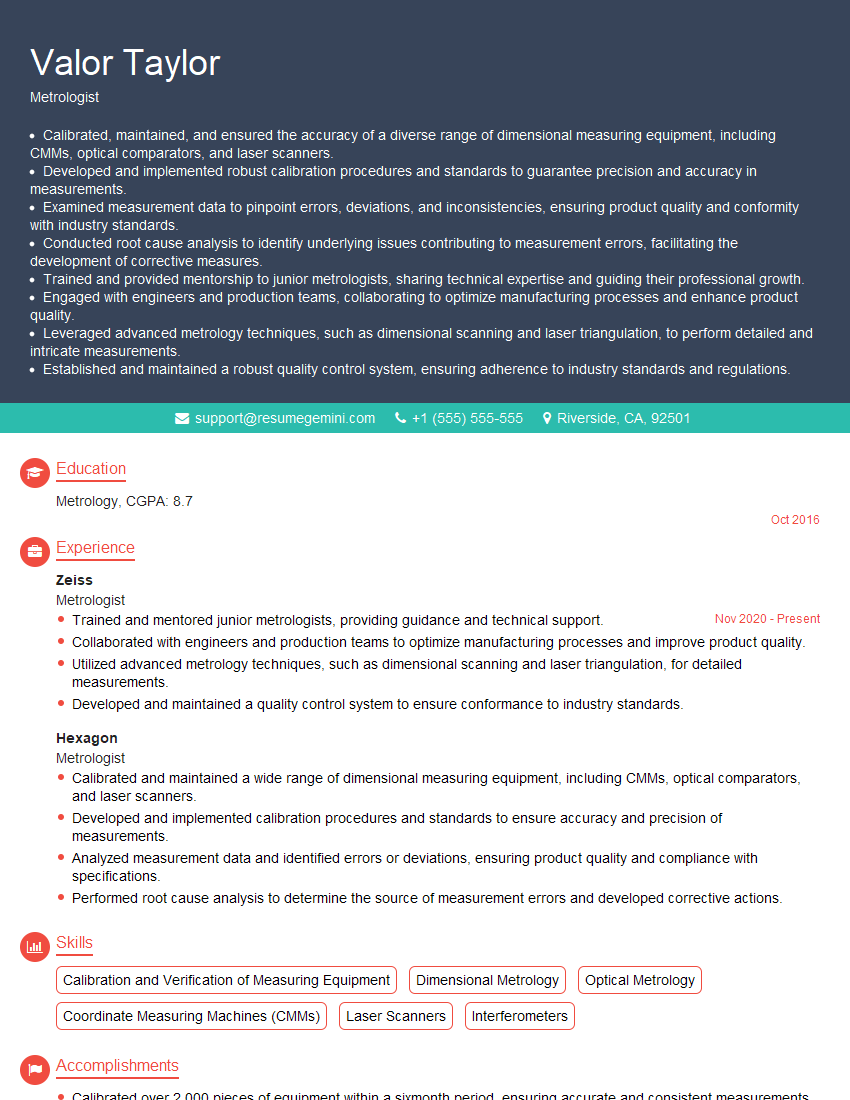
Metrologist Resume Sample
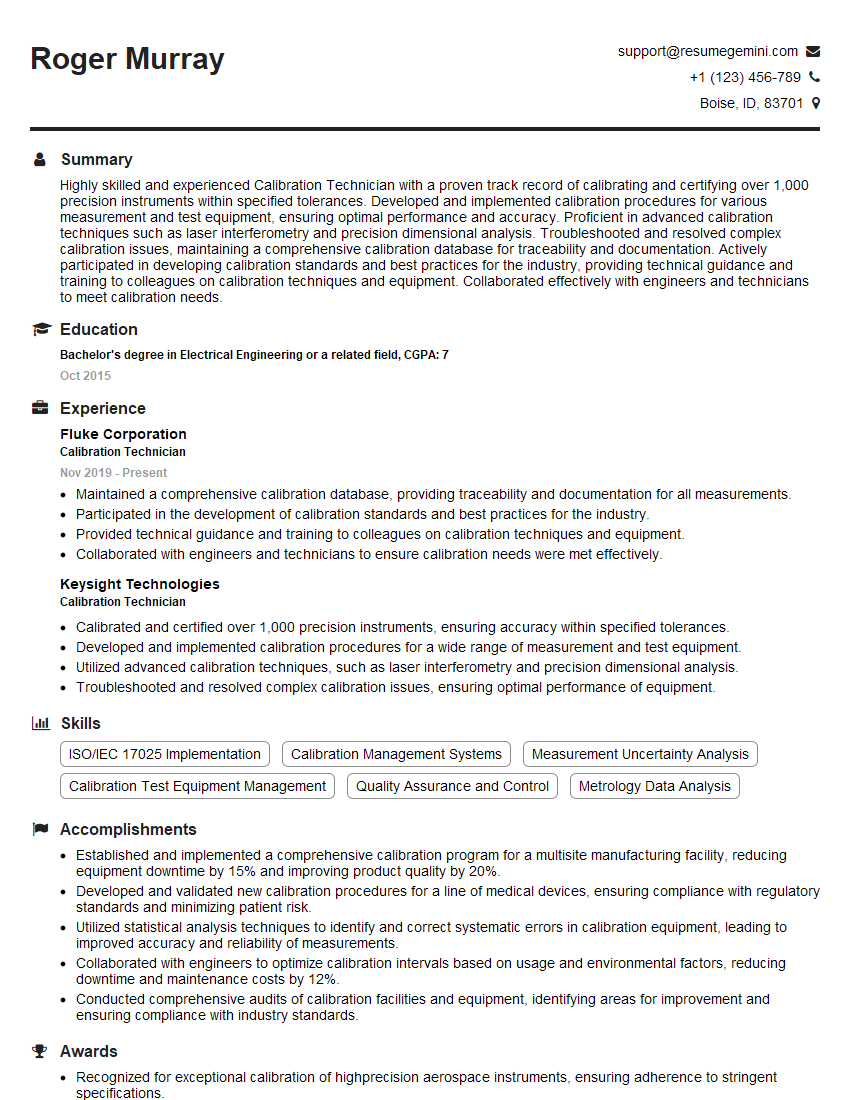
Calibration Technician Resume Sample
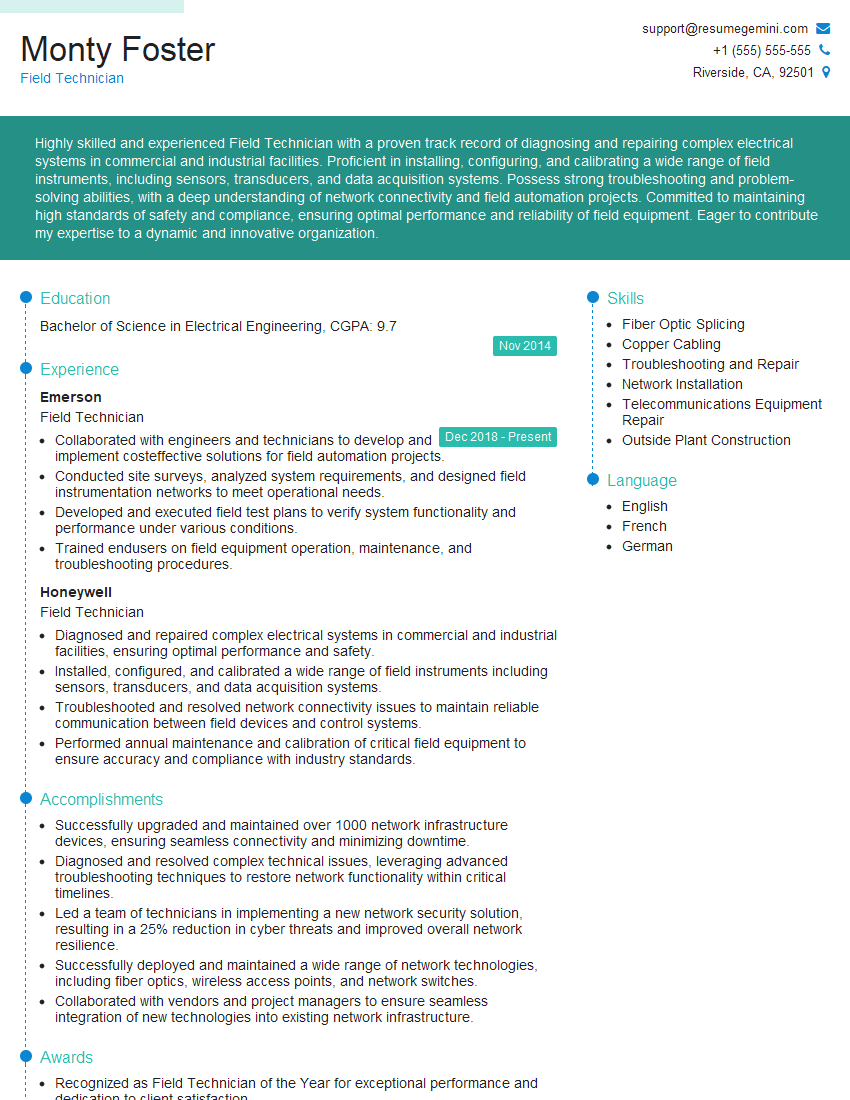
Field Technician Resume Sample
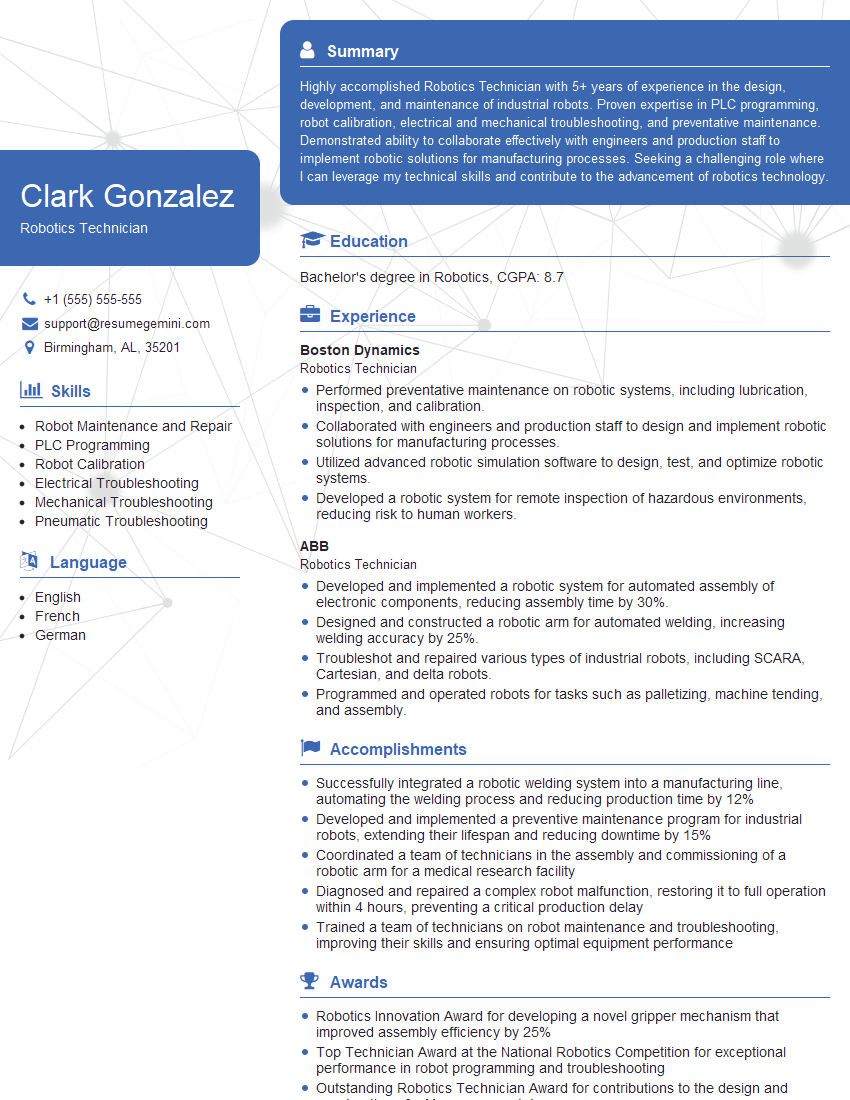
Robotics Technician Resume Sample
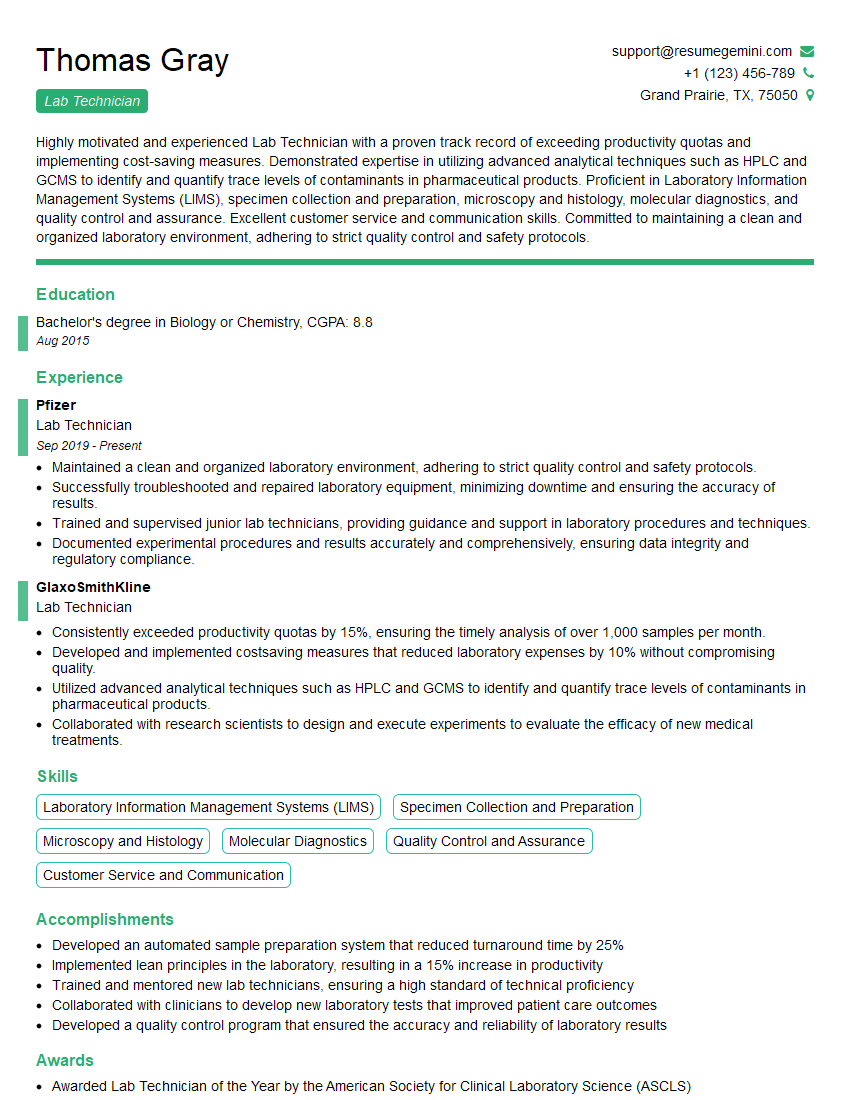
Lab Technician Resume Sample
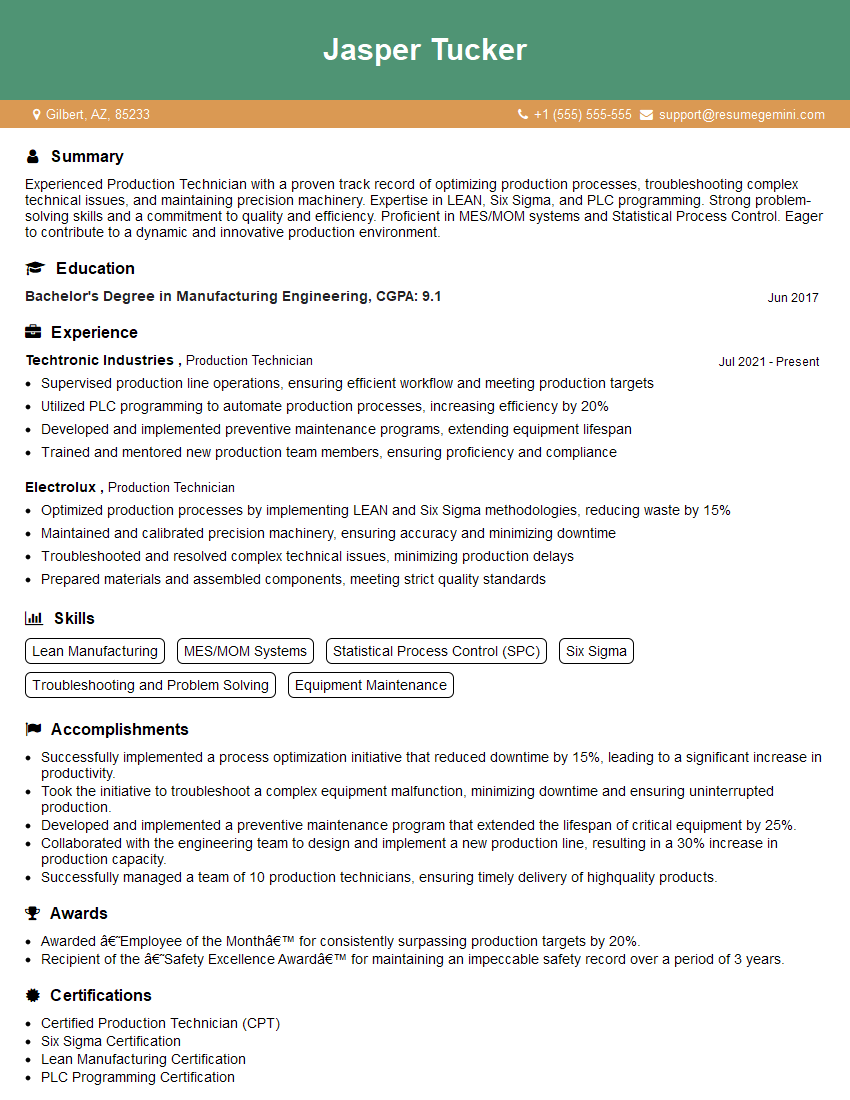
Production Technician Resume Sample
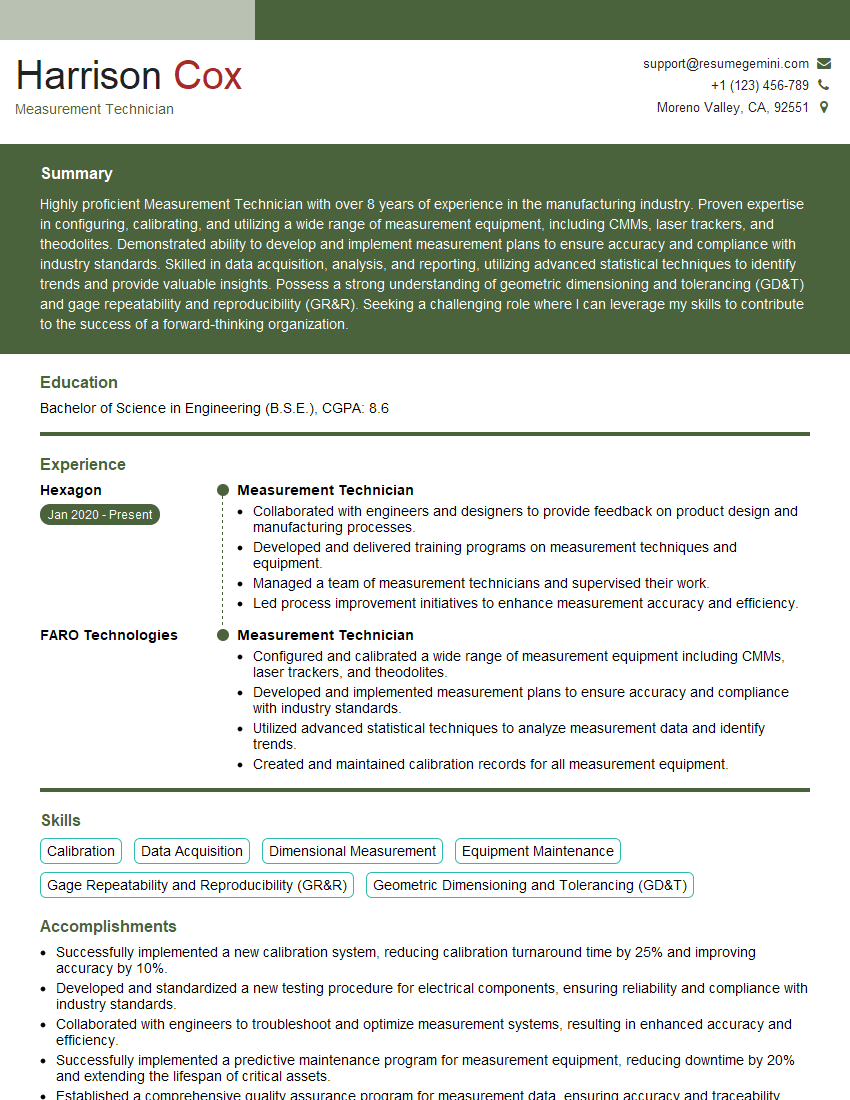
Measurement Technician Resume Sample
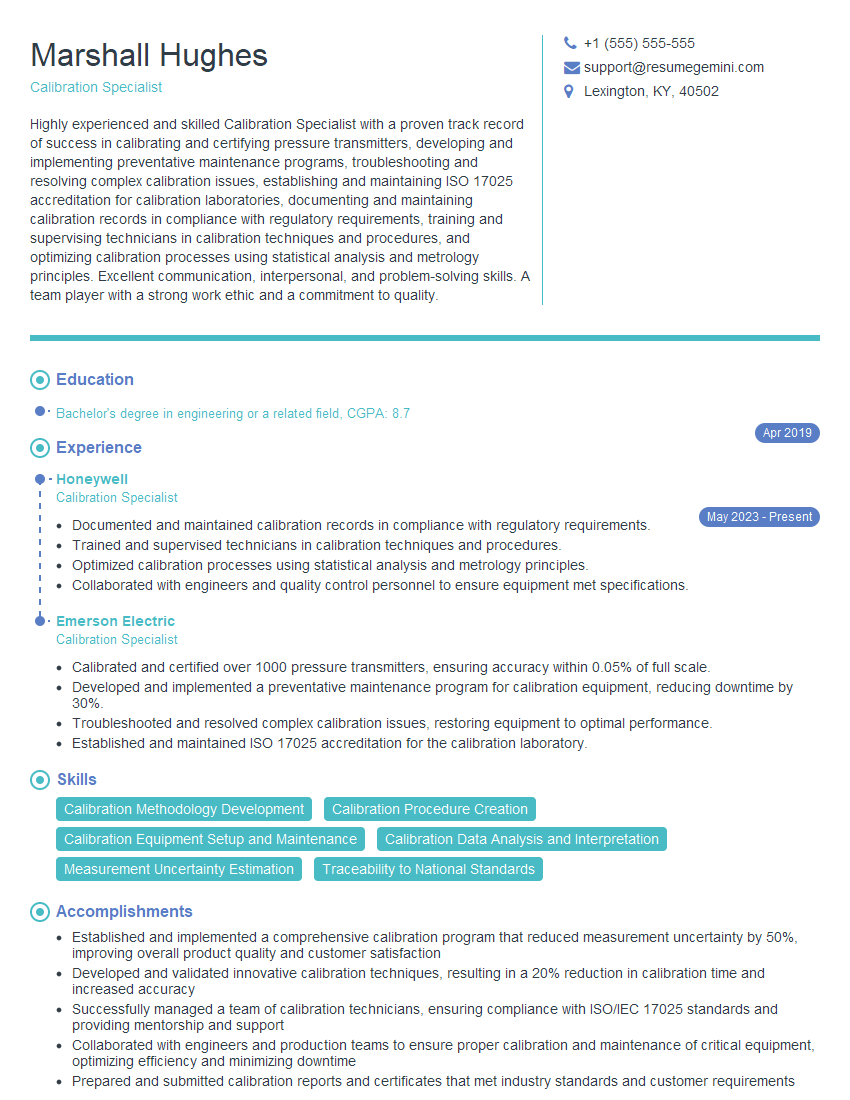
Calibration Specialist Resume Sample
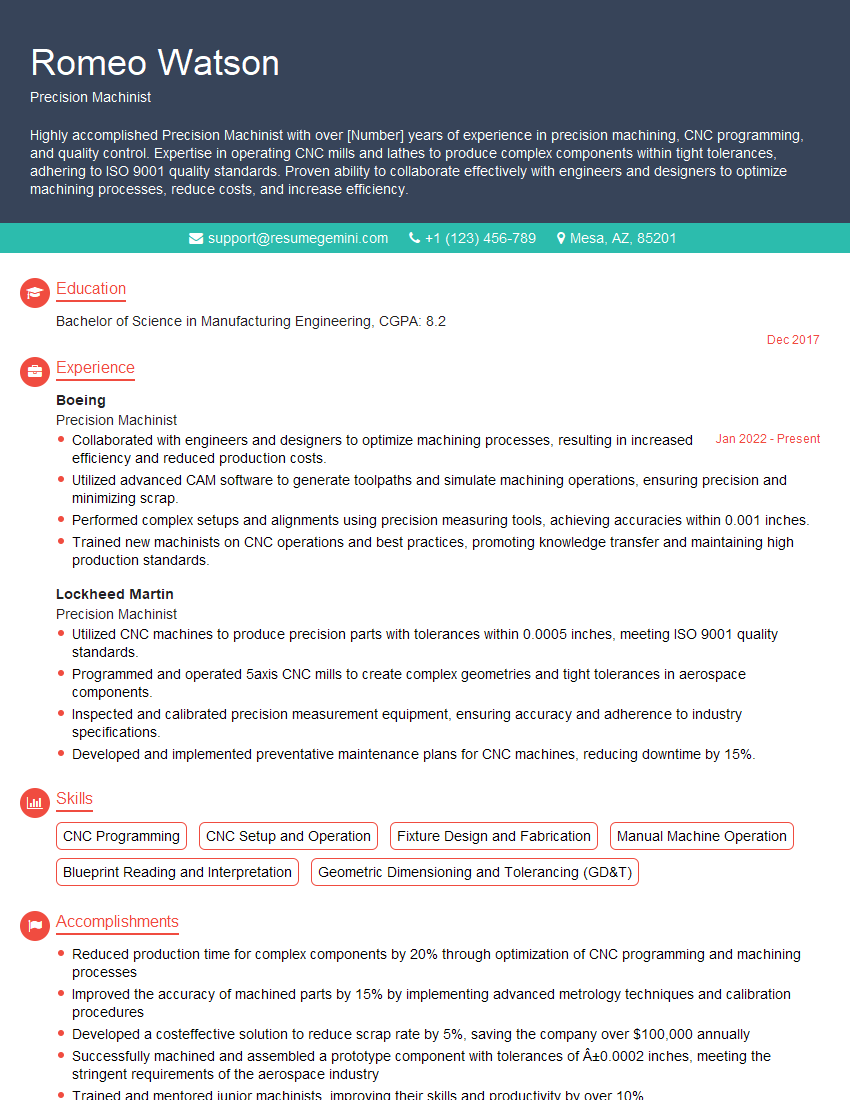
Precision Machinist Resume Sample
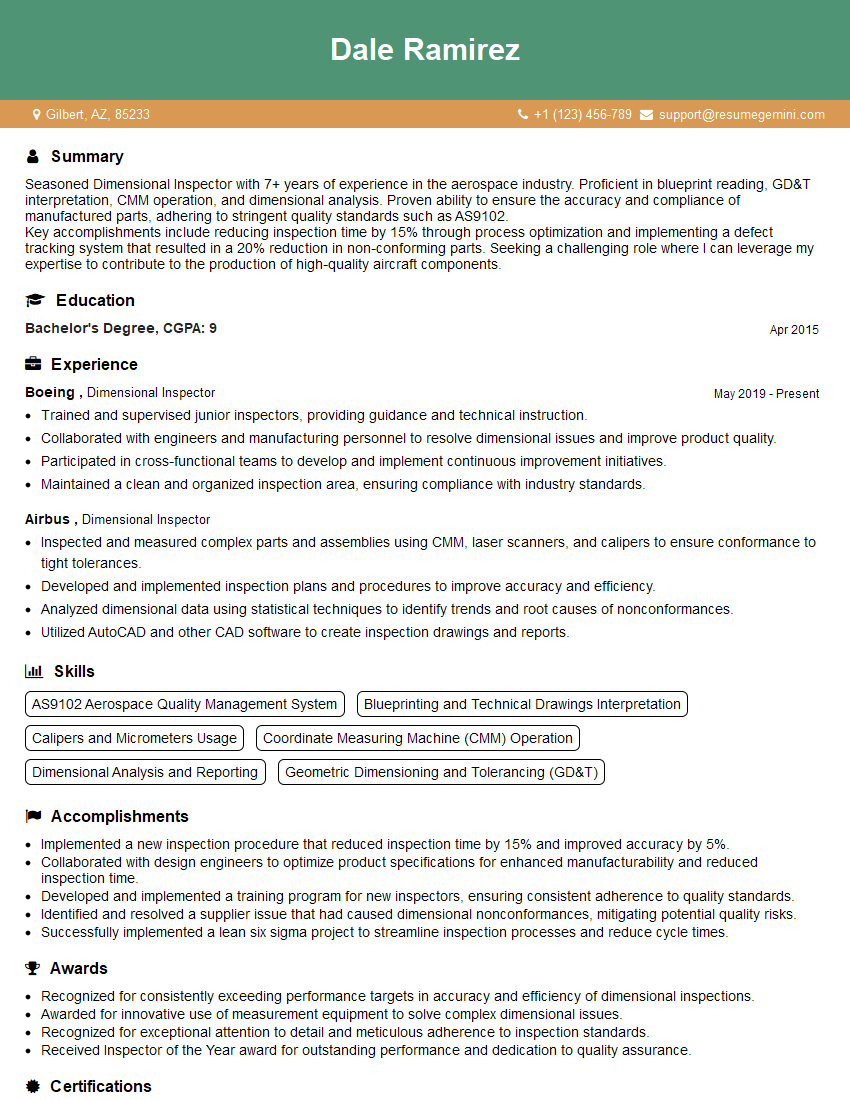
Dimensional Inspector Resume Sample

Quality Control Inspector Resume Sample
- Quality Control Manager
- Inspector
- Quality Assurance Specialist
- Process Engineer
- Research Scientist
- Automation Engineer
- Test Engineer
- Maintenance Technician
- Geospatial Analyst
- Surveyor
- Instrumentation Engineer
- Manufacturing Engineer
- Metrologist
- Calibration Technician
- Field Technician
- Robotics Technician
- Lab Technician
- Production Technician
- Measurement Technician
- Calibration Specialist
- Precision Machinist
- Dimensional Inspector
- Quality Control Inspector
Explore more articles
Users Rating of Our Blogs
Share Your Experience
We value your feedback! Please rate our content and share your thoughts (optional).
What Readers Say About Our Blog
Amazing blog
hello,
Our consultant firm based in the USA and our client are interested in your products.
Could you provide your company brochure and respond from your official email id (if different from the current in use), so i can send you the client’s requirement.
Payment before production.
I await your answer.
Regards,
MrSmith
hello,
Our consultant firm based in the USA and our client are interested in your products.
Could you provide your company brochure and respond from your official email id (if different from the current in use), so i can send you the client’s requirement.
Payment before production.
I await your answer.
Regards,
MrSmith
These apartments are so amazing, posting them online would break the algorithm.
https://bit.ly/Lovely2BedsApartmentHudsonYards
Reach out at BENSON@LONDONFOSTER.COM and let’s get started!
Take a look at this stunning 2-bedroom apartment perfectly situated NYC’s coveted Hudson Yards!
https://bit.ly/Lovely2BedsApartmentHudsonYards
Live Rent Free!
https://bit.ly/LiveRentFREE
Interesting Article, I liked the depth of knowledge you’ve shared.
Helpful, thanks for sharing.
Hi, I represent a social media marketing agency and liked your blog
Hi, I represent an SEO company that specialises in getting you AI citations and higher rankings on Google. I’d like to offer you a 100% free SEO audit for your website. Would you be interested?