The thought of an interview can be nerve-wracking, but the right preparation can make all the difference. Explore this comprehensive guide to Variability Studies interview questions and gain the confidence you need to showcase your abilities and secure the role.
Questions Asked in Variability Studies Interview
Q 1. Explain the concept of process capability and its importance.
Process capability refers to a process’s ability to consistently produce outputs that meet predefined specifications. It’s a crucial metric because it quantifies the inherent variability of a process and tells us how likely it is to produce conforming products or services. Think of it like this: a highly capable process is like a skilled archer consistently hitting the bullseye, while a low-capability process is more like throwing darts – some hit close, some miss completely.
The importance of process capability lies in its ability to predict future performance and identify areas for improvement. By understanding the capability of a process, we can proactively minimize defects, reduce waste, and enhance customer satisfaction. High process capability translates to lower costs, improved efficiency, and a stronger competitive advantage.
For example, a pharmaceutical company needs extremely high process capability in manufacturing pills to ensure consistent dosage and avoid potential harm to patients. Similarly, a car manufacturer needs high capability in producing engine components to ensure reliability and safety.
Q 2. Describe different types of variation and their sources.
Variation in processes can be categorized into two primary types: common cause variation and special cause variation.
- Common Cause Variation: This is inherent to the process itself and is present even when everything is running smoothly. It’s the natural, random fluctuation we expect. Think of it as the background noise in a system. Sources include slight variations in materials, minor machine fluctuations, and normal operator differences. It’s predictable, following a consistent pattern over time.
- Special Cause Variation: This is due to unusual, identifiable events that disrupt the normal process. This is the ‘signal’ that stands out from the ‘noise’ of common cause variation. Sources include equipment malfunction, incorrect settings, changes in raw materials, or human error. It’s unpredictable and often results in significant deviations from the expected outcome.
Understanding these variations is fundamental to improving processes. Common cause variation needs to be managed through process improvement projects, while special cause variation needs immediate investigation and corrective action to prevent recurrence.
Q 3. How do you identify and analyze common and special causes of variation?
Identifying and analyzing common and special causes of variation requires a systematic approach, often using statistical process control (SPC) tools. The key is to distinguish between the predictable background noise (common cause) and the unexpected disruptions (special cause).
- Control Charts: These are the primary tools. Control charts graphically display data over time, with control limits established based on the historical process behavior. Points outside the control limits typically indicate special cause variation. Patterns within the control limits (e.g., trends, cycles) can also signal underlying issues that require attention.
- Data Analysis: Once potential special causes are identified using control charts, further investigation is needed to pinpoint the root cause. This often involves collecting additional data, interviewing operators, reviewing maintenance logs, and analyzing process parameters.
- Pareto Analysis: This technique helps prioritize the most significant causes of variation by identifying the ‘vital few’ factors contributing to the majority of problems.
For example, consistently high values on a control chart might suggest a tool needs recalibration (special cause), whereas random fluctuations within the control limits indicate the usual, inherent variability of the process (common cause).
Q 4. What are control charts and how are they used in Variability Studies?
Control charts are powerful graphical tools used in variability studies to monitor process stability and identify sources of variation. They plot data points over time, along with control limits calculated from historical process data. These limits represent the expected range of variation if only common causes are present.
In Variability Studies, control charts are used to:
- Monitor process stability: Are we experiencing only common cause variation or are special causes present?
- Identify special causes of variation: Points outside control limits or non-random patterns signal the need for investigation and corrective action.
- Assess process capability: Control chart data can be used to estimate the process capability indices, Cp and Cpk.
- Track process improvement: Control charts can monitor the effectiveness of improvements implemented.
Different types of control charts are used depending on the type of data being measured (e.g., X-bar and R charts for continuous data, p-charts for proportions).
Q 5. Explain the use of X-bar and R charts.
X-bar and R charts are used together to monitor the central tendency and dispersion of continuous data. They are suitable for variables data, where measurements are taken on a continuous scale (e.g., weight, length, temperature).
- X-bar chart: This chart tracks the average (mean) of subgroups of data over time. It monitors the central tendency of the process.
- R chart: This chart tracks the range (difference between the largest and smallest values) within each subgroup. It monitors the dispersion or variability within the process.
By monitoring both the average and the range, we gain a comprehensive understanding of process behavior. If the X-bar chart shows points outside the control limits, it suggests a shift in the average. If the R chart shows points outside the limits, it suggests an increase in variability.
Q 6. Describe the use of X-bar and s charts.
X-bar and s charts are another pair of control charts used to monitor continuous data. They offer an alternative to X-bar and R charts, particularly beneficial for larger subgroups (n>10) where the range is less sensitive to variation.
- X-bar chart: This chart functions similarly to the X-bar chart described above – monitoring the average of subgroups.
- s chart: This chart tracks the standard deviation (s) of each subgroup, providing a more precise measure of variability than the range used in R charts. The standard deviation is a more statistically robust measure of variability.
The use of standard deviation instead of range makes the s-chart more sensitive to smaller shifts in variation, which is especially valuable for monitoring processes with a large number of samples per subgroup. Using X-bar and s charts provides a more refined and statistically sound method for variability analysis in this context.
Q 7. Explain the concept of Cp and Cpk.
Cp and Cpk are process capability indices that quantify the relationship between the process variability and the specification limits. They provide a numerical measure of process capability, allowing for objective comparison across different processes.
- Cp (Process Capability Index): This index measures the potential capability of a process assuming it’s centered on the target value. It considers only the process spread relative to the specification tolerance. A higher Cp indicates greater potential capability.
- Cpk (Process Capability Index): This index considers both the process spread and its centering. It’s a more realistic measure of capability because it accounts for the process mean not being perfectly centered on the target value. A higher Cpk indicates greater actual capability.
Cp and Cpk are usually expressed as a ratio; values greater than 1.33 are generally considered desirable, indicating that the process is capable of consistently meeting specifications. Values below 1 suggest the process is not capable and needs improvement.
For example, a Cp of 1.5 indicates that the process spread is only two-thirds of the specification tolerance, implying it has excellent potential. However, a Cpk of 1.0 means that while the process variation is within limits, it’s not centered, thus there’s a significant risk of producing non-conforming output.
Q 8. How do you interpret Cp and Cpk values?
Cp and Cpk are process capability indices that tell us how well a process is performing relative to its specifications. Cp measures the potential capability of a process, assuming the process is centered on the target. Cpk, on the other hand, considers both the process capability and its centering. It’s a more realistic measure as it accounts for process variability and offset from the target.
Cp: Cp = (USL – LSL) / 6σ, where USL is the upper specification limit, LSL is the lower specification limit, and σ is the standard deviation of the process. A Cp of 1 indicates the process is just meeting the specifications; values greater than 1 indicate increasing capability.
Cpk: Cpk is the minimum of (USL – μ) / 3σ and (μ – LSL) / 3σ, where μ is the process mean. A Cpk of 1 indicates the process is capable, but it’s right on the edge. Values above 1 indicate better capability. For example, a Cpk of 1.33 suggests that the process is capable and has a safety margin.
In practical terms: Imagine a machine producing bolts. The specification might be 10mm ± 0.1mm. A high Cp indicates the machine *could* produce bolts consistently within this range, while a high Cpk indicates that it *is* actually producing bolts consistently within the range, even if it isn’t perfectly centered on 10mm.
Q 9. What is a process capability study, and how is it conducted?
A process capability study determines if a process can consistently produce output within predefined specifications. It involves collecting data from the process, analyzing it statistically, and calculating capability indices like Cp and Cpk. This helps assess whether the process needs improvement or is suitable for its intended purpose.
Conducting a process capability study involves these steps:
- Define Specifications: Clearly identify the upper and lower specification limits (USL and LSL) for the characteristic being measured.
- Data Collection: Collect a sufficient sample size of data from the process under normal operating conditions. The sample size needs to be large enough to accurately estimate the process parameters. A minimum of 100 data points is often recommended.
- Data Analysis: Analyze the collected data for normality. Histograms and normality tests (like Shapiro-Wilk) are used. Transformations may be needed if data isn’t normal.
- Capability Indices Calculation: Calculate Cp and Cpk to assess process capability.
- Interpretation and Reporting: Interpret the results and report findings. The study determines if the process consistently meets the specifications. If not, further investigations into the source of variability are needed.
Example: A company producing pharmaceutical tablets needs to ensure the weight is within strict limits. A process capability study would involve weighing a large sample of tablets, analyzing the data for normality, and calculating Cp and Cpk to see if the process meets the regulatory requirements.
Q 10. Explain the concept of Design of Experiments (DOE).
Design of Experiments (DOE) is a powerful statistical methodology for efficiently planning experiments to collect the most informative data possible. It helps to understand how different factors influence an outcome, and to find the optimal settings for those factors to achieve the desired outcome. It’s all about getting the most knowledge with the least number of experiments.
Think of it like this: Instead of randomly changing settings and hoping for the best, DOE provides a structured approach to explore the impact of different variables. This avoids wasting time and resources on inefficient experiments.
Key aspects of DOE:
- Factors: Variables that can be controlled or manipulated (e.g., temperature, pressure).
- Levels: Different settings or values of a factor (e.g., temperature at 100°C, 150°C, 200°C).
- Responses: The outputs or measurements that are being studied (e.g., yield, quality).
Q 11. What are some common DOE methodologies?
Several DOE methodologies exist, each suited for different situations. Some common ones include:
- Full Factorial Design: Tests all possible combinations of factor levels. This is good for understanding all interactions between factors but can become computationally expensive with many factors.
- Fractional Factorial Design: Tests a subset of all possible combinations. It’s efficient but sacrifices some information on interactions.
- Central Composite Design (CCD): Used for response surface methodology (RSM), where the goal is to find the optimal settings of factors for maximizing or minimizing the response. It’s often used when you want to fit a quadratic model to the response.
- Taguchi Methods: Focuses on orthogonal arrays to efficiently explore factor effects while minimizing the number of experimental runs. Particularly useful when factors have many levels.
The choice of methodology depends on the number of factors, levels, resources available, and the type of information needed.
Q 12. How do you select appropriate sample sizes for Variability Studies?
Selecting the appropriate sample size for variability studies is crucial for obtaining reliable results. Too small a sample size can lead to inaccurate conclusions, while too large a sample might be wasteful. The required sample size depends on several factors:
- Desired precision: How accurately do you need to estimate the process parameters (mean, standard deviation)?
- Confidence level: The probability that the true value lies within the calculated interval (typically 95%).
- Process variability: How much variation is expected in the process?
Statistical methods like power analysis can help determine the minimum sample size needed. Software packages like Minitab or R can perform power calculations. Consider using a pilot study to get an initial estimate of process variability before conducting the full study. Generally, larger samples are better to ensure accurate estimations of variability, especially in highly variable processes.
Example: A pilot study might suggest a standard deviation of 2 units. Using power analysis with a desired precision, confidence level, and power (e.g., 80%), the software would then calculate the required sample size.
Q 13. How do you handle outliers in your data?
Outliers—data points significantly different from the rest—can heavily influence the results of variability studies. Handling outliers requires careful consideration.
Strategies for handling outliers:
- Investigate the Cause: First, determine if the outlier is a genuine data point or a result of an error (e.g., measurement error, data entry error). If an error is found, the outlier should be removed or corrected.
- Robust Methods: If the outlier is genuine and there is a justifiable reason for its existence, use robust statistical methods less sensitive to outliers. Median instead of mean and interquartile range (IQR) instead of standard deviation are less susceptible to outlier influence.
- Transformations: Applying transformations (e.g., logarithmic transformation) might reduce the impact of outliers. However, this alters the data distribution.
- Winsorizing or Trimming: Replace extreme values with less extreme values or remove a certain percentage of the most extreme values from both tails of the data.
- Non-parametric methods: If normality assumptions are violated due to outliers, consider non-parametric tests, which are less dependent on assumptions about the data distribution.
It’s crucial to document the approach taken to handling outliers and justify any decisions made.
Q 14. Explain the difference between accuracy and precision.
Accuracy and precision are both important aspects of measurement quality but represent different concepts.
Accuracy refers to how close a measurement is to the true value. A highly accurate measurement is very close to the target value. Think of hitting the bullseye on a dartboard.
Precision refers to how close repeated measurements are to each other. A precise measurement shows little variation between repeated trials. Think of consistently hitting the same spot on the dartboard, even if it’s not the bullseye.
Illustrative example: A scale measuring a 10g weight might show readings of 9.9g, 10.1g, and 10.0g. This is highly precise but not necessarily accurate if the true weight is 10.5g. If it consistently reads 10.5g, it’s both precise and accurate.
In variability studies, both accuracy and precision are important. A process might be precise (low variation) but inaccurate (not centered on the target). A process capability study assesses both aspects, aiming for high precision and accuracy.
Q 15. What is Measurement Systems Analysis (MSA)?
Measurement Systems Analysis (MSA) is a crucial statistical method used to assess the accuracy and precision of any measurement system. Think of it like this: before you can accurately measure the height of a building, you need to ensure your measuring tape is reliable and consistent. MSA helps determine if your measurement system (the tape measure, in this case) is capable of providing accurate and repeatable results. This is critical in manufacturing, healthcare, and many other industries where accurate measurements directly impact quality and safety.
A poor measurement system can lead to incorrect conclusions, wasted resources, and even product failure. MSA helps prevent these issues by identifying and quantifying sources of variation within the measurement process itself.
Career Expert Tips:
- Ace those interviews! Prepare effectively by reviewing the Top 50 Most Common Interview Questions on ResumeGemini.
- Navigate your job search with confidence! Explore a wide range of Career Tips on ResumeGemini. Learn about common challenges and recommendations to overcome them.
- Craft the perfect resume! Master the Art of Resume Writing with ResumeGemini’s guide. Showcase your unique qualifications and achievements effectively.
- Don’t miss out on holiday savings! Build your dream resume with ResumeGemini’s ATS optimized templates.
Q 16. Describe different MSA techniques (e.g., Gage R&R).
Several MSA techniques exist, each designed to analyze different aspects of measurement system variation. Gage Repeatability and Reproducibility (Gage R&R) is the most common. It quantifies the variation due to the equipment (repeatability) and the operator (reproducibility). Other techniques include:
- Attribute Gage R&R: Used when measurements are categorized (e.g., good/bad, pass/fail).
- Bias Study: Assesses the systematic error or difference between the measurement system and a known standard.
- Linearity Study: Evaluates the consistency of the measurement system across the entire range of measurement.
- Stability Study: Checks for drift or changes in the measurement system over time.
Gage R&R, for instance, involves having multiple operators measure the same parts multiple times. Statistical analysis then separates the total variation into components attributable to repeatability, reproducibility, and part-to-part variation. The results are often expressed as percentages of the total variation, helping determine the suitability of the measurement system.
Q 17. How do you assess the repeatability and reproducibility of a measurement system?
Assessing repeatability and reproducibility is the core of Gage R&R. Repeatability refers to the variation observed when the same operator measures the same part multiple times using the same instrument. Reproducibility, on the other hand, measures the variation among different operators measuring the same part with the same instrument. Both are crucial aspects of measurement system performance.
We assess these by conducting a Gage R&R study. The data collected (measurements) are analyzed using ANOVA (Analysis of Variance) or similar statistical techniques. The output usually includes components of variation, expressed as standard deviations or percentages. A common metric is the %Study Variation, indicating the proportion of total variation attributable to the measurement system. A low %Study Variation suggests a good measurement system.
For example, if the %Study Variation is high (say, above 30%), it indicates the measurement system is contributing significantly to the overall variation and needs improvement. This might involve recalibrating the equipment, retraining operators, or even replacing the measurement system altogether.
Q 18. Explain the concept of Six Sigma methodology.
Six Sigma is a data-driven methodology aimed at improving processes by reducing variation and defects. The core idea is to achieve a level of quality where only 3.4 defects per million opportunities (DPMO) exist. This translates to near-perfection in terms of process consistency.
It uses statistical tools and methodologies to identify and eliminate the root causes of variation. This involves a structured approach, employing tools like control charts, process capability analysis, and Design of Experiments (DOE) to systematically improve processes. Imagine aiming for a bullseye – Six Sigma aims to minimize the scatter of your shots, consistently hitting the center.
Six Sigma is implemented across various industries to enhance product quality, reduce costs, and improve customer satisfaction. Its structured approach and focus on data-driven decision-making make it a powerful tool for organizational improvement.
Q 19. What are DMAIC and DMADV?
DMAIC and DMADV are two key phases within the Six Sigma methodology.
- DMAIC (Define, Measure, Analyze, Improve, Control) is a five-phase approach used for improving existing processes. It’s iterative and focuses on systematically identifying and resolving issues in a current process. Think of it as refining a recipe – you start with a recipe (process), measure its performance, identify areas for improvement (ingredients or steps), adjust the recipe (improve), and then maintain the improved recipe (control).
- DMADV (Define, Measure, Analyze, Design, Verify) is used for designing new processes. This is a proactive approach focused on designing a process to meet specific requirements from the outset. This is akin to creating a new recipe entirely – designing it to achieve a specific flavor profile or outcome, then testing to verify if the process meets requirements.
Q 20. Describe your experience with Statistical Software (e.g., Minitab, JMP).
I have extensive experience using Minitab and JMP, two leading statistical software packages. I’ve employed them for a wide range of applications, including:
- Conducting Gage R&R studies to assess measurement system capability.
- Performing ANOVA and regression analysis to understand the relationships between variables.
- Developing control charts to monitor process stability and identify potential issues.
- Creating capability analyses to evaluate process performance against specifications.
- Designing and analyzing experiments using Design of Experiments (DOE) methodologies.
My proficiency extends to data cleaning, transformation, and visualization, ensuring data integrity and effective interpretation. I am comfortable with both the graphical user interface (GUI) and scripting capabilities of these softwares, allowing for efficient and customized analyses.
Q 21. How do you interpret a histogram and box plot?
Histograms and box plots are both valuable tools for visualizing data distributions. A histogram displays the frequency distribution of a continuous variable, showing how often different values occur. The data is grouped into bins or intervals, and the height of each bar represents the number of data points falling within that bin. It gives a good visual sense of the data’s central tendency, spread, and symmetry or skewness.
A box plot, also known as a box-and-whisker plot, displays the summary statistics of a dataset (median, quartiles, and outliers). It shows the median (the middle value), the first and third quartiles (25th and 75th percentiles), and the range of the data, excluding outliers. The ‘whiskers’ extend to the most extreme data points within a certain range; points beyond that are considered outliers and plotted individually.
Together, these plots help identify potential problems like skewness, outliers, or bimodality in the data, which can significantly impact statistical analyses and process understanding. For example, a skewed histogram might indicate a systematic bias in the measurement system, while outliers in a box plot might signal errors or unusual events that need further investigation.
Q 22. Explain the importance of root cause analysis in Variability Studies.
Root cause analysis is absolutely crucial in variability studies because it moves us beyond simply observing variation to understanding why it exists. Instead of just treating the symptoms, we identify the underlying causes, enabling us to implement effective and lasting solutions. Without it, we’re likely to apply superficial fixes that only temporarily mask the problem, leading to recurring issues and wasted resources.
Think of it like a doctor diagnosing an illness: simply observing the symptoms (fever, cough) isn’t enough. A proper diagnosis requires identifying the root cause (bacterial infection, for example) to prescribe the appropriate treatment. Similarly, in variability studies, root cause analysis guides us towards targeted interventions that address the fundamental sources of variation.
Q 23. What are some common root cause analysis techniques (e.g., 5 Whys, Fishbone diagram)?
Several powerful techniques facilitate root cause analysis. Two very popular and effective methods are:
- 5 Whys: This iterative questioning technique involves repeatedly asking “Why?” to drill down to the root cause. For example:
1. Why is the product failing? (High defect rate)
2. Why is the defect rate high? (Improper calibration of machine X)
3. Why is machine X improperly calibrated? (Lack of regular maintenance)
4. Why is there a lack of regular maintenance? (Insufficient training for operators)
5. Why is there insufficient training? (Lack of budget allocated for training) - Fishbone Diagram (Ishikawa Diagram): This visual tool helps brainstorm potential causes categorized by different contributing factors (e.g., manpower, machinery, materials, methods, measurements, environment). It’s particularly helpful in situations with multiple potential root causes, allowing for a systematic exploration of possibilities.
Other valuable techniques include Pareto charts (identifying the vital few causes), fault tree analysis (mapping out potential failure modes), and process mapping (visualizing the process flow to identify bottlenecks or points of variation).
Q 24. Describe your experience with process improvement initiatives.
I’ve been extensively involved in process improvement initiatives, focusing primarily on reducing variability and enhancing process capability. In one project, we were experiencing significant variability in the yield of a chemical process. Through a combination of data analysis, process mapping, and the 5 Whys technique, we identified inconsistent raw material quality as the primary culprit. We implemented a stricter quality control procedure for incoming raw materials, leading to a 20% increase in yield and a considerable reduction in waste.
Another instance involved optimizing a manufacturing assembly line. By implementing statistical process control (SPC) charts and systematically identifying and addressing assignable causes of variation (special causes), we achieved a 15% reduction in cycle time and improved product consistency. These experiences highlight my ability to leverage data-driven approaches to improve processes and enhance efficiency.
Q 25. How do you communicate complex statistical information to non-technical audiences?
Communicating complex statistical information to non-technical audiences requires careful planning and translation. I avoid jargon and technical terms whenever possible, instead using clear, concise language and relatable analogies. For instance, instead of saying “the standard deviation is 2.5,” I might say “the typical variation from the average is about 2.5 units.”
Visualizations are crucial. I rely heavily on graphs, charts (like bar charts, histograms, and control charts), and infographics to present data in an easily digestible format. Storytelling also plays a vital role. I frame the statistical findings within a narrative, highlighting the key insights and implications in a way that resonates with the audience. Finally, I ensure that the message is tailored to the audience’s background and level of understanding, making sure they can grasp the key takeaways.
Q 26. How do you handle conflicting data or results in Variability Studies?
Conflicting data is a common challenge in variability studies. My approach involves a systematic investigation to understand the source of the discrepancy. This usually begins by carefully reviewing the data collection methods, ensuring consistency and accuracy across different data sources. I examine potential biases, errors in measurement, or inconsistencies in data processing.
Statistical techniques such as outlier analysis and hypothesis testing can help determine if the discrepancies are statistically significant or simply due to random variation. In cases where the discrepancies are significant, I might delve deeper by exploring underlying factors or conducting further investigations to resolve the inconsistencies. Documenting the entire process and clearly communicating the conclusions and any remaining uncertainties are vital.
Q 27. Describe a time you had to troubleshoot a process variability issue.
During a project involving a semiconductor manufacturing process, we observed excessive variability in the thickness of the silicon wafers. This affected product quality and yield. The initial investigation revealed inconsistent temperatures in the deposition chamber as a possible cause. However, closer examination using advanced statistical techniques (ANOVA and regression analysis) revealed a more subtle interplay between temperature and the flow rate of the deposition gas.
By modifying the gas flow rate based on the chamber temperature and implementing a feedback control system, we drastically reduced the wafer thickness variability, resulting in a significant improvement in product yield and quality. This highlighted the importance of thorough data analysis and the need to consider the interaction between different process parameters.
Q 28. What are your strengths and weaknesses in Variability Studies?
My strengths lie in my deep understanding of statistical methods relevant to variability studies, my ability to translate complex data into actionable insights, and my experience in leading and implementing process improvement initiatives. I excel at problem-solving, using a combination of analytical thinking and creativity to tackle challenging situations.
An area I’m actively working on is enhancing my expertise in advanced statistical modeling techniques, specifically in dealing with high-dimensional data sets. While I’m proficient in several advanced methods, continuous learning in this rapidly evolving field is vital to staying at the cutting edge.
Key Topics to Learn for Variability Studies Interview
- Sources of Variation: Understanding and identifying different sources of variability (e.g., measurement error, material properties, process parameters) is fundamental. This includes exploring techniques to distinguish between random and systematic variation.
- Statistical Process Control (SPC): Mastering SPC charts (e.g., control charts, run charts) and their interpretation is crucial for identifying process instability and implementing corrective actions. Practical application includes analyzing real-world process data to detect out-of-control situations and propose solutions.
- Design of Experiments (DOE): Learn the principles of DOE, including factorial designs and response surface methodology. This allows you to efficiently investigate the impact of multiple factors on variability and optimize processes for improved consistency.
- Measurement Systems Analysis (MSA): Understanding how to assess the accuracy and precision of measurement systems is vital. Practical applications involve gauging the capability of measurement tools and identifying potential biases.
- Tolerance Analysis: Learn how to analyze and manage tolerances in designs and manufacturing processes to minimize variability and ensure product quality. This includes understanding the impact of component tolerances on overall system performance.
- Process Capability Analysis: Familiarize yourself with Cp, Cpk, and Pp, Ppk indices and their interpretations. Understand how to assess the capability of a process to meet specified requirements and identify areas for improvement.
- Six Sigma methodologies: Understanding DMAIC (Define, Measure, Analyze, Improve, Control) and its application in reducing variability within processes.
Next Steps
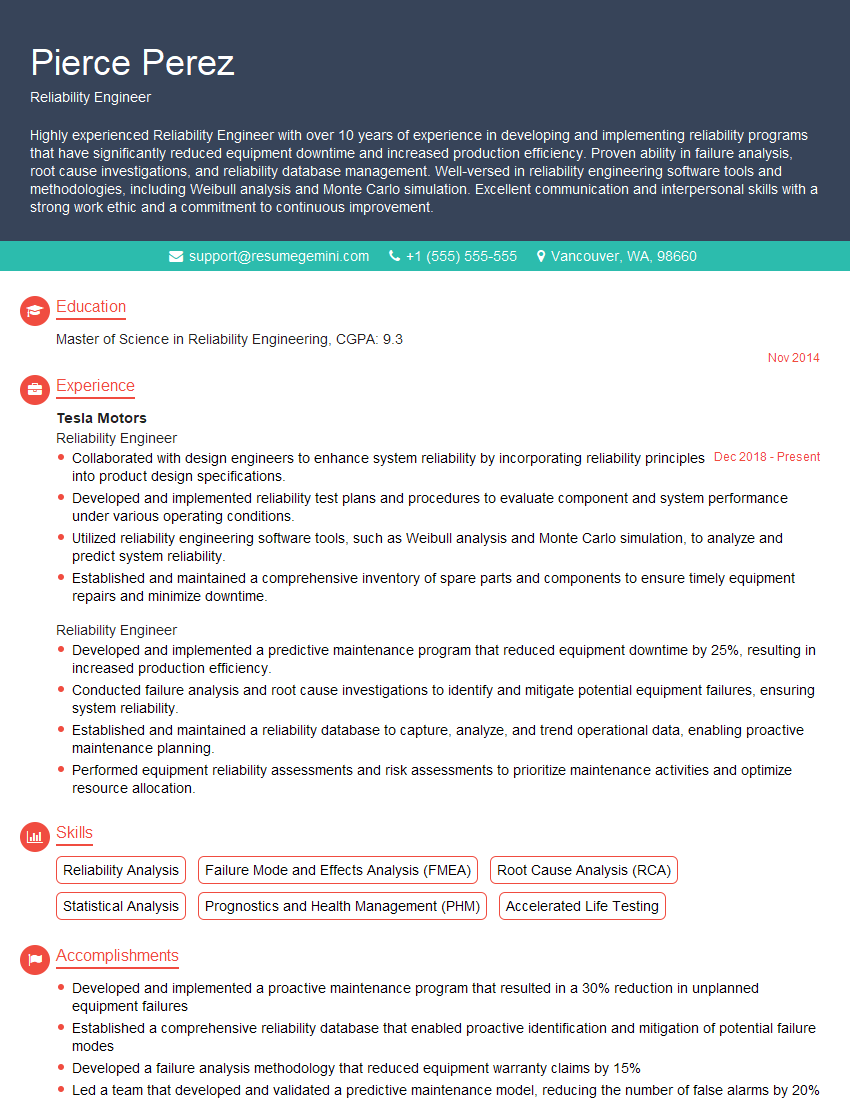
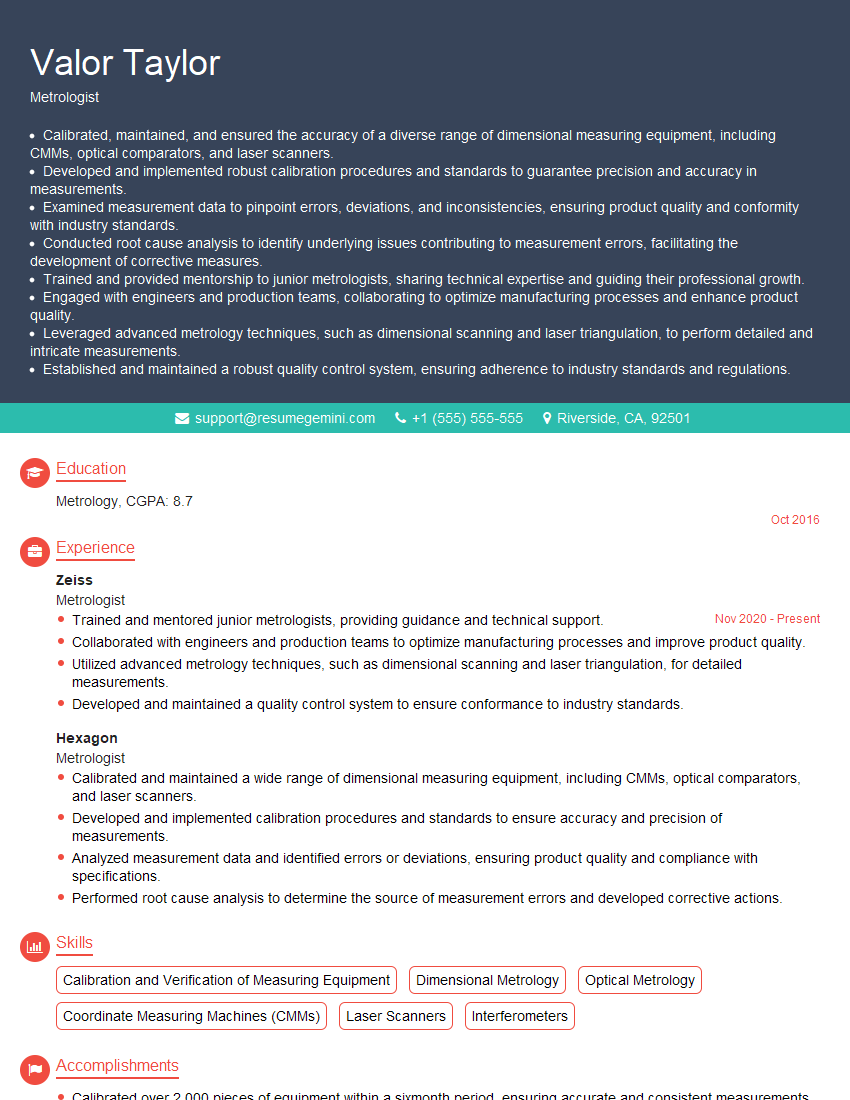
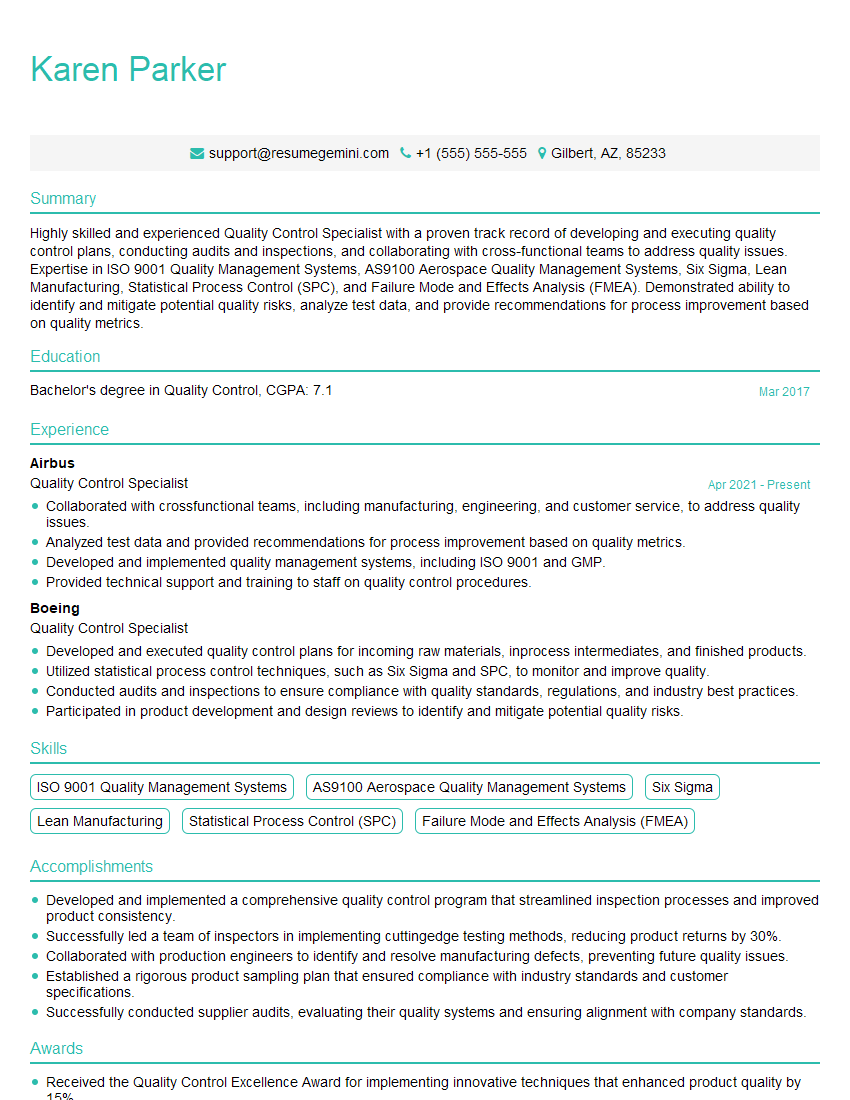
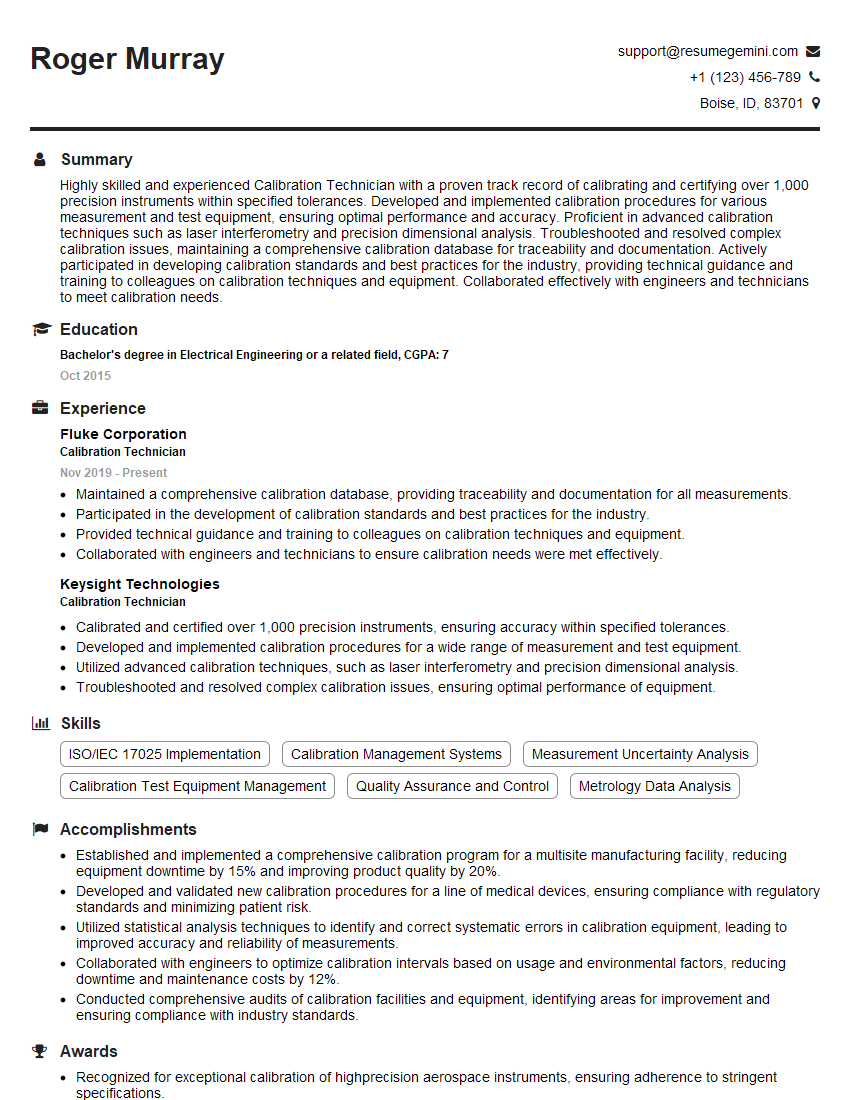
Mastering Variability Studies is crucial for career advancement in many fields, opening doors to roles requiring robust analytical skills and process improvement expertise. A well-crafted resume is your key to unlocking these opportunities. Building an ATS-friendly resume is essential for getting your application noticed by recruiters. We strongly encourage you to leverage ResumeGemini, a trusted resource for creating professional and effective resumes. ResumeGemini provides examples of resumes tailored to Variability Studies, helping you showcase your skills and experience in the best possible light. Take the next step towards your dream career – build a standout resume today!
Explore more articles
Users Rating of Our Blogs
Share Your Experience
We value your feedback! Please rate our content and share your thoughts (optional).
What Readers Say About Our Blog
hello,
Our consultant firm based in the USA and our client are interested in your products.
Could you provide your company brochure and respond from your official email id (if different from the current in use), so i can send you the client’s requirement.
Payment before production.
I await your answer.
Regards,
MrSmith
hello,
Our consultant firm based in the USA and our client are interested in your products.
Could you provide your company brochure and respond from your official email id (if different from the current in use), so i can send you the client’s requirement.
Payment before production.
I await your answer.
Regards,
MrSmith
These apartments are so amazing, posting them online would break the algorithm.
https://bit.ly/Lovely2BedsApartmentHudsonYards
Reach out at [email protected] and let’s get started!
Take a look at this stunning 2-bedroom apartment perfectly situated NYC’s coveted Hudson Yards!
https://bit.ly/Lovely2BedsApartmentHudsonYards
Live Rent Free!
https://bit.ly/LiveRentFREE
Interesting Article, I liked the depth of knowledge you’ve shared.
Helpful, thanks for sharing.
Hi, I represent a social media marketing agency and liked your blog
Hi, I represent an SEO company that specialises in getting you AI citations and higher rankings on Google. I’d like to offer you a 100% free SEO audit for your website. Would you be interested?