The thought of an interview can be nerve-wracking, but the right preparation can make all the difference. Explore this comprehensive guide to Water Balance Monitoring interview questions and gain the confidence you need to showcase your abilities and secure the role.
Questions Asked in Water Balance Monitoring Interview
Q 1. Explain the components of a water balance equation.
A water balance equation essentially represents the law of conservation of mass applied to water. It states that the change in water storage within a defined area over a specific time period is equal to the difference between inflows and outflows. Think of it like a bathtub: the water level change is the difference between how much water you add (inflows) and how much water drains away (outflows).
- Precipitation (P): Water input from rainfall, snowmelt, etc. This is often the most variable component.
- Evapotranspiration (ET): Water loss to the atmosphere through evaporation from surfaces and transpiration from plants. This is a significant outflow, particularly in arid and semi-arid regions.
- Surface Runoff (R): Water that flows over the land surface into streams and rivers. This is heavily influenced by topography and land cover.
- Groundwater Recharge (Gr): Water that infiltrates the soil and recharges groundwater aquifers. This is a crucial component for sustaining baseflows in streams and supporting ecosystems.
- Groundwater Discharge (Gd): Water that flows from groundwater aquifers into surface water bodies. This can contribute significantly to streamflow, especially during dry periods.
- Change in Storage (ΔS): The difference in water stored within the system (e.g., soil moisture, snowpack, surface water bodies, groundwater) between the beginning and end of the time period. This is often the hardest to directly measure.
The basic equation can be represented as: ΔS = P + Gr - ET - R - Gd
In practice, there may be additional inputs and outputs depending on the specific system being considered, such as irrigation, water extraction, or even changes in water storage due to impoundment behind a dam.
Q 2. Describe different methods for measuring evapotranspiration.
Measuring evapotranspiration (ET) is challenging because it encompasses both evaporation from soil and water surfaces and transpiration from plants. Several methods exist, each with its strengths and weaknesses:
- Evaporation Pans: Simple and inexpensive, but they only measure evaporation from a free water surface and may not accurately represent actual ET from a landscape.
- Lysimeters: These are weighed containers of soil and vegetation that directly measure the water lost through ET. They are very accurate but expensive and difficult to install and maintain on a large scale.
- Eddy Covariance: A sophisticated micrometeorological technique that measures the fluxes of water vapor, heat, and momentum above a canopy using fast-response sensors. It provides high-quality data, but it is expensive, requires specialized equipment and expertise, and is often limited to relatively flat and homogeneous sites.
- Remote Sensing: Uses satellite or aerial imagery to estimate ET based on vegetation indices (like NDVI) and surface temperature. This approach allows for large-scale estimates but relies on assumptions about the relationship between the remotely sensed data and actual ET.
- Penman-Monteith Equation: An empirical equation that estimates ET using readily available meteorological data (temperature, humidity, solar radiation, wind speed). It requires calibration and is dependent on the accuracy of the input data.
The best method often depends on the available resources, the scale of the study, and the desired accuracy. Often, a combination of methods is used to improve the accuracy and reliability of ET estimates.
Q 3. How do you account for groundwater recharge and discharge in a water balance?
Groundwater recharge and discharge are critical components of the water balance, representing the vertical exchange of water between surface and subsurface systems. Accounting for them accurately is crucial for a complete understanding of the water budget.
- Groundwater Recharge (Gr): This can be estimated using various methods including:
- Water table fluctuation measurements: Changes in the water table depth are used to infer the amount of recharge.
- Hydrological modeling: Sophisticated models simulate the movement of water through the soil profile to estimate recharge.
- Tracer studies: Using naturally occurring or artificial tracers (like isotopes) to track the movement of water into the groundwater system.
- Groundwater Discharge (Gd): This is commonly estimated using:
- Streamflow measurements: Baseflow in streams (the portion of streamflow that originates from groundwater) can be separated from surface runoff and used to estimate discharge.
- Groundwater flow models: These models simulate the movement of groundwater through aquifers and can estimate the discharge to surface waters.
- Spring discharge measurements: Direct measurements of discharge from springs provide information on groundwater discharge.
The choice of method depends on the available data, the complexity of the aquifer system, and the resources available. Often, a combination of methods is employed to improve the accuracy of these estimations.
Q 4. What are the limitations of using a water balance model?
While water balance models are powerful tools, they have limitations:
- Data Availability and Quality: Accurate water balance calculations depend on reliable data for all components, especially precipitation, ET, and groundwater fluxes. Data gaps or errors can significantly affect the model’s results.
- Model Simplifications and Assumptions: Water balance models necessarily simplify complex hydrological processes. Assumptions made about the model structure and parameter values can introduce uncertainty and error.
- Spatial and Temporal Variability: Hydrological processes vary considerably in space and time. A single water balance model may not adequately capture this variability, especially over large areas or long time periods. Sub-watershed or gridded models can help mitigate this limitation but often require significantly more data.
- Uncertainty Propagation: Errors in input data propagate through the model, leading to uncertainty in the model outputs. This needs careful consideration during model interpretation.
- Model Calibration and Validation: The accuracy of the model relies heavily on proper calibration and validation using independent data sets. If these steps are not done effectively, the model outputs may be unreliable.
Understanding these limitations is crucial for interpreting the results of a water balance model and avoiding over-generalization of the findings. It’s essential to communicate the uncertainty associated with the model outputs.
Q 5. Explain the difference between actual and potential evapotranspiration.
The key difference lies in whether sufficient water is available to meet the atmospheric demand for evaporation and transpiration.
- Potential Evapotranspiration (PET): This represents the maximum amount of water that *could* be evapotranspired from a vegetated surface if there was unlimited water available in the soil. It is a measure of the atmospheric demand for water and is primarily determined by climatic factors like temperature, solar radiation, humidity, and wind speed.
- Actual Evapotranspiration (AET): This is the *actual* amount of water that is evapotranspired, considering both the atmospheric demand (PET) and the availability of water in the soil. If soil moisture is limited, AET will be less than PET. In other words, AET is constrained by both atmospheric conditions and water availability.
Imagine a thirsty plant. PET is how much water the plant *wants* to drink, while AET is how much water the plant *actually* drinks, given the amount of water available in the soil. In arid regions, AET is often significantly less than PET because of water scarcity.
Q 6. How do you calibrate and validate a water balance model?
Calibration and validation are critical steps in developing a reliable water balance model. They ensure the model accurately represents the real-world system.
- Calibration: This involves adjusting model parameters (e.g., soil hydraulic parameters, evapotranspiration coefficients) to minimize the difference between the model’s simulated outputs and observed data from a specific period (e.g., a historical period with ample data). This is typically an iterative process.
- Validation: After calibration, the model is tested against independent data from a different period than the calibration period. This step evaluates the model’s ability to accurately predict water balance components under conditions not used during calibration. A successful validation demonstrates the model’s transferability and predictive power.
Various statistical methods are employed to assess the goodness of fit between simulated and observed data during both calibration and validation. Common metrics include the coefficient of determination (R2), root mean square error (RMSE), and Nash-Sutcliffe efficiency (NSE). A model with a high R2 and low RMSE/NSE indicates a good fit.
It’s important to note that a model can be calibrated well but fail to validate, highlighting the importance of using independent data for validation. This process ensures that the model is not simply fitting the noise in the calibration data but actually capturing the underlying hydrological processes.
Q 7. Describe how you would assess the accuracy of precipitation data used in a water balance study.
Assessing the accuracy of precipitation data is crucial because it’s often the largest input in a water balance. Several approaches can be used:
- Comparison with Multiple Gauges: If multiple rain gauges exist within the study area, comparing their measurements can reveal spatial variability and potential errors. Outliers can be identified and investigated.
- Double Mass Analysis: This technique compares cumulative precipitation from a gauge against a reference gauge (often one considered more reliable). Systematic differences between the gauges can be identified and corrected.
- Spatial Interpolation: If gauge density is low, spatial interpolation techniques (e.g., Kriging, inverse distance weighting) can be used to estimate precipitation at unsampled locations. However, it’s crucial to account for the uncertainty introduced by interpolation.
- Comparison with Remote Sensing Data: Satellite-based rainfall estimates can be used to validate or supplement gauge data, especially in remote areas. However, the accuracy of remote sensing data varies depending on the sensor type and the method used for data processing.
- Quality Control Procedures: Examining the data for inconsistencies (e.g., missing data, implausible values) and applying appropriate quality control procedures can ensure the accuracy and reliability of the data.
A thorough assessment might involve a combination of these techniques. The choice of methods depends on the characteristics of the study area, the availability of data, and the resources available. The uncertainty associated with precipitation data should always be considered when interpreting water balance results.
Q 8. What software or tools are you familiar with for water balance modeling?
Water balance modeling relies on several software and tools, each with its strengths and weaknesses. My experience encompasses a range of options, from established hydrological modeling packages to specialized GIS tools and statistical software.
- ArcGIS with hydrological extensions: Excellent for spatial data analysis, visualization, and incorporating geographical information into the water balance calculations. I frequently use this for delineating watersheds and analyzing land use impacts.
- HEC-HMS (Hydrologic Modeling System): A powerful tool for simulating rainfall-runoff processes and estimating streamflow, crucial for understanding water balance components in river basins.
- WaterGAP Global Hydrology Model: For large-scale assessments, I’ve utilized WaterGAP to model global water resources and their vulnerability to climate change. It provides a comprehensive view at a global scale, though sometimes at the cost of finer detail.
- R and Python with hydrological packages: For advanced statistical analysis, data manipulation, and custom model development, R and Python with packages like
hydroGOF(for hydrological model evaluation) andpandas(for data manipulation) are invaluable. I often use these for sensitivity analysis and uncertainty quantification.
The choice of software depends heavily on the specific project requirements, data availability, and the desired level of detail.
Q 9. Explain the concept of water balance in a specific watershed type (e.g., arid, humid).
Let’s consider an arid watershed versus a humid one. The fundamental water balance equation remains the same: Precipitation (P) = Evapotranspiration (ET) + Runoff (R) + Change in Storage (ΔS). However, the relative magnitudes of these components differ significantly.
Arid Watershed: In arid regions, precipitation (P) is scarce. Evapotranspiration (ET) is often the dominant outflow, driven by high temperatures and potential evaporation. Runoff (R) is minimal, often occurring only during intense rainfall events, and change in storage (ΔS) mostly reflects groundwater depletion. Think of the Colorado River basin – a prime example of an arid watershed where water scarcity is a major concern, and careful water balance modeling is critical for effective management.
Humid Watershed: In humid regions, precipitation (P) is abundant. Evapotranspiration (ET) is still significant, but it’s often less than precipitation. Runoff (R) is a substantial component, contributing to streams and rivers. Change in storage (ΔS) can involve both surface water and groundwater storage, with seasonal variations. The Mississippi River basin, for example, demonstrates a humid watershed with relatively high runoff and significant seasonal variations in storage.
Understanding these differences is crucial for developing appropriate water management strategies for each watershed type.
Q 10. How do you handle data gaps or uncertainties in water balance calculations?
Data gaps and uncertainties are inherent in water balance studies. Dealing with them requires a combination of careful data analysis, imputation techniques, and sensitivity analysis.
- Data Imputation: For missing precipitation or streamflow data, I often use interpolation methods (linear, spline, kriging) based on nearby stations or utilize regional climate models to fill gaps. For example, if a rain gauge malfunctions for a week, I’ll use data from neighboring gauges weighted by distance and correlation to estimate missing rainfall.
- Uncertainty Analysis: Using Monte Carlo simulation, I can propagate uncertainties in input data (e.g., precipitation, evapotranspiration estimates) through the water balance model to quantify the uncertainty in the output. This helps to understand the reliability of the results.
- Data Quality Control: Before any analysis, rigorous data quality checks are essential. This includes identifying outliers, checking for inconsistencies, and correcting errors. I’d often use automated scripts and quality control plots to do this efficiently.
- Expert Judgment: In some situations, expert judgment might be needed, particularly when dealing with complex or poorly understood processes. This can be incorporated into the analysis through Bayesian methods or by incorporating ranges of plausible values for uncertain parameters.
Transparency is key – clearly documenting the assumptions and uncertainties associated with the water balance calculations is crucial for reliable interpretations.
Q 11. Discuss the impact of land use change on a water balance.
Land use change profoundly impacts water balance components. Converting natural vegetation (forests, grasslands) to impervious surfaces (urban areas, roads) reduces infiltration and increases runoff. This leads to higher peak flows, increased flood risk, and reduced groundwater recharge. Conversely, afforestation or reforestation can increase infiltration and reduce runoff.
For example, urban development replaces vegetation with concrete and asphalt, reducing evapotranspiration and increasing surface runoff. This can overload drainage systems, leading to flooding and reducing the amount of water available for groundwater recharge. Agricultural practices, such as irrigation and drainage, also significantly affect water balance, with impacts depending on the specific farming methods.
I typically use GIS to analyze land use change over time and its impact on water balance parameters. By combining land cover maps with hydrological models, I can quantify the effects of these changes on runoff, infiltration, and evapotranspiration.
Q 12. Explain the role of water balance monitoring in drought management.
Water balance monitoring is indispensable for drought management. By continuously tracking precipitation, evapotranspiration, runoff, and changes in soil moisture and groundwater storage, we can assess the severity and duration of droughts, and predict their impact on water resources. This information is crucial for:
- Early Warning Systems: Water balance monitoring helps detect early signs of drought, allowing for proactive management actions.
- Resource Allocation: Accurate water balance assessments guide decisions about water allocation to various sectors (agriculture, industry, domestic use) during drought periods.
- Drought Mitigation Strategies: Understanding water balance dynamics enables the development and implementation of effective drought mitigation strategies, such as water conservation measures, reservoir management, and groundwater pumping regulations.
- Impact Assessment: Water balance modeling helps evaluate the impact of drought on ecosystems, agriculture, and the economy, guiding policy decisions.
For instance, by monitoring reservoir levels and groundwater levels using remote sensing and in-situ measurements, combined with modeling of rainfall and evapotranspiration, we can get a real-time picture of the water balance and make informed decisions about water restrictions and emergency measures during drought events.
Q 13. How does climate change affect water balance components?
Climate change significantly affects water balance components. The most prominent impacts include changes in precipitation patterns (increased intensity and variability), increased temperatures (leading to higher evapotranspiration), and changes in snowmelt patterns.
- Increased temperatures: Higher temperatures boost evapotranspiration, leading to increased water losses from land surfaces and water bodies. This is especially impactful in already water-stressed regions.
- Altered precipitation: Changes in the frequency, intensity, and distribution of rainfall events can result in increased flood risk during intense storms and more frequent and severe droughts during dry periods.
- Shifting snowpack: In mountainous regions, changes in snowpack can impact seasonal runoff patterns, with earlier snowmelt potentially leading to reduced summer streamflow.
- Sea-level rise: In coastal regions, sea-level rise can lead to saltwater intrusion into freshwater aquifers, impacting groundwater resources.
Integrating climate projections into water balance models is crucial for assessing the future impacts of climate change on water resources and for developing adaptation strategies.
Q 14. Describe the process of developing a water balance for an irrigation project.
Developing a water balance for an irrigation project involves a detailed assessment of water inputs, outputs, and storage changes within the project area. The process typically includes:
- Defining the Project Area: Clearly delineate the boundaries of the irrigation project area.
- Data Collection and Assessment: Collect historical and projected data on rainfall, potential evapotranspiration, irrigation water use, surface runoff, and groundwater recharge/discharge.
- Selecting a Modeling Approach: Choose an appropriate water balance modeling approach – this could range from a simple water budget to a more complex hydrological model, depending on the project’s complexity and data availability.
- Model Calibration and Validation: Calibrate and validate the chosen model using available data. This involves adjusting model parameters to match observed data and ensuring that the model accurately reflects the system’s behavior.
- Scenario Analysis: Conduct scenario analysis to assess the impact of different irrigation strategies and climate change on the water balance. This will involve simulating different levels of water application, irrigation scheduling, and future climatic conditions.
- Water Balance Calculation: Compute the water balance for each scenario, considering precipitation, evapotranspiration, irrigation water use, runoff, and changes in soil moisture and groundwater storage. This will be the core output from the modeling and analysis.
- Reporting and Recommendations: Prepare a comprehensive report summarizing the findings, including recommendations for efficient and sustainable irrigation practices. This might include suggestions for irrigation scheduling, water conservation techniques, and strategies to mitigate potential water shortages.
The goal is to optimize irrigation water use while minimizing environmental impacts and ensuring water security for the project’s lifespan.
Q 15. How can remote sensing be used to improve water balance estimations?
Remote sensing significantly enhances water balance estimations by providing spatially distributed data over large areas, which is often impossible or prohibitively expensive to obtain through traditional ground-based measurements. Satellites and airborne sensors can measure key variables like precipitation, evapotranspiration, and snow cover, offering a synoptic view across diverse landscapes.
Precipitation: Satellites equipped with radar or microwave sensors can estimate rainfall amounts even in remote or inaccessible regions, overcoming limitations of sparse rain gauge networks.
Evapotranspiration (ET): Techniques like thermal infrared remote sensing can estimate ET by measuring land surface temperature, which is closely related to the energy available for evaporation. Vegetation indices derived from optical data provide information on vegetation health and density, further improving ET estimates.
Soil Moisture: Microwave sensors can penetrate the soil surface to measure soil moisture content, a crucial factor in the water balance equation. This information is crucial for understanding drought conditions and irrigation needs.
Snow Cover: Optical and microwave sensors are used to map the extent and snow water equivalent (SWE) of snowpack, vital for hydrological modeling in snow-dominated regions.
By combining data from multiple sensors and applying advanced algorithms, we can develop high-resolution maps of water balance components, leading to improved accuracy and spatial understanding of water resources dynamics. For instance, integrating satellite precipitation data with ground-based streamflow measurements can refine our understanding of runoff generation processes and groundwater recharge.
Career Expert Tips:
- Ace those interviews! Prepare effectively by reviewing the Top 50 Most Common Interview Questions on ResumeGemini.
- Navigate your job search with confidence! Explore a wide range of Career Tips on ResumeGemini. Learn about common challenges and recommendations to overcome them.
- Craft the perfect resume! Master the Art of Resume Writing with ResumeGemini’s guide. Showcase your unique qualifications and achievements effectively.
- Don’t miss out on holiday savings! Build your dream resume with ResumeGemini’s ATS optimized templates.
Q 16. Explain the concept of water budgeting in urban areas.
Water budgeting in urban areas is a complex process due to the significant human alterations to the natural hydrological cycle. It involves quantifying the inputs, outputs, and storage changes of water within a defined urban area. This accounting process considers various sources and sinks, unlike simpler natural catchments.
Inputs: Precipitation, surface water imports (e.g., rivers, canals), groundwater inflow.
Outputs: Surface runoff (via storm drains), evapotranspiration (from vegetation and impervious surfaces), groundwater outflow, water withdrawals for various uses (domestic, industrial, commercial).
Storage: Changes in soil moisture, snowpack (in cold climates), surface water bodies (lakes, reservoirs), groundwater storage.
Urban water budgeting necessitates careful consideration of impervious surfaces (roads, buildings), which drastically alter runoff patterns and reduce infiltration. Green infrastructure, such as rain gardens and permeable pavements, significantly impact the water balance by increasing infiltration and reducing runoff. The analysis must account for these human-induced changes to accurately assess water resource availability and manage urban stormwater effectively. For example, a detailed budget might reveal that a city’s water supply is heavily reliant on external sources, highlighting the need for water conservation and efficient management strategies.
Q 17. Discuss the use of isotopes in water balance studies.
Isotopes, which are variations of an element with different numbers of neutrons, provide powerful tracers for studying water movement and sources within hydrological systems. The stable isotopes of water, deuterium (2H) and oxygen-18 (18O), show unique isotopic signatures that vary depending on the water’s origin and history. These signatures can help us identify and quantify various water sources contributing to a water balance.
Tracing Groundwater Recharge: Comparing the isotopic composition of groundwater with precipitation can reveal the source and age of groundwater recharge, crucial for managing groundwater resources sustainably.
Identifying Water Flow Paths: Isotopic analysis can distinguish between different water sources contributing to streamflow, such as snowmelt, rainfall, or groundwater discharge. This helps in understanding the hydrological connectivity of a catchment.
Assessing Evapotranspiration: The isotopic composition of water vapor can be used to estimate the proportion of different water sources contributing to evapotranspiration, helping to refine water balance models.
For instance, if the isotopic signature of streamflow closely matches that of rainfall, it suggests that rainfall is the primary source of streamflow. Conversely, if the isotopic signature deviates from rainfall, it points towards the contribution of other sources such as groundwater or snowmelt. The analysis requires specialized equipment and expertise in isotopic chemistry and hydrology.
Q 18. How do you incorporate water quality data into a water balance analysis?
Incorporating water quality data into a water balance analysis provides a more comprehensive understanding of water resource management. Water quality parameters, such as nutrient concentrations (nitrogen, phosphorus), salinity, and pollutants, can influence the usability and ecological health of water resources. This integration is vital for holistic assessment.
Nutrient Loading: Monitoring nutrient concentrations in surface runoff and groundwater can help assess the impact of agricultural activities and urban development on water quality and eutrophication potential.
Salinity Intrusion: Analyzing salinity levels in coastal areas helps understand the extent of saltwater intrusion into freshwater aquifers, affecting drinking water and irrigation.
Pollutant Transport: Tracking pollutant concentrations in different water bodies allows identifying pollution sources and evaluating the effectiveness of remediation efforts.
For example, a water balance analysis showing high surface runoff volume in an agricultural area can be supplemented with water quality data to assess the nutrient load transported into nearby water bodies, informing the design of effective nutrient management strategies. Combining water quantity and quality data provides a complete picture of water resource availability and its suitability for various uses.
Q 19. Describe different methods for estimating surface runoff.
Estimating surface runoff is crucial for water balance studies. Several methods exist, ranging from simple empirical equations to complex physically-based hydrological models.
Empirical Methods: These methods use simple regression equations that relate runoff to rainfall and catchment characteristics (e.g., area, slope). Examples include the rational method and curve number method. These are relatively easy to apply but may lack accuracy in complex catchments.
Hydrological Models: These are more sophisticated models that simulate the hydrological processes within a catchment, including rainfall-runoff transformation, evapotranspiration, and groundwater flow. Examples include the Soil and Water Assessment Tool (SWAT) and the Hydrologic Engineering Center’s Hydrologic Modeling System (HEC-HMS). These models require more data and expertise but provide more detailed and accurate results.
Direct Measurements: Streamflow gauges provide direct measurements of runoff volume at specific locations. However, these measurements are point-based and may not represent the entire catchment accurately.
The choice of method depends on data availability, the complexity of the catchment, and the desired accuracy. Often, a combination of methods is used to improve the reliability of runoff estimates. For instance, a simple empirical method could be used for preliminary estimations, followed by a hydrological model for a more detailed analysis.
Q 20. What are the key challenges in monitoring water balance in complex systems?
Monitoring water balance in complex systems presents several challenges:
Data Scarcity and Uncertainty: Obtaining accurate and reliable data on all water balance components, especially in remote or data-sparse regions, is often challenging. Measurement errors and uncertainties can propagate through the analysis, affecting the results.
Spatial Heterogeneity: Complex systems often exhibit significant spatial variability in hydrological parameters, making it difficult to represent the system adequately with a single set of parameters.
Subsurface Processes: Understanding and quantifying groundwater flow and interaction between surface water and groundwater is difficult due to the complexity of subsurface geology and hydraulic properties.
Human Impacts: Human activities, such as urbanization, irrigation, and dam construction, can significantly alter the natural hydrological cycle, making it challenging to separate natural variability from human-induced changes.
Model Complexity and Calibration: Complex hydrological models require extensive calibration and validation using observed data, which can be time-consuming and resource-intensive.
Addressing these challenges often requires the integration of multiple data sources, advanced modeling techniques, and a thorough understanding of the specific hydrological processes involved. For instance, integrating remote sensing data with ground-based measurements can help improve data coverage and reduce uncertainty in water balance estimations.
Q 21. How do you interpret the results of a water balance analysis?
Interpreting the results of a water balance analysis involves comparing the calculated inputs, outputs, and storage changes to identify patterns and trends in water resource dynamics. This interpretation relies on understanding the underlying hydrological processes and the uncertainties associated with the estimates.
Water Availability: The balance between water inputs and outputs indicates the overall water availability in the system. A positive water balance suggests surplus water, while a negative balance indicates a water deficit.
Groundwater Recharge: Changes in groundwater storage can be evaluated to assess the rate of groundwater recharge and its contribution to the overall water balance.
Runoff Generation: Analysis of surface runoff patterns helps understand the factors influencing runoff generation, such as rainfall intensity, soil type, and land use.
Impact of Human Activities: The analysis can reveal the impacts of human activities on water resource availability and quality. For instance, changes in land use or water withdrawals can be identified as major factors influencing the water balance.
The interpretation should also include an assessment of uncertainties associated with the estimates, considering data limitations and model errors. Visualizations, such as graphs and maps, are crucial for conveying the key findings and communicating the results effectively to stakeholders. A well-interpreted analysis can inform decisions related to water resource management, drought mitigation, and flood control.
Q 22. Explain the importance of data quality control in water balance studies.
Data quality control is paramount in water balance studies because the accuracy of the entire analysis hinges on the reliability of the input data. Think of it like baking a cake – if your ingredients are flawed, the final product will be flawed. Inaccurate data leads to inaccurate water balance estimations, which can have serious consequences for water resource management decisions.
- Data Validation: This involves checking for inconsistencies, outliers, and errors in the raw data. For instance, we might flag precipitation readings that are significantly higher or lower than neighboring stations, indicating a possible measurement error. We use statistical methods and automated checks to identify these issues.
- Data Completeness: Gaps in data are common and need to be addressed. We may use interpolation or other statistical techniques to estimate missing values, carefully documenting these procedures. However, excessive data gaps might require us to reassess the study’s scope or even revisit the data collection process.
- Data Consistency: We ensure all data uses consistent units and formats. For example, we would ensure that all precipitation data is expressed in millimeters and that all time series data are properly aligned.
- Data Uncertainty: Acknowledging the uncertainty associated with each data source is crucial. Each measurement has error associated with it, and we propagate this uncertainty through the calculations. This helps in communicating the reliability and limitations of the water balance results.
Proper data quality control ensures that the water balance model provides reliable results, guiding informed water resource management decisions.
Q 23. How do you present water balance data effectively to stakeholders?
Presenting water balance data effectively to stakeholders requires clear, concise communication tailored to their level of understanding. I typically employ a multi-faceted approach:
- Visualizations: Graphs, charts, and maps are essential. For example, a time-series graph showing the variation of different water balance components (precipitation, evapotranspiration, runoff, etc.) over time helps in understanding the system’s dynamics. Maps are useful to show spatial variations in key parameters.
- Summary Tables: Concise tables summarizing key findings such as total inflow, outflow, and storage change are essential for quick comprehension of the results.
- Data Storytelling: Instead of presenting raw data, I weave a narrative around the results, highlighting key insights and implications for water resource management. For instance, if evapotranspiration is significantly higher than expected, I’d explain the possible causes (e.g., climate change, land use changes) and their impacts on water availability.
- Interactive Dashboards: For complex datasets, interactive dashboards allow stakeholders to explore the data at their own pace and focus on parameters of particular interest.
- Plain Language Summary: A non-technical summary is crucial for stakeholders who lack technical expertise. This summary focuses on the major findings and their implications.
Adapting the presentation to the audience is key. For technical audiences, I might include more details on the methodology and uncertainties, while for non-technical audiences, I simplify the technical aspects and focus on the main conclusions and their implications.
Q 24. Discuss your experience with different types of water balance models.
My experience encompasses a range of water balance models, from simple water budget calculations to complex spatially distributed models. I’ve worked with:
- Simple Water Budget Models: These are suitable for relatively simple catchments and rely on readily available data like precipitation, evaporation, and streamflow. They provide a good starting point for understanding the major components of the water balance.
- Soil Water Balance Models: These models simulate the movement of water within the soil profile, considering factors like infiltration, drainage, and evapotranspiration. I’ve used models such as SWAT (Soil and Water Assessment Tool) for simulating soil moisture dynamics.
- Hydrological Models: These models simulate the movement of water across a watershed, considering various processes like rainfall-runoff, groundwater flow, and channel routing. Examples include HEC-HMS (Hydrologic Modeling System) and MIKE SHE.
- Spatially Distributed Models: These models account for spatial variations in the water balance components across a catchment. These models are often computationally intensive and require detailed spatial data, such as digital elevation models and land use maps. I have experience with using GIS data in models such as ArcSWAT.
The choice of model depends heavily on the specific research question, data availability, and the complexity of the hydrological system being studied. For instance, a simple water budget might suffice for a small, homogenous catchment, while a spatially distributed model is necessary for a large, complex watershed with heterogeneous land cover.
Q 25. Describe a situation where you had to troubleshoot a problem in a water balance study.
In a recent water balance study for an agricultural region, we encountered unexpectedly high evapotranspiration rates compared to our initial model predictions. This discrepancy raised concerns about the accuracy of our results and the reliability of our model parameters.
To troubleshoot, we systematically investigated potential sources of error:
- Data Review: We thoroughly reviewed our meteorological data (precipitation, temperature, humidity, solar radiation) for potential errors or inconsistencies. We discovered a small but systematic error in the humidity data from one weather station, which was significantly affecting the evapotranspiration estimates.
- Model Calibration and Validation: We recalibrated the model using the corrected humidity data and compared the model outputs to independent streamflow measurements. The recalibrated model significantly improved the agreement with observed data.
- Sensitivity Analysis: We performed a sensitivity analysis to assess the influence of different model parameters on evapotranspiration. This helped identify which parameters were most influential and the level of uncertainty associated with the evapotranspiration estimates.
- Field Verification: We conducted some limited field measurements of soil moisture and evapotranspiration to further validate our model and confirm the corrected humidity data improved model accuracy. This field validation, although limited in scope due to budget constraints, offered valuable verification.
Through this systematic approach, we identified and corrected the error, leading to more reliable water balance estimations. This experience highlighted the importance of robust data quality control and model validation in water balance studies.
Q 26. How do you stay updated with the latest advancements in water balance monitoring?
Staying updated in the rapidly evolving field of water balance monitoring involves a multi-pronged approach:
- Scientific Literature: I regularly read peer-reviewed journals like Water Resources Research, Journal of Hydrology, and Hydrological Processes to stay abreast of the latest research and methodological advancements.
- Conferences and Workshops: Attending international and national conferences, such as the AGU (American Geophysical Union) Fall Meeting and the IAHS (International Association of Hydrological Sciences) conferences, provides opportunities to learn from leading experts and network with colleagues.
- Professional Networks: I actively participate in professional organizations such as AWRA (American Water Resources Association) and engage in online forums and communities to share knowledge and learn from others’ experiences.
- Online Resources: I utilize online resources such as databases (e.g., Web of Science, Scopus) and online courses offered by reputable institutions (e.g., Coursera, edX) to access training materials and new techniques.
- Software Updates: Keeping my software updated is crucial. This includes both hydrological modelling software and GIS software.
This combination of activities helps me remain current with the latest advancements and methodologies in water balance monitoring and ensures I can apply the most up-to-date techniques in my work.
Q 27. Explain the ethical considerations in water resource management based on water balance.
Ethical considerations in water resource management based on water balance are paramount. Decisions based on water balance data have significant societal and environmental implications. Key considerations include:
- Data Transparency and Access: Ensuring data used for water balance studies are publicly accessible and transparently documented is crucial for accountability and scrutiny. This fosters trust and allows for independent verification of results.
- Equitable Water Allocation: Water balance studies inform water allocation decisions. It’s crucial to ensure these allocations are equitable and consider the needs of all stakeholders, including different user groups and environmental needs. Prioritizing human needs and environmental sustainability is essential.
- Environmental Impact Assessment: Water balance models should incorporate ecological considerations, ensuring water management plans minimize environmental damage. For example, understanding how water allocation affects downstream ecosystems is critical.
- Uncertainty Communication: Communicating the uncertainties associated with water balance estimations is vital. Overconfidence in model results can lead to inappropriate decisions. Transparency about the limitations of the model is crucial for informed decision-making.
- Stakeholder Engagement: Engaging all relevant stakeholders (farmers, industries, municipalities, environmental groups) in the planning and decision-making process is crucial to ensure their needs and concerns are addressed and to promote buy-in to the management plan.
Ethical water resource management necessitates a holistic approach that integrates scientific knowledge with social and environmental considerations, ensuring the sustainable and equitable use of this vital resource.
Q 28. Describe your experience with using GIS for water balance applications.
GIS (Geographic Information Systems) is indispensable in water balance applications. It provides the framework for integrating and analyzing spatially distributed data. My experience includes:
- Spatial Data Integration: GIS allows me to integrate diverse datasets, such as digital elevation models (DEMs), land use/land cover maps, soil maps, and weather station data, into a common spatial framework.
- Watershed Delineation: I use GIS to delineate watersheds and sub-watersheds, which are fundamental units for water balance analysis. This allows for localized analysis of water balance components within specific areas.
- Spatial Analysis: GIS provides tools for spatial analysis, such as calculating area, slope, and aspect, which are crucial parameters for several hydrological processes, particularly for inputting data into spatially distributed hydrological models.
- Model Input and Output Visualization: GIS is invaluable for visualizing model inputs and outputs. For example, I use GIS to display spatial variations in soil moisture, evapotranspiration, and runoff, allowing for a more comprehensive understanding of the water balance.
- Data Management: GIS provides a robust system for managing and organizing large datasets, facilitating efficient data processing and analysis.
For instance, in a recent project, I used ArcMap to delineate watersheds, extract relevant spatial data layers (DEM, land use, soil), and visualize the spatial distribution of water balance components simulated by a hydrological model. The integration of GIS with the hydrological model allowed for a more sophisticated analysis compared to using only the hydrological model alone.
Key Topics to Learn for Water Balance Monitoring Interview
- Hydrological Cycle Understanding: A thorough grasp of the processes involved in precipitation, evapotranspiration, infiltration, runoff, and groundwater recharge is fundamental. Consider the interactions between these components and how they influence water balance.
- Data Acquisition and Analysis: Familiarize yourself with various methods for collecting water balance data, including rainfall gauges, streamflow measurements, soil moisture sensors, and evapotranspiration estimations. Practice analyzing this data using statistical methods and software.
- Water Balance Modeling: Understand different modeling approaches (e.g., simple water balance models, hydrological models) and their applications in estimating water balance components. Be prepared to discuss the strengths and limitations of various models.
- Practical Applications: Explore case studies illustrating how water balance monitoring is used in irrigation management, drought monitoring, watershed management, reservoir operations, and environmental impact assessments. Be ready to discuss specific examples.
- Uncertainty and Error Analysis: Understand the sources of uncertainty in water balance estimations and how to quantify and propagate errors. This demonstrates a critical and comprehensive approach to data interpretation.
- Water Balance Software and Tools: Familiarity with commonly used software packages for hydrological modeling and data analysis (mentioning specific software is optional, focus on the general concept) will greatly enhance your interview performance.
Next Steps
Mastering Water Balance Monitoring opens doors to exciting careers in environmental consulting, water resource management, and research. A strong understanding of this field is highly sought after, significantly boosting your job prospects. To maximize your chances, invest time in crafting an ATS-friendly resume that highlights your skills and experience effectively. ResumeGemini is a trusted resource that can help you build a professional and impactful resume tailored to the specifics of Water Balance Monitoring roles. Examples of resumes specifically designed for this field are available through ResumeGemini to help guide your efforts. Take the next step towards your dream career today!
Hydrogeologist Resume Sample
Watershed Manager Resume Sample
Environmental Scientist Resume Sample

Drainage Engineer Resume Sample
Hydraulic Engineer Resume Sample
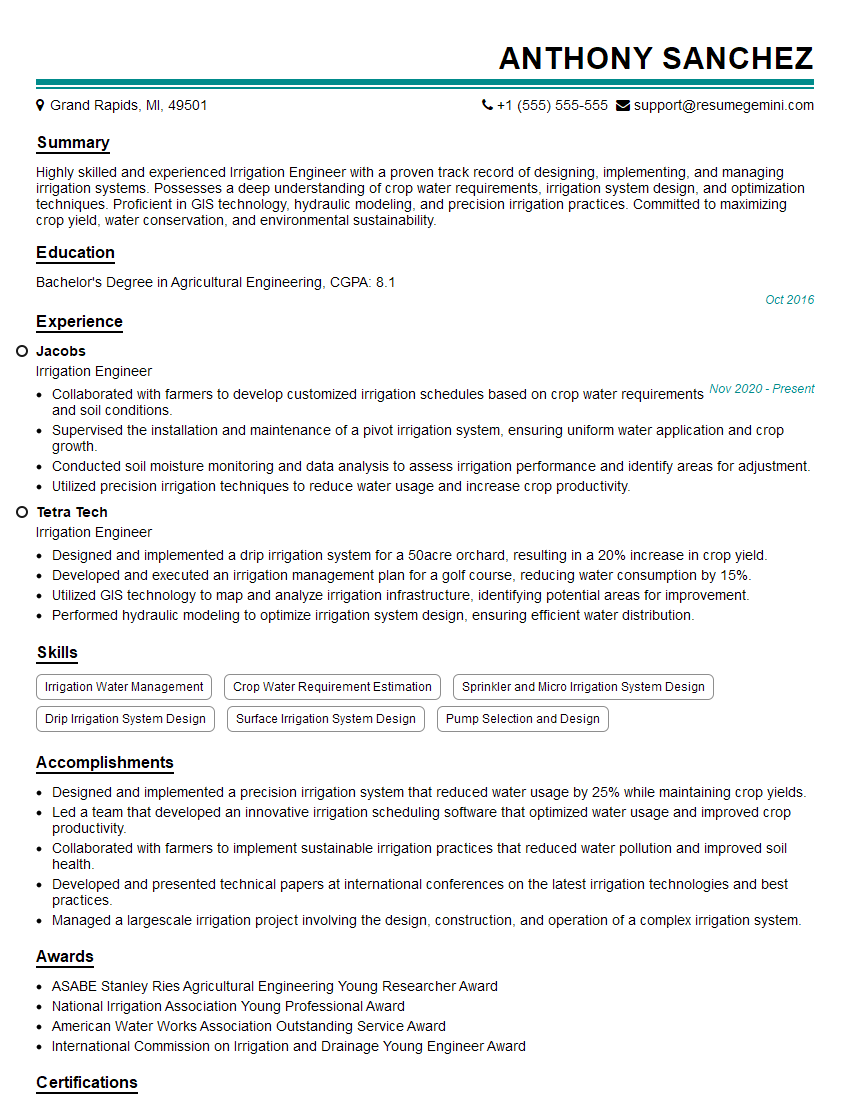
Irrigation Engineer Resume Sample
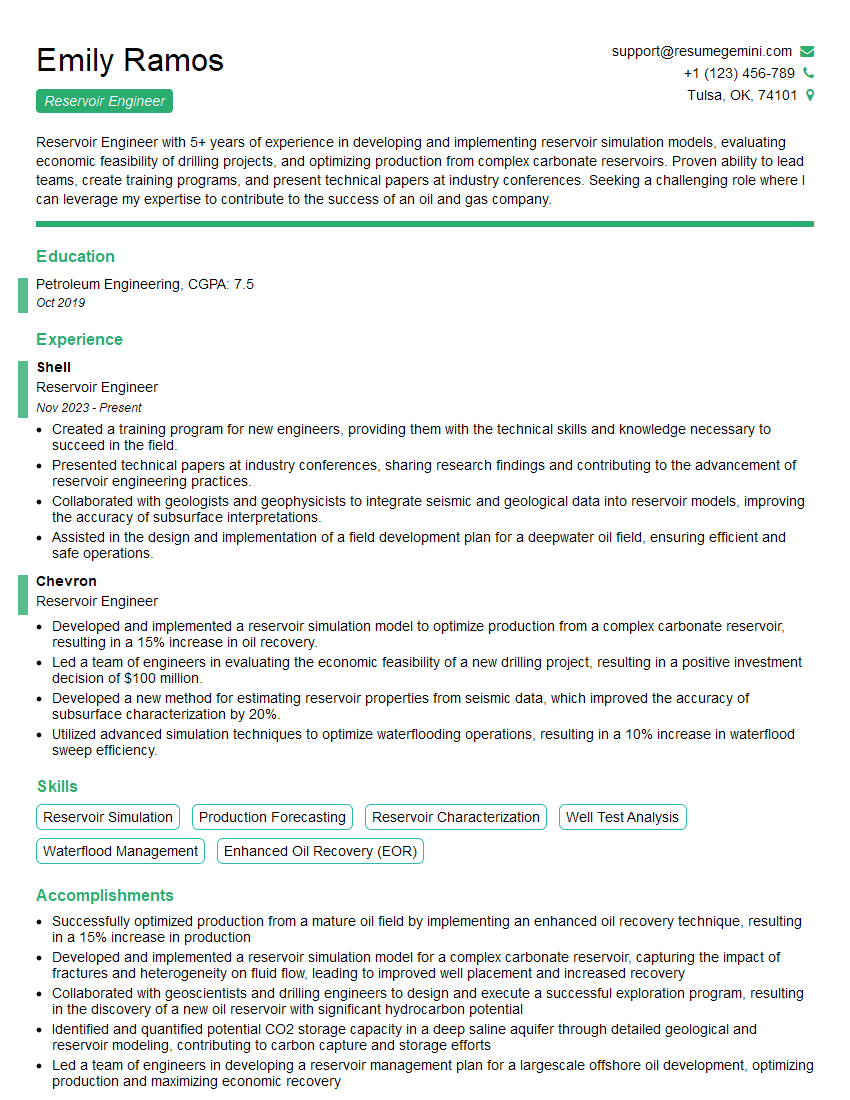
Reservoir Engineer Resume Sample
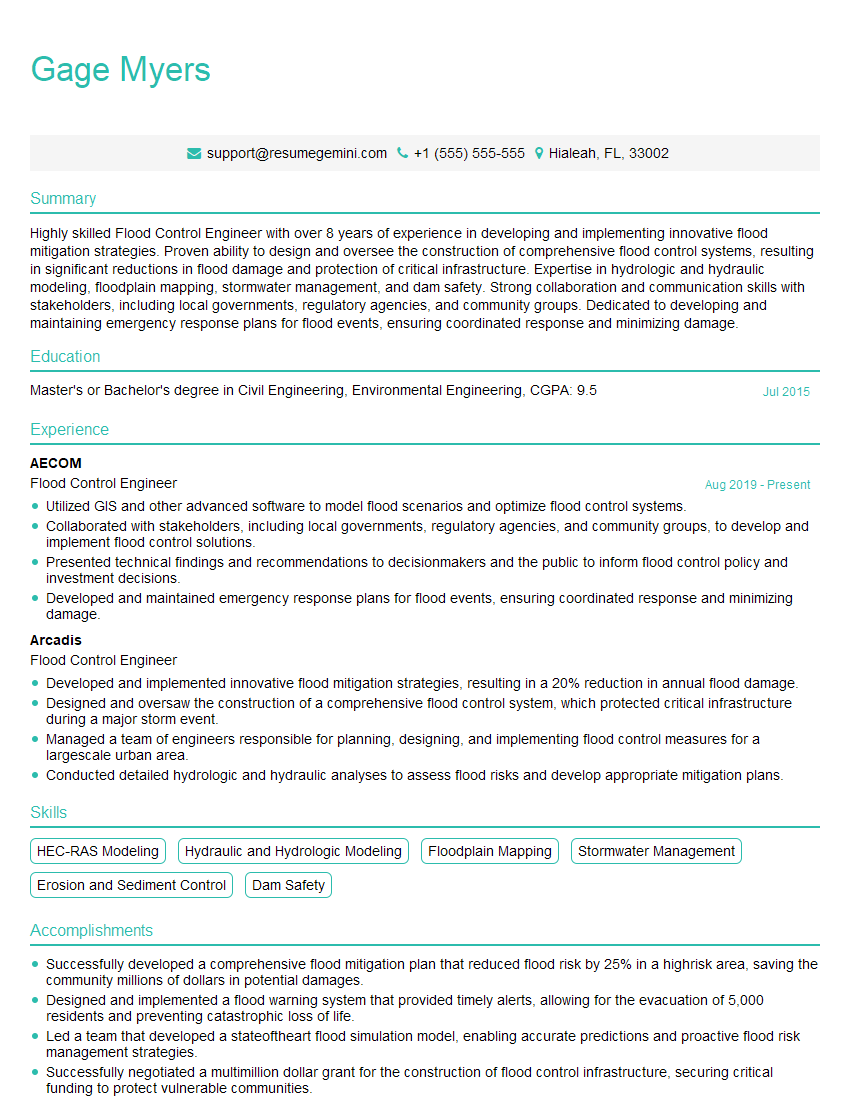
Flood Control Engineer Resume Sample
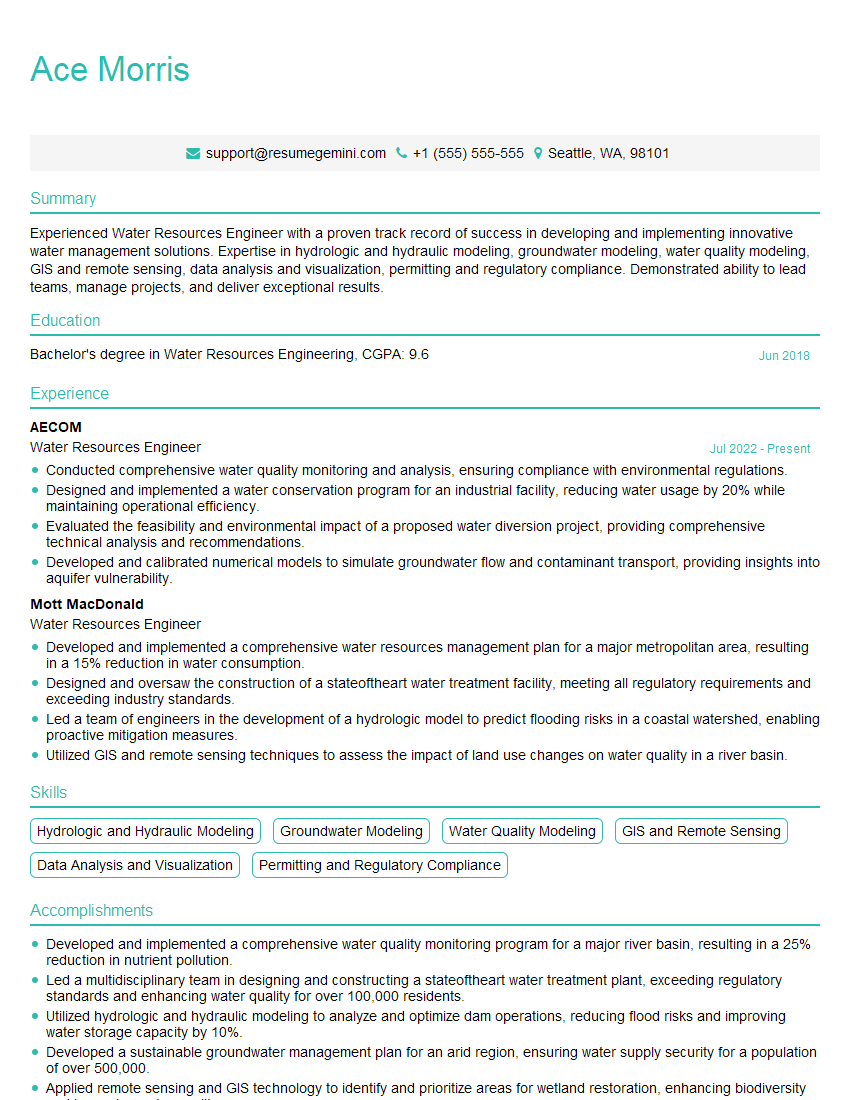
Water Resources Engineer Resume Sample
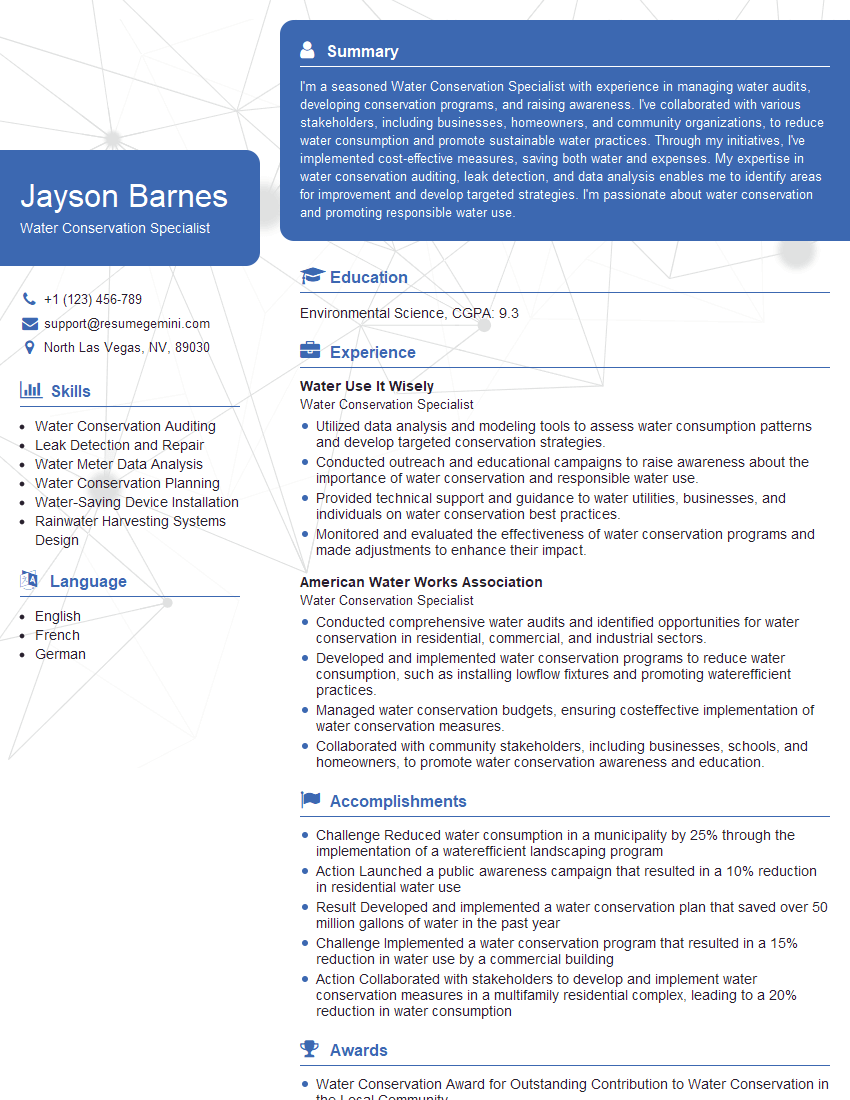
Water Conservation Specialist Resume Sample
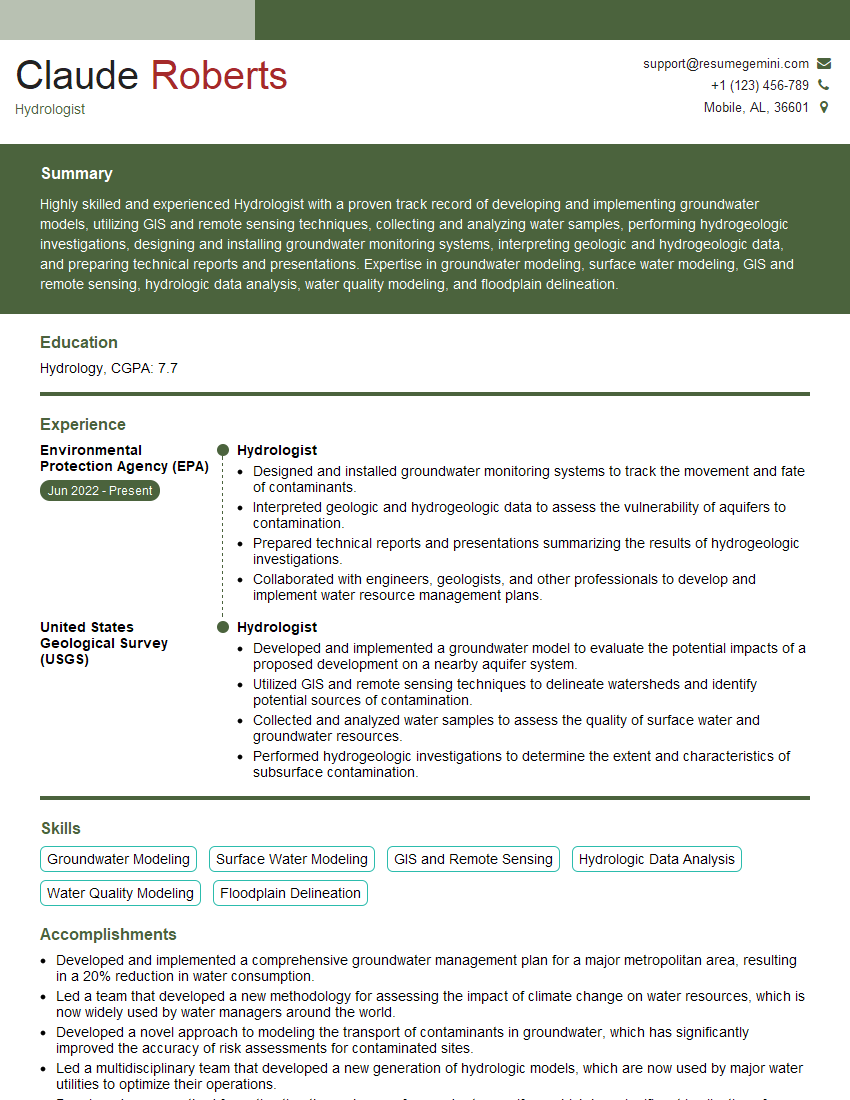
Hydrologist Resume Sample
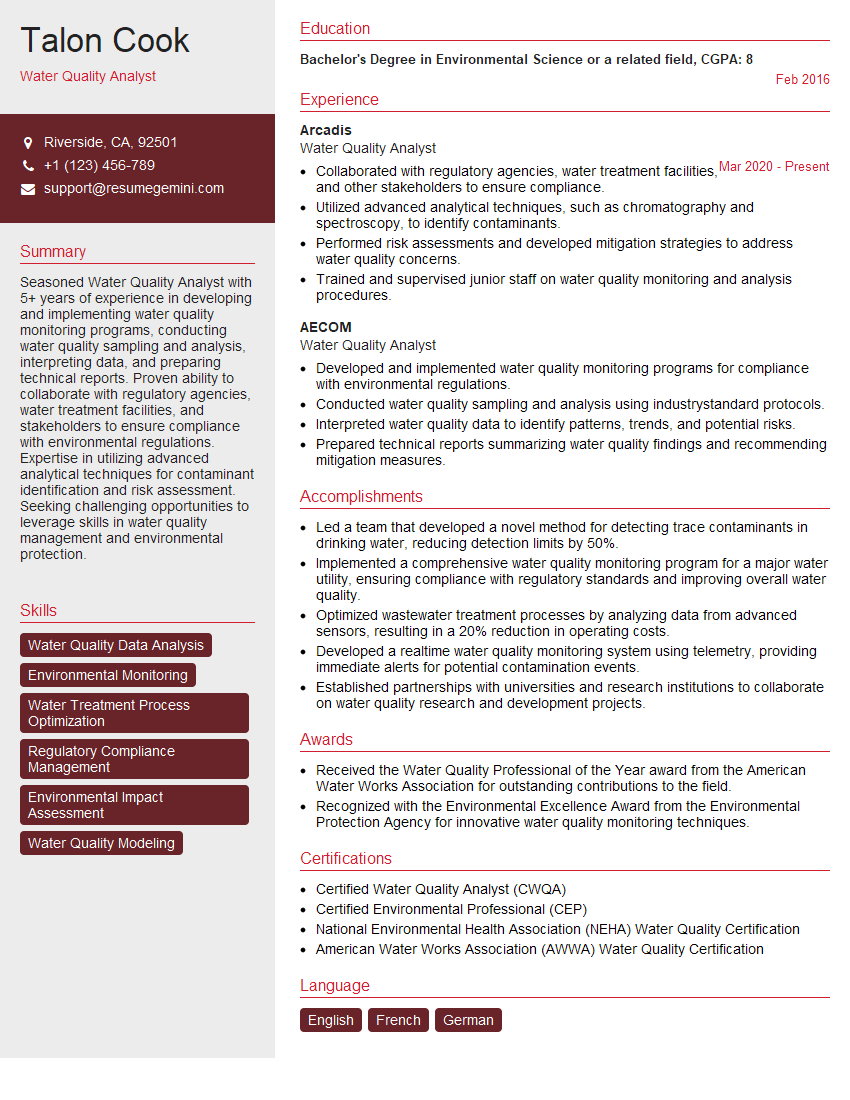
Water Quality Analyst Resume Sample
Explore more articles
Users Rating of Our Blogs
Share Your Experience
We value your feedback! Please rate our content and share your thoughts (optional).
What Readers Say About Our Blog
Amazing blog
hello,
Our consultant firm based in the USA and our client are interested in your products.
Could you provide your company brochure and respond from your official email id (if different from the current in use), so i can send you the client’s requirement.
Payment before production.
I await your answer.
Regards,
MrSmith
hello,
Our consultant firm based in the USA and our client are interested in your products.
Could you provide your company brochure and respond from your official email id (if different from the current in use), so i can send you the client’s requirement.
Payment before production.
I await your answer.
Regards,
MrSmith
These apartments are so amazing, posting them online would break the algorithm.
https://bit.ly/Lovely2BedsApartmentHudsonYards
Reach out at BENSON@LONDONFOSTER.COM and let’s get started!
Take a look at this stunning 2-bedroom apartment perfectly situated NYC’s coveted Hudson Yards!
https://bit.ly/Lovely2BedsApartmentHudsonYards
Live Rent Free!
https://bit.ly/LiveRentFREE
Interesting Article, I liked the depth of knowledge you’ve shared.
Helpful, thanks for sharing.
Hi, I represent a social media marketing agency and liked your blog
Hi, I represent an SEO company that specialises in getting you AI citations and higher rankings on Google. I’d like to offer you a 100% free SEO audit for your website. Would you be interested?