Interviews are more than just a Q&A session—they’re a chance to prove your worth. This blog dives into essential Water Rights and Management interview questions and expert tips to help you align your answers with what hiring managers are looking for. Start preparing to shine!
Questions Asked in Water Rights and Management Interview
Q 1. Explain the difference between riparian and appropriative water rights.
The fundamental difference between riparian and appropriative water rights lies in their origin and how they’re allocated. Riparian rights are associated with land ownership adjacent to a water body (like a river or lake). Essentially, landowners have the right to use water from that body, but this right is usually limited to reasonable use for the benefit of the land. Think of it as a natural right inherent in owning property bordering the water source. The amount of water you can use is often tied to the size and nature of your property and its historical use.
Appropriative rights, on the other hand, are based on the principle of ‘first in time, first in right.’ This means whoever first diverts water for a beneficial use and continues to use it, typically through a permitted system, has a senior right to that water. Location doesn’t matter as much as the date of the appropriation and the continued use. This system is common in the western United States, where water is scarcer, and is often managed through a permitting system.
Example: Imagine two farms. Farm A is located on a riverbank and has historically used river water for irrigation for 100 years. Farm B is farther away and constructed a ditch to divert water 20 years ago. Farm A likely holds riparian rights to the river, allowing reasonable use. Farm B holds appropriative rights based on their diversion date, subject to the conditions of their permit.
Q 2. Describe the process of obtaining a water permit in your state/region.
The process of obtaining a water permit varies significantly depending on the state/region. However, a typical process involves these steps:
- Application Submission: You must submit a detailed application to the relevant water resource agency. This application requires comprehensive information, including proposed water use, location, amount of water needed, the source, and potential environmental impacts.
- Review and Assessment: The agency assesses the application to determine if the proposed use is beneficial and if sufficient water resources are available to meet the demand without causing harm to other users or the environment. This often involves an analysis of existing water rights and potential impacts on downstream users. They may conduct site visits and hydrological studies.
- Public Notice and Comment: Typically, there’s a public notice period to allow other water users and interested parties to review the application and submit comments. This ensures transparency and stakeholder engagement.
- Permit Issuance (or Denial): Based on the review and public comments, the agency may issue a permit outlining the conditions of water use, including permitted amount, location, and timing of use. They may also impose restrictions to protect other water users or ecological resources.
- Compliance Monitoring: After the permit is issued, the agency monitors compliance to ensure the user adheres to the conditions outlined in the permit. Non-compliance may result in penalties.
Example: In California, the State Water Resources Control Board is the primary agency responsible for issuing water rights permits, and the process can be lengthy and complex, requiring detailed engineering reports and environmental studies.
Q 3. How do you determine the consumptive use of water for a specific agricultural practice?
Determining the consumptive use of water for a specific agricultural practice requires a multi-faceted approach. Consumptive use refers to the amount of water that is not returned to the source after use. It’s lost through evapotranspiration (water evaporating from soil and plants) and incorporation into plant tissues.
Methods to determine consumptive use include:
- Evapotranspiration (ET) models: These models use weather data, soil type, and plant characteristics to estimate the amount of water lost through evapotranspiration. Software packages like CROPWAT or AQUACROP are commonly used.
- Water balance studies: By meticulously monitoring water inputs (precipitation, irrigation) and outputs (runoff, drainage, evapotranspiration), a water balance can be established, thus calculating consumptive use indirectly.
- Lysimeter measurements: Lysimeters are containers of soil planted with crops that allow measurement of precise water uptake by roots and evapotranspiration.
- Crop coefficients (Kc): These factors represent the ratio of crop ET to reference ET (grass). Kc values, along with measured or estimated reference ET, help calculate crop ET, leading to consumptive use determination.
Example: To determine the consumptive use of water for a cotton crop in a specific region, one would use an ET model (like CROPWAT), inputting weather data specific to that region, and utilizing cotton’s specific crop coefficient (Kc) throughout the growing season.
Q 4. What are the key legal considerations when managing water rights during a drought?
Managing water rights during a drought presents significant legal challenges. Key considerations include:
- Prior appropriation doctrine: In many western states, the doctrine of prior appropriation dictates that senior water rights holders (those who established their rights earlier) have priority over junior rights holders during periods of shortage. This can lead to significant curtailments for junior users.
- Water conservation measures: Legal frameworks often mandate water conservation efforts during drought. These can include restrictions on irrigation, limitations on water use for non-essential purposes, and incentives for water-efficient technologies.
- Water sharing agreements: Agreements between water users can be legally binding and provide a framework for sharing water during drought, often involving temporary reductions in allocations to maintain some level of supply for all users.
- Dispute resolution mechanisms: Legal processes are needed to resolve conflicts between water users, including administrative hearings, mediation, or litigation. This often involves interpretations of water rights, allocations, and compliance with regulations.
- Enforcement and compliance: Water agencies must effectively enforce water use restrictions and monitor compliance, as failure to do so can lead to inequitable distribution and further exacerbate the drought’s impact.
Example: During a severe drought, a senior water rights holder may continue to irrigate while junior water rights holders are curtailed, potentially leading to conflict and the need for legal intervention.
Q 5. Explain the concept of water banking and its benefits.
Water banking is a strategy for storing water during wet periods for later use during dry periods. This involves physically storing water underground (aquifer storage and recovery) or in surface reservoirs, creating a bank of water rights that can be withdrawn when needed.
How it works: Farmers or other water users can ‘deposit’ water into a bank during periods of high water availability. This water is stored, and the depositor receives credits representing the amount of stored water. Later, during a drought, they can withdraw this stored water using the credits they have accumulated.
Benefits:
- Water security: It provides a buffer against drought impacts, ensuring a reliable water supply even during dry years.
- Enhanced water management: Banking helps manage water resources more effectively by shifting water use from periods of abundance to times of scarcity.
- Economic benefits: For farmers, it reduces the risk of crop failure and ensures economic stability.
- Environmental benefits: It can help maintain stream flows and protect aquatic habitats during drought, by providing water for release into rivers.
Example: In the arid west, water banks have been successfully implemented, where farmers store excess irrigation water in the winter for use during the summer growing season.
Q 6. How does climate change impact water resources management?
Climate change significantly impacts water resources management through several mechanisms:
- Altered precipitation patterns: Changes in rainfall amounts and timing lead to increased frequency and intensity of both droughts and floods. This makes water resource planning and management far more challenging and requires adaptation strategies.
- Increased evaporation and evapotranspiration: Higher temperatures lead to increased evaporation from water bodies and evapotranspiration from vegetation, reducing the availability of water for human use and ecosystems.
- Glacier and snowpack melt: The retreat of glaciers and earlier snowmelt reduce the supply of water that feeds rivers and reservoirs, affecting downstream users and ecosystems.
- Sea-level rise: Rising sea levels threaten coastal aquifers with saltwater intrusion, contaminating freshwater sources.
- Increased water demand: Climate change impacts such as heat waves increase water demand for agricultural irrigation, industrial processes, and human consumption.
Example: In many regions experiencing climate change, traditionally reliable sources of surface water and groundwater are becoming less reliable, requiring adaptation strategies like enhanced water conservation, water reuse, and infrastructure upgrades.
Q 7. What are the various methods for measuring water flow?
Measuring water flow, or discharge, employs various methods depending on the scale and context. Common methods include:
- Current meters: These devices measure the velocity of water at various depths and locations in a stream cross-section. By combining velocity measurements with the cross-sectional area of the stream, discharge can be calculated.
- Acoustic Doppler Current Profilers (ADCPs): These instruments use sound waves to measure water velocity over a vertical profile, providing a more comprehensive picture of the flow’s characteristics.
- Weirs and flumes: These are structures designed to create a controlled flow constriction in a channel. The height of water passing over the weir or through the flume relates directly to the discharge, which is often calculated using empirically derived equations.
- Flow meters: For pipes or canals, various flow meters such as electromagnetic or ultrasonic meters, measure the flow rate directly.
- Stage-discharge relationships: By measuring the water level (stage) at a particular location and comparing it to previously established flow measurements at that point, a stage-discharge relationship can be developed, allowing estimation of discharge from stage measurements alone.
Example: For a large river, an ADCP would be ideal for measuring discharge due to its ability to cover a wide area and provide detailed velocity information. For smaller streams, a current meter may be more appropriate, and for a controlled irrigation canal, a flow meter would be used.
Q 8. Discuss the challenges of managing groundwater resources.
Managing groundwater resources presents unique challenges due to their hidden nature and slow replenishment rates. Unlike surface water, groundwater is invisible, making its assessment and monitoring more complex and expensive. This necessitates sophisticated techniques like hydrogeological modeling and extensive well networks to understand the aquifer’s characteristics and the impact of extraction.
- Over-extraction: Unsustainable pumping can lead to depletion of aquifers, causing land subsidence (sinking of the land surface), saltwater intrusion in coastal areas, and reduced well yields.
- Pollution: Groundwater is vulnerable to contamination from various sources, including agricultural runoff, industrial discharges, and leaking septic systems. Once polluted, groundwater remediation is often costly and time-consuming.
- Data scarcity: In many regions, detailed hydrogeological data is lacking, making it difficult to accurately assess the available groundwater resources and manage them sustainably.
- Governance and regulation: Establishing effective regulatory frameworks for groundwater use is crucial to prevent over-extraction and pollution. This requires clear water rights allocation, monitoring mechanisms, and enforcement capabilities. Often, conflicting interests among different water users (agriculture, industry, domestic) need to be addressed.
- Climate change: Changing rainfall patterns and increased evaporation due to climate change can significantly impact groundwater recharge rates, exacerbating existing challenges.
For example, the Ogallala Aquifer in the central United States, a vital source of irrigation water, is facing severe depletion due to decades of unsustainable pumping. This has significant implications for agriculture and the regional economy.
Q 9. What is the role of a water rights adjudicator?
A water rights adjudicator plays a crucial role in resolving disputes and managing water resources in areas with established water rights systems. Their primary function is to determine the legal rights of different water users to a specific water source, considering factors like historical use, priority of appropriation, and the availability of water. This often involves interpreting complex water laws and regulations, conducting investigations, and making impartial decisions.
The adjudicator’s role may involve:
- Investigating water rights claims: Gathering evidence, reviewing historical records, and analyzing data to establish the validity of water rights claims.
- Resolving disputes: Mediating or arbitrating conflicts between different water users regarding water allocation and use.
- Developing water management plans: Contributing to the creation of comprehensive water management plans that ensure the equitable and sustainable use of water resources.
- Monitoring compliance: Overseeing the adherence to water rights decisions and regulations.
Imagine a scenario where two farmers share a common irrigation ditch. A dispute arises over water allocation during a drought. The water rights adjudicator would investigate the historical water use patterns of each farmer, examine their legal claims, and determine a fair and equitable distribution of the limited water supply, potentially considering factors like crop type, water efficiency, and economic impact.
Q 10. How can you prevent water conflicts between different water users?
Preventing water conflicts necessitates a multi-pronged approach encompassing proactive planning, effective communication, and strong regulatory frameworks. Collaboration and shared understanding among stakeholders are paramount.
- Integrated Water Resources Management (IWRM): Implementing IWRM principles ensures a holistic approach to water management, considering the needs of all stakeholders and the ecological health of the water system. This fosters collaboration and reduces conflicts.
- Water rights allocation: Establishing clear and transparent water rights systems based on equitable principles, such as priority of appropriation or proportionate sharing, can minimize conflicts over water allocation.
- Water conservation and efficiency: Promoting water-efficient technologies and practices reduces water demand, lessening competition among users.
- Conflict resolution mechanisms: Establishing formal mechanisms for dispute resolution, such as mediation or arbitration, can facilitate peaceful settlement of water conflicts.
- Public participation and education: Engaging stakeholders in the water management process and educating the public about water resources and conservation can foster a sense of shared responsibility and reduce conflicts.
- Monitoring and enforcement: Regular monitoring of water use and enforcement of water regulations deter illegal water use and help maintain equitable water distribution.
For instance, in arid regions, allocating water based on a system of prior appropriation (first in time, first in right) might create tensions, but careful negotiation and water-efficient farming techniques can help alleviate these.
Q 11. Explain the principles of integrated water resources management.
Integrated Water Resources Management (IWRM) is a holistic approach to water management that considers all aspects of water use, from source to disposal, and recognizes the interconnectedness of water with other environmental and social factors. It emphasizes a participatory process involving all stakeholders.
Key principles of IWRM include:
- Holistic approach: Considering all aspects of the water cycle and the interactions between water and other environmental and social systems.
- Participatory process: Engaging all stakeholders, including government agencies, water users, and the public, in the water management process.
- Long-term perspective: Taking a long-term view of water management to ensure the sustainability of water resources for future generations.
- Economic efficiency: Allocating water resources efficiently to maximize economic benefits while minimizing environmental impacts.
- Environmental sustainability: Protecting the ecological health of water systems and ensuring that water resources are used sustainably.
- Equitable distribution: Ensuring that water resources are distributed fairly among different users and communities.
A practical example of IWRM could be a catchment-based management plan, where a collaborative group of stakeholders develops a plan that balances various water uses (agriculture, industry, domestic) with the protection of river ecosystems, considering future climate change scenarios.
Q 12. Describe the importance of water quality monitoring.
Water quality monitoring is crucial for protecting human health, safeguarding aquatic ecosystems, and ensuring the sustainable use of water resources. Regular monitoring allows for the early detection of pollution, assessment of water quality trends, and evaluation of the effectiveness of water management strategies.
The importance lies in:
- Public health protection: Monitoring ensures that drinking water sources are safe for human consumption, preventing waterborne diseases.
- Ecosystem health: Assessing water quality helps understand the health of aquatic ecosystems and identify pollutants impacting biodiversity.
- Regulatory compliance: Monitoring helps ensure compliance with water quality standards and regulations.
- Water resource management: Information on water quality informs water resource management decisions, including allocation, conservation, and remediation efforts.
- Early warning system: Monitoring helps detect pollution events early, allowing for timely interventions to prevent widespread contamination.
Imagine a city relying on a river for drinking water. Regular monitoring of the river’s water quality for bacteria, heavy metals, and other pollutants allows authorities to identify and address any contamination before it affects the city’s water supply, preventing potential health crises.
Q 13. What are some common water pollution sources and their remediation strategies?
Numerous sources contribute to water pollution, demanding diverse remediation strategies. Understanding the source is key to effective remediation.
- Point source pollution: These have identifiable origins, such as industrial discharge pipes or sewage treatment plants. Remediation involves treating the effluent before discharge, upgrading treatment facilities, and enforcing regulations.
- Non-point source pollution: These are diffuse sources, like agricultural runoff carrying fertilizers and pesticides, or urban stormwater containing oil and heavy metals. Remediation is more challenging and requires best management practices in agriculture (e.g., buffer strips, cover crops), improved stormwater management in urban areas (e.g., green infrastructure, permeable pavements), and promoting responsible land use practices.
Examples and Remediation Strategies:
- Agricultural runoff: Fertilizers cause eutrophication (excessive nutrient growth leading to oxygen depletion). Remediation involves implementing precision agriculture, using slow-release fertilizers, and establishing buffer zones.
- Industrial discharge: Heavy metals contaminate water, posing health risks. Remediation includes installing advanced treatment systems, stricter regulatory limits, and responsible waste management.
- Sewage: Untreated sewage introduces pathogens and organic matter. Remediation involves upgrading sewage treatment plants and ensuring proper sanitation.
- Oil spills: Oil spills contaminate surface waters, harming wildlife and ecosystems. Remediation involves containment, cleanup using booms and sorbents, and biological remediation.
The selection of appropriate remediation strategies depends on the type and severity of pollution, the specific characteristics of the affected water body, and available resources. Often, a combination of strategies is required for effective remediation.
Q 14. How do you assess the environmental impact of a water project?
Assessing the environmental impact of a water project requires a systematic approach using tools like Environmental Impact Assessments (EIAs). This ensures that potential negative impacts are identified and mitigated before the project commences.
The assessment process typically involves:
- Baseline studies: Collecting data on the existing environmental conditions before project implementation. This includes water quality, aquatic and terrestrial ecosystems, and socio-economic conditions.
- Impact prediction: Forecasting the potential environmental impacts of the project, both positive and negative. This involves modeling the effects of the project on water quality, flow regimes, habitats, and other environmental parameters.
- Mitigation planning: Developing strategies to minimize or avoid negative impacts and enhance positive ones. This might include habitat restoration, water quality treatment, and changes to project design.
- Monitoring and evaluation: Tracking the actual environmental impacts of the project during and after implementation to assess the effectiveness of mitigation measures.
- Public participation: Engaging stakeholders in the EIA process to ensure their concerns are addressed and to foster transparency.
For instance, constructing a dam may alter downstream flow regimes, impacting aquatic ecosystems and potentially leading to changes in water quality. A thorough EIA would identify these potential impacts, propose mitigation measures like fish ladders or water releases to maintain ecological flows, and establish a monitoring program to track the actual effects of the dam on the river ecosystem.
Q 15. What are the different water conservation techniques applicable in agriculture?
Water conservation in agriculture focuses on maximizing crop production while minimizing water usage. This involves a multifaceted approach encompassing various techniques.
- Drip Irrigation: This method delivers water directly to the plant roots, minimizing evaporation and runoff. Think of it as giving plants a targeted drink instead of flooding the entire field. This is significantly more efficient than flood irrigation.
- Sprinkler Irrigation: While less efficient than drip, sprinkler systems are more cost-effective than flood irrigation and offer better control than traditional methods. They are particularly useful in areas with undulating terrain.
- Water Harvesting: Collecting rainwater for later use during dry spells reduces reliance on groundwater or surface water sources. Imagine building a reservoir for your farm to store the precious rainwater.
- Soil Moisture Monitoring: Using sensors to check soil moisture levels allows for precise irrigation scheduling, avoiding unnecessary watering. It’s like having a smart assistant to tell you exactly when your crops need a drink.
- Crop Rotation and Selection: Selecting drought-resistant crops and employing crop rotation techniques can significantly reduce water demand and improve soil health. This is about choosing the right plants for the climate and optimizing soil conditions for efficient water use.
- Improved Drainage and Land Levelling: Proper land leveling and drainage systems minimize water loss through runoff and improve water infiltration into the soil. This ensures that every drop counts.
Implementing these techniques requires careful planning and consideration of specific site conditions, crop type, and available resources. For example, a large-scale commercial farm might opt for a sophisticated sensor-based irrigation system, while a small-scale farmer might focus on water harvesting and drought-resistant crop varieties.
Career Expert Tips:
- Ace those interviews! Prepare effectively by reviewing the Top 50 Most Common Interview Questions on ResumeGemini.
- Navigate your job search with confidence! Explore a wide range of Career Tips on ResumeGemini. Learn about common challenges and recommendations to overcome them.
- Craft the perfect resume! Master the Art of Resume Writing with ResumeGemini’s guide. Showcase your unique qualifications and achievements effectively.
- Don’t miss out on holiday savings! Build your dream resume with ResumeGemini’s ATS optimized templates.
Q 16. Explain the concept of water trading and its implications.
Water trading involves the buying and selling of water rights between different water users. It’s essentially a market-based approach to water allocation. Imagine water rights as property deeds – you can buy, sell, or lease them.
Implications: Water trading can improve water use efficiency by transferring water from less productive uses to more productive ones. For instance, a farmer with abundant water and low-value crops might sell their surplus water to a farmer with limited water access but high-value crops. This encourages efficient water use and economic gains.
However, implications also include potential negative impacts on the environment and social equity. Concerns exist about the potential for monopolization, displacement of existing water users, and exacerbating water scarcity in already stressed areas. Effective regulation and transparent trading mechanisms are crucial to mitigate these negative effects.
Q 17. Describe the various methods used for water pricing and allocation.
Water pricing and allocation methods vary widely depending on the governing policies and hydrological conditions of a region. Some common methods include:
- Volume-Based Pricing: Charges are directly proportional to the volume of water consumed. This is a straightforward approach but may not incentivize conservation.
- Tiered Pricing: Increasingly higher prices are charged for water consumption exceeding certain thresholds. This encourages users to conserve water by charging a premium for excess use.
- Water Rights Allocation: Historically established water rights determine allocation, often based on prior appropriation (first-come, first-served) or riparian rights (based on proximity to the water source). This is often the basis of more complex trading systems.
- Permitting Systems: A regulatory body grants permits for water use, often based on environmental impact assessments and projected needs. This is common in areas with strict environmental regulations.
- Market-Based Allocation: Water markets, as discussed earlier, allow for buying and selling of water rights, leading to a more dynamic and potentially efficient allocation.
The choice of method involves balancing economic efficiency, environmental protection, and social equity. A region might use a combination of methods for optimal outcomes. For example, a region might use a tiered pricing system within a framework of allocated water rights, incentivizing conservation while respecting established usage patterns.
Q 18. What is the significance of the Safe Drinking Water Act?
The Safe Drinking Water Act (SDWA) is a US federal law aiming to protect public health by regulating the nation’s public drinking water supply. It’s a cornerstone of ensuring access to safe drinking water across the country.
Its significance lies in setting maximum contaminant levels (MCLs) for various pollutants, ensuring water treatment facilities meet those standards, and providing funding for infrastructure improvements. The SDWA also empowers citizens to participate in monitoring water quality and holding authorities accountable.
The SDWA’s impact is vast, safeguarding millions from waterborne diseases. It represents a vital commitment to public health and underscores the importance of responsible water management at the national level.
Q 19. What are some emerging technologies in water resources management?
Emerging technologies are revolutionizing water resources management, leading to more sustainable and efficient practices. Examples include:
- Remote Sensing and GIS: Satellite imagery and Geographic Information Systems (GIS) provide real-time data on water levels, quality, and usage patterns, enabling efficient monitoring and management.
- Smart Water Meters: These meters provide real-time data on water consumption, identifying leaks and inefficient use patterns. This allows for improved water use accounting and helps to identify problems early.
- Advanced Water Treatment Technologies: Membranes, advanced oxidation processes, and other technologies improve the efficiency and effectiveness of water treatment, providing cleaner and safer drinking water.
- Artificial Intelligence (AI) and Machine Learning (ML): These technologies are improving forecasting of water availability, optimizing water distribution, and predicting potential problems like droughts or floods.
- Internet of Things (IoT) Sensors: A network of sensors provides continuous monitoring of water quality and quantity throughout a water system, offering real-time feedback and alerts in case of issues.
These technologies are vital for optimizing resource allocation, improving water quality, and responding effectively to the challenges of climate change and population growth.
Q 20. How do you manage water resources in a transboundary context?
Managing water resources in a transboundary context (i.e., where a water body crosses international borders) requires collaborative efforts and international agreements. This is a complex area requiring diplomacy and cooperation.
Successful management necessitates:
- International Treaties and Agreements: Formal agreements establish shared principles, allocation mechanisms, and dispute resolution procedures. These documents define rights and responsibilities for each country involved.
- Joint Monitoring and Data Sharing: Regular monitoring and transparent data sharing build trust and transparency between participating countries. This is fundamental for understanding the system and maintaining cooperation.
- Joint Management Committees: Establishing joint committees with representatives from all stakeholders promotes dialogue, cooperation, and problem-solving.
- Conflict Resolution Mechanisms: Establishing clear procedures for resolving disagreements is crucial to avoid disputes. These could include mediation, arbitration, or court systems.
- Capacity Building: Investing in training and technical assistance helps participating countries build expertise in water resource management and foster cooperation.
Examples include the Nile River Basin and the Mekong River Basin, where international cooperation is essential for sustainable management. Failure to effectively manage shared water resources can lead to conflict and environmental degradation.
Q 21. Explain the role of GIS in water resources management.
Geographic Information Systems (GIS) are powerful tools for visualizing, analyzing, and managing spatial data related to water resources. Think of it as a sophisticated map that is far more than just a map, it is a dynamic data management system.
GIS is used in various aspects of water management, including:
- Mapping water bodies and infrastructure: GIS creates precise maps of rivers, lakes, groundwater aquifers, dams, canals, and other water infrastructure.
- Analyzing water quality data: GIS integrates water quality data with spatial locations, enabling the identification of pollution sources and trends.
- Modeling water flow and distribution: GIS supports hydrological modeling to predict water flow, assess flood risks, and optimize water allocation.
- Managing water rights and permits: GIS helps to manage spatial aspects of water rights, assisting in the allocation and monitoring of water usage.
- Planning and developing water resources projects: GIS helps to visualize project impacts, assess environmental consequences, and optimize design parameters.
GIS allows for the integration of diverse data types, providing a holistic view of water resources. For instance, it can overlay water quality data with land use information to understand the impact of agriculture or urbanization on water quality. This powerful system significantly enhances decision-making and management effectiveness in the water sector.
Q 22. What are the key components of a comprehensive water management plan?
A comprehensive water management plan needs to address the entire water cycle, from source to end-use, ensuring sustainability and equitable distribution. It’s not just about supply; it’s about responsible demand management too.
- Water Supply Assessment: This involves characterizing the available water resources, including surface water (rivers, lakes) and groundwater, considering their quantity and quality. For instance, we need to assess rainfall patterns, river flows, aquifer recharge rates, and potential impacts of climate change.
- Demand Management: Understanding water needs of different sectors (agriculture, industry, domestic) is crucial. Efficient irrigation techniques, industrial water recycling, and public awareness campaigns to reduce household water consumption are key components. We might use water audits to pinpoint areas of high water loss.
- Water Allocation and Rights: Establishing clear water rights and allocation mechanisms is essential to avoid conflicts. This includes defining water use permits, prioritization schemes during droughts, and mechanisms for resolving disputes among water users.
- Infrastructure Development and Maintenance: This encompasses planning, constructing, and maintaining water infrastructure such as dams, canals, pipelines, and treatment plants. Regular maintenance prevents leaks and ensures efficient water delivery.
- Environmental Protection: Protecting water quality and aquatic ecosystems is critical. This involves implementing measures to control pollution, maintain stream flows for ecological health, and manage wetlands.
- Monitoring and Evaluation: A robust monitoring system, involving data collection and analysis, is necessary to track the effectiveness of the plan and make necessary adjustments. This could include water level monitoring, water quality testing, and evaluating the impact on various ecosystems.
- Financial Planning and Sustainability: Securing funding for implementation and ensuring the long-term financial sustainability of the plan are crucial aspects. This may involve exploring different funding sources and implementing cost-recovery mechanisms.
For example, a plan for a drought-prone region might prioritize rainwater harvesting, water reuse, and efficient irrigation technologies, alongside stricter water use regulations for agriculture.
Q 23. How do you evaluate the economic benefits of a water conservation project?
Evaluating the economic benefits of a water conservation project requires a cost-benefit analysis, considering both the costs of implementation and the economic gains from reduced water consumption or improved water quality. We must consider both direct and indirect benefits.
- Direct Benefits: These are easily quantifiable, such as reduced water bills, lower energy costs for pumping and treating water, and increased agricultural yields due to improved irrigation efficiency.
- Indirect Benefits: These are harder to quantify but equally important. They include improved public health (reduced waterborne diseases), enhanced environmental quality (protection of aquatic ecosystems), and increased property values in areas with reliable water supplies.
We typically use techniques like discounted cash flow analysis to compare the present value of costs and benefits over the project’s lifetime. For instance, a project reducing agricultural water use might show benefits through increased crop yields and reduced pumping costs, while a project improving water quality might yield benefits through reduced healthcare costs and enhanced tourism revenues.
It’s vital to consider both market and non-market values. For example, the recreational value of a healthy river system might be challenging to monetize but is still a significant benefit that needs to be factored into the analysis.
Q 24. Describe your experience with water modeling and simulation.
I have extensive experience using various water modeling and simulation tools, including hydrological models (like SWAT and MIKE SHE), groundwater models (like MODFLOW), and water quality models (like QUAL2K). These models are crucial for understanding complex hydrological systems and predicting the impact of different management strategies.
For example, I’ve used SWAT to simulate the impact of land-use changes on river flow and sediment yield in a watershed. This involved calibrating the model using historical data and then running scenarios to evaluate the potential effects of different land management practices. The results helped inform decisions on water allocation and conservation strategies.
Similarly, I’ve utilized MODFLOW to model groundwater flow and solute transport in an aquifer system. This was crucial for managing groundwater extraction and preventing overdraft. The models helped to optimize pumping rates and protect water quality in the area. In each case, the model results were validated using field data, and sensitivity analysis was performed to assess the uncertainty associated with the model predictions.
Q 25. What are the challenges in managing water resources in arid and semi-arid regions?
Managing water resources in arid and semi-arid regions presents unique challenges due to scarcity and high variability in water availability. These challenges include:
- Water Scarcity: Limited water resources necessitate efficient allocation and use, requiring careful planning and prioritization among competing users.
- High Variability: Rainfall patterns are often unpredictable, leading to periods of drought and flood. Water management strategies need to be resilient to these fluctuations.
- Groundwater Depletion: Over-extraction of groundwater can lead to aquifer depletion, land subsidence, and saltwater intrusion in coastal areas. Sustainable groundwater management is crucial.
- Water Quality Issues: High evaporation rates can lead to increased salinity and contamination. Effective water treatment and management strategies are needed.
- Transboundary Water Issues: Many arid and semi-arid regions share water resources across national borders, creating complexities in management and cooperation.
- Climate Change Impacts: Climate change is exacerbating water scarcity and increasing the frequency and intensity of droughts and floods, further challenging water management.
Effective management requires integrated approaches, including rainwater harvesting, efficient irrigation techniques, water reuse, and promoting water conservation among all stakeholders. International cooperation is crucial in transboundary river basins.
Q 26. How do you communicate complex technical information to non-technical audiences?
Communicating complex technical information to non-technical audiences requires careful planning and the use of clear, concise language. I employ several strategies:
- Visual Aids: Using graphs, charts, and maps makes complex data more accessible and engaging.
- Analogies and Metaphors: Relating technical concepts to everyday experiences helps people understand them more easily.
- Storytelling: Sharing real-world examples and case studies makes the information more relatable and memorable.
- Simplified Language: Avoiding jargon and using plain language ensures the message is easily understood.
- Interactive Sessions: Q&A sessions and interactive workshops allow for direct engagement and clarification of doubts.
For example, when explaining groundwater depletion, I might use an analogy of a bathtub draining faster than it’s being filled, illustrating the concept of over-extraction. Visual aids showing groundwater levels over time can further enhance understanding.
Q 27. Describe your experience working with stakeholders on water management issues.
I have extensive experience collaborating with diverse stakeholders on water management projects. This includes working with government agencies, farmers, industries, environmental groups, and local communities.
My approach emphasizes participatory decision-making, ensuring all stakeholders have a voice in the planning and implementation processes. I facilitate workshops and meetings to foster open communication and collaboration. Active listening and building trust are essential. For example, when working with farmers on irrigation efficiency, we employed a participatory approach where farmers contributed local knowledge and helped design and implement solutions relevant to their needs.
Transparency is also crucial. I ensure that information on water resources and management plans is readily available to all stakeholders, facilitating informed participation and accountability.
Q 28. What is your approach to conflict resolution in water resource management?
My approach to conflict resolution in water resource management is based on collaborative problem-solving and negotiation. It involves:
- Identifying the root causes of conflict: This may involve understanding competing water needs, conflicting rights, or lack of transparency.
- Facilitating communication and dialogue: Creating a safe and respectful space for stakeholders to express their concerns and perspectives is essential.
- Mediation and negotiation: Working with stakeholders to find mutually acceptable solutions that address the needs of all parties involved.
- Developing win-win solutions: Exploring options that benefit all stakeholders, even if it means compromising on individual preferences.
- Implementing agreements and monitoring progress: Once an agreement is reached, it’s crucial to establish mechanisms for monitoring its implementation and resolving any remaining disputes.
A key element is building trust and rapport among stakeholders. This may involve demonstrating impartiality, acknowledging concerns, and emphasizing the shared interest in sustainable water management. In many cases, involving neutral third-party mediators can be highly effective in navigating complex water conflicts.
Key Topics to Learn for Water Rights and Management Interview
- Water Law Fundamentals: Understanding the legal framework governing water allocation, including riparian rights, appropriative rights, and other relevant doctrines. Consider the historical context and variations across jurisdictions.
- Water Allocation and Management Techniques: Explore various methods for allocating water resources, such as permits, licenses, and water markets. Analyze the advantages and disadvantages of each approach and their practical applications in different water-stressed environments.
- Water Rights Administration and Enforcement: Familiarize yourself with the roles and responsibilities of government agencies involved in water rights administration. Understand processes for permitting, monitoring compliance, and resolving disputes.
- Hydrological Modeling and Data Analysis: Gain proficiency in using hydrological models to simulate water availability and assess the impact of different water management strategies. Practice interpreting hydrological data and applying statistical analysis techniques.
- Sustainable Water Management Practices: Understand concepts of integrated water resources management (IWRM) and explore sustainable water use strategies, including water conservation, efficiency improvements, and drought management techniques. Consider the social and environmental implications of water management decisions.
- Water Resource Economics and Policy: Study the economic aspects of water resource management, including water pricing, cost-benefit analysis, and the development of effective water policies. Explore the role of incentives and regulations in achieving sustainable water use.
- Conflict Resolution and Stakeholder Engagement: Develop skills in mediating disputes related to water resources and engaging effectively with diverse stakeholders, including farmers, industries, and environmental groups. Understanding negotiation and collaborative problem-solving is crucial.
Next Steps
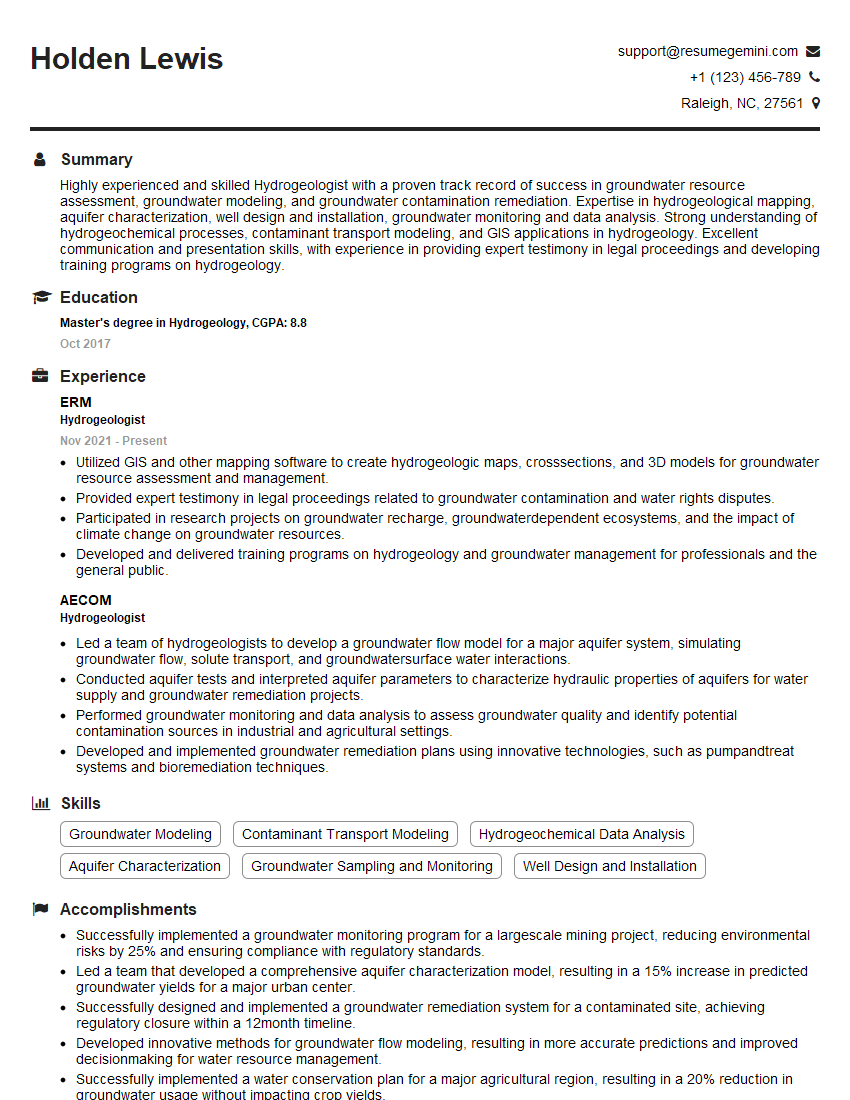
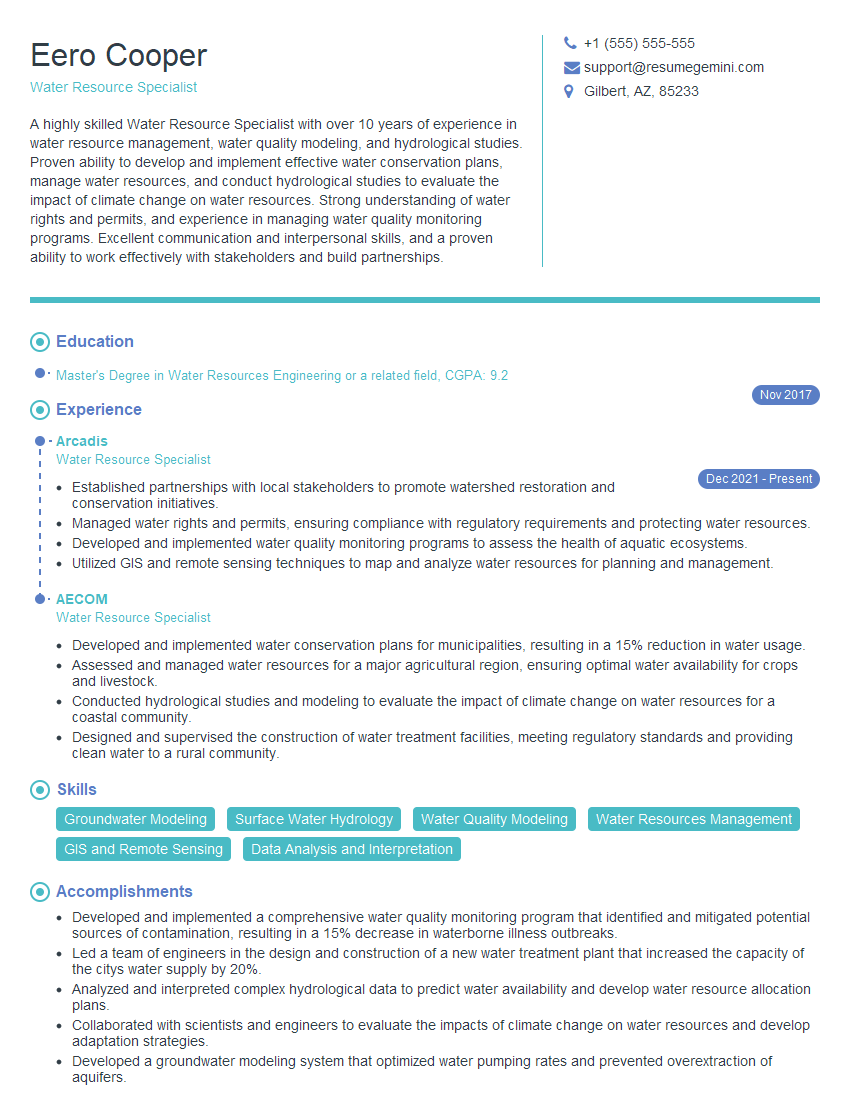
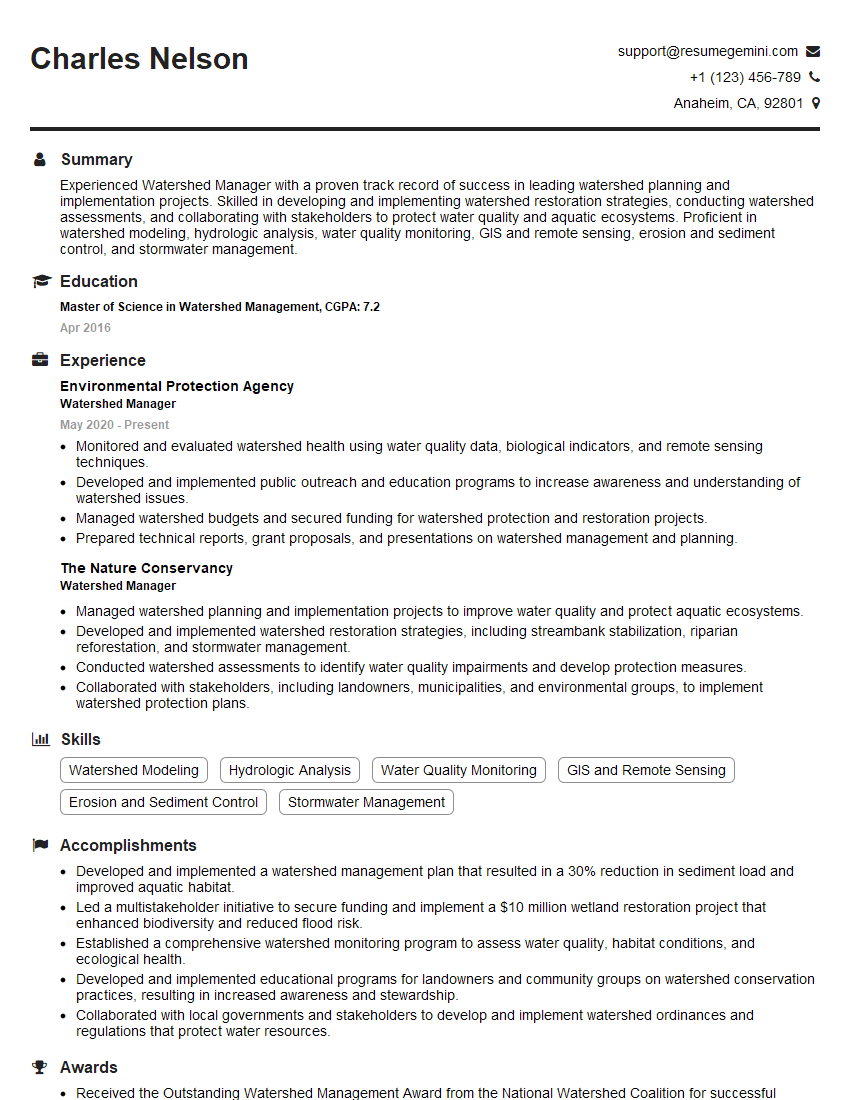
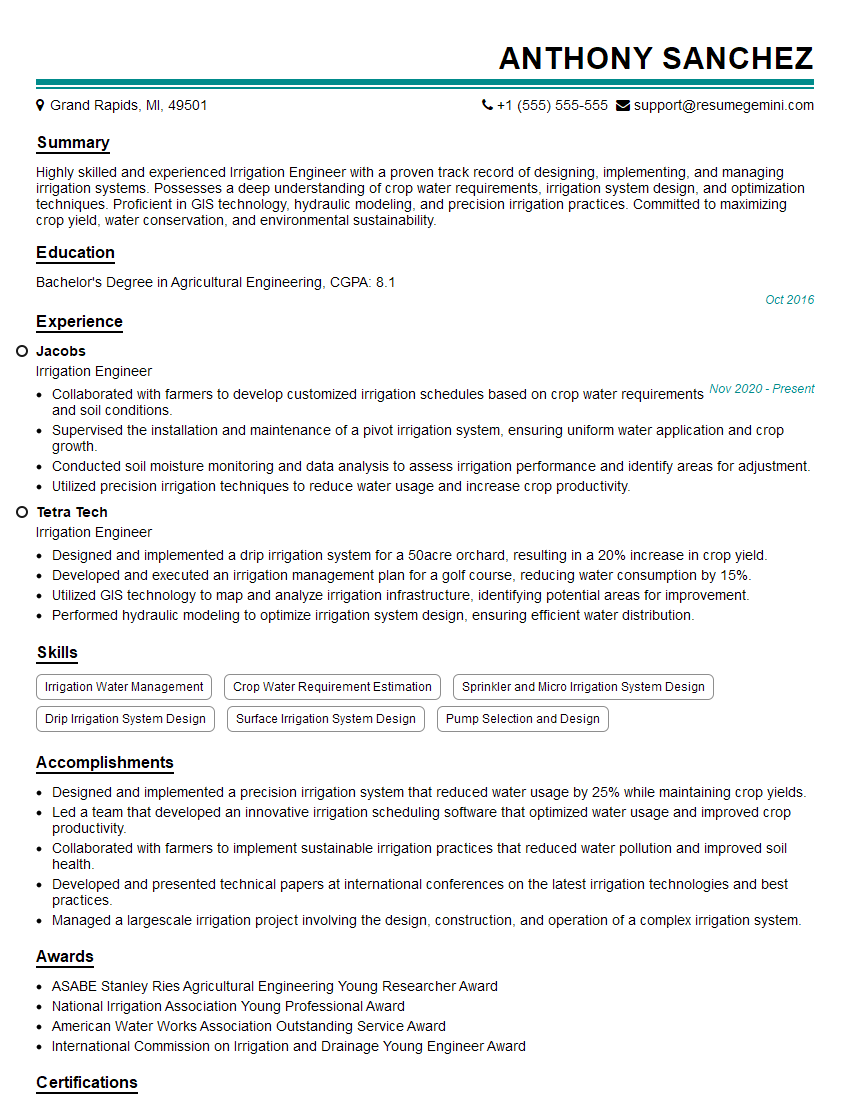
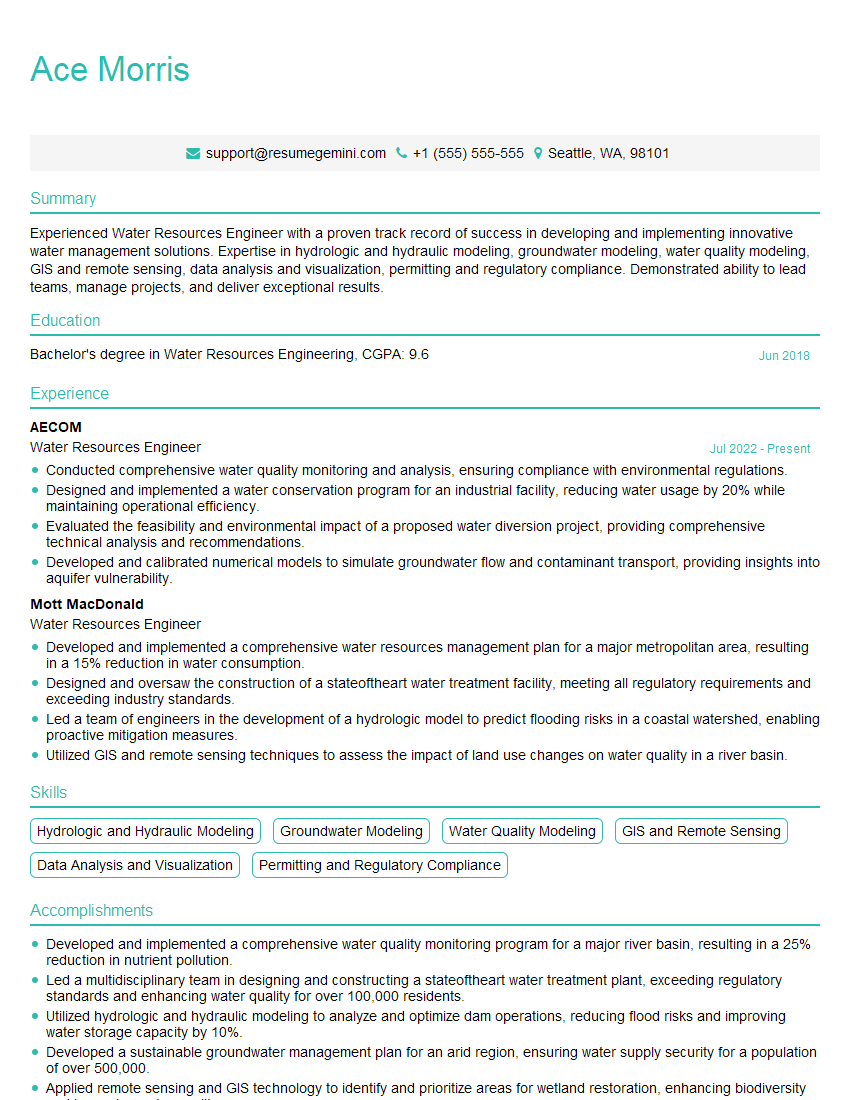
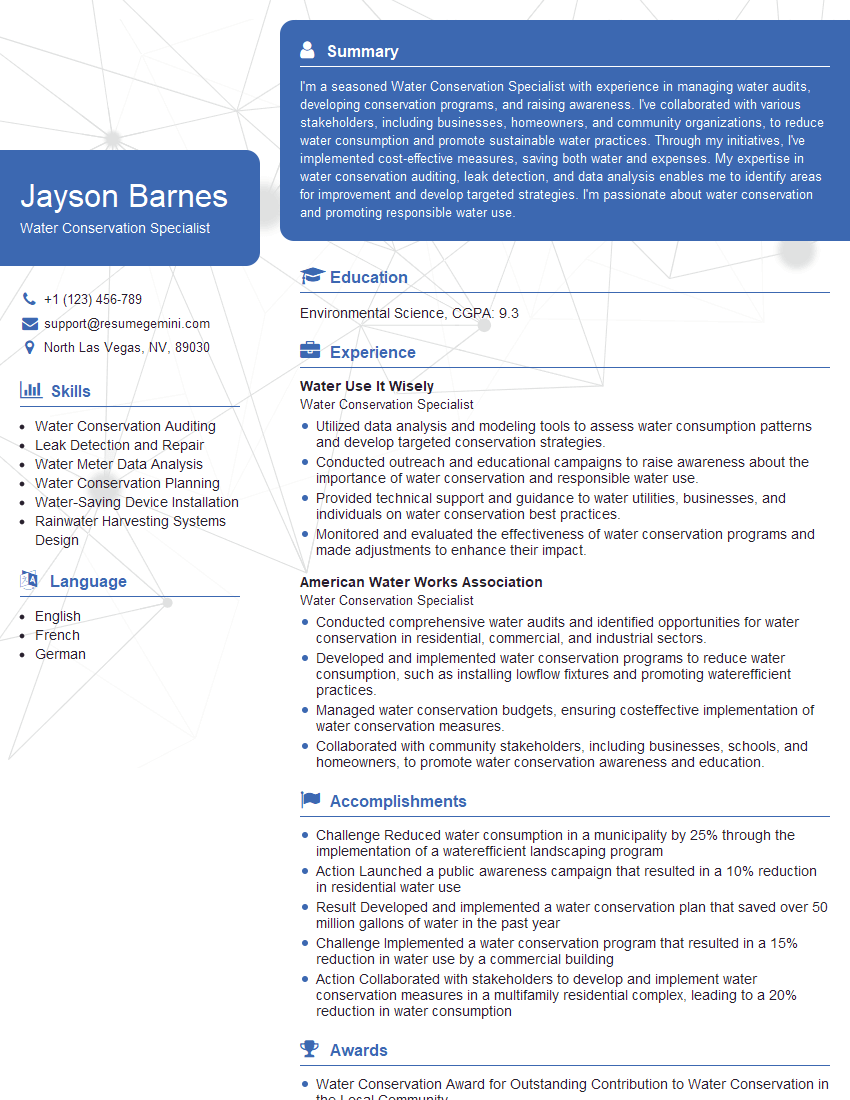
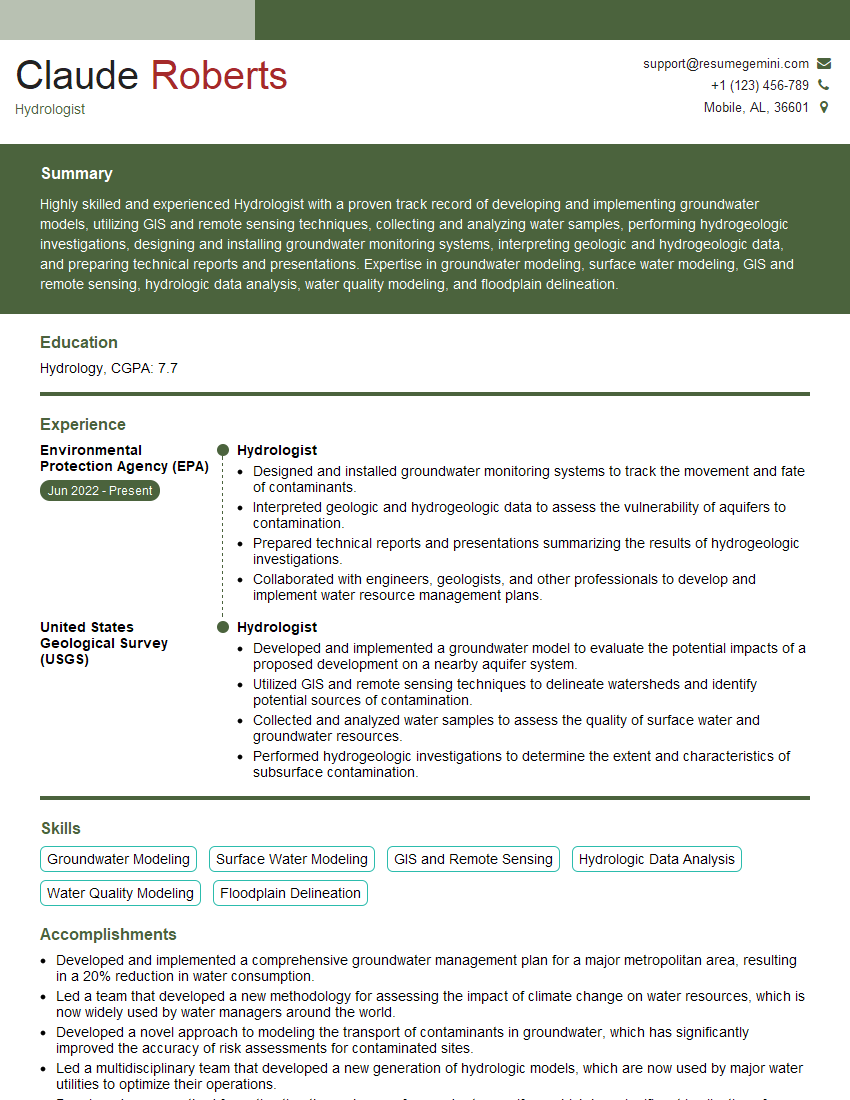
Mastering Water Rights and Management is crucial for career advancement in this increasingly critical field. A strong understanding of these principles opens doors to exciting opportunities and positions you as a valuable asset to any organization dealing with water resource challenges. To maximize your job prospects, crafting an ATS-friendly resume is essential. ResumeGemini can help you build a professional and impactful resume that highlights your skills and experience effectively. ResumeGemini offers examples of resumes tailored to the Water Rights and Management field to guide your efforts, making your application stand out from the competition. Invest the time to create a compelling resume – it’s a vital step in securing your dream job.
Explore more articles
Users Rating of Our Blogs
Share Your Experience
We value your feedback! Please rate our content and share your thoughts (optional).
What Readers Say About Our Blog
Amazing blog
hello,
Our consultant firm based in the USA and our client are interested in your products.
Could you provide your company brochure and respond from your official email id (if different from the current in use), so i can send you the client’s requirement.
Payment before production.
I await your answer.
Regards,
MrSmith
hello,
Our consultant firm based in the USA and our client are interested in your products.
Could you provide your company brochure and respond from your official email id (if different from the current in use), so i can send you the client’s requirement.
Payment before production.
I await your answer.
Regards,
MrSmith
These apartments are so amazing, posting them online would break the algorithm.
https://bit.ly/Lovely2BedsApartmentHudsonYards
Reach out at BENSON@LONDONFOSTER.COM and let’s get started!
Take a look at this stunning 2-bedroom apartment perfectly situated NYC’s coveted Hudson Yards!
https://bit.ly/Lovely2BedsApartmentHudsonYards
Live Rent Free!
https://bit.ly/LiveRentFREE
Interesting Article, I liked the depth of knowledge you’ve shared.
Helpful, thanks for sharing.
Hi, I represent a social media marketing agency and liked your blog
Hi, I represent an SEO company that specialises in getting you AI citations and higher rankings on Google. I’d like to offer you a 100% free SEO audit for your website. Would you be interested?