Cracking a skill-specific interview, like one for Productivity Improvement Techniques, requires understanding the nuances of the role. In this blog, we present the questions you’re most likely to encounter, along with insights into how to answer them effectively. Let’s ensure you’re ready to make a strong impression.
Questions Asked in Productivity Improvement Techniques Interview
Q 1. Explain the DMAIC methodology.
DMAIC, which stands for Define, Measure, Analyze, Improve, and Control, is a data-driven methodology used for improving processes. It’s a structured approach, particularly popular in Six Sigma, that ensures a systematic and measurable improvement journey.
- Define: Clearly define the problem, the project goals, and customer requirements. This stage involves identifying the scope, setting targets, and defining success criteria. For example, if the problem is long wait times in a customer service call center, this stage would define the specific metrics (average wait time, abandonment rate) and the target reduction.
- Measure: Collect data to understand the current state of the process. This involves identifying key performance indicators (KPIs) and gathering data to establish a baseline. In our call center example, this would involve collecting data on current wait times, call volume, and agent handling times.
- Analyze: Analyze the collected data to identify the root causes of the problem. This might involve using statistical tools like Pareto charts or fishbone diagrams. Here, we’d identify if the problem stems from insufficient staffing, inefficient call routing, or complex call handling procedures.
- Improve: Develop and implement solutions to address the root causes identified in the analysis phase. This often involves brainstorming, testing, and piloting potential solutions. For the call center, solutions could be hiring more agents, implementing a new call routing system, or providing more comprehensive training.
- Control: Monitor the implemented solutions to ensure they are sustainable and effective. This involves establishing control charts and other monitoring mechanisms to track performance and make adjustments as needed. This final phase ensures the improvements are maintained long-term through ongoing monitoring and adjustments.
DMAIC is cyclical; even after the initial improvement project, the process should be regularly reviewed and further improvements identified and implemented.
Q 2. Describe the 5S methodology and its application.
5S is a workplace organization methodology that focuses on creating a clean, organized, and efficient work environment. The five S’s are Japanese words, each representing a key principle:
- Seiri (Sort): Eliminate unnecessary items from the workspace. This involves identifying and removing anything that isn’t needed for the current process. Think of it like decluttering your desk – removing unnecessary files, pens, and other items.
- Seiton (Set in Order): Organize the remaining items efficiently. This involves arranging tools, materials, and equipment in a logical and easily accessible manner. This might include labeling shelves, creating visual aids, and implementing a shadow board to show where tools should be stored.
- Seiso (Shine): Clean the workspace thoroughly. This involves regular cleaning to maintain a tidy and hygienic environment. Daily cleaning schedules and checklists can be helpful.
- Seiketsu (Standardize): Maintain the organization and cleanliness achieved through the previous steps. This involves creating and following standard procedures and checklists to ensure consistency. Implementing visual controls, like color-coded labels, can support standardization.
- Shitsuke (Sustain): Continuously improve and maintain the 5S system. This involves making 5S a habit and encouraging continuous improvement through regular audits and team involvement.
5S not only improves the visual appeal of a workspace but also significantly boosts efficiency by reducing wasted time searching for items, improving safety, and fostering a more organized and productive environment. It can be implemented in offices, factories, hospitals – almost any setting.
Q 3. What is Kaizen, and how would you implement it in a team setting?
Kaizen, meaning ‘change for the better’ in Japanese, is a philosophy of continuous improvement. It emphasizes small, incremental changes that are implemented consistently over time. Unlike large-scale improvement projects, Kaizen focuses on making small, manageable improvements that add up to significant results over time.
Implementing Kaizen in a team setting involves:
- Team Involvement: Encourage team members to identify areas for improvement within their daily tasks. Brainstorming sessions and suggestion boxes can be effective tools.
- Small, Incremental Changes: Focus on implementing changes that are manageable and can be implemented quickly. This prevents overwhelming the team and allows for quicker feedback loops.
- Data-Driven Decisions: Collect data to track the impact of implemented changes. This provides concrete evidence of the effectiveness of Kaizen initiatives and allows for adjustments as needed.
- Regular Reviews and Feedback: Conduct regular meetings to review progress, celebrate successes, and address challenges. This fosters team engagement and promotes a culture of continuous improvement.
- Standardization: Document successful improvements and standardize them to ensure consistency and prevent reverting to old practices.
For example, a team might identify a minor inefficiency in their workflow and implement a small change – a new filing system or a tweaked process for communicating updates. By consistently applying Kaizen, the team can achieve significant improvements over time.
Q 4. Explain the concept of Value Stream Mapping.
Value Stream Mapping (VSM) is a lean manufacturing technique used to visually represent all the steps involved in a process, from start to finish. It helps identify waste and inefficiencies within the process and provides a roadmap for improvement. A VSM typically uses a flowchart to visually represent each step, along with information on process time, inventory levels, and other relevant metrics.
Creating a VSM involves mapping both the material flow (the actual physical movement of materials) and the information flow (the flow of information required to support the process). It allows you to visually identify bottlenecks, areas of excess inventory, and other forms of waste. Once the VSM is complete, you can use it to identify opportunities for improvement, such as reducing lead times, eliminating unnecessary steps, or improving workflow efficiency. For example, a VSM for a manufacturing process might reveal that a particular machine is a bottleneck, causing delays and impacting the entire production line. By analyzing the VSM, improvements such as upgrading the machine, adding more capacity, or adjusting workflow to distribute tasks differently can be proposed and implemented.
Q 5. How do you identify and eliminate bottlenecks in a process?
Identifying and eliminating bottlenecks requires a systematic approach. Here’s a step-by-step process:
- Identify the Bottleneck: Use techniques like process mapping or value stream mapping to visualize the entire process and identify the step with the lowest capacity or slowest throughput. This might involve analyzing data on cycle times, wait times, and production volumes.
- Analyze the Bottleneck: Once the bottleneck is identified, investigate the root cause of the constraint. Are there issues with equipment, staffing, processes, or materials? Use root cause analysis techniques like the 5 Whys or fishbone diagrams to delve deeper.
- Develop Solutions: Based on the root cause analysis, develop solutions to address the bottleneck. This might involve investing in new equipment, improving employee training, streamlining processes, or optimizing material flow.
- Implement and Monitor: Implement the chosen solution(s) and closely monitor its impact on the process. Track key metrics to measure the effectiveness of the changes and make adjustments as needed.
- Continuously Improve: Even after addressing the initial bottleneck, continue to monitor the process for any new bottlenecks or areas for improvement. Remember, improving one area can often create bottlenecks elsewhere.
For example, in a restaurant, the bottleneck might be the kitchen preparation time during peak hours. Analyzing this could reveal slow stovetop cooking or insufficient staff. Solutions could be adding faster equipment, streamlining recipes, or hiring more kitchen staff.
Q 6. Describe your experience with root cause analysis techniques.
I have extensive experience using various root cause analysis (RCA) techniques. Some of the most effective include:
- 5 Whys: A simple yet powerful technique that involves repeatedly asking ‘why’ to uncover the underlying causes of a problem. By repeatedly asking why, you peel back the layers to get to the root cause. For example, a machine breaks down (why?). Because a part failed (why?). Because it wasn’t properly maintained (why?). Because the maintenance schedule wasn’t followed (why?). Because the maintenance team lacked training (root cause).
- Fishbone Diagram (Ishikawa Diagram): A visual tool that helps brainstorm potential causes of a problem by categorizing them into different categories (e.g., manpower, materials, machinery, methods, environment). It is excellent for collaborative brainstorming and identifying multiple potential root causes.
- Fault Tree Analysis (FTA): A deductive reasoning technique that uses a tree-like structure to identify the causes of a specific event. This is particularly useful for complex systems or events where multiple contributing factors may be involved.
- Pareto Analysis: A statistical technique that identifies the ‘vital few’ causes that contribute to the majority of the problems. It is often used in conjunction with other RCA techniques to focus efforts on the most significant causes.
The choice of RCA technique depends on the specific problem, the complexity of the system, and the available data. I typically tailor my approach to the context of the situation to ensure I am effectively identifying and addressing the root cause.
Q 7. What are some common metrics used to measure productivity improvement?
Many metrics can be used to measure productivity improvement, depending on the specific context. Some common ones include:
- Cycle Time: The time it takes to complete a process or task. Reducing cycle time indicates improved efficiency.
- Throughput: The rate at which a process produces output. Higher throughput indicates greater productivity.
- Defect Rate: The percentage of defective products or services produced. Lower defect rates indicate improved quality and efficiency.
- Lead Time: The time it takes for a product or service to move from order to delivery. Reducing lead time enhances responsiveness.
- Inventory Turnover: The number of times inventory is sold or used during a specific period. Higher turnover indicates efficient inventory management.
- Employee Productivity: Metrics that measure individual or team output, often expressed as units produced per hour or similar measures.
- Cost per Unit: Measures the cost of producing a single unit of output. Lower cost per unit indicates improved efficiency and cost-effectiveness.
Choosing appropriate metrics requires understanding the specific goals of the improvement initiative. It’s crucial to track both leading indicators (predictive of future performance) and lagging indicators (reflect past performance) to gain a holistic understanding of productivity improvements.
Q 8. How would you measure the ROI of a productivity improvement initiative?
Measuring the ROI of a productivity improvement initiative requires a structured approach. It’s not just about saving time; it’s about quantifying the impact on the bottom line. First, you need to clearly define your baseline metrics – what are your current costs, output, and efficiency levels? This could involve analyzing things like labor costs, material costs, defect rates, cycle times, and customer satisfaction scores. Then, you implement the initiative and meticulously track these same metrics over a defined period (e.g., 3-6 months). The difference between the post-initiative and baseline metrics represents the improvement.
To calculate ROI, use this formula: (Net Benefits - Total Investment) / Total Investment * 100%. ‘Net Benefits’ would encompass factors like increased revenue from higher output, reduced costs from decreased waste or defects, and improvements in customer satisfaction translated into increased loyalty and retention. ‘Total Investment’ includes all costs associated with the initiative – personnel time, training, software, materials, and any other expenses. It’s crucial to consider both tangible and intangible benefits. For example, improved employee morale, while difficult to quantify directly, contributes to long-term productivity and reduced turnover, thereby impacting the overall ROI positively.
For example, imagine an initiative that reduced production time by 10%, lowered defect rates by 5%, and resulted in a 2% increase in sales, all while costing $10,000 to implement. If these improvements translate into a $50,000 net benefit, the ROI would be ($50,000 - $10,000) / $10,000 * 100% = 400%. A strong ROI clearly demonstrates the value of the initiative to stakeholders.
Q 9. Explain the difference between Lean and Six Sigma methodologies.
Lean and Six Sigma are both powerful methodologies for process improvement, but they differ in their focus and approach. Lean focuses on eliminating waste (Muda) in all its forms – anything that doesn’t add value to the customer. It emphasizes efficiency, flow, and continuous improvement through techniques like Value Stream Mapping, Kaizen (continuous improvement), and 5S (sort, set in order, shine, standardize, sustain).
Six Sigma, on the other hand, concentrates on reducing variation and defects in processes. It uses statistical methods and data analysis to identify and eliminate the root causes of defects. The goal is to achieve a level of quality where only 3.4 defects per million opportunities occur. Six Sigma employs tools like DMAIC (Define, Measure, Analyze, Improve, Control) and Design of Experiments (DOE).
Think of it this way: Lean is about speed and efficiency, while Six Sigma is about precision and quality. They are not mutually exclusive; in fact, many organizations successfully combine both approaches for comprehensive process optimization. For instance, a manufacturing company might use Lean to streamline its production line and eliminate bottlenecks, while simultaneously using Six Sigma to reduce the number of defective products.
Q 10. Describe a time you successfully improved a process. What techniques did you use?
In a previous role, I streamlined the order fulfillment process for an e-commerce company. The process was slow, prone to errors, and resulted in high customer complaint rates. I began by applying the principles of Lean methodology. I started with Value Stream Mapping to visualize the entire process from order placement to delivery, identifying all steps and bottlenecks.
This revealed significant delays in the picking and packing stages. Using Kaizen events, I collaborated with the warehouse team to implement several changes. We reorganized the warehouse layout for better product accessibility (5S). We implemented a new picking system that optimized routes and reduced travel time. We also introduced bar code scanning to minimize errors in order picking and packing.
Additionally, we employed data analysis by tracking key metrics like order fulfillment time, error rates, and customer satisfaction. This allowed us to monitor the effectiveness of our improvements and make further adjustments. The result was a 30% reduction in order fulfillment time, a 40% decrease in errors, and a significant improvement in customer satisfaction ratings.
Q 11. What is your experience with data analysis tools for productivity improvement?
I have extensive experience with various data analysis tools used for productivity improvement. These include spreadsheet software (Excel, Google Sheets) for basic data manipulation and visualization, statistical software packages like R and SPSS for more advanced analysis, and business intelligence tools like Tableau and Power BI for creating interactive dashboards and reports.
For example, I’ve used Excel to track key performance indicators (KPIs) over time, identifying trends and areas for improvement. I’ve used R to perform statistical process control (SPC) analysis, identifying sources of variation in manufacturing processes. And I’ve used Tableau to create dashboards that provide real-time visibility into key metrics, enabling proactive decision-making and continuous monitoring of improvement initiatives.
My proficiency extends to using data analysis to identify correlation and causation, predict future performance, and measure the impact of interventions. Data is the cornerstone of effective productivity improvement, providing objective evidence to guide decisions and measure success.
Q 12. How do you handle resistance to change when implementing productivity improvements?
Handling resistance to change is a critical aspect of implementing productivity improvements. It’s important to understand that resistance stems from fear of the unknown, potential job losses, or perceived increased workload. My approach involves a multi-pronged strategy that prioritizes communication, collaboration, and training.
First, I focus on transparent communication. I clearly articulate the reasons behind the changes, the anticipated benefits for individuals and the organization, and address concerns proactively. I emphasize the positive impact on the employees’ daily work, such as reduced workload and improved working environment.
Second, I foster collaboration by involving employees in the change process. This might involve soliciting their feedback, incorporating their ideas, and allowing them to participate in the implementation. This sense of ownership helps build buy-in and reduces resistance.
Third, I provide comprehensive training to ensure employees have the necessary skills and knowledge to adapt to the new processes. This includes hands-on training, support materials, and ongoing coaching. By proactively addressing concerns and equipping employees with the right tools and knowledge, I significantly increase the chances of successful implementation.
Q 13. What is your understanding of Kanban and its applications?
Kanban is a visual system for managing workflow. It’s based on the principles of visualizing work, limiting work in progress (WIP), and managing flow. A Kanban board typically uses columns to represent different stages of a process (e.g., To Do, In Progress, Done) and cards to represent individual tasks or items.
The beauty of Kanban lies in its simplicity and flexibility. It can be applied to various contexts, including software development, project management, and even daily tasks. By limiting WIP, Kanban prevents bottlenecks, improves focus, and accelerates task completion. The visual nature of the board provides transparency and allows for easy monitoring of progress and identification of potential problems.
For instance, in a software development team, a Kanban board can help visualize the progress of tasks, identify bottlenecks, and ensure that developers are not overloaded with work. In a marketing department, it can be used to manage campaigns, track deadlines, and ensure that all tasks are completed on time. Kanban’s flexibility makes it a powerful tool for improving workflow and increasing productivity across various industries and departments.
Q 14. Describe your experience with Agile methodologies.
My experience with Agile methodologies is extensive, primarily focused on Scrum and Kanban. I’ve been involved in implementing and managing Agile projects across various domains. Agile’s iterative and incremental approach, emphasizing collaboration and frequent feedback, significantly enhances productivity and product quality.
In Scrum, I’ve facilitated sprint planning, daily stand-ups, sprint reviews, and sprint retrospectives. I’ve worked with product owners to define user stories and manage the product backlog. I’ve helped teams to embrace Agile principles, such as self-organization, cross-functionality, and continuous improvement.
My experience also encompasses applying Agile to non-software projects, adapting its principles to different contexts. For example, I’ve used Kanban to manage projects with variable timelines and unpredictable demands. The core principles of iterative planning, continuous feedback, and collaborative problem-solving remain crucial regardless of the project’s nature.
The adaptability and emphasis on collaboration inherent in Agile methodologies are key factors in maximizing productivity and delivering value effectively.
Q 15. How do you prioritize improvement initiatives?
Prioritizing improvement initiatives requires a strategic approach balancing urgency, impact, and feasibility. I typically use a framework combining several techniques. First, I conduct a thorough assessment using tools like Pareto analysis (the 80/20 rule) to identify the vital few areas contributing to the majority of problems. This helps focus efforts on the most impactful initiatives. Then, I employ a prioritization matrix, often a MoSCoW method (Must have, Should have, Could have, Won’t have), to categorize projects based on their business value and technical feasibility. This allows for a clear understanding of which initiatives should be tackled first, second, and so on. Finally, I consider resource constraints – time, budget, and personnel – to ensure realistic project timelines and successful implementation. For instance, in a previous role, we used this method to prioritize improving our customer service response time (a ‘Must have’ due to high customer churn), ahead of automating a less critical internal process (a ‘Should have’). This ensured we focused on the most impactful change first.
Career Expert Tips:
- Ace those interviews! Prepare effectively by reviewing the Top 50 Most Common Interview Questions on ResumeGemini.
- Navigate your job search with confidence! Explore a wide range of Career Tips on ResumeGemini. Learn about common challenges and recommendations to overcome them.
- Craft the perfect resume! Master the Art of Resume Writing with ResumeGemini’s guide. Showcase your unique qualifications and achievements effectively.
- Don’t miss out on holiday savings! Build your dream resume with ResumeGemini’s ATS optimized templates.
Q 16. How do you ensure sustainability of productivity improvements?
Sustainability of productivity improvements hinges on embedding the changes into the organization’s culture and processes. It’s not just about implementing a solution, but integrating it into daily work. Key strategies include:
- Leadership commitment: Senior management must actively champion the changes and demonstrate their commitment through consistent support and resource allocation.
- Employee training and empowerment: Comprehensive training ensures employees understand the new processes and have the skills to utilize them effectively. Empowerment means providing them with the autonomy to contribute to ongoing improvement.
- Process documentation and standardization: Clear, concise documentation of improved processes prevents backsliding and facilitates knowledge transfer.
- Regular monitoring and evaluation: Establish key performance indicators (KPIs) to track the impact of the changes and identify areas needing adjustment. Regular reviews allow for course correction and continuous improvement.
- Incentivization and recognition: Reward and recognize employees who contribute to the sustainability of improvements, fostering a culture of continuous improvement.
For example, after implementing a new workflow in a previous project, we created a detailed training manual, held regular follow-up meetings, and incorporated the new process into our performance reviews. This ensured the improvement was not a one-off project but an integrated part of how the team operated.
Q 17. What is your experience with process automation tools?
I have extensive experience with a variety of process automation tools, including Robotic Process Automation (RPA) software such as UiPath and Automation Anywhere, workflow management systems like SharePoint and Nintex, and business process management (BPM) suites. My experience spans from designing and implementing automated workflows for repetitive tasks to integrating automation with existing enterprise resource planning (ERP) systems. For example, in one project, we used RPA to automate data entry from invoices into our accounting system, significantly reducing processing time and improving accuracy. This involved analyzing the existing process, designing the automation workflow, developing the RPA bots, and implementing rigorous testing and monitoring. The project delivered a substantial ROI, reducing processing costs and freeing up staff for higher-value tasks. Beyond RPA, I’m also familiar with low-code/no-code platforms which allow for quicker development and deployment of automations, crucial for faster implementation and greater impact on productivity.
Q 18. Explain the concept of total quality management (TQM).
Total Quality Management (TQM) is a holistic management approach dedicated to achieving long-term success through customer satisfaction. It focuses on continuous improvement in all aspects of an organization, emphasizing employee involvement, process improvement, and data-driven decision-making. The core principles include:
- Customer focus: Understanding and exceeding customer expectations is paramount.
- Continuous improvement: Constantly seeking ways to enhance processes and products.
- Process approach: Managing and improving processes to achieve consistent results.
- Employee empowerment: Involving and empowering employees at all levels to participate in improvement initiatives.
- Fact-based decision-making: Using data and analysis to guide decisions.
- Mutual beneficial supplier relationships: Collaborating with suppliers to improve quality and efficiency.
TQM isn’t just a set of tools; it’s a philosophy that permeates every aspect of the organization. A successful TQM implementation requires strong leadership commitment, employee buy-in, and a culture of continuous learning and improvement. Imagine a manufacturing plant implementing TQM: they might use statistical process control to monitor production quality, implement Kaizen events for small incremental improvements, and engage workers in problem-solving circles to identify and address quality issues proactively.
Q 19. How do you involve stakeholders in productivity improvement projects?
Involving stakeholders is critical for successful productivity improvement projects. My approach focuses on open communication and collaborative decision-making. I begin by identifying all key stakeholders – employees, management, customers, and suppliers – and understanding their perspectives and concerns. This often involves conducting surveys, interviews, and focus groups. Next, I use tools like stakeholder mapping to analyze the influence and interest of each stakeholder group. This helps tailor communication and engagement strategies. Throughout the project, I maintain transparency by providing regular updates and actively seeking feedback. This collaborative approach ensures buy-in, increases project ownership, and minimizes resistance to change. For example, during a recent project aimed at streamlining our internal communication process, I held several workshops with employees from different departments to gather their input on the current system’s challenges and desired improvements. This participatory approach ensured the final solution was not only effective but also widely accepted and supported.
Q 20. Describe your experience with project management methodologies (e.g., PMP).
I am proficient in various project management methodologies, including the Project Management Professional (PMP) framework. My experience encompasses all phases of project management, from initiation and planning to execution, monitoring, and closure. I consistently utilize techniques like Work Breakdown Structure (WBS) for task decomposition, Gantt charts for scheduling and progress tracking, and critical path analysis for identifying critical tasks and potential bottlenecks. Risk management is integral to my approach; I employ tools like SWOT analysis and risk registers to proactively identify and mitigate potential challenges. My experience with Agile methodologies, such as Scrum and Kanban, complements my traditional project management skills, enabling flexible adaptation to changing requirements and priorities. In a recent project, I used the PMP framework to manage the implementation of a new customer relationship management (CRM) system. The project adhered strictly to the PMP methodology, including detailed planning, regular status reports, risk management protocols, and comprehensive documentation. This ensured the project was completed on time, within budget, and met all the defined requirements.
Q 21. How do you measure employee engagement related to productivity improvements?
Measuring employee engagement related to productivity improvements requires a multifaceted approach combining quantitative and qualitative data. Quantitative methods include surveys measuring employee satisfaction with the changes, productivity metrics (e.g., output per hour, error rates), and absenteeism rates. Qualitative methods offer deeper insights into employee perceptions and experiences. These may include focus groups, interviews, and observations of employee behavior. A balanced scorecard approach, incorporating both quantitative and qualitative data, provides a comprehensive picture of employee engagement. For instance, we might use a survey to assess employee satisfaction with the new tools and processes, while also tracking key performance indicators to measure the impact on productivity. Analyzing employee feedback from interviews or focus groups can reveal underlying issues impacting engagement that may not be apparent in quantitative data. This combined approach allows us to not only measure the success of productivity improvements but also identify areas needing further attention to enhance employee buy-in and sustained improvement.
Q 22. What are your preferred techniques for identifying low-hanging fruit for process improvements?
Identifying ‘low-hanging fruit’ for process improvements involves pinpointing quick wins that deliver significant impact with minimal effort. It’s about focusing on areas ripe for immediate improvement, boosting morale and demonstrating early success.
- Process Mapping: Visually map out existing processes to identify bottlenecks and inefficiencies. Look for steps that are redundant, time-consuming, or prone to errors. For example, if a process requires multiple approvals that could be streamlined to a single sign-off, that’s low-hanging fruit.
- Stakeholder Interviews: Conduct interviews with individuals directly involved in the processes. Their firsthand experiences often reveal areas for immediate improvement. For instance, employees might highlight a cumbersome reporting system that could be simplified with a new software.
- Data Analysis: Analyze existing data to find areas where productivity is significantly lower than expected. Look at metrics such as cycle times, error rates, and resource utilization. High error rates in a specific step might signal a need for better training or improved tooling.
- Benchmarking: Compare your processes against industry best practices or competitors. Identifying gaps between your performance and others can reveal opportunities for quick wins. If competitors are using a particular automation tool resulting in faster turnaround time, that presents a low-hanging fruit opportunity.
By systematically employing these techniques, you create a prioritized list of improvements offering the maximum return on investment for your initial efforts.
Q 23. How would you communicate complex process improvement plans to non-technical stakeholders?
Communicating complex process improvement plans to non-technical stakeholders requires simplifying the message without sacrificing accuracy. The key is to focus on the ‘why’ and ‘what’ rather than the technical ‘how’.
- Visual Aids: Use visuals such as flowcharts, infographics, and presentations with clear, concise language to illustrate the process improvements. A simple before-and-after comparison graphic can be highly effective.
- Storytelling: Frame the improvement plan as a narrative, focusing on the positive impact on the business and the individuals involved. Explain how the changes will make their jobs easier, improve the customer experience, and drive revenue growth.
- Focus on Benefits: Highlight the tangible benefits of the improvements, such as reduced costs, increased efficiency, improved quality, or enhanced customer satisfaction. Instead of discussing detailed algorithms, focus on what the changes mean in terms of time saved or money gained.
- Interactive Sessions: Conduct workshops or interactive sessions where stakeholders can ask questions and provide feedback. This approach ensures everyone understands the plan and feels valued in the process.
- Regular Updates: Provide regular updates on the progress of the implementation, highlighting successes and addressing concerns. Keeping stakeholders informed builds trust and fosters buy-in.
By using these techniques, you can ensure that everyone understands the value and purpose of the changes, creating a collaborative and successful improvement initiative.
Q 24. What are some common pitfalls to avoid when implementing productivity improvements?
Implementing productivity improvements can be fraught with pitfalls if not carefully managed. Here are some common ones to avoid:
- Lack of Stakeholder Buy-in: Failing to secure buy-in from key stakeholders at the outset can lead to resistance and sabotage. A well-communicated and inclusive process is key.
- Ignoring Culture and Resistance to Change: Ignoring the existing culture and failing to address resistance to change can lead to implementation challenges. Addressing these cultural aspects early prevents these potential roadblocks.
- Insufficient Training and Support: Inadequate training and support for employees using new tools or processes can hinder adoption and increase error rates. A phased rollout and continuous training are essential for success.
- Overlooking Data and Measurement: Failing to track progress and measure the impact of changes can make it difficult to determine success and make necessary adjustments. Establishing clear metrics is paramount.
- Trying to Do Too Much at Once: Focusing on too many improvements simultaneously can overwhelm teams and dilute efforts. Prioritizing initiatives based on impact and feasibility is vital.
- Ignoring Feedback: Failure to gather and act on feedback from employees can lead to missed opportunities and hinder continuous improvement. Continuous feedback loops ensure ongoing process refinement.
Careful planning, effective communication, and a data-driven approach can help mitigate these pitfalls and ensure the success of your productivity improvement initiatives.
Q 25. Explain the importance of data-driven decision-making in productivity improvement.
Data-driven decision-making is crucial for productivity improvement because it shifts the focus from assumptions and gut feelings to objective evidence. It ensures that improvements are targeted, effective, and measurable.
- Identifying Bottlenecks: Analyzing data on process times, error rates, and resource utilization can reveal specific bottlenecks hindering productivity. For instance, analyzing order fulfillment data might reveal a specific stage with excessive delays.
- Measuring Impact: Data allows you to track the impact of improvements and measure their success. You can determine whether changes actually improve efficiency and reduce costs, allowing you to refine your approach or replicate successes.
- Prioritizing Improvements: Data helps to prioritize which improvements to focus on, ensuring that resources are allocated to the areas with the greatest potential for impact. By quantifying potential gains, data allows for focused and effective resource allocation.
- Continuous Improvement: Data supports a culture of continuous improvement by providing ongoing feedback on the effectiveness of processes. You can use data to identify trends, predict challenges, and fine-tune processes over time.
Without data, productivity improvement becomes a guessing game. A data-driven approach empowers informed decisions, leading to more significant, sustainable improvements.
Q 26. Describe your experience with different types of process improvement tools (e.g., software, hardware).
My experience encompasses a range of process improvement tools, both software and hardware.
- Software: I’ve worked extensively with project management software like Jira and Asana for task tracking, workflow management, and collaboration. I have experience with Business Process Management (BPM) suites for modeling, automating, and optimizing complex business processes. Data analytics tools like Tableau and Power BI have been integral in identifying trends and visualizing process data.
- Hardware: I’ve utilized hardware solutions such as barcode scanners, RFID tags, and automated material handling systems to streamline warehousing and logistics processes. Robotics process automation (RPA) software has improved efficiency in repetitive tasks.
My approach is technology-agnostic; I choose the tools best suited for each specific need, prioritizing those which best support data collection and analysis. Successful implementation always depends on the user’s ability to effectively utilize the technology and integrate it into existing workflows.
Q 27. How do you balance short-term gains with long-term sustainable improvements?
Balancing short-term gains with long-term sustainable improvements requires a strategic approach that considers both immediate needs and future objectives. It’s about building a foundation for continuous improvement, not just quick fixes.
- Prioritization Matrix: Employ a prioritization matrix that considers both the ease of implementation (short-term gain) and the long-term impact of the improvement. This helps identify initiatives that offer both quick wins and sustained benefits.
- Phased Rollout: Implementing improvements in phases allows for incremental gains while minimizing disruption. Early successes build momentum and demonstrate the value of the improvement process.
- Continuous Improvement Methodology: Embrace methodologies such as Lean or Six Sigma, which emphasize continuous improvement cycles and data-driven decision-making. This ensures ongoing monitoring, adjustment, and optimization of processes.
- Investing in Training and Development: Invest in training and development to build the skills and capabilities needed for long-term sustainable improvements. This ensures staff are equipped to maintain and further improve processes over time.
By adopting this balanced approach, you can achieve immediate results while laying the foundation for ongoing success and sustainable process excellence.
Q 28. What are your career goals related to productivity improvement?
My career goals center on becoming a recognized leader in the field of productivity improvement. I aim to develop and implement innovative solutions that drive significant improvements in organizational efficiency and effectiveness.
- Expertise Development: I plan to expand my expertise in advanced process improvement methodologies and emerging technologies such as AI and machine learning, to further optimize productivity solutions.
- Leadership Role: I aspire to lead teams dedicated to driving productivity improvement initiatives within large organizations, mentoring and guiding others in these practices.
- Industry Influence: I envision contributing to the field through publications, presentations, and collaborations to share my knowledge and experience with a broader audience.
Ultimately, I want to make a significant contribution to improving business efficiency and empowering organizations to achieve their full potential.
Key Topics to Learn for Productivity Improvement Techniques Interview
- Time Management Strategies: Explore various techniques like the Pomodoro Technique, Eisenhower Matrix, and time blocking. Understand their practical application in different work environments and how to adapt them to individual needs.
- Workflow Optimization: Learn about streamlining processes, identifying bottlenecks, and using tools like Kanban or Lean methodologies to improve efficiency. Be prepared to discuss real-world examples of process improvement projects.
- Goal Setting and Prioritization: Master techniques for setting SMART goals, prioritizing tasks effectively, and using frameworks like the Pareto Principle (80/20 rule) to maximize impact. Consider how to apply these concepts in a team environment.
- Delegation and Teamwork: Understand the principles of effective delegation and how to build strong, productive teams. Discuss strategies for collaboration and conflict resolution.
- Technology and Tools for Productivity: Familiarize yourself with various productivity software and apps (mentioning categories rather than specific tools is sufficient). Be ready to discuss the benefits and drawbacks of different tools and their impact on productivity.
- Data Analysis for Productivity Improvement: Discuss how data can be used to identify areas for improvement, track progress, and measure the effectiveness of implemented strategies. Consider examples of key performance indicators (KPIs).
- Problem-Solving Methodologies: Showcase your understanding of structured problem-solving approaches, such as root cause analysis and the 5 Whys technique, and how they contribute to improving productivity.
- Change Management & Resistance to Change: Discuss strategies for effectively managing change within an organization and addressing potential resistance to productivity improvement initiatives.
Next Steps
Mastering Productivity Improvement Techniques is crucial for career advancement, demonstrating your ability to optimize workflows, boost efficiency, and drive positive results. An ATS-friendly resume is key to showcasing these skills effectively to potential employers. Use ResumeGemini to build a professional resume that highlights your expertise in this field. ResumeGemini offers examples of resumes tailored to Productivity Improvement Techniques to guide you in creating a compelling application.
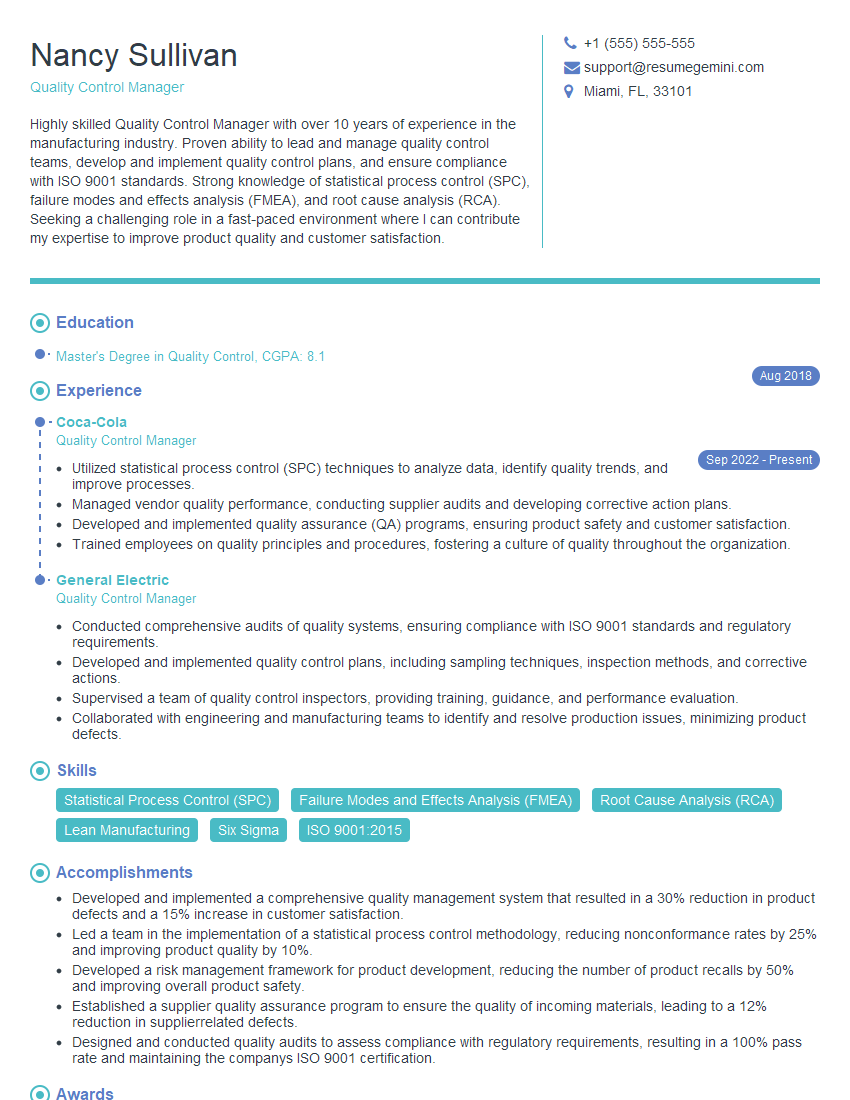
Quality Control Manager Resume Sample
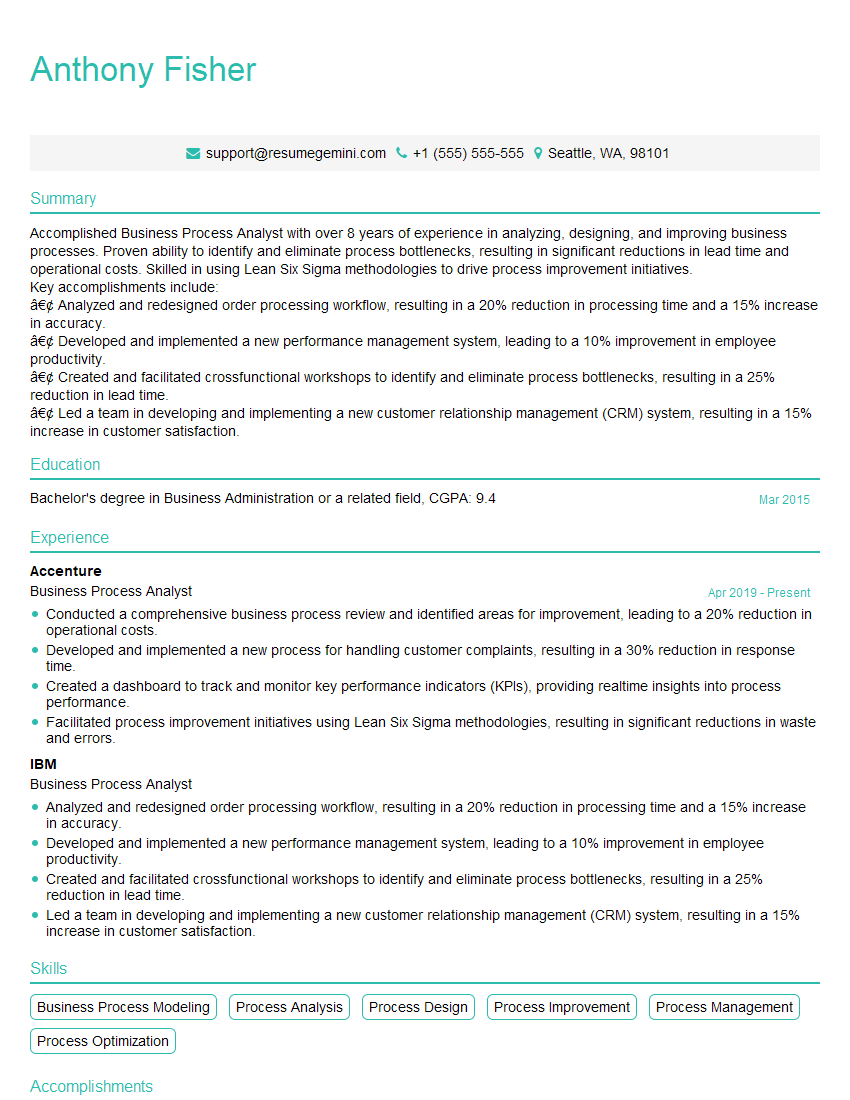
Business Process Analyst Resume Sample
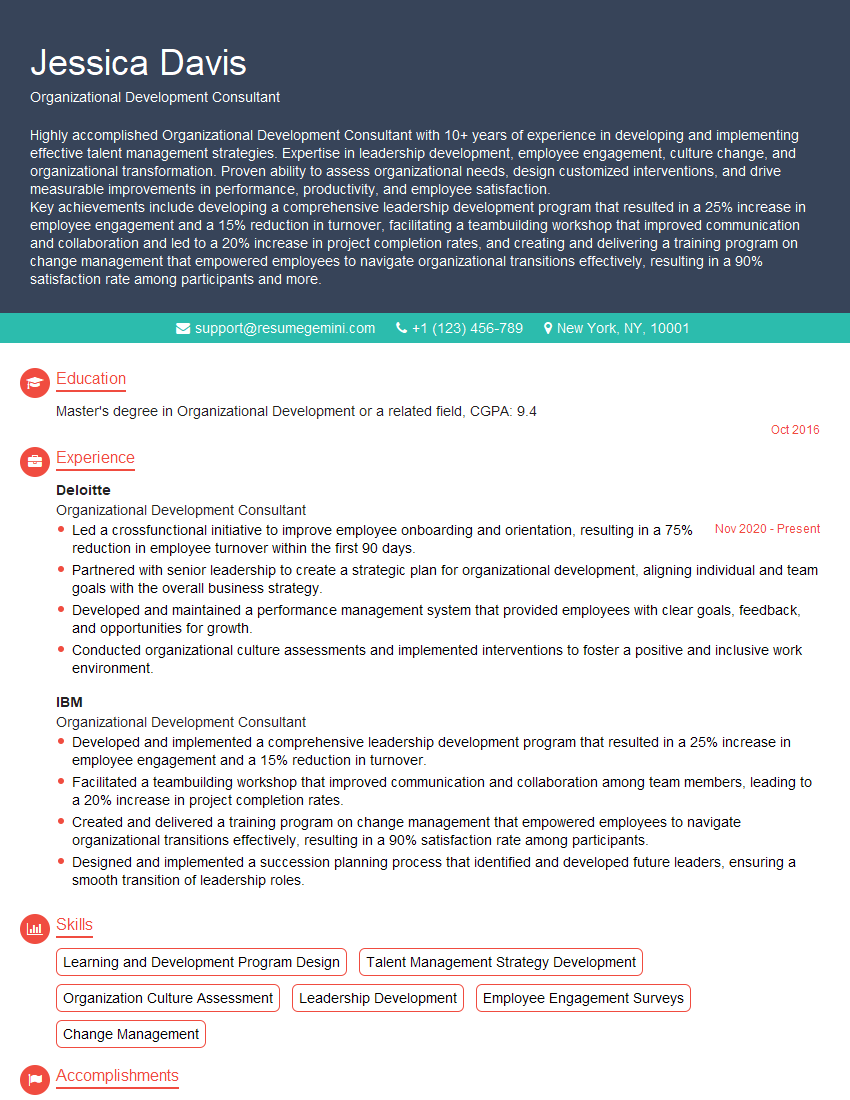
Organizational Development Consultant Resume Sample
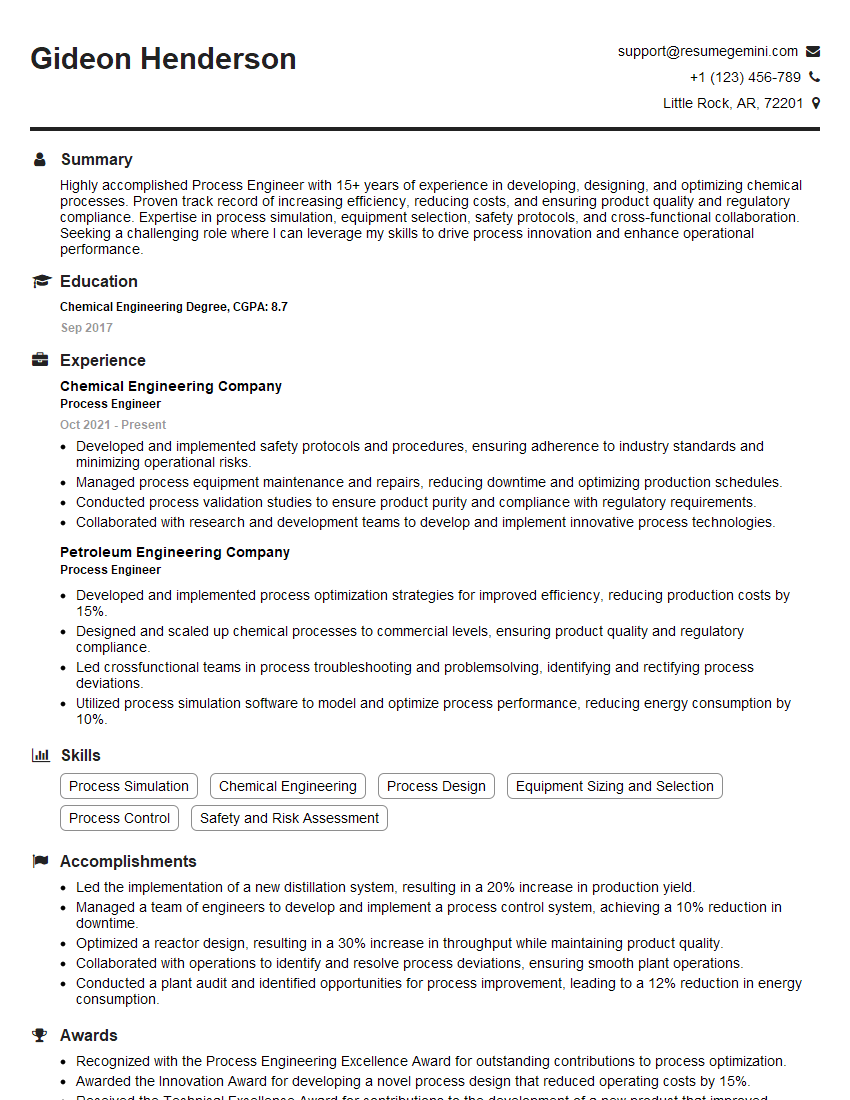
Process Engineer Resume Sample
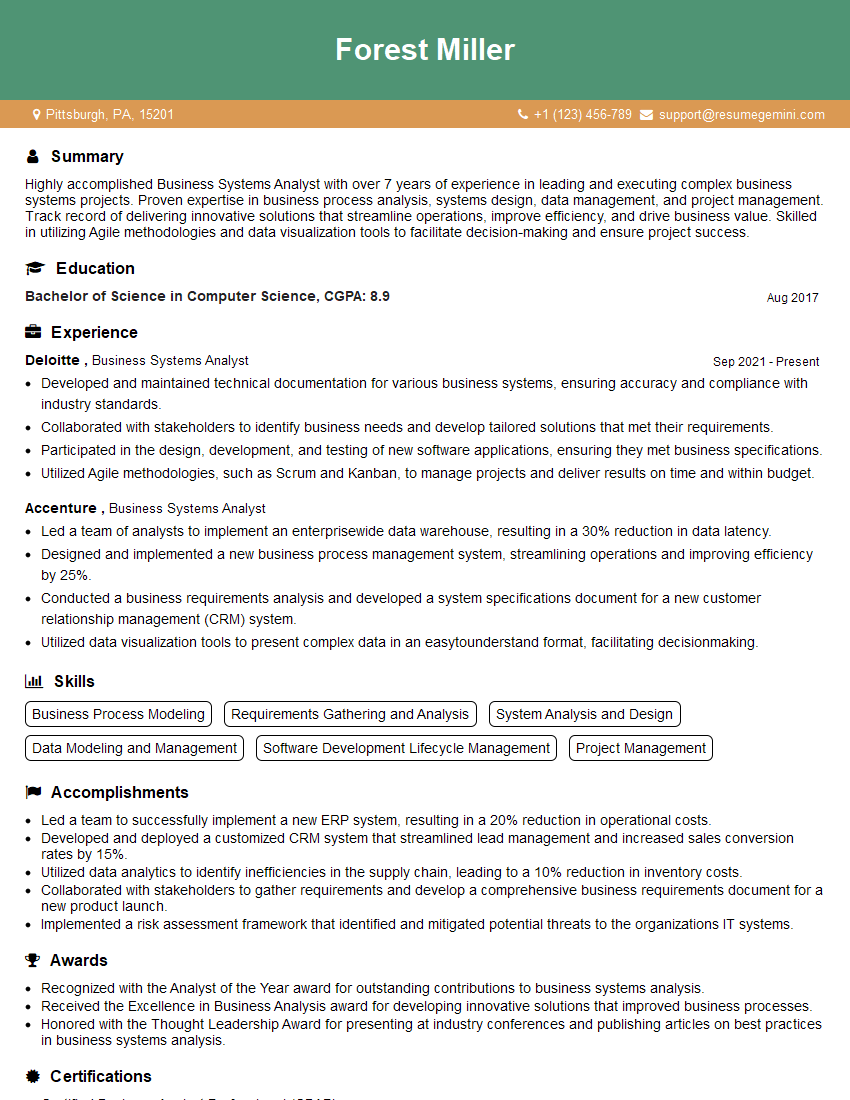
Business Systems Analyst Resume Sample

Operations Research Analyst Resume Sample
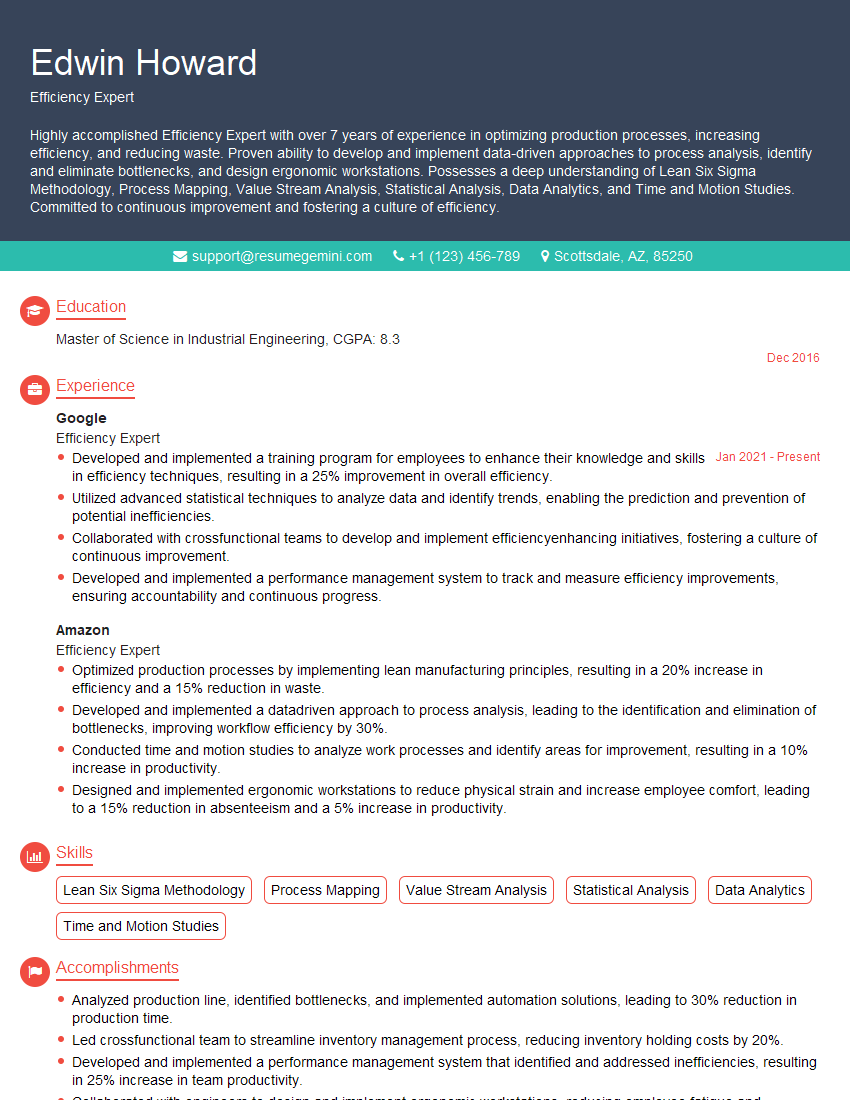
Efficiency Expert Resume Sample
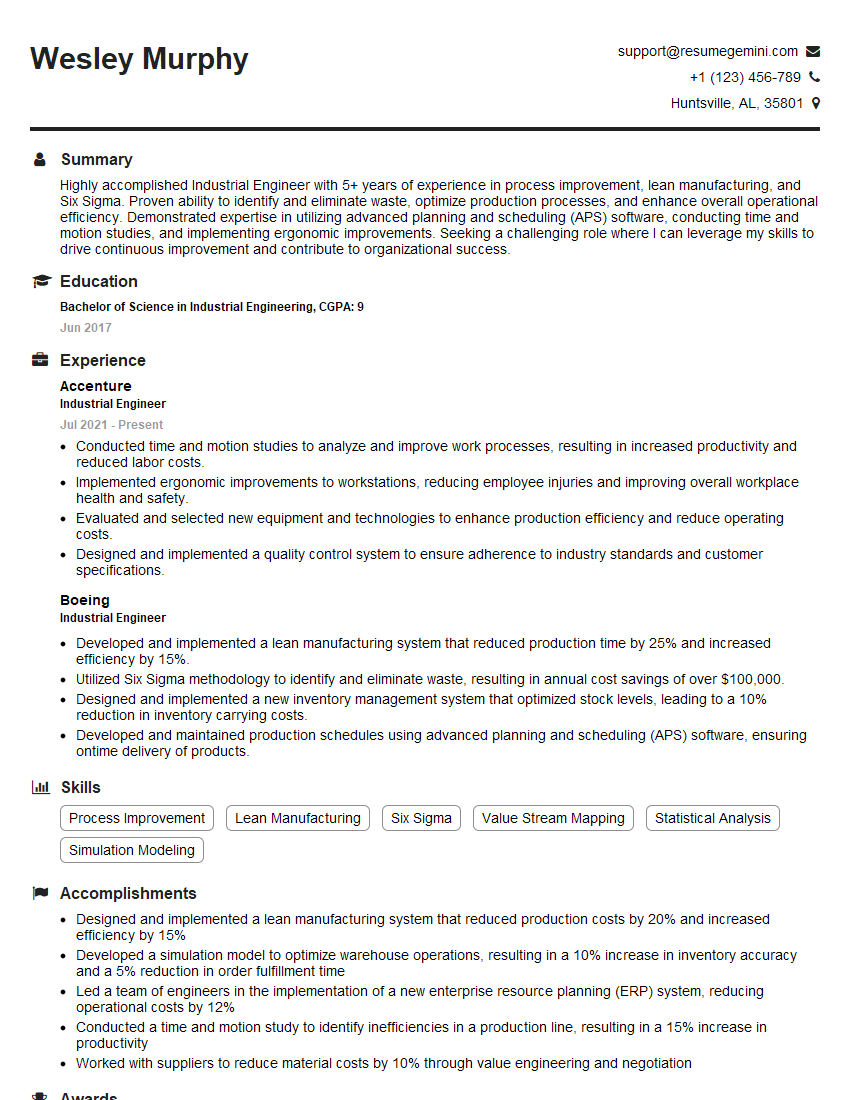
Industrial Engineer Resume Sample
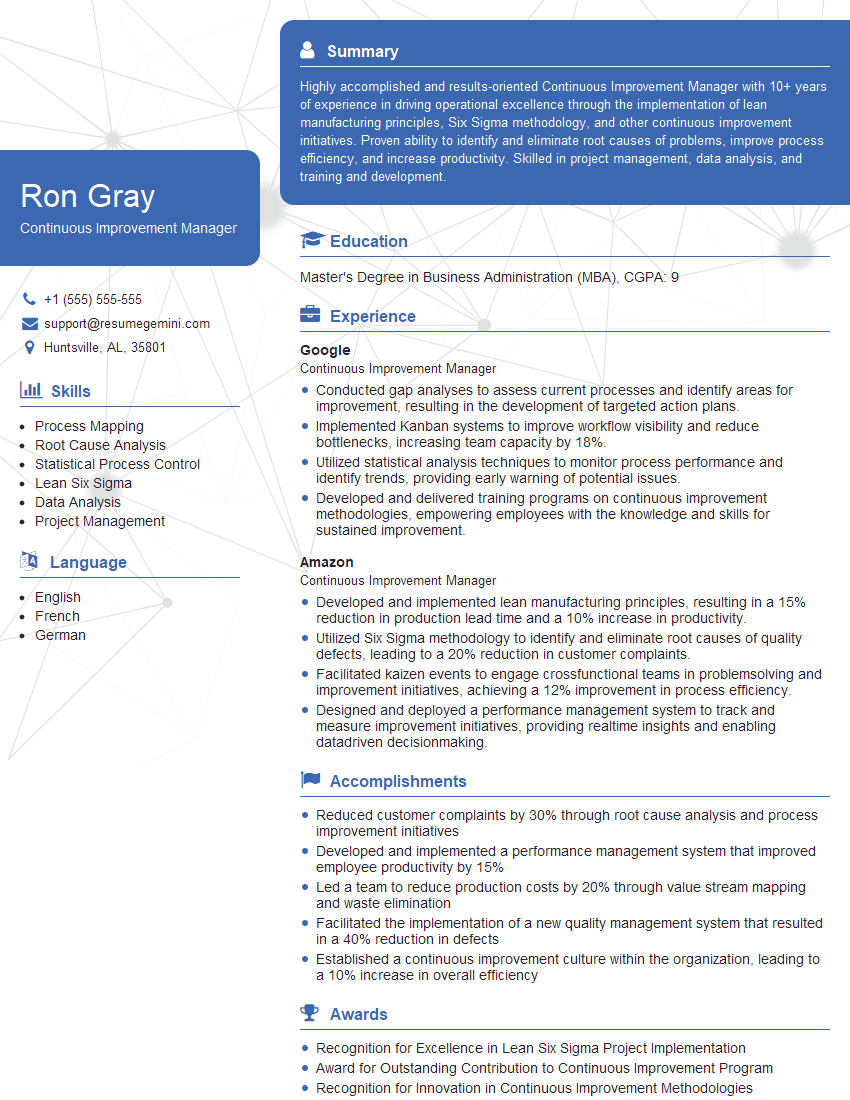
Continuous Improvement Manager Resume Sample
Explore more articles
Users Rating of Our Blogs
Share Your Experience
We value your feedback! Please rate our content and share your thoughts (optional).
What Readers Say About Our Blog
Amazing blog
hello,
Our consultant firm based in the USA and our client are interested in your products.
Could you provide your company brochure and respond from your official email id (if different from the current in use), so i can send you the client’s requirement.
Payment before production.
I await your answer.
Regards,
MrSmith
hello,
Our consultant firm based in the USA and our client are interested in your products.
Could you provide your company brochure and respond from your official email id (if different from the current in use), so i can send you the client’s requirement.
Payment before production.
I await your answer.
Regards,
MrSmith
These apartments are so amazing, posting them online would break the algorithm.
https://bit.ly/Lovely2BedsApartmentHudsonYards
Reach out at BENSON@LONDONFOSTER.COM and let’s get started!
Take a look at this stunning 2-bedroom apartment perfectly situated NYC’s coveted Hudson Yards!
https://bit.ly/Lovely2BedsApartmentHudsonYards
Live Rent Free!
https://bit.ly/LiveRentFREE
Interesting Article, I liked the depth of knowledge you’ve shared.
Helpful, thanks for sharing.
Hi, I represent a social media marketing agency and liked your blog
Hi, I represent an SEO company that specialises in getting you AI citations and higher rankings on Google. I’d like to offer you a 100% free SEO audit for your website. Would you be interested?