Every successful interview starts with knowing what to expect. In this blog, we’ll take you through the top Door Wall Paneling Installation interview questions, breaking them down with expert tips to help you deliver impactful answers. Step into your next interview fully prepared and ready to succeed.
Questions Asked in Door Wall Paneling Installation Interview
Q 1. What types of door wall paneling materials are you familiar with?
I’m familiar with a wide range of door and wall paneling materials, each with its own advantages and disadvantages. Common types include:
- Wood Paneling: This classic choice offers a natural look and feel, available in various species (oak, pine, cherry) and finishes. It’s durable but can be more expensive and prone to warping if not properly acclimated.
- Laminate Paneling: A cost-effective option that mimics the look of wood, stone, or other materials. It’s easy to clean and maintain but may not be as durable as real wood.
- Vinyl Paneling: Extremely durable and moisture-resistant, making it ideal for bathrooms and kitchens. It’s relatively inexpensive but can feel less luxurious than other materials.
- Composite Paneling: This category encompasses materials like MDF (Medium-Density Fiberboard) and HDF (High-Density Fiberboard), which offer excellent stability and can be painted or finished to match any décor. They are generally more affordable than solid wood.
- Metal Paneling: Offers a modern and industrial aesthetic. It’s very durable and low-maintenance but can be more challenging to install.
My experience encompasses working with all these materials, understanding their unique properties, and selecting the best option based on the project’s requirements and budget.
Q 2. Describe your experience with measuring and cutting paneling.
Accurate measuring and cutting are critical for a professional finish. I start by carefully measuring the wall and door areas, taking into account any existing features like windows, electrical outlets, and door frames. I always double-check my measurements to avoid costly mistakes.
For cutting, I use a combination of tools depending on the material. For wood paneling, a miter saw is essential for precise cuts, especially for corner joints. Laminate and vinyl panels often require a utility knife and straight edge for clean, straight cuts. For composite paneling, a circular saw works well. I always pre-drill holes before screwing to avoid splitting the material.
For example, when working with a particularly intricate door frame, I’ll create a precise template before cutting the panels to ensure a perfect fit. Think of it like creating a tailor-made suit for the door and walls.
Q 3. Explain your process for installing door and wall paneling.
My installation process follows a systematic approach:
- Preparation: This includes cleaning the surface, ensuring it’s level and free of any obstacles. Repairing any damage to the underlying wall is crucial for a smooth finish.
- Layout: I carefully plan the panel placement, ensuring a visually appealing arrangement, especially for patterned or textured panels. This often involves using chalk lines or a laser level to maintain consistent spacing.
- Installation: This step depends on the type of panel and its fastening method. Some panels are nailed or stapled directly to the wall studs, others require furring strips for added support, and some use adhesive. I always follow the manufacturer’s recommendations.
- Finishing: This includes caulking gaps between panels and the wall or door frame, followed by painting or applying trim to complete the look. Proper caulking prevents drafts and enhances the aesthetic appeal.
Throughout the process, I pay close attention to detail, ensuring each panel is securely fastened and aligned perfectly. This meticulous approach results in a professional, high-quality finish.
Q 4. How do you handle irregular wall surfaces during panel installation?
Irregular wall surfaces are a common challenge. To address this, I employ several techniques:
- Furring Strips: These thin wooden strips attached to the wall create a level surface for the paneling, hiding imperfections and providing a consistent mounting base. This is particularly useful for uneven walls or those with significant irregularities.
- Shimming: Thin pieces of wood or other material are used to fill gaps and level out uneven sections before attaching panels. This ensures a flat and flush surface.
- Flexible Paneling: In some cases, flexible paneling materials are used to conform to the curves and irregularities of the wall. This is less common for door paneling but is occasionally used for walls.
The choice of method depends on the severity of the irregularities and the type of paneling being used. A combination of techniques may be needed for complex situations.
Q 5. What tools and equipment are essential for efficient paneling installation?
The essential tools and equipment for efficient paneling installation include:
- Measuring Tape and Level: Accurate measurements are paramount for precise cuts and alignment.
- Miter Saw: For clean, accurate cuts, particularly for angles and corners.
- Circular Saw: Useful for cutting larger sheets of paneling or composite materials.
- Utility Knife: For cutting laminate and vinyl panels.
- Hammer, Nail Gun, or Screw Gun: For fastening panels securely.
- Caulk Gun and Caulk: For sealing gaps and creating a watertight and airtight seal.
- Safety Glasses and Gloves: Protecting yourself from potential hazards is critical.
- Putty Knife: For applying and smoothing caulk.
- Pry Bar: For prying and removing old materials if necessary.
The exact tools needed may vary depending on the specific project and the materials being used.
Q 6. What safety precautions do you follow during panel installation?
Safety is my top priority. I consistently follow these precautions:
- Eye Protection: Wearing safety glasses protects my eyes from flying debris during cutting and installation.
- Hearing Protection: Power tools generate significant noise, so hearing protection is essential to prevent hearing damage.
- Respiratory Protection: When working with dust-producing materials, a dust mask is crucial to protect my lungs.
- Hand Protection: Gloves protect my hands from splinters, cuts, and abrasions.
- Proper Tool Usage: I ensure all tools are in good working order and are used according to the manufacturer’s instructions.
- Safe Ladder Use: When working at heights, I use a sturdy ladder and follow safe ladder practices.
My safety measures go beyond personal protection; they also include securing the work area to prevent accidents.
Q 7. How do you ensure proper alignment and spacing of panels?
Maintaining proper alignment and spacing is crucial for a professional finish. I employ several techniques:
- Snap Lines: Chalk lines or laser levels are used to create reference lines on the wall, ensuring consistent spacing between panels.
- Spacers: Small spacers are used between panels to maintain uniform gaps, preventing panels from rubbing against each other.
- Accurate Measurements and Cuts: Precise measurements and cuts are essential to ensure a tight fit and prevent gaps from forming.
- Check and Adjust: Throughout the installation, I constantly check for alignment and spacing, making adjustments as needed.
Think of it like building with LEGOs—each piece needs to fit precisely to create a cohesive structure. The same principle applies to paneling.
Q 8. Describe your experience with different paneling installation techniques.
My experience encompasses a wide range of paneling installation techniques, from traditional nailed applications to more modern adhesive methods. I’m proficient in installing various materials including wood paneling (solid wood, plywood, MDF), laminate, and even certain types of PVC or composite panels. For example, in a recent project involving a high-end home renovation, I used a combination of tongue-and-groove solid wood paneling, secured with concealed fasteners for a clean finish, and adhesive to ensure a tight seal in areas with less structural integrity. In another project, a smaller commercial space, I opted for a faster, more cost-effective method using laminate panels and construction adhesive, achieving a smooth, modern aesthetic.
Each method requires a different approach, with considerations for factors such as substrate condition, panel material, desired finish, and environmental conditions. My expertise allows me to select the optimal technique for any given project, always prioritizing quality and longevity.
- Nailed Installation: Ideal for solid wood paneling, offering strong and durable results. Proper nailing technique is crucial to prevent damage.
- Adhesive Installation: Suitable for various materials, particularly in areas where nailing is unsuitable or undesirable. Requires selecting the appropriate adhesive for both the panel and substrate.
- Tongue and Groove: A classic technique that creates a seamless appearance and minimizes gaps. Requires careful planning and precise alignment.
Q 9. How do you address issues like gaps or uneven edges after installation?
Gaps and uneven edges are common challenges, but easily addressed with the right techniques and tools. Minor gaps can usually be filled with paintable wood filler, carefully applied and sanded smooth for an invisible repair. For larger gaps, I might consider using wood shims or even replacing the problematic panel. Uneven edges can often be trimmed with a sharp utility knife or hand plane. In situations with significant edge imperfections, I will carefully plan cuts to minimize their visibility, perhaps by strategically placing the panel in a less prominent area or employing decorative trim to mask any irregularities.
Think of it like fitting a jigsaw puzzle – sometimes a little adjustment is needed to create a perfect fit. I always prioritize a meticulous approach to minimize these issues during installation, but I’m prepared to handle these challenges with a systematic approach, ensuring a flawless final result.
Q 10. Explain your experience with installing various types of trim and molding.
My experience with trim and molding is extensive. I’m skilled in installing various profiles, including baseboards, crown molding, casings, chair rails, and decorative trim pieces. I understand the importance of proper miter cuts, accurate measurements, and precise alignment for a professional finish. I frequently work with various materials, such as wood (both solid and MDF), polyurethane, and even composite materials. The choice of material depends on the specific design requirements, budget constraints, and the overall aesthetic of the project.
For instance, in a recent project, I used intricate crown molding with ornate details, requiring precise miter cuts and careful application of adhesive to ensure a flawless join. In another project, simpler baseboards were used, where efficiency and speed were prioritized, and nailing was the preferred method of installation.
Q 11. How do you prepare the surface before installing paneling?
Surface preparation is paramount for a successful paneling installation. A poorly prepared surface will lead to issues like uneven adhesion, gaps, and an unprofessional final look. My process typically involves the following steps:
- Cleaning: Removing dust, dirt, grease, and any loose debris from the surface. This might involve vacuuming, wiping down with a damp cloth, or even using a specialized cleaner for particularly stubborn stains.
- Repairing: Filling any holes, cracks, or imperfections in the wall using appropriate patching compound. Once dry, these areas must be sanded smooth.
- Priming: Applying a primer to seal the surface and ensure proper paint adhesion if the paneling is to be painted. This also helps to create a uniform surface for better adhesion of the paneling.
- Checking for Straightness: Ensuring the wall is plumb and square using a level, as any significant imperfections could affect the final result. Corrective measures may include shimming or adjusting the wall framing (in some cases).
By meticulously preparing the surface, I set the stage for a flawless and long-lasting paneling installation. It’s a critical first step that significantly impacts the overall quality and aesthetics of the project.
Q 12. What are the common problems encountered during panel installation, and how do you resolve them?
Common problems encountered during panel installation include:
- Uneven surfaces: Addressing this requires careful surface preparation (as previously discussed) and the use of shims to ensure the panels are properly aligned.
- Gaps between panels: This can be caused by improper measurement, expansion and contraction of materials (especially with wood), or poor adhesion. Shimming, adjusting panel placement, or using filler can solve this.
- Damage to panels: Careless handling can cause scratches or dents. Inspection and replacement are necessary.
- Improper fastening: Using incorrect fasteners, or driving them too deeply, can damage the panels and substrate. Proper technique and appropriate fasteners are crucial.
My approach to problem-solving emphasizes careful planning, precise execution, and a proactive attitude. I anticipate potential issues and take preventative measures whenever possible. I also remain flexible and adaptable, ready to implement corrective strategies when necessary.
Q 13. Describe your experience working with different types of adhesives and fasteners.
I have extensive experience working with various adhesives and fasteners, selecting the appropriate materials for each project based on factors such as panel type, substrate material, and environmental conditions. For instance, I’ll use construction adhesive for larger laminate panels, ensuring proper surface preparation and clamping time. For wood paneling, I might use nails or screws, depending on the panel thickness and desired finish. I often use specialized wood glue for intricate trim work requiring invisible joins. Choosing the right adhesive ensures a strong, long-lasting bond and reduces the chance of panel movement or failure. Similarly, using the proper fasteners protects against damage to the paneling and creates a secure installation.
Safety is also a key concern when working with adhesives and fasteners. I always follow the manufacturer’s instructions carefully and use appropriate safety equipment, such as gloves and eye protection. I’m familiar with various types of adhesives including construction adhesive, wood glue, polyurethane, and contact cement and fasteners including nails, screws, staples and specialty concealed fasteners.
Q 14. How do you manage your time and resources effectively during a paneling installation project?
Effective time and resource management is crucial for successful paneling projects. My approach involves a detailed planning phase, where I carefully review blueprints, calculate material quantities, and create a realistic schedule. This includes accounting for potential delays and unforeseen circumstances. I then break down the project into smaller, manageable tasks and allocate specific timeframes for each. This allows for better progress monitoring and facilitates adjustments as needed. Accurate material ordering prevents costly delays and waste. I maintain organized storage of tools and materials to facilitate efficient workflow.
I believe in clear communication with clients, keeping them informed of progress and any potential changes. This proactive communication approach mitigates misunderstandings and ensures everyone is aligned on expectations. Regular self-assessment and adjustments to my schedule keep the project on track and within budget.
Q 15. What are your preferred methods for finishing and caulking panel seams?
Finishing and caulking panel seams is crucial for a professional-looking and durable installation. My preferred method involves a two-step process focusing on both aesthetics and preventing air leaks.
First, I use a high-quality paintable caulk, specifically designed for interior applications and with excellent adhesion. I apply a thin, even bead along the seam, ensuring complete coverage. Think of it like icing a cake – you want a smooth, consistent layer. I then use a damp finger or a caulk smoothing tool to create a smooth, seamless finish. This prevents any unsightly gaps or ridges. The type of caulk I select depends on the specific material; for example, a flexible caulk is essential for situations where expansion and contraction might occur.
Second, after the caulk has cured completely (usually 24 hours), I carefully paint the seams to match the surrounding paneling. This not only hides the caulk line but also creates a unified, polished look. I use a small, fine-tipped brush for precise application to avoid bleed-over onto the paneling. Proper preparation, including cleaning the area before applying the caulk and paint, is key to a successful outcome. I often use painter’s tape to protect the adjacent panels during the painting process.
Career Expert Tips:
- Ace those interviews! Prepare effectively by reviewing the Top 50 Most Common Interview Questions on ResumeGemini.
- Navigate your job search with confidence! Explore a wide range of Career Tips on ResumeGemini. Learn about common challenges and recommendations to overcome them.
- Craft the perfect resume! Master the Art of Resume Writing with ResumeGemini’s guide. Showcase your unique qualifications and achievements effectively.
- Don’t miss out on holiday savings! Build your dream resume with ResumeGemini’s ATS optimized templates.
Q 16. What is your experience with installing soundproofing paneling?
I have extensive experience installing soundproofing paneling, often in residential and commercial settings where noise reduction is a priority. This usually involves using specialized panels designed with sound-dampening properties, such as those containing dense fiberglass or other sound-absorbing materials. The key to successful soundproofing installation isn’t just the panels themselves, but the attention paid to the entire installation process.
For example, I ensure a tight seal around all edges to minimize sound transmission. This involves meticulous caulking of seams, similar to the process I described previously, but potentially requiring more robust caulk designed for sealing sound gaps. In some cases, I’ll also utilize sound-dampening sealant tapes along the edges before installing the panels. The proper preparation of the substrate—the wall surface—is also crucial. Any gaps or irregularities can compromise the effectiveness of the soundproofing. I often use resilient channels in the framing to further isolate the paneling from the existing wall structure, reducing sound transfer. The overall process requires careful attention to detail to ensure optimal noise reduction.
Q 17. How do you handle customer requests or changes during a project?
Handling customer requests and changes during a project is a crucial aspect of maintaining a positive client relationship and delivering a satisfactory outcome. My approach is built on clear communication and proactive problem-solving.
First, I always encourage open communication. Before the project starts, we review the plans and discuss potential changes. I encourage questions and address any concerns proactively. During the project, if a customer requests a change, I carefully assess its impact on the schedule, budget, and overall project outcome. I provide a realistic assessment of any potential challenges and offer solutions. I never make changes without the customer’s informed consent and a clear understanding of the implications. Detailed documentation of all changes, including costs and timelines, is maintained. Transparency and mutual understanding are paramount in handling these situations effectively.
For example, if a client wants to change the paneling type mid-project, I would first discuss material availability and cost differences. I would explain the potential delays and any adjustments needed to the installation process. Then, after reaching an agreement, I would proceed with the change after obtaining necessary approvals and modifications to the contract.
Q 18. Explain your experience with different types of paneling fasteners.
My experience spans various paneling fasteners, each suited for different materials and applications. Understanding the right fastener is critical for a secure and damage-free installation.
- Nails: Common for wood paneling, careful consideration needs to be given to nail size and type to avoid splitting the panel. Pre-drilling pilot holes is often essential.
- Screws: Provide greater holding power than nails, particularly for heavier panels. Self-tapping screws are common, but again pre-drilling may be necessary to avoid splitting.
- Staples: Used with pneumatic staple guns for faster installation, especially with thin paneling. The appropriate gauge and length of staple are key to achieving a secure hold without damaging the panel.
- Adhesives: Construction adhesives are increasingly popular, especially for certain types of paneling like PVC or composite materials. They offer a seamless finish, but require accurate surface preparation and proper curing time.
Choosing the appropriate fastener requires considering the material of the paneling, the substrate (wall type), and the overall design. I always select the fastener that provides the strongest, most secure bond while minimizing the risk of damage.
Q 19. How do you maintain cleanliness and order at the job site?
Maintaining a clean and organized job site is essential not only for safety but also for efficiency and professionalism. My approach involves a multi-pronged strategy, starting before the first nail is hammered.
Before work begins, I establish a clear layout for materials and tools. This includes designating areas for storage, waste disposal, and active workspaces. I use drop cloths to protect flooring and surfaces. During the installation process, I regularly clear debris and dispose of waste properly. Regular sweeping and vacuuming keep the work area clear from dust and hazards. I organize tools in a way that promotes efficiency and prevents unnecessary movement. At the end of each workday, I secure all materials and tools, leaving the site neat and tidy. This not only creates a safe and efficient working environment for my team, but it also shows respect for the client’s home or property.
For instance, I use labeled bins for different types of screws and fasteners, ensuring I can readily access them. Regular trips to the dumpster for scrap materials and packaging keep the area free of clutter. This methodical approach allows for a smooth and productive workflow, reducing the risk of accidents and improving overall project quality.
Q 20. Describe your experience working with blueprints and specifications.
Experience with blueprints and specifications is vital for accurate and efficient installation. I am adept at reading and interpreting architectural drawings, specifically focusing on wall details, paneling specifications, and overall project requirements.
I start by thoroughly reviewing the blueprints to understand the scope of the project, dimensions of the walls, placement of doors and windows, and paneling details such as material type, size, and finish. Specifications outline critical aspects, including material selection, installation methods, and quality standards. I cross-reference the blueprints and specifications to ensure consistency and identify any potential discrepancies or conflicts early on. This helps to avoid costly mistakes and delays.
For example, a blueprint might show a specific type of panel joint, while the specifications might detail the required caulking type. Understanding both documents ensures I use the correct materials and techniques, resulting in a professional and compliant installation. Clear communication with the architect or designer, in case of any ambiguity, is crucial to ensure that the end result adheres to the design intent.
Q 21. How do you determine the quantity of materials needed for a project?
Accurately determining material quantities is key to avoiding costly over-ordering and preventing project delays due to material shortages. My method involves a precise, multi-step process.
First, I meticulously measure all wall surfaces to be paneled. This involves precise measurements accounting for doors, windows, and any other obstructions. Next, I account for waste. This is crucial and often overlooked; factors include cutting losses, potential damage, and extra material required for adjustments or unforeseen issues. I usually add a 10-15% buffer for waste, adjusting that percentage based on the complexity of the project and the type of paneling. The specific paneling dimensions are crucial here. The manufacturer’s specifications will provide details about the usable panel dimensions and any necessary adjustments for installation methods.
Finally, I use this information to calculate the total quantity required. Software or spreadsheets can aid in these calculations. Confirming with the supplier before purchase is always a good practice to check availability and verify ordering quantities. This ensures I have sufficient material while avoiding unnecessary excess.
Q 22. How do you assess the structural integrity of the wall before installation?
Assessing wall integrity before door and wall paneling installation is crucial for a successful and long-lasting project. It’s like building a house – you wouldn’t start constructing without a solid foundation. My assessment process begins with a thorough visual inspection, checking for cracks, loose plaster, or any signs of previous water damage. I then use a stud finder to locate wall studs, ensuring they are adequately spaced and strong enough to support the paneling. For older walls, I might tap on the surface to detect any hollow or weak spots. In some cases, I’ll use a moisture meter to check for hidden dampness that could compromise the installation. If significant issues are discovered, I’ll recommend necessary repairs before proceeding, such as patching cracks or reinforcing weak areas with additional supports.
- Visual Inspection: Checking for cracks, holes, loose materials.
- Stud Finding: Locating and assessing the strength and spacing of wall studs.
- Moisture Meter Check: Detecting hidden moisture problems.
- Sound Testing: Tapping on the wall to identify hollow or weak spots.
Q 23. What is your experience with installing paneling in high-humidity environments?
High-humidity environments present unique challenges for paneling installation. Think of a bathroom or a sauna – the constant moisture can lead to warping, mold growth, and premature failure of the panels. My experience includes using specifically designed moisture-resistant paneling materials, such as those made from PVC or engineered wood with high-quality sealant. I also ensure adequate ventilation is in place to reduce humidity levels. Proper preparation of the wall surface is crucial, including using a primer designed for damp conditions. Furthermore, I’ll recommend and often install a vapor barrier behind the paneling to create an additional layer of protection against moisture ingress. Finally, I thoroughly seal all joints and seams to prevent water from seeping behind the paneling.
For example, in a recent project in a high-humidity kitchen, I used PVC paneling and treated the wall with a specialized mold-resistant primer before installation. The result was a stunning, long-lasting finish.
Q 24. How do you handle unexpected challenges during paneling installation?
Unexpected challenges are common in construction. Think of it like solving a puzzle – you need adaptability and problem-solving skills. I approach unexpected issues systematically. First, I carefully assess the nature of the problem. Then I brainstorm solutions, considering the project goals, budget, and timeline. This might involve modifying the installation plan, consulting with other professionals like electricians or plumbers if necessary, or using alternative materials or techniques. Documenting the problem and the solution is crucial for future reference and to avoid similar problems on other projects. For example, I once discovered unexpected electrical wiring during a panel installation. Instead of proceeding blindly, I halted the work, contacted an electrician, and modified the plan to accommodate the wiring safely.
- Assessment: Carefully analyze the unexpected problem.
- Brainstorming: Explore multiple solutions.
- Consultation: Seek expert advice when needed.
- Documentation: Record the problem and the solution implemented.
Q 25. Explain your understanding of building codes and regulations related to panel installation.
Building codes and regulations are paramount. They’re the rules of the game, ensuring safety and quality. My understanding of these codes includes familiarity with local regulations regarding fire safety, moisture control, and accessibility. For example, I am well-versed in fire codes related to the use of fire-rated paneling in specific areas like hallways and stairwells. I also understand accessibility requirements regarding door clearances and the use of appropriate materials for those with disabilities. Before beginning any project, I review the relevant building codes and ensure my plan complies with all applicable regulations. I also keep updated on any changes or amendments to these regulations. Failure to comply can lead to project delays, fines, and even structural problems down the line.
Q 26. How do you maintain quality control during the panel installation process?
Maintaining quality control is essential for delivering a flawless finish. It’s like baking a cake – you need precision at every step. I use a checklist throughout the process. This includes verifying that the panels are straight, the seams are aligned, and that the fasteners are properly secured. I regularly inspect the work for any imperfections, and immediately address them. This includes maintaining consistent spacing between panels and using the correct fastening techniques for the specific type of paneling being installed. Before final approval, I perform a final walkthrough with the client, addressing any concerns and making any necessary adjustments. Quality control is not just about aesthetics; it also includes ensuring the structural integrity and longevity of the installation.
- Checklists: Step-by-step verification of installation process.
- Regular Inspections: Identifying and rectifying imperfections promptly.
- Consistent Spacing & Fastening: Ensuring proper installation techniques.
- Final Walkthrough: Client review and adjustment for final approval.
Q 27. Describe your experience with working on large-scale paneling projects.
I’ve been involved in several large-scale paneling projects, including a recent project in a large hotel lobby. These projects require meticulous planning and coordination. It’s like orchestrating a symphony – every section must work together seamlessly. Effective project management is key, including careful scheduling, resource allocation, and communication with the project team. This might involve managing subcontractors, ordering materials well in advance, and creating detailed work plans. Maintaining quality control across such a large area necessitates a structured approach, involving regular inspections and quality checks at different stages of the project. For instance, in the hotel lobby project, we utilized a modular installation approach to expedite the process and maintain consistent quality across a vast area.
Q 28. What is your experience with troubleshooting paneling installation problems?
Troubleshooting is a crucial skill. It’s akin to being a detective, carefully examining clues to find the root cause. My approach begins by carefully examining the problem area, identifying the symptoms, and systematically ruling out possible causes. This might involve checking for incorrect installation techniques, faulty materials, or environmental factors. I utilize diagnostic tools when necessary, such as moisture meters or thermal imaging cameras. Once the root cause is identified, I develop and implement a corrective action plan, documenting the problem, solution, and lessons learned. For instance, I once encountered bulging panels due to trapped moisture. Through careful investigation, I identified a gap in the vapor barrier, and rectified the problem by properly sealing the gap and allowing for better ventilation.
- Problem Area Examination: Identifying symptoms and ruling out causes systematically.
- Diagnostic Tools: Moisture meters, thermal cameras for detailed analysis.
- Corrective Action Plan: Implementing solutions and documenting findings.
Key Topics to Learn for Door Wall Paneling Installation Interview
- Measuring and Planning: Accurate measurement techniques, understanding panel dimensions and variations, calculating material needs, and creating detailed installation plans.
- Surface Preparation: Identifying and addressing wall imperfections, proper cleaning and priming techniques, understanding the importance of a level and plumb surface for successful installation.
- Panel Installation Techniques: Different installation methods (e.g., adhesive, nailing, screwing), working with various panel materials (e.g., wood, PVC, composite), understanding panel alignment and jointing techniques.
- Working with Trim and Molding: Proper selection and installation of trim pieces, achieving seamless transitions between panels and surrounding structures, understanding different molding profiles and applications.
- Troubleshooting and Problem-Solving: Identifying and resolving common installation issues (e.g., gaps, misalignment, damaged panels), understanding how to adapt to unexpected challenges on the job site.
- Safety Procedures and Regulations: Understanding and adhering to relevant safety protocols, proper use of tools and equipment, awareness of potential hazards and preventative measures.
- Tools and Equipment: Familiarity with common tools used in door wall paneling installation (e.g., measuring tapes, levels, saws, drills, nail guns), understanding their proper use and maintenance.
- Understanding Building Codes and Standards: Familiarity with relevant building codes and industry standards related to door wall paneling installation, ensuring compliance with regulations.
Next Steps
Mastering door wall paneling installation opens doors to a rewarding career with opportunities for growth and specialization. A strong foundation in these skills demonstrates professionalism and a commitment to quality work, making you a highly desirable candidate. To maximize your job prospects, it’s crucial to present your skills effectively. Creating an ATS-friendly resume is key to getting your application noticed. ResumeGemini is a trusted resource that can help you build a professional and impactful resume. They even provide examples of resumes tailored to Door Wall Paneling Installation, giving you a head start in showcasing your expertise.

Construction Superintendent Resume Sample

Home Improvement Contractor Resume Sample
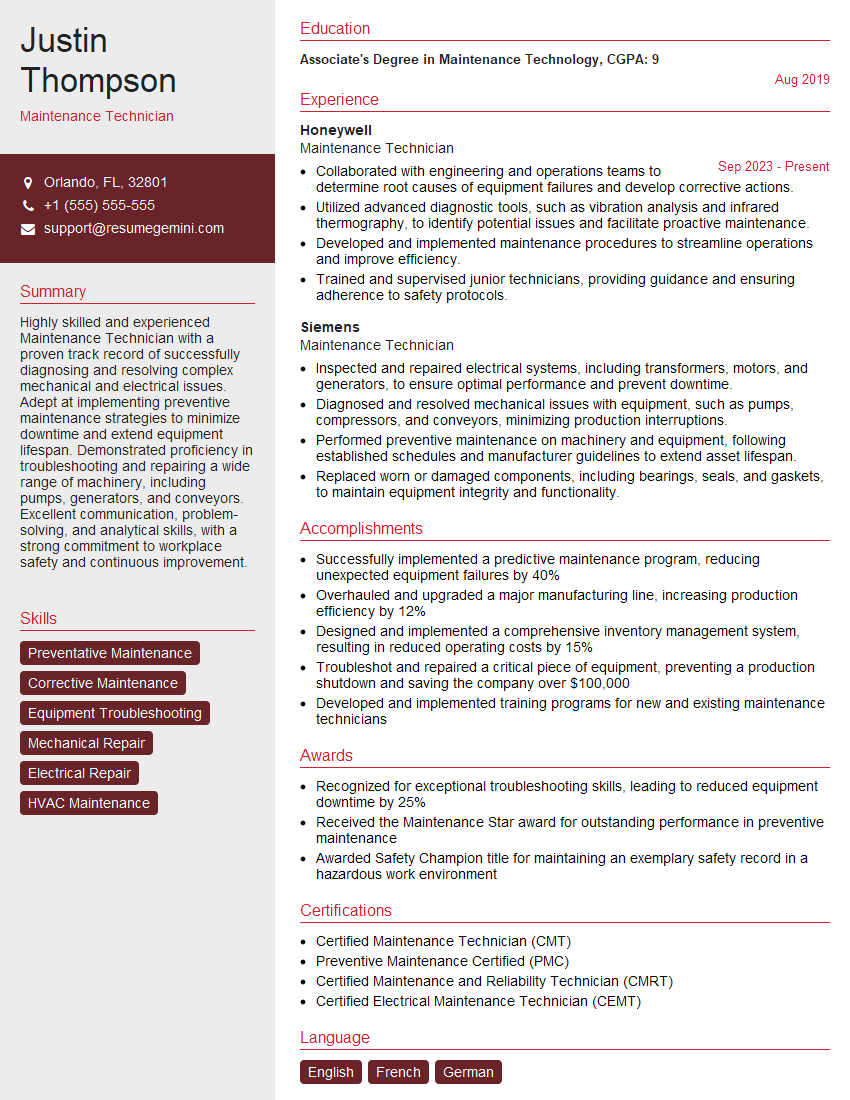
Maintenance Technician Resume Sample
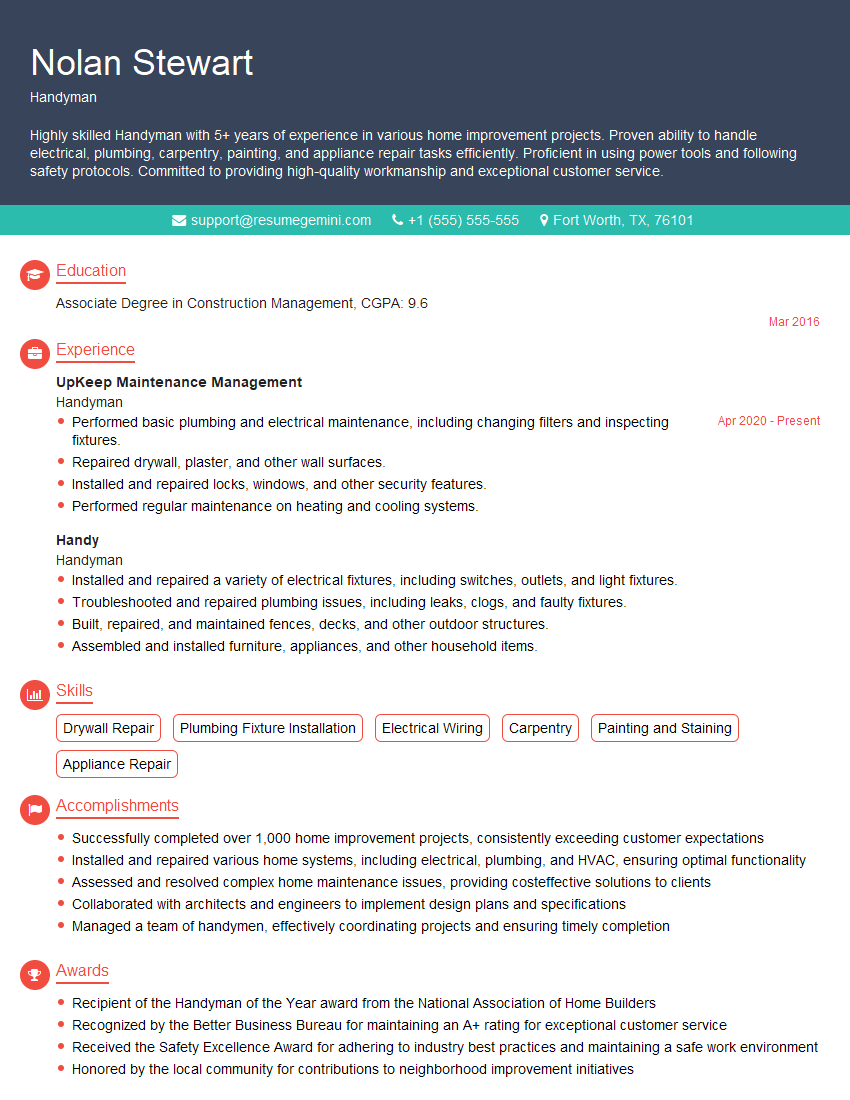
Handyman Resume Sample
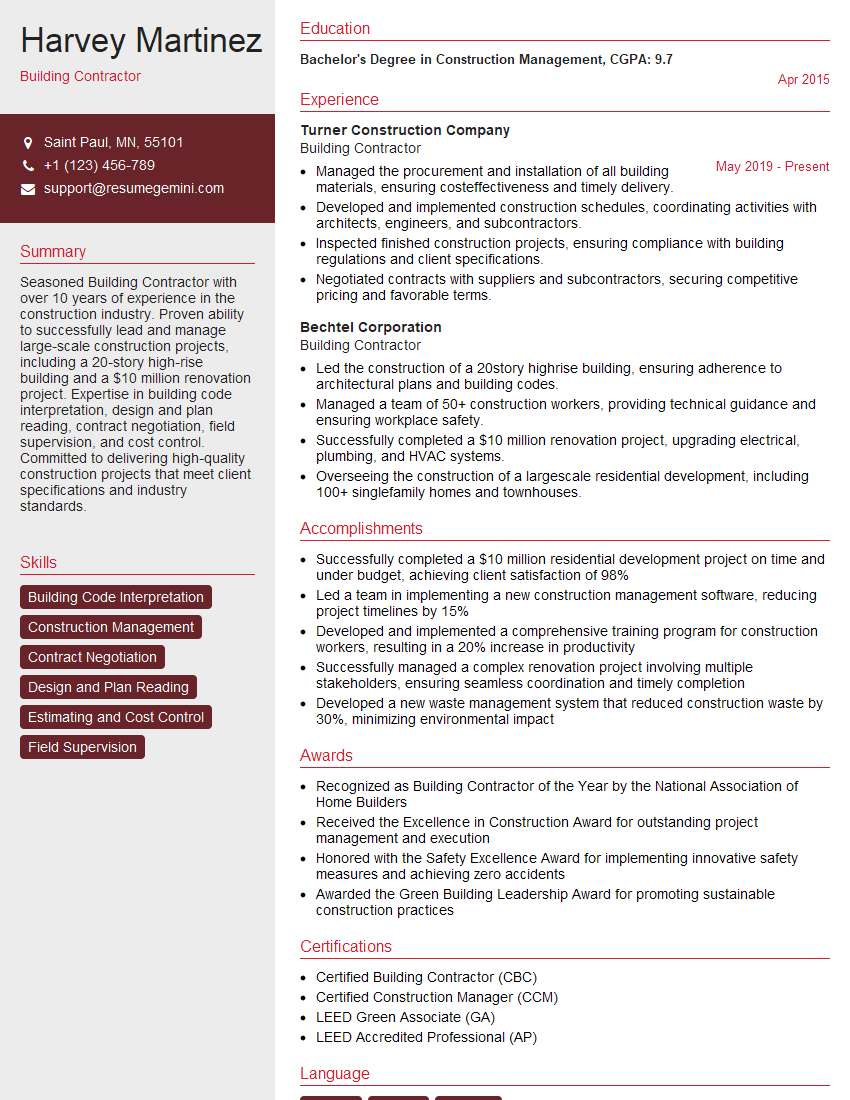
Building Contractor Resume Sample
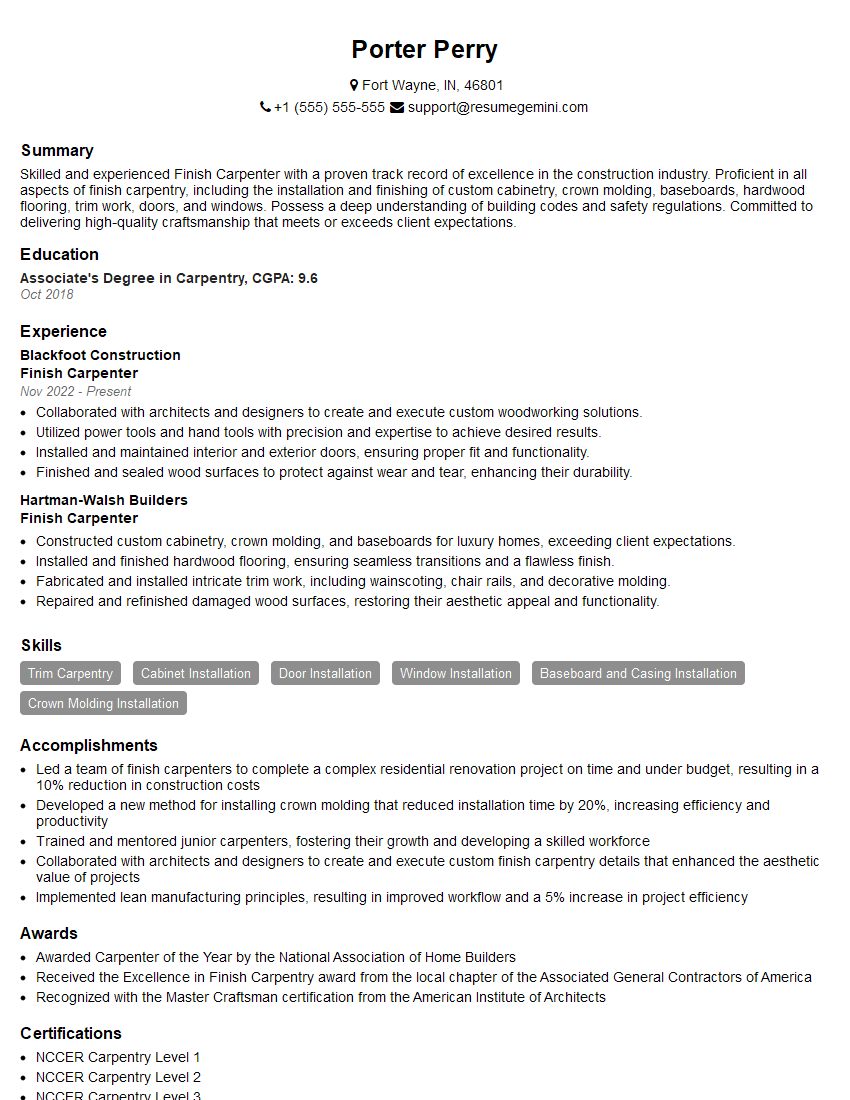
Finish Carpenter Resume Sample
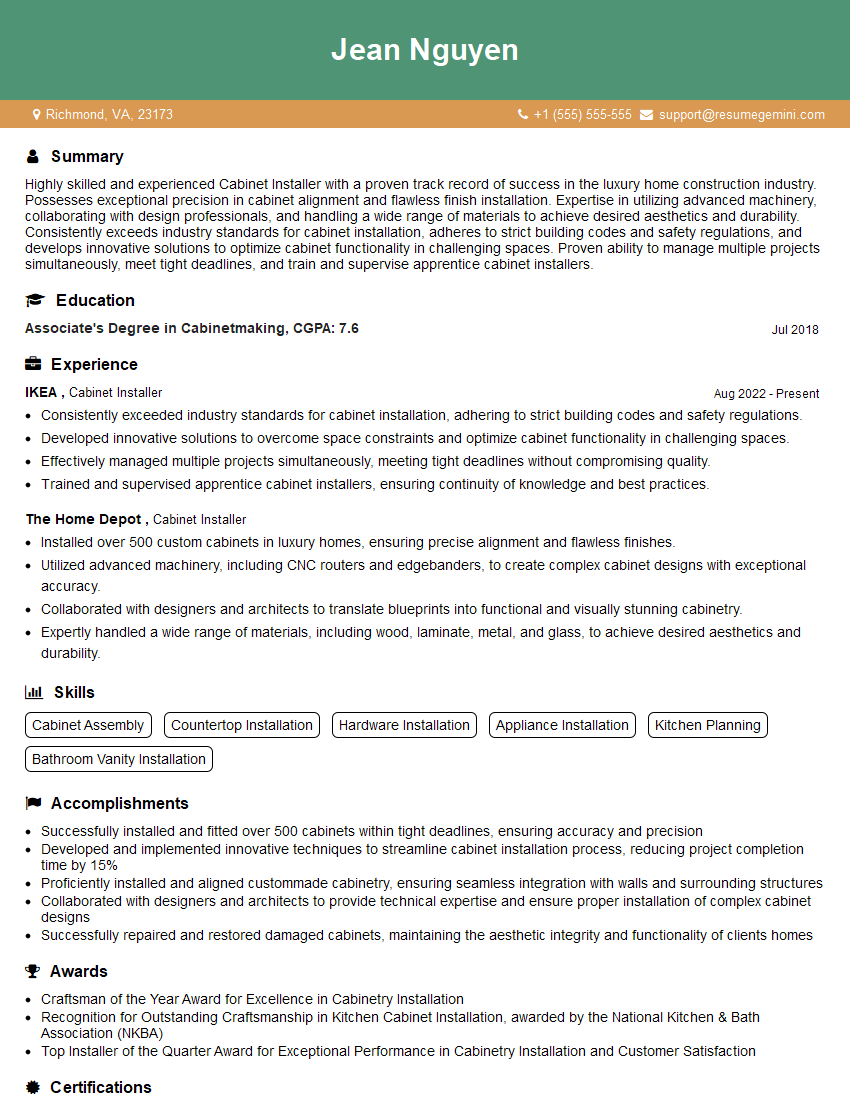
Cabinet Installer Resume Sample
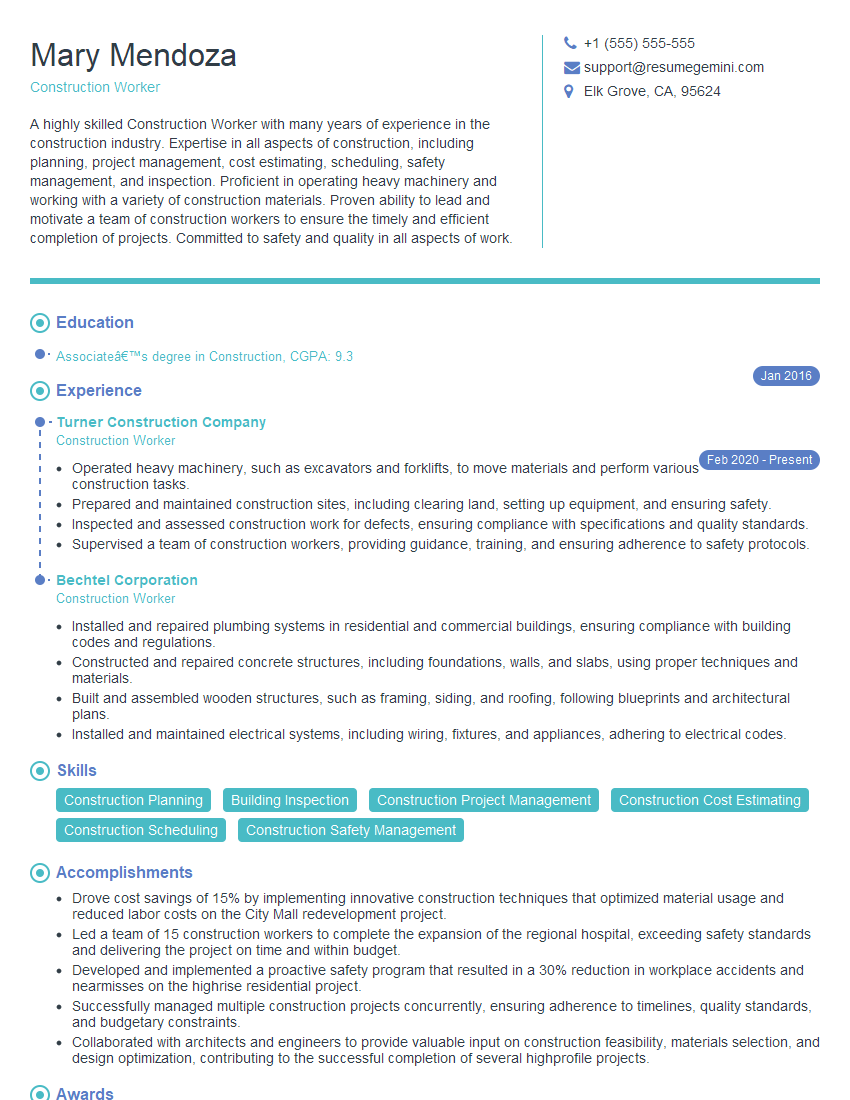
Construction Worker Resume Sample
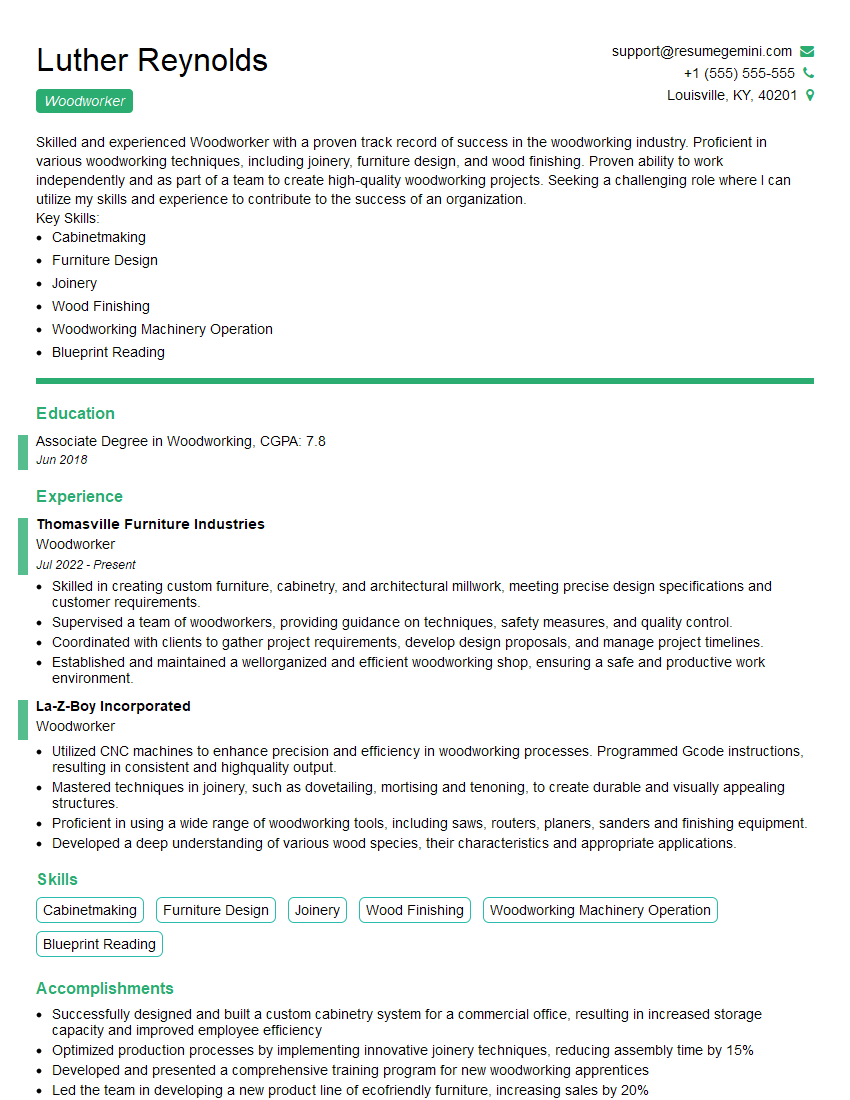
Woodworker Resume Sample
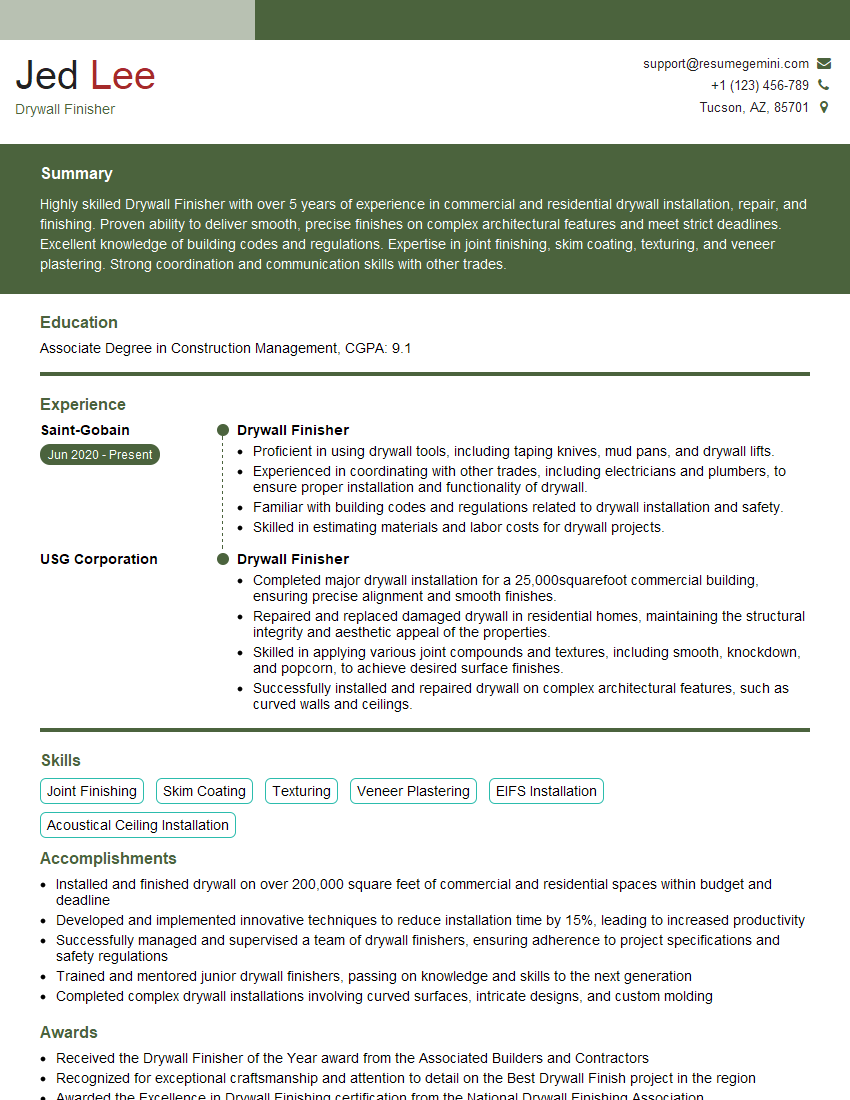
Drywall Finisher Resume Sample
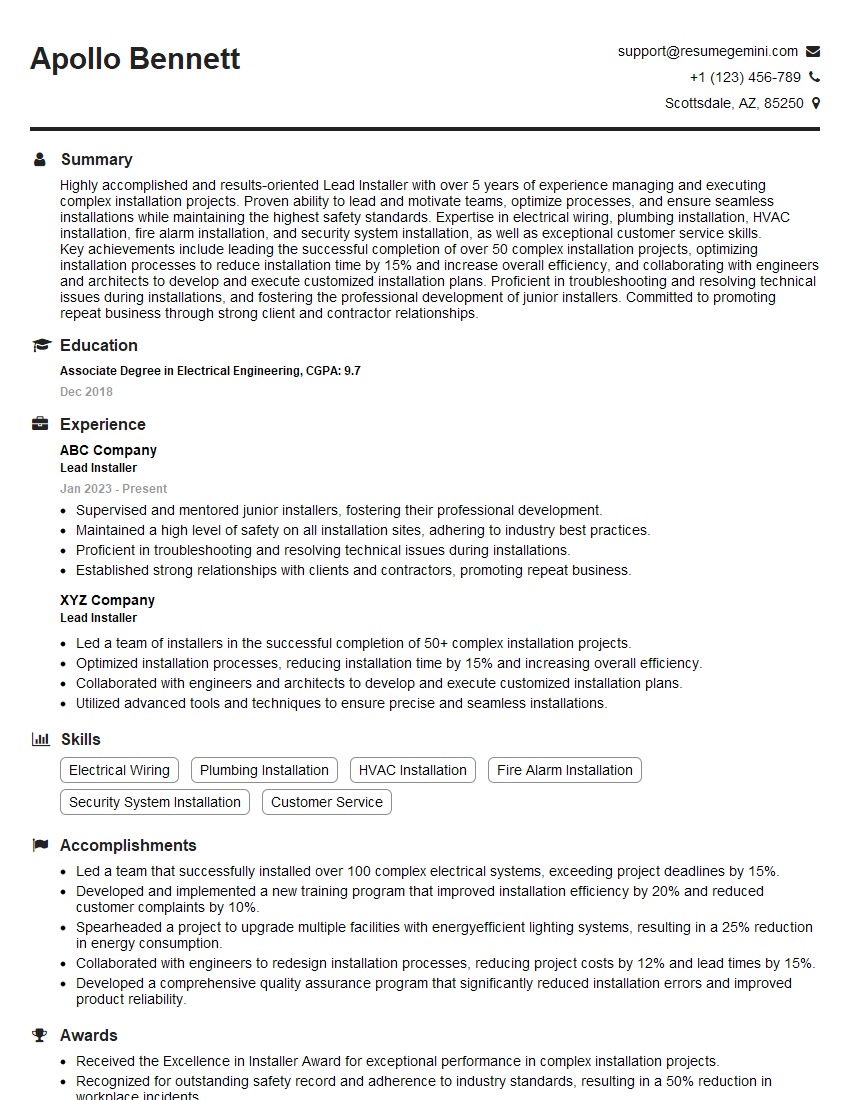
Lead Installer Resume Sample
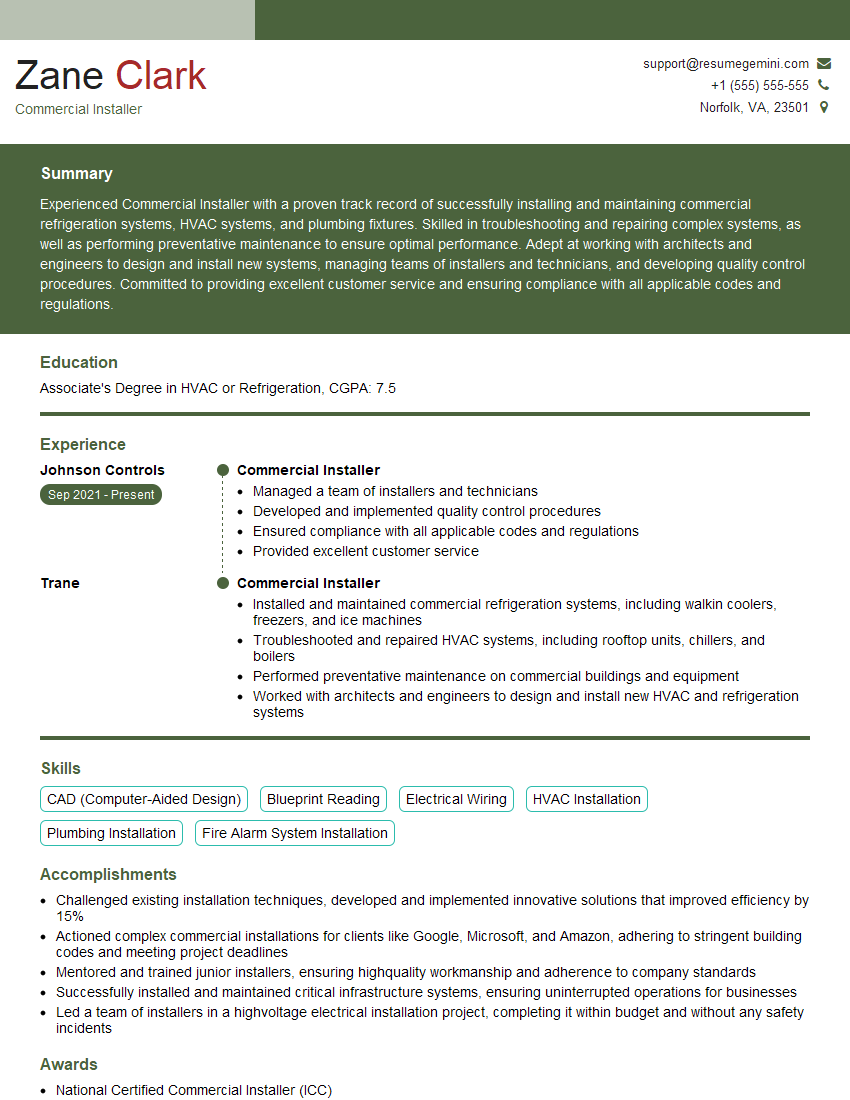
Commercial Installer Resume Sample
Explore more articles
Users Rating of Our Blogs
Share Your Experience
We value your feedback! Please rate our content and share your thoughts (optional).
What Readers Say About Our Blog
Amazing blog
Interesting Article, I liked the depth of knowledge you’ve shared.
Helpful, thanks for sharing.