The right preparation can turn an interview into an opportunity to showcase your expertise. This guide to Knowledge of ISA Standards interview questions is your ultimate resource, providing key insights and tips to help you ace your responses and stand out as a top candidate.
Questions Asked in Knowledge of ISA Standards Interview
Q 1. Explain the significance of ISA-84.1.
ISA-84.1, “Application of Safety Instrumented Systems for the Process Industries,” is a cornerstone standard in functional safety. It details the requirements for designing, implementing, and maintaining Safety Instrumented Systems (SISs). Think of an SIS as a backup system, like a parachute on an airplane – it’s there to prevent catastrophic failures. The standard outlines how to ensure the SIS performs reliably when a primary system fails, preventing hazards and protecting people, the environment, and equipment.
Its significance lies in providing a structured approach to safety, reducing the risk of major incidents. It covers everything from defining safety requirements and selecting appropriate safety instrumented functions (SIFs) to verifying and validating the system’s performance. Failure to adhere to ISA-84.1 can lead to serious consequences, including regulatory non-compliance, hefty fines, and even loss of life.
For example, in an oil refinery, an ISA-84.1 compliant SIS might automatically shut down a process unit if pressure exceeds a critical limit, preventing an explosion. The standard ensures this shutdown system is designed, tested, and maintained to the highest safety levels.
Q 2. Describe the purpose of ISA-101.01.
ISA-101.01, “Digital Communications for Process Instrumentation – Fieldbus Systems,” focuses on digital communication protocols used in industrial automation. It defines the architecture, capabilities, and requirements for these systems, enhancing efficiency and data exchange between instruments and control systems. Instead of relying solely on older analog methods, which are often slow and error-prone, ISA-101.01 allows for more advanced, higher-speed communication and data acquisition.
Its purpose is to standardize digital communication, allowing seamless interoperability between devices from different manufacturers. This is crucial in complex process environments where many instruments need to communicate effectively. Think of it as a universal language for industrial instruments, enabling them to exchange information smoothly and efficiently. For example, different flowmeters, level transmitters, and pressure sensors can all communicate on the same network using a standard defined by ISA-101.01, making system integration much simpler and faster.
Q 3. What are the key elements of a functional safety lifecycle according to ISA-84.01?
ISA-84.01, “Safety Instrumented Systems for the Process Industries – Part 1: Framework,” lays out the functional safety lifecycle. This lifecycle, crucial for ensuring SIS effectiveness, includes several key elements, best visualized as phases of a project:
- Conceptual Design: Identifying hazards, defining safety requirements, and selecting appropriate safety measures.
- Hardware and Software Selection: Choosing the right components for the SIS, ensuring they meet the necessary safety standards.
- System Design and Development: Detailing the SIS architecture, software design, and integration with the process control system.
- Installation and Commissioning: Physically implementing the SIS and verifying its proper functionality.
- Testing and Verification: Performing rigorous tests to validate the system’s performance and reliability.
- Operation and Maintenance: Ensuring the continued operation and performance of the SIS through ongoing maintenance and inspections.
- Decommissioning: Safely removing the SIS from service when it’s no longer needed.
Each phase is essential. For instance, a flaw in the conceptual design could lead to inadequate safety measures; insufficient testing might result in a malfunctioning SIS; and inadequate maintenance can lead to degraded performance over time. A structured approach based on ISA-84.01 ensures a robust and reliable SIS.
Q 4. How does ISA-5.1 relate to instrument symbols?
ISA-5.1, “Graphic Symbols for Process Measurement and Control Instrumentation,” defines the standard graphic symbols used in process instrumentation diagrams (P&IDs). These symbols are essential for clear and consistent communication among engineers, technicians, and operators. They provide a visual representation of the instrumentation and its interconnections within a process.
Essentially, ISA-5.1 provides a universal ‘language’ of symbols for instruments, ensuring everyone understands what each symbol represents, regardless of the manufacturer or the specific process. A circle with a triangle inside might represent a temperature transmitter, while a square with a circle inside might represent a control valve. These symbols are not arbitrary; they’re standardized to avoid ambiguity and ensure effective communication. Imagine the chaos if engineers from different companies used different symbols to represent the same instrument – ISA-5.1 prevents this, enhancing communication and project efficiency.
Q 5. Define HAZOP and its role in process safety according to ISA standards.
HAZOP (Hazard and Operability Study) is a systematic technique used to identify potential hazards and operability problems in a process. It’s a qualitative risk assessment method guided by established procedures, and is a key element of process safety management according to ISA standards. While not explicitly called out by number in a specific ISA standard, it is implied in many as a best practice and fundamental risk assessment method.
HAZOP involves a team of experts reviewing the process flow diagram, systematically examining each part of the process for deviations from the intended operation. These deviations, or ‘guide words,’ such as ‘no,’ ‘more,’ ‘less,’ ‘part of,’ ‘reverse,’ and ‘other than,’ are used to brainstorm potential hazards. The team then evaluates the consequences of each hazard and identifies appropriate safeguards to mitigate the risks. Think of it as a thorough brainstorming session focused on identifying what can go wrong and how to prevent it.
Its role is critical in proactive risk management, helping to prevent accidents before they occur. By identifying potential hazards early in the design stage, the process can be improved, making it safer and more reliable. A HAZOP study might reveal a potential overpressure scenario in a reactor, which can then be addressed through appropriate safety devices or process modifications. Without HAZOP, such hazards may go unnoticed until a major incident occurs.
Q 6. Explain the different types of instrument loops and their applications.
Instrument loops are the basic building blocks of process control systems. They consist of a measuring instrument (e.g., a temperature sensor), a transmitter (which converts the measured value into a signal), a controller (which compares the measured value to a setpoint and makes adjustments), and a final control element (e.g., a control valve). There are various types, each suited for specific applications:
- Single Loop: This is the simplest type, with one controlled variable (e.g., maintaining a constant temperature). Example: controlling the temperature of a reactor using a thermocouple, transmitter, controller, and control valve.
- Cascade Loop: Here, the output of one loop becomes the setpoint of another. Example: controlling the temperature of a reactor by first controlling the steam flow to the reactor jacket, then using the reactor jacket temperature to ultimately control the reactor temperature.
- Ratio Loop: The output of this loop is maintained at a specific ratio to another variable. Example: controlling the fuel-to-air ratio in a combustion process.
- Feedback Loop: The most common type, where the controller uses the measured value to adjust the final control element. Example: virtually all industrial control applications.
- Feedforward Loop: The controller anticipates changes in the process based on measured disturbances. Example: adjusting the steam flow to a reactor based on the predicted change in ambient temperature.
The choice of loop type depends on the complexity of the process and the control requirements. Complex processes might require multiple loops interacting with each other to achieve precise control. The right loop selection is critical for achieving optimal process performance, and a misunderstanding can create dangerous situations.
Q 7. Describe the importance of ISA-95 in manufacturing execution systems.
ISA-95, “Enterprise-Control System Integration,” is a standard for integrating manufacturing execution systems (MES) with other enterprise systems like ERP (Enterprise Resource Planning) and process control systems (PCS). This integration is crucial for efficient and effective manufacturing operations.
Its importance lies in bridging the gap between the shop floor (where the actual manufacturing happens) and the business level. By integrating MES with ERP and PCS, companies can achieve better visibility into their manufacturing processes, optimize production scheduling, improve inventory management, and enhance overall efficiency. ISA-95 provides a framework for data exchange between these systems, allowing seamless data flow and reducing the risk of errors caused by manual data entry or incompatible systems.
For example, using ISA-95 principles, an ERP system can send production orders to an MES system, which in turn directs the process control system to execute the order. The MES can then track the progress of the order, providing real-time data on production performance back to the ERP system for business decision making. Without ISA-95, this seamless integration would be difficult to achieve, leading to decreased efficiency and potentially costly errors.
Q 8. What are the benefits of using ISA-S88 batch control standards?
ISA-S88, the standard for batch control, offers numerous benefits by providing a standardized model for designing, implementing, and maintaining batch processes. Think of it as a blueprint for building consistent and efficient batch operations across different facilities and systems.
- Improved Interoperability: The standardized terminology and models ensure different systems and equipment from various vendors can seamlessly communicate and work together, eliminating integration headaches.
- Enhanced Efficiency: By defining clear phases and states within a batch process (like ‘recipe execution,’ ‘cleaning,’ etc.), S88 allows for better monitoring, control, and optimization. Imagine a factory floor where each batch runs perfectly and efficiently, requiring minimal manual intervention.
- Simplified Maintenance: The structured approach makes troubleshooting and maintenance much easier, reducing downtime and improving the overall life-cycle cost of equipment. Think of it as having a well-organized manual for your entire batch process.
- Reduced Errors: Consistent use of terminology and models minimizes errors and inconsistencies during process development, execution, and documentation. This translates to less product waste and fewer production delays.
- Better Scalability: It provides a scalable framework for managing increasingly complex batch processes. As your production needs grow, your system can easily adapt and scale up smoothly.
For example, a pharmaceutical company using ISA-S88 standards would have a well-defined process for making a specific drug, easily replicated across multiple production lines globally with minimal adjustments needed. This results in consistent product quality and streamlined operations.
Q 9. How does ISA-18.2 influence the design of electrical systems?
ISA-18.2, the standard for industrial instrumentation and control systems, significantly impacts electrical system design by establishing safety and functional requirements for electrical equipment in hazardous areas. Imagine designing a system for an oil refinery – safety is paramount.
ISA-18.2 guides engineers in selecting appropriate electrical equipment (e.g., intrinsically safe, explosion-proof, purge/pressurized) based on the classification of the hazardous area (e.g., Class I, Division 1). It also dictates installation practices, wiring methods, and testing procedures to ensure electrical safety. The standards ensure compliance with relevant regulations and minimize the risk of ignition caused by electrical equipment.
For instance, an engineer designing an electrical system for a chemical plant will use ISA-18.2 to determine the appropriate protection level for electrical equipment located in a hazardous area, possibly selecting intrinsically safe instruments or explosion-proof enclosures. This is critical in preventing catastrophic events.
Q 10. Discuss the role of ISA-100.11a in wireless industrial networks.
ISA-100.11a is a crucial standard defining the communication protocols for wireless industrial networks. It essentially lays the groundwork for reliable and secure data transmission in industrial settings, going beyond simple Wi-Fi to address the unique challenges of factory environments.
This standard ensures interoperability by specifying physical layers, media access control (MAC), and network layers of wireless devices. It promotes a system where various devices from multiple vendors can work together seamlessly. Imagine a smart factory where sensors, actuators, and controllers effortlessly communicate wirelessly.
Key features include robust security mechanisms to protect against unauthorized access and data manipulation, time synchronization for precise control applications, and mechanisms to handle network congestion and interference. It provides a way to handle data from thousands of field devices and ensure the integrity of critical data streams in a potentially noisy environment.
An example of ISA-100.11a in action could be in a large oil refinery where numerous remote sensors transmit pressure, temperature, and flow data wirelessly to a central control system. The standard ensures reliable communication despite potential interference and safeguards against security breaches which are crucial for smooth and safe operations.
Q 11. Explain your understanding of ISA-99 (security).
ISA-99 (now ANSI/ISA-99, also known as ISA-99.00.01-2020), focuses on security for industrial automation and control systems. It provides a framework for addressing cybersecurity threats in industrial facilities, creating a layered security approach.
The standard emphasizes a holistic approach, addressing security across various aspects, including:
- Asset Management: Identifying and classifying critical assets within the control system.
- Vulnerability Management: Regularly assessing and mitigating security vulnerabilities.
- Security Policy: Developing a comprehensive security policy aligned with business goals and regulatory requirements.
- Access Control: Limiting access to the system based on roles and responsibilities using strong authentication methods.
- Incident Response: Establishing procedures to handle security incidents effectively.
Imagine a power plant; ISA-99 helps to establish security measures to prevent cyberattacks that could disrupt power generation or compromise sensitive data. It’s like having a layered security system for a highly valuable asset.
Implementation involves establishing a secure architecture, using strong passwords and authentication, implementing firewalls, intrusion detection systems, and regular security audits. This proactive approach helps reduce the risk of cyber threats significantly.
Q 12. How do ISA standards contribute to overall plant safety?
ISA standards contribute significantly to plant safety by establishing best practices for design, implementation, and operation of industrial control systems. Think of it as creating a safety net for potentially hazardous operations.
Standards like ISA-84 (safety instrumented systems) and ISA-18.2 (electrical systems) directly improve safety by guiding engineers in implementing safety features, selecting appropriate safety-related instrumentation, and defining functional safety requirements. They minimize human errors and equipment malfunctions, which may lead to accidents.
For example, ISA-84 guides the design and implementation of safety instrumented systems (SIS), vital for preventing dangerous situations in process plants. Properly designed SIS, adhering to ISA-84, ensures that safety functions are effective and reliable, minimizing the chance of catastrophic events such as explosions or chemical spills. It helps ensure that these systems are tested and monitored rigorously to maintain their effectiveness.
Adherence to ISA standards provides a framework for creating a safety culture within a facility; it is about ensuring a systematic and proactive approach to minimizing safety risks.
Q 13. Describe the process for selecting appropriate instrumentation based on ISA guidelines.
Selecting appropriate instrumentation is critical for any process control application. ISA standards, particularly ISA-51 (instrumentation), provide a framework for making informed decisions. This involves a multi-step process.
1. Defining Process Requirements: Begin by clearly defining the parameters to be measured (temperature, pressure, flow, level, etc.), their range, accuracy requirements, and environmental conditions. This is the foundation.
2. Considering Environmental Factors: Evaluate the process environment (hazardous areas, temperature extremes, corrosive chemicals) to select instruments that can withstand the conditions. Safety is paramount here.
3. Choosing Appropriate Instrument Technology: Select instruments with technologies suitable for the application, based on accuracy, reliability, maintenance requirements, and cost-effectiveness. Consider the available budgets, too.
4. Verifying Interoperability: Ensure compatibility with existing systems, protocols, and standards to guarantee seamless integration. This eliminates integration headaches down the line.
5. Performing Validation and Calibration: Validate the selected instruments through rigorous testing and calibration to ensure they provide accurate and reliable measurements. This is crucial for process control.
Example: In a high-temperature process, selecting a thermocouple with appropriate temperature range and high-temperature protection is critical. Neglecting this could lead to inaccurate measurements or instrument failure.
Q 14. What are the common challenges in implementing ISA standards?
Implementing ISA standards can present several challenges:
- Cost and Time: Adopting new standards requires investment in training, new equipment, and system upgrades. This is a significant upfront investment.
- Resistance to Change: Personnel may resist adopting new standards due to familiarity with existing practices or perceived disruption. This requires robust change management strategies.
- Complexity of Standards: Some ISA standards can be complex and require specialized knowledge to understand and implement. It’s not a quick learning curve.
- Integration Challenges: Integrating new systems and equipment compliant with ISA standards into existing infrastructure can be challenging. This often requires careful planning and expertise.
- Lack of Skilled Personnel: A shortage of personnel with expertise in ISA standards can hinder the implementation process. Finding and training the right people is important.
- Vendor Compatibility: Ensuring all equipment and software from different vendors are compatible with each other and with the chosen ISA standards is critical. This is a critical consideration.
Addressing these challenges requires careful planning, comprehensive training, strong leadership, and a phased implementation approach. Starting with pilot projects can help mitigate risk and demonstrate value before full-scale deployment.
Q 15. How do you ensure compliance with ISA standards in a project?
Ensuring compliance with ISA standards in a project requires a multi-faceted approach, starting even before the project begins. It’s not just about ticking boxes; it’s about integrating these standards into the project’s DNA.
- Early Planning: We begin by identifying all relevant ISA standards applicable to the project scope. This often involves reviewing the project requirements and specifications, aligning them with industry best practices, and potentially consulting with ISA experts. For example, a batch process automation project would necessitate compliance with ISA-88, while a safety-critical system would require adherence to ISA-67.
- Standard Selection and Implementation: Once the relevant standards are identified, we meticulously define how each standard will be incorporated into the project. This includes selecting appropriate software and hardware components that support the standard’s requirements. For example, selecting a PLC with a function block library compliant with ISA-88 would be essential in a batch process automation project.
- Documentation and Traceability: Comprehensive documentation is crucial. Every design decision, implementation detail, and test result must be meticulously documented to demonstrate adherence to the selected ISA standards. This includes using version control for all documents and code to maintain traceability.
- Testing and Verification: Rigorous testing is indispensable. This includes unit testing, integration testing, and functional testing to validate that the system meets the requirements defined in the relevant ISA standards. We would utilize a combination of manual and automated testing techniques, with test cases designed to specifically address the criteria defined by the relevant standards.
- Auditing and Review: Independent audits and reviews are conducted to ensure compliance throughout the project lifecycle. These checks verify that the implemented system conforms to the selected standards, and that the documentation accurately reflects the system’s actual behavior. This may involve internal audits or engaging third-party certification bodies.
By following this systematic approach, we not only ensure compliance with ISA standards but also improve project quality, reduce risks, and enhance interoperability with other systems.
Career Expert Tips:
- Ace those interviews! Prepare effectively by reviewing the Top 50 Most Common Interview Questions on ResumeGemini.
- Navigate your job search with confidence! Explore a wide range of Career Tips on ResumeGemini. Learn about common challenges and recommendations to overcome them.
- Craft the perfect resume! Master the Art of Resume Writing with ResumeGemini’s guide. Showcase your unique qualifications and achievements effectively.
- Don’t miss out on holiday savings! Build your dream resume with ResumeGemini’s ATS optimized templates.
Q 16. Explain your experience with ISA-S88 batch control terminology.
My experience with ISA-S88 batch control terminology is extensive. I’ve worked on numerous projects involving batch process automation, where a thorough understanding of ISA-88’s terminology is paramount. ISA-88 provides a standardized model for batch control, defining a hierarchical structure for the representation of equipment, procedures, and recipes. This enables consistent communication and better interoperability between different systems and vendors.
For instance, I’m highly familiar with concepts like:
- Equipment Modules (EMs): Individual units of equipment, such as reactors, mixers, and tanks.
- Control Modules (CMs): Software components controlling specific equipment or operations.
- Procedure: A set of instructions that define the operational sequence within a batch process.
- Recipe: A set of parameters that defines the specific conditions for a given batch, such as ingredient quantities, temperatures, and processing times.
- Phase: A discrete step in a procedure.
- Unit Procedure: A procedure operating on a single piece of equipment.
In past projects, I’ve leveraged this terminology to design, implement, and document batch control systems that are both efficient and easy to maintain. Having a shared vocabulary defined by ISA-88 is crucial to prevent miscommunication and errors between process engineers, automation engineers, and software developers.
Q 17. Discuss the difference between ISA-88 and ISA-95.
ISA-88 and ISA-95 are both important standards within the automation world, but they address different layers of the process automation hierarchy. Think of it like this: ISA-88 focuses on the recipe and execution of individual manufacturing units, while ISA-95 focuses on the interaction between the manufacturing execution system (MES) and the enterprise resource planning (ERP) system.
- ISA-88 (Batch Control): Defines a standard model for representing and controlling batch processes. It focuses on the equipment, procedures, and recipes involved in producing batches of products. It’s very detailed about how to represent individual pieces of equipment and the control programs that execute on them.
- ISA-95 (Enterprise-Control System Integration): Addresses the integration of various levels within a manufacturing enterprise. This includes the connection between the shop floor (using ISA-88 concepts often) and the business systems (ERP and MES). It focuses on data exchange and seamless flow of information between different layers, rather than the precise control of individual processes.
The key difference lies in their scope and level of detail. ISA-88 is highly detailed and focused on the control of individual batch processes, while ISA-95 is more high-level, concentrating on the integration and information exchange between different systems across the entire enterprise.
In a practical example, ISA-88 would govern the detailed control of a reaction vessel in a pharmaceutical plant, while ISA-95 would govern the integration of that vessel’s data with the overall plant production scheduling and inventory management systems.
Q 18. Describe how ISA standards facilitate interoperability between systems.
ISA standards significantly facilitate interoperability between systems by providing a common framework and vocabulary for communication and data exchange. This avoids the “tower of Babel” effect where different systems cannot talk to each other due to incompatible protocols and data formats. Imagine trying to connect devices from different manufacturers without standardized protocols; it would be chaos!
ISA standards achieve interoperability in several ways:
- Standardized Data Models: ISA standards define common data models, allowing different systems to represent and exchange data consistently. This eliminates ambiguity and ensures that all systems understand the same information.
- Common Communication Protocols: ISA standards often specify or recommend communication protocols, ensuring seamless data transfer between systems. For example, OPC UA is a widely used protocol which is heavily supported by ISA standards and recommended for industrial automation communication.
- Modular Architecture: Standards encourage modular designs, making systems more flexible and easier to integrate with other systems. This facilitates the use of components from different vendors while maintaining system integrity.
A real-world example is the use of ISA-88 in batch processing. By adhering to ISA-88, different vendors’ batch control systems can seamlessly exchange information regarding recipes, procedures, and equipment status, improving efficiency and reducing integration challenges.
Q 19. How do ISA standards address cybersecurity concerns?
ISA standards address cybersecurity concerns by promoting secure design and implementation practices throughout the lifecycle of industrial automation systems. Security is not an afterthought; it must be integrated from the outset.
Here’s how ISA standards contribute to enhanced cybersecurity:
- Secure Communication Protocols: ISA standards promote the use of secure communication protocols, such as OPC UA with security extensions, to protect data in transit.
- Access Control and Authentication: Standards emphasize the importance of robust access control mechanisms to restrict unauthorized access to critical systems and data.
- Vulnerability Management: ISA standards promote proactive identification and mitigation of security vulnerabilities. Regular security assessments and updates are essential to maintain a secure system.
- Secure Configuration Management: Standards highlight the necessity of secure configuration management to prevent misconfigurations that could lead to security breaches.
The goal is to implement a defense-in-depth strategy, layering multiple security controls to protect against various threats. While no system is perfectly secure, adhering to ISA standards significantly improves the overall security posture of industrial automation systems.
Q 20. Explain the concept of SIL (Safety Integrity Level) as defined in ISA standards.
Safety Integrity Level (SIL) is a concept used to classify the safety requirements for safety-related systems, as defined in standards like IEC 61508 and subsequently adopted by ISA standards within process automation contexts. It represents the probability of a safety-related system failing to perform its safety function on demand. The higher the SIL level, the lower the probability of failure.
SIL is typically categorized into four levels:
- SIL 1: Lowest safety integrity level, with a relatively high probability of failure.
- SIL 2: Intermediate safety integrity level.
- SIL 3: Higher safety integrity level, with a lower probability of failure.
- SIL 4: Highest safety integrity level, with the lowest probability of failure.
The SIL level assigned to a system depends on the potential consequences of a system failure. High-risk applications, such as emergency shutdown systems (ESD), typically require a higher SIL (e.g., SIL 3 or SIL 4), while lower-risk applications may require a lower SIL (e.g., SIL 1 or SIL 2). SIL assessment involves a detailed hazard analysis and risk assessment to determine the appropriate SIL level. The selection of components and the design of safety-related systems must then meet the requirements of the assigned SIL level.
Q 21. What are some common pitfalls to avoid when implementing ISA standards?
Implementing ISA standards can be challenging, and several common pitfalls should be avoided.
- Insufficient Planning and Training: Failing to properly plan the implementation and adequately train personnel can lead to errors and delays. Thorough planning, including a clear understanding of the project requirements, applicable standards, and the available resources, is essential.
- Ignoring Legacy Systems: Trying to force new ISA-compliant systems to integrate with outdated legacy systems without proper consideration can create compatibility issues and security vulnerabilities.
- Overlooking Security Considerations: Neglecting security considerations from the outset can create significant risks. Security should be built into the system design from day one.
- Lack of Documentation: Inadequate documentation makes it difficult to maintain, troubleshoot, and audit the system later. Complete and accurate documentation is crucial.
- Insufficient Testing: Insufficient testing can result in undetected flaws and malfunctions. A robust testing strategy, including both unit and integration testing, is crucial.
- Ignoring Continuous Improvement: ISA standards are not static. Regularly review and update your systems to ensure compliance with the latest standards and best practices.
By avoiding these pitfalls, and by approaching ISA standard implementation as a holistic and iterative process, companies can successfully leverage these standards to optimize their processes and enhance both safety and efficiency.
Q 22. How do you stay updated on the latest ISA standards and revisions?
Staying current with ISA standards requires a multi-pronged approach. I actively participate in ISA’s online communities and forums, engaging in discussions and accessing the latest updates. This allows me to learn from other experts and get real-time insights on evolving standards. I also subscribe to ISA’s publications and newsletters, ensuring I receive timely notifications of new releases, revisions, and interpretations. Furthermore, I regularly check the ISA website directly for updates and participate in webinars and conferences focusing on standards updates and best practices. Finally, I maintain a personal library of relevant standards documents, updating them as needed, and cross-referencing them with other industry resources to ensure a holistic understanding.
Q 23. Describe your experience with ISA-62443 standards.
My experience with ISA-62443 is extensive. I’ve been involved in several projects implementing these standards for industrial automation and control systems security. I understand the layered security model, encompassing asset management, network security, and system security, which are all crucial for protecting critical infrastructure. For example, in a recent project involving a water treatment facility, we implemented ISA-62443 to segment the network and control access to critical assets. This involved defining zones and conduits, implementing firewalls, and applying strict access control policies. I have practical experience in conducting security assessments based on ISA-62443, identifying vulnerabilities, and recommending mitigation strategies. This includes vulnerability scanning, penetration testing, and risk assessments. My experience extends to helping companies achieve compliance with ISA-62443, documenting their security practices and demonstrating their commitment to cybersecurity.
Q 24. Discuss your understanding of Functional Safety (IEC 61508) and its relationship with ISA standards.
Functional Safety, as defined by IEC 61508, is a critical part of ensuring safe operation of industrial systems by systematically reducing risks. It focuses on preventing hazardous failures. ISA standards, particularly those related to instrumentation and control, complement and build upon IEC 61508. For instance, ISA-84.01 addresses safety instrumented systems (SIS), providing detailed guidance on design, implementation, and testing—all crucial aspects aligned with IEC 61508. The relationship is symbiotic; IEC 61508 establishes the fundamental safety framework, while ISA standards provide the practical guidelines and best practices specific to industrial automation. Think of it like this: IEC 61508 provides the blueprints for safety, while ISA standards provide the detailed construction plans for building and maintaining a safe automation system. In a project involving a refinery, we used IEC 61508 and ISA-84.01 to design and implement a SIS to prevent overpressure in a critical process vessel. This involved a detailed hazard analysis, SIL determination, and selection of appropriate safety instrumented functions (SIFs).
Q 25. How would you approach troubleshooting an instrumentation problem using ISA guidelines?
Troubleshooting instrumentation problems using ISA guidelines follows a structured approach. First, I would gather all relevant information: instrument readings, process data, historical trends, and any alarm logs. Then, I would follow a systematic process of elimination, using ISA’s recommended practices for diagnostics and maintenance. This might involve checking for obvious issues like wiring problems, sensor calibration, or power supply irregularities. I’d use ISA standards as my roadmap, referencing relevant sections to guide my investigations. If the issue persists, I’d consult loop diagrams and P&IDs (Piping and Instrumentation Diagrams) to trace the signal path and pinpoint the source of the fault. For instance, if a level transmitter is malfunctioning, I would first check the transmitter’s power supply, then the signal wiring, then the sensor itself, always documenting my findings. Data logging and analysis, guided by relevant ISA standards, are critical in isolating the root cause and ensuring a long-term solution.
Q 26. Explain your experience with different ISA standard document types (e.g., recommended practices, standards).
My experience includes working with various ISA standard document types. I’ve utilized recommended practices, which offer guidance and best practices for specific applications, often providing flexibility in implementation. For instance, ISA-88 on Batch Control provides a flexible framework for designing and implementing batch processes, allowing for adaptation to specific industry needs. I’ve also worked extensively with ISA standards, which provide mandatory requirements and specifications for equipment or procedures. These standards often offer stricter guidelines for compliance and interoperability. For example, ISA-100.11a is a standard for wireless communication, providing detailed specifications for devices to operate in a consistent manner within a system. Understanding the difference between the two is crucial for effective application. Recommended practices are guides, while standards are strict requirements that often need to be adhered to for regulatory compliance or interoperability. Understanding their nuances helps me select the most appropriate approach for each project.
Q 27. Compare and contrast ISA-100.11a and other wireless communication protocols used in industrial automation.
ISA-100.11a is a wireless communication protocol specifically designed for industrial automation applications, prioritizing reliability, security, and interoperability. It’s different from general-purpose wireless protocols like Wi-Fi or Bluetooth. While Wi-Fi might be suitable for certain non-critical data transmission, it lacks the real-time capabilities and robust security features necessary for many industrial control applications. Similarly, Bluetooth’s limited range and lower data rates would restrict its applicability in many industrial settings. ISA-100.11a offers several advantages, such as low latency, high reliability, and a robust security framework which is crucial for critical infrastructure. Other industrial wireless protocols, like WirelessHART, are also used, but ISA-100.11a offers enhanced flexibility and interoperability, accommodating a broader range of devices and applications. The choice between them depends on the specific needs of the application, including the level of real-time requirements and the necessary level of security.
Key Topics to Learn for Knowledge of ISA Standards Interview
- ISA-88 Batch Control: Understand the fundamental concepts of batch control, including phases, recipes, and equipment control. Consider practical applications in pharmaceutical or chemical manufacturing environments.
- ISA-95 Enterprise-Control System Integration: Explore the integration of manufacturing execution systems (MES) with enterprise resource planning (ERP) systems. Focus on data exchange and communication protocols.
- ISA-100.11a Wireless Systems for Automation: Learn about the advantages and challenges of wireless instrumentation in industrial automation. Discuss security considerations and practical examples of wireless sensor networks.
- Safety Instrumented Systems (SIS) – ISA 61511 and IEC 61508: Grasp the principles of safety instrumented systems, including hazard analysis, risk assessment, and safety lifecycle management. Understand the practical application in safety-critical industries.
- Industrial Communication Protocols (e.g., Modbus, Profibus, Ethernet/IP): Familiarize yourself with common industrial communication protocols, their applications, and advantages/disadvantages. Be prepared to discuss network topologies and troubleshooting techniques.
- Data Historians and Data Archiving: Understand the role of data historians in storing and retrieving process data. Explore the importance of data integrity and the various methods for data archiving in compliance with relevant standards.
- Control System Architectures: Be prepared to discuss different control system architectures (e.g., distributed control systems (DCS), programmable logic controllers (PLC)) and their applications in various industrial settings. Focus on understanding the strengths and weaknesses of each architecture.
Next Steps
Mastering Knowledge of ISA Standards is crucial for advancing your career in automation and process control. A strong understanding of these standards demonstrates your technical expertise and commitment to industry best practices, making you a highly desirable candidate. To further enhance your job prospects, crafting an ATS-friendly resume is essential. This ensures your qualifications are effectively highlighted to potential employers. We recommend using ResumeGemini, a trusted resource for building professional and effective resumes. ResumeGemini provides examples of resumes tailored to showcasing expertise in Knowledge of ISA Standards, helping you present your skills and experience in the best possible light.
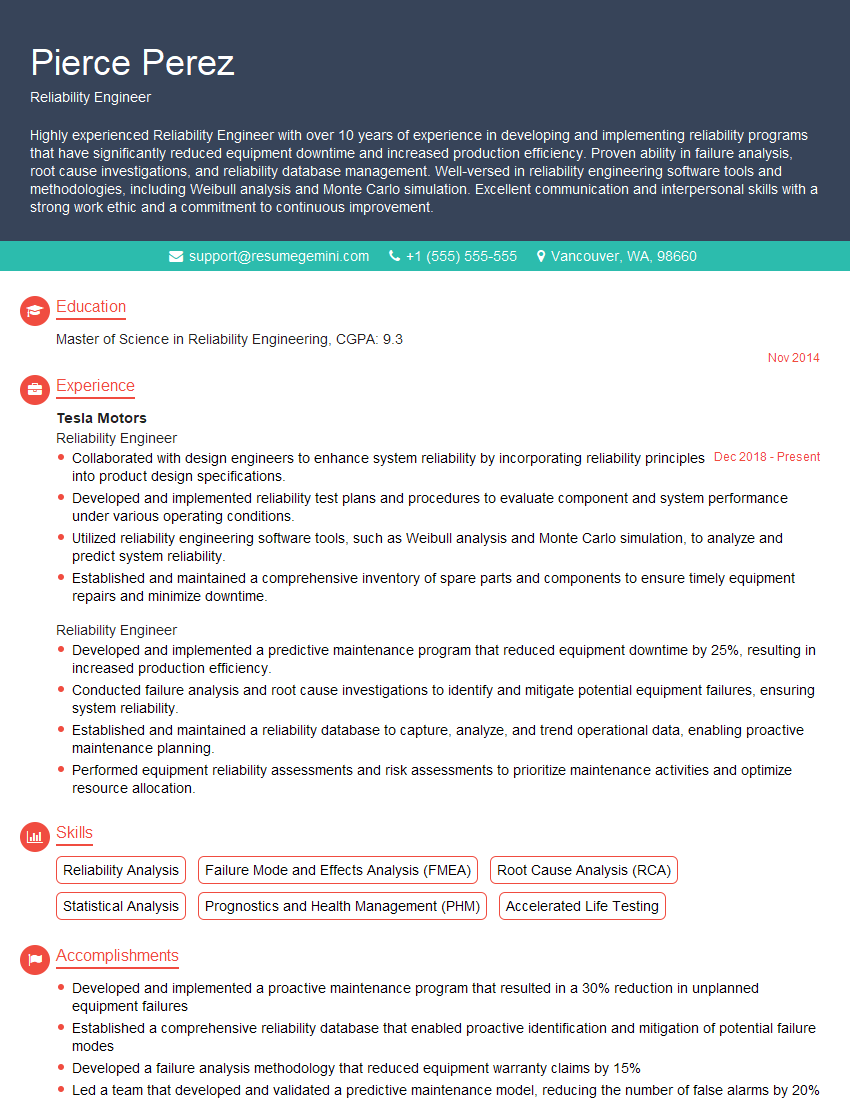
Reliability Engineer Resume Sample
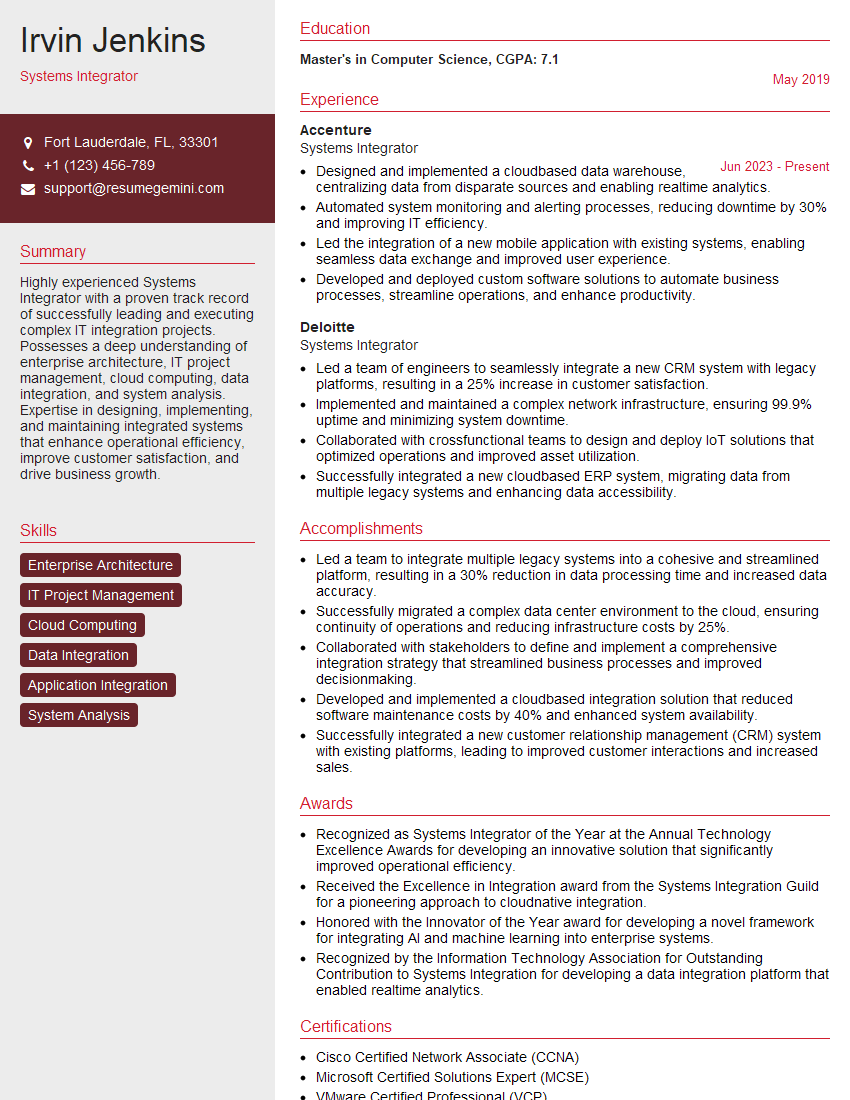
Systems Integrator Resume Sample

Automation Engineer Resume Sample

Field Service Engineer Resume Sample

Commissioning Engineer Resume Sample
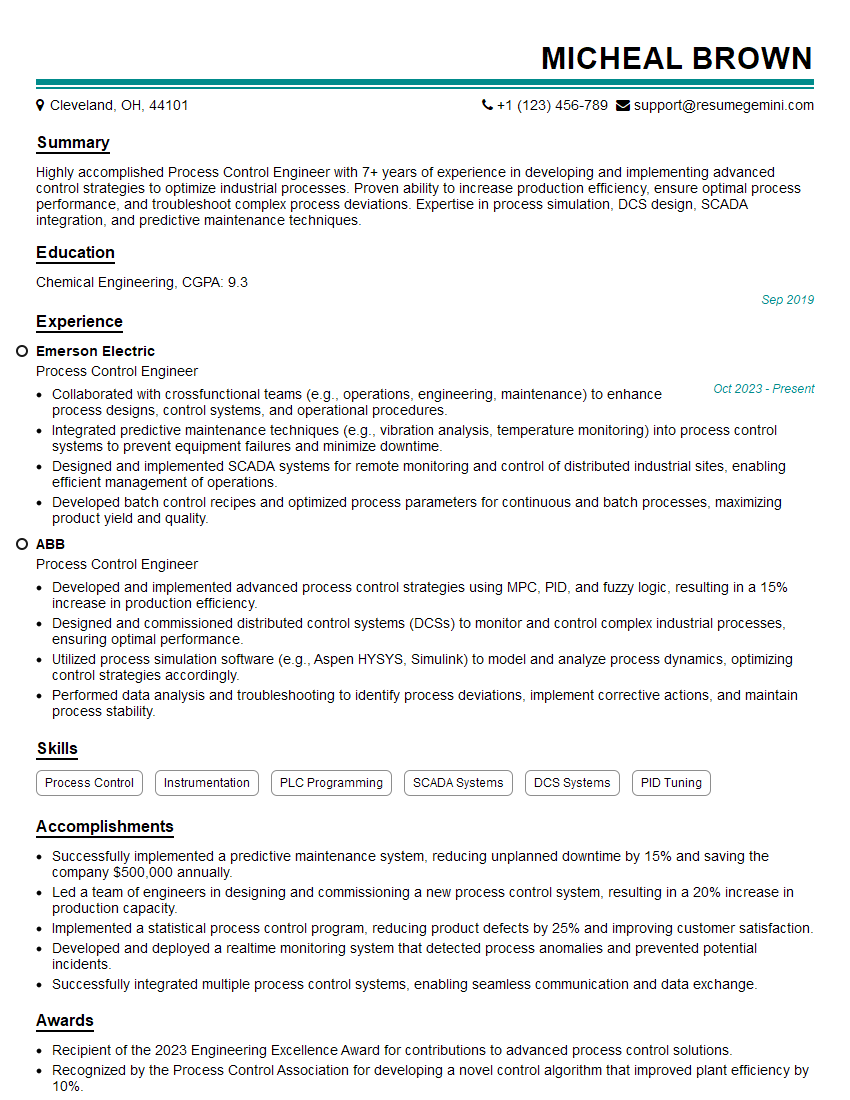
Process Control Engineer Resume Sample

Maintenance Engineer Resume Sample
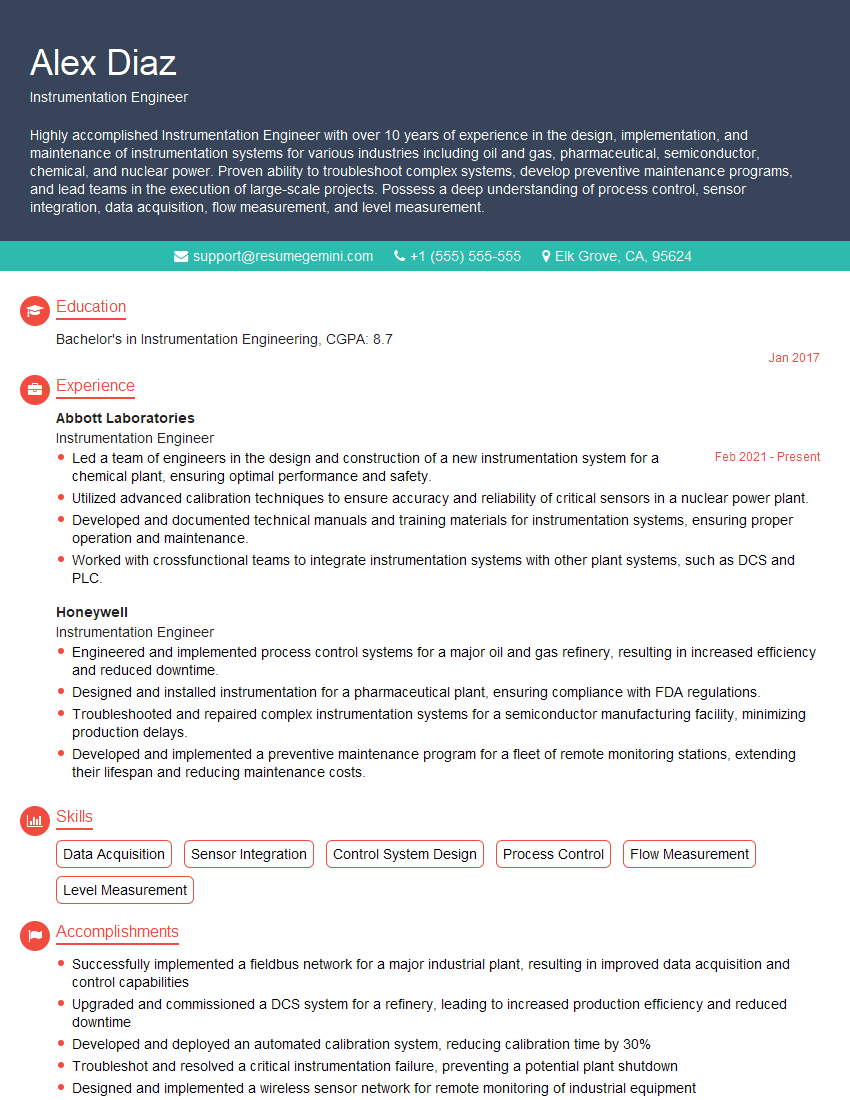
Instrumentation Engineer Resume Sample

Safety Engineer Resume Sample
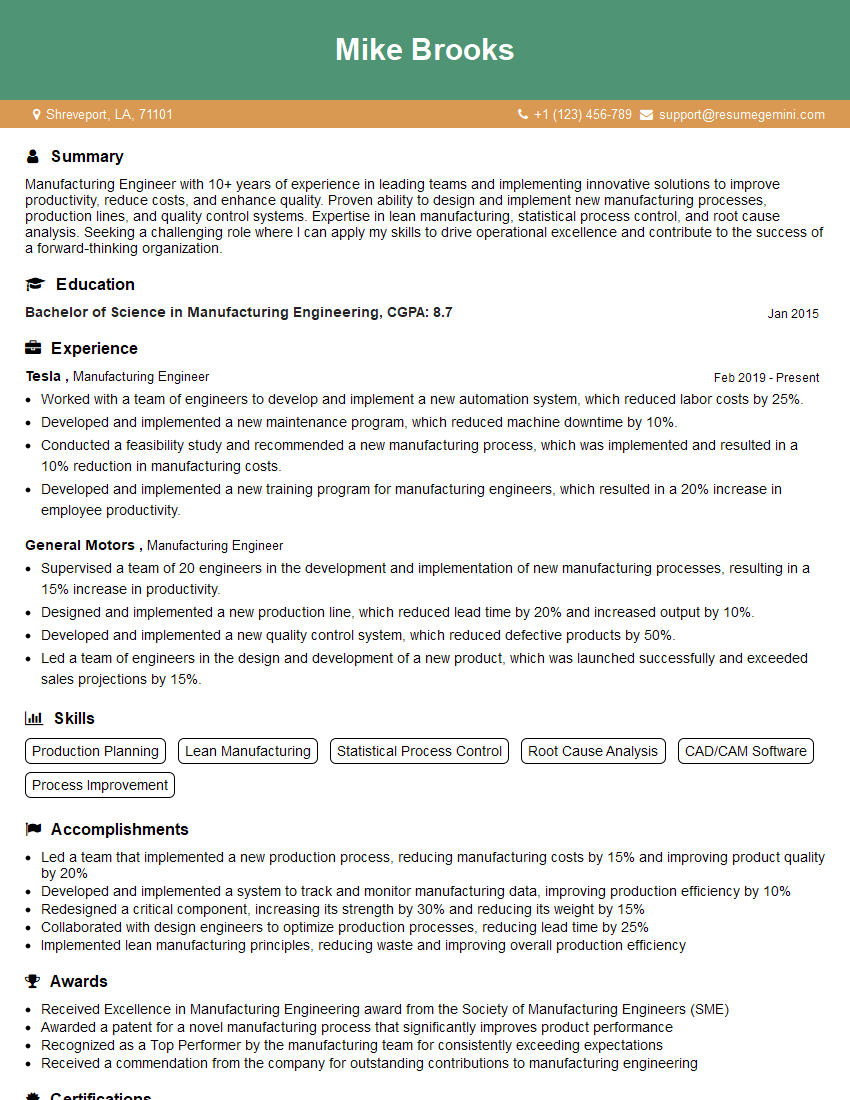
Manufacturing Engineer Resume Sample
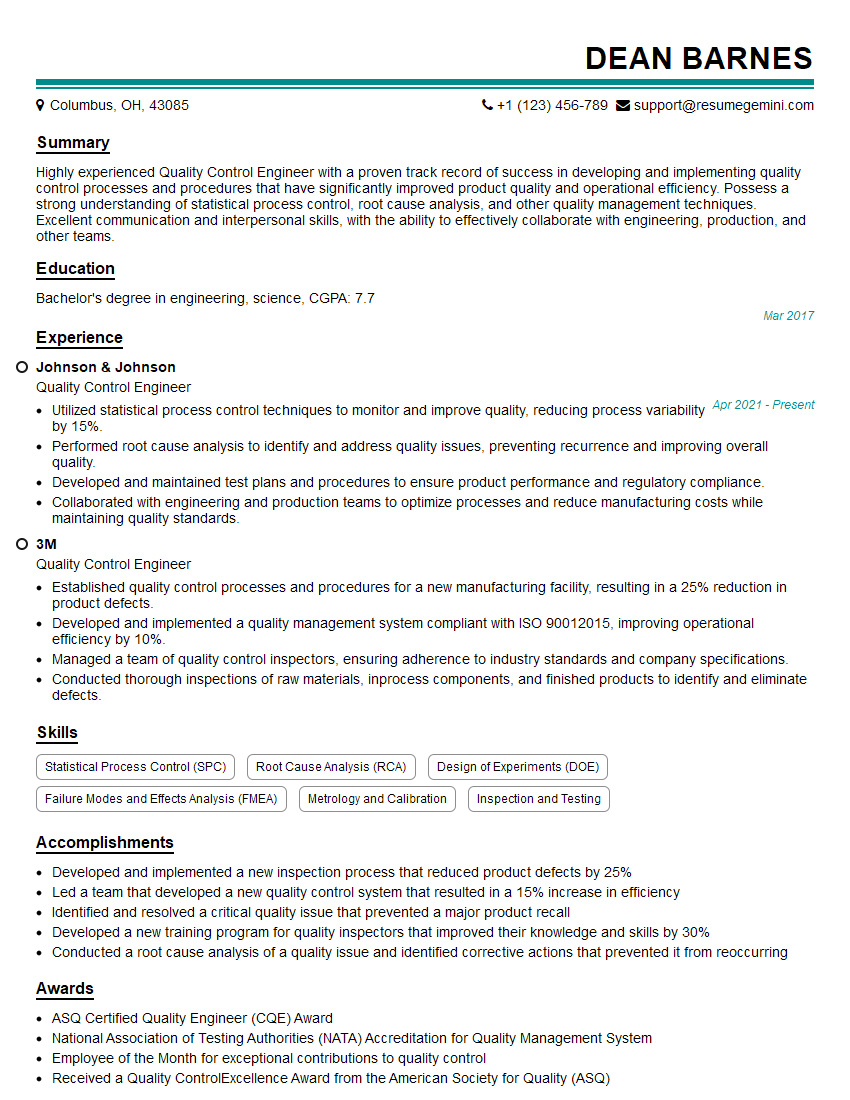
Quality Control Engineer Resume Sample
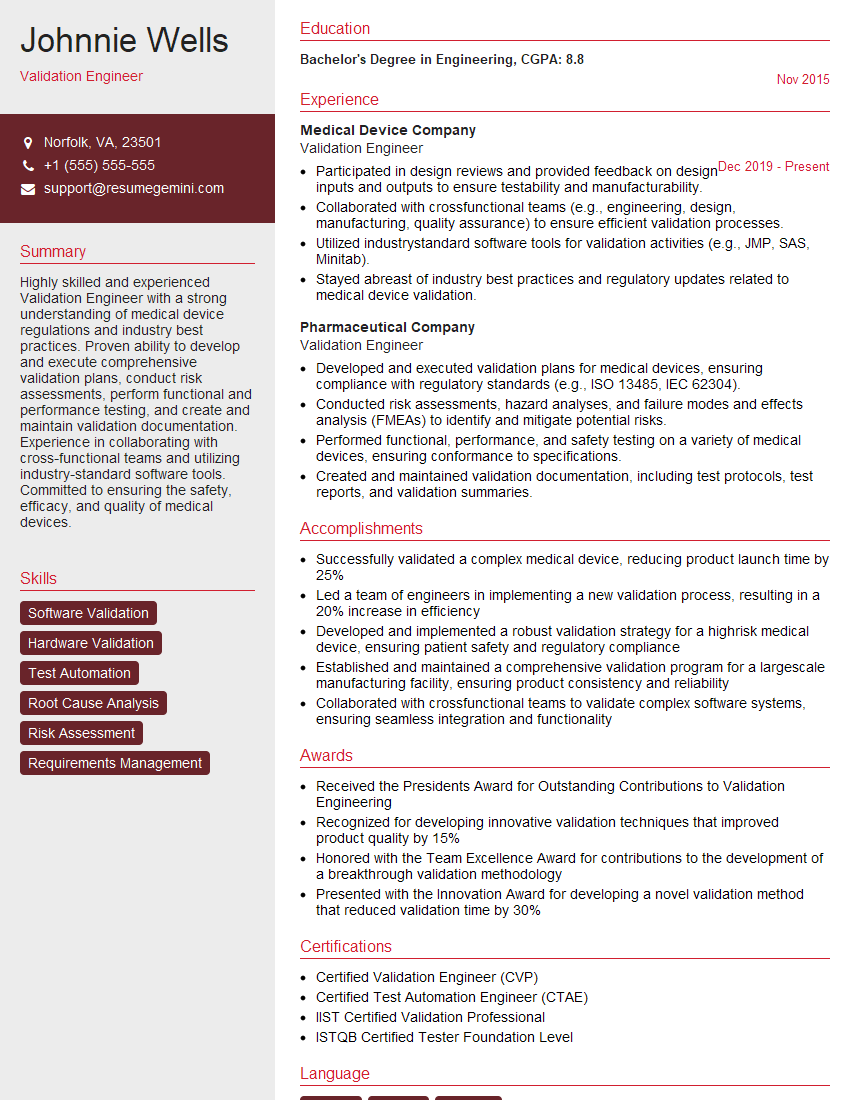
Validation Engineer Resume Sample

Control Systems Engineer Resume Sample
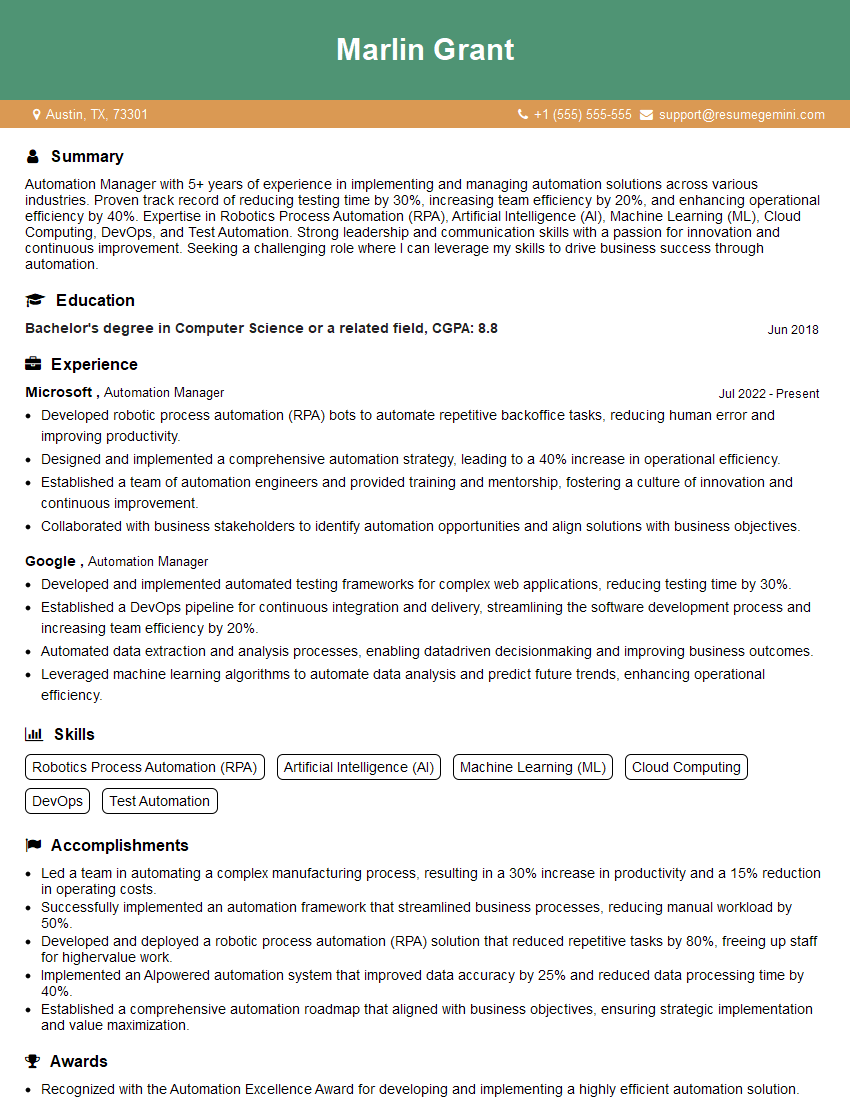
Automation Manager Resume Sample

Robotics Engineer Resume Sample
- Reliability Engineer
- Systems Integrator
- Automation Engineer
- Field Service Engineer
- Commissioning Engineer
- Process Control Engineer
- Maintenance Engineer
- Instrumentation Engineer
- Safety Engineer
- Manufacturing Engineer
- Quality Control Engineer
- Validation Engineer
- Control Systems Engineer
- Automation Manager
- Robotics Engineer
Explore more articles
Users Rating of Our Blogs
Share Your Experience
We value your feedback! Please rate our content and share your thoughts (optional).
What Readers Say About Our Blog
Amazing blog
Interesting Article, I liked the depth of knowledge you’ve shared.
Helpful, thanks for sharing.