Are you ready to stand out in your next interview? Understanding and preparing for Equipment Maintenanc interview questions is a game-changer. In this blog, we’ve compiled key questions and expert advice to help you showcase your skills with confidence and precision. Let’s get started on your journey to acing the interview.
Questions Asked in Equipment Maintenanc Interview
Q 1. Describe your experience with preventative maintenance (PM) scheduling and execution.
Preventative maintenance (PM) scheduling is the backbone of any reliable equipment maintenance program. It involves creating a structured plan to inspect, lubricate, adjust, and replace components before they fail. My experience involves developing and implementing PM schedules using both time-based and condition-based methods. Time-based PM relies on predetermined intervals (e.g., lubricating a machine every 500 operating hours). Condition-based PM utilizes data from sensors or inspections to determine when maintenance is needed, potentially extending the time between interventions.
Execution involves close collaboration with technicians. I ensure clear work orders are generated, including necessary parts, tools, and safety procedures. I use a CMMS (Computerized Maintenance Management System) to track progress, schedule work, and manage inventory. For example, in a previous role managing a fleet of forklifts, I implemented a time-based PM schedule for battery changes and fluid checks, and a condition-based schedule for tire wear monitoring using regular inspections and tread depth measurements. This resulted in a 15% reduction in unexpected downtime and improved operational efficiency.
Q 2. Explain your process for troubleshooting equipment malfunctions.
Troubleshooting equipment malfunctions is a systematic process. My approach follows these steps: 1. Safety First: Secure the area and ensure the equipment is de-energized if necessary. 2. Gather Information: Interview operators, review logs, and visually inspect the equipment. I look for obvious signs of damage or unusual behavior. 3. Hypothesis Formation: Based on gathered information, I form hypotheses about the potential causes. 4. Testing and Verification: I conduct tests to verify or refute my hypotheses. This may involve using diagnostic tools or performing component checks. 5. Repair or Replacement: Once the root cause is identified, I perform the necessary repairs or replace faulty components. 6. Documentation: Thoroughly document the problem, the troubleshooting steps taken, the solution, and any preventative measures implemented to prevent recurrence. For instance, if a production line constantly jammed, my troubleshooting might involve checking sensor alignment, investigating material inconsistencies, or reviewing the operational parameters.
Q 3. How do you prioritize maintenance tasks in a high-pressure environment?
Prioritizing maintenance tasks in a high-pressure environment requires a structured approach. I employ a risk-based prioritization system. This involves assessing each task based on its potential impact on production, safety, and cost. I use a matrix that considers the severity of potential failure and its likelihood. Critical tasks with high severity and high likelihood are prioritized first, followed by high-severity, low-likelihood, and so on. For example, a failing critical component with imminent risk of catastrophic failure would be prioritized over a routine lubrication task. I also utilize CMMS software to help with this prioritization by automatically assigning urgency levels based on pre-defined parameters. This structured approach allows efficient allocation of resources to maximize uptime while mitigating risks.
Q 4. What CMMS systems are you familiar with? Describe your experience.
I’m proficient with several CMMS systems, including IBM Maximo, SAP PM, and UpKeep. My experience spans from data entry and work order management to system configuration and report generation. In my previous role, I implemented a new CMMS (UpKeep) to replace an outdated system. This involved migrating historical data, training staff, customizing the system to our specific needs (like creating customized dashboards and reports), and ensuring seamless integration with existing inventory management systems. This transition resulted in improved maintenance efficiency, reduced paperwork, and better tracking of maintenance costs. I’m comfortable with the functionality of these systems and understand their capabilities to optimize maintenance processes.
Q 5. Describe a time you had to deal with an unexpected equipment failure. What steps did you take?
During a particularly busy production period, a key piece of processing equipment (a large industrial mixer) experienced a catastrophic bearing failure. This resulted in immediate production stoppage. My first step was to ensure the safety of all personnel and isolate the failed equipment. Next, I initiated the emergency repair procedure. This involved contacting our supplier for a replacement bearing, coordinating with a specialized repair crew, and working with the production team to minimize the impact on our schedule. We managed to get the equipment running again within 24 hours by utilizing emergency overtime and expediting the delivery of the replacement part. After this incident, we performed a thorough root cause analysis (RCA) to understand why the bearing failed prematurely, which revealed a lubrication issue. This led to updated PM procedures and improved lubrication scheduling to prevent future occurrences.
Q 6. How do you ensure compliance with safety regulations during maintenance procedures?
Ensuring compliance with safety regulations is paramount. I strictly adhere to all relevant OSHA (or equivalent international) standards and company safety protocols. Before any maintenance task begins, I ensure that the area is properly secured, lockout/tagout procedures are implemented (where necessary), personal protective equipment (PPE) is worn, and permits are obtained when required. I conduct regular safety training for maintenance personnel covering hazard identification, risk assessment, and emergency procedures. Pre-job safety briefings are mandatory before any work commences. In addition, I maintain detailed records of all safety training and inspections to demonstrate compliance and identify areas for improvement. A safety-first culture is not just a policy, but a daily practice.
Q 7. What experience do you have with root cause analysis?
Root cause analysis (RCA) is a crucial skill for preventing equipment failures. I’m experienced with various RCA methodologies, including the 5 Whys, Fishbone diagrams (Ishikawa diagrams), and Fault Tree Analysis (FTA). For example, using the 5 Whys technique, if a pump failed, I would ask ‘Why did the pump fail?’ (e.g., because the bearings seized). ‘Why did the bearings seize?’ (e.g., due to lack of lubrication). ‘Why was there a lack of lubrication?’ (e.g., because the lubrication system malfunctioned). ‘Why did the lubrication system malfunction?’ (e.g., due to a faulty sensor). ‘Why was the sensor faulty?’ (e.g., due to lack of preventative maintenance). This systematic questioning helps get to the underlying cause, enabling the implementation of targeted corrective actions. I also document the RCA findings and implement the necessary preventive measures to prevent recurrence. I understand that addressing symptoms without identifying the root cause can lead to recurring issues and wasted resources.
Q 8. How familiar are you with different types of lubrication and their applications?
Lubrication is crucial for reducing friction, wear, and heat in machinery. Different applications demand different types of lubricants. My familiarity spans various categories, including:
- Mineral Oils: These are petroleum-based, cost-effective, and suitable for many general applications. I’ve used them extensively in maintaining conveyor belts and gearboxes. For instance, in a food processing plant, we used a food-grade mineral oil to prevent contamination.
- Synthetic Oils: These offer superior performance in extreme temperatures or demanding conditions. I’ve employed synthetics in high-speed rotating machinery where maintaining viscosity at high temperatures was critical, like in a textile mill’s spinning machines.
- Greases: Greases are thick lubricants that provide long-lasting lubrication in enclosed systems. I’ve used lithium-based greases for wheel bearings and other components requiring infrequent lubrication but robust protection against wear. In a mining operation, we used a high-temperature grease in the heavy-duty machinery to withstand extreme heat.
- Specialty Lubricants: These are tailored to specific applications, such as high-temperature environments or food-contact surfaces. In a pharmaceutical manufacturing facility, I’ve worked with silicone-based lubricants that met stringent hygiene standards.
Choosing the right lubricant involves understanding the operating conditions, the type of equipment, and the potential environmental impacts. I always consult lubrication charts and manufacturers’ recommendations to ensure optimal performance and longevity of the equipment.
Q 9. Explain your understanding of predictive maintenance techniques.
Predictive maintenance uses data to anticipate potential equipment failures *before* they occur, minimizing downtime and optimizing maintenance schedules. It’s a significant upgrade from reactive (fixing things after they break) or preventive (scheduled maintenance regardless of condition) approaches.
My understanding encompasses various techniques:
- Vibration Analysis: Analyzing vibration patterns can reveal imbalances, misalignments, or bearing wear. I’ve used handheld vibration analyzers to detect issues in pumps and motors, preventing catastrophic failures.
- Oil Analysis: Testing oil samples can reveal contaminants, wear debris, or changes in viscosity, indicating potential problems within the machinery. I’ve been involved in several instances where oil analysis revealed impending bearing failure, leading to timely replacement and preventing significant production losses.
- Thermography (Infrared Inspection): Detecting heat signatures can identify overheating components, potentially caused by loose connections, worn insulation, or impending failures. I utilized this technique to pinpoint a faulty motor winding before it caused a complete shutdown.
- Ultrasonic Testing: Detecting high-frequency sounds can reveal leaks in pneumatic or hydraulic systems, or even issues with electrical connections long before they result in a breakdown. This has proven invaluable in identifying air leaks in compressed air systems that were otherwise undetectable.
Predictive maintenance involves collecting data, analyzing trends, and using this information to make informed decisions about maintenance tasks, resulting in significant cost savings and enhanced operational reliability.
Q 10. Describe your experience with hydraulic or pneumatic systems maintenance.
I possess extensive experience maintaining both hydraulic and pneumatic systems. These systems, while different, share common principles requiring careful attention to detail and safety.
Hydraulic Systems: My experience includes troubleshooting leaks, inspecting seals and hoses, analyzing fluid levels and cleanliness, and calibrating pressure regulators. I’ve worked on hydraulic presses, excavators, and lift systems. A memorable instance involved tracing a slow leak in a high-pressure hydraulic line on a large industrial press. Using pressure gauges and dye penetrant, I pinpointed the leak to a microscopic crack in a fitting, preventing a costly system failure.
Pneumatic Systems: My experience includes working with air compressors, valves, cylinders, and pneumatic tools. I’ve troubleshot air leaks using soapy water and pressure gauges, replaced worn components, and maintained air dryers to ensure clean, dry air. One time, I used an ultrasonic leak detector to locate several tiny leaks in a complex pneumatic control system that were dramatically reducing efficiency.
Safety is paramount in both hydraulic and pneumatic maintenance. I always follow lockout/tagout procedures to prevent accidental energization, and I utilize appropriate personal protective equipment (PPE) to avoid injuries from high-pressure systems or moving parts.
Q 11. How do you handle conflicting priorities in maintenance scheduling?
Conflicting priorities in maintenance scheduling are common. I utilize a prioritized approach, typically based on a combination of factors:
- Criticality: Tasks impacting safety or critical production processes take precedence. A malfunctioning safety system, for example, will always trump a less critical repair.
- Urgency: Immediate risks or impending failures necessitate immediate attention. A leaking hydraulic line, potentially causing environmental damage, would be prioritized over routine lubrication.
- Cost-Benefit Analysis: Weighing the cost of repair or downtime against the cost of delaying maintenance. This often involves a thorough assessment of potential consequences.
- Equipment Dependency: If equipment is critical for other systems, its maintenance is prioritized.
I employ maintenance management software (CMMS) to track work orders, resources, and schedules. This enables me to visually assess and prioritize tasks, taking into account the aforementioned factors. Clear communication with operations staff is crucial to ensure that priorities are understood and any necessary adjustments are made collaboratively. When unavoidable, I create a revised schedule, clearly communicating any delays and their implications to all stakeholders.
Q 12. What is your experience with inventory management for maintenance parts?
Effective inventory management for maintenance parts is vital for minimizing downtime and optimizing costs. My experience includes:
- Developing Inventory Lists: Creating comprehensive lists of all necessary spare parts, categorized by equipment and criticality. This often involves analyzing historical data, equipment manuals, and consulting with engineers.
- Implementing Inventory Control Systems: Utilizing CMMS software to track parts levels, monitor usage, and generate re-order points. I’ve successfully implemented and managed several inventory control systems across diverse maintenance operations.
- Optimizing Stock Levels: Balancing the need for readily available parts with the cost of excessive storage. This involves implementing methods like ABC analysis to categorize parts based on their value and criticality, optimizing stock levels for each category.
- Vendor Management: Establishing relationships with reliable suppliers to ensure timely delivery of parts and negotiating favorable pricing.
- Regular Stock Audits: Conducting regular physical inventories to ensure accuracy and identify discrepancies.
My goal is always to maintain an optimal balance of minimizing stock holding costs while ensuring that we have the necessary components to complete repairs quickly and efficiently.
Q 13. How do you measure the effectiveness of your maintenance programs?
Measuring the effectiveness of maintenance programs involves tracking key performance indicators (KPIs). These can be categorized into several areas:
- Equipment Uptime: Tracking the percentage of time equipment is operational. Improved uptime directly translates to higher productivity and reduced losses.
- Mean Time Between Failures (MTBF): The average time between equipment failures. An increasing MTBF indicates improved equipment reliability.
- Mean Time To Repair (MTTR): The average time it takes to repair a failed piece of equipment. Decreasing MTTR reflects improved maintenance efficiency.
- Maintenance Costs: Tracking the total cost of maintenance activities, including labor, parts, and materials. Effective maintenance programs aim to optimize costs while maintaining reliability.
- Safety Incidents: Tracking safety incidents related to equipment failures or maintenance activities. A decrease in safety incidents indicates a more effective and safer maintenance program.
Using these KPIs in conjunction with regular performance reviews and analysis of maintenance data allows for proactive improvements and optimization of maintenance strategies. I also regularly assess maintenance procedures and processes, aiming for continual improvement based on data-driven insights.
Q 14. Describe your experience with electrical troubleshooting and repair.
My electrical troubleshooting and repair experience encompasses a wide range of tasks, from simple circuit repairs to complex system diagnostics. I’m proficient in using multimeters, oscilloscopes, and other diagnostic tools to identify and resolve electrical issues.
My experience includes:
- Troubleshooting Faulty Wiring: Locating and repairing broken, loose, or shorted wires. I use continuity testers to check for proper connections and insulation testing to check for integrity.
- Motor Control Circuits: Troubleshooting and repairing issues in motor starter circuits, including overload relays, contactors, and fuses. I am adept at identifying issues with start/stop sequences and protecting motors from damage.
- Sensor and Actuator Circuits: Diagnosing problems with sensors and actuators such as limit switches, proximity sensors, and solenoids. I am capable of calibrating sensors and replacing failed components.
- PLC Troubleshooting: Using diagnostic tools and software to identify and resolve problems in programmable logic controller (PLC) programs and hardware. I’ve successfully troubleshot and repaired numerous PLC-controlled systems.
- Safety Systems: Troubleshooting and maintaining safety circuits, including emergency stop switches and safety relays. Safety is a paramount consideration in all my work, and I adhere to all safety regulations and guidelines.
I approach electrical troubleshooting systematically, employing a combination of visual inspection, circuit testing, and diagnostic software. My experience ensures a safe and efficient resolution to electrical issues, minimizing downtime and preventing potential hazards.
Q 15. How do you handle situations where equipment maintenance is required during production hours?
Maintaining equipment during production hours requires careful planning and execution to minimize downtime. It’s a balancing act between keeping the production line running and ensuring necessary repairs. My approach involves several key steps:
- Prioritization: I assess the urgency of the maintenance need. Is it a critical failure requiring immediate attention, or can it be scheduled for a less disruptive time? This involves evaluating the potential impact of delaying maintenance versus the disruption caused by immediate repair.
- Risk Assessment: Before starting any work, I conduct a thorough risk assessment to identify potential hazards and implement appropriate safety precautions. This might include lockout/tagout procedures to prevent accidental energization of equipment.
- Optimized Scheduling: If possible, I schedule maintenance during periods of lower production output, such as during breaks or slower shifts. This minimizes disruption and allows for more efficient work.
- Teamwork & Communication: Effective communication with the production team is crucial. I inform them of the planned maintenance, its estimated duration, and any potential impact on their work. This prevents misunderstandings and ensures everyone’s cooperation.
- Fast and Efficient Repairs: I prioritize speed and efficiency in completing repairs during production hours. This often involves having pre-prepared parts and tools readily available. Having a well-stocked parts inventory is essential for minimizing downtime.
For example, in a previous role, we had a recurring issue with a conveyor belt that needed regular lubrication. Instead of shutting down the entire production line, we developed a system where lubrication could be applied during short, planned pauses in the conveyor’s operation. This minimized downtime and maintained a consistent production flow.
Career Expert Tips:
- Ace those interviews! Prepare effectively by reviewing the Top 50 Most Common Interview Questions on ResumeGemini.
- Navigate your job search with confidence! Explore a wide range of Career Tips on ResumeGemini. Learn about common challenges and recommendations to overcome them.
- Craft the perfect resume! Master the Art of Resume Writing with ResumeGemini’s guide. Showcase your unique qualifications and achievements effectively.
- Don’t miss out on holiday savings! Build your dream resume with ResumeGemini’s ATS optimized templates.
Q 16. What is your experience with welding or fabrication?
My experience with welding and fabrication is extensive, spanning over 10 years. I’m proficient in various welding techniques, including MIG, TIG, and stick welding, and am comfortable working with various metals, including steel, aluminum, and stainless steel. My fabrication skills include blueprint reading, material selection, cutting, shaping, and assembly. I’ve been involved in numerous projects ranging from simple repairs to complex fabrications, often utilizing CAD software for design and planning. I also have experience with various fabrication processes such as cutting, bending, forming, and assembly.
One notable project involved fabricating a custom support structure for a large piece of industrial equipment. This required precise measurements, careful welding, and ensuring the structure met stringent safety standards. The project was completed on time and within budget, significantly enhancing the equipment’s performance and stability. This project demonstrated my ability to apply my skills in a practical and efficient manner to solve a challenging problem.
Q 17. Explain your knowledge of different types of bearings and their applications.
Bearings are essential components in rotating machinery, reducing friction and allowing smooth operation. Different types of bearings are suited to specific applications based on factors like load capacity, speed, and operating environment. Here are a few common types:
- Ball Bearings: Simple design, high speed capability, suitable for lighter loads. Used in many applications, from bicycles to high-speed motors.
- Roller Bearings: Higher load capacity than ball bearings, often used in heavier machinery like conveyors and presses. Cylindrical, tapered, and spherical roller bearings cater to different load and speed requirements.
- Plain Bearings (Sleeve Bearings): Simpler, less expensive than rolling element bearings. Suited for lower speeds and loads, often used in pumps and compressors. Suitable for situations where lubrication is readily available.
- Thrust Bearings: Designed to handle axial loads (forces pushing or pulling along the shaft axis). Essential for preventing vertical shaft movement.
Choosing the right bearing requires understanding the specific operating conditions. A high-speed application might need a low-friction ball bearing, while a heavy-duty application might require a robust roller bearing. Incorrect bearing selection can lead to premature failure and costly downtime.
Q 18. How do you manage maintenance documentation and records?
Effective maintenance documentation is critical for ensuring equipment reliability and regulatory compliance. My approach relies on a comprehensive system that integrates both physical and digital records:
- Computerized Maintenance Management System (CMMS): I utilize CMMS software to track work orders, preventative maintenance schedules, parts inventory, and maintenance history. This allows for easy access to information, scheduling optimization, and trend analysis.
- Work Order System: Every maintenance task generates a detailed work order detailing the equipment, issue, actions taken, parts used, and time spent. These are meticulously documented and stored in the CMMS. I ensure that all work orders are completed accurately and signed off.
- Preventative Maintenance Schedules: I develop and maintain preventative maintenance (PM) schedules tailored to each piece of equipment, based on manufacturer recommendations and operational history. This prevents equipment failures and extends its lifespan.
- Inspection Reports: Regular inspections are documented with detailed reports including photos or videos, highlighting any potential issues or needed repairs. This proactive approach prevents catastrophic failures.
- Physical Records: While digital records are my primary method, I also maintain physical files for backup and reference, particularly for older equipment records or those not yet fully integrated into the CMMS.
This integrated system ensures accuracy, accountability, and easy retrieval of vital maintenance information, facilitating informed decision-making and streamlining the maintenance process.
Q 19. What is your experience with interpreting technical manuals and schematics?
Interpreting technical manuals and schematics is a fundamental skill in equipment maintenance. My experience in this area is extensive, involving reading complex diagrams, understanding component functions, and troubleshooting system issues. I’m proficient in using various types of schematics, including electrical, hydraulic, and pneumatic diagrams. I’m also skilled in understanding symbols and notations used in various technical documents, ensuring proper and safe maintenance work.
For instance, I recently used a complex hydraulic schematic to diagnose a problem in a press machine. By tracing the fluid flow through the system and cross-referencing the schematic with the machine’s physical components, I successfully identified a faulty valve that was causing a pressure leak. This saved considerable downtime and cost by directing the repair to the precise source of the problem rather than resorting to trial and error troubleshooting.
Q 20. Describe your experience with working on rotating equipment (pumps, motors, etc.).
I have considerable experience maintaining and repairing rotating equipment such as pumps, motors, and compressors. My expertise includes diagnosing malfunctions, performing routine maintenance, and executing complex repairs. I am familiar with various types of pumps (centrifugal, positive displacement), motors (AC, DC), and their associated components like bearings, seals, and couplings.
- Diagnostics: I use various diagnostic tools such as vibration analyzers and thermal imaging cameras to identify potential issues in rotating equipment before they escalate into major failures.
- Maintenance Procedures: I’m proficient in performing routine maintenance tasks such as lubrication, alignment checks, and belt tension adjustments. Proper alignment and lubrication are crucial for the longevity of rotating equipment.
- Repairs: I’ve handled a wide range of repairs, from replacing worn bearings to rebuilding motors and pumps.
- Safety Procedures: I adhere strictly to all relevant safety procedures when working on rotating equipment, including lockout/tagout procedures to prevent accidental energization.
A significant project involved the repair of a large centrifugal pump that was experiencing significant vibration. Using vibration analysis, I identified an imbalance in the impeller. After carefully balancing the impeller, the vibration was eliminated, preventing potential damage to the pump and ensuring uninterrupted operation.
Q 21. How do you ensure the accuracy of maintenance work orders?
Ensuring the accuracy of maintenance work orders is crucial for effective maintenance management. My strategy involves a multi-step approach:
- Clear and Concise Descriptions: Work orders must contain clear and concise descriptions of the problem, including specific equipment details, location, and any relevant symptoms. Ambiguity can lead to inefficient repairs or even worsen the issue.
- Prioritization and Scheduling: Work orders should be appropriately prioritized based on urgency and impact. Scheduling should factor in resource availability and any potential production downtime.
- Detailed Parts Lists: If parts are required, the work order should include a detailed list with part numbers, quantities, and supplier information. This minimizes delays and ensures the correct parts are obtained.
- Verification and Sign-off: Upon completion of the work, the technician should verify that the problem has been resolved, and then sign off on the work order. This ensures accountability and allows for tracking of work performance.
- Regular Audits: Regular audits of work orders can help identify trends, errors, or areas for improvement in the maintenance process. These audits are important for continuously optimizing the system.
- Feedback Mechanism: A feedback mechanism for maintenance staff allows for continuous improvement and identification of gaps or errors in the process.
For example, using a CMMS with automated alerts ensures that missing information is flagged promptly. This ensures completeness and accuracy before work begins, preventing costly mistakes and delays.
Q 22. What is your experience with lean manufacturing principles related to maintenance?
Lean manufacturing principles, applied to maintenance, focus on eliminating waste and maximizing efficiency. This involves streamlining processes, reducing downtime, and improving overall equipment effectiveness (OEE). In my experience, I’ve implemented several lean techniques including:
- 5S methodology: Organizing the maintenance workspace (Sort, Set in Order, Shine, Standardize, Sustain) to improve workflow and reduce search time for parts and tools. For example, we color-coded toolboxes and implemented shadow boards to ensure every tool had its designated place, instantly improving technician efficiency.
- Total Productive Maintenance (TPM): Empowering operators to perform basic maintenance tasks, freeing up skilled technicians for more complex repairs. This resulted in a noticeable reduction in minor equipment failures at our facility. We trained operators on visual inspections and simple lubrication procedures.
- Value Stream Mapping: Analyzing the entire maintenance process to identify bottlenecks and areas for improvement. By mapping out the repair process for a critical piece of equipment, we were able to reduce the repair time by 20% by optimizing the parts procurement process.
- Preventive Maintenance (PM) scheduling optimization: Using data-driven scheduling to perform maintenance during off-peak hours or production slowdowns, minimizing production disruptions. We transitioned from a fixed-interval PM schedule to a condition-based one using sensor data, reducing unnecessary maintenance activities.
Implementing these lean principles resulted in significant improvements in our maintenance department’s efficiency, reduced downtime, and improved overall equipment performance.
Q 23. Describe a time you had to work with a vendor to resolve an equipment issue.
During a critical production shutdown caused by a malfunctioning robotic arm, we had to work closely with the vendor. The arm’s controller had experienced a catastrophic failure. Our first step was to clearly document the issue: error codes, system logs, and video recordings of the malfunction. We then contacted the vendor’s technical support, providing them with this comprehensive information.
The vendor initially suggested troubleshooting steps remotely. However, after several attempts, it was clear on-site support was needed. We coordinated their visit, ensuring they had access to the equipment and all necessary safety protocols were followed. Their engineer, working collaboratively with our team, diagnosed a hardware fault within the controller. We worked together to expedite the delivery of a replacement part. The experience highlighted the importance of clear communication, detailed documentation, and a collaborative approach to resolving complex equipment issues efficiently. We even discussed preventative measures to avoid similar failures in the future, resulting in updated maintenance procedures.
Q 24. How do you stay updated on the latest maintenance technologies and best practices?
Staying updated in the rapidly evolving field of maintenance requires a multi-pronged approach:
- Professional Organizations: I’m an active member of [mention relevant organizations like ASME, etc.], attending conferences and webinars to learn about new technologies and best practices.
- Industry Publications and Journals: I regularly read publications such as [mention relevant publications] to stay informed on the latest research and developments.
- Online Courses and Webinars: Platforms like Coursera, edX, and LinkedIn Learning offer valuable courses on advanced maintenance techniques and technologies.
- Vendor Collaboration: Engaging with equipment vendors to learn about product updates, maintenance recommendations, and new diagnostic tools. This often leads to valuable insights and opportunities for improvement.
- Networking: Attending industry events and connecting with other maintenance professionals provides opportunities for knowledge sharing and collaboration.
This combination of formal and informal learning ensures that I remain at the forefront of the industry, adapting my skills and knowledge to meet the changing needs of our facility.
Q 25. What is your understanding of the importance of spare parts management?
Spare parts management is crucial for minimizing downtime and ensuring operational continuity. Inefficient spare parts management can lead to significant production losses and increased repair costs. My understanding encompasses:
- Inventory Optimization: Balancing the need to have enough parts on hand to meet demand with the costs of storage and obsolescence. We use a combination of ABC analysis (classifying parts based on their value and criticality) and forecasting techniques to optimize inventory levels.
- Vendor Management: Developing strong relationships with vendors to ensure timely delivery of parts, competitive pricing, and access to technical support.
- Part Tracking and Management: Implementing a robust system for tracking parts – from procurement to installation – using software solutions (CMMS) to enhance visibility and efficiency. This helps in identifying slow-moving parts and potential areas for cost savings.
- Obsolescence Management: Regularly reviewing the inventory to identify parts nearing obsolescence, potentially phasing out older equipment or sourcing alternative parts.
Effective spare parts management is about striking a balance between cost and risk, ensuring that critical parts are readily available when needed without unnecessary storage expenses.
Q 26. Describe your experience with different types of sensors used in predictive maintenance.
My experience with sensors in predictive maintenance involves various types, each offering unique capabilities:
- Vibration Sensors: These are commonly used to detect imbalances, misalignment, and bearing wear in rotating equipment. We utilize accelerometers to monitor vibration levels and identify potential failures before they occur. Changes in vibration patterns can alert us to impending problems.
- Temperature Sensors: Monitoring equipment temperature helps identify overheating, which is often an indicator of impending failures in motors, bearings, or other components. Thermocouples and infrared cameras are valuable tools in this regard.
- Acoustic Sensors: These sensors detect unusual sounds, helping identify problems like loose bolts, leaks, or bearing wear. We use microphones and ultrasonic sensors for this purpose. The characteristic sound of a failing component can be a clear early warning sign.
- Oil Analysis Sensors: Monitoring oil condition (particle count, viscosity, etc.) provides insights into the health of lubrication systems and equipment. This helps detect wear debris, contamination, and other issues.
Data from these sensors are often integrated into a CMMS system which allows us to analyze trends and set alerts for potential problems. The predictive maintenance approach significantly reduces unplanned downtime and improves overall equipment reliability.
Q 27. How do you communicate maintenance needs and updates to other departments?
Effective communication is critical in maintenance. I use several methods to keep other departments informed:
- Regular Meetings: Scheduled meetings with production, engineering, and management teams to discuss maintenance needs, planned shutdowns, and progress on repairs. This fosters collaboration and ensures everyone is aligned.
- Formal Reporting: Generating regular reports on equipment performance, maintenance activities, and planned work, using the CMMS system. These reports are distributed to relevant stakeholders.
- Digital Dashboards: Utilizing dashboards to visualize key performance indicators (KPIs) such as downtime, maintenance costs, and equipment performance. This provides a real-time view of the maintenance department’s performance and potential issues.
- Direct Communication: Maintaining open lines of communication with other departments, promptly addressing any issues or concerns that arise. This may involve email, phone calls, or instant messaging, depending on the urgency.
Transparency and proactive communication are key to maintaining strong relationships with other departments and ensuring the smooth operation of the entire facility.
Q 28. Explain your experience with developing and implementing maintenance procedures.
Developing and implementing maintenance procedures involves a structured approach:
- Needs Assessment: Identifying equipment-specific maintenance requirements based on manufacturer recommendations, historical data, and risk assessments.
- Procedure Development: Creating detailed, step-by-step procedures that include safety precautions, necessary tools, and expected outcomes. These procedures are often illustrated with diagrams or photos for clarity.
- Procedure Review and Approval: Having the procedures reviewed by relevant stakeholders, including maintenance technicians, engineers, and safety personnel, to ensure accuracy and completeness.
- Training and Implementation: Providing adequate training to maintenance personnel on the new procedures. This often involves hands-on training and practical demonstrations.
- Documentation and Version Control: Maintaining a central repository for all maintenance procedures and using version control to manage changes and updates.
- Performance Monitoring and Optimization: Tracking the effectiveness of the implemented procedures and making adjustments as needed to improve efficiency and reduce downtime.
For example, when we introduced a new piece of equipment, I led the development of comprehensive maintenance procedures, including preventative maintenance schedules, troubleshooting guides, and safety protocols. This ensured our technicians had the resources to properly maintain the equipment, maximizing uptime and minimizing risks.
Key Topics to Learn for Equipment Maintenance Interview
- Preventive Maintenance (PM): Understanding scheduling, procedures, and the importance of PM in minimizing downtime and extending equipment lifespan. Consider the practical application of developing and implementing a PM schedule for a specific piece of equipment.
- Corrective Maintenance: Troubleshooting techniques, fault diagnosis, and repair methodologies. Think about real-world scenarios where you had to diagnose and fix a malfunctioning piece of equipment – what steps did you take?
- Predictive Maintenance: Utilizing data analysis (vibration analysis, oil analysis, etc.) to anticipate potential failures and schedule maintenance proactively. Explore the technological aspects and the interpretation of data for effective decision-making.
- Safety Procedures and Regulations: OSHA compliance, lockout/tagout procedures, and safe work practices. Be prepared to discuss your understanding of safety protocols and their application in various maintenance scenarios.
- Maintenance Management Systems (CMMS): Knowledge of CMMS software and its use in tracking maintenance activities, managing inventory, and generating reports. Discuss your experience (if any) with different CMMS platforms and their functionalities.
- Maintenance Cost Optimization: Strategies for reducing maintenance costs while maintaining equipment reliability. Consider the balance between preventative maintenance costs and the potential costs of equipment failure.
- Teamwork and Communication: Effective communication with technicians, supervisors, and other stakeholders. Highlight instances where collaborative problem-solving was key to successful equipment maintenance.
Next Steps
Mastering equipment maintenance is crucial for career advancement in today’s industries. A strong understanding of these core principles will significantly enhance your job prospects and open doors to exciting opportunities. To help you stand out, it’s essential to create a resume that showcases your skills effectively. Building an ATS-friendly resume is key to getting your application noticed by recruiters. We recommend using ResumeGemini, a trusted resource, to craft a professional and impactful resume. ResumeGemini provides examples of resumes tailored specifically for Equipment Maintenance professionals, helping you present your experience in the best possible light.
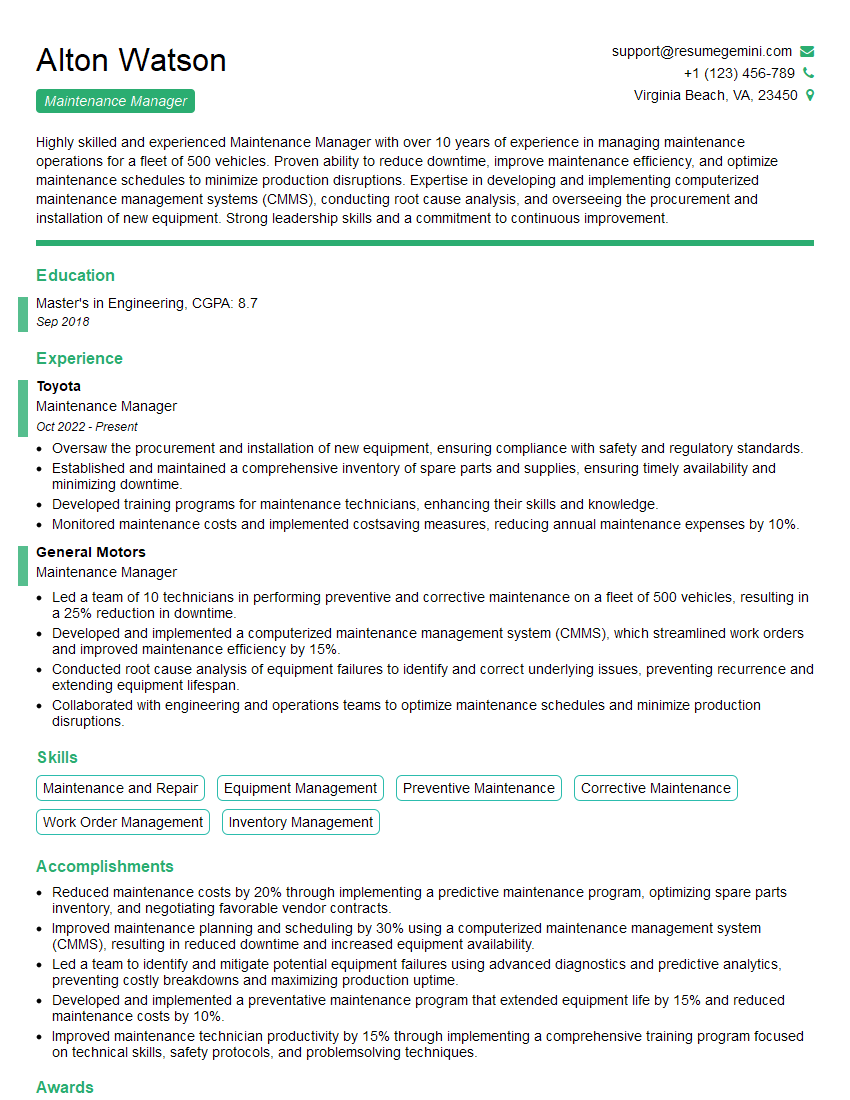
Maintenance Manager Resume Sample
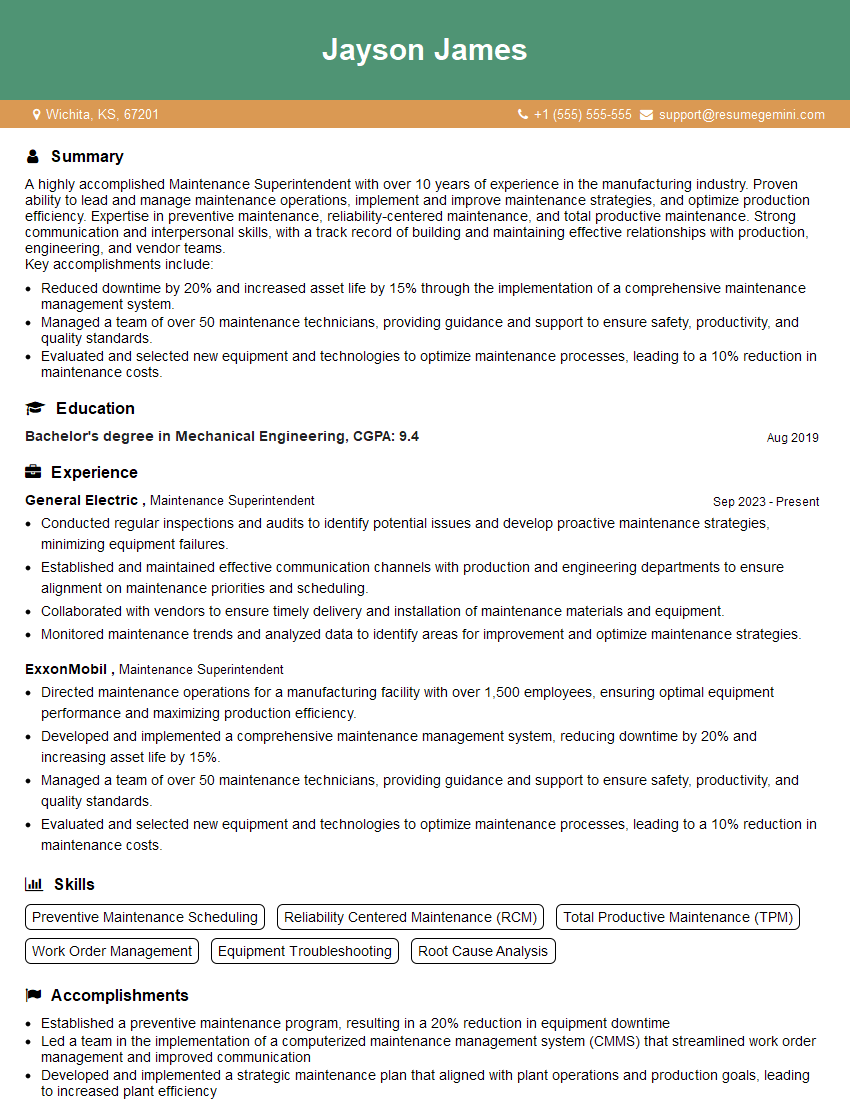
Maintenance Superintendent Resume Sample
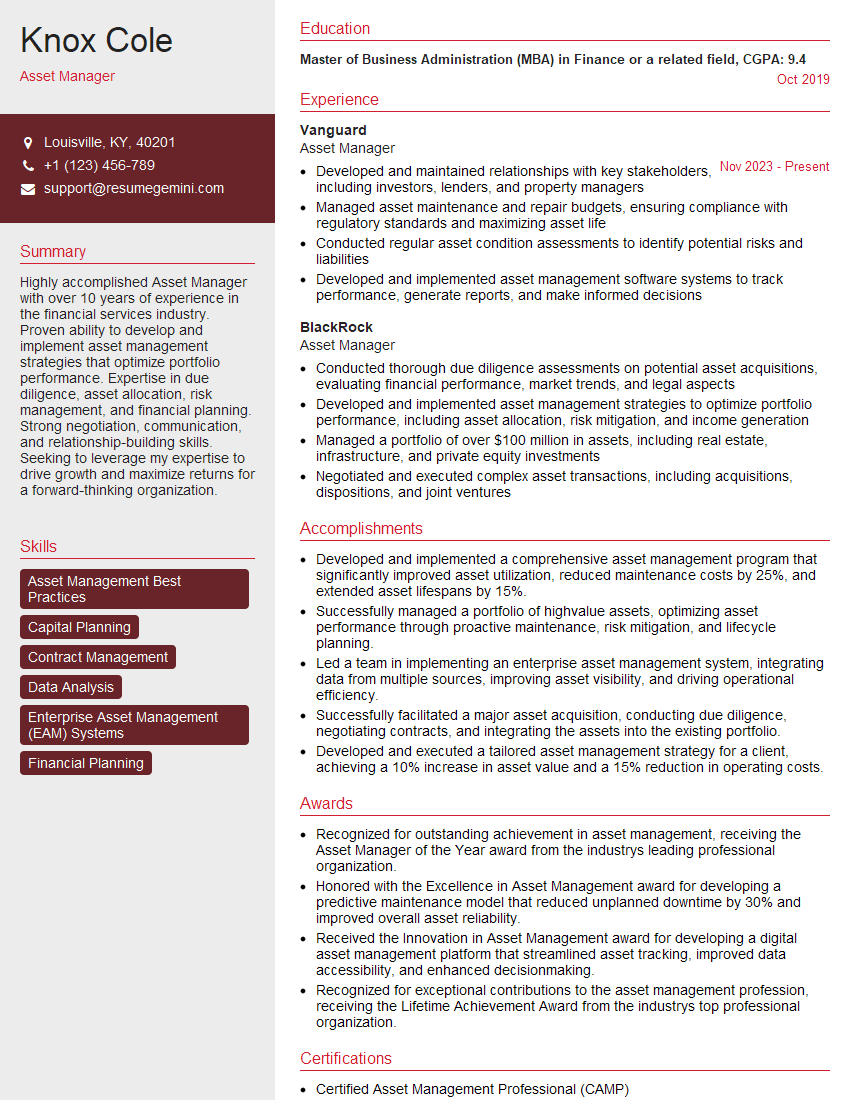
Asset Manager Resume Sample
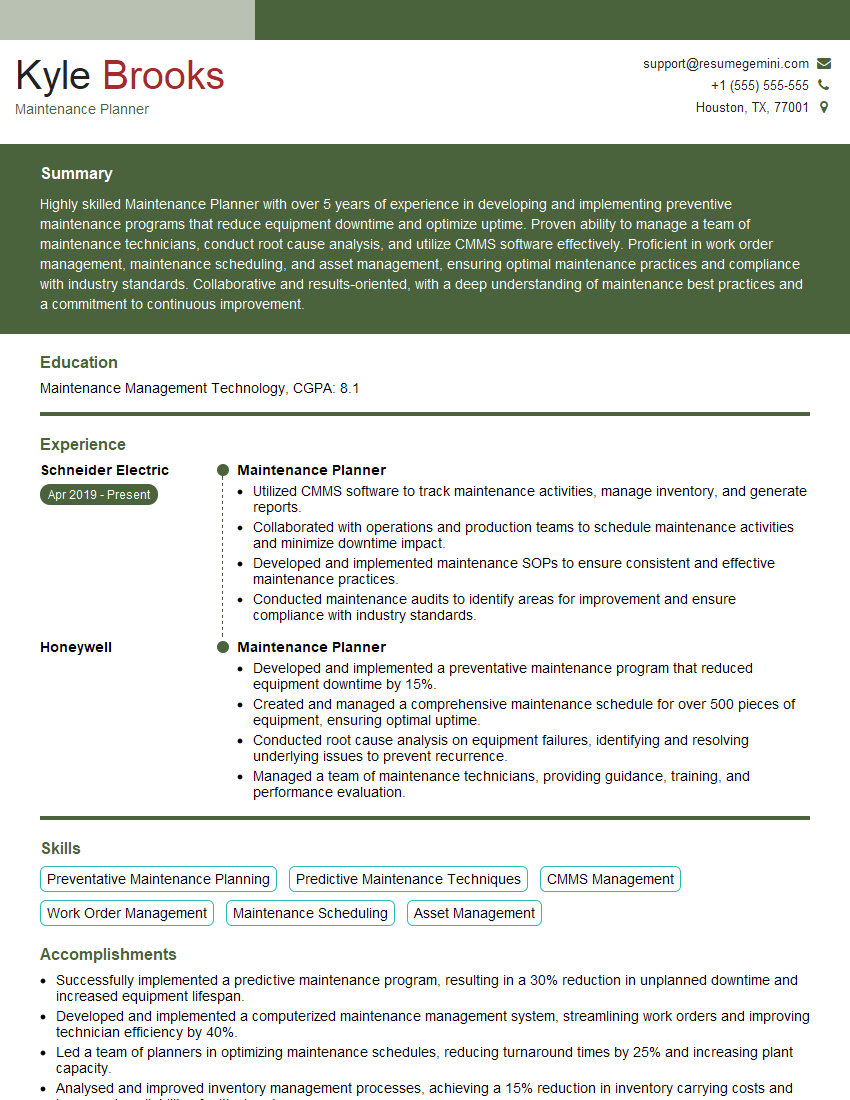
Maintenance Planner Resume Sample
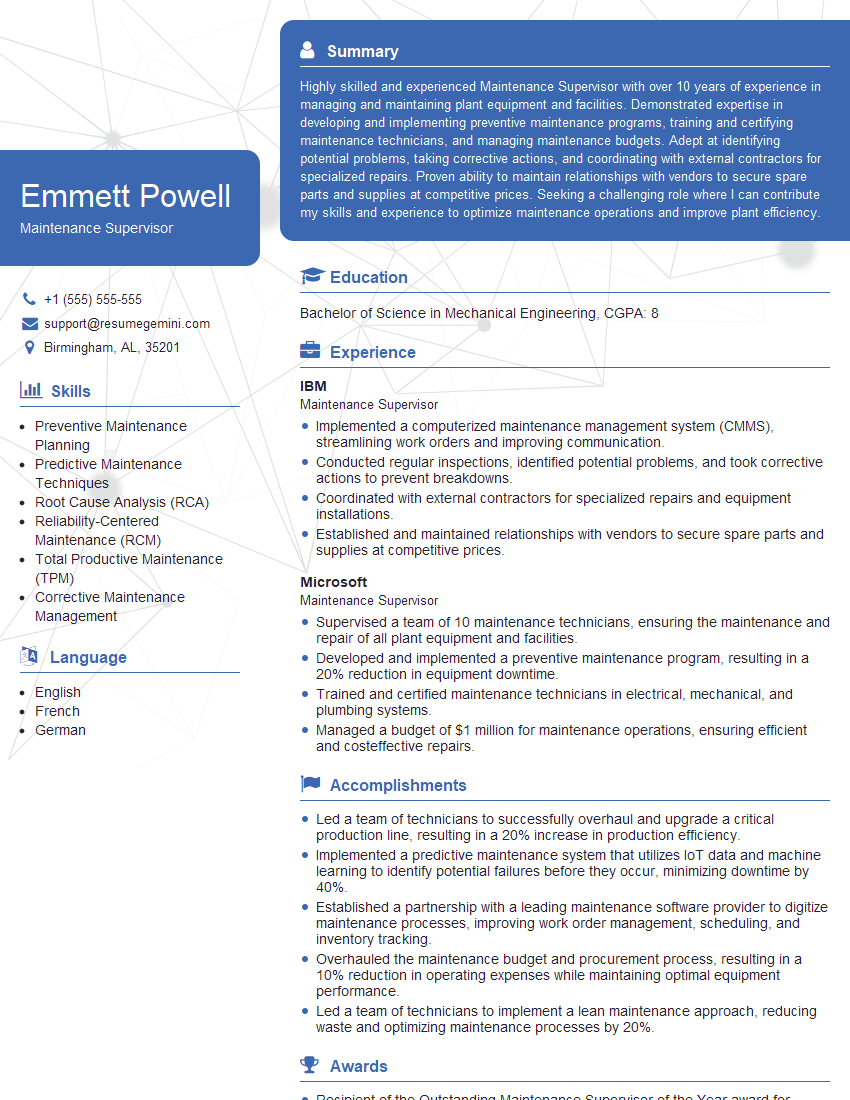
Maintenance Supervisor Resume Sample
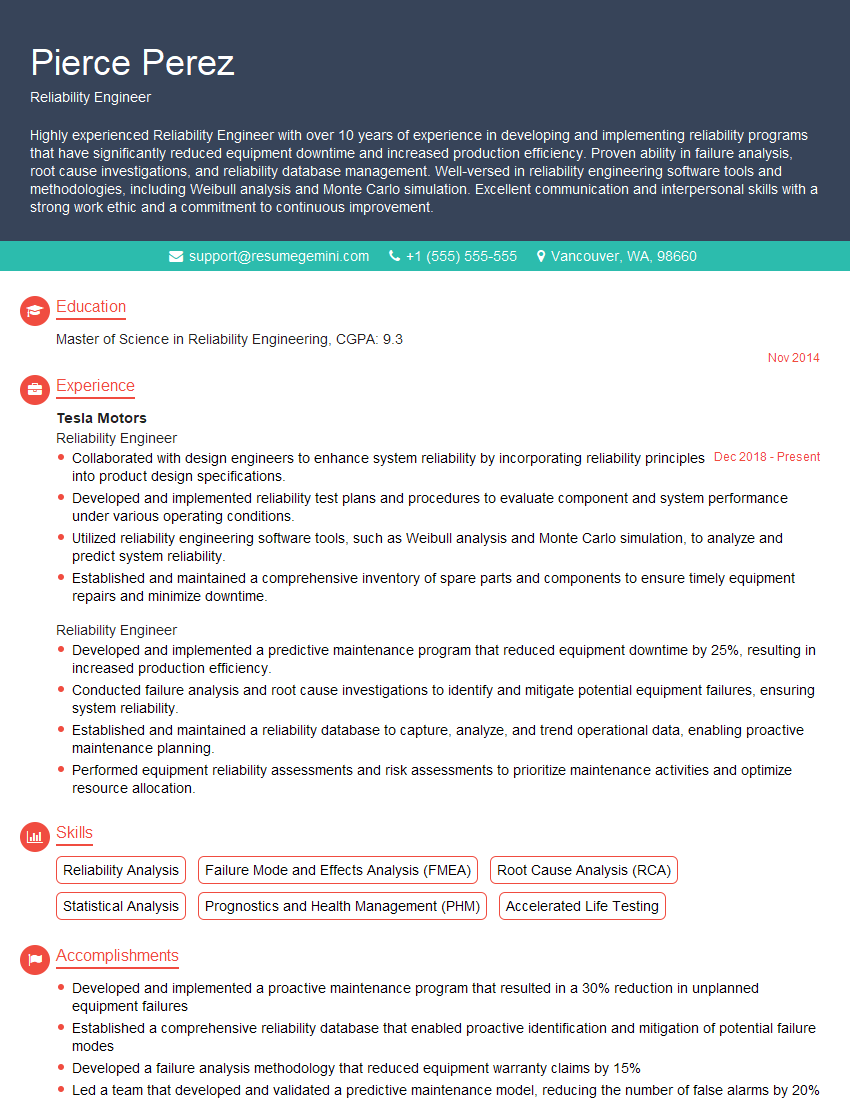
Reliability Engineer Resume Sample
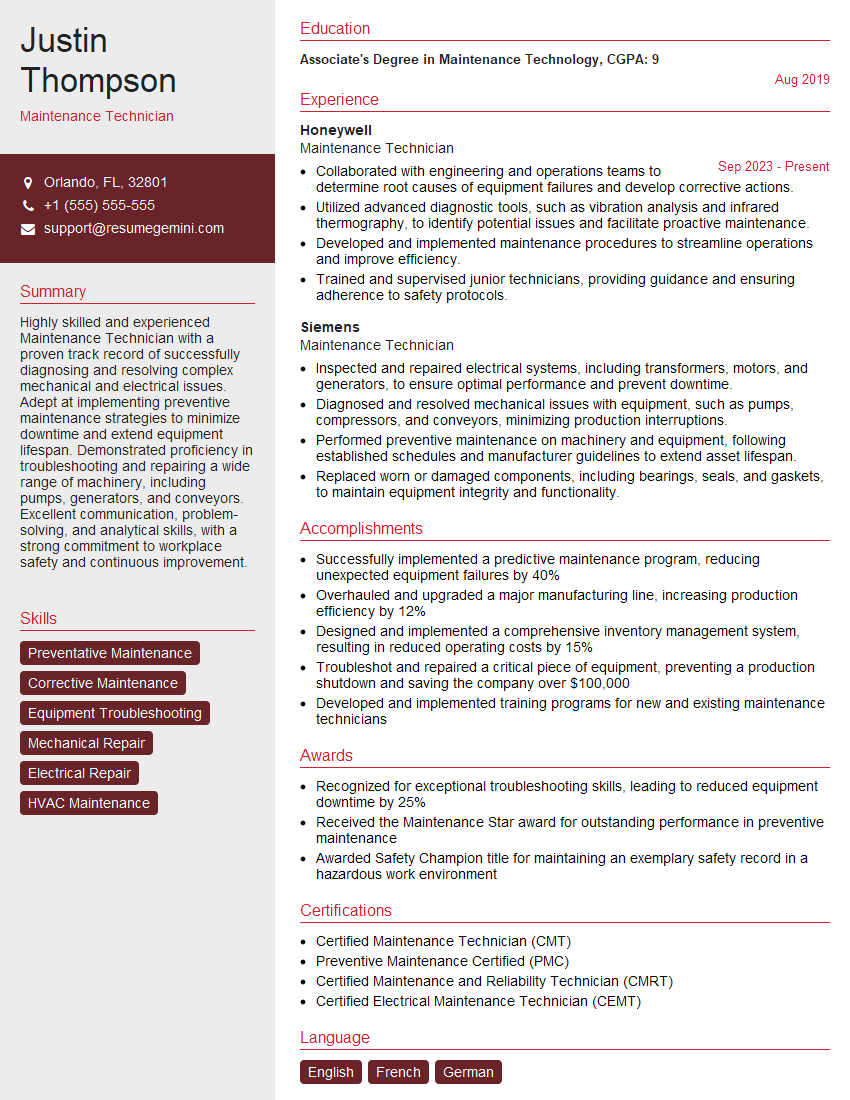
Maintenance Technician Resume Sample
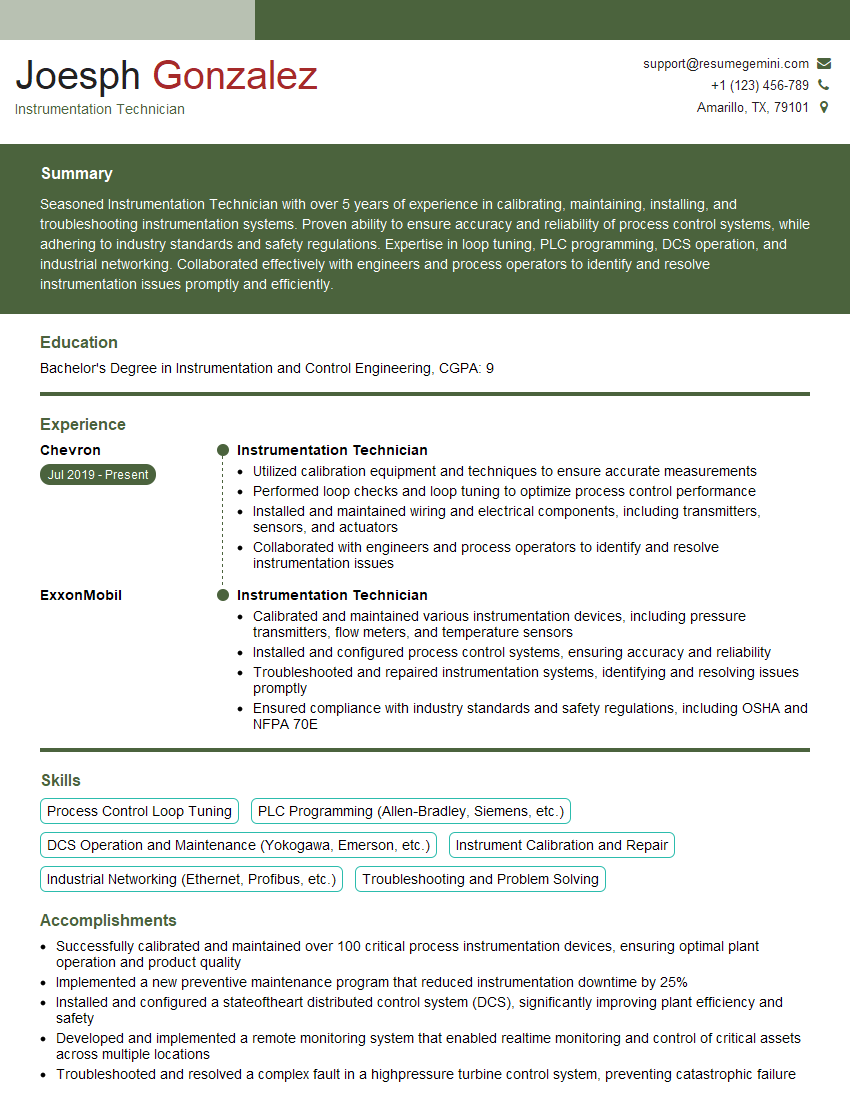
Instrumentation Technician Resume Sample
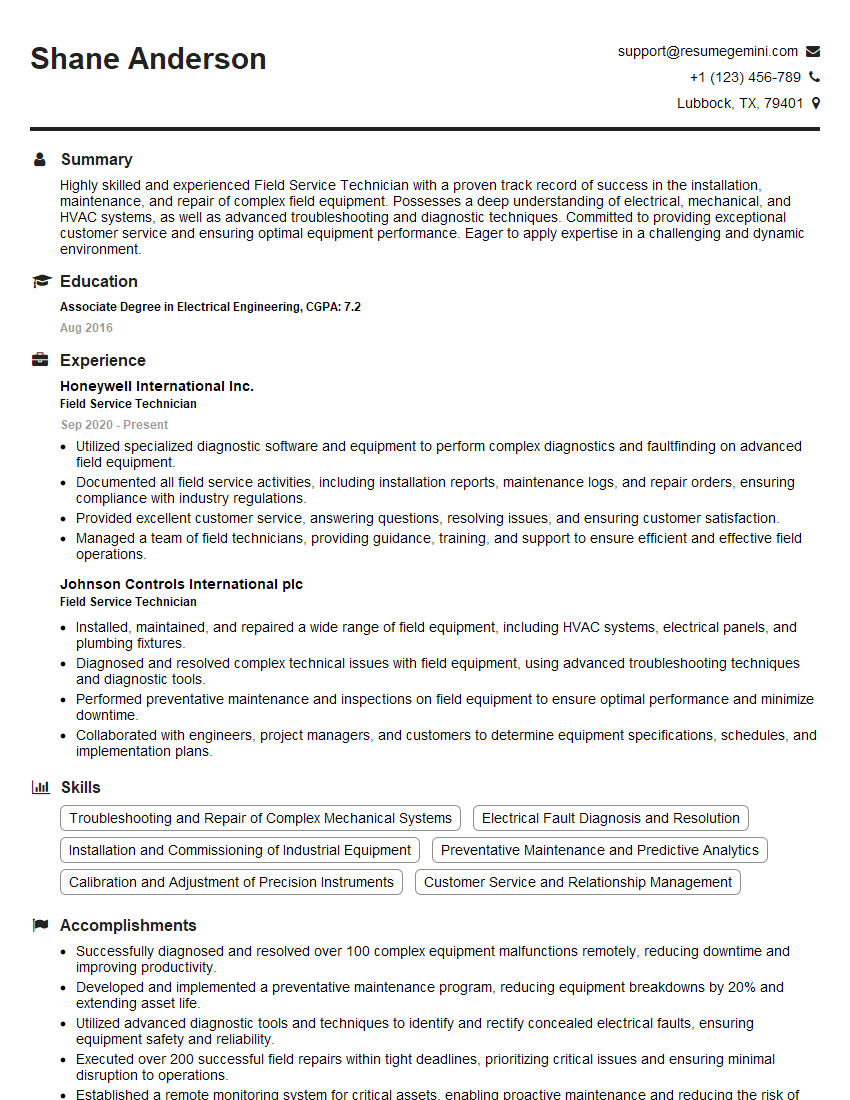
Field Service Technician Resume Sample
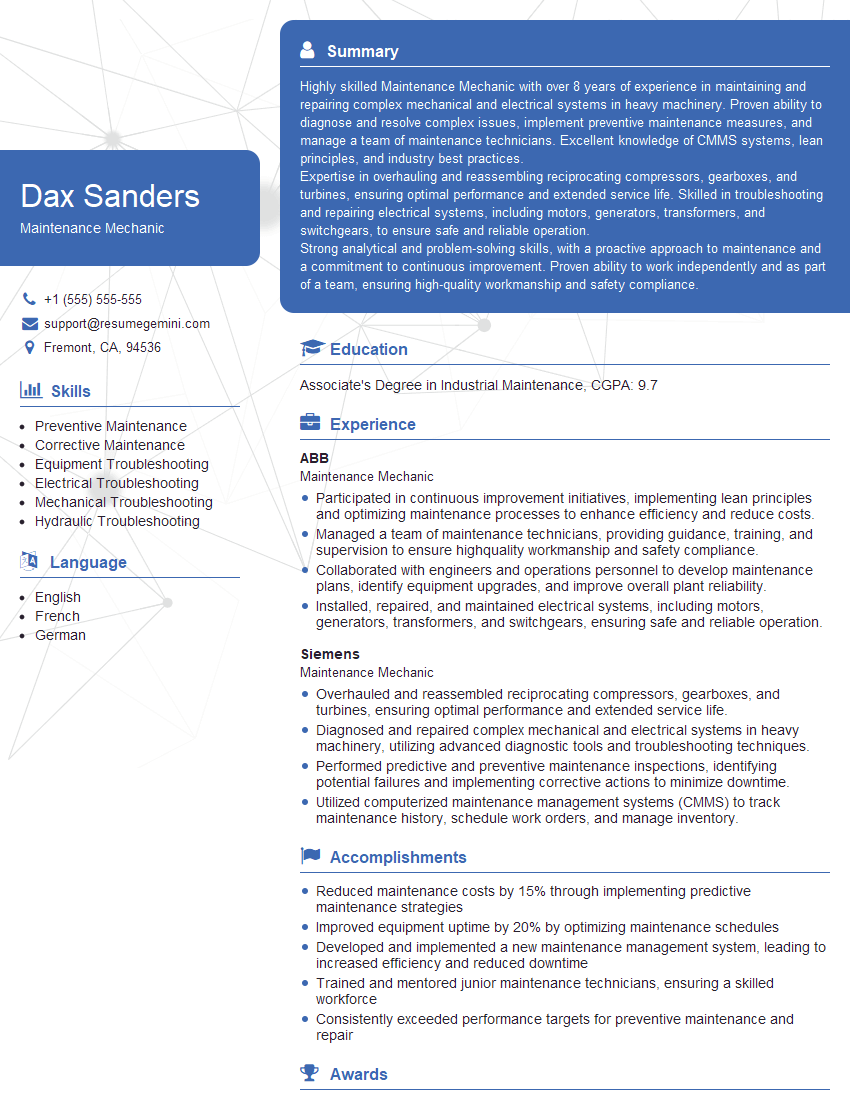
Maintenance Mechanic Resume Sample
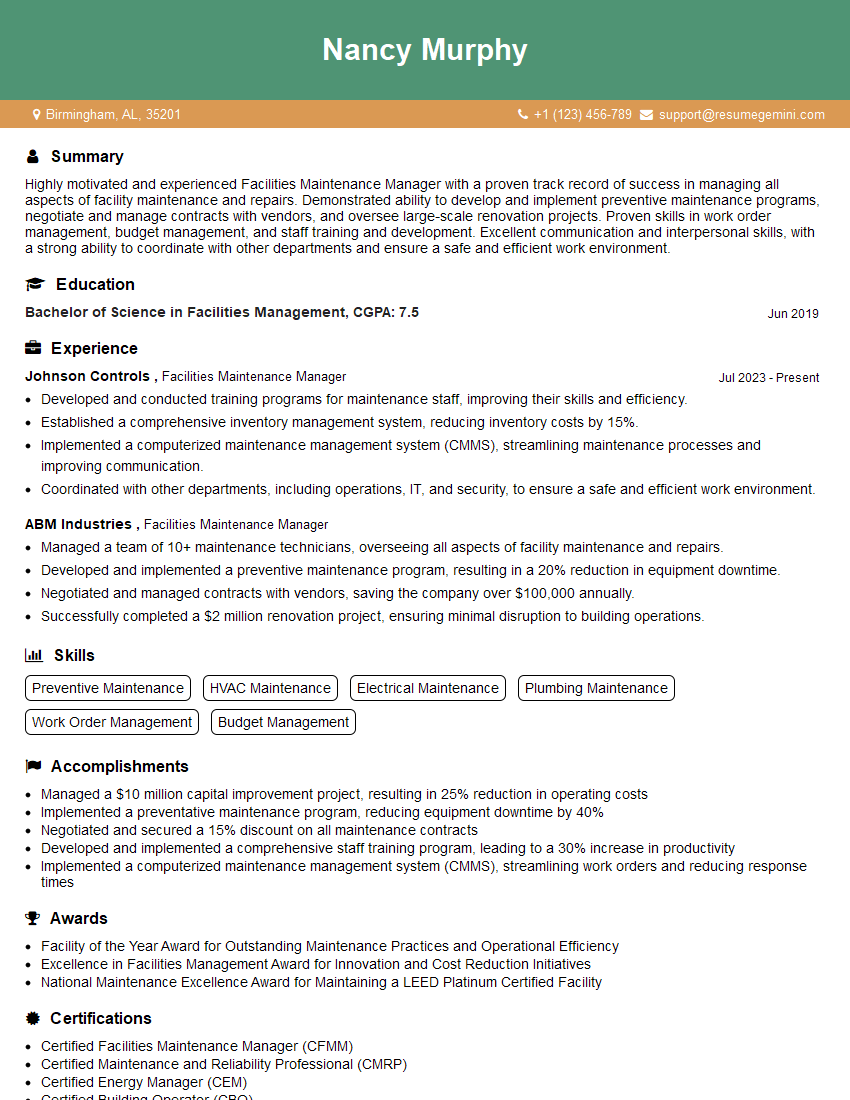
Facilities Maintenance Manager Resume Sample
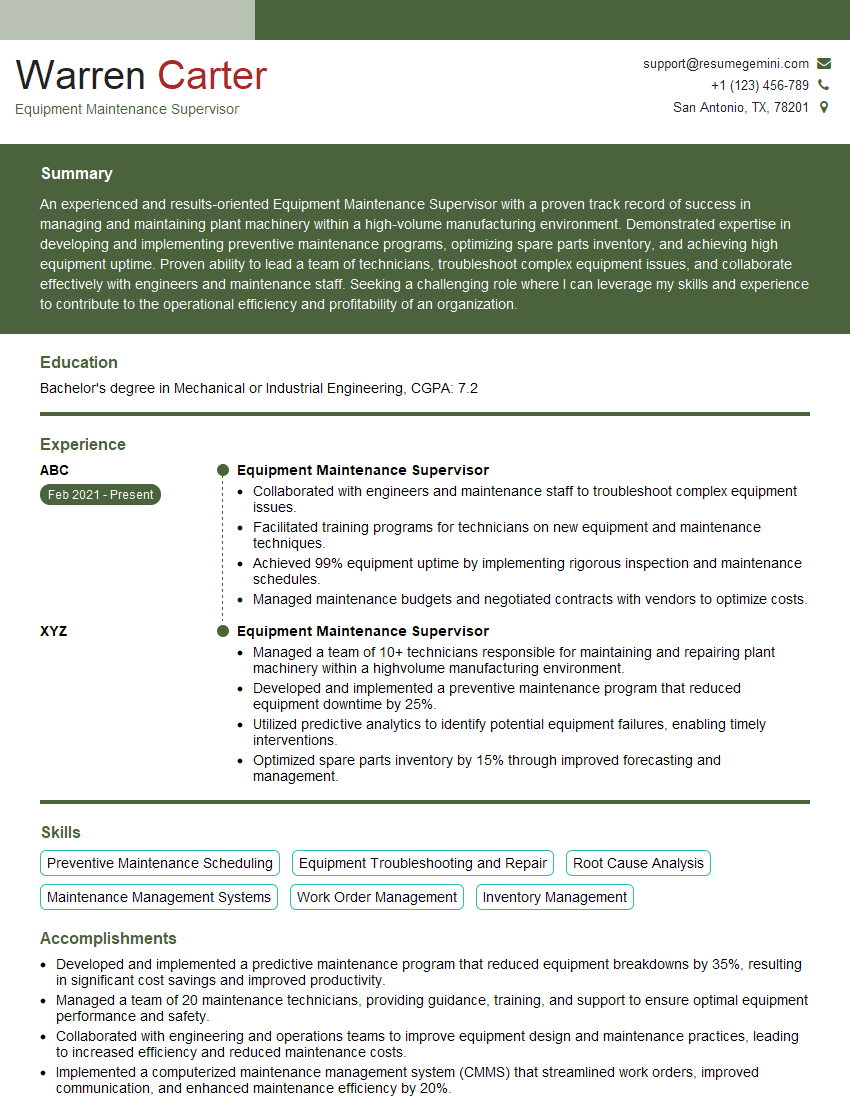
Equipment Maintenance Supervisor Resume Sample
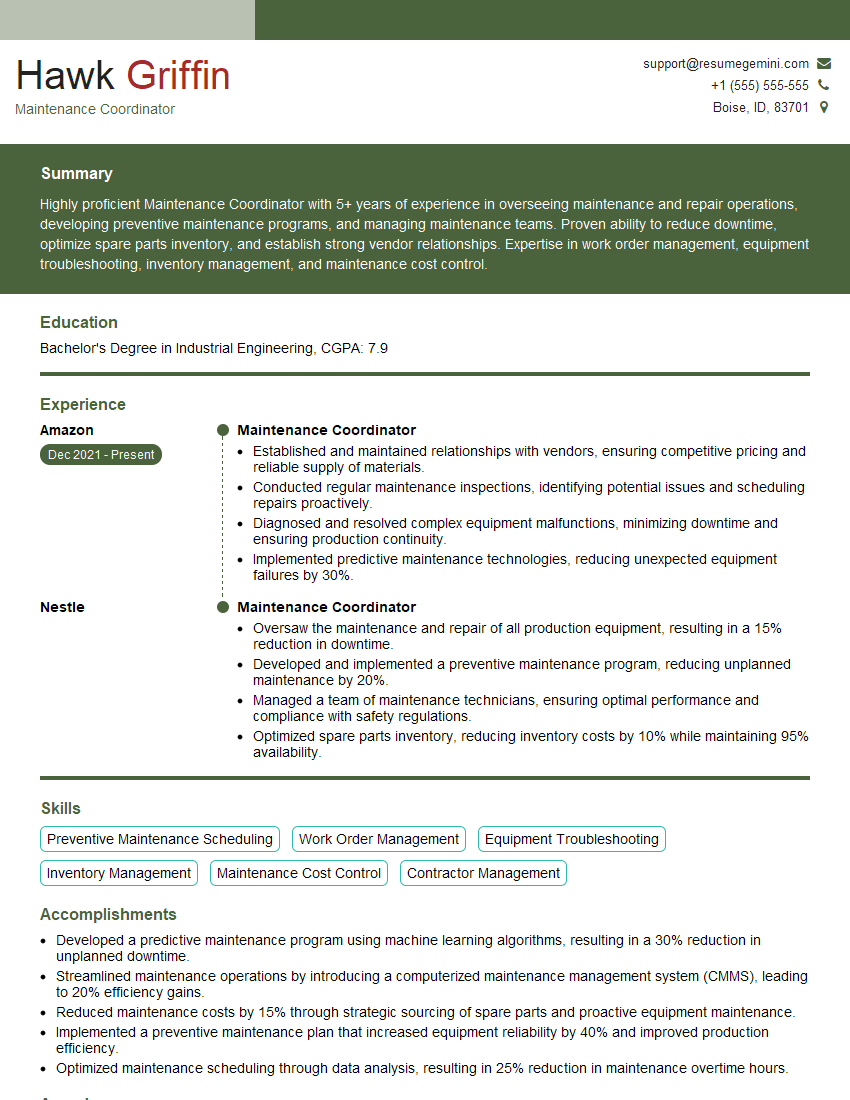
Maintenance Coordinator Resume Sample
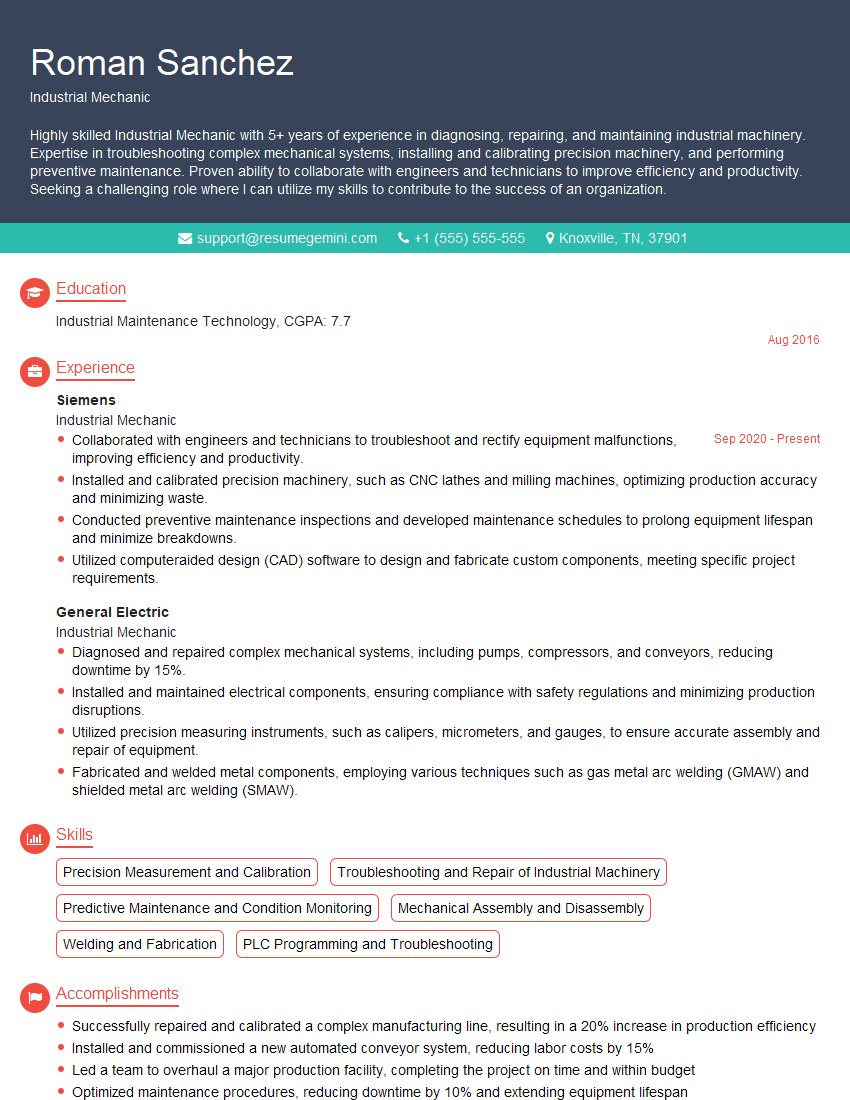
Industrial Mechanic Resume Sample
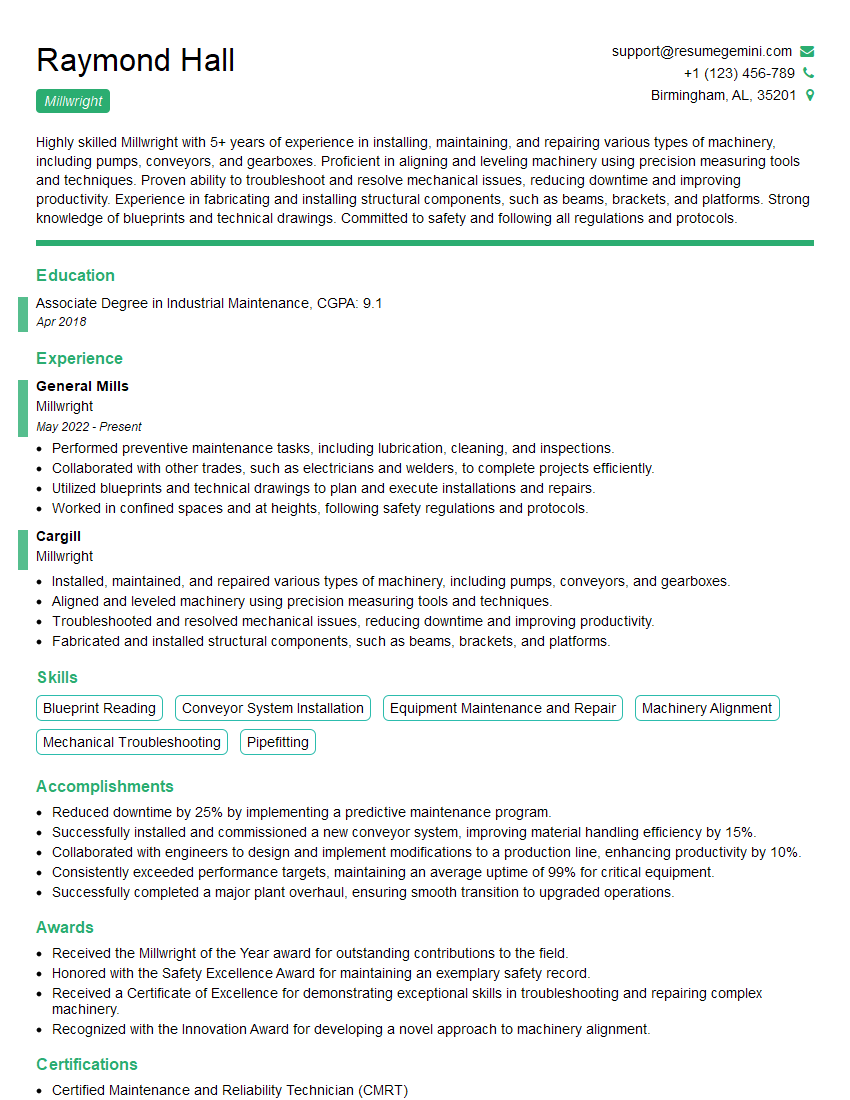
Millwright Resume Sample
- Maintenance Manager
- Maintenance Superintendent
- Asset Manager
- Maintenance Planner
- Maintenance Supervisor
- Reliability Engineer
- Maintenance Technician
- Instrumentation Technician
- Field Service Technician
- Maintenance Mechanic
- Facilities Maintenance Manager
- Equipment Maintenance Supervisor
- Maintenance Coordinator
- Industrial Mechanic
- Millwright
Explore more articles
Users Rating of Our Blogs
Share Your Experience
We value your feedback! Please rate our content and share your thoughts (optional).
What Readers Say About Our Blog
Amazing blog
Interesting Article, I liked the depth of knowledge you’ve shared.
Helpful, thanks for sharing.