Are you ready to stand out in your next interview? Understanding and preparing for Microscopic Necropsy interview questions is a game-changer. In this blog, we’ve compiled key questions and expert advice to help you showcase your skills with confidence and precision. Let’s get started on your journey to acing the interview.
Questions Asked in Microscopic Necropsy Interview
Q 1. Describe the process of tissue fixation for microscopic necropsy.
Tissue fixation is the crucial first step in microscopic necropsy, aiming to preserve tissue architecture and prevent autolysis (self-digestion) and putrefaction. It’s like preserving a delicate cake – you need the right method to maintain its structure and prevent it from spoiling. The most common method involves immersing tissue samples in a fixative solution, typically 10% neutral buffered formalin (NBF). This solution cross-links proteins, halting enzymatic activity and preventing cellular degradation. The size of the tissue sample is important; larger samples require longer fixation times to ensure complete penetration of the fixative. For example, a small biopsy might only need 24 hours, while a large organ might require several days. The optimal fixation time depends on the tissue type and the size of the sample, and it is crucial to follow established protocols for the best results. Inadequate fixation can lead to artifacts and misinterpretation of microscopic findings. Improperly fixed tissues can show shrinkage, distortion, and incomplete preservation of cellular detail.
Q 2. Explain the different types of tissue stains used in microscopic necropsy and their applications.
Several stains are used in microscopic necropsy, each highlighting different cellular components. Hematoxylin and eosin (H&E) staining is the gold standard; hematoxylin stains nuclei blue/purple, while eosin stains cytoplasm pink/red. This provides a general overview of tissue architecture and cellular morphology. Special stains, such as periodic acid-Schiff (PAS) for carbohydrates (like glycogen and fungi), Gomori’s methenamine silver (GMS) for fungi and some bacteria, and Gram stains for bacteria, provide more specific information. For example, in a case of suspected fungal infection, a PAS stain would be invaluable in visualizing the fungal hyphae. Immunohistochemistry (IHC) uses antibodies to detect specific proteins, allowing for the identification of certain cell types or microorganisms. For instance, IHC can identify the presence of specific viral antigens or cancer markers. Finally, special stains like Oil Red O can be used to visualize lipids, which is important in the diagnosis of fatty liver disease.
Q 3. What are the common artifacts encountered during microscopic necropsy and how can they be minimized?
Artifacts are non-biological structures or changes in the tissue that can mimic disease. Common artifacts include shrinkage, caused by improper fixation or processing; freezing artifacts, appearing as ice crystal formations; and staining artifacts, like uneven staining. Minimizing artifacts requires meticulous attention to detail throughout the process. Proper tissue fixation, as previously discussed, is paramount. Careful handling of the tissue, avoiding excessive pressure or tearing, is also crucial. Consistent and standardized processing techniques are essential for reducing variation and minimizing artifacts. For example, ensuring proper embedding in paraffin wax prevents cracks and distortions. Finally, recognizing common artifacts through experience is vital for accurate interpretation of microscopic findings. It’s like learning to distinguish between a smudge on a painting and an actual detail within the artwork – experience helps you make that critical distinction.
Q 4. How do you differentiate between post-mortem changes and antemortem lesions in microscopic necropsy?
Differentiating between post-mortem changes and antemortem lesions requires careful evaluation of the microscopic findings in the context of the clinical history and macroscopic observations. Post-mortem changes, such as autolysis and putrefaction, are typically diffuse and affect the entire tissue uniformly. For example, autolysis might present as loss of nuclear detail, while putrefaction shows bacterial invasion and tissue degradation. Antemortem lesions, on the other hand, tend to be localized and exhibit specific characteristics associated with particular diseases. For instance, a focal area of inflammation with neutrophil infiltration points towards an antemortem infectious process. The distribution of the lesions, their cellular composition, and the presence of repair processes (such as fibrosis) all help to distinguish between post-mortem changes and true disease processes. A detailed history, including the time elapsed since death, is crucial in this differentiation. A good analogy is the difference between a fresh bruise (antemortem) and a discoloration of the skin that occurs after death (postmortem).
Q 5. Explain the importance of proper sample collection and handling in microscopic necropsy.
Proper sample collection and handling are essential for accurate microscopic necropsy. The quality of the samples directly impacts the quality of the microscopic findings. Samples should be collected using sterile techniques and labeled appropriately, including the animal’s identification, tissue source, and date of collection. Proper fixation, as previously mentioned, is critical. Avoiding excessive compression or damage during handling prevents artifacts and maintains tissue integrity. The size of samples should be appropriately selected; too small a sample may miss critical lesions, whereas too large a sample may not fix properly. A good example is the collection of lung tissue for evaluation of pneumonia; several representative sections need to be collected from different lung lobes. Each step of sample handling, from collection to fixation, embedding, sectioning, and staining, must be meticulously documented to maintain the integrity and traceability of the samples.
Q 6. Describe your experience with different microscopic techniques used in necropsy (e.g., light microscopy, immunohistochemistry).
My experience encompasses various microscopic techniques. Light microscopy is the cornerstone, providing basic morphological assessment. I have extensive experience with H&E staining and various special stains. Immunohistochemistry (IHC) has been instrumental in identifying specific proteins in several cases, allowing for a more precise diagnosis. For example, I utilized IHC to confirm the presence of amyloid proteins in a case of suspected amyloidosis. In cases involving suspected infectious agents, special stains like Gram stain or acid-fast stain were crucial for microbial detection. Fluorescence microscopy has been valuable for identifying specific fluorescently labeled molecules in tissue samples, allowing for the detection of specific cellular components or microorganisms. The choice of the technique depends entirely on the nature of the investigation. If we suspect a specific disease or infection, we may use specific immunohistochemical stains or other methods depending on the suspected etiological agent.
Q 7. How do you interpret microscopic findings in the context of clinical history and macroscopic findings?
Interpreting microscopic findings requires integrating information from multiple sources. The microscopic findings must be considered alongside the clinical history of the animal, including its age, breed, sex, clinical signs, and any relevant treatments. Macroscopic findings from the gross necropsy examination, such as the location, size, and distribution of lesions, provide essential context for the microscopic examination. For example, a microscopic finding of granulomatous inflammation may be consistent with various diseases; however, the location and distribution of lesions identified during the gross necropsy might suggest tuberculosis rather than a fungal infection. The integration of these three data sources – clinical history, macroscopic observations, and microscopic findings – is essential for reaching an accurate diagnosis. This holistic approach is critical in cases where multiple etiological factors may be involved or where the microscopic findings are subtle or ambiguous. It is like solving a complex puzzle – each piece of information, whether clinical, macroscopic, or microscopic, contributes to the final picture.
Q 8. What are the limitations of microscopic necropsy in determining the cause of death?
Microscopic necropsy, while invaluable, has limitations in determining the exact cause of death. It provides a detailed look at the microscopic anatomy of tissues and organs, revealing cellular-level changes, but it can’t always definitively link these changes to a specific event or cause.
- Temporal limitations: Microscopic findings reflect the state of the body at the time of death, not the events leading up to it. For instance, subtle changes indicative of a slow-acting poison might be difficult to distinguish from natural degeneration.
- Artifact issues: Post-mortem changes like autolysis (self-digestion) and putrefaction can obscure or mimic disease processes, making interpretation challenging. For example, autolytic changes can mimic inflammatory responses.
- Insufficiency of evidence: Some diseases don’t leave distinct microscopic hallmarks. The cause might lie outside the scope of microscopic examination, requiring additional investigations like toxicology or genetic testing.
- Subjectivity in interpretation: Microscopic findings require expert interpretation, and some subtle changes can be subjective, leading to potential discrepancies between pathologists.
Think of it like examining a car crash—microscopic necropsy shows the damage to the car’s parts, but it doesn’t necessarily tell you who was driving, the exact speed, or the specific sequence of events that led to the collision.
Q 9. Describe your experience with specific microscopic lesions associated with various diseases.
My experience encompasses a wide range of microscopic lesions. For example, I’ve extensively studied:
- Cardiomyopathy: I’ve observed the characteristic myocyte hypertrophy and fibrosis in hypertrophic cardiomyopathy, and the patchy necrosis and inflammation seen in myocarditis. In one case, identifying the specific viral inclusion bodies enabled us to pinpoint the underlying viral etiology of a fatal myocarditis.
- Infectious Diseases: Identifying bacterial colonies within tissue sections (e.g., Streptococcus pneumoniae in pneumonia) and recognizing characteristic granulomas in tuberculosis is routine. I also have experience with identifying parasitic infections via visualization of the parasite’s morphology within tissue sections.
- Neoplasia: I’ve examined a vast array of tumors, documenting nuclear atypia, mitotic figures, and invasion patterns to characterize them as benign or malignant and determine their specific type (histological grade). A recent case involved distinguishing between a metastatic adenocarcinoma and a primary lung carcinoma based on specific microscopic features.
- Toxicological lesions: I’ve seen various types of cell injury and tissue damage that could indicate specific toxin exposure such as fatty changes in the liver with certain chemical exposures.
Each lesion has unique microscopic features that require careful observation and comparison with established diagnostic criteria. Building this expertise requires extensive training, years of experience, and continuous learning.
Q 10. How do you document your microscopic findings in a clear and concise manner?
Precise documentation is crucial in microscopic necropsy. My approach involves a structured report that includes:
- Detailed macroscopic description: This begins with an overview of the gross findings, including the organ’s size, weight, and any visible abnormalities, establishing the context for microscopic examination.
- Systematic microscopic description: I systematically examine each tissue section, noting the tissue architecture, cellular morphology, and any significant lesions observed. I utilize standardized terminology to ensure clarity and prevent ambiguity. For example, I might describe findings as ‘diffuse alveolar damage’ or ‘focal lymphocytic infiltration.’
- Use of imaging: Microscopic images, at appropriate magnifications (low, medium, high), are integral to the report. These are crucial in conveying the morphology of the lesions observed. I annotate these images to highlight key features.
- Diagnostic summary and conclusions: Based on the microscopic and macroscopic findings, I summarize the significant diagnostic observations and form conclusions regarding the cause or contributing factors to the death.
- Use of digital pathology systems: In addition, many labs are now integrating digital pathology systems which allow for the viewing, annotation, and sharing of digital microscopic images with colleagues, improving diagnostic accuracy and facilitating collaboration.
This systematic approach ensures that my findings are clear, concise, objective, and easily understandable by other pathologists and relevant stakeholders.
Q 11. Explain the role of microscopic necropsy in forensic investigations.
Microscopic necropsy plays a pivotal role in forensic investigations, providing crucial evidence in determining the cause and manner of death.
- Establishing the cause of death: Microscopic examination can identify subtle injuries or disease processes that might not be apparent during a gross examination. For instance, microscopic findings might reveal a previously unrecognized heart condition contributing to sudden death or specific microscopic changes in the brain indicating trauma or asphyxia.
- Determining the manner of death: In cases of suspected homicide, suicide, or accident, microscopic findings can provide objective evidence to support or refute these hypotheses. For example, the presence of gunshot residue in lung tissue or the detection of specific toxins in the tissues can be crucial for determining the manner of death.
- Time of death estimation: Although not a primary function, microscopic examination can contribute to the estimation of time since death by assessing the degree of post-mortem changes. Certain microscopic changes occur in a predictable sequence after death and might help to support or refine estimates derived from other methods.
- Identifying underlying medical conditions: The presence of preexisting medical conditions can influence the interpretation of other findings and contribute to a holistic understanding of the events leading to death. Microscopic examination plays an important role in identifying these pre-existing conditions.
Microscopic necropsy findings are often presented in court as objective evidence. Accurate and comprehensive reporting is paramount in forensic pathology.
Q 12. Describe your experience with quality control and quality assurance in a pathology laboratory.
Quality control and quality assurance are paramount in a pathology laboratory. My experience involves adherence to strict protocols covering all aspects of the microscopic necropsy process:
- Specimen handling: Proper fixation, processing, and embedding techniques are followed precisely to avoid artifacts and ensure optimal tissue preservation. This includes regular checks of fixative quality and tissue processing parameters.
- Staining and microscopy: Standardized staining protocols are meticulously followed. We use internal and external quality control samples to monitor the consistency and quality of our staining and microscopy results. Microscope calibration and maintenance are regularly performed.
- Proficiency testing: Participation in external quality assurance programs ensures that our diagnostic accuracy remains high and aligns with international standards. This includes blinded proficiency testing with cases of varying complexity.
- Case review and consultation: Difficult or complex cases are often reviewed by senior pathologists or multiple pathologists to ensure accurate interpretation and diagnostic concordance. This reduces inter-observer variability and improves diagnostic confidence.
- Record keeping and documentation: All procedures, including specimen handling, staining, microscopic examination, and interpretation, are meticulously documented. Our laboratory maintains a robust system for tracking and archiving specimens and associated reports.
Maintaining high standards of quality control ensures accurate and reliable results, which are essential for providing appropriate patient care or contributing to accurate forensic investigations.
Q 13. How do you stay updated with the latest advancements in microscopic necropsy techniques and technologies?
Staying current in microscopic necropsy requires a multi-pronged approach:
- Professional organizations: Active participation in organizations such as the American Society for Investigative Pathology (ASIP) or the College of American Pathologists (CAP) provides access to continuing medical education courses, workshops, and journals. Attending conferences and meetings offers opportunities to learn about the latest advancements directly from experts and peers.
- Peer-reviewed literature: Regularly reading peer-reviewed journals, such as the American Journal of Pathology and the Archives of Pathology & Laboratory Medicine, keeps me abreast of the latest research and technological advances. Focusing on relevant areas, like emerging infectious diseases or advancements in imaging techniques, allows for efficient knowledge updating.
- Online resources: Numerous reputable online resources, including specialized pathology databases and online courses, provide access to updated information, techniques and protocols. Staying abreast of these is important for continuing professional development.
- Collaboration and mentorship: Collaborative projects and mentorship opportunities allow for the exchange of knowledge and experience with other pathologists. Networking with peers often leads to insights into novel techniques or approaches.
Continuous learning is not just a professional obligation; it’s crucial for maintaining competence and providing high-quality service in a rapidly evolving field.
Q 14. Explain the difference between necrosis and apoptosis as observed microscopically.
Necrosis and apoptosis are two distinct forms of cell death, with readily observable differences under a microscope:
- Necrosis: Necrosis is typically a pathological process resulting from acute cellular injury, such as trauma, infection, or ischemia (lack of blood supply). Microscopically, necrotic cells show features like:
- Cellular swelling: The cells appear larger than normal and have a disrupted cell membrane.
- Nuclear changes: The nucleus may show pyknosis (shrinking), karyorrhexis (fragmentation), or karyolysis (dissolution).
- Inflammatory response: Necrosis often triggers an inflammatory response, evident by the presence of inflammatory cells such as neutrophils around the area of necrosis.
- Tissue damage: The affected tissue often displays significant damage, with loss of architecture and tissue integrity. Examples include coagulative necrosis (characteristic of myocardial infarction) or liquefactive necrosis (seen in brain abscesses).
- Apoptosis: Apoptosis, or programmed cell death, is a regulated physiological process that eliminates unwanted or damaged cells without causing inflammation. Microscopically, apoptotic cells exhibit:
- Cellular shrinkage: The cells appear smaller than normal, with condensed cytoplasm and chromatin.
- Apoptotic bodies: The cells break down into membrane-bound fragments called apoptotic bodies.
- Lack of inflammation: Apoptosis typically does not induce an inflammatory response.
- Organized cell death: Unlike the disorganization seen in necrosis, apoptotic cells often maintain a degree of cellular integrity even after death.
Differentiating between necrosis and apoptosis is crucial for understanding the underlying disease process. For example, distinguishing between apoptotic and necrotic changes in the liver allows for a differential diagnosis of various liver diseases.
Q 15. Describe your experience in interpreting microscopic findings in cases of inflammatory diseases.
Interpreting microscopic findings in inflammatory diseases involves carefully examining tissue sections for characteristic cellular changes and tissue architecture alterations. I have extensive experience in identifying various inflammatory patterns, ranging from acute to chronic inflammation.
Acute Inflammation: I look for features like neutrophil infiltration, edema (tissue swelling), and vascular dilation (widened blood vessels). For example, in a case of acute appendicitis, I would expect to see abundant neutrophils within the appendix wall, alongside signs of tissue damage.
Chronic Inflammation: This is characterized by a predominance of lymphocytes, macrophages, and fibroblasts, often with tissue fibrosis (scarring). In chronic hepatitis, for instance, I’d identify lymphocytic infiltration and fibrosis within the liver parenchyma (functional tissue).
Granulomatous Inflammation: This involves the formation of granulomas, collections of immune cells (macrophages) that surround foreign material or pathogens. Tuberculosis is a classic example, where granulomas containing caseous necrosis (cheese-like material) are diagnostic.
Beyond identifying the type of inflammation, I assess its severity, distribution within the tissue, and potential association with other pathological processes. This detailed analysis helps determine the underlying disease process and its progression.
Career Expert Tips:
- Ace those interviews! Prepare effectively by reviewing the Top 50 Most Common Interview Questions on ResumeGemini.
- Navigate your job search with confidence! Explore a wide range of Career Tips on ResumeGemini. Learn about common challenges and recommendations to overcome them.
- Craft the perfect resume! Master the Art of Resume Writing with ResumeGemini’s guide. Showcase your unique qualifications and achievements effectively.
- Don’t miss out on holiday savings! Build your dream resume with ResumeGemini’s ATS optimized templates.
Q 16. How would you approach a case where microscopic findings are inconclusive?
When microscopic findings are inconclusive, a systematic approach is crucial. This involves several steps:
Re-examination of the slides: I carefully review the stained slides, paying close attention to subtle details that might have been overlooked initially. Different staining techniques might be considered to highlight specific cellular components.
Correlation with macroscopic findings: I meticulously compare the microscopic findings with the macroscopic observations from the necropsy. Discrepancies can provide valuable clues. For example, a grossly enlarged organ might show only subtle microscopic changes, suggesting a functional rather than structural issue.
Consultation with colleagues: Discussions with other pathologists provide valuable perspectives and help to eliminate biases.
Additional testing: This could involve special stains (e.g., immunohistochemistry to identify specific proteins), molecular techniques (e.g., PCR for infectious agents), or electron microscopy for ultrastructural analysis. If the initial findings suggest a rare or unusual disease, these advanced techniques will help narrow the diagnosis.
Review of the clinical history: A comprehensive understanding of the animal’s medical history, symptoms, and exposure to potential pathogens is essential for interpretation.
Ultimately, I aim for a well-reasoned, comprehensive report, acknowledging limitations when the definitive diagnosis remains elusive.
Q 17. Explain your experience with interpreting microscopic findings in neoplasia (cancer).
Interpreting microscopic findings in neoplasia (cancer) requires expertise in recognizing the characteristics of malignant and benign tumors. My experience encompasses a wide range of neoplasms affecting various organs.
Benign Tumors: These typically exhibit well-defined borders, uniform cell morphology (similar-looking cells), and low mitotic activity (low rate of cell division). A lipoma (fatty tumor), for instance, will show well-differentiated adipose cells.
Malignant Tumors: These are characterized by poorly defined borders, pleomorphism (variability in cell size and shape), high mitotic activity, and invasion into surrounding tissues. A carcinoma (cancer originating from epithelial cells), might demonstrate highly atypical cells, nuclear hyperchromasia (darkly stained nuclei), and significant tissue invasion.
Grading and Staging: I assess the tumor’s grade (based on microscopic features reflecting aggressiveness) and stage (reflecting the extent of spread). This is crucial for prognosis and treatment planning. For instance, a higher-grade tumor with distant metastasis (spread to other sites) carries a poorer prognosis.
Immunohistochemistry can be invaluable for confirming the tissue origin of the neoplasm and identifying specific markers of malignancy.
Q 18. Describe the process of preparing a pathology report based on microscopic necropsy findings.
Preparing a pathology report based on microscopic necropsy findings is a meticulous process aimed at delivering clear, concise, and accurate information to the clinician. My reports typically follow a standardized format:
Identification: Animal ID, species, age, sex, etc.
Macroscopic Description: Summarizes the gross findings observed during the necropsy, including organ size, weight, texture, and any lesions present.
Microscopic Description: This is the core of the report, detailing the microscopic findings in each tissue examined. It includes descriptions of cellular morphology, tissue architecture, inflammation, and any neoplastic processes. I use precise terminology and avoid ambiguity.
Diagnosis: A concise summary of the significant pathologic findings, with specific diagnoses listed. It includes the type and grade of neoplasms if present.
Interpretation and Conclusions: Here I link the microscopic and macroscopic findings to the clinical history, providing a comprehensive interpretation of the disease process and potential contributing factors. For example, I might discuss the relationship between an observed inflammatory response and a potential infectious agent.
The report is written in a clear, objective style, ensuring its readability and easy understanding by clinicians.
Q 19. How would you handle a discrepancy between macroscopic and microscopic findings?
Discrepancies between macroscopic and microscopic findings are not uncommon and require careful consideration. Here’s how I approach such situations:
Re-evaluate both macroscopic and microscopic findings: I carefully re-examine the slides and necropsy notes, looking for potential errors or overlooked details.
Consider sampling error: Sometimes, the microscopic sample may not accurately represent the entire lesion. A small, seemingly insignificant lesion on gross examination might reveal a significant microscopic change upon further investigation.
Consider the possibility of different pathologic processes: The macroscopic findings might reflect the overall consequences of the disease, while the microscopic findings highlight the underlying pathogenesis. For example, macroscopic ascites (fluid accumulation in the abdomen) might be due to a microscopic finding like chronic liver disease.
Employ additional diagnostic techniques: Special stains, immunohistochemistry, or molecular techniques might help resolve the discrepancy.
My final report acknowledges any discrepancies and provides a comprehensive interpretation, balancing macroscopic and microscopic findings to reach a complete and accurate assessment of the disease process.
Q 20. Explain your experience with different types of tissue processing techniques.
I have extensive experience with various tissue processing techniques essential for microscopic necropsy. These techniques are crucial for preserving tissue morphology and allowing for optimal visualization of cellular details during microscopic examination.
Tissue Fixation: Proper fixation, usually with formalin, is critical for preserving tissue architecture and preventing autolysis (self-digestion). The fixation time and concentration are carefully controlled depending on the tissue type and the intended staining methods.
Tissue Processing: This involves dehydration (removal of water) using graded alcohols, clearing (replacing alcohol with a solvent miscible with paraffin wax), and infiltration with paraffin wax. This prepares the tissue for sectioning.
Sectioning: The paraffin-embedded tissue is sectioned using a microtome, producing thin slices (typically 4-6 µm) that are mounted on glass slides.
Staining: Hematoxylin and eosin (H&E) staining is the most common technique, staining nuclei blue/purple and cytoplasm pink. However, I also utilize special stains like Periodic acid-Schiff (PAS) for carbohydrates, and Gram stain for bacteria, as needed to highlight specific features.
Choosing the right combination of techniques ensures high-quality slides that provide the most accurate microscopic diagnosis.
Q 21. What is your experience with digital pathology and image analysis in microscopic necropsy?
I have experience using digital pathology and image analysis in microscopic necropsy. These technologies offer significant advantages over traditional microscopy.
Whole slide imaging (WSI): This allows for the digital scanning of entire tissue sections, providing high-resolution images that can be viewed and analyzed on a computer screen. WSI eliminates the need for physical slides and enables easy sharing of images with colleagues.
Image analysis software: Specialized software can quantify various microscopic parameters, such as cellular density, nuclear size, and mitotic index. This automated analysis improves objectivity and efficiency in diagnosing conditions like neoplasia.
Telepathology: Digital pathology facilitates telepathology, allowing remote consultation with experts and improved access to specialized expertise, regardless of geographic location.
While digital pathology enhances efficiency and objectivity, I believe the crucial role of experienced pathologists in interpreting the images and integrating them into the broader context of the case remains indispensable.
Q 22. How do you ensure the safety and proper disposal of biological samples in microscopic necropsy?
Safety and proper disposal of biological samples in microscopic necropsy are paramount, both for the protection of personnel and the environment. We adhere strictly to established biosafety protocols, treating all samples as potentially infectious.
- Pre-processing: Samples are handled in a biosafety cabinet (BSC) Class II or higher to minimize aerosol generation. All personnel wear appropriate personal protective equipment (PPE), including gloves, lab coats, eye protection, and potentially respirators depending on the suspected agent.
- Decontamination: After processing, all instruments and work surfaces are meticulously decontaminated using a validated disinfectant, typically a bleach solution or a phenolic-based disinfectant, effective against a broad spectrum of microorganisms. This process follows established protocols and contact times.
- Waste Disposal: All biological waste, including tissues, slides, and used reagents, are disposed of according to local, regional, and national regulations. This usually involves autoclaving for sterilization before disposal in designated biohazard waste containers. Sharps are disposed of in puncture-resistant containers. Formalin and other hazardous chemicals are disposed of through designated channels with specialized waste handlers.
- Record Keeping: Meticulous record-keeping is essential, documenting all steps taken during sample handling, decontamination, and disposal. This documentation is crucial for traceability and regulatory compliance.
For example, in a case involving a suspected zoonotic disease, extra precautions would be taken, such as working under a Class III BSC and using additional PPE. Proper disposal procedures would be meticulously followed to prevent environmental contamination and protect the community.
Q 23. Describe your experience with specialized staining techniques (e.g., special stains, immunofluorescence).
My experience encompasses a wide range of specialized staining techniques crucial for microscopic necropsy. These techniques enhance visualization of specific cellular components or microorganisms, enabling precise diagnosis.
- Special stains: I’m proficient in using various special stains, including Gram stain (differentiating bacteria), acid-fast stain (identifying Mycobacterium species), Gomori methenamine silver (detecting fungi), and Periodic acid-Schiff (PAS) stain (highlighting carbohydrates and glycoproteins), to identify infectious agents or specific tissue components. For example, identifying the presence of Cryptococcus neoformans in a brain biopsy requires a careful Gomori methenamine silver staining technique.
- Immunofluorescence: I have extensive experience in immunofluorescence, a powerful technique using fluorescently labeled antibodies to detect specific antigens within tissues. This is invaluable for diagnosing infections caused by viruses or bacteria, identifying specific proteins, and characterizing immune responses. For instance, immunofluorescence can be crucial in identifying the presence of rabies virus antigens in brain tissue.
The selection of the appropriate staining technique depends heavily on the clinical history, macroscopic findings, and the suspected pathology. Careful interpretation of the stained slides, combined with other diagnostic data, is critical for generating accurate and reliable results.
Q 24. Explain your understanding of different types of microscopy (e.g., brightfield, polarized light, fluorescence).
Microscopic necropsy relies heavily on various microscopy techniques, each offering unique capabilities.
- Brightfield microscopy: This is the most common type, using transmitted light to visualize stained tissues. It’s essential for routine histological examination, allowing for assessment of tissue architecture, cellular morphology, and the presence of inflammatory cells or microorganisms.
- Polarized light microscopy: This technique is useful for identifying birefringent materials, such as crystals, amyloid deposits, and certain types of fibers. It’s particularly helpful in identifying specific types of crystals involved in disease processes like gout.
- Fluorescence microscopy: As mentioned earlier, this is vital for immunofluorescence studies, allowing visualization of fluorescently labeled antibodies bound to specific targets within the tissue. It’s extremely useful for identifying pathogens or specific protein markers.
Imagine trying to diagnose a case of silicosis (lung disease caused by silica dust). Polarized light microscopy would be critical here, as it allows easy identification of the birefringent silica particles within the lung tissue.
Q 25. How do you interpret microscopic findings in cases of infectious diseases?
Interpreting microscopic findings in infectious diseases requires a systematic approach, integrating microscopic observations with the clinical history, macroscopic findings, and other diagnostic tests.
- Identification of pathogens: Microscopic examination can directly reveal the presence of infectious agents, such as bacteria, fungi, viruses (through immunohistochemistry), or parasites. The type of pathogen, its morphology, and its location within the tissue provide valuable clues to the nature of the infection.
- Assessment of tissue response: The host’s response to the infection is also critical. Microscopic examination can reveal the presence of inflammation (e.g., neutrophils, lymphocytes), necrosis (cell death), granulomas (organized collections of immune cells), and fibrosis (scar tissue formation).
- Correlation with clinical data: It’s essential to correlate microscopic findings with the clinical history and other diagnostic tests, like cultures and serology. For example, finding granulomas in lung tissue suggests tuberculosis, but a positive culture is needed for confirmation.
For instance, in a suspected case of pneumonia, identifying bacteria within alveolar spaces, alongside the presence of significant neutrophilic inflammation, supports a diagnosis of bacterial pneumonia. However, the specific type of bacteria would require further testing (like bacterial cultures and sensitivities).
Q 26. Describe your experience with electron microscopy in necropsy (if applicable).
While not routinely used in every necropsy, electron microscopy provides significantly higher resolution than light microscopy, allowing visualization of ultrastructural details of cells and tissues.
My experience with electron microscopy in necropsy includes its application in cases where high-resolution imaging is essential for a definitive diagnosis. This includes the identification of viruses, visualization of subtle cellular changes indicative of specific diseases, and characterization of subcellular organelles.
For example, electron microscopy can be critical for identifying viral particles within infected cells, providing crucial information for disease diagnosis and pathogenesis studies. It’s also invaluable in diagnosing certain types of kidney disease where subtle ultrastructural changes are diagnostically relevant.
Q 27. How do you ensure the accuracy and reliability of your microscopic necropsy results?
Ensuring accuracy and reliability in microscopic necropsy involves a multi-faceted approach:
- Quality control: Regular quality control measures, including testing of stains and reagents, validation of microscopic techniques, and proficiency testing, are essential for maintaining the accuracy of results. We participate in proficiency testing programs to maintain high standards.
- Appropriate techniques: Selection of appropriate tissue processing, embedding, sectioning, and staining techniques is vital for achieving optimal results. I carefully consider each case individually to make sure the selected approach maximizes accuracy.
- Experienced interpretation: Accurate interpretation of microscopic findings requires significant experience and expertise. This necessitates a thorough understanding of normal histology and the characteristic microscopic features of various diseases. Years of experience provide a strong basis for accurate diagnosis.
- Correlation of findings: As previously emphasized, integrating microscopic observations with clinical history, macroscopic findings, and other diagnostic tests is crucial. Microscopic findings are never interpreted in isolation.
- Second opinions: In complex or ambiguous cases, seeking a second opinion from another experienced pathologist can enhance the reliability of the results. Open communication and collaboration are vital in ensuring accurate interpretation.
Imagine a case with ambiguous microscopic findings. By thoroughly reviewing the clinical history, macroscopic examination results, and consulting with colleagues, we can build a stronger argument and provide a more accurate diagnosis. This collaborative approach strengthens the reliability of our results.
Key Topics to Learn for Microscopic Necropsy Interview
- Tissue Sampling and Preparation: Understanding optimal techniques for collecting, fixing, processing, and embedding tissues for microscopic examination. This includes knowledge of different fixatives and their effects on tissue morphology.
- Microscopic Examination Techniques: Mastering the use of light microscopy, including proper focusing, illumination adjustment, and identification of relevant histological features. Familiarity with different staining techniques (e.g., H&E, special stains) and their applications.
- Histopathological Interpretation: Developing the ability to accurately identify and interpret microscopic findings, correlating them with macroscopic observations and clinical history to reach a diagnosis. This includes recognizing artifacts and differentiating normal from abnormal tissue.
- Common Necropsy Findings: Familiarizing yourself with the microscopic appearance of various diseases and lesions commonly encountered in necropsy cases, such as inflammation, necrosis, neoplasia, and infectious agents.
- Data Analysis and Reporting: Understanding how to effectively document microscopic findings, analyze data, and communicate results clearly and concisely in a professional report.
- Troubleshooting and Problem-Solving: Developing the ability to identify and resolve technical issues encountered during the microscopic necropsy process, such as poor tissue quality or ambiguous findings. This includes understanding the limitations of the technique.
- Ethical Considerations: Being aware of ethical guidelines and protocols related to the handling of tissues and the interpretation of necropsy results. This includes maintaining confidentiality and adhering to relevant regulations.
Next Steps
Mastering microscopic necropsy opens doors to exciting career advancements in veterinary pathology, forensic science, and research. A strong understanding of this crucial skillset is highly sought after by employers. To maximize your job prospects, focus on building a compelling and ATS-friendly resume that showcases your expertise. ResumeGemini is a trusted resource that can help you craft a professional and effective resume tailored to highlight your skills in microscopic necropsy. Examples of resumes tailored to this specialized field are available to help you get started.
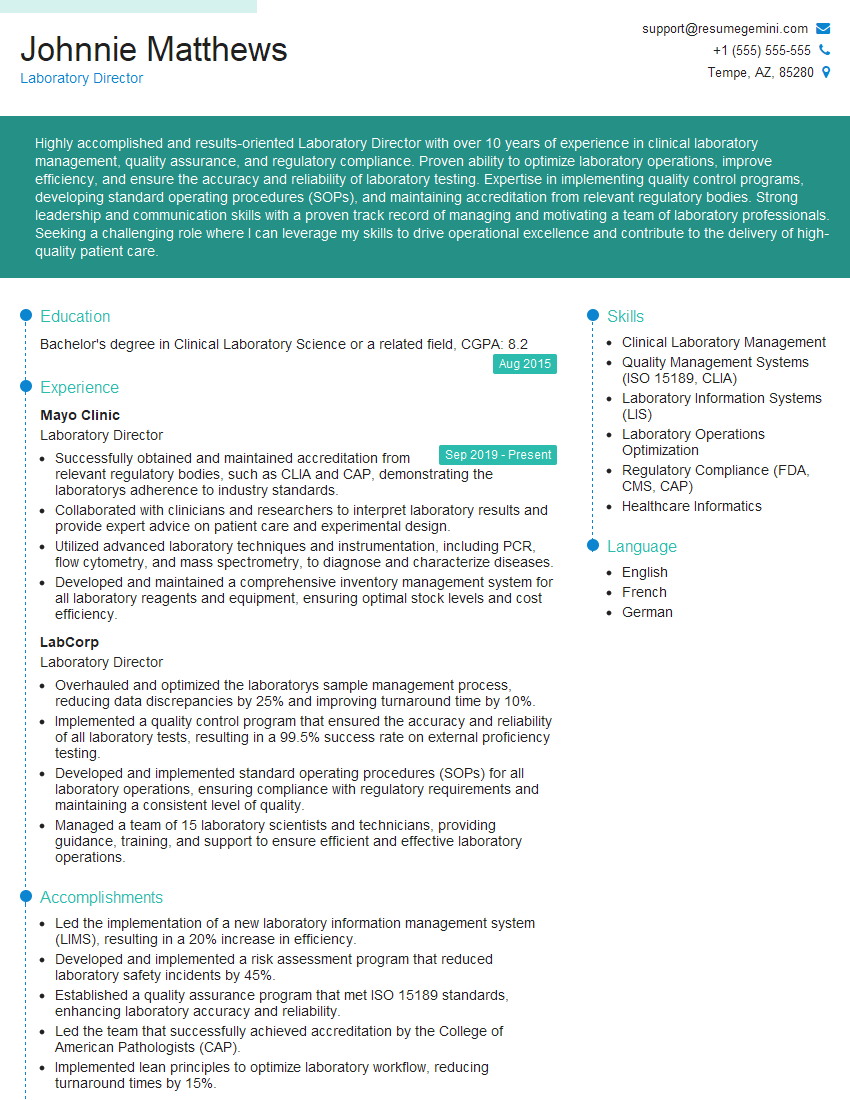
Laboratory Director Resume Sample
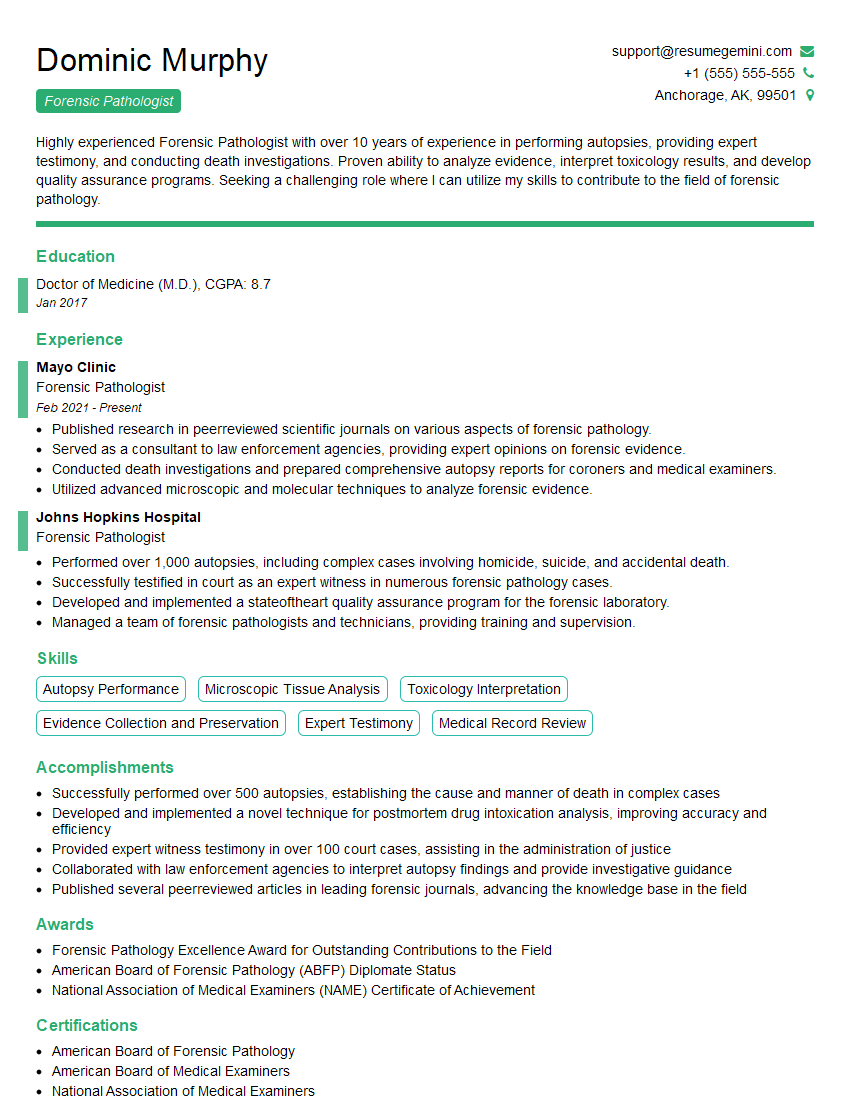
Forensic Pathologist Resume Sample
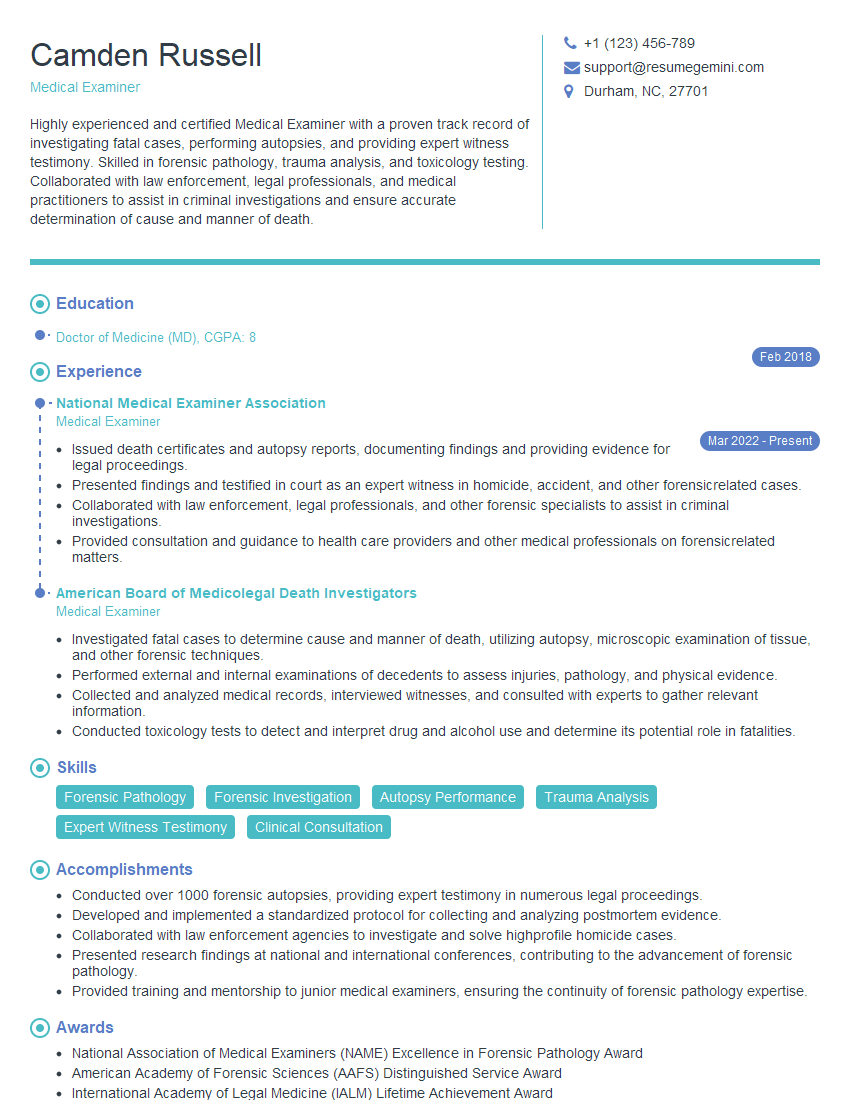
Medical Examiner Resume Sample
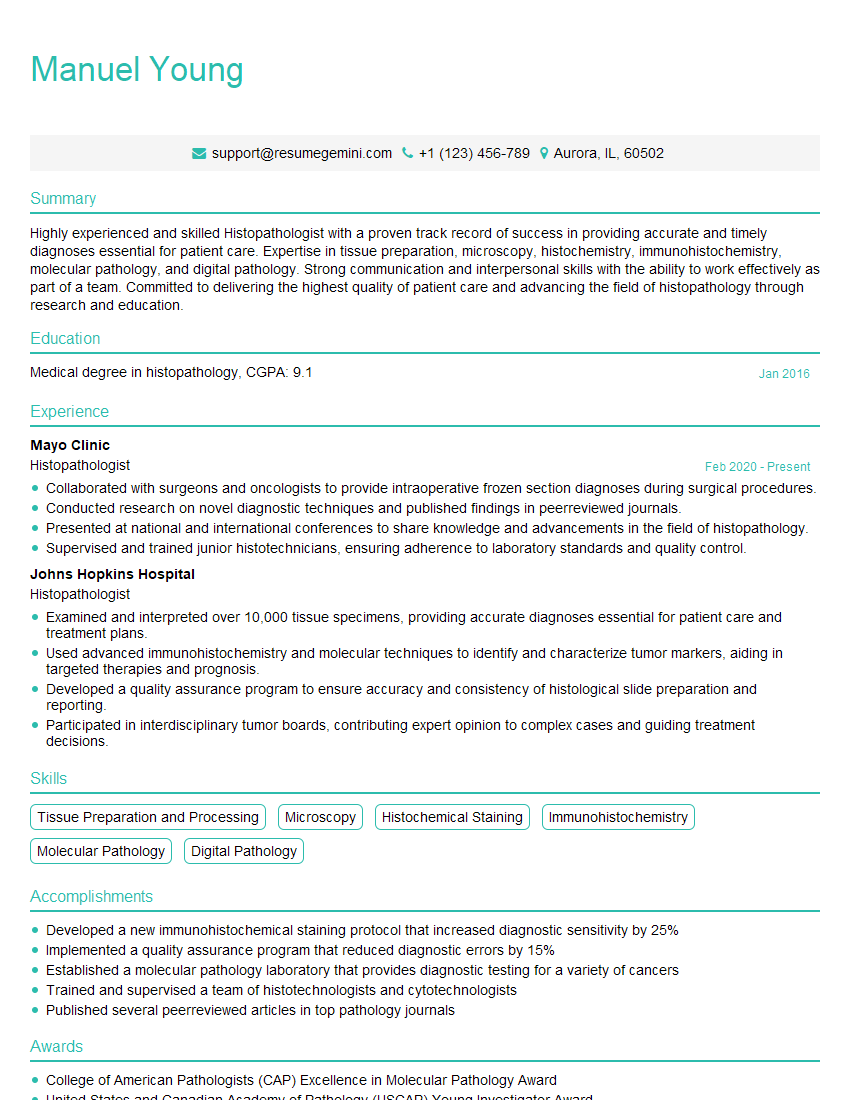
Histopathologist Resume Sample
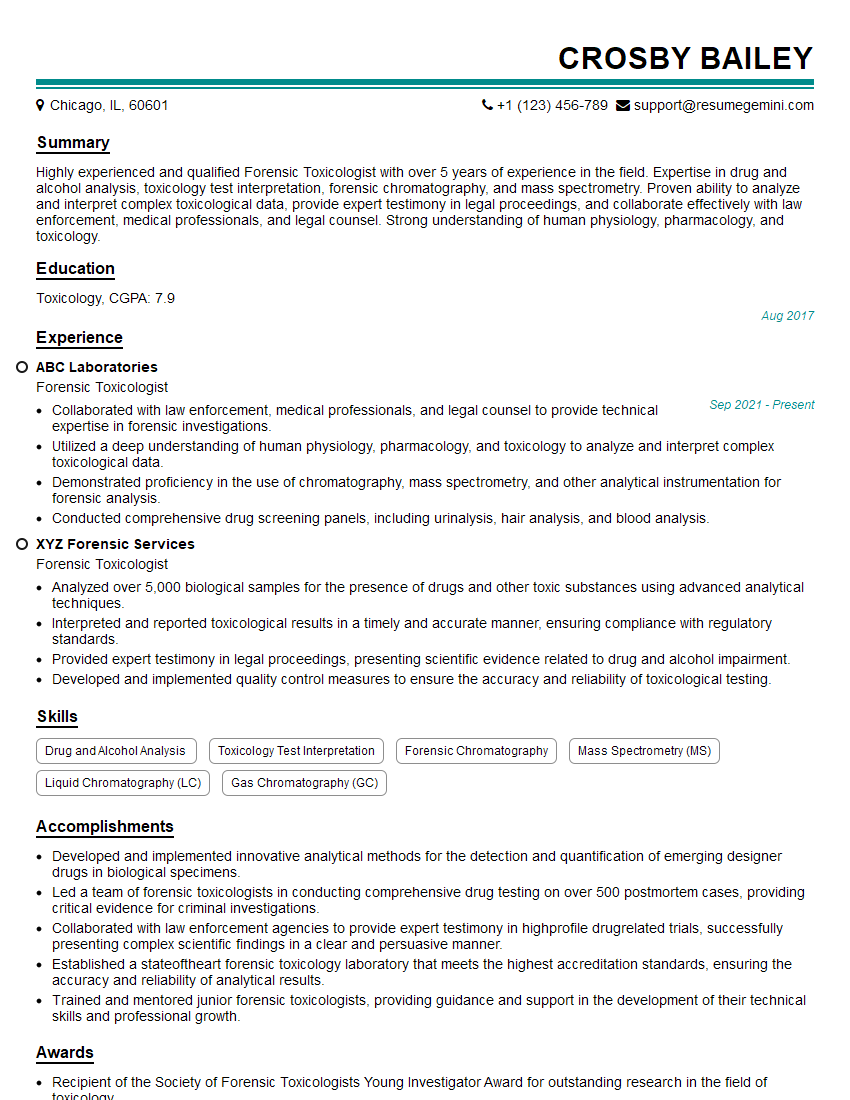
Forensic Toxicologist Resume Sample
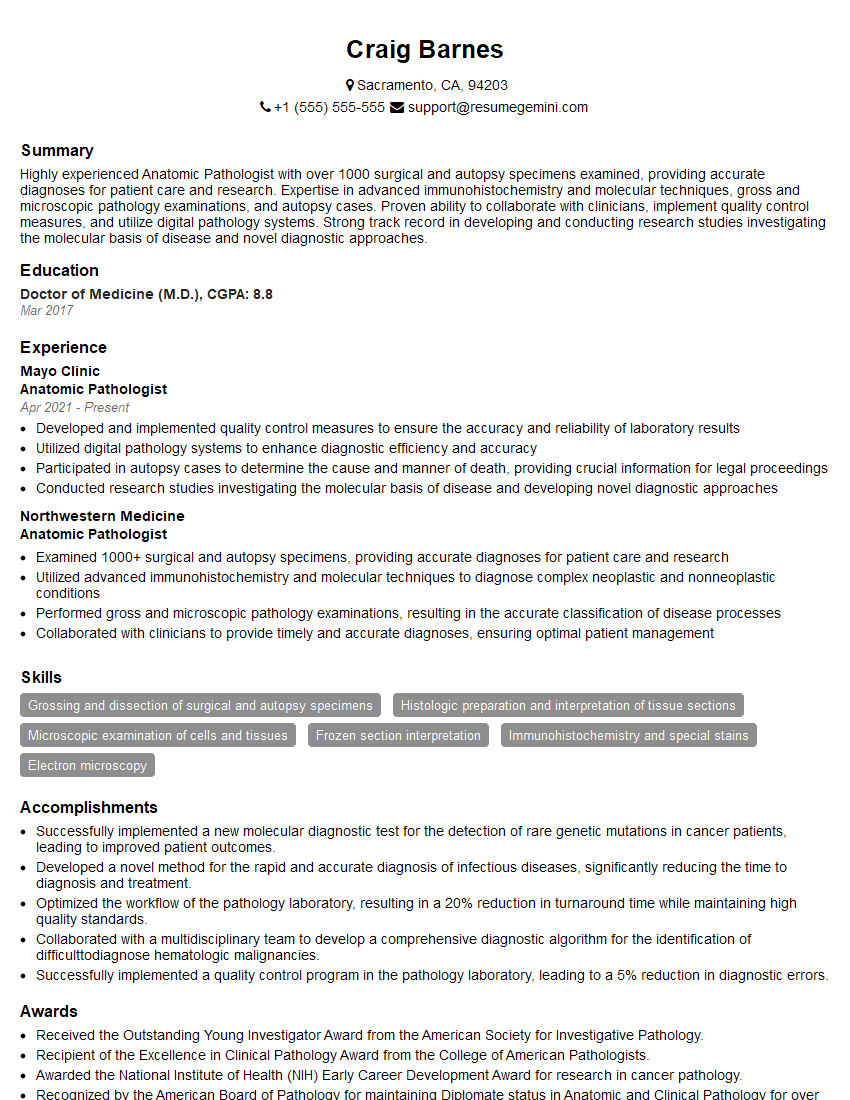
Anatomic Pathologist Resume Sample
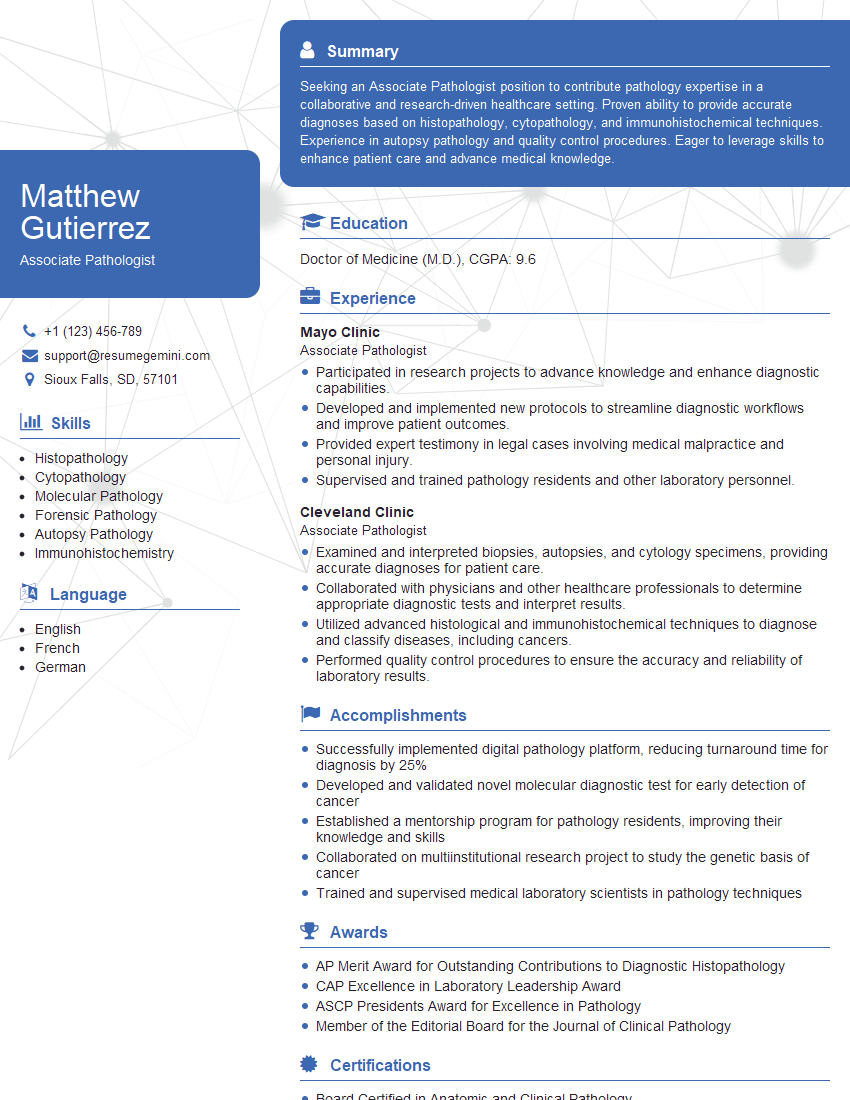
Associate Pathologist Resume Sample
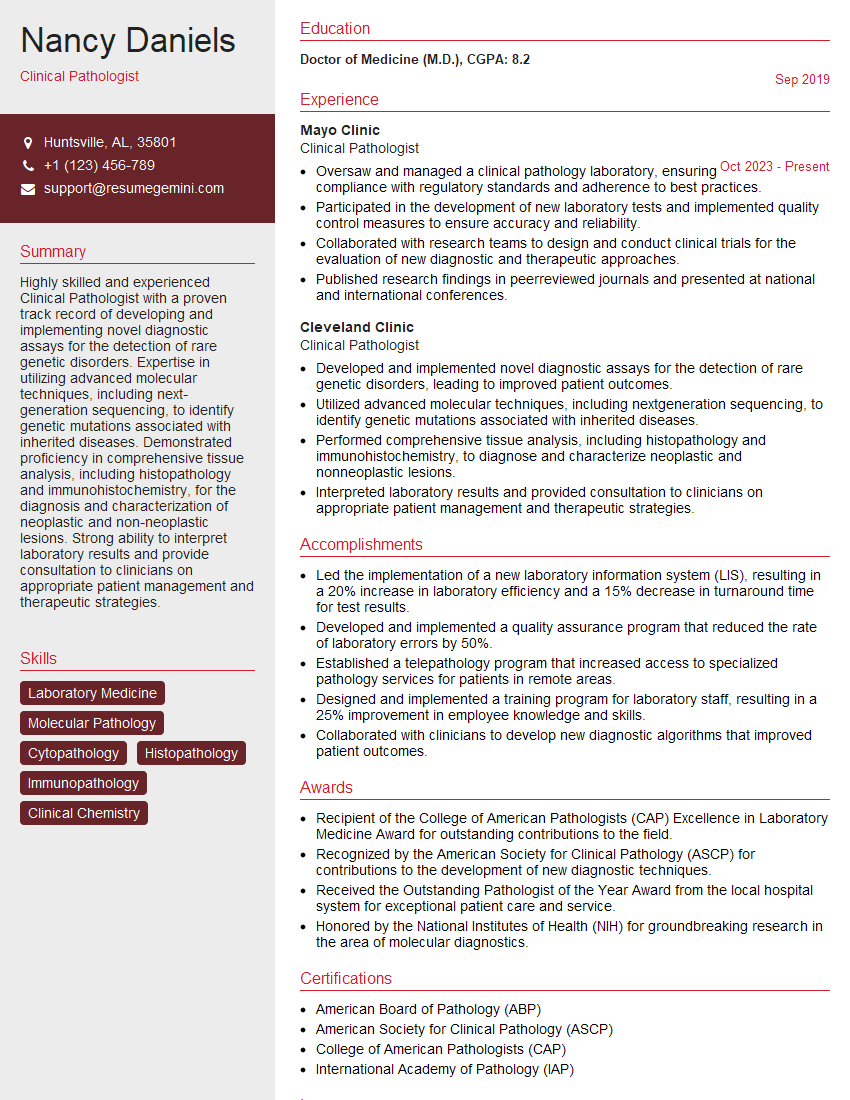
Clinical Pathologist Resume Sample
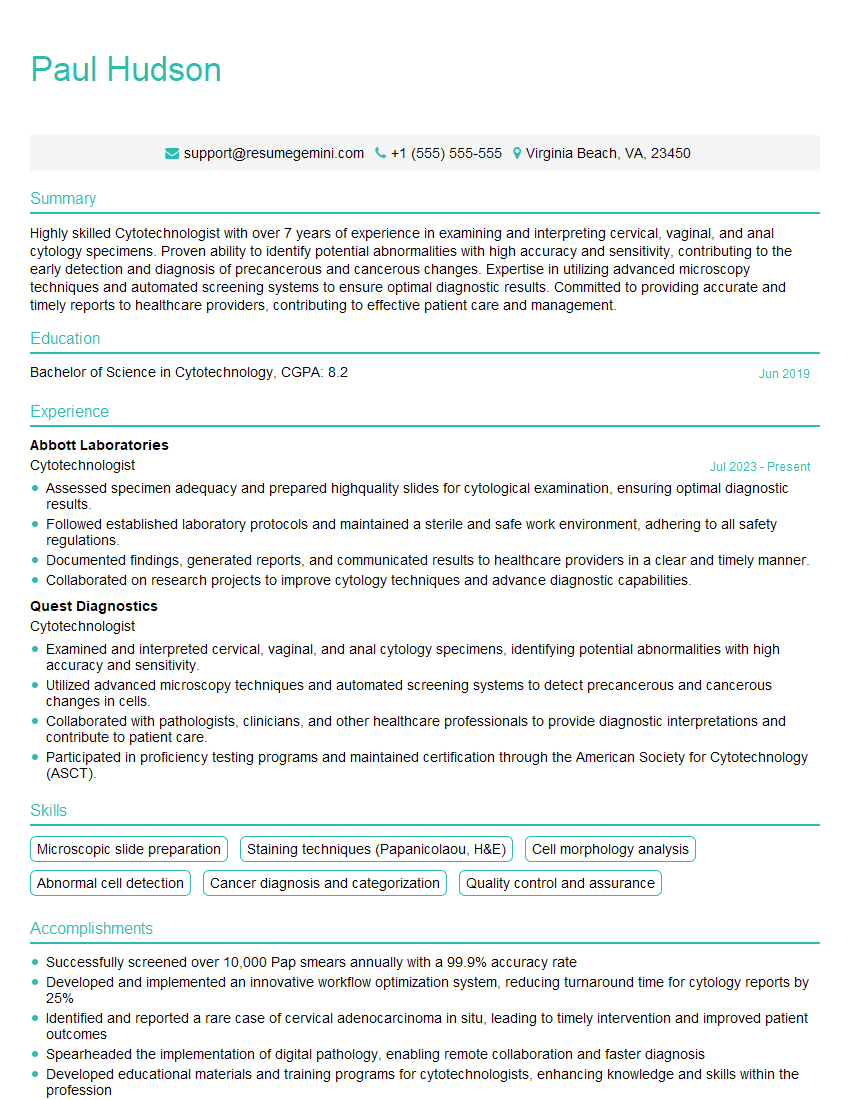
Cytotechnologist Resume Sample
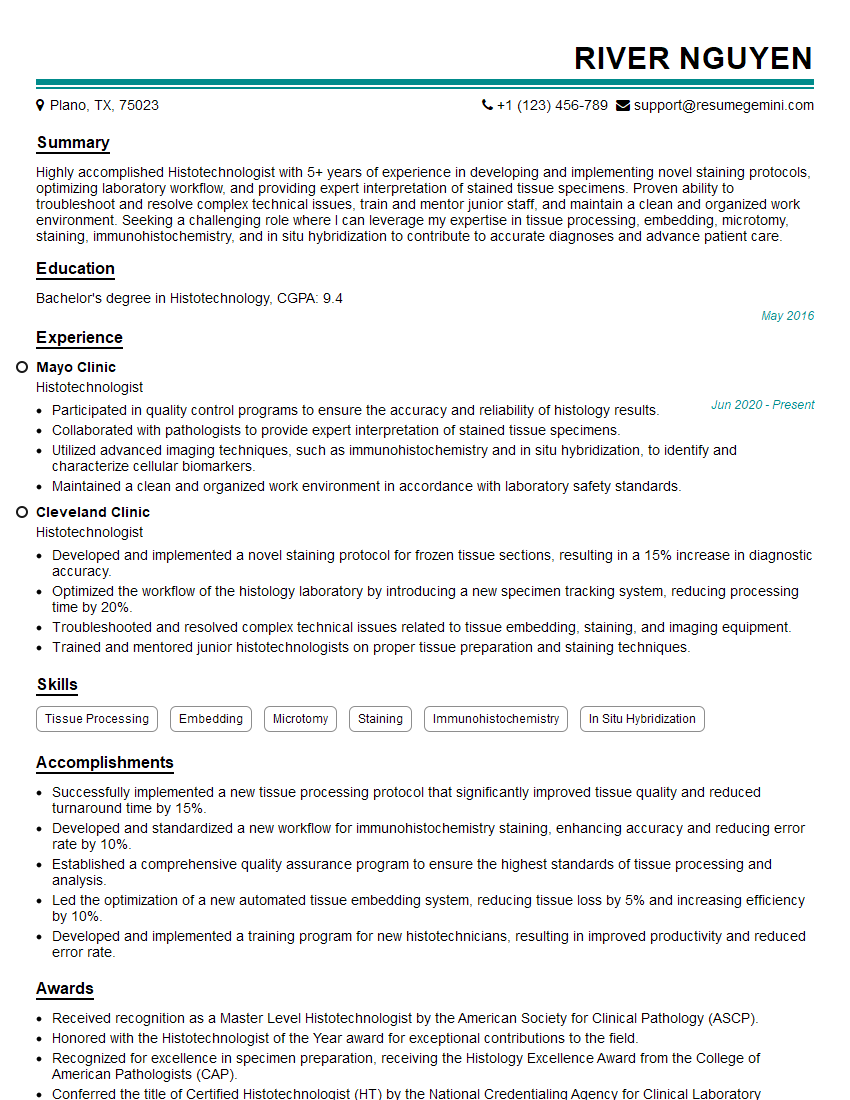
Histotechnologist Resume Sample
Explore more articles
Users Rating of Our Blogs
Share Your Experience
We value your feedback! Please rate our content and share your thoughts (optional).
What Readers Say About Our Blog
Amazing blog
Interesting Article, I liked the depth of knowledge you’ve shared.
Helpful, thanks for sharing.