The thought of an interview can be nerve-wracking, but the right preparation can make all the difference. Explore this comprehensive guide to Quantitative and Qualitative Risk Assessment interview questions and gain the confidence you need to showcase your abilities and secure the role.
Questions Asked in Quantitative and Qualitative Risk Assessment Interview
Q 1. Explain the difference between quantitative and qualitative risk assessment.
Quantitative and qualitative risk assessments are two approaches to understanding and managing risk, differing primarily in how they represent and analyze risk. Qualitative risk assessment uses descriptive terms (e.g., high, medium, low) to characterize the likelihood and impact of risks. It focuses on identifying and prioritizing risks based on subjective judgments and expert opinions. Think of it like using a color-coded system to represent risk levels – red for high, yellow for medium, green for low. Quantitative risk assessment, on the other hand, uses numerical data and statistical methods to express the likelihood and impact of risks. This allows for a more precise and objective assessment, often expressed in monetary terms. It’s like assigning specific numbers to the likelihood and impact of each risk, enabling more sophisticated analysis and comparison.
Q 2. Describe the process of performing a quantitative risk assessment.
Performing a quantitative risk assessment involves a systematic process:
- Risk Identification: Identify all potential risks relevant to the project or system.
- Data Collection: Gather data on the likelihood and impact of each risk. This could involve historical data, expert opinion, simulations, or a combination of methods.
- Risk Quantification: Assign numerical values to the likelihood and impact of each risk. Likelihood is often expressed as a probability (e.g., 0.1 or 10%), and impact can be monetary (e.g., $10,000 loss) or some other quantifiable measure.
- Risk Analysis: Calculate key risk metrics, such as Expected Monetary Value (EMV) or probability of exceeding a threshold. This step uses statistical methods to analyze the data.
- Risk Response Planning: Develop strategies to mitigate or transfer risks based on the analysis. This might involve purchasing insurance, implementing controls, or altering the project plan.
- Monitoring and Review: Regularly monitor the identified risks and their impacts throughout the project lifecycle, updating the assessment as needed.
For instance, a construction company might quantify the risk of rain delays by assigning a probability of rain during a specific period and calculating the associated cost overruns for each delay.
Q 3. What are some common quantitative risk analysis techniques?
Several common quantitative risk analysis techniques exist:
- Expected Monetary Value (EMV): A common method for calculating the potential financial impact of a risk.
- Decision Tree Analysis: A visual representation of different decision paths and their potential outcomes, allowing for the analysis of risks and opportunities.
- Monte Carlo Simulation: Uses random sampling to simulate the potential range of outcomes, providing a probability distribution for the overall project outcome.
- Sensitivity Analysis: Examines how changes in one variable (e.g., project duration) affect other variables (e.g., project cost) to identify key risk drivers.
Each technique is best suited for specific situations; for example, EMV is best suited for analyzing the financial aspects of risk, while Monte Carlo simulation is useful when dealing with multiple uncertain variables influencing the outcome.
Q 4. How do you calculate Expected Monetary Value (EMV)?
Expected Monetary Value (EMV) calculates the average financial outcome of a risk by multiplying the probability of the event occurring by its impact (typically a financial loss or gain).
The formula is: EMV = Probability of Event × Monetary Impact
Example: A project has a 20% chance of experiencing a $50,000 cost overrun due to a supplier delay. The EMV of this risk is 0.20 × $50,000 = $10,000. This means that, on average, the project can expect a $10,000 loss due to this specific risk.
Q 5. What are the limitations of quantitative risk assessment?
While powerful, quantitative risk assessment has limitations:
- Data Dependency: It relies heavily on accurate and reliable data, which may be unavailable or difficult to obtain. Inaccurate data can lead to flawed results.
- Complexity: For complex projects with numerous interconnected risks, quantitative analysis can become extremely complex and computationally intensive.
- Subjectivity in Data Assignment: Even in quantitative assessments, subjectivity can creep in when assigning probabilities and impact values.
- Oversimplification: Quantitative models often simplify reality, omitting crucial details or interactions that could significantly impact the results.
- Ignoring Non-Quantifiable Risks: Risks that are difficult to quantify (e.g., reputational damage) are often overlooked.
It is crucial to acknowledge these limitations and consider using qualitative methods to supplement the quantitative analysis.
Q 6. Describe the process of performing a qualitative risk assessment.
Qualitative risk assessment focuses on identifying and prioritizing risks using descriptive measures. The process generally includes:
- Risk Identification: Brainstorming sessions, checklists, and SWOT analysis can be employed to systematically identify potential risks.
- Risk Analysis: Assessing the likelihood and impact of each risk using qualitative scales (e.g., high, medium, low, or using a probability and impact matrix). This often involves expert judgment and discussions.
- Risk Prioritization: Ranking risks based on their likelihood and impact. Techniques like risk heatmaps or prioritization matrices are used to visualize and compare risks.
- Risk Response Planning: Developing strategies for responding to the highest-priority risks, which may include avoidance, mitigation, transfer, or acceptance.
- Risk Monitoring and Review: Regularly monitoring and reassessing the risks throughout the project to adapt to changing circumstances.
For example, a small business might use a qualitative assessment to identify and prioritize risks associated with launching a new product, focusing on factors like competition, market demand, and regulatory compliance. The assessment wouldn’t necessarily involve precise numerical values but rather a high-level evaluation of potential challenges.
Q 7. What are some common qualitative risk assessment techniques?
Common qualitative risk assessment techniques include:
- Risk Breakdown Structure (RBS): A hierarchical decomposition of risks into smaller, more manageable components.
- SWOT Analysis: Identifies Strengths, Weaknesses, Opportunities, and Threats related to a project or organization.
- Probability and Impact Matrix: A matrix that plots risks based on their likelihood and impact, allowing for visual prioritization.
- Expert Elicitation: Gathering opinions and judgments from experts through interviews, surveys, or workshops.
- Delphi Technique: A structured communication technique used to reach a consensus among experts on complex issues, including risk assessment.
The choice of technique depends on the specific context, available resources, and desired level of detail. Often a combination of methods is used for a comprehensive assessment.
Q 8. Explain the use of a risk matrix in qualitative risk assessment.
A risk matrix is a visual tool used in qualitative risk assessment to represent the likelihood and impact of identified risks. It’s essentially a grid where the likelihood (probability of occurrence) is plotted against the impact (severity of consequences) of each risk. Each axis is typically divided into categories (e.g., low, medium, high), allowing for a simple categorization of each risk.
For example, a risk matrix might show a ‘high likelihood, high impact’ risk as being in the upper right quadrant, while a ‘low likelihood, low impact’ risk would be in the lower left. This visual representation facilitates easy comparison and prioritization of risks. The resulting matrix provides a clear picture of the relative severity of different risks, guiding decision-making about risk mitigation strategies.
Consider a software development project. A risk matrix could show the likelihood of a bug going undetected during testing (likelihood: medium) and its impact on project delivery (impact: high). This would place it in a high-priority quadrant, requiring significant attention and mitigation efforts.
Q 9. How do you handle uncertainty in qualitative risk assessments?
Uncertainty is inherent in qualitative risk assessment, as it deals with subjective judgments rather than precise numerical data. To handle this, we employ several techniques. Firstly, we involve multiple experts in the risk identification and assessment process. This fosters a more comprehensive understanding and diverse perspectives on the likelihood and impact of potential risks. Secondly, we use techniques like Delphi method, where experts anonymously provide their estimates, which are then shared and refined through iterative rounds to achieve a degree of consensus. Thirdly, we employ sensitivity analysis. This involves exploring how changes in the perceived likelihood or impact of a particular risk could alter the overall risk profile. We might ask, ‘What if the likelihood is higher than initially estimated?’ This helps to understand the robustness of the assessment.
Imagine assessing the risk of a new competitor entering the market. Uncertainty abounds! By using expert opinions and exploring different scenarios (e.g., competitor’s marketing budget, product features), we can better understand the potential impact and likelihood and refine our risk assessment accordingly. A sensitivity analysis would help us identify which aspects of our assessment would most significantly impact our overall risk profile.
Q 10. What are the limitations of qualitative risk assessment?
While valuable, qualitative risk assessment has limitations. Primarily, it lacks the precision of quantitative assessment. The subjective nature of likelihood and impact ratings can lead to inconsistencies and biases amongst assessors. The use of broad categories (low, medium, high) can obscure subtle differences between risks. Moreover, qualitative assessments don’t readily lend themselves to the calculation of aggregate risk measures, making it difficult to compare the overall risk of different projects or strategies. Finally, the process can be time-consuming, particularly when dealing with a large number of risks and stakeholders.
For instance, two projects might both be classified as ‘high risk’ in a qualitative assessment, but one might actually pose a significantly greater threat than the other. A quantitative assessment could provide the necessary precision to differentiate these risks more effectively.
Q 11. How do you combine quantitative and qualitative risk assessments?
Combining quantitative and qualitative risk assessments is often the most effective approach. Qualitative assessment provides a broad overview and context, while quantitative assessment provides numerical precision. They are complementary, not mutually exclusive.
We can integrate them by starting with a qualitative assessment to identify potential risks and then using quantitative methods to estimate the likelihood and impact of these risks more precisely wherever possible. For instance, historical data or statistical modeling can provide numerical estimations for certain risks. The quantitative results can then be used to refine the qualitative risk matrix, making it more informative and actionable. For risks where quantitative data is unavailable or unreliable, the qualitative assessment remains essential.
In a construction project, qualitative assessment might identify the risk of bad weather delays. Quantitative methods, using historical weather data, could then be used to estimate the probability and duration of such delays, allowing for a more precise evaluation of the risk and its potential cost implications.
Q 12. How do you prioritize risks based on both quantitative and qualitative factors?
Prioritizing risks based on both quantitative and qualitative factors often involves a multi-criteria decision analysis (MCDA) approach. This integrates quantitative metrics (like expected monetary value or frequency of occurrence) with qualitative judgments (like reputational impact or regulatory consequences). A weighted scoring system is frequently used, assigning weights to different criteria based on their relative importance. Each risk is then scored according to each criterion, and the weighted scores are summed to generate an overall risk score. Risks are then prioritized based on these scores, with higher scores indicating higher priority.
For example, one risk might have a high expected monetary value but a low qualitative impact on brand reputation, while another may have a lower expected monetary value but a significantly higher negative impact on brand reputation. By using a weighted scoring system, we can account for both these factors when prioritizing mitigation efforts.
Q 13. Explain the concept of risk tolerance.
Risk tolerance refers to the level of risk an organization or individual is willing to accept in pursuit of its objectives. It defines the acceptable range of potential losses or negative outcomes. It’s a crucial concept because it guides decision-making regarding risk management strategies. A high risk tolerance might lead to the acceptance of more significant risks in exchange for the potential for greater rewards. Conversely, a low risk tolerance emphasizes risk aversion and the implementation of robust risk mitigation measures even if it limits potential rewards.
Establishing risk tolerance requires careful consideration of the organization’s risk appetite (the overall level of risk it is willing to take), its financial capacity, and the potential consequences of different risk levels. This often involves defining clear thresholds and acceptable loss levels.
A startup might have a higher risk tolerance than a well-established corporation because the potential rewards of innovation might outweigh the higher level of inherent risk. This risk tolerance is crucial in strategic decision making.
Q 14. How do you communicate risk effectively to different stakeholders?
Effective risk communication is crucial to successful risk management. The key is tailoring the message to the specific audience and their level of understanding. Technical stakeholders might require detailed quantitative data and analyses, while senior management may prefer high-level summaries and visual representations of key risks.
For technical audiences, use charts, graphs, and statistical data to communicate risk levels precisely. For non-technical audiences, use clear and concise language, avoiding jargon. Visual aids like risk matrices and heatmaps can be extremely effective. Furthermore, engage in active listening to understand the audience’s concerns and address their questions directly. Finally, document all risk communication and decision-making processes transparently.
When communicating a risk of a data breach to a board of directors, you might provide a high-level overview, highlighting the potential financial and reputational impact. However, to the IT team, you would provide a detailed technical analysis of vulnerabilities and mitigation strategies.
Q 15. What are some common risk mitigation strategies?
Risk mitigation strategies aim to reduce the likelihood or impact of identified risks. These strategies aren’t one-size-fits-all; the best approach depends on the specific risk and its context. Common strategies include:
- Risk Avoidance: Completely avoiding activities or decisions that could lead to the risk. For example, a company might decide not to enter a new market if the political risks are deemed too high.
- Risk Reduction: Implementing measures to lower the probability of the risk occurring. This could involve improving safety protocols in a factory to reduce workplace accidents or investing in robust cybersecurity to minimize data breaches.
- Risk Transfer: Shifting the risk to a third party, typically through insurance or outsourcing. For example, a construction company might purchase liability insurance to transfer the financial risk associated with potential accidents.
- Risk Retention: Accepting the risk and setting aside funds to cover potential losses. This is often used for low-probability, low-impact risks where the cost of mitigation outweighs the potential loss. A small business might retain the risk of minor equipment malfunctions rather than paying for expensive maintenance contracts.
- Risk Acceptance: Acknowledging the risk and deciding to do nothing. This is suitable for risks with very low probability or impact where the cost of mitigation is excessive.
The choice of mitigation strategy needs careful consideration, balancing the cost of implementation against the potential impact of the risk.
Career Expert Tips:
- Ace those interviews! Prepare effectively by reviewing the Top 50 Most Common Interview Questions on ResumeGemini.
- Navigate your job search with confidence! Explore a wide range of Career Tips on ResumeGemini. Learn about common challenges and recommendations to overcome them.
- Craft the perfect resume! Master the Art of Resume Writing with ResumeGemini’s guide. Showcase your unique qualifications and achievements effectively.
- Don’t miss out on holiday savings! Build your dream resume with ResumeGemini’s ATS optimized templates.
Q 16. How do you monitor and control risks over time?
Monitoring and controlling risks is an ongoing process, not a one-time event. It involves consistently tracking the effectiveness of mitigation strategies and adapting to changing circumstances. Key steps include:
- Regular Risk Reviews: Scheduled reviews (e.g., monthly, quarterly) to assess the current risk landscape, update risk assessments, and evaluate the performance of mitigation strategies.
- Key Risk Indicator (KRI) Monitoring: Tracking metrics that signal potential problems. For instance, a rise in customer complaints might indicate a growing risk of reputational damage. These KRIs should be tailored to the specific risks being monitored.
- Incident Reporting and Analysis: Establishing a system for reporting and analyzing incidents or near misses. This helps identify vulnerabilities and improve risk management processes. Root cause analysis is crucial in this step.
- Adaptive Risk Management: Regularly reviewing and updating risk assessments and mitigation strategies based on new information, changing circumstances, and lessons learned. This is especially important in dynamic environments.
- Communication and Collaboration: Effective communication across teams and stakeholders is crucial for effective risk monitoring and control. Regular updates, sharing of information, and collaborative decision-making enhance the process.
Imagine a project management scenario: The team regularly tracks budget variances (a KRI) against the planned budget. If the variance exceeds a pre-defined threshold, they trigger a review to identify the causes and adjust the project plan accordingly.
Q 17. Describe a situation where you had to make a critical decision based on risk assessment.
During a project to launch a new software product, we faced a critical decision regarding a potential security vulnerability discovered late in the development cycle. A thorough risk assessment revealed a high probability of exploitation and significant potential consequences, including data breaches, financial losses, and reputational damage. The quantitative assessment showed a high risk score, while the qualitative assessment highlighted the negative impact on user trust and the legal ramifications.
We had three options: 1) Release the product as planned and address the vulnerability with a patch after launch. 2) Delay the launch to fix the vulnerability. 3) Abandon the project. After a comprehensive risk assessment and discussion with stakeholders, including legal, marketing, and development teams, we opted to delay the launch to fully address the vulnerability. This decision, although costly in terms of delayed revenue, mitigated the potentially much higher costs associated with a security breach.
Q 18. What software or tools are you familiar with for risk assessment?
I’m proficient in several software tools and techniques for risk assessment. These include:
- Spreadsheet Software (Excel, Google Sheets): For creating and maintaining risk registers, performing basic quantitative analyses (e.g., calculating risk scores), and tracking key risk indicators.
- Risk Management Software (e.g., Archer, MetricStream): These tools provide more sophisticated capabilities for risk identification, analysis, monitoring, and reporting, often including features for collaborative risk management.
- Project Management Software (e.g., Jira, Asana): These tools can be integrated with risk management processes to track risks associated with projects and tasks.
- Monte Carlo Simulation Software: Useful for quantitative risk assessment, allowing for the simulation of uncertain variables and the generation of probability distributions of potential outcomes.
The choice of software depends on the complexity of the risk assessment and the resources available. For simpler projects, spreadsheet software might suffice, while complex projects might require specialized risk management software.
Q 19. How do you handle conflicting risk assessments?
Conflicting risk assessments often arise from differences in perspectives, methodologies, or data used. Resolving such conflicts requires a structured approach:
- Identify the Sources of Discrepancy: Carefully examine the different assessments to determine the reasons for the disagreement. This might involve comparing data sources, methodologies, assumptions, and the weighting given to different risk factors.
- Gather Additional Data: If the disagreement stems from a lack of data or incomplete information, gather additional evidence to inform the assessment.
- Engage in Collaborative Discussion: Facilitate a discussion among the individuals or teams involved in the assessments. Encourage open communication and a thorough exchange of perspectives to reach a consensus. Mediation might be helpful in complex situations.
- Apply Expert Judgment: If the conflict cannot be resolved through discussion and data analysis, seek input from experienced risk professionals to provide an independent evaluation.
- Document the Resolution: Clearly document the reasons for the conflict, the steps taken to resolve it, and the final agreed-upon assessment.
Remember, the goal is to find the most informed and defensible assessment, not necessarily to achieve complete agreement on every detail. A well-documented process is crucial to provide transparency and accountability.
Q 20. Describe your experience with developing risk registers.
I have extensive experience developing and managing risk registers. A risk register is a central repository for documenting identified risks, their associated likelihood and impact, mitigation strategies, owners, and status. My approach involves:
- Risk Identification: Utilizing brainstorming sessions, checklists, and historical data to identify potential risks.
- Risk Analysis: Performing both qualitative (using scales for likelihood and impact) and quantitative (e.g., using Monte Carlo simulation) risk analysis to assess the severity of each risk.
- Risk Prioritization: Ranking risks based on their overall severity (often calculated as likelihood x impact) to focus efforts on the most critical issues.
- Risk Response Planning: Developing appropriate mitigation strategies for each risk, assigning owners, and setting timelines for implementation.
- Risk Register Maintenance: Regularly updating the risk register to reflect changes in the risk landscape, progress on mitigation efforts, and any new risks identified.
- Reporting and Communication: Creating reports and visualizations to communicate risk information to stakeholders and management.
I have used various formats for risk registers, including spreadsheet software and dedicated risk management software, depending on the project’s needs and complexity. Effective risk registers improve communication, transparency, and accountability in risk management.
Q 21. What are key performance indicators (KPIs) you would track for risk management?
The KPIs for risk management depend on the organization’s specific goals and context, but some commonly tracked KPIs include:
- Number of Risks Identified: Tracks the effectiveness of the risk identification process. A consistently high number might indicate insufficient controls or a lack of awareness.
- Number of High-Priority Risks: Focuses on the most critical risks. A high number might necessitate a more comprehensive risk mitigation plan.
- Number of Risks Mitigated: Measures the success of mitigation efforts. Low numbers indicate problems with the implementation or effectiveness of the strategies.
- Cost of Risk Mitigation: Tracks the financial resources allocated to mitigating risks. Helps to assess the efficiency of risk management processes.
- Time to Resolve Risks: Measures the speed of responding to and resolving identified risks. Long times suggest inefficiencies in the risk response process.
- Number of Risk-Related Incidents: Tracks the frequency of incidents or near misses. High numbers indicate potential weaknesses in controls.
- Residual Risk Level: Represents the level of risk remaining after mitigation efforts. High levels indicate that further action is needed.
By tracking these KPIs, organizations can monitor the effectiveness of their risk management program, identify areas for improvement, and make data-driven decisions to enhance their risk profile.
Q 22. How do you ensure the accuracy and reliability of risk data?
Ensuring the accuracy and reliability of risk data is paramount in effective risk management. It involves a multi-faceted approach focusing on data quality, source validation, and methodological rigor.
Data Quality: This starts with defining clear data requirements. What metrics are truly relevant to the risks we’re assessing? Are we using consistent units of measure? Are data points timely and relevant? Regular data cleansing and validation processes are vital to remove outliers, inaccuracies, and inconsistencies. For example, if we’re assessing financial risk, we wouldn’t use outdated exchange rates.
Source Validation: Where is our data coming from? Are the sources reputable and reliable? Cross-referencing data from multiple independent sources is crucial to verifying its accuracy. For instance, in a supply chain risk assessment, relying on only a single supplier’s self-reported data would be risky. We need to corroborate their claims through industry reports or third-party audits.
Methodological Rigor: Choosing the right statistical methods and analytical techniques is crucial. Understanding the limitations of different methods is vital. For example, using simple averages when data is heavily skewed could lead to misleading conclusions. We might employ more robust statistical measures like median or weighted averages. Proper documentation of the methodology employed is essential for transparency and auditability.
Ultimately, continuous monitoring and improvement of the data collection and analysis process is key to achieving reliable risk assessments. Regularly reviewing the accuracy and timeliness of the data, as well as the suitability of the analytical methods, are crucial steps.
Q 23. Explain the role of risk appetite in organizational decision-making.
Risk appetite defines the level of risk an organization is willing to accept in pursuit of its strategic objectives. It acts as a crucial guide in organizational decision-making, providing a framework for balancing risk and return. Think of it as the organization’s risk tolerance level.
A well-defined risk appetite helps organizations:
Prioritize Initiatives: Projects or investments falling outside the defined risk appetite might be rejected, even if potentially profitable, as they represent too much uncertainty. Conversely, projects aligning perfectly with the appetite might be prioritized.
Allocate Resources: Understanding risk appetite enables efficient allocation of resources to risk mitigation strategies. High-risk ventures might need more investment in controls, while lower-risk projects might require less oversight.
Make Consistent Decisions: Risk appetite provides a consistent framework for decision-making across different departments and levels of the organization, reducing inconsistencies and promoting alignment.
Enhance Transparency: A clearly articulated risk appetite promotes transparency, allowing stakeholders (investors, regulators) to understand the organization’s risk-taking philosophy.
For example, a start-up might have a higher risk appetite than an established corporation. A start-up might be willing to accept significant uncertainty in pursuit of rapid growth, while the established corporation would prioritize stability and predictability.
Q 24. How do you identify and assess emerging risks?
Identifying and assessing emerging risks requires a proactive and forward-looking approach. It’s not enough to simply react to events; we need to anticipate them.
Environmental Scanning: Regularly monitoring the external environment (political, economic, social, technological, environmental, legal) is crucial for spotting potential risks. This involves analyzing news reports, industry publications, regulatory changes, and technological advancements.
Scenario Planning: Developing different plausible future scenarios helps explore potential impacts of emerging risks. This includes both positive and negative scenarios, allowing for a more robust and comprehensive assessment.
Expert Panels and Workshops: Bringing together experts from various fields can provide valuable insights and perspectives on emerging risks. Facilitated workshops can foster creative thinking and identify blind spots.
Data Analytics and Predictive Modeling: Advanced data analytics techniques and predictive modeling can help identify patterns and trends that might indicate emerging risks. For example, analyzing social media sentiment can help detect early warning signs of reputational risks.
For instance, the COVID-19 pandemic highlighted the vulnerability of global supply chains, which was an emerging risk that many organizations hadn’t adequately addressed. Proactive monitoring of global health risks and supply chain diversification could have helped mitigate the impact of the pandemic.
Q 25. What is your understanding of regulatory frameworks related to risk management?
Regulatory frameworks related to risk management vary widely depending on the industry and geographic location. However, common threads exist across many jurisdictions. The goal is to ensure organizations effectively manage risks that could impact customers, the environment, or the broader economy.
Financial Services: Regulations like Basel III (for banking) and Solvency II (for insurance) mandate rigorous risk management frameworks, including capital adequacy requirements and stress testing. These regulations aim to protect financial stability.
Healthcare: HIPAA (in the US) and GDPR (in Europe) focus on protecting patient data and privacy. Organizations must implement robust security measures to mitigate data breaches and ensure compliance.
Environmental, Social, and Governance (ESG): Growing emphasis on ESG factors is leading to increased regulatory scrutiny of environmental and social risks. Organizations are expected to report on their ESG performance and demonstrate responsible practices.
Understanding the specific regulatory landscape is crucial for any organization. Failure to comply can lead to significant financial penalties, reputational damage, and even legal action. Staying updated on regulatory changes and ensuring compliance is an ongoing responsibility.
Q 26. Describe your experience with performing scenario planning for risk management.
Scenario planning is a powerful tool for proactively assessing risks. My approach involves a structured process:
Identify Key Drivers of Uncertainty: What are the major factors that could significantly impact our organization? This might involve geopolitical events, technological disruptions, or changes in consumer behavior.
Develop Plausible Scenarios: Based on the identified uncertainty drivers, we develop different scenarios, ranging from optimistic to pessimistic. This might involve quantitative modeling or qualitative narrative development.
Assess the Impact of Each Scenario: For each scenario, we evaluate its potential impact on the organization’s objectives and operations. This involves considering financial, operational, reputational, and other relevant consequences.
Develop Contingency Plans: Based on the scenario analysis, we develop contingency plans to address potential risks and capitalize on opportunities. These plans should be specific, measurable, achievable, relevant, and time-bound (SMART).
Monitor and Update: Scenario planning is not a one-time exercise. We regularly monitor the environment and update our scenarios as new information becomes available.
For example, in a recent project for a manufacturing company, we developed scenarios around potential supply chain disruptions due to climate change. This allowed the company to identify vulnerable areas and implement strategies for greater resilience.
Q 27. How do you incorporate stakeholder perspectives into risk assessments?
Incorporating stakeholder perspectives is essential for a comprehensive risk assessment. It ensures that the assessment considers a wider range of viewpoints and potential impacts.
Identify Key Stakeholders: Who are the individuals or groups that could be affected by the risks we are assessing? This might include employees, customers, suppliers, investors, regulators, and communities.
Gather Stakeholder Input: Employ various methods to gather input, such as surveys, interviews, focus groups, and workshops. This allows stakeholders to share their insights and concerns.
Analyze Stakeholder Perspectives: Systematically analyze the information gathered to understand different perspectives on the likelihood and impact of various risks. Consider any potential conflicts or disagreements.
Integrate into Risk Assessment: Integrate stakeholder input into the risk assessment process. This could involve adjusting the likelihood and impact assessments or identifying new risks that weren’t initially considered.
Communicate Findings: Communicate the findings of the risk assessment to all relevant stakeholders, ensuring transparency and buy-in.
For example, during a risk assessment for a new product launch, we conducted customer surveys to understand potential concerns regarding safety and usability. This input helped us refine the design and mitigate potential risks before the product went to market.
Q 28. Explain your approach to developing a comprehensive risk management plan.
Developing a comprehensive risk management plan involves a systematic approach:
Establish Context: Clearly define the scope of the risk management plan, identifying the specific objectives, assets, and stakeholders involved.
Risk Identification: Systematically identify potential risks using various techniques such as brainstorming, checklists, and HAZOP (Hazard and Operability) studies. This should cover all relevant areas, including operational, financial, strategic, and reputational risks.
Risk Analysis and Evaluation: Analyze the identified risks to determine their likelihood and potential impact. Use appropriate qualitative or quantitative methods, such as risk matrices or Monte Carlo simulations.
Risk Response Planning: Develop strategies to address the identified risks. This could involve risk avoidance, mitigation, transfer, or acceptance. For each risk, select the most appropriate response based on its likelihood, impact, and cost-effectiveness of mitigation.
Risk Monitoring and Review: Implement a system for monitoring and reviewing the effectiveness of the risk management plan. Regularly track key risk indicators, conduct periodic reviews, and update the plan as necessary.
Communication and Reporting: Establish clear communication channels to keep stakeholders informed about risk management activities. Regularly report on the status of risks and the effectiveness of the implemented responses.
The resulting plan should be a living document, regularly updated to reflect changes in the internal and external environment. A well-defined plan provides a framework for managing risks effectively and achieving organizational objectives.
Key Topics to Learn for Quantitative and Qualitative Risk Assessment Interview
- Quantitative Risk Assessment: Understanding and applying statistical methods like probability distributions (normal, binomial, Poisson), Monte Carlo simulations, and sensitivity analysis to quantify risk.
- Practical Application (Quantitative): Calculating Expected Monetary Value (EMV), using risk registers to track and manage identified risks, and developing risk response plans based on quantitative analysis.
- Qualitative Risk Assessment: Mastering techniques like risk matrix development (probability vs. impact), SWOT analysis, and stakeholder analysis to evaluate risk based on subjective judgment.
- Practical Application (Qualitative): Facilitating risk workshops, conducting expert interviews to gather qualitative data, and effectively communicating risk findings to diverse stakeholders.
- Risk Identification Techniques: Familiarize yourself with various methods for identifying potential risks, including brainstorming, checklists, and cause-and-effect diagrams (e.g., Ishikawa diagrams).
- Risk Response Strategies: Thoroughly understand and be able to articulate the four main risk response strategies: avoidance, mitigation, transference, and acceptance. Be prepared to discuss when each strategy is most appropriate.
- Key Performance Indicators (KPIs) and Risk Appetite: Understand how KPIs are used to monitor and manage risk, and how risk appetite influences risk tolerance and decision-making.
- Regulatory Compliance and Risk Frameworks: Demonstrate familiarity with relevant industry standards and frameworks (e.g., ISO 31000) related to risk management.
- Data Analysis and Visualization for Risk Reporting: Show your ability to effectively present risk information using charts, graphs, and other visual tools.
Next Steps
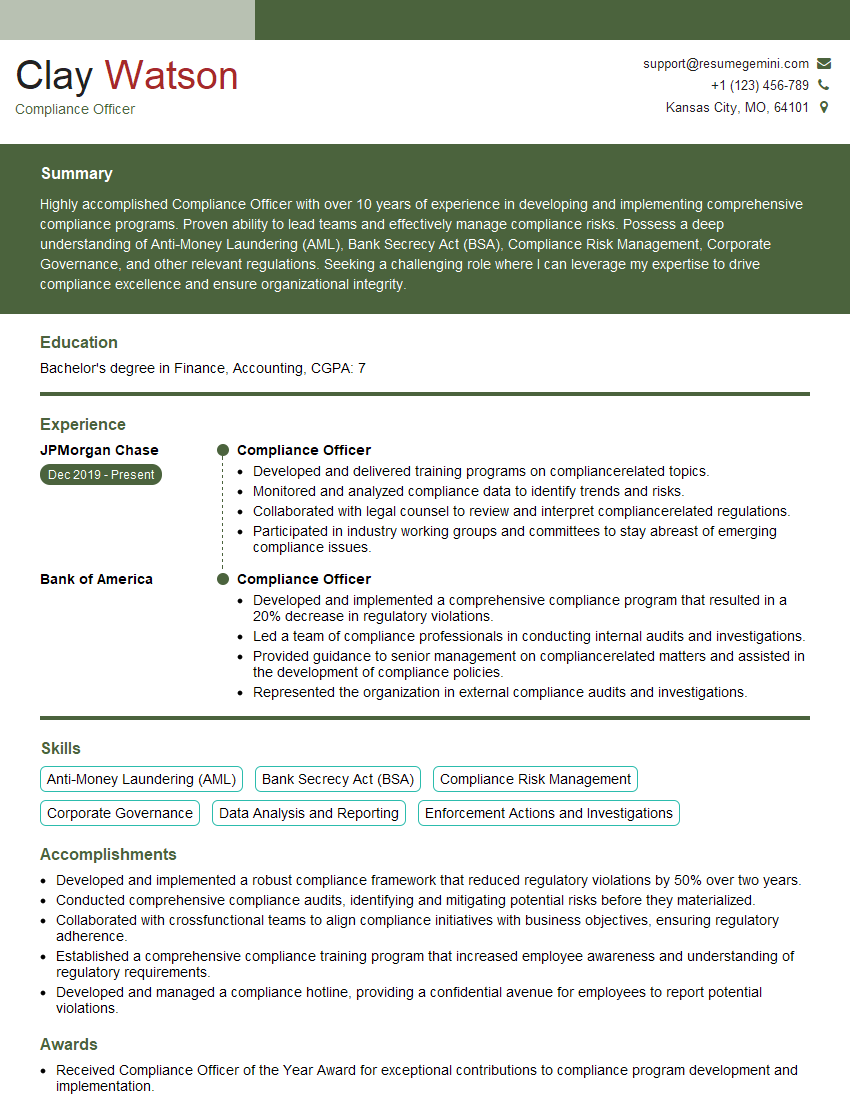
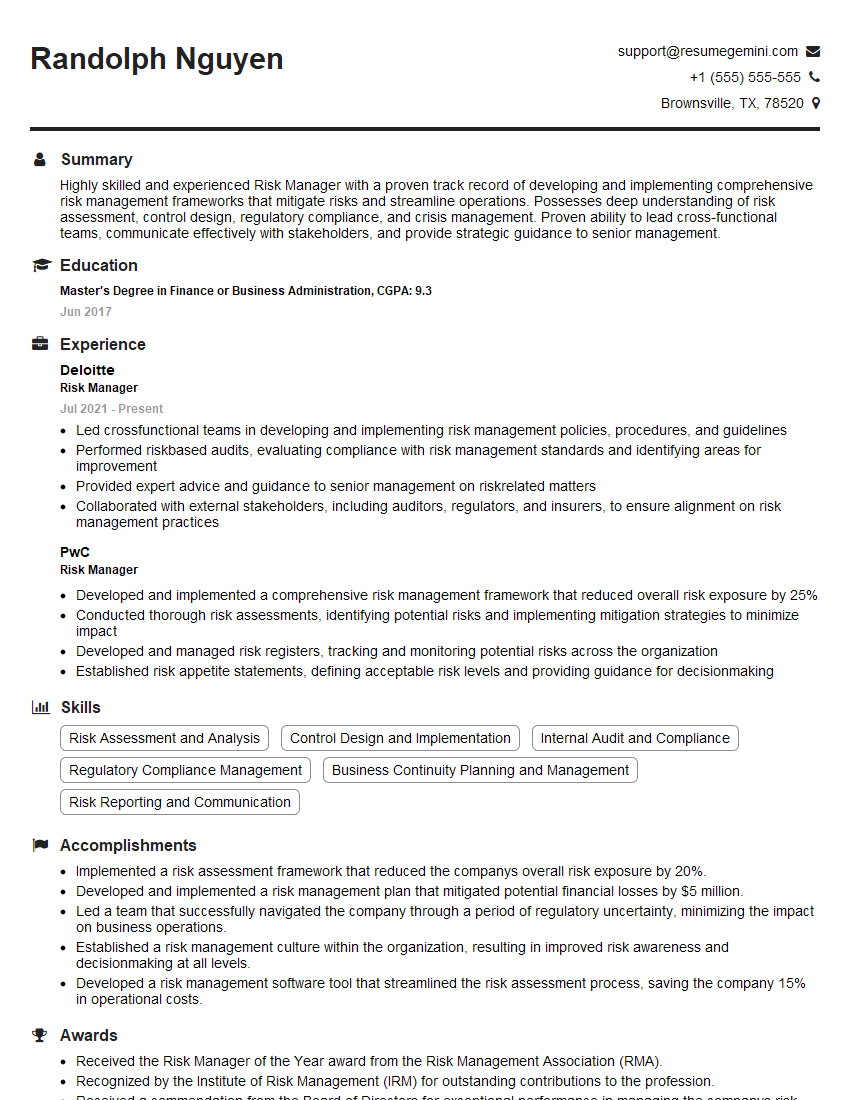
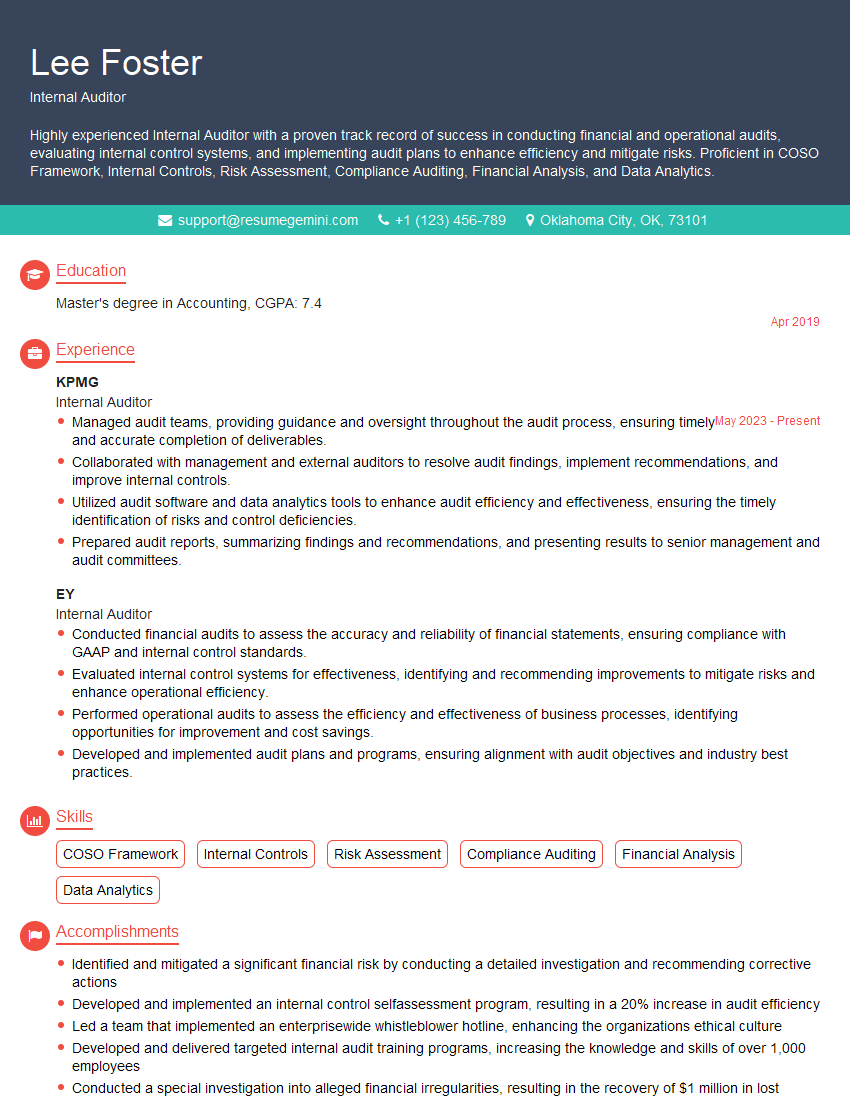
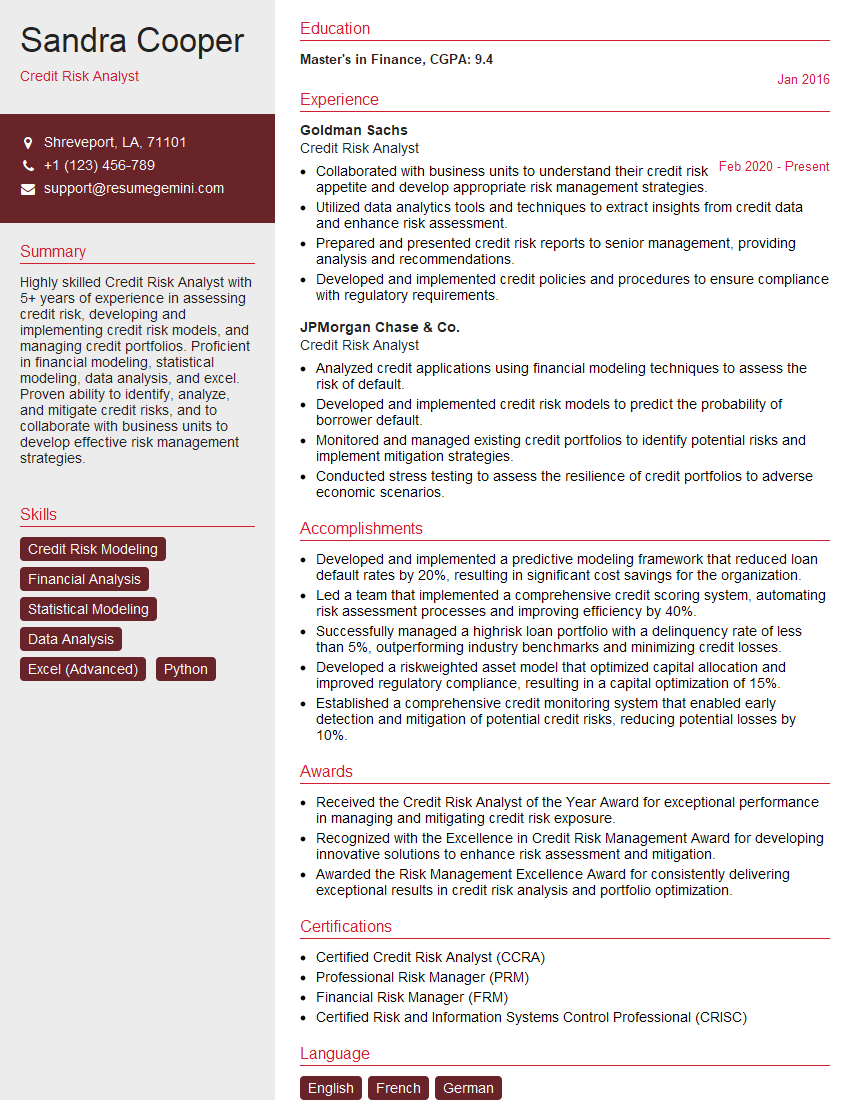
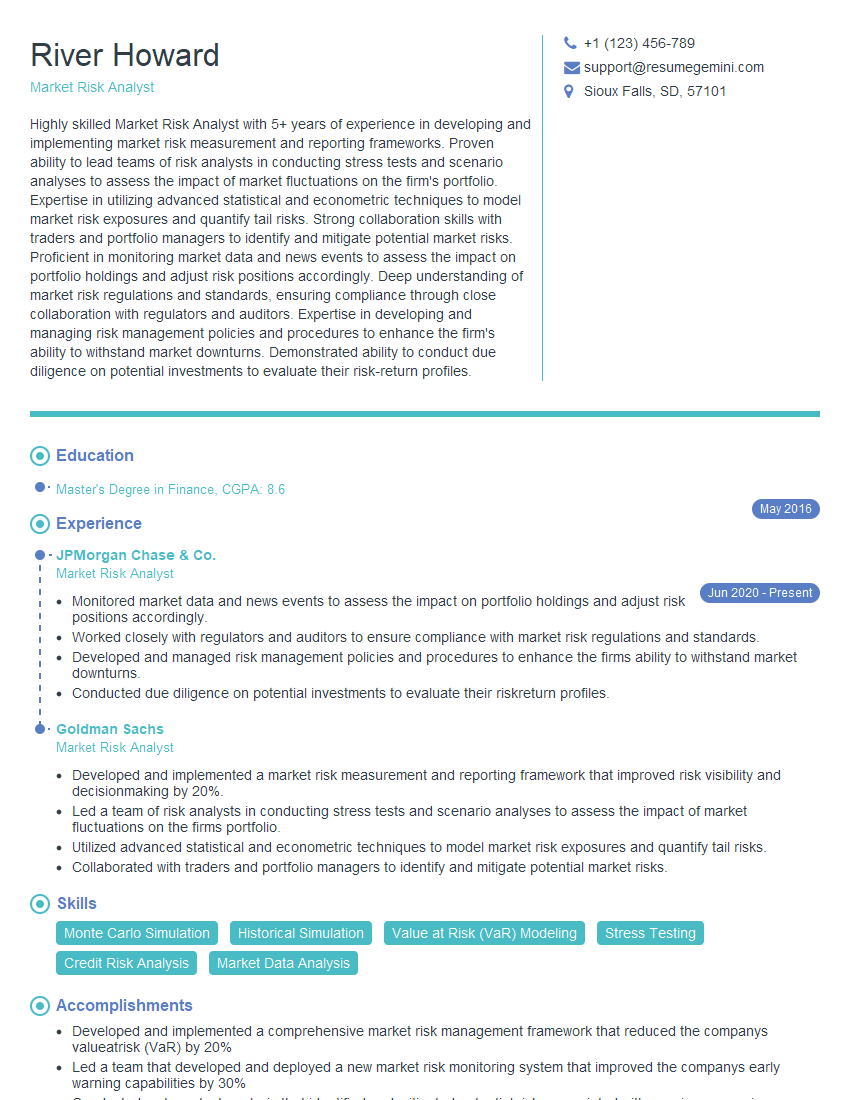
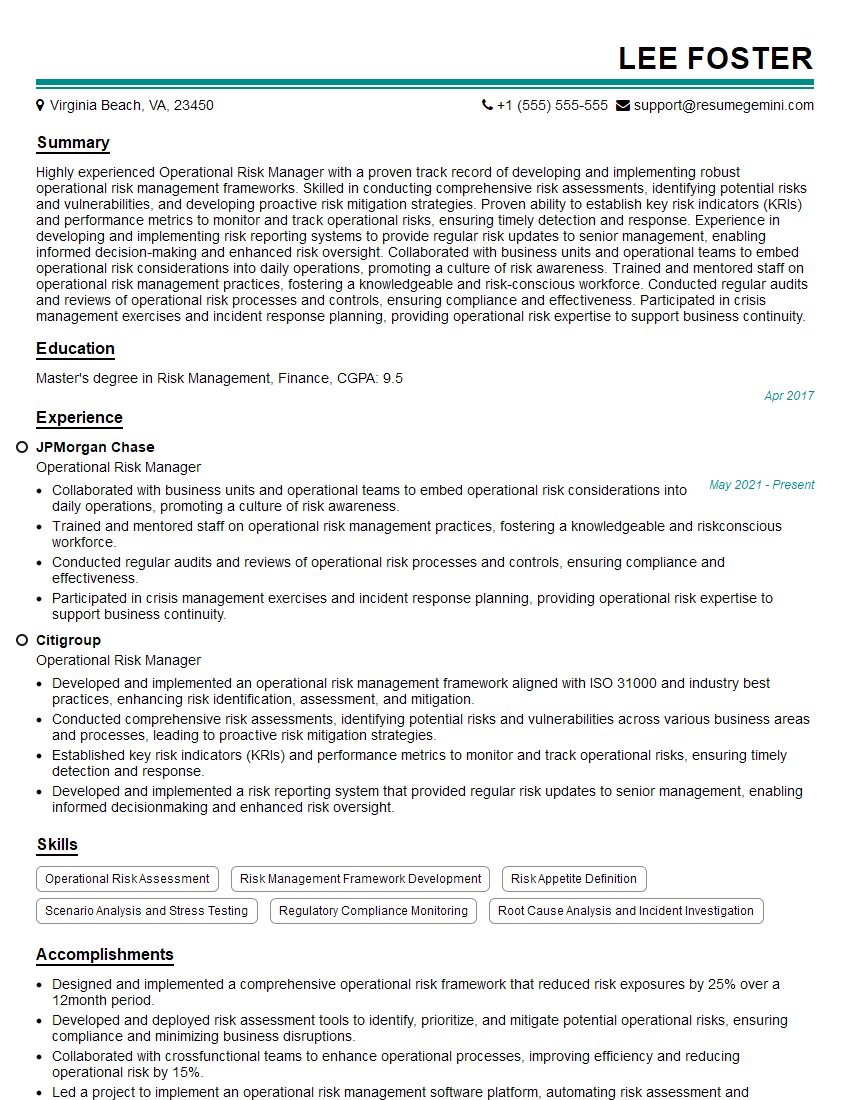
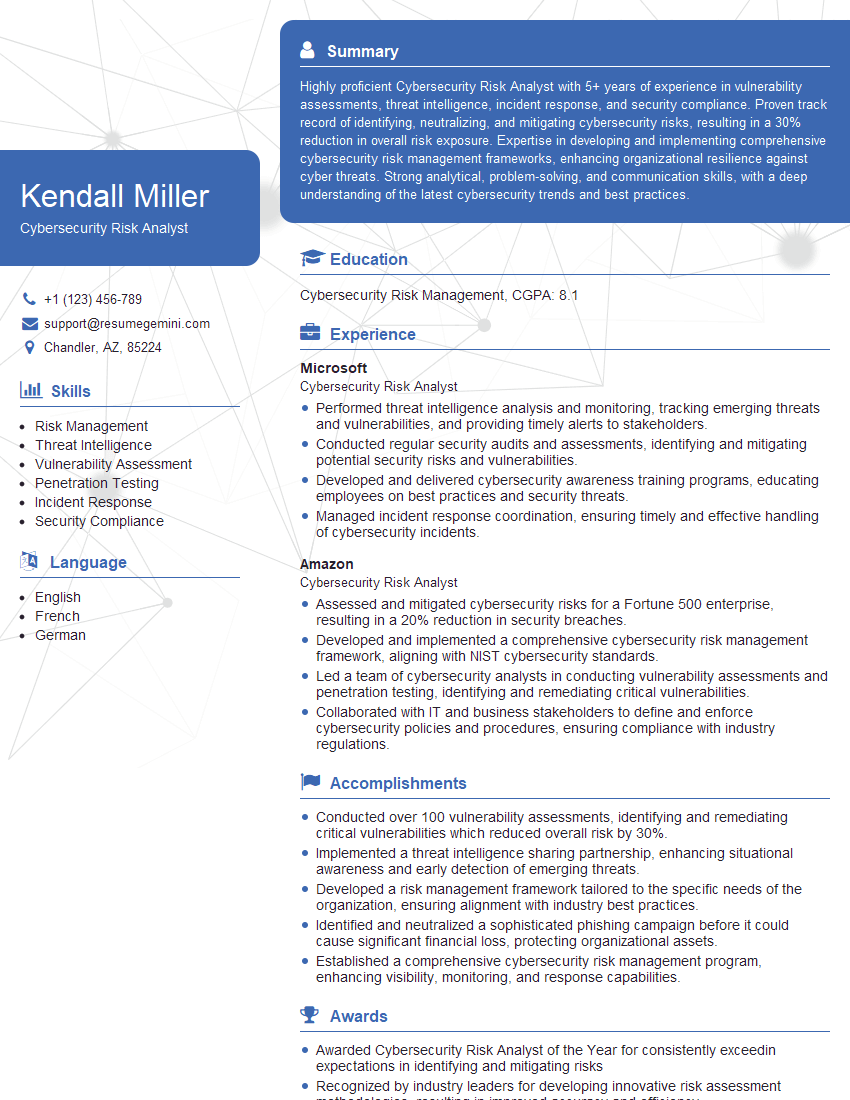
Mastering Quantitative and Qualitative Risk Assessment is crucial for career advancement in many fields, opening doors to higher-level roles and increased responsibility. A well-crafted resume is your key to unlocking these opportunities. To ensure your qualifications shine, creating an ATS-friendly resume is essential. ResumeGemini is a trusted resource that can help you build a professional and impactful resume, maximizing your chances of landing your dream job. Examples of resumes tailored to Quantitative and Qualitative Risk Assessment are available to guide you.
Explore more articles
Users Rating of Our Blogs
Share Your Experience
We value your feedback! Please rate our content and share your thoughts (optional).
What Readers Say About Our Blog
Amazing blog
Interesting Article, I liked the depth of knowledge you’ve shared.
Helpful, thanks for sharing.