Feeling uncertain about what to expect in your upcoming interview? We’ve got you covered! This blog highlights the most important Amniocentesis interview questions and provides actionable advice to help you stand out as the ideal candidate. Let’s pave the way for your success.
Questions Asked in Amniocentesis Interview
Q 1. Describe the procedure for performing an amniocentesis.
Amniocentesis is a procedure where a small amount of amniotic fluid is extracted from the sac surrounding a fetus during pregnancy. It’s a relatively straightforward procedure, but it’s crucial that it’s performed by a skilled professional in a sterile environment.
- Ultrasound Guidance: First, an ultrasound is used to visualize the fetus and the placenta to identify the safest location for needle insertion. This ensures the needle avoids the placenta and fetus.
- Skin Preparation: The mother’s abdomen is thoroughly cleaned and disinfected to minimize the risk of infection.
- Needle Insertion: A thin needle is carefully inserted through the mother’s abdomen and into the amniotic sac. The mother might feel a slight prick or pressure.
- Fluid Collection: A small amount of amniotic fluid (typically 15-20 ml) is withdrawn using a syringe. The amount varies depending on gestational age and the reason for the procedure.
- Needle Removal: Once the sufficient amount of fluid is collected, the needle is gently removed. A small bandage is applied to the puncture site.
- Post-Procedure Monitoring: The mother is monitored for a short period to ensure there are no immediate complications, and then she can usually go home.
Think of it like carefully drawing a sample from a balloon filled with water – precision and careful technique are key.
Q 2. What are the indications for performing an amniocentesis?
Amniocentesis is primarily indicated for prenatal diagnosis of chromosomal abnormalities and other fetal conditions. It provides valuable information to help parents make informed decisions about their pregnancy.
- Advanced Maternal Age: Women aged 35 or older have a higher risk of having a baby with chromosomal abnormalities like Down syndrome, so amniocentesis is often recommended.
- Abnormal Ultrasound Findings: If an ultrasound reveals structural abnormalities in the fetus, amniocentesis can help determine the cause.
- Positive Screening Tests: If screening tests like the triple or quad screen suggest a higher risk of chromosomal abnormalities, amniocentesis can provide a definitive diagnosis.
- Previous Child with Chromosomal Abnormality: If a couple has previously had a child with a chromosomal abnormality, amniocentesis might be suggested to assess the risk in a subsequent pregnancy.
- Genetic Disorders: Amniocentesis can detect certain genetic disorders that run in families.
- Fetal Lung Maturity: In cases of premature labor, amniocentesis can help assess the maturity of the fetal lungs.
- Rh Isoimmunization: In cases of Rh incompatibility between the mother and fetus, amniocentesis can help monitor fetal health.
It’s important to remember that amniocentesis is not a routine procedure and the decision to undergo the procedure is made in consultation with the physician.
Q 3. Explain the risks and complications associated with amniocentesis.
While generally safe, amniocentesis carries potential risks and complications, although they are relatively low.
- Miscarriage: This is the most significant risk, although the rate is less than 1%. This risk is slightly higher when the procedure is performed early in the pregnancy.
- Amniotic Fluid Leakage: Leakage of amniotic fluid after the procedure can lead to preterm labor or infection.
- Needle Injury to the Fetus: Though rare, the needle could potentially injure the fetus. Ultrasound guidance significantly reduces this risk.
- Infection: Infection at the puncture site is a possibility, but the risk is minimized with proper sterilization techniques.
- Rh Sensitization: In Rh-negative mothers, the procedure might cause sensitization to Rh-positive fetal blood, which can be managed with RhoGAM.
- Chorioamnionitis: Infection of the amniotic sac.
It’s crucial that these risks are discussed with the patient before the procedure so that informed decisions can be made.
Q 4. How is informed consent obtained before an amniocentesis?
Obtaining informed consent before an amniocentesis is a crucial ethical and legal step. It ensures the patient fully understands the procedure, its benefits, risks, and alternatives.
- Explanation of the Procedure: The physician explains the procedure in simple terms, outlining the purpose, technique, and expected duration.
- Discussion of Benefits and Risks: The physician discusses the potential benefits of obtaining diagnostic information, along with the detailed risks and complications, including the chance of miscarriage.
- Alternatives to Amniocentesis: The physician outlines other available options, such as chorionic villus sampling (CVS) or non-invasive prenatal testing (NIPT), highlighting their benefits and limitations.
- Question and Answer Session: The physician addresses any questions the patient or partner might have. This might involve multiple discussions to ensure all concerns are addressed.
- Documentation of Consent: Once the patient fully understands the information and voluntarily agrees to undergo the procedure, their consent is documented in writing. This document should include details of the procedure, risks, benefits, and alternatives discussed.
The goal is to empower the patient to make an autonomous decision that aligns with their values and beliefs.
Q 5. What are the potential maternal complications of amniocentesis?
Maternal complications from amniocentesis are relatively rare but can include:
- Bleeding: Some vaginal bleeding is possible after the procedure.
- Infection: Infection at the puncture site is a rare but potential complication.
- Leakage of Amniotic Fluid: Leakage can lead to preterm labor or premature rupture of membranes.
- Pain: Some women experience mild to moderate abdominal pain after the procedure.
It’s important to note that the vast majority of women experience no complications.
Q 6. What are the potential fetal complications of amniocentesis?
Potential fetal complications from amniocentesis are infrequent but can include:
- Needle Injury: Though rare, the needle might accidentally injure the fetus.
- Miscarriage: This is the most serious potential fetal complication, though the risk is low.
- Hemorrhage: In rare instances, fetal hemorrhage can occur.
- Infection: While infrequent, the fetus could be exposed to infection.
Ultrasound guidance significantly minimizes the risk of these complications. Most pregnancies proceed normally following amniocentesis.
Q 7. Describe the process of analyzing amniotic fluid.
Analysis of amniotic fluid involves several tests, depending on the indications for the procedure.
- Karyotyping: This examines the chromosomes to detect any numerical or structural abnormalities, such as Down syndrome (Trisomy 21), Edwards syndrome (Trisomy 18), or Patau syndrome (Trisomy 13).
- Alpha-Fetoprotein (AFP): AFP levels can help detect neural tube defects like spina bifida and anencephaly.
- Acetylcholinesterase (AChE): Elevated AChE levels suggest neural tube defects.
- Genetic Testing: Amniotic fluid can be used to test for various genetic disorders, including cystic fibrosis and muscular dystrophy.
- Fetal Lung Maturity: Tests like the lecithin/sphingomyelin (L/S) ratio and phosphatidylglycerol (PG) assess fetal lung maturity in cases of potential preterm delivery.
- Infections: The fluid can be tested for various infections that might affect the fetus.
The results of these tests provide valuable information for managing the pregnancy and making informed decisions.
Q 8. What are the different types of genetic testing performed on amniotic fluid?
Amniotic fluid, the liquid surrounding a developing fetus, is a rich source of fetal cells that can be analyzed for various genetic abnormalities. Several types of genetic testing can be performed on amniotic fluid, primarily focusing on identifying chromosomal abnormalities and specific genetic mutations. These include:
- Karyotyping: This classic cytogenetic test analyzes the number and structure of chromosomes, identifying conditions like Down syndrome (trisomy 21), Edwards syndrome (trisomy 18), and Patau syndrome (trisomy 13). It’s the most common test performed on amniotic fluid.
- Fluorescence In Situ Hybridization (FISH): A more targeted technique, FISH uses fluorescent probes to detect specific DNA sequences. This is particularly useful for identifying specific chromosomal abnormalities or microdeletions that karyotyping might miss. For example, FISH can detect deletions in chromosomes associated with DiGeorge syndrome.
- Quantitative Fluorescent PCR (QF-PCR): This molecular technique rapidly assesses the copy number of specific chromosomes, offering a faster result than karyotyping, especially for common aneuploidies.
- Microarray Comparative Genomic Hybridization (aCGH): aCGH offers a higher resolution analysis than karyotyping, detecting smaller chromosomal imbalances that may contribute to developmental disorders or intellectual disabilities. It’s especially useful in identifying copy number variations (CNVs).
- Next-Generation Sequencing (NGS): This advanced technology allows for comprehensive genomic analysis, identifying a broader range of genetic variations, including single-gene disorders. While more expensive and complex, NGS offers a powerful diagnostic tool.
The choice of test depends on the patient’s clinical situation, risk factors, and the specific concerns.
Q 9. How do you interpret the results of an amniocentesis?
Interpreting amniocentesis results requires careful consideration of the specific tests performed and the patient’s medical history. Results are typically reported by a clinical geneticist or genetic counselor. For karyotyping, a normal result indicates a typical number and structure of chromosomes. Abnormalities are reported using standard cytogenetic nomenclature. For example, 47,XX,+21 signifies Down syndrome (trisomy 21) in a female. FISH results indicate the presence or absence of specific DNA sequences, while QF-PCR and aCGH provide quantitative data on chromosomal copy numbers. NGS provides a comprehensive report of detected genetic variations, which needs careful interpretation to distinguish clinically significant findings from benign variants. It’s crucial to communicate these findings to the patient clearly and compassionately, explaining their implications in a non-technical way, while acknowledging the emotional impact of the diagnosis.
A crucial part of interpretation involves considering the limitations of the tests. For instance, mosaicism (the presence of two or more genetically distinct cell populations) might be missed by some techniques but detected by others. Therefore, correlation with clinical findings and potentially further testing might be needed.
Q 10. How do you counsel patients about the risks and benefits of amniocentesis?
Genetic counseling before amniocentesis is paramount. This involves a detailed discussion of the procedure’s risks and benefits, tailored to the individual patient’s circumstances. It’s important to present information clearly and empathetically, ensuring the patient understands the purpose, the limitations, and the potential consequences. The conversation should cover:
- Reasons for amniocentesis: Why the test is recommended, considering the maternal age, family history, or abnormal ultrasound findings.
- Procedure details: A clear explanation of the procedure itself, including how it’s performed, the level of discomfort, and the recovery time.
- Risks: The risks associated with the procedure, such as miscarriage (a small but real possibility), needle injury, infection, and amniotic fluid leakage.
- Accuracy and limitations: The accuracy of the tests, emphasizing that they are not always definitive and might not detect all genetic abnormalities.
- Alternative options: Discussion of alternative diagnostic options, such as chorionic villus sampling (CVS) or non-invasive prenatal testing (NIPT).
- Emotional support: Acknowledging the emotional aspects of the decision, providing space for the patient to express concerns and anxieties.
- Decision-making: Empowering the patient to make an informed decision based on their personal values and beliefs, without coercion.
Providing written materials and contact information for follow-up support is crucial for empowering the patient’s understanding and decision-making process.
Q 11. What are the alternative diagnostic procedures to amniocentesis?
Amniocentesis is not the only way to obtain prenatal genetic information. Several alternative procedures exist, each with its own advantages and disadvantages:
- Chorionic Villus Sampling (CVS): A procedure performed earlier in pregnancy (10-13 weeks), CVS involves collecting a sample of placental tissue. It offers a quicker turnaround time for results than amniocentesis, but carries a slightly higher risk of miscarriage.
- Non-Invasive Prenatal Testing (NIPT): A blood test performed on the mother, NIPT detects fetal DNA in maternal blood. It’s a non-invasive, low-risk procedure that screens for common chromosomal abnormalities like Down syndrome, but it doesn’t detect all genetic conditions and may require confirmatory testing.
- Ultrasound: While not a genetic test itself, ultrasound can identify structural abnormalities in the fetus, which might guide the decision to proceed with invasive testing like amniocentesis.
The choice of which test to use depends on several factors, including gestational age, patient preference, and the specific genetic concerns. A comprehensive discussion with a genetic counselor helps to determine the most appropriate approach for each individual case.
Q 12. How do you manage a patient experiencing complications after an amniocentesis?
Complications following amniocentesis are relatively rare but require prompt and appropriate management. Possible complications include:
- Amniotic fluid leakage: This can lead to premature rupture of membranes and potential preterm labor. Management typically involves bed rest, monitoring for signs of infection, and close fetal surveillance.
- Infection: Infection at the puncture site or within the amniotic cavity is a serious concern. Antibiotics are typically administered, and the patient may require hospitalization for close monitoring.
- Rh sensitization: If the mother is Rh-negative and the fetus is Rh-positive, amniocentesis can increase the risk of Rh sensitization. Rho(D) immune globulin is usually administered to prevent this complication.
- Miscarriage: While rare, miscarriage is a potential risk associated with amniocentesis. Supportive care and monitoring are provided.
- Fetal injury: Accidental injury to the fetus during the procedure is a rare but potential complication.
Management depends on the specific complication and its severity. It typically involves close monitoring of maternal vital signs, fetal heart rate, and regular assessments. Hospitalization may be necessary for serious complications. A multidisciplinary team, including obstetricians, neonatologists, and genetic counselors, often collaborates to provide optimal care.
Q 13. What is the optimal gestational age for performing an amniocentesis?
The optimal gestational age for amniocentesis is generally between 15 and 20 weeks of pregnancy. This timeframe offers a balance between sufficient amniotic fluid volume for the procedure and minimizing the risk of miscarriage. Performing the procedure earlier increases the risk of miscarriage, while delaying it beyond 20 weeks reduces the amniotic fluid volume, making the procedure more technically challenging. However, the decision on the optimal timing might be influenced by specific clinical situations, such as the reason for the amniocentesis or the availability of specialized resources.
Q 14. Describe the equipment and supplies needed for an amniocentesis.
Performing an amniocentesis requires a careful and sterile technique. The necessary equipment and supplies include:
- Ultrasound machine: To visualize the fetus and the location of the amniotic sac for accurate needle placement.
- Sterile drapes and gloves: To maintain a sterile field and prevent infection.
- Local anesthetic: To numb the injection site and minimize patient discomfort.
- 22-gauge spinal needle: A long, thin needle designed for amniocentesis.
- Syringe: To collect the amniotic fluid sample.
- Specimen containers: Sterile containers for the collected amniotic fluid, ensuring proper handling and transport to the laboratory.
- Fetal heart rate monitor: To monitor the fetal heart rate throughout the procedure.
- Blood pressure cuff and pulse oximeter: To monitor maternal vital signs.
- Needles and syringes for blood draws (for Rh testing): If the mother is Rh-negative.
- Rho(D) immune globulin: If the mother is Rh-negative.
Strict adherence to sterile technique is crucial to minimize the risk of infection for both the mother and the fetus. The entire procedure is conducted under strict ultrasound guidance to ensure accurate needle placement and minimize the risk of fetal injury.
Q 15. How do you identify and address potential procedural errors during an amniocentesis?
Identifying and addressing procedural errors during amniocentesis requires meticulous attention to detail throughout the process. Potential errors can range from incorrect needle placement leading to fetal injury or placental damage, to sample contamination affecting test results, or even inadequate sample volume rendering the test inconclusive.
Identifying errors: Real-time ultrasound guidance is crucial. If the needle trajectory isn’t optimal, as seen on the ultrasound, the procedure is immediately adjusted. We constantly monitor for signs of fetal distress (changes in heart rate) or maternal complications (bleeding). Post-procedure, we meticulously check the sample volume and its clarity; cloudy or bloody amniotic fluid suggests potential complications needing further investigation.
Addressing errors: If a needle inadvertently punctures the placenta, the procedure might be halted, depending on the severity. If the sample is insufficient, a second attempt might be considered (after carefully assessing risk/benefit). In cases of significant bleeding, immediate measures like compression and close monitoring are necessary, possibly involving transfusion if required. Documentation of any error, the steps taken to mitigate it, and the outcome is crucial for patient safety and for improving future procedures. For instance, a deviation from the planned needle path might necessitate reviewing the ultrasound images and the technique used to pinpoint the cause and prevent recurrence.
Career Expert Tips:
- Ace those interviews! Prepare effectively by reviewing the Top 50 Most Common Interview Questions on ResumeGemini.
- Navigate your job search with confidence! Explore a wide range of Career Tips on ResumeGemini. Learn about common challenges and recommendations to overcome them.
- Craft the perfect resume! Master the Art of Resume Writing with ResumeGemini’s guide. Showcase your unique qualifications and achievements effectively.
- Don’t miss out on holiday savings! Build your dream resume with ResumeGemini’s ATS optimized templates.
Q 16. How do you maintain sterility during an amniocentesis?
Maintaining sterility during amniocentesis is paramount to prevent infection for both the mother and the fetus. We follow strict aseptic techniques, employing the principles of surgical asepsis to create a sterile field.
This involves:
- Thorough handwashing and donning sterile gloves, gowns, and masks.
- Using sterile drapes to create a barrier around the patient’s abdomen.
- Sterilizing the skin at the puncture site with an antiseptic solution like chlorhexidine gluconate.
- Employing sterile needles, syringes, and collection vials.
- Maintaining a sterile environment throughout the procedure—limiting access to the procedure area only to essential personnel.
Any breach of sterility, for example a glove tear, requires immediate corrective action, such as replacing the contaminated equipment and re-sterilizing the area. We constantly monitor for any signs of infection post-procedure, instructing patients on signs to look for and advising them to immediately report any concerns.
Q 17. Explain the role of ultrasound in amniocentesis.
Ultrasound plays an indispensable role in amniocentesis, serving as the eyes of the procedure. It enables real-time visualization of the fetus, placenta, and amniotic sac, allowing for precise needle placement and minimizing the risk of injury to the fetus or the placenta.
Specifically, ultrasound is used to:
- Identify the optimal needle insertion point: This minimizes the risk of harming the fetus or puncturing a blood vessel.
- Guide the needle during insertion: The ultrasound provides continuous feedback, ensuring the needle is accurately directed towards the amniotic sac.
- Monitor for complications: Ultrasound allows for immediate detection of any complications, such as bleeding or fetal distress.
- Assess amniotic fluid volume: Adequate fluid volume is necessary for a successful procedure.
Imagine trying to thread a needle through a tiny balloon filled with water while blindfolded; ultrasound provides that crucial visual guidance during the amniocentesis.
Q 18. How do you manage patient anxiety before and after the procedure?
Managing patient anxiety is a crucial part of providing comprehensive care during amniocentesis. Many women experience significant anxiety due to concerns about the procedure’s safety and the potential implications of the results.
Before the procedure: We provide thorough explanations of the procedure, its benefits, risks, and alternative options. We answer all questions patiently and honestly, utilizing clear and simple language, avoiding medical jargon. We also address any misconceptions and offer reassurance. For some patients, light sedation may be offered to alleviate anxiety.
After the procedure: We monitor the patient for any complications and provide support and reassurance. We explain the follow-up process and answer any remaining questions. Providing written information and contact details for further support can also be helpful in reducing anxiety after the procedure. For example, a phone call a day or two after the procedure to check on the patient’s well-being and answer any lingering questions can make a significant difference.
Q 19. What are the legal and ethical considerations surrounding amniocentesis?
Amniocentesis involves significant legal and ethical considerations.
Legal: Informed consent is paramount. Patients must be fully informed about the procedure, its risks, and benefits, and must voluntarily agree to undergo the test. Any complications must be documented thoroughly and reported appropriately. Maintaining patient confidentiality is also legally mandated. Additionally, there are regulations surrounding the handling, storage, and disposal of the amniotic fluid sample.
Ethical: The decision to undergo amniocentesis often involves weighing the benefits of prenatal diagnosis against the risks of the procedure itself. The procedure should always be performed with the best interests of the patient and the fetus in mind. Ethical considerations also extend to the appropriate counseling provided to patients following the receipt of test results, respecting the patient’s autonomy and ensuring they receive the support they need to make informed decisions regarding their pregnancy.
Q 20. Describe the post-procedure care instructions for patients.
Post-procedure care instructions are vital to minimize the risk of complications and ensure patient comfort.
Instructions typically include:
- Resting for at least 24 hours following the procedure.
- Monitoring for any signs of infection (fever, chills, abdominal pain).
- Avoiding strenuous activity or heavy lifting for a few days.
- Reporting any bleeding or leakage of fluid from the puncture site.
- Attending all scheduled follow-up appointments.
- Instructions on what to do in case of emergency.
Patients are also given contact information for immediate medical attention in case of any concerns. We emphasize the importance of observing for and reporting even seemingly minor symptoms. Open communication and reassurance help alleviate any anxieties.
Q 21. How do you document the amniocentesis procedure?
Meticulous documentation of the amniocentesis procedure is essential for legal, medical, and quality control purposes. The documentation should include:
- Patient demographics: Name, date of birth, medical record number.
- Indication for the procedure: Reason for amniocentesis.
- Procedure details: Date, time, location of puncture site, needle gauge, volume of amniotic fluid obtained, presence of any complications.
- Ultrasound findings: Images, measurements, and description of fetal anatomy.
- Sample handling: Method of sample collection, storage, and transportation to the laboratory.
- Post-procedure assessment: Patient’s condition, any complications noted, and instructions given.
- Physician’s signature and date: Verification of the procedure.
A clear, concise, and complete record ensures accountability, facilitates effective communication among healthcare providers and allows for accurate review of the procedure and appropriate follow-up. This is particularly important for legal purposes should any issues or complications arise.
Q 22. What are the limitations of amniocentesis?
Amniocentesis, while a valuable diagnostic tool, isn’t without limitations. Its primary drawback is the inherent risk of miscarriage, though thankfully low at around 0.5-1%. This risk needs careful consideration, particularly for women with higher-risk pregnancies where the benefits may outweigh the risk, but it’s not risk-free. Further, amniocentesis provides a snapshot of fetal genetic information at a specific point in time. It doesn’t predict future developments or rule out all possible chromosomal abnormalities. There’s also a small chance of infection at the puncture site, though this is rare with proper sterile techniques. Finally, results can take a few weeks, delaying crucial decisions. The accuracy is also dependent on the gestational age and the quality of the amniotic fluid sample.
Q 23. How would you explain the results of amniocentesis to a patient?
Explaining amniocentesis results requires sensitivity and clarity. I always start by reviewing the purpose of the test with the patient – to assess the risk of chromosomal abnormalities. Then, I clearly state whether the results are normal or abnormal. If normal, I reassure them that the test didn’t detect any major chromosomal issues, emphasizing that this is good news but doesn’t guarantee a completely complication-free pregnancy. If abnormal, I explain the specific finding in detail, avoiding technical jargon. I’ll use analogies to illustrate complex concepts and answer all their questions patiently. I will then discuss the implications of the findings, including possible next steps such as further testing or genetic counseling. Crucially, I ensure the patient understands they have choices and that I am there to support them throughout the decision-making process, regardless of their options.
For instance, if the results show Trisomy 21 (Down syndrome), I’d explain the associated characteristics and potential challenges, but I would also highlight the strengths and unique qualities of individuals with Down syndrome. The focus is always on empowering the patient to make an informed decision that aligns with their values and beliefs.
Q 24. How do you handle a patient’s refusal of amniocentesis?
Respecting patient autonomy is paramount. If a patient refuses amniocentesis, I thoroughly discuss their concerns and address any misconceptions. I ensure they understand the benefits and limitations of the procedure, the alternatives available (like non-invasive prenatal testing or NIPT), and the implications of their decision. I provide them with comprehensive information in writing and offer additional resources, such as genetic counseling, so they can make an informed decision that’s right for them. My role is to provide information, not to coerce or pressure them into a procedure they’re uncomfortable with. I document their refusal meticulously in their medical records. The choice is ultimately theirs.
Q 25. Describe a challenging case involving amniocentesis and how you handled it.
I once encountered a patient who presented with a high-risk pregnancy at 18 weeks gestation based on ultrasound findings. She was anxious and hesitant about amniocentesis given the risk of miscarriage. After a thorough discussion outlining the risks and benefits, she agreed to proceed. During the procedure, we experienced unexpected difficulty accessing the amniotic sac due to the positioning of the placenta. I needed to adjust my approach, maintaining the patient’s comfort and safety. We eventually successfully obtained a sample, which showed a normal karyotype. Following the procedure, meticulous post-procedure monitoring was crucial to ensure there were no complications. This case highlighted the importance of both technical skill and compassionate patient communication in navigating the challenges of amniocentesis, especially in complex situations.
Q 26. How do you stay updated on the latest advancements in amniocentesis techniques?
Staying updated in medicine requires a multifaceted approach. I regularly review peer-reviewed medical journals like the American Journal of Obstetrics and Gynecology and Prenatal Diagnosis. I actively participate in professional organizations such as the American College of Obstetricians and Gynecologists (ACOG), attending conferences and workshops. This keeps me abreast of the latest research, protocols, and best practices. I also utilize online resources, such as medical databases like PubMed, to access the most current literature and guidelines. Continuous learning is integral to providing optimal patient care.
Q 27. What are the current guidelines and best practices for amniocentesis?
Current guidelines for amniocentesis emphasize safety and patient well-being. These guidelines are largely established by organizations like ACOG. They highlight the importance of strict aseptic techniques to minimize infection risk. Ultrasound guidance is now standard practice to ensure accurate needle placement and reduce the risk of complications. Informed consent is mandatory, involving a detailed discussion of the benefits, risks, and alternatives. Post-procedure monitoring is crucial to detect any potential complications early. There’s an increasing focus on shared decision-making with the patient, ensuring their values and preferences are considered. Furthermore, there’s a growing emphasis on minimizing the volume of amniotic fluid extracted to reduce the risk of complications.
Q 28. Discuss the impact of amniocentesis on reproductive decision-making.
Amniocentesis significantly impacts reproductive decision-making. It provides expectant parents with crucial genetic information about their fetus, allowing them to make informed choices about their pregnancy. For some, the information may confirm their existing plans, providing reassurance and reducing anxiety. For others, it might reveal unexpected findings, potentially leading to difficult decisions about whether to continue the pregnancy. The emotional and psychological impact can be profound, underscoring the need for comprehensive genetic counseling and support throughout the process. Ultimately, amniocentesis empowers individuals to exercise their reproductive rights and make choices that align with their personal values and circumstances.
Key Topics to Learn for Amniocentesis Interview
- Procedure Overview: Thoroughly understand the steps involved in performing an amniocentesis, from patient preparation to post-procedure care. Consider the variations in technique and indications.
- Indications and Contraindications: Master the criteria for recommending amniocentesis, including gestational age, maternal risk factors, and fetal indications. Know the situations where amniocentesis is contraindicated.
- Complications and Risk Management: Be prepared to discuss potential complications such as amniotic fluid leakage, infection, and fetal injury. Understand strategies for minimizing risks and managing complications effectively.
- Genetic Analysis of Amniotic Fluid: Familiarize yourself with the different types of genetic tests performed on amniotic fluid, their limitations, and interpretation of results. Understand the role of karyotyping and other advanced genetic testing techniques.
- Patient Counseling and Communication: Develop your ability to explain the procedure, risks, benefits, and alternatives to patients in a clear and compassionate manner. Practice explaining complex genetic information in accessible terms.
- Ethical Considerations: Be prepared to discuss ethical dilemmas related to amniocentesis, such as patient autonomy, informed consent, and the implications of genetic testing results.
- Practical Applications: Discuss real-world scenarios and case studies involving amniocentesis. Be ready to explain your decision-making process in different clinical situations.
- Technological Advancements: Stay updated on the latest technological advancements in amniocentesis techniques and related genetic testing methodologies. This demonstrates your commitment to professional development.
Next Steps
Mastering the intricacies of amniocentesis will significantly enhance your career prospects in obstetrics and gynecology, genetic counseling, or related fields. A well-crafted, ATS-friendly resume is crucial for showcasing your skills and experience to potential employers. To maximize your job search success, consider using ResumeGemini, a trusted resource for building professional resumes. ResumeGemini offers examples of resumes specifically tailored to the Amniocentesis field, providing valuable templates and guidance to help you create a compelling application.
Clinical Research Associate (CRA) Resume Sample
Bioinformatician Resume Sample
Laboratory Technician Resume Sample
Clinical Laboratory Scientist Resume Sample
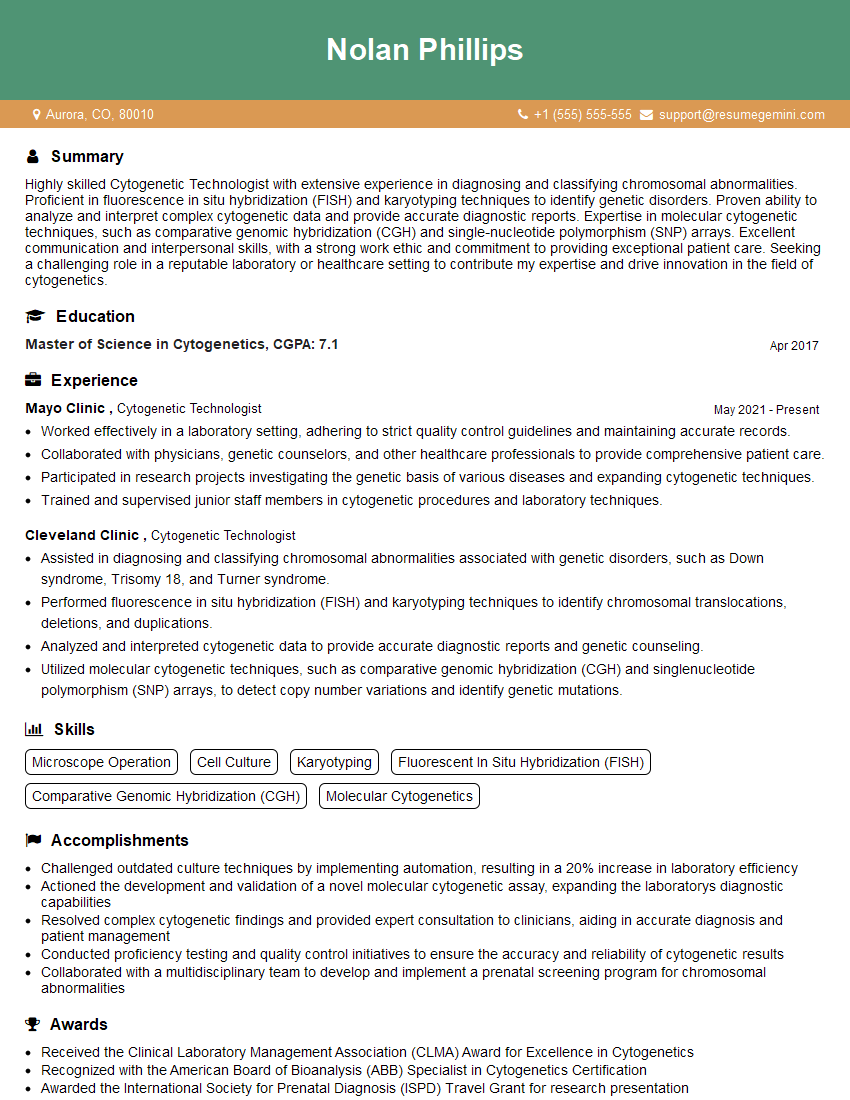
Cytogenetic Technologist Resume Sample
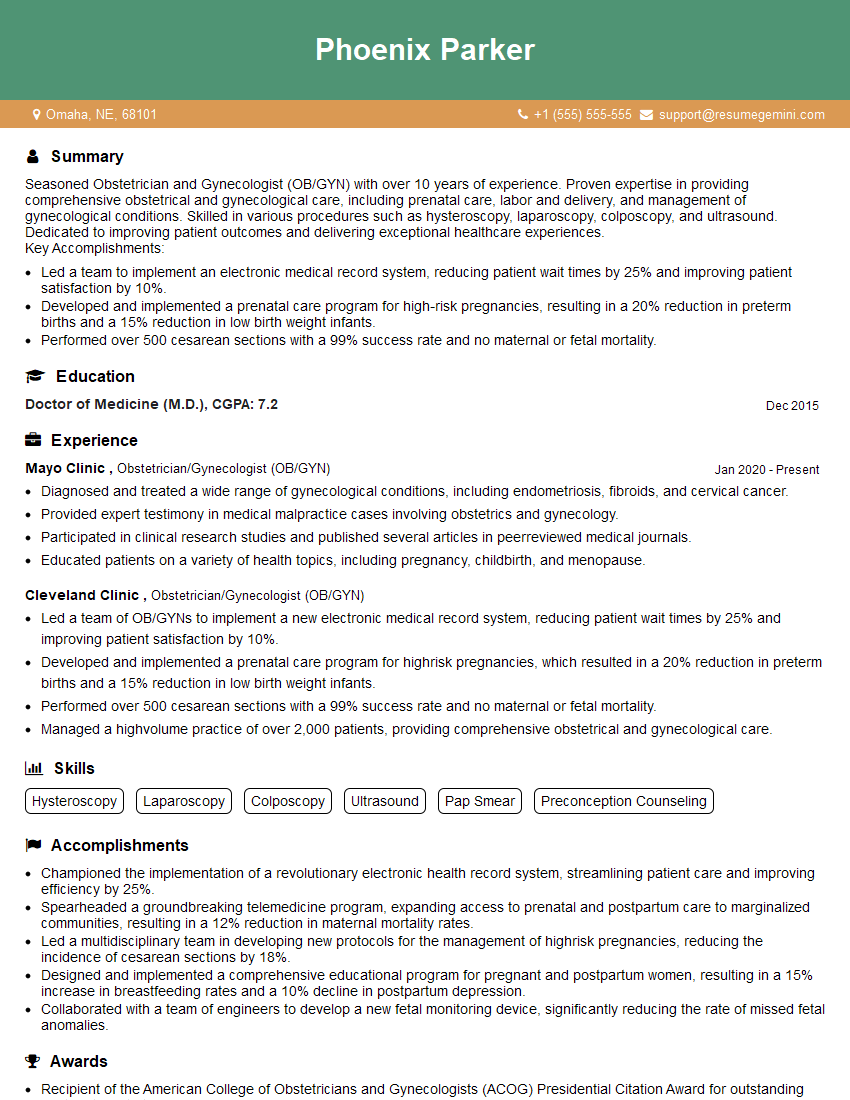
Obstetrician/Gynecologist (OB/GYN) Resume Sample
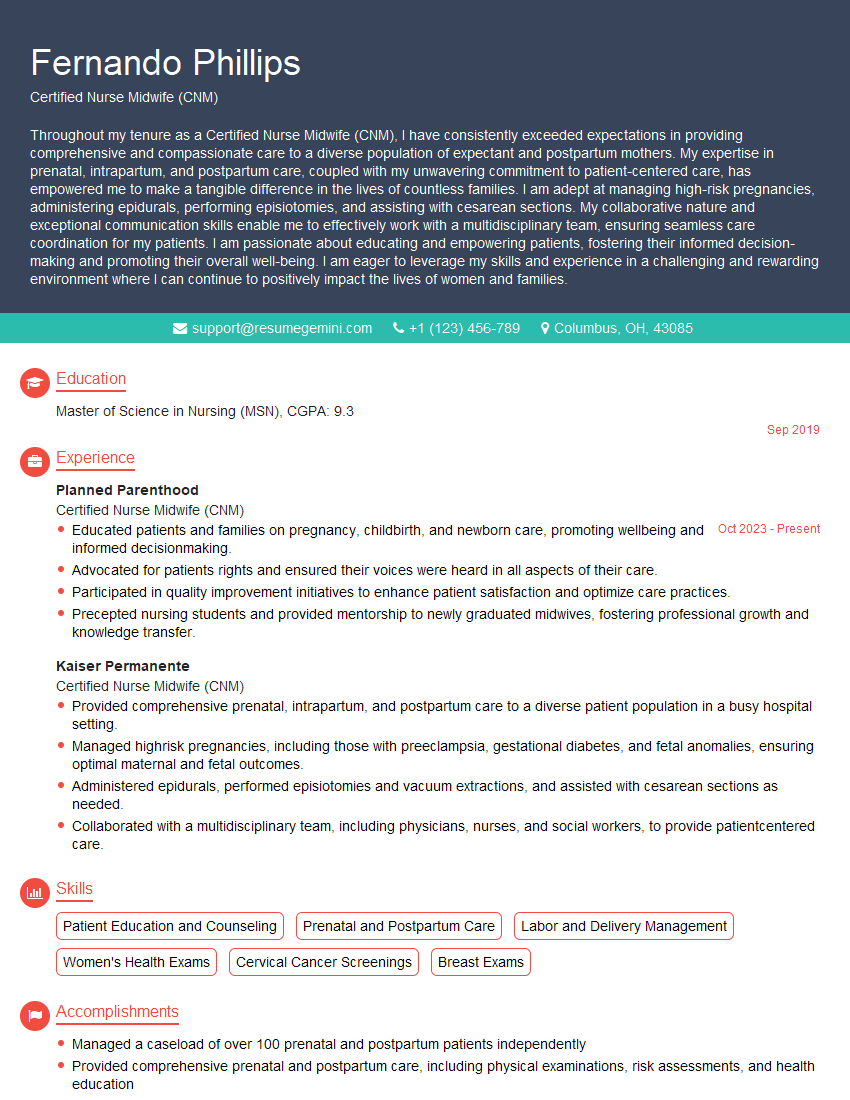
Certified Nurse Midwife (CNM) Resume Sample
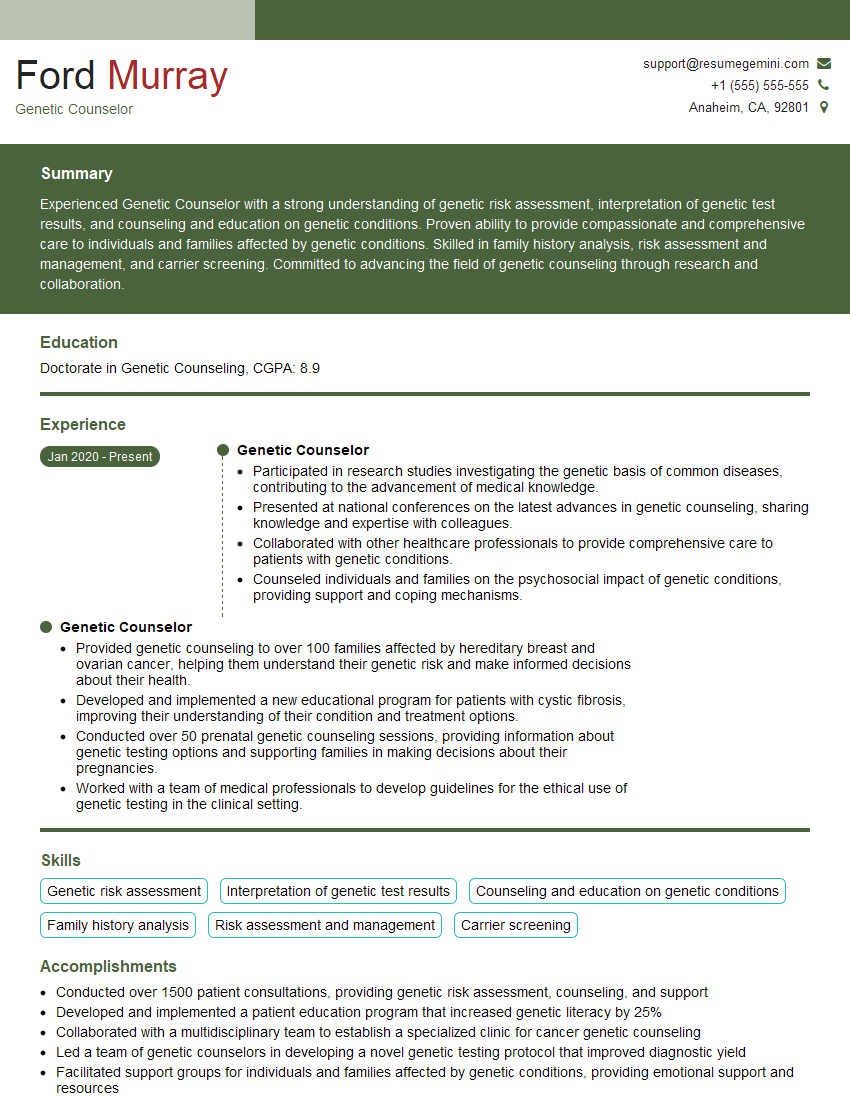
Genetic Counselor Resume Sample
Medical Secretary Resume Sample
Medical Assistant Resume Sample
Explore more articles
Users Rating of Our Blogs
Share Your Experience
We value your feedback! Please rate our content and share your thoughts (optional).
What Readers Say About Our Blog
Amazing blog
Interesting Article, I liked the depth of knowledge you’ve shared.
Helpful, thanks for sharing.